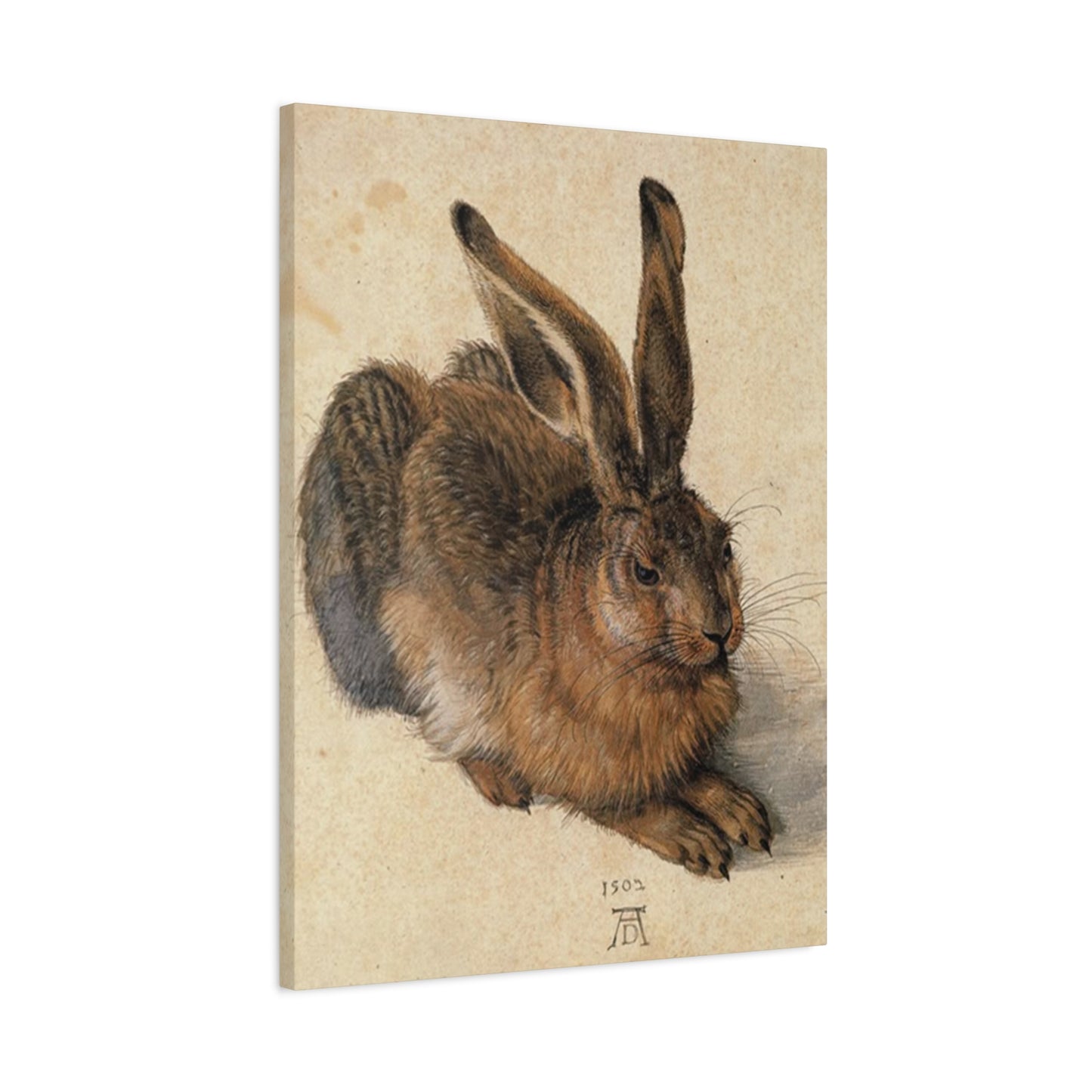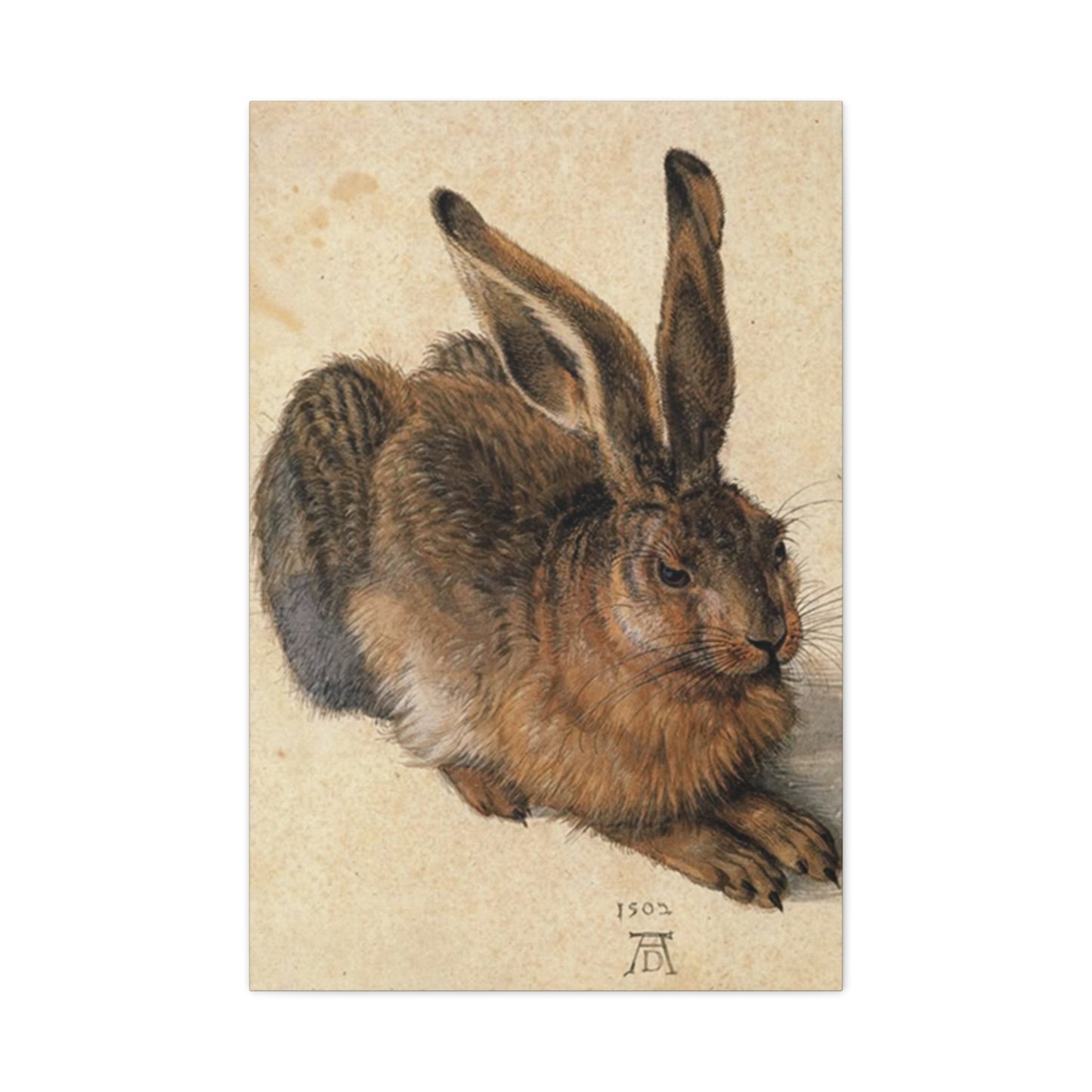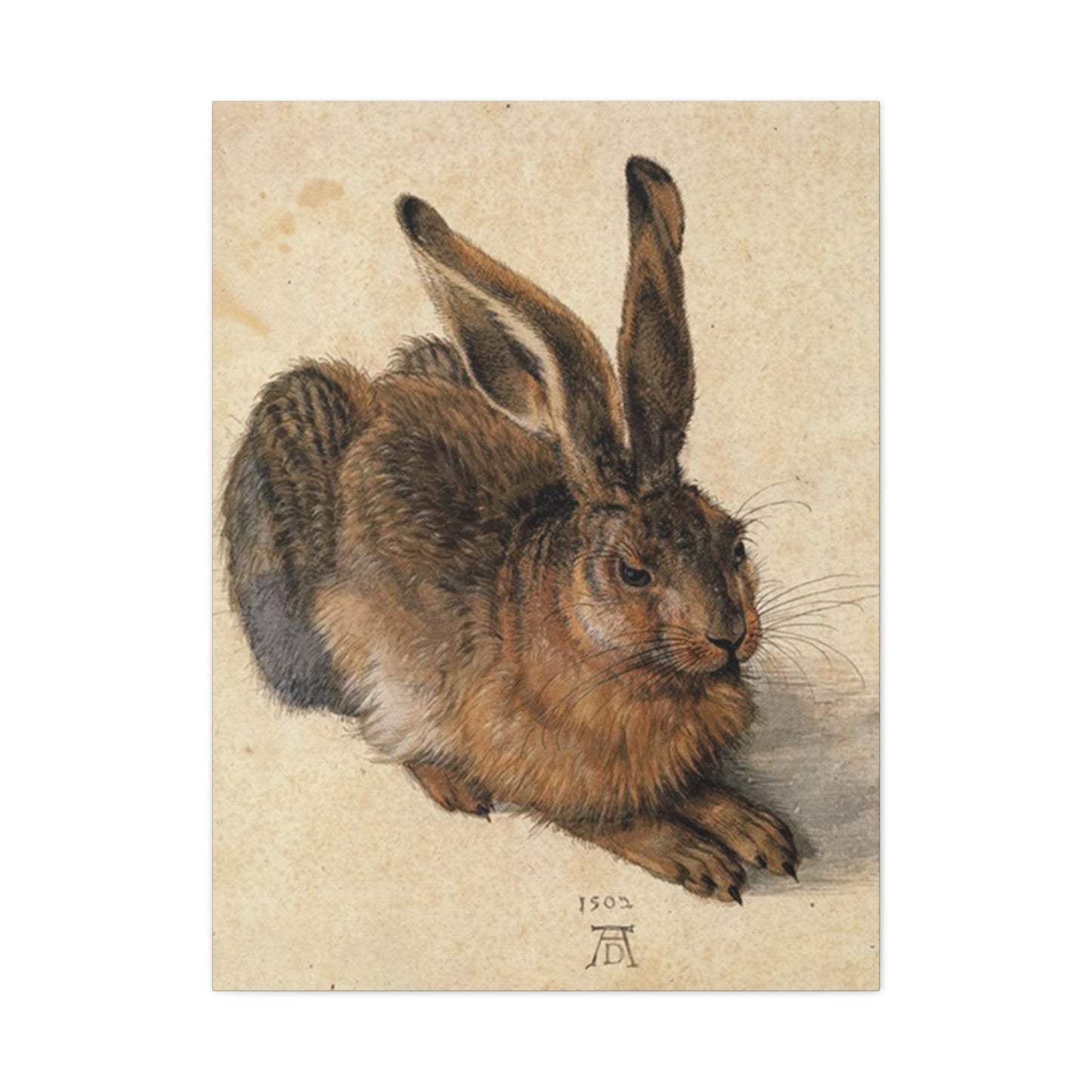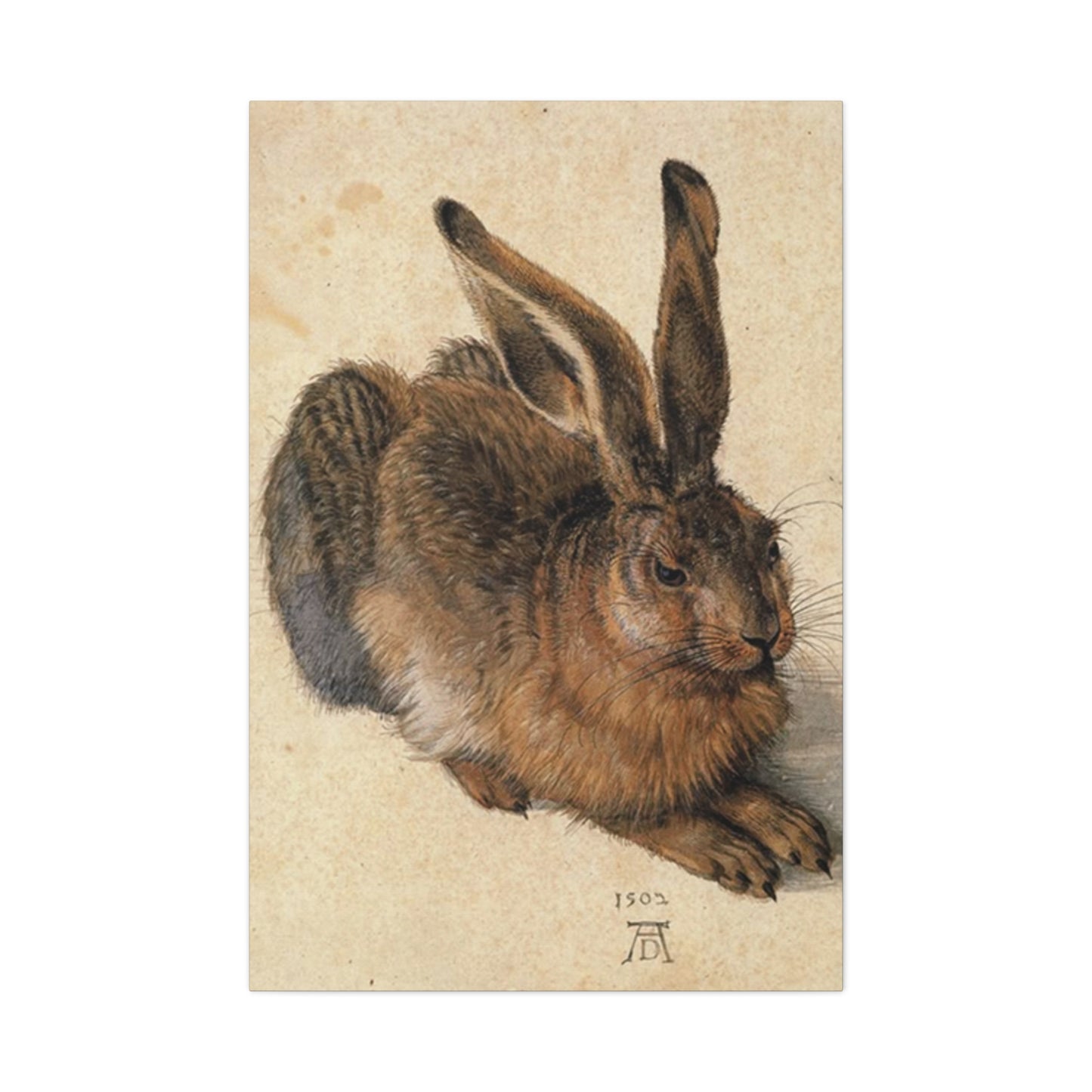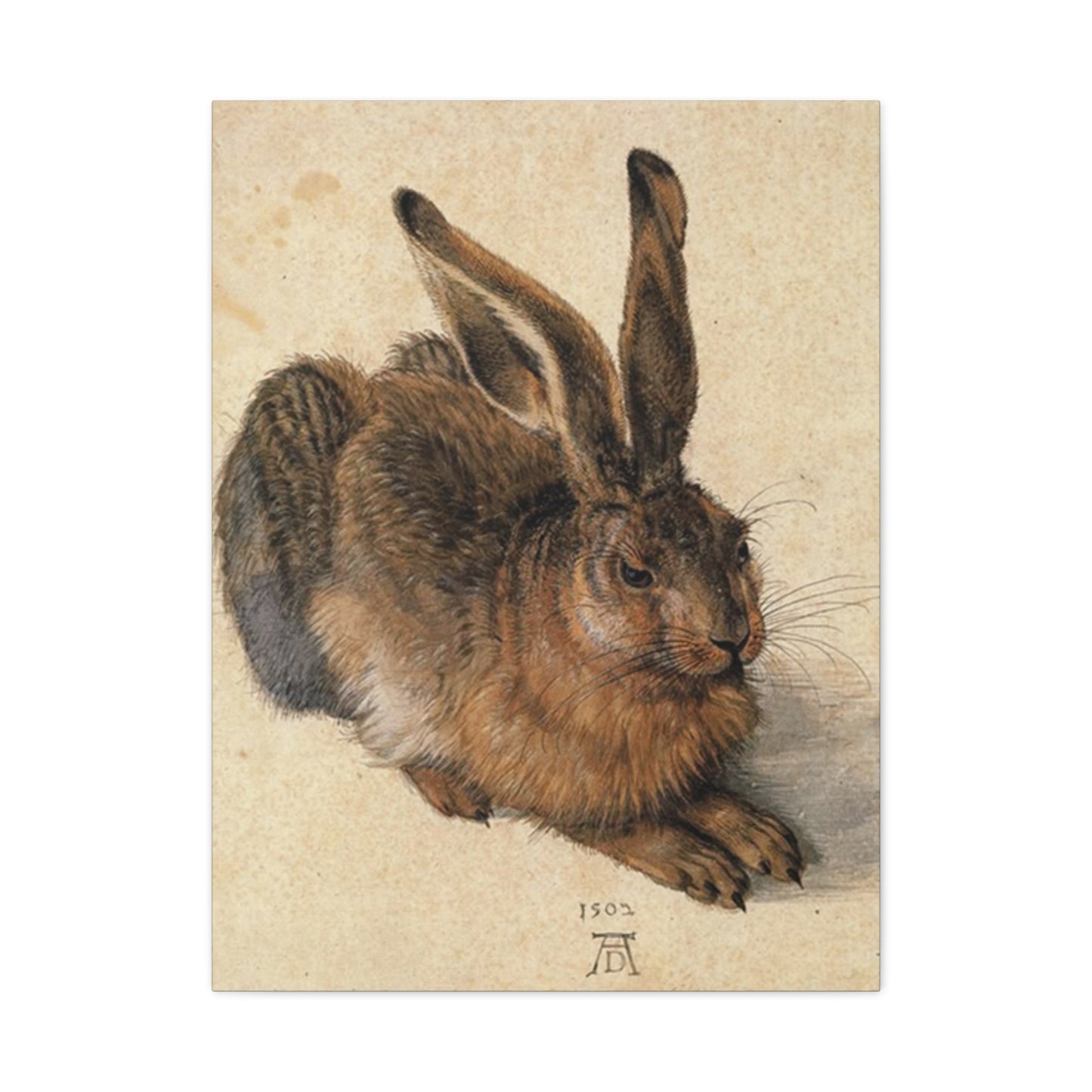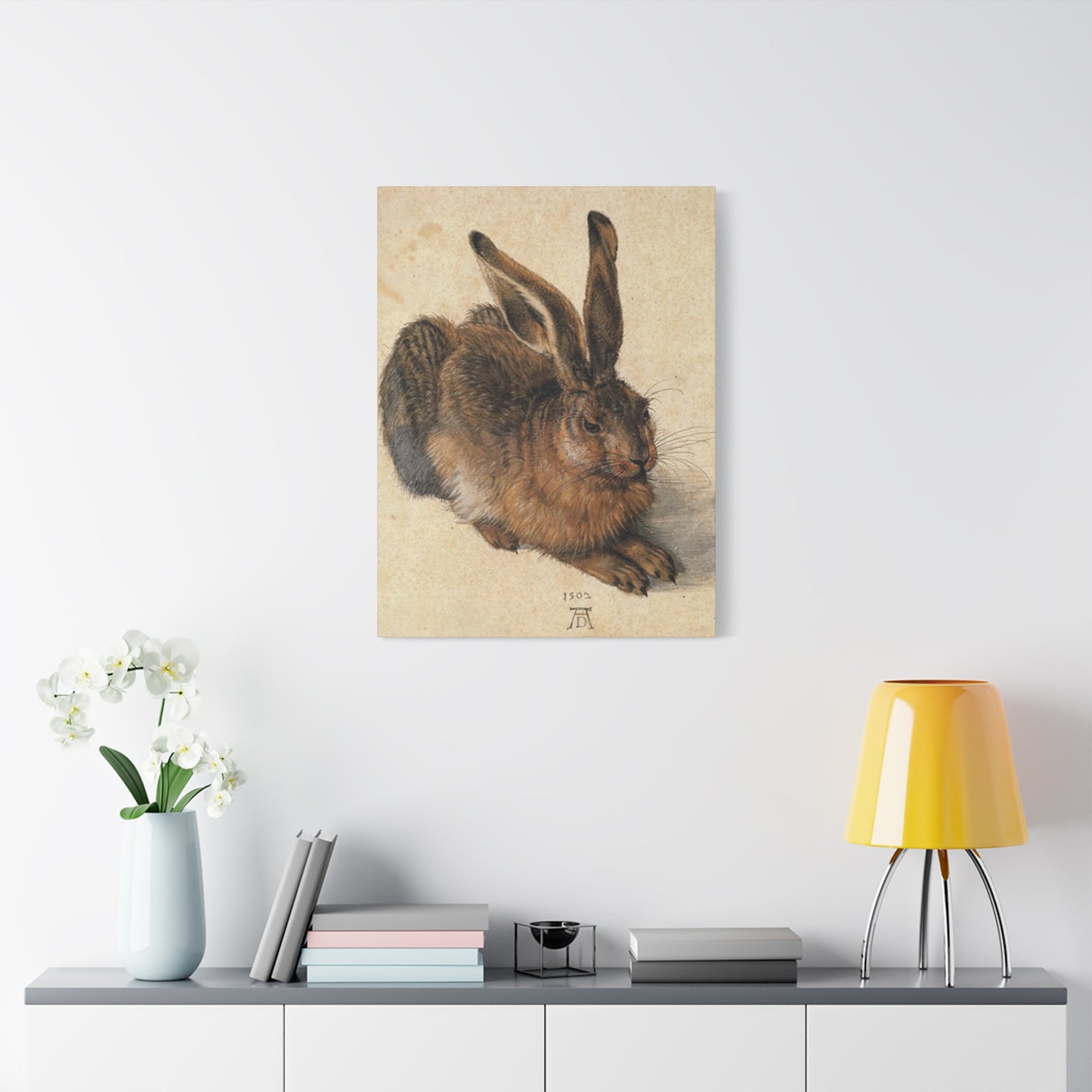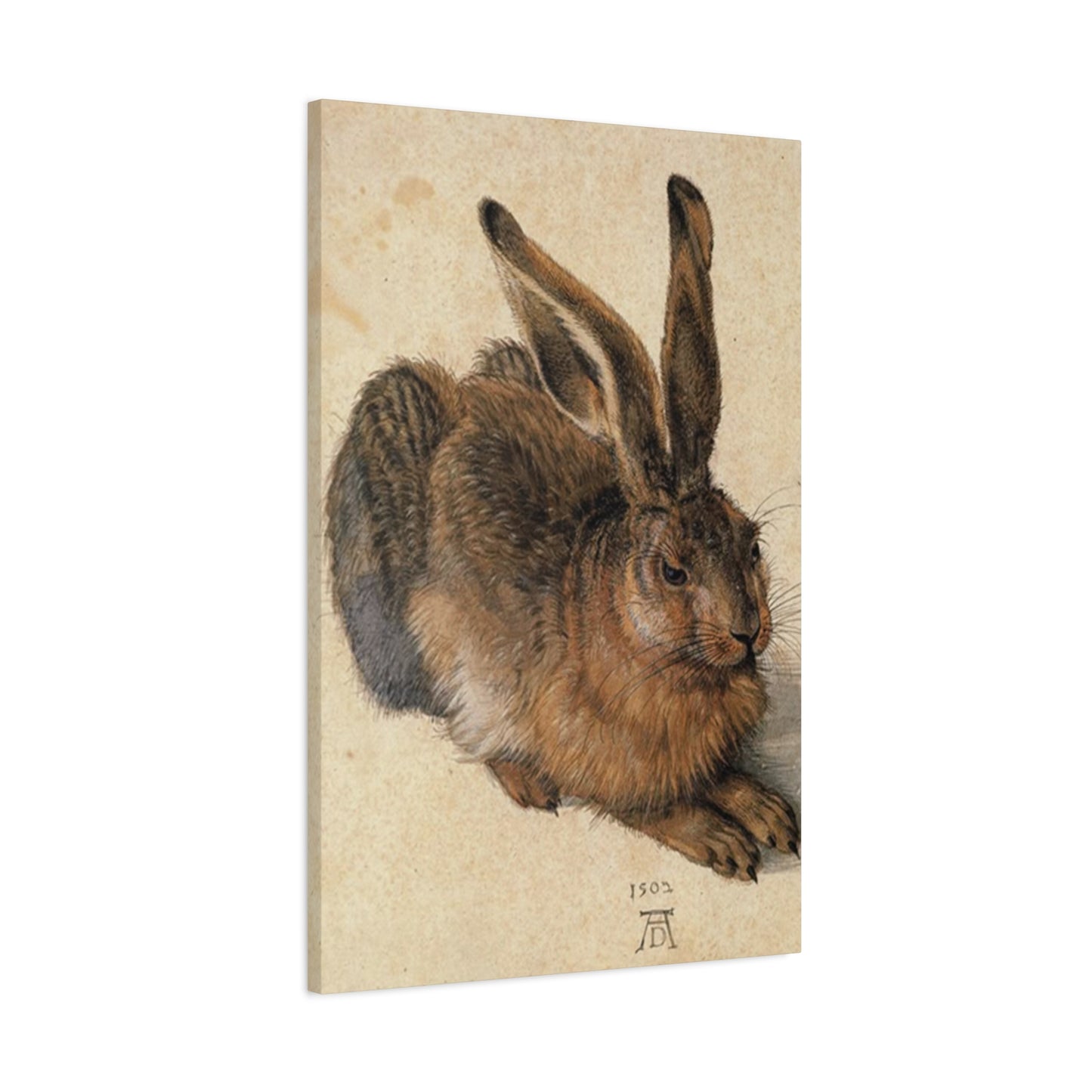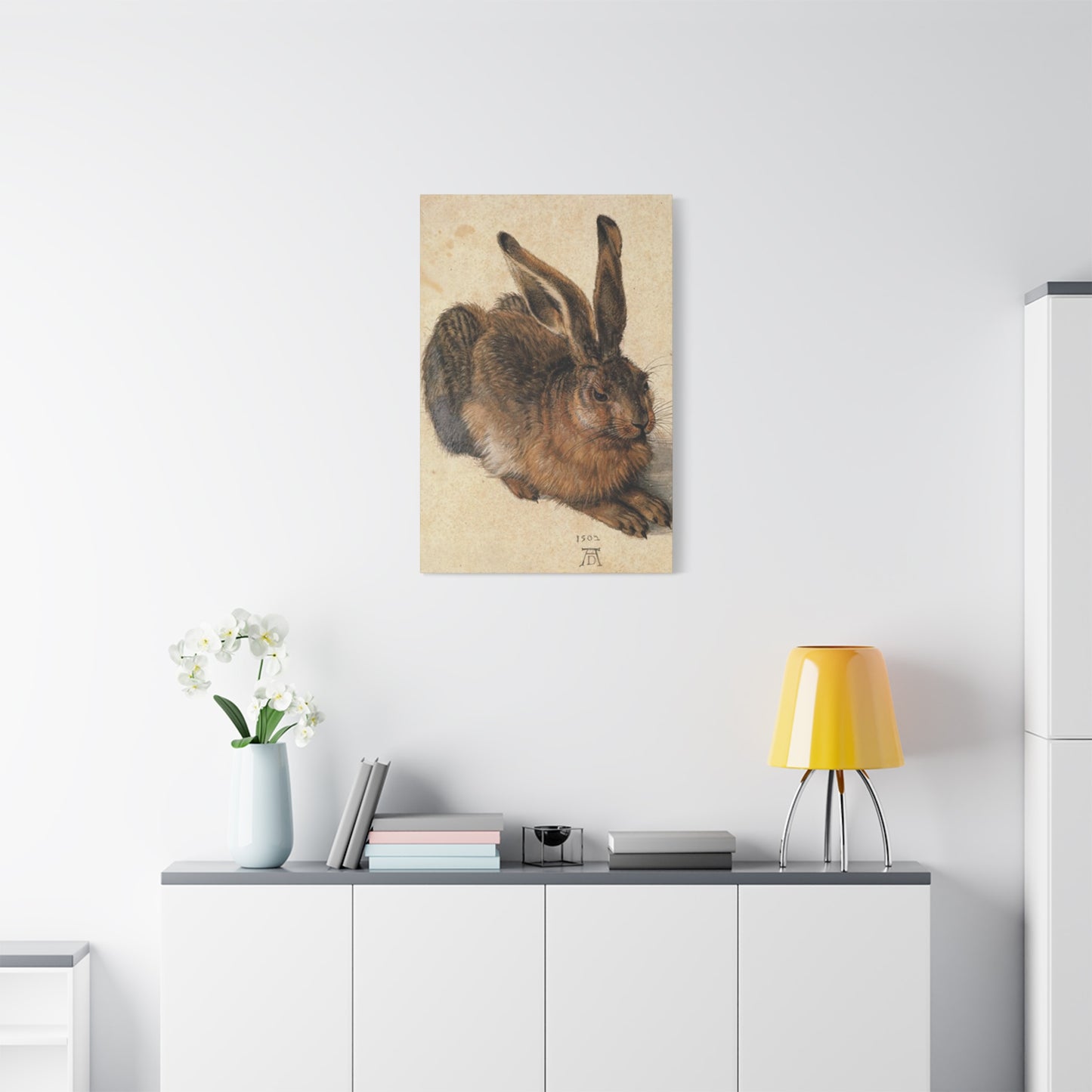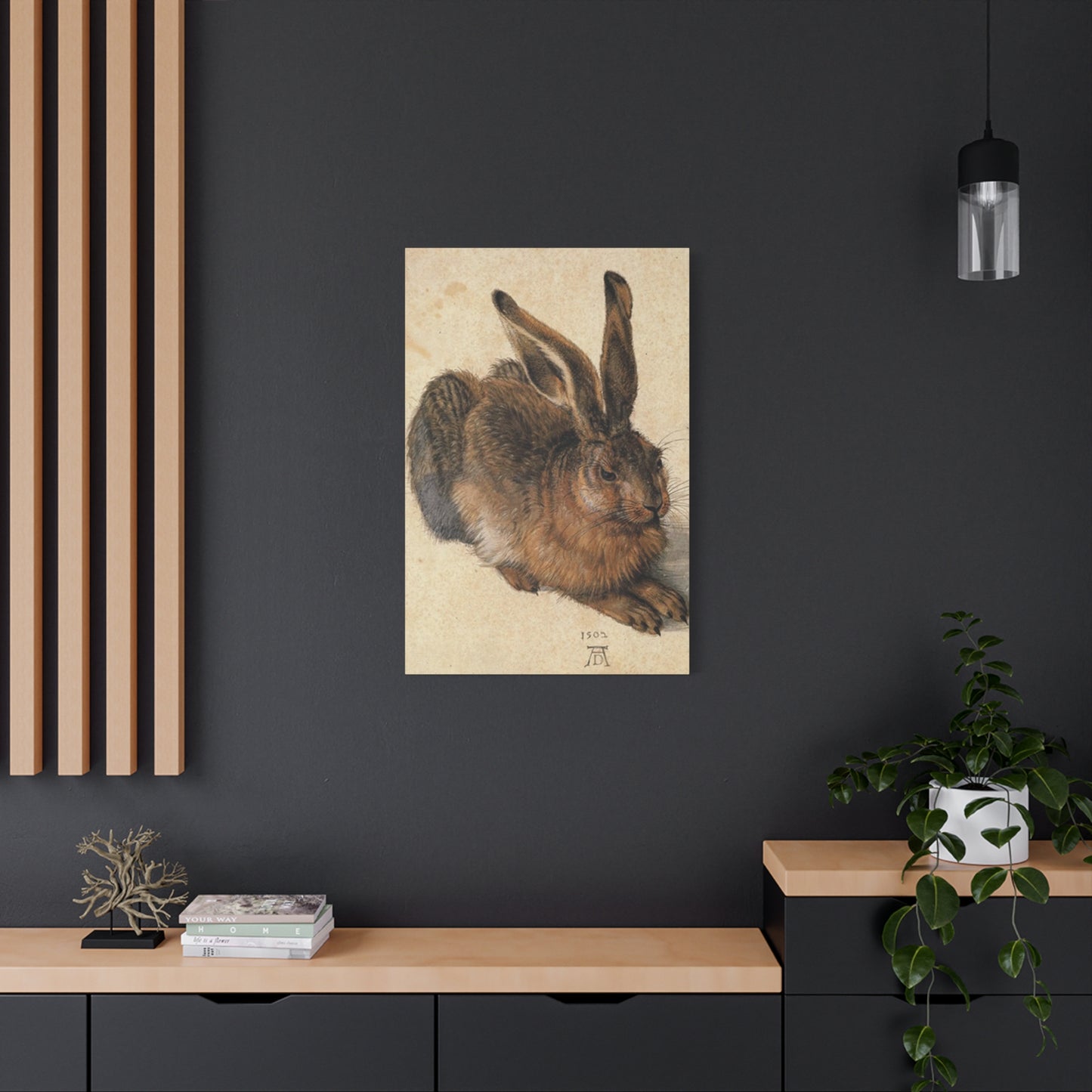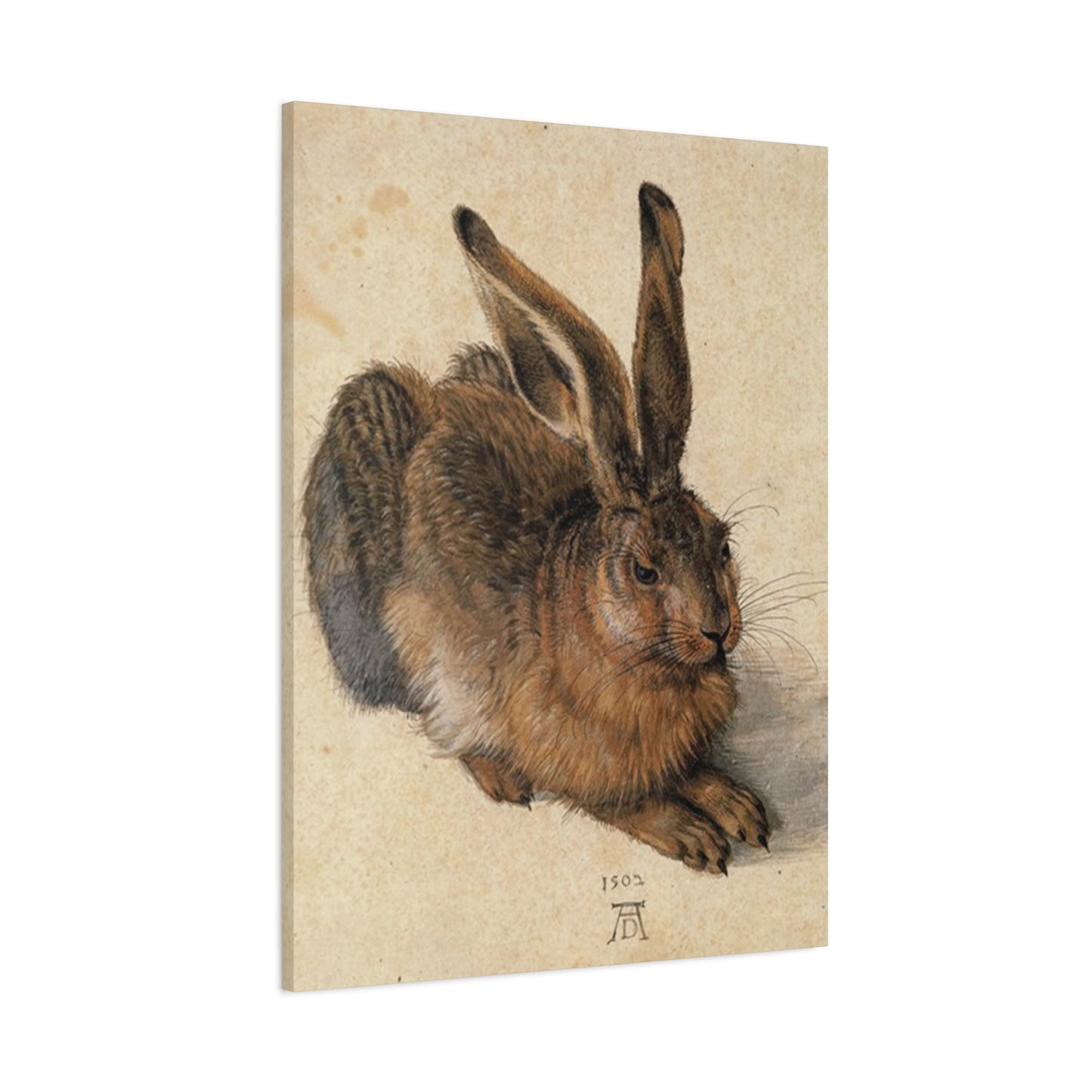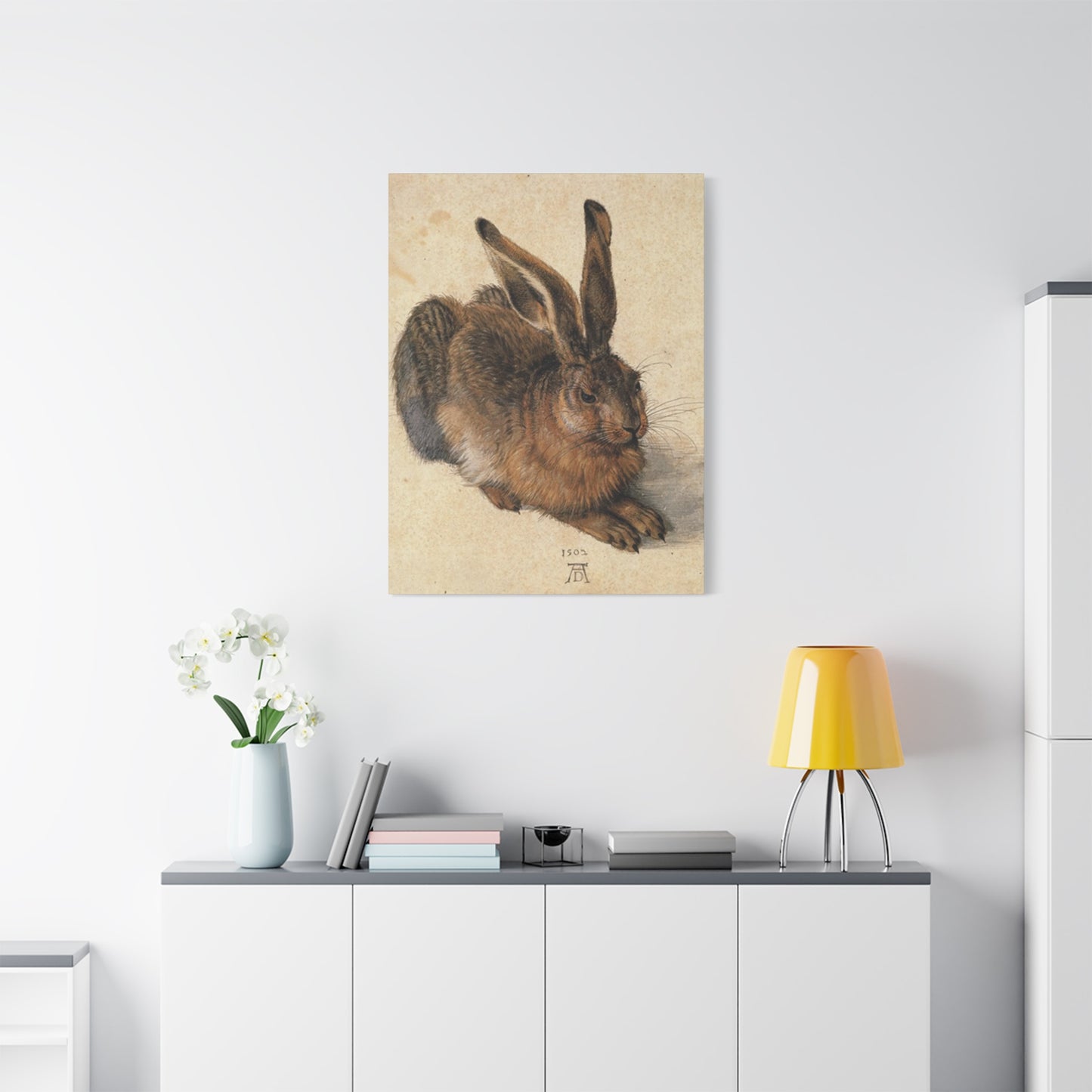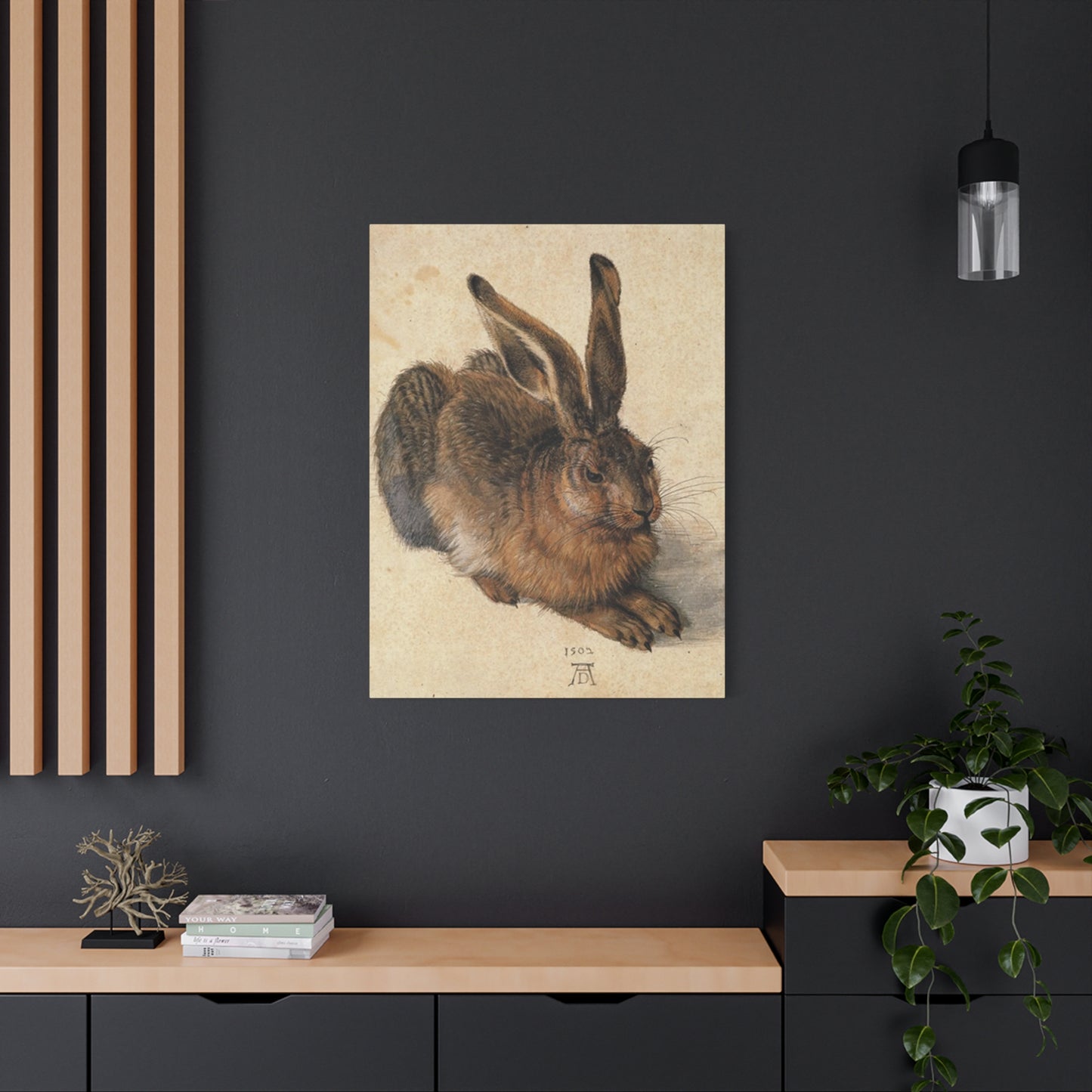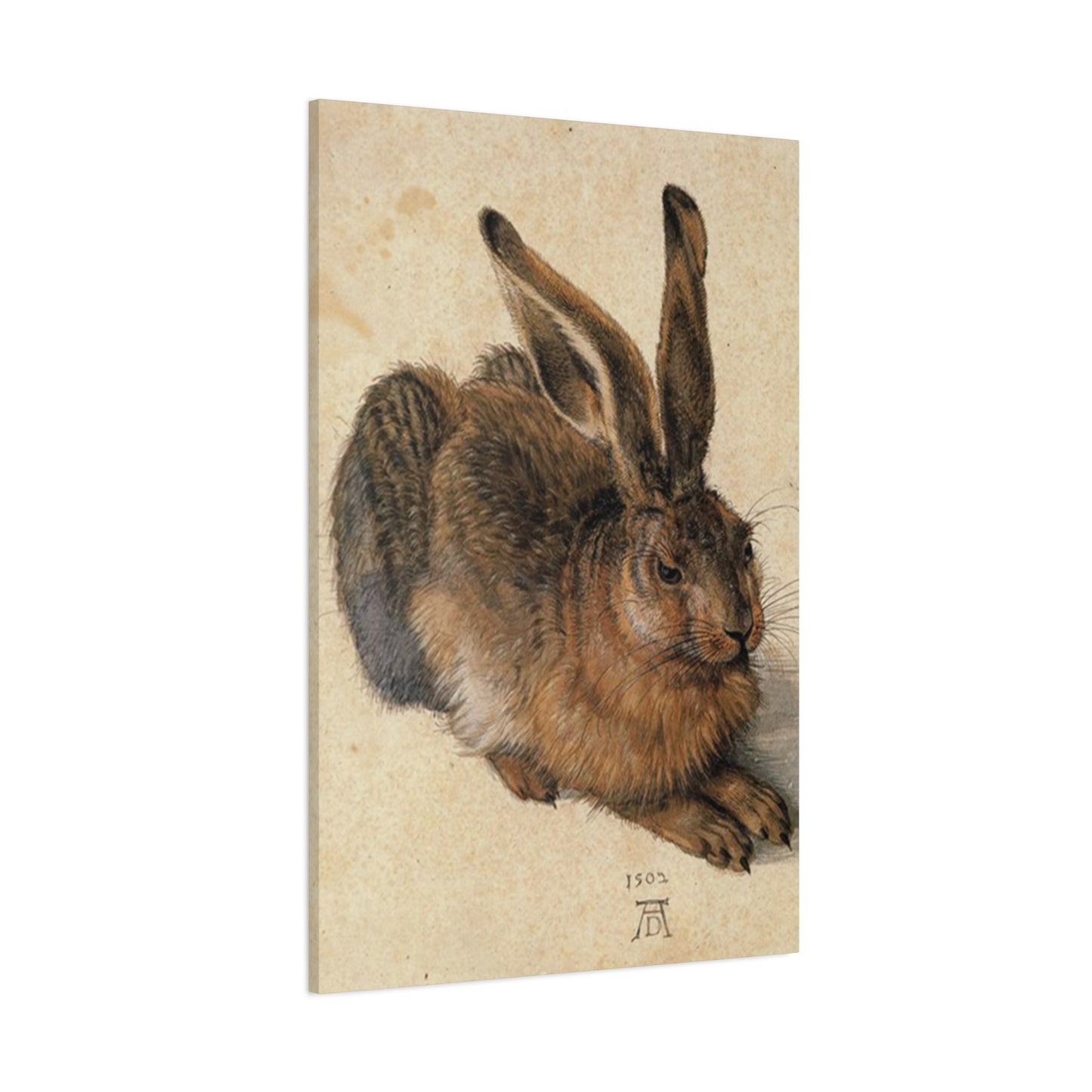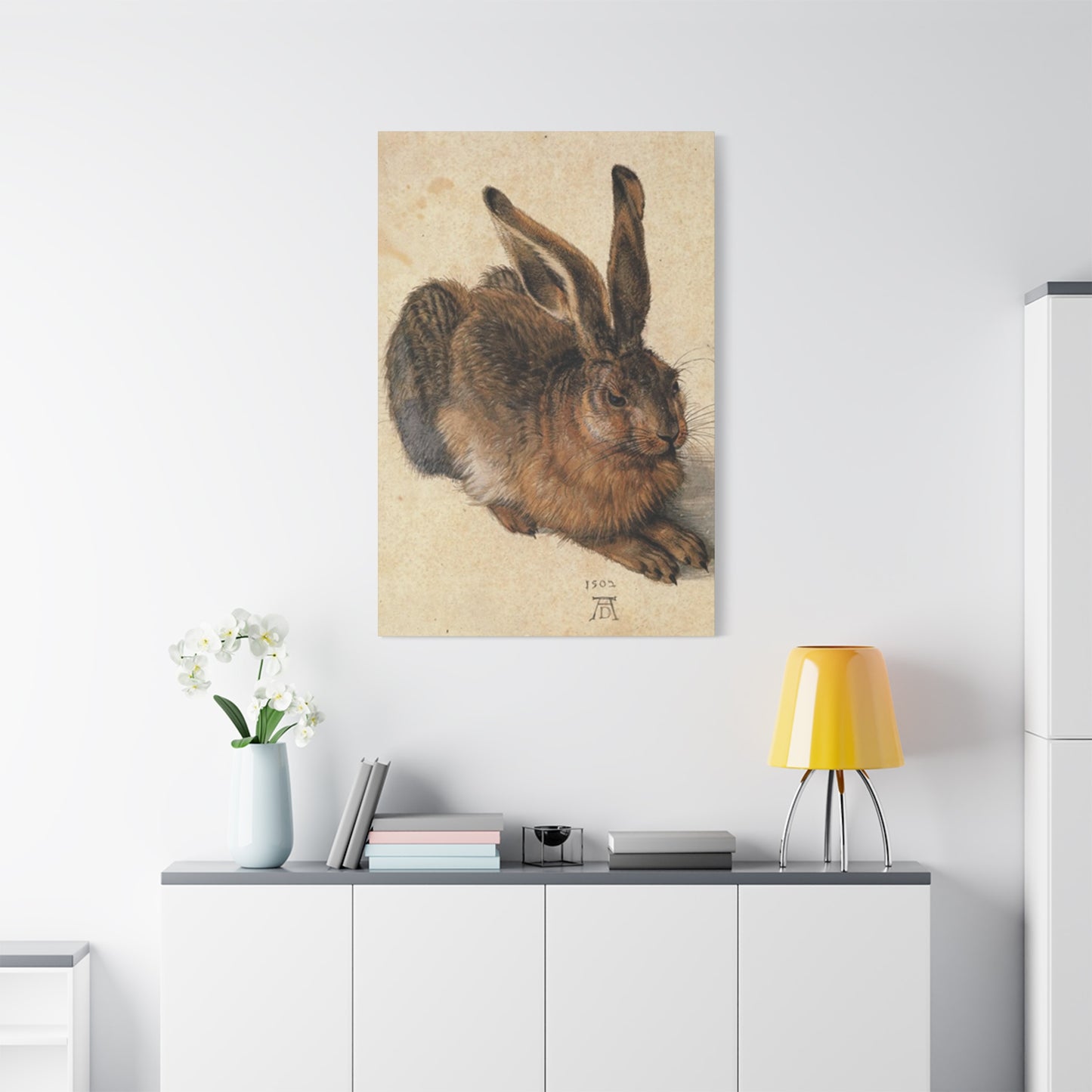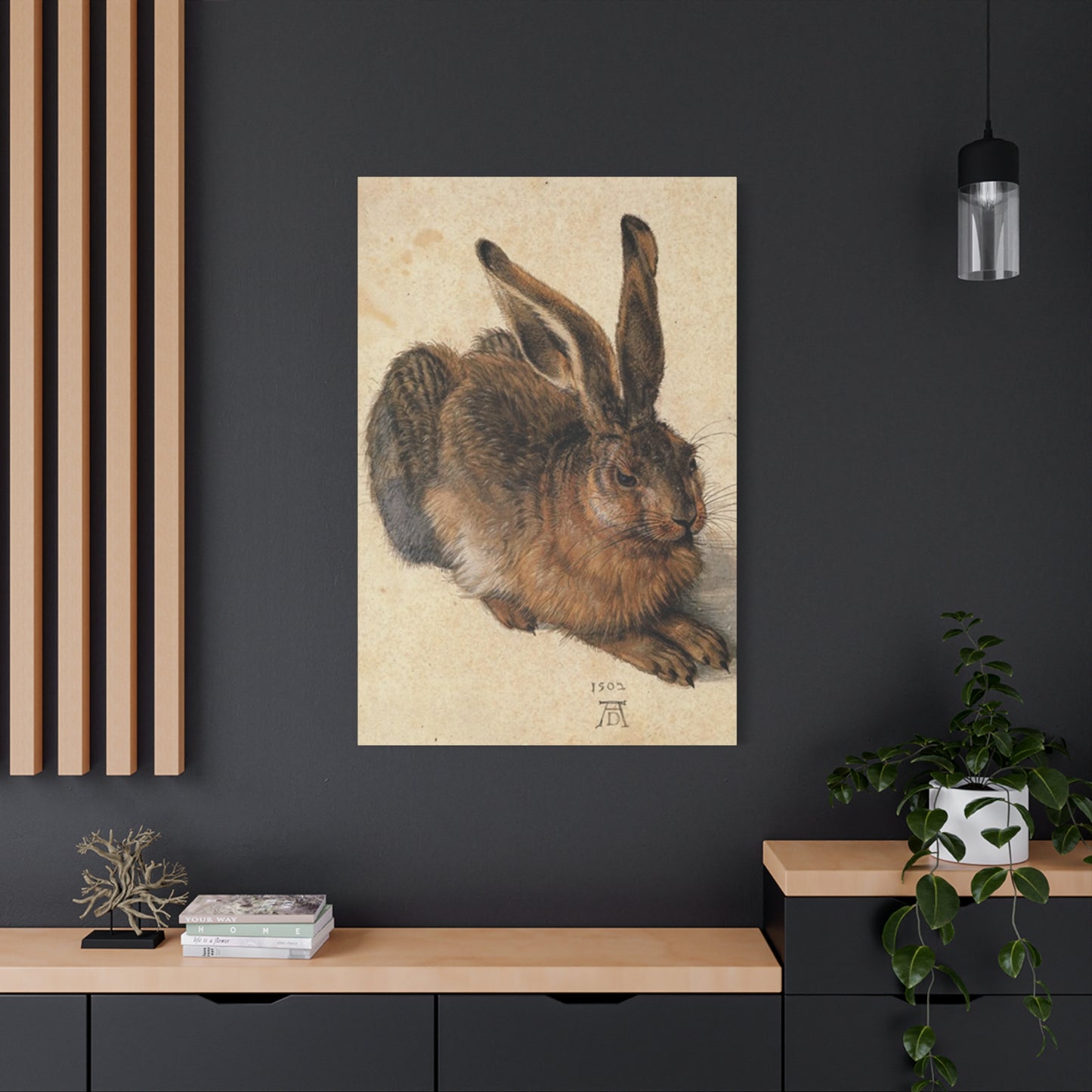


Large Brown Bunny Wall Art & Canvas Prints
Large Brown Bunny Wall Art & Canvas Prints
Couldn't load pickup availability
The Perfect Large Brown Bunny Wall Art to Elevate Your Living Spaces with Natural Charm and Woodland Elegance
The world of interior decoration has witnessed a remarkable shift toward incorporating wildlife-inspired imagery, particularly pieces featuring adorable woodland creatures that bring warmth and personality to residential and commercial environments. Among the most sought-after decorative elements currently capturing the attention of design enthusiasts are oversized depictions of rabbits in natural earth tones, which serve as focal points that combine rustic appeal with contemporary aesthetic sensibilities.
Why Oversized Rabbit Imagery Has Become Essential for Modern Interior Design Enthusiasts
The growing popularity of wildlife-themed decorative pieces reflects a broader cultural movement toward reconnecting with the natural world through our living environments. When homeowners and decorators seek to create spaces that feel grounded, peaceful, and aesthetically cohesive, they increasingly turn to representations of gentle woodland animals rendered in warm, neutral palettes. These pieces offer several compelling advantages for those looking to enhance their interior spaces.
The psychological impact of incorporating animal imagery into our surroundings cannot be overstated. Rabbits, in particular, carry universal associations with gentleness, fertility, prosperity, and the arrival of spring seasons. Their soft features and non-threatening presence make them ideal subjects for spaces where comfort and tranquility are prioritized. Unlike more aggressive wildlife subjects, these creatures evoke feelings of security and nostalgia, often triggering pleasant memories of childhood storybooks, pastoral countryside visits, or peaceful garden observations.
From a purely aesthetic standpoint, depictions of rabbits in earthy brown tones provide remarkable versatility when coordinating with existing color schemes. The neutral nature of brown pigments means these pieces complement rather than compete with surrounding furnishings, making them suitable for everything from minimalist Scandinavian interiors to richly layered farmhouse designs. The organic curves and gentle contours typical of rabbit anatomy also introduce visual softness that can balance more angular architectural elements or geometric furniture pieces.
Beyond their visual appeal, these decorative elements serve as conversation starters that reveal something about the personality and values of those who display them. Choosing to feature woodland creatures signals an appreciation for nature, a gentle disposition, and often an awareness of environmental conservation issues. For families with children, such imagery creates an approachable, whimsical atmosphere that makes spaces feel welcoming and age-appropriate without resorting to overtly juvenile designs.
Exploring Various Artistic Styles Available for Woodland Creature Decorative Pieces
The market for rabbit-themed decorative pieces encompasses an impressive range of artistic interpretations, each bringing distinct characteristics that appeal to different aesthetic preferences and interior design philosophies. Understanding these stylistic variations helps buyers select pieces that will harmonize seamlessly with their existing decor while expressing their personal artistic sensibilities.
Photorealistic renderings capture every minute detail of rabbit anatomy, from the subtle gradations of fur coloration to the reflective quality of watchful eyes. These pieces appeal to nature enthusiasts who appreciate scientific accuracy and want to bring the authenticity of wildlife observation into their homes. The lifelike quality of such depictions creates an almost three-dimensional presence that can make smaller rooms feel more connected to the outdoors.
Watercolor interpretations offer a softer, more ethereal approach to the subject matter. The translucent quality of watercolor pigments creates gentle color transitions and a dreamlike atmosphere that works particularly well in bedrooms, nurseries, and meditation spaces. The inherent unpredictability of watercolor techniques means each piece possesses unique characteristics where pigments have pooled, bled, or created unexpected textures.
Minimalist line drawings strip the subject down to its essential contours, creating sophisticated pieces that appeal to those who prefer understated elegance. These simplified representations work beautifully in contemporary settings where visual clutter is minimized and each decorative element is carefully curated. The negative space surrounding the subject becomes as important as the lines themselves, creating a balanced composition that feels intentional and refined.
Vintage-inspired illustrations evoke nostalgia for botanical prints and natural history engravings from centuries past. These pieces often incorporate Latin nomenclature, faded color palettes reminiscent of aged paper, and compositional elements borrowed from scientific documentation traditions. They appeal to collectors who appreciate the intersection of artistic expression and scholarly observation, creating spaces with an intellectual and cultivated atmosphere.
Abstract interpretations reimagine the rabbit form through geometric shapes, unexpected color combinations, and experimental compositions. These bold pieces serve as statement elements that inject personality and creative energy into spaces. While more challenging to incorporate than naturalistic representations, abstract rabbit imagery rewards those willing to embrace unconventional design choices with truly unique environments.
Determining the Ideal Dimensions for Maximum Visual Impact in Your Space
Selecting appropriately sized decorative pieces represents one of the most crucial decisions in the design process, as scale dramatically affects how artwork interacts with its surroundings and influences the overall atmosphere of a room. Oversized pieces create entirely different spatial dynamics than smaller alternatives, and understanding these effects helps ensure successful placement.
In spacious living rooms with high ceilings, truly monumental pieces measuring four feet or more in height can serve as commanding focal points that anchor entire seating arrangements. These dramatic statements work particularly well above substantial furniture pieces like sectional sofas or long console tables, where their generous proportions feel appropriate rather than overwhelming. The key consideration is maintaining visual balance—a massive decorative element requires sufficient surrounding space to breathe and be appreciated from proper viewing distances.
For standard residential rooms with eight-foot ceilings, pieces ranging from thirty to forty-eight inches typically provide optimal impact without dominating the space. This size range creates presence and importance while leaving room for complementary decorative elements and maintaining comfortable proportions relative to furniture. When hanging above a sofa, the general principle suggests the artwork span approximately two-thirds to three-quarters of the furniture's width, creating a cohesive visual relationship between the two elements.
Hallways and narrow spaces benefit from vertically oriented pieces that draw the eye upward, creating an illusion of greater ceiling height. A tall, slender rabbit portrait can transform a cramped corridor into an elegant gallery-like passage. The vertical emphasis naturally guides movement through the space while adding visual interest to areas that might otherwise feel merely functional.
Bedroom environments often benefit from slightly smaller or medium-sized pieces that create interest without overwhelming the restful atmosphere these spaces require. A thirty to thirty-six inch piece positioned above a headboard or on a prominent wall provides a comforting focal point that enhances the room's personality without creating visual stimulation that might interfere with relaxation and sleep.
Dining areas present unique opportunities for creating dramatic statements, as these spaces typically feature one dominant gathering point—the table—with surrounding walls that can accommodate substantial decorative elements. An oversized rabbit depiction can establish the room's character and provide a conversation topic during meals, transforming ordinary dining into more memorable experiences.
Understanding Material Options and Their Unique Characteristics for Longevity
The substrate and medium used for creating rabbit-themed decorative pieces significantly impact their appearance, durability, price point, and suitability for different environments. Each material option presents distinct advantages and considerations that informed buyers should evaluate before making purchasing decisions.
Canvas prints offer exceptional versatility and have become the dominant choice for contemporary decorative pieces. The fabric substrate provides pleasant texture that adds depth and dimension to printed images, while stretched canvas presentations eliminate the need for additional framing, creating clean, modern displays. Canvas naturally absorbs and reflects light in ways that prevent the glare issues sometimes associated with glass-covered alternatives. Quality canvas prints, when produced with archival inks and proper sealing treatments, can maintain their vibrancy for decades without fading or deterioration.
Metal prints represent a newer format that has gained considerable popularity for their striking visual impact and exceptional durability. The process of infusing dyes directly into specially coated aluminum sheets creates luminous colors with remarkable depth and a distinctive contemporary appearance. The reflective qualities of metal surfaces make colors appear more vibrant and saturated than on absorbent materials. These pieces resist moisture, fading, and physical damage far better than paper or canvas alternatives, making them ideal for kitchens, bathrooms, or other challenging environments. The sleek, frameless presentation of metal prints aligns perfectly with minimalist and industrial design aesthetics.
Paper-based prints encompass a vast range of quality levels, from inexpensive poster reproductions to museum-grade fine art prints on acid-free archival stock. Premium paper options like cotton rag or alpha-cellulose sheets provide exceptional detail reproduction and longeviness when paired with professional framing that includes UV-protective glazing and proper matting. The traditional presentation of framed paper prints suits classic interiors and creates opportunities for customization through frame and mat selections.
Wood panel prints bring organic warmth and tactile appeal that complements rustic, farmhouse, and natural design schemes. The visible wood grain becomes part of the overall aesthetic, creating pieces with inherent texture and character. Different wood species offer varying colors and grain patterns, from light birch to rich walnut, allowing coordination with existing woodwork and furniture. The substantial physical presence of wood panels creates a handcrafted quality that distinguishes these pieces from mass-produced alternatives.
Acrylic face-mounted prints deliver unparalleled clarity and a gallery-worthy presentation that commands attention in high-end interiors. The process involves bonding prints to transparent acrylic sheets, which creates impressive depth and protects the image behind a durable, scratch-resistant surface. The resulting pieces have a contemporary, almost three-dimensional quality as light passes through the acrylic layer. While representing a higher investment than other options, acrylic presentations make powerful statements in spaces where visual impact is paramount.
Strategic Placement Strategies to Maximize Aesthetic Appeal Throughout Your Home
The location where decorative pieces are displayed profoundly influences both their visibility and their effect on the overall design scheme. Strategic placement requires considering sight lines, lighting conditions, surrounding elements, and the functional purpose of each space to create harmonious and impactful arrangements.
Living room environments typically benefit from establishing a clear focal point that organizing principle for furniture arrangement and traffic flow. Positioning an oversized rabbit depiction above the main seating area immediately draws attention upon entering the space and provides a visual anchor for the room's design. The piece should hang at a height where its center falls approximately sixty to sixty-five inches from the floor—roughly eye level for the average person—ensuring comfortable viewing whether standing or seated.
Creating gallery-style arrangements by combining the primary piece with smaller complementary elements adds complexity and visual interest. A large rabbit portrait might serve as the central element surrounded by smaller nature photographs, botanical prints, or abstract pieces that echo its color palette. This approach works particularly well on expansive walls where a single piece might appear isolated or insufficient. The key to successful groupings lies in maintaining consistent spacing between elements and establishing a coherent theme or color story that unifies the collection.
Bedroom placement offers opportunities to create intimate, personal atmospheres that reflect the occupant's personality. Positioning rabbit imagery where it's visible upon waking can set a positive, peaceful tone for beginning each day. Many designers favor placing decorative elements on the wall opposite the foot of the bed, creating an immediate focal point when entering the room, while maintaining an uncluttered feel in the primary rest area.
Entryways and foyers present opportunities to establish the home's character immediately upon arrival. A substantial rabbit depiction in this transitional space communicates warmth and approachability while hinting at the design sensibility found throughout the residence. The entry should feel welcoming but not cluttered, so pairing the artwork with a console table, mirror, or simple seating creates a composed vignette rather than an isolated element.
Stairway walls, often overlooked in decorating schemes, provide excellent vertical space for displaying artwork where it can be appreciated from multiple levels and viewing angles. The natural progression of ascending or descending stairs creates opportunities for viewers to experience the piece differently as they move through the space, adding dynamic interest to utilitarian areas.
Home offices increasingly prioritize creating environments that balance productivity with comfort and personality. A thoughtfully selected rabbit portrait positioned within the field of view from a desk provides periodic visual respite from screens and documents, offering moments of mental refreshment. The calming associations with gentle wildlife can help reduce stress during demanding work periods.
Dining spaces benefit from artwork that sparks conversation and creates memorable atmospheres for shared meals. Positioning a striking rabbit depiction as a backdrop to the dining table establishes a distinctive character for the space. The subject matter proves neutral enough not to interfere with appetites while providing sufficient interest to generate discussion among guests.
Color Coordination Principles for Seamless Integration with Existing Design Schemes
Successful incorporation of rabbit-themed decorative elements requires thoughtful consideration of how their colors interact with surrounding hues, creating either harmonious blends or intentional contrasts that enhance the overall visual composition. Understanding fundamental color theory principles helps ensure new additions feel integrated rather than arbitrary.
Monochromatic approaches utilizing various shades, tints, and tones of brown create sophisticated, cohesive environments with subtle depth. When selecting rabbit imagery predominantly featuring brown tones, surrounding the piece with walls, furniture, and textiles in related colors—from cream and taupe to chocolate and espresso—produces a layered, enveloping atmosphere. This strategy works particularly well in spaces designed for relaxation, as the limited color range reduces visual stimulation and promotes calmness.
Complementary color relationships pair colors opposite each other on the color wheel, creating vibrant contrasts that energize spaces. Brown, being a darkened orange, finds its complement in blue tones. Positioning brown-toned rabbit artwork against blue-gray walls or surrounding it with blue textiles creates dynamic tension that makes both colors appear more vivid. This approach suits living areas and social spaces where stimulating, lively atmospheres are desired.
Analogous color schemes incorporate colors adjacent on the color wheel, such as browns combined with oranges, reds, or yellows. These closely related hues create gentle transitions and naturally harmonious palettes that feel comfortable and unified. Incorporating rabbit imagery into rooms decorated in warm autumn colors or rustic earth tones produces seamless integration where the artwork feels like an organic component of the overall design rather than a separate decorative decision.
Neutral palettes dominated by whites, grays, and blacks provide versatile backdrops that allow brown-toned rabbit imagery to serve as the primary source of warmth and organic character. The contrast between warm brown subjects and cool neutral surroundings creates balance and prevents spaces from feeling sterile or impersonal. This approach proves particularly effective in contemporary and minimalist interiors where selective color introduction creates maximum impact.
Accent color strategies use the rabbit artwork as inspiration for introducing pops of complementary or analogous colors throughout the space. Identifying a secondary color within the piece—perhaps a hint of green from background foliage or blue from sky elements—and repeating that color in throw pillows, vases, or other accessories creates visual cohesion that ties disparate elements together. This technique makes the artwork feel like an integral part of a thoughtfully planned design rather than an afterthought.
Seasonal rotation strategies allow for changing color relationships throughout the year. During spring and summer months, pairing brown rabbit imagery with fresh greens, soft yellows, and crisp whites creates bright, airy environments. As autumn arrives, introducing burnt oranges, deep reds, and golden yellows echoes the changing landscape and creates cozy, warm atmospheres. Winter decorating might incorporate cool silvers, blues, and whites for contrast while maintaining the rabbit piece as a constant grounding element.
Frame Selection Guidelines for Enhancing and Protecting Your Decorative Investment
While many contemporary decorative pieces feature frameless presentations that align with minimalist aesthetics, traditional framing remains popular for certain artistic styles and offers opportunities for customization that can significantly enhance the overall presentation. Understanding framing options and principles helps buyers make informed decisions about protecting and displaying their purchases.
Wood frames provide classic appeal and natural warmth that particularly complements rabbit imagery and nature themes. The grain patterns and organic variations within wood materials create subtle visual interest without competing with the artwork itself. Light woods like oak, maple, or birch create bright, casual presentations suitable for cottage and farmhouse styles, while darker walnut, cherry, or espresso-finished frames add sophistication and gravitas appropriate for traditional or formal interiors. The frame width should be proportional to the artwork size—delicate frames suit smaller pieces while substantial artwork requires more robust framing to maintain visual balance.
Metal frames deliver sleek, contemporary presentations with clean lines and minimal visual weight. Available in finishes ranging from brushed aluminum and matte black to antiqued brass and copper, metal framing complements modern and industrial design schemes. The narrow profile of most metal frames maximizes visible artwork while providing structural support and protection. Black metal frames prove particularly versatile, working effectively with nearly any color palette and artistic style.
Floating frames create the illusion that artwork hovers within the frame, with a visible gap between the image edges and the frame itself. This presentation style works beautifully with canvas and wood panel pieces, adding depth and dimension while maintaining a contemporary aesthetic. The shadow gap draws attention to the artwork's edges and creates a sophisticated finished appearance without heavy visual boundaries.
Matting considerations become relevant primarily for paper-based prints, where acid-free mat boards provide physical separation between the artwork and glazing while creating visual breathing room. Mat colors should complement rather than compete with the artwork—neutral whites, creams, and light grays prove most versatile, though colored mats can create striking effects when carefully coordinated with colors present in the image. Double matting, which layers two different colored mats with the bottom mat visible as a narrow reveal, adds depth and luxury to the presentation.
Glazing options protect paper prints from environmental damage while affecting their appearance and cost. Regular glass provides basic protection at economical prices but reflects light noticeably, which can interfere with viewing in brightly lit spaces. Non-reflective or museum glass incorporates special coatings that minimize reflections while providing UV protection that prevents fading, though at higher price points. Acrylic glazing offers lighter weight and greater shatter resistance than glass alternatives, making it preferable for large pieces or installations in homes with children.
Frame style should harmonize with both the artwork itself and the surrounding interior design. Ornate frames with decorative moldings suit traditional, romantic, or vintage-inspired rabbit illustrations, enhancing their classical character. Simple, streamlined frames work better with contemporary, minimalist, or abstract interpretations where visual simplicity is prioritized. When in doubt, choosing understated framing allows the artwork itself to remain the focal point while providing necessary protection and finished presentation.
Caring for Your Decorative Pieces to Ensure Lasting Beauty and Color Preservation
Proper handling and ongoing care significantly extend the lifespan of decorative pieces while maintaining their visual appeal. Different materials require specific care approaches, but several universal principles apply across all formats and help preserve both aesthetic and monetary value.
Placement away from direct sunlight represents perhaps the most critical preservation measure for all decorative pieces except those specifically manufactured with UV-resistant inks and materials. Sustained exposure to ultraviolet rays causes gradual fading that dulls colors and reduces contrast over time. Even pieces marketed as fade-resistant will maintain their appearance longer when positioned away from windows or in locations where direct sun exposure is limited. For spaces where sun-lit walls are the only available placement options, consider installing UV-filtering window films or using curtains and blinds to reduce exposure during peak sunlight hours.
Environmental conditions within the home affect the longevity of decorative pieces, particularly those utilizing natural materials like canvas, paper, and wood. Extreme humidity fluctuations cause these materials to expand and contract, potentially leading to warping, cracking, or separation of mounted prints from their substrates. Maintaining relatively stable humidity levels between forty and sixty percent protects against moisture-related damage. Conversely, excessively dry conditions can cause brittleness and cracking. Spaces with significant humidity variations, such as bathrooms and basements, require more durable materials like metal or sealed canvas rather than unprotected paper or raw wood.
Temperature stability proves nearly as important as humidity control. Avoid positioning decorative pieces near heat sources such as fireplaces, radiators, heating vents, or appliances that generate warmth. Heat accelerates chemical degradation processes within inks and substrates, hastening the aging process and potentially causing visible damage over time. Similarly, avoid locations where temperature swings occur regularly, as the expansion and contraction cycles stress materials and mounting hardware.
Regular dusting using appropriate tools prevents particle accumulation that can scratch or dull surfaces. Microfiber cloths prove ideal for most surfaces, as their fine fibers trap dust particles rather than simply redistributing them. For canvas pieces, extremely soft brushes designed for delicate surfaces can reach into textured areas where dust settles. Metal and acrylic pieces tolerate gentle wiping with slightly dampened cloths, though always use minimal moisture and dry immediately to prevent water spots. Never spray cleaning products directly onto artwork surfaces, as liquids can seep behind protective layers or into porous materials, causing irreversible damage.
Glass-fronted framed pieces require careful cleaning to remove fingerprints, dust, and airborne particles without scratching. Commercial glass cleaners can be used, but spray onto the cloth rather than directly onto the glass to prevent liquid from seeping behind the glazing. Microfiber cloths specifically designed for glass cleaning prove most effective, leaving streak-free results. Pay particular attention to the rabbet—the recessed area where glass meets frame—as dust accumulates in these crevices and can become visible against mat boards.
Inspection routines conducted every few months help identify developing issues before they become serious problems. Check mounting hardware to ensure screws or hanging systems remain secure, as vibrations from daily household activities can gradually loosen connections. Examine frame corners for separation or damage, particularly in climates with significant seasonal humidity changes. Look for any signs of moisture intrusion, such as condensation behind glass, water stains on mats or substrates, or mold growth. Early detection allows for remediation before irreparable damage occurs.
Exploring the Symbolism and Cultural Significance of Rabbit Imagery Across Societies
Understanding the deeper meanings associated with rabbit symbolism adds layers of significance to decorating choices, transforming simple aesthetic decisions into expressions of values, aspirations, and cultural connections. Across diverse societies and throughout recorded human civilization, rabbits have accumulated rich symbolic associations that continue influencing contemporary perceptions.
In numerous cultural traditions, rabbits represent fertility and abundance due to their remarkable reproductive capabilities. Ancient civilizations observed these creatures' prolific breeding patterns and associated them with spring festivals celebrating renewal and agricultural cycles. This connection persists in modern celebrations, most notably in springtime festivities where rabbit imagery appears prominently. For individuals decorating family homes, this symbolism resonates with hopes for familial growth, prosperity, and the flourishing of new generations.
The association between rabbits and lunar cycles appears across multiple cultural mythologies. Many traditions perceive rabbit shapes in the dark patterns visible on the moon's surface, leading to folk stories about celestial rabbits. In East Asian cultures, the lunar rabbit represents self-sacrifice, dedication, and the reward of immortality, as told in Buddhist tales. This connection imbues rabbit imagery with mystical qualities and associations with intuition, femininity, and cyclical transformation.
Celtic traditions regarded rabbits as creatures connected to the Otherworld—the realm of deities, spirits, and magical forces. Their burrowing behavior suggested access to underground mysteries, while their alertness and sudden movements implied supernatural awareness. This mystical dimension makes rabbit imagery appealing to those drawn to spiritual themes and ancient wisdom traditions. Displaying such pieces might reflect an interest in connecting with ancestral knowledge and earth-centered spiritual practices.
Native American tribal traditions include various rabbit figures in their stories and symbolic systems. The rabbit trickster appears in many tales as a clever character who uses wit and speed to overcome larger, more powerful adversaries. These narratives celebrate intelligence, adaptability, and the ability to survive through cleverness rather than brute strength. For modern viewers, this symbolism can represent overcoming challenges through innovative thinking and maintaining optimism in difficult circumstances.
In contemporary symbolism, rabbits frequently represent gentleness, vulnerability, and the need for environmental protection. As human activities increasingly encroach upon natural habitats, wildlife imagery reminds viewers of the fragile ecosystems requiring conservation efforts. Choosing to display rabbit depictions can signal environmental consciousness and commitment to preserving natural spaces for future generations. This association proves particularly meaningful for families seeking to instill ecological awareness in children.
The white rabbit from literary classics, particularly those appearing in famous children's stories, carries associations with curiosity, adventure, and the threshold between ordinary and magical realities. While brown rabbits present more naturalistic appearances than their albino counterparts, they still evoke similar themes of exploration and wonder. Decorating with rabbit imagery can express an appreciation for imagination, storytelling, and the enchantment found in everyday observations of the natural world.
Creating Cohesive Thematic Displays with Complementary Decorative Elements
While a single substantial rabbit depiction can stand alone as a powerful focal point, developing fuller thematic displays incorporating complementary elements creates more immersive and personally expressive environments. Building cohesive collections requires understanding how different decorative components interact and support overall design narratives.
Woodland creature collections expand upon the rabbit theme by incorporating depictions of other forest inhabitants such as deer, foxes, owls, and squirrels. This approach creates a comprehensive nature-inspired aesthetic that feels intentional and curated. When assembling such collections, maintaining stylistic consistency ensures cohesion—combining a realistic rabbit portrait with minimalist fox line drawings creates visual discord unless carefully executed with unifying elements like consistent framing or coordinated color palettes.
Botanical prints pair naturally with rabbit imagery, as these elements share habitats in reality and create logical thematic connections in decorative schemes. Depictions of wildflowers, ferns, mushrooms, or woodland plants complement rabbit pieces while adding variety and visual interest. The organic forms of botanical subjects echo the soft curves of rabbit anatomy, creating compositional harmony. Vintage botanical illustrations prove particularly compatible with naturalistic rabbit depictions, as both reference natural history documentation traditions.
Seasonal rotation strategies keep decorative schemes feeling fresh while allowing the primary rabbit piece to remain a constant grounding element. During spring months, surrounding the rabbit artwork with fresh floral arrangements, pastel textiles, and nature-inspired accessories celebrates renewal and growth. Summer decorating might incorporate brighter colors and lighter fabrics that create airy, relaxed atmospheres. Autumn transitions bring opportunities for introducing warm earth tones, harvest motifs, and cozy textures that complement brown rabbit imagery beautifully. Winter months allow for incorporating evergreen elements, crystalline accessories, and neutral palettes that highlight the timeless appeal of the rabbit subject.
Natural material accents reinforce the organic character of rabbit-themed decorating schemes. Incorporating wood furniture pieces, stone accessories, woven baskets, and natural fiber textiles creates tactile richness while maintaining thematic consistency. These elements engage multiple senses beyond the purely visual, creating more immersive environments that feel grounded in natural aesthetics. The combination of visual rabbit imagery with tangible natural materials produces environments that feel authentic rather than superficial or merely trendy.
Texture layering adds dimensional interest that prevents spaces from feeling flat or monotonous despite maintaining neutral color palettes. Combining smooth metal frames with nubby linen fabrics, rough-hewn wood surfaces with soft fur throws, and sleek glass accessories with rustic pottery creates sensory variety that makes spaces feel more dynamic and engaging. The textural contrast between a two-dimensional rabbit depiction and three-dimensional sculptural elements adds depth to the overall presentation.
Personal collections displayed alongside rabbit artwork add individual character that distinguishes spaces from generic decorating schemes. Vintage books about nature, collections of interesting stones or pressed flowers, heirloom ceramics, or travel souvenirs with natural themes create narrative layers that reveal occupant personalities and interests. These personal elements transform decorated spaces into authentic expressions of individual identity rather than catalogue recreations.
Understanding Pricing Factors and Making Value-Conscious Purchasing Decisions
The market for rabbit-themed decorative pieces encompasses enormous price ranges, from budget-friendly mass-produced prints to premium limited-edition artworks representing substantial investments. Understanding the factors influencing pricing helps buyers make informed decisions aligned with their budgets, quality expectations, and decorating goals.
Artist reputation significantly affects pricing, particularly for pieces marketed as original artworks or limited editions rather than mass-produced reproductions. Established artists with exhibition histories, critical recognition, or strong market demand command premium prices reflecting their professional standing. Emerging artists often offer more accessible price points while still providing quality and uniqueness. For budget-conscious buyers seeking authentic artistic quality, discovering emerging talent before they achieve broader recognition presents opportunities for obtaining distinctive pieces at reasonable costs.
Production method determines both quality and pricing. Digital prints produced on demand using standard inkjet printers represent the most economical option, though quality varies dramatically based on equipment specifications, ink types, and substrate materials. Commercial printing facilities using professional-grade equipment produce superior results with better color accuracy, detail resolution, and longevity. Hand-embellished prints, where artists add painted or drawn elements to reproductions, occupy a middle ground between pure reproductions and original artworks. Original paintings or drawings command the highest prices due to their uniqueness and the time investment required for creation.
Size directly influences material costs and production complexity, creating predictable price scaling where larger pieces cost more than smaller alternatives. However, the relationship isn't always linear—production techniques become more challenging at very large sizes, sometimes creating disproportionate price increases beyond certain thresholds. Buyers seeking maximum visual impact at controlled costs might find better value in slightly smaller pieces with distinctive framing or mounting rather than pushing to the absolute largest available sizes.
Material selection impacts both initial costs and long-term value. Canvas prints typically fall in moderate price ranges, offering good quality at reasonable costs. Metal and acrylic presentations command premium prices due to specialized production processes and superior durability. Paper prints range from very inexpensive posters to costly fine art prints depending on paper quality, ink types, and printing methods. Wood panels vary based on species, thickness, and finishing treatments. Understanding these material differences helps buyers evaluate whether pricing reflects actual quality differences or merely marketing positioning.
Limited editions create artificial scarcity that increases perceived and actual value. Pieces produced in numbered editions, particularly those signed by artists, often appreciate over time as earlier edition numbers sell and become unavailable. However, buyers should scrutinize edition sizes—a limited edition of five hundred pieces offers less exclusivity than an edition of twenty-five. Certificate of authenticity documentation adds value and provides provenance that becomes important for insurance purposes and potential future resale.
Framing costs can equal or exceed the price of the artwork itself, particularly when selecting premium materials and museum-quality glazing. Buyers should account for framing expenses when budgeting, especially when purchasing unframed prints. Pre-framed pieces offer convenience and often cost less than purchasing comparable framing separately, though customization options are limited. Gallery wrap canvas pieces and frameless metal prints eliminate framing expenses while delivering contemporary presentations that suit many design schemes.
Shipping expenses for large or heavy pieces represent often-overlooked costs that can significantly affect total investment. Oversized items require special handling and packaging that increases shipping fees. Fragile materials like glass-fronted frames necessitate careful packing that adds to costs. Some sellers include shipping in advertised prices while others add it during checkout, making direct price comparisons challenging without calculating full delivered costs.
Discovering Unique Rabbit Depictions from Independent Artists and Makers
While mass-market retailers offer convenient access to rabbit-themed decorative pieces with predictable quality and competitive pricing, exploring independent artist marketplaces reveals unique options with distinctive character and the satisfaction of supporting individual creators. These alternative sources often yield pieces that feel more personal and special than widely distributed alternatives.
Online artisan marketplaces connect buyers directly with thousands of independent artists offering handcrafted and original designs unavailable through conventional retail channels. These platforms feature search and filtering capabilities that help narrow vast selections by style, size, price range, and materials. Reading artist profiles and reviews provides insight into individual creators' processes, inspirations, and reliability. Many artists welcome custom requests, creating opportunities for personalized pieces tailored to specific dimensions, color preferences, or stylistic directions.
Local art fairs, craft markets, and studio tours offer opportunities to meet artists personally, view works in person before purchasing, and develop relationships with regional creative communities. The tactile experience of examining pieces directly reveals details about materials, craftsmanship, and scale that photographs cannot fully convey. Supporting local artists contributes to regional cultural vitality while often yielding more flexible negotiation opportunities and avoiding shipping complications for large pieces.
Fine art galleries curate selections emphasizing artistic merit and investment quality, offering authenticated pieces from established and emerging artists. Gallery staff provide expert guidance about artists' backgrounds, techniques, and market positions, helping buyers make informed collecting decisions. While gallery prices typically reflect higher overhead costs and expert curation, serious collectors benefit from the authentication, provenance documentation, and investment guidance galleries provide.
Print-on-demand services allow buyers to access vast image libraries where independent photographers and digital artists license their work for reproduction. These platforms offer customization options regarding size, material, and finishing while maintaining relatively modest prices. Quality varies among service providers, making research into production methods, ink types, and material sources advisable before ordering. Customer reviews provide valuable feedback about actual received quality versus marketing claims.
Direct artist websites offer the most comprehensive selections of individual artists' available works along with background information about their creative processes and inspirations. Purchasing directly from artists ensures they receive maximum financial benefit rather than paying platform commissions or gallery percentages. Many artists offer email newsletter subscriptions announcing new releases, exclusive designs, or special promotions, providing opportunities for dedicated followers to access works before broader public release.
Social media platforms function as discovery tools where emerging artists showcase their work and build followings. Following hashtags related to wildlife art, nature illustration, or interior design reveals new artists and current trends. Many artists conduct limited-time sales or release exclusive designs through social channels, rewarding engaged followers with special access and pricing. The interactive nature of social platforms allows potential buyers to ask questions, request details, and verify artist legitimacy before committing to purchases.
Conclusion
Successfully installing and displaying substantial decorative elements presents practical challenges beyond aesthetic considerations. Understanding these potential obstacles and their solutions prevents frustration and ensures secure, level, attractive installations that endure over time.
Weight considerations become increasingly critical as piece size grows. Large canvas prints typically remain relatively lightweight, but substantial frames, wood panels, thick acrylic, or metal pieces can weigh surprisingly much. Standard picture hanging systems designed for lightweight posters prove inadequate for heavy pieces and create safety hazards if failures occur. Heavy-duty wall anchors, professional picture rails, or direct stud mounting become necessary for pieces exceeding twenty pounds. Many hardware stores provide hanging hardware recommendations based on weight specifications.
Wall composition determines appropriate hanging methods and hardware selections. Drywall, the most common interior wall material in contemporary construction, provides limited holding power without proper anchors. Hollow wall anchors, toggle bolts, or molly bolts distribute weight across larger wall areas, creating secure mounting points between studs. Plaster walls, common in older buildings, require different anchor types designed for their unique density and brittleness characteristics. Masonry walls demand specialized masonry screws or anchors that bite into concrete, brick, or stone. Identifying wall composition before beginning installation prevents frustration and potential damage.
Locating studs becomes essential for hanging very heavy pieces or when maximum security is desired. Electronic stud finders provide the most reliable detection method, though magnet-based alternatives and simple tapping techniques can reveal stud locations in many situations. Mounting directly into studs provides far superior holding power compared to hollow wall anchors, though stud spacing doesn't always align perfectly with artwork dimensions or desired placement.
Leveling large pieces proves more challenging than smaller alternatives because even slight tilts become glaringly obvious at substantial sizes. Using quality levels during installation and checking from multiple distances ensures truly horizontal mounting. Some installers mark multiple horizontal reference points using laser levels or chalk lines to guide placement of particularly large pieces. Taking time to achieve perfect leveling prevents the frustrating experience of noticing crooked installations after completing the project.
Hanging systems simplify installation while providing flexibility for later adjustments. Wire hanging systems allow slight position adjustments without drilling new holes, though they work best for moderately weighted pieces rather than extremely heavy installations. French cleat systems provide exceptional holding power and easy removal for cleaning or repositioning, making them ideal for large heavy pieces. These systems consist of interlocking wood or metal strips—one mounted to the wall, the other attached to the artwork—that hook together to create stable, secure mounting.
Damage prevention requires careful handling during unpackaging and installation, as scratches, dents, or fingerprints on finished pieces prove difficult or impossible to repair. Working in pairs for large installations prevents accidents and makes precise positioning easier. Laying protective fabric or blankets on floor surfaces before unpackaging prevents damage from dropped pieces or handling mishaps. Having all necessary tools and hardware prepared before beginning installation reduces handling time and associated risks.
Professional installation services provide expertise, proper equipment, and insurance protection that justify their costs for particularly valuable, heavy, or large pieces. Experienced installers identify optimal hanging methods for specific wall types, ensure level mounting, and complete work efficiently with minimal wall damage.
Share