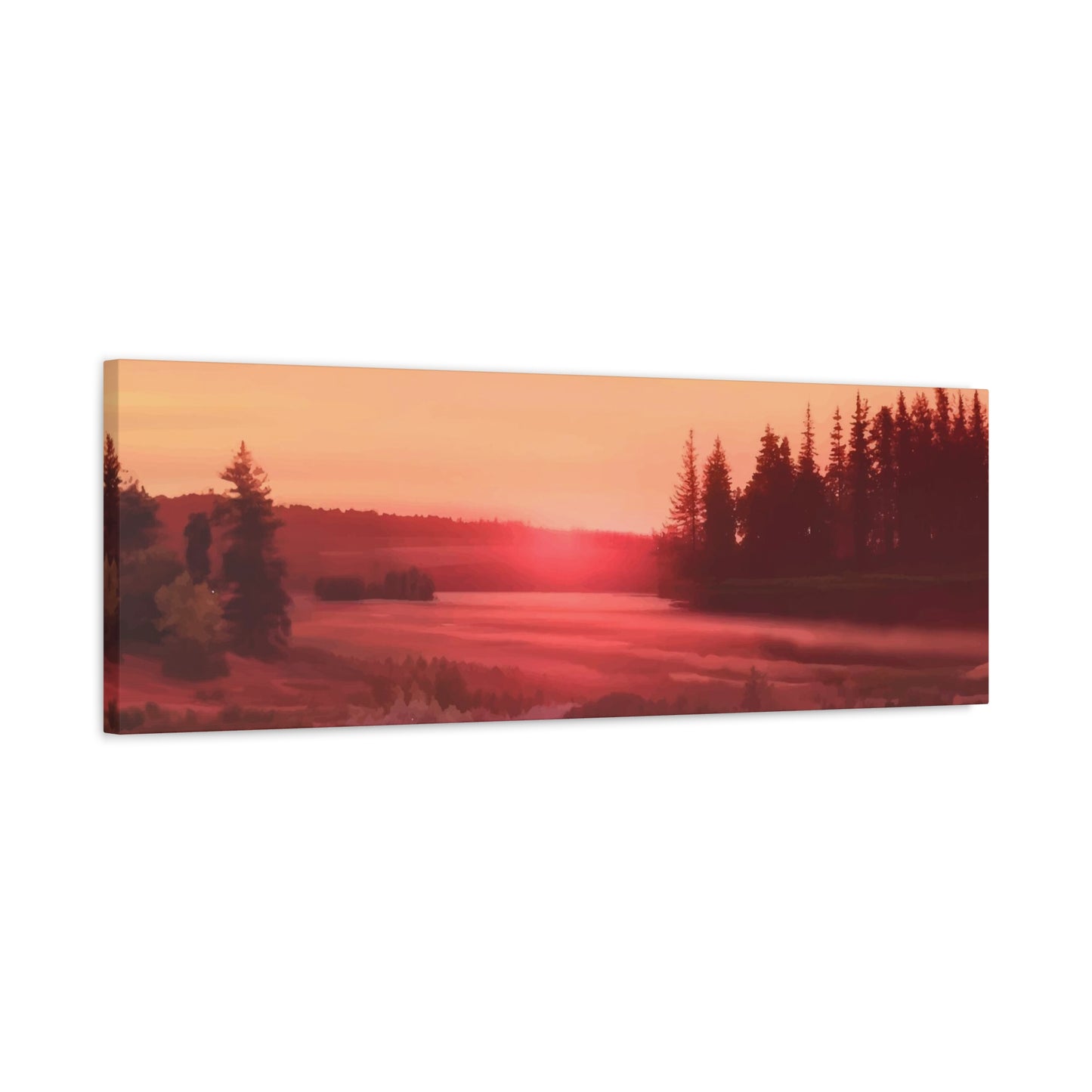
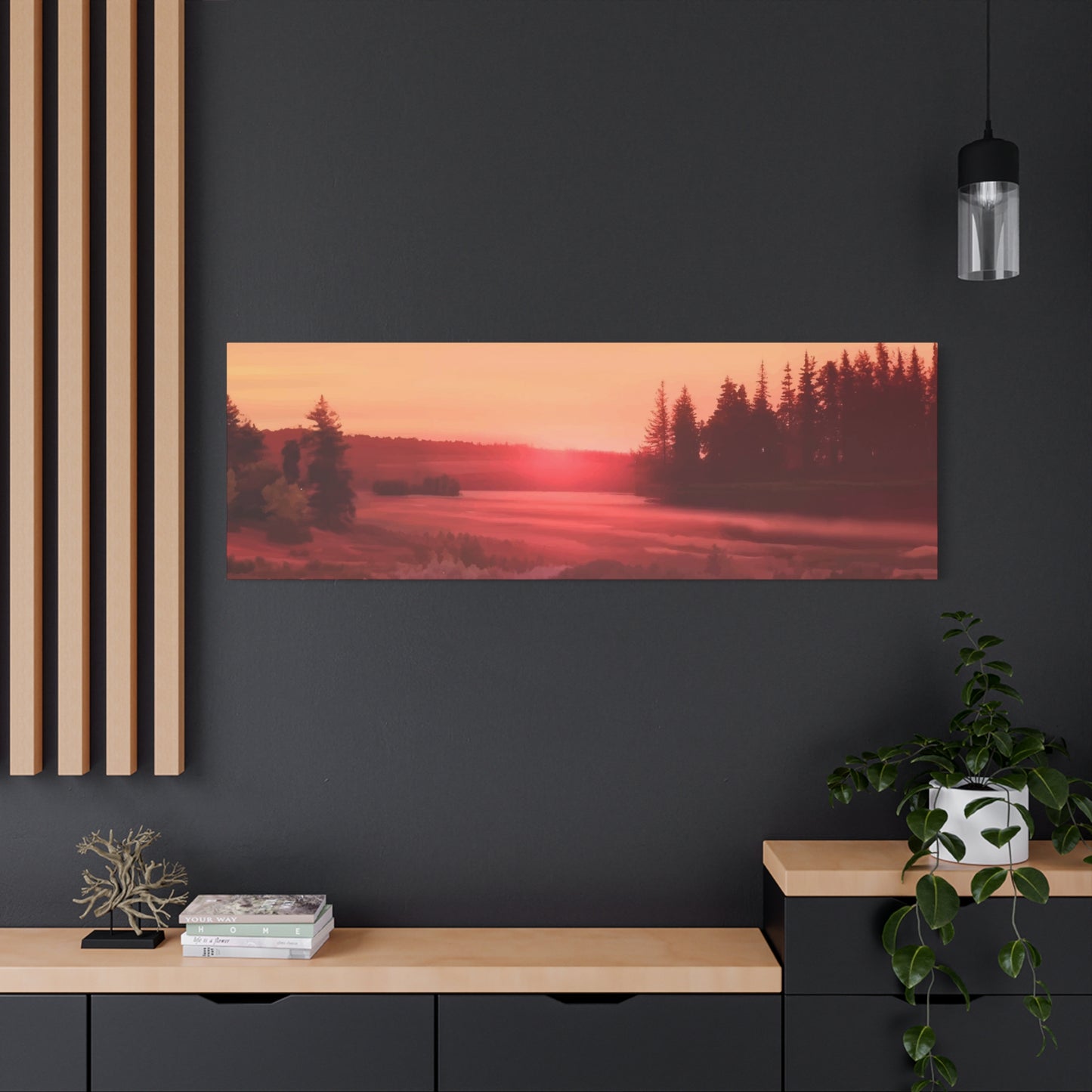
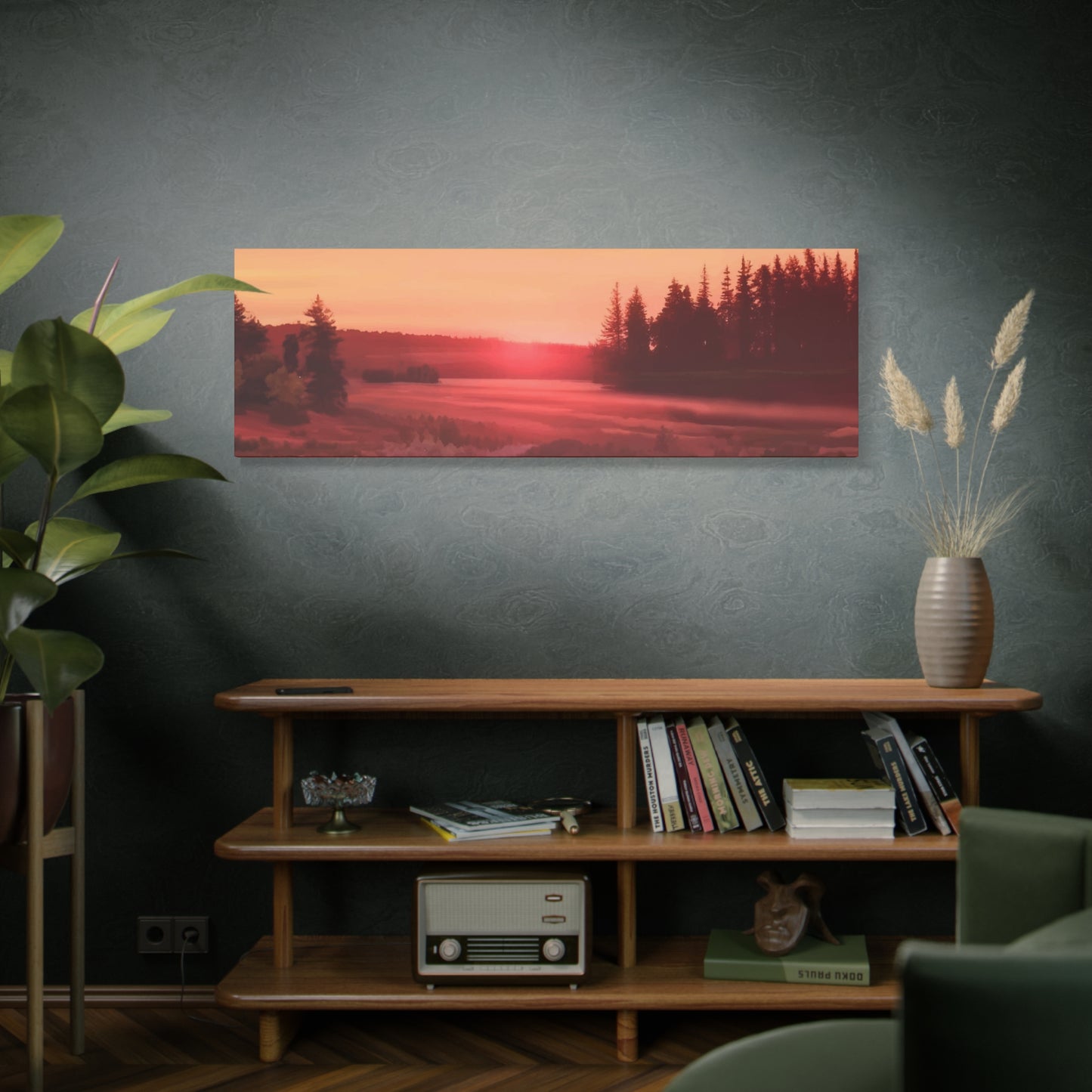
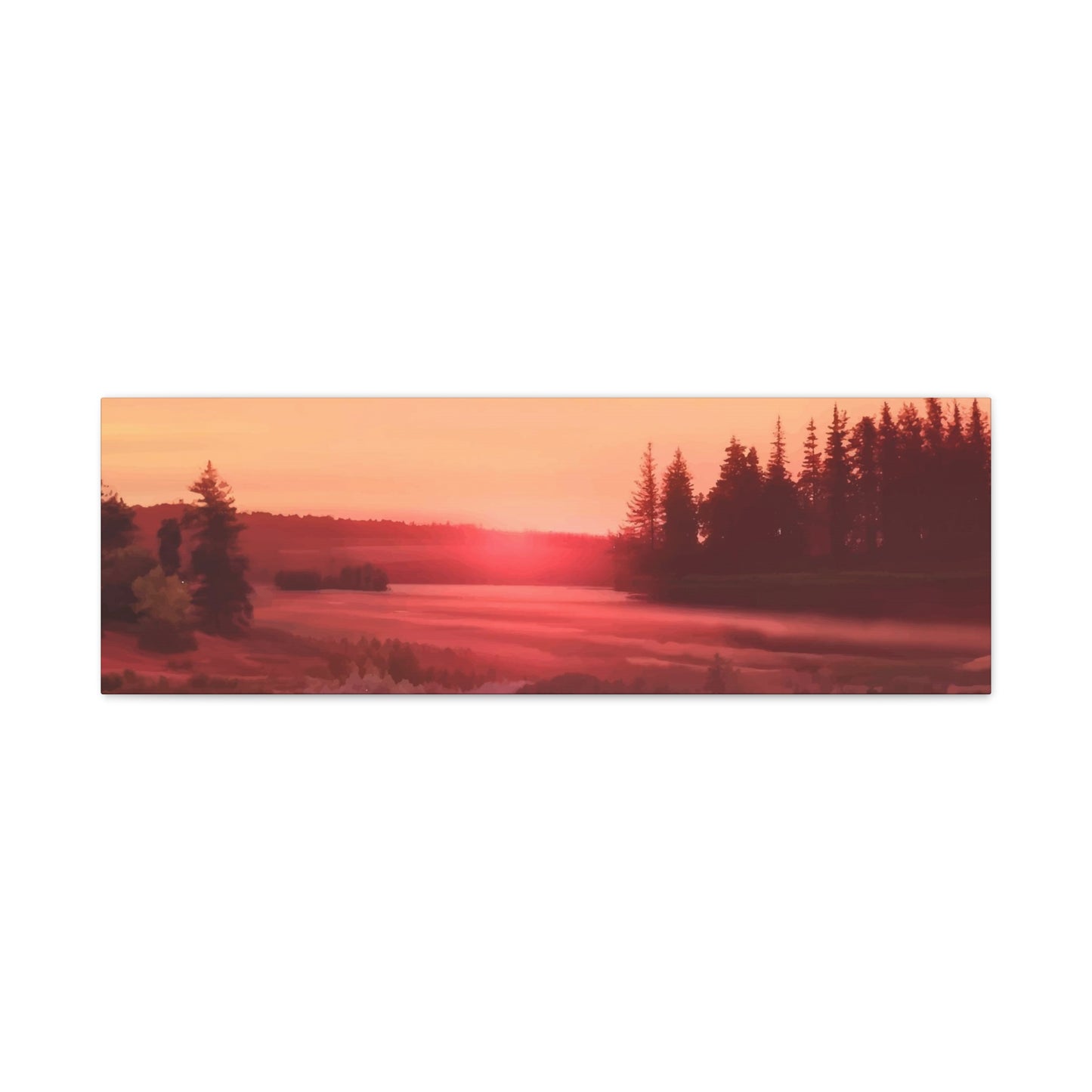
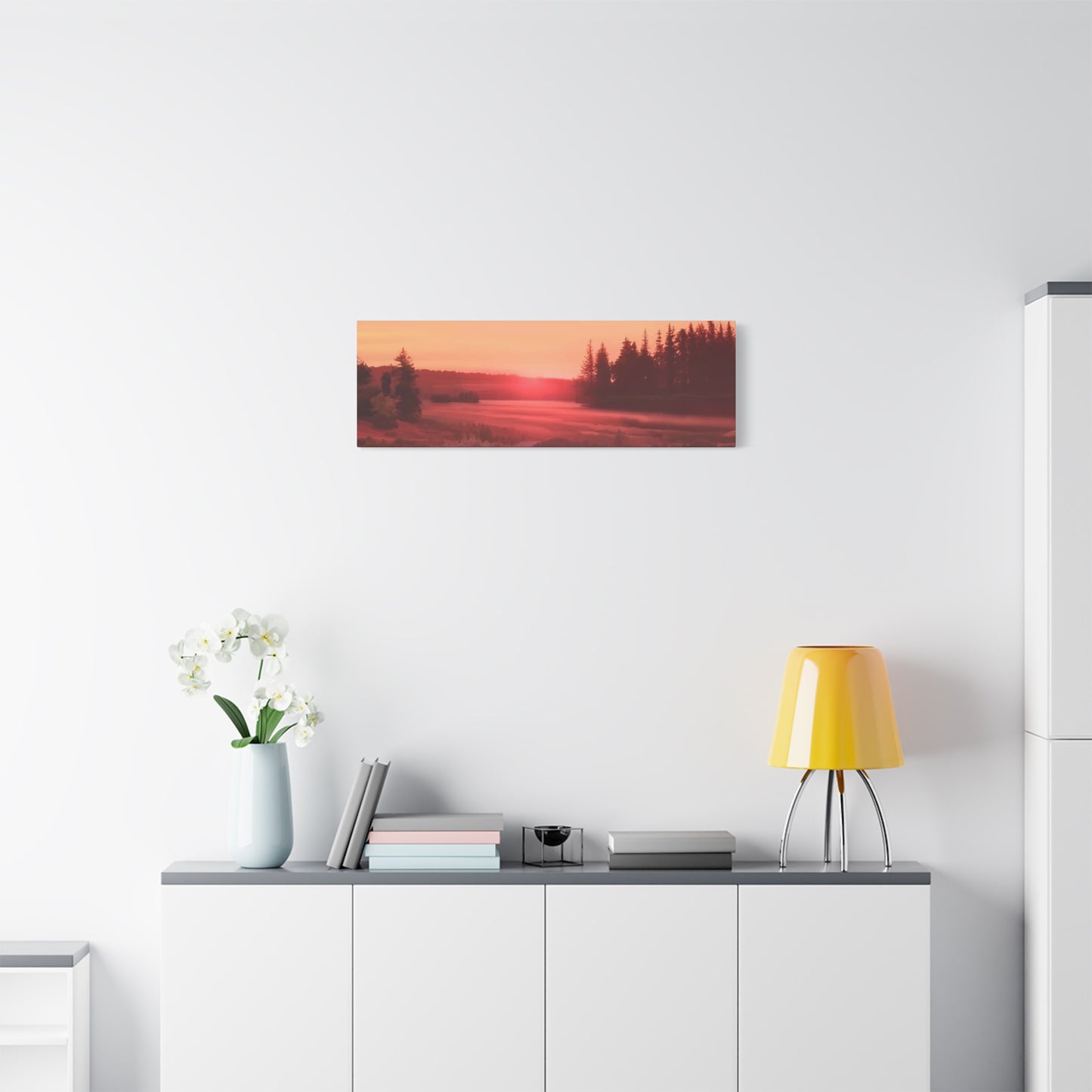
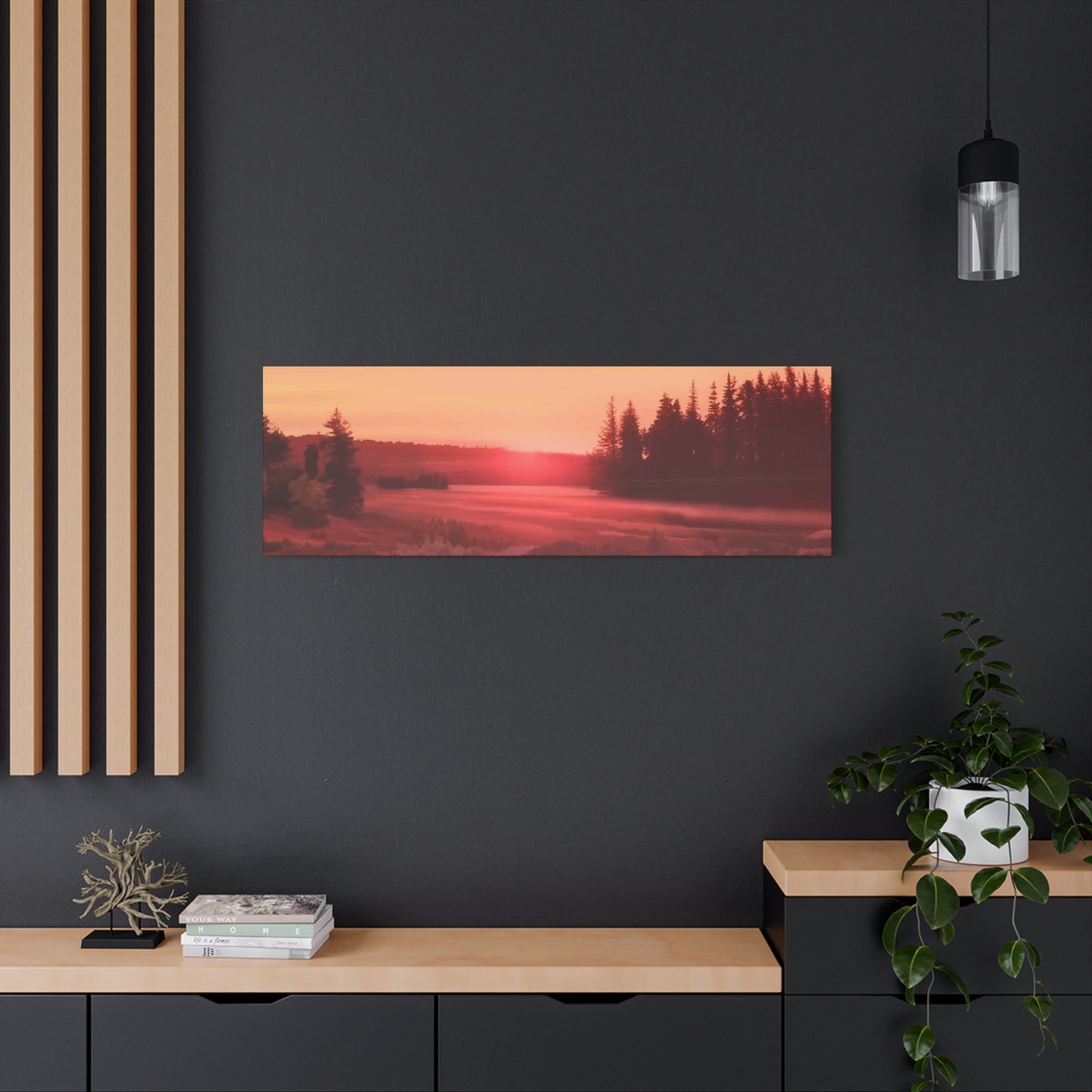
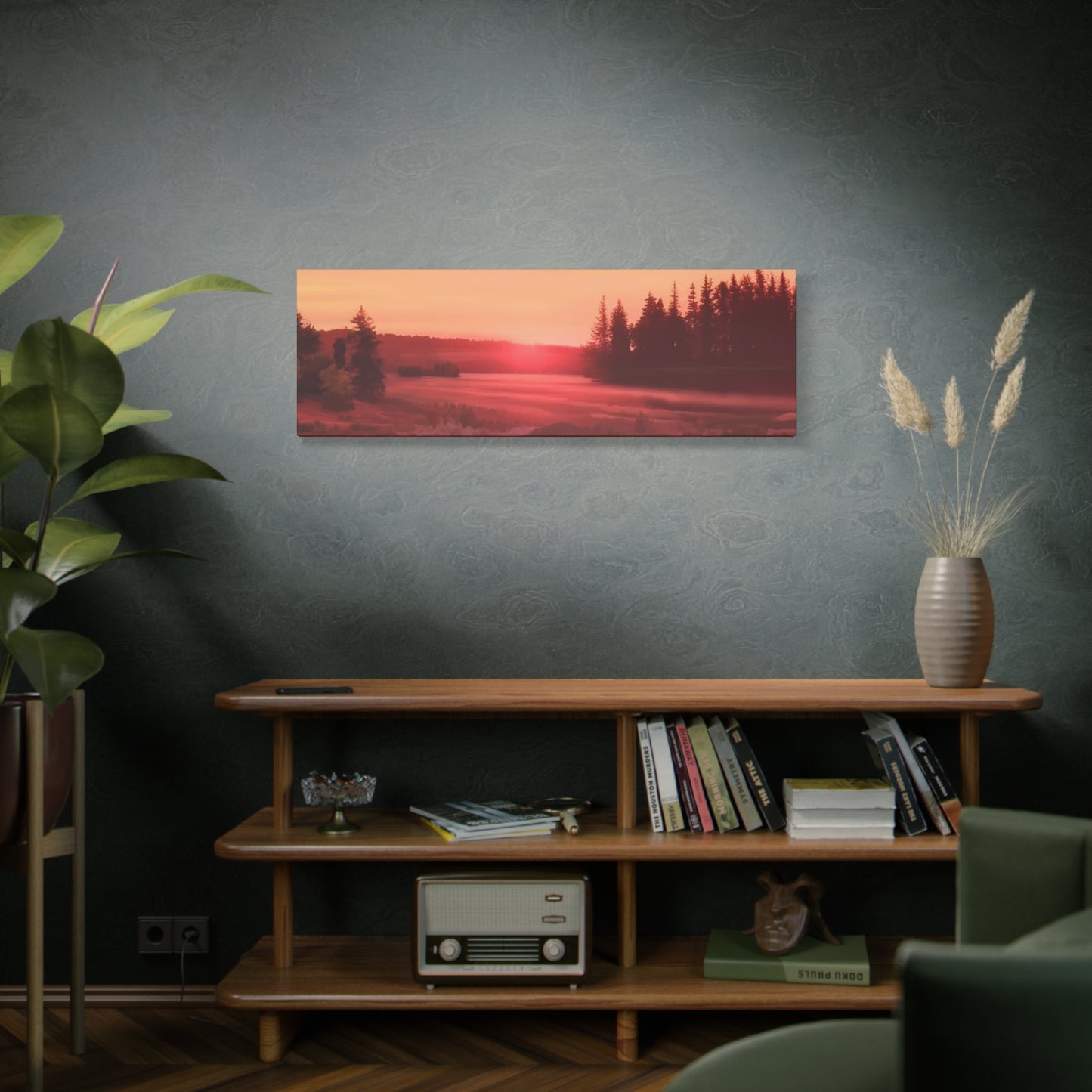
Landscape Wall Art & Canvas Prints
Landscape Wall Art & Canvas Prints
Couldn't load pickup availability
Bringing Nature's Beauty Indoors: How Scenic Imagery Transforms Your Living Spaces Through Carefully Curated Landscape Wall Art
The human desire to connect with nature runs deep within our collective consciousness, manifesting itself through various forms of artistic expression that adorn our living and working environments. Among these manifestations, landscape wall art stands as one of the most compelling ways to bridge the gap between indoor spaces and the natural world that exists beyond our walls. This comprehensive exploration delves into every facet of incorporating scenic imagery into your home, from selection principles to placement strategies, ensuring that each piece contributes meaningfully to your overall design vision.
Discovering the Profound Impact of Scenic Imagery on Interior Environments and Human Wellbeing
The incorporation of nature-inspired visual elements within enclosed spaces transcends mere decoration, touching upon fundamental aspects of human psychology and environmental design. Research spanning multiple decades has consistently demonstrated that exposure to natural imagery, even when indirect, produces measurable effects on stress reduction, cognitive function, and overall mood regulation. When we surround ourselves with depictions of mountains, forests, oceans, or pastoral settings, we activate neural pathways associated with relaxation and restoration, effectively creating sanctuaries within our built environments.
The phenomenon extends beyond simple preference, rooting itself in evolutionary biology. Our ancestors spent millennia in direct contact with natural landscapes, developing neurological responses that favored environments offering resources, safety, and beauty. Modern humans inherit these predispositions, experiencing innate attraction to certain landscape features—water sources, verdant vegetation, elevated vantage points, and open horizons. Landscape wall art capitalizes on these ingrained responses, triggering positive emotional reactions that artificial or abstract designs often cannot replicate.
Contemporary interior design increasingly recognizes the value of biophilic elements, with scenic imagery serving as an accessible and versatile option for introducing nature's essence into spaces where live plants, natural materials, or outdoor views may prove impractical. A well-chosen piece depicting rolling hills at sunset or a tranquil forest path can provide visual respite during demanding workdays, offer contemplative focal points in meditation spaces, or simply remind inhabitants of the broader world beyond their immediate surroundings.
Exploring the Vast Spectrum of Styles and Subjects Within Nature-Themed Visual Displays
The realm of landscape wall art encompasses an extraordinary diversity of artistic approaches, subject matters, and emotional tones, ensuring compatibility with virtually any aesthetic preference or design scheme. Traditional representational works capture specific locations or idealized natural scenes with varying degrees of realism, from photorealistic renderings that rival actual photographs to impressionistic interpretations that prioritize mood and color over precise detail. These pieces often evoke particular memories, aspirations, or emotional states, making them deeply personal choices for homeowners.
Contemporary abstract interpretations of natural themes offer another dimension entirely, translating the essence of landscapes into color fields, gestural marks, and compositional elements that suggest rather than depict. These works appeal to minimalist sensibilities while maintaining the emotional resonance of nature, creating conversation pieces that complement modern architectural spaces. The abstraction allows viewers to project their own experiences and interpretations onto the work, fostering ongoing engagement rather than passive observation.
Photographic landscape wall art represents a distinct category, capturing actual moments in nature with technical precision and artistic vision. The medium's inherent realism creates immediate accessibility while offering opportunities for dramatic composition, unusual perspectives, and captured moments impossible to witness in person. Photographers specializing in natural scenes often venture to remote locations or wait for extraordinary lighting conditions, presenting viewers with images that transport them to places they may never physically visit.
Seasonal variations provide another organizational framework for understanding landscape imagery. Spring scenes bursting with blooming flowers and fresh greenery convey renewal and vitality. Summer landscapes featuring bright sunlight, lush vegetation, and vibrant skies evoke energy and warmth. Autumn compositions displaying foliage in transition and harvest abundance suggest reflection and change. Winter imagery presenting snow-covered terrain or stark barren trees communicates quiet contemplation and resilience. Selecting landscapes that resonate with your personal connection to seasonal cycles can deepen your relationship with the artwork.
Mastering the Selection Process for Scenic Displays That Enhance Your Specific Space
Choosing appropriate landscape wall art requires thoughtful consideration of multiple factors beyond simple aesthetic appeal. The most successful selections align with the room's function, the existing design elements, and the emotional atmosphere you wish to cultivate. Beginning with room function provides essential guidance—active spaces like kitchens and entryways might benefit from energizing landscapes featuring dramatic skies or dynamic compositions, while bedrooms and reading nooks call for more serene imagery that promotes relaxation and introspection.
Color relationships between the artwork and surrounding environment significantly impact visual cohesion. Rather than seeking exact matches, look for complementary or harmonious color relationships that create dialogue between the piece and its context. A landscape dominated by cool blues and greens can balance warm-toned furniture and finishes, while warmer landscape palettes featuring golden hour lighting or autumn colors can add coziness to spaces with cool gray walls or metal accents. The most sophisticated approaches create subtle connections that feel intentional without appearing overly coordinated.
Scale considerations prove crucial for achieving proper visual weight and impact. Oversized landscape wall art makes bold statements, commanding attention and establishing itself as the room's focal point. These substantial pieces work particularly well in spacious rooms with high ceilings, over large furniture pieces like sofas or beds, or in minimalist spaces where a single dramatic element provides necessary visual interest. Conversely, smaller-scale pieces allow for grouping and layering, creating gallery walls that tell more complex visual stories or establishing rhythm through repetition.
The relationship between the depicted landscape and the viewer's personal history or aspirations adds meaningful depth to the selection process. Artwork depicting regions you've visited can serve as visual souvenirs, triggering memories and emotional connections that enrich daily life. Conversely, images of places you hope to visit someday can function as inspirational touchstones, keeping dreams and goals visibly present. Even imagined or idealized landscapes that simply resonate with your inner world contribute to creating spaces that feel authentically yours.
Understanding How Various Mediums and Production Methods Influence Character and Longevity
The physical nature of landscape wall art varies tremendously based on the medium and production method employed, each offering distinct visual qualities, durability characteristics, and price points. Original paintings created with oils, acrylics, watercolors, or mixed media represent unique artifacts, bearing the artist's direct hand and offering textural richness that reproductions cannot replicate. Oil paintings particularly excel at capturing atmospheric effects and subtle color transitions, developing depth through layered glazes and impasto techniques. The investment in original works extends beyond aesthetics, encompassing the satisfaction of supporting living artists and owning irreplaceable pieces.
Canvas prints bridge the gap between affordability and quality, offering excellent color reproduction and professional presentation without the cost associated with originals. Modern printing processes achieve remarkable fidelity, capturing fine details and subtle tonal variations that earlier reproduction methods could not approach. Gallery-wrapped canvas, where the image continues around the stretcher bars' edges, creates finished pieces requiring no additional framing, simplifying hanging and reducing overall cost. However, quality varies significantly among producers, making careful sourcing essential for achieving satisfactory results.
Metal prints represent a contemporary option gaining popularity for landscape imagery. The process infuses dyes directly into specially coated aluminum sheets, creating luminous images with exceptional sharpness and color vibrancy. The medium particularly suits nature photography featuring water, sky, or reflective surfaces, enhancing the inherent qualities of such subjects. Metal prints resist fading, scratching, and moisture damage more effectively than many alternatives, making them practical for bathrooms, kitchens, or humid climates while offering sleek, modern aesthetics.
Framed photographic prints under glass maintain traditional appeal while offering flexibility in presentation. The framing process allows for customization through mat selection, frame style, and glass type, enabling precise coordination with existing decor. Museum-quality glass options minimize reflections and filter ultraviolet light, protecting the image while maximizing visibility. This format works particularly well for creating cohesive gallery walls where consistent framing unifies disparate images or when displaying collectible photography that may appreciate in value.
Wood-mounted prints and reclaimed wood panels offer rustic charm particularly appropriate for cabin-inspired aesthetics or farmhouse designs. These substrates add inherent texture and warmth, complementing landscape imagery depicting forests, mountains, or rural scenes. Some artisans create composite pieces incorporating actual weathered wood as pictorial elements, blurring boundaries between the depicted landscape and the physical object. Such approaches emphasize craftsmanship and materiality, appealing to those who value tangible, handmade qualities in their surroundings.
Strategic Placement Principles That Maximize Visual Impact and Room Functionality
Successful placement of landscape wall art requires understanding both aesthetic principles and practical considerations related to viewing angles, lighting conditions, and traffic patterns. The traditional guideline suggesting artwork placement at eye level provides a useful starting point, though the specific interpretation depends on whether viewing occurs primarily while seated or standing. In dining rooms where occupants spend time seated, positioning landscape imagery slightly lower accommodates the lowered sight line, ensuring comfortable viewing during meals. Conversely, hallways and entryways where passage occurs standing might place pieces somewhat higher.
Creating visual relationships between artwork and furniture establishes spatial cohesion that makes rooms feel thoughtfully composed rather than randomly assembled. When hanging landscape wall art above sofas, beds, or consoles, the general principle suggests the artwork's width should measure between two-thirds and three-quarters of the furniture piece's width, creating proportional balance without overwhelming or appearing lost. The vertical gap between furniture and artwork typically falls between six and twelve inches, close enough to establish connection while providing breathing room.
Lighting dramatically affects how landscape imagery appears and how effectively it contributes to room ambiance. Natural light from windows can beautifully illuminate artwork during daylight hours but potentially causes fading over extended periods, particularly for pieces created with light-sensitive materials. Positioning landscape wall art perpendicular to windows rather than directly opposite minimizes glare while allowing indirect illumination. Dedicated picture lights, track lighting, or strategically placed spotlights ensure proper illumination during evening hours, highlighting textures and colors while creating ambient lighting that enhances the entire space.
Unexpected placements can transform overlooked spaces into meaningful moments of visual interest. The wall space at the top of staircases, for instance, offers opportunities for larger statement pieces visible from multiple levels. Bathroom walls, often neglected in decorating schemes, benefit enormously from calming landscape imagery that transforms utilitarian spaces into spa-like retreats. Home offices and workspaces gain from carefully selected nature scenes that provide visual breaks during screen-intensive tasks, supporting sustained focus and reducing mental fatigue.
Gallery wall arrangements allow for creative storytelling through landscape imagery, combining multiple pieces into cohesive compositions that exceed the impact of individual elements. Successful gallery walls require planning, beginning with laying out arrangements on the floor or using paper templates on walls before committing to nail placement. Unifying elements might include consistent framing, color palettes that harmonize across pieces, or thematic connections such as depicting different seasons or various interpretations of similar landscapes. Maintaining consistent spacing between pieces, typically two to four inches, creates rhythm and visual organization.
Decoding Color Palettes Within Landscape Imagery for Intentional Emotional Resonance
The colors dominating landscape wall art profoundly influence the psychological atmosphere of spaces, making color palette selection a crucial component of the decision-making process. Cool-toned landscapes featuring blues, greens, and purples tend to evoke feelings of tranquility, spaciousness, and contemplation. These palettes naturally suit bedrooms, bathrooms, and meditation spaces where calming energy proves beneficial. Ocean scenes, misty mountains, and twilight forests exemplify subjects naturally offering these cooler color ranges.
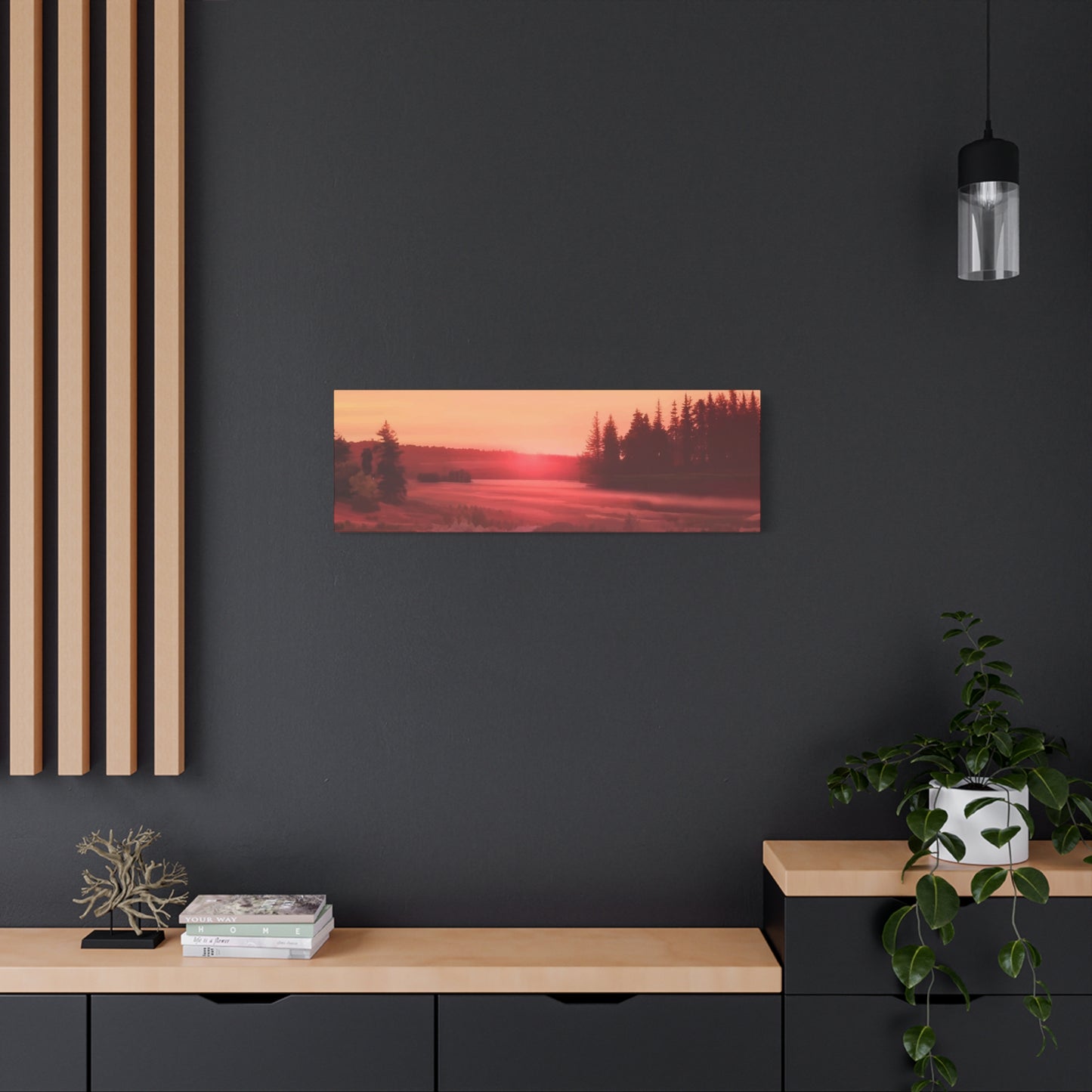
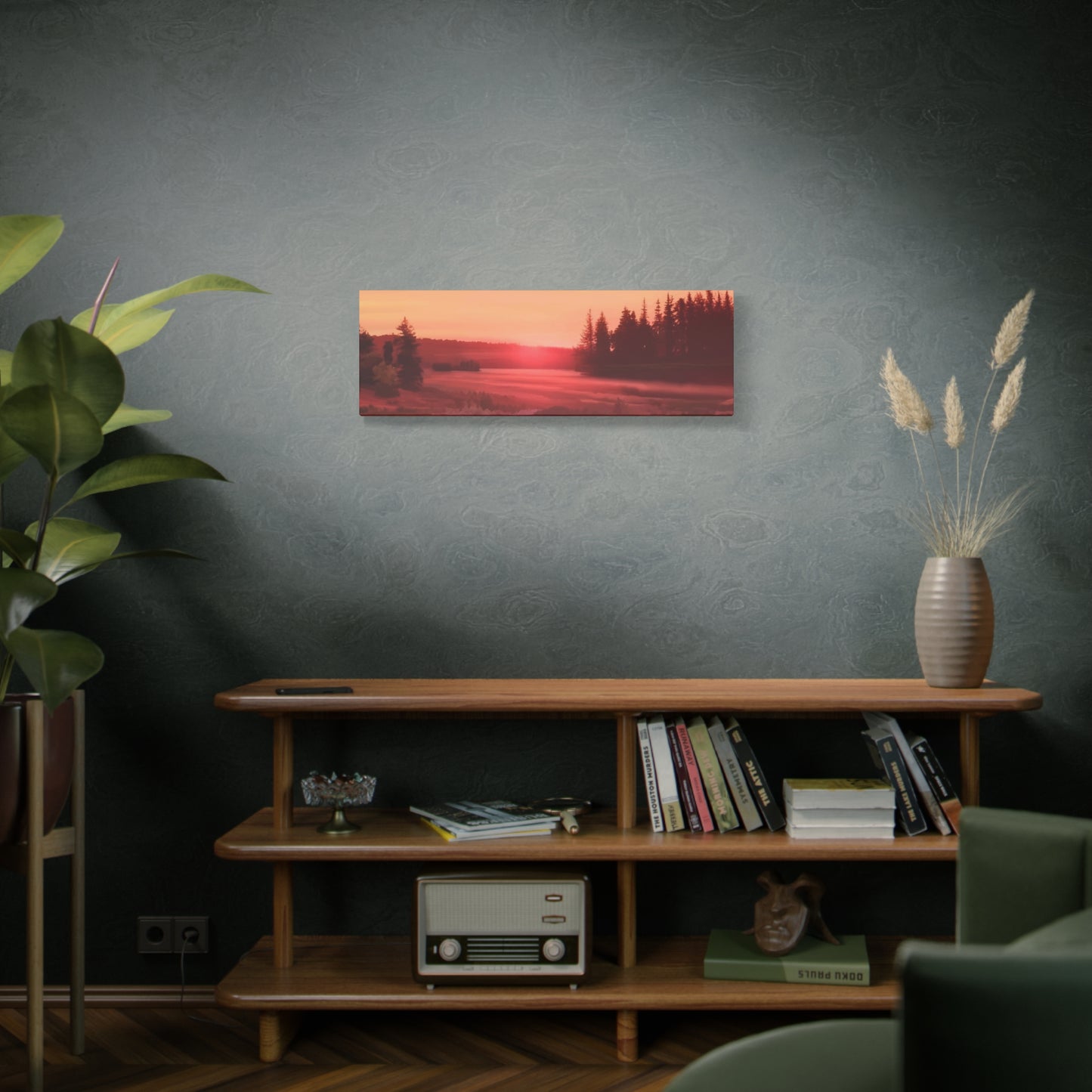
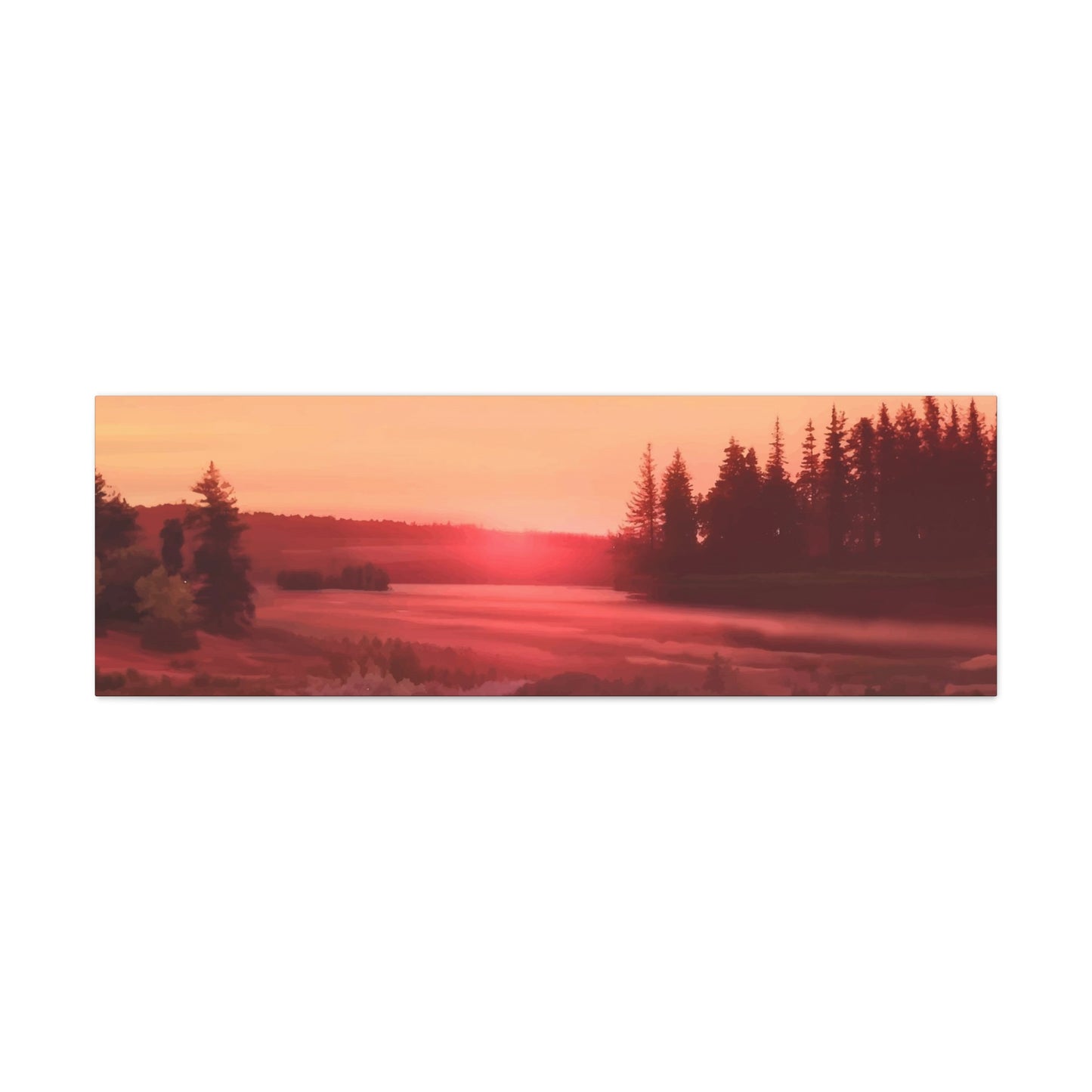
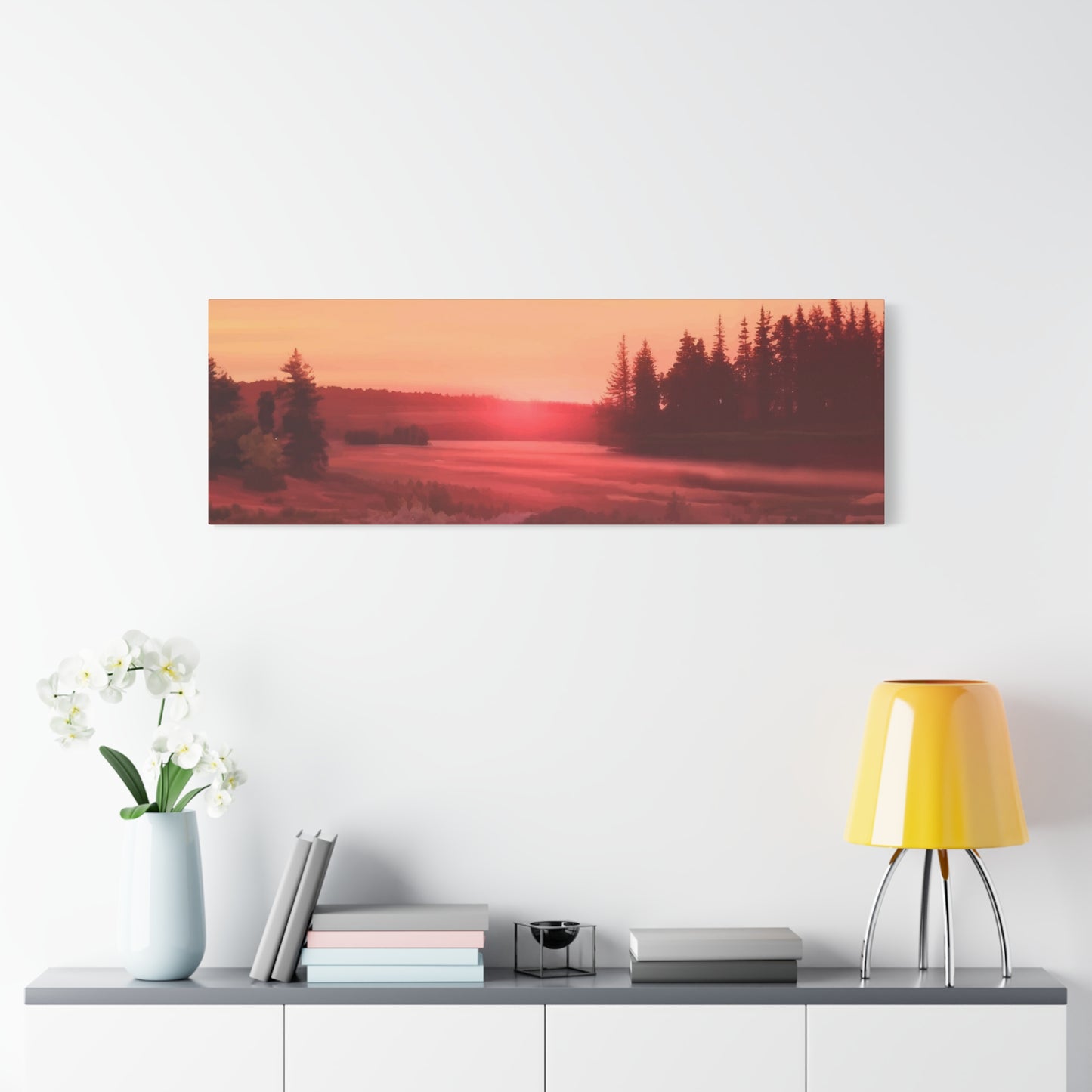
Warm-toned imagery dominated by reds, oranges, yellows, and warm browns creates inviting, energizing atmospheres that feel cozy and stimulating. Sunrise and sunset landscapes particularly embody these qualities, capturing the dramatic color displays occurring during transitional light. Such pieces enliven living rooms, dining areas, and social spaces where gathering and conversation occur. The warmth encourages lingering and engagement, counteracting the potentially sterile feeling of modern minimalist interiors.
Neutral landscape palettes featuring browns, tans, grays, and muted greens offer versatility and sophistication, coordinating effortlessly with diverse design schemes while maintaining subtle presence. These understated pieces allow other design elements to take precedence or create serene backgrounds in spaces where visual calm takes priority. Black and white landscape photography represents the ultimate neutral choice, emphasizing composition, form, and tonal contrast while eliminating color as a variable. Such pieces bring timeless elegance and work particularly well in contemporary or transitional designs.
Monochromatic landscape wall art featuring variations of a single hue creates sophisticated, cohesive statements that feel intentional and curated. A landscape rendered entirely in shades of blue, for instance, emphasizes mood and atmosphere over realistic representation, inviting contemplative viewing. These pieces particularly suit modern and minimalist interiors where color discipline contributes to overall design restraint. The approach also allows for bolder color choices that might overwhelm in more complex palettes—an entirely golden-toned landscape or one rendered in deep greens makes striking statements without visual chaos.
Understanding color psychology helps align landscape selections with desired emotional outcomes. Green, associated with growth, renewal, and nature itself, promotes balance and harmony while reducing stress. Blue communicates stability, trust, and calm, lowering blood pressure and encouraging relaxation. Yellow stimulates mental activity and optimism, brightening spaces both literally and emotionally. Red energizes and excites, appropriate in moderation for social spaces but potentially overwhelming in large doses. Purple suggests luxury, creativity, and spirituality, adding sophisticated drama. Orange combines red's energy with yellow's cheerfulness, creating warm, welcoming environments. Brown grounds and stabilizes, connecting to earth and natural materials.
Building Cohesive Collections That Tell Unified Visual Stories Throughout Your Home
Developing a collection of landscape wall art across multiple rooms creates opportunities for establishing visual themes that unify disparate spaces while allowing for appropriate variation room to room. One effective approach involves selecting pieces from a single artist or photographer whose work resonates with your aesthetic sensibility. The consistent artistic voice creates subtle continuity even when depicting different scenes, establishing a recognizable style that feels curated rather than randomly assembled. This strategy particularly suits those drawn to specific painting techniques, compositional approaches, or photographic styles.
Geographic theming offers another organizing principle, with all landscape pieces depicting a particular region, country, or ecosystem. A collection focused exclusively on Mediterranean coastlines, for instance, might include Italian cliffside villages, Greek island vistas, and Spanish beach scenes, creating a unified Mediterranean atmosphere throughout the home. Alternatively, highlighting diverse biomes—deserts, forests, mountains, prairies—celebrates natural variety while maintaining a clear organizational logic. This approach works particularly well for those with strong connections to specific places or those who enjoy virtual travel through imagery.
Seasonal progression provides yet another framework for collecting landscape wall art, with different rooms or walls featuring imagery from specific seasons. This approach can be taken literally, with pieces remaining permanently in place to celebrate particular seasons, or more dynamically, rotating artwork as seasons change to keep the home's visual environment aligned with natural cycles. The latter requires planning for storage and rotation but rewards effort with constantly refreshed environments that maintain engagement and mark temporal passages.
Color family connections create visual harmony across collections without requiring thematic similarity. All pieces sharing cool palettes, for instance, maintain cohesion despite depicting different landscapes or employing different styles. This approach offers flexibility in subject matter while ensuring that pieces work together when viewed in sequence through connected spaces. The strategy particularly suits open floor plans where multiple rooms remain visible simultaneously, requiring cross-room visual coordination.
Scale variation within collections prevents monotony while serving different spatial needs. Combining large statement pieces with smaller supporting works creates visual hierarchy and rhythm, guiding the eye through spaces with intention. The largest, most dramatic pieces claim prominent positions—above mantels, in entryways, or as bedroom headboard alternatives—while smaller works fill secondary locations or create grouped vignettes. This varied approach feels more organic than uniformly sized pieces, mimicking the visual diversity found in actual art galleries.
Navigating Frame Selection to Enhance Rather Than Overpower Landscape Imagery
Framing decisions significantly impact how landscape wall art appears and relates to its surroundings, with choices ranging from minimal to ornate, each creating different effects. The frame functions as a transitional element between the artwork and the wall, either emphasizing this boundary or minimizing it depending on your design goals. For bold, dramatic landscapes with strong internal composition, simple frames in neutral tones allow the imagery to dominate, functioning primarily as protective borders rather than decorative elements. Slim black metal frames, natural wood frames with minimal profiles, or even frameless presentations suit this approach.
More ornate framing adds formality and traditional elegance, particularly appropriate for classic landscape paintings or when seeking to elevate photographic work to fine art status. Gilded frames, carved wood with detailed profiles, or frames featuring multiple stepped elements create substantial presence, demanding quality artwork that can sustain the added visual weight. This approach works beautifully in traditionally furnished rooms, creating dialogue between contemporary landscape imagery and classical design elements. The contrast between modern photographic subjects and traditional framing can produce particularly striking results, bridging temporal aesthetics.
Color coordination between frames and either the artwork itself or surrounding decor helps establish visual relationships that make spaces feel cohesive. Frames that pick up a secondary or accent color from within the landscape create subtle connections that reward close viewing. Alternatively, matching frame colors to wall colors creates recessive presentations where the landscape imagery appears to float directly on the wall surface, minimizing visual interruption. Dark frames on light walls create sharp contrast and definition, while light frames on dark walls produce similar effects in reverse.
Mat selection, when appropriate, adds another layer of customization. Mats create breathing room around imagery, particularly beneficial for smaller pieces that might otherwise feel cramped within their frames. The mat's width should bear proportional relationship to the image size—wider mats suit smaller images, preventing the frame from overwhelming the content, while narrower mats or no mats at all work for larger pieces where the image itself commands sufficient presence. Mat color typically defaults to whites, creams, or light grays that maintain neutrality, though colored mats can create specific effects when deliberately coordinating with palette elements within the landscape.
Contemporary alternatives to traditional framing include floating frames where the artwork appears suspended within the frame structure, creating dimensional depth and modern sophistication. Float mounting works particularly well for canvas prints, metal prints, or artwork on rigid substrates, adding literal and visual depth that enhances three-dimensional presence. Another modern option involves edge-to-edge acrylic mounting, where the landscape image gets sandwiched between clear acrylic sheets, creating a sleek, gallery-like presentation with exceptional clarity and a contemporary aesthetic.
Creating Harmonious Relationships Between Landscape Wall Art and Existing Furnishings
Successfully incorporating landscape imagery into furnished rooms requires considering relationships between the artwork and surrounding furniture, textiles, and accessories. Rather than seeking exact color matches, which often appear contrived, look for complementary relationships that create visual conversation. A landscape featuring autumn foliage, for instance, might complement rather than match burnt orange throw pillows, with the artwork providing inspiration for the color choice without requiring identical shades. This approach feels more sophisticated than precise coordination, suggesting intentionality without over-styling.
Textural relationships add another dimension to these interactions. Smooth, glossy landscape wall art presentations create interesting contrast against rough, nubby textiles like bouclé or heavy weaves. Conversely, textured paintings with visible brushwork or impasto techniques relate beautifully to similarly tactile furnishings, creating coherent sensory environments. Consider the overall textural balance in rooms—spaces dominated by smooth, sleek surfaces benefit from textured artwork that adds visual interest, while rooms already rich in textural variation might prefer smoother artistic presentations that provide visual rest.
The stylistic relationship between landscape imagery and furniture design influences overall coherence. Traditional landscape paintings feel most at home with classic furniture silhouettes, creating environments that honor historical continuity. Contemporary landscape photography or abstract interpretations of natural themes pair naturally with modern furniture featuring clean lines and minimal ornamentation. However, deliberate contrast between furniture and art styles can produce dynamic, eclectic environments that feel curated and personal. A dramatic abstract landscape in a traditionally furnished room, for instance, prevents the space from feeling like a period recreation, adding contemporary energy while respecting the furniture's character.
Arranging furniture to engage with landscape wall art enhances both elements. Positioning seating to face significant pieces transforms them into focal points that reward contemplation, particularly valuable for visually complex or emotionally resonant landscapes. In bedrooms, placing landscape imagery directly opposite the bed creates the first and last image seen daily, potentially influencing mood upon waking and relaxation before sleep. Thoughtful positioning transforms artwork from background decoration into active participants in daily routines and experiences.
Accessory coordination extends visual themes established by landscape wall art without creating overly coordinated environments. Scatter cushions, throws, vases, or decorative objects that echo colors or themes from landscapes create subtle connections that unify spaces. This approach works best when restrained—two or three accessory pieces reflecting landscape elements feel intentional, while too many risk creating themed rooms that lack sophistication. The goal involves creating suggestions and echoes rather than literal repetitions.
Seasonal Rotation Strategies for Maintaining Visual Interest and Environmental Connection
Rotating landscape wall art seasonally offers numerous benefits, from maintaining fresh visual environments to marking temporal passages and celebrating natural cycles. This practice transforms artwork from static decoration into dynamic elements that evolve alongside the natural world outside. The approach requires planning for storage, hanging systems that accommodate changes, and sufficient pieces to enable rotation, but rewards effort with spaces that never feel stale or overlooked.
Spring rotations might introduce landscape wall art featuring blooming flowers, budding trees, fresh green meadows, or awakening wildlife. These images celebrate renewal and growth, aligning interior environments with the season's energy. The predominant color palettes shift toward fresh greens, soft pinks, and light blues, brightening spaces after winter's darker months. Spring landscapes energize and inspire, supporting the natural inclination toward increased activity and new projects characteristic of the season.
Summer selections emphasize vibrant, sun-drenched imagery—bright blue skies, lush greenery at peak growth, or sparkling water scenes. These landscapes capture the season's energy and abundance, featuring bold colors and dramatic natural lighting. Coastal scenes, mountain vistas under clear skies, and wildflower meadows exemplify summer landscape themes. The imagery reminds inhabitants of outdoor possibilities while making indoor spaces feel connected to the vitality beyond walls.
Autumn rotations introduce warmer palette landscapes featuring foliage transitions, harvest scenes, or dramatic cloudy skies signaling seasonal change. These images embrace transformation and introspection, aligning with the season's gradual winding down. The predominant golds, oranges, reds, and browns add cozy warmth to interiors as outdoor temperatures drop. Autumn landscapes encourage reflection and gathering, supporting the season's social and contemplative qualities.
Winter landscape wall art might feature snowy scenes, stark bare trees against dramatic skies, or the unique quality of low-angle winter light. These images embrace the season's quiet beauty rather than fighting against it, creating coherent relationships between interior and exterior environments. The predominant cool palettes and simplified compositions reflect winter's essential character while offering beauty in austerity. Winter landscapes support contemplation and rest, aligning with the season's natural pull toward slowing down.
Implementing rotation requires practical considerations. Picture hanging systems with adjustable hooks or rail systems simplify the physical process of changing artwork. Proper storage protects pieces when not displayed—climate-controlled spaces prevent damage from humidity fluctuations or temperature extremes. Organizing storage by season ensures easy location when rotation time arrives. Some practitioners photograph their seasonal arrangements, creating references for efficient reinstallation year after year. The effort investment decreases substantially after the first complete rotation cycle establishes systems and storage organization.
Exploring Custom Commissioned Landscape Pieces for Truly Personalized Spaces
Commissioning custom landscape wall art offers unique opportunities to obtain pieces perfectly tailored to your specific vision, space requirements, and personal connection to particular places. The process begins with identifying artists or photographers whose existing work resonates with your aesthetic preferences, ensuring compatible styles before initiating conversations about commissions. Many creators maintain distinct artistic voices that should guide subject selection—commissioning a photorealistic painter to create an abstract piece, for instance, pushes against their natural strengths and likely produces disappointing results.
Clear communication about expectations, timelines, and deliverables prevents misunderstandings and ensures satisfaction. Discussing specific dimensions, color palette preferences, and subject matter in detail helps artists understand your vision. Providing reference images, even if the desired final piece differs significantly, offers concrete starting points for discussion. However, effective commissions balance specific direction with creative freedom—overly prescriptive requirements constrain the artist's process and often yield less compelling results than allowing interpretive latitude within established parameters.
Commissioned landscape wall art depicting personally significant locations creates particularly meaningful pieces. Whether documenting childhood homes, favorite vacation destinations, or places holding family significance, these custom works carry emotional resonance impossible to achieve with generic imagery. Providing artists with photographs from your perspective enables them to capture not just the location but something of your relationship to it. Such pieces function as visual autobiographies, marking important places in your life narrative while beautifying your current space.
Budget discussions should occur early in commission conversations, ensuring alignment between expectations and financial reality. Original artwork represents substantial investment, reflecting the artist's skill, time, materials, and experience. Understanding typical pricing for artists at various career stages helps establish realistic expectations. Emerging artists offer opportunities to acquire original work at lower price points while supporting developing talents, while established artists command premium prices justified by their reputation, skill, and demand for their work. Remember that commissioned pieces include not just the final artwork but the entire creative process tailored to your specifications.
The commission process itself offers rewarding engagement with artistic creation. Many artists share works-in-progress, allowing input at various stages while maintaining control over the creative direction. This transparency builds excitement and investment in the piece while ensuring the final result aligns with your vision. The journey from initial concept to completed artwork creates narratives and memories associated with the piece, deepening your connection to it beyond mere aesthetic appreciation.
Understanding How Landscape Imagery Influences Mood and Psychological States
The psychological impact of landscape wall art extends beyond aesthetic pleasure, influencing emotional states, stress levels, and even cognitive performance in measurable ways. Extensive research confirms what humans have intuitively understood throughout history—exposure to nature imagery, even when indirect, produces beneficial effects on mental wellbeing. In environments where direct nature access proves limited or impossible, such as urban apartments, windowless offices, or interior rooms, landscape imagery serves as proxy contact, activating similar neural responses to actual nature exposure.
Stress reduction represents one of the most consistently demonstrated benefits of nature imagery. Studies utilizing physiological markers like cortisol levels, blood pressure, and heart rate variability show significant positive changes following exposure to landscape imagery, particularly scenes featuring water, greenery, or open horizons. The mechanism appears related to attention restoration theory, which posits that natural environments require less directed attention than urban or built environments, allowing mental resources depleted by modern life's constant demands to replenish. Landscape wall art facilitates this restoration process within our living and working spaces.
Cognitive benefits extend beyond stress reduction to include improved focus, enhanced creativity, and better problem-solving capabilities. Brief viewing breaks involving landscape imagery during mentally demanding tasks reduce cognitive fatigue and improve sustained attention. The effect likely relates to providing mental rest from task-focused concentration while maintaining gentle engagement, preventing complete disengagement that might increase difficulty in returning to work. Positioning landscape art within sight lines from workspaces creates natural opportunities for these restorative glances without requiring leaving the area.
Emotional regulation benefits arise from landscape imagery's capacity to influence mood states. Uplifting landscapes featuring bright colors, dramatic skies, or majestic vistas can elevate mood during challenging periods, while calming scenes featuring gentle water, misty mountains, or peaceful forests support relaxation and emotional balance. Thoughtfully selecting landscape wall art based on desired emotional effects transforms spaces into tools for psychological self-care. Bedrooms benefit from calming imagery supporting sleep preparation, while home gyms might feature more energizing landscapes supporting motivation and effort.
The biophilia hypothesis suggests humans possess innate tendencies to seek connections with nature and other life forms, arising from evolutionary pressures that favored such connections. Landscape imagery satisfies these deep-seated needs partially even within artificial environments, explaining why we consistently prefer spaces incorporating natural elements over those lacking them. Understanding this principle helps explain the universal appeal of landscape art across cultures and historical periods—the attraction roots itself not in learned preferences but in fundamental aspects of human nature.
Practical Considerations for Protecting and Preserving Landscape Wall Art Long-Term
Proper care extends the lifespan and maintains the appearance of landscape wall art, protecting your investment while ensuring continued enjoyment. Environmental conditions significantly impact artwork longevity, with humidity, temperature fluctuations, and light exposure representing primary concerns. Maintaining stable indoor environments benefits both artwork and inhabitants—relative humidity ideally remains between forty and fifty-five percent, while temperature should stay moderate and consistent. Extreme variations stress materials, causing expansion and contraction that can lead to cracking, warping, or delamination.
Light exposure, particularly ultraviolet radiation, gradually degrades organic materials including pigments, papers, canvas, and textiles. Fading occurs slowly and often goes unnoticed until comparing areas exposed to light against protected sections reveals significant color shifts. Minimizing direct sunlight exposure represents the most effective prevention—positioning landscape wall art away from windows or using window treatments to filter light protects pieces while still allowing natural illumination. For particularly valuable or sensitive works, conservation-grade UV-filtering glazing provides excellent protection while maintaining transparency.
Physical protection from dust, dirt, and airborne pollutants extends artwork lifespans considerably. Regular, gentle dusting using soft brushes or cloths prevents accumulation that can permanently embed into surfaces. Never use cleaning products, water, or solvents on artwork without professional guidance—what seems like gentle cleaning can cause irreversible damage to delicate surfaces. For framed pieces behind glass, cleaning the glass itself poses little risk using appropriate glass cleaners, though care should be taken to prevent liquid from seeping beneath the frame where it might contact the artwork.
Proper hanging prevents physical damage from falls or improper weight distribution. Using appropriate hardware for both the wall type and artwork weight ensures security—drywall anchors, wall studs, or specialized hangers depending on circumstances. For substantial pieces, using two hanging points rather than one provides better weight distribution and prevents tilting. Ensuring level hanging not only improves appearance but prevents gravitational stress from pulling artwork askew over time. Regular inspection of hanging hardware identifies problems before failures occur.
Climate-controlled storage protects pieces not currently displayed, particularly important for those practicing seasonal rotation. Wrapping artwork in acid-free tissue paper or glassine before storage prevents surface damage while allowing materials to breathe. Avoid plastic wrap which can trap moisture and promote mold growth. Store pieces vertically when possible rather than stacking horizontally, which places weight stress on lower pieces. Keep storage areas clean, dry, and climate-controlled, avoiding attics, basements, or garages where temperature and humidity fluctuate dramatically.
Discovering Emerging Artists and Affordable Sources for Building Your Collection
Building a landscape wall art collection need not require unlimited budgets—numerous sources offer quality pieces at various price points, making nature-inspired decor accessible regardless of financial constraints. Directly purchasing from emerging artists represents one of the most rewarding approaches, offering affordable original work while supporting developing talents. Local art fairs, open studio events, and community galleries showcase regional artists whose work may not yet command premium prices despite considerable skill. Buying directly eliminates gallery markups while establishing personal connections with creators.
Online marketplaces dedicated to connecting artists with buyers democratize art acquisition, providing platforms where thousands of creators offer work across all styles and price ranges. These venues typically allow filtering by subject, style, color, size, and price, simplifying the search for specific landscape imagery. Reading artist profiles, viewing complete portfolios, and reading buyer reviews helps assess quality and reliability before purchasing. Many platforms offer satisfaction guarantees or return policies, reducing risk associated with buying sight unseen.
Print-on-demand services provide affordable access to landscape photography and digital artwork, though quality varies substantially among providers. The best services use archival-quality papers, professional-grade printers, and proper color management, producing prints that rival traditionally produced photographs. However, budget-oriented options often cut corners on materials and processes, yielding disappointing results that fade quickly or lack proper color accuracy. Research and potentially ordering samples before committing to larger purchases helps identify reliable providers.
Thrift stores, estate sales, and secondhand markets occasionally yield surprisingly good landscape wall art finds at minimal cost. These sources require patience and regular checking since inventory constantly changes and quality varies dramatically. However, the treasure hunt aspect appeals to many collectors, and the environmental benefits of rehoming existing artwork rather than producing new pieces align with sustainability values. Reframing outdated pieces can transform them into attractive additions to contemporary spaces.
Student art sales at universities and art schools offer opportunities to acquire affordable work while supporting emerging talents at early career stages. Annual senior exhibitions, semester-end sales, and fundraising auctions showcase pieces created as coursework or thesis projects. While student work naturally varies in technical sophistication, many pieces demonstrate creativity and fresh perspectives that established artists sometimes lose. The very affordable pricing makes experimentation with different styles and subjects low-risk, enabling you to discover preferences through direct experience.
Rental programs operated by galleries, museums, or art organizations allow rotating landscape wall art through your space without permanent commitment or full purchase prices. Monthly or annual fees provide access to collections featuring multiple pieces that can be exchanged periodically, maintaining visual freshness while exploring different artists and styles. Some programs apply rental payments toward eventual purchase, creating try-before-buying arrangements that reduce risk. These services particularly suit those unsure about long-term preferences or those who enjoy frequently changing their environments.
Conclusion
Each room in a home presents unique opportunities and considerations for landscape wall art, with selections ideally reflecting the space's function and desired atmosphere. Living rooms, serving as primary gathering and relaxation spaces, benefit from larger statement pieces that anchor seating arrangements and provide focal points for visual organization. The landscape subjects might range widely depending on the room's character—formal living rooms might feature refined mountain vistas or coastal scenes, while casual family rooms could embrace more playful or colorful landscape interpretations. Multiple smaller pieces arranged gallery-style offer alternatives to single large works, creating visual interest through arrangement and relationships between images.
Bedroom landscape selections should prioritize calming, restorative imagery that supports relaxation and sleep preparation. Soft-edged compositions, muted colors, and peaceful subjects like tranquil waters, gentle rolling hills, or misty forests create appropriate atmospheres. Positioning landscape wall art opposite or beside the bed maximizes visibility from resting positions. Consider the psychological impact of specific imagery—while stormy seas might energize some viewers, others find them agitating before sleep. Matching landscape choices to personal responses ensures bedrooms function as true sanctuaries.
Dining rooms offer excellent opportunities for more dramatic landscape wall art that encourages conversation and creates memorable atmospheres for shared meals. Because viewing occurs primarily while seated, hanging heights should accommodate lowered sight lines. Landscape imagery featuring harvest scenes, vineyards, or pastoral settings create thematic connections to dining's agricultural roots, though any appealing landscape works provided the scale and impact suit the space. The dining room's often formal character may inspire more refined artistic choices than casual living spaces.
Home offices demand thoughtful landscape selections that support sustained concentration while providing brief mental respite during breaks. Research suggests that views of nature, even indirect through imagery, improve focus and reduce cognitive fatigue during mentally demanding work. Positioning landscape wall art within easy sight lines from work positions creates opportunities for restorative glances without requiring leaving the workspace. Calming but not soporific imagery works best—interesting enough to engage attention briefly but not so dramatic or complex as to prove distracting.
Bathrooms transform into spa-like retreats through carefully selected landscape wall art, particularly pieces featuring water imagery that reinforces the room's essential character. The humid environment requires appropriate materials—canvas prints without protective coating may deteriorate, while metal prints, framed pieces under glass, or properly sealed wooden substrates withstand moisture better. Scale typically runs smaller in bathrooms due to spatial constraints, though powder rooms sometimes accommodate larger statements. The relaxing quality of bath time makes calming landscape imagery particularly appropriate for these spaces.
Kitchen landscape selections should withstand visual complexity, competing with the space's inherent business and activity. Bolder, simpler compositions with strong color presence and clear focal points work better than delicate, subtle pieces that get lost amid culinary chaos. Consider humidity and temperature fluctuations when selecting materials and placement—keep artwork away from direct steam exposure from cooking or washing areas. Cheerful, energizing landscapes suit the kitchen's active, productive character, supporting the space's role as the heart of many homes.
Share