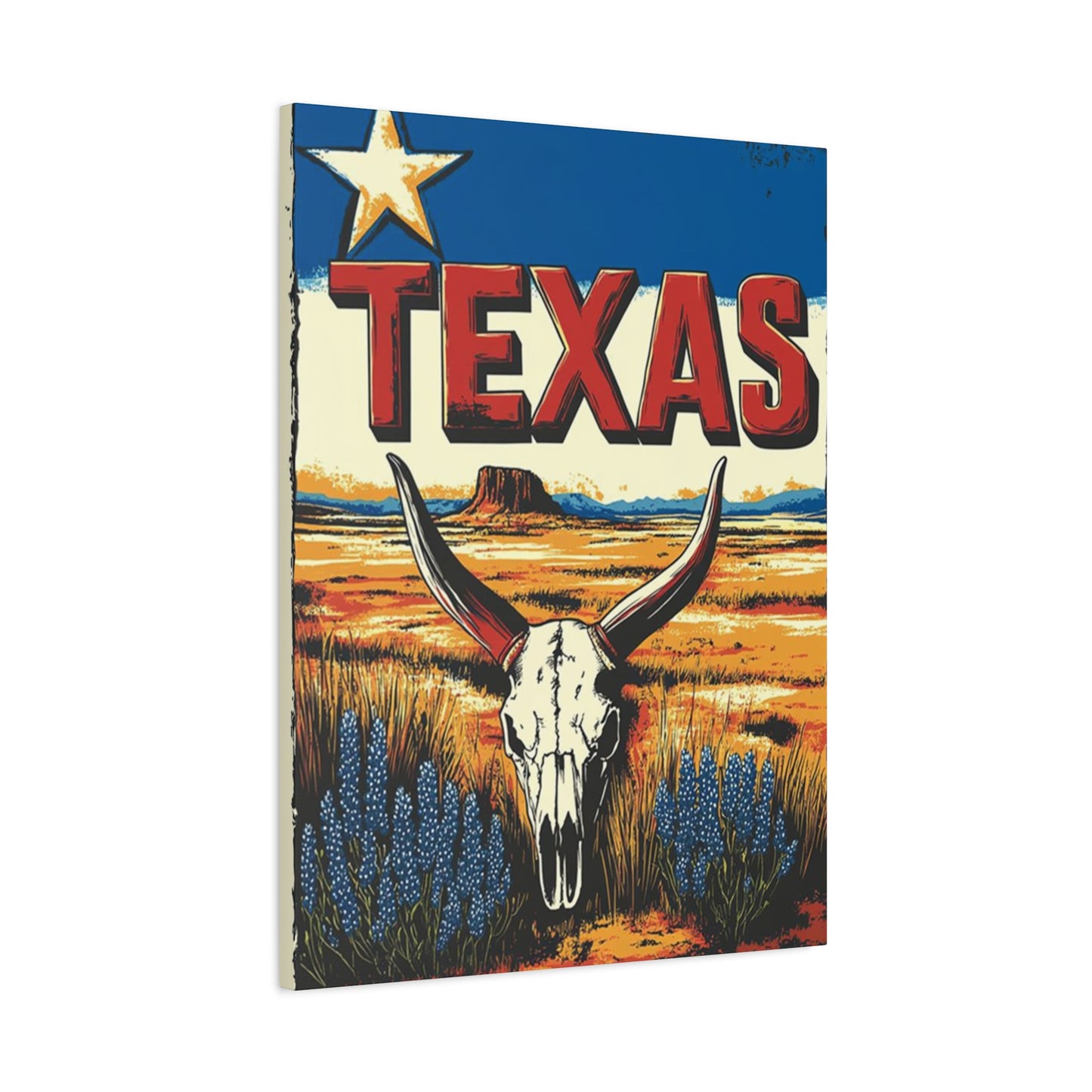
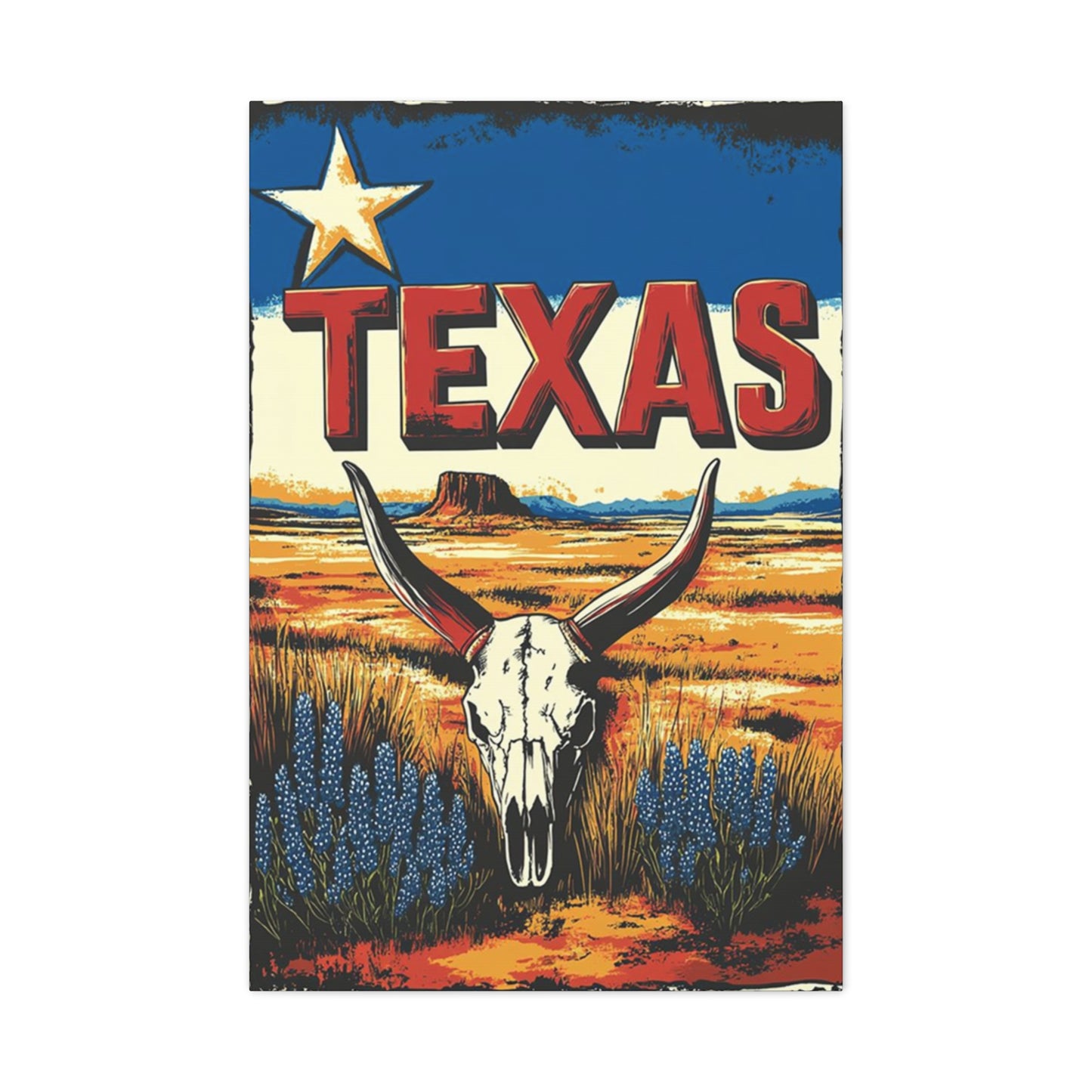
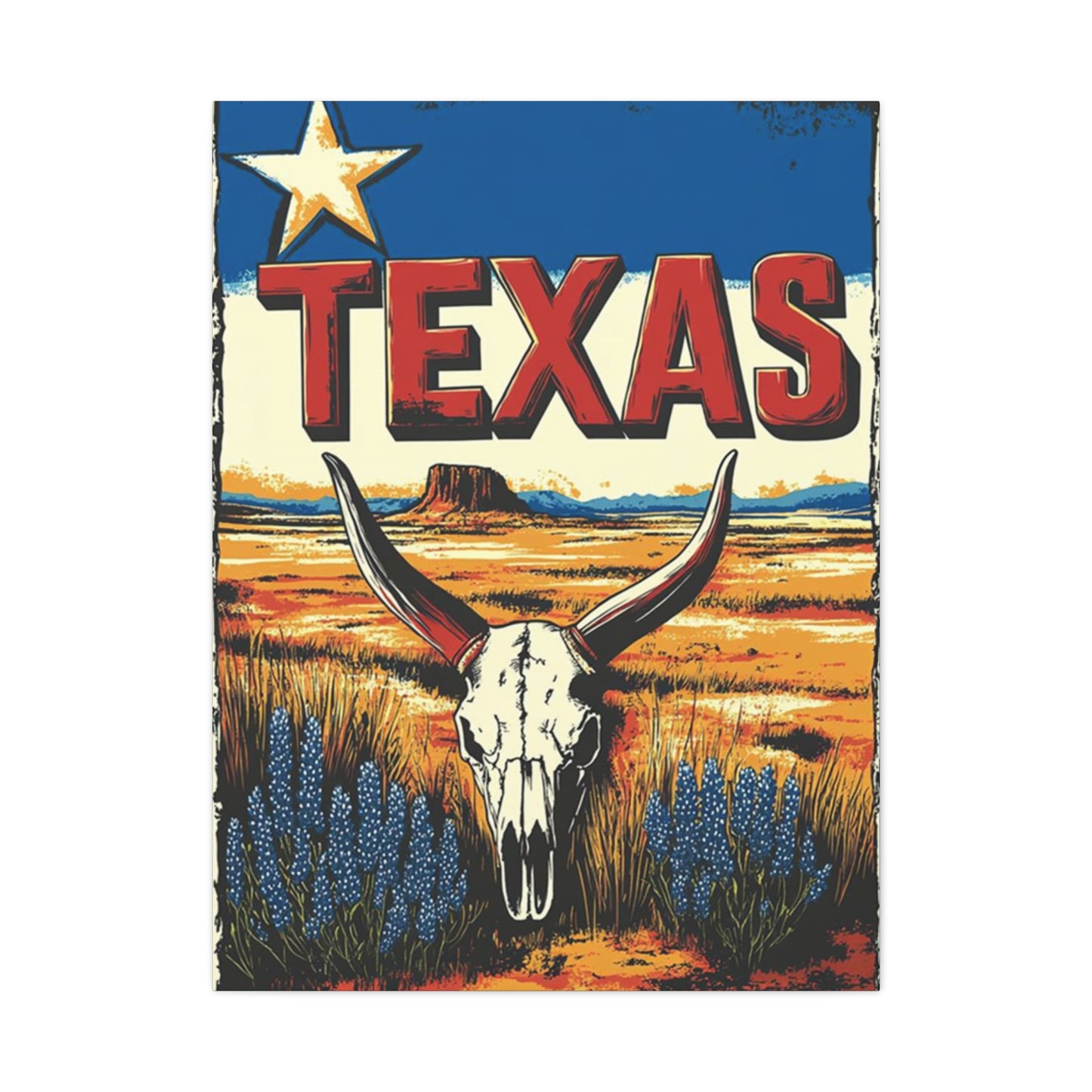
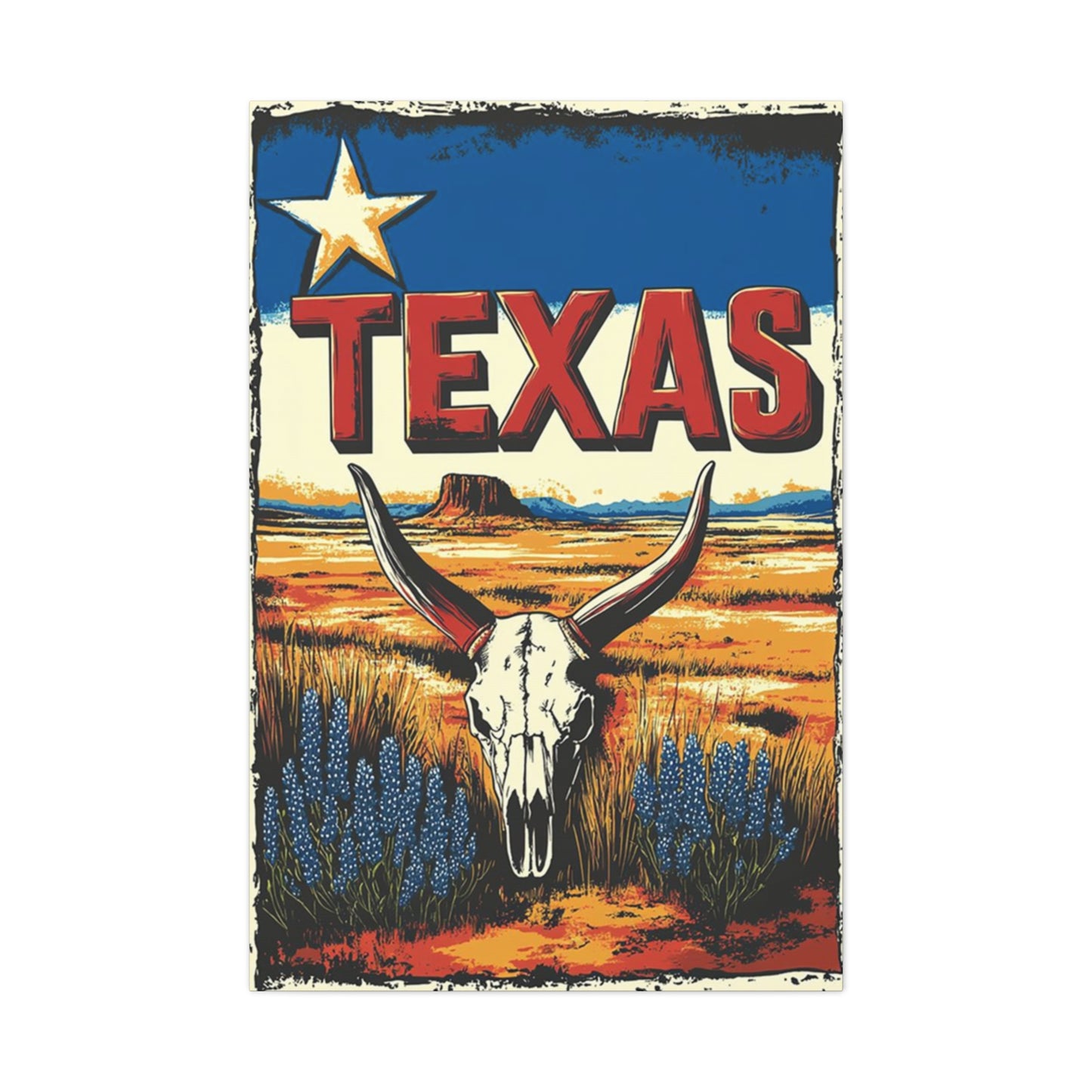
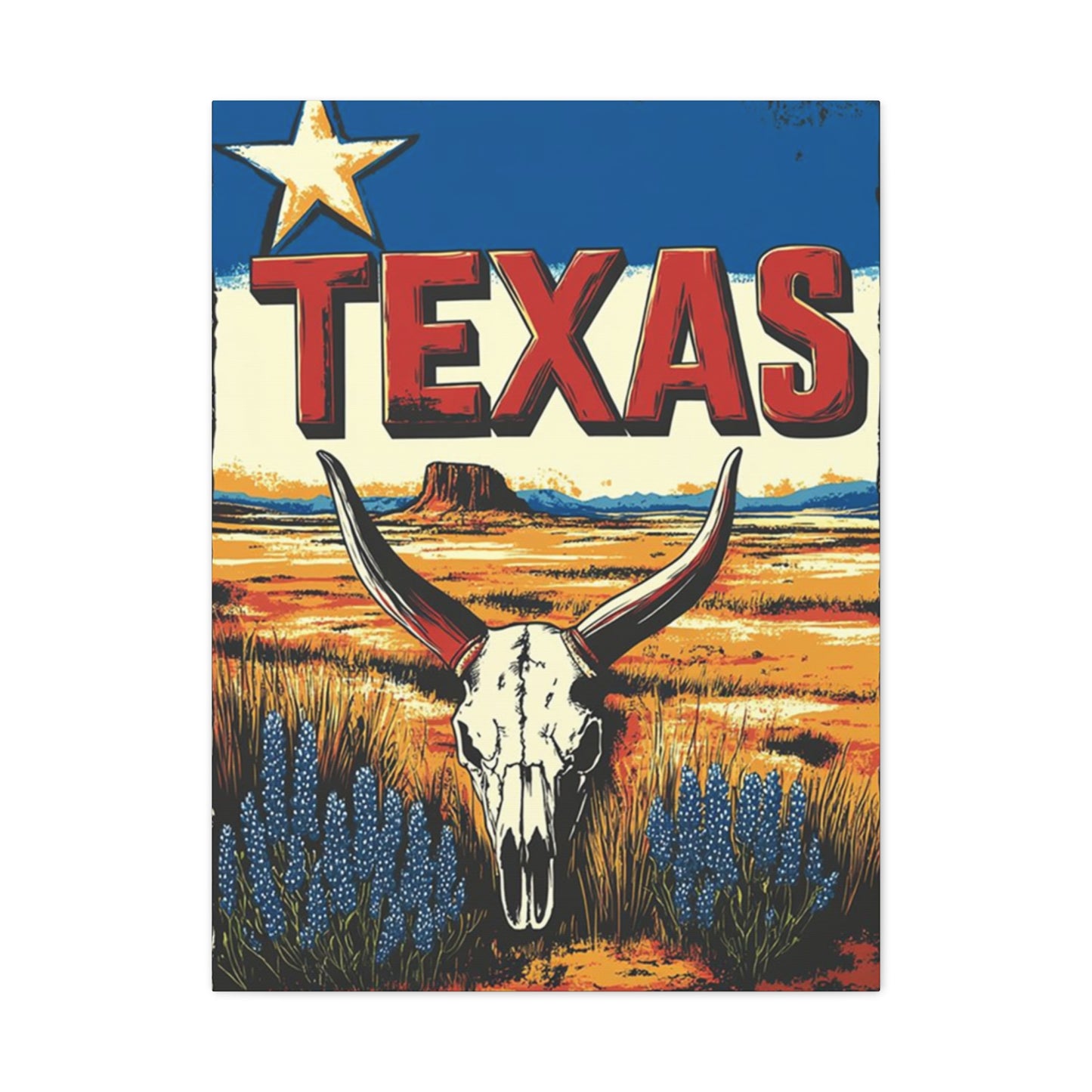
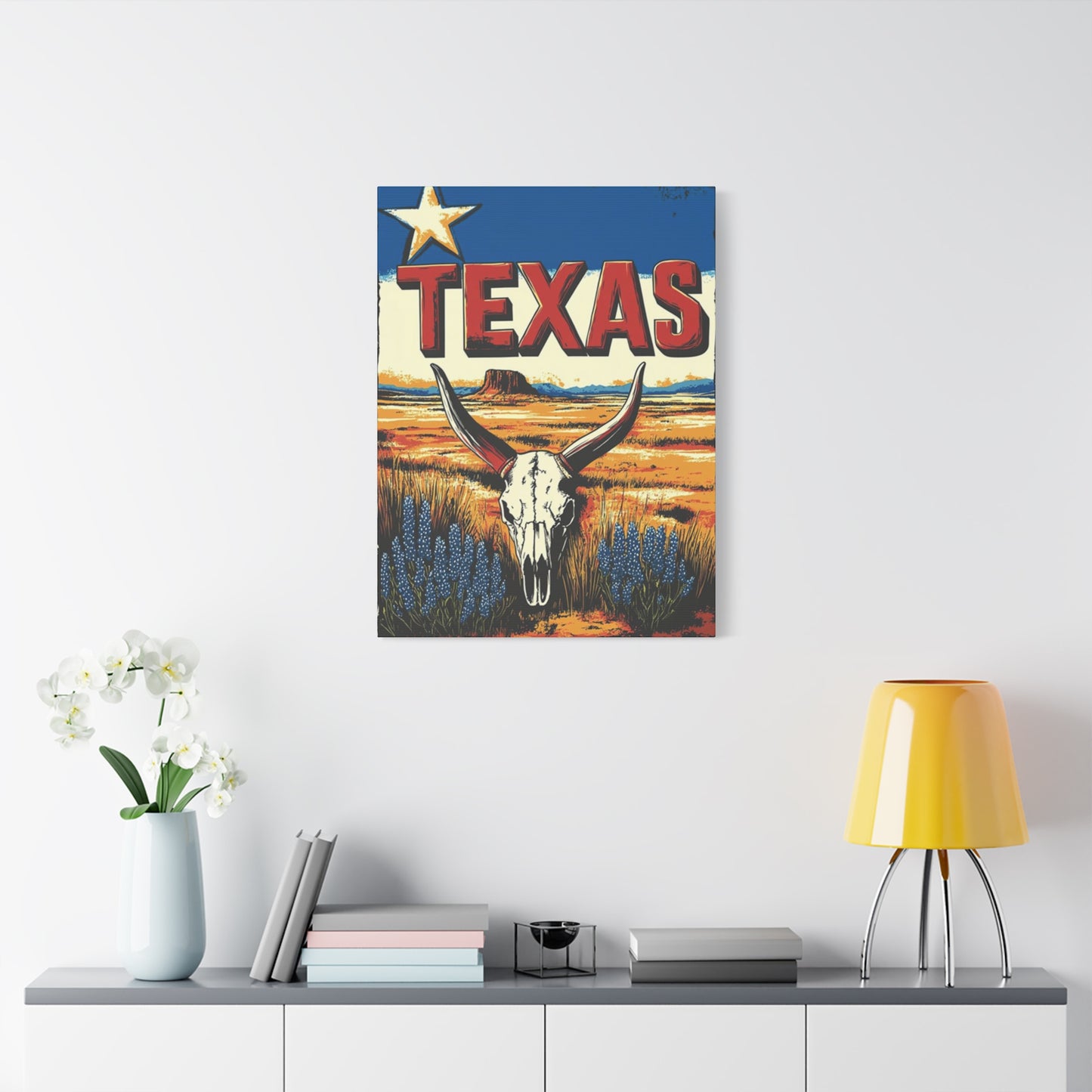
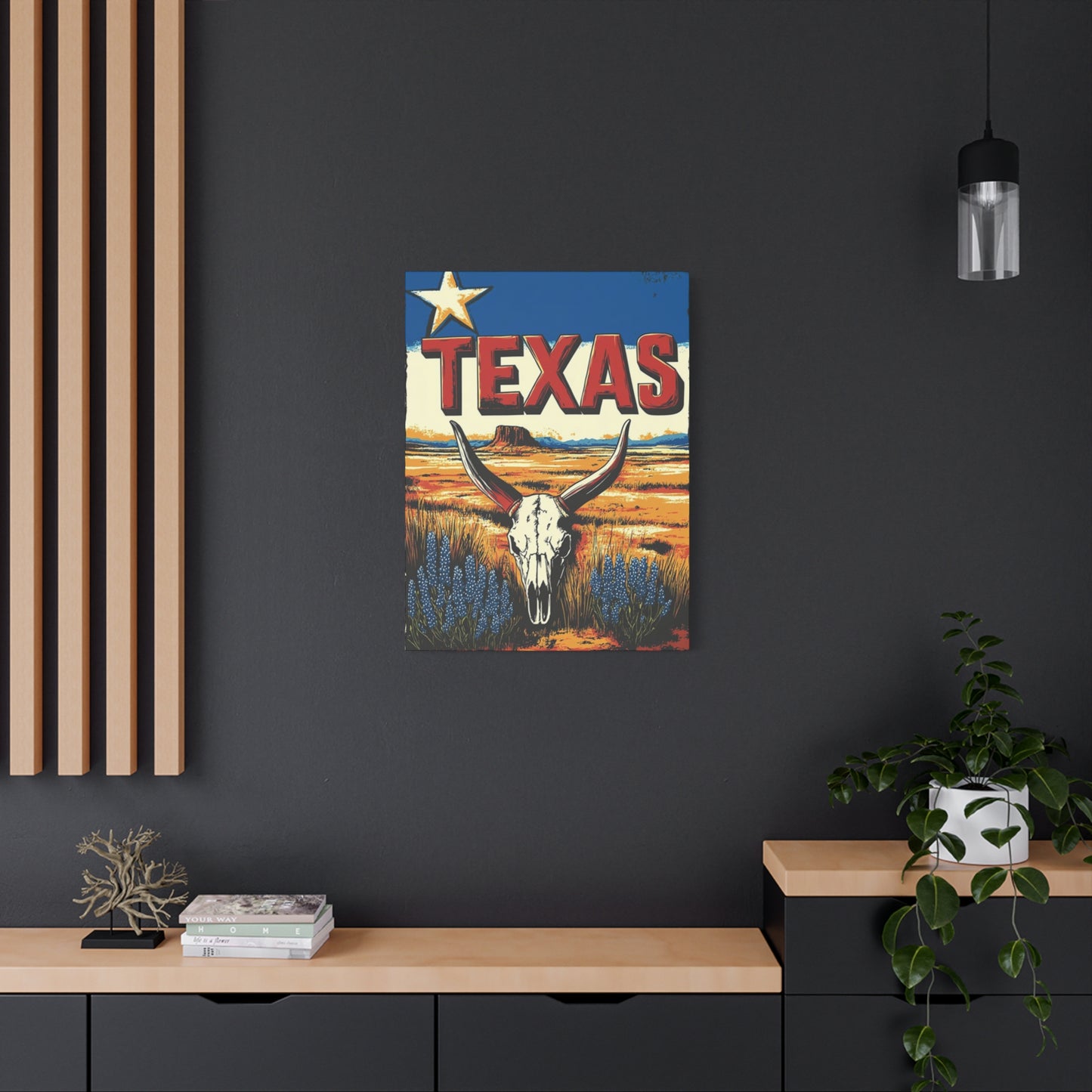
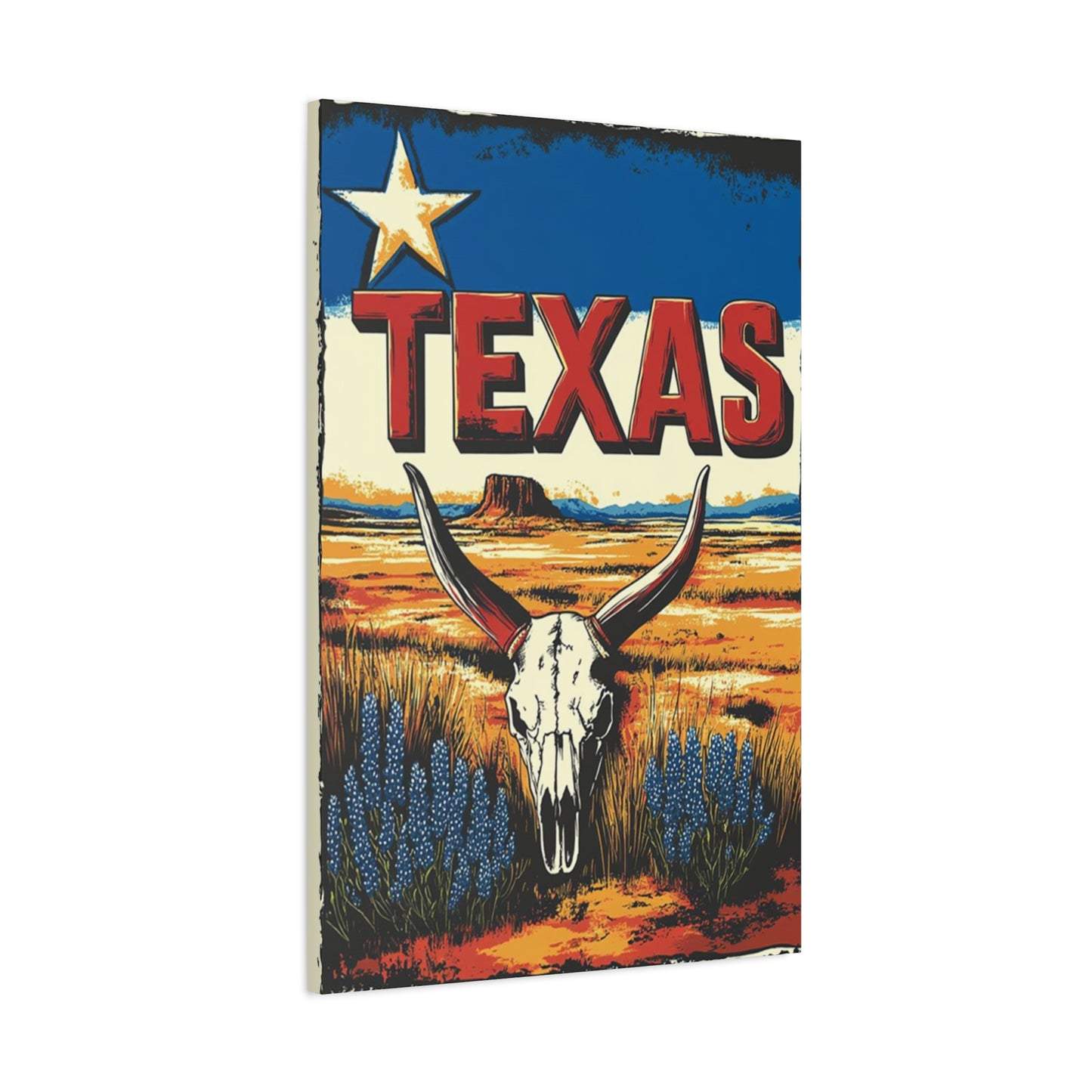
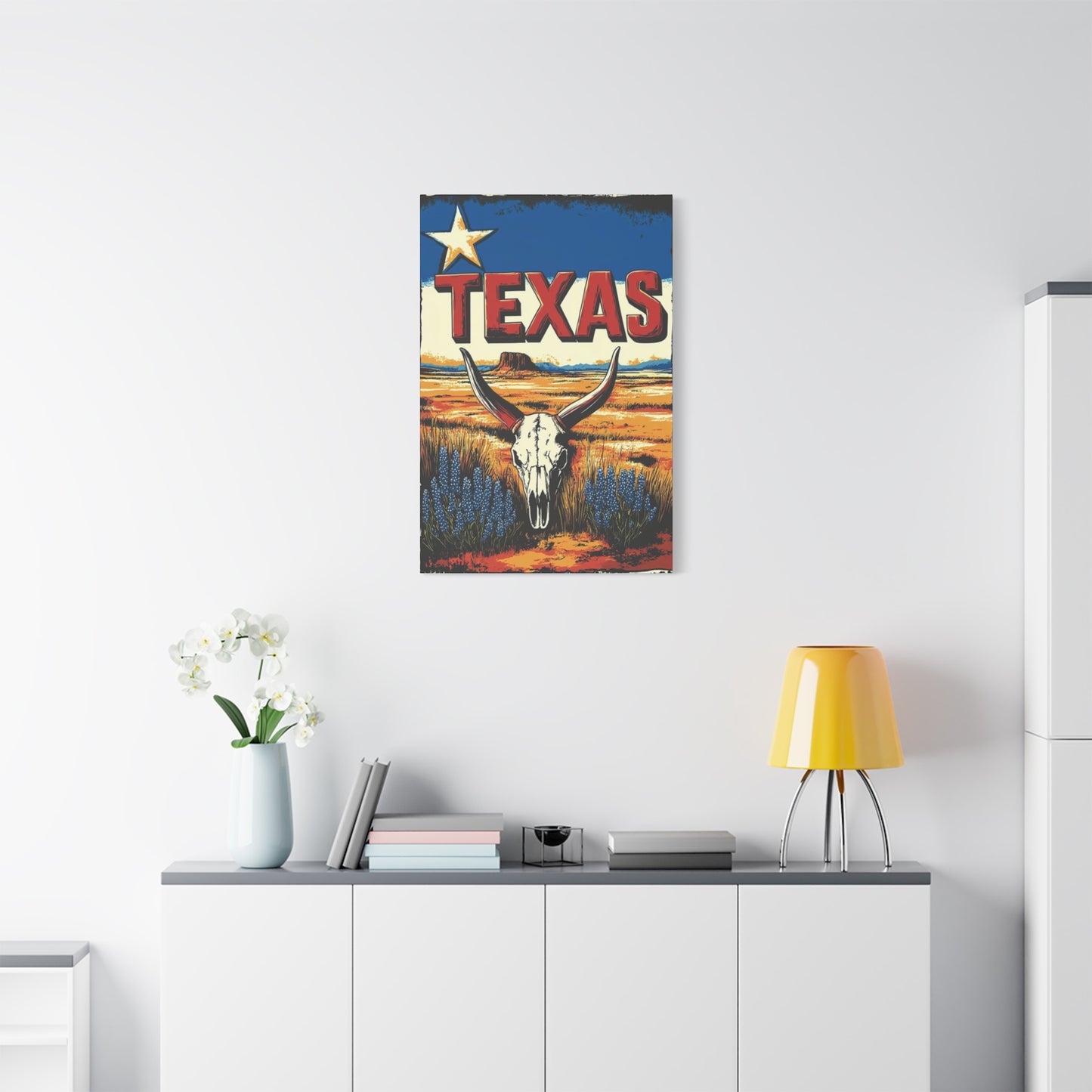
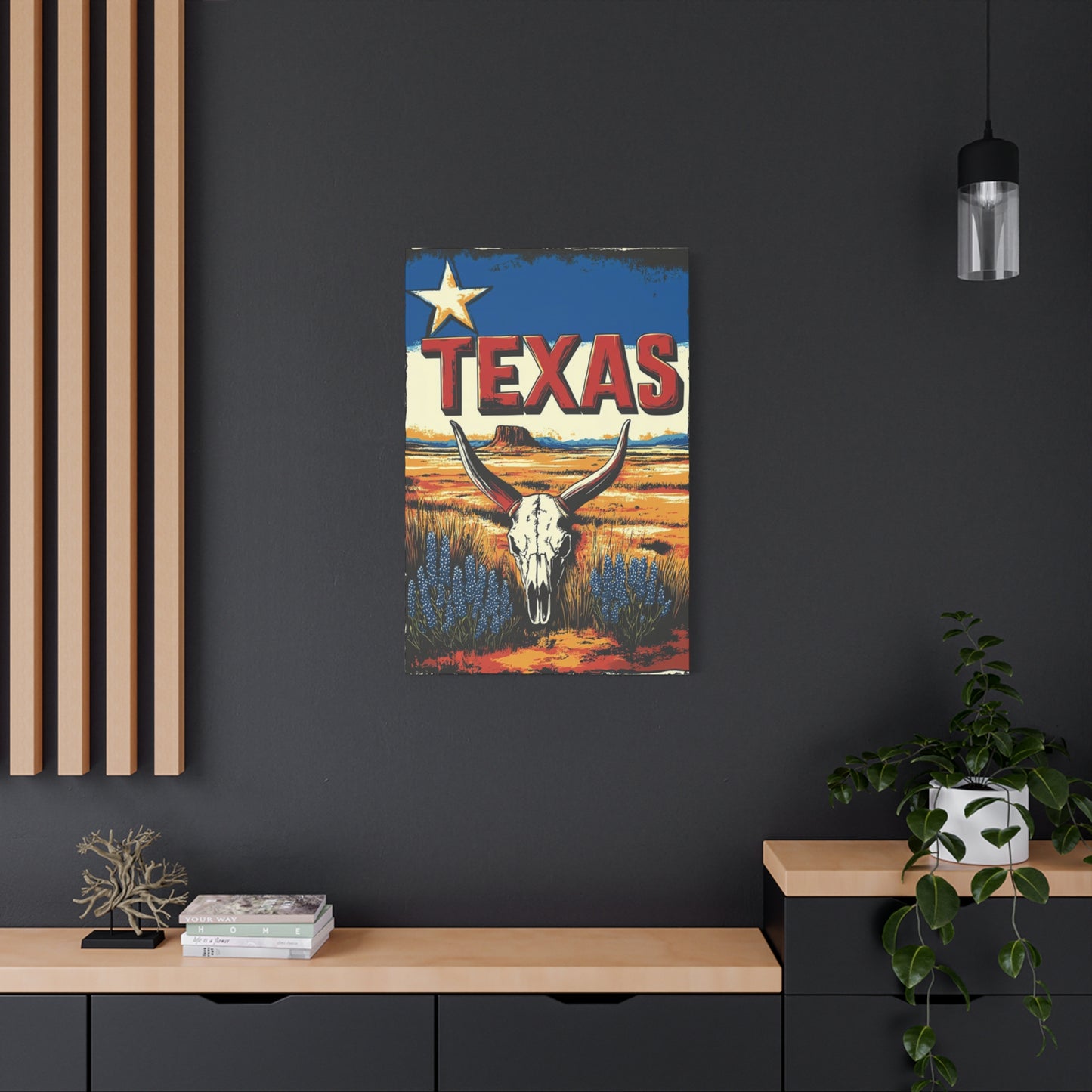
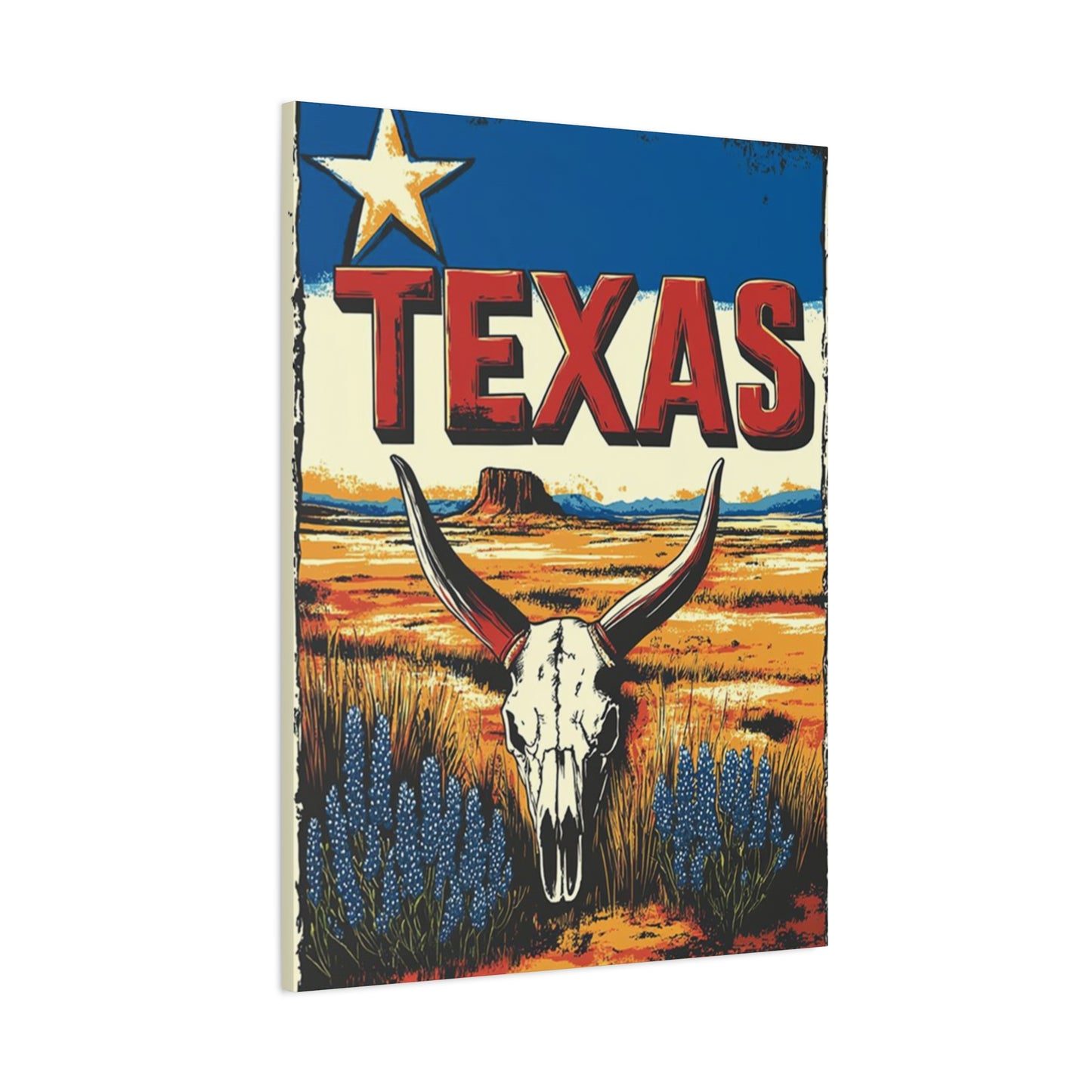
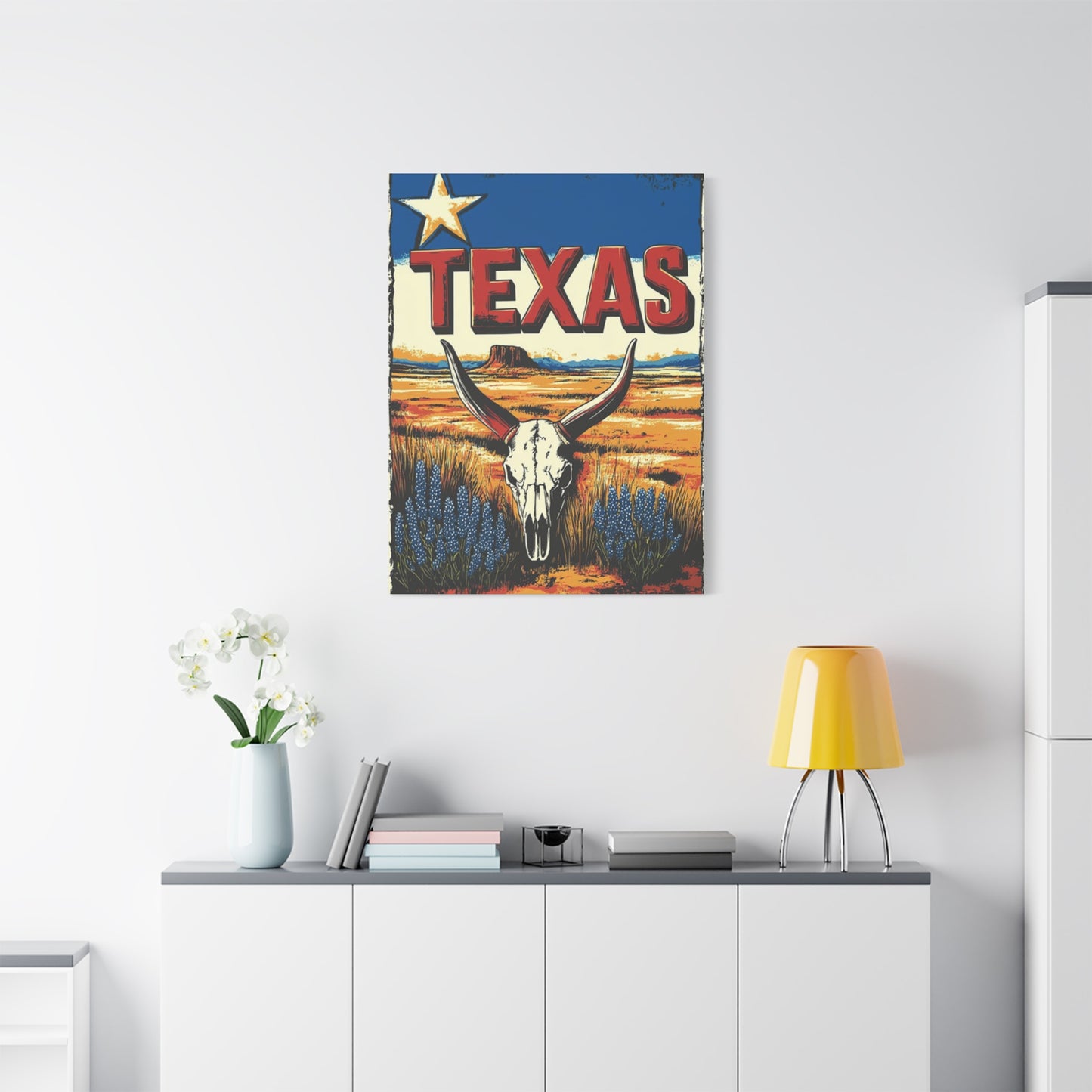
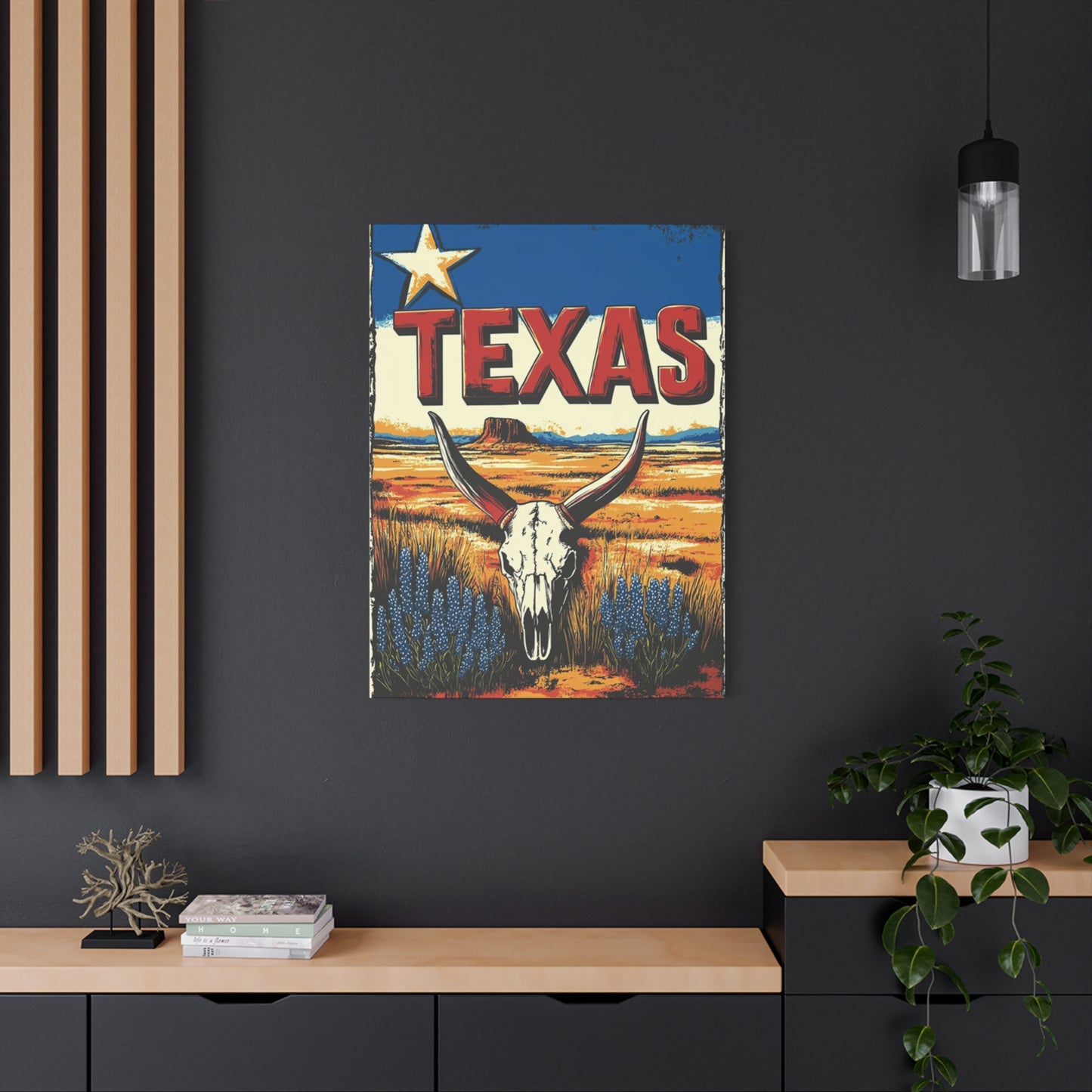
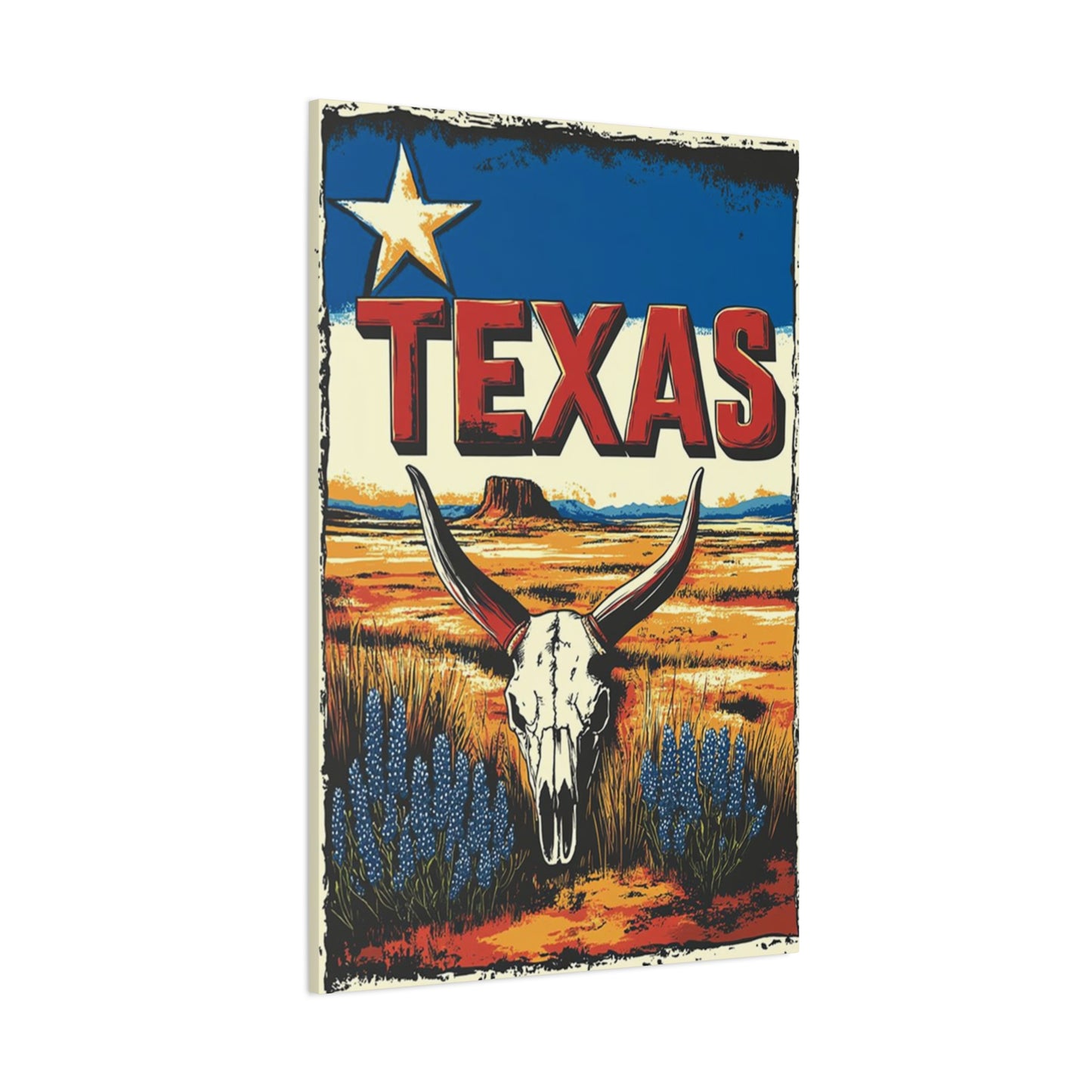
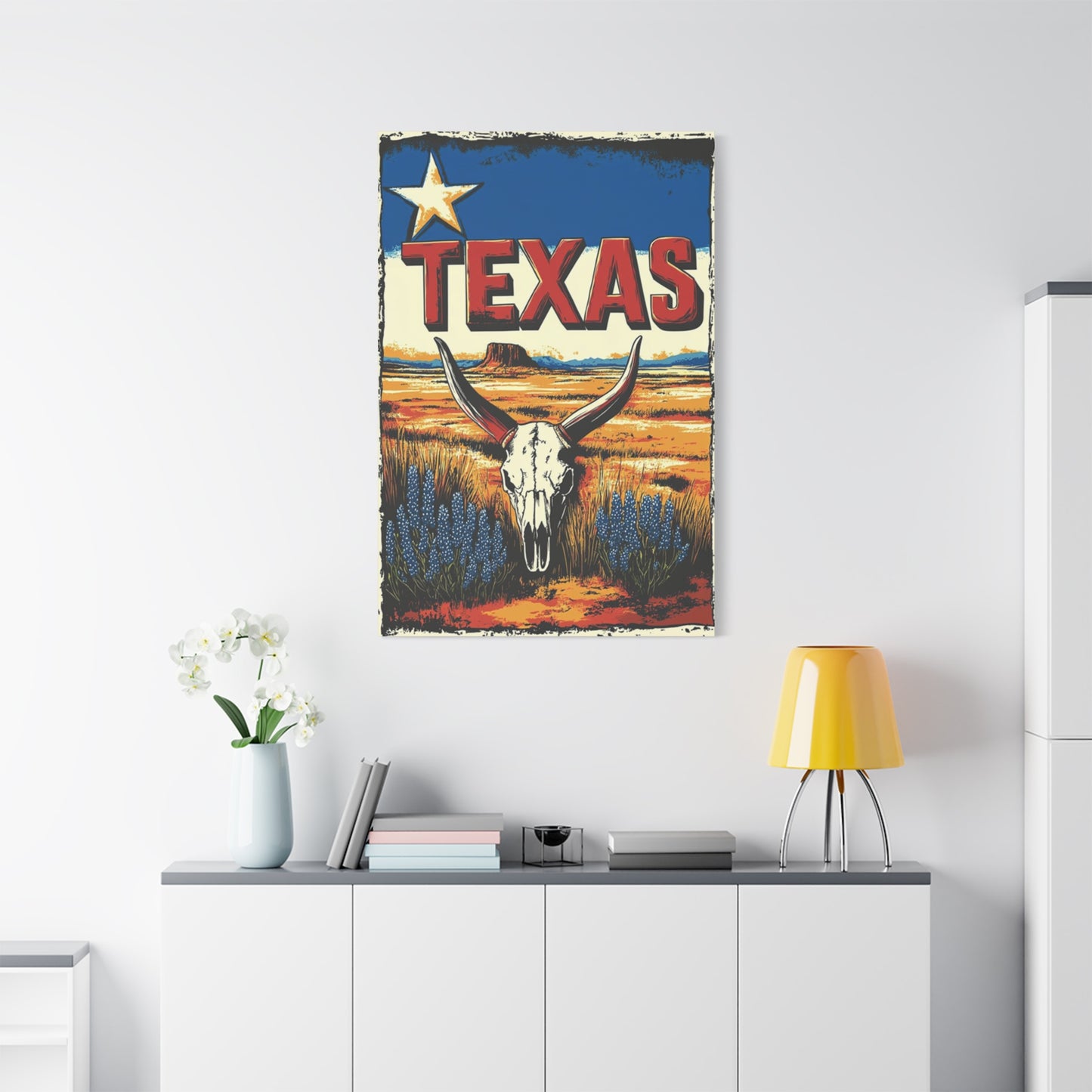
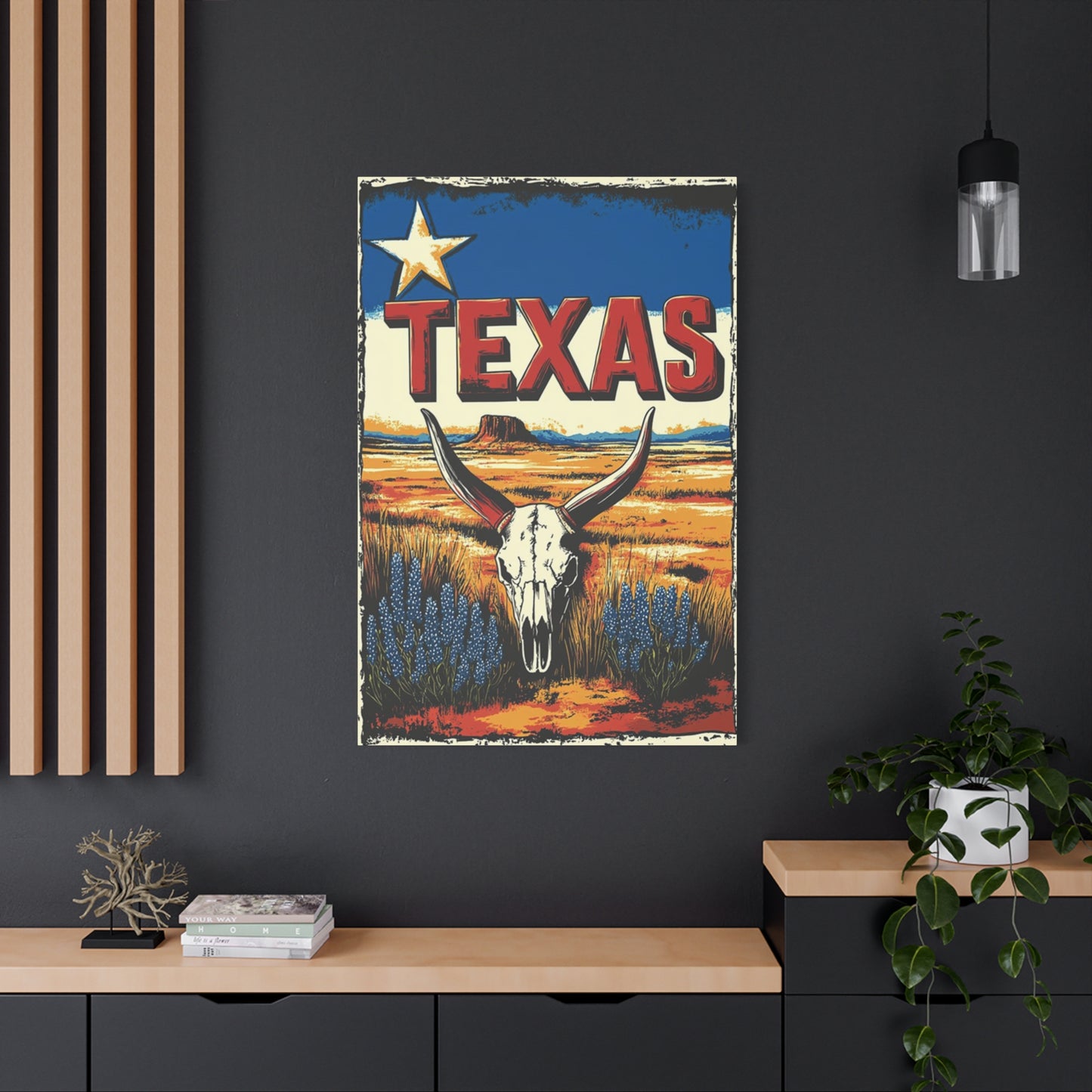
Landscape Of Star Texas Poster Wall Art & Canvas Prints
Landscape Of Star Texas Poster Wall Art & Canvas Prints
Couldn't load pickup availability
Landscape Of Star Texas Poster Wall Art That Brings Night Sky Magic Into Your Living Space
The allure of celestial imagery has captivated humanity for millennia, and today's modern homeowners are rediscaping interior spaces with stunning visual representations of our universe. Among the most sought-after pieces in contemporary home decoration stands the Landscape Of Star Texas Poster Wall Art, which merges astronomical wonder with regional pride in ways that transform ordinary rooms into extraordinary sanctuaries of contemplation and beauty.
Why Celestial Imagery Creates Such Powerful Emotional Connections Within Modern Living Environments
Human beings possess an innate fascination with the cosmos that transcends cultural boundaries and temporal limitations. When we gaze upward at the night sky, something profound stirs within our consciousness, connecting us to generations of ancestors who navigated by those same celestial markers and pondered identical existential questions. This primordial connection explains why astronomical artwork resonates so deeply within residential and commercial settings alike.
The Landscape Of Star Texas Poster Wall Art capitalizes on this universal appeal by presenting the heavens in ways that speak simultaneously to scientific curiosity and aesthetic appreciation. Unlike abstract artwork that requires interpretation or figurative pieces that may not align with every viewer's taste, celestial imagery possesses an inherent accessibility that makes it remarkably versatile across diverse decorative schemes and personal preferences.
Research in environmental psychology demonstrates that imagery depicting natural phenomena, particularly expansive landscapes and celestial scenes, can significantly reduce stress markers and promote mental wellbeing. When individuals spend time in spaces adorned with such artwork, they experience measurable decreases in cortisol levels and report enhanced feelings of tranquility and perspective. The vast scale represented in astronomical art serves as a visual reminder of our place within the larger cosmos, providing a healthy counterbalance to the often claustrophobic nature of modern urban existence.
Furthermore, celestial artwork functions as a conversation catalyst, inviting guests to share their own experiences with stargazing, astronomy, or memorable nights spent beneath Texas skies. This social dimension transforms decorative pieces from mere visual elements into relationship-building tools that enhance the hospitable atmosphere of any gathering space.
Exploring the Unique Characteristics That Define Authentic Texas Night Sky Representations
Texas occupies a distinctive position in the astronomical community due to its combination of geographic advantages and cultural commitment to preserving dark sky environments. The state's vast expanses of sparsely populated territory create ideal conditions for celestial observation, while organizations dedicated to combating light pollution work tirelessly to maintain these precious viewing opportunities for current and future generations.
The Landscape Of Star Texas Poster Wall Art authentically captures these unique characteristics, presenting the night sky as it appears from various Texas locations known for exceptional viewing conditions. From the Davis Mountains in West Texas to the remote stretches of the Panhandle, these regions offer some of the darkest skies remaining in the continental United States, allowing millions of stars to become visible that would remain hidden in more light-polluted areas.
Authentic representations incorporate the specific constellation patterns visible from Texas latitudes, including prominent features like the Southern Cross, which appears tantalizingly close to the southern horizon during certain seasons. The Milky Way's galactic core, which dominates summer skies with its dense concentration of stellar matter, creates the luminous band that so often serves as the centerpiece of compelling astronomical artwork.
Seasonal variations also play crucial roles in creating accurate Texas sky representations. The winter sky presents entirely different constellations than summer viewing, with Orion's distinctive belt and surrounding nebulae dominating cold-weather observations, while Scorpius and Sagittarius command attention during warmer months. Quality astronomical artwork acknowledges these temporal variations, often specifying which season or month the depicted sky represents.
The color palette of authentic Texas night sky imagery tends toward rich indigos and deep violets rather than pure blacks, reflecting the subtle atmospheric effects that create those characteristic hues. The horizon often displays warm amber and orange tones where distant towns create minimal light pollution, while the zenith transitions through cooler blues into the deepest purples where the atmosphere's filtering effect diminishes.
Decoding the Scientific Accuracy Behind Quality Astronomical Artwork for Your Walls
Distinguishing between artistically impressive but scientifically questionable celestial artwork and pieces that maintain rigorous astronomical accuracy requires understanding several key elements. The Landscape Of Star Texas Poster Wall Art that prioritizes authenticity will demonstrate proper stellar magnitudes, meaning brighter stars appear proportionally larger and more luminous than dimmer companions, just as they do in actual observation.
Constellation patterns should align with established asterisms rather than presenting randomly scattered points. While artistic license certainly has its place, quality astronomical artwork maintains the recognizable shapes that have guided navigators and inspired mythmakers across human history. The relative positions of major stars within constellations like Ursa Major, Cassiopeia, and Cygnus should remain consistent with reality, even if color saturation or contrast has been enhanced for aesthetic effect.
The Milky Way's orientation and structure provide another crucial accuracy indicator. This galactic band should appear as an irregular, asymmetrical river of light rather than a perfectly uniform stripe. The brighter knots and darker rifts created by dust lanes should follow patterns consistent with actual observations, particularly the prominent dark nebulae that create the "Great Rift" running through the summer Milky Way.
For artwork depicting specific dates or celestial events, planetary positions become relevant considerations. Planets occupy specific positions along the ecliptic plane at given times, and quality astronomical artwork depicting these wandering celestial bodies places them in historically or astronomically accurate locations rather than arbitrary positions chosen purely for compositional convenience.
Atmospheric effects also warrant consideration when evaluating astronomical artwork's authenticity. Stars near the horizon appear slightly dimmer and may display more pronounced color variations due to atmospheric refraction, effects that careful artists incorporate into their work. The subtle gradation from horizon to zenith, reflecting atmospheric density changes, contributes significantly to creating convincing celestial scenes.
Material Selection That Ensures Longevity and Vibrant Color Preservation for Celestial Prints
The substrate upon which celestial imagery is printed dramatically impacts both immediate visual impact and long-term preservation. The Landscape Of Star Texas Poster Wall Art achieves optimal results through careful material selection that balances affordability with archival quality standards.
Premium matte paper remains a popular choice for astronomical prints due to its ability to minimize glare and reflections that could otherwise compete with the artwork's intrinsic luminosity. The subtle texture of high-quality matte papers adds tactile interest without overwhelming the image details, creating a presentation that feels substantial and professional. Acid-free matte papers ensure that the substrate itself won't degrade or discolor over extended timeframes, protecting your investment for decades rather than years.
Canvas presentations offer an entirely different aesthetic, lending celestial artwork a painter's sensibility that can soften the potentially clinical precision of photographic astronomical images. Gallery-wrapped canvas, where the image extends around the stretcher frame edges, creates a finished appearance without requiring additional framing, though this presentation style works best for images where critical details don't extend to the absolute margins.
Metal prints represent a more contemporary option that particularly suits astronomical imagery due to the medium's ability to render deep blacks and maintain exceptional color saturation. The inherent luminosity of metal surfaces creates an almost three-dimensional quality, particularly effective for Milky Way imagery where depth perception enhances the viewing experience. The durability of metal prints makes them suitable for high-traffic areas or environments where humidity and temperature fluctuations might threaten paper-based alternatives.
Acrylic mounting provides another modern presentation method that creates impressive depth and vibrancy. When photographic prints are mounted behind acrylic panels, the transparent material acts as a magnifying lens, intensifying colors and creating an almost holographic quality that particularly benefits celestial imagery's inherent drama. The glossy surface does reflect ambient light more than matte alternatives, requiring thoughtful placement to minimize distracting reflections.
For those prioritizing archival standards above all else, museum-grade fine art papers offer unparalleled longevity when paired with pigment-based inks. These combinations can maintain color fidelity for centuries under proper display conditions, ensuring that your Landscape Of Star Texas Poster Wall Art remains as vibrant for future generations as the day it first adorned your walls.
Strategic Placement Considerations That Maximize Visual Impact Throughout Your Home
Where you position celestial artwork within your living space significantly influences both its aesthetic impact and the atmospheric qualities it imparts to surrounding areas. The Landscape Of Star Texas Poster Wall Art deserves thoughtful placement that honors both the artwork itself and the functional requirements of the space it inhabits.
Living rooms and great rooms present ideal venues for large-scale celestial artwork, where substantial wall space allows for appropriately sized pieces that command attention without overwhelming the space. Positioning astronomical art above a fireplace mantel or centered on a primary focal wall creates an immediate conversation piece while establishing the room's aesthetic direction. The contemplative nature of celestial imagery complements gathering spaces where conversation and relaxation occur.
Bedroom environments benefit particularly from the calming influence of astronomical artwork, where the transition from waking activity to restful sleep aligns naturally with the peaceful contemplation that night sky imagery inspires. Positioning the Landscape Of Star Texas Poster Wall Art opposite the bed creates a final focal point before sleep, while placement above the headboard transforms the first sight upon waking into a reminder of cosmic wonder and natural beauty.
Home offices and study spaces gain substantial benefits from celestial artwork's ability to provide mental respite during intensive cognitive work. Research suggests that brief visual breaks spent contemplating nature scenes, including astronomical imagery, can restore focus and improve problem-solving capabilities. Positioning such artwork within easy sightline from a desk or workspace encourages these beneficial mental breaks without requiring physical relocation.
Hallways and transitional spaces often receive insufficient attention during decorating processes, yet these areas present excellent opportunities for creating gallery-style presentations. A series of related astronomical prints depicting different seasons or celestial phenomena transforms mundane passageways into engaging visual journeys. The vertical orientation of many hallways naturally accommodates portrait-oriented astronomical imagery showing the rise from horizon to zenith.
Dining areas become more intimate and conversation-conducive when adorned with contemplative artwork that encourages guests to linger over meals and discussions. The timeless quality of celestial imagery ensures it won't clash with seasonal decorations or evolving table settings, providing reliable visual interest throughout the year's changing celebrations.
Libraries and reading nooks represent perhaps the most natural pairing with astronomical artwork, where the pursuit of knowledge embodied in books finds perfect companionship in imagery depicting the cosmos that has inspired countless scientific and philosophical inquiries. The subdued lighting typical of comfortable reading environments also minimizes glare concerns that might arise in brighter spaces.
Lighting Strategies That Enhance Rather Than Diminish Astronomical Artwork's Natural Drama
Illuminating celestial artwork presents unique challenges distinct from lighting other decorative pieces. The Landscape Of Star Texas Poster Wall Art depicts subjects that exist in darkness, making the interplay between ambient light and artwork particularly crucial for maintaining the piece's atmospheric integrity.
Picture lights mounted directly above artwork frames provide focused illumination that highlights the piece without flooding surrounding areas with light. For astronomical artwork, cooler-temperature LEDs better maintain the natural color palette than warmer incandescent bulbs, which can shift blues toward greens and create unintended color casts. Adjustable picture lights allow you to fine-tune illumination levels, increasing intensity during social gatherings while dimming for more intimate settings.
Recessed ceiling fixtures with adjustable heads offer flexibility in directing light toward artwork while maintaining clean sight lines. Positioning these fixtures to create grazing light across textured surfaces like canvas enhances dimensional qualities, while straight-on illumination works better for flat matte prints. The key lies in avoiding harsh shadows or hotspots that create uneven illumination across the artwork's surface.
Natural daylight presents both opportunities and challenges for displaying astronomical artwork. While daytime viewing allows appreciation of fine details and subtle color gradations, direct sunlight can cause fading over time and create problematic glare. Positioning celestial artwork on walls perpendicular to windows rather than opposite them minimizes direct sun exposure while maintaining adequate natural illumination. UV-filtering glazing or acrylic provides additional protection for particularly valuable pieces displayed in naturally bright spaces.
Ambient room lighting deserves consideration when positioning astronomical artwork. Spaces with dimmer switches offer maximum flexibility, allowing you to reduce overall illumination to levels that enhance the artwork's inherent drama. During evening hours, lower ambient lighting creates an immersive effect where the glowing stars and nebulae depicted in quality astronomical prints seem to emit their own light.
Backlighting represents an innovative approach particularly suited to astronomical imagery mounted on translucent materials. LED strip lighting positioned behind acrylic or canvas prints creates an ethereal glow that mimics the self-luminous quality of actual celestial objects. This presentation method works exceptionally well in entertainment spaces or bedrooms where mood lighting enhances the desired atmosphere.
Color Theory Principles That Create Harmonious Interactions Between Celestial Art and Interior Palettes
Successfully incorporating the Landscape Of Star Texas Poster Wall Art into existing decorative schemes requires understanding how its characteristic color palette interacts with surrounding elements. Astronomical imagery typically features dominant cool tones—deep blues, violets, and blacks—punctuated by warm accents where stars and nebulae introduce golds, oranges, and reds.
Monochromatic approaches build entire color schemes around the blues and purples present in celestial artwork, varying saturation and value while maintaining hue consistency. This strategy creates sophisticated, cohesive environments where the astronomical art serves as the anchor for all color decisions. Furnishings in navy, slate, and charcoal establish foundations, while lighter blues and lavenders in textiles and accessories provide balanced contrast without competing for attention.
Complementary color schemes leverage the natural opposition between cool celestial blues and warm accent colors like amber, copper, and rust. These warm tones, when used judiciously in throw pillows, area rugs, or decorative objects, create dynamic visual interest without overwhelming the astronomical artwork's inherent coolness. The key lies in maintaining appropriate proportions, allowing cool tones to dominate while warm accents provide strategic punctuation.
Analogous approaches combine colors adjacent on the color wheel, such as blues, purples, and blue-greens, creating harmonious environments that feel naturally unified. This strategy works particularly well when the astronomical artwork features prominent magenta or purple nebulae, allowing those tones to inform textile selections and paint choices throughout the space.
Neutral-dominant schemes provide safe harbors for those uncertain about committing to bold color statements. Whites, grays, and beiges create backgrounds that allow astronomical artwork to command full attention without chromatic competition. This approach particularly suits minimalist aesthetics where simplicity and clarity trump decorative complexity.
Accent wall strategies isolate astronomical artwork on painted surfaces that enhance rather than compete with the imagery. Deep charcoal or navy walls create dramatic backdrops that cause stars and nebulae to appear even more luminous by comparison, while lighter neutrals provide clean canvases that let the artwork's intrinsic colors shine without environmental interference.
Framing Choices That Complement Rather Than Compete With Cosmic Subject Matter
Frame selection significantly impacts how viewers perceive astronomical artwork, either enhancing its presentation or inadvertently detracting from its cosmic grandeur. The Landscape Of Star Texas Poster Wall Art benefits from framing choices that acknowledge both the subject matter's inherent drama and the practical requirements of long-term preservation.
Simple black frames remain perennially popular for astronomical imagery due to their ability to create clear boundaries without drawing attention away from the artwork itself. Matte black finishes particularly suit celestial subjects, echoing the darkness of space while avoiding the reflective distractions that glossy finishes might introduce. Width considerations depend on artwork size—larger pieces typically benefit from wider moldings that provide visual weight proportional to the image scale.
Metal frames in silver, gunmetal, or brushed aluminum finishes lend contemporary sensibilities that align naturally with the scientific precision inherent in quality astronomical imagery. These materials particularly complement modern minimalist interiors where clean lines and industrial materials dominate the aesthetic vocabulary. The cool tones of metal frames harmonize effortlessly with the blues and purples typical of night sky imagery.
Wood frames offer warmth and traditional appeal, though careful selection ensures they enhance rather than conflict with celestial subject matter. Dark walnut and espresso finishes provide sophisticated options that maintain enough visual weight to frame dramatic astronomical imagery without introducing jarring chromatic contrasts. Lighter wood tones work best when room furnishings already establish warm palettes that would make dark frames feel incongruous.
Floating frames create the impression that artwork hovers within the frame rather than sitting against a backing, introducing dimensional interest particularly effective with canvas or mounted prints. The shadow gap between artwork and frame edges adds contemporary flair while emphasizing the artwork's presence as a physical object rather than mere imagery.
Gallery-style presentations eliminate frames entirely, allowing the artwork itself to define its boundaries. This approach works particularly well with canvas wraps or mounted prints where image edges have been carefully considered during creation. The frameless aesthetic suits modern minimalist spaces where unnecessary ornamentation feels antithetical to design philosophy.
Matting decisions deserve careful consideration for framed astronomical prints. Wide mats in charcoal, black, or deep blue create visual breathing room around imagery while maintaining color harmony with celestial subjects. Avoid bright white mats, which can create harsh contrasts that draw attention away from the artwork itself. Double matting, where a narrow inner mat in a complementary color appears between the artwork and outer mat, adds sophistication without overwhelming the composition.
Size Selection Strategies That Match Astronomical Artwork to Available Wall Space
Determining appropriate dimensions for the Landscape Of Star Texas Poster Wall Art requires balancing several competing considerations: available wall space, viewing distance, surrounding architectural features, and the artwork's internal composition and subject matter.
The two-thirds rule provides a reliable starting point for artwork positioned above furniture. The artwork's width should ideally measure between two-thirds and three-quarters of the furniture piece's width, creating visual harmony without either overwhelming the furniture or appearing diminutive and lost. For a standard sofa measuring seventy-two inches wide, astronomical artwork should span approximately forty-eight to fifty-four inches to achieve pleasing proportions.
Viewing distance significantly impacts perceived artwork size and optimal dimensions. Pieces intended for appreciation from across rooms can and should occupy larger scales than artwork positioned in intimate settings viewed from shorter distances. The general guideline suggests maintaining viewing distances between one-and-a-half to two times the artwork's diagonal measurement, though personal preference ultimately supersedes rigid formulas.
Ceiling height influences optimal artwork proportions, with taller rooms accommodating larger pieces without risk of overwhelming the space. In rooms with eight-foot ceilings, artwork heights generally shouldn't exceed forty-eight inches unless positioned very low on walls. Higher ceilings progressively allow for more substantial vertical dimensions, with ten-foot ceilings comfortably accommodating artwork up to sixty inches tall.
Architectural features like windows, doorways, and built-in elements define available wall space and inform size decisions. Astronomical artwork positioned between two windows should leave adequate breathing room on each side—generally six to twelve inches—rather than cramping against architectural boundaries. Similarly, artwork hung above doorways should maintain clearances that prevent visual competition between decorative and functional elements.
Wall color and pattern density affect perceived artwork size, with pieces appearing optically smaller against busy wallpapers or dark colors compared to placement against light neutral walls. Compensate for these perceptual effects by selecting slightly larger dimensions when positioning astronomical artwork against visually complex backgrounds.
Multi-panel presentations offer alternatives to single large prints, breaking cosmic imagery across two, three, or more separate canvases hung in deliberate arrangements. Triptychs depicting the progression from horizon to zenith or showing seasonal sky variations create dramatic statements while offering installation flexibility that single massive pieces cannot match. Spacing between panels typically ranges from two to four inches, creating visual separation while maintaining compositional unity.
Creating Gallery Wall Arrangements That Incorporate Celestial Themes Cohesively
Gallery walls featuring the Landscape Of Star Texas Poster Wall Art alongside complementary pieces require careful planning to achieve cohesive visual narratives rather than chaotic jumbles of disparate imagery. Several arrangement strategies facilitate successful multi-piece displays that celebrate astronomical themes.
Grid arrangements impose geometric order on multiple pieces, creating structured presentations particularly suited to contemporary interiors where clean lines and obvious organization dominate aesthetic sensibilities. Uniform spacing between pieces—typically two to three inches—creates the visual rhythm that makes grid arrangements feel intentional rather than arbitrary. This approach works best when all pieces share identical dimensions and framing styles, emphasizing unity over variety.
Salon-style arrangements embrace asymmetry and visual complexity, mixing various sizes and orientations to create dynamic, museum-inspired presentations. This traditional approach accommodates pieces ranging from small constellation charts to large panoramic night sky vistas. The key to successful salon walls lies in maintaining consistent spacing between all pieces regardless of their individual dimensions, typically two to three inches of wall space creating uniform negative space throughout the arrangement.
Horizontal line arrangements create the impression of extended timelines or progressive sequences, ideal for displaying celestial imagery showing seasonal changes or the nightly progression of celestial objects across the sky. Aligning pieces along a common horizontal axis—typically centered vertically or along bottom or top edges—creates visual order while allowing for size variations that prevent monotony.
Themed groupings organize astronomical artwork by subject matter, perhaps dedicating one wall section to lunar imagery, another to deep space objects, and a third to Milky Way panoramas. This categorical approach creates natural visual chapters that guide viewers through distinct astronomical topics while maintaining overall cohesion through consistent framing and spacing.
Anchor piece strategies build arrangements around a single dominant focal point—typically the largest or most dramatic piece—with smaller complementary images surrounding the centerpiece in balanced distributions. The Landscape Of Star Texas Poster Wall Art might serve as this anchor, with smaller constellation charts, lunar phases, or planetary images orbiting the primary piece in arrangements that mirror celestial mechanics.
Stairway galleries transform ascending wall spaces into progressive displays where astronomical themes can literally rise from horizon-focused imagery at lower positions to zenith and deep space subjects at higher elevations. This arrangement strategy creates natural narratives while solving the practical challenge of decorating diagonal wall expanses.
Caring for and Maintaining Astronomical Prints to Ensure Decades of Vibrant Display
Preserving the Landscape Of Star Texas Poster Wall Art in pristine condition requires understanding the environmental factors that threaten printed materials and implementing protective measures that mitigate these risks without demanding excessive effort or expense.
Light exposure represents the primary threat to long-term print preservation, with ultraviolet radiation causing photochemical reactions that degrade pigments and fade colors. Positioning astronomical artwork away from direct sunlight provides the simplest protection, while UV-filtering window films or glazing materials offer additional defense for pieces unavoidably located in naturally bright spaces. Even indirect daylight contains sufficient UV radiation to cause gradual fading over years, making protective measures worthwhile for any artwork you hope to preserve long-term.
Temperature and humidity fluctuations stress printed materials, causing expansion and contraction cycles that eventually lead to warping, delamination, or other structural damage. Maintaining stable indoor climates—ideally between sixty-five and seventy-five degrees Fahrenheit with relative humidity between forty and fifty percent—protects artwork from these environmental stresses. Avoid hanging astronomical prints directly above heat sources like radiators or fireplaces, where temperature extremes accelerate deterioration.
Dust accumulation dulls artwork's visual impact while potentially introducing abrasive particles that can scratch surfaces during cleaning attempts. Regular gentle dusting using soft microfiber cloths prevents buildup, though care must be taken to avoid pressing particles against print surfaces where they might scratch. For framed pieces behind glass or acrylic, standard glass cleaners applied to cleaning cloths rather than sprayed directly on glazing prevent liquid infiltration that could damage artwork.
Air quality considerations extend beyond visible dust to include cooking fumes, tobacco smoke, and other airborne contaminants that can gradually discolor or chemically alter print materials. Adequate ventilation and air filtration protect not only astronomical artwork but all household furnishings from these pervasive threats. Kitchens represent particularly hostile environments for preserving artwork due to grease-laden cooking vapors that can create difficult-to-remove films on surfaces.
Handling precautions become relevant when relocating or temporarily storing astronomical prints. Always grasp framed pieces by their frames rather than touching glazing surfaces where fingerprints deposit oils that attract dust and potentially mar surfaces. For unframed prints, handle only by edges while wearing clean cotton gloves to prevent skin oil transfer that can create permanent marks.
Climate-controlled storage protects astronomical artwork during renovations, moves, or seasonal rotations. Acid-free tissue paper placed between unframed prints prevents surface-to-surface contact, while storage boxes specifically designed for artwork provide crush protection and exclude damaging light. Store flat rather than rolled whenever possible, as rolling creates stress concentrations at fold lines that can eventually cause cracking or delamination.
Professional cleaning and restoration become necessary when astronomical artwork suffers damage beyond what simple dusting can address. Conservators possessing expertise in paper and photographic materials can often reverse fading, remove stains, or repair physical damage that would otherwise render pieces unsuitable for display. While professional conservation represents significant investment, it preserves irreplaceable pieces that possess monetary or sentimental value justifying the expense.
Understanding Print Production Methods and Their Impact on Final Image Quality
The production process used to create the Landscape Of Star Texas Poster Wall Art fundamentally determines its visual characteristics, longevity, and suitability for various display environments. Several printing methods dominate the market, each offering distinct advantages and limitations.
Giclée printing represents the gold standard for fine art reproduction, utilizing archival pigment inks sprayed in microscopic droplets onto premium substrates. The term derives from French, literally meaning "to spray," accurately describing the process by which specialized printers deposit ink. Giclée prints exhibit exceptional color accuracy, smooth tonal gradations, and superior longevity compared to more economical printing methods. The expanded color gamut available through pigment inks allows accurate reproduction of the subtle hues present in quality astronomical photography, from delicate nebular pinks to the deep indigos of space itself.
Offset lithography, the traditional commercial printing process, transfers inked images from plates to rubber blankets before final impression onto paper. While capable of producing sharp, consistent results suitable for large production runs, offset printing typically utilizes dye-based inks that lack the longevity of pigment alternatives. This method suits affordable astronomical prints where ultimate archival standards aren't paramount concerns, providing attractive imagery at accessible price points.
Dye-sublimation printing creates images by vaporizing solid dyes that bond with specially coated materials at the molecular level. This process produces exceptionally smooth continuous-tone images without the visible dots or patterns inherent in other printing methods. Dye-sublimation particularly suits metal prints and certain textiles, creating vibrant, durable images resistant to moisture and handling. The method's limitation lies in its restriction to specially coated substrates, preventing its use on traditional fine art papers.
Laser printing, while primarily associated with office documents, has evolved to produce acceptable quality for certain astronomical artwork applications. Modern color laser printers achieve respectable resolution and color fidelity, though they cannot match the tonal subtlety or color accuracy of giclée methods. Laser prints suit temporary displays or preliminary proofs but lack the archival qualities necessary for pieces intended as long-term decorative investments.
UV-cured inkjet printing deposits liquid inks that solidify instantly upon exposure to ultraviolet light, creating durable images resistant to scratching and fading. This relatively recent technique works particularly well for rigid substrates like acrylic or PVC, producing vibrant colors with excellent outdoor durability. While less common for traditional astronomical art prints, UV printing offers excellent options for more commercial or contemporary presentations.
Resolution specifications significantly impact final print quality, with astronomical imagery benefiting from high pixel densities that capture fine stellar details and subtle nebular structures. Professional-quality astronomical prints typically utilize source files of three hundred dots per inch or higher at final print dimensions, ensuring sharp rendering of even minor celestial features. Lower resolutions may suffice for very large prints viewed from substantial distances, where the eye cannot resolve individual pixels, but quality suffers during close examination.
Color management throughout the printing workflow ensures that final prints accurately reproduce the creator's original vision. Properly calibrated monitors, standardized color spaces like Adobe RGB or ProPhoto RGB, and printer profiles specific to particular ink and paper combinations all contribute to consistent, predictable color reproduction. Without rigorous color management, astronomical prints may display inaccurate hues that misrepresent celestial phenomena or simply fail to match customer expectations.
Pairing Celestial Artwork with Complementary Decorative Elements Throughout Your Space
The Landscape Of Star Texas Poster Wall Art achieves maximum impact when thoughtfully coordinated with surrounding decorative elements that reinforce rather than contradict its cosmic themes. Several strategies facilitate these harmonious relationships between artwork and environment.
Textile selections offer straightforward opportunities to echo colors present in astronomical artwork throughout the room. Throw pillows in deep blues and purples create visual bridges between wall art and seating areas, while area rugs incorporating celestial color palettes unify floor and wall planes. Curtains or window treatments in complementary tones frame views while reinforcing the room's overall aesthetic direction. The key lies in selecting textiles that reference without slavishly matching astronomical artwork colors, creating harmonious dialogues rather than monotonous repetition.
Sculptural elements can introduce three-dimensional interest that complements two-dimensional wall art. Abstract metal sculptures with flowing organic forms echo nebular clouds, while spherical decorative objects reference planetary bodies and stars. Glass pieces with swirled blues and purples create kinetic visual interest while maintaining chromatic connections to astronomical themes. Avoid overly literal celestial sculptures—planets on stands or telescope replicas—that can veer into thematic overkill rather than sophisticated coordination.
Furniture selections influence how effectively astronomical artwork integrates into overall room designs. Low-profile pieces maintain clear sight lines to wall art while creating modern aesthetics that align naturally with celestial themes' contemporary appeal. Dark wood finishes harmonize with the deep tones present in night sky imagery, while lighter woods require careful balancing to prevent excessive visual weight disparity between furniture and artwork.
Lighting fixtures present opportunities to reinforce astronomical themes through both form and function. Pendant lights with spherical shades suggest planetary bodies, while fixtures featuring multiple lights at varying heights can evoke star fields. The warm glow of Edison bulbs creates inviting ambiance while referencing the golden light of actual stars, though cooler LED options better preserve night sky imagery's natural color palette.
Metallic accents in brass, copper, and bronze introduce warmth that balances the cool tones dominant in most astronomical artwork. These warm metallics, when used judiciously in picture frames, decorative objects, or hardware finishes, prevent rooms from feeling excessively cold or sterile. The key lies in restraint, using metallic elements as accent notes rather than dominant themes that compete for attention.
Plant life softens spaces dominated by celestial imagery's inherent otherworldliness, grounding rooms in organic reality while providing beneficial biophilic elements. Deep green foliage creates striking contrasts against astronomical artwork's blues and purples, while plants with silver or blue-tinted leaves maintain closer chromatic relationships. Sculptural plants like snake plants or ZZ plants contribute architectural interest without demanding excessive care, ideal for spaces where low-maintenance solutions take priority.
Books and media displays can reinforce astronomical themes when curated thoughtfully. Coffee table books about astronomy, space exploration, or astrophotography create natural thematic extensions of wall art while providing engaging content for visitors. Vintage star charts or astronomical diagrams in complementary frames create layered visual interest when positioned near primary astronomical artwork.
Exploring the Relationship Between Astronomical Art and Various Interior Design Styles
The Landscape Of Star Texas Poster Wall Art demonstrates remarkable versatility across diverse decorating philosophies, though certain approaches prove more naturally harmonious than others. Understanding these stylistic relationships helps ensure astronomical artwork enhances rather than conflicts with established aesthetic directions.
Modern minimalist spaces provide ideal contexts for astronomical artwork, where clean lines, limited color palettes, and intentional negative space create galleries for statement pieces. The vast cosmic voids represented in night sky imagery align philosophically with minimalism's embrace of emptiness as positive design element rather than something requiring elimination. Large-scale astronomical prints positioned as sole wall decorations in otherwise sparse rooms create dramatic focal points without violating minimalist principles of restraint and purposefulness.
Mid-century modern aesthetics welcome astronomical artwork through shared appreciation for scientific progress and exploration that characterized the post-war period when this style emerged. The atomic age optimism and space race enthusiasm that permeated mid-century culture created natural affinities for celestial imagery. Pair astronomical prints with period-appropriate furniture pieces featuring tapered legs, organic curves, and warm wood tones to create cohesive environments that honor this era's characteristic design vocabulary.
Contemporary eclectic spaces embrace astronomical artwork as elements within broader collections of diverse influences and periods. The key to successful incorporation lies in maintaining some unifying thread—perhaps color palette, frame style, or scale consistency—that prevents rooms from devolving into chaotic assemblages lacking intentionality. Astronomical pieces might coexist with abstract paintings, vintage photographs, and cultural artifacts when careful curation ensures visual conversations rather than competitions.
Scandinavian design principles emphasizing natural materials, muted colors, and cozy hygge atmospheres might seem initially incompatible with astronomical artwork's cosmic grandeur. However, thoughtful placement creates successful marriages of these apparently disparate approaches. Smaller astronomical prints in light wood frames integrate seamlessly into Scandinavian spaces, particularly when positioned among other natural imagery depicting forests, fjords, or Nordic landscapes. The shared appreciation for nature's magnificence, whether terrestrial or celestial, provides conceptual bridges between these aesthetic traditions.
Industrial loft aesthetics featuring exposed brick, visible mechanical systems, and raw materials create surprisingly effective contexts for astronomical artwork. The utilitarian directness of industrial spaces aligns with astronomy's scientific objectivity, while the vast open expanses typical of loft spaces accommodate appropriately scaled artwork without visual competition from traditional room divisions. Metal frames and contemporary mounting methods reinforce industrial sensibilities while properly showcasing celestial imagery.
Rustic and farmhouse styles require more careful consideration when incorporating astronomical artwork, as these traditionally terrestrially-focused aesthetics emphasize earthbound concerns over cosmic contemplation. However, regional pride elements like the Landscape Of Star Texas Poster Wall Art can bridge this gap, particularly in spaces celebrating Western heritage where vast Texas skies represent integral components of landscape experience. Pair astronomical artwork with distressed wood frames and position among other regional imagery to create cohesive narratives celebrating place.
Conclusion
The Landscape Of Star Texas Poster Wall Art represents thoughtful gift-giving for numerous occasions and recipients, offering combinations of aesthetic beauty, regional connection, and cosmic contemplation that few other decorative items achieve. Understanding recipient preferences and the occasion's nature ensures astronomical artwork selections truly resonate.
Housewarming gifts establish homes as places of contemplation and beauty from the outset. Astronomical artwork positioned in new residences becomes permanent reminders of friendship and shared experiences during life transitions. Consider scale carefully when selecting housewarming astronomical prints, as new homeowners may not yet know exactly where pieces will ultimately reside. Medium sizes offering installation flexibility generally prove safer than enormous statement pieces that might overwhelm spaces or prove difficult to accommodate.
Anniversary celebrations benefit from astronomical artwork's romantic associations, where starry skies evoke memories of significant moments shared beneath celestial canopies. Customized pieces depicting night skies from specific dates—wedding nights, proposal evenings, or first meeting occasions—create deeply personal gifts that celebrate unique relationship milestones. The Landscape Of Star Texas Poster Wall Art might commemorate a couple's connection to particular locations or shared appreciation for the Lone Star State.
Graduation gifts marking completion of studies, particularly in scientific fields, find natural expression through astronomical artwork that celebrates human knowledge acquisition and our expanding understanding of cosmic phenomena. For astronomy, physics, or engineering graduates, celestial imagery represents both field-specific relevance and broader symbolic meaning about exploration and discovery that characterizes their educational journeys.
Retirement presents acknowledge transitions from career-focused existences toward more contemplative life phases where perspective about humanity's place in the cosmos offers comforting context. Astronomical artwork suitable for home offices being converted to libraries or hobby spaces helps retirees define these transformed environments while providing visual focal points for reflection.
Memorial and remembrance occasions sometimes find solace in astronomical imagery's implicit messages about continuity, cycles, and our connections to eternal cosmic processes that transcend individual lifespans. Tastefully selected celestial artwork can commemorate departed loved ones while avoiding explicitly mournful symbolism that keeps grief perpetually fresh. The stars' eternal nature provides comfort to those processing loss, suggesting connections that transcend physical absence.
Share