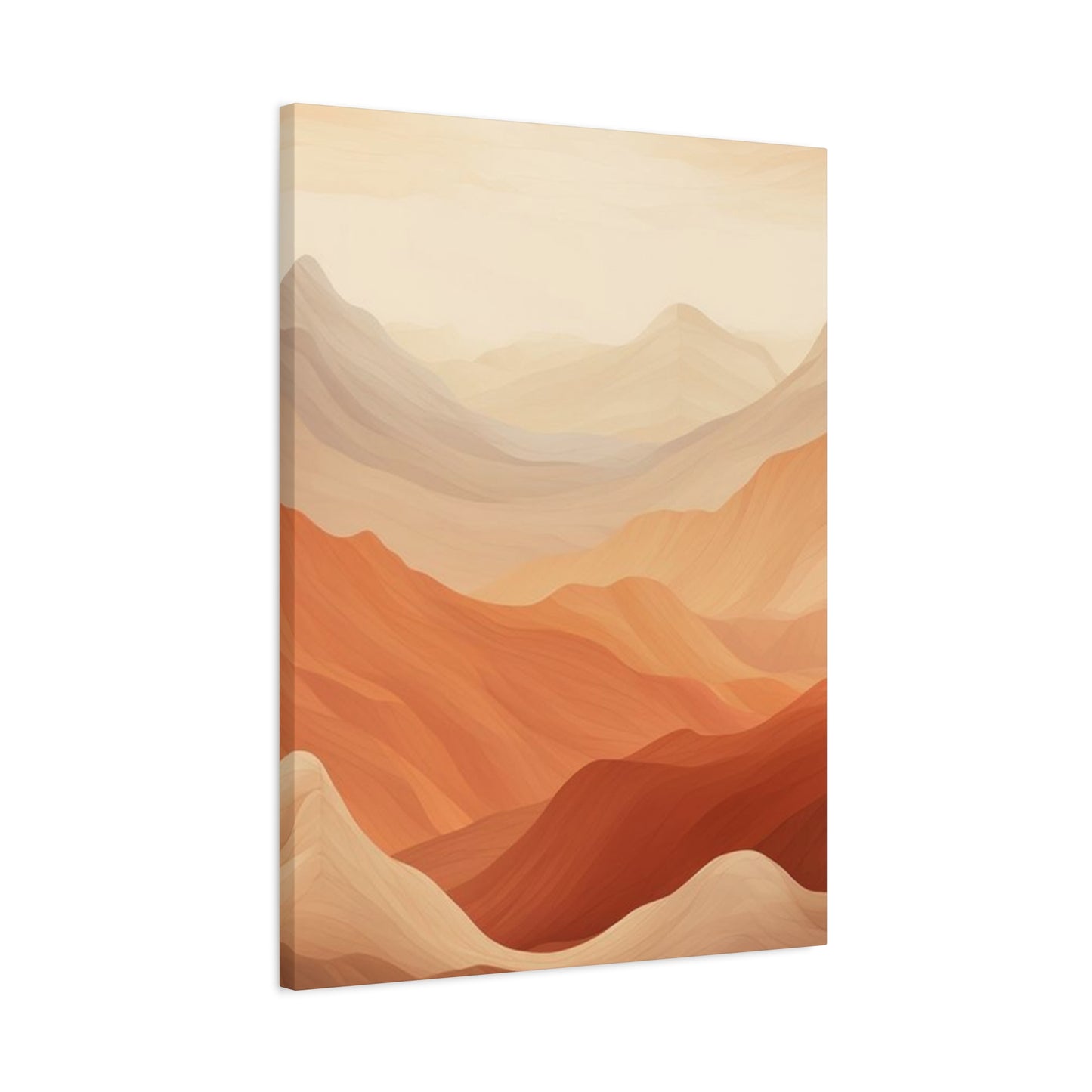
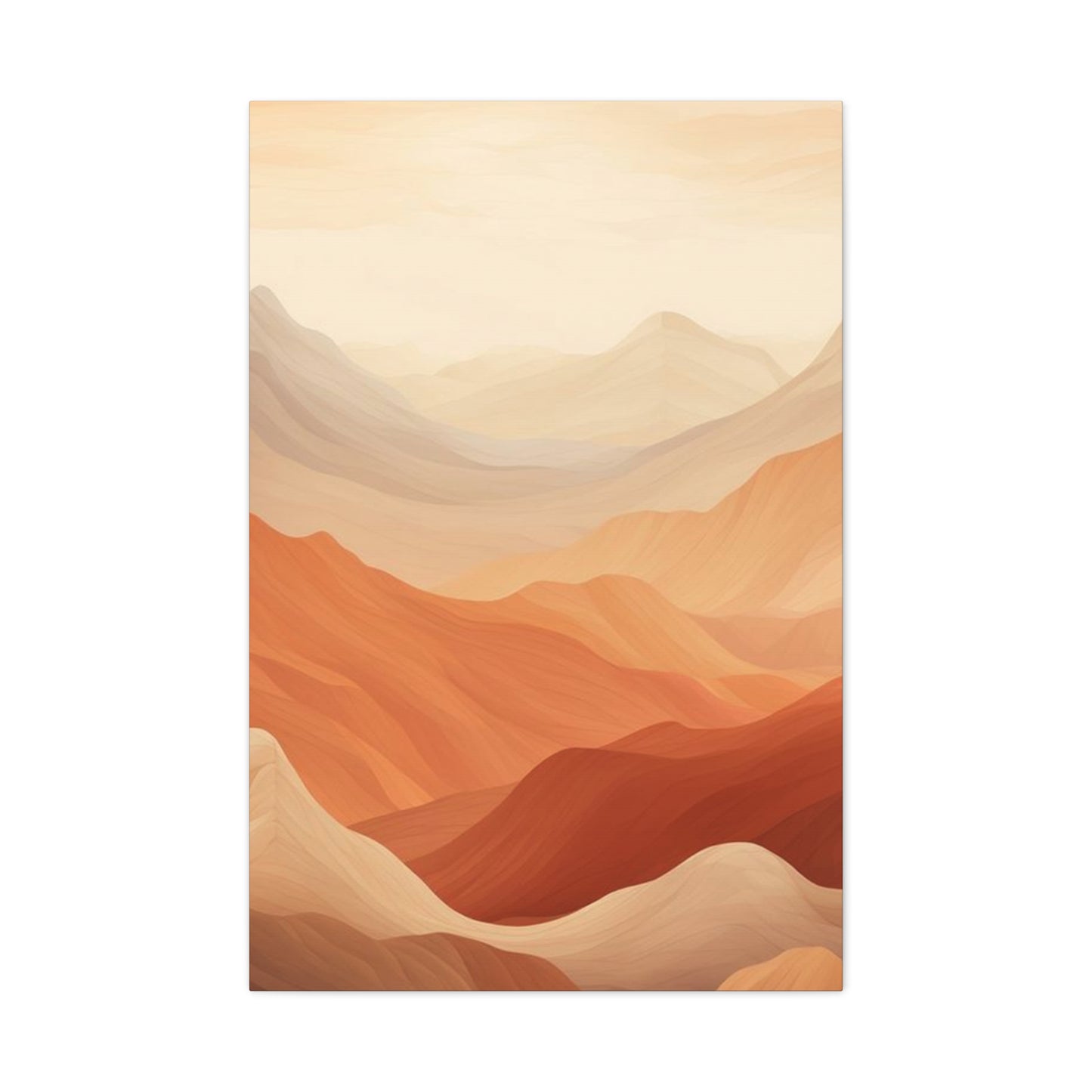
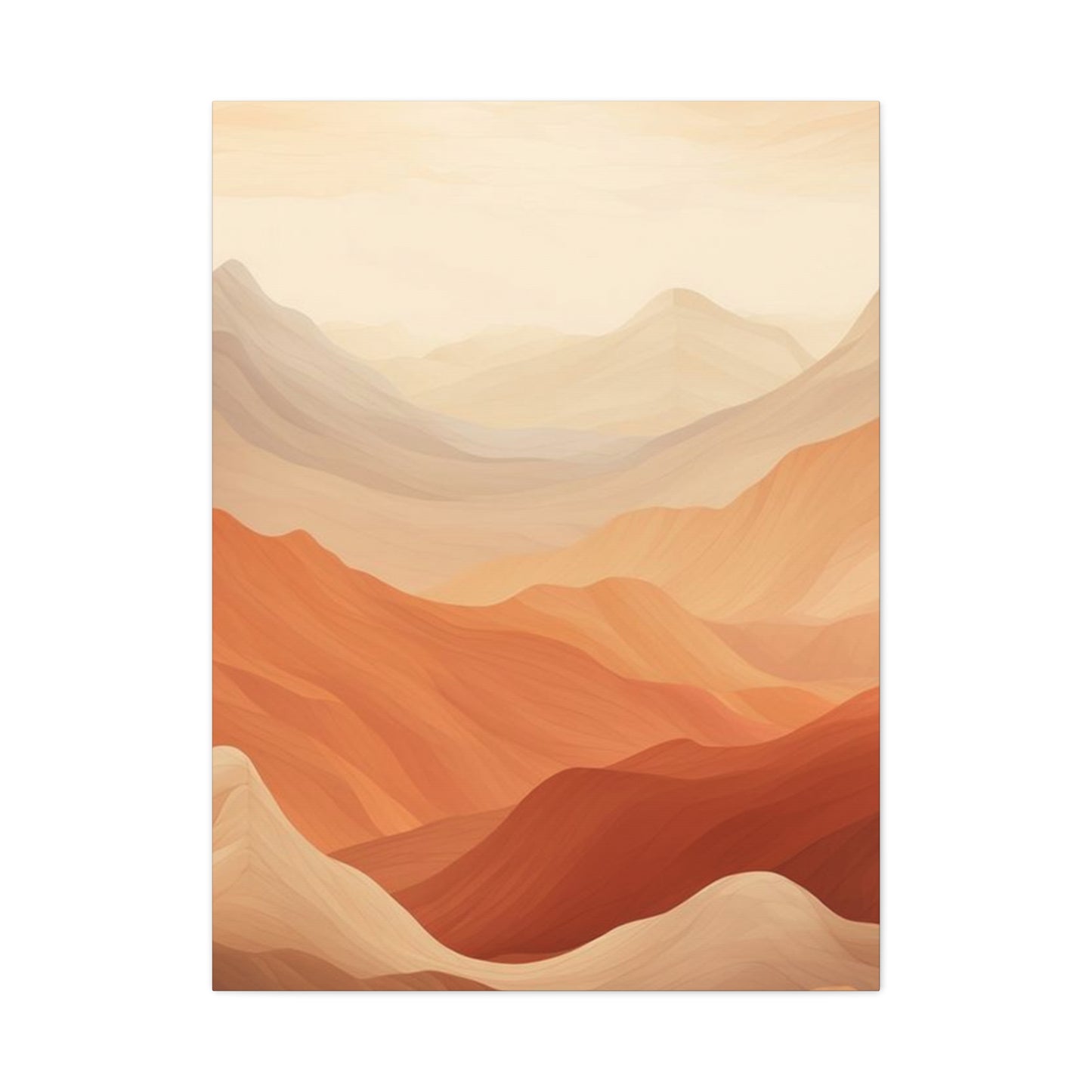
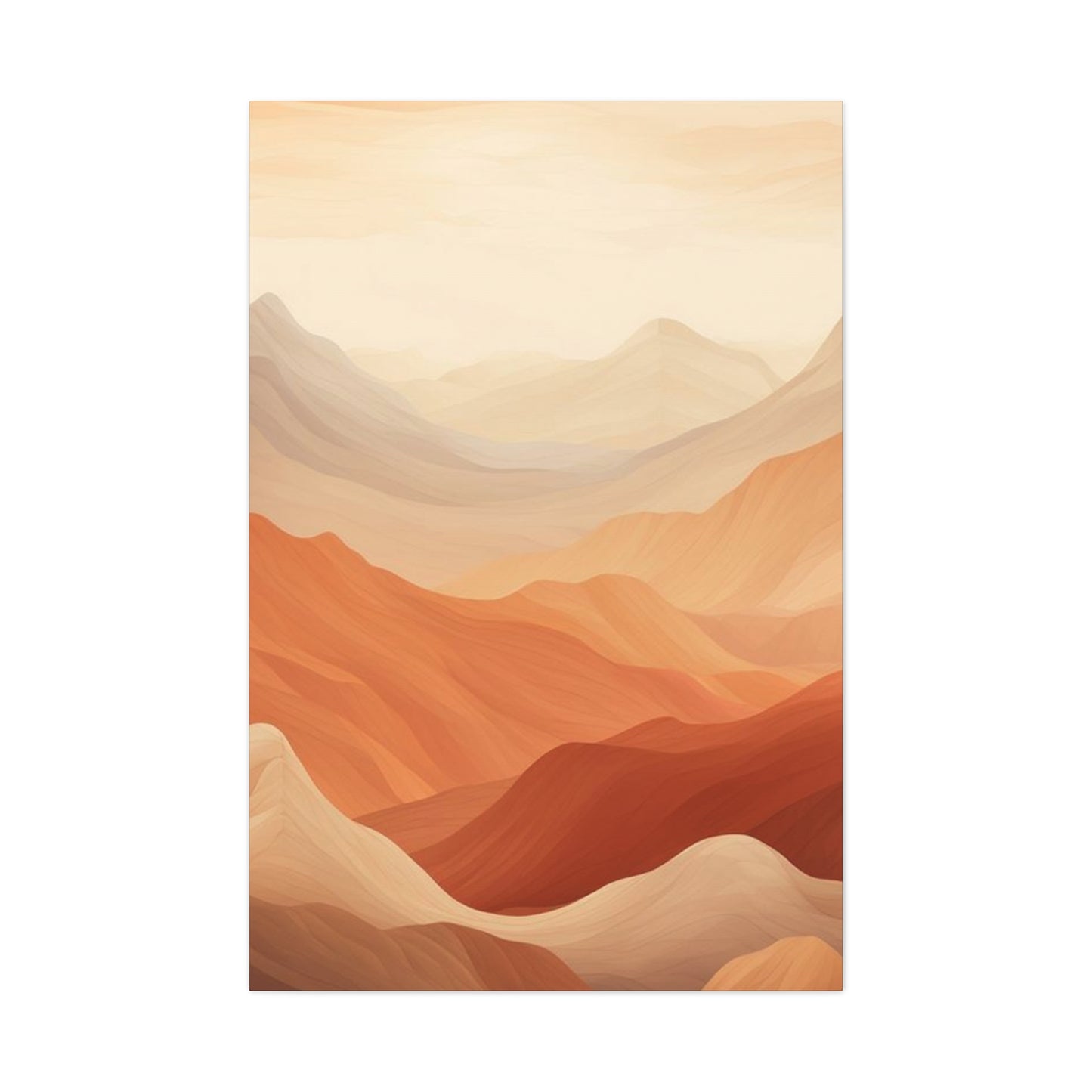
Landscape Arizona Wall Art & Canvas Prints
Landscape Arizona Wall Art & Canvas Prints
Couldn't load pickup availability
Desert Panoramas and Southwestern Aesthetics: How Landscape Arizona Wall Art Brings Natural Beauty Into Your Living Space
The magnificent terrain of Arizona represents one of Earth's most visually stunning regions, where crimson sandstone formations tower against cerulean skies, and ancient saguaro cacti stand as silent sentinels across seemingly endless expanses. When captured through artistic mediums and displayed as wall decorations, these breathtaking vistas transform residential and commercial interiors into sanctuaries that celebrate the raw magnificence of America's Southwest. This comprehensive exploration delves into every facet of acquiring, displaying, and appreciating Landscape Arizona Wall Art, offering insights that span from selection criteria to long-term preservation strategies.
Exploring the Captivating Visual Elements Found Within Arizona's Natural Environments
Arizona's geographical diversity creates an unparalleled palette for artistic representation. The state encompasses dramatically contrasting ecosystems, from the sun-scorched Sonoran Desert lowlands to the pine-forested highlands of the Mogollon Rim. This extraordinary variety manifests in artwork that captures everything from the rust-colored monoliths of Monument Valley to the stratified canyon walls revealing millions of years of geological storytelling.
The interplay of light across Arizona's terrain produces mesmerizing visual phenomena that artists strive to immortalize. Sunrise and sunset transform the desert into a symphony of amber, magenta, and violet hues that dance across weathered rock surfaces. Midday illumination creates stark contrasts between brilliant highlights and deep shadows that accentuate every geological contour. Storm systems rolling across the high desert generate dramatic cloud formations and occasional lightning displays that photographers and painters eagerly document.
Vegetation patterns contribute distinctive textural elements to Arizona scenery. The iconic saguaro cactus, with its anthropomorphic silhouette and imposing stature, frequently serves as a focal point in desert compositions. Ocotillo plants burst into scarlet blooms following seasonal rains, creating unexpected splashes of color against otherwise muted backgrounds. Palo verde trees cast delicate shadows with their tiny leaves and green bark, while ancient juniper and pinyon pines dot higher elevations with their gnarled, wind-sculpted forms.
Geological formations provide endless inspiration for artists capturing Arizona's essence. The Grand Canyon's immense scale and intricate layering present compositional challenges that have fascinated creators for generations. Sedona's distinctive red rock formations, including Cathedral Rock and Bell Rock, offer instantly recognizable profiles that evoke spiritual resonance for many viewers. The petrified forests showcase mineralized tree trunks that have transformed into crystalline stone over countless millennia, presenting surreal subjects for photographic documentation.
Seasonal variations introduce temporal dimensions to Arizona scenery that thoughtful collectors consider when selecting pieces. Winter occasionally dusts higher elevations with snow, creating striking juxtapositions between white precipitation and ruddy stone. Spring wildflower blooms carpet desert floors with unexpected botanical displays following adequate precipitation. Summer monsoon seasons generate towering cumulonimbus clouds and dramatic haboob dust storms that photographers capture in spectacular imagery. Autumn brings subtle color changes to riparian zones and deciduous vegetation scattered throughout the terrain.
Distinguishing Between Various Artistic Approaches to Depicting Southwestern Panoramas
Photography-based wall decorations capture Arizona's terrain with documentary precision that appeals to purists seeking authentic representations. High-resolution digital cameras enable artists to record intricate details invisible to casual observation—the delicate spines on a cholla cactus, the subtle color gradations within sandstone strata, or the texture of weathered wood in abandoned homesteads. Large-format prints produced through advanced printing processes deliver museum-quality reproductions that preserve these details at impressive scales suitable for prominent display locations.
Panoramic photography formats particularly suit Arizona's expansive horizons, where vast distances and unobstructed sightlines create compositions that benefit from extended aspect ratios. Multi-image stitching permits the creation of ultra-wide vistas that immerse viewers in sweeping desert tableaux or canyon rim perspectives. Metal print substrates enhance these panoramic works by providing luminous depth and contemporary presentation that complements modern interior aesthetics.
Painted interpretations introduce subjective perspectives and emotional resonances distinct from photographic literalism. Oil paintings of Arizona terrain often emphasize atmospheric qualities through layered glazes that create luminous depth in skies and subtle tonal variations in landforms. Watercolor renditions capture the ephemeral quality of desert light through transparent washes and spontaneous brushwork that suggests rather than dictates specific details. Acrylic works frequently feature bold color choices and energetic mark-making that convey the intense sensory experience of being physically present in these environments.
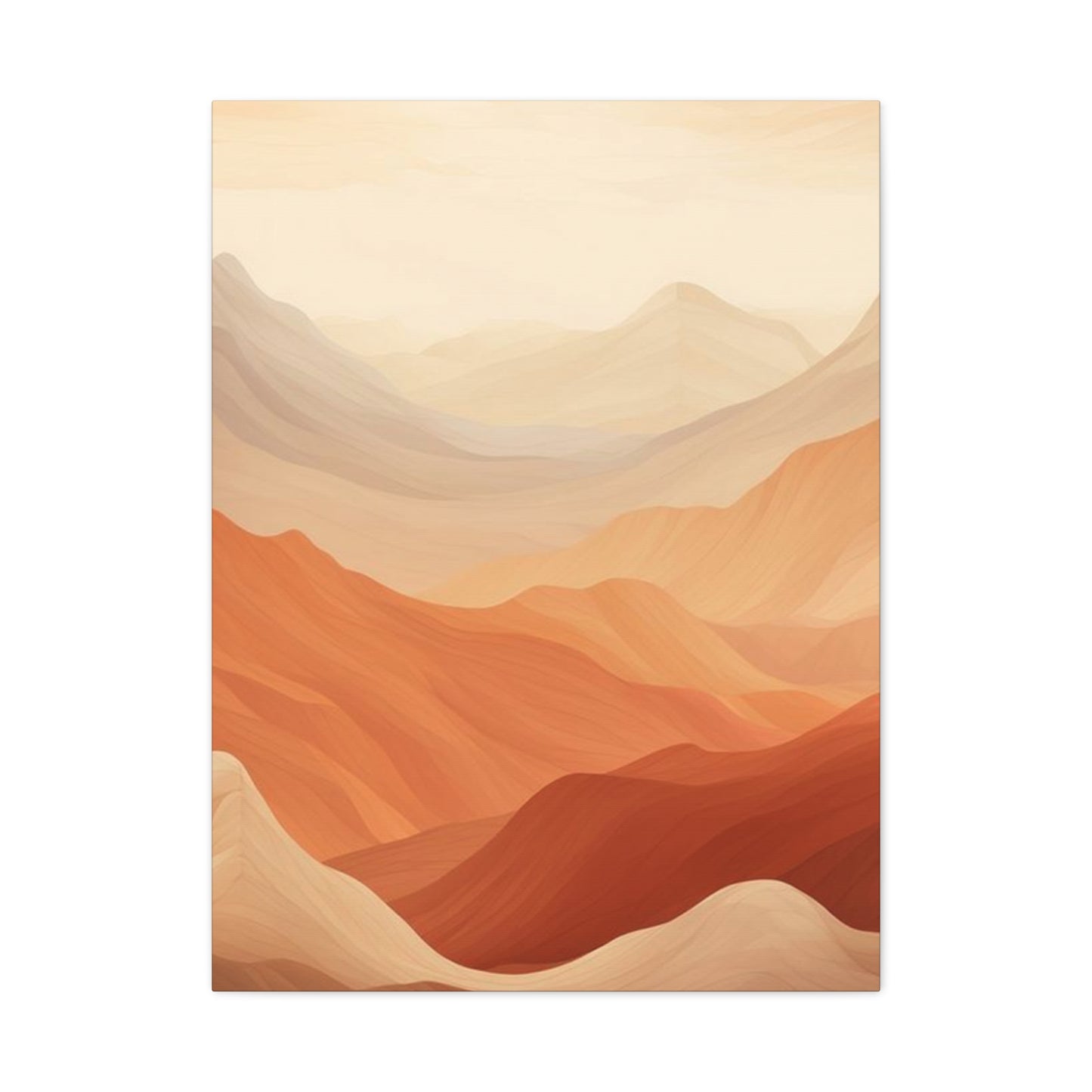
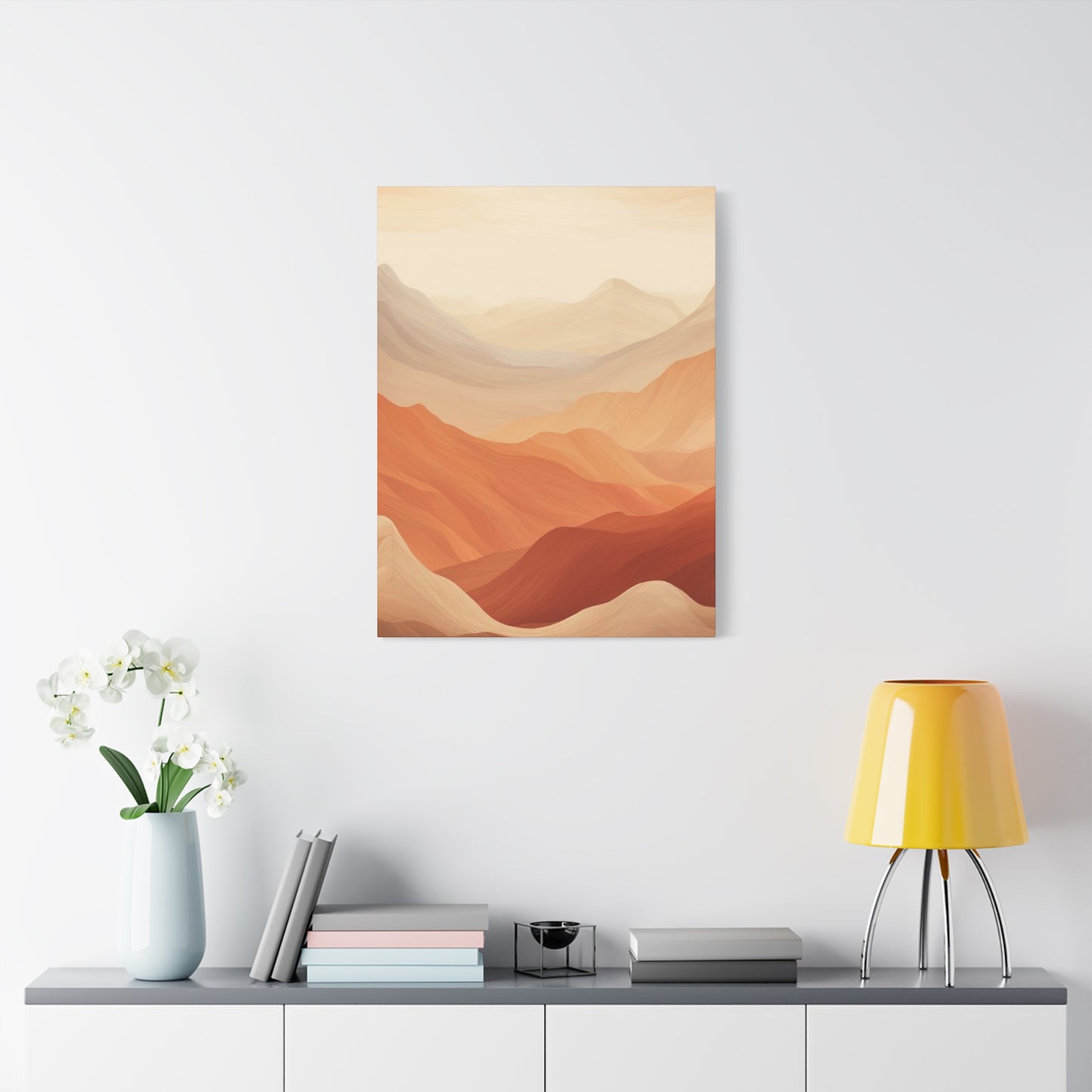
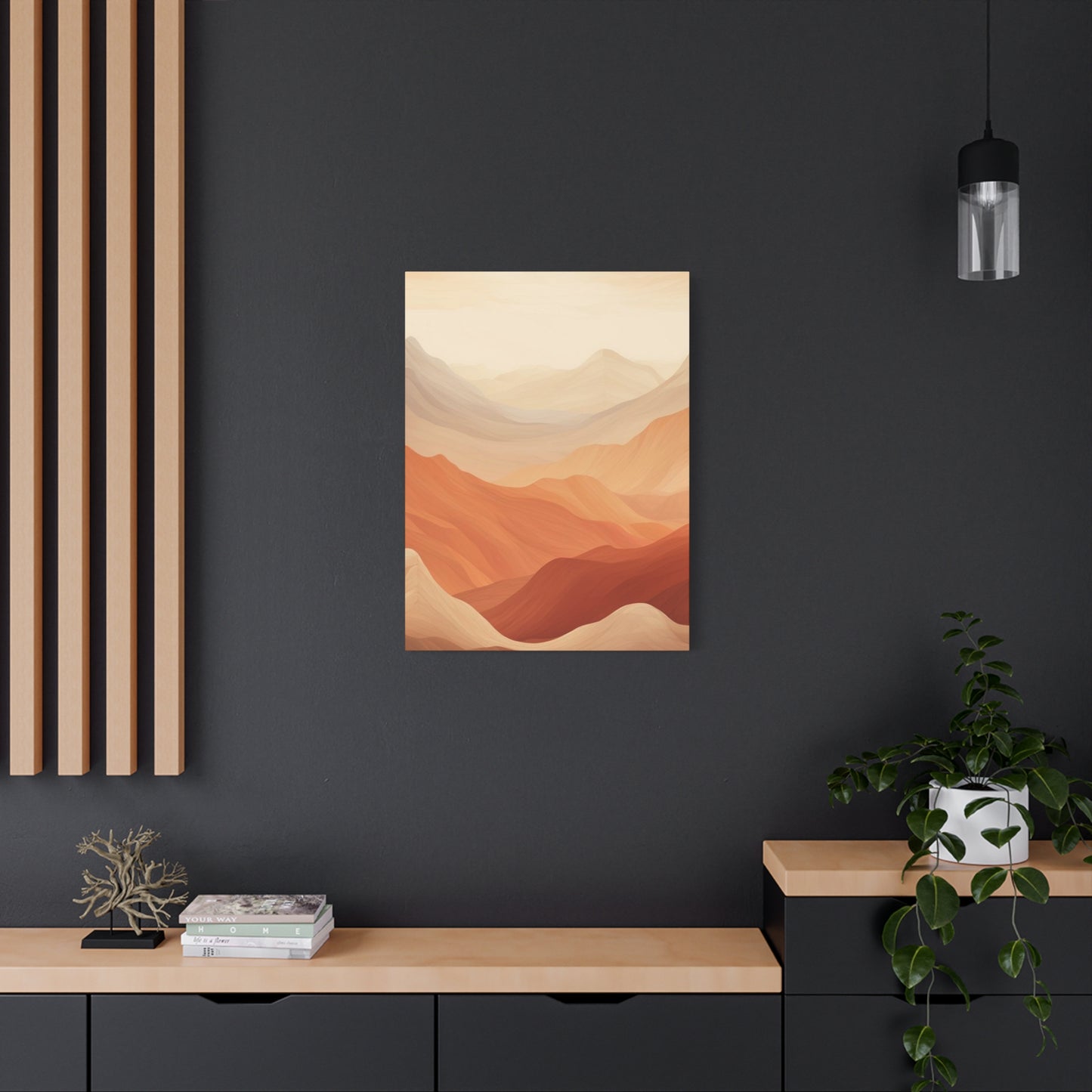
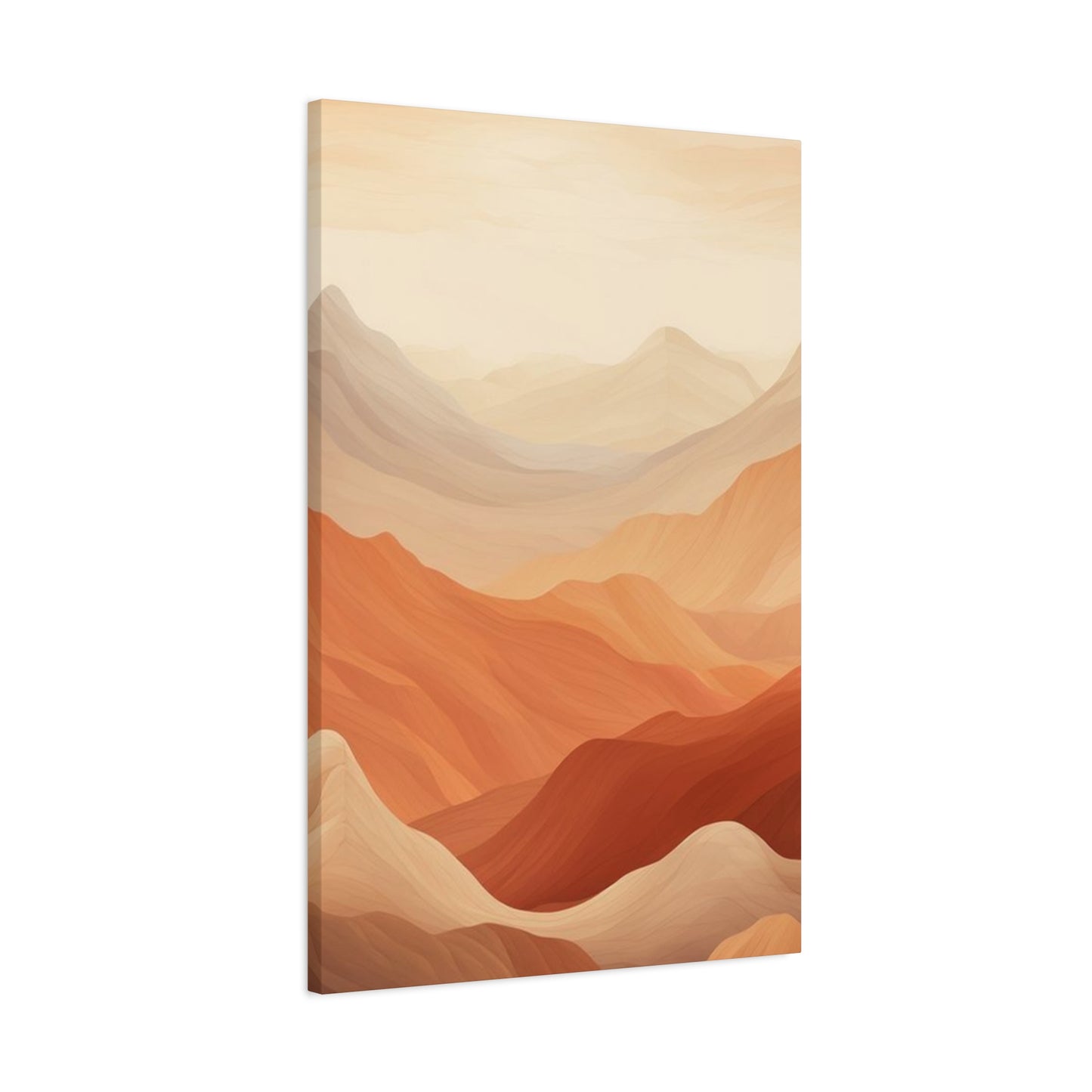
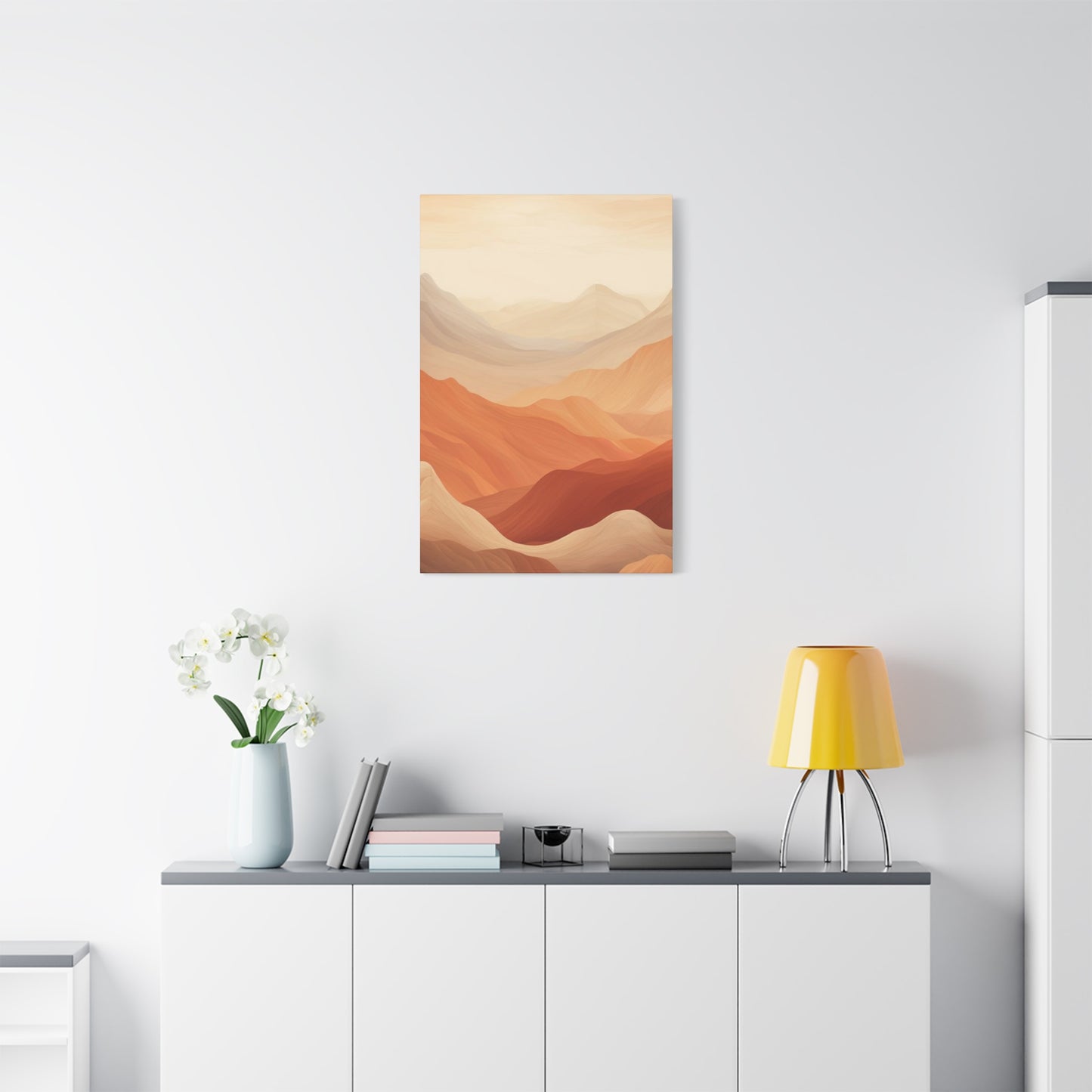
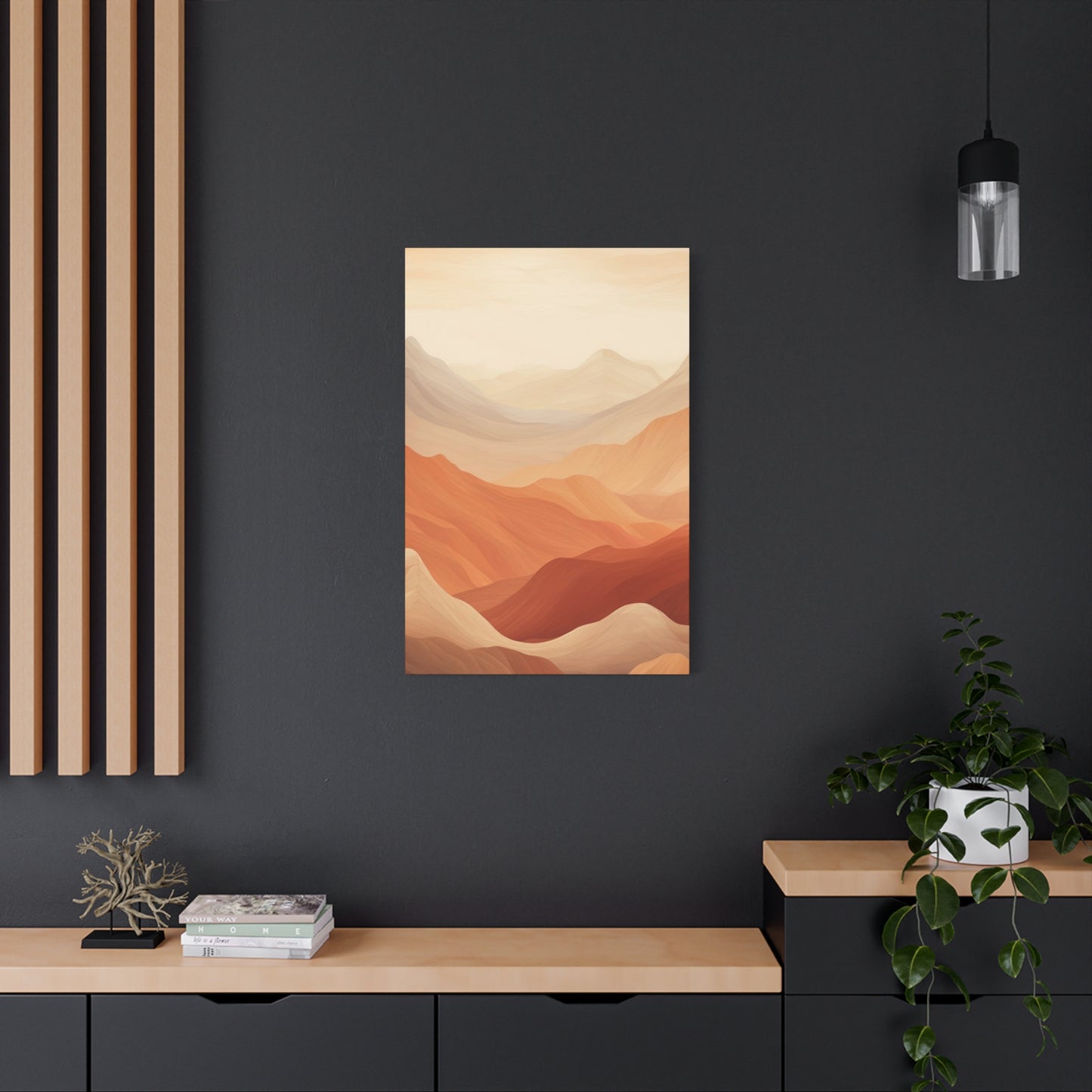
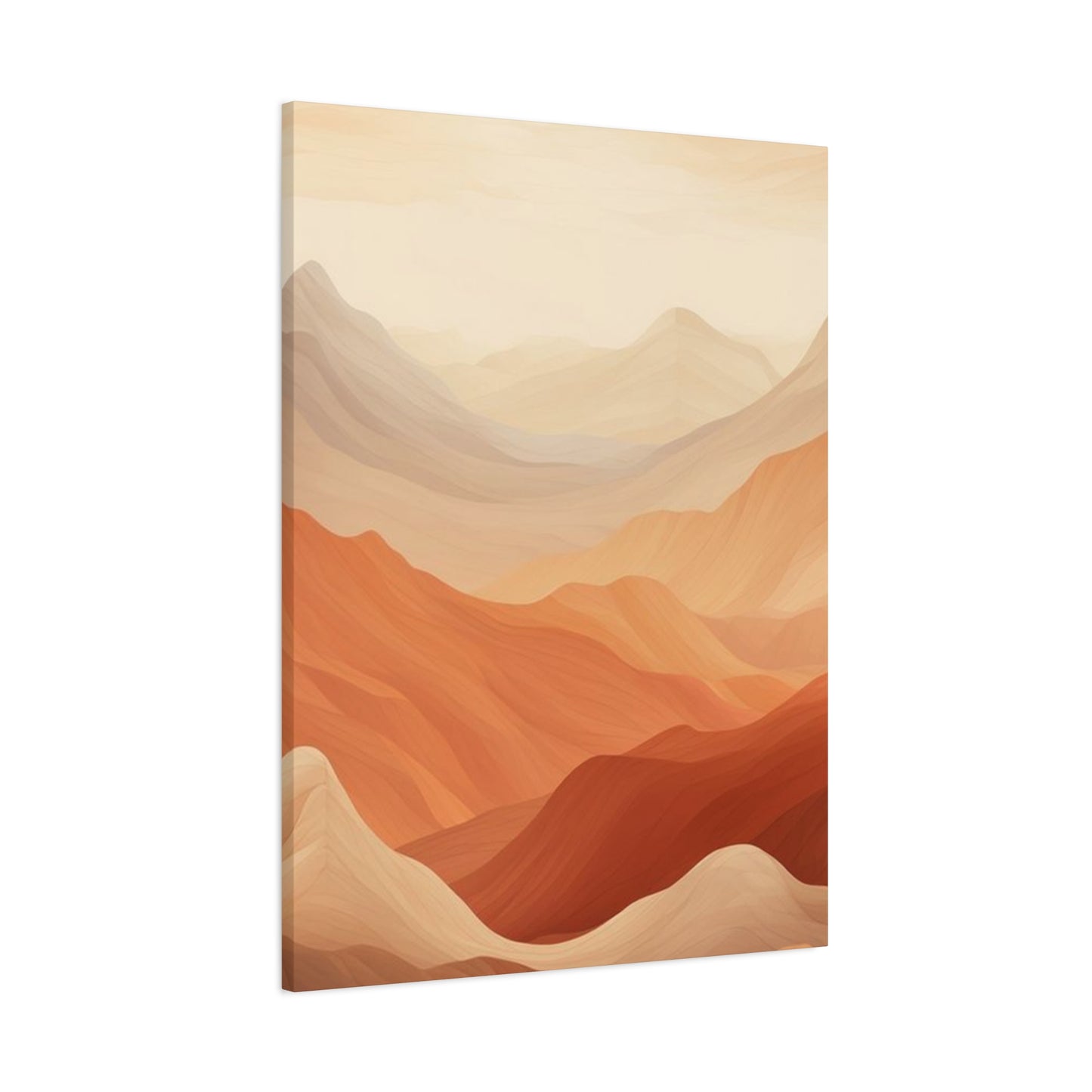
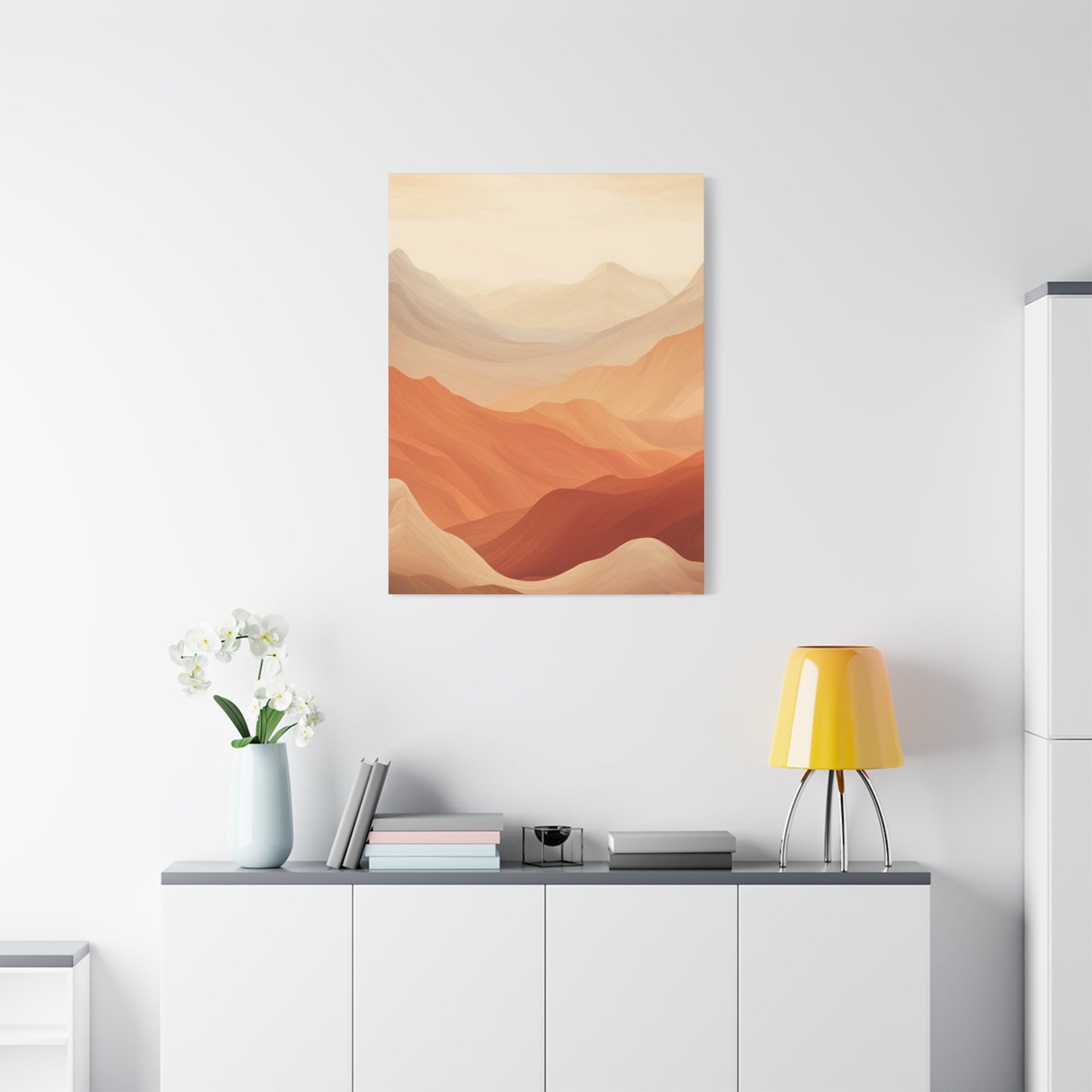
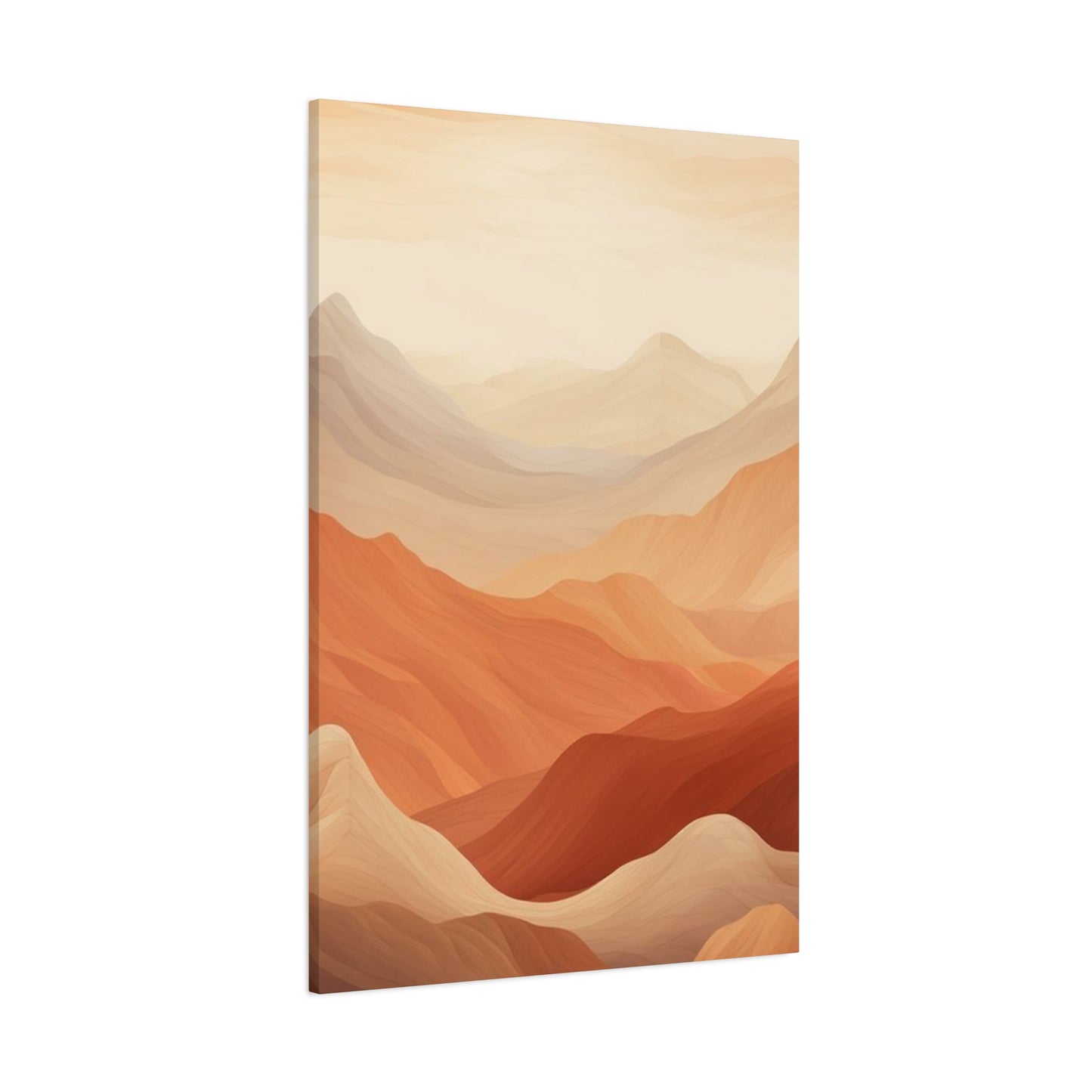
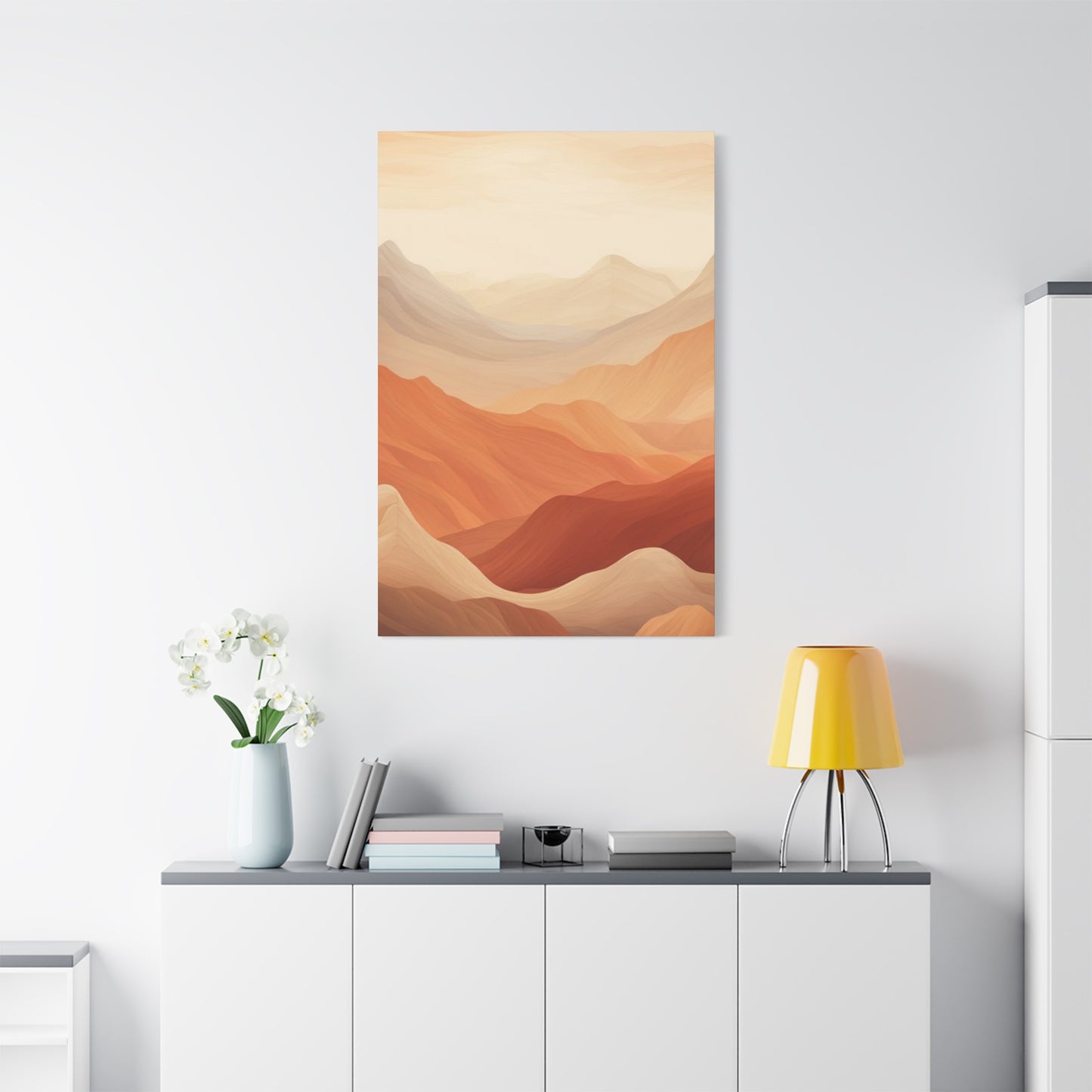
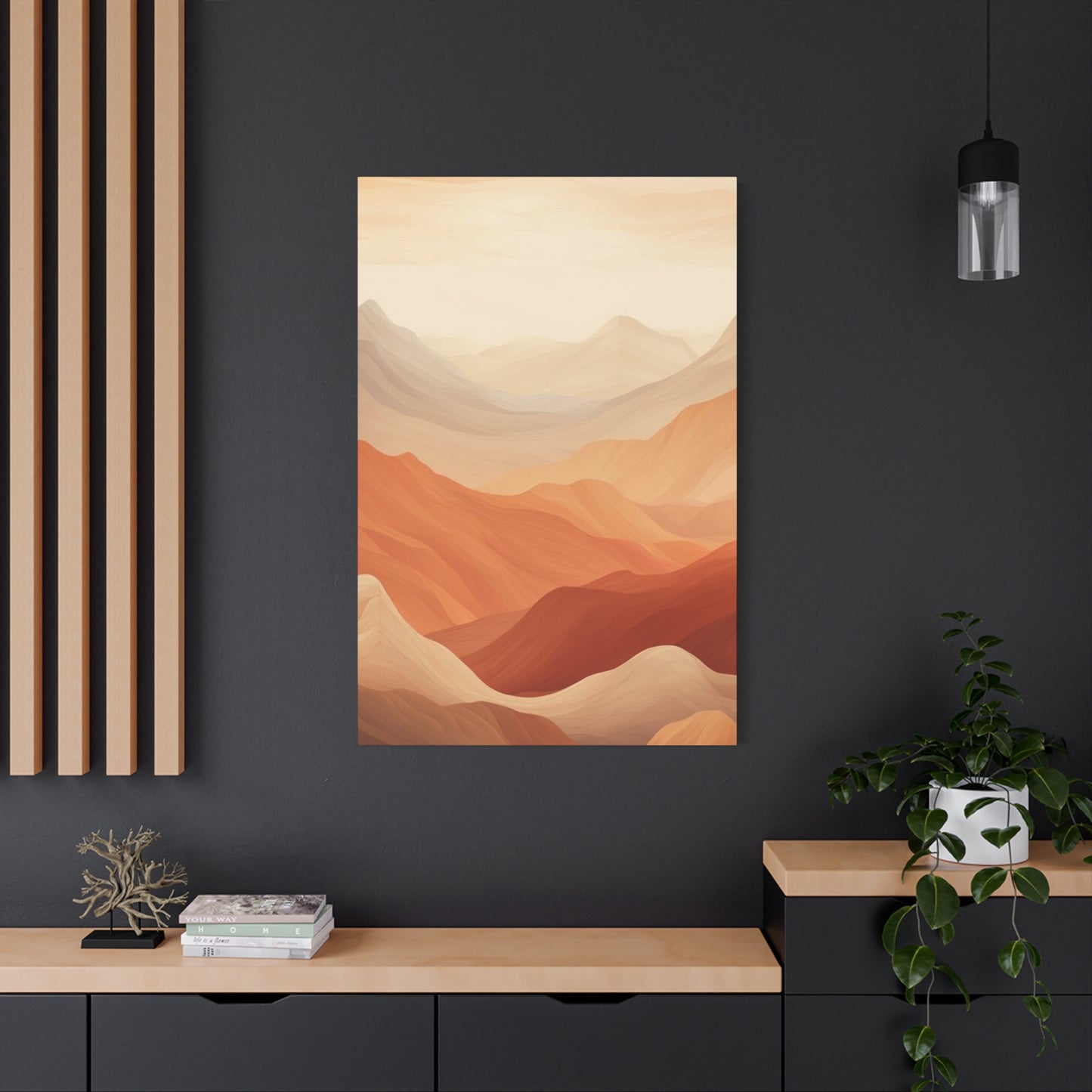
Abstract representations distill Arizona scenery into essential forms, colors, and compositional relationships that evoke emotional responses without literal depiction. These works might reduce canyon formations to geometric planes of complementary hues or express desert heat through aggressive texture application and warm color dominance. Such pieces offer decorative versatility by coordinating with diverse interior schemes while maintaining conceptual connections to their geographical inspiration.
Mixed media creations combine multiple artistic approaches to produce hybrid works with distinctive visual qualities. Artists might incorporate actual desert materials—sand, small stones, dried vegetation—into surface treatments that add tactile dimensions to visual representations. Others blend photographic elements with painted passages or digital manipulation to create fantastical interpretations that transcend documentary limitations while retaining recognizable Arizona characteristics.
Printmaking methods including lithography, screen printing, and giclée reproduction democratize access to limited edition artworks created by established Southwestern artists. These numbered prints balance affordability with collectibility, offering acquisition pathways for those drawn to specific artistic visions but constrained by original artwork pricing. Quality printing processes ensure color fidelity and archival longevity that preserve the artist's intent across decades of display.
Selecting Dimensions and Orientations That Harmonize With Your Interior Architecture
Wall space assessment forms the foundational step in determining appropriate artwork dimensions. Measuring available wall expanses accurately prevents purchasing pieces that overwhelm small areas or appear insignificant against expansive surfaces. Consider not just the wall's total dimensions but also the placement relative to furnishings, doorways, windows, and architectural features that constrain usable display zones.
Horizontal landscape orientations naturally complement many Arizona subjects, echoing the horizontal emphasis of desert horizons and canyon rim perspectives. These formats suit placement above sofas, beds, consoles, and other horizontal furniture pieces where they create balanced visual relationships. Extra-wide panoramic formats excel in contemporary spaces with clean lines and minimal ornamentation, where their dramatic proportions become architectural focal points.
Vertical compositions serve different spatial requirements and compositional purposes. Tall, narrow pieces complement vertical architectural elements like columns, stairwells, or the spaces flanking windows and doorways. Saguaro cactus subjects particularly suit vertical formats that emphasize their towering stature and upward-reaching arms. Canyon wall studies capturing stratified geological layers also benefit from vertical orientations that accentuate their vertical geological processes.
Square formats provide compositional balance that works effectively in various contexts. These proportions suit certain subjects like tight framings of rock formations or symmetrical compositional arrangements. Square pieces also pair well in multiples, creating grid arrangements or horizontal series that establish rhythm across extended wall expanses.
Triptych and multi-panel configurations distribute single compositions across multiple connected canvases, creating dynamic installations with dimensional depth. These segmented presentations add visual interest through the physical gaps between panels while maintaining compositional unity. Such formats particularly suit large walls where single oversized pieces might prove impractical or prohibitively expensive.
Scale considerations extend beyond mere measurement to perceptual impact. A modestly sized artwork positioned in an intimate viewing context creates immersive engagement, while the same piece lost on an expansive wall fails to command appropriate attention. Conversely, oversized works in confined spaces can feel overwhelming rather than impressive. Successful scaling matches artwork dimensions to both physical space parameters and intended emotional impact.
Room function influences appropriate sizing decisions. Living rooms and great rooms typically accommodate larger statement pieces that establish decorative themes and anchor furniture groupings. Bedrooms often benefit from more intimate scales that create calming environments conducive to rest. Dining spaces, hallways, and transitional areas present unique dimensional opportunities based on sightline durations and viewing distances.
Understanding How Color Palettes Within Artwork Interact With Existing Interior Schemes
Arizona terrain predominantly features warm earth tones—terracotta reds, ochres, siennas, and umbers—derived from iron-rich soils and oxidized mineral deposits. These hues create inherently warm, welcoming atmospheres when introduced into interior spaces. Such coloration harmonizes naturally with Southwestern and rustic decorative schemes that incorporate similar natural material palettes.
Sky elements within Arizona scenery introduce cooler counterpoints through various blue tonalities. Brilliant azure skies characteristic of arid climates contrast dramatically with warm geological colors, creating complementary color relationships that generate visual vibrancy. Sunset and sunrise compositions expand palettes into pinks, purples, and golds that offer broader coordination possibilities with diverse interior color schemes.
Vegetation elements contribute discrete color notes that vary seasonally and by elevation. The blue-green cast of agave and certain succulents introduces subtle cool accents within predominantly warm compositions. Spring bloom periods inject temporary but intense color concentrations—yellow brittlebush flowers, magenta hedgehog cactus blooms, orange globe mallow blossoms—that artists sometimes feature prominently or include as accent details.
Monochromatic presentations rendered in sepia tones, black and white, or single-color variations offer decorative flexibility by eliminating potential color clashes with existing interiors. These approaches emphasize form, texture, light, and compositional structure while remaining chromatically neutral. Such pieces coordinate effortlessly across varied color schemes and permit easier redecorating without artwork replacement.
Saturated versus desaturated color treatments dramatically affect emotional impact and decorative compatibility. Highly saturated renditions emphasizing intense, pure hues create energetic, bold statements suitable for contemporary spaces with confident color commitments. Desaturated interpretations featuring muted, tonal variations produce calmer, more contemplative moods that integrate subtly into refined, understated interiors.
Color temperature considerations influence spatial perception and psychological atmosphere. Warm-dominant palettes create cozy, intimate sensations while advancing visually to make spaces feel slightly smaller. Cool-dominant compositions recede visually, generating airier sensations and slight spatial expansion effects. Balanced palettes incorporating both warm and cool elements provide versatility and prevent monotony.
Metallic accents occasionally appear in Arizona landscape artwork through sunset reflections on water surfaces, mineral veining in rock formations, or artistic additions of gold leaf and metallic paints. These luminous elements catch and reflect ambient light dynamically, creating living visual experiences that change with viewing angles and daily illumination variations.
Examining Frame Selections and Presentation Approaches That Complement Southwestern Imagery
Traditional wooden frames in natural finishes echo Arizona's organic character while providing structural support and visual containment. Rustic barnwood frames with weathered patinas particularly suit vintage-style photographs or paintings with rough, textural qualities. Smooth hardwood frames in lighter finishes like maple or ash complement contemporary interpretations with cleaner aesthetics.
Distressed and antiqued frame treatments align with Southwestern decorative traditions that celebrate aged materials and handcrafted imperfection. These finishes suggest historical continuity and artisanal craftsmanship that resonates with subjects depicting timeless landscapes relatively unchanged across centuries. Such presentation choices particularly enhance reproductions of vintage photographs or artistic works referencing historical periods.
Metal frames in bronze, copper, or wrought iron finishes reference Southwestern architectural elements and decorative traditions. These materials introduce industrial elegance that bridges rustic and contemporary sensibilities. Sleek aluminum frames in matte black or silver finishes suit modern interpretations with graphic qualities and saturated color palettes.
Floating frames create contemporary presentations where artwork appears suspended within frame perimeters, generating shadow gaps between the piece and frame edges. This mounting approach adds dimensional depth and modern sophistication particularly effective with canvas prints and metal substrates. The technique draws attention to artwork edges and emphasizes the physical objectness of the displayed piece.
Gallery wrapping eliminates frames entirely by extending canvas prints around stretcher bar edges, creating finished presentations requiring no additional framing. This approach maximizes visible image area and produces clean, contemporary installations. Side edges can continue the primary image or feature solid colors, with the choice affecting the piece's appearance from oblique viewing angles.
Matting treatments introduce buffer zones between artwork and frames while providing color coordination opportunities. Neutral mats in cream, tan, or gray suit most Arizona subjects without competing for attention. Colored mats in desert-appropriate hues can enhance color harmonies when carefully selected. Double matting with contrasting inner mats adds refinement and can incorporate complementary colors from within the artwork.
Shadow box presentations accommodate dimensional objects and mixed media pieces incorporating physical desert materials. These deep frames provide clearance for textured surfaces and three-dimensional elements while maintaining protective glazing. Such presentations suit artwork incorporating items like cactus spines, sand, small stones, or other tangible fragments of the Arizona environment.
Plexiglass versus traditional glass covering decisions balance considerations of weight, safety, UV protection, and optical clarity. Museum-quality acrylic glazing offers superior shatter resistance with comparable clarity to glass, making it preferable for large pieces or installations in earthquake-prone regions. UV-filtering options in both materials protect artwork from light-induced fading, particularly important for pieces in sun-exposed locations.
Investigating Print Substrates and Media That Enhance Visual Impact and Longevity
Canvas prints reproduce photographic or digital artwork on textured fabric substrates that evoke painterly qualities. The material's slight texture adds visual interest and reduces glare compared to smooth, reflective surfaces. Quality canvas prints utilize fade-resistant inks and protective coatings that ensure color stability across years of display. Stretched and gallery-wrapped presentations create ready-to-hang solutions requiring no additional framing.
Metal prints infuse imagery with extraordinary luminosity and dimensional depth through dye-sublimation processes that embed inks directly into specially coated aluminum surfaces. This substrate produces vibrant colors with exceptional saturation and clarity particularly effective for Arizona subjects featuring brilliant skies and dramatic lighting. The material's inherent durability and moisture resistance suit humid environments like bathrooms where traditional paper prints might deteriorate.
Acrylic face-mounted prints sandwich photographic images between backing substrates and clear acrylic panels, creating glossy, gallery-quality presentations with exceptional depth and color vibrancy. Light penetrates through the acrylic layer to reflect off the image and back through to viewers, generating luminous effects impossible with surface printing alone. These premium presentations command attention as statement pieces in refined interiors.
Fine art paper prints remain the traditional choice for serious collectors and photography purists. Museum-grade papers featuring cotton or alpha-cellulose content provide archival stability that preserves images across generations when properly displayed and stored. Surface textures ranging from glossy to matte and textured options affect final appearance, with photographers often preferring specific papers that complement their artistic vision.
Wood panel substrates offer rustic presentation qualities aligned with Southwestern aesthetic traditions. Direct printing onto finished wood surfaces or mounting prints to wood backing creates organic presentations where natural wood grain contributes visual character. Such pieces particularly suit cabin, lodge, or rustic interior schemes where refined gallery presentations might feel incongruous.
Backlit LED panels transform Arizona landscape photographs into luminous installations that generate their own illumination. These presentation formats excel in commercial spaces or residential areas where dramatic impact justifies electrical connections and ongoing energy consumption. The internal illumination emphasizes color saturation and creates glowing focal points that command attention in dimmed environments.
Textile reproductions including tapestries and woven wall hangings introduce tactile dimensions and artisanal character to Arizona subject matter. These fabric pieces suit casual, bohemian, or eclectic decorative schemes where textural variety enhances visual interest. Machine-woven reproductions balance affordability with artistic appeal, while handwoven pieces by local artisans offer unique creations with inherent value beyond mere decorative function.
Discovering Source Venues for Acquiring Authentic Southwestern Landscape Artwork
Regional galleries throughout Arizona showcase local artists whose intimate familiarity with the terrain produces authentic, knowledgeable representations. Visiting physical gallery spaces permits personal inspection of artwork quality, accurate color assessment under various lighting conditions, and direct dialogue with gallery personnel or artists themselves. Many galleries host opening receptions and artist talks that deepen appreciation for specific works and creative processes.
Art festivals and outdoor markets bring together multiple artists in temporary venues that facilitate price comparison and diverse selection browsing. Events like Sedona's arts festivals or Scottsdale's outdoor markets create concentrated opportunities to encounter numerous Southwestern artists simultaneously. These casual environments often permit direct artist purchases that eliminate gallery commission markups while establishing personal connections with creators.
Online marketplaces vastly expand selection possibilities by aggregating offerings from numerous artists and vendors worldwide. Digital browsing enables keyword filtering, price range specification, and dimension selection that streamline searches. However, screen representations imperfectly convey actual colors, scales, and surface qualities, necessitating careful attention to product specifications and return policies.
Print-on-demand services permit artwork selection from vast digital libraries with pieces produced only after purchase confirmation. This model eliminates inventory costs that otherwise inflate prices while ensuring fresh production without accumulated warehouse aging. Quality varies significantly across providers, making research into printing methods, substrate options, and customer satisfaction essential before committing to purchases.
Artist websites and personal studios provide direct acquisition pathways that maximize artist compensation while often reducing buyer costs compared to gallery purchases. Many photographers and painters maintain online portfolios where collectors can browse complete bodies of work and commission custom pieces. Direct artist relationships sometimes yield opportunities to acquire preparatory sketches, alternative versions, or early-edition prints unavailable through retail channels.
Auction houses occasionally feature Southwestern landscape artwork, particularly pieces by historically significant or deceased artists. These venues suit collectors pursuing investment-grade acquisitions or seeking specific works by established names. Auction dynamics introduce competitive bidding that can drive prices above or below fair market values depending on attendee composition and particular piece desirability.
Estate sales and antique dealers sometimes yield vintage Arizona landscape photography and paintings with historical significance. Older pieces capturing Arizona's terrain before modern development possess documentary value beyond aesthetic merit. Such acquisitions require authentication diligence and condition assessment but can reward patient searchers with unique finds unavailable through conventional retail channels.
Museum gift shops curate selections emphasizing quality and authenticity, often featuring reproductions of pieces from permanent collections or works by artists with museum representation. While selections may be limited compared to commercial galleries, the curatorial vetting provides quality assurance particularly valuable for buyers without extensive art knowledge.
Mastering Strategic Placement Decisions That Maximize Artwork Impact Within Rooms
Focal point positioning establishes artwork as primary visual destinations that anchor room compositions. Prominent walls facing main entry points naturally draw attention and suit statement pieces that establish decorative themes. Above fireplaces, behind seating arrangements, and opposite doorways represent classic focal point locations where Arizona landscapes can command maximum attention.
Sight line analysis identifies natural viewing paths that people traverse regularly, ensuring artwork placement in locations where it receives sustained attention rather than languishing in peripheral zones. Consider where occupants naturally look while seated in primary furniture locations, and position pieces within comfortable viewing fields without requiring uncomfortable neck positions.
Height considerations dramatically affect viewing comfort and artwork prominence. The conventional guideline positioning artwork centers at eye level (approximately sixty inches from floor to center) creates comfortable viewing for average-height individuals. However, this standard requires adjustment based on typical viewing positions—higher for pieces viewed primarily while standing, lower for those viewed mainly while seated.
Lighting conditions profoundly influence artwork appearance and preservation. Direct sunlight causes cumulative fading damage that degrades colors irreversibly over time, making sun-exposed walls poor choices for valuable pieces. Indirect natural light from north-facing windows provides consistent illumination without harsh direct rays, while artificial lighting permits controlled highlighting. Dedicated picture lights or adjustable track lighting enable precise illumination that enhances visibility and creates dramatic evening presentations.
Grouping strategies create visual narratives through multiple pieces that function as unified installations. Series depicting different times of day across identical locations document temporal changes. Complementary subjects from varied Arizona regions create geographical surveys. Mixed-scale arrangements prevent monotony while maintaining thematic coherence. Asymmetrical groupings generate dynamic visual interest, while symmetrical arrangements produce formal balance.
Negative space respect prevents wall clutter that diminishes individual artwork impact. Surrounding buffer zones allow visual breathing room that lets each piece command attention without immediate competition. This principle particularly applies in minimalist interiors where restraint and intentionality define aesthetic strategies.
Room function compatibility ensures artwork selections enhance rather than conflict with space purposes. Calming desert sunset scenes suit bedrooms intended for relaxation. Energetic compositions with vibrant colors activate social spaces like living rooms and entertainment areas. Intimate studies of desert details create contemplative moods appropriate for reading nooks and meditation spaces.
Scale relationships between furniture and artwork prevent incongruous pairings where massive pieces overpower delicate furnishings or tiny works disappear against substantial architectural backdrops. Artwork spanning two-thirds to three-quarters of underlying furniture widths creates balanced proportions. Alternatively, gallery walls composed of multiple smaller pieces can collectively match the visual weight of larger furniture arrangements.
Implementing Proper Care Practices That Preserve Artwork Quality Across Decades
Dust accumulation dulls surface finishes and artwork visibility while potentially introducing abrasive particles that scratch surfaces during cleaning attempts. Regular gentle dusting using soft, clean microfiber cloths removes surface particulates before significant buildup occurs. Avoid feather dusters that may redistribute rather than capture dust, and never use treated dusting products containing chemicals that might damage delicate surfaces or artwork media.
Canvas pieces require particularly gentle handling since excessive pressure can push fabric against stretcher bars, creating permanent deformations or cracking in paint layers. Vacuum cleaner brush attachments on lowest suction settings remove dust from textured canvas surfaces when held slightly away from surfaces to prevent contact. For valuable original paintings, professional conservators should handle cleaning to prevent inadvertent damage.
Glass and acrylic glazing cleaning demands appropriate techniques that prevent scratching. Spray glass cleaners directly onto cleaning cloths rather than directly on glazing to prevent liquid infiltration behind protective barriers. For acrylic surfaces, use only cleaners specifically formulated for plastic glazing, as conventional glass cleaners containing ammonia can cloud or craze acrylic materials.
Humidity fluctuations cause expansion and contraction in organic materials including canvas, paper, and wooden frames. Extreme dryness can cause brittleness and cracking, while excessive moisture encourages mold growth and warping. Maintaining relative humidity between forty and fifty percent protects against both extremes. Dehumidifiers and humidifiers help regulate moisture levels in climates with seasonal humidity variations.
Temperature stability prevents thermal stress that accelerates material degradation. Avoid placing artwork above heat sources like radiators or fireplaces where temperature cycling and rising heat create hostile preservation environments. Similarly, exterior walls in unconditioned spaces may expose artwork to greater temperature extremes than interior walls in climate-controlled areas.
UV radiation causes photochemical reactions that fade pigments and degrade substrates irreversibly. Even indirect sunlight contains significant UV components requiring mitigation through UV-filtering glazing, window films, or strategic placement away from sunlit exposures. Fluorescent lighting also emits UV radiation, making LED alternatives preferable for illuminating valuable artwork.
Professional inspection and conservation services address issues beyond routine maintenance capabilities. Original paintings may require varnish renewal, surface cleaning, or structural stabilization after decades of display. Photographs might need re-matting with acid-free materials if deterioration signs appear. Conservation professionals possess specialized knowledge and materials unavailable to casual owners.
Environmental monitoring using hygrometers and thermometers provides quantitative data about storage and display conditions. These inexpensive devices alert owners to problematic conditions before visible damage occurs. Digital versions with data logging capabilities track variations over time, identifying problematic seasonal patterns requiring intervention.
Insurance documentation protects against financial losses from theft, fire, or accidental damage. Photographing artwork from multiple angles, retaining purchase documentation, and maintaining appraisal records for valuable pieces facilitates claims processing if unfortunate events necessitate replacement or compensation. Specialized fine art insurance policies provide coverage beyond standard homeowner's policy limitations.
Exploring How Southwestern Landscapes Influence Interior Atmospheres and Occupant Psychology
Biophilic responses to natural imagery generate measurable physiological and psychological benefits. Viewing nature scenes, even through artistic representations, reduces stress markers including cortisol levels and blood pressure. Heart rate variability patterns shift toward parasympathetic nervous system dominance associated with relaxation and restoration. These effects occur even with brief exposure periods, making nature-themed artwork a passive wellness intervention.
Color psychology principles explain emotional responses to Arizona landscape palettes. Warm earth tones evoke security, grounding, and connection to elemental forces. These hues stimulate appetite and social interaction, making them suitable for dining and entertaining spaces. Cool sky blues promote tranquility, mental clarity, and emotional equilibrium, serving well in restful environments like bedrooms and contemplation spaces.
Spatial perception alterations occur through vista imagery depicting expansive horizons. Psychologically, such views create sensations of freedom, possibility, and escape from confinement. In physically constrained spaces lacking windows or natural light, landscape artwork provides vicarious environmental expansion that counteracts claustrophobic feelings. This visual ventilation particularly benefits basement rooms, interior offices, and urban apartments with limited outlooks.
Cultural and personal associations with Southwestern imagery influence individual responses beyond universal principles. Those with personal histories in Arizona territories—family connections, childhood memories, significant life events—experience nostalgia and identity reinforcement through regional landscape imagery. Others drawn to Western cultural mythology and frontier narratives find symbolic resonance in desert and canyon subjects.
Contemplative focus induced by landscape imagery facilitates mindfulness and present-moment awareness. Unlike busy, complicated compositions demanding analytical parsing, coherent natural scenes permit soft focus contemplation that quiets mental chatter. This quality makes Arizona landscapes particularly suitable for meditation spaces, yoga studios, and therapeutic environments where mental quieting supports healing and personal growth.
Conversational catalysts emerge from distinctive artwork that stimulates dialogue among residents and visitors. Unusual perspectives, dramatic moments like storms or lightning, or historically significant locations depicted in displayed works prompt storytelling and information exchange. These social lubricants enhance hospitality and transform passive decoration into participatory household elements.
Seasonal disconnection remediation becomes possible through nature imagery in controlled interior environments. For those spending substantial time in climate-controlled, artificially-lit spaces, artwork depicting natural light qualities and seasonal variations provides temporal anchoring otherwise absent. This substitute for direct environmental contact partially satisfies human needs for connection to larger natural cycles.
Surveying Artistic Movements and Stylistic Variations in Southwestern Landscape Representation
Realist traditions emphasize accurate, detailed representation prioritizing optical fidelity to observed subjects. These works document specific locations with topographical precision, capturing architectural features, botanical accuracy, and atmospheric conditions faithfully. Such pieces serve documentary functions while delivering aesthetic satisfaction, appealing to viewers valuing authenticity and recognizable subjects.
Impressionist approaches prioritize capturing light effects and atmospheric conditions over precise detail rendering. Loose brushwork suggests rather than delineates forms, with color relationships and value patterns creating convincing representations of fleeting moments. Arizona subjects receive particularly effective impressionist treatment given the region's dramatic lighting and atmospheric clarity.
Expressionist interpretations subordinate external accuracy to emotional projection, using distorted forms, arbitrary colors, and exaggerated features to convey subjective responses rather than objective documentation. Intensified color saturation might express desert heat sensations. Turbulent brushwork could communicate psychological responses to landscape power. These works invite viewers into artists' emotional experiences rather than offering neutral observational records.
Southwestern regionalism emerged as a distinct movement during the early twentieth century when artists deliberately focused on regional subject matter as culturally significant material worthy of serious artistic attention. Figures like Maynard Dixon elevated desert landscapes to subjects deserving the same respect afforded European countryside or Eastern American wilderness. This movement established Arizona and broader Southwestern territories as legitimate artistic subjects beyond tourist curiosity or exotic otherness.
Native American artistic perspectives bring indigenous cultural contexts to landscape representation. For many tribal communities, specific locations carry sacred significance, ancestral connections, and spiritual meaning beyond scenic beauty. Artists from these communities often infuse landscape depictions with cultural knowledge and spiritual dimensions invisible to outsiders but enriching for those aware of deeper contexts.
Minimalist reductions distill landscapes to essential geometric forms and limited color palettes. These sparse compositions emphasize spatial relationships and formal purity over representational completeness. Horizon lines, simplified landforms, and restricted hues create contemplative works that reference their inspirational sources while functioning as abstract compositions.
Surrealist fantasies blend recognizable Arizona landscape elements with impossible juxtapositions, scale distortions, and dreamlike combinations. These imaginative works use regional iconography as raw material for subconscious explorations rather than naturalistic documentation. The results challenge perceptual expectations while maintaining connections to identifiable source material.
Contemporary conceptual practices use Arizona landscapes as vehicles for exploring broader themes including environmental degradation, colonial histories, resource exploitation, and climate change. These intellectually-driven works require contextual information to fully appreciate, as visual elements serve communicative purposes beyond aesthetic pleasure alone.
Navigating Commission Processes for Obtaining Personalized Landscape Artwork
Commission advantages include obtaining precisely desired subjects, dimensions, and stylistic approaches unavailable through ready-made artwork selection. Personal connections to specific locations—favorite hiking destinations, sites of significant life events, family property—gain permanent documentation through commissioned pieces. Size requirements matching unusual wall dimensions or color palette needs coordinating with specific interior schemes become achievable through collaborative creation.
Artist selection requires reviewing portfolios to ensure stylistic compatibility with desired outcomes. Photographers specializing in particular subjects or processing styles, painters working in specific media and techniques—each brings distinctive capabilities to commissioned work. Previous commission examples indicate whether artists successfully translate client visions or prefer exercising independent creative control.
Budget discussions establish realistic expectations aligning artistic vision with financial resources. Original paintings by established artists command premium pricing reflecting years of skill refinement, material costs, and creative labor. Photography prints, depending on edition sizes and production methods, offer more accessible entry points. Transparent initial discussions prevent misunderstandings and wasted effort on proposals exceeding financial capabilities.
Reference material provision helps communicate desired outcomes when commissioning photography-based work. Sharing photographs of specific locations, noting preferred seasonal conditions, describing desired lighting qualities—these details guide photographers toward aligned results. For painted commissions, providing reference images indicating preferred color relationships, compositional structures, or stylistic qualities clarifies expectations.
Timeline negotiations balance urgency with quality and artist availability. Rush commissions may incur premium charges reflecting schedule disruptions and compressed working timeframes. Complex works requiring extensive site visits, multiple sketches, or large scales naturally demand extended completion periods. Contractual agreements specifying delivery dates protect both parties' interests.
Progress reviews provide opportunities for mid-course corrections before works reach completion stages where modifications become impractical. Preliminary sketches, color studies, or proof prints allow client feedback ensuring final products align with expectations. However, excessive revision demands may frustrate artists and compromise creative integrity, requiring balanced collaboration respecting artistic expertise.
Rights and reproduction discussions clarify ownership of original works versus rights to create reproductions. Some commissions transfer all rights permitting unlimited reproduction by owners. Others retain artist rights to create additional editions or use images promotionally. Clear contractual language prevents future disputes about intellectual property and usage permissions.
Payment structures typically require deposits confirming commitment and funding initial material acquisitions, with remaining balances due upon completion or delivery. These arrangements protect artists from investing resources in uncommitted projects while ensuring clients receive completed works before final payments. Payment milestones for extensive projects might break compensation into multiple installments tied to completion stages.
Understanding How Regional Artist Communities Contribute to Authentic Southwestern Artwork
Geographical immersion provides artists daily exposure to lighting conditions, atmospheric qualities, and seasonal variations impossible to replicate through occasional visits or secondhand references. This intimate familiarity manifests in subtle authenticity—accurate shadow angles, credible color relationships, genuine understanding of how desert storms develop or morning light transforms canyon walls. Regional artists accumulate experiential knowledge that produces convincing, knowledgeable representations.
Cultural context awareness informs respectful, informed representation of landscapes carrying historical and cultural significance beyond scenic beauty. Artists embedded in Southwestern communities often develop relationships with Native American neighbors, learn about sacred sites requiring sensitivity, understand historical events layering contemporary landscapes with additional meaning. This contextual knowledge prevents superficial tourist-gaze representations.
Material and subject access enables repeated visits to favored locations across varying conditions. Photographers can return to compositions during optimal lighting, wait for ideal weather, or document seasonal changes. Painters can sketch on location multiple times, absorbing atmospheric qualities and spatial relationships impossible to capture through single visits or photographic references alone.
Peer community participation connects artists with colleagues sharing similar interests, creating networks for knowledge exchange, mutual critique, and collaborative projects. Gallery cooperatives, art associations, and informal gathering groups provide professional and social support sustaining artistic careers. These communities often organize events that raise regional art visibility and market viability.
Market understanding helps regional artists align creations with collector preferences and pricing realities. Through gallery relationships and direct sales interactions, artists gain insights into what subjects, scales, and price points succeed commercially while identifying underserved niches. This market intelligence informs production decisions balancing artistic vision with financial sustainability.
Environmental advocacy frequently motivates Arizona landscape artists concerned about preserving terrain inspiring their work. Many participate in conservation organizations, contribute art to environmental fundraising efforts, or create work explicitly addressing conservation themes. This activism adds ethical dimensions beyond aesthetic concerns, potentially enhancing appeal for socially-conscious collectors.
Teaching and workshop leadership extends artistic influence beyond personal creation. Many regional artists conduct workshops sharing location knowledge and approach techniques with visiting artists and enthusiasts. These efforts build community while providing supplemental income supporting artistic careers. Workshop students often become artwork collectors, appreciating the educational relationships preceding purchases.
Conclusion
Southwestern style decorating prominently features regional landscape artwork as essential components of authentic aesthetic expressions. This approach combines Native American crafts, Spanish colonial furnishings, Mexican folk art, and cowboy culture elements into cohesive schemes celebrating regional heritage. Landscape artwork depicting iconic terrain reinforces geographical identity while coordinating with earthy material palettes and handcrafted textures characterizing this genre.
Rustic and lodge aesthetics incorporate Southwestern landscape imagery alongside natural materials like exposed timber, stone, and leather. These schemes evoke frontier traditions and outdoor living, with landscape artwork extending nature connections throughout interiors. Wildlife additions including bighorn sheep, roadrunners, or coyotes often accompany landscape subjects, creating comprehensive representations of regional ecosystems.
Contemporary design embraces Southwestern landscapes through dramatically scaled photography or abstracted interpretations that provide focal points without stylistic period references. Sleek frames, floating presentations, and monochromatic processing align regional subject matter with minimalist sensibilities. This approach extracts landscapes from rustic contexts, repositioning them within sophisticated, urban-inflected interiors.
Eclectic collecting incorporates Southwestern pieces alongside diverse artwork origins and styles, unified through curatorial sensibilities rather than matching aesthetics. A Sedona red rock photograph might accompany Asian scrolls, European prints, and contemporary abstractions within thoughtfully composed groupings. This approach values individual piece qualities over strict cohesion, creating personalized collections reflecting broad interests.
Bohemian and maximalist schemes layer abundant patterns, colors, and textures, with Southwestern landscapes contributing to overall visual richness. These density-celebrating approaches position artwork among textiles, plants, collections, and furnishings in abundant compositions. The landscape pieces provide grounding elements referencing natural world clarity amidst intentional visual complexity.
Transitional design bridges traditional and contemporary sensibilities, making it particularly amenable to diverse artwork styles. Southwestern landscapes can anchor transitional spaces whether rendered in classical realistic paintings or contemporary photographic treatments. The flexibility allows regional imagery to enhance rooms balancing comfort with updated aesthetics.
Scandinavian-influenced interiors occasionally incorporate Southwestern landscape imagery as unexpected elements providing warmth and color within otherwise neutral, restrained palettes. A single dramatic Arizona sunset photograph might serve as the primary color source in spaces otherwise dominated by whites, grays, and natural woods. This judicious accent approach prevents overwhelming minimalist foundations while adding personality.
Landscape photography fundamentals apply universally but receive particular emphasis in Arizona's challenging lighting conditions. Dynamic range management becomes critical when capturing scenes with brilliant skies and shadowed canyon depths within single exposures. Graduated neutral density filters, HDR processing, or careful exposure bracketing help balance extreme brightness ranges. Golden hour timing capitalizes on warm, directional light that enhances texture and dimension.
Astrophotography opportunities abound in Arizona's dark sky preserves where minimal light pollution permits spectacular night sky documentation. Combining star fields or Milky Way imagery with silhouetted saguaros or illuminated rock formations creates distinctive compositions impossible in urban environments. Long exposures, fast lenses, and high ISO capabilities enable capturing celestial displays invisible to unaided vision.
Share