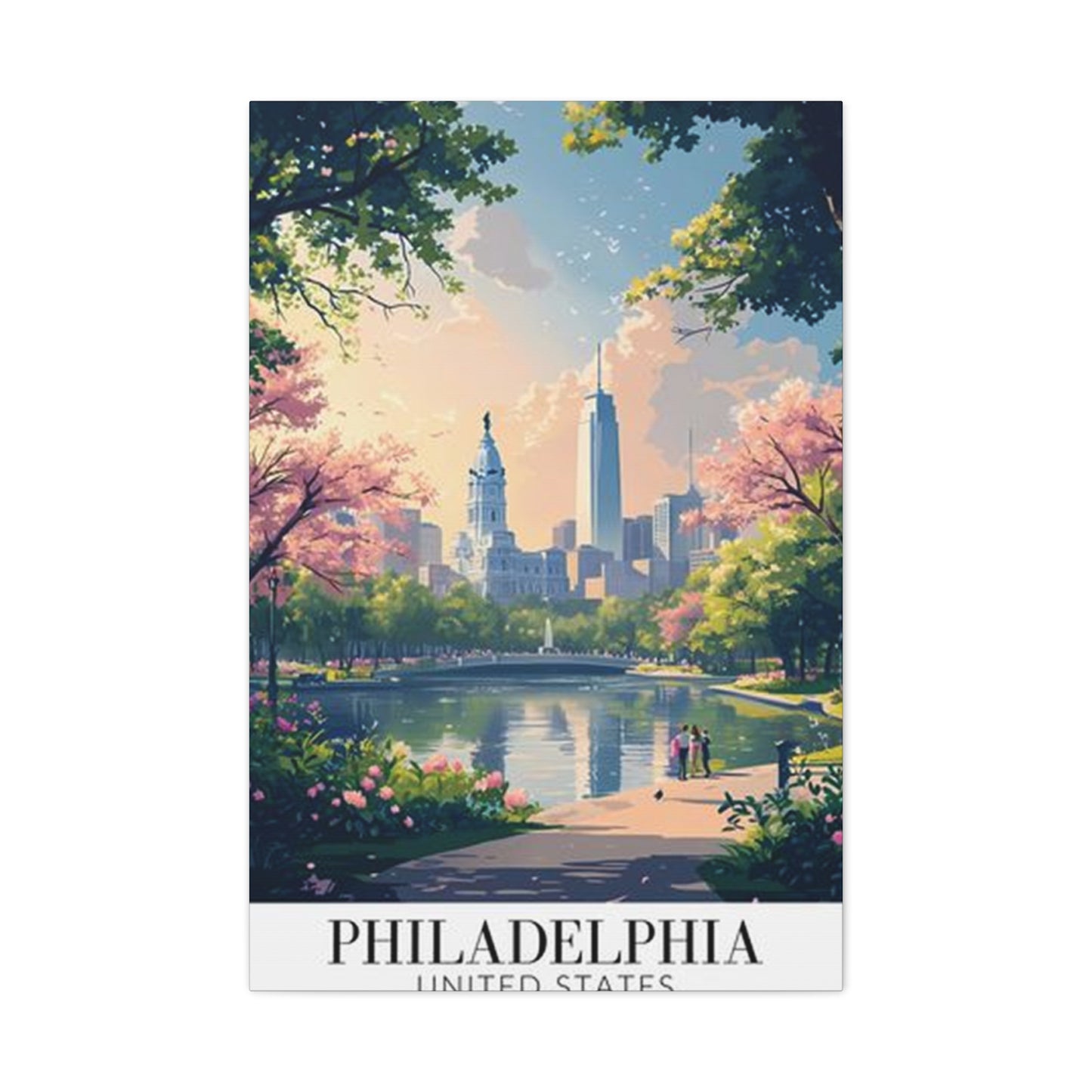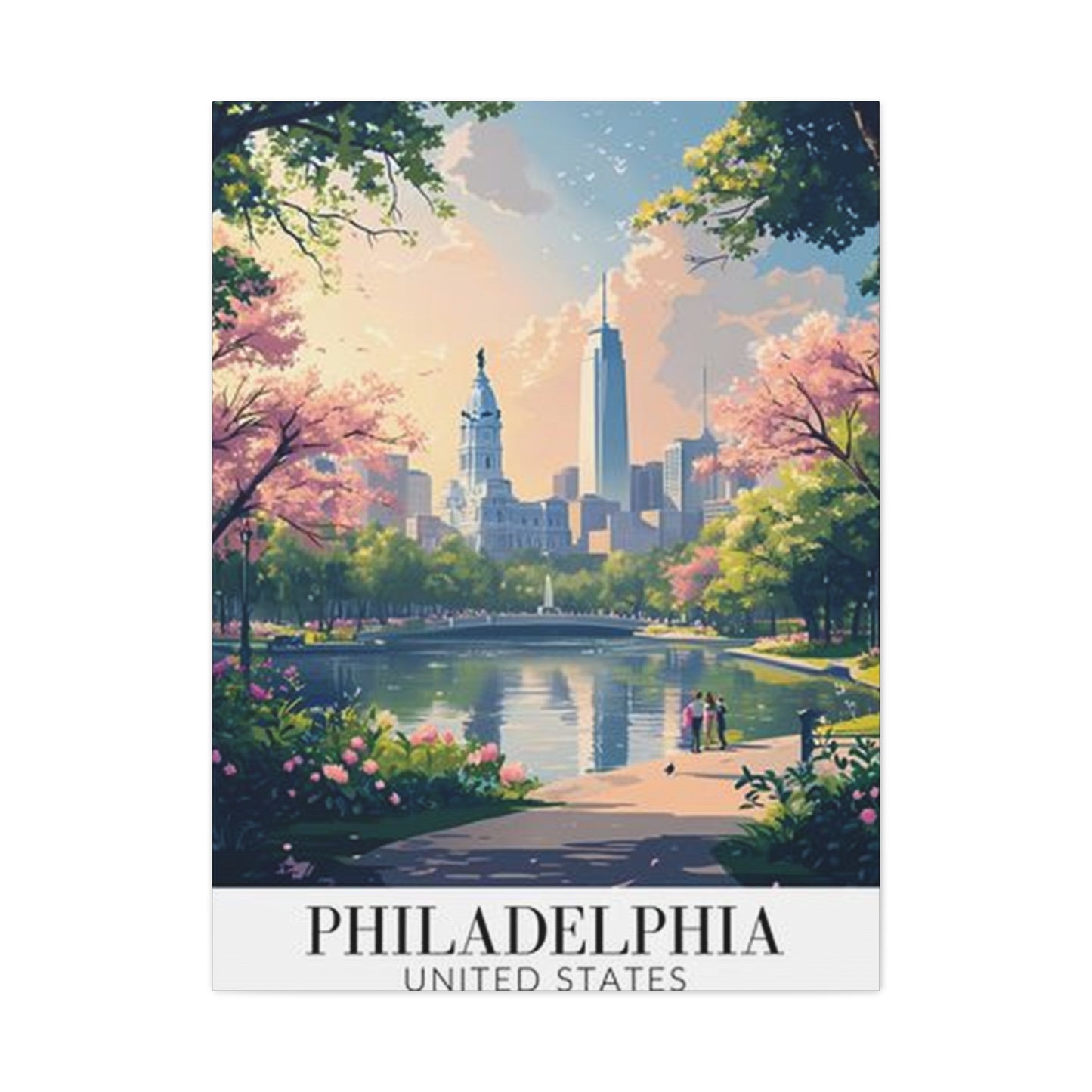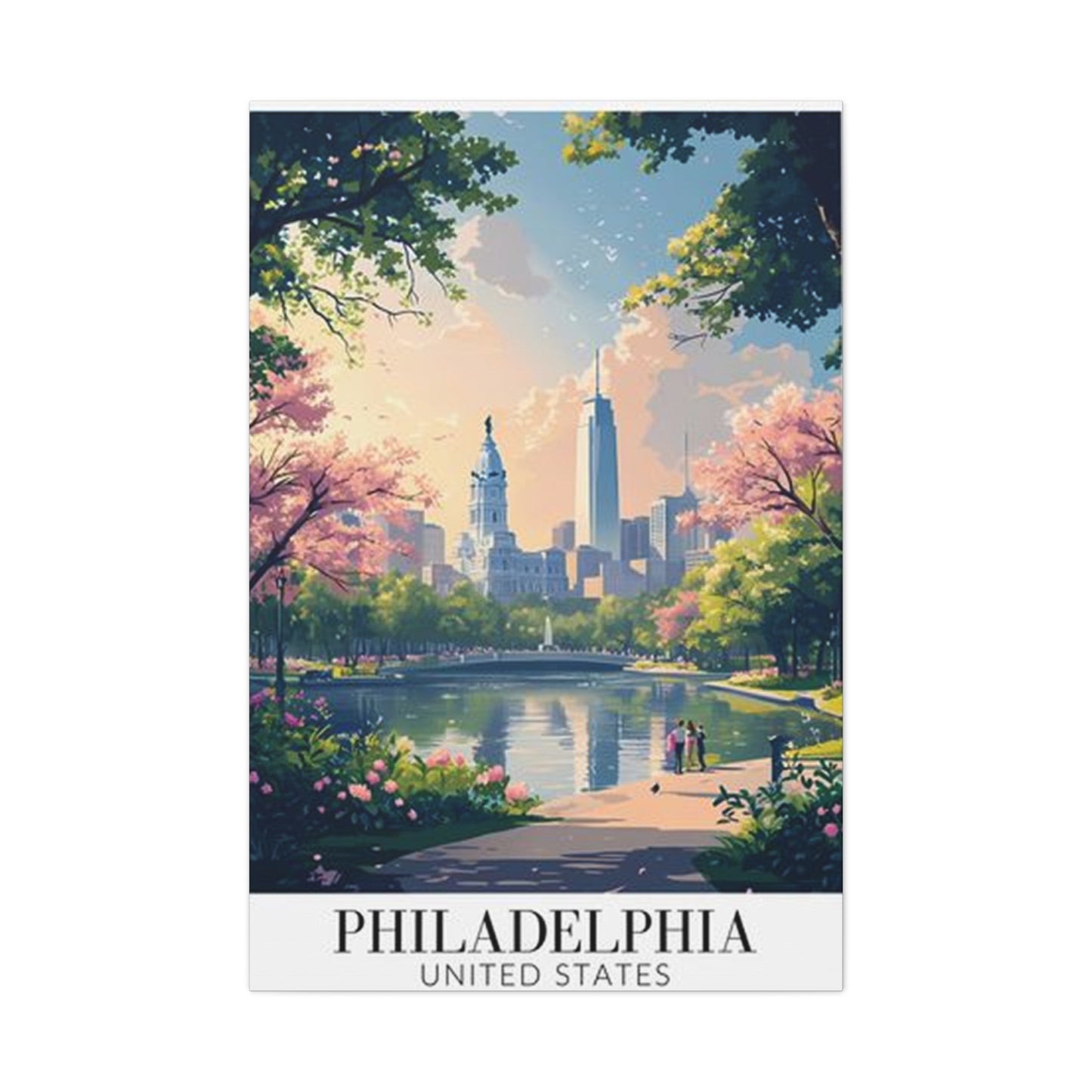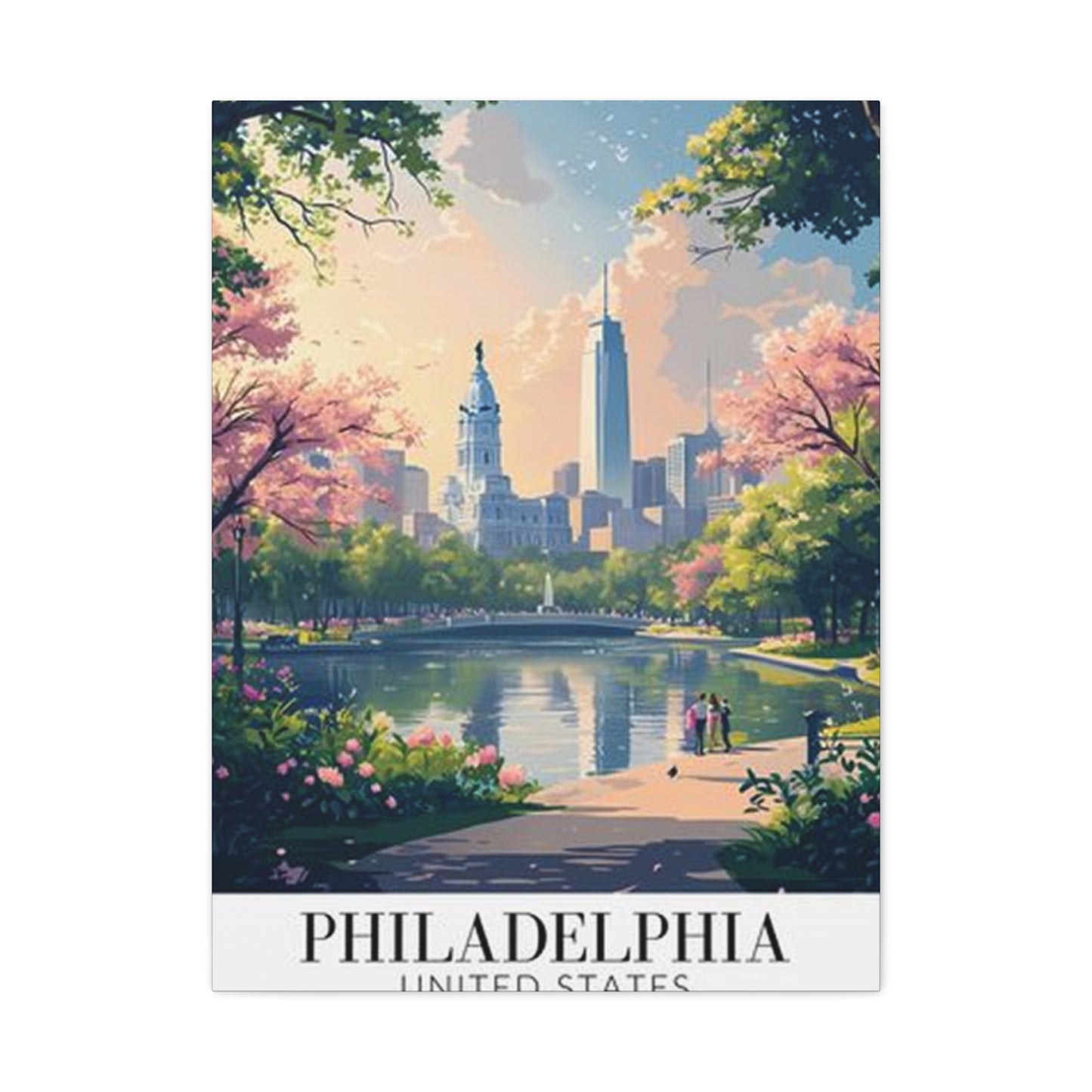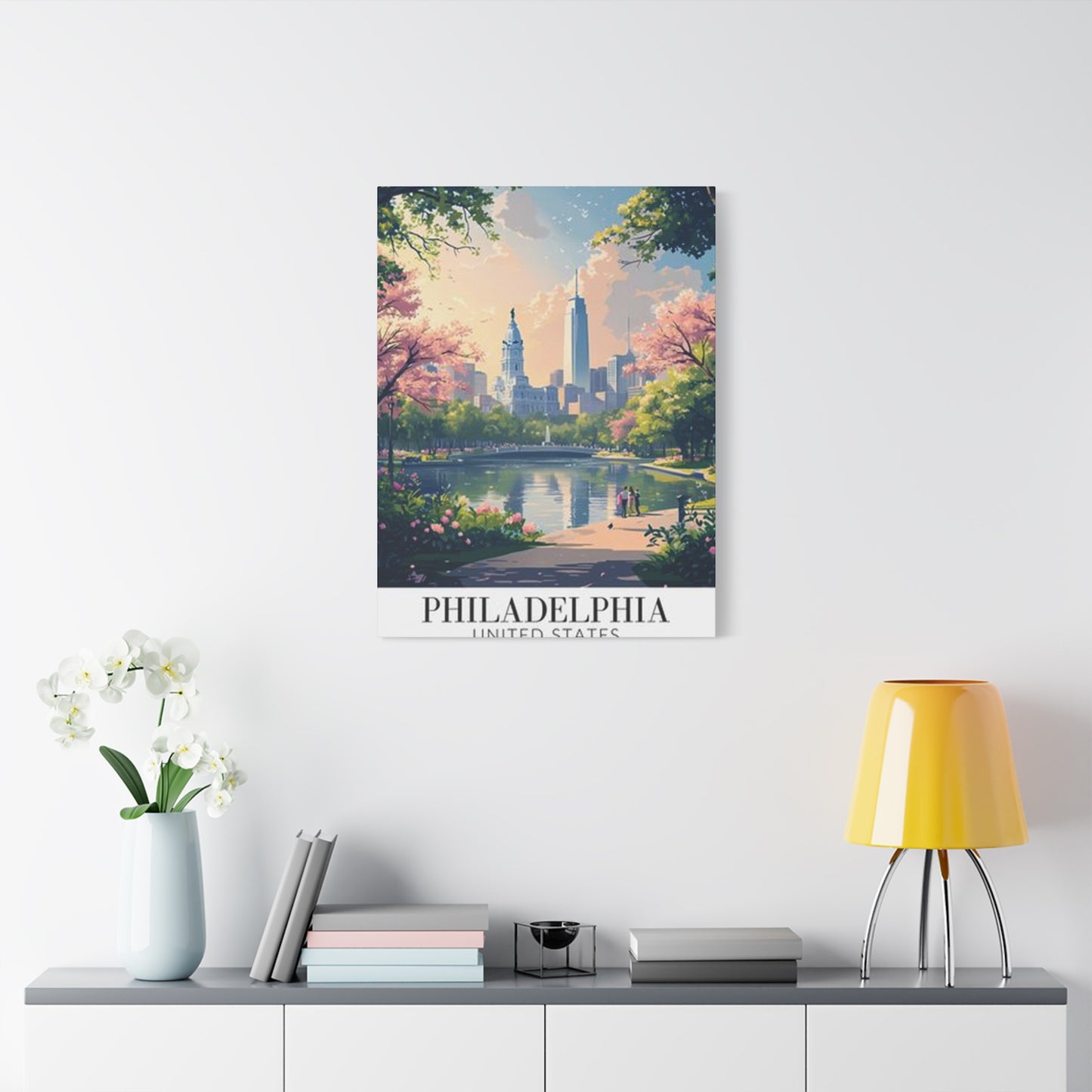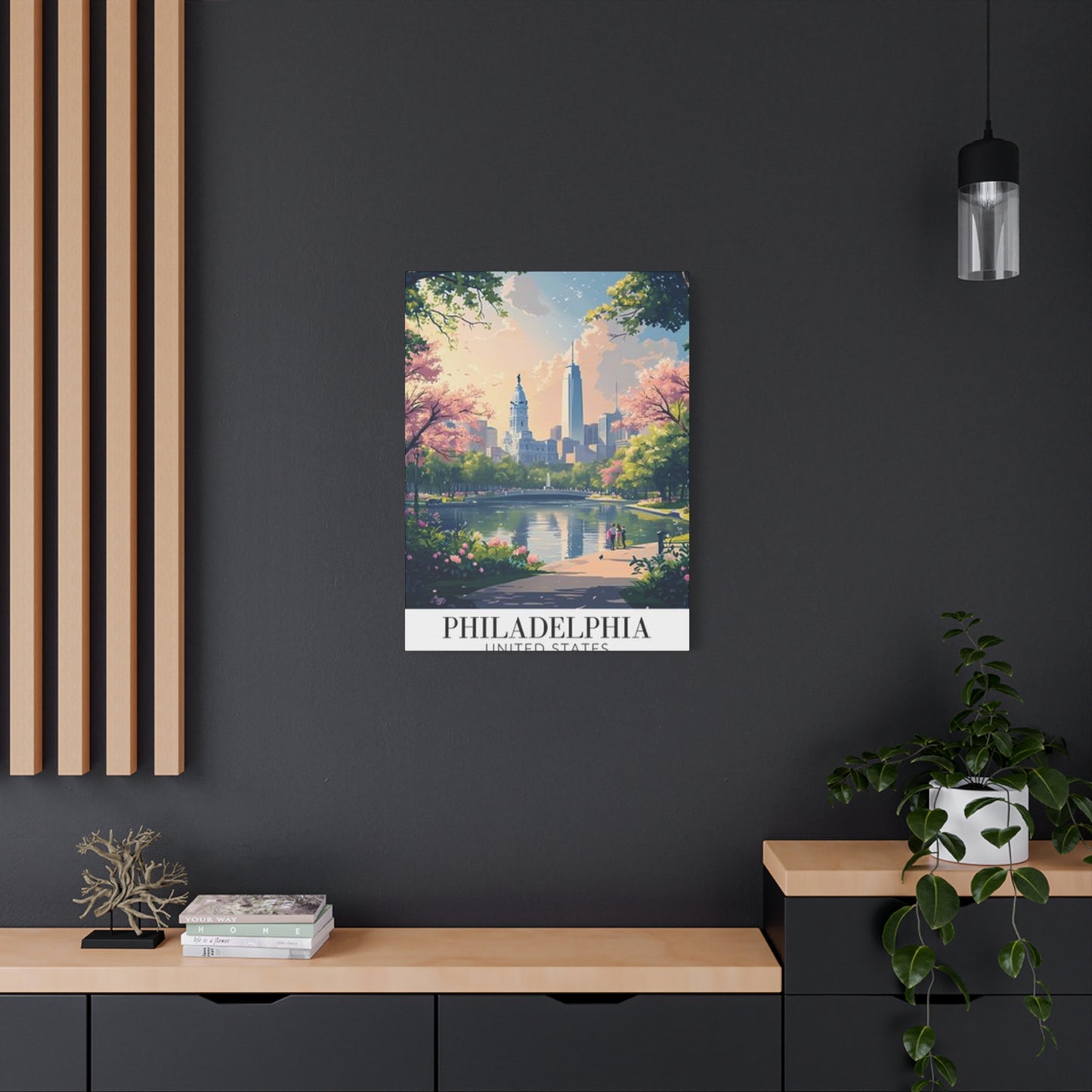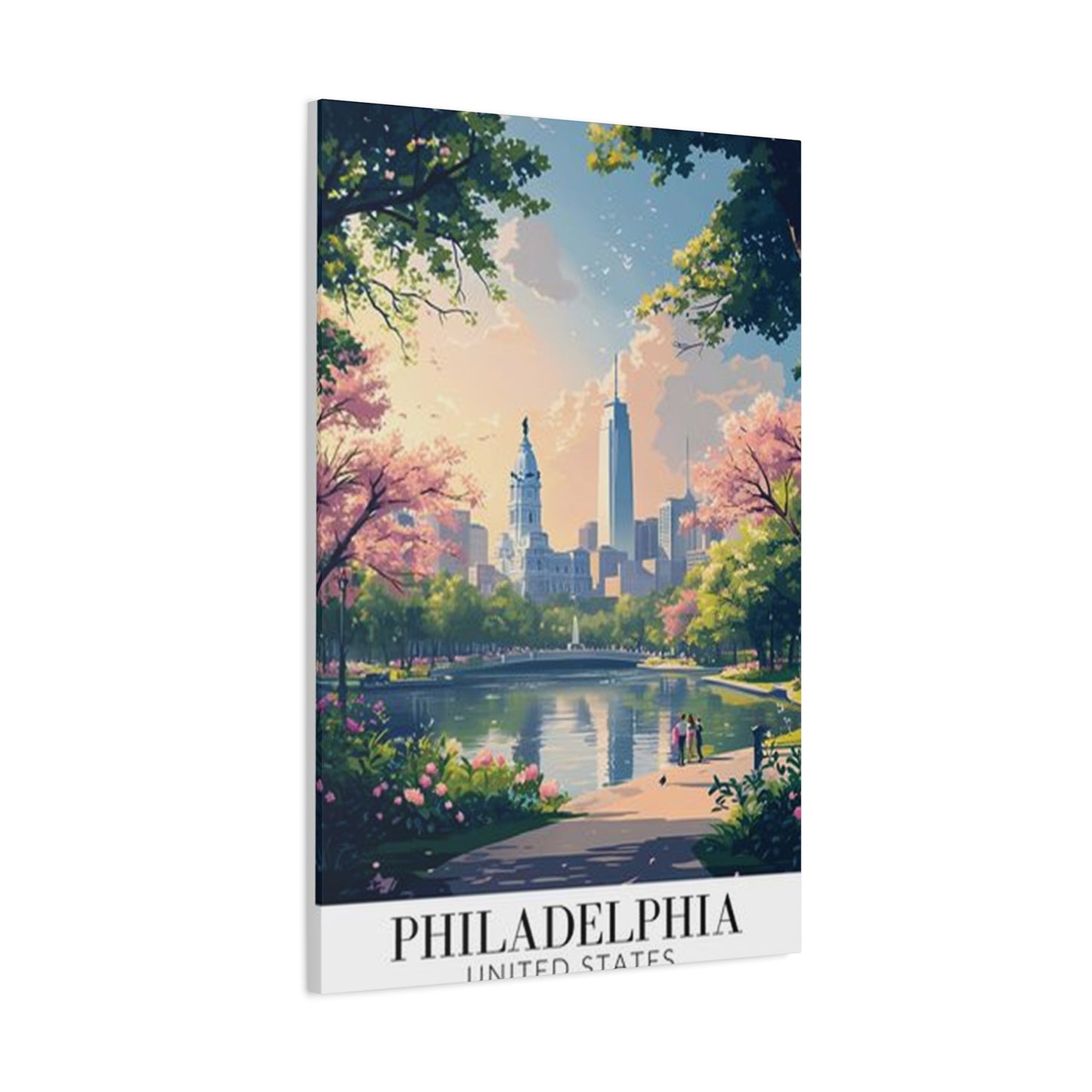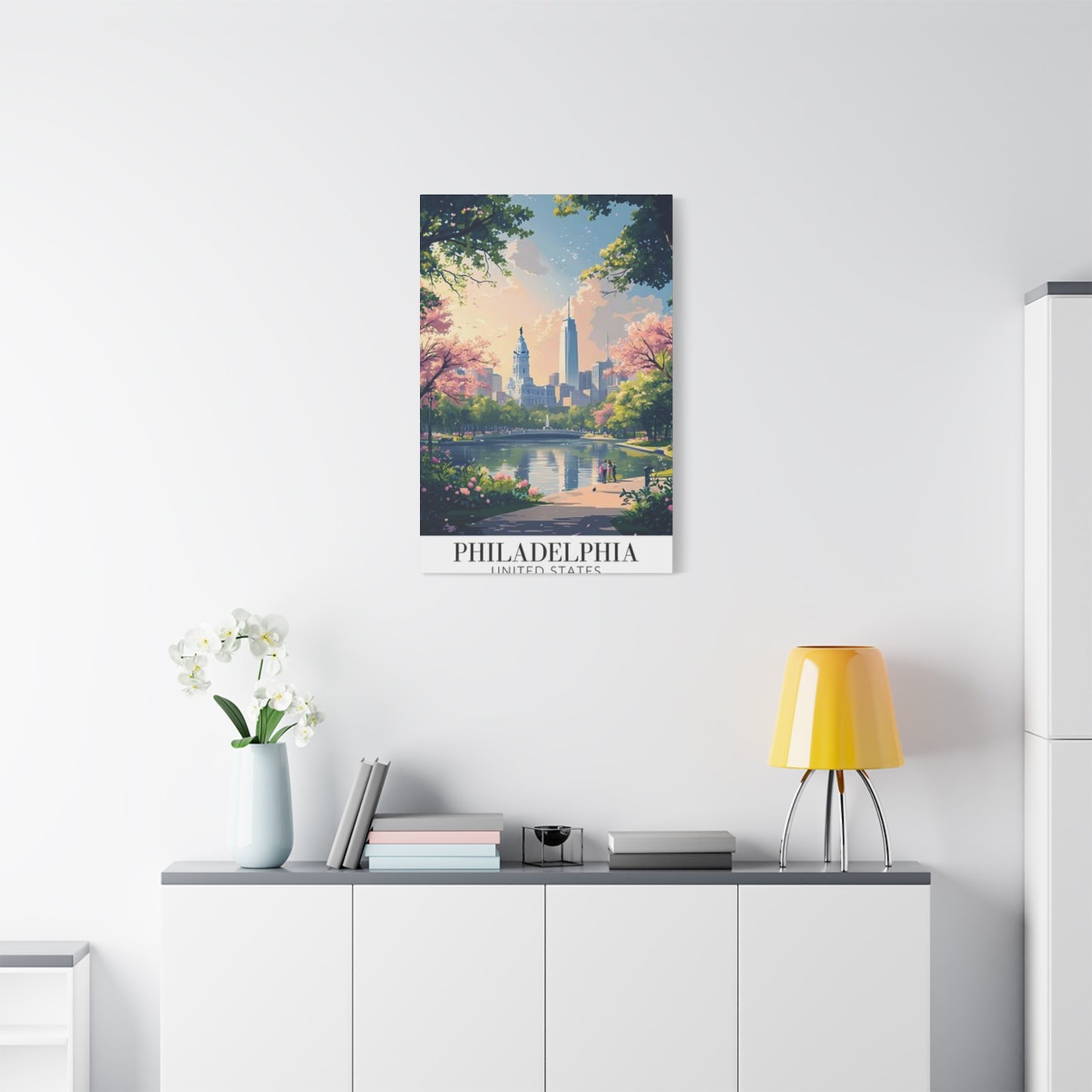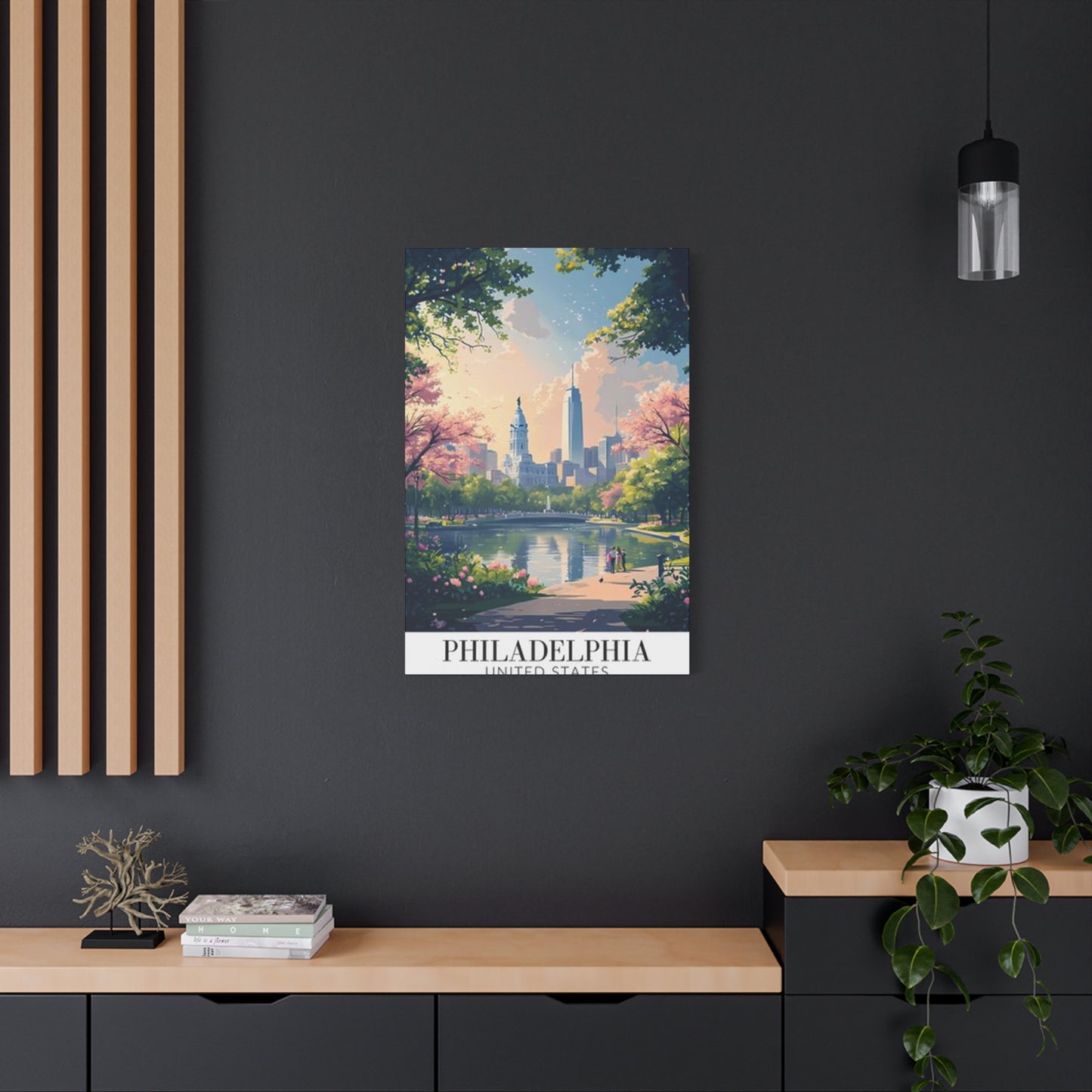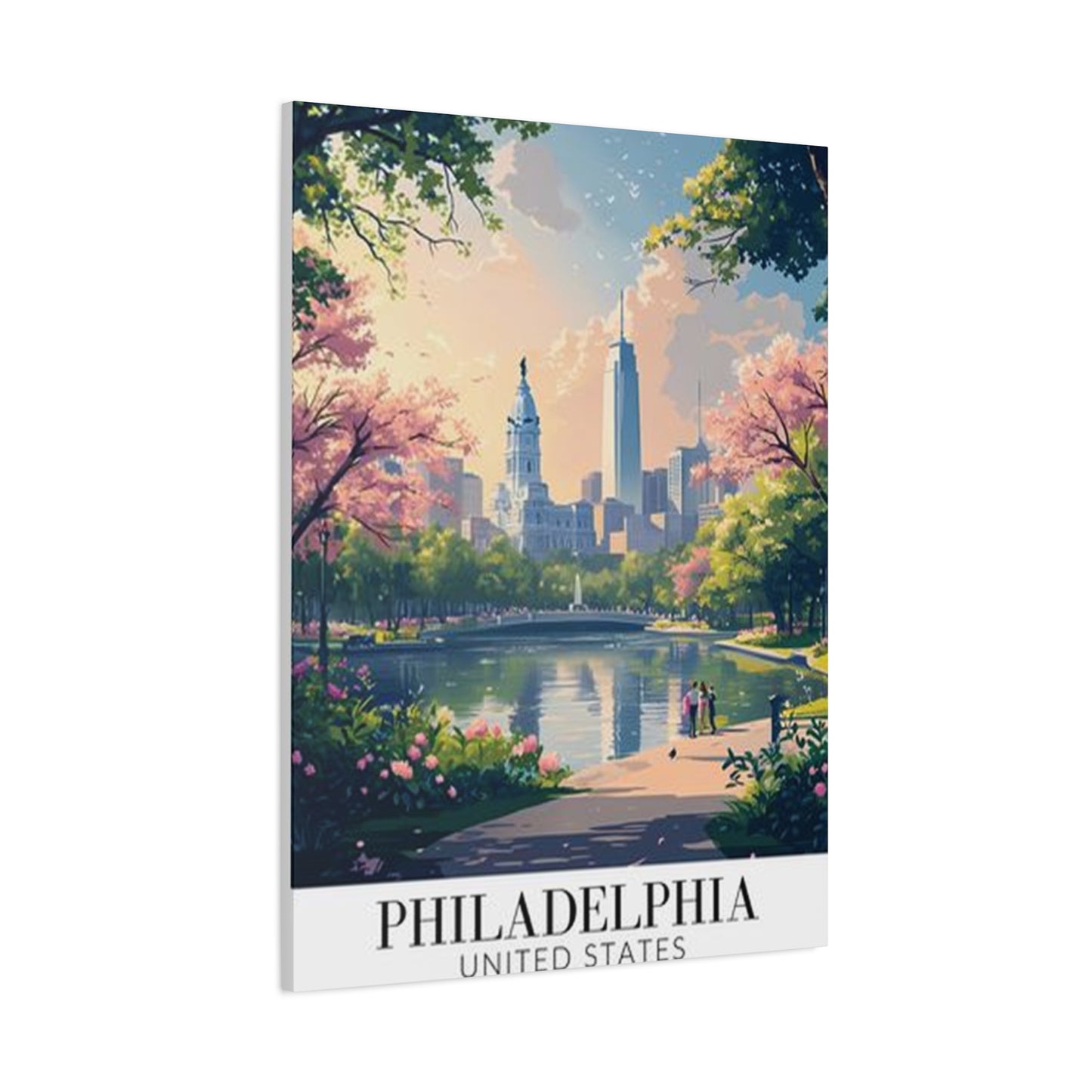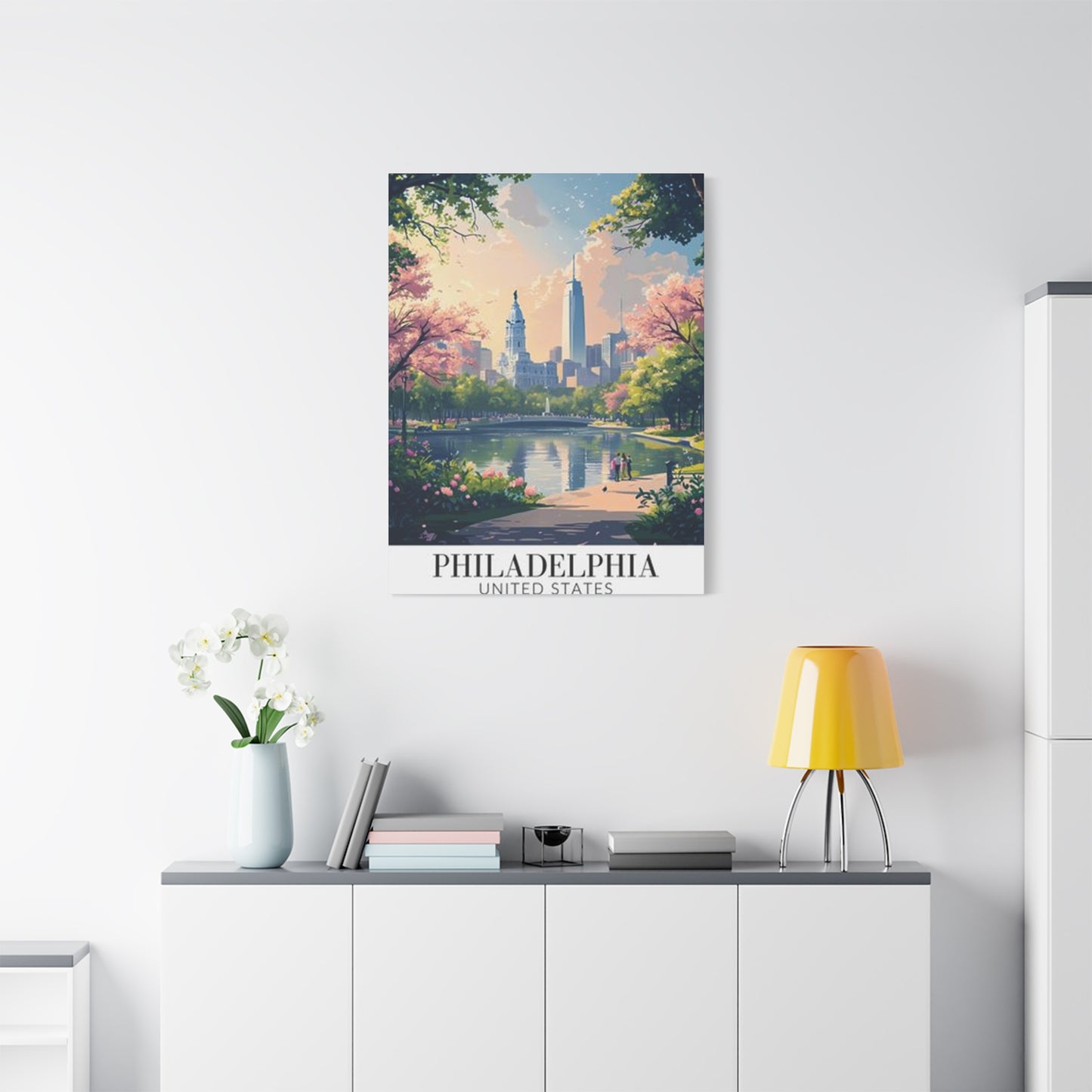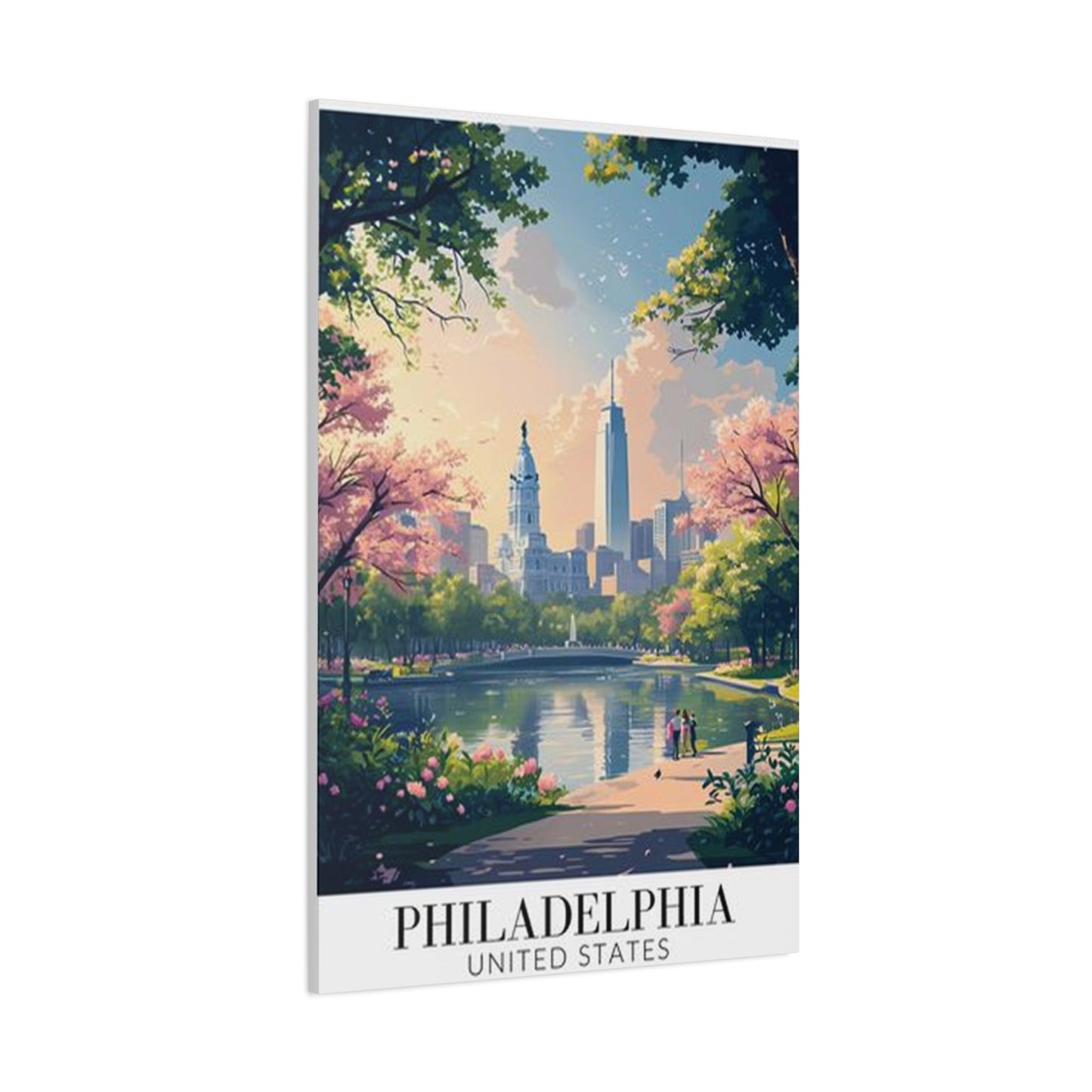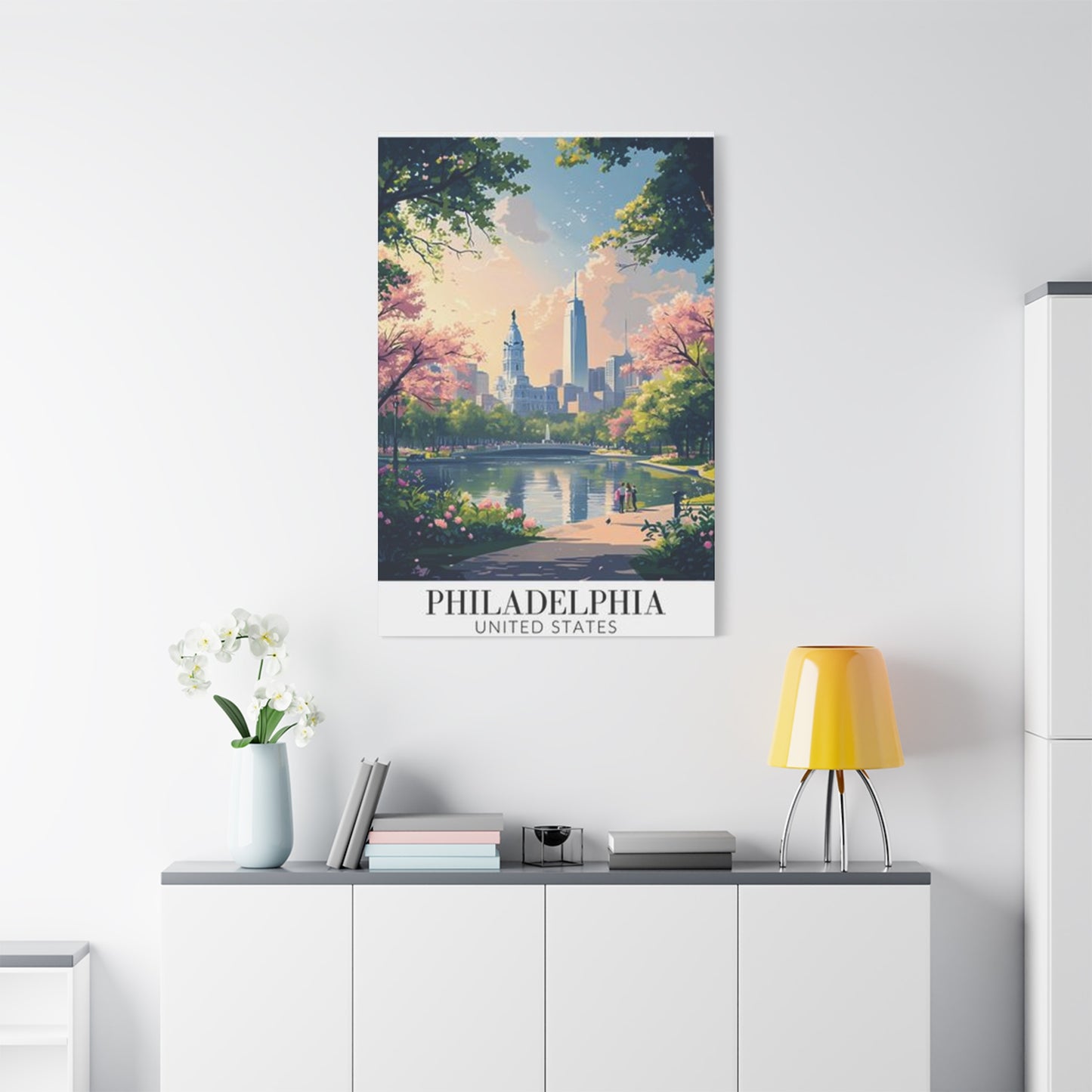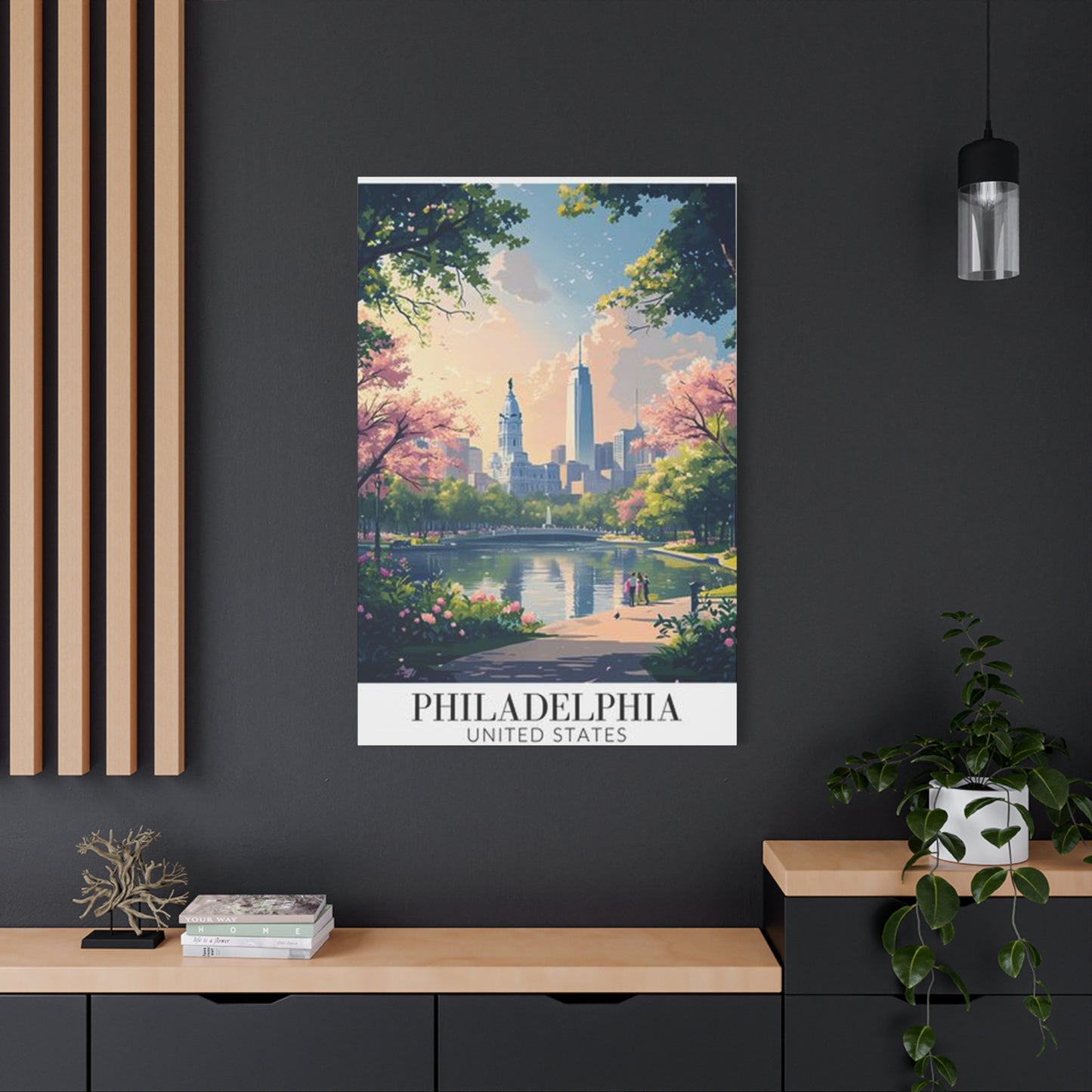


Lake In Philadelphia Wall Art & Canvas Prints
Lake In Philadelphia Wall Art & Canvas Prints
Couldn't load pickup availability
Discovering the Artistic Soul Through Lake In Philadelphia Wall Art: A Journey Into Visual Expression and Home Enhancement
The realm of interior decoration has witnessed a remarkable transformation in recent years, with homeowners and design enthusiasts gravitating towards pieces that evoke natural serenity and geographic connection. Among the most captivating choices emerging in modern residences are visual representations of aquatic landscapes, particularly those showcasing the tranquil beauty found in urban water bodies. Lake in Philadelphia wall art represents more than mere decoration; it embodies a cultural connection, a moment frozen in time, and a window into the peaceful coexistence of nature within metropolitan environments.
These artistic interpretations serve as portals to moments of reflection, bringing the calming essence of rippling waters and surrounding greenery into homes, offices, and commercial establishments. The psychological impact of viewing such scenes cannot be overstated, as they provide mental respite from the demanding pace of daily existence. When individuals position these visual masterpieces within their personal spaces, they create sanctuaries of tranquility that promote mental clarity and emotional balance.
The popularity of such imagery stems from humanity's intrinsic connection to water—a relationship documented throughout civilizations spanning millennia. Water bodies have consistently represented life, renewal, and peaceful contemplation across cultures worldwide. By incorporating representations of these landscapes into interior environments, occupants essentially invite these timeless symbolic elements into their daily consciousness, fostering environments conducive to both productivity and relaxation.
Furthermore, the specific geographic connection to recognizable locations adds layers of meaning that generic landscape art cannot provide. For individuals with personal histories connected to specific regions, these pieces become treasured memory vessels, constantly refreshing cherished experiences and emotional connections to places that hold significance in their life narratives.
Exploring the Diverse Spectrum of Artistic Mediums and Presentation Formats
The world of waterscape imagery offers an extraordinary variety of artistic expressions, each bringing unique characteristics and aesthetic qualities to interior environments. Traditional painting methodologies, including oil-based techniques, deliver rich textural depth and luminous color saturation that captures light in ways digital reproductions struggle to replicate. These handcrafted pieces often showcase visible brushstrokes and layered pigmentation that adds dimensional complexity to the viewing experience.
Photographic interpretations present another compelling avenue for capturing aquatic scenery with stunning realism. Contemporary photographers utilize sophisticated equipment and post-processing capabilities to produce images with extraordinary clarity, color accuracy, and atmospheric mood. These pieces can range from high-contrast dramatic compositions to soft, ethereal representations that emphasize the dreamlike qualities of water and light interaction.
Watercolor renditions offer delicate, translucent qualities that particularly suit aquatic subjects, as the medium's inherent fluidity mirrors the subject matter's essential nature. These pieces typically convey gentleness and subtlety, making them ideal for spaces intended for relaxation and contemplation. The unpredictable nature of watercolor application also ensures each piece possesses unique characteristics impossible to exactly duplicate.
Mixed media creations combine multiple artistic approaches within single compositions, potentially incorporating painted elements, photographic components, textural materials, and even three-dimensional features. These innovative pieces push boundaries of conventional wall decoration, offering viewers multi-sensory experiences that engage attention on multiple levels simultaneously.
Digital art has emerged as a legitimate and increasingly respected medium, with artists utilizing specialized software and drawing tablets to create stunning compositions that blend photographic realism with imaginative elements. These pieces can incorporate surrealistic aspects or maintain grounded representations while benefiting from the precision and flexibility digital tools provide.
Print reproductions make high-quality imagery accessible to broader audiences, allowing renowned works or limited edition photographs to reach multiple homes simultaneously. Modern printing methodologies utilizing archival-quality inks and specialized papers produce remarkable longevity and color fidelity, ensuring these pieces remain vibrant for decades when properly cared for.
The physical presentation format significantly impacts how artwork integrates within spaces. Canvas-wrapped pieces offer frameless elegance with wrapped edges that create finished appearances suitable for contemporary interiors. Framed presentations provide traditional sophistication and protective benefits while allowing customization through frame selection that complements existing décor elements. Metal prints deliver ultra-modern aesthetics with luminous qualities and exceptional durability, while acrylic mounting creates stunning depth and glass-like clarity that intensifies colors and details.
The Profound Influence of Visual Environments on Human Psychology and Daily Experience
Scientific research consistently demonstrates that surrounding visual environments exert measurable effects on human psychological states, productivity levels, and overall wellbeing. Spaces decorated with natural imagery, particularly scenes involving water elements, have been shown to reduce stress hormone production, lower blood pressure measurements, and promote parasympathetic nervous system activation—the physiological state associated with rest and recovery.
The phenomenon known as attention restoration theory explains how natural scenes help replenish depleted cognitive resources. Modern life demands sustained directed attention across multiple simultaneous inputs, leading to mental fatigue that impairs decision-making, creativity, and emotional regulation. Viewing natural landscapes allows the mind to engage in soft fascination—an effortless form of attention that provides cognitive rest while maintaining engagement.
Biophilic design principles recognize humanity's innate tendency to seek connections with nature and natural processes. Incorporating representations of natural environments, even through artistic means, satisfies this fundamental need and contributes to improved mental states. Research within workplace environments has documented that employees with access to natural views or nature-inspired artwork report higher job satisfaction, reduced sick days, and improved creative problem-solving capabilities.
Color psychology plays equally significant roles in how aquatic landscape imagery affects viewers. Blue tones predominant in water scenes promote feelings of calmness, trust, and stability while simultaneously encouraging mental clarity and communication. Green hues associated with surrounding vegetation evoke growth, harmony, and renewal while reducing eye strain and promoting visual comfort. The interplay between these color families creates balanced visual experiences that feel simultaneously stimulating and soothing.
Personal emotional connections amplify these effects considerably. When artwork depicts locations holding personal significance—places where meaningful memories were formed, important life events occurred, or emotional bonds were strengthened—the psychological impact intensifies dramatically. These pieces function as tangible anchors to treasured experiences, providing instant emotional transportation to moments of happiness, peace, or connection whenever viewed.
The temporal dimension of viewing artwork also matters significantly. Unlike brief encounters with nature during outdoor activities, permanently displayed pieces provide consistent, repeated exposure that allows their beneficial effects to accumulate over time. This continuous presence means the calming influence becomes woven into the fabric of daily existence rather than remaining an occasional luxury.
Navigating the Selection Process to Find Your Perfect Visual Expression
Choosing artwork that will occupy prominent positions within living or working environments requires thoughtful consideration across multiple dimensions. The decision-making process benefits from systematic evaluation of various factors that determine both immediate satisfaction and long-term enjoyment of selected pieces.
Personal resonance stands as the foundational criterion. Artwork should evoke positive emotional responses, whether through nostalgic connections, aesthetic appreciation, or aspirational qualities. The most successful selections are pieces that continue revealing new details and generating positive feelings even after years of daily viewing. Take time during the selection process to sit quietly with potential choices, imagining them in your space and noting your emotional reactions.
Scale considerations dramatically affect how artwork functions within spaces. Undersized pieces disappear on large walls, failing to create intended impacts, while oversized selections overwhelm rooms and create visual imbalance. Measure available wall space carefully, accounting for furniture placement and traffic patterns. Generally, artwork should occupy roughly two-thirds to three-quarters of the available wall width above furniture pieces to achieve pleasing proportions.
The existing color palette within your space should inform selection without completely dictating choices. Artwork can either harmonize with established schemes by incorporating similar hues or provide complementary contrast through opposing colors that add visual interest and depth. Consider whether you prefer pieces that blend seamlessly into existing aesthetics or those that serve as focal points commanding attention.
Lighting conditions where artwork will hang significantly impact appearance and longevity. Natural light constantly changes throughout days and seasons, altering how colors and details appear. While this variability adds interest, excessive direct sunlight causes fading and degradation over time. Evaluate light exposure patterns and consider protective measures like UV-filtering glazing for valuable pieces in bright locations. Artificial lighting options, including picture lights and adjustable track systems, allow controlled illumination that highlights artwork optimally regardless of natural light availability.
The intended atmospheric effect for specific spaces should guide selections. Bedrooms typically benefit from calmer, more subdued compositions promoting relaxation, while living areas can accommodate more dynamic pieces that stimulate conversation and engagement. Office environments often benefit from inspiring imagery that promotes focus without causing distraction, while dining spaces can feature more dramatic pieces that enhance social atmosphere.
Artistic style preferences reflect individual aesthetic sensibilities and should be honored rather than following trends. Some individuals gravitate toward photographic realism that captures precise moments, while others prefer impressionistic interpretations emphasizing mood over detail. Abstract representations distill scenes to essential elements, offering sophisticated minimalism, while folk art styles provide charming, approachable character.
Budget considerations encompass not only initial purchase prices but also framing costs, shipping expenses, and potential insurance for valuable pieces. The market offers options spanning every price range, from affordable prints to investment-quality original works. Remember that perceived value derives from personal satisfaction rather than monetary expenditure alone. A modestly priced piece bringing daily joy provides greater value than an expensive acquisition that fails to resonate emotionally.
The Rich Cultural and Geographic Tapestry of Urban Water Bodies
The Quaker City's relationship with water extends throughout its centuries of existence, with aquatic features playing crucial roles in the region's settlement patterns, industrial growth, recreational opportunities, and cultural identity. Understanding this context enriches appreciation for artistic representations capturing these landscapes.
The Schuylkill River system has served as a defining geographic feature since before William Penn's arrival in 1682. This waterway initially provided transportation routes for indigenous peoples, later becoming crucial for European settlement and commercial development. The establishment of Fairmount Water Works in the early nineteenth century represented groundbreaking engineering achievement while creating parkland that evolved into one of the nation's earliest urban park systems.
Boathouse Row stands as an iconic architectural ensemble lining the eastern bank, its Victorian structures illuminated nightly with thousands of lights creating magical reflections across the water's surface. These buildings house rowing clubs with histories spanning more than a century, maintaining traditions of aquatic sport and community connection. The sight of crew teams gliding across dawn-lit waters has inspired countless artistic interpretations capturing the poetic intersection of human activity and natural setting.
Wissahickon Valley represents another treasured aquatic landscape, where the creek carves through wooded gorges creating surprisingly wild terrain within urban boundaries. This valley has attracted artists, writers, and nature enthusiasts for generations, its romantic qualities inspiring creative works across multiple mediums. The interplay of water, stone, and forest creates endless compositional possibilities that change dramatically with seasons and lighting conditions.
Pennypack Creek, Cobbs Creek, and Tacony Creek represent additional waterways threading through neighborhoods, each contributing unique character to their surrounding communities. These streams, while less famous than larger rivers, provide essential ecological corridors, recreational trails, and scenic beauty that enhances quality of life for nearby residents.
The Delaware River's massive presence along the eastern boundary has profoundly shaped regional development throughout history. Once the industrial powerhouse driving economic growth, the waterfront has undergone remarkable transformation in recent decades, with formerly industrial zones reimagined as parks, residential neighborhoods, and cultural destinations. The race Street Pier, Cherry Street Pier, and Penn Treaty Park offer public access points where residents and visitors alike can experience the river's scale and beauty.
Smaller lakes and ponds scattered throughout parks and neighborhoods add intimate aquatic experiences within residential fabric. These bodies of water, whether naturally occurring or created through park design, provide focal points for community gathering, wildlife habitat, and contemplative spaces where urban dwellers can momentarily escape surrounding density.
Seasonal transformations dramatically alter these waterscapes' appearance and character. Spring brings renewed greenery and flowering trees reflected in clear waters, while summer offers lush abundance and recreational activity. Autumn delivers spectacular foliage creating kaleidoscopic reflections, and winter occasionally transforms landscapes with ice formations and snow-covered banks that appear almost otherworldly.
The cultural significance of these water bodies extends beyond physical beauty. They represent shared community assets that belong to all residents, spaces where economic and social distinctions fade as everyone enjoys equal access to natural beauty. They serve as settings for personal milestones—proposals, family gatherings, solitary reflections—that become woven into individual life stories and collective community memory.
Examining Various Artistic Interpretations and Stylistic Approaches
The representation of aquatic landscapes admits tremendous stylistic diversity, with artists employing varied approaches that emphasize different aspects of subject matter and evoke distinct emotional responses from viewers. Understanding these different interpretations helps in selecting pieces that align with personal preferences and intended effects.
Realistic representations strive for accurate depiction of scenes as they appear to human perception. These pieces showcase meticulous attention to detail, accurate color rendition, and proper perspective rendering. Photographic works naturally fall into this category, though painters can achieve equally convincing realism through skillful technique. These interpretations appeal to viewers who appreciate precision and find satisfaction in recognizing specific locations and moments captured with fidelity.
Impressionistic approaches prioritize capturing the essence of scenes—the quality of light, atmospheric conditions, emotional mood—over precise detail. Artists working in this manner often employ visible brushstrokes, softened edges, and heightened color intensity to convey sensory impressions rather than documentary accuracy. These pieces invite viewers into subjective experiences, emphasizing how scenes feel rather than exactly how they appear. The resulting artwork often possesses dreamlike qualities that enhance their ability to evoke contemplative states in viewers.
Expressionistic interpretations take emotional conveyance further, utilizing distorted forms, exaggerated colors, and dramatic compositions to communicate intense feelings or personal visions. These pieces might depict recognizable locations while infusing them with heightened emotional content through artistic manipulation. They offer powerful, memorable visual experiences that make strong statements within interior environments.
Minimalist approaches distill scenes to essential elements, eliminating extraneous details to create compositions of elegant simplicity. These pieces might reduce waterscapes to basic shapes, limited color palettes, and clean lines that suggest rather than explicitly depict their subjects. They suit contemporary interiors favoring uncluttered aesthetics and allow viewers to project their own interpretations and emotions onto relatively open-ended visual frameworks.
Abstract representations move further from literal depiction, using colors, shapes, and textures inspired by waterscapes without necessarily maintaining recognizable forms. These pieces might capture the color relationships between water and sky, the rhythmic patterns of waves, or the textural qualities of reflections without depicting any specific scene. They offer sophisticated visual interest and can complement various interior styles while avoiding literal representation that might feel limiting over time.
Contemporary fusion approaches blend multiple stylistic elements within single pieces, perhaps combining photographic realism with painted enhancements, or merging abstract elements with recognizable forms. These hybrid works reflect modern artistic freedom and can create unique visual signatures that distinguish them from more traditional categorizations.
The choice between these approaches is deeply personal and should reflect individual aesthetic sensibilities rather than following prescribed formulas. Some people find greatest satisfaction in realistic pieces that clearly depict cherished locations, while others prefer interpretive works that suggest rather than explicitly show, leaving space for imagination and personal projection.
Practical Considerations for Proper Display and Preservation
Once you've selected perfect pieces for your spaces, proper installation and ongoing care ensure they remain beautiful and intact for years or decades to come. These practical considerations protect your investments while maximizing their aesthetic impact.
Wall selection and preparation form the foundation of successful artwork display. Identify walls with appropriate dimensions, lighting conditions, and visibility from primary viewing positions. Avoid locations with excessive moisture, extreme temperature fluctuations, or direct contact with heating/cooling vents that can damage artwork over time. Ensure walls can support the weight of chosen pieces, particularly important for large works, heavy frames, or pieces mounted on substantial materials like wood or metal.
Hanging hardware selection must match both artwork weight and wall construction. Standard drywall requires anchors or toggle bolts for pieces exceeding a few pounds, while solid walls may accommodate various mounting systems. Professional-grade wire and D-rings provide secure attachment points for substantial works. Consider hiring professional installers for particularly valuable, heavy, or large pieces to ensure safe, level mounting that prevents accidents and damage.
Positioning artwork at appropriate heights significantly impacts viewing experience. The general guideline suggests centering pieces at approximately 57-60 inches from the floor—roughly average eye level for most adults. However, adjust this based on ceiling heights, furniture placement, and actual viewing positions. In dining areas where people are predominantly seated, lower positioning may be appropriate, while pieces in hallways can hang slightly higher to accommodate standing viewers.
Grouping multiple pieces requires careful planning to create cohesive arrangements that feel intentional rather than haphazard. Gallery wall arrangements can incorporate pieces of varying sizes, but maintaining consistent spacing between pieces—typically 2-4 inches—creates visual unity. Some designers recommend arranging pieces on the floor first, experimenting with configurations before committing to wall mounting. Maintaining aligned top or bottom edges across grouped pieces creates organized appearances even when individual frames vary in size.
Lighting artwork properly enhances visual impact while protecting against damage. Natural light provides beautiful illumination but requires management to prevent UV damage and excessive heat exposure. Sheer curtains or UV-filtering window films reduce harmful radiation while maintaining light quality. For artificial lighting, LED fixtures offer energy efficiency and minimal heat production. Adjustable picture lights mounted directly above or below artwork provide focused illumination, while track lighting systems offer flexibility to highlight multiple pieces. Avoid lighting that creates glare on glazed or glossy surfaces, adjusting angles and intensities as needed.
Cleaning procedures vary based on materials and finishes. Canvas prints without glass typically require only occasional gentle dusting with soft, dry cloths or feather dusters. Glass-covered pieces benefit from standard glass cleaners applied to cloths rather than directly on surfaces to prevent liquid seepage. Never use moisture directly on unprotected paper works or paintings. For valuable original artwork, consult conservation professionals regarding appropriate cleaning methods rather than attempting untested procedures that might cause irreversible damage.
Environmental monitoring helps prevent damage from controllable factors. Maintain stable temperature and humidity levels, as extreme fluctuations cause materials to expand and contract, potentially leading to warping, cracking, or delamination. Ideal conditions typically fall between 65-75 degrees Fahrenheit with relative humidity around 40-55 percent. Avoid hanging artwork in bathrooms or other high-moisture environments unless specifically designed for such conditions.
Regular inspections allow early detection of potential problems. Periodically examine pieces for signs of fading, discoloration, insect damage, mold growth, or physical deterioration. Address any identified issues promptly to prevent worsening. Check mounting hardware periodically to ensure continued security, tightening or replacing components as needed.
Insurance considerations become relevant for valuable pieces, whether monetary or sentimental value. Document artwork through detailed photographs, purchase receipts, appraisals, and certificates of authenticity. Some homeowner's insurance policies cover artwork automatically up to certain limits, while valuable collections may require additional scheduled coverage providing broader protection and higher limits.
The Profound Impact of Carefully Curated Visual Environments on Daily Living
The cumulative effect of thoughtfully selected and properly displayed artwork extends far beyond superficial decoration, fundamentally shaping how we experience and interact with our environments. These influences manifest across multiple dimensions of daily existence, though they often operate subtly below conscious awareness.
Mood regulation represents one of the most immediate and noticeable effects. Entering spaces adorned with personally meaningful, aesthetically pleasing imagery triggers positive emotional responses that can shift entire mental states. After stressful commutes or challenging days, returning to homes featuring calming waterscape scenes provides psychological transition points that facilitate movement from work mode into relaxation states. This effect accumulates over time, contributing to overall emotional resilience and wellbeing.
Cognitive function receives measurable benefits from visually enriching environments. Spaces that provide visual interest without overwhelming chaos support both focused concentration and creative ideation. The specific benefits of nature-inspired imagery—even artistic representations rather than actual nature access—have been documented in numerous studies showing improved attention span, enhanced problem-solving abilities, and increased creative output among individuals regularly exposed to such scenes.
Social dynamics within spaces are subtly influenced by visual environments. Artwork serves as conversation catalyst, providing discussion topics that help guests feel welcome and engaged. Pieces depicting recognizable locations prompt memory sharing and storytelling, strengthening social bonds through shared narratives. In professional contexts, thoughtfully curated artwork communicates organizational values and sophistication, influencing how clients and partners perceive the entity.
Personal identity expression through environmental curation allows individuals to manifest internal values, preferences, and life experiences in tangible forms. The artwork we choose to surround ourselves with broadcasts aspects of our identities to ourselves and others—our aesthetic sensibilities, our cultural connections, our values regarding nature and place. This external manifestation of internal reality reinforces self-concept and creates environments that feel authentically aligned with who we understand ourselves to be.
Temporal anchoring occurs when artwork connects us to specific moments, periods, or aspects of our personal histories. Pieces acquired during significant life phases carry associations with those times, serving as tangible links to earlier versions of ourselves. Images depicting places we've lived or visited extensively become portals to memories and experiences that might otherwise fade. This temporal dimension adds richness to our present experiences by maintaining connections to our accumulated past.
Aspirational functions emerge when artwork represents idealized states, places we hope to visit, or qualities we aspire to embody. These pieces function as visual goals or reminders of desired directions, subtly influencing decisions and priorities through their consistent presence. The calming waterscape might represent the peace we're working to cultivate in our lives, the vibrant scene might symbolize the energy and engagement we're pursuing.
Restorative capabilities become particularly valuable in our overstimulated era. Modern life assaults us with constant inputs, notifications, demands, and stimuli that deplete cognitive and emotional resources. Creating environments that offer genuine restoration—spaces that replenish rather than further deplete us—becomes essential for sustainable wellbeing. Carefully selected artwork contributes significantly to this restorative quality by providing visually engaging elements that don't demand intensive processing or create additional stress.
Seasonal compensations allow artwork to provide psychological balance during challenging periods. During long winters when outdoor nature access becomes limited, indoor imagery maintains connections to natural beauty and warmer seasons. Similarly, during intense work periods when extended outdoor time becomes impossible, even artistic representations of nature provide meaningful, if partial, substitutes that help maintain psychological equilibrium.
Discovering Sources and Acquisition Channels for Exceptional Pieces
The marketplace for wall-displayed artwork has expanded dramatically with digital commerce, providing unprecedented access to works from local artisans and international creators alike. Navigating these options strategically helps identify pieces perfectly suited to your needs, preferences, and budget constraints.
Online marketplaces have revolutionized artwork acquisition, connecting buyers directly with artists worldwide. Platforms specializing in handmade goods showcase work from independent creators offering unique, often one-of-a-kind pieces. These venues allow direct communication with artists, enabling custom requests, size modifications, or personalized elements. The ability to read reviews from previous purchasers provides valuable insight into quality, shipping practices, and customer service experiences.
Print-on-demand services offer extensive catalogs of images available in multiple formats, sizes, and mounting options. These platforms partner with photographers and designers who upload their work, receiving royalties when pieces sell. Buyers benefit from professional printing quality and convenient ordering processes, while artists gain exposure without inventory management burdens. The selection spans virtually every subject imaginable, though popularity of certain themes means some designs appear across multiple vendors.
Gallery websites, both representing physical spaces and operating purely online, curate selections from multiple artists within particular aesthetic or thematic niches. These venues typically feature higher-end works and provide expert guidance regarding selections, framing, and placement. The curation process means the selection is more limited but often of consistently higher quality than completely open marketplaces.
Direct artist relationships offer the most personal acquisition experience. Following artists through social media, personal websites, or studio visits allows deep engagement with their creative processes and bodies of work. Commissioned pieces provide ultimate customization, with artwork created specifically for your space and vision. These relationships often prove most satisfying, as you're supporting individual creators directly while obtaining truly unique works.
Local art fairs and craft shows provide opportunities to view work in person before purchasing, a significant advantage for assessing color accuracy, texture, and scale. These events also enable face-to-face conversations with creators, adding personal connections and stories to acquisitions. Many communities host regular art festivals, gallery walks, and open studio events that make supporting local artists convenient and enjoyable.
Auction platforms feature both new and previously owned works, sometimes offering opportunities to acquire pieces by established artists at favorable prices. However, these venues require more expertise to navigate successfully, as condition assessment and authenticity verification become crucial considerations.
Photographic collectives and artist cooperatives represent groups pooling resources for marketing while maintaining individual creative identities. These organizations often showcase member work through websites and periodic exhibitions, providing platforms for emerging artists building their reputations.
Interior designers and art consultants offer expertise for those preferring professional guidance. These specialists maintain networks of artists and sources, using their knowledge to identify pieces matching specific criteria. While this service involves additional costs, it can prove valuable when acquiring multiple pieces or furnishing entire spaces cohesively.
Reproduction rights and licensing considerations matter when selecting pieces for commercial applications or when artwork might be reproduced in any form. Original works typically include these rights automatically, while prints and licensed images may have restrictions regarding reproduction, public display, or commercial use.
Price negotiations are generally acceptable when dealing directly with artists or galleries, particularly for higher-priced pieces or multiple purchases. Approach these conversations respectfully, recognizing that artists deserve fair compensation for their work while understanding that some flexibility may exist, especially for commissioned work or bulk purchases.
Shipping considerations significantly impact total costs and delivery timelines, particularly for larger pieces or those requiring special handling. Many sellers provide free or reduced shipping for orders exceeding certain amounts, while others factor shipping into listed prices. Verify that pieces will arrive properly packaged with adequate protection against transit damage. International purchases may involve customs duties and extended delivery periods requiring patience.
Return policies vary dramatically across vendors, from generous trial periods allowing in-home evaluation to all-sales-final policies. Understand these terms clearly before purchasing, particularly for higher-priced pieces. Some sellers provide virtual mockup services showing how pieces will appear in your actual spaces using uploaded photos, reducing uncertainty before committing.
The Creative Process Behind Capturing Aquatic Landscapes Through Various Mediums
Understanding the artistic processes through which waterscape imagery comes into being deepens appreciation for finished works while informing selection decisions. Each medium presents unique challenges and possibilities that influence final aesthetic qualities.
Photographers working with aquatic subjects must master both fundamental photographic principles and specialized techniques suited to water's unique properties. Reflections require careful angle selection and sometimes polarizing filters to control whether they're emphasized or minimized. Moving water can be captured sharply to freeze motion, revealing details invisible to naked eyes, or through long exposures creating silky, ethereal flows. Time of day dramatically affects results, with golden hour light casting warm tones and creating long shadows, while blue hour delivers cool, moody atmospheres.
Weather conditions profoundly impact photographic opportunities. Overcast skies provide soft, even illumination ideal for certain subjects, while dramatic storm conditions create powerful, dynamic scenes. Mist and fog add mysterious, atmospheric qualities, though they reduce contrast and sharpness. Photographers often visit locations repeatedly across seasons and conditions, waiting for moments when all elements align perfectly for their envisioned results.
Painters approaching waterscape subjects face different challenges centered on color mixing, value relationships, and brushwork techniques. Water rarely appears as simple blue, instead reflecting surrounding sky, vegetation, and light while possessing its own subtle color shifts. Successfully rendering convincing water requires careful observation and willingness to see colors as they actually appear rather than as we assume they should be.
Different painting mediums present distinct handling characteristics. Oil paints offer extended working time, allowing blending and adjustments over hours or days, while their richness creates luminous color depths. Acrylics dry rapidly, requiring faster, more decisive working methods but offering convenience and minimal odor. Watercolors demand careful planning as their transparency means early layers remain visible, while their fluidity perfectly suits water subjects when skillfully controlled.
Composition decisions determine which aspects of scenes receive emphasis and how viewers' eyes move through images. Rule-of-thirds guidelines suggest placing primary subjects off-center at intersection points, creating more dynamic compositions than centered subjects. Leading lines—paths, shorelines, reflections—draw viewers into compositions. Foreground elements add depth by establishing scale and spatial relationships. Sky-to-land ratios influence mood, with expansive skies creating openness while land-dominant compositions feel grounded and intimate.
Artists decide what to include or exclude, as real landscapes often contain distracting elements that detract from intended focuses. Trees might be added or removed, clouds emphasized or minimized, colors adjusted for enhanced harmony or contrast. These interpretive decisions distinguish artistic representation from documentary recording, revealing the creator's vision rather than merely transcribing physical reality.
Mood creation through lighting choices, color temperature adjustments, and atmospheric effects allows artists to infuse scenes with specific emotional qualities. Cool color schemes emphasizing blues and greens convey tranquility and coolness, while warmer palettes featuring yellows, oranges, and golden tones suggest comfort and vitality. High contrast creates drama and visual impact, while low contrast delivers subtlety and softness.
The physical process of creating artwork involves countless small decisions and adjustments as pieces evolve from initial concepts to completion. Painters might apply dozens of layers building color complexity and textural richness. Photographers might capture hundreds of images during single sessions, later selecting the few that best realize their visions. This intensive investment of time, skill, and creative energy embedded within each piece deserves recognition and appreciation from those who ultimately display and enjoy the works.
Understanding these processes doesn't require personal artistic ability but simply awareness that substantial craftsmanship and intentionality lie behind seemingly simple finished products. This awareness enhances viewing experiences, as we perceive not just visual results but also the human effort, skill, and creative vision that produced them.
Complementing Waterscape Imagery Within Comprehensive Interior Design Schemes
While individual pieces can stand beautifully alone, their impact often multiplies when thoughtfully integrated within broader interior design contexts. This holistic approach creates cohesive environments where all elements work harmoniously to support intended atmospheres and functions.
Color coordination represents the most obvious integration point. Artwork can echo colors present elsewhere in rooms—upholstery fabrics, throw pillows, area rugs, or accent walls—creating visual connections that unify spaces. Alternatively, artwork might introduce complementary colors that contrast with existing palettes, adding visual interest and preventing monotony. Even neutral-toned spaces benefit from this consideration, as variations in whites, grays, and beiges should harmonize with artwork's undertones.
Stylistic consistency influences whether spaces feel intentionally curated or randomly assembled. Mixing styles can create eclectic, personalized environments when done skillfully, but requires strong underlying unity through color, scale, or thematic connections. More traditional approaches maintain consistent style languages throughout spaces—modern artwork in contemporary interiors, impressionistic pieces in romantic settings, graphic prints in minimalist rooms. Neither approach is inherently superior; the key is intentionality rather than default or accident.
Furniture arrangement interacts significantly with artwork placement. Large pieces often anchor seating areas, with sofas or console tables positioned below them. The relationship should feel balanced rather than arbitrary, with furniture and artwork appearing to belong together. Scale proportions matter—massive artwork overwhelms delicate furniture while substantial furnishings dwarf modest artwork. Traffic flow patterns should be considered to ensure artwork is viewable from primary seating positions without obstructions.
Textile selections in curtains, upholstery, bedding, and decorative pillows provide opportunities to reinforce artwork themes. Fabrics featuring related colors or complementary patterns create layered visual richness. Textural variety across surfaces adds tactile interest that enriches sensory experiences beyond purely visual appreciation. Smooth metallic frames might pair with nubby linen upholstery, while rough canvas textures balance sleek leather furnishings.
Lighting design extends beyond illuminating artwork itself to creating overall ambient conditions that complement pieces' moods. Warm-toned general lighting enhances cozy, intimate feels that suit romantic waterscape interpretations, while cooler lighting supports contemporary minimalist pieces. Layered lighting schemes incorporating ambient, task, and accent sources provide flexibility to adjust atmospheres for different occasions and times of day.
Architectural features within spaces influence effective artwork integration. Built-in shelving, fireplace mantels, wainscoting, and crown molding create frames and boundaries within which artwork must work successfully. Sometimes these features provide natural focal points for artwork placement; other times they compete for attention requiring careful balancing.
Plant selections add living elements that can beautifully complement nature-inspired artwork, creating connections between living organisms and their artistic representations. The organic forms and colors of houseplants provide textural and color variations while literally bringing nature indoors. Strategic plant placement can even create viewing experiences where living plants frame artwork or appear to extend scenes beyond their borders.
Flooring materials and colors form foundations upon which all other elements rest. Dark floors create dramatic contrasts with lighter walls and artwork, while light flooring provides airy openness. Wood tones introduce warmth and organic feeling that naturally complements nature-themed artwork. Area rugs can define spaces while introducing additional colors and patterns that either coordinate with or deliberately contrast artwork elements.
Decorative accessories including vases, sculptures, books, and collectibles provide opportunities for thematic reinforcement or complementary contrast. These smaller elements shouldn't compete with artwork but rather support and extend the visual stories pieces begin. Restraint prevents cluttered appearances that diminish artwork impact through visual competition.
Window treatments affect natural light quality entering spaces and should be selected with consideration for how that light interacts with artwork throughout the day. Sheer fabrics diffuse harsh light while maintaining brightness. Blackout options provide control for spaces requiring darkness at certain times. Colors and patterns in window treatments become part of overall visual composition requiring coordination with artwork and other elements.
Ceiling treatments often receive insufficient attention despite their significant visual presence. Paint colors, exposed beams, coffered details, or specialty finishes all influence spatial perception and ambiance. White ceilings provide neutrality allowing other elements to dominate, while darker ceilings can create intimate, cocooning effects in appropriate spaces.
Conclusion
The passage of seasons brings dramatic transformations to waterscape appearances, with each period offering distinct visual characteristics and emotional associations. Understanding these seasonal dimensions adds temporal richness to artwork appreciation while informing selection decisions.
Spring arrival brings powerful symbolic resonance as dormant landscapes awaken into renewed life. Water bodies shed winter ice, their surfaces reflecting increasingly longer days and strengthening sunlight. Emerging vegetation along shorelines introduces fresh green hues that create vibrant contrasts with blue waters. Flowering trees—cherry, dogwood, magnolia—add spectacular but fleeting color explosions that artists often capture to preserve these ephemeral beauties. Spring scenes typically convey optimism, renewal, and fresh beginnings, making them popular choices for spaces intended to inspire and energize.
The soft, often misty quality of spring light creates gentle atmospheres distinct from other seasons' more definitive illumination. This diffuse quality softens edges and creates subtle color transitions that impressionistic artists particularly embrace. Reflection patterns during spring often possess ethereal qualities as moisture-laden air and variable cloud cover create ever-changing lighting conditions.
Summer waterscapes showcase nature's full abundance with lush, mature vegetation creating dense green canopies and borders. Water activities peak during this season, and scenes might include recreational elements like boats, swimmers, or fishermen that add human interest to natural beauty. The strong, direct sunlight of summer creates bold contrasts between illuminated and shadowed areas while intensifying colors to their maximum saturation. These characteristics lend summer scenes vitality and energy that animate spaces they occupy.
Longer daylight periods mean artists can capture later evening scenes with extended golden hour light casting horizontal rays that illuminate subjects with warm, glowing tones. Summer sunsets over water create spectacular displays of color and light that inspire countless artistic interpretations. These pieces bring warmth and luminosity to interior spaces that can feel particularly welcome during darker winter months.
Autumn delivers perhaps the most dramatic seasonal transformation as deciduous trees surrounding water bodies ignite into blazing reds, oranges, and yellows. These intense colors reflecting in water surfaces create stunning visual impacts that make autumn waterscapes perennially popular. The combination of still-green grasses, multicolored foliage, and blue waters creates rich color diversity that satisfies viewers' desires for visual complexity and interest.
Share