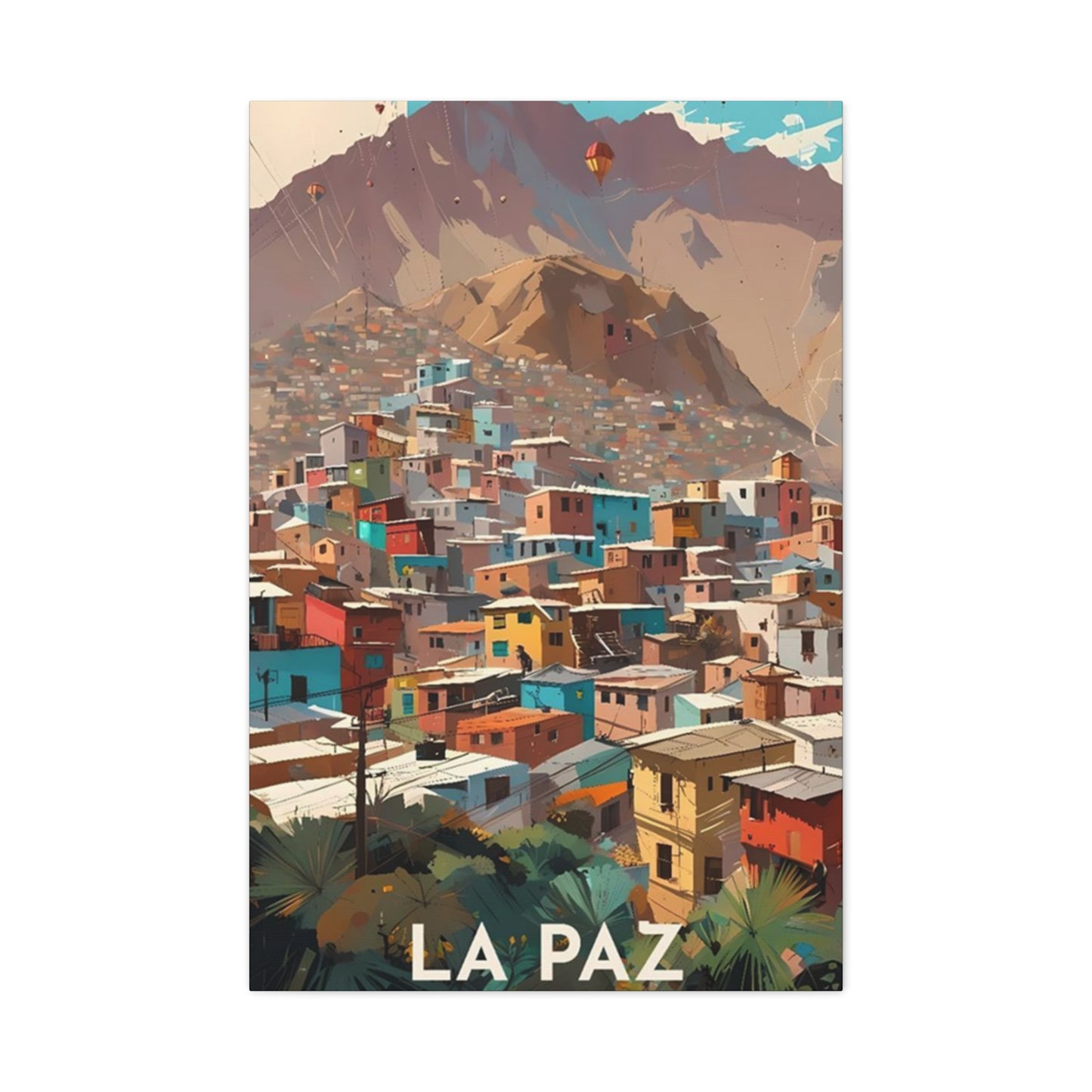
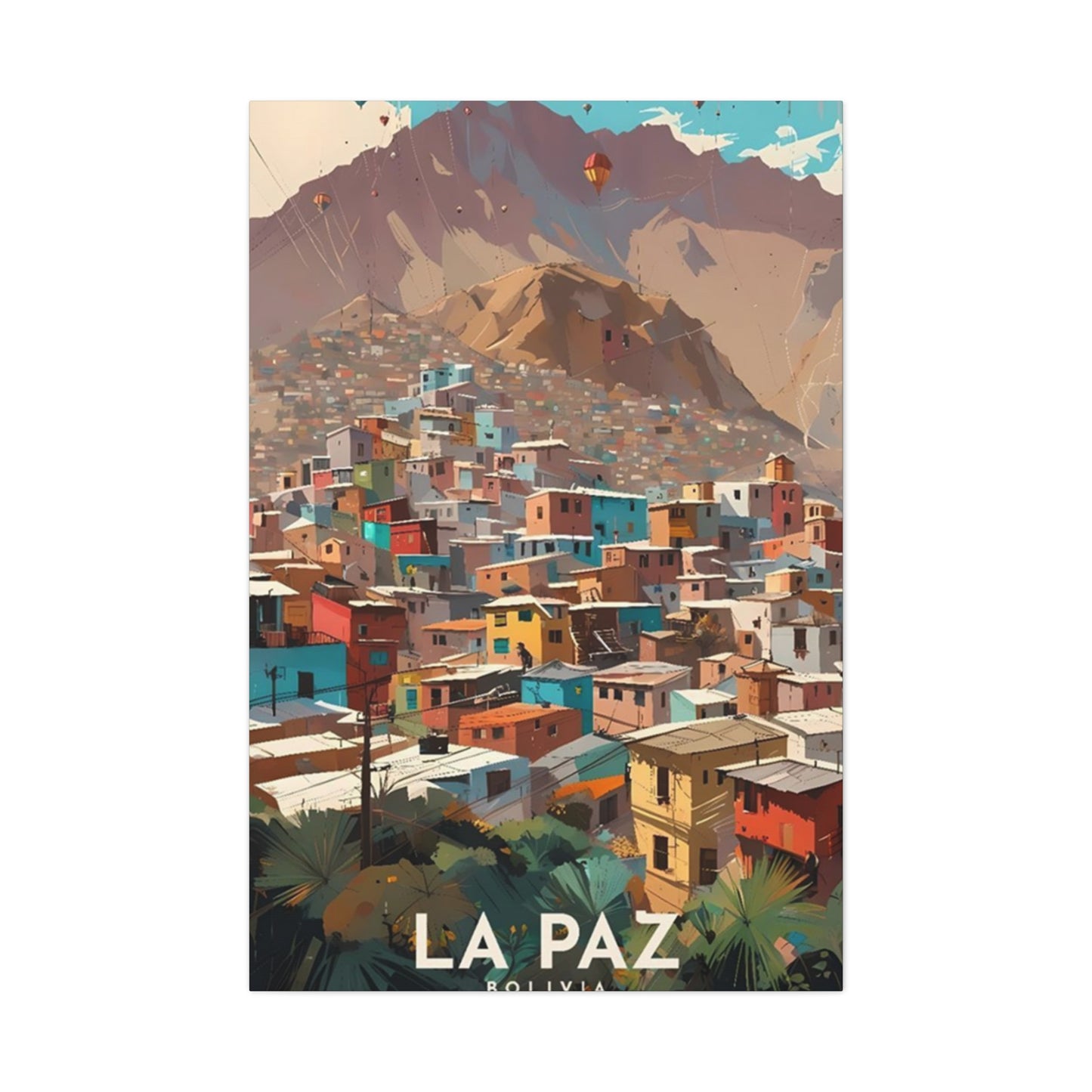
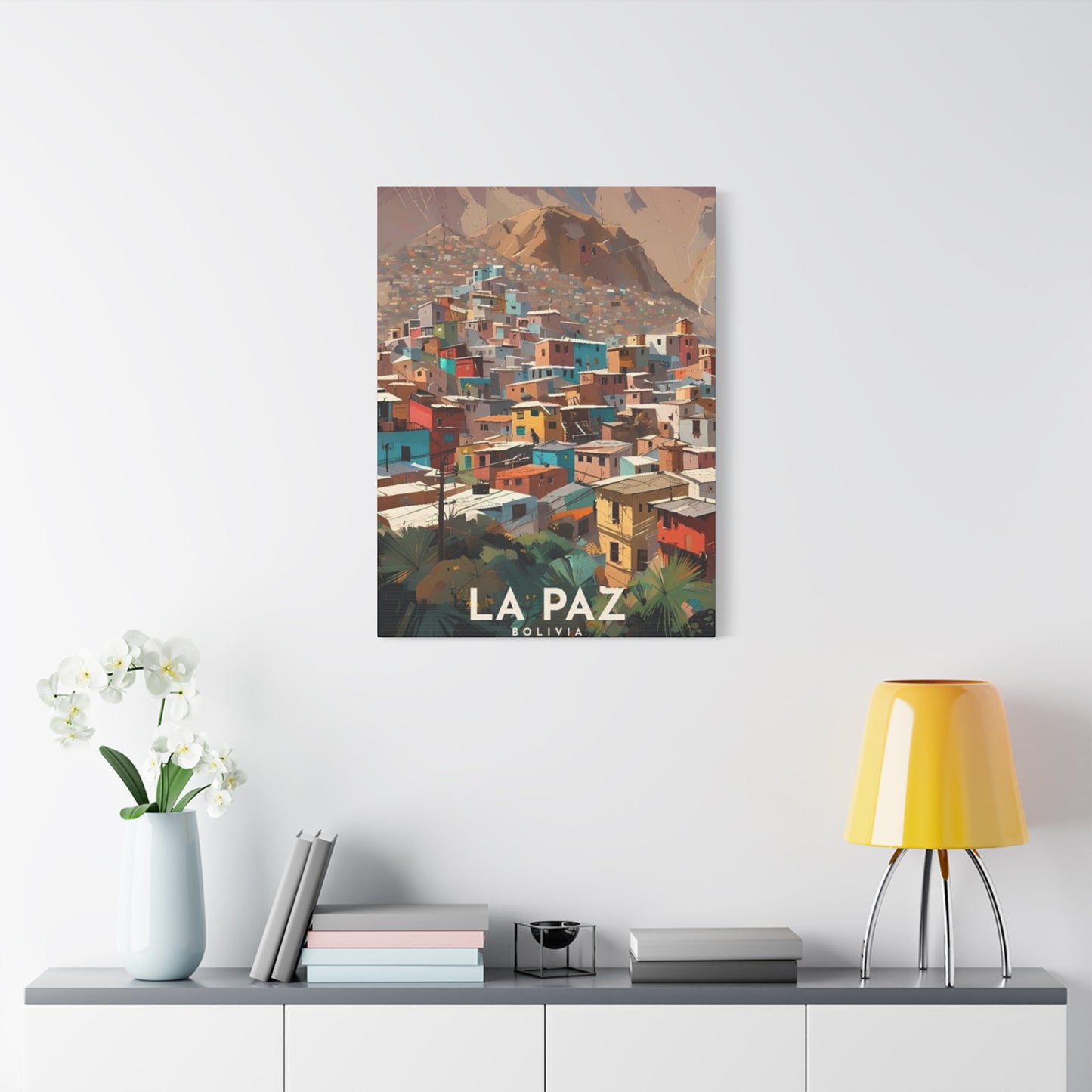
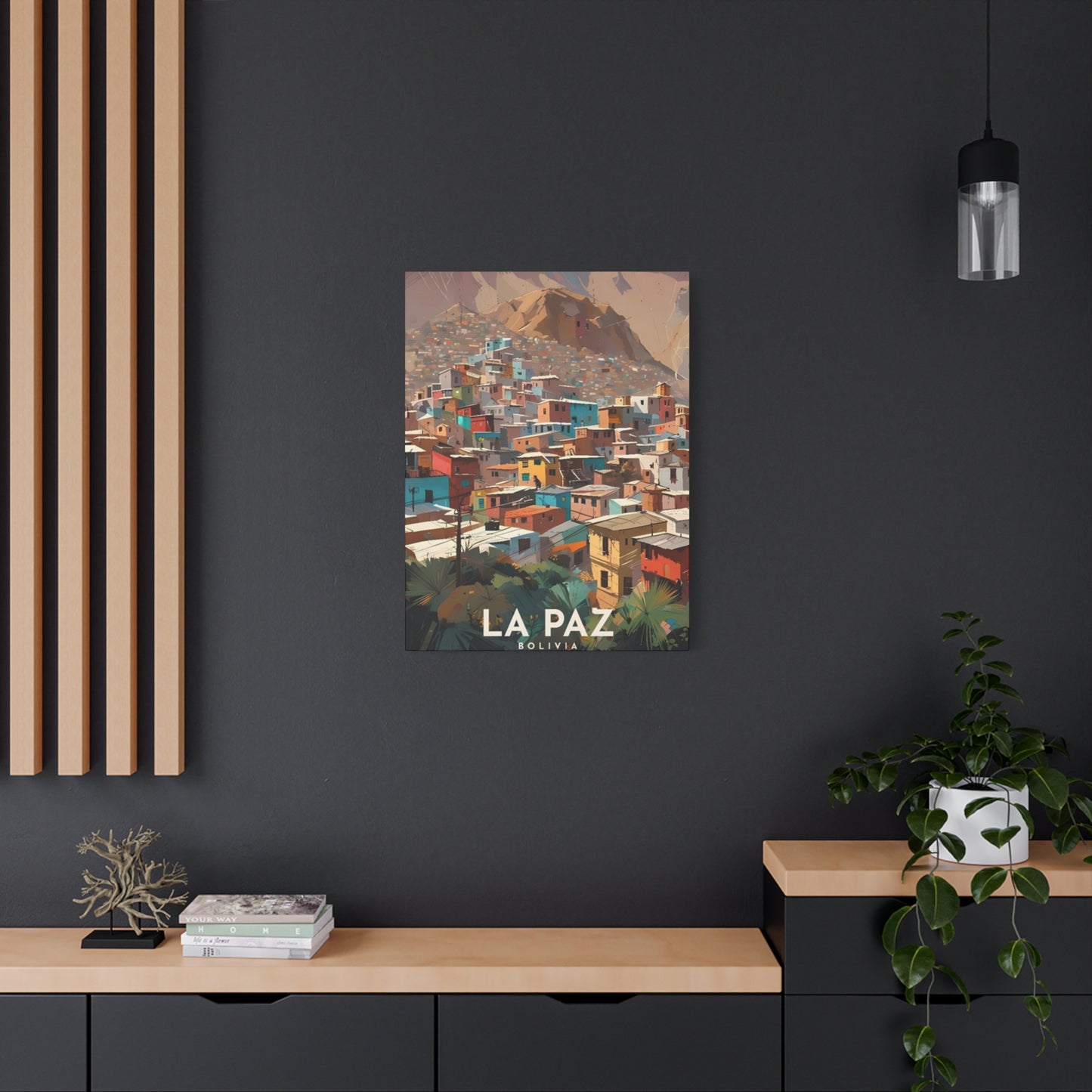
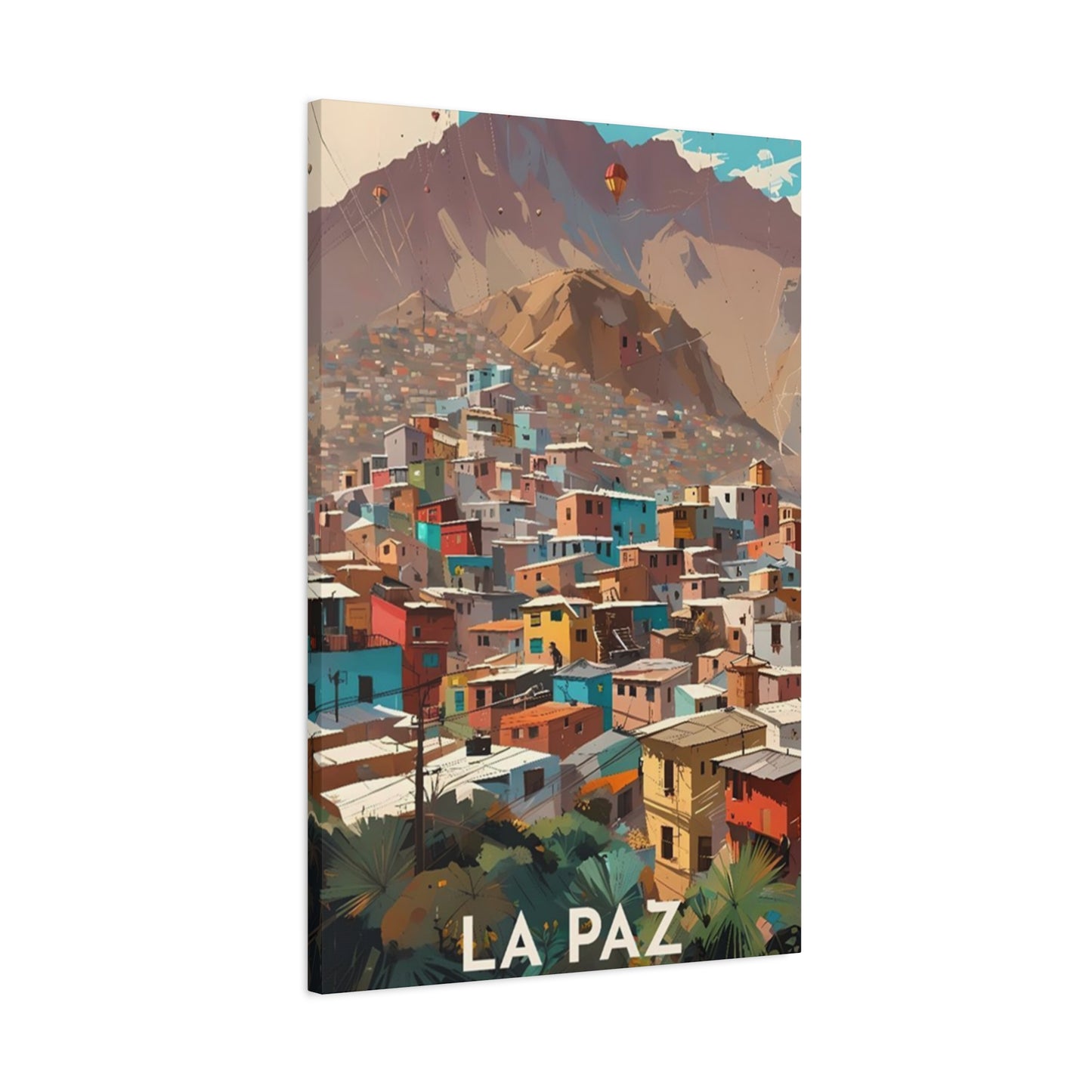
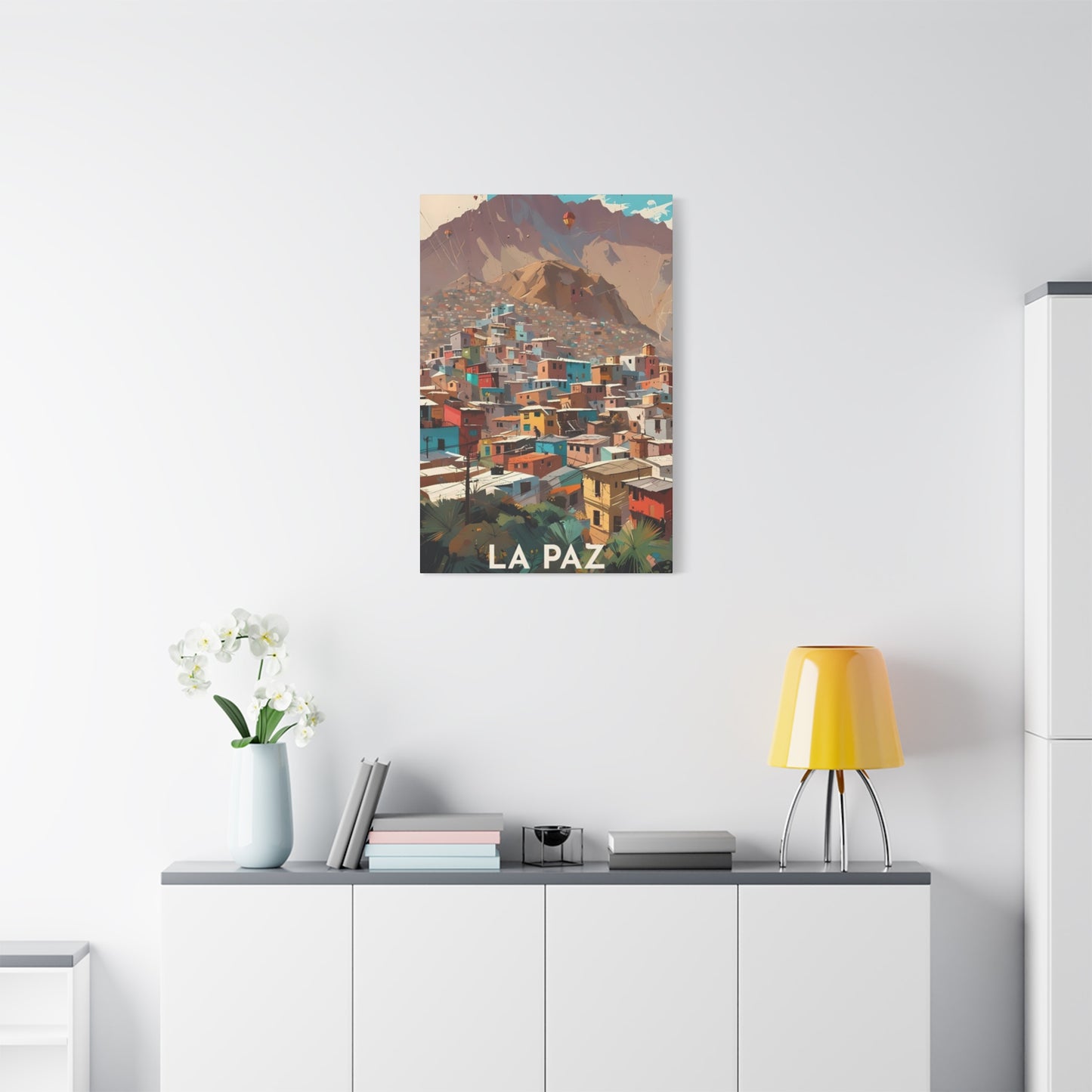
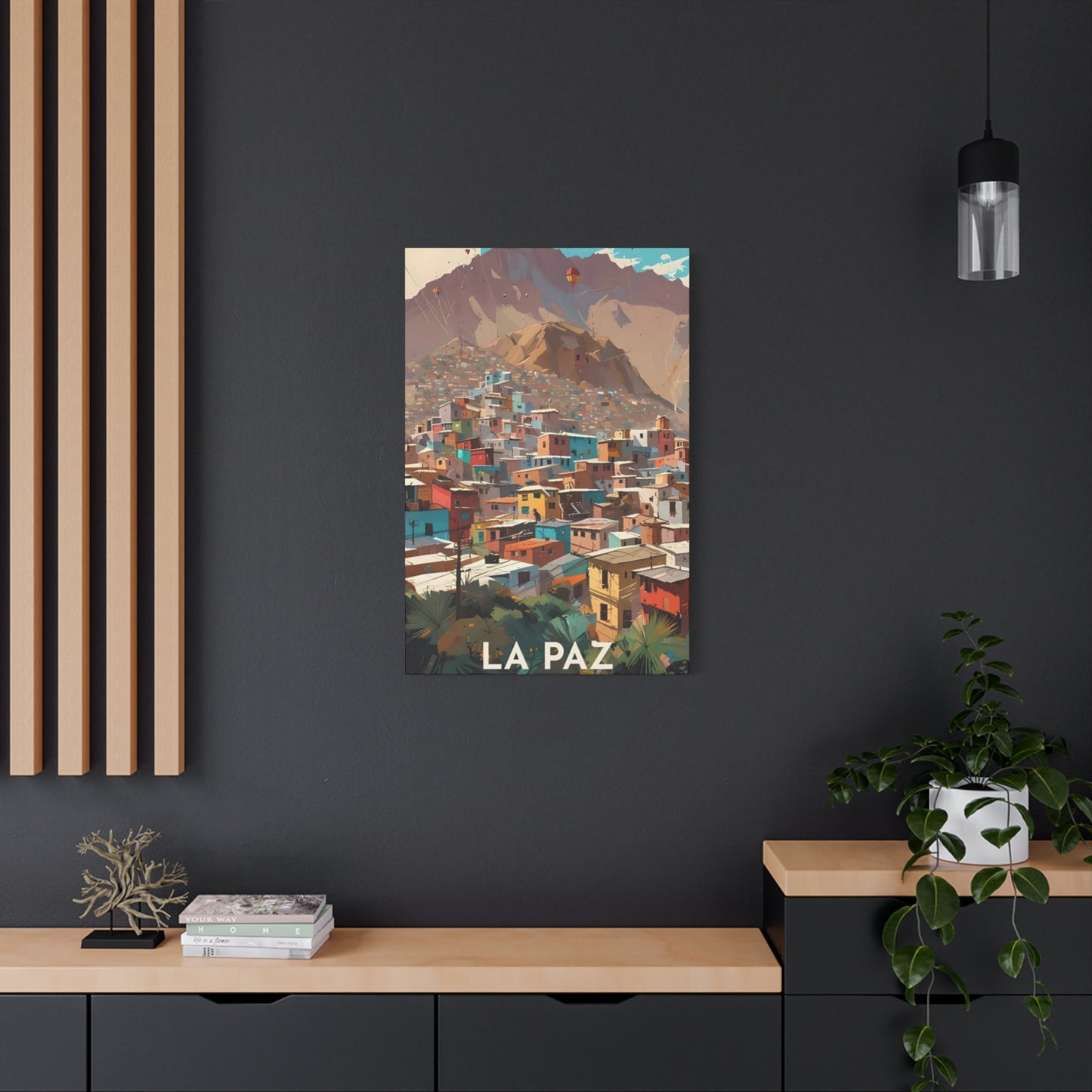
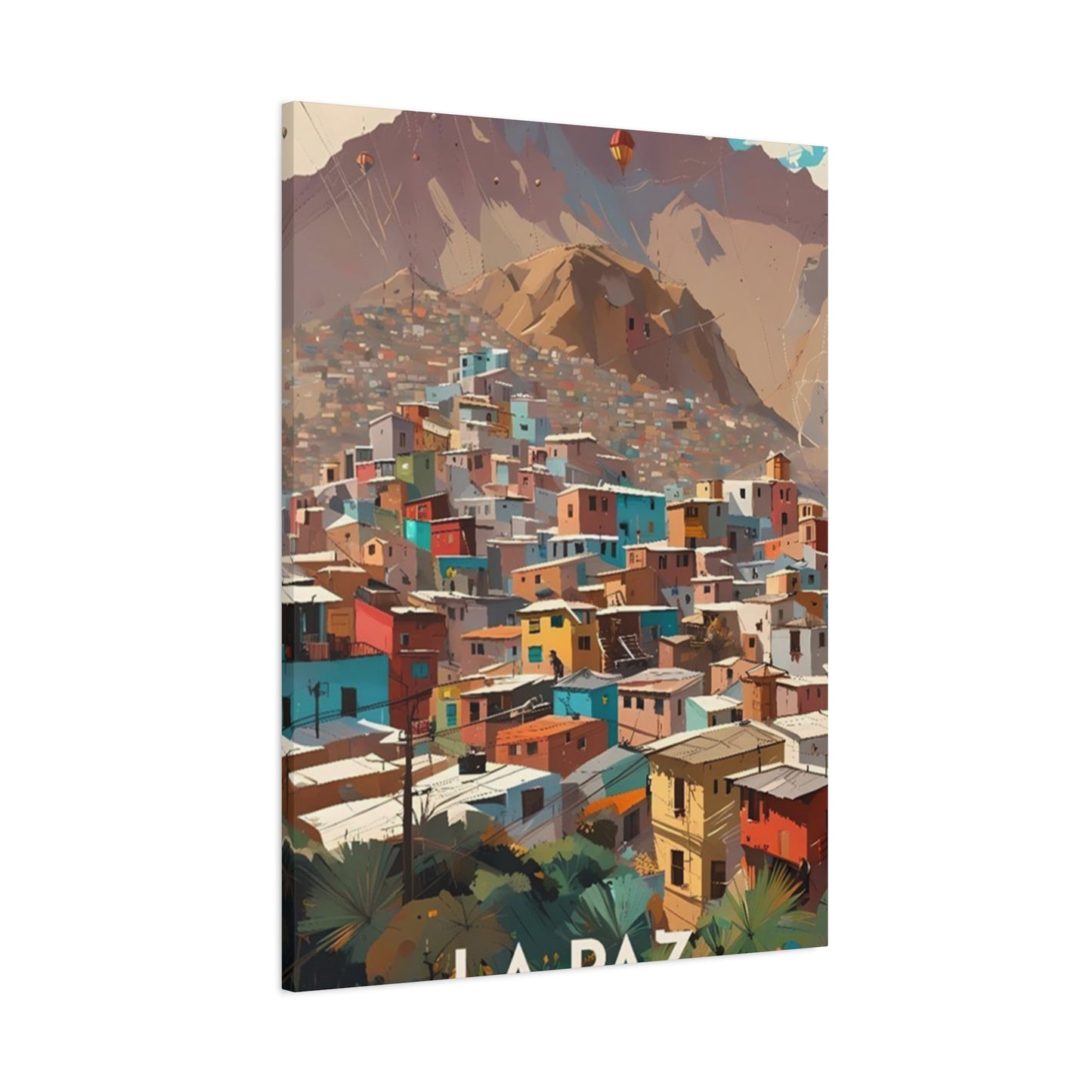
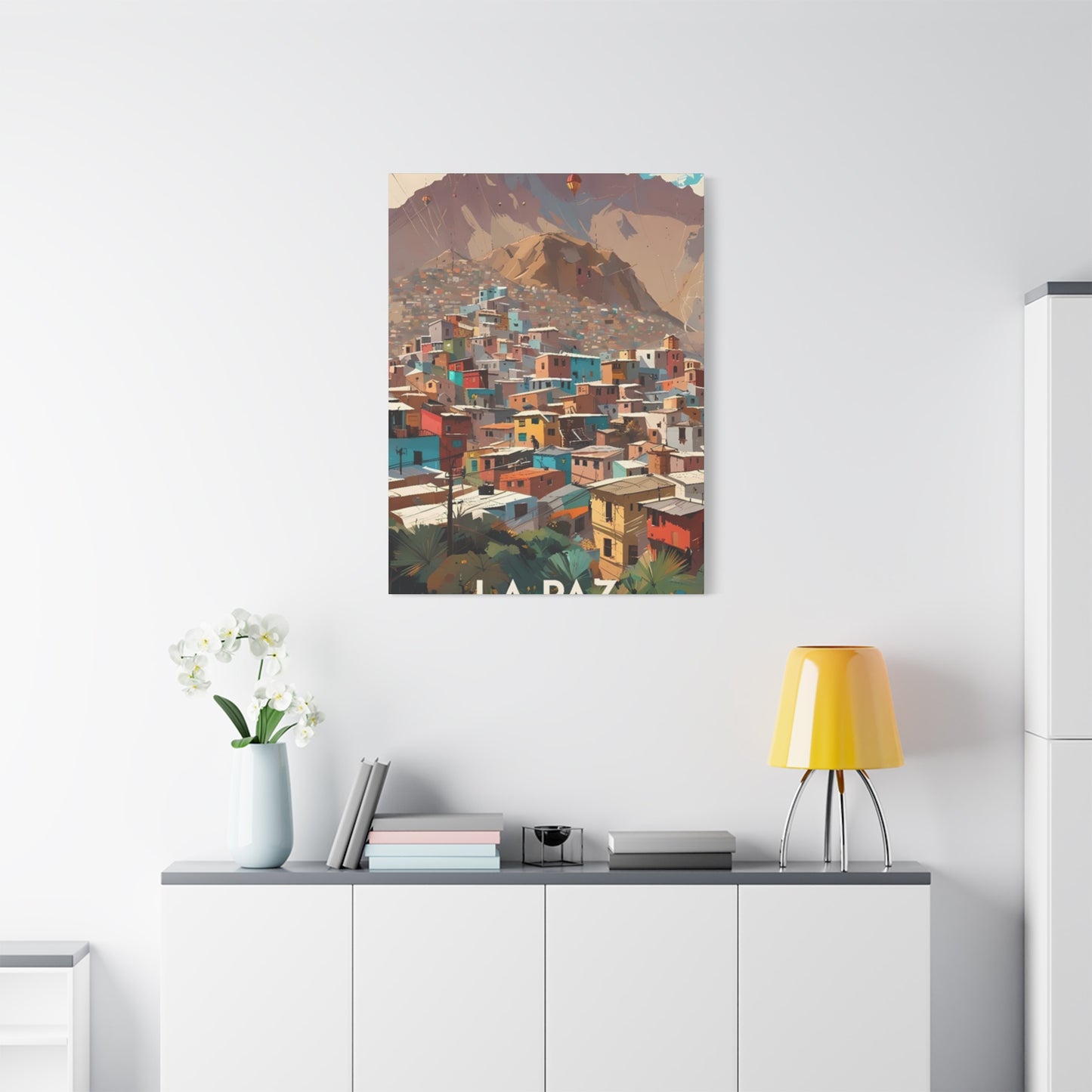
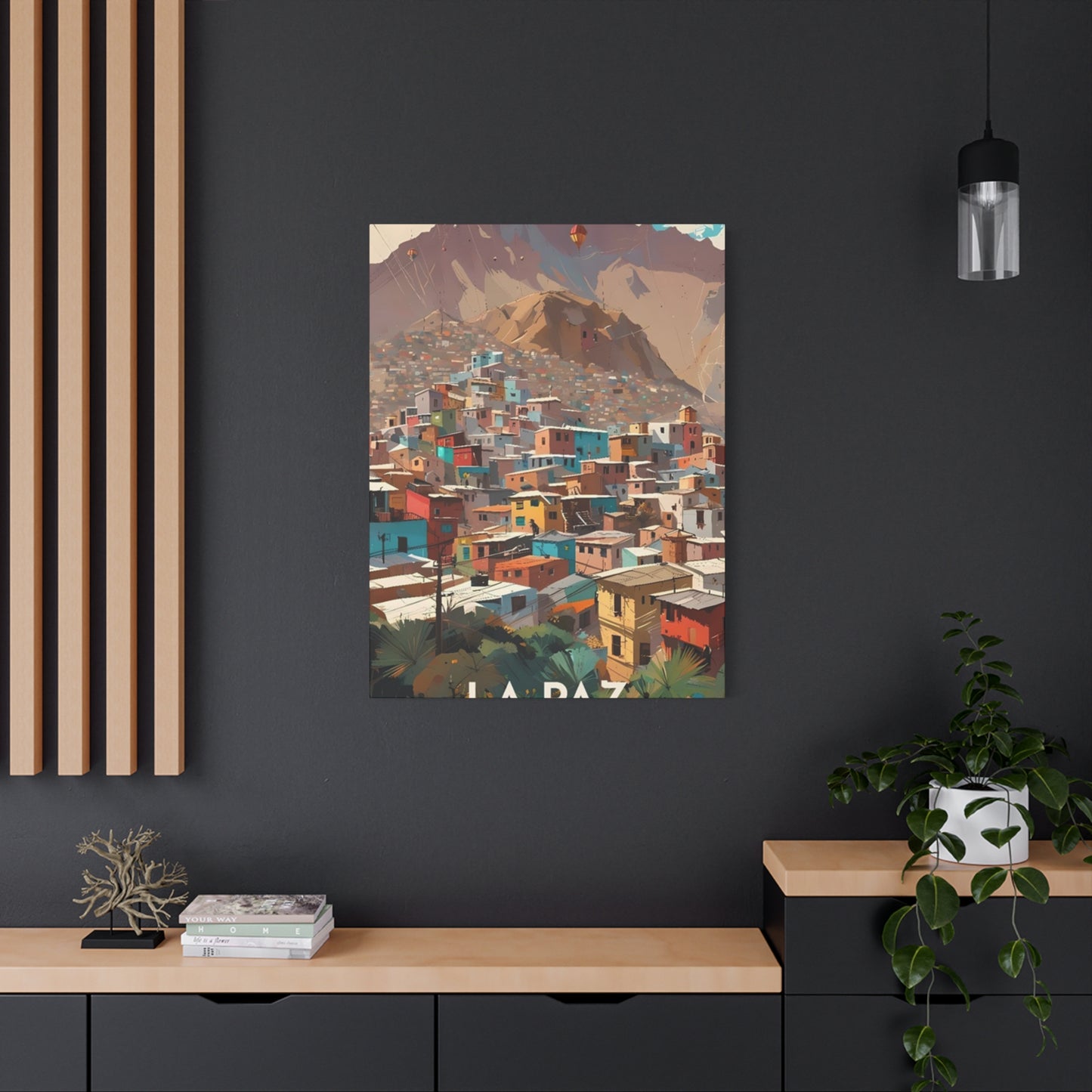
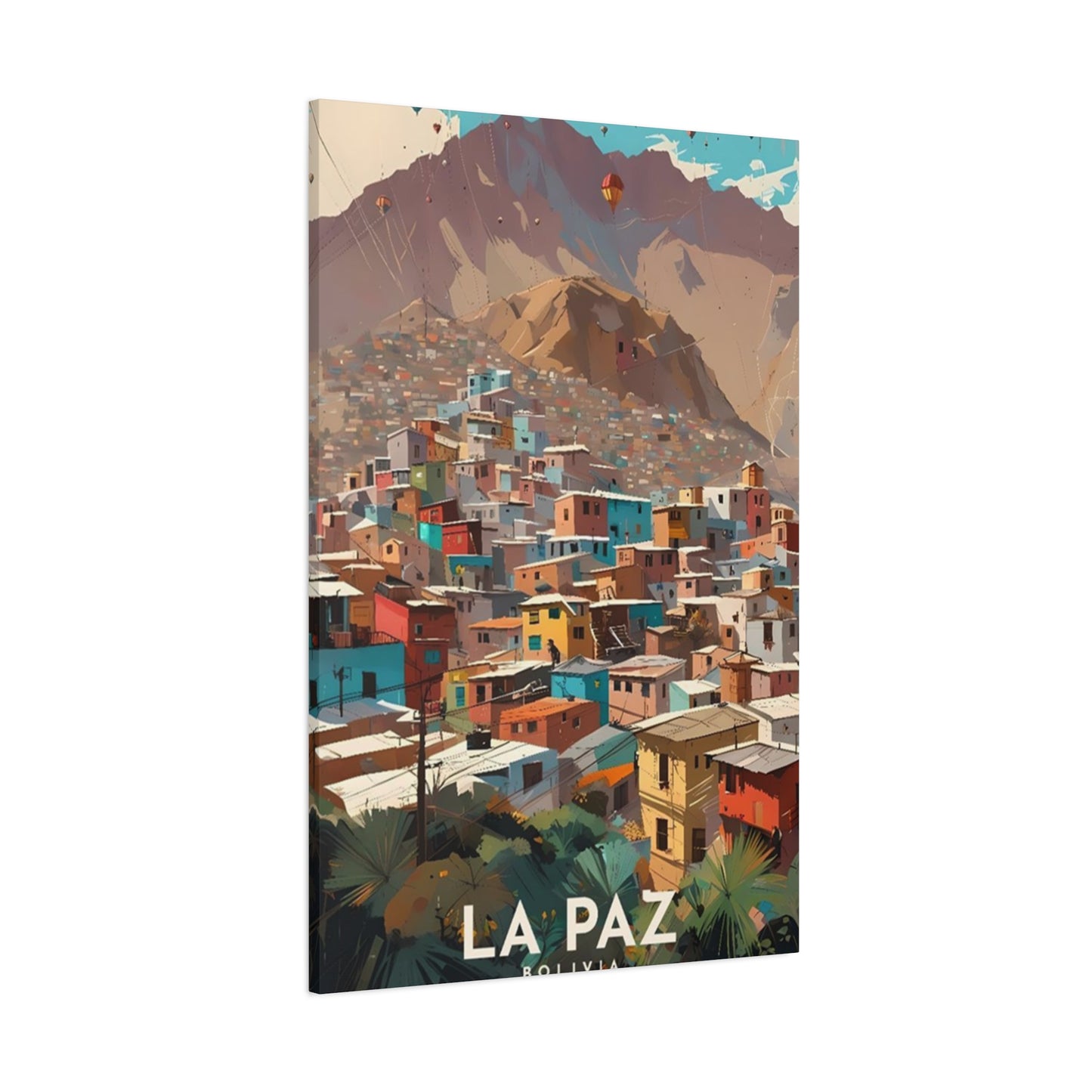
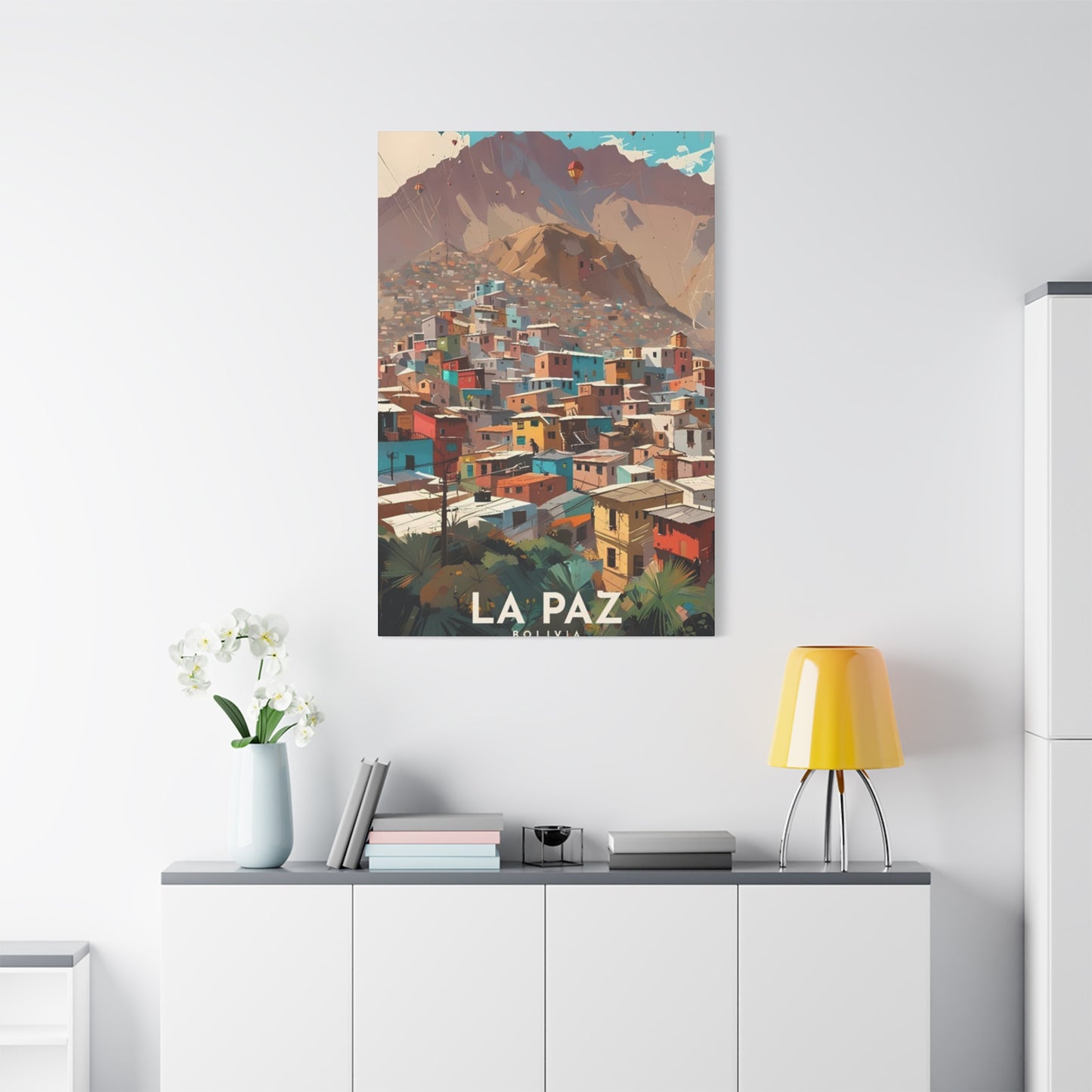
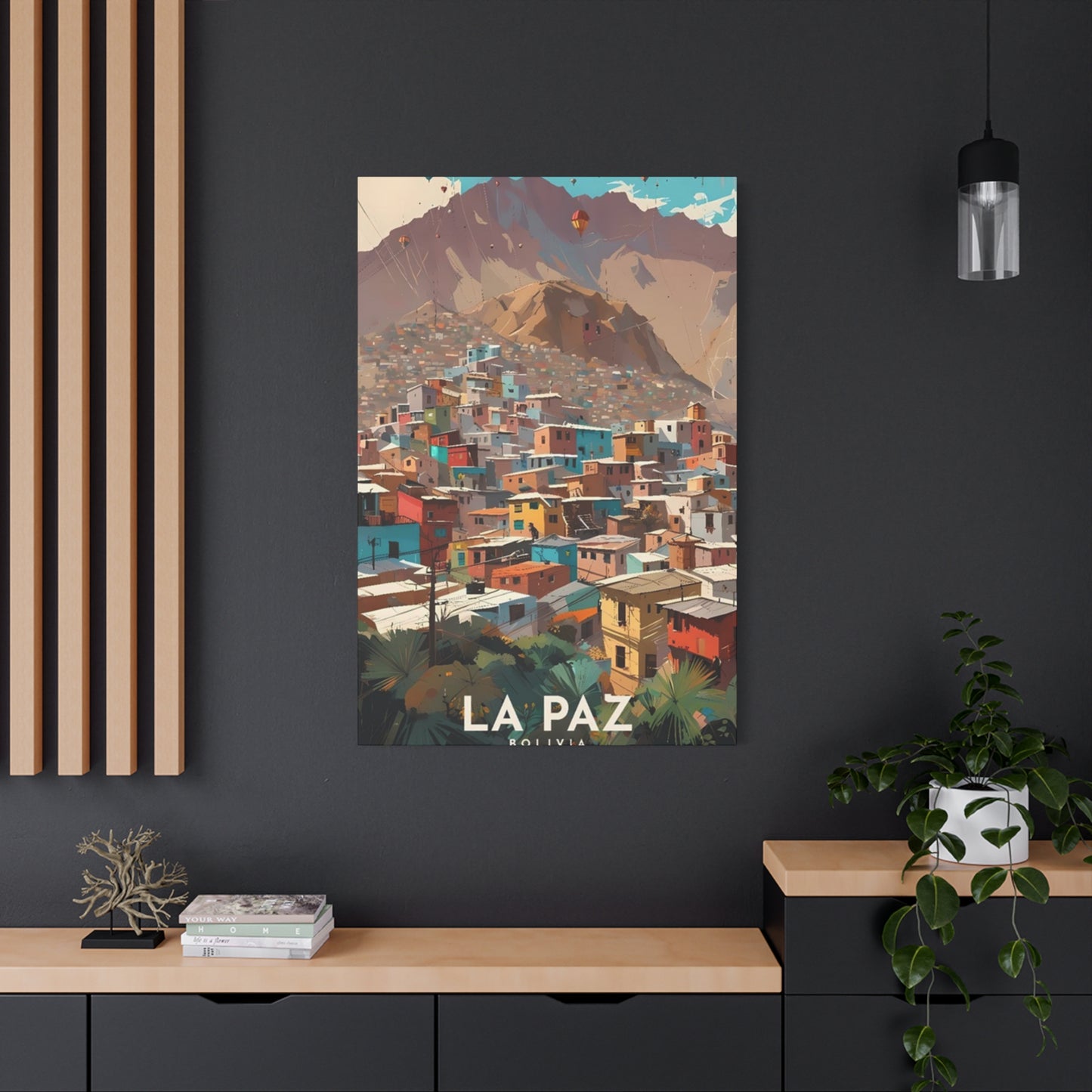
La Paz Bolivia Wall Art & Canvas Prints
La Paz Bolivia Wall Art & Canvas Prints
Couldn't load pickup availability
Vibrant La Paz Bolivia Wall Art: Capturing the Magic of the Andes to Transform Your Living Space
The vibrant capital nestled high in the Andes Mountains has captivated artists, travelers, and collectors worldwide through its breathtaking landscapes, colorful markets, and rich cultural heritage. When seeking to transform your interior spaces with meaningful decoration pieces, La Paz Bolivia wall art offers an unparalleled connection to one of South America's most fascinating destinations. This comprehensive exploration delves into everything you need to know about acquiring, displaying, and appreciating these remarkable artistic treasures that capture the essence of Bolivian culture.
Why La Paz Bolivia Wall Art Represents More Than Just Decoration
Artistic representations from this spectacular Andean city carry profound significance beyond mere aesthetic appeal. Each piece serves as a window into centuries of indigenous wisdom, colonial influence, and contemporary urban energy that defines modern Bolivia. The snowcapped Illimani mountain dominating the horizon, the terracotta rooftops cascading down steep valleys, and the vibrant cholita women in their traditional bowler hats and layered skirts - these iconic images resonate with viewers seeking authentic cultural connections in their personal spaces.
Collectors and interior design enthusiasts increasingly recognize that artwork depicting this remarkable city brings distinctive character that mass-produced prints simply cannot replicate. The unique topography, where buildings seemingly defy gravity as they climb impossible slopes, creates visual drama unmatched by conventional landscape photography or paintings. When you incorporate La Paz Bolivia wall art into your home or office, you're not merely filling blank walls - you're inviting conversations about travel, culture, and the breathtaking diversity of our world.
The emotional resonance of these artistic pieces extends to anyone who has visited this extraordinary destination. For travelers who have wandered through the witch's market, ridden the teleferico cable cars soaring above the urban sprawl, or experienced the thin air at 3,640 meters above sea level, these artworks trigger powerful memories and longings. Even for those who have never set foot in South America, the exotic allure and visual splendor captured in quality pieces spark curiosity and wanderlust.
Exploring Various Artistic Styles Depicting Bolivia's Administrative Capital
The artistic interpretations of this Andean metropolis span numerous styles, each offering distinct visual languages and emotional impacts. Understanding these different approaches helps collectors make informed decisions about which pieces best complement their existing decor and personal preferences.
Contemporary photography captures the raw, unfiltered reality of daily life in the streets, markets, and residential neighborhoods. These images often highlight the dramatic contrasts between traditional indigenous culture and modern urban development. Photographers focus on compelling details: weathered hands of market vendors arranging their colorful produce, children playing football on impossibly steep streets, or the striking juxtaposition of colonial-era churches against modern glass buildings. The authenticity of photographic artwork appeals to minimalist aesthetics and those seeking documentary-style visual storytelling.
Impressionistic paintings offer softer, more romanticized interpretations of the cityscape and surrounding mountains. Artists working in this style emphasize color, light, and emotional atmosphere over precise architectural details. Brushstrokes might blur the boundaries between earth and sky, creating dreamlike renditions of sunset over the valley or morning mist clinging to the buildings. These pieces work beautifully in spaces seeking warmth and artistic sophistication rather than stark realism.
Abstract representations take creative liberties with the geographical and cultural elements, distilling the essence of the location into shapes, colors, and compositions that evoke feelings rather than depict literal scenes. Artists might extract the terracotta and ochre palette of the buildings, the angular geometry of the steep streets, or the patterns found in traditional textiles, reassembling these elements into purely aesthetic compositions. Such pieces appeal to collectors with modern or eclectic interior schemes who appreciate conceptual artwork.
Watercolor renditions bring delicate, translucent qualities to scenes of the city and its inhabitants. The medium's inherent softness suits certain subjects particularly well - the play of light through market canopies, the misty quality of high-altitude mornings, or the gentle movement of traditional skirts. Watercolor La Paz Bolivia wall art carries an accessible, approachable quality that works across various interior styles from cottage to contemporary.
Vector illustrations and digital artwork represent newer artistic approaches to depicting this iconic location. These clean, graphic interpretations might simplify the complex topography into bold shapes and limited color palettes, creating striking visual statements perfect for modern offices or minimalist homes. The precision and scalability of digital artwork also makes it versatile for various print sizes and formats.
Selecting the Perfect Size and Format For Your Space
Determining appropriate dimensions requires thoughtful consideration of your available wall space, viewing distances, and the overall impact you wish to create. The relationship between artwork size and room proportions significantly influences how effectively the piece enhances your environment.
Large-scale statement pieces measuring 40x60 inches or larger command attention and work best as focal points in spacious rooms with substantial wall areas. These impressive works particularly suit open-concept living areas, above sofas or credenzas, or in entryways where they immediately establish ambiance. When depicting expansive landscapes like the Illimani mountain range or panoramic city views, larger formats allow viewers to appreciate intricate details and feel immersed in the scene. Consider your furniture scale when selecting oversized pieces - they should feel balanced rather than overwhelming the space.
Medium-sized artworks between 24x36 and 30x40 inches offer versatility for various rooms and arrangements. These dimensions work equally well as standalone pieces or as anchors within gallery wall configurations. Medium formats suit bedrooms, home offices, dining areas, and modest living rooms where you want significant visual presence without dominating the space. For detailed subjects like market scenes or architectural studies, this size range provides enough surface area to appreciate complexity while remaining manageable for most walls.
Smaller prints and canvases under 20x30 inches excel in creating curated collections or filling specific niche spaces. Consider these dimensions for hallway galleries, bathroom accents, bedroom groupings, or office arrangements where multiple coordinating pieces tell a more comprehensive visual story. Sets of three to nine smaller works depicting different aspects of the city - street scenes, portraits of locals, architectural details, market vignettes - create cohesive narratives more effectively than single images.
Format orientation significantly impacts compositional effectiveness. Horizontal landscapes naturally accommodate the sprawling city views and mountain panoramas, creating calm, expansive feelings. These work particularly well above furniture pieces or in rooms with low ceilings. Vertical orientations suit portraits of buildings climbing steep hillsides, cable cars ascending against dramatic skies, or full-length depictions of traditionally dressed figures. Vertical formats draw the eye upward, making rooms feel taller and more spacious. Square formats offer balanced, modern aesthetics that work well in contemporary settings and multi-piece arrangements.
Understanding Print Materials and Their Distinct Characteristics
The substrate upon which artwork is reproduced dramatically affects both visual appearance and longevity. Different materials suit various artistic styles, display locations, and budget considerations.
Canvas prints remain the most popular choice for reproducing paintings and photographic artwork. The textured surface mimics traditional painted artworks, lending authenticity and artistic gravitas to reproductions. Gallery-wrapped canvas, where the image continues around the frame edges, creates a finished appearance that doesn't require additional framing. Canvas durability withstands time better than paper, resisting tears and maintaining structural integrity. The material's slight flexibility allows it to absorb minor impacts without damage. However, canvas requires more careful cleaning and is more susceptible to water damage than some alternatives.
Fine art paper produces exceptional detail and color accuracy, making it ideal for photographic reproductions and works where precision matters. Museum-quality archival papers resist yellowing and degradation for decades when properly displayed and protected. The crisp, clean surface showcases subtle tonal gradations and fine details that canvas texture might obscure. Paper prints require protective framing behind glass or acrylic, which adds cost but also provides superior preservation. Consider paper for pieces you plan to frame formally or for limited edition prints where archival quality justifies the investment.
Metal prints create stunning modern presentations with extraordinary color vibrancy and depth. The dye-sublimation process infuses images directly into specially coated aluminum panels, resulting in luminous, almost three-dimensional visual effects. Metal suits contemporary interiors and high-traffic areas because the surface resists scratches, moisture, and fading far better than paper or canvas. The sleek, frameless presentation works particularly well with photographic artwork and modern graphic interpretations. Metal prints command premium prices but offer unmatched durability and visual impact.
Acrylic face-mounting produces gallery-quality presentations where the print is adhered behind clear acrylic panels. This creates remarkable depth, protection, and a polished, professional appearance suitable for upscale commercial spaces or sophisticated residential interiors. The acrylic surface enhances color saturation and adds glossy dimensionality. While expensive, this format offers superior longevity and requires no additional framing.
Wood panels provide rustic, organic substrates perfect for certain artistic styles. Images printed or transferred onto natural wood surfaces blend contemporary imagery with warm, natural textures. The wood grain often remains visible, adding unique character to each piece. This format particularly suits folk art interpretations, vintage-style photographs, or pieces intended for cabin-style or bohemian interiors.
Authentic Cultural Elements Worth Seeking in Quality Pieces
Truly compelling La Paz Bolivia wall art incorporates recognizable cultural markers that distinguish this location from generic South American imagery. Understanding these distinctive elements helps identify authentic, culturally informed artwork versus superficial tourist-oriented reproductions.
The cholita image represents one of the most iconic cultural symbols. These indigenous Aymara and Quechua women wearing distinctive bowler hats, layered pollera skirts, embroidered shawls, and carrying colorful aguayo cloths embody the resilient indigenous identity that persists despite centuries of colonization. Quality artwork capturing cholitas shows respect for their cultural significance rather than treating them as mere exotic subjects. Look for pieces that portray dignity, strength, and individuality rather than stereotypical or patronizing representations.
The teleferico cable car system offers visually striking contemporary subject matter unique to this city. The colorful gondolas gliding above the sprawling urban landscape against mountain backdrops create dramatic compositions impossible to find elsewhere. Artwork featuring these cable cars speaks to the city's innovative solutions to extreme geography and provides instantly recognizable imagery for those familiar with the location.
The witches' market, or Mercado de las Brujas, supplies endless artistic fodder with its dried llama fetuses, medicinal herbs, talismans, and traditional remedies. While potentially unsettling to some viewers, these elements represent genuine indigenous spiritual practices deeply embedded in local culture. Artwork depicting market scenes conveys authenticity and cultural depth beyond superficial tourist perspectives.
Mount Illimani's distinctive triple-peaked silhouette dominates the horizon and appears in countless artistic interpretations. This sacred mountain holds profound spiritual significance for indigenous peoples and serves as the city's most recognizable natural landmark. Quality landscape artwork typically includes this majestic presence, either as the primary subject or forming the dramatic backdrop to urban scenes.
Colonial-era architecture, particularly the San Francisco Church and surrounding plaza, provides historically significant subjects blending Spanish baroque style with indigenous artistic elements. The golden stone facades and ornate details contrast beautifully with the simple adobe structures and create rich textural opportunities for artists.
Street scenes showing the dramatic topography - buildings perched on impossible slopes, staircases zigzagging between neighborhoods, narrow cobblestone lanes - capture the geographical uniqueness that makes this city unlike any other urban environment. Artwork emphasizing these vertiginous perspectives conveys the visceral experience of navigating such extreme terrain.
Color Palettes That Authentically Represent the Location
Understanding the genuine color stories emerging from this Andean setting helps identify artwork that captures authentic atmosphere versus artificially enhanced or inaccurate representations. The natural and cultural color schemes provide guidance for selecting pieces that coordinate with your interior while maintaining geographical authenticity.
Earthy terracotta tones dominate the urban landscape, reflecting the clay brick and adobe construction materials used throughout centuries. These warm rust, burnt orange, and clay red hues appear in rooftops, building facades, and the very earth upon which the city rests. Artwork emphasizing these warm neutrals creates cozy, grounded feelings suitable for living spaces and complements a wide range of interior color schemes from neutral to jewel-toned.
Brilliant textile colors provide vivid accents throughout street scenes and market imagery. Traditional woven fabrics feature saturated fuchsias, deep purples, bright oranges, turquoise blues, and sunshine yellows in intricate geometric patterns. These vibrant hues contrast dramatically against the earthy architectural tones and grey mountain stone. Artwork incorporating these textile colors brings energy and cultural richness that works beautifully as accent pieces in otherwise neutral rooms.
Steel grey and slate tones characterize the rocky mountain slopes and overcast skies common at this altitude. These cooler neutrals balance the warm architectural colors and provide sophisticated contrast. Artwork emphasizing these cooler tones suits contemporary interiors and creates calmer, more meditative atmospheres than pieces dominated by warm or vivid colors.
Azure blue skies at high altitude display remarkable clarity and intensity unlike lowland atmospheres. The thin air and strong sunlight create almost surreal blue saturation that photographers and painters often capture. Artwork featuring these brilliant skies brings freshness and airiness to spaces, working particularly well in rooms seeking to feel larger or more open.
Green appears sparingly in the immediate urban environment but features prominently in artwork depicting the surrounding valleys or rural areas. When present, greens tend toward olive, sage, and dusty eucalyptus tones rather than lush tropical shades. Understanding this helps avoid pieces that feel geographically inaccurate by featuring inappropriate vegetation or color temperatures.
Golden hour lighting creates particularly magical color scenarios as low-angle sunlight washes across the terracotta buildings and illuminates the mountain peaks. Artwork capturing these moments features warm amber glows, long shadows, and enhanced color saturation. These pieces bring warmth and romantic atmosphere suitable for intimate spaces like bedrooms or dining areas.
Framing Choices That Enhance Rather Than Distract
Selecting appropriate framing requires balancing protection, aesthetic enhancement, and budget considerations. The right framing elevates artwork while the wrong choices diminish impact or create visual discord with the piece and surrounding decor.
Natural wood frames complement the earthy, organic qualities inherent in much La Paz Bolivia wall art. Light woods like oak, maple, or bamboo suit brighter, more contemporary pieces and coordinate with Scandinavian or modern farmhouse interiors. Darker woods including walnut, mahogany, or espresso-stained frames pair beautifully with richer color palettes and work in traditional or transitional spaces. The organic quality of wood framing feels appropriate for artwork depicting natural landscapes and traditional cultures.
Black frames create clean, contemporary presentations that work across numerous interior styles from minimalist to eclectic. The neutral darkness recedes visually, allowing the artwork to dominate attention. Black framing particularly suits photographic artwork, graphic prints, and pieces with strong compositional elements that benefit from defined boundaries. The classic simplicity ensures the framing won't feel dated as design trends evolve.
White or light neutral frames brighten presentations and work especially well in coastal, cottage, or shabby chic interiors. These lighter frames suit watercolors, soft-focus photography, and pieces with pastel or muted palettes. However, very light framing can sometimes fail to provide adequate visual weight for darker or more dramatic artwork.
Metal frames in silver, gold, or copper tones bring sleek modernity and work particularly well with contemporary photographic prints or abstract interpretations. The reflective quality adds subtle dimension and coordinates beautifully with metal fixtures and hardware throughout your space. However, metal framing might feel too cold or industrial for artwork depicting traditional cultural subjects.
Ornate frames with decorative molding suit oil paintings and classical artistic interpretations but generally feel inappropriate for photographic or contemporary artwork. These elaborate frames work in traditional, Victorian, or maximalist interiors but clash with modern or minimalist aesthetics.
Float mounting, where artwork appears suspended within a deeper frame with visible space between the image edge and frame, creates sophisticated, gallery-quality presentations. This treatment works beautifully with canvas, paper, and metal prints, adding three-dimensional interest and perceived value. Float mounting suits contemporary and transitional interiors particularly well.
Matting considerations significantly impact presentation quality for paper prints. Wide mats in neutral tones provide breathing room around images, allowing the eye to appreciate composition without visual crowding. Standard mat widths range from 2-4 inches, with larger artwork generally benefiting from wider mats. Double matting, using two layers with a narrow accent color beneath the primary mat, adds subtle sophistication worth considering for investment pieces.
Optimal Placement Strategies For Maximum Impact
Strategic positioning determines how effectively artwork enhances your environment. Thoughtful placement considers viewing angles, lighting conditions, surrounding elements, and the emotional experience you want to create in each space.
Living room focal walls typically benefit from substantial pieces that command attention without overwhelming conversation areas. Position artwork 8-12 inches above furniture backs when hanging above sofas or consoles, ensuring the piece feels connected to the furniture while maintaining appropriate visual breathing room. For standalone wall placement without furniture beneath, position the center of the artwork at eye level (approximately 57-60 inches from the floor), adjusting slightly based on ceiling height and room scale. Living spaces allow for dramatic, conversation-starting pieces that might feel too bold elsewhere.
Dining areas provide opportunities for artwork that enhances the communal, sensory experience of shared meals. Landscape pieces depicting markets, street food scenes, or agricultural subjects complement dining functions while artwork showing cultural celebrations or gatherings reinforces the social nature of these spaces. Position pieces to be comfortably viewed from seated positions, accounting for the lower eye level when people occupy dining chairs.
Bedroom artwork should promote restful, personal atmospheres. Consider quieter, more meditative compositions rather than visually stimulating or energetic pieces. Landscape vistas, peaceful architectural studies, or portraits with contemplative qualities work better than busy market scenes or dramatic action shots. Positioning above headboards creates natural focal points, though ensure adequate space between the headboard top and artwork bottom (typically 6-10 inches).
Home office spaces benefit from inspiring, motivational imagery. Artwork depicting cable cars ascending steep slopes, panoramic vistas suggesting possibility and perspective, or portraits of resilient individuals pursuing traditional crafts can provide subtle encouragement during challenging work periods. Position pieces within your natural sightline when seated at your desk, allowing periodic visual breaks that refresh your mind without causing distraction.
Hallways and transitional spaces often receive insufficient attention yet offer excellent opportunities for creating gallery-style arrangements. These spaces accommodate multiple smaller pieces arranged in cohesive collections that tell visual stories as people move through them. Hallway galleries work particularly well with series depicting different aspects of the city - architectural details, portraits, market scenes, landscapes - that collectively create comprehensive impressions.
Stairway walls present unique opportunities and challenges. The ascending/descending floor levels mean artwork must be positioned to accommodate changing viewpoints. Gallery arrangements ascending or descending parallel to the stairs work beautifully, or consider substantial horizontal pieces that span multiple steps. Ensure secure hanging systems as stairway locations often experience more vibration than standard walls.
Bathroom spaces, often neglected in decorating schemes, can accommodate appropriate artwork scaled to the typically smaller wall expanses. Moisture-resistant formats like metal or acrylic prints work best. Select images with water-related themes - rainy street scenes, cable cars emerging from mist, or watercolor-style pieces that aesthetically complement the room's function.
Lighting Considerations That Bring Artwork to Life
Proper illumination dramatically impacts how artwork appears and how effectively it enhances your environment. Understanding lighting principles helps you showcase pieces to maximum advantage while protecting them from damage.
Natural daylight provides ideal viewing conditions for most artwork but requires careful management to prevent degradation. Position pieces receiving direct sunlight cautiously - ultraviolet radiation causes fading, particularly in photographic prints and certain pigments. If displaying near windows, consider UV-filtering glass or acrylic glazing, solar shades, or curtains that filter harsh direct light while maintaining ambient brightness. North-facing walls in the Northern Hemisphere receive consistent indirect light without harsh sun exposure, making them ideal for valuable pieces.
Picture lights mounted directly above or below artwork provide focused illumination that enhances visual impact while adding sophisticated ambiance. LED picture lights offer energy efficiency, minimal heat output, and long lifespans. Position lights to illuminate the piece evenly without creating glare or hotspots. Adjustable fixtures allow you to fine-tune angles as needed.
Track lighting systems offer flexible solutions for illuminating multiple pieces or creating adjustable gallery-style presentations. Position tracks to aim light at artwork at approximately 30-degree angles from the wall, avoiding harsh direct angles that create glare. Dimmable systems allow you to adjust intensity based on time of day, mood, or ambient light levels.
Ambient room lighting affects artwork appearance significantly. Warm-toned bulbs (2700-3000K) create cozy atmospheres but can shift color perception, making cooler tones appear muddy. Neutral white lighting (3500-4100K) provides more accurate color rendering suitable for displaying artwork where color fidelity matters. Daylight-balanced bulbs (5000-6500K) most accurately represent how pieces appear in natural light but may feel too clinical for residential spaces.
Accent lighting using strategically placed table lamps, floor lamps, or wall sconces can indirectly highlight artwork while contributing to overall room ambiance. Position these fixtures where their light washes across artwork without shining directly into viewing positions where glare would diminish appreciation.
Avoid common lighting mistakes that diminish display quality. Lights positioned too close create hotspots and uneven illumination. Insufficient light leaves artwork appearing flat and details obscured. Mixing color temperatures within the same space creates confusing, unpleasant lighting environments. Regular bulbs generating excessive heat can damage artwork over time through accumulated exposure.
Caring For Your Investment Over Time
Proper preservation practices ensure your La Paz Bolivia wall art maintains its beauty and value through years of enjoyment. Different materials require specific care approaches, but certain principles apply universally.
Dust accumulation dulls surfaces and can attract moisture that encourages mold or mildew. Dust canvas prints gently using soft microfiber cloths or handheld vacuum cleaners with brush attachments set to low suction. Work from top to bottom using light, sweeping motions that don't press dust into the canvas texture. Paper prints behind glass require only gentle dusting of the frame and glazing using appropriate glass cleaning products applied to cloths rather than directly onto surfaces to avoid moisture seepage. Metal and acrylic prints tolerate slightly more vigorous cleaning but still benefit from gentle approaches using appropriate cleaners that don't scratch or dull surfaces.
Climate control significantly impacts artwork longevity. Maintain consistent temperature ranges between 65-75°F and relative humidity between 40-55% to prevent material expansion, contraction, warping, or mold growth. Avoid hanging artwork near heating vents, air conditioning units, radiators, fireplaces, or other sources of temperature extremes or humidity fluctuation. Bathrooms and kitchens present challenging environments unless pieces use highly moisture-resistant formats.
Handling precautions prevent accidental damage. Always grasp frames rather than canvas or print surfaces when moving artwork. Avoid touching print surfaces as skin oils can cause degradation over time. When transporting or storing pieces, use appropriate protective materials - acid-free paper for paper prints, bubble wrap for canvases, specialized containers for framed pieces.
Periodically inspect artwork for signs of deterioration including fading, discoloration, mold or mildew spots, warping, or canvas sagging. Address problems promptly before they worsen. Professional conservation services can restore damaged pieces, though prevention remains far preferable to correction.
Canvas prints may develop minor sagging over time, particularly in humid environments. Many gallery-wrapped canvases include keys (small wooden wedges) tucked into corner joints. Gently tapping these keys further into joints tightens the canvas drum-tight again. If your piece lacks keys or sagging persists, professional restreching services can restore proper tension.
Paper prints behind glazing sometimes develop condensation between the image and glass, particularly in humid climates or when temperature differences exist between wall surfaces and room air. This moisture can cause irreparable damage including staining, mold, or ink transfer. Address by removing artwork from the frame, allowing all components to dry completely in controlled conditions, then reassembling with acid-free spacers ensuring the print surface doesn't contact glazing.
Building Cohesive Gallery Wall Arrangements
Curated collections of multiple pieces create dynamic, personalized visual statements more complex and interesting than single artworks. Successful gallery walls require thoughtful planning regarding piece selection, layout design, and precise execution.
Theme consistency unifies collections while allowing individual piece variation. Consider gallery walls exclusively featuring La Paz Bolivia wall art in different artistic styles - combining photography with paintings, abstracts with realistic renditions, landscapes with portraits. This approach maintains geographical and cultural coherence while providing visual variety. Alternatively, incorporate these pieces within broader South American collections or travel-themed arrangements where the Bolivian artwork forms part of a larger narrative.
Size variation creates visual interest more effectively than uniform dimensions. Mix larger anchor pieces with medium and smaller supporting works, ensuring the overall arrangement feels balanced rather than bottom-heavy or randomly scattered. Typically, place your largest or most visually commanding piece slightly off-center rather than in the mathematical center of your arrangement - asymmetrical balance feels more dynamic than rigid symmetry.
Frame consistency versus variety presents a key decision. Matching frames create cohesive, polished presentations that feel intentional and sophisticated. Varied frames require more careful curation to avoid appearing haphazard but can succeed beautifully when frames share common elements like color families or proportional similarities. Mixing ornate and simple frames rarely succeeds - maintain consistent formality levels across the collection.
Layout planning prevents walls damaged by trial-and-error hanging. Create full-scale paper templates of each piece, then arrange these on the floor until you achieve satisfying compositions. Photograph successful arrangements for reference, then transfer the layout to your wall using painters' tape to mark piece positions before making any holes. Alternatively, arrange templates directly on the wall using painters' tape, allowing you to visualize the actual installed appearance.
Common layout approaches provide starting points for your planning. Grid arrangements organize pieces in regular rows and columns with consistent spacing, creating orderly, contemporary presentations. Salon-style hangs fill wall space more organically with varied spacing and occasionally overlapping frames, evoking traditional gallery aesthetics. Symmetrical arrangements mirror compositions on either side of central axes, creating formal, traditional impressions. Asymmetrical layouts feel more casual and contemporary but require more careful balancing of visual weight.
Spacing guidelines ensure professional appearances. Maintain 2-3 inch gaps between pieces in gallery walls, with slightly wider gaps around perimeter edges. Tighter spacing creates more cohesive, unified impressions while wider spacing allows each piece more individual breathing room. Consistency matters more than specific measurements - regular spacing appears intentional while erratic gaps suggest poor planning.
Vertical and horizontal orientation mixing adds rhythm and interest. Avoid arrangements where all pieces share identical orientation - incorporate variety while maintaining overall balance. Consider how orientations direct eye movement through the collection - viewers naturally follow vertical lines upward and horizontal lines laterally.
Incorporating Artwork Into Various Interior Design Styles
La Paz Bolivia wall art adapts to numerous aesthetic approaches when thoughtfully selected and presented. Understanding how to coordinate pieces with different design philosophies helps you create harmonious environments.
Bohemian interiors naturally embrace the cultural richness, vibrant colors, and eclectic global influences represented in this artwork. Layer textile-focused pieces depicting traditional weavings with macrame wall hangings, plants, and collected objects from various cultures. Mix ornate frames with unframed canvases and incorporate pieces at varying heights rather than rigid rows. Bohemian spaces thrive on visual abundance and cultural storytelling that this artwork provides effortlessly.
Minimalist aesthetics require more careful curation, selecting individual pieces for maximum impact rather than collections. Choose artwork with clean compositions, perhaps emphasizing architectural geometry or dramatic landscapes rather than busy market scenes. Simple black or natural wood framing maintains the uncluttered ethos. Position pieces with generous surrounding space, allowing the artwork to breathe and command attention through isolation rather than competition.
Scandinavian design principles emphasizing natural materials, neutral palettes, and hygge coziness accommodate artwork featuring softer colors, natural textures, and peaceful subjects. Watercolor landscapes, architectural studies in muted tones, or snow-capped mountain vistas coordinate beautifully with blonde woods, soft textiles, and predominantly white color schemes. Light wood framing or simple white frames maintain the characteristic brightness.
Industrial lofts with exposed brick, concrete, metal, and wood elements benefit from bold, oversized pieces that match the scale and rawness of these architectural features. Large canvas prints without frames or sleek metal prints complement the aesthetic. Photographic artwork with strong compositions and dramatic lighting suits these spaces particularly well, matching the urban edge and architectural honesty.
Coastal or nautical interiors might seem incongruous with mountainous Andean imagery, yet pieces featuring the blue skies, cable cars, or lighter architectural studies can work when framed in white or light wood with ample matting. Select artwork emphasizing blues, whites, and natural tones while avoiding heavy terracotta or dark mountain imagery that conflicts with breezy coastal sensibilities.
Traditional interiors incorporating antiques, formal furniture, and classic decorating principles accommodate artwork when appropriately framed. Select paintings or artistic photographs rather than casual snapshots, and frame them formally in wood with substantial matting. Position pieces symmetrically or according to classical composition principles. Cultural portraits and architectural subjects work particularly well in traditional settings.
Eclectic spaces mixing varied styles, periods, and influences naturally embrace the global, cultural qualities of this artwork. Combine freely with pieces from other cultures and artistic movements, ensuring color coordination or thematic connections create cohesion despite stylistic variety. Eclectic rooms tolerate more experimental arrangements and unexpected combinations than style-specific interiors.
Sources and Purchasing Considerations
Acquiring authentic, quality La Paz Bolivia wall art requires knowing where to look and what to evaluate before committing to purchases. Various sources offer different advantages regarding price, quality, uniqueness, and artist support.
Independent artists selling directly through personal websites or studios provide the most authentic, unique options while ensuring your purchase directly supports creative individuals. Many photographers and painters who have spent significant time in Bolivia offer limited edition prints or original works through their platforms. These pieces typically command premium prices reflecting their artistic merit and scarcity but offer unmatched authenticity and often come with certificates of authenticity or artist signatures.
Print-on-demand services offer affordable access to vast image libraries featuring work from numerous artists. These platforms typically provide multiple size and format options at reasonable prices with convenient shipping. Quality varies significantly between providers - research company reputations, read customer reviews carefully, and examine material specifications before ordering. Some platforms offer better color accuracy, material quality, and customer service than others.
Art fairs and craft markets occasionally feature artists who have traveled extensively or lived in South America. These venues allow you to examine pieces in person, discuss the work directly with creators, and sometimes negotiate pricing. The personal connection and ability to physically assess quality provides advantages over online purchasing.
Gallery purchases offer curated selections where professionals have vetted artistic quality and authenticity. Galleries typically provide framing services, installation assistance, and guarantees about the artwork. Expect higher pricing reflecting the gallery's curation and services, but benefit from expertise and often more sophisticated pieces than mass-market sources.
Custom commissioning allows you to specify exactly what you want from capable artists. If you've traveled to the city and captured photographs you'd like painted or interpreted artistically, or if you seek specific subjects or color schemes matching your decor, commissioning provides complete control. Establish clear expectations regarding size, style, timeline, and pricing before work begins, preferably with written agreements.
When evaluating potential purchases, examine image resolution and clarity - low-resolution images produce fuzzy, pixelated prints unsuitable for quality display. Review color accuracy by comparing multiple images of the same piece if available, as monitor displays vary significantly. Read material descriptions carefully, understanding exactly what substrate, printing process, and framing or mounting options your purchase includes. Verify dimensions precisely, as artwork often appears different at actual size than on screens. Investigate return policies, shipping practices, and damage guarantees before finalizing orders.
Budget Planning For Various Quality Levels
Understanding pricing structures helps you set realistic expectations and identify when costs reflect genuine value versus unjustified markup. Quality artwork spans enormous price ranges depending on numerous factors.
Affordable prints typically range from $20-$100 for small to medium sizes in basic formats like unframed paper or standard canvas prints from print-on-demand services. These entry-level pieces provide accessible options for decorating on tight budgets or filling multiple spaces. While quality varies, many affordable options deliver satisfying results for casual displays. Don't expect archival materials, exceptional color accuracy, or sophisticated finishing, but these pieces serve admirably in rental properties, casual spaces, or as temporary solutions.
Mid-range pieces between $100-$500 typically offer substantially better quality materials, printing processes, and often more unique or artistic subject matter. This range includes framed prints from independent artists, gallery-wrapped canvases in larger sizes, or metal and acrylic prints in modest dimensions. Expect better color accuracy, archival materials, and more attention to presentation details. Mid-range investments deliver professional appearance suitable for permanent installations in homes or offices where quality matters but budget constraints exist.
Premium artwork exceeding $500 includes large format pieces in superior materials, limited edition prints from established photographers or artists, original paintings, or exceptionally sophisticated presentations. These investment pieces feature impeccable quality, archival materials ensuring decades of preservation, certificates of authenticity, and often artist signatures. Premium purchases suit collectors, upscale interiors, or anyone prioritizing artwork as significant decor investments rather than temporary decorations.
Framing costs frequently equal or exceed print prices, particularly for proper archival framing with UV-protective glass, acid-free matting, and quality frame construction. Budget $150-$400 for professional framing of medium-sized pieces, more for larger works or premium materials. Many collectors initially purchase unframed prints to manage costs, adding proper framing gradually as budgets allow.
Custom commissioning pricing varies enormously based on artist reputation, piece size, medium, and complexity. Emerging artists might accept commissions under $500 while established professionals command thousands. Discuss budgets candidly with artists before they invest time in proposals - most appreciate knowing your parameters upfront rather than developing inappropriate proposals.
Sales, discounts, and seasonal promotions provide saving opportunities. Many online sources offer regular promotions, particularly around holidays. Independent artists sometimes reduce pricing for older inventory or offer discounts to newsletter subscribers or social media followers. However, extremely low prices often indicate poor quality - if pricing seems too good to be true, examine specifications carefully before ordering.
Conclusion
Artwork achieves maximum impact when thoughtfully coordinated with surrounding decorative elements. Strategic combinations create cohesive, intentional environments rather than haphazard collections.
Textile elements including throw pillows, blankets, and upholstery can echo colors and patterns from your artwork, creating harmonious connections between wall and furnishings. If your La Paz Bolivia wall art prominently features traditional textile patterns in vibrant colors, select accent pillows in complementary hues or geometric patterns that reference without directly matching the artwork. This creates sophisticated visual dialogue rather than overly coordinated sameness.
Plants bring organic life that complements landscape and nature imagery while adding three-dimensional layers to wall displays. Position substantial floor plants near artwork corners or cluster smaller plants on surfaces below wall pieces. The living elements create pleasing contrasts with static artwork while introducing texture and movement. Consider plants suited to your lighting conditions - low-light tolerant varieties near interior walls, sun-loving species near windows.
Sculptural objects and three-dimensional decor add depth to primarily two-dimensional artwork displays. Position interesting objects on mantels, shelves, or tables near wall pieces, creating layered vignettes. Select pieces sharing color families, materials, or cultural references with your artwork - woven baskets, ceramic vessels, or wooden carvings that reference South American indigenous craft traditions.
Lighting fixtures themselves function as decorative elements coordinating with artwork. Interesting pendant lights, sculptural table lamps, or distinctive wall sconces positioned near artwork contribute to overall aesthetic cohesion. Select fixtures sharing metallic finishes, style periods, or design philosophies with your frames and artwork subjects.
Share