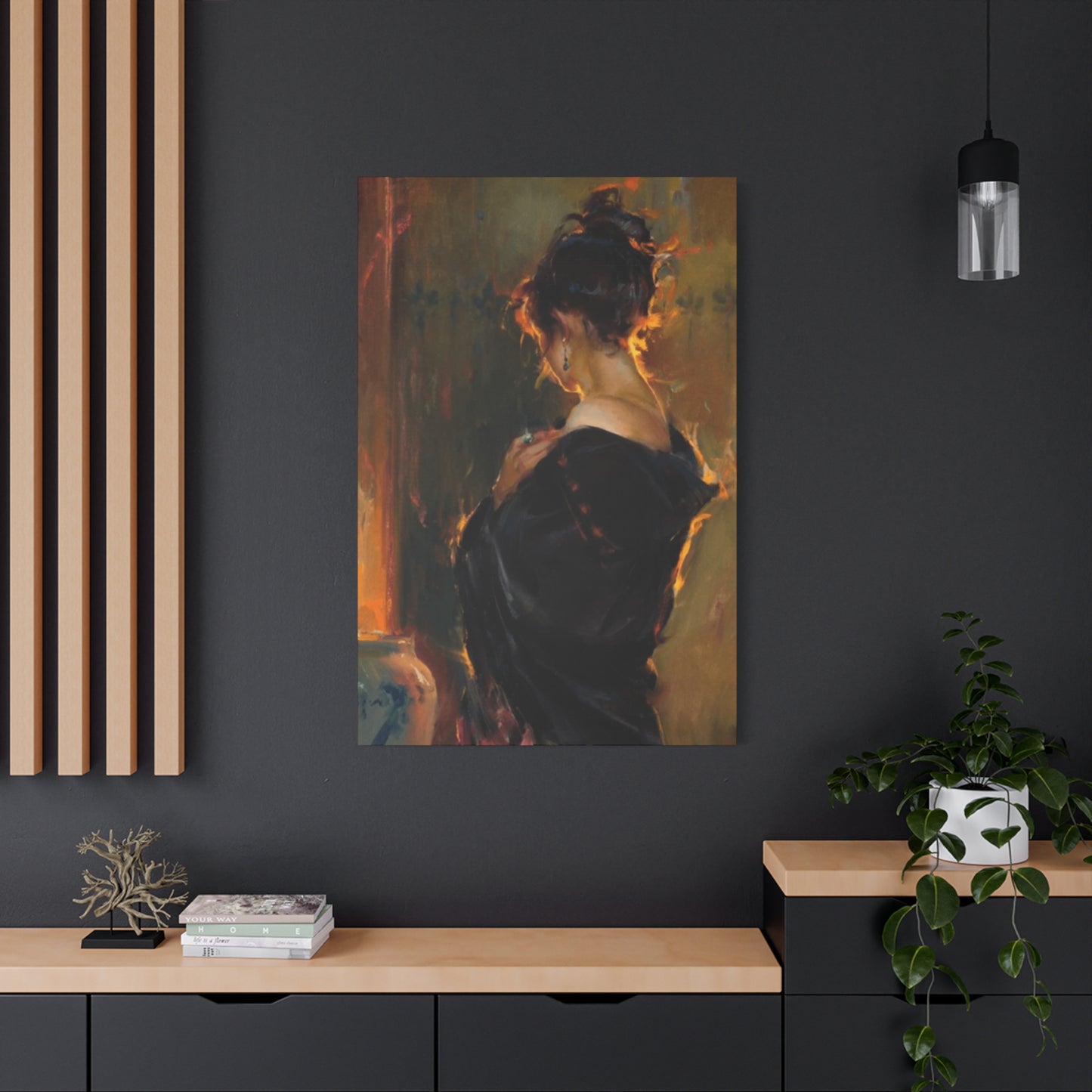


La Gommeuse Portrait Wall Art & Canvas Prints
La Gommeuse Portrait Wall Art & Canvas Prints
Couldn't load pickup availability
Experience Toulouse-Lautrec’s Cabaret World: La Gommeuse Portrait Wall Art to Transform Your Interior
The world of fine art reproduction has witnessed a remarkable surge in appreciation for late 19th-century French poster art, particularly works emanating from the vibrant Parisian entertainment districts. Among these celebrated pieces, one particular portrait stands as an emblematic representation of Belle Époque nightlife culture. This extensive exploration delves into every facet of acquiring, displaying, and appreciating this extraordinary artwork that has captivated collectors and interior design enthusiasts for generations.
The Captivating Story Behind This Renowned Cabaret Performer Portrait
The creation of this striking visual composition occurred during a period of tremendous artistic experimentation in Montmartre, Paris. Henri de Toulouse-Lautrec, the masterful observer of Parisian nightlife, crafted this piece as part of his ongoing documentation of the entertainment world's most compelling personalities. The subject herself embodied the spirit of independence and nonconformity that characterized the era's most celebrated performers.
During the 1890s, lithographic printing had reached new heights of sophistication, allowing artists to reproduce their works with unprecedented vibrancy and detail. This particular piece showcases the artist's revolutionary approach to commercial art, elevating what might have been mere promotional material into a work of lasting cultural significance. The portrait captures not just physical likeness but the essence of a performer who challenged societal conventions through her stage presence.
The composition demonstrates remarkable economy of line and color, utilizing bold strokes and limited palette to create maximum dramatic effect. This minimalist approach paradoxically generates profound emotional resonance, inviting viewers to contemplate the complexity of the subject's character beyond her public persona. The artist's intimate familiarity with Montmartre's entertainment venues informed every aspect of this creation.
Examining the Visual Elements That Define This Striking Artwork
The compositional structure of this portrait reveals sophisticated understanding of spatial relationships and visual hierarchy. The subject's positioning within the frame creates dynamic tension, with her gaze directing viewers' attention while maintaining an air of mystery. The artist employed diagonal lines to generate movement, preventing static composition while maintaining elegant balance.
Color selection proves particularly noteworthy in this piece. The artist restricted his palette to earth tones punctuated by strategic accent colors, creating visual harmony while emphasizing specific elements. This restraint demonstrates confidence in conveying meaning through suggestion rather than exhaustive detail. The interplay between warm and cool tones generates atmospheric depth that distinguishes this work from contemporaneous portrait studies.
Brushwork throughout the composition varies between confident, sweeping gestures and delicate, precise marks. This variation creates textural interest while reinforcing the emotional quality of the portrait. The artist's technique reveals his thorough training in both classical methods and innovative approaches emerging during this revolutionary period in art production.
The background treatment deserves particular attention, as it provides context without overwhelming the central figure. Subtle environmental details suggest the smoky, dimly lit atmosphere of cabaret venues without requiring literal representation. This sophisticated handling of negative space demonstrates the artist's mastery of compositional fundamentals.
Why This Particular Piece Resonates With Contemporary Art Collectors
Modern audiences continue finding profound relevance in this portrait's themes of individuality and self-expression. The subject's confident demeanor and unconventional appearance speak to contemporary values surrounding authenticity and resistance to conformity. Her representation challenges traditional portraiture conventions, offering alternative narratives about beauty, power, and feminine identity.
The artwork's aesthetic qualities align remarkably well with current interior design preferences emphasizing character and historical depth. Unlike purely decorative pieces, this portrait brings narrative richness and cultural significance to residential and commercial environments. Its distinctive visual language creates instant focal points while inviting sustained contemplation.
Collectors appreciate how this particular piece bridges multiple categories of interest. It functions simultaneously as fine art reproduction, historical document, feminist icon, and striking decorative element. This multifaceted appeal explains its enduring popularity across diverse demographic groups and design sensibilities.
The work's association with Parisian cultural heritage adds aspirational qualities that resonate with cosmopolitan lifestyles. Displaying this piece signals appreciation for artistic innovation, cultural sophistication, and historical awareness. These associations contribute to its continued desirability among discerning collectors seeking meaningful additions to their environments.
Selecting the Perfect Reproduction Quality for Your Collection
Understanding the various reproduction methods available proves essential when acquiring this iconic portrait. Museum-quality giclée printing on archival substrates represents the premium option, utilizing specialized inkjet processes that replicate original colors with exceptional accuracy. These reproductions employ twelve-color or greater ink systems, capturing subtle tonal variations impossible with standard four-color printing.
Canvas reproductions offer textural qualities that complement the original lithographic aesthetic. High-grade cotton or linen substrates provide appropriate surface character while ensuring longevity. Gallery-wrapped presentation eliminates visible edges, creating seamless contemporary display options that enhance the artwork's visual impact.
Paper-based reproductions on heavyweight stock appeal to collectors preferring traditional presentation methods. Acid-free, lignin-free papers prevent yellowing and deterioration, preserving color fidelity over decades. These options accommodate conventional framing approaches while maintaining archival standards.
Metal and acrylic mounting systems provide striking contemporary alternatives to conventional presentation. These substrates generate impressive depth and luminosity, particularly effective in modern minimalist environments. The contrast between historical subject matter and cutting-edge presentation creates compelling visual dialogue.
Determining Ideal Dimensions for Your Specific Display Environment
Size selection dramatically influences the artwork's presence and effectiveness within any given space. Oversized presentations create commanding focal points suitable for expansive walls in living areas, dining rooms, or office environments. These substantial pieces anchor design schemes while making bold decorative statements.
Medium-scale reproductions offer versatility, functioning effectively in various contexts from bedroom walls to hallway galleries. These dimensions provide sufficient detail for appreciation without overwhelming adjacent furnishings or architectural features. They integrate seamlessly into curated wall arrangements alongside complementary pieces.
Smaller formats suit intimate spaces, creating personal viewing experiences in studies, dressing areas, or cozy reading nooks. These dimensions encourage close examination of artistic details while maintaining appropriate scale relationships with surrounding elements. They prove particularly effective in serial arrangements exploring related themes.
Consideration of viewing distance proves crucial when determining appropriate dimensions. Pieces intended for appreciation from across large rooms require sufficient scale to maintain visual impact. Conversely, artworks positioned for close examination benefit from smaller dimensions that reveal subtle details without requiring viewers to step back for comprehensive appreciation.
Framing Strategies That Enhance This Iconic Portrait's Visual Impact
Frame selection profoundly influences how viewers perceive and respond to this remarkable portrait. Simple, substantial frames in dark finishes complement the artwork's dramatic character without competing for attention. Black lacquer, espresso, or charcoal frames provide elegant containment while allowing the composition itself to dominate visual experience.
Natural wood frames in warm tones create harmonious relationships with the earth-based palette dominating the original piece. Walnut, cherry, or teak frames introduce organic elements that soften the portrait's bold graphic qualities while maintaining sophisticated presentation standards. These options suit traditional and transitional interior schemes.
Metallic frames offer contemporary alternatives that generate striking contrasts with the historical subject matter. Brushed brass, copper, or bronze finishes create warm luminosity, while silver, pewter, or gunmetal tones produce cooler, more industrial aesthetics. These choices prove particularly effective in eclectic environments mixing period styles.
Wide mat borders in neutral tones provide breathing space around the central image, preventing visual crowding while directing attention to the portrait itself. Museum-quality matting in cream, gray, or taupe establishes proper conservation standards while enhancing presentation refinement. Multiple mat layers add dimensional interest and perceived value.
Creating Compelling Display Arrangements in Various Room Settings
Living room placement offers opportunities for creating dramatic focal points that anchor entire design schemes. Positioning the portrait above substantial furniture pieces like sofas or sideboards establishes clear visual relationships between artwork and surrounding elements. Sufficient height placement ensures comfortable viewing while preventing the piece from appearing lost on expansive walls.
Dining room installations benefit from this portrait's association with entertainment and social gathering. The subject's cabaret connection creates thematic appropriateness for spaces dedicated to hospitality and conversation. Strategic lighting enhances the artwork's presence during evening gatherings while contributing to overall atmospheric quality.
Bedroom displays introduce intimate viewing contexts where the portrait's emotional complexity receives sustained attention. Positioning opposite the bed creates contemplative focal points visible during quiet moments, while placement above dressers or vanities establishes thematic connections with personal grooming and self-presentation rituals.
Home office environments gain character and sophistication through inclusion of culturally significant artwork. This particular portrait communicates appreciation for creative innovation and historical awareness, qualities that enhance professional credibility while humanizing work spaces. Positioning within primary sight lines provides inspirational visual breaks during concentrated work periods.
Illumination Methods That Showcase the Artwork's Finest Qualities
Picture lighting represents the gold standard for artwork illumination, providing focused, adjustable light that minimizes glare while maximizing color accuracy. LED picture lights offer energy efficiency and minimal heat generation, protecting delicate substrates from thermal damage. Adjustable arms accommodate various frame depths and projection distances.
Track lighting systems provide flexible illumination solutions adaptable to changing display arrangements. Multiple adjustable heads allow precise beam control, ensuring even coverage across the artwork's surface without creating hot spots or shadows. Dimming capabilities enable atmospheric adjustments suited to different times and occasions.
Recessed ceiling fixtures create clean, architectural lighting solutions that maintain visual simplicity. Eyeball-style trim rings allow beam direction adjustment toward specific wall locations, providing effective illumination without visible hardware. This approach suits minimalist environments prioritizing uncluttered aesthetics.
Natural daylight offers beautiful illumination but requires careful management to prevent conservation issues. UV-filtering glazing protects artwork from harmful radiation while allowing visible light transmission. Strategic positioning prevents direct sun exposure during peak intensity hours, preserving color stability over extended periods.
Understanding Color Theory to Create Harmonious Interior Schemes
The portrait's earth-toned palette dominated by ochres, siennas, and umbers suggests complementary color strategies emphasizing warmth and richness. Surrounding decor in similar tonal ranges creates cohesive, enveloping environments that feel sophisticated and intentional. Textiles, furnishings, and accent pieces in coordinating hues reinforce the artwork's color story.
Contrasting approaches employing cooler tones generate dynamic visual tension that energizes spaces. Blues, greens, and grays provide refreshing counterpoints to the portrait's warmth, preventing monotonous color schemes while maintaining balanced overall composition. This strategy proves particularly effective in contemporary environments.
Neutral backgrounds allow the artwork to assume starring roles without competing visual elements. White, cream, gray, or taupe walls create gallery-like settings that maximize the portrait's impact. This approach suits collectors prioritizing artwork appreciation over elaborate decorative schemes.
Accent color extraction involves identifying specific hues within the artwork and repeating them throughout the space via accessories, textiles, or smaller furnishings. This sophisticated technique creates subtle visual connections that unify disparate elements into cohesive design narratives. Even limited repetition of distinctive colors generates noticeable harmonizing effects.
Architectural Considerations for Optimal Artwork Presentation
Wall texture significantly influences artwork display effectiveness. Smooth, flat surfaces provide neutral backgrounds that minimize distraction, allowing the portrait to command full attention. Textured walls can create visual noise that diminishes the artwork's clarity, though subtle textures sometimes generate appealing dialogue between surface and image.
Ceiling height determines appropriate artwork scale and placement strategies. Standard eight-foot ceilings require careful positioning to maintain proper proportions, while soaring ceilings accommodate larger presentations that fill vertical space without overwhelming rooms. Consideration of sight lines from various vantage points ensures effective viewing from multiple positions.
Architectural features like moldings, wainscoting, and built-in elements influence placement decisions. Aligning artwork edges with existing architectural lines creates visual harmony and intentionality. Conversely, deliberate misalignment can generate dynamic tension suited to more experimental design approaches.
Room proportions guide horizontal versus vertical format selection and positioning strategies. Narrow spaces benefit from vertical presentations that emphasize height, while wide rooms accommodate horizontal arrangements that reinforce spatial character. The portrait's format should complement rather than conflict with inherent architectural qualities.
Exploring the Cultural Context of Belle Époque Parisian Entertainment
The late nineteenth century witnessed unprecedented flowering of entertainment culture in Paris, particularly within the Montmartre district. Cabarets, music halls, and café-concerts provided venues where social classes mingled and conventional moral boundaries relaxed. These establishments incubated artistic experimentation that would influence global cultural production for generations.
Female performers achieved unusual visibility and agency within this milieu, though their independence remained constrained by period limitations. The most celebrated entertainers crafted distinctive public personas that challenged respectable society's expectations while providing inspiration for artists documenting the era's vitality. Their complex positions between empowerment and exploitation continue generating scholarly discussion.
Lithographic poster art emerged as the dominant advertising medium during this period, transforming commercial promotion into legitimate artistic expression. Artists discovered that bold graphics and limited color palettes created memorable impressions on busy streets, leading to aesthetic innovations that influenced painting, illustration, and graphic design throughout the following century.
The relationship between artists and performers proved mutually beneficial, with visual representations enhancing entertainers' fame while providing artists with compelling subject matter. This symbiotic dynamic generated remarkable cultural output that transcended its original commercial purposes, achieving lasting significance as documentation of social transformation.
How This Portrait Reflects Broader Artistic Movements of Its Era
Post-Impressionist influences pervade the composition, evident in simplified forms, expressive color application, and emphasis on subjective experience over objective representation. The artist synthesized lessons from Impressionist predecessors while pushing toward greater abstraction and emotional directness that anticipated twentieth-century modernism.
Japanese woodblock prints profoundly influenced the artist's approach to composition, particularly regarding flattened space, bold outlines, and asymmetrical arrangements. This cross-cultural artistic exchange exemplifies the period's increasing global awareness and willingness to incorporate non-Western aesthetic principles into European artistic practice.
Art Nouveau's emphasis on decorative line and organic forms finds subtle expression in the portrait's flowing contours and rhythmic linear patterns. Though more restrained than typical Art Nouveau excess, these elements demonstrate the artist's awareness of contemporary decorative trends while maintaining focus on psychological characterization.
The work's graphic directness anticipates subsequent poster art movements and commercial illustration styles throughout the twentieth century. Its influence extends from Expressionism through Pop Art, demonstrating how innovations in supposedly minor artistic categories can generate lasting impacts across supposedly superior fine art forms.
Comparing Original Lithographic Prints With Modern Reproductions
Original lithographs from the 1890s possess unique physical characteristics resulting from period production methods. Stone-ground ink applications created subtle surface variations and textural qualities impossible to replicate exactly through contemporary printing. These originals also bear the patina of age, including paper discoloration and occasional condition issues that collectors sometimes value as authenticity markers.
Contemporary giclée reproductions offer certain advantages over aged originals, particularly regarding color vibrancy and overall condition. Modern pigmented inks provide superior lightfastness compared to period materials, ensuring longer-lasting color stability under appropriate display conditions. Archival substrates eliminate concerns about paper degradation that affect many surviving originals.
Collectors must determine whether they prioritize historical authenticity or optimal aesthetic presentation. Original lithographs carry undeniable romance and investment potential but require specialized conservation knowledge and environmental controls. High-quality reproductions provide accessible alternatives that deliver visual satisfaction without the financial investment and preservation concerns accompanying genuine period pieces.
Understanding these distinctions enables informed decisions aligned with individual collecting priorities, whether emphasizing historical materiality or decorative effectiveness. Both approaches possess validity depending on collector motivations, display contexts, and available resources.
Investment Considerations for Serious Art Collectors
The secondary market for original lithographs by this artist has demonstrated consistent appreciation over decades, driven by limited supply and sustained demand from institutional and private collectors worldwide. Condition significantly impacts valuation, with pristine examples commanding substantial premiums over works showing age-related deterioration.
Provenance documentation enhances value and marketability, particularly when establishing unbroken ownership chains from original publication through present day. Works with exhibition histories or connections to notable collections achieve higher prices reflecting their documented significance.
Authentication remains crucial given the existence of period and modern reproductions that can confuse inexperienced buyers. Consultation with recognized experts, auction house specialists, or museum curators provides essential verification before significant purchases. Physical examination of paper, ink, and printing characteristics reveals telltale signs distinguishing originals from reproductions.
Portfolio diversification principles apply to art collecting as to other investment categories. While this particular artist's market has shown resilience, concentrating resources in single artists or narrow categories introduces unnecessary risk. Balanced collecting strategies incorporating multiple artists, periods, and styles provide greater stability.
Preservation Strategies for Long-Term Artwork Protection
Environmental control represents the foundation of effective art preservation. Maintaining stable temperature and humidity levels prevents substrate expansion and contraction that causes physical stress and eventual deterioration. Ideal conditions approximate 68-72 degrees Fahrenheit with 45-55 percent relative humidity.
Ultraviolet radiation poses severe threats to colorant stability in both original lithographs and contemporary reproductions. UV-filtering glazing materials block harmful wavelengths while maintaining transparency for visual appreciation. Regular monitoring with UV meters ensures continued protective effectiveness as glazing materials age.
Handling protocols minimize physical damage risks during cleaning, repositioning, or transportation. Clean cotton gloves prevent oil and acid transfer from skin contact. Supporting artworks from underneath rather than grasping edges prevents structural stress. Professional crating and shipping services provide crucial protection during transportation.
Regular condition assessment enables early detection of emerging problems before they escalate into serious damage. Annual examinations noting any changes in color, substrate condition, or frame integrity allow timely interventions. Photographic documentation creates baseline references for tracking changes over time.
Cleaning and Maintenance Protocols for Framed Artwork
Dust accumulation on frame surfaces and glazing requires periodic removal to maintain aesthetic quality and prevent long-term damage. Soft, lint-free microfiber cloths remove surface dust without scratching glazing materials. Light, gentle strokes prevent pressure that might shift artworks within frames or damage delicate gilded surfaces.
Glazing materials require specific cleaning approaches depending on composition. Glass tolerates gentle application of standard glass cleaners applied to cleaning cloths rather than directly onto surfaces. Acrylic glazing requires specialized plastic cleaners that won't cause crazing or cloudiness. Always testing cleaning products on inconspicuous areas prevents unpleasant surprises.
Frame cleaning methods vary according to materials and finishes. Wood frames benefit from occasional application of appropriate furniture polishes that nourish finishes while removing accumulated grime. Metal frames require only dry dusting unless specific tarnish or corrosion issues develop requiring specialized treatment.
Professional conservation cleaning every several years addresses accumulations beyond safe DIY removal. Conservators possess specialized knowledge, materials, and equipment enabling thorough cleaning without risking artwork damage. This investment proves worthwhile for valuable pieces warranting maximum preservation efforts.
Recognizing When Professional Conservation Services Become Necessary
Visible condition changes including color fading, staining, or substrate deterioration require professional assessment and intervention. Conservators trained in works on paper possess specialized knowledge for addressing these issues through appropriate treatment protocols. Attempting amateur repairs often causes irreversible damage exceeding original problems.
Frame structural issues like loose corners, separating joints, or deteriorating finishes necessitate professional carpentry or frame restoration. Proper repairs maintain structural integrity while preserving aesthetic qualities. Neglecting these problems leads to progressive damage potentially affecting the artwork itself.
Mold growth represents an emergency requiring immediate professional intervention. Mold spores damage substrates while posing health risks to building occupants. Professional remediation eliminates active growth while treating affected materials to prevent recurrence. Environmental modifications address underlying moisture issues enabling mold development.
Insurance documentation often requires professional condition reports and valuations. Certified appraisers provide detailed descriptions, condition assessments, and current market values essential for adequate coverage. Regular reappraisals ensure insurance remains aligned with current market conditions.
Exploring Related Works in This Artist's Extensive Portfolio
The artist created numerous portraits of Montmartre entertainers, each capturing distinctive personalities and performance styles. These works collectively document the district's entertainment culture with unprecedented intimacy and psychological insight. Collectors often pursue multiple examples to create thematic groupings exploring this rich subject matter.
Theatrical and cabaret venue posters represent another significant category within the artist's output. These promotional pieces elevated commercial graphics into genuine artistic achievements through innovative compositions and bold color applications. Their ongoing popularity demonstrates how functional design can achieve lasting aesthetic significance.
Intimate drawings and paintings created for personal satisfaction rather than commercial purposes reveal different aspects of the artist's observational genius. These works often exhibit greater technical refinement and psychological depth compared to graphic pieces created under commercial constraints and reproduction considerations.
Later works reflecting the artist's declining health and increasing isolation possess poignant emotional qualities distinguishing them from earlier celebratory pieces. These melancholic compositions provide counterpoints to the exuberant energy characterizing his most famous creations, revealing an artist grappling with mortality and diminished physical capacity.
Alternative Mounting and Display Systems for Contemporary Spaces
Float mounting creates striking presentations where artworks appear suspended within frames, generating dimensional depth and contemporary aesthetic appeal. This approach proves particularly effective for pieces on paper or canvas, allowing substrate edges to remain visible as integral compositional elements rather than hidden components.
Shadow box framing accommodates three-dimensional elements or creates spatial depth between artwork and glazing. This technique proves useful when incorporating complementary objects or simply generating dramatic presentation through exaggerated dimensionality. Lighting considerations become particularly important with shadow box presentations.
Grid arrangements of multiple smaller reproductions create impactful wall installations greater than the sum of individual components. This approach allows thematic exploration through related images while maintaining visual interest through repetition and variation. Careful attention to spacing and alignment ensures professional results.
Rotating display systems enable regular presentation changes without wall damage from repeated hanging hardware installation. These systems prove particularly valuable for collectors possessing more artworks than available display space, allowing periodic rotation that prevents visual fatigue while protecting stored pieces from environmental exposure.
Digital Display Possibilities for This Classic Portrait
High-resolution digital frames provide remarkable flexibility for displaying multiple artworks within single locations. These devices accommodate thousands of images with programmable rotation intervals, allowing continuous variety without physical storage challenges. Display quality has improved dramatically, approaching print reproduction standards.
Digital projection systems create dramatic oversized presentations impossible through conventional methods. These installations prove particularly effective for commercial environments or special events where temporary, impactful displays serve specific purposes. Projection mapping techniques allow creative integration with architectural features.
Augmented reality applications enable virtual artwork placement for visualization before purchase or physical installation. These tools remove guesswork from size and positioning decisions, allowing experimentation without commitment. Some platforms incorporate room scanning for accurate scale representation within actual environments.
Non-fungible token representations of classic artworks introduce digital ownership and collection possibilities. While controversial, these developments reflect ongoing convergence between traditional art appreciation and digital culture. Whether NFTs represent legitimate collecting categories or speculative bubbles remains hotly debated.
The Role of Gallery Representation in Accessing Quality Reproductions
Established galleries specializing in fine art reproductions provide curated selections ensuring quality and authenticity. These businesses maintain relationships with reputable printers and publishers, vetting products before offering them to customers. This curatorial function provides valuable filtering in markets flooded with variable-quality offerings.
Gallery staff expertise assists customers in making informed selections appropriate to their specific circumstances. Knowledgeable consultants assess spatial contexts, lighting conditions, and aesthetic preferences to recommend optimal solutions. This personalized service justifies premium pricing compared to anonymous online purchasing.
Physical viewing opportunities allow direct assessment of reproduction quality, substrate characteristics, and framing options before purchase. This tactile evaluation proves impossible through online shopping, where customers rely on photographs that may not accurately represent actual products. Seeing and touching pieces before buying reduces disappointment risks.
Custom framing services provided by quality galleries ensure professional presentation tailored to specific artworks and display environments. Expert framers recommend appropriate materials, dimensions, and styles while executing precise craftsmanship. These services, while adding cost, deliver results unattainable through DIY efforts.
Online Resources for Researching and Acquiring Art Reproductions
Specialized websites focusing on museum-quality reproductions offer extensive selections with detailed product information. These platforms typically provide comprehensive specifications regarding printing methods, substrate options, and sizing alternatives. Customer reviews and ratings offer insights into product quality and company reliability.
Auction platforms facilitate access to original lithographs and vintage reproductions through global marketplaces. These venues connect buyers and sellers worldwide, expanding available inventory beyond local sources. However, authentication challenges and variable seller reliability require careful due diligence.
Print-on-demand services enable custom reproduction orders with extensive personalization options. These platforms offer flexibility regarding dimensions, substrates, and finishing choices, allowing highly specific customization. Quality varies significantly among providers, necessitating careful research before ordering.
Museum websites increasingly offer reproduction programs generating revenue while expanding access to collection highlights. These official sources provide assured authenticity and quality, though selections may be limited compared to commercial vendors. Supporting cultural organizations through these purchases provides additional satisfaction beyond acquiring artworks themselves.
Understanding Copyright Considerations for Art Reproductions
Works created before 1924 generally reside in the public domain within the United States, allowing unrestricted reproduction without permission or payment. This status explains the wide availability of reproductions depicting late nineteenth-century artworks. International copyright laws vary, complicating situations involving cross-border transactions.
Photographic reproductions of public domain artworks may themselves enjoy copyright protection based on creative choices made during photography and image processing. This "thin" copyright doesn't prevent others from creating new photographs of the same artworks but protects specific photographic interpretations from unauthorized copying.
Museums and estates sometimes assert rights over reproduction of works they own or represent, regardless of public domain status. While these claims face legal challenges, practical considerations often lead reproduction vendors to seek permissions and pay licensing fees. These costs pass to consumers through retail pricing.
Personal use reproductions for private display face fewer restrictions than commercial applications involving advertising, merchandise production, or public exhibition. Understanding intended uses helps determine appropriate permission requirements and associated costs.
The Enduring Appeal of Portrait Art in Home Decor
Portrait imagery creates immediate human connection within living spaces, providing focal points that engage viewers emotionally and intellectually. Unlike abstract or landscape artworks, portraits invite consideration of personality, relationship, and narrative. These human dimensions generate sustained interest that transcends purely aesthetic appreciation.
The psychological impact of portrayed gazes influences spatial experience and emotional atmosphere. Direct eye contact creates engagement and sometimes confrontation, while averted gazes allow more passive viewing experiences. The subject's expression conveys emotional qualities that permeate environments, from melancholic introspection to joyful celebration.
Portrait selections communicate aspects of owner identity and values through subject matter and stylistic choices. Displaying this particular portrait signals appreciation for artistic innovation, cultural sophistication, and feminist sensibilities. These associations contribute to self-presentation within domestic and professional contexts.
Portraiture's long artistic lineage creates continuity with cultural traditions extending across centuries and civilizations. Engaging with this artistic form connects contemporary collectors to fundamental human impulses toward representation and commemoration. This historical depth adds significance beyond immediate decorative functions.
Addressing Common Misconceptions About Art Reproductions
Reproductions need not represent inferior alternatives to original artworks. High-quality reproductions utilizing advanced printing methods and archival materials deliver visual satisfaction while providing accessibility to culturally significant imagery. The reproduction versus original debate often reflects arbitrary hierarchies rather than meaningful quality distinctions.
Display of reproductions doesn't signal aesthetic ignorance or insufficient cultural capital. Even museums utilize reproductions for various purposes, including protective display of vulnerable originals. What matters is reproduction quality, appropriate presentation, and owner's engagement with the artwork's cultural significance.
Mass availability doesn't negate individual reproductions' value or importance. The fact that thousands of people might display identical images doesn't diminish any single installation's meaning to its owner. Personal connections with artworks transcend questions of scarcity or exclusivity.
Affordable pricing doesn't necessarily indicate inferior quality. Technological advances and economies of scale enable production of excellent reproductions at accessible price points. Expensive doesn't always mean better, while inexpensive doesn't always mean cheap.
Pairing This Portrait With Complementary Decorative Elements
Period-appropriate furniture creates cohesive environments that transport viewers to the Belle Époque era. Victorian, Art Nouveau, or Arts and Crafts pieces establish temporal connections while providing functional beauty. Mixing period styles creates eclectic environments that feel collected rather than decorated.
Textiles in complementary colors and patterns enhance the portrait while adding softness to spaces. Velvet, silk, and brocade fabrics echo the luxury associated with the artwork's historical context. These textile choices create tactile richness that elevates overall environmental quality.
Lighting fixtures resembling gas lamps or early electric designs reinforce period ambiance. Reproduction or authentic vintage pieces contribute atmospheric lighting while serving as sculptural elements. These fixtures create visual consistency that unifies design schemes.
Accessory objects reflecting Parisian café culture establish thematic connections to the portrait's subject matter. Vintage bottles, advertising ephemera, or decorative objects suggesting entertainment venues deepen narrative richness. These elements need not overwhelm spaces but instead provide subtle contextual cues.
The Influence of Parisian Poster Art on Contemporary Graphic Design
The bold, simplified graphic language pioneered during the Belle Époque continues influencing contemporary design across multiple disciplines. Modern advertising, branding, and illustration frequently reference the period's aesthetic vocabulary, demonstrating these innovations' ongoing relevance. The emphasis on memorable imagery and minimal text resonates with current communication needs.
Digital design tools enable sophisticated effects impossible during the lithographic era while maintaining the directness and visual economy characteristic of the best historical examples. Contemporary designers consciously reference this visual heritage, creating dialogues between past and present that enrich both.
The democratization of graphic design through accessible software and online platforms echoes the nineteenth century's expansion of visual culture through improved printing methods. Both eras witnessed tensions between artistic expression and commercial demands, with the most successful practitioners synthesizing these seemingly contradictory purposes.
Typography enthusiasts particularly appreciate the period's letter forms, which balanced decorative impulses with legibility requirements. Many digital font libraries include revivals of Belle Époque typefaces, enabling contemporary designers to incorporate authentic period flavor into current projects.
Feminist Perspectives on This Iconic Female Subject
The portrait's subject embodied complex contradictions characterizing women's positions within late nineteenth-century entertainment culture. Her professional success and public visibility represented unusual achievements for women of her era, yet these accomplishments occurred within constrictive social structures limiting women's autonomy and opportunities.
Contemporary feminist scholarship examines how these performers navigated narrow paths between respectability and disreputability, wielding limited agency within patriarchal systems. Their strategic self-presentation and manipulation of public image anticipated modern celebrity culture's dynamics while reflecting period-specific constraints.
The artist's treatment of female subjects has generated ongoing debate. Some scholars argue his representations perpetuated objectifying male-gaze perspectives, while others contend his work revealed empathy and respect for women's humanity beyond their sexualized roles. These interpretive disagreements reflect broader tensions within feminist art criticism.
Modern audiences often project contemporary gender politics onto historical subjects, sometimes obscuring the actual circumstances these women experienced. Balanced assessment requires acknowledging both their remarkable achievements within restrictive contexts and the real limitations they faced. Neither hagiography nor dismissive critique serves historical understanding.
How This Artwork Functions in Commercial and Hospitality Environments
Restaurants, bars, and hotels utilize this imagery to establish sophisticated ambiance referencing European cultural heritage. The portrait's associations with entertainment and nightlife create appropriate thematic connections for hospitality venues. These installations signal attention to aesthetic detail that enhances customer experience.
Commercial spaces including offices, retail establishments, and professional practices deploy culturally significant artwork to communicate brand values and establish credibility. The portrait's artistic pedigree and cultural associations elevate environments beyond generic corporate blandness. These choices reflect intentionality in creating memorable, distinctive spaces.
Scale considerations differ significantly between residential and commercial contexts. Large-scale installations appropriate for hotel lobbies or restaurant dining rooms would overwhelm typical home environments. Commercial applications often favor dramatic impact over subtle integration, creating memorable visual statements.
Durability becomes more critical in high-traffic commercial environments than residential settings. Protective glazing, secure mounting systems, and robust framing withstand the increased physical risks inherent in public spaces. Regular maintenance schedules address wear from environmental exposure and occasional physical contact.
Building Thematic Collections Around Belle Époque Visual Culture
Collectors focusing on this era might pursue multiple portraits of different entertainers, creating galleries exploring Montmartre's rich performance culture. These thematic collections develop expertise while generating visual variety within cohesive conceptual frameworks. The process of building collections provides ongoing engagement beyond individual acquisition satisfaction.
Expanding collections to include various artistic media enriches understanding while adding visual diversity. Posters, paintings, drawings, and decorative objects collectively illuminate period culture more comprehensively than single-medium collections. These varied formats create dynamic display possibilities.
Geographic focus on Parisian cultural production enables deep exploration of specific times and places. Specialized knowledge develops through sustained attention to particular contexts, transforming casual interest into genuine expertise. This focused approach facilitates connections with fellow enthusiasts and scholarly communities.
Chronological collecting strategies track artistic development over time, revealing evolution in style, subject matter, and technical approaches. These temporal frameworks help organize collections while illustrating broader cultural transformations. Seeing changes across years or decades generates insights impossible from isolated examples.
The Relationship Between Original Context and Contemporary Display
Artwork originally created as commercial promotion now functions primarily as aesthetic object and historical document. This transformation reflects changing cultural valuations that elevate previously humble utilitarian objects to prestigious fine art status. Understanding these shifts enriches appreciation while raising questions about artistic hierarchies.
Removing works from original contexts inevitably changes their meaning and function. Posters designed for street viewing now hang in climate-controlled environments, appreciated by viewers possessing cultural knowledge unimaginable to original audiences. These transformations neither invalidate current appreciation nor render it more authentic than period responses.
Contemporary viewers bring different frameworks and concerns to historical artworks than original audiences possessed. Modern gender politics, post-colonial awareness, and altered class structures shape contemporary interpretations in ways that would surprise artists and original viewers. These evolving meanings demonstrate artworks' capacity for generating new significance across time.
Museological presentation strategies attempt to recreate historical contexts through exhibition design, wall texts, and multimedia presentations. These efforts acknowledge that artwork meaning depends partly on display circumstances while recognizing the impossibility of fully recovering original viewing experiences.
Incorporating This Portrait Into Gallery Wall Arrangements
Gallery walls allow the portrait to function within larger curatorial contexts that enhance its significance through juxtaposition with related works. Thematic groupings exploring similar subjects, periods, or styles create visual conversations that individual pieces cannot generate alone. These arrangements demonstrate sophisticated collecting sensibilities.
Grid layouts emphasizing regularity and repetition create orderly presentations suited to multiple similar-sized works. This formal approach generates visual calm while allowing individual pieces to maintain distinct identities. Consistent spacing and alignment prove crucial for successful grid implementations.
Salon-style arrangements featuring varied sizes, orientations, and frame styles create dynamic, collected-over-time aesthetics. These less formal approaches allow greater flexibility while requiring careful planning to achieve balanced, intentional results rather than haphazard clutter. Template planning and floor layout trials prevent wall damage from experimental placement.
Asymmetrical arrangements with the portrait as anchor piece build compositions around its visual weight and cultural significance. Supporting works in varied sizes create hierarchical relationships that guide viewer attention while maintaining overall balance. This approach suits spaces where the portrait should dominate without appearing isolated.
The Process of Commissioning Custom Reproduction Work
Specialized reproduction services accommodate requests for non-standard sizes, substrate choices, or finishing options unavailable through standard offerings. These custom services address specific requirements arising from unusual display contexts or personal preferences. Consultation with reproduction specialists ensures feasible specifications that achieve desired results.
Providing precise specifications regarding dimensions, color preferences, and substrate requirements enables accurate quotes and appropriate production planning. Clear communication prevents misunderstandings that delay projects or produce unsatisfactory results. Reference images illustrating desired outcomes supplement verbal descriptions.
Approval processes involving digital proofs or physical samples prevent costly mistakes by revealing any discrepancies between expectations and planned execution. These checkpoints allow adjustments before final production, ensuring satisfaction with completed work. Refusing to proceed without proof review protects against disappointing results.
Custom framing integrated with reproduction commissioning produces unified results where all elements work together harmoniously. Coordinated planning ensures proper sizing relationships, complementary material choices, and cohesive aesthetic presentation. This holistic approach delivers superior outcomes compared to separately sourcing reproduction and framing.
Conclusion
In conclusion, La Gommeuse Portrait Wall Art, inspired by Henri de Toulouse-Lautrec’s iconic masterpiece, offers a stunning way to bring a piece of art history into your living space. Toulouse-Lautrec, a pioneering figure in the Post-Impressionist movement, captured the vibrancy and allure of the Parisian cabaret scene with unparalleled artistry. His work, particularly the portrayal of dancers, performers, and entertainers at the Moulin Rouge and other famed venues, has become synonymous with the lively spirit of 19th-century Paris. By incorporating La Gommeuse into your home décor, you not only honor this rich cultural heritage but also add an air of sophistication, playfulness, and bohemian charm to your surroundings.
La Gommeuse, which features a bold, yet intimate depiction of a female performer from the cabaret world, serves as an excellent conversation starter while also infusing your home with the energy and elegance of the French artistic tradition. Toulouse-Lautrec’s mastery of color, line, and form allows his work to transcend time, capturing the raw emotion and movement of the performers. The use of deep, vibrant hues and his distinctive style evokes a sense of dynamism, making La Gommeuse a perfect fit for contemporary living spaces that seek to blend art history with modern sensibility.
What makes La Gommeuse particularly special is its ability to evoke the spirit of the Belle Époque era, a time of artistic, cultural, and social flourishing in Paris. Toulouse-Lautrec's works are not just portraits; they are a window into a world of cabaret performances, theatricality, and the bohemian lifestyle of artists and musicians who populated the nightclubs and cafes of Montmartre. By introducing this piece into your home, you invite a sense of that lively atmosphere—one that celebrates art, music, and the human form—into your living space. It’s a timeless reflection of a time when the boundaries of art were being pushed and the world of entertainment was being forever transformed.
Furthermore, La Gommeuse offers more than just a visual treat; it has a deep cultural and emotional resonance. Toulouse-Lautrec’s portraits of the dancers, performers, and “demimonde” characters of the cabaret scene are often imbued with a sense of both celebration and melancholy, capturing the complexity of the human experience. The subject in La Gommeuse is portrayed with an expression of confidence, yet there’s an underlying sense of vulnerability. This delicate balance between strength and fragility makes the piece not only captivating but emotionally stirring—creating a more intimate connection between the viewer and the artwork.
Integrating La Gommeuse into your home décor also speaks to a love of history, art, and the creative spirit. It’s an opportunity to pay homage to one of the most celebrated artists of the 19th century while also engaging with a piece of art that continues to resonate with modern sensibilities. The work’s bold and energetic portrayal of the female form is still relevant today, particularly in an era that celebrates female empowerment and artistic freedom. Toulouse-Lautrec’s unflinching focus on his subjects, often marginalized figures of society, provides a platform for deeper reflection on the roles of women in art and culture—offering a message of strength, resilience, and expression.
The versatility of La Gommeuse is also worth noting. It can easily complement a wide range of interior styles, from vintage-inspired rooms to more minimalist, contemporary spaces. Whether displayed as a centerpiece in your living room or a statement piece in a home office or gallery wall, La Gommeuse adds a touch of elegance and artistic gravitas to any room. Its rich colors, energetic composition, and historical significance ensure it remains a timeless addition to your décor that will continue to captivate and inspire.
In summary, La Gommeuse Portrait Wall Art is not only a way to bring Henri de Toulouse-Lautrec’s iconic masterpiece into your home, but it is also an invitation to celebrate the artistry and spirit of the Belle Époque era. The piece adds both beauty and cultural depth to any living space, connecting the past with the present in a visually stunning and emotionally resonant way. Whether you are an art enthusiast, a lover of history, or simply someone looking to add a unique piece to your home, La Gommeuse offers a powerful reminder of the transformative power of art and its ability to transcend time, space, and culture.
Share