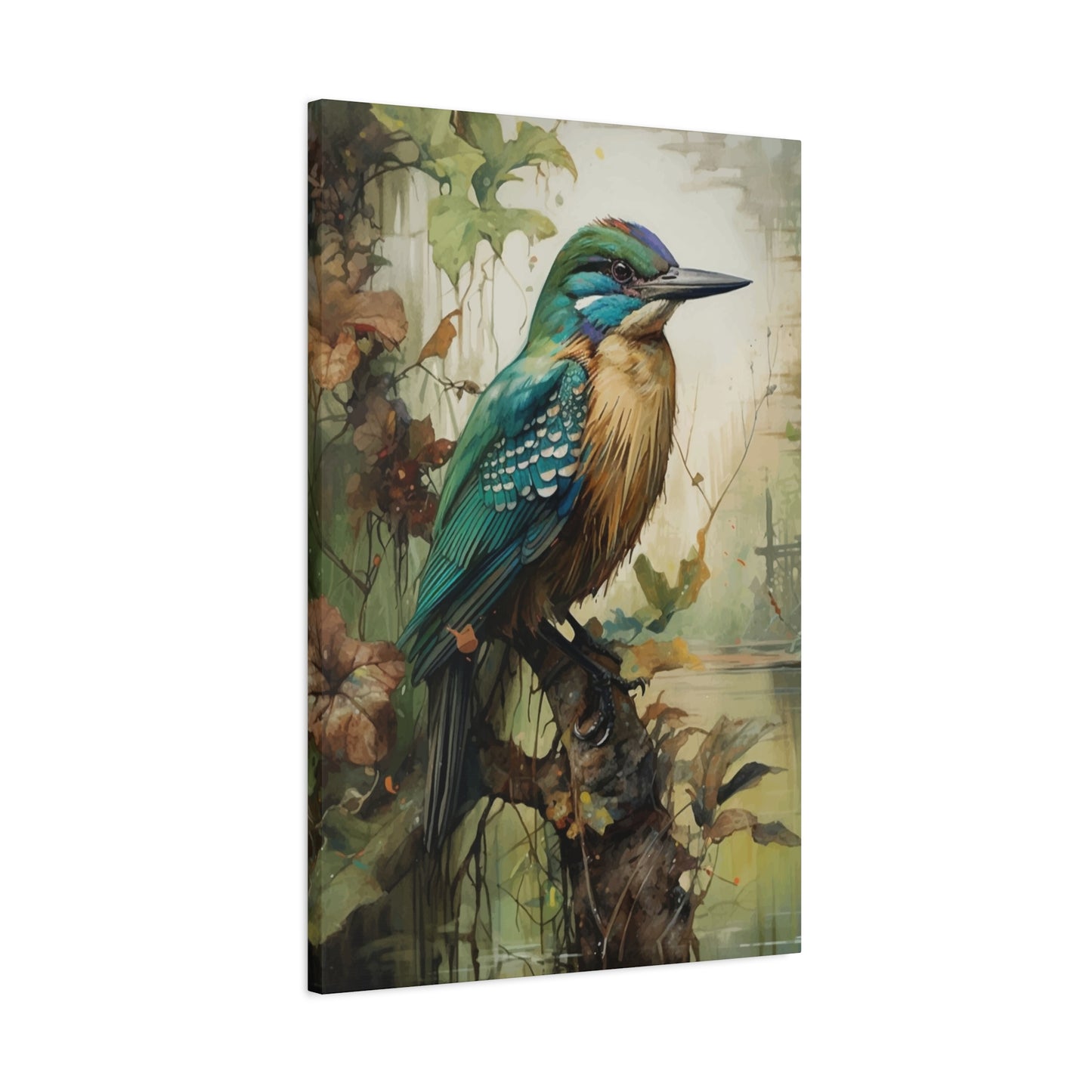
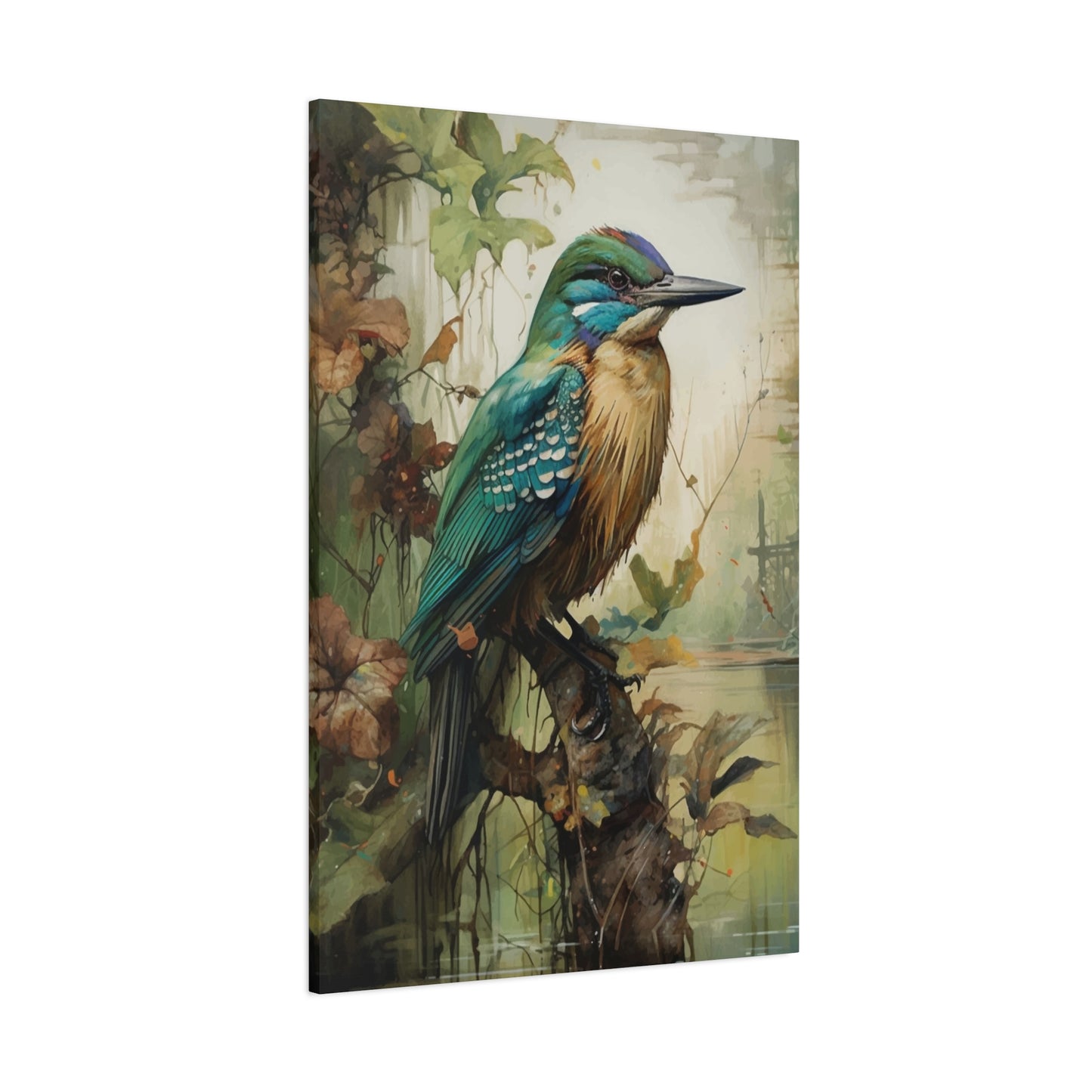
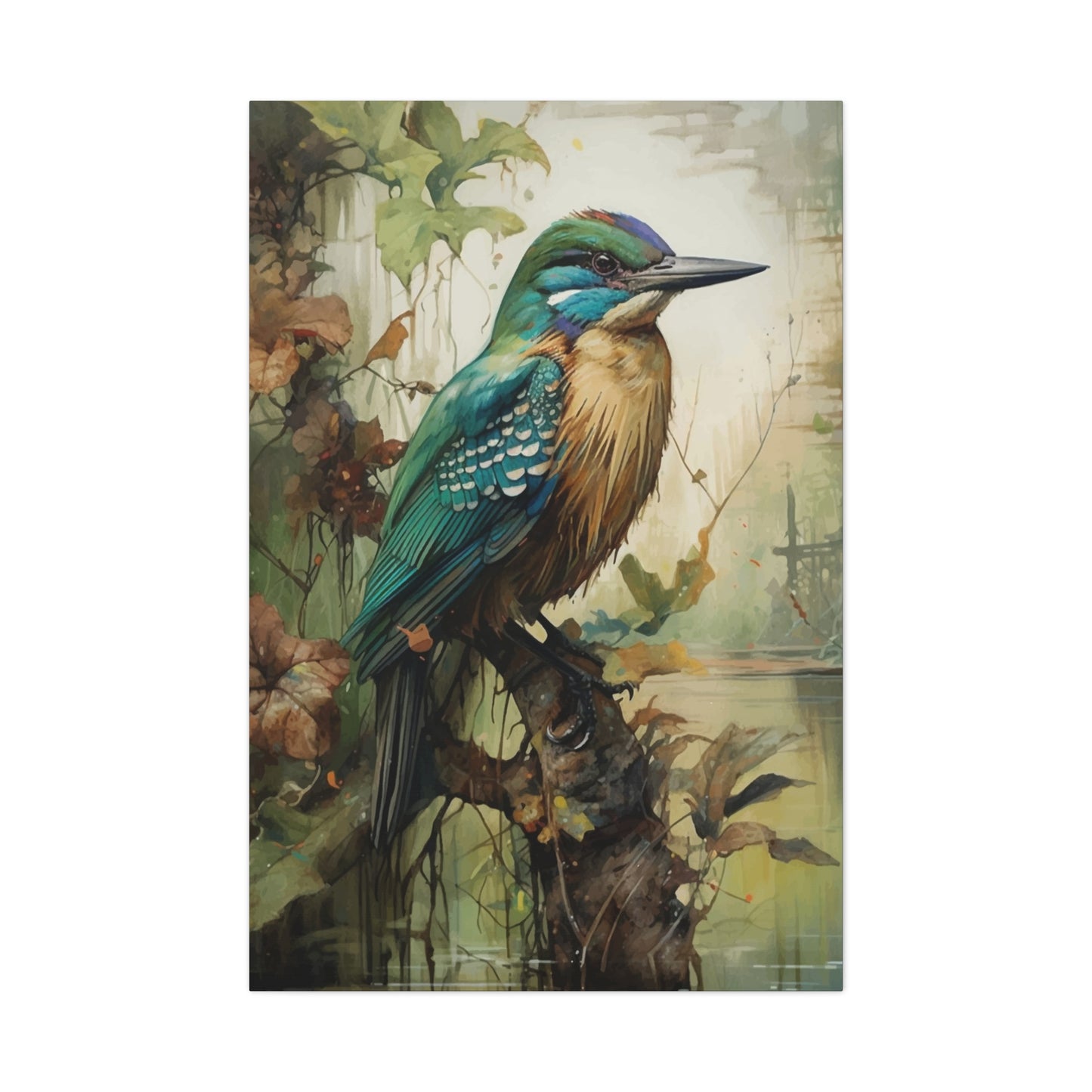
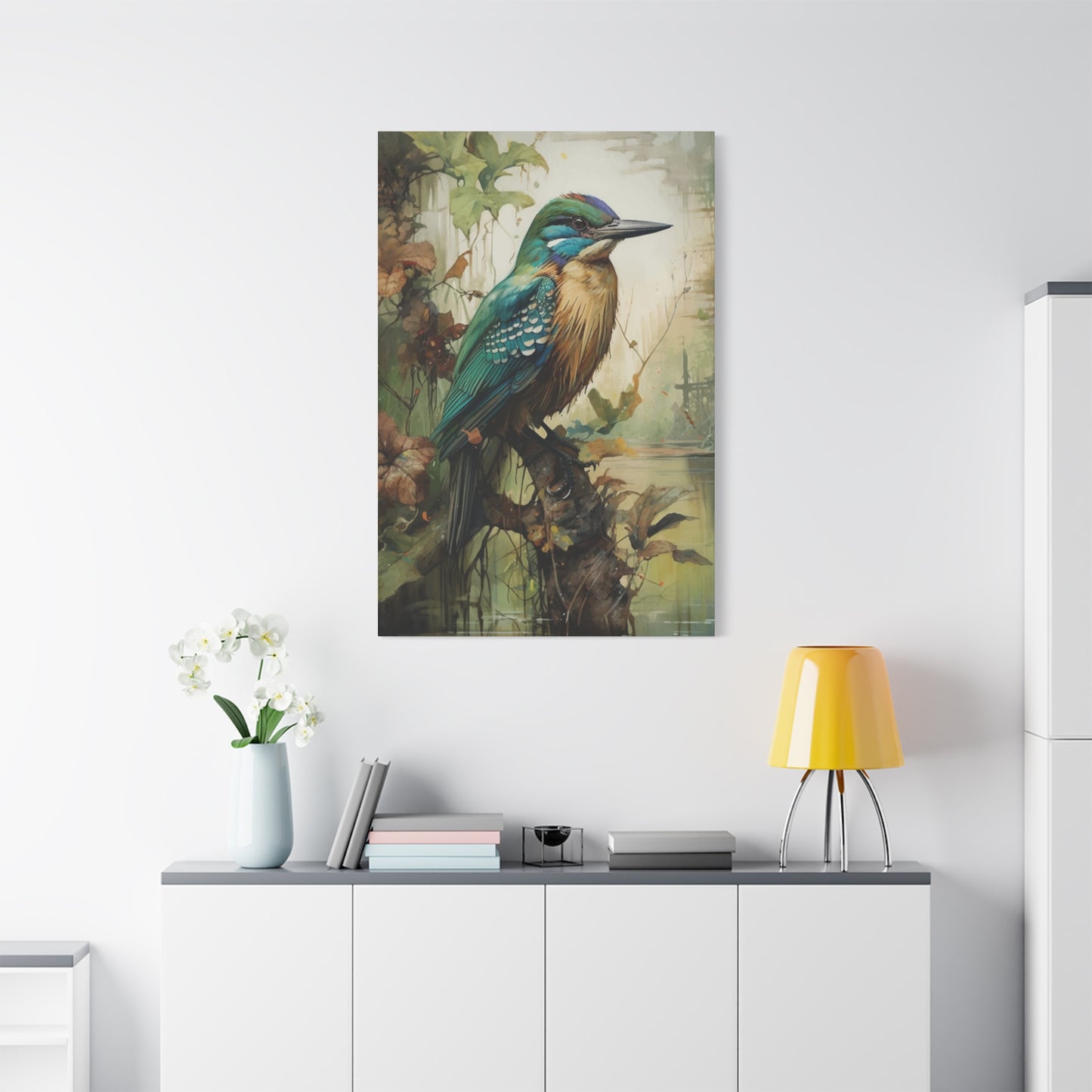
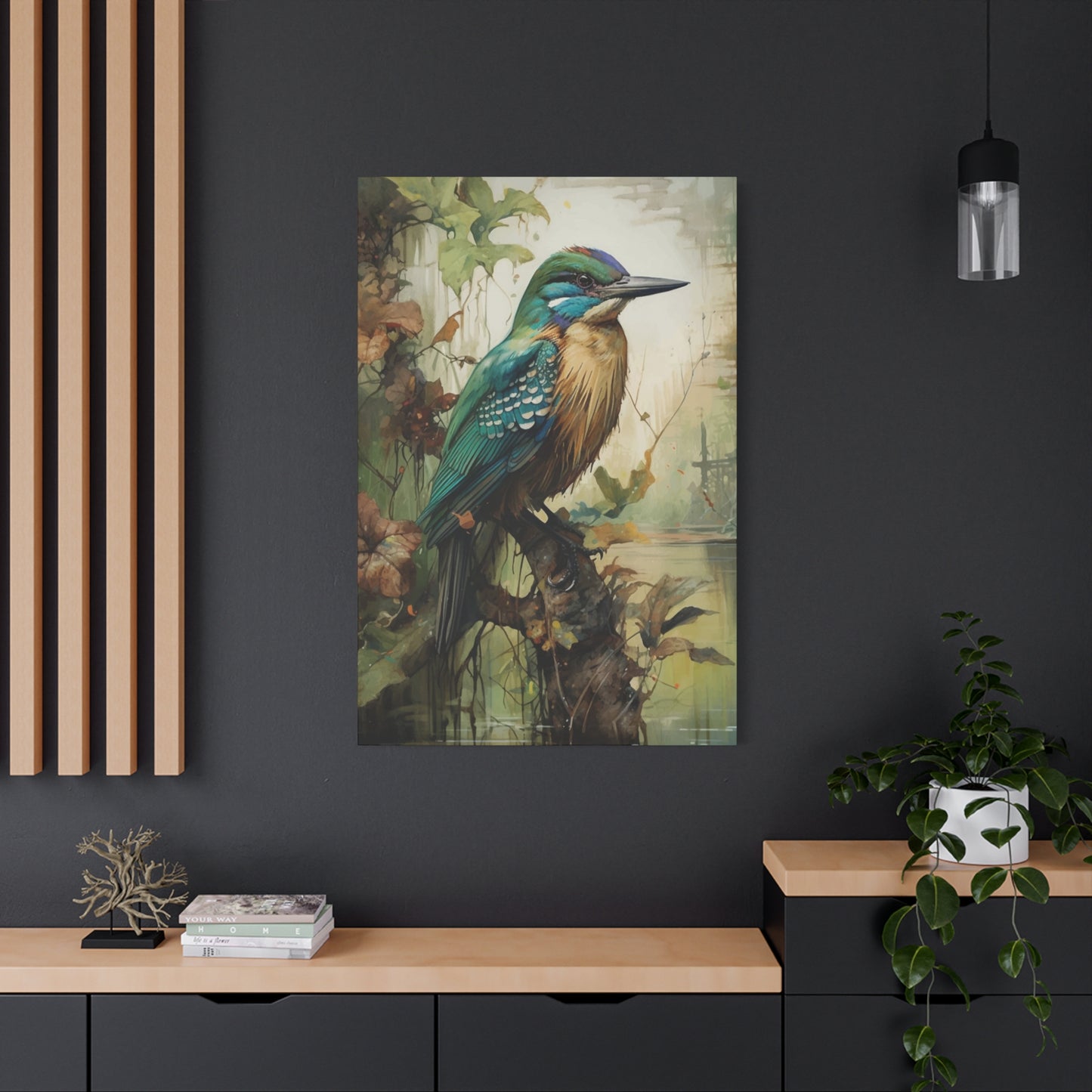
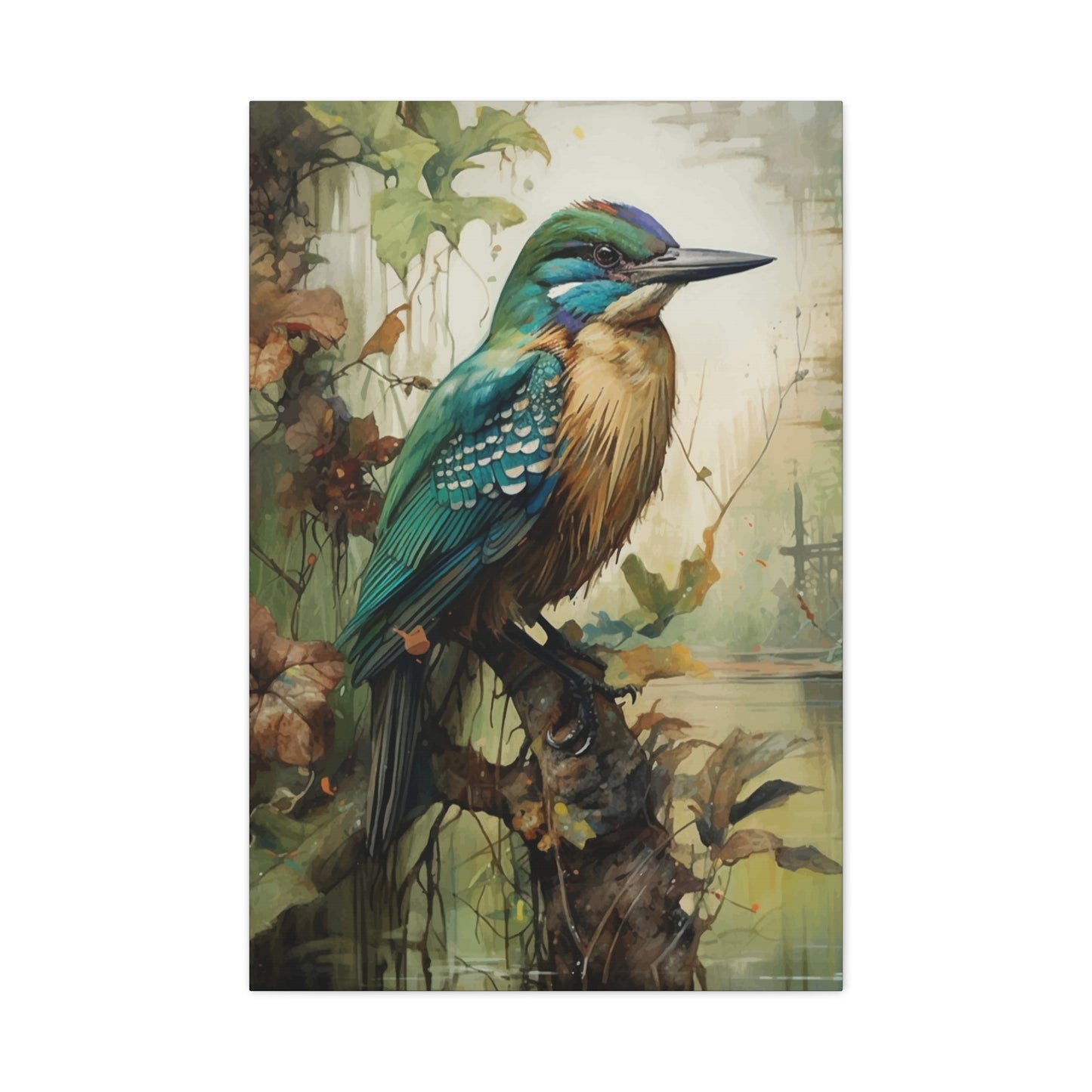
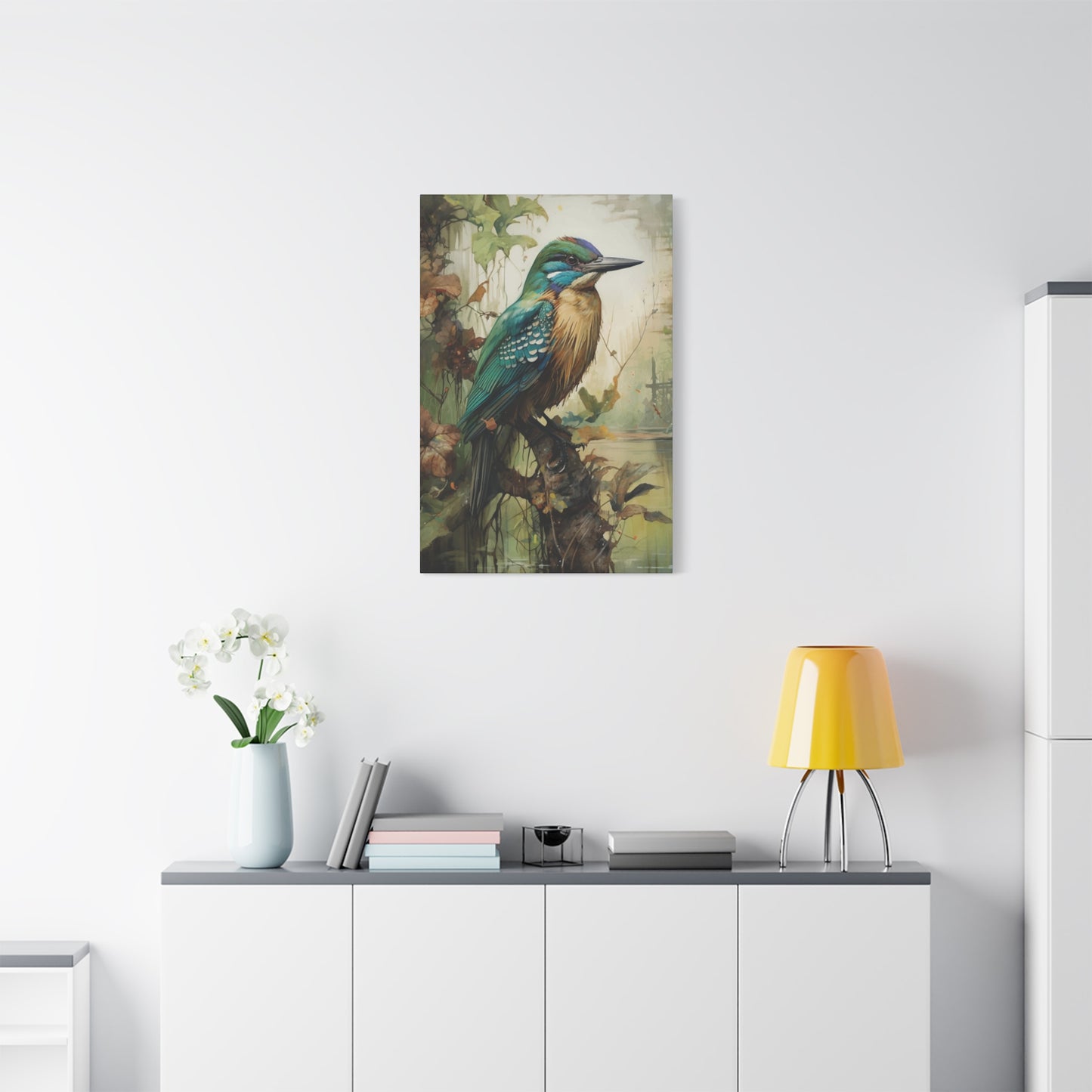
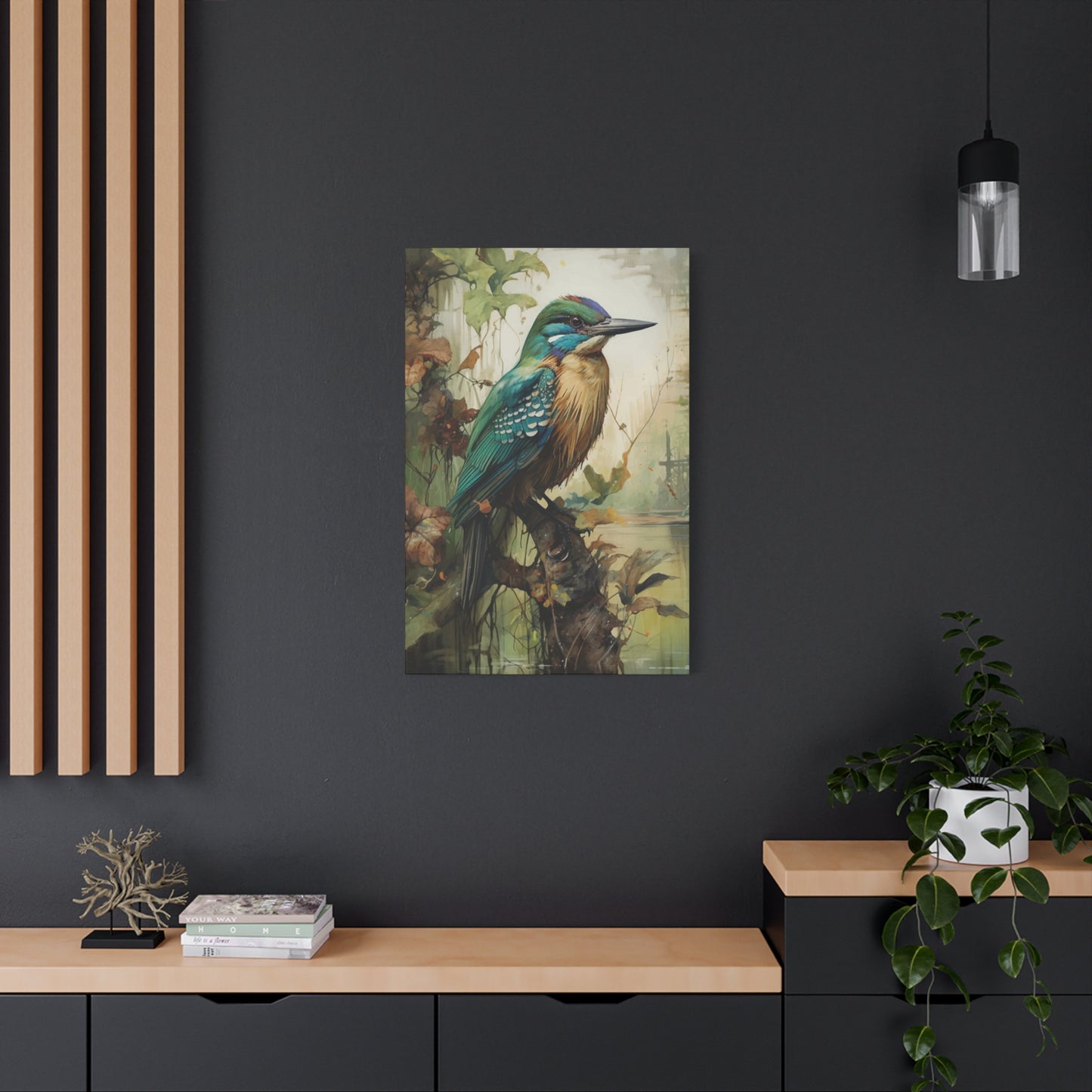
Kingfisher Cute Wall Art & Canvas Prints
Kingfisher Cute Wall Art & Canvas Prints
Couldn't load pickup availability
Bringing Vibrant Avian Beauty into Your Living Spaces with Stunning Decorative Pieces Through Kingfisher Cute Wall Art
The world of interior decoration has witnessed a remarkable surge in nature-inspired artwork, with avian-themed pieces capturing the hearts of homeowners and design enthusiasts alike. Among these captivating choices, artwork featuring the magnificent kingfisher bird stands out as an exceptional option for those seeking to infuse their living spaces with color, elegance, and natural beauty. These stunning decorative pieces have become increasingly popular among collectors and casual decorators who appreciate the unique combination of artistic expression and wildlife representation.
Kingfisher birds possess an inherent visual appeal that translates beautifully into artistic representations. Their iridescent plumage, striking colors, and dynamic postures make them ideal subjects for wall decorations that can transform any room from ordinary to extraordinary. The popularity of kingfisher cute wall art stems from the bird's distinctive characteristics—brilliant turquoise and orange feathers, compact body structure, and remarkable hunting prowess that has fascinated humans for centuries.
When considering decorative options for residential or commercial spaces, kingfisher-themed artwork offers versatility that few other subjects can match. These pieces work harmoniously with various interior design schemes, from contemporary minimalist settings to traditional rustic environments. The vibrant hues naturally present in kingfisher plumage—ranging from electric blues to warm oranges and subtle greens—provide ready-made color palettes that can anchor or complement existing room aesthetics.
Exploring the Remarkable Visual Characteristics That Make Kingfisher Artwork So Appealing to Collectors
The kingfisher's appearance has captivated artists and nature enthusiasts for generations, making it a perennial favorite in decorative artwork. These remarkable birds display one of nature's most stunning color combinations, featuring iridescent blue-green upperparts that shimmer in varying light conditions, contrasted with warm russet-orange underparts that create immediate visual interest. The scientific explanation for these brilliant colors involves microscopic structures in the feathers that refract light, producing the metallic sheen that makes kingfishers so photogenic and artistically compelling.
Beyond their coloration, kingfishers possess distinctive proportions that artists find endlessly fascinating. Their disproportionately large heads, substantial dagger-like bills, and compact bodies create a unique silhouette that remains instantly recognizable even in simplified artistic representations. This distinctive body structure allows artists to create stylized versions that retain the essence of the bird while exploring various artistic interpretations, from hyperrealistic renderings to abstract representations.
The behavioral characteristics of kingfishers also contribute to their artistic appeal. These birds are often depicted in dynamic poses—perched alertly on branches overlooking water, diving dramatically toward prey, or captured mid-flight with wings spread wide. Such action-oriented compositions bring energy and movement to static wall art, creating focal points that draw the eye and spark conversation. The hunting behavior of kingfishers, particularly their spectacular dives into water, provides endless inspiration for artists seeking to capture motion and drama in their work.
Different species of kingfishers offer artists varied aesthetic possibilities. The common kingfisher of Europe and Asia displays the classic blue and orange coloration most familiar to art consumers. The belted kingfisher of North America presents a more subdued blue-gray palette with distinctive head crests. Tropical species like the sacred kingfisher or woodland kingfisher introduce additional color variations, including whites, blacks, and different shades of blue and green. This diversity allows collectors to select pieces that best match their personal preferences and interior color schemes.
Discovering Various Artistic Styles and Mediums Used in Creating Kingfisher Decorative Pieces
The realm of kingfisher-themed wall decorations encompasses an impressive array of artistic styles and production methods, each offering distinct visual qualities and aesthetic experiences. Understanding these various approaches helps consumers make informed decisions when selecting pieces for their spaces, ensuring that the artwork chosen aligns with both personal taste and the existing design environment.
Watercolor representations of kingfishers have gained tremendous popularity among those who appreciate softer, more organic artistic expressions. This medium naturally lends itself to capturing the fluidity and delicacy of feathers while allowing artists to create beautiful color transitions that mirror the iridescent quality of actual kingfisher plumage. Watercolor pieces often feature loose, expressive brushwork that conveys the essence of the bird rather than photographic detail, creating artwork that feels fresh, spontaneous, and contemporary. These pieces work exceptionally well in spaces decorated with natural materials, light color palettes, and minimalist furnishings.
Oil paintings offer a completely different aesthetic experience, providing rich color saturation and textural depth that other mediums struggle to match. Traditional oil techniques allow artists to build up layers of paint, creating luminous effects that can rival the natural iridescence of kingfisher feathers. The longer drying time of oils permits artists to blend colors seamlessly, achieving subtle gradations that enhance realism or create atmospheric effects. Oil paintings on canvas carry a certain gravitas and traditional appeal that makes them particularly suitable for formal spaces, studies, libraries, and rooms decorated in classic or transitional styles.
Digital artwork has revolutionized the production and accessibility of kingfisher decorations, enabling artists to create stunning pieces that can be reproduced in various sizes and formats without quality loss. Digital artists employ sophisticated software to achieve effects ranging from photorealistic renderings to stylized graphics with bold color blocking and geometric patterns. The flexibility of digital media allows for easy customization of colors, backgrounds, and compositions to suit specific customer requirements. These pieces can be printed on numerous substrates including canvas, metal, acrylic, and paper, each offering unique visual and textural properties.
Photography-based artwork captures kingfishers in their natural habitats, preserving authentic moments that showcase the birds' beauty and behavior. Wildlife photographers spend countless hours in blinds and hides, waiting for perfect lighting and positioning to capture these elusive subjects. The resulting images, when properly processed and printed, offer unparalleled realism and detail that appeals to nature enthusiasts and those who prefer documentary-style artwork. Large-format photographic prints can serve as dramatic focal points, bringing the outdoors inside and creating windows into the natural world.
Vector illustrations represent another popular style, characterized by clean lines, flat color areas, and geometric shapes that create simplified but recognizable representations of kingfishers. This approach works particularly well in contemporary spaces with modern furnishings and bold design statements. Vector-based artwork often incorporates graphic design principles, creating compositions that function as much as design elements as representational art. The scalability of vector graphics makes them ideal for projects requiring multiple sizes or formats.
Mixed media pieces combine various materials and techniques to create unique, textured artworks that offer both visual and tactile interest. Artists might incorporate fabric, paper, natural materials, paint, and drawing media to build layered compositions that engage viewers on multiple sensory levels. These one-of-a-kind pieces appeal to collectors seeking truly unique items that cannot be exactly replicated, making them conversation pieces and potential investment items.
Understanding How to Select the Perfect Size and Placement for Your Kingfisher Artwork
Choosing the appropriate size for kingfisher cute wall art requires careful consideration of multiple factors including room dimensions, viewing distance, surrounding furnishings, and the intended visual impact. A common mistake in art selection involves choosing pieces that are too small for the wall space, resulting in artwork that appears insignificant or gets visually lost within the room. Conversely, oversized pieces in small spaces can overwhelm the environment, creating visual imbalance.
For artwork positioned above furniture pieces such as sofas, beds, or consoles, designers typically recommend that the art span approximately two-thirds to three-quarters of the furniture width. This proportion creates visual harmony and makes the artwork feel appropriately anchored rather than floating or cramped. When hanging a single large piece above a sofa, for example, a width of 48 to 60 inches works well for a standard 80-inch couch. This guideline provides a starting point, though personal preference and specific room characteristics may suggest adjustments.
Viewing distance significantly influences optimal artwork size. Pieces intended to be viewed from across a large room should be substantially larger than those positioned in intimate spaces where viewers will stand close. A good rule suggests that comfortable viewing occurs when the distance from the artwork equals approximately 1.5 to 2 times the width of the piece. This principle helps determine whether a particular kingfisher print would work better as a large statement piece or smaller accent.
Gallery wall arrangements offer solutions when a single large piece might not suit the space or budget. Multiple smaller kingfisher artworks can be grouped to create visual impact equivalent to a larger single piece while offering more flexibility in arrangement and the ability to incorporate various perspectives, species, or artistic styles. Successful gallery walls require careful planning regarding spacing (typically 2-3 inches between frames), alignment options (grid layouts versus salon-style arrangements), and color coordination between frames and matting.
The height at which artwork hangs dramatically affects its visual impact and the comfort of viewing. The standard recommendation places the center of the artwork at approximately 57-60 inches from the floor, which corresponds to average eye level for standing viewers. However, this guideline should be adjusted based on ceiling height, furniture placement, and whether viewers will typically be standing or seated when looking at the art. In dining rooms where people spend time seated, for instance, hanging artwork slightly lower than standard improves the viewing experience.
Room function influences both size selection and placement decisions. In living rooms and family rooms where people gather and socialize, larger, more commanding pieces often work well as focal points that anchor seating arrangements and provide conversation topics. Bedrooms might benefit from more intimate, peaceful compositions that promote relaxation. Home offices can accommodate motivational or energizing pieces that enhance productivity without causing distraction. Bathrooms and powder rooms offer opportunities for smaller, whimsical pieces that surprise and delight.
Lighting considerations play crucial roles in artwork display, affecting both visibility and color rendition. Natural light from windows can beautifully illuminate artwork but may cause fading over time if the piece receives direct sunlight for extended periods. Positioning kingfisher art perpendicular to windows rather than directly opposite helps minimize glare while still benefiting from natural illumination. Artificial lighting should be carefully planned, with picture lights, track lighting, or recessed fixtures positioned to eliminate glare and hotspots while evenly illuminating the piece.
Examining the Color Psychology Behind Kingfisher-Themed Decorative Pieces in Interior Spaces
The colors naturally present in kingfisher plumage—particularly the dominant blues and complementary oranges—carry specific connotations and effects that influence mood, perception, and the overall atmosphere of decorated spaces. Understanding these color relationships and their impacts helps explain why kingfisher cute wall art creates such pleasing visual experiences and why these pieces work successfully in diverse settings.
Blue, the predominant color in most kingfisher species, ranks consistently as humanity's favorite color across cultures and demographics. This preference stems partly from blue's associations with natural elements like sky and water, which evoke feelings of openness, tranquility, and possibility. In interior environments, blue tones promote calmness, reduce stress, and can even lower blood pressure and heart rate according to environmental studies. The specific turquoise and teal blues found in kingfisher feathers combine blue's calming properties with green's associations with nature and renewal, creating a particularly balanced and refreshing color experience.
The iridescent quality of kingfisher blue adds another dimension to its visual impact. Unlike flat, matte blues, the shimmering metallic quality of kingfisher plumage creates dynamic visual interest that changes with viewing angle and lighting conditions. This luminous quality prevents the color from feeling static or monotonous, maintaining visual interest over time and in varying conditions. Artists who successfully capture this iridescence create pieces that remain visually engaging through repeated viewings.
Orange, present in the breast feathers of many kingfisher species, serves as blue's complementary opposite on the color wheel, creating natural contrast that makes both colors appear more vibrant and saturated. This complementary relationship explains why kingfisher imagery feels so visually balanced and pleasing—the colors naturally enhance each other without requiring additional elements. Orange brings warmth, energy, and enthusiasm to compositions, counterbalancing blue's coolness and preventing spaces from feeling too cold or distant.
The specific shade of orange found in kingfishers—typically a russet or burnt orange rather than bright neon—carries earthy, natural associations that ground the composition and connect it to autumn palettes, warm woods, and natural materials. This grounded quality makes kingfisher art particularly compatible with spaces featuring wooden furniture, leather accents, and natural fiber textiles. The orange elements in kingfisher artwork can draw out and complement warm tones in flooring, trim work, and furnishings that might otherwise clash with predominantly cool color schemes.
Green tones, present in varying degrees in different kingfisher species and often incorporated into backgrounds representing the birds' natural habitats, add another layer to the color story. Green serves as a bridge between blue and yellow on the color wheel, making it harmonious with both cooler and warmer palettes. Psychologically, green promotes balance, harmony, and connection with nature, reinforcing the naturalistic qualities of kingfisher artwork. Rooms decorated with kingfisher pieces that incorporate greens often feel particularly restful and refreshing.
The combination of these colors in kingfisher art creates what color theorists call a triadic harmony when all three are present in significant amounts. This relationship—blue, orange, and green spaced evenly around the color wheel—creates balanced compositions that feel complete and satisfying without requiring additional color elements. This inherent color harmony makes kingfisher artwork remarkably easy to incorporate into existing color schemes, as the piece essentially contains its own balanced palette.
Neutral elements often incorporated into kingfisher artwork—such as white breasts, black markings, gray branches, or brown backgrounds—provide visual rest and prevent color overwhelm. These neutral components allow the eye to recover between viewing the more saturated colors, enhancing overall comfort and reducing visual fatigue. Artwork with appropriate amounts of neutral space feels more sophisticated and easier to live with long-term compared to compositions saturated entirely with intense colors.
Investigating Different Print and Material Options for Kingfisher Wall Decorations
The substrate or material on which kingfisher cute wall art is printed or created significantly affects both the aesthetic qualities and practical considerations of the finished piece. Each option offers distinct advantages, limitations, and ideal use cases that merit consideration when selecting artwork for specific spaces and purposes.
Canvas prints have dominated the reproduced art market for years, offering texture, depth, and a traditional artistic appearance that many consumers find appealing. Gallery-wrapped canvas—where the printed image continues around the edges of the stretcher frame—eliminates the need for external framing, creating clean, contemporary presentations. Canvas naturally absorbs ink in ways that slightly soften images, creating a painterly quality that works particularly well with artistic rather than photographic subjects. The textured surface of canvas adds dimension that enhances when viewed in person compared to digital previews. Canvas prints work well in casual to formal settings and complement diverse decorating styles from rustic to contemporary.
Metal prints represent a more recent innovation that has quickly gained popularity for nature and wildlife imagery. The dye-sublimation process used for metal prints infuses ink directly into specially coated aluminum sheets, creating extraordinarily durable, water-resistant pieces with stunning color vibrancy and depth. The slight metallic sheen inherent in these prints naturally complements the iridescent quality of kingfisher feathers, making metal an excellent choice for this specific subject matter. Metal prints appear ultra-modern and work exceptionally well in contemporary spaces, kitchens, bathrooms, and outdoor protected areas where moisture resistance is beneficial.
Acrylic prints involve mounting photographic or digital prints behind thick, clear acrylic sheets that magnify the image and create remarkable depth and color saturation. Light passes through the acrylic and reflects off the print, creating a luminous quality that makes colors appear almost backlit. The glossy, glass-like finish of acrylic gives artwork a high-end, gallery quality that works particularly well in modern and upscale environments. The substantial physical presence of thick acrylic adds perceived value and creates impressive focal points. However, the glossy surface can produce glare in certain lighting conditions, requiring careful placement consideration.
Paper prints remain the most traditional and affordable option, available in numerous paper types including matte, glossy, semi-gloss, and fine art papers with various textures and weights. The choice of paper dramatically affects the final appearance—glossy papers maximize color saturation and contrast, matte papers reduce glare and provide a sophisticated finish, and textured fine art papers add character and artistic credibility. Paper prints require framing with glass or acrylic glazing for protection, adding cost but also providing opportunities for creative matting and frame selections that can significantly impact the overall presentation.
Wood prints create rustic, organic presentations by printing directly onto prepared wood panels. The wood grain shows through the image, creating unique pieces where no two are exactly alike. This substrate works particularly well with kingfisher subjects when a natural, organic aesthetic is desired. The inherent warmth of wood complements the orange tones in kingfisher plumage while the texture adds interest without overwhelming the image. Wood prints suit rustic, farmhouse, cabin, and eclectic decorating styles particularly well.
Fabric prints involve printing on various textiles including cotton, polyester, or linen, creating hangings that can be mounted on stretcher frames, hung from rods like tapestries, or even used as removable wall coverings. The soft, matte finish of fabric creates gentle presentations without glare, and the flexibility of the material opens creative installation possibilities. Fabric prints work well in bedrooms, nurseries, and spaces where softness and warmth are priorities.
Framed prints encompass any of the above options presented in decorative frames that add structure, protection, and aesthetic enhancement. Frame selection significantly impacts the overall appearance and perceived value of artwork. Materials range from ornate carved wood to sleek metals to minimalist floating frames. Colors can coordinate with or contrast against wall colors, furniture finishes, and other room elements. Matting between the artwork and frame creates visual breathing room, focuses attention on the image, and can incorporate multiple coordinating colors that bridge the artwork and room palette.
Discovering How Kingfisher Artwork Complements Various Interior Design Styles and Aesthetics
The versatility of kingfisher cute wall art becomes apparent when examining how these pieces successfully integrate into markedly different design schemes. This adaptability stems from the universal appeal of nature subjects, the balanced color palette inherent in kingfisher imagery, and the availability of diverse artistic styles that can match various aesthetic preferences.
Contemporary minimalist spaces benefit from carefully selected kingfisher artwork that maintains the uncluttered, intentional aesthetic central to this style. Clean-lined images featuring single birds against simple backgrounds work particularly well, functioning as carefully chosen focal points that provide color and interest without creating visual chaos. Frameless presentations like gallery-wrapped canvas or metal prints align with minimalist preferences for simplicity and unfussy presentations. The key to success in minimalist environments involves selecting pieces with substantial negative space, limited color palettes, and compositions that feel balanced and intentional rather than busy or cluttered.
Traditional interiors accommodate kingfisher artwork through classic presentations including ornate gilded frames, formal compositions, and realistic rendering styles. Vintage-inspired illustrations with botanical or naturalist aesthetics complement traditional furniture, classic architectural details, and established color palettes. Oil painting reproductions or pieces that reference historical natural history illustrations work particularly well in these settings. The inclusion of natural wood tones in frames or backgrounds helps bridge kingfisher art with traditional wooden furniture pieces, creating cohesive visual flows.
Coastal and nautical themes naturally embrace kingfisher imagery through the birds' associations with water environments and the complementary nature of the blue plumage with coastal color schemes. The aquatic hunting behavior of kingfishers creates thematic consistency in rooms decorated with beach, lake, or river motifs. Artwork depicting kingfishers perched near or diving into water reinforces the coastal theme while introducing vibrant color that prevents these schemes from feeling washed out or monotonous. White or weathered wood frames enhance the coastal connection.
Bohemian and eclectic spaces thrive on the layering of diverse elements, patterns, and colors, making them ideal environments for vibrant kingfisher artwork. These relaxed, collected-over-time aesthetics welcome bold colors and nature themes, and the mix-and-match philosophy means kingfisher pieces can coexist with diverse other artworks, textiles, and decorative objects. Multiple smaller kingfisher prints in varied frames could be clustered with other nature prints, botanical illustrations, and found objects to create characteristically bohemian gallery walls. The orange elements in kingfisher imagery complement the warm, earthy tones often found in boho palettes.
Scandinavian design, with its emphasis on nature, simplicity, and functionality, provides another natural home for kingfisher artwork. The Scandinavian love of bringing natural elements indoors aligns perfectly with nature-inspired wall art. Simplified, stylized kingfisher illustrations in limited color palettes work particularly well in these light, airy spaces. The blue tones commonly found in Scandinavian color schemes—inspired by northern skies and water—harmonize beautifully with kingfisher plumage colors. Simple frames in light woods or white finishes complement the Scandinavian aesthetic.
Rustic and farmhouse styles embrace kingfisher artwork through natural material presentations and emphasis on wildlife and nature themes. Wood-mounted prints, artwork featuring kingfishers in natural habitat settings with branches and foliage, and pieces with earthy background colors work particularly well in these environments. The rustic aesthetic appreciates the authenticity of nature subjects and the connection to outdoor living. Distressed or weathered frames, matte finishes, and substantial physical presence suit the substantial, grounded feeling of rustic interiors.
Modern industrial spaces can successfully incorporate kingfisher artwork as organic counterpoints to hard materials, geometric forms, and monochromatic color schemes typical of this aesthetic. The vibrant colors of kingfisher imagery provide welcome relief from the grays, blacks, and raw materials of industrial design while maintaining appropriate sophistication through sleek presentations like metal prints or minimalist frames. The compact, almost geometric body structure of kingfishers creates interesting visual relationships with the angular forms common in industrial furniture and architecture.
Examining the Symbolic and Cultural Significance of Kingfishers Across Different Societies
The deeper appeal of kingfisher cute wall art extends beyond mere visual aesthetics into the realm of symbolism and cultural meaning. Throughout human history, various cultures have ascribed special significance to these remarkable birds, creating layers of meaning that can enrich the experience of displaying kingfisher artwork in personal spaces.
In European folklore, kingfishers carry associations with peace, prosperity, and calm weather. The alternate name "halcyon bird" comes from Greek mythology, where Alcyone was transformed into a kingfisher. According to legend, the gods granted kingfishers the ability to calm seas and winds during their nesting period, creating the "halcyon days" of winter when peaceful weather prevailed. This mythology creates associations between kingfisher imagery and peace, tranquility, and fortunate circumstances—positive connotations that make these birds appealing subjects for home environments.
Asian cultures, particularly in China and Japan, hold kingfishers in high regard with various symbolic meanings. In Chinese culture, kingfishers represent nobility, grace, and dignity. The brilliant feathers were historically prized in decorative arts, particularly in jewelry where small kingfisher feathers were applied to metal bases in the art of tian-tsui. The bird's association with water connects it to the flow of life and prosperity. In Japanese culture, kingfishers symbolize good fortune and loyalty, and their presence in art can represent the arrival of positive circumstances.
Indigenous peoples in various regions where kingfishers are found have incorporated these birds into their spiritual and cultural frameworks. Some Native American traditions view kingfishers as symbols of patience, timing, and striking when the moment is right—reflecting the bird's hunting behavior of waiting patiently before diving swiftly to capture prey. This symbolism can make kingfisher artwork meaningful for individuals working toward goals, launching endeavors, or navigating periods requiring patience and precise timing.
In Celtic traditions, kingfishers were seen as having connections to the otherworld and were thought to be able to predict weather and storms. Their bright colors and swift movements created associations with magic, transformation, and the mysteries of nature. For those drawn to Celtic spirituality or nature-based belief systems, kingfisher imagery can serve as reminders of nature's magic and the interconnectedness of all living things.
Modern environmental movements have adopted kingfishers as indicator species—birds whose presence signals healthy aquatic ecosystems. Because kingfishers require clean water containing abundant fish populations, their presence indicates environmental health. In this context, kingfisher artwork can represent environmental consciousness, conservation values, and commitment to protecting natural habitats. Displaying such imagery can reflect personal values regarding sustainability and environmental stewardship.
The hunting prowess of kingfishers creates symbolic associations with focus, precision, and successful achievement of goals. These birds can hover in place or perch motionlessly, intensely focused on detecting fish below the water surface before executing remarkably accurate dives. This behavior has made kingfishers symbols of concentration, patience, and the ability to see beneath surface appearances to deeper truths. For home offices or creative spaces, kingfisher artwork might serve as visual reminders of these qualities.
Color symbolism also plays into the cultural significance of kingfisher imagery. The vibrant blue associated with these birds carries meanings of communication, expression, wisdom, and clarity across many cultural traditions. The complementary orange represents creativity, enthusiasm, warmth, and social connection. Together, these colors create balanced symbolism combining intellect and emotion, thought and action, clarity and warmth—qualities most people would welcome in their living environments.
Understanding Proper Care and Preservation Methods for Various Types of Kingfisher Artwork
Preserving the beauty and condition of kingfisher cute wall art requires appropriate care that varies depending on the materials and production methods involved. Proper preservation ensures that these decorative pieces continue to bring beauty to spaces for years or even generations, protecting both their aesthetic value and any financial investment they represent.
Sunlight exposure represents the most significant threat to most types of artwork. Ultraviolet radiation causes fading, discoloration, and deterioration of papers, inks, fabrics, and even some frame materials. Direct sunlight is particularly damaging, but even indirect natural light contains UV rays that cause cumulative damage over time. When positioning kingfisher artwork, avoid locations where direct sunlight will strike the piece. For unavoidable sunny locations, UV-filtering glazing on framed pieces or UV-protective spray coatings on unglazed works can significantly reduce damage. Window films or treatments that filter UV radiation provide room-wide protection that benefits all artwork and furnishings.
Temperature and humidity fluctuations stress artwork materials, causing expansion and contraction that can lead to warping, cracking, delamination, or mold growth. Ideal conditions maintain temperatures between 65-75°F and relative humidity between 40-50%. Avoid hanging artwork near heating vents, air conditioning units, fireplaces, or exterior walls that experience temperature extremes. Kitchens and bathrooms present challenging environments due to humidity and temperature swings; if displaying artwork in these spaces, choose durable substrates like metal or sealed canvas rather than paper, and ensure adequate ventilation to prevent moisture accumulation.
Canvas prints require periodic dusting with soft, dry cloths or gentle brush attachments on vacuum cleaners. Avoid using water, cleaning solutions, or abrasive materials on canvas surfaces. If canvas becomes soiled beyond surface dust, consult conservation specialists rather than attempting cleaning that might damage the printed surface. Gallery-wrapped canvas edges can accumulate dust and should be periodically cleaned. Canvas should maintain slight tension; excessive looseness might indicate the need for re-stretching, while excessive tightness could indicate exposure to very low humidity.
Metal prints offer exceptional durability and require minimal care. The non-porous surface resists moisture, fingerprints, and environmental contaminants better than most alternatives. Cleaning involves simply wiping with a soft, damp cloth using water or mild soap solutions if necessary. Avoid abrasive cleaners or rough materials that might scratch the coated surface. The aluminum substrate will not warp, rust, or deteriorate in normal conditions, making metal prints excellent choices for demanding environments.
Acrylic prints should be cleaned with microfiber cloths and cleaners specifically formulated for acrylic or plastic surfaces. Avoid glass cleaners containing ammonia, which can damage acrylic over time. Static charges can attract dust to acrylic surfaces; anti-static treatments can reduce this tendency. Handle acrylic pieces carefully as the edges can be sharp and the material, while impact-resistant, can crack or chip if dropped or struck.
Paper prints behind glass or acrylic glazing require careful handling to avoid disturbing the artwork itself. Clean only the glazing surface using appropriate cleaners and lint-free cloths. If condensation appears between glazing and artwork, remove the piece from the frame immediately to prevent mold growth, allow all components to dry completely in a climate-controlled environment, and consult conservation specialists if mold is present. Check framing regularly for signs of pest infestation, particularly in paper-based materials which can attract insects.
Wood-mounted prints should be kept away from excessive moisture which can cause warping or swelling of the wood substrate. Dust regularly with soft, dry cloths. The exposed wood edges may benefit from occasional treatment with appropriate wood conditioners, particularly in very dry environments. Monitor for signs of splitting or warping that might indicate environmental stress.
Frame condition affects both artwork protection and overall appearance. Periodically inspect frames for loose joints, damaged corners, or failing hardware. Tighten hanging hardware as needed and ensure that wall attachments remain secure. Wooden frames in humid environments may require occasional tightening as wood expands and contracts. Metal frames generally require little beyond dusting and occasional tightening of assembly hardware.
Rotation strategies can extend artwork lifespan by preventing continuous exposure to environmental stresses in a single location. Rotating pieces between rooms or into storage periodically distributes light exposure and environmental impacts. This approach works particularly well for collectors with multiple pieces, allowing them to refresh their spaces while protecting individual artworks from continuous display stress.
Professional conservation should be considered for valuable or damaged pieces. Conservators possess specialized knowledge, materials, and tools for repairing damaged artwork, stabilizing deteriorating pieces, and performing professional cleaning that preserves rather than damages original materials. For mass-produced prints with primarily decorative value, replacement might be more cost-effective than conservation, but unique pieces, original artworks, or items with sentimental value warrant professional care.
Investigating How to Create Gallery Walls and Multi-Piece Arrangements with Kingfisher Artwork
Gallery walls and grouped artwork arrangements have become increasingly popular design solutions, offering flexibility, visual impact, and opportunities for creative expression that single large pieces cannot provide. Creating successful gallery walls featuring kingfisher cute wall art requires planning, spatial awareness, and understanding of composition principles that create cohesive rather than chaotic results.
Planning represents the crucial first step in creating gallery walls. Before making any holes in walls, lay out all pieces on the floor or create paper templates representing each piece's actual size and shape. Arrange and rearrange these until achieving a composition that feels balanced and intentional. Photograph successful layouts for reference during installation. This preparation prevents multiple mounting mistakes and allows experimentation without consequence. Digital planning tools and apps can also facilitate this process, allowing virtual arrangement of pieces with accurate measurements and spacing.
Spacing between pieces dramatically affects the overall appearance and cohesiveness of gallery walls. Too much space creates disconnection, making individual pieces feel isolated rather than part of a unified composition. Too little space creates visual crowding and prevents each piece from breathing. Most designers recommend 2-3 inches between frames as a starting point, adjusted based on frame sizes and overall wall dimensions. Smaller pieces might use 2-inch spacing, while larger pieces might require 3 inches or slightly more to maintain proportion.
Layout strategies range from highly structured grid patterns to organic salon-style arrangements. Grid layouts create order and calm through alignment and regular spacing. All pieces might share identical dimensions and frames, creating uniform patterns, or varied sizes might be arranged in rows and columns that maintain consistent alignment points. Grid layouts work particularly well in modern, minimalist, or formal spaces. Salon-style arrangements embrace varied sizes, frames, and even orientations (mixing horizontal and vertical pieces), creating collected, eclectic results that feel more casual and personal. Salon arrangements work well in traditional, bohemian, or transitional spaces.
Anchor pieces provide focal points around which other elements are arranged. In gallery walls featuring kingfisher artwork, the largest or most visually striking piece typically serves this function, positioned at or near eye level in a prominent location. Other pieces are then arranged around this anchor, maintaining balanced visual weight throughout the composition. Anchor pieces might be centered in the overall arrangement or positioned off-center in asymmetrical compositions.
Color coordination across multiple kingfisher pieces and their frames creates cohesion. Even when featuring different kingfisher species, artistic styles, or compositions, consistent color relationships help unify the group. This might involve coordinating frame colors, selecting pieces with similar background colors, or ensuring that the blue and orange tones in the various pieces harmonize rather than clash. Matting colors can also be coordinated to create visual connections between pieces.
Mixing orientations and sizes creates visual interest while requiring careful balancing. Vertical pieces draw the eye upward, making walls feel taller, while horizontal pieces emphasize width. Mixing these orientations prevents monotony but requires attention to weight distribution. A large horizontal piece might balance two smaller vertical pieces, for example. Odd numbers of pieces often create more interesting compositions than even numbers, following design principles that prevent overly symmetrical, static arrangements.
Thematic consistency helps gallery walls feel intentional rather than random. All kingfisher pieces might share similar backgrounds (all featuring water, all with minimal backgrounds, all with botanical elements), similar color palettes, similar artistic styles, or similar compositional approaches (all birds facing right, all in flight, all perched). This consistency creates underlying unity while still allowing for variety in specifics.
Height considerations affect viewer comfort and engagement. The general principle of placing artwork at eye level applies to gallery walls, but "eye level" refers to the overall composition's center rather than individual pieces. The visual center of a gallery wall arrangement should fall around 57-60 inches from the floor. This means some pieces will hang higher and some lower, but the composition as a whole centers at comfortable viewing height. In rooms where viewing occurs from seated positions, the entire arrangement might be lowered slightly.
Extension into corners or around architectural features like windows or doorways creates interesting challenges and opportunities. L-shaped gallery walls that turn corners can unify adjacent wall spaces. Arrangements flanking windows create framed views that integrate indoor decoration with outdoor views. Working around architectural elements requires additional planning but creates custom-fitted results that feel architecturally integrated rather than merely applied.
Lighting arrangements should illuminate gallery walls without creating glare or uneven brightness. Picture lights on individual pieces create gallery-style presentations but can become visually cluttered with multiple frames. Track lighting or adjustable recessed fixtures offer flexibility to light entire groupings. Wash lighting creates even illumination across the entire wall section. Dimmers allow adjustment based on time of day and activity.
Evolution and flexibility should be considered in gallery wall planning. Arrangements need not remain static indefinitely. Building in flexibility allows for rotation of pieces, addition of new acquisitions, or seasonal changes. Using hanging systems with rails and adjustable hooks rather than individual nails facilitates changes without creating new holes. Planning arrangements with some intentional gaps provides room for growth.
Conclusion
While the common kingfisher of Europe and Asia dominates public consciousness and artistic representations, the kingfisher family encompasses approximately ninety distinct species exhibiting remarkable diversity in size, coloration, habitat preferences, and behaviors. Understanding this diversity enriches appreciation for kingfisher cute wall art and expands possibilities for collectors seeking specific characteristics or representations.
The common kingfisher, scientifically known as Alcedo atthis, serves as the archetypal example that most people envision when hearing "kingfisher." This small bird, measuring only about seven inches in length, displays the iconic blue-green upperparts with metallic sheen and warm orange-russet underparts that have inspired countless artistic representations. White throat patches and cheek markings add subtle contrast, while the stout, dagger-like black bill demonstrates adaptation for catching fish. Sexual dimorphism manifests subtly—females display orange coloration on the lower mandible while males have entirely black bills. These compact birds inhabit freshwater streams, rivers, and lakes across Europe, Asia, and North Africa, requiring clear water and adequate perches overlooking suitable hunting territories.
Share