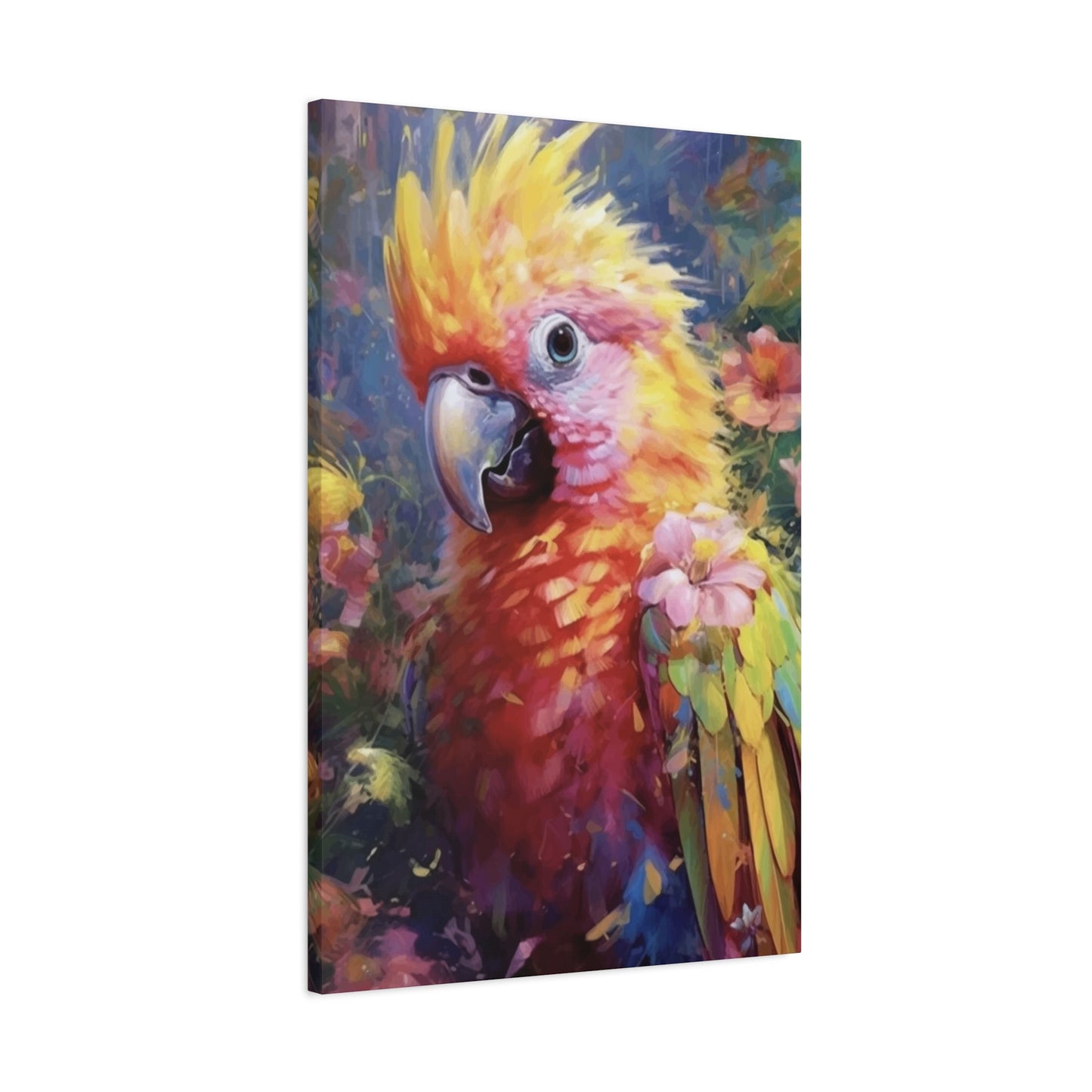
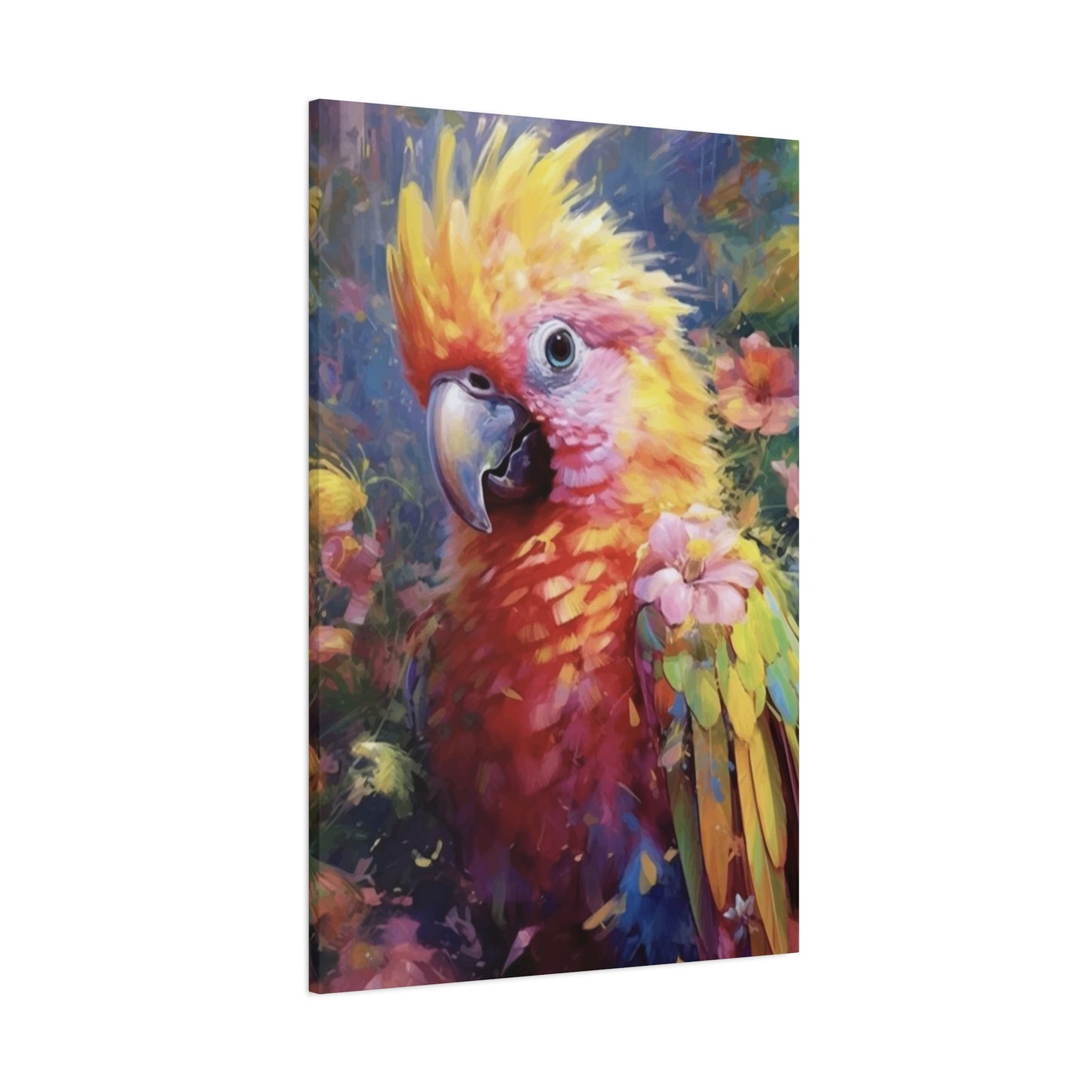
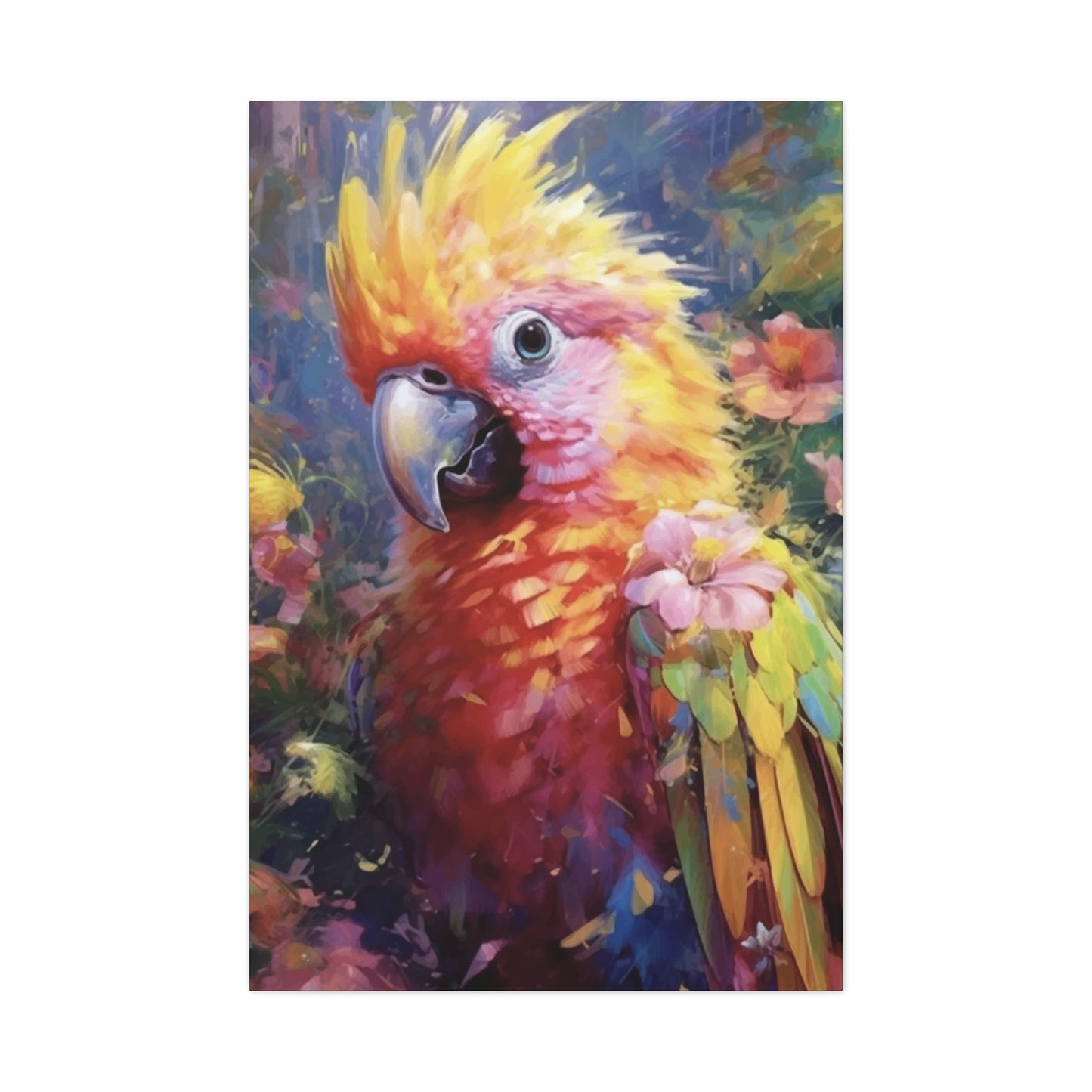
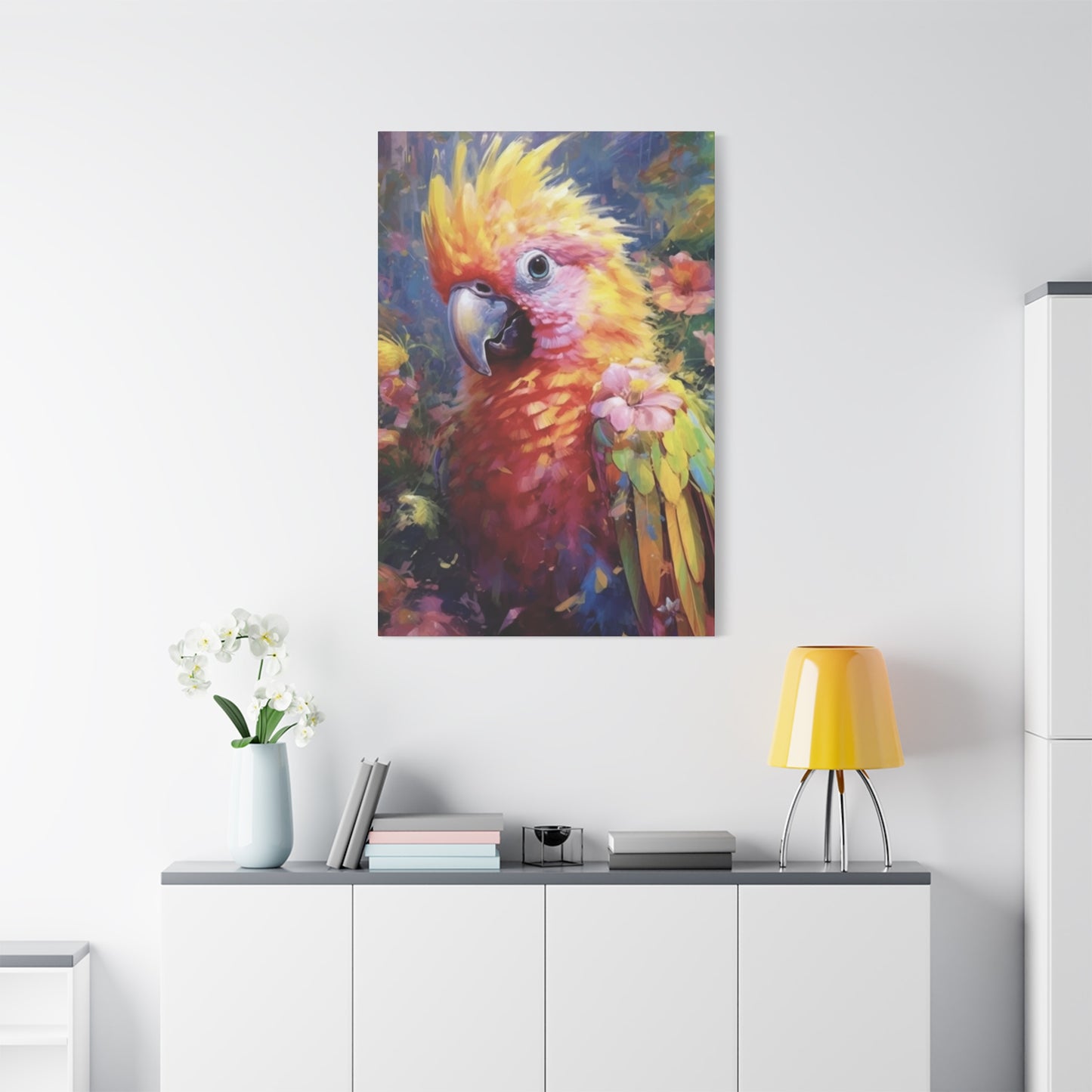
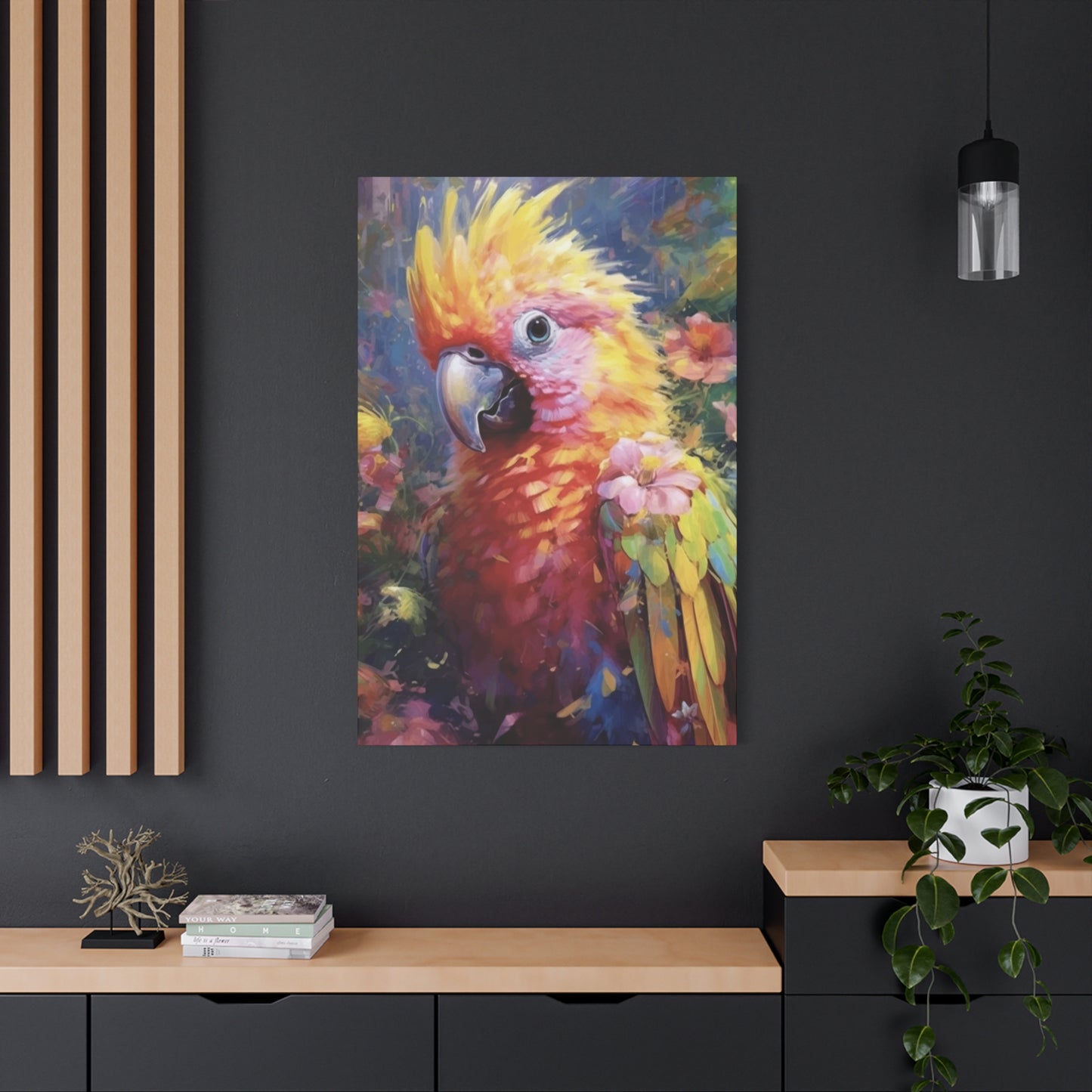
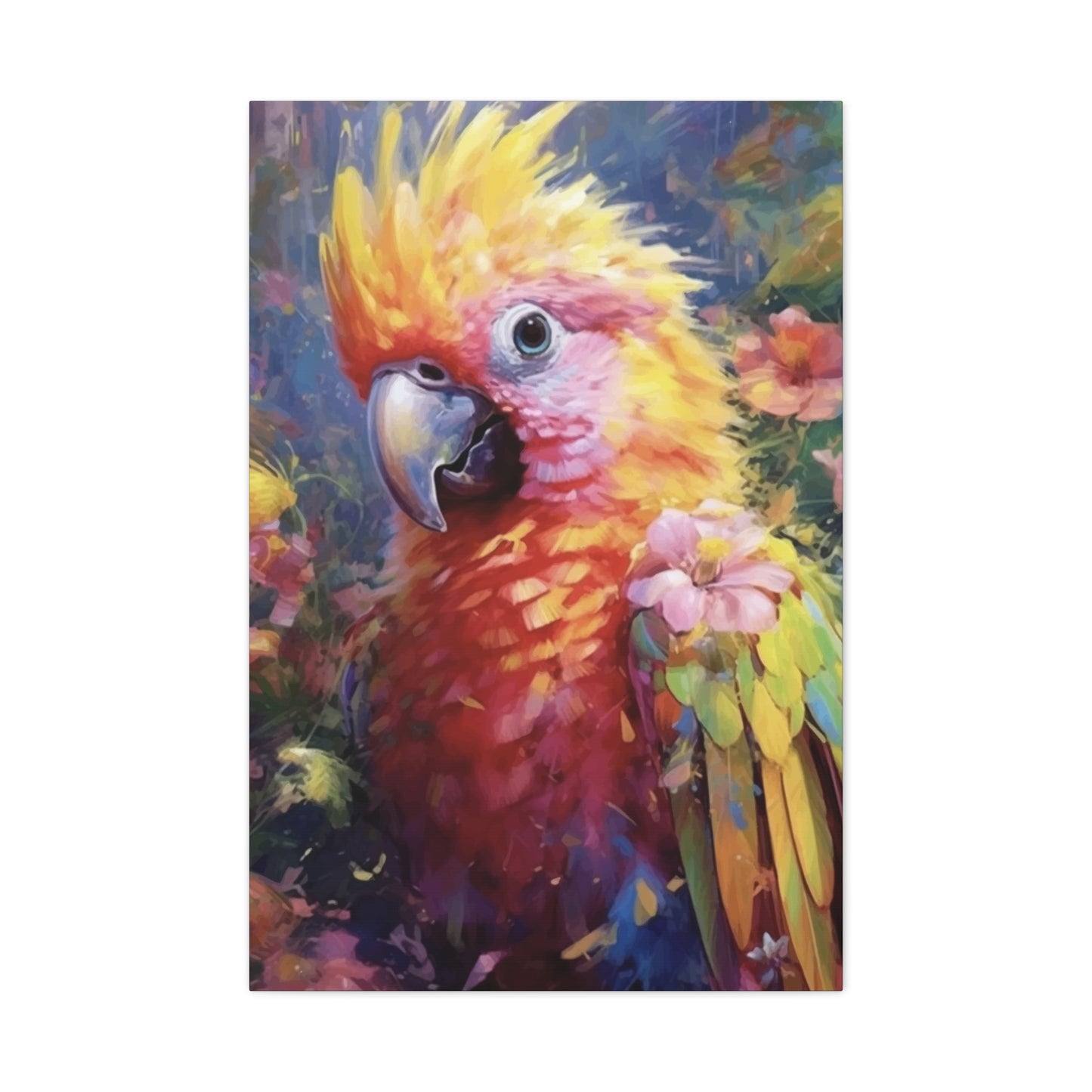
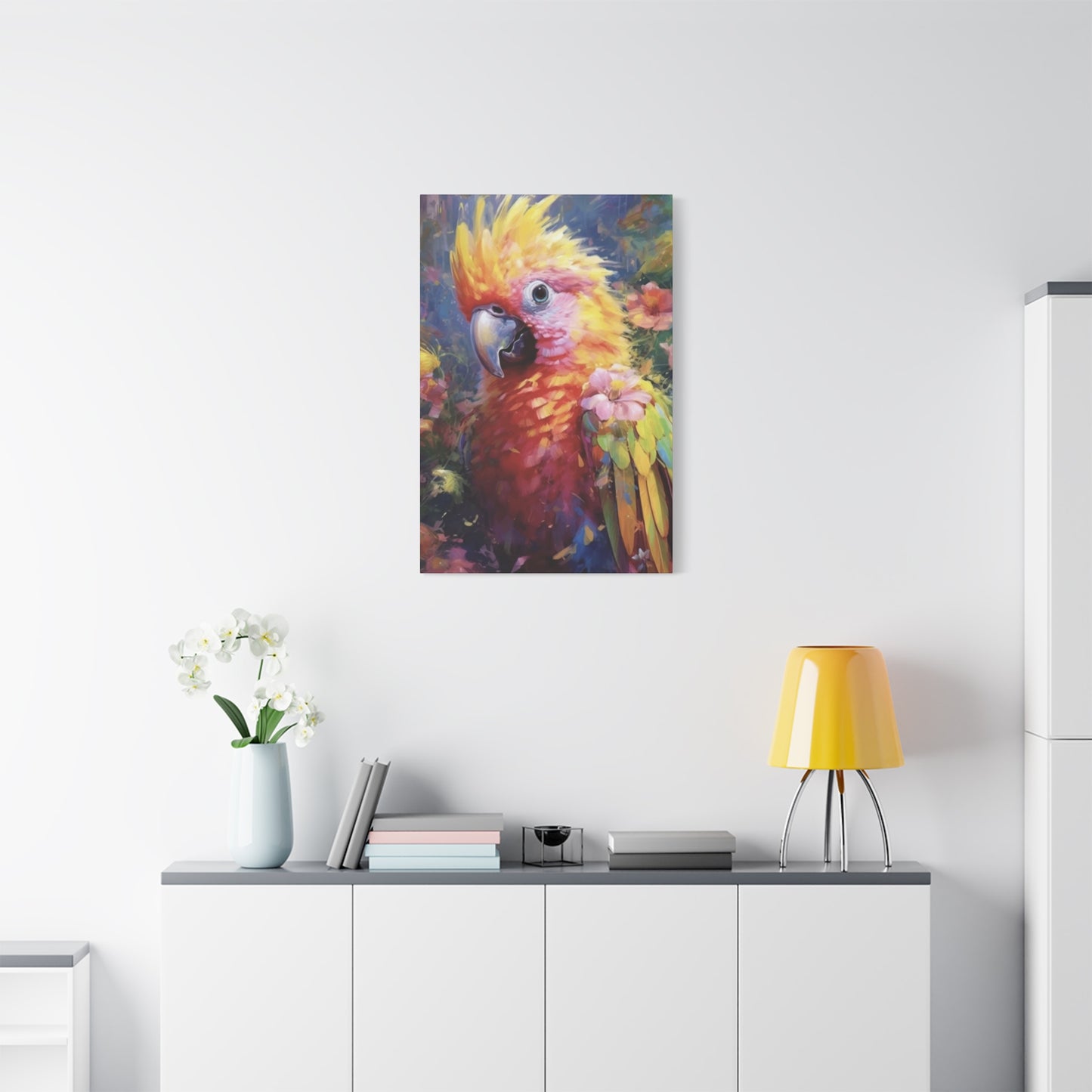
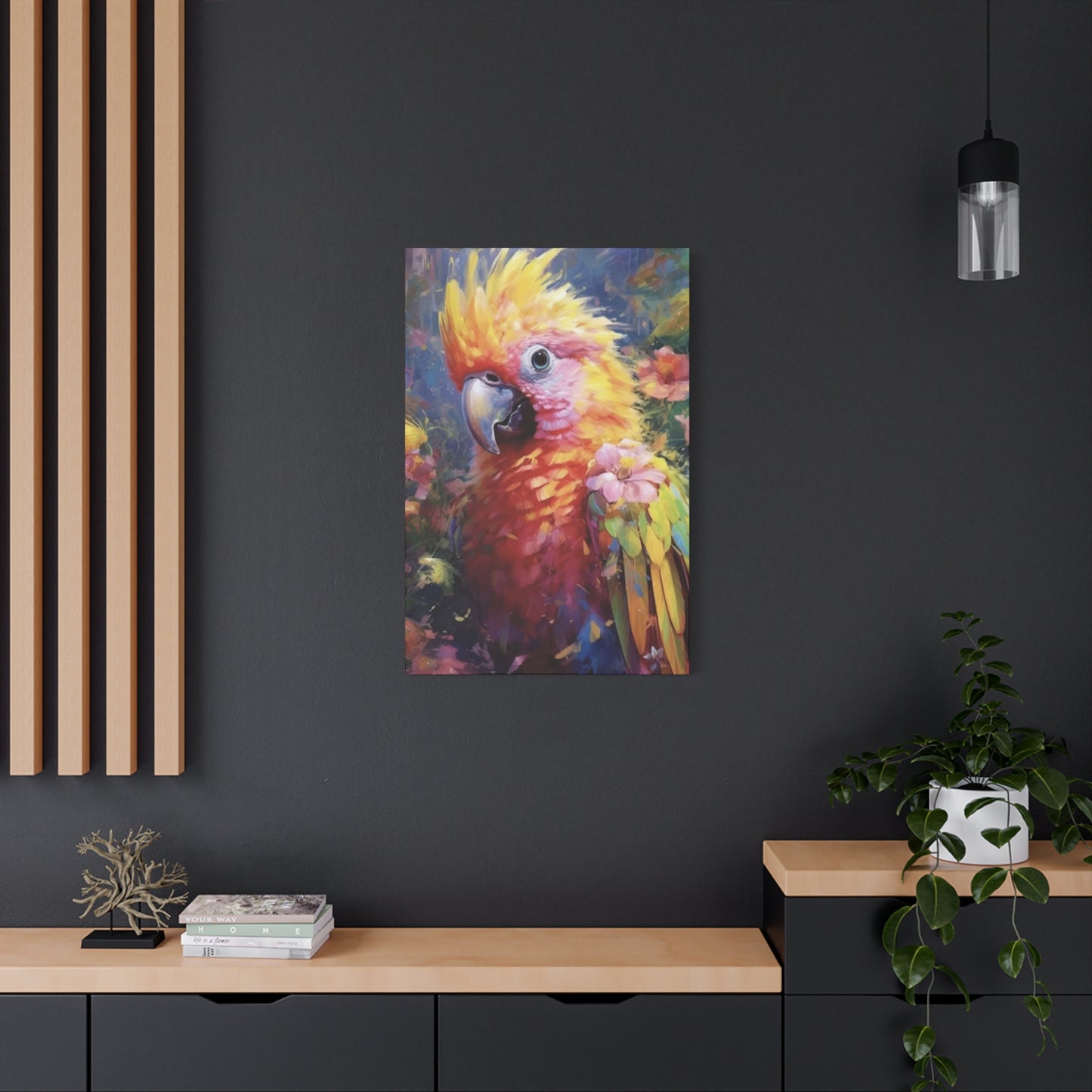
Kingfisher Colorful Wall Art & Canvas Prints
Kingfisher Colorful Wall Art & Canvas Prints
Couldn't load pickup availability
Kingfisher Colorful Wall Art: Bringing Nature's Most Vibrant Bird Into Your Living Spaces Through Stunning Visual Representations
The kingfisher stands as one of nature's most spectacular creatures, displaying an extraordinary palette of iridescent blues, oranges, and greens that have captivated humanity for centuries. These magnificent birds, with their distinctive hunting posture and brilliant plumage, have become increasingly popular subjects in contemporary interior decoration. Homeowners, designers, and nature enthusiasts are discovering the transformative power of incorporating these avian masterpieces into residential and commercial environments. The rising demand for kingfisher colorful wall art reflects a broader cultural shift toward biophilic design principles that celebrate our connection with the natural world.
Why These Magnificent Birds Have Become Sought-After Subjects in Contemporary Interior Decoration
The fascination with kingfishers extends far beyond their aesthetic appeal. These remarkable birds embody qualities that resonate deeply with human aspirations: precision, patience, focus, and the ability to thrive in dynamic environments. When captured in artistic form, kingfishers bring an element of wild elegance into structured indoor spaces. Their streamlined physiques, raptor-like focus, and explosive hunting dives create dramatic visual narratives that engage viewers on multiple levels.
Throughout various cultures, kingfishers symbolize prosperity, peace, and fidelity. In Japanese tradition, these birds represent marital happiness and domestic harmony. Chinese culture associates them with dignity and beauty. These symbolic meanings add layers of significance to decorative pieces featuring these birds, making them more than mere aesthetic choices but rather intentional statements about the values and atmosphere homeowners wish to cultivate.
The color psychology behind kingfisher imagery proves particularly compelling. The dominant blues found in their plumage evoke feelings of tranquility, stability, and confidence. These cooler tones create calming environments while simultaneously projecting sophistication. The warm orange and rust tones present in many species provide energizing counterpoints, creating visual balance that prevents spaces from feeling cold or sterile. This natural color harmony makes kingfisher artwork remarkably versatile across diverse decorating schemes.
Modern printing capabilities, artistic techniques, and material innovations have made these pieces more accessible than ever before. High-resolution photography captures every feather detail with stunning clarity. Traditional painters bring interpretive perspectives that highlight these birds' mystical qualities. Digital artists experiment with abstract representations that emphasize form and movement over literal accuracy. This variety ensures that every aesthetic preference finds satisfaction within the kingfisher artwork category.
Exploring Various Artistic Styles That Showcase These Stunning Avian Subjects
The representation of kingfishers in decorative pieces spans an impressive spectrum of artistic approaches. Photorealistic renderings capture these birds in their natural habitats with documentary precision. These pieces appeal to wildlife enthusiasts and those seeking authentic representations of nature. Every feather, every reflection in the water, every detail of surrounding vegetation receives meticulous attention, creating windows into the kingfisher's world.
Impressionistic interpretations take a different approach, focusing on the emotional essence of these birds rather than exact physical details. Brushstrokes convey movement and energy, with colors bleeding into one another to suggest the kingfisher's lightning-fast actions. These pieces work particularly well in spaces where softer, more contemplative atmospheres are desired. The slightly blurred quality creates a dreamlike effect that invites prolonged viewing and reflection.
Abstract representations push boundaries further, distilling kingfishers to their most fundamental visual elements. Bold color blocks might suggest plumage patterns without depicting individual feathers. Geometric shapes can evoke the bird's distinctive silhouette and characteristic hunting posture. These contemporary approaches appeal to minimalist sensibilities while maintaining clear connections to their natural inspiration. They prove particularly effective in modern, streamlined interiors where literal representations might feel incongruous.
Watercolor techniques bring delicate translucency to kingfisher subjects. The medium's inherent fluidity mirrors the aquatic environments these birds inhabit. Soft color gradations and white space create airy compositions that feel light and refreshing. These pieces excel in smaller spaces or rooms where visual breathing room is essential. The gentle quality of watercolor kingfisher artwork makes it particularly suitable for bedrooms, bathrooms, and quiet reading areas.
Mixed media approaches combine multiple techniques and materials to create textured, dimensional pieces. Artists might incorporate metallic foils to simulate iridescence, add fabric elements to suggest feathers, or use layered paper to create depth. These innovative works become conversation starters, inviting tactile as well as visual engagement. The dimensional quality helps artwork stand out on walls, creating focal points that draw attention across rooms.
Selecting the Perfect Dimensions and Formats for Maximum Visual Impact
Size considerations play crucial roles in determining artwork effectiveness within specific environments. Oversized statement pieces measuring four feet or larger create dramatic focal points in spacious living areas, offices, or commercial lobbies. These large-scale works command attention and can anchor entire decorating schemes. When featuring kingfishers in such prominent positions, the increased scale allows viewers to appreciate intricate details that might be lost in smaller formats.
Medium-sized pieces ranging from two to four feet work beautifully above furniture, in hallways, or as parts of gallery wall arrangements. This versatile dimension suits most residential spaces without overwhelming them. Multiple medium pieces depicting different kingfisher species or capturing various moments in their lifecycle can create thematic series that tell visual stories across walls.
Smaller artwork measuring under two feet finds perfect homes in intimate spaces, powder rooms, home offices, or as accent pieces within larger gallery walls. These diminutive works bring delightful details to areas that might otherwise lack personality. Clustered groupings of small kingfisher images can create impactful displays that rival single large pieces in visual interest.
Orientation choices between horizontal, vertical, and square formats significantly affect spatial perception. Horizontal compositions emphasizing kingfishers in flight or perched along branches create expansive feelings, making walls appear wider. These work exceptionally well above sofas, beds, or console tables. Vertical orientations showing diving birds or those climbing riverbanks draw eyes upward, enhancing ceiling height perception. Square formats offer balanced versatility that adapts to various wall spaces without dictating specific proportions.
Triptych and multi-panel arrangements present kingfisher subjects across several connected canvases, creating dynamic installations with built-in visual rhythm. These configurations allow artists to depict sequential moments, showing kingfishers spotting prey, diving, and emerging with captured fish. The spaces between panels add breathing room while maintaining compositional unity. Multi-panel displays prove particularly effective in long, narrow spaces like hallways or above extended furniture pieces.
Material Considerations That Affect Longevity, Appearance, and Placement Options
Canvas remains the most popular substrate for kingfisher colorful wall art, offering texture, depth, and classic appeal. Gallery-wrapped canvases with images extending around edges create finished looks without requiring frames. The woven texture adds subtle dimension that enhances perceived quality. Canvas prints pair beautifully with various mounting options, from floating frames to traditional wood borders. However, canvas requires protection from direct moisture, making it less suitable for bathrooms without proper ventilation.
Metal prints bring contemporary sophistication to kingfisher imagery. The printing process infuses dyes directly into specially coated aluminum, creating luminous, durable pieces with exceptional color vibrancy. The metallic surface adds subtle shimmer that enhances the iridescent quality of kingfisher plumage. These pieces resist fading, scratching, and moisture, making them suitable for kitchens, bathrooms, and humid climates. The sleek, frameless aesthetic appeals to modern design preferences.
Acrylic prints sandwich images between clear acrylic panels, creating stunning depth and glass-like clarity. Light passes through layers, illuminating colors from within for dramatic effect. The glossy finish intensifies color saturation, making blues appear more electric and oranges more vibrant. Acrylic pieces make bold statements in contemporary settings but require careful placement to avoid glare from windows or lighting fixtures. Their substantial weight necessitates secure mounting hardware.
Wood prints transfer images directly onto natural wood surfaces, combining photographic imagery with organic texture. The visible grain adds rustic character that complements country, farmhouse, and nature-inspired decorating schemes. Each piece develops unique character as wood grain interacts with printed images. These prints suit casual, relaxed environments where imperfection is celebrated rather than eliminated. Proper sealing protects against moisture and extends longevity.
Paper prints offer affordability and flexibility, particularly when paired with quality framing. Fine art papers with archival inks produce museum-quality results at accessible price points. The matting and framing process allows extensive customization, enabling perfect matches with existing decor. Behind glass, paper prints gain protection from environmental factors while maintaining clarity. This format works universally across decorating styles, from traditional to contemporary.
Fabric wall hangings present softer alternatives to rigid substrates. Tapestries featuring kingfisher designs add textile warmth and acoustic dampening properties. These pieces prove particularly valuable in spaces with hard surfaces that create echo. The fabric nature allows for rolled storage and transport, making them practical for renters or those who frequently relocate. Modern printing on polyester fabrics achieves remarkable detail and color accuracy.
Framing Choices That Enhance Rather Than Distract From the Central Subject
Frame selection dramatically influences how kingfisher artwork integrates into surrounding environments. The goal involves enhancing the piece while respecting its inherent character rather than imposing foreign aesthetic elements. Natural wood frames in honey, walnut, or ebony tones create organic connections between artwork and nature-inspired subjects. The grain patterns and warm tones complement kingfisher imagery without competing for attention. These frames suit rustic, traditional, and eclectic decorating approaches.
Sleek black frames provide crisp definition that works across style categories. The neutral darkness recedes visually, creating windows through which kingfisher subjects shine. Black frames particularly enhance lighter backgrounds, creating strong contrast that sharpens overall compositions. This versatile choice adapts equally well to modern minimalist spaces and classic traditional rooms.
White and light-colored frames project airy, gallery-style sophistication. They expand visual boundaries, making artwork appear larger and more prominent. Light frames work beautifully with watercolor and pastel kingfisher pieces, maintaining the delicate quality these mediums convey. In beach-inspired or Scandinavian design schemes, white frames contribute to bright, refreshing atmospheres.
Metallic frames in silver, gold, or bronze add luxurious elements to kingfisher displays. Gold tones echo the warm oranges found in many species' plumage, creating color harmony. Silver complements the cool blues while adding contemporary edge. These frames make statements appropriate for formal dining rooms, executive offices, and upscale commercial spaces where elegance is paramount.
Floating frames create separation between artwork and frame, producing shadow box effects that add dimension. This mounting style works exceptionally well with canvas prints, allowing texture to remain visible around all edges. The spatial gap creates modern, gallery-quality presentations that elevate perceived value. Floating frames suit contemporary and transitional decorating schemes where clean lines are emphasized.
Frameless presentations offer ultimate minimalism, particularly with metal and acrylic prints manufactured with finished edges. This approach creates seamless integration with walls, allowing kingfisher subjects to appear as portals into nature rather than contained artworks. The uninterrupted visual flow suits ultramodern spaces where every element is carefully considered and excess is eliminated.
Strategic Placement Within Rooms to Maximize Aesthetic and Emotional Impact
Living room placement offers the highest visibility for kingfisher colorful wall art, making these spaces prime locations for statement pieces. Above sofas, artwork should span roughly two-thirds to three-quarters of furniture width for proportional balance. Center points should align at approximately 57-60 inches from the floor, the standard gallery height that positions images at average eye level. In living areas with vaulted ceilings, larger pieces or vertical orientations help fill expanded wall space without appearing dwarfed.
Dining room walls provide excellent canvases for kingfisher artwork that sparks conversation during gatherings. These spaces typically lack furniture along walls, offering clean surfaces for display. The colors in kingfisher imagery can complement or provide beautiful contrast with dining furniture finishes. Consider pieces with calming blues and greens to create tranquil dining atmospheres, or select more dynamic compositions showing diving birds to add energy to social spaces.
Bedroom environments benefit from the peaceful qualities inherent in nature-inspired artwork. Kingfisher pieces above headboards create calming focal points that set tones for restful spaces. The blues prevalent in these birds' plumage promote relaxation and reduced stress. Avoid overly dynamic compositions showing hunting sequences in favor of quieter moments: perched birds, gentle flight poses, or peaceful waterside scenes. Size should remain proportional to avoid overwhelming intimate spaces designed for rest.
Home office settings gain inspiration from kingfisher imagery representing focus, precision, and successful hunting. These birds' remarkable ability to identify targets, calculate angles, and execute perfectly timed dives serves as powerful metaphor for professional excellence. Positioning artwork where it's visible during video calls creates interesting background elements that project personality without distraction. The combination of calming blues and energizing oranges maintains alertness while preventing stress.
Bathroom spaces often lack personality despite being frequently used. Kingfisher artwork adds natural beauty to purely functional environments. Metal and acrylic prints withstand humidity better than canvas or paper, making them practical choices. Smaller pieces work well in powder rooms, while larger works can transform master bathrooms into spa-like retreats. Aquatic themes feel particularly appropriate in water-focused rooms.
Hallway and entryway placements create welcoming first impressions for guests while transforming transitional spaces into meaningful areas. Gallery walls featuring multiple kingfisher pieces at varied sizes tell visual stories along corridor walls. In entryways, bold single pieces announce aesthetic preferences immediately upon entry. These high-traffic areas benefit from durable mounting systems and protective glazing that withstands incidental contact.
Stairwell walls present unique opportunities for dramatic displays. The ascending or descending viewing angles allow for creative arrangements impossible on standard walls. Series showing kingfishers at different life stages or depicting various species can lead viewers up or down stairs with visual narratives. The expanded vertical space accommodates larger pieces that might overwhelm standard rooms.
Color Coordination Strategies That Create Cohesive Interior Design Schemes
Monochromatic approaches build entire color schemes around the dominant blues found in kingfisher plumage. Walls in soft powder blue or slate gray create harmonious backgrounds that allow artwork to integrate seamlessly while maintaining prominence. Furniture, textiles, and accessories in varying blue shades—from navy to aqua—establish cohesive environments where kingfisher pieces feel like natural extensions rather than isolated additions. This strategy works particularly well in coastal, nautical, and contemporary settings.
Complementary color schemes pair the blues in kingfisher artwork with oranges and warm earth tones from the opposite side of the color wheel. This creates vibrant, energetic environments with dynamic visual tension. Rust-colored accent pillows, terracotta pottery, or copper fixtures echo the warm tones in kingfisher breasts and beaks. The contrast makes both color families appear more intense, creating lively spaces full of personality. This approach suits eclectic, bohemian, and global-inspired decorating styles.
Analogous color strategies use hues adjacent on the color wheel—blues, greens, and teals—for harmonious, nature-inspired environments. These schemes feel cohesive and restful, mimicking the color relationships found in natural habitats. Furniture in sage green, accessories in turquoise, and plants in various green shades create layered environments where kingfisher artwork feels completely at home. This approach works beautifully in organic, nature-focused design schemes.
Neutral foundations with artwork-inspired accents represent practical approaches for those hesitant to commit to strong colors. Walls in cream, beige, gray, or white provide blank canvases that showcase kingfisher pieces without competition. Accent colors pulled directly from the artwork—a throw pillow matching the exact blue of the plumage, a vase echoing the orange breast—create intentional connections that tie rooms together. This strategy offers flexibility for future changes while maintaining current cohesion.
Contrasting approaches place kingfisher artwork against unexpected backgrounds for dramatic effect. A vibrant kingfisher piece against charcoal gray or deep navy walls creates sophisticated, gallery-like presentations. The dark background makes colors pop with increased intensity while adding moody, intimate atmospheres. This bold strategy suits confident decorators willing to embrace drama in their spaces.
Pairing Kingfisher Artwork With Complementary Decorative Elements
Natural wood furniture creates organic connections with nature-themed artwork. The warmth and texture of wood pieces—whether dining tables, coffee tables, or shelving—echo the natural environments kingfishers inhabit. Reclaimed wood with visible grain and character adds rustic authenticity that complements wildlife subjects. Sleeker hardwoods in darker finishes provide elegant sophistication that allows artwork to maintain focus.
Living plants bring literal nature into spaces featuring nature-inspired artwork, creating layered biophilic environments. Ferns, palms, and tropical species echo the lush vegetation surrounding kingfisher habitats. Placing plants strategically near artwork creates visual relationships that enhance both elements. The living quality of plants adds dimension and movement that static artwork cannot provide alone. Together, they create immersive environments that blur boundaries between indoor and outdoor spaces.
Water features—fountains, aquariums, or decorative bowls—establish thematic connections with aquatic-hunting kingfishers. The sight and sound of water enhance the sensory experience, making artwork feel like glimpses into actual habitats. Small tabletop fountains near kingfisher pieces create tranquil focal areas perfect for meditation or relaxation. Aquariums add living movement and additional blue tones that harmonize with plumage colors.
Textiles in coordinating colors and natural materials add layers of comfort and visual interest. Linen curtains in soft blue-gray, cotton throws in rust orange, or wool rugs featuring abstract water patterns create cohesive environments where every element supports the overall theme. Natural fibers add tactile warmth that balances the visual coolness of blue-dominant artwork. Patterns should remain subtle to avoid competing with detailed bird imagery.
Lighting fixtures significantly impact how kingfisher colorful wall art appears throughout the day. Picture lights mounted above frames illuminate artwork specifically, ensuring consistent visibility regardless of natural light conditions. These dedicated fixtures prevent color distortion and allow evening viewing that matches daytime appearance. Adjustable track lighting offers flexibility to highlight multiple pieces or shift focus as desired.
Sculptural elements featuring birds or natural forms create three-dimensional companions to two-dimensional artwork. Small bird figurines on shelves, ceramic feather collections, or abstract sculptures suggesting flight add depth to nature-focused design schemes. These elements should enhance rather than duplicate the artwork's impact, offering complementary perspectives on shared themes.
Mirrors strategically placed near kingfisher pieces reflect and amplify their visual impact. A mirror positioned opposite artwork creates the illusion of multiple pieces while expanding spatial perception. This technique proves particularly valuable in smaller rooms where every element must serve multiple purposes. The reflective quality adds light and movement that energizes static displays.
Cultural Significance and Symbolic Meanings Across Different Societies
Japanese culture holds kingfishers in particularly high regard, associating them with marital happiness and domestic peace. The birds' vibrant beauty and devotion to their mates make them symbols of successful relationships. In traditional Japanese art, kingfishers often appear in conjunction with marriage celebrations or anniversary commemorations. Incorporating these birds into home decor carries wishes for harmonious family life and enduring love.
Chinese symbolism connects kingfishers with dignity, beauty, and female grace. Historical texts reference kingfisher feathers as materials for elaborate headdresses worn by nobility. The brilliant blue and green iridescence represented wealth and status. In feng shui practice, images of kingfishers positioned in relationship sectors of homes are believed to attract loving partnerships and strengthen existing bonds. The water association adds flowing energy that prevents stagnation.
European folklore presents kingfishers as creatures of good fortune and protection. Sailors considered sightings of these birds as favorable omens promising calm seas and safe passage. The Greek myth of Alcyone, transformed into a kingfisher, imbues these birds with associations of devotion and transformation. Medieval bestiaries attributed various magical properties to kingfishers, including weather prediction and healing powers. These mythological layers add narrative depth to contemporary artistic representations.
Indigenous peoples of various regions developed unique relationships with local kingfisher species. In some traditions, these birds served as messengers between earthly and spiritual realms. Their dramatic dives symbolized connections between air, earth, and water—bridging multiple elements. Stories passed through generations often featured kingfishers as clever, resourceful characters who succeeded through intelligence rather than strength.
Modern interpretations focus on environmental symbolism, with kingfishers representing clean waterways and healthy ecosystems. As indicators of ecological wellbeing, their presence signals unpolluted environments where fish populations thrive. Artwork featuring these birds can express environmental values and commitment to conservation. This contemporary meaning adds purposeful dimension to decorative choices, aligning aesthetics with ethics.
The persistence across cultures of positive associations makes kingfisher imagery universally accessible. Unlike symbols with conflicting interpretations across regions, these birds consistently represent beneficial qualities. This cross-cultural appeal allows artwork to function successfully in diverse contexts without risking unintended meanings or offense.
Caring for and Preserving Artwork to Ensure Long-Lasting Vibrancy
Light exposure represents the primary threat to artwork longevity, causing fading and discoloration over time. Direct sunlight proves particularly damaging, with ultraviolet rays degrading inks and pigments. Positioning artwork away from windows receiving strong light prevents accelerated deterioration. When sun exposure is unavoidable, UV-filtering glazing or window films provide protective barriers. Rotating pieces between high-exposure and protected locations distributes light damage, extending overall lifespan.
Temperature and humidity fluctuations stress materials, causing expansion, contraction, and potential warping. Maintaining consistent environmental conditions between 65-75°F and 40-50% relative humidity preserves structural integrity. Avoid hanging artwork above heating vents, radiators, or fireplaces where temperature extremes occur. In humid climates, dehumidifiers prevent moisture accumulation that promotes mold growth. Conversely, dry winter conditions may require humidifiers to prevent excessive dryness causing brittleness.
Regular cleaning removes accumulated dust that dulls appearance and potentially causes abrasion. Gentle dusting with soft, dry microfiber cloths proves sufficient for most pieces. For glass-covered works, standard glass cleaner applied to cloths rather than directly on surfaces prevents liquid seepage. Canvas pieces benefit from very light vacuuming with brush attachments held slightly away from surfaces. Metal and acrylic prints tolerate slightly more aggressive cleaning with damp cloths but still require gentle handling.
Mounting hardware quality directly impacts both safety and preservation. Heavy-duty wall anchors appropriate for artwork weight prevent falls that could cause catastrophic damage. Wire or D-rings attached to sturdy frame backs distribute weight evenly. Professional hanging systems with adjustable hooks allow easy repositioning without creating additional wall holes. Ensuring level mounting prevents uneven stress that could warp frames or substrates over time.
Professional framing with acid-free materials protects paper-based artwork from degradation. Acid migration from low-quality matting or backing causes yellowing and brittleness. Museum-quality materials cost more initially but preserve pieces indefinitely. Spacing between artwork and glazing prevents condensation damage and allows air circulation. Sealed backing prevents pest infiltration and dust accumulation behind pieces.
Periodic professional assessment identifies developing issues before they become severe. Conservators can clean pieces more thoroughly than amateur attempts allow, repair minor damage, and recommend preventative measures. Annual or biennial inspections prove worthwhile for valuable or sentimentally important pieces. Professional advice on storage during moves or renovations prevents avoidable damage during vulnerable transition periods.
Creating Gallery Walls That Tell Visual Stories Through Multiple Pieces
Thematic unity provides the foundation for successful multi-piece displays. Kingfisher-focused gallery walls might feature different species from around the world, showing the remarkable diversity within the kingfisher family. Alternatively, pieces depicting various behaviors—fishing, preening, flying, nesting—create narrative sequences that educate while decorating. Seasonal variations showing kingfishers in different environments throughout the year add temporal dimension to static displays.
Size variation creates visual rhythm and prevents monotonous grids. Mixing large anchor pieces with medium and small supporting images produces dynamic compositions that guide viewer attention across walls. The largest piece typically occupies the most prominent position, with smaller works clustered around it in balanced arrangements. Odd numbers of pieces—three, five, seven—create more interesting visual flow than even numbers.
Consistent framing unifies diverse images into cohesive collections. Using identical frames in uniform colors makes different artistic styles, sizes, and subjects feel intentionally grouped rather than randomly assembled. The repetition of framing elements creates rhythm that ties disparate pieces together. Alternatively, unframed pieces of the same substrate type—all canvas or all metal—achieve similar unifying effects through material consistency.
Spacing conventions prevent overcrowding while maintaining visual connection between pieces. Standard gallery practice suggests 2-3 inches between frames as optimal distances. Closer spacing creates unified, quilt-like appearances where individual pieces merge into single installations. Wider spacing emphasizes each piece's independence while maintaining collection identity. Consistent spacing throughout displays produces professional, intentional appearances.
Layout planning before installation prevents costly mistakes and unnecessary wall damage. Creating paper templates of each piece and arranging them on walls with removable tape allows experimentation without commitment. Photographing various arrangements aids decision-making when multiple options appear equally appealing. Many find floor layouts easier to manipulate than wall-based planning, transferring successful arrangements upward after finalization.
Grid arrangements suit formal spaces where order and symmetry are valued. Perfectly aligned rows and columns create calm, predictable displays that project organization and control. This approach works particularly well with identically sized and framed pieces. Grids suit corporate environments, formal dining rooms, and traditional decorating schemes where structure is emphasized.
Salon-style arrangements embrace organic, asymmetrical clustering for eclectic, personalized appearances. Pieces of various sizes nest together without rigid alignment, creating lively, collected-over-time impressions. This approach suits bohemian, eclectic, and maximalist decorating styles where personality trumps perfection. Salon walls benefit from central anchor pieces with smaller works radiating outward in balanced but not symmetrical patterns.
Budget-Conscious Approaches to Acquiring Quality Kingfisher Decorative Pieces
Print-on-demand services democratize access to quality artwork at accessible prices. These platforms allow selection from vast libraries of kingfisher photography and illustrations, printing pieces as ordered rather than maintaining expensive inventory. Standardized sizes and substrates keep costs reasonable while quality remains high. The ability to preview pieces in virtual room settings reduces uncertainty inherent in online purchasing.
Independent artist marketplaces connect buyers directly with creators, eliminating middleman markups. Platforms showcasing original work allow support of individual artists while acquiring unique pieces unavailable in mass-market channels. Many artists offer prints of original paintings at fractions of original costs, making their work accessible beyond collector markets. Direct communication with artists allows custom sizing, color adjustments, or commissioned pieces tailored to specific needs.
Estate sales, antiques markets, and secondhand shops occasionally yield remarkable kingfisher artwork at bargain prices. Previous owners' changing tastes create opportunities for savvy shoppers willing to search patiently. Overlooked pieces in unfashionable frames might require minimal restoration investment to become treasured additions. The thrill of discovery and unique character of found pieces appeal to those who value individuality over trendiness.
Digital printing at local print shops offers DIY alternatives for those with graphic design skills. High-resolution photography or artwork files can be printed on various substrates at commercial copy centers. While this approach requires more effort, it maximizes creative control and minimizes cost. Pairing print shop outputs with separately purchased frames creates customized pieces at significant savings compared to finished products.
Rotating seasonal displays allows single-space investment to yield year-round variety. Purchasing multiple smaller pieces and swapping them quarterly prevents visual fatigue while maximizing value. Storage requirements remain minimal, with pieces easily archived when not displayed. This approach particularly suits those who embrace change and enjoy frequent refreshing of their environments.
Sales events and clearance opportunities provide access to higher-quality pieces at reduced prices. End-of-season clearances, holiday promotions, and inventory reduction sales offer substantial savings. Subscribing to retailer notifications ensures awareness of upcoming promotions. Patience and flexibility regarding exact pieces desired often results in acquiring better quality than budget would normally allow.
Commissioning Custom Pieces That Perfectly Match Individual Visions and Spaces
Custom artwork ensures perfect alignment between pieces and their intended environments. Exact size specifications accommodate unique wall dimensions without compromise. Color palettes can be adjusted to match existing decor elements precisely. This level of personalization proves particularly valuable in spaces with challenging proportions or highly specific design schemes where off-the-shelf options prove inadequate.
Artist collaboration transforms vague concepts into concrete realities. Skilled artists translate verbal descriptions and inspiration images into original works. The creative process often yields results exceeding initial expectations as artists contribute expertise and perspectives clients might not have considered. Communication throughout creation ensures satisfaction with direction before completion, minimizing revision needs.
Local artist engagement supports community creative economies while establishing personal connections. Meeting artists, visiting studios, and discussing visions face-to-face creates relationships that enhance commissioned work meaning. Local artists often provide better value than nationally marketed alternatives, with fee structures more flexible and negotiable. The ability to view previous work in person rather than through photographs reduces uncertainty.
Photographic commissions involve hiring photographers to capture specific kingfisher moments or species. This approach yields truly unique pieces that cannot be duplicated. Photographers might travel to particular locations where desired species thrive, spending hours or days capturing perfect shots. The resulting images carry stories of creation that add value beyond mere aesthetics.
Digital artists offer contemporary alternatives to traditional painting and photography. Working in various software platforms, these creators produce striking interpretations unconstrained by physical media limitations. Color palettes can be infinitely adjusted, compositions refined through numerous iterations, and results delivered in multiple formats. Digital art's reproducibility allows creating matching pieces for multiple rooms or gifting duplicates while maintaining originals.
Timeline considerations require planning, as quality custom work cannot be rushed. Most commissions require several weeks to several months from initial consultation to completion. Complex pieces involving extensive detail or large dimensions demand more time. Establishing clear deadlines from the outset ensures projects align with renovation schedules, gift-giving dates, or other time-sensitive needs.
Pricing transparency prevents unpleasant surprises. Reputable artists provide detailed estimates covering all costs—materials, labor, revisions, shipping, and installation if offered. Understanding whether quoted prices are fixed or estimates allows appropriate budgeting. Deposit requirements and payment schedules should be clarified before work begins, protecting both parties' interests.
Combining Kingfisher Imagery With Other Nature Elements for Richer Compositions
Floral backgrounds add soft, romantic qualities to bird subjects. Kingfishers perched among cherry blossoms, surrounded by wildflowers, or framed by tropical foliage gain context that enhances their beauty. The combination creates layered compositions where multiple nature elements interact harmoniously. Florals soften the intensity of kingfisher focus, producing gentler overall impressions suitable for bedrooms and peaceful retreats.
Aquatic environments provide logical, authentic settings for water-hunting kingfishers. Rippling streams, still ponds, or crashing waterfalls create dynamic backgrounds that contextualize these birds' lifestyles. Reflections in water add complexity and visual interest, doubling imagery through natural mirroring. The inclusion of fish, frogs, or aquatic insects tells more complete ecological stories, educating viewers about interconnected natural systems.
Seasonal variations showcase kingfishers adapting to changing conditions throughout annual cycles. Spring images might show nest-building behaviors and vibrant new growth. Summer scenes capture abundant fishing in sun-drenched waterways. Autumn compositions feature kingfishers among falling leaves and migrating preparations. Winter pieces show these hardy birds on ice-edged waters, demonstrating resilience. Series depicting all seasons create educational displays that celebrate natural rhythms.
Weather conditions dramatically alter kingfisher imagery moods. Morning mist creates ethereal, mystical atmospheres around perched birds. Rain-spattered scenes show kingfishers sheltering or hunting in adverse conditions. Golden hour lighting bathes subjects in warm glows that enhance plumage iridescence. Dramatic storm lighting adds intensity and power to compositions, emphasizing these birds' wildness.
Companion wildlife adds ecological context and narrative interest. Small songbirds nearby create size comparisons that emphasize kingfisher compact power. Herons or egrets in backgrounds establish scale within wetland habitats. Dragonflies, butterflies, or bees add additional points of interest that reward prolonged viewing. These supporting characters prevent compositions from feeling isolated or incomplete.
Abstract elements combined with realistic bird renderings create contemporary fusion pieces. Geometric patterns might frame photorealistic kingfishers, contrasting organic subjects with human-created order. Splattered paint backgrounds behind detailed bird images suggest explosive energy. These hybrid approaches appeal to those who appreciate both natural beauty and modern artistic expression, bridging seemingly disparate aesthetic categories.
Seasonal Rotation Strategies That Keep Interiors Feeling Fresh and Current
Spring rotations introduce lighter, brighter kingfisher pieces reflecting seasonal renewal. Images featuring nesting behaviors, newly fledged young, or birds amid spring blooms align with seasonal themes. Pastel backgrounds and soft color palettes match spring's delicate character. These pieces replace darker, heavier winter selections, transforming spaces to feel renewed and energized.
Summer displays emphasize vibrant colors and dynamic action. Diving sequences, fishing successes, and birds in full breeding plumage celebrate the season's abundance. Bold, saturated colors mirror summer's intensity. Beach houses and vacation homes particularly benefit from summer-specific kingfisher artwork that captures holiday relaxation while maintaining visual interest.
Autumn pieces incorporate warm earth tones and harvest associations. Kingfishers among autumn leaves, preparing for migration, or taking advantage of seasonal abundance create connections with fall's character. Rust, amber, and bronze tones in artwork coordinate beautifully with seasonal decorating trends featuring pumpkins, gourds, and harvest themes.
Winter selections might feature more subdued palettes reflecting the season's quieter nature. Kingfishers on snow-dusted branches, hunting in partially frozen waters, or sheltering from storms demonstrate resilience. These images pair well with holiday decorating schemes without being explicitly festive, allowing extended display beyond December.
Storage solutions must protect pieces during off-seasons. Climate-controlled spaces prevent temperature and humidity extremes. Wrapping artwork in acid-free paper protects surfaces from scratches and dust. Flat storage prevents warping, while padding prevents pressure damage. Detailed labeling systems allow easy identification without unwrapping every piece when rotation time arrives.
Lighting Techniques That Enhance Colors and Bring Artwork to Life
Natural daylight provides the truest color representation but varies dramatically throughout days and seasons. South-facing walls in northern hemisphere locations receive most consistent natural light, making them prime spots for artwork. However, strong sunlight causes fading, requiring protective measures. Diffusing direct sun through sheer curtains provides illumination without damage. North-facing walls receive softer, more even light without harsh directionality.
Picture lights mounted directly above or below frames provide dedicated illumination ensuring consistent visibility. LED options generate minimal heat, reducing damage risks while offering excellent color rendering. Adjustable brightness allows customization for different times and purposes. Battery-operated wireless versions eliminate cord visibility and installation complexity, adhering directly to walls or frame tops.
Track lighting systems offer flexible, adjustable solutions for rooms with multiple artworks. Individual fixtures can be positioned and angled to highlight specific pieces, with easy adjustment as artwork changes. Dimmer integration allows intensity control matching ambient lighting and activities. Modern LED track systems combine energy efficiency with superior light quality.
Recessed ceiling spotlights create focused beams that dramatically highlight artwork. The downlight angle emphasizes texture and dimension while preventing glare from viewers' typical angles. This approach suits formal galleries and living rooms where sophisticated presentation is desired. Installation requires ceiling access but creates uncluttered appearances without visible fixtures competing for attention.
Ambient room lighting must be considered holistically with artwork-specific illumination. Overly bright general lighting washes out artwork-specific lighting, eliminating desired emphasis. Conversely, insufficient ambient light makes illuminated artwork appear garish. Layered lighting schemes with separate controls allow adjustment creating perfect balance between general illumination and focal highlighting.
Conclusion
In conclusion, Kingfisher Colorful Wall Art is a striking and transformative way to bring the natural beauty of one of nature’s most vibrant birds into your living spaces. The rich, vivid colors and dynamic energy of the kingfisher make it a perfect subject for decorative art that not only enhances a room’s aesthetic but also infuses it with a sense of vitality and wonder. Known for its brilliant plumage and graceful presence, the kingfisher embodies the very essence of nature’s splendor, making it a timeless addition to any home or office.
One of the most compelling aspects of kingfisher wall art is its ability to evoke a connection with the natural world. The bird’s iridescent feathers, ranging from electric blues and greens to fiery oranges and reds, create a visual masterpiece that catches the eye and ignites the imagination. Whether it’s a realistic depiction of the kingfisher in its natural habitat or a more abstract interpretation, the artwork brings an element of tranquility and awe to your living space, helping to create a serene environment where nature’s beauty can be appreciated and celebrated.
Beyond its aesthetic appeal, the presence of a kingfisher in your decor can have symbolic meaning. The kingfisher is often associated with qualities such as clarity, joy, and perseverance. In many cultures, it is regarded as a symbol of good fortune, harmony, and renewal, making it an ideal choice for bringing positivity and good energy into a room. The bird’s ability to swiftly dive into water and emerge with a fish in its beak also symbolizes focus, skill, and the pursuit of goals, offering a subtle but powerful motivational influence in a home or workspace.
The versatility of kingfisher wall art further enhances its appeal. It can easily complement a wide range of interior design styles, from modern minimalist to rustic, bohemian, or even tropical themes. Whether placed in a living room, bedroom, or office, a colorful kingfisher painting or print serves as a focal point that draws attention and sparks conversation. Its vivid palette makes it a versatile accent piece, allowing it to pair seamlessly with other elements of your decor, whether that’s contrasting bold hues or a more neutral color scheme.
Kingfisher wall art also brings an element of nature into spaces that might otherwise feel disconnected from the outdoors. In urban environments or places where access to natural scenery is limited, having nature-inspired art can help create a sense of calm and connectedness. It reminds us of the natural world’s beauty and the delicate balance of ecosystems, encouraging a greater appreciation for wildlife and environmental conservation.
Moreover, kingfisher-themed art serves as a gateway to educational opportunities, especially for children. Introducing young ones to the wonders of nature through art helps foster a sense of curiosity, environmental awareness, and respect for wildlife. The kingfisher’s captivating appearance and unique hunting behaviors can serve as a springboard for discussions about bird species, ecosystems, and the importance of protecting natural habitats. Over time, these lessons can shape a child's appreciation for the environment and inspire them to take an active role in its preservation.
For those with an affinity for wildlife and the outdoors, kingfisher wall art also creates a personal connection with nature. It’s not just a decorative choice; it’s a reminder of the beauty and diversity of life around us. A piece of art depicting a kingfisher can evoke fond memories of outdoor adventures, trips to the lake or river, or even wildlife watching excursions. This deepens the emotional impact of the art, making it more than just something to look at—but something to feel and reflect upon.
In summary, Kingfisher Colorful Wall Art is a wonderful way to infuse your living spaces with both the aesthetic beauty and symbolic significance of one of nature's most colorful and captivating birds. Whether as a statement piece or a subtle accent, it elevates the ambiance of any room, evoking feelings of joy, peace, and connection to the natural world. Its vibrant colors and dynamic presence invite reflection and admiration, making it a perfect choice for anyone looking to bring a touch of nature’s brilliance into their home. With its timeless appeal and inspiring symbolism, kingfisher wall art is sure to be a cherished addition to any space, adding beauty, meaning, and a sense of harmony to your surroundings.
Share