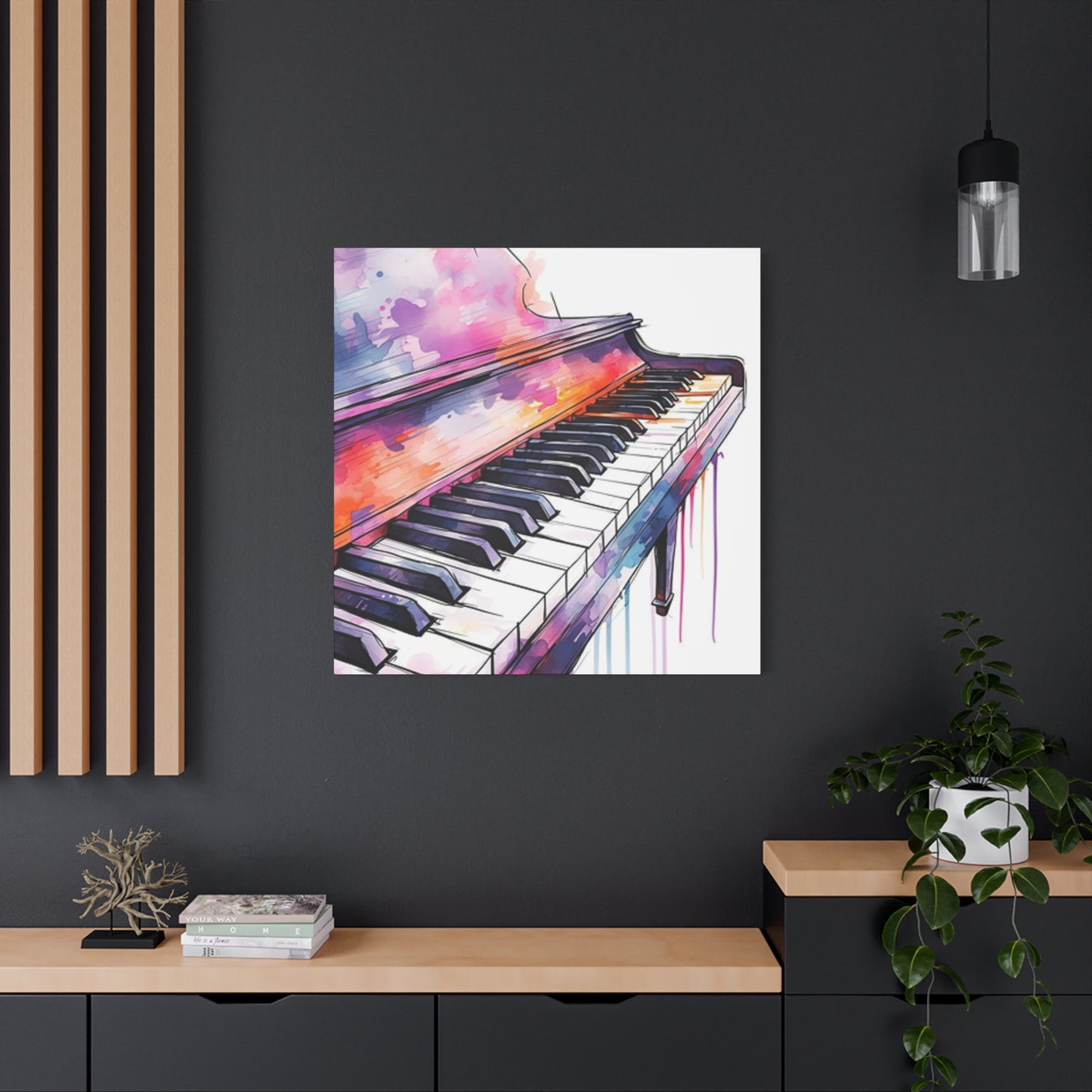


Keys Of Piano Drawing Painting Wall Art & Canvas Prints
Keys Of Piano Drawing Painting Wall Art & Canvas Prints
Couldn't load pickup availability
Creating Stunning Musical Decor That Brings Harmony to Your Living Spaces With Keys Of Piano Drawing Painting Wall Art
The realm of artistic expression finds one of its most captivating forms when musical instruments become subjects of visual creativity. Among these, piano-themed artwork stands as a timeless choice that resonates with both music enthusiasts and art lovers alike. The intricate black and white keys, polished surfaces, and elegant structure of pianos offer endless possibilities for artistic interpretation. Whether you're seeking to enhance your home's aesthetic appeal, create a dedicated music room, or simply celebrate your passion for melodies, piano-inspired wall decorations provide a sophisticated solution that transcends ordinary interior design choices.
Throughout centuries, artists have been mesmerized by the visual poetry inherent in piano structures. The stark contrast between ebony and ivory keys creates a natural rhythm that translates beautifully onto canvas, paper, and various other mediums. This visual representation of musical instruments has evolved from classical paintings to contemporary abstract interpretations, offering something for every taste and preference. The beauty of piano-themed artwork lies not only in its aesthetic appeal but also in its ability to evoke emotions, memories, and connections to the universal language of music.
Creating or selecting piano-focused decorative pieces requires understanding various factors including style preferences, room dimensions, color schemes, and the overall ambiance you wish to establish. These artistic pieces serve multiple purposes beyond mere decoration—they can act as conversation starters, reflection points, or inspirational reminders of creativity's power. The versatility of this theme allows it to complement numerous interior design approaches, from minimalist contemporary settings to richly decorated traditional spaces.
The market for musical instrument artwork has experienced substantial growth as people increasingly recognize the value of personalizing their living environments. Rather than settling for generic mass-produced prints, many individuals now seek distinctive pieces that reflect their personalities and passions. Piano-themed wall decorations particularly appeal to musicians, music teachers, students, and anyone who appreciates the instrument's cultural significance and visual elegance. These pieces can transform ordinary walls into captivating focal points that command attention while maintaining sophistication.
Exploring Various Artistic Styles for Piano-Themed Visual Representations
The diversity of artistic approaches available for depicting pianos ensures that every individual can find something matching their aesthetic preferences. Realistic renderings capture every detail of the instrument with photographic precision, showcasing the craftsmanship, textures, and reflections that make pianos such magnificent objects. These detailed representations often highlight the wood grain patterns, the metallic strings inside grand pianos, or the precise alignment of keys that musicians interact with daily. Such pieces appeal to purists who appreciate accuracy and technical skill in artwork.
Abstract interpretations offer a completely different experience, deconstructing the piano's elements into shapes, colors, and forms that suggest rather than literally depict. These pieces might fragment the keyboard into geometric patterns, transform keys into flowing ribbons of contrasting tones, or merge the instrument with unexpected elements like natural landscapes or urban environments. Abstract piano artwork particularly suits modern and contemporary interiors where bold statements and unconventional thinking are celebrated. The beauty of abstraction lies in its openness to interpretation, allowing viewers to engage with the piece on multiple levels.
Impressionistic styles bridge the gap between realism and abstraction, capturing the essence and mood of pianos rather than their precise details. These works might show a piano bathed in soft light, with blurred edges and dreamlike qualities that evoke emotional responses rather than visual accuracy. Watercolor renderings often fall into this category, with their fluid, translucent layers creating ethereal representations that seem to float on the surface. Such pieces work beautifully in spaces designed for relaxation and contemplation, where the artwork contributes to a calming atmosphere.
Vintage and retro styles have gained considerable popularity, offering nostalgic glimpses into different eras of piano design and musical culture. These might feature aged sheet music, antique piano stools, or sepia-toned images of grand pianos in historic concert halls. The distressed textures and muted color palettes characteristic of vintage artwork add character and depth to spaces, making them feel curated and lived-in rather than sterile. Such pieces particularly complement shabby chic, farmhouse, or eclectic interior design schemes that embrace history and patina.
Contemporary digital creations represent the cutting edge of piano-themed artwork, utilizing modern software and techniques to produce images impossible through traditional means. These might include surreal compositions where pianos merge with unexpected elements, high-contrast graphic designs emphasizing the keyboard's linear patterns, or multi-layered pieces combining photographs, drawings, and digital effects. The precision and versatility of digital tools allow artists to experiment freely, pushing boundaries and creating entirely new visual languages around familiar subjects.
Monochromatic compositions focusing exclusively on black and white tones honor the piano's signature color scheme while creating dramatic visual impact. These pieces rely on contrast, shading, and composition rather than color to achieve their effects. The simplicity of a two-tone palette can be surprisingly powerful, especially in spaces where color already features prominently in furnishings or architecture. Such artwork provides visual rest areas while maintaining interest through clever use of light, shadow, and form.
Selecting Appropriate Dimensions and Placements for Maximum Visual Impact
Size considerations play a crucial role in determining how effectively piano-themed artwork integrates into your environment. Oversized statement pieces measuring several feet across can dominate entire walls, serving as room centerpieces that immediately capture attention upon entry. These substantial works are particularly effective in spaces with high ceilings or expansive blank walls that might otherwise feel empty or uninviting. A large-scale representation of piano keys stretching across a wall can create the illusion of an actual instrument present in the room, establishing an immersive experience.
Medium-sized pieces offer versatility, working well either as standalone focal points or as components within gallery wall arrangements. These typically range from two to four feet in their largest dimension, providing sufficient presence without overwhelming smaller rooms. Such pieces work beautifully above sofas, beds, or console tables, where they can be appreciated at eye level without dominating the entire space. The moderate scale allows for detailed examination while maintaining appropriate proportion relative to furniture and architectural features.
Smaller works and collections of miniature piano-themed pieces allow for creative clustering and arrangement flexibility. Groups of four, six, or nine similar-sized pieces can be arranged in grids, creating unified compositions that feel intentional and curated. Alternatively, smaller works can be scattered throughout a room or home, creating visual threads that connect different spaces through a common theme. This approach works particularly well for those who prefer subtle decoration over bold statements, or for spaces where multiple competing elements already exist.
Vertical versus horizontal orientation significantly affects how artwork interacts with its surroundings. Tall, narrow compositions draw the eye upward, making ceilings appear higher and rooms more spacious. These orientations work beautifully flanking windows, doors, or in narrow wall sections where horizontal pieces wouldn't fit comfortably. Conversely, wide horizontal formats complement furniture arrangements, following the lines of sofas, beds, or sideboards to create cohesive visual relationships between functional and decorative elements.
Placement height dramatically impacts viewer engagement and room dynamics. The general principle suggests centering artwork at eye level, typically around 57 to 60 inches from the floor to the piece's center. However, furniture arrangements may necessitate adjustments—artwork above seating should hang higher, maintaining visual connection to the furniture below while remaining comfortably viewable from a seated position. In dining areas or music rooms where people primarily sit, slightly lower placement ensures better sightlines and engagement.
Lighting considerations cannot be overlooked when positioning piano-themed artwork. Natural light creates dynamic viewing experiences as sunlight shifts throughout the day, but excessive direct exposure can cause fading and damage over time. Positioning pieces on walls perpendicular to windows allows natural illumination without direct sun exposure. For dramatic evening presentations, consider dedicated picture lights or adjustable track lighting that can highlight artwork while creating ambiance. The interplay between keys of piano drawing painting wall art and carefully considered lighting transforms static decorations into living elements that change throughout the day.
Understanding Different Mediums and Materials Used in Piano-Focused Artwork
Canvas prints remain among the most popular choices for reproducing piano imagery, offering texture, depth, and a classic artistic feel. Stretched over wooden frames, canvas pieces provide dimensionality that flat prints cannot match. The fabric's weave adds subtle texture visible upon close examination, contributing to the handcrafted quality even when the original image is digitally created. Canvas withstands time well when properly cared for, maintaining color vibrancy and structural integrity through years of display. Many find the gallery-wrapped edges particularly appealing, as they eliminate the need for framing while creating clean, contemporary presentations.
Metal prints represent modern alternatives that deliver exceptional sharpness, color saturation, and durability. The process involves infusing dyes directly into specially coated aluminum sheets, creating images that seem to glow from within. The metallic surface adds a sleek, contemporary aesthetic particularly suited to modern and industrial design schemes. Metal prints resist moisture, fading, and physical damage far better than paper or canvas alternatives, making them practical choices for high-traffic areas or environments with variable conditions. The luminosity achieved through this medium particularly enhances piano imagery, making keys appear to shine with almost three-dimensional quality.
Acrylic mounting provides another contemporary option, sandwiching images between clear acrylic panels or mounting them on acrylic backing. This creates glossy, vibrant presentations with remarkable depth and clarity. Light passes through the acrylic, illuminating the image from within and creating an almost backlit effect. The smooth, reflective surface adds sophistication and modernity, though it may show fingerprints and dust more readily than other options. Acrylic pieces feel substantial and premium, making bold statements in contemporary settings where cutting-edge aesthetics are valued.
Traditional framed prints offer timeless appeal and maximum flexibility regarding matting, frame styles, and protective glazing options. High-quality art paper or photographic paper preserves fine details and tonal subtleties that other mediums might compromise. Framing allows for customization matching existing decor—from ornate gilded frames complementing traditional interiors to sleek minimalist frames enhancing modern spaces. Museum-quality matting creates visual breathing room around images while protecting them from direct contact with glass. This classic presentation method conveys sophistication and permanence, signaling that the artwork is valued and thoughtfully displayed.
Wood panels provide rustic charm and organic warmth that particularly suits farmhouse, cottage, or nature-inspired design schemes. Images can be printed directly onto prepared wood surfaces, allowing natural grain patterns to show through and become part of the artwork itself. Alternatively, images might be mounted on reclaimed barn wood or distressed planks, adding texture and historical character. The natural variations in wood grain ensure that each piece becomes truly unique, even when starting from the same image file. This medium particularly complements vintage-style piano imagery, creating cohesive presentations that feel discovered rather than manufactured.
Textured papers and specialty surfaces offer artists and manufacturers countless possibilities for creating distinctive piano-themed works. Watercolor paper's rough surface enhances fluid, impressionistic styles, while smooth hot-press paper suits detailed illustrations. Some specialty papers incorporate metallic fibers, creating subtle shimmer effects that catch light beautifully. Others feature embedded textures mimicking canvas, linen, or other fabrics without actually using those materials. These subtle differences in surface quality can dramatically affect how artwork appears and feels, adding layers of interest beyond the image itself.
Color Palette Considerations That Enhance Piano-Focused Decorative Pieces
Monochrome schemes honor the piano's inherent black and white nature while creating sophisticated, timeless presentations. Pure grayscale compositions range from deep charcoal blacks through subtle silver grays to brilliant whites, offering infinite tonal variations without introducing color. This approach creates calm, elegant atmospheres and works universally across different design schemes. Monochrome piano artwork particularly shines in minimalist interiors where restraint and precision are valued, or in spaces where bold colors already feature prominently in furnishings and accessories. The absence of color focuses attention on form, composition, and tonal relationships, often revealing subtleties that colorful versions might obscure.
Sepia and warm-toned interpretations add nostalgic qualities, evoking aged photographs and historical connections. Browns, tans, creams, and golden hues create cozy, inviting feelings while maintaining the sophisticated simplicity of limited palettes. These warm neutrals complement traditional and transitional interiors beautifully, coordinating with wood furniture, leather upholstery, and earth-toned textiles. Sepia-toned piano imagery often incorporates vintage elements like aged sheet music, antique concert halls, or period-appropriate styling, reinforcing their historical aesthetic through both color and content.
Cool-toned variations featuring blues, silvers, and cool grays create entirely different moods—calm, contemplative, sometimes melancholic. These colors evoke evening performances, moonlit rooms, and the emotional depth often associated with piano music. Cool palettes work beautifully in bedrooms, meditation spaces, or anywhere tranquility is desired. Navy backgrounds behind white keys create striking contrast while maintaining sophistication, and metallic silver accents can add luxury without overwhelming subtlety. Such pieces complement coastal, Scandinavian, or contemporary design schemes where cool, clean aesthetics prevail.
Bold color injections transform piano imagery into vibrant, energetic statements. Bright reds, electric blues, sunny yellows, or vivid purples can replace traditional black keys or backgrounds, creating playful, contemporary interpretations. These colorful approaches appeal to those who view music as joyful expression rather than solemn tradition. Multicolored keys might represent different musical notes, emotional states, or simply embrace decoration for its own sake. Such pieces become focal points in otherwise neutral rooms, injecting personality and energy into spaces that might otherwise feel restrained or sterile.
Gradient transitions create dynamic visual movement, with colors flowing seamlessly from one hue to another across the composition. Sunsets might wash over piano keys, transitioning from deep purples through oranges to golden yellows. Ocean-inspired gradients might flow from deep teals through turquoise to seafoam greens. These flowing color schemes add depth and dimension while maintaining cohesion through their gradual transitions. Gradient-based piano artwork works beautifully in spaces where movement and flow are desired, creating kinetic energy even in static images.
Complementary color schemes utilizing opposite color wheel positions create maximum visual impact and vibration. Orange and blue, purple and yellow, or red and green combinations create tension and excitement that commands attention. When applied to piano imagery, these dramatic contrasts might show keys illuminated by stage lighting, abstract interpretations emphasizing emotional intensity, or surreal compositions where unexpected color combinations challenge expectations. Such bold choices suit confident decorators willing to make strong statements through their artwork selections.
Examining Various Framing Options That Complement Musical Instrument Artwork
Traditional wood frames offer classic beauty and tremendous versatility through countless finish options. Rich mahogany, warm cherry, golden oak, or whitewashed pine each creates distinct impressions and coordinates with different furniture styles. Ornate carved frames suit formal traditional settings, while simple flat profiles work in transitional or contemporary spaces. Wood's natural warmth softens the starkness of black and white piano imagery, creating balanced presentations that feel complete and thoughtfully composed. Quality hardwood frames withstand time beautifully, developing character through years of display.
Metal frames deliver sleek, modern aesthetics particularly suited to contemporary and industrial design schemes. Brushed aluminum, polished chrome, matte black, or oil-rubbed bronze finishes each offer distinct characters. Thin profile metal frames create barely-there borders that let artwork command full attention, while chunkier sections make bolder statements. Metal's cool, precise quality complements the mechanical precision of piano construction, creating conceptual harmony between subject and presentation. These frames particularly enhance modern interpretations of piano imagery, reinforcing contemporary aesthetics through consistent material choices.
Floater frames create the illusion that artwork floats within the frame rather than being pressed against it. A small gap between the image edge and frame interior adds dimensionality and sophistication, particularly effective with canvas pieces. This presentation style feels gallery-worthy, elevating even reproduction prints to fine art status. Floater frames come in both wood and metal variations, offering this distinctive mounting style regardless of overall aesthetic preferences. The shadow gap draws attention to artwork edges and creates subtle depth effects that enhance visual interest.
Frameless presentations eliminate borders entirely, allowing images to stand completely on their own. Gallery-wrapped canvas pieces exemplify this approach, with images continuing around edges so no frame is necessary or expected. Similarly, some metal and acrylic prints are designed for frameless hanging, with their finished edges becoming part of the overall presentation. This minimalist approach suits contemporary spaces where clean lines and uncluttered presentations are valued. Without frames to coordinate, these pieces offer maximum flexibility and can be easily moved or rearranged without concern about matching borders.
Shadow boxes create three-dimensional presentations by mounting artwork with substantial depth between the image and protective glazing. This treatment works beautifully when incorporating actual piano-related objects alongside imagery—perhaps vintage sheet music, small keyboard segments, or three-dimensional elements like piano wire segments. The depth creates drama and allows for creative layering that tells richer stories than flat presentations alone could achieve. Shadow box framing transforms simple prints into sculptural pieces that engage viewers from multiple angles as light and shadow play within the frame's depth.
Mat borders serve multiple purposes beyond mere decoration—they create visual breathing room around images, protect artwork from touching glass, and can dramatically affect how colors and compositions are perceived. White and off-white mats offer classic, clean presentations that work universally. Colored mats might pick up accent colors within the artwork, creating coordinated presentations. Double or triple matting with contrasting colors adds sophistication and depth. Mat width affects impact significantly—narrow mats keep focus tightly on images, while generous borders create formal, museum-quality presentations. When displaying keys of piano drawing painting wall art, thoughtful matting choices can mean the difference between good and exceptional presentations.
Discovering Where to Source Quality Piano-Themed Decorative Pieces
Online marketplaces specializing in home decor offer vast selections spanning every style, size, and price point imaginable. These platforms aggregate offerings from numerous sellers, allowing comparison shopping and access to both mass-produced and limited-edition pieces. Customer reviews provide valuable insights into actual quality, shipping experiences, and how accurately product descriptions match delivered items. Many platforms offer visualization tools letting you preview how pieces might look in your actual rooms through augmented reality features. The convenience of home delivery makes online shopping particularly appealing, though inability to see pieces in person before purchase remains a notable limitation.
Independent artist platforms connect buyers directly with creators, offering unique works unavailable through commercial channels. These services let you browse portfolios, communicate directly with artists, and sometimes commission custom pieces tailored to your specific requirements. Supporting independent artists means your purchase directly benefits creators rather than corporate intermediaries. Original artwork purchased through these channels often includes certificates of authenticity and comes with the satisfaction of owning something genuinely unique. Prices vary tremendously based on artist reputation, piece size, and medium, but investing in original work brings rewards beyond mere decoration.
Print-on-demand services allow you to select from extensive image libraries and choose your preferred medium, size, and framing options. These platforms often feature work from multiple artists and photographers, with licensing agreements ensuring creators receive compensation when their images are purchased. The ability to customize almost every aspect of your final piece—from the specific image selected to the exact frame style and mat colors—creates truly personalized results. Quality varies among providers, so researching reputation and examining sample work before committing to large or expensive pieces proves wise.
Local art galleries and studios offer tangible benefits that online shopping cannot match. Seeing artwork in person reveals textures, colors, and details that photographs cannot fully capture. Gallery staff can provide expertise regarding artists, techniques, and appropriate placement considerations. Many galleries feature local artists, allowing you to support your community while acquiring unique pieces. The ability to hold, touch, and examine artwork before purchase eliminates uncertainty about quality and appearance. Galleries sometimes offer layaway plans or payment arrangements making higher-priced original works more accessible than lump-sum purchases would allow.
Home decor retailers, both chain stores and independent shops, typically stock curated selections of artwork matching current design trends. While offerings may be less extensive than online platforms, the ability to see actual products before purchasing provides valuable certainty. Sales associates can offer suggestions based on your described needs and might provide volume discounts when purchasing multiple pieces. Seasonal clearances and promotions at retail locations sometimes offer exceptional values on quality pieces. The immediate gratification of taking purchases home the same day appeals to those unwilling to wait for shipping.
Estate sales, antique shops, and secondhand stores occasionally yield surprising treasures—original paintings, vintage prints, or unique pieces no longer in production. Hunting through such venues requires patience and regular visits since inventory constantly changes, but the thrill of discovery and potential for finding undervalued gems attracts dedicated decorators. Prices at estate sales particularly can offer exceptional value when items must be liquidated quickly. The history embedded in vintage pieces adds character impossible to replicate with new purchases, creating conversation pieces with stories to tell.
Auction houses, both physical locations and online platforms, offer access to higher-end artwork including signed limited editions, original paintings, and pieces by recognized artists. Bidding processes can yield favorable prices when competition remains limited, though popular items might exceed retail values when multiple interested parties compete. Understanding auction mechanics, including buyer's premiums and bidding strategies, helps navigate these sometimes intimidating venues. Previewing artwork before bidding allows examination of condition and quality, ensuring that descriptions match reality before committing to purchases.
Creating Cohesive Room Designs That Incorporate Musical Instrument Imagery
Living room arrangements benefit from piano-themed artwork positioned as focal points above sofas or mantelpieces. Large-scale pieces command attention and establish the room's aesthetic direction, with other elements—throw pillows, area rugs, accent furniture—coordinating to complement the artwork's colors and style. Gallery walls incorporating multiple piano-related pieces of varying sizes create dynamic, personalized displays that reveal the homeowner's passion without overwhelming the space. Balancing artwork with negative space prevents visual clutter, allowing each piece adequate breathing room to make its individual impact while contributing to the overall composition.
Music room and practice space decoration naturally incorporates piano imagery, creating immersive environments that celebrate musical pursuit. Surrounding an actual piano with complementary artwork reinforces the room's purpose while adding visual interest to walls that might otherwise remain blank. Motivational quotes from famous composers or musicians integrated into artwork can inspire practice sessions. Historical images of renowned performers or significant concert halls add gravitas and connect current practice to music's rich heritage. In dedicated music spaces, decoration serves both aesthetic and inspirational purposes, transforming functional rooms into sanctuaries for creative expression.
Bedroom implementations create personal retreats reflecting individual tastes and passions. Above-bed placement makes piano artwork the last image seen before sleep and first upon waking, bookending days with beauty and inspiration. Soothing color palettes and calming compositions promote restfulness, while the personal significance of musical themes creates emotional connections that generic landscape prints cannot match. Matching nightstand lamps or bedding colors to artwork hues creates cohesive, intentional designs. In children's rooms, playful, colorful interpretations of piano keys might spark musical interest and brighten spaces where learning and play occur.
Home office and study spaces benefit from piano-themed decorations that inspire creativity and provide visual relief during long work sessions. Positioning artwork at eye level when seated ensures regular engagement during natural mental breaks. The disciplined, focused nature of musical practice parallels work ethic required in professional pursuits, making piano imagery particularly appropriate for productive spaces. Black and white compositions maintain professional sophistication while adding personality absent in purely functional office environments. Creating visual connections between work spaces and personal passions through thoughtful decoration humanizes environments that might otherwise feel sterile or purely utilitarian.
Dining room displays utilize piano artwork to create sophisticated ambiance during meals and gatherings. The elegance associated with pianos complements formal dining occasions, while abstract or playful interpretations keep casual family meals from feeling overly stuffy. Positioning pieces where seated guests naturally view them throughout meals ensures artwork enhances the dining experience rather than going unnoticed. Coordinating frame finishes with dining furniture creates visual harmony, while artwork colors might be picked up in table linens, centerpieces, or dishware for special occasions. The keys of piano drawing painting wall art become conversation pieces, facilitating social interaction during gatherings.
Entryway statements set tone for entire homes, with piano-themed artwork immediately communicating homeowner personality and design sensibility. First impressions matter tremendously, and thoughtfully selected pieces signal that the home has been carefully curated rather than hastily furnished. Narrow vertical pieces work beautifully in tight entry spaces, while larger statements are suitable for generous foyers with ample wall space. Lighting these pieces deliberately ensures they remain visible even in windowless entries. Coordinating entry furniture—console tables, benches, mirror frames—with artwork creates cohesive, welcoming spaces that graciously receive guests.
Hallway and stairwell galleries transform transitional spaces into curated exhibitions. These often-neglected areas offer substantial wall space perfect for displaying collections of related pieces. Ascending stairwells present unique opportunities for vertical arrangements that follow the staircase angle, creating dynamic presentations impossible on flat walls. Consistent matting and framing unify diverse images, while varied sizes prevent monotony. Adequate lighting ensures artwork remains visible rather than disappearing into shadowy corridors. Transforming passages between rooms into galleries maximizes home square footage, ensuring that no space goes to waste purely for circulation.
Maintaining and Preserving Piano-Themed Artwork for Long-Lasting Beauty
Dust accumulation represents the most common threat to artwork appearance, gradually dulling colors and obscuring details. Regular gentle dusting using microfiber cloths or soft brushes prevents buildup without abrading surfaces. For framed pieces under glass, standard glass cleaners applied to lint-free cloths clean without leaving streaks, though care must be taken to prevent moisture from seeping behind glass and damaging artwork itself. Canvas pieces require dry dusting only, as moisture can damage both the fabric and any printed or painted images it holds. Establishing routine maintenance schedules ensures that cleaning never becomes overwhelming while preventing damage that neglect causes.
Sunlight exposure causes fading, discoloration, and material degradation over time, particularly for paper-based artwork and certain ink types. Direct sunlight proves especially damaging, but even ambient light causes cumulative harm. Positioning artwork on walls perpendicular to windows minimizes exposure while still allowing natural illumination. UV-filtering glass or acrylic in frames provides substantial protection without noticeably affecting appearance. Window treatments like sheer curtains or adjustable blinds allow light control throughout the day. For irreplaceable original pieces, museum-quality glazing offers maximum protection, though at substantial cost. Even with protective measures, periodically rotating artwork between different locations distributes light exposure and prevents disproportionate damage to constantly displayed pieces.
Temperature and humidity fluctuations cause materials to expand and contract, potentially leading to warping, cracking, or delamination. Maintaining consistent environmental conditions protects artwork while also benefiting wooden furniture, floors, and the structure itself. Avoiding placement near heating vents, air conditioning units, or drafty windows prevents localized extremes. Humidity levels ideally remain between forty and fifty percent—dry conditions cause brittleness while excessive moisture encourages mold growth. In regions with dramatic seasonal changes, humidifiers or dehumidifiers help maintain appropriate levels year-round. Professional conservation requires strict environmental controls, and while homes need not match museum standards, awareness and reasonable precautions significantly extend artwork lifespans.
Handling and moving artwork requires care to prevent physical damage. Always support pieces from below rather than gripping frames, which may not be structurally sound enough to bear full weight. Wearing clean cotton gloves when handling unframed work prevents oil transfer from hands. Wrapping pieces in acid-free tissue or clean sheets during storage or transport protects surfaces from scratches and abrasion. Never stack artwork without protective material between pieces. When leaning pieces against walls temporarily, position them on soft surfaces and angle them to prevent toppling. Professional moving companies offer specialized art handling services for valuable pieces requiring extra security during relocation.
Cleaning methods vary substantially depending on medium and surface finish. Glass-covered pieces tolerate moisture, while bare canvas or paper require dry methods exclusively. Metal prints withstand gentle damp cleaning, but abrasive materials scratch their glossy surfaces. Acrylic pieces attract dust statically but clean easily with appropriate acrylic-safe products. When uncertainty exists regarding proper cleaning approaches, consulting professional conservators prevents well-intentioned damage. For valuable or irreplaceable pieces, professional cleaning services offer specialized knowledge and tools unavailable to homeowners, ensuring thorough cleaning without risk.
Restoration options exist when damage occurs despite preventive measures. Professional conservators can repair tears, clean stained surfaces, stabilize flaking paint, and perform numerous other corrective procedures. Costs vary dramatically based on damage extent and piece value, from reasonable for sentimental items to prohibitively expensive for merely decorative works. Insurance coverage sometimes includes damage to valuable artwork, making claims worthwhile for significant pieces. Understanding when restoration makes financial and emotional sense versus when replacement proves more practical requires honest assessment of both the piece's actual value and its personal significance.
Exploring Custom Commissioning for Truly Personalized Piano Artwork
Working directly with artists allows creation of completely unique pieces tailored specifically to your preferences, space requirements, and personal connections to music. This collaborative process begins with clear communication about vision, including preferred styles, colors, sizes, and specific elements you want incorporated. Sharing photographs of intended display locations helps artists understand architectural context and lighting conditions. Discussing your relationship with music—whether you're a performer, teacher, enthusiast, or simply appreciate aesthetic beauty—helps artists create work that resonates personally rather than generically. This upfront conversation establishes expectations and ensures alignment before work begins.
Budget discussions should occur early, as custom artwork spans enormous price ranges depending on artist reputation, piece size, medium, and complexity. Emerging artists offer affordability while established names command premium prices reflective of their market standing. Being transparent about budget constraints allows artists to propose achievable options rather than wasting time developing ideas beyond financial reach. Some artists offer payment plans spreading costs across the creation timeline. Understanding what's included—framing, shipping, revisions—prevents surprise expenses. While custom work costs more than mass-produced alternatives, the result's uniqueness and personal relevance often justify the investment for those seeking truly special pieces.
Timeline expectations require realistic understanding of creative processes. Unlike ordering prints that ship within days, commissioned artwork may require weeks or months depending on complexity, artist workload, and medium. Oil paintings demand extended drying time between layers, large pieces require more hours than small ones, and artists juggling multiple commitments may need scheduling flexibility. Rushing creative work rarely yields optimal results, so allowing adequate time ensures artists can fully realize visions without compromising quality. For pieces intended as gifts or tied to specific events, initiating commissions well in advance prevents deadline stress for both parties.
Preliminary sketches and mockups help ensure shared vision before substantial work begins. Most artists provide rough compositions for approval, allowing feedback and adjustments before committing to final versions. This collaborative refinement prevents disappointment and wasted effort on both sides. Be specific about requested changes while respecting artistic expertise—you hired this person for their skills and vision, so maintaining balance between direction and trust yields best outcomes. Some back-and-forth is normal and healthy, ensuring the final piece truly satisfies while benefiting from professional insights.
Contract agreements protect both parties by documenting deliverables, timelines, payment terms, and usage rights. For substantial investments, written agreements prevent misunderstandings and provide recourse if problems arise. Contracts should specify exactly what's being created, in what size and medium, delivery timeline, payment schedule, revision policies, and what happens if either party needs to cancel. Usage rights matter particularly if you intend to reproduce the work for merchandise or commercial purposes beyond personal display. While formal contracts might seem excessive for smaller projects, even simple written confirmations benefit everyone by establishing clear mutual understanding.
Reproduction rights determine whether you can create prints, cards, or other derivative works from commissioned pieces. Some artists retain all reproduction rights, allowing you only the physical original. Others transfer full rights for additional fees. If your intention includes future reproduction—perhaps for a music studio's branding or family gifts—negotiating these rights upfront is essential. Licensing arrangements might allow limited reproduction while protecting the artist's ability to sell prints themselves. Understanding and respecting intellectual property ensures ethical behavior while getting permissions you need for intended uses. The keys of piano drawing painting wall art created through commission become treasured possessions that can be enjoyed for generations when properly executed.
Understanding Psychological Effects of Musical Imagery in Living Environments
Visual reminders of music trigger neural pathways associated with auditory memories and emotional experiences tied to specific songs, performances, or musical periods in one's life. Piano imagery particularly evokes these connections for anyone who has played, studied, or simply enjoyed piano music. These associations operate subtly but powerfully, influencing mood and mental state even without conscious awareness. Surrounding yourself with imagery celebrating personal passions reinforces identity and provides comfort through familiar, meaningful references. This psychological grounding proves especially valuable in our increasingly chaotic, disconnected world where stable reference points offer emotional anchoring.
Color psychology intersects with subject matter, creating layered emotional responses. Black and white piano imagery might evoke sophistication, formality, or nostalgia depending on style and presentation. Adding warm colors like reds and golds infuses energy and passion, while cool blues and greens promote calm and contemplation. These color-driven emotional responses operate somewhat universally while also being shaped by personal and cultural associations. Deliberately selecting artwork whose colors align with desired emotional atmospheres in specific rooms creates environments supporting intended activities—energizing home offices, calming bedrooms, inspiring creative spaces.
Cognitive benefits of engaging with art include enhanced creativity, improved problem-solving abilities, and increased mental flexibility. Having artwork present in living spaces provides regular low-level cognitive stimulation as the brain unconsciously processes visual information. Complex compositions offering layers of detail reward extended viewing, revealing new elements upon repeated observation. This differs fundamentally from entertainment media's passive consumption, instead requiring active, albeit gentle, engagement. Over time, this regular mental exercise contributes to cognitive health while making homes more interesting environments than purely functional spaces devoid of visual enrichment.
Personal identity expression through decoration choices communicates self-concept both to ourselves and visitors. Displaying piano artwork declares this aspect of identity publicly, signaling that music matters to you. This is particularly important for those whose work or primary life roles don't directly involve music—the accountant who plays jazz piano evenings, the nurse whose children take lessons, the retiree who finally has time to return to childhood piano studies. These visual declarations validate parts of ourselves that might otherwise feel marginalized, asserting that we're complex individuals with multifaceted interests and passions.
Conversation facilitation represents an underappreciated benefit of thoughtfully selected artwork. Distinctive pieces invite commentary and questions from guests, providing natural conversation entry points. Sharing stories behind artwork selections—where you acquired pieces, what they represent, connections to specific musical memories—creates interpersonal bonding through self-disclosure. For socially anxious individuals, having environmental talking points eases interaction pressure by providing ready discussion topics. Music's universal appeal means piano imagery typically generates positive, accessible conversations rather than divisive or alienating reactions.
Motivational reinforcement occurs when aspirational imagery surrounds us daily. For piano students, seeing beautiful representations of their instrument reinforces commitment during difficult practice periods. Visual reminders of musical goals inspire continued effort when progress feels slow. This motivational function extends beyond performance to appreciation—artwork celebrating piano beauty motivates continued engagement with music generally, encouraging concert attendance, exploring new composers, or deepening understanding of music theory and history. Environment shapes behavior powerfully though often imperceptibly, making intentional environmental design a practical tool for supporting desired habits and pursuits.
Stress reduction through aesthetic beauty represents one of art's most immediate benefits. Chaotic, cluttered, or purely functional environments generate low-level stress, while beautiful, organized spaces promote relaxation and wellbeing. Piano imagery, particularly in calming color schemes and styles, contributes to restorative environments where stress naturally diminishes. This proves especially valuable in bedrooms and other spaces designated for rest and recovery. While art alone cannot eliminate stress, cumulative effects of multiple environmental improvements create noticeably better living conditions supporting mental and physical wellness.
Conclusion
In conclusion, Keys of Piano Drawing Painting Wall Art offers a unique and captivating way to incorporate the beauty of music into home decor, transforming living spaces into harmonious environments. Whether you are a musician, music enthusiast, or simply someone who appreciates artistic expression, piano-themed artwork adds a rich layer of culture, sophistication, and emotion to any room. By seamlessly blending the elegance of musical instruments with the creativity of visual art, piano wall art not only enhances the aesthetic appeal of your space but also invites a deeper connection to the power of music.
The beauty of piano-themed art lies in its versatility. A painting or drawing featuring the iconic black and white keys can evoke a wide range of emotions and moods, from serene and contemplative to energetic and lively. This adaptability allows it to complement various interior design styles, whether you're aiming for a classic, minimalist look or a more eclectic and vibrant atmosphere. The striking contrast of the piano keys, paired with the fluidity of artistic expression, creates a focal point in any room that draws the eye and sparks conversation.
Additionally, the symbolic meaning of music and its connection to universal human experiences makes piano wall art more than just a decorative piece—it becomes a reflection of personal identity and passions. For musicians, this art may represent a lifelong connection to their craft; for others, it may evoke memories of cherished musical moments or inspire a sense of creativity. As music has the power to stir emotions, the addition of piano-themed art in the home serves as a constant reminder of the beauty and therapeutic qualities of music, even when there is no sound.
Another important consideration is the durability and timeless nature of piano-themed art. Whether hand-painted or digitally printed, these pieces have the potential to become cherished heirlooms that will remain relevant across changing design trends. Unlike other trends in home decor that may come and go, music-themed artwork offers enduring appeal, making it a long-term investment in both style and sentimentality.
Moreover, the act of curating musical decor, like piano wall art, allows homeowners to personalize their space, making it an extension of their tastes and values. The possibilities are endless, from large statement pieces that dominate a wall to smaller, more subtle works of art that complement existing decor. In addition, with customization options available, you can choose artwork that resonates with your specific aesthetic preferences, whether you prefer abstract representations, realistic depictions, or something more avant-garde.
Incorporating piano-themed art into your home can also foster a sense of tranquility and inspiration. Studies have shown that visual representations of music can trigger positive emotional responses, whether through nostalgia, creativity, or simply the aesthetic enjoyment of the art itself. In environments like living rooms, music rooms, or home studios, piano wall art has the power to promote focus and emotional well-being, creating spaces that encourage creativity, relaxation, and even productivity.
Finally, the significance of choosing piano wall art extends beyond the individual—it can be a gift that celebrates music and the arts, making it a meaningful present for friends and family. Whether for a birthday, anniversary, or special occasion, a beautifully crafted piano painting or drawing is a thoughtful way to honor a loved one’s musical journey or to inspire their passion for the arts.
In summary, Keys of Piano Drawing Painting Wall Art is not just a decorative addition to your home—it is a celebration of music's universal language. It brings a sense of harmony to your living space, offering both aesthetic beauty and emotional depth. Whether you're a passionate musician or someone who appreciates the beauty of art, this type of decor invites a timeless connection to the rich world of music while enhancing the ambiance of any room. By adding piano-themed artwork to your home, you create an environment where the beauty of sound and sight coalesce into something truly transformative.
Share