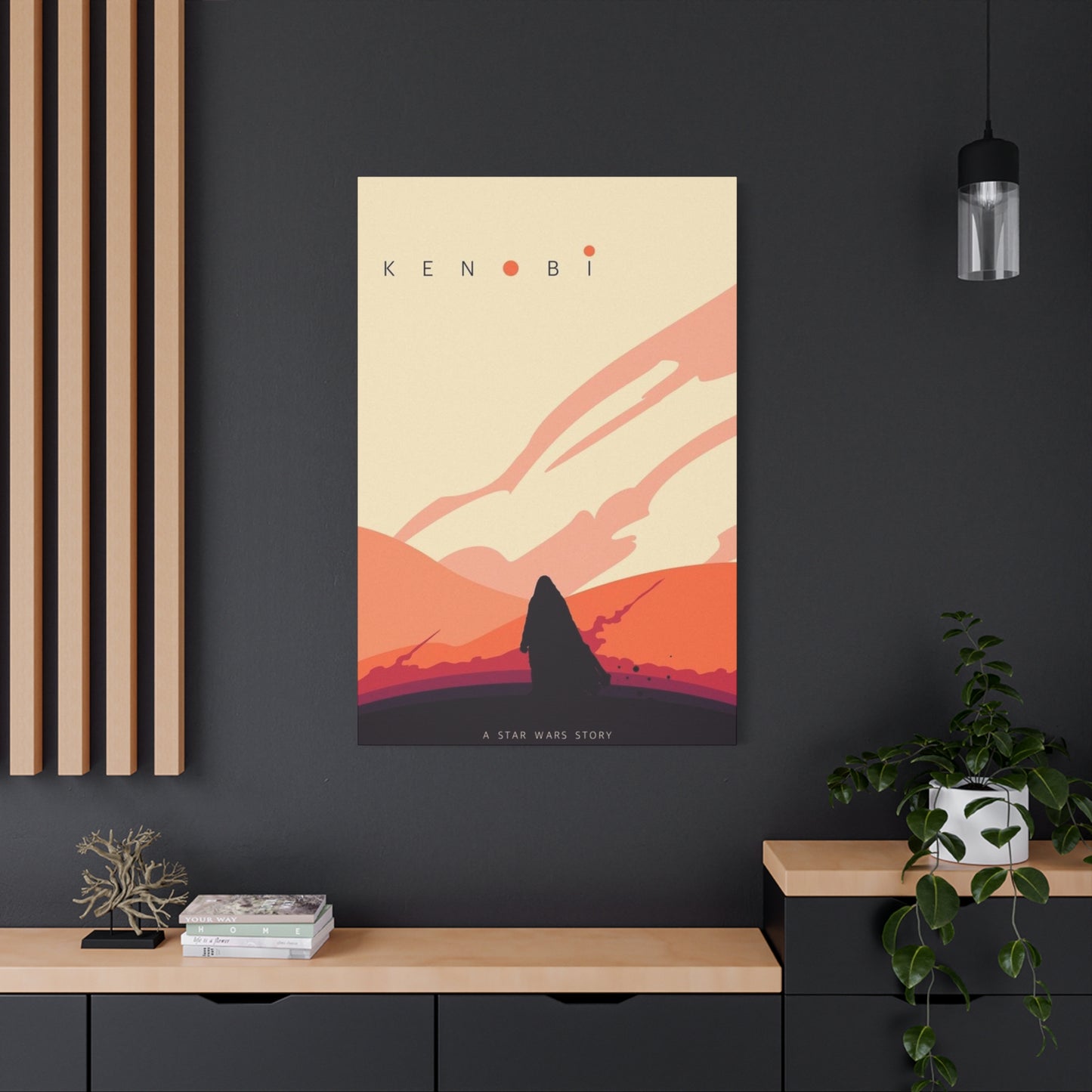


Kenobi Wall Art & Canvas Prints
Kenobi Wall Art & Canvas Prints
Couldn't load pickup availability
Decorating Your Space with Kenobi Wall Art: A Comprehensive Journey Through Star Wars Interior Design
The realm of home decoration has witnessed a remarkable surge in themed artwork, particularly pieces celebrating iconic characters from beloved franchises. Among these, Kenobi Wall Art stands as a testament to the enduring popularity of Star Wars and its profound impact on contemporary interior design choices. This comprehensive exploration delves into every facet of incorporating these distinctive decorative pieces into your living environment, examining their cultural significance, aesthetic versatility, and the myriad ways they can transform ordinary spaces into personalized sanctuaries.
The Cultural Phenomenon Behind Obi-Wan Kenobi Artwork in Modern Homes
The character of Obi-Wan Kenobi has transcended his cinematic origins to become a symbol of wisdom, perseverance, and noble sacrifice. His journey from young Padawan to legendary Jedi Master resonates deeply with audiences across generations. When individuals choose to display Kenobi Wall Art in their homes, they are not merely selecting decorative items; they are making statements about their values, interests, and the narratives that shape their worldview.
This phenomenon extends beyond simple fandom. The visual representation of this character in wall art form allows enthusiasts to create tangible connections with stories that have influenced their lives. Whether depicted in his younger years as a determined warrior or in his later appearances as a weathered guardian, these artistic interpretations capture moments of heroism, vulnerability, and unwavering dedication to principles larger than oneself.
The widespread appeal of such artwork stems from multiple factors. First, the character's multi-dimensional portrayal across various media formats provides artists with rich source material for creative interpretation. Second, the timeless themes associated with his narrative—mentorship, redemption, sacrifice, and hope—resonate universally, making these pieces relevant to diverse audiences. Third, the aesthetic qualities of Star Wars universe design, with its blend of futuristic elements and classical mythology, offer visually striking compositions that enhance any interior space.
Exploring the Diverse Styles of Kenobi-Themed Decorative Pieces
The market for character-inspired wall art has evolved considerably, offering consumers an impressive array of stylistic choices. When selecting Kenobi Wall Art, enthusiasts encounter numerous artistic approaches, each bringing unique qualities to interior spaces.
Minimalist interpretations focus on essential visual elements, utilizing clean lines, limited color palettes, and simplified forms to create sophisticated pieces that complement modern interior design schemes. These works often feature silhouettes, geometric representations, or abstract interpretations that suggest the character's presence without literal depiction. Such pieces work exceptionally well in contemporary settings where subtlety and understatement are valued.
Photorealistic portraits represent another popular category, showcasing the character with stunning accuracy and detail. These pieces often capture specific moments from various appearances, preserving the emotional intensity of pivotal scenes. The technical skill required to produce such work results in artwork that commands attention and serves as conversation starters in any room.
Vintage-inspired designs tap into nostalgia by emulating the aesthetic qualities of original promotional materials from earlier decades. These pieces often incorporate distressed textures, retro color schemes, and classic graphic design elements that evoke the feeling of collectible memorabilia while maintaining contemporary production quality.
Abstract and impressionistic interpretations offer artistic freedom, presenting the character through bold color choices, expressive brushwork, and unconventional compositional approaches. These pieces appeal to those who appreciate fine art sensibilities and desire decorative items that function as legitimate artistic statements rather than simple character merchandise.
Pop art variations embrace the bold graphics, vibrant colors, and repetitive elements characteristic of this movement, transforming the character into an icon that bridges popular culture and fine art traditions. Such pieces often incorporate text elements, contrasting colors, and graphic design principles that create visually dynamic compositions.
Material Considerations for Long-Lasting Wall Decorations
The physical composition of wall art significantly impacts its appearance, durability, and suitability for different environments. Understanding material options enables informed purchasing decisions that align with specific needs and preferences.
Canvas prints remain among the most popular choices for Kenobi Wall Art, offering a classic presentation that mimics traditional painting surfaces. The fabric texture adds depth and dimension to images, creating a premium appearance. Canvas withstands various environmental conditions reasonably well, though direct sunlight exposure should be minimized to prevent fading. The frameless gallery wrap style provides a contemporary look, while framed canvas options offer a more traditional presentation.
Metal prints represent a modern alternative that delivers exceptional vibrancy and durability. The process of infusing dyes directly into specially coated aluminum surfaces produces images with remarkable clarity, depth, and color saturation. These pieces resist moisture, fading, and physical damage better than many alternatives, making them ideal for environments where longevity is paramount. The reflective quality of metal surfaces adds a unique luminosity that changes with viewing angles and lighting conditions.
Acrylic prints create a high-end, gallery-quality appearance through their glossy finish and dimensional depth. The transparent acrylic material enhances color intensity while providing substantial protection against environmental factors. These pieces work particularly well in contemporary spaces where sleek, polished aesthetics are desired. The weight and presence of acrylic prints convey substantial quality.
Wood-mounted prints offer an organic, rustic appeal that complements various interior design styles. The natural grain and texture of wood substrates add character and warmth to displayed images. Different wood types, from light birch to dark walnut, provide aesthetic variety that can be matched to existing furnishings and color schemes.
Poster prints on high-quality paper stock provide affordable options without sacrificing visual impact. Modern printing methods produce rich colors and sharp details on paper, though these pieces require framing and glass protection for optimal longevity. This format allows for easy updating and rotation of displayed artwork as preferences evolve.
Determining the Perfect Dimensions for Your Display Space
Selecting appropriately sized artwork significantly influences its visual impact and how well it integrates with existing room elements. Several considerations guide this decision-making process.
Wall space dimensions establish the foundation for size selection. A common guideline suggests that artwork should occupy approximately two-thirds to three-quarters of the available wall width for balanced proportions. However, this is not an absolute rule—personal preference and specific room characteristics should inform final choices.
Viewing distance affects how size is perceived. Larger pieces work well in spacious rooms where they can be appreciated from greater distances, while smaller works suit intimate spaces where close viewing is natural. Consider the typical paths people take through the room and where their attention naturally focuses.
Furniture relationships matter considerably. Artwork hung above sofas, beds, or console tables should relate proportionally to these pieces. A general recommendation suggests keeping art width between half and three-quarters of the furniture piece width below it. This creates visual cohesion rather than awkward disproportion.
Ceiling height influences vertical dimension choices. Rooms with standard eight-foot ceilings accommodate different sizes than spaces with soaring cathedral ceilings. Taller pieces can emphasize vertical space, while horizontal orientations can make rooms feel wider.
Multi-panel arrangements offer flexibility for filling larger spaces while maintaining visual interest through segmented compositions. Triptychs and larger multi-panel sets allow for dramatic presentations that adapt to various wall configurations.
Color Harmony and Visual Cohesion in Room Design
Successfully incorporating Kenobi Wall Art into existing spaces requires attention to color relationships and visual flow throughout the room.
Analyzing dominant colors within the artwork helps identify opportunities for complementary or contrasting relationships with room elements. If the piece features predominantly cool blues and grays, these tones can be echoed in throw pillows, curtains, or other accessories to create cohesion. Alternatively, warm accent colors might be introduced through other decorative elements to provide dynamic contrast.
Neutral backgrounds in artwork offer versatility, adapting easily to changing room color schemes without requiring replacement. Pieces with minimalist backgrounds place emphasis on the subject while remaining compatible with various surrounding colors.
Bold, saturated colors in artwork can serve as room focal points around which other design decisions revolve. A vibrant piece might inspire the selection of coordinating furniture, textiles, or paint colors that create a unified aesthetic vision.
Monochromatic schemes using various shades and tints of single colors produce sophisticated, cohesive appearances. A black and white or sepia-toned Kenobi Wall Art piece works beautifully in rooms emphasizing tonal subtlety over chromatic variety.
The psychological effects of color deserve consideration. Blues and grays convey calmness and contemplation, suitable for spaces intended for relaxation or focused work. Warmer tones with reds, oranges, or golds create energetic, welcoming atmospheres appropriate for social spaces.
Strategic Placement Principles for Maximum Visual Impact
Where you position artwork dramatically affects its effectiveness as a decorative element and how it influences the overall room atmosphere.
Eye-level hanging represents the standard approach, positioning the artwork's center approximately 57 to 60 inches from the floor. This height allows comfortable viewing without neck strain and works well in most residential settings. Adjustments may be necessary based on the average height of household members or if furniture placement affects natural sight lines.
Focal point creation directs attention and establishes visual hierarchy within rooms. Placing Kenobi Wall Art on a prominent wall opposite the room entrance ensures it receives immediate notice. Alternatively, positioning it above a fireplace mantel or behind a key furniture piece designates these areas as primary visual anchors.
Gallery wall arrangements combine multiple pieces to create dynamic, personalized displays. These compositions might include various sized prints of the character in different scenes or artistic styles, interspersed with complementary items like quotes, symbols, or related imagery. Successful gallery walls require careful planning—laying out arrangements on the floor before hanging helps visualize the final result.
Negative space utilization prevents visual overcrowding. Artwork needs breathing room—adequate space between the piece and surrounding elements allows it to be appreciated without competing for attention. Minimalist approaches often prove more effective than cluttered arrangements.
Lighting considerations dramatically affect artwork appearance. Natural light enhances colors during daytime hours but can cause fading over time. Positioning pieces away from direct sunlight extends their lifespan. Artificial lighting options include picture lights, track lighting, or strategically placed floor lamps that illuminate artwork without creating glare.
Room-specific considerations influence placement strategies. In bedrooms, artwork above the headboard creates a personal sanctuary feel. Living rooms benefit from pieces positioned in conversation areas where they can be easily appreciated. Home offices might feature inspirational character images in sight lines from work areas, serving as motivational reminders.
Curatorial Approaches for Themed Collections
Building a cohesive collection of character-inspired artwork requires thoughtful planning and curatorial vision that goes beyond random accumulation.
Chronological narratives trace the character's journey across different life stages and appearances. This approach might feature artwork depicting Kenobi as a young apprentice, a general during galactic conflicts, a hermit in exile, and finally as a spiritual guide. Arranging these pieces in sequential order tells a visual story that deepens appreciation for the character's evolution.
Stylistic diversity maintains visual interest while focusing on a single subject. Combining photorealistic portraits with abstract interpretations, vintage-inspired designs, and modern graphic treatments creates dynamic collections that showcase the character through multiple artistic lenses. This variety prevents monotony while maintaining thematic unity.
Color story development uses artwork as building blocks for room color schemes. Selecting pieces with complementary color palettes creates visual harmony, while varying saturation levels and tones adds depth without discord. This approach transforms disparate pieces into a unified collection that feels intentionally curated.
Scale variation incorporates pieces of different dimensions to create visual rhythm and hierarchy. Pairing a large statement piece with several smaller complementary works establishes primary and secondary focal points, guiding viewers' eyes through the collection in a deliberate sequence.
Balanced asymmetry arranges pieces in visually pleasing yet informal patterns. Unlike rigid symmetrical layouts, asymmetrical arrangements feel more organic and contemporary while still maintaining overall balance through thoughtful distribution of visual weight.
Framing Options That Enhance Rather Than Distract
Frame selection significantly influences how artwork is perceived and how well it integrates with room aesthetics.
Traditional wood frames offer timeless elegance and versatility. Different wood species, stains, and profiles accommodate various aesthetic preferences—from ornate carved frames suited to classical interiors to simple, clean-lined wooden frames perfect for contemporary spaces. The natural warmth of wood complements most color schemes and provides a finished, professional appearance.
Metal frames deliver sleek, modern sophistication. Available in various finishes including brushed aluminum, polished chrome, matte black, and antiqued bronze, metal frames work particularly well with contemporary and industrial design schemes. Their slim profiles minimize visual weight, keeping focus on the artwork itself.
Floating frames create the illusion that artwork hovers within the frame, separated from the backing by a small gap. This dimensional quality adds sophistication and works especially well with canvas prints or photographs, creating a gallery-worthy presentation.
Shadow box frames provide depth for multi-dimensional displays or for creating separation between the artwork and glazing. This extra space prevents direct contact with glass, which is particularly important for certain print types, while also allowing for creative layering effects.
Frameless presentations offer ultra-modern simplicity, particularly when using gallery-wrapped canvas or materials with finished edges like metal or acrylic prints. This approach creates clean, uninterrupted visual flow and works beautifully in minimalist interiors.
Mat board additions create visual breathing space between the artwork and frame, drawing attention inward toward the piece. Mat colors can complement dominant artwork tones or provide contrasting borders that enhance visual pop. Multiple mat layers add dimensional interest and premium quality perception.
Preservation Strategies for Maintaining Artwork Quality
Proper care extends the life and appearance of wall art, protecting your investment and preserving visual appeal for years.
Environmental control minimizes damage from humidity, temperature fluctuations, and light exposure. Maintaining consistent indoor conditions prevents warping, cracking, or deterioration of various materials. Humidity levels between 40-50% prove ideal for most artwork types. Temperature stability matters more than specific degrees—avoiding dramatic swings protects materials from expansion and contraction stress.
Light management represents one of the most critical preservation factors. Ultraviolet radiation causes fading, discoloration, and material degradation over time. Positioning artwork away from direct sunlight provides basic protection. UV-filtering glazing on framed pieces offers additional defense, blocking harmful rays while maintaining visibility. LED lighting produces minimal UV radiation compared to incandescent or fluorescent sources, making it preferable for illuminating artwork.
Regular dusting removes accumulated particles that can scratch surfaces or become embedded in textures. Soft, dry microfiber cloths work well for most surfaces, used with gentle wiping motions. Compressed air helps clean intricate frame details without physical contact. Avoid using cleaning solutions unless specifically recommended for the particular material—moisture can damage some substrates while harsh chemicals may affect inks or coatings.
Proper handling during relocation or rearrangement prevents accidental damage. Always lift artwork rather than dragging it across surfaces. Support larger pieces at multiple points to prevent stress on hanging hardware or materials. Wear clean cotton gloves when handling unframed prints to avoid transferring oils from skin contact.
Climate-controlled storage protects pieces when rotation or temporary removal becomes necessary. Wrapping artwork in acid-free tissue paper before placing in archival boxes prevents surface scratches and environmental exposure. Storing pieces vertically rather than stacked horizontally prevents pressure damage and makes individual items easier to access.
Creating Immersive Themed Environments
Beyond single pieces, dedicated enthusiasts often create immersive spaces that celebrate the character and broader narrative universe through comprehensive design approaches.
Complementary decor elements extend the theme beyond wall art. This might include carefully selected furniture pieces in colors matching artwork palettes, decorative objects referencing the fictional universe, or subtle nods to specific story elements through room accessories. The key lies in creating cohesion without overwhelming spaces with excessive thematic items.
Lighting design establishes mood and enhances atmospheric qualities. Dimmable fixtures allow adjustment for different activities and times of day. Colored LED strips concealed behind furniture or architectural features can create ambient effects reminiscent of specific settings from the character's story. Subtle lighting transforms ordinary rooms into spaces with distinct personality.
Textiles introduce additional thematic elements through throw pillows, blankets, curtains, or area rugs. These softer elements add comfort while reinforcing color schemes and visual themes established by wall art. Textures ranging from smooth contemporary fabrics to rustic weaves contribute to overall room character.
Furniture selection and arrangement supports the themed environment. While overtly franchise-branded furniture often appears juvenile in adult spaces, pieces in appropriate colors and styles can reinforce themes subtly. For instance, sleek modern furniture complements minimalist artwork presentations, while comfortable, slightly worn pieces suit vintage-inspired displays.
Personal collection displays showcase related items like books, replica props, or collectible figures in tasteful arrangements. Built-in shelving, glass-front cabinets, or floating shelves provide dedicated spaces for these items without creating cluttered appearances. Strategic lighting within display areas highlights prized pieces.
The Psychology of Surrounding Yourself with Inspirational Imagery
The images we display in our personal spaces influence mood, motivation, and psychological well-being in ways both conscious and subtle.
Identity expression through environmental choices helps individuals create spaces that reflect their authentic selves. Displaying Kenobi Wall Art communicates personal values, interests, and affiliations to visitors while reinforcing self-concept for occupants. This visual self-expression contributes to feelings of comfort and belonging within one's own home.
Motivational reinforcement occurs when artwork depicts characteristics or qualities we aspire to embody. The character's portrayal as wise, patient, courageous, and dedicated serves as a visual reminder of these virtues. During challenging moments, glancing at such imagery can provide subtle encouragement to persevere with similar determination.
Stress reduction benefits from personalized, meaningful environments. Spaces decorated according to personal preferences rather than generic design trends feel more comfortable and calming. The familiarity of beloved characters and stories creates psychological comfort, similar to how cherished photographs of loved ones provide emotional support.
Nostalgia activation through character imagery triggers positive memories associated with initial encounters with these stories. These pleasant recollections can improve mood and create positive emotional states. For many, specific characters represent particular life periods or formative experiences, making their depiction emotionally significant beyond simple entertainment value.
Conversation facilitation happens naturally when distinctive artwork catches visitors' attention. These pieces become social catalysts, encouraging discussions about shared interests and creating connection points between people. Such interactions strengthen social bonds and create memorable experiences associated with your space.
Sourcing Quality Pieces from Reliable Vendors
Finding high-quality Kenobi Wall Art requires knowing where to look and how to evaluate offerings.
Independent artists on various platforms create unique interpretations that offer alternatives to mass-produced items. These creators often sell through their own websites or popular artist marketplaces, providing original works or limited prints. Supporting independent artists not only yields distinctive pieces but also contributes to creative communities.
Licensed merchandise retailers offer officially approved artwork with quality guarantees and proper permissions for character usage. These pieces meet specific standards and provide assurance regarding production methods and materials. Official licensing often means higher prices but guarantees legitimacy.
Custom commission services allow for personalized artwork tailored to specific preferences. Working directly with artists enables control over composition, style, color schemes, and dimensions. This route produces truly unique pieces that match exact specifications, though timelines and costs typically exceed ready-made purchases.
Quality indicators help evaluate potential purchases. High-resolution images in product listings suggest attention to detail. Clear descriptions of materials, dimensions, and production methods demonstrate transparency. Customer reviews provide insight into actual product quality and vendor reliability. Return policies and satisfaction guarantees indicate vendor confidence in their offerings.
Price considerations balance budget constraints with quality expectations. Extremely low prices often indicate inferior materials or production shortcuts that compromise longevity and appearance. Mid-range options frequently offer good value, combining reasonable quality with affordability. Premium pieces justify higher costs through superior materials, exceptional craftsmanship, or limited availability.
Display Alternatives Beyond Traditional Wall Hanging
Creative presentation methods offer fresh approaches to showcasing artwork while accommodating different spaces and preferences.
Leaning arrangements against walls on shelves, mantels, or floor level create casual, easily adjustable displays. This approach works particularly well for renters who prefer avoiding wall damage or for those who enjoy frequently refreshing their decor. Layering multiple pieces at varying heights adds dimensional interest.
Easel displays traditionally associated with formal presentations work beautifully in homes for showcasing single pieces as temporary focal points. Decorative easels come in various styles from ornate traditional designs to minimalist modern stands. This method allows spotlight rotation among collection pieces.
Clip hanging systems using subtle wires or cords with clips accommodate easy rotation of prints and posters. This approach particularly suits collections where variety and freshability are priorities. The industrial aesthetic of visible suspension systems can contribute to contemporary or urban design schemes.
Picture ledge arrangements provide flexible display options where multiple pieces rest on narrow shelves specifically designed for artwork. These ledges allow overlapping, layering, and frequent rearrangement without repeatedly hammering holes in walls. The dimensional quality created by varied positioning adds visual interest.
Digital frames now offer quality displays rivaling printed materials, allowing rotation through entire collections without physical storage concerns. High-resolution screens with anti-glare coatings and adjustable brightness create convincing artwork presentations while offering ultimate flexibility. Motion sensor activation conserves energy by displaying content only when someone occupies the room.
Complementary Pieces That Enhance Character-Themed Displays
Building comprehensive displays often involves incorporating additional elements that support and enhance the primary artwork.
Quote prints featuring memorable dialogue create meaningful companions to character portraits. These textual elements add philosophical depth and remind viewers of specific moments that resonated emotionally. Typography choices range from clean modern fonts to stylized designs that evoke specific eras or aesthetics.
Symbol imagery incorporates recognizable icons associated with the character or broader narrative universe. These graphic elements work well as smaller accent pieces within gallery walls or as standalone items in spaces where subtlety is preferred over obvious character imagery.
Scene-specific artwork captures pivotal moments or iconic settings from various appearances. These pieces provide context and narrative depth, transforming displays from simple character appreciation into storytelling through visual elements.
Black and white photography or illustrations offer tonal contrast when displayed alongside color pieces. This variation creates visual rhythm and prevents monotony in larger collections while maintaining thematic unity through subject matter.
Complementary character artwork expands displays to include related figures significant to the main character's journey. Master-apprentice pairings or rival confrontations add narrative complexity and create opportunities for compositional balance through placement relationships.
Budget-Conscious Strategies for Building Collections
Creating impressive displays need not require substantial financial investment when approached strategically.
Starting small with a single statement piece establishes the foundation around which additional items accumulate over time. This focused approach ensures the first acquisition truly resonates rather than settling for less satisfying pieces due to perceived need for immediate quantity.
Periodic additions during sales events or seasonal promotions maximize purchasing power. Many retailers offer significant discounts during certain times of year, allowing collection expansion without full retail investment. Patience in awaiting these opportunities stretches budgets considerably.
DIY framing reduces costs significantly compared to professional services. Pre-made frames in standard sizes from craft stores or online retailers provide affordable presentation options. Learning basic matting and assembly techniques enables custom looks without custom prices.
Print-on-demand services offer affordable access to diverse designs without inventory investments. These platforms typically provide reasonable pricing, especially for standard sizes, with frequent promotional offerings that further reduce costs.
Printable digital files purchased from artists and printed locally can cost less than shipped physical products while supporting creators. Local print shops or even high-quality home printers produce acceptable results for budget-conscious collectors willing to handle their own production.
Rotation strategies keep displays fresh without requiring extensive collections. Storing and periodically swapping displayed pieces creates the impression of variety and prevents visual staleness even with limited total items. This approach also extends apparent collection size through strategic presentation.
Specialized Displays for Dedicated Enthusiast Spaces
Serious collectors often designate specific rooms or areas as dedicated sanctuaries celebrating their interests.
Media room theming creates immersive viewing environments where watching related content becomes experiential rather than passive. Wall art combinations with ambient lighting, comfortable seating, and quality audio equipment transform ordinary rooms into personal screening chambers that enhance storytelling appreciation.
Home office inspiration walls provide motivational imagery within productive workspaces. Character representations embodying desired qualities—focus, wisdom, perseverance—serve as visual anchors during challenging work periods. The key lies in selecting pieces that inspire rather than distract from work tasks.
Reading nook personalization creates cozy retreats perfect for enjoying related literature. Comfortable seating, proper lighting, and surrounding artwork establish intimate spaces that invite extended periods of immersive reading. Smaller-scale pieces work particularly well in these confined but comfortable areas.
Collection showcase rooms for serious enthusiasts display extensive holdings in organized, gallery-style presentations. Custom shelving, controlled lighting, and careful arrangement transform basements, spare bedrooms, or dedicated spaces into personal museums that celebrate specific interests comprehensively.
Multi-purpose entertainment spaces balance thematic decoration with practical functionality for gaming, socializing, or various recreational activities. The challenge involves creating distinct character without compromising space usability for diverse purposes. Subtle thematic touches often work better than overwhelming immersion in shared family spaces.
Understanding Artistic Licensing and Legal Considerations
Navigating the legal landscape surrounding character imagery ensures ethical collecting practices and supports legitimate creators.
Official licensing involves legal agreements between intellectual property owners and manufacturers or artists, granting permission to create and sell character-based products. Purchasing licensed merchandise supports both rights holders and authorized creators while ensuring quality standards and legal compliance.
Fan art occupies complex legal territory, with many interpretations existing in gray areas between illegal infringement and protected derivative work. While large-scale commercial exploitation clearly violates intellectual property rights, individual artists creating limited personal interpretations often operate without legal challenge. However, this tolerance does not constitute legal protection.
Transformative work standards under fair use doctrines provide some protection for artistic interpretations that significantly alter source material through new expression, meaning, or message. However, fair use determinations involve complex legal analysis best left to qualified attorneys rather than assumptions by creators or purchasers.
Personal use distinctions matter significantly. Creating character artwork for personal enjoyment and home display generally faces less scrutiny than commercial sales. However, even personal use does not provide absolute legal protection against infringement claims.
Supporting legitimate creators through official channels or properly licensed works respects intellectual property rights, ensures quality standards, and contributes to ecosystems that enable continued content creation. This ethical approach benefits everyone involved while minimizing legal risks.
Seasonal and Temporary Display Concepts
Incorporating flexibility into decoration schemes allows for variety without permanent commitment.
Rotating seasonal themes maintains freshness throughout the year. While the core collection may remain constant, swapping certain pieces seasonally prevents visual staleness. This might involve featuring different character moments, color schemes appropriate to seasons, or varying artistic styles to match changing preferences.
Holiday integration subtly incorporates themed artwork into broader seasonal decoration schemes. This might mean temporarily featuring pieces with winter settings during cold months or selecting artwork with color palettes complementing holiday decoration colors. The approach keeps spaces cohesive while acknowledging seasonal celebrations.
Event-specific displays commemorate anniversaries, new content releases, or personal milestones related to the fandom. Temporary feature presentations during these occasions create celebratory atmospheres before returning to standard arrangements.
Guest-appropriate adjustments recognize that not all visitors share the same enthusiasm for specific themes. Having the flexibility to quickly adjust displayed items for different occasions demonstrates social awareness while maintaining personal expression during normal circumstances.
The Social Aspect of Collecting and Displaying
Character-themed decoration connects enthusiasts with broader communities sharing similar interests.
Display photography for online sharing allows collectors to document their spaces and connect with like-minded individuals through social platforms. These posts often generate engagement, ideas exchange, and community building among geographically dispersed enthusiasts who might never meet in person.
Hosting viewing parties where friends gather to watch related content in appropriately decorated spaces creates memorable social experiences. The environment enhances shared viewing through thematic immersion that generic settings cannot provide.
Collection discussions with fellow enthusiasts, whether online or in person, deepen appreciation through shared perspectives and knowledge exchange. Learning about others' display strategies, acquisition stories, or interpretive approaches enriches individual collecting experiences.
Community recommendations help newcomers navigate overwhelming options through experienced collectors' insights. These shared experiences accelerate learning curves and help avoid common pitfalls that might otherwise diminish satisfaction.
Local meetups centered around shared interests sometimes occur in members' decorated spaces, transforming personal sanctuaries into temporary community gathering points. These events strengthen bonds between enthusiasts while providing opportunities to appreciate others' collecting efforts.
Architectural Considerations for Different Room Types
Successful artwork placement accounts for unique characteristics of various room types and architectural features.
Living room focal points typically center on prominent walls easily viewed from primary seating areas. These spaces accommodate larger statement pieces or comprehensive gallery arrangements that anchor entire room aesthetics. The social nature of living spaces means artwork becomes conversation pieces appreciated by multiple viewers simultaneously.
Bedroom sanctuary creation emphasizes personal meaning over broad appeal since these intimate spaces primarily serve individual occupants. Artwork above beds or on walls facing sleeping positions offers regular viewing opportunities that reinforce personal connections with displayed images. Calmer compositions often work better than highly stimulating pieces in rest-oriented spaces.
Hallway gallery opportunities transform transitional spaces into curated displays. Long, narrow walls particularly suit sequential arrangements that tell visual stories as viewers pass. Appropriate lighting ensures these often-dim spaces adequately showcase displayed pieces.
Stairway ascending displays create dramatic vertical presentations that guide eyes upward while ascending stairs. Careful height placement ensures comfortable viewing from various stair positions without awkward angles. The dynamic nature of stairway viewing as positions change offers unique presentational opportunities.
Home office productivity zones balance inspiration with minimal distraction. Positioning artwork outside direct sight lines from work screens allows for motivational glances without constant visual competition. Alternatively, placing single inspirational pieces directly in view provides focused reminders of aspirational qualities.
Advanced Arrangement Principles for Gallery Walls
Complex multi-piece displays require understanding compositional principles that guide eye movement and create cohesive wholes from disparate parts.
Grid layouts establish order through uniform spacing and alignment, creating clean, organized appearances. This approach works well with same-sized pieces in matching frames, producing gallery-like presentations that emphasize collective impact over individual items.
Salon-style arrangements embrace eclectic mixing of sizes, frames, and even subjects united by theme or color relationships. This organic approach mimics traditional European salon exhibitions where diverse pieces covered walls from floor to ceiling in seemingly random yet visually balanced arrangements.
Symmetrical compositions create formal, traditional appearances through mirrored arrangements around central axes. A large central piece flanked by matching side pieces exemplifies this classical approach that conveys stability and intentionality.
Asymmetrical balance achieves visual equilibrium through varied piece sizes and positions without mirrored symmetry. This contemporary approach feels more dynamic and casual while still maintaining overall harmony through careful weight distribution.
Geometric patterns arrange pieces following specific shapes—squares, rectangles, circles—creating instantly recognizable formations. These structured approaches provide clear organizational logic that unifies diverse elements.
Progressive sizing arrangements place pieces in graduated sizes, creating visual flow from largest to smallest. This technique naturally guides viewer attention along predetermined paths, controlling how displays are experienced.
Lighting Techniques That Transform Artwork Presentation
Proper illumination dramatically enhances artwork appearance while inadequate lighting diminishes even exceptional pieces.
Picture lights mounted directly above frames cast focused illumination on artwork surfaces while creating dramatic shadowing that adds depth. Adjustable models allow for angle optimization based on piece characteristics and room lighting conditions.
Track lighting systems provide flexible illumination options through adjustable fixtures positioned along ceiling-mounted tracks. This approach works well for galleries or rooms with multiple pieces requiring individual highlighting from various angles.
Recessed spotlights deliver clean, architectural lighting that maintains ceiling smoothness while directing attention to specific wall areas. Proper positioning prevents glare while ensuring adequate, even illumination across artwork surfaces.
LED strip lighting concealed behind floating frames or artwork creates halo effects that separate pieces from walls, adding dimensional drama particularly effective with contemporary and minimalist presentations.
Natural light management through strategic positioning relative to windows balances desirable illumination with protection from damaging direct sunlight. Sheer curtains or UV-filtering window films reduce harmful exposure while maintaining light benefits.
Dimmable controls enable lighting adjustment for different times of day, activities, and moods. This flexibility ensures artwork always appears optimal regardless of ambient conditions or room functions.
Material-Specific Care Requirements
Different artwork materials require tailored preservation approaches based on their unique characteristics and vulnerabilities.
Canvas care involves regular dusting with soft brushes, avoiding moisture exposure, and preventing direct sunlight contact. The fabric nature of canvas makes it susceptible to sagging over time, occasionally requiring professional re-stretching to maintain taut appearance.
Metal print maintenance requires different approaches since these non-porous surfaces resist moisture and dust accumulation better than absorbent materials. Gentle cleaning with microfiber cloths maintains the reflective quality that makes metal prints distinctive. Avoiding abrasive materials prevents surface scratching that would diminish appearance.
Acrylic cleaning demands caution since these plastic surfaces scratch easily despite their durability against other forms of damage. Specialized acrylic cleaners or simple soap and water solutions applied with extremely soft cloths prevent surface damage while maintaining clarity and gloss.
Paper-based art behind glass requires frame seal integrity to prevent moisture infiltration that causes mold, mildew, or deterioration. Regular inspection of frame backs ensures protective barriers remain intact. If reframing becomes necessary, acid-free materials prevent long-term degradation from material contact.
Wood-mounted pieces benefit from occasional treatment with appropriate wood conditioners that prevent drying and cracking while maintaining natural beauty. However, excessive moisture should be avoided to prevent warping or image layer separation from substrate.
Conclusion
Extending decoration schemes beyond single rooms creates comprehensive home environments with consistent aesthetic visions.
Connecting color stories throughout spaces uses artwork as vehicles for carrying specific palettes from room to room. This might involve displaying pieces with similar color schemes in adjacent areas or using accent colors from one room's artwork as dominant tones in another space's pieces.
Stylistic consistency maintains particular artistic approaches across multiple rooms for unified feels. A home featuring photorealistic pieces throughout conveys different character than one mixing various artistic interpretations, though neither approach is inherently superior to the other.
Narrative progression tells visual stories as occupants move through spaces. This might involve displaying chronological character moments in sequential rooms or presenting thematic elements that build upon each other, creating cumulative impact.
Intensity variation adjusts thematic presence based on room functions and users. Public spaces like living rooms might feature more prominent displays while private areas like bedrooms contain subtler nods to themes, creating appropriate atmospheres for different activities.
Transitional elements in hallways or stairways bridge different rooms' decoration schemes, preventing jarring transitions between distinct spaces. These connecting areas use pieces that relate to adjacent rooms' aesthetics while maintaining individual identity.
Some collectors view artwork acquisition partly through investment lenses, considering potential value appreciation alongside aesthetic enjoyment.
Limited edition prints with restricted production numbers sometimes appreciate when demand exceeds available supply. Numbered prints from popular artists or commemorating significant events occasionally become sought-after collectibles trading above original purchase prices.
Artist signature additions increase perceived value and authenticity, particularly for limited runs. Signed pieces command premiums over unsigned versions due to direct creator connections and verification of legitimacy.
Certificate authenticity documents establish provenance and verify legitimacy for higher-value pieces. These official papers become increasingly important as prices rise since they protect against counterfeits while confirming edition numbers and production details.
Market trends for character-based artwork fluctuate based on current cultural relevance. New content releases often generate renewed interest that temporarily elevates values. Long-term appreciation generally requires sustained cultural significance rather than temporary popularity spikes.
Condition preservation critically affects investment value. Pieces maintained in pristine condition retain or increase value while damaged items depreciate significantly. Proper storage, handling, and display practices protect both aesthetic qualities and financial worth.
The spaces we inhabit profoundly influence mental states, productivity, and overall well-being in ways often underestimated.
Environmental psychology research demonstrates that personalized spaces satisfying individual preferences improve mood, reduce stress, and enhance overall life satisfaction. People surrounded by personally meaningful imagery rather than generic decoration report greater comfort and connection to their homes.
Productivity studies suggest that appropriate environmental stimulation optimizes focus and efficiency. Too little visual interest creates unstimulating blandness that hinders engagement, while excessive stimulation overwhelms attention. Thoughtfully placed inspirational imagery provides optimal balance, offering occasional motivational boosts without constant distraction.
Share