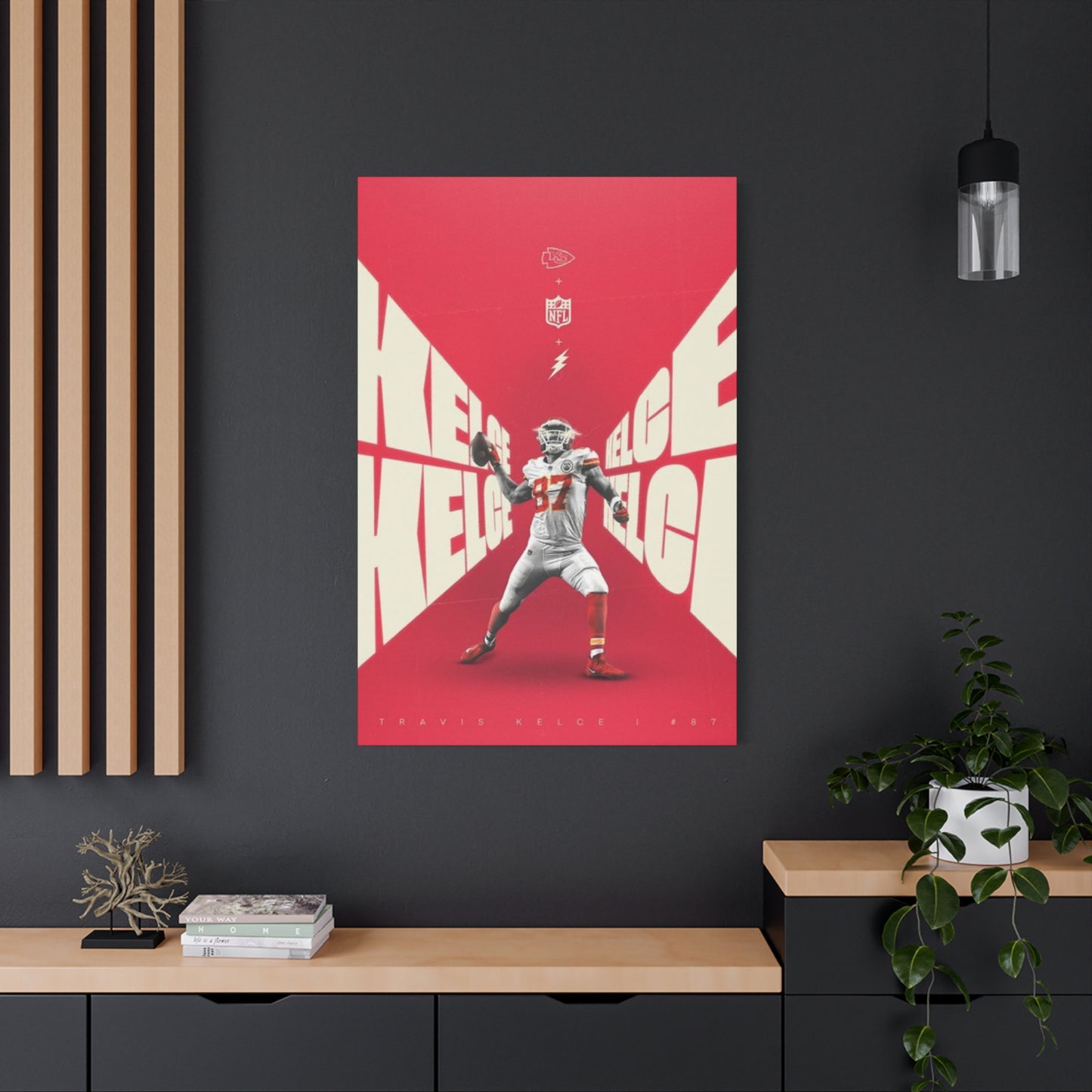
Kelce Rugby Poster Wall Art & Canvas Prints
Kelce Rugby Poster Wall Art & Canvas Prints
Couldn't load pickup availability
Kelce Rugby Poster Wall Art: Celebrate Athletic Excellence Through Stunning Visual Décor That Transforms Any Living Space Into a Sports Haven
The world of sports memorabilia has evolved dramatically over recent years, with enthusiasts seeking more sophisticated ways to showcase their admiration for beloved athletes. Among the most sought-after decorative pieces, rugby-themed artwork featuring prominent sports figures has gained tremendous popularity. The Kelce Rugby Poster Wall Art represents a perfect convergence of athletic celebration and interior design, offering fans an opportunity to honor their favorite players while enhancing their living environments with visually captivating displays.
This comprehensive exploration delves into every aspect of these remarkable decorative pieces, from understanding their cultural significance to mastering the art of display. Whether you're a dedicated sports follower or someone who appreciates the aesthetic value of athletic imagery, this guide provides invaluable insights into selecting, displaying, and maintaining these exceptional artworks.
The Cultural Phenomenon Behind Sports Memorabilia That Celebrates Athletic Legends and Their Impact on Contemporary Home Décor
Sports memorabilia has transcended its traditional boundaries to become a legitimate form of artistic expression. The cultural phenomenon surrounding athletic-themed artwork reflects society's deep-rooted connection to sports heroes and the values they represent. When we examine the popularity of pieces like the Kelce Rugby Poster Wall Art, we witness how modern consumers blend personal passion with aesthetic sensibility.
The fascination with sports figures stems from their ability to inspire through dedication, perseverance, and exceptional skill. These qualities resonate with individuals across different demographics, making sports-themed décor universally appealing. The rugby poster featuring Kelce captures not just a moment in time but embodies the spirit of competition and excellence that defines athletic achievement.
Contemporary interior design has embraced this trend wholeheartedly, recognizing that personal spaces should reflect individual interests and passions. Gone are the days when sports memorabilia was confined to basement recreation rooms or garage walls. Today's sophisticated collectors integrate these pieces into living rooms, home offices, and even formal dining areas, creating conversation-starting focal points that reveal personality and taste.
The shift toward accepting sports-themed artwork in mainstream décor represents a broader cultural movement toward authenticity in personal spaces. People increasingly reject generic, impersonal decorating schemes in favor of environments that tell their unique stories. A carefully selected rugby poster becomes more than decoration—it becomes a statement of identity, a celebration of values, and a connection to something larger than oneself.
Exploring Various Artistic Styles and Visual Presentations That Make Sports Wall Décor Truly Exceptional and Memorable
The artistic landscape of sports wall décor encompasses an impressive range of styles, each offering distinct aesthetic qualities and emotional resonance. Understanding these variations helps collectors make informed decisions that align with their personal preferences and existing interior design schemes.
Photorealistic representations capture athletes in their most dynamic moments, freezing split-seconds of intense action that showcase power, grace, and determination. These images often feature high-contrast lighting and dramatic angles that emphasize the physical prowess of the subject. When applied to rugby imagery, this style highlights the raw intensity and physicality that defines the sport, creating visceral connections with viewers.
Minimalist interpretations strip away extraneous details, focusing on essential lines, shapes, and forms that suggest movement and energy without overwhelming the senses. This approach works particularly well in contemporary spaces where clean lines and uncluttered aesthetics dominate. A minimalist Kelce Rugby Poster Wall Art might feature bold silhouettes or abstract representations that hint at athletic motion while maintaining visual sophistication.
Vintage-inspired designs evoke nostalgia through deliberate aging effects, muted color palettes, and retro typography. These pieces appeal to collectors who appreciate the historical context of sports while enjoying the romantic aesthetic of bygone eras. The weathered, timeworn appearance adds character and depth, suggesting stories and memories accumulated over time.
Pop art interpretations inject vibrant colors, graphic boldness, and contemporary energy into sports imagery. Drawing inspiration from iconic movements in art history, these pieces transform athletes into cultural icons through stylized representations that emphasize visual impact over realistic detail. The result is artwork that commands attention and energizes any space it inhabits.
Abstract expressionist approaches use color, texture, and gestural marks to convey the emotional essence of athletic performance rather than literal representation. These pieces capture the feeling of sports—the adrenaline, the passion, the triumph—through non-representational means that invite personal interpretation and emotional engagement.
Selecting the Perfect Dimensions and Proportions for Maximum Visual Impact in Your Designated Display Area
Size matters significantly when selecting wall artwork, as improper proportions can disrupt visual harmony and diminish the intended impact of even the most beautiful pieces. Understanding spatial relationships and dimensional considerations ensures that your Kelce Rugby Poster Wall Art enhances rather than overwhelms your chosen location.
For standard residential spaces with eight-foot ceilings, medium-sized posters measuring between 18x24 inches and 24x36 inches typically provide optimal visual balance. These dimensions offer sufficient presence to command attention without dominating smaller rooms. The artwork becomes a focal point without overwhelming other design elements or making the space feel cramped.
Larger expanses, such as great rooms, lofts, or commercial spaces, demand more substantial pieces to avoid appearing insignificant against expansive walls. Posters measuring 36x48 inches or larger create appropriate visual weight in these environments, filling space effectively while maintaining proportional relationships with surrounding architectural features and furnishings.
The gallery wall approach offers flexibility for collections of multiple pieces in varying sizes. This arrangement creates dynamic visual interest through intentional variation while maintaining overall cohesion. When incorporating a rugby poster into a gallery wall, consider how its dimensions relate to surrounding pieces, ensuring that size differences feel deliberate rather than haphazard.
Vertical versus horizontal orientation significantly impacts how artwork interacts with its environment. Vertical formats draw the eye upward, creating a sense of height and elegance particularly suited to narrow wall sections or spaces with interesting ceiling features. Horizontal orientations emphasize breadth and stability, working beautifully above furniture pieces like sofas or credenzas where they mirror and complement the horizontal lines below.
Room function influences appropriate sizing as well. Intimate spaces like bedrooms or personal offices benefit from moderately sized pieces that create connection without overwhelming. Public or entertaining areas can accommodate larger, bolder statements that spark conversation and establish atmosphere for gathered groups.
Understanding Premium Material Choices That Ensure Longevity and Preserve Visual Quality Over Extended Periods
The materials used in poster creation directly impact both immediate visual appeal and long-term durability. Discerning collectors recognize that investing in quality materials protects their purchase while ensuring continued enjoyment for years to come.
Museum-quality paper stocks represent the gold standard in poster printing. These acid-free papers resist yellowing, degradation, and brittleness that plague inferior materials. The neutral pH prevents chemical reactions that compromise image integrity over time, ensuring that colors remain vibrant and details stay sharp through decades of display.
Canvas prints offer textural richness and dimensional quality that flat paper cannot match. The woven surface adds visual interest while providing exceptional durability that withstands handling and environmental conditions. High-quality canvas materials, typically composed of cotton or cotton-polyester blends, provide the ideal substrate for archival inks that bond effectively with fabric fibers.
Metal prints represent cutting-edge printing processes that infuse dyes directly into specially coated aluminum sheets. This method produces incredibly vibrant colors with remarkable luminosity and depth. The resulting pieces are virtually indestructible, resistant to moisture, scratching, and fading. Metal prints work exceptionally well in high-humidity environments where paper and canvas might deteriorate.
Acrylic mounting creates stunning dimensional effects by sandwiching printed images between clear acrylic panels. This process produces depth and luminosity that draws viewers in while protecting the image from environmental damage. The glossy finish enhances color saturation and creates a contemporary, gallery-quality presentation.
The quality of printing inks profoundly affects color reproduction and longevity. Pigment-based inks offer superior fade resistance compared to dye-based alternatives, maintaining color integrity even under challenging display conditions. Archival-grade inks specifically formulated for longevity ensure that your Kelce Rugby Poster Wall Art retains its visual impact through years of exposure to ambient light.
Strategic Placement Principles That Maximize Visual Impact While Complementing Existing Interior Design Elements
Where you position artwork within a space dramatically influences both its visual effectiveness and the overall atmosphere of the environment. Strategic placement considers multiple factors including sightlines, lighting conditions, functional requirements, and aesthetic harmony.
Eye-level positioning serves as the foundational principle for artwork placement. Industry standards suggest centering pieces approximately 57 to 60 inches from the floor, which corresponds to average human eye height in standing position. This placement ensures comfortable viewing without requiring awkward head tilting or craning. However, this guideline flexes based on ceiling height, furniture arrangements, and personal preferences.
Creating focal points through deliberate placement directs attention and establishes visual hierarchy within rooms. Positioning your rugby poster as the central element on a primary wall immediately communicates its importance while organizing surrounding design elements. This approach works particularly well in living rooms, where the artwork can anchor seating arrangements and establish the room's thematic direction.
Relationship to furniture significantly impacts how artwork functions within a space. Pieces hung above sofas, beds, or console tables should maintain appropriate proportional relationships—typically spanning two-thirds to three-quarters of the furniture width below. This creates visual connection between elements while maintaining balanced composition.
Considering natural and artificial lighting proves essential for optimal display. Direct sunlight causes fading and degradation over time, making it crucial to avoid placement in areas receiving sustained sun exposure. Conversely, positioning artwork to benefit from indirect natural light or targeted artificial illumination enhances visual impact and creates dramatic effects that highlight detail and color.
Traffic flow and viewing angles require consideration as well. Positioning artwork where people naturally pause or gather—such as at corridor endpoints or in conversational seating areas—ensures regular engagement. Avoid placing pieces in high-traffic zones where they might be accidentally damaged or where rushed passage prevents proper appreciation.
Architectural features offer opportunities for enhanced presentation. Alcoves, built-in shelving, and recessed walls provide natural framing that emphasizes artwork while creating dimensional interest. Conversely, challenging features like awkwardly positioned doors or windows require creative solutions that work with rather than against existing structural elements.
Framing Options That Protect Your Investment While Enhancing Visual Presentation and Complementing Interior Aesthetics
Proper framing serves dual purposes: protecting valuable artwork from environmental damage while enhancing its visual presentation. The framing choices you make significantly impact how your Kelce Rugby Poster Wall Art integrates into your interior design scheme.
Traditional wood frames offer timeless elegance and versatile styling options. Rich hardwoods like walnut, oak, or mahogany introduce warmth and sophistication, particularly suited to classic or transitional interiors. Wood frames come in countless profiles, from simple, understated designs to ornately carved versions that make bold statements. The natural material connects with rugby's earthy, physical nature while providing substantial presence.
Metal frames deliver contemporary sleekness and minimal visual interference with the artwork itself. Aluminum and steel options range from brushed to polished finishes in various colors including silver, gold, black, and bronze. These frames work exceptionally well in modern spaces where clean lines and industrial aesthetics dominate. The slender profiles direct focus to the image while providing sturdy protection.
Floating frames create dimensional illusion by suspending artwork between glass or acrylic panels with visible space between the image and frame edge. This mounting method adds sophisticated depth while showcasing the entire piece without border interference. The floating effect particularly enhances contemporary spaces where architectural innovation is celebrated.
Matting introduces additional visual layers while protecting the artwork from contact with glazing materials. Archival-quality mats made from acid-free materials prevent chemical migration that could damage the poster over time. Mat colors should complement both the artwork and surrounding décor—neutral tones provide versatile elegance, while colored mats can echo specific hues within the image or room palette.
Glazing options protect against environmental hazards while affecting visual presentation. Standard glass offers basic protection at economical price points but can produce problematic glare and reflections. Non-reflective glass minimizes these issues while maintaining clarity. Museum glass represents the premium option, virtually eliminating reflections while providing UV protection that prevents fading. Acrylic glazing offers shatter-resistant properties particularly valuable in homes with children or in earthquake-prone regions.
Frame width and proportion must harmonize with both artwork size and room scale. Oversized pieces typically benefit from more substantial frames that can support their visual weight, while smaller works often look best in proportionally slender frames. The goal is creating cohesive presentation where frame enhances without overwhelming.
Color Coordination Strategies That Create Harmonious Visual Relationships Between Artwork and Surrounding Environment
Color represents one of the most powerful tools in interior design, capable of influencing mood, perception, and spatial dynamics. Successfully coordinating your rugby poster with existing color schemes creates cohesive environments that feel intentional and sophisticated.
Complementary color schemes employ hues positioned opposite each other on the color wheel, creating vibrant contrast and dynamic tension. If your poster features dominant warm tones like oranges and reds, surrounding décor in cool blues or greens establishes energetic dialogue that enlivens the space. This approach works particularly well in areas designed for activity and social engagement.
Analogous color harmonies use adjacent color wheel segments, creating subtle, sophisticated relationships. A poster featuring blues and greens pairs beautifully with room palettes incorporating similar cool tones in varying saturations and values. This strategy produces serene, cohesive environments with gentle visual flow.
Monochromatic schemes explore single hues in multiple shades, tints, and tones, creating unified compositions with built-in harmony. This approach proves particularly effective when the poster itself contains varied values of a single color family, allowing seamless integration into rooms decorated in corresponding palettes.
Neutral backdrops provide versatile canvases that allow artwork to shine without competing color influences. Walls in whites, grays, beiges, or taupes create gallery-like settings where the Kelce Rugby Poster Wall Art becomes the primary color source in the space. This approach offers flexibility for future design changes while ensuring the artwork remains the focal point.
Accent color extraction identifies specific hues within the artwork and echoes them throughout the room in accessories, textiles, or accent walls. This technique creates intentional visual connections that tie the space together cohesively. For instance, if the poster includes distinctive orange tones, incorporating orange throw pillows, vases, or other accessories establishes rhythmic repetition that strengthens design unity.
Considering color psychology adds another dimension to selection processes. Warm colors like reds and yellows energize and stimulate, making them appropriate for active spaces like home gyms or entertainment areas. Cool colors like blues and greens promote calm and relaxation, suiting bedrooms or meditation spaces. Understanding these effects helps position your artwork in locations where its color properties support desired atmospheric qualities.
Lighting Techniques That Dramatically Enhance Artwork Visibility While Creating Captivating Atmospheric Effects
Proper illumination transforms good artwork into spectacular visual experiences. Strategic lighting choices highlight details, enhance colors, and create dramatic effects that elevate your rugby poster from simple decoration to commanding presence.
Directional spotlights provide focused illumination that draws attention while creating dimensional shadows and highlights. Adjustable track lighting or ceiling-mounted accent lights allow precise positioning to achieve optimal effects. The key lies in positioning lights at approximately 30-degree angles from the wall, which minimizes glare while providing even coverage across the artwork surface.
Picture lights mounted directly above or below frames offer dedicated illumination specifically designed for artwork display. These fixtures come in various styles from traditional brass to contemporary LED strips, accommodating diverse aesthetic preferences. The proximity to the artwork ensures consistent, controlled lighting regardless of ambient conditions.
Ambient lighting creates overall room illumination that influences how artwork appears within its context. Layering different light sources at varying intensities produces dimensional environments where artwork exists as part of a comprehensive lighting scheme rather than isolated elements. This approach feels more natural and sophisticated than relying solely on accent lighting.
LED technology has revolutionized artwork illumination through energy efficiency, minimal heat output, and exceptional color rendering. Unlike traditional incandescent or fluorescent options that emit heat potentially damaging to artwork, LEDs remain cool while producing clean, consistent light. Modern LEDs offer impressive color rendering indices that accurately reproduce artwork hues without distortion.
Color temperature significantly impacts how artwork appears. Measured in Kelvin, light temperature ranges from warm (2700-3000K) to neutral (3500-4100K) to cool (5000K+). Warm light enhances reds, oranges, and yellows while slightly muting blues and greens. Cool light does the opposite. Selecting temperature based on the dominant colors in your poster ensures accurate, appealing reproduction.
Dimming capabilities provide flexibility to adjust lighting intensity based on time of day, activity, or mood preferences. Dimmer switches or smart home systems allow customized settings that accommodate everything from bright daytime viewing to subdued evening ambiance. This flexibility maximizes enjoyment while providing options for various situations.
Avoiding direct sunlight exposure cannot be overstated. Ultraviolet radiation causes irreversible fading and material degradation. Position artwork away from windows receiving direct sun, or employ UV-filtering window treatments that protect while allowing natural light to enter. If sun exposure is unavoidable, UV-protective glazing becomes essential investment in preserving your artwork.
Maintenance Practices That Preserve Pristine Condition and Protect Against Environmental Damage Over Extended Timeframes
Proper care ensures that your Kelce Rugby Poster Wall Art maintains its visual appeal and structural integrity through years of display. Implementing appropriate maintenance routines prevents common problems while addressing issues before they become serious.
Regular dusting removes accumulated particulates that dull appearance and potentially cause abrasion. Use soft, dry microfiber cloths or specialized art dusters that capture rather than redistribute dust. Gentle strokes from top to bottom prevent scratching while ensuring thorough coverage. Avoid feather dusters, which can snag on frame edges or textured surfaces.
Cleaning glazed surfaces requires specific approaches depending on material. For glass, lightly dampened microfiber cloths with distilled water effectively remove smudges and fingerprints without leaving streaks or residue. Never spray cleaning solutions directly onto artwork; instead, apply minimal moisture to the cloth. Acrylic glazing requires gentler treatment with products specifically formulated for plastics, as common glass cleaners can cause damage.
Humidity control protects against warping, mold growth, and adhesive failure. Ideal conditions maintain relative humidity between 40-50 percent. Excessively dry conditions cause paper to become brittle and prone to cracking, while high humidity promotes mold growth and causes materials to expand and contract, leading to buckling. Dehumidifiers or humidifiers help maintain appropriate levels in challenging climates.
Temperature stability prevents expansion and contraction cycles that stress materials and mounting systems. Avoid positioning artwork near heat sources like radiators, fireplaces, or heating vents. Similarly, proximity to air conditioning vents subjects pieces to temperature fluctuations and dust accumulation. Maintaining consistent room temperatures between 65-75°F provides optimal conditions.
Periodic inspection identifies emerging problems before they become serious. Every few months, examine your artwork for signs of fading, discoloration, pest activity, or frame deterioration. Check that hanging hardware remains secure and that glazing stays properly sealed. Early detection allows prompt intervention that prevents minor issues from escalating into significant damage.
Professional cleaning services offer expertise for valuable or delicate pieces. Conservators possess specialized knowledge and equipment for addressing complex problems beyond typical maintenance. While professional care involves expense, the investment protects valuable artwork from irreversible damage caused by improper handling or cleaning attempts.
Rotation strategies distribute light exposure and environmental stress across multiple pieces. If you maintain a collection, periodically rotating displayed items prevents any single piece from bearing continuous exposure to potentially harmful conditions. This practice extends the lifespan of all pieces in your collection while providing fresh perspectives in your living space.
Creative Display Arrangements That Transform Single Pieces Into Dynamic Visual Compositions With Enhanced Impact
Individual artwork certainly makes statements, but creative arrangement strategies amplify visual interest while allowing greater flexibility in how you showcase your passions. These approaches transform collections into cohesive displays that feel curated and intentional.
Gallery wall configurations assemble multiple pieces into unified compositions that function as singular design elements. This approach accommodates varying sizes, orientations, and subjects while maintaining visual cohesion through consistent framing styles, color relationships, or thematic connections. Including your Kelce Rugby Poster Wall Art within a broader sports-themed gallery wall creates narrative depth that celebrates athletic achievement comprehensively.
Symmetrical arrangements provide formal elegance through balanced, mirrored compositions. Identical frames and matting create orderly precision particularly suited to traditional or transitional interiors. This approach works beautifully flanking architectural features like fireplaces or windows, where symmetry reinforces existing structural balance.
Asymmetrical layouts embrace organic, dynamic compositions that feel contemporary and spontaneous. Varying sizes, orientations, and spacing creates visual movement that guides eyes around the arrangement. Despite appearing casual, successful asymmetrical displays require careful planning to achieve balanced visual weight distribution that feels natural rather than haphazard.
Grid arrangements impose structured organization through consistent spacing and alignment. Pieces of identical size arranged in rows and columns create clean, modern presentations that suit minimalist aesthetics. This approach works particularly well for series or collections with thematic connections, where the structured format emphasizes relationships between individual elements.
Salon-style hanging draws inspiration from historic gallery practices, densely packing walls with artwork in varied sizes and frames. This maximalist approach celebrates abundance and creates immersive environments where art dominates. Successfully executing salon arrangements requires balancing density with breathing room, ensuring individual pieces remain distinguishable within the overall composition.
Ledge displays offer flexible alternatives to permanent wall mounting. Picture ledges or floating shelves allow easy rearrangement while adding dimensional interest through layering. Artwork leans against walls at slight angles, with smaller pieces layered in front of larger ones. This approach particularly suits those who enjoy frequently refreshing their displays without repeatedly patching nail holes.
Corner arrangements utilize often-neglected spaces while creating interesting sight lines. Wrapping artwork around corners or positioning pieces to be viewed from multiple angles adds architectural interest while maximizing available display area. This strategy works particularly well in hallways, room transitions, or open-concept spaces where multiple viewing perspectives exist.
Thematic Décor Concepts That Unify Rooms Around Sports and Athletic Excellence While Maintaining Sophisticated Aesthetics
Creating cohesive thematic environments requires balancing enthusiasm with restraint. Overly literal approaches can feel juvenile or one-dimensional, while thoughtful thematic development produces sophisticated spaces that celebrate interests without overwhelming good design principles.
The sports lounge concept transforms designated spaces into comfortable havens celebrating athletic culture. Beyond the Kelce Rugby Poster Wall Art centerpiece, incorporate complementary elements like vintage sports equipment displayed as sculptural objects, leather seating reminiscent of old stadium chairs, and industrial lighting fixtures that evoke athletic facility aesthetics. Rich, masculine color palettes with deep greens, browns, and metallics create environments that feel both refined and connected to rugby's rugged nature.
Modern athletic aesthetic embraces contemporary design principles while nodding to sports influences. Clean lines, minimalist furniture, and neutral color schemes provide sophisticated backdrops for carefully selected sports artwork. This approach suits those who appreciate athletic culture but prefer restrained, elegant expression over obvious thematics. Strategic pops of team colors through accessories maintain connections without dominating.
Trophy room inspiration channels classic sporting clubs through rich wood paneling, leather accents, and traditional furnishings. Display cases housing memorabilia complement wall artwork, creating museum-like environments that honor sports history. This formal approach suits dedicated spaces like home offices or private libraries where gravitas and tradition feel appropriate.
Industrial athletic styling combines exposed architectural elements like brick, concrete, and metal with sports imagery. This aesthetic evokes training facilities and urban gyms through raw materials and utilitarian fixtures. The Kelce Rugby Poster Wall Art gains edgy context within these environments, where toughness and functionality reign supreme. Reclaimed wood, metal shelving, and concrete floors complete the look.
Family sports room concepts create casual, comfortable spaces celebrating multi-generational athletic interests. Incorporating memorabilia representing different family members' sporting passions creates personal narratives. Durable, family-friendly furnishings withstand active use while maintaining style. This approach balances decoration with functionality, ensuring spaces serve both aesthetic and practical needs.
Minimalist athlete showcase strips away excess, focusing attention on carefully curated pieces displayed against neutral backdrops. Single statement artworks occupy prominent positions without competing elements. This reductive approach suits those who appreciate simplicity and believe that less truly is more. The rugby poster becomes a singular focus that commands undivided attention.
Psychological Connections Between Sports Imagery and Personal Identity Formation Within Living Environments
The artwork we choose for our homes reveals more about us than mere aesthetic preferences. The decision to display sports-themed pieces connects to deeper questions of identity, values, and how we want to be perceived by ourselves and others.
Sports memorabilia serves as external expression of internal values. Qualities embodied by athletes—discipline, perseverance, teamwork, competitiveness—resonate with individuals who either possess these traits or aspire toward them. Displaying a rugby poster becomes a daily reminder of these values, reinforcing commitment to personal excellence in various life domains beyond athletics.
Tribal affiliation plays significant roles in sports fandom. Supporting particular teams or athletes creates belonging to communities larger than ourselves. This connection satisfies fundamental human needs for social bonds and shared identity. Displaying team-affiliated artwork publicly declares these allegiances, inviting conversations with fellow supporters while establishing common ground with visitors.
Aspirational identification occurs when we admire athletes whose achievements inspire our own goals. Seeing representations of exceptional performers in our daily environments creates psychological connections between their success and our aspirations. This visual reinforcement can motivate personal improvement across various endeavors, as the artwork serves as constant reminder of what dedication and skill can achieve.
Nostalgia preservation connects current identity with cherished memories. Sports moments often coincide with significant life events—championships watched with loved ones, games attended during formative years, athletes who inspired childhood dreams. Artwork commemorating these connections preserves emotional resonance, maintaining links to meaningful personal history.
Status signaling operates whether we consciously intend it or not. Our décor choices communicate social position, cultural sophistication, and resource allocation. High-quality sports artwork signals disposable income for non-essential purchases, cultural engagement with popular phenomena, and confidence in personal taste. These subtle communications influence how visitors perceive and interact with us.
Environmental psychology demonstrates that our surroundings significantly impact mental states and behaviors. Artwork depicting dynamic action and competitive excellence can energize and motivate, particularly valuable in home offices or workout spaces. Conversely, the same imagery might feel overstimulating in bedrooms designed for relaxation. Understanding these effects helps position artwork where its psychological properties support desired outcomes.
Sourcing Authentic, High-Quality Pieces From Reputable Providers Who Prioritize Craftsmanship and Customer Satisfaction
The marketplace for sports-themed artwork includes vast quality variation, making informed sourcing essential to acquiring pieces that meet expectations and justify investment. Understanding where and how to shop protects against disappointment while connecting you with exceptional products.
Specialized sports art retailers focus exclusively on athletic-themed pieces, offering curated selections and expert guidance. These businesses understand their niche deeply, providing products specifically designed for discerning collectors. Staff knowledge helps navigate options based on specific needs, whether searching for particular athletes, sports, or artistic styles. The focused expertise proves invaluable, particularly for newcomers to sports memorabilia collecting.
Artist-direct purchases support creators while often reducing costs by eliminating intermediaries. Many talented artists create sports-themed work available through personal websites, online portfolios, or social media platforms. Buying directly establishes relationships with creators, sometimes allowing commissioned work tailored to specific preferences. This approach particularly suits those seeking unique pieces unavailable through conventional retail channels.
Online marketplaces provide vast selection and competitive pricing through seller aggregation. Platforms hosting multiple vendors allow comparison shopping that helps identify best values. However, quality varies significantly across sellers, making verification essential. Examine seller ratings, customer reviews, and return policies carefully. Request detailed images showing actual products rather than digital renderings when possible.
Local art fairs and craft markets offer opportunities to examine pieces in person before purchasing. Direct interaction with artists or their representatives allows questions about materials, processes, and customization possibilities. Supporting local creative communities through these purchases strengthens regional art ecosystems while providing unique finds unavailable elsewhere.
Print-on-demand services enable affordable access to extensive image libraries. These platforms maintain vast catalogs of licensed and royalty-free images that can be printed in various sizes and formats. While not offering the exclusivity of limited editions, print-on-demand provides economical options for budget-conscious buyers. Quality varies by provider, so research printing standards and material specifications carefully.
Authenticity verification proves crucial when purchasing licensed merchandise featuring specific athletes or teams. Legitimate products include licensing marks confirming that proper permissions and royalties have been arranged. Counterfeit items not only involve potential legal issues but typically suffer from inferior quality that disappoints. When in doubt, purchase from officially authorized retailers who guarantee authenticity.
Investment Considerations for Collectors Building Valuable Sports Memorabilia Portfolios With Appreciation Potential
While most people purchase sports artwork primarily for enjoyment, some pieces appreciate significantly, making collecting potentially profitable. Understanding factors that influence value helps make informed decisions whether building investment portfolios or simply protecting purchasing power.
Scarcity dramatically impacts collectible values. Limited edition prints with specific production quantities create built-in scarcity that supports value retention and appreciation. Signed limited editions featuring athlete autographs command premium prices due to their uniqueness. The Kelce Rugby Poster Wall Art gains investment potential if produced in limited quantities with documentation verifying edition size and individual print numbers.
Athlete career trajectories significantly affect memorabilia values. Items featuring players during peak performance or historic achievements typically appreciate as their careers progress and legacies solidify. Conversely, pieces connected to athletes whose careers fade or end controversially may depreciate. Astute collectors research emerging talents whose growing success could drive future demand for associated memorabilia.
Historical significance elevates certain pieces beyond typical collectibles. Artwork commemorating record-breaking performances, championship victories, or watershed moments in sports history carries enhanced cultural importance that supports enduring value. These pieces become historical documents as much as decorative items, appealing to serious collectors and institutions.
Condition remains paramount in collectible valuation. Pristine pieces command significant premiums over those showing wear, damage, or deterioration. Proper storage, handling, and display practices preserve condition, protecting investment value. Professional framing with archival materials prevents degradation that diminishes worth.
Provenance documentation establishes authenticity and ownership history, particularly important for valuable pieces. Certificates of authenticity, original purchase receipts, and documentation of any notable previous owners enhance credibility and value. Maintaining comprehensive records protects investment by enabling verification when selling.
Market research informs strategic acquisition decisions. Following auction results, tracking online marketplace prices, and consulting specialized publications reveals trends in sports memorabilia values. Understanding which athletes, sports, and artistic styles currently generate collector enthusiasm helps identify potentially appreciating items.
Diversification across athletes, sports, and price points reduces portfolio risk. Concentrating entirely on single athletes or teams exposes collections to concentrated risk if demand for those specific items declines. Spreading investments across multiple categories provides stability while allowing participation in various market segments.
Creating Conversation Starters That Invite Social Engagement and Reveal Personal Passions to Guests and Visitors
Artwork functions socially, providing natural discussion topics that facilitate connection and relationship building. The Kelce Rugby Poster Wall Art becomes more than decoration—it serves as conversation catalyst that reveals personality while inviting dialogue.
Strategic positioning in social spaces maximizes conversational potential. Placing artwork in living rooms, dining areas, or entryways ensures visibility when entertaining. These locations naturally attract attention while providing comfortable contexts for discussion. Positioning pieces at eye level in well-lit areas ensures they catch notice without requiring pointed attention.
Personal storytelling transforms artwork from impersonal objects into meaningful narratives. When guests inquire about pieces, sharing why particular artwork holds significance creates connection through vulnerability and authenticity. Perhaps the poster represents a memorable game attended with family, commemorates an athlete who inspired personal achievements, or simply reflects genuine admiration for rugby's unique character. These stories humanize our spaces while inviting reciprocal sharing.
Question prompts thoughtfully displayed near artwork can initiate engagement. Small plaques or frames containing provocative questions related to the imagery encourage visitors to reflect and respond. For sports artwork, questions might explore favorite athletic memories, qualities admired in athletes, or personal sports participation experiences. This interactive approach transforms passive viewing into active engagement.
Thematic entertaining amplifies conversational opportunities. Hosting watch parties, game-day gatherings, or sports-themed dinners creates contexts where rugby artwork fits naturally into larger experiences. These events provide organic opportunities to discuss the artwork within appropriate contexts where guests already engage with related topics.
Balancing passion with inclusive hospitality ensures that specialized interests don't alienate guests unfamiliar with particular sports or athletes. While proudly displaying personal passions, remaining approachable and welcoming to those who don't share specific enthusiasms demonstrates social grace. Artwork becomes an invitation to learn rather than a test of insider knowledge.
Educational components add depth to conversational potential. Maintaining basic knowledge about featured athletes, memorable career moments, or interesting sport-specific facts enables informed discussion that educates and entertains. This preparation demonstrates genuine enthusiasm while respecting guests' curiosity.
Conclusion
Successfully themed spaces require restraint and curation. While the Kelce Rugby Poster Wall Art serves as an anchor, supporting elements must enhance rather than overwhelm. Strategic selection of complementary pieces creates cohesion without descending into cluttered confusion.
Textile selections offer subtle thematic reinforcement through colors, patterns, and textures. Throw pillows in team colors or featuring geometric patterns reminiscent of playing fields add visual connection without literal sports imagery. Area rugs with textural interest evoke athletic materials—think leather-look finishes or industrial weaves that suggest equipment or facility environments.
Sculptural objects provide dimensional interest while maintaining thematic consistency. Vintage leather rugby balls displayed on shelves or pedestals become artistic objects that complement wall artwork. Metal sculptures suggesting athletic motion add contemporary edge while reinforcing the sports theme through abstraction rather than literal representation.
Lighting fixtures can subtly reinforce athletic themes. Industrial pendant lights suggest facility environments without explicitly referencing sports. Metal finishes and exposed bulbs create utilitarian aesthetics that align with rugby's rugged character. Alternatively, fixtures featuring brass or bronze tones introduce warmth that complements wood-framed artwork.
Furniture selections should balance thematic appropriateness with comfort and functionality. Leather seating evokes classic locker rooms and sports clubs while providing timeless elegance suitable for various design styles. Industrial metal and wood combinations suggest athletic facility aesthetics without sacrificing comfort. Prioritize quality construction that withstands regular use while maintaining aesthetic appeal.
Accent walls create focal points that highlight artwork without requiring extensive décor. Paint colors echoing tones within the poster unify the space while allowing the artwork to shine. Textured treatments like shiplap, brick, or concrete provide visual interest that complements without competing. These architectural interventions establish context that enhances artwork without adding clutter.
Negative space proves as important as filled areas. Resist temptations to cover every surface with sports-related items. Allowing breathing room around the rugby poster ensures it receives appropriate attention while preventing visual overwhelm. Empty wall space, clear surfaces, and uncluttered arrangements demonstrate restraint and sophistication.
Storage solutions that conceal extraneous items maintain clean aesthetics essential for thoughtful thematic spaces. Closed cabinetry, attractive baskets, and built-in storage hide everyday clutter that would otherwise detract from curated displays. This discipline ensures that intentional décor elements receive proper focus without competing with incidental objects.
Static displays, however beautiful initially, can become invisible through familiarity. Strategic rotation keeps spaces feeling dynamic while offering practical benefits for artwork preservation.
Creating artwork inventories facilitates rotation planning. Photographing all pieces with notes about dimensions, framing, and acquisition details enables efficient decision-making when refreshing displays. Digital catalogs accessible via smartphones allow quick reference when inspiration strikes for rearrangement.
Seasonal rotations align décor with changing conditions and holidays. Sports memorabilia lends itself naturally to seasonal variation—rugby artwork might feature prominently during playing seasons before rotating to storage during off-months.
Share