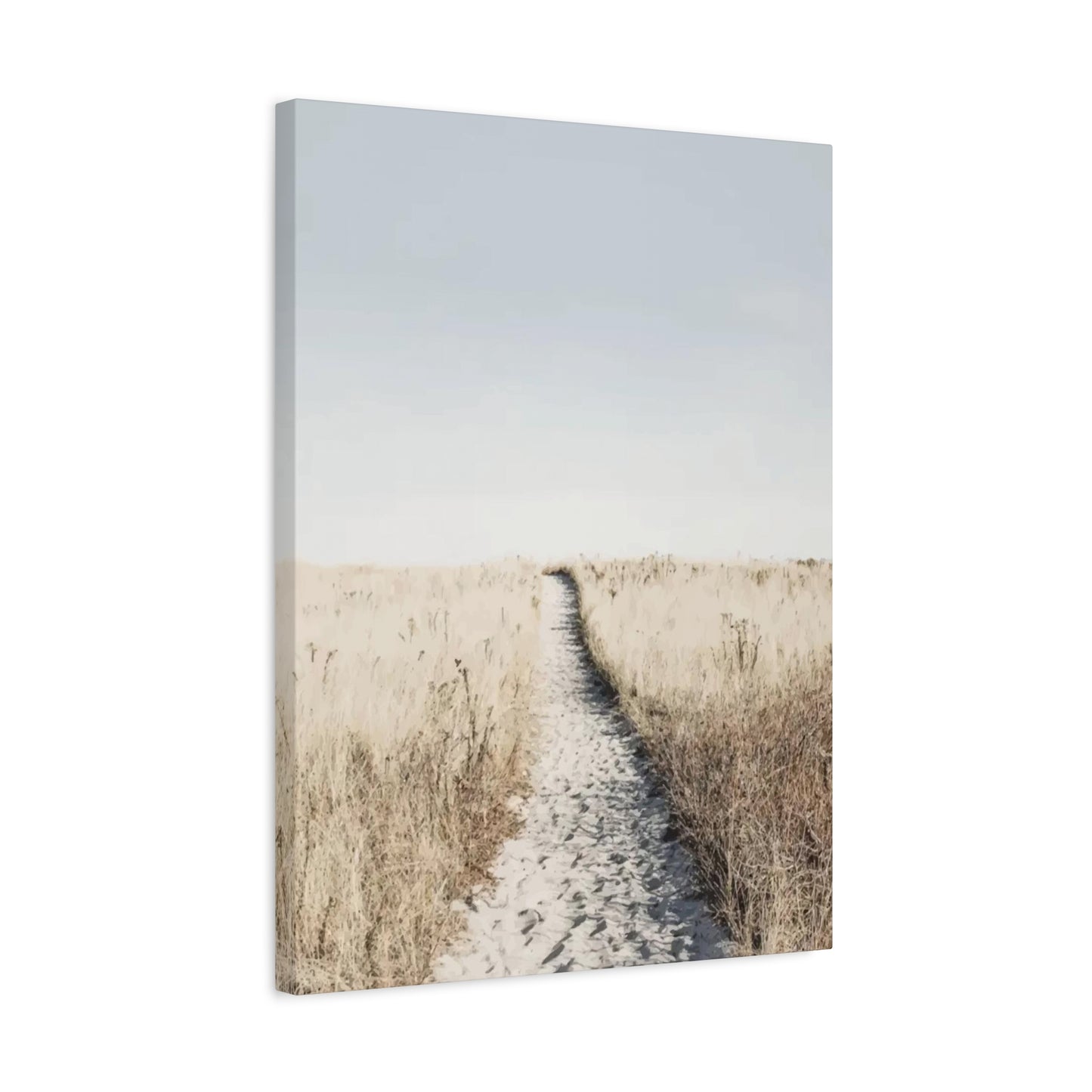
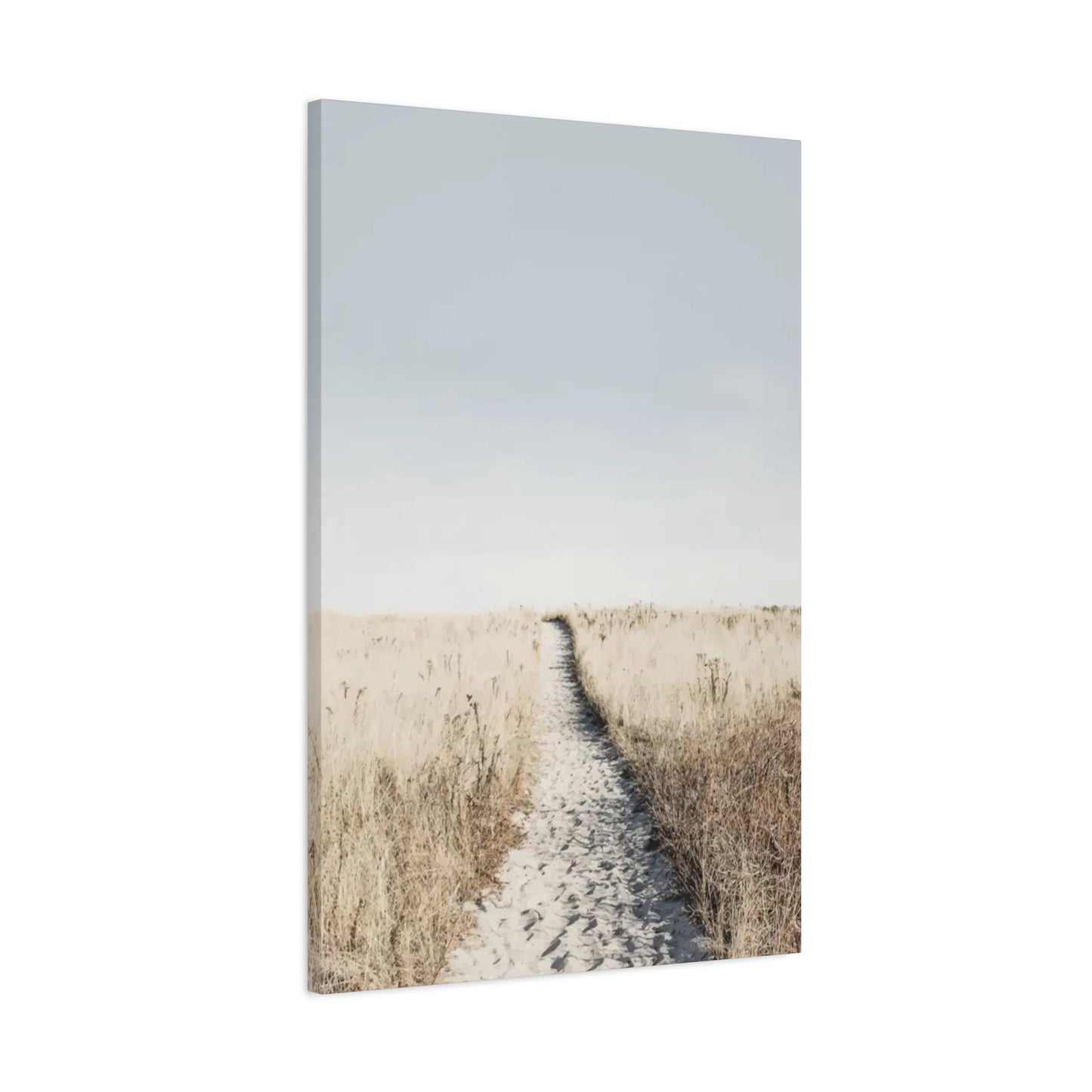
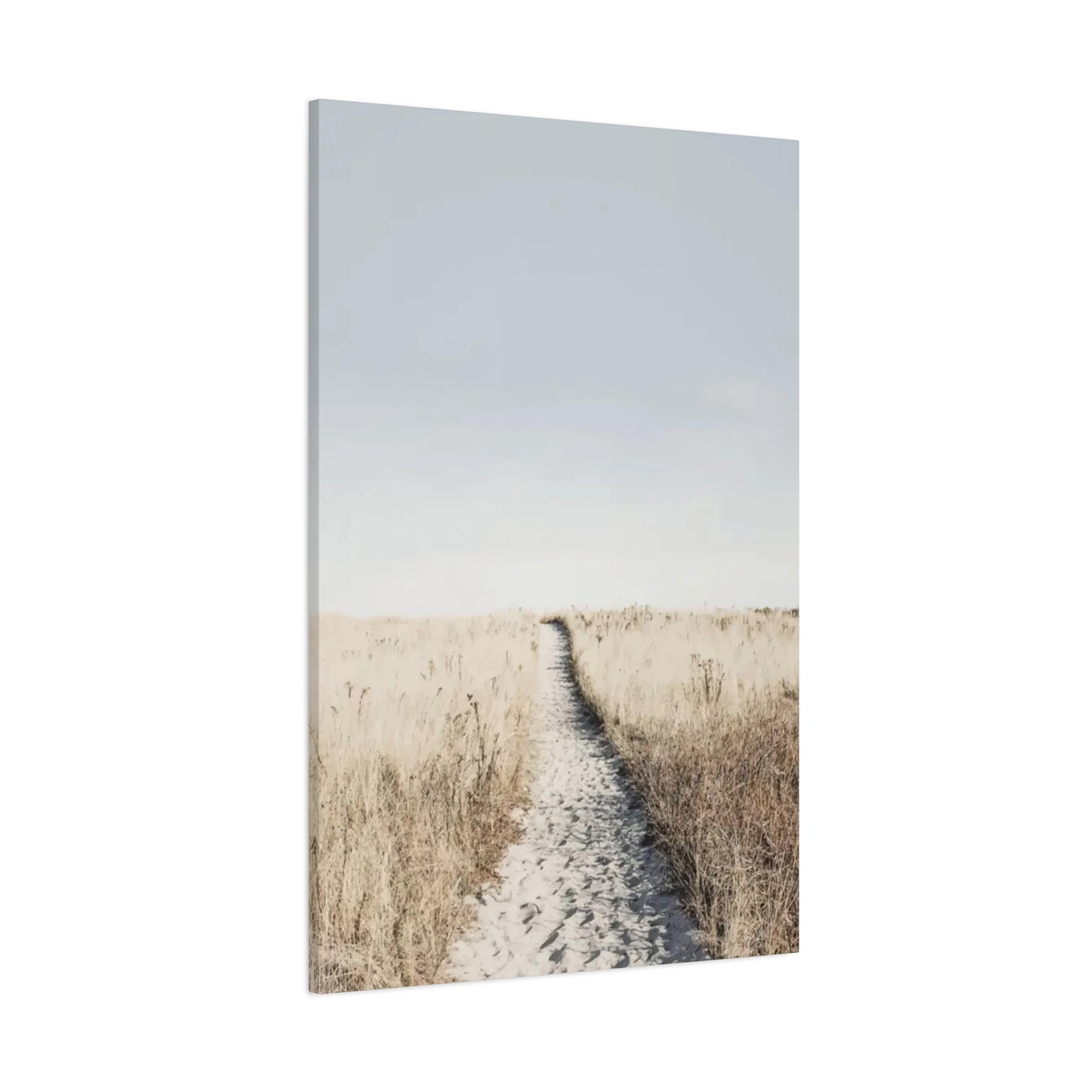
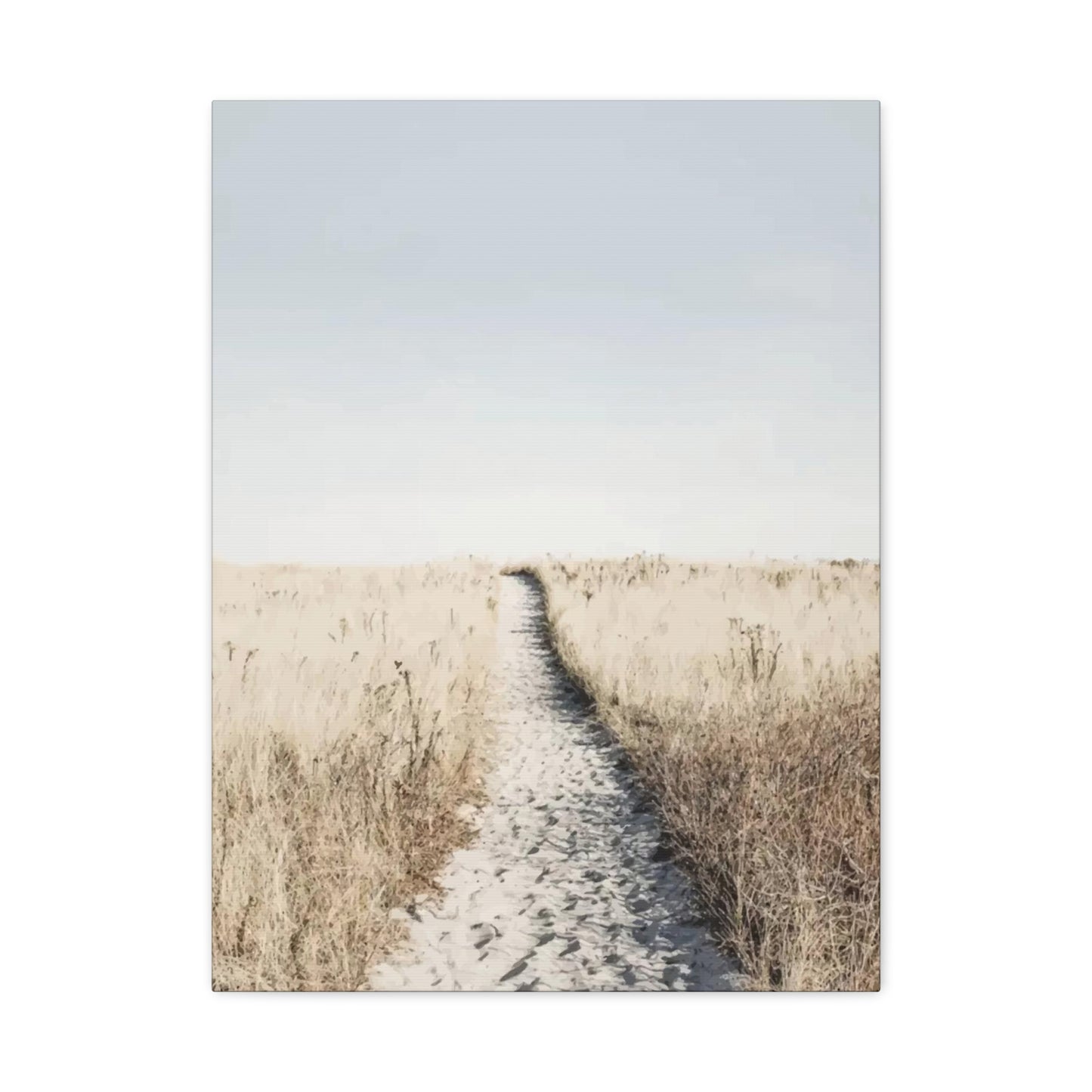
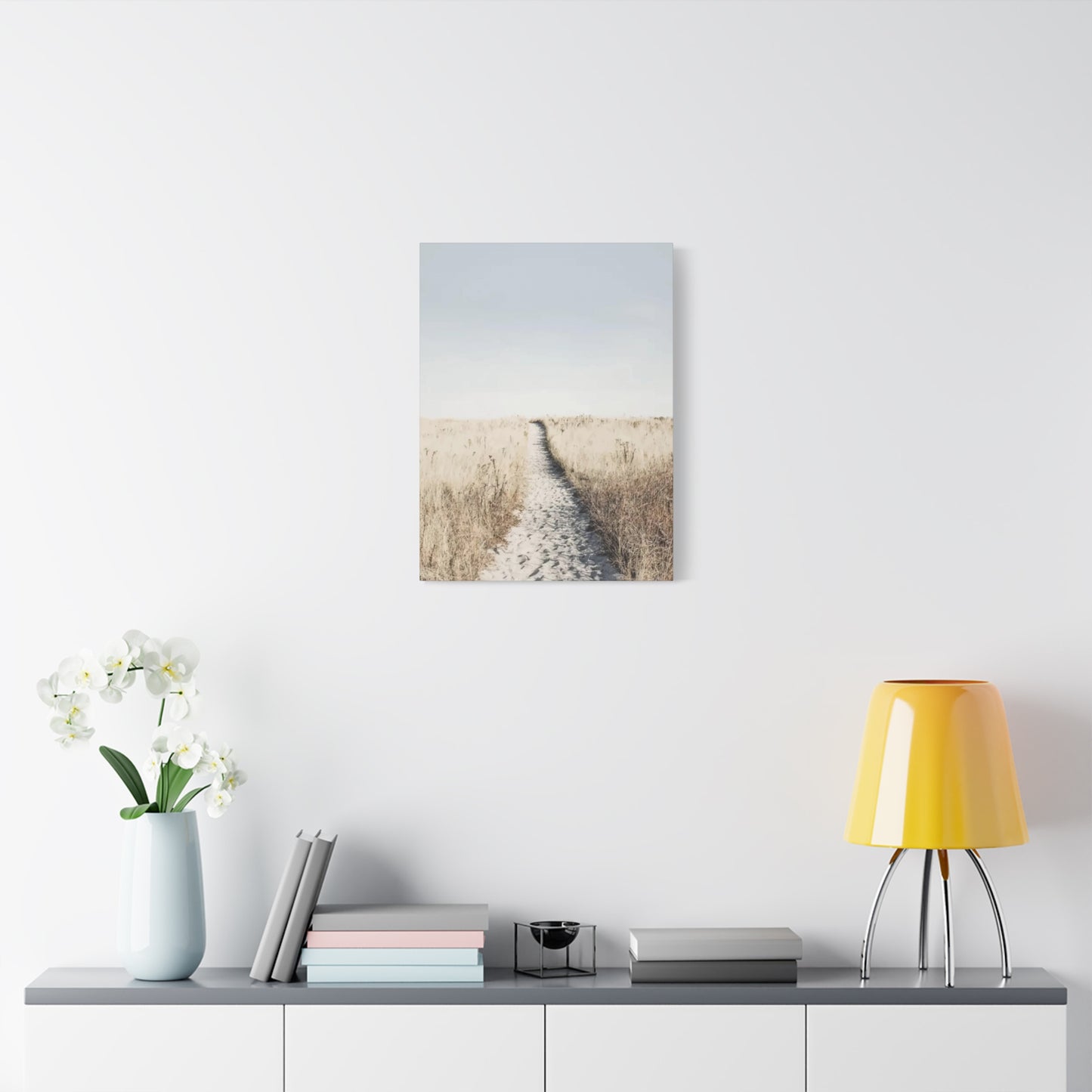
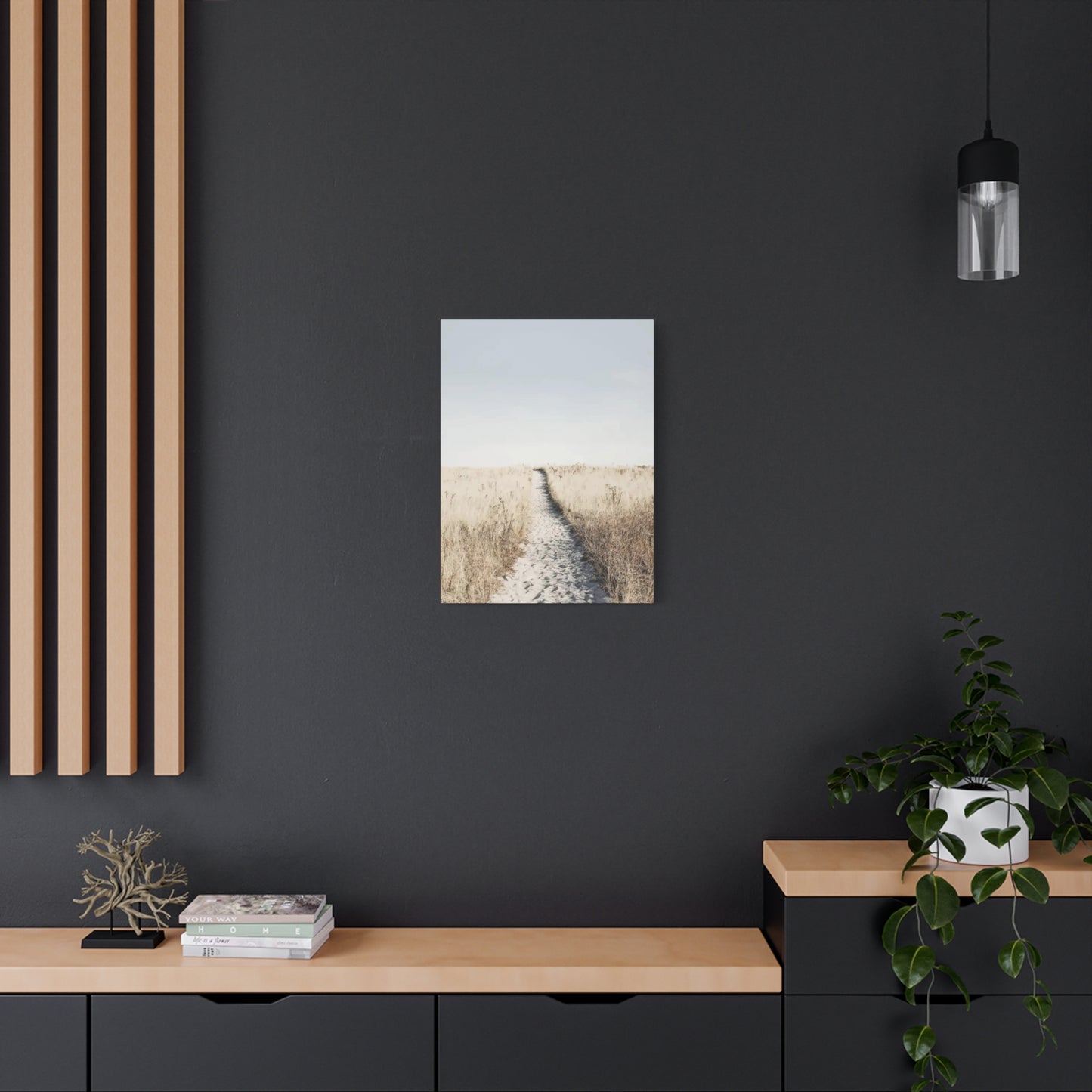
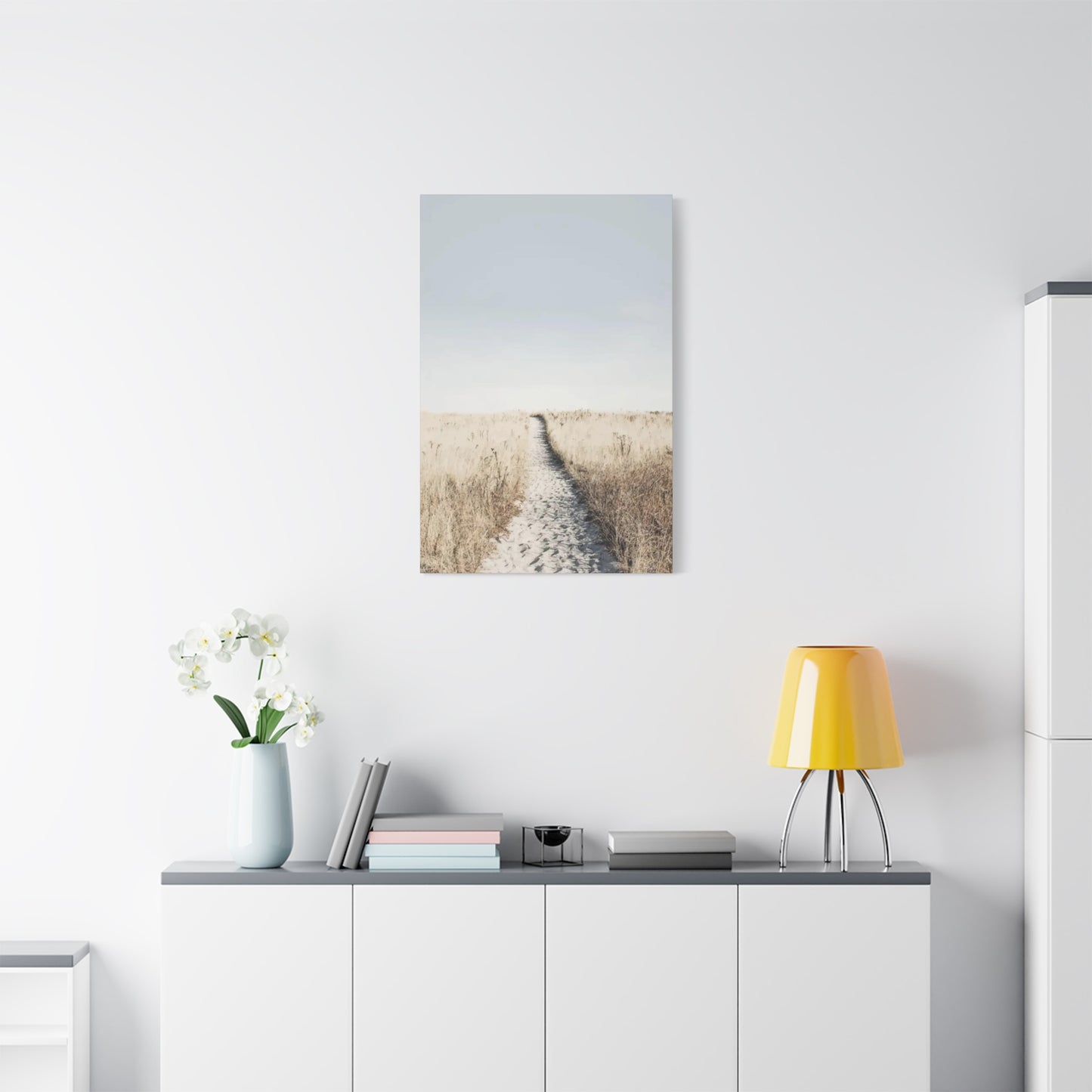
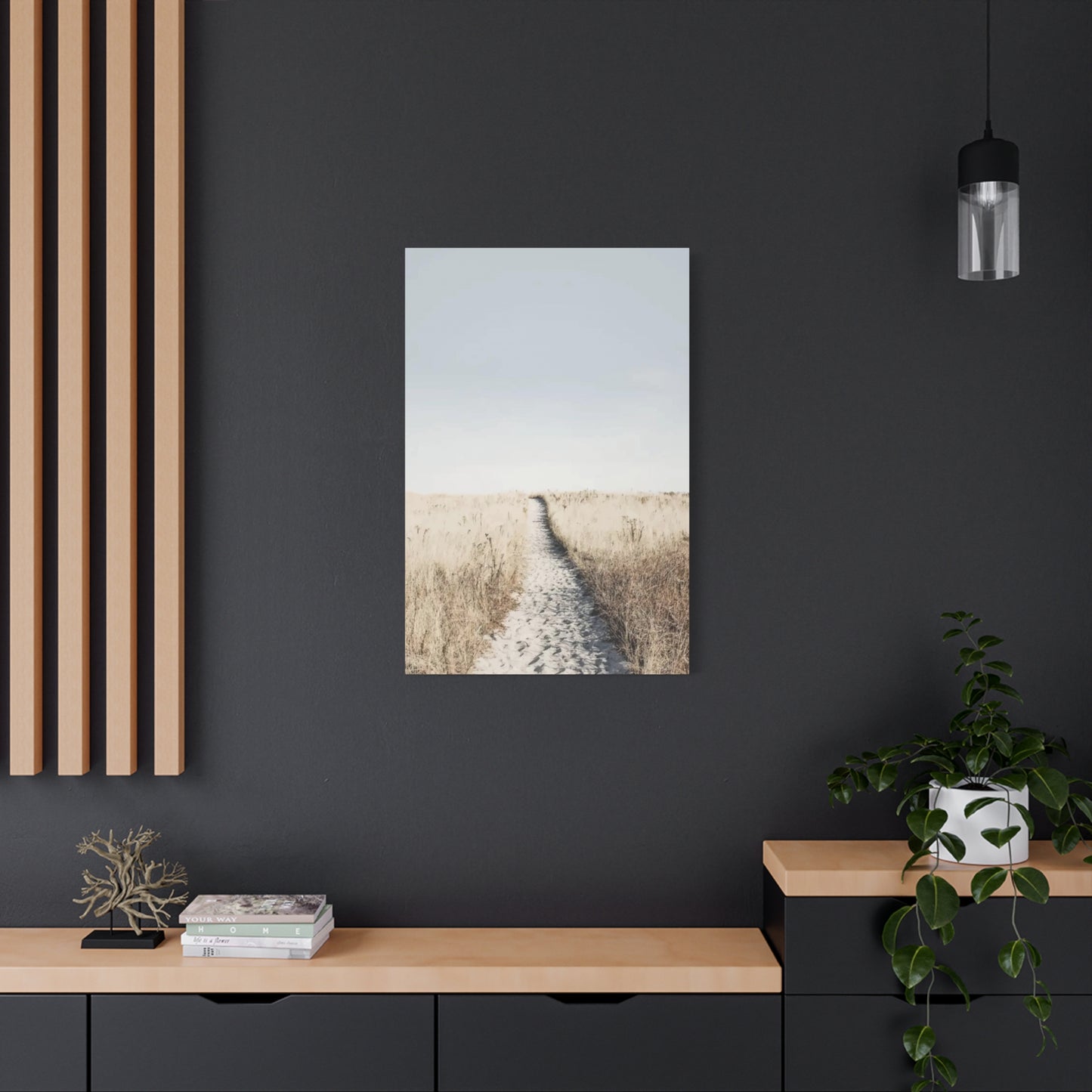
Kathrin's Wall Art & Canvas Prints
Kathrin's Wall Art & Canvas Prints
Couldn't load pickup availability
Immerse Yourself in Kathrin’s Wall Art: Contemporary Decorative Pieces that Infuse Modern Living Spaces with Color
The realm of interior decoration has witnessed a remarkable transformation in recent decades, with wall-mounted artistic pieces becoming central elements in defining the character and atmosphere of residential and commercial spaces. Among the various creators who have made significant contributions to this field, one name stands out for its distinctive approach to creating visually captivating pieces that resonate with diverse audiences across different cultural backgrounds and aesthetic preferences.
The Revolutionary Approach to Creating Stunning Visual Masterpieces That Transform Ordinary Walls Into Extraordinary Focal Points
The journey into the world of decorative wall pieces begins with understanding the fundamental principles that govern the creation of impactful visual statements. These principles encompass color theory, spatial relationships, textural variations, and the delicate balance between form and function. The creator's methodology involves a meticulous process of conceptualization, where initial ideas are sketched and refined through multiple iterations before being translated into the final medium.
The creative process starts with extensive research into current trends, historical references, and cultural motifs that resonate with contemporary sensibilities. This research phase is crucial as it provides the foundation upon which unique designs are built. The artist examines various sources of inspiration, from natural landscapes and organic forms to geometric patterns and abstract concepts. Each source contributes distinct elements that, when synthesized, create something entirely new and compelling.
Material selection plays a pivotal role in determining the final outcome of any decorative piece. The choice between canvas, wood, metal, acrylic, or mixed media depends on numerous factors including the intended visual effect, durability requirements, and the environment where the piece will be displayed. Canvas offers versatility and traditional appeal, while metal provides a contemporary edge with reflective properties that can dramatically alter how light interacts with the artwork. Wood brings warmth and organic texture, creating connections to natural environments even within urban settings.
The color palette selection represents another critical decision point in the creative process. Colors possess the inherent ability to evoke specific emotional responses and psychological states. Warm tones like reds, oranges, and yellows tend to energize spaces and create feelings of warmth and excitement. Cool tones such as blues, greens, and purples promote calmness and serenity. Neutral colors provide balance and allow other design elements to take precedence. The skilled artist understands these properties and leverages them to create pieces that align with the intended mood and purpose of the space.
Composition involves arranging visual elements in ways that guide the viewer's eye through the piece while maintaining overall harmony and balance. This includes considerations of symmetry versus asymmetry, positive and negative space, focal points, and visual flow. A well-composed piece draws viewers in, holds their attention, and rewards sustained observation with layers of meaning and detail that reveal themselves gradually.
Scale and proportion are equally important considerations. A piece that is too small for a space may appear insignificant and fail to make the desired impact, while one that is too large can overwhelm the room and create visual discomfort. The ideal size relates not only to the physical dimensions of the wall but also to the room's overall scale, ceiling height, furniture placement, and viewing distances. Professional decorators often recommend that wall-mounted pieces occupy approximately two-thirds to three-quarters of the available wall space above furniture to achieve optimal visual balance.
Discovering the Diverse Range of Styles and Genres That Define Contemporary Wall Decoration Movements
The landscape of contemporary wall decoration encompasses an extraordinary variety of styles, each with its own philosophical underpinnings, aesthetic characteristics, and emotional resonances. Understanding these different approaches enables both creators and collectors to make informed decisions about which styles best suit their personal preferences and spatial requirements.
Abstract expressionism emphasizes spontaneous, automatic, or subconscious creation. These pieces often feature bold gestural brushstrokes, drips, and splatters that convey energy and movement. The lack of recognizable subject matter allows viewers to project their own interpretations and emotional responses onto the work, making each viewing experience unique and personal. This style works particularly well in contemporary and minimalist interiors where the artwork can serve as the primary visual interest point.
Geometric abstraction takes a more structured approach, utilizing precise shapes, clean lines, and mathematical relationships to create visual interest. These pieces often feature repetitive patterns, tessellations, and symmetrical arrangements that appeal to viewers who appreciate order and clarity. The style ranges from simple compositions with a few basic shapes to complex arrangements that create optical illusions and perceptual depth. Geometric pieces complement mid-century modern and Scandinavian design aesthetics particularly well.
Naturalistic and organic styles draw inspiration from the living world, incorporating representations of plants, animals, landscapes, and natural phenomena. These pieces can range from highly realistic depictions to stylized interpretations that capture the essence of natural forms while taking creative liberties with color, proportion, and composition. Such works bring elements of the outdoors inside, creating connections to nature that are increasingly valued in our urbanized world.
Minimalist approaches strip away all but the most essential elements, creating pieces characterized by simplicity, clean lines, and restrained color palettes. The philosophy underlying minimalism suggests that reducing visual complexity allows viewers to experience more profound connections with the remaining elements. Negative space becomes as important as the marks and forms present on the surface. This style suits contemporary spaces where clutter reduction and visual calm are priorities.
Pop-inspired pieces draw from popular culture, advertising, comic books, and mass media imagery. These works often feature bright colors, bold graphics, and recognizable iconography that creates immediate visual impact. The style can be playful, ironic, or celebratory, depending on the artist's intent. Pop-influenced pieces work well in eclectic spaces, entertainment areas, and anywhere a sense of fun and energy is desired.
Textural and dimensional works move beyond flat surfaces to incorporate physical depth through layering, embedding objects, creating relief surfaces, or using unconventional materials. These pieces invite both visual and sometimes tactile engagement, adding another dimension to the viewing experience. The play of light and shadow across textured surfaces creates constantly changing visual effects as lighting conditions shift throughout the day.
Mastering the Essential Considerations for Selecting the Perfect Pieces to Enhance Your Living or Working Environment
Choosing decorative wall pieces that truly enhance a space requires careful consideration of multiple factors beyond simple aesthetic preference. The most successful selections result from a thoughtful analysis of the space itself, its function, the existing design elements, and the emotional atmosphere you wish to create.
Room function significantly influences appropriate artwork selection. Spaces designed for relaxation and rest, such as bedrooms and meditation areas, benefit from calming pieces with soft colors and gentle compositions. Active spaces like home offices and workout areas can accommodate more energizing works with bold colors and dynamic compositions. Social spaces such as living rooms and dining areas provide opportunities for conversation-starting pieces that reflect the homeowner's personality and interests.
Existing color schemes play a crucial role in artwork selection. You can choose pieces that harmonize with existing colors, creating a cohesive and unified look. Alternatively, you might select works that provide strategic contrast, serving as accent elements that add visual excitement and prevent the space from feeling too monotonous. A third approach involves selecting neutral-toned pieces that work with any color scheme, allowing flexibility as other design elements change over time.
Lighting conditions dramatically affect how artwork appears and should be carefully evaluated before making selections. Natural light changes throughout the day and across seasons, affecting color perception and visibility of details. Artificial lighting comes in various color temperatures and intensities, each rendering colors differently. Pieces with highly saturated colors may appear overwhelming under intense lighting but lose impact in dimmer conditions. Reflective surfaces can create glare problems in certain lighting situations, while matte finishes absorb light and may require additional illumination to be fully appreciated.
Architectural features of the space provide both constraints and opportunities for artwork placement. High ceilings can accommodate large-scale pieces or vertical arrangements that draw the eye upward and emphasize the height. Low ceilings benefit from horizontal compositions that make spaces feel wider. Awkward nooks, narrow hallways, and other challenging spaces can be transformed into design features with appropriately sized and styled pieces.
Personal meaning and emotional connection should never be overlooked in favor of purely design-based considerations. Artwork that resonates on a personal level brings joy each time you encounter it, creating positive associations with the space. Whether the connection stems from the subject matter, colors, style, or memories associated with the acquisition, this emotional dimension adds value that transcends purely aesthetic considerations.
Budget considerations naturally influence purchasing decisions, but it's worth noting that effective wall decoration doesn't necessarily require enormous financial investment. Emerging artists offer original works at accessible prices, while high-quality reproductions make famous pieces available to broader audiences. Multiple smaller pieces can create as much impact as single large works when arranged thoughtfully, and rotating displays allow you to change the look of spaces without constantly acquiring new pieces.
Unveiling the Secrets Behind Successful Arrangement and Display Strategies That Maximize Visual Impact
The manner in which decorative pieces are arranged and displayed significantly affects their impact and the overall aesthetic of a space. Strategic placement considers not only where individual pieces hang but also how they relate to each other, to architectural elements, and to furniture and other room components.
The traditional rule of hanging pieces at eye level remains a useful guideline, with the center of the work positioned approximately 57 to 60 inches from the floor. However, this guideline requires adjustment based on ceiling height, furniture placement, and viewer perspective. In rooms where people primarily sit, such as dining rooms and living rooms, lowering pieces slightly ensures comfortable viewing. In hallways and galleries where people stand and move, standard eye level works well.
Gallery walls have become increasingly popular as a way to display multiple pieces in cohesive arrangements. Creating successful gallery walls requires planning and patience. Begin by laying out the arrangement on the floor or using paper templates on the wall to experiment with different configurations before committing to nail holes. The spacing between pieces should remain consistent, typically 2 to 3 inches, to create visual unity. Balance can be achieved through symmetrical arrangements, where pieces mirror each other around a central axis, or asymmetrical arrangements, where visual weight is distributed unevenly but still feels balanced overall.
Negative space around artwork allows each piece to breathe and prevents walls from feeling cluttered or overwhelming. As a general principle, larger pieces require more surrounding space than smaller ones. A substantial work displayed in isolation creates a dramatic focal point, while smaller pieces can be grouped more closely without feeling cramped. The relationship between the artwork and the wall it occupies should feel proportional and intentional rather than arbitrary.
Grouping related pieces creates visual narratives and thematic connections that enhance the impact of individual works. These relationships might be based on color schemes, subject matter, style, size, or framing. A series created by the same artist naturally forms a cohesive group, while pieces from different sources can be united through consistent framing or matting choices. Thematic groupings around subjects like travel, nature, or family create meaningful displays that tell stories about the inhabitants' lives and interests.
Lighting design specifically focused on illuminating wall-mounted pieces enhances their visibility and impact while adding another layer to the room's overall lighting scheme. Picture lights mounted directly on frames provide focused illumination without requiring ceiling fixtures. Track lighting offers flexibility to adjust beam direction and intensity as displays change. Recessed ceiling fixtures can create dramatic effects with carefully aimed spotlights. LED technology has revolutionized display lighting, offering energy efficiency, minimal heat emission that protects delicate works, and a wide range of color temperatures to suit different pieces.
Seasonal and periodic rotation of displayed pieces keeps spaces feeling fresh and allows you to showcase more of your collection over time. This approach also enables you to align your displays with changing seasons, holidays, or your evolving tastes. Creating a rotation schedule ensures that all pieces receive display time and prevents favorites from fading due to prolonged light exposure.
Exploring the Fascinating Processes and Methods Used to Create Remarkable Decorative Wall Pieces
Understanding the various processes involved in creating decorative wall pieces provides deeper appreciation for the skill and effort required to produce these works. Each medium and method presents unique challenges and possibilities that influence the final aesthetic and character of the piece.
Traditional painting remains one of the most versatile and widely practiced methods for creating wall-mounted pieces. Oil paints offer rich colors, extended working time that allows for blending and refinement, and a luminous quality that has made them preferred by masters for centuries. The slow drying time that enables manipulation also requires patience, as completing a piece may take weeks or months when factoring in drying time between layers. Acrylics provide a faster-drying alternative with vibrant colors and easier cleanup, making them accessible to beginners while still capable of sophisticated results in experienced hands. Watercolors create delicate, translucent effects through the interaction of pigment and water on absorbent paper, producing atmospheric qualities difficult to achieve with other media.
Printing processes enable the reproduction and distribution of images to wider audiences while maintaining high quality. Giclée printing uses inkjet systems to produce museum-quality reproductions with exceptional color accuracy and detail. The archival inks and papers used in this process ensure longevity comparable to original paintings. Screen printing involves pushing ink through mesh screens, with each color requiring a separate screen and pass. This process creates bold, graphic results particularly suited to contemporary and pop-inspired aesthetics. Lithography and etching represent traditional fine art printing methods that produce distinctive textures and tonal qualities valued by collectors.
Digital creation has expanded the possibilities for artwork production, allowing artists to work with tools and effects impossible or impractical with physical media. Digital painting software replicates the behavior of traditional media while offering unlimited layers, instant color changes, easy experimentation, and the ability to work at any scale without additional materials. Photography-based pieces capture moments, perspectives, and light conditions that serve as raw material for further manipulation or stand alone as finished works. The boundary between photography and other visual forms has blurred as digital tools enable extensive post-processing and compositing.
Mixed media approaches combine multiple materials and methods within single pieces, creating rich visual and textural complexity. Artists might incorporate paint, paper, fabric, metal, found objects, and any other materials that contribute to their vision. This freedom from medium-specific constraints encourages experimentation and unique results that defy easy categorization. The three-dimensional quality of many mixed media works adds physical presence that purely flat pieces cannot achieve.
Textile-based pieces including weavings, embroideries, and fiber constructions bring warmth and tactile richness to spaces. These works connect to ancient craft traditions while contemporary practitioners push boundaries with innovative materials and conceptual approaches. The softness of textile pieces contrasts with hard architectural surfaces, adding acoustic benefits along with visual interest.
Sculptural wall pieces project from surfaces to create dramatic shadow play and dimensional interest. These might be carved from wood, cast in metal or resin, constructed from found objects, or built through additive processes. The interaction between the piece and its shadow becomes part of the artwork, changing throughout the day as light sources shift position.
Investigating the Crucial Role of Color Psychology and Visual Perception in Creating Emotionally Resonant Spaces
Colors exert powerful influences on human psychology and physiology, affecting mood, energy levels, appetite, and even perceived temperature. Understanding these effects enables creators and decorators to make strategic color choices that support the intended purpose and feeling of each space.
Red represents one of the most psychologically active colors, associated with energy, passion, excitement, and urgency. It increases heart rate and stimulates appetite, making it popular in dining areas but potentially too stimulating for spaces intended for rest. In decorative pieces, red serves as a powerful attention-grabber and focal point creator. Varying shades from deep burgundy to bright scarlet each carry different emotional weights and suit different contexts.
Blue evokes feelings of calm, stability, trust, and serenity. It has been shown to lower blood pressure and heart rate, creating physiologically relaxing effects. Lighter blues suggest openness and tranquility reminiscent of sky and water, while deeper navy conveys sophistication and depth. Blue's calming properties make it excellent for bedrooms, bathrooms, and spaces designed for contemplation or concentration.
Yellow radiates optimism, happiness, and mental stimulation. It captures attention and energizes without the intensity of red. Soft yellows create warm, welcoming feelings, while bright yellows stimulate mental activity and conversation. However, overly intense or extensive yellow can create agitation or anxiety, so balance is important. In decorative pieces, yellow adds cheerfulness and light, particularly valuable in spaces that receive limited natural illumination.
Green connects viewers to nature, promoting balance, growth, and renewal. It occupies the middle of the visible spectrum, making it easy on the eyes and naturally restful. Different greens evoke different associations: emerald suggests luxury and richness, sage promotes serenity, lime energizes, while olive adds earthiness. Green works well in nearly any space, particularly those where stress reduction or connection to nature is desired.
Purple combines red's energy with blue's calm, creating associations with luxury, creativity, spirituality, and mystery. Lighter lavenders feel romantic and delicate, while deep purples convey richness and drama. Purple appears less frequently in nature than many other hues, giving it distinctive and memorable quality. It stimulates creative thinking and works well in spaces dedicated to artistic pursuits or contemplation.
Orange merges yellow's cheerfulness with red's energy, creating feelings of enthusiasm, adventure, and warmth. It stimulates social interaction and appetite while remaining less aggressive than pure red. Terracotta and burnt orange tones add earthiness and warmth without overwhelming intensity. Orange works well in social spaces and areas where creative energy and interaction are encouraged.
Neutral tones including black, white, gray, beige, and brown provide foundation and balance in color schemes. White creates feelings of spaciousness, purity, and possibility while reflecting maximum light to brighten spaces. Black adds sophistication, drama, and definition while absorbing light to create intimacy. Grays offer sophisticated neutrality that allows other colors to shine while providing visual rest. Warm neutrals like beige and taupe create cozy, grounded feelings, while cool grays suggest contemporary elegance.
Color harmony principles guide the combination of multiple hues within pieces and across spaces. Complementary schemes use colors opposite each other on the color wheel, creating high contrast and visual vibration. Analogous schemes employ neighboring colors for harmonious, low-contrast combinations. Triadic schemes select three evenly spaced colors around the wheel for balanced variety. Monochromatic approaches use variations of single hues through tints, shades, and tones for sophisticated unity.
Cultural associations with colors vary across different societies and contexts, adding layers of meaning beyond universal psychological responses. Red signifies luck and celebration in many Asian cultures but can indicate danger or warning in Western contexts. White represents purity and weddings in Western traditions but mourning in some Eastern cultures. Awareness of these cultural dimensions becomes particularly important in public spaces serving diverse populations or when selecting pieces with specific cultural references.
Examining the Profound Impact of Properly Selected Decorative Elements on Residential and Commercial Spaces
The presence of thoughtfully selected decorative wall pieces transforms spaces from merely functional to truly meaningful environments that reflect identity, values, and aesthetic sensibilities. This transformation occurs through multiple mechanisms that operate simultaneously to create holistic spatial experiences.
Personality expression represents perhaps the most fundamental role of decorative elements in personal spaces. The pieces you choose to display communicate aspects of your identity, interests, values, and experiences to visitors while reinforcing these aspects of self to yourself. Travel photography displays speak to adventurous spirits and cultural curiosity. Abstract pieces might signal appreciation for complexity and interpretation. Natural imagery reveals connections to the outdoors and environmental consciousness. These visual statements create more authentic, personalized spaces that feel genuinely inhabited rather than generically decorated.
Atmosphere creation involves establishing the emotional tone and psychological character of spaces through visual cues. A collection of serene landscapes and soft-colored abstracts creates peaceful, contemplative atmospheres suitable for rest and reflection. Bold, energetic pieces with vibrant colors and dynamic compositions generate excitement and stimulation appropriate for social areas and creative workspaces. The cumulative effect of color, subject matter, style, and scale determines whether spaces feel energizing or calming, formal or casual, contemporary or traditional.
Conversation stimulation occurs naturally when unique or intriguing pieces prompt questions and discussion among visitors. These exchanges create social bonding opportunities and make spaces more memorable. A striking piece in a reception area gives clients something to contemplate while waiting and provides natural conversation starters. In homes, distinctive works serve similar functions during gatherings, helping guests feel comfortable and engaged.
Spatial definition uses visual elements to delineate different functional areas within open-plan spaces. Carefully placed pieces can mark the transition from living to dining areas, define reading nooks within larger rooms, or create visual separation between public and private zones. This visual organization helps occupants and visitors understand how spaces are intended to be used while maintaining physical openness.
Architectural enhancement involves using decorative elements to emphasize positive architectural features or mitigate less desirable ones. A vertical piece draws attention to high ceilings and elegant proportions. Horizontal compositions can make low-ceilinged spaces feel wider and more expansive. Strategically placed works divert attention from awkward structural elements or unsightly necessities like electrical panels or alarm systems.
Investment value accrues in certain decorative pieces, particularly original works by established or emerging artists. While aesthetic enjoyment should remain the primary motivation for acquisition, the potential appreciation in value adds another dimension to ownership. Careful documentation of provenance, condition reports, and professional appraisals protects this investment aspect. Even pieces without significant monetary value often gain sentimental worth through associations with people, places, or life events.
Wellness benefits emerge from surrounding ourselves with beauty and meaningful imagery. Research indicates that engaging with visual material reduces stress, promotes positive mood states, and even supports healing processes. Healthcare facilities increasingly incorporate carefully selected pieces to create more humane, healing environments. In homes and workplaces, these wellness benefits contribute to overall quality of life and productivity.
Brand identity communication in commercial settings uses visual elements to reinforce company values and character. A law firm might display classical pieces suggesting tradition and stability. A design agency's contemporary, edgy selections demonstrate creative thinking and trend awareness. Hotels use regionally-inspired pieces to establish sense of place and local connection. These visual communications operate at conscious and subconscious levels to shape perceptions and experiences.
Delving Into the Various Materials and Substrates That Serve as Foundations for Contemporary Wall-Mounted Creations
The materials from which decorative pieces are constructed significantly influence their aesthetic qualities, durability, maintenance requirements, and suitability for different environments. Understanding these material properties enables more informed selection and care decisions.
Canvas represents the most traditional substrate for painted works, offering numerous advantages including flexibility, durability, and a surface texture that holds paint effectively. Cotton canvas provides an economical option suitable for most purposes, while linen canvas offers superior strength and a finer weave preferred for high-end works. Canvas pieces are relatively lightweight, making them easier to hang than similarly sized works on rigid supports. The slight give of stretched canvas creates a pleasant viewing experience distinct from rigid surfaces.
Wood panels provide rigid, stable surfaces that don't flex or warp when properly prepared and maintained. Hardwood panels like birch or maple offer smooth surfaces suitable for detailed work, while rougher woods contribute textural character. Wood's warmth and organic quality add dimensions that synthetic materials cannot replicate. Cradled panels with reinforced backs resist warping even in pieces of substantial size. Wood also serves as the primary material for carved and constructed three-dimensional pieces.
Metal substrates including aluminum, copper, and steel create contemporary aesthetic sensibilities while offering exceptional durability. Aluminum's lightweight properties make it practical for large-scale pieces while its reflective qualities create luminous effects impossible with other materials. Steel can be rusted, patinated, or polished to various finishes, each creating different visual and emotional impacts. Metal pieces often incorporate industrial aesthetic elements that complement contemporary architecture and design.
Paper, despite its apparent fragility, has served as a primary substrate for centuries and continues to be valued for its distinctive qualities. Fine art papers come in countless varieties with different weights, textures, colors, and absorbency characteristics. Archival quality papers resist degradation and yellowing when properly cared for, ensuring longevity comparable to other media. Works on paper typically require glazing and framing for protection but offer an intimacy and delicacy distinct from more robust substrates.
Acrylic sheets, sometimes called plexiglass, serve multiple roles in contemporary decorative pieces. They can function as substrates for painting or printing, offering glass-like clarity with lighter weight and greater shatter resistance. Acrylic also serves as glazing material to protect works on paper or other delicate media. The material can be shaped, colored, layered, and combined with other elements to create dimensional pieces with contemporary appeal.
Textiles including canvas, silk, cotton, and synthetic fabrics provide surfaces for printing, painting, or construction of fiber-based pieces. The inherent softness and draping qualities of fabric create visual and tactile experiences distinct from rigid materials. Tapestries and weavings represent ancient forms that remain relevant in contemporary contexts, bringing warmth and acoustic benefits along with visual interest.
Found and repurposed materials contribute both environmental consciousness and unique character to contemporary pieces. Reclaimed wood carries history and patina impossible to replicate in new materials. Vintage papers, fabrics, and objects add layers of meaning through their previous uses and associations. This approach aligns with growing awareness of sustainability issues and desire for one-of-a-kind pieces with authentic character.
Composite materials combining multiple substances offer engineered properties tailored to specific requirements. Mounted prints bond photographic or printed images to rigid backings like foam core, MDF, or dibond for frameless display. These constructions offer clean, contemporary presentations while maintaining reasonable weight and cost. Museum-quality mounting systems ensure archival stability and longevity.
Understanding the Critical Importance of Proper Preservation and Maintenance Practices for Long-Term Enjoyment
Decorative pieces represent both financial investments and sources of aesthetic pleasure, making their proper preservation essential. Different materials and construction methods require specific approaches to maintain appearance and structural integrity over time.
Environmental conditions exert significant influence on the longevity of decorative pieces. Light exposure, particularly ultraviolet radiation from sunlight or certain artificial sources, causes fading, discoloration, and material degradation. While some light is necessary to view and enjoy pieces, minimizing exposure preserves them. UV-filtering glazing protects works under glass while conservation framing techniques prevent direct contact with acidic materials that promote deterioration. Rotating displayed pieces and using window treatments to control natural light extends their lifespan significantly.
Temperature and humidity fluctuations stress materials through expansion and contraction cycles that can cause cracking, warping, and delamination. Maintaining relatively stable conditions prevents much of this damage. Ideal conditions for most pieces range from 65-70 degrees Fahrenheit with 40-50% relative humidity. Extremes in either direction accelerate deterioration, with high humidity promoting mold growth and low humidity making organic materials brittle. Climate control systems in homes and commercial buildings typically maintain conditions within acceptable ranges, but special attention is warranted for particularly valuable or vulnerable pieces.
Physical damage from accidents, mishandling, or inadequate mounting poses significant risks that proper precautions can minimize. Secure hanging systems appropriate to the piece's weight and the wall's construction prevent falls. Hardware should be checked periodically to ensure continued security, particularly in high-traffic areas where vibrations and impacts might loosen mountings over time. Professional installation is worthwhile for particularly heavy, valuable, or difficult-to-mount pieces.
Cleaning requirements vary dramatically based on materials and construction. Glazed pieces typically require only periodic cleaning of glass with appropriate cleaners and soft cloths. Unglazed paintings and textiles demand much greater caution, as improper cleaning can cause irreversible damage. Dusting with soft brushes designed for conservation work removes loose particles without abrading surfaces. Beyond this minimal maintenance, cleaning should generally be left to professionals with expertise in specific materials and conditions. Attempting to clean stains or other damage without proper knowledge often worsens the situation rather than improving it.
Conservation framing protects valuable works through multiple mechanisms. Acid-free mats prevent direct contact with glazing while creating protective air space. Conservation glazing filters harmful UV radiation. Archival backing boards support pieces without contributing to deterioration. Sealed backing prevents environmental contaminants from entering the package. While conservation framing costs more than standard approaches, the protection provided justifies the investment for pieces of significant monetary or sentimental value.
Documentation serves multiple purposes including insurance claims, estate planning, and personal record-keeping. Photographs of each piece, both overall and detail shots, create visual records of condition. Written documentation should include acquisition information, dimensions, materials, condition notes, and any provenance details. Appraisals from qualified professionals establish monetary value for insurance and estate purposes. Digital copies of all documentation stored securely offsite protect this information from loss in case of disaster affecting the physical pieces.
Professional conservation services address damage and deterioration beyond the scope of routine maintenance. Conservators possess specialized training in specific materials and damage types, employing carefully researched methods that stabilize and repair pieces while preserving as much original material as possible. Consulting conservators before attempting repairs prevents well-intentioned but ultimately harmful interventions. Conservation can be costly, but for irreplaceable pieces, the investment preserves value and allows continued enjoyment.
Insurance coverage specifically including decorative pieces protects against loss from theft, fire, natural disasters, and other covered perils. Standard homeowners or renters policies often limit coverage for artwork and other valuable items, making additional coverage advisable for significant collections. Specialized fine art insurance policies offer broader coverage and higher limits designed for serious collectors. Regular reappraisal ensures coverage keeps pace with changing values over time.
Investigating the Diverse Sources and Venues for Discovering and Acquiring Decorative Wall Pieces
The process of building a collection or finding specific pieces to enhance particular spaces involves navigating diverse marketplaces and venues, each with distinct characteristics, advantages, and considerations.
Artist studios and direct purchases from creators offer opportunities to acquire pieces while supporting working artists directly. This approach provides maximum value as no intermediary takes a commission, while allowing conversations with creators about their work, process, and vision. Many artists welcome studio visits by appointment, creating memorable experiences that deepen connections to acquired pieces. Direct relationships with artists also create opportunities to commission custom works tailored to specific requirements and spaces.
Galleries serve as curated environments where dealers select and present work based on their expertise and aesthetic vision. Established galleries often specialize in particular periods, styles, or types of work, making them efficient starting points when seeking specific categories. Gallery representation indicates that professionals have judged the artist's work worthy of exhibition and promotion, though individual taste remains paramount in selection decisions. Galleries typically price pieces at approximately double what artists receive, with the markup covering overhead, marketing, and curatorial expertise.
Art fairs and festivals bring together dozens or hundreds of artists in temporary marketplaces, offering extraordinary variety and comparison shopping opportunities. These events range from juried fine art fairs with selective admission to more casual community festivals. Prices often trend lower than gallery settings, though this varies considerably. The temporary nature of these venues creates time pressure that can lead to hasty decisions, so preparation and clear criteria help navigate overwhelming options productively.
Online marketplaces have democratized access to artwork, connecting buyers with creators worldwide. Platforms serving this market range from mass-market sites offering reproductions and commercial designs to specialized fine art marketplaces representing established and emerging artists. Online shopping provides unparalleled convenience and selection but eliminates the ability to see pieces in person before purchase. Careful attention to dimensions, color accuracy, and return policies mitigates risks inherent in remote transactions.
Auction houses handle sales of artwork ranging from old master paintings worth millions to accessible pieces from recent decades. While major houses like Sotheby's and Christie's handle primarily high-end transactions, regional and online auction platforms offer more accessible options. Auctions can yield excellent values but require research and discipline to avoid getting caught up in competitive bidding beyond sensible limits. Buyer's premiums add 10-25% to hammer prices, and condition should be carefully evaluated as auction sales typically offer limited recourse after purchase.
Interior designers and art consultants provide professional guidance in selecting pieces for particular spaces and purposes. These professionals possess knowledge of artists, styles, and sources that average buyers lack, along with practiced eyes for quality and appropriateness. The cost of their services may be recovered through their access to trade-only sources, volume discounts, and prevention of costly mistakes. Clear communication about budget, preferences, and expectations ensures productive relationships with design professionals.
Antique shops and vintage dealers stock older pieces that bring historical character and established quality. These venues offer opportunities to discover pieces from various periods at prices often lower than contemporary equivalents. The thrill of discovery and hunt attracts many collectors to these sources. Knowledge or professional guidance helps ensure authenticity and appropriate valuation, particularly for pieces marketed as more valuable than casual decorative items.
Estate sales and consignment shops present opportunities to acquire pieces at favorable prices while helping families liquidate belongings. The randomness of inventory means you never know what might appear, adding an element of serendipity to the search. Negotiation is often possible, particularly later in sale periods when organizers are motivated to clear inventory. Online estate sale platforms extend these opportunities beyond local geographic areas.
Reproduction and print services provide access to famous images and designs at accessible price points. High-quality reproductions using archival inks and papers offer excellent alternatives to original pieces beyond most budgets. Many museums and cultural institutions license their collections to reproduction services, ensuring accuracy and quality while generating revenue that supports their missions. While reproductions lack the investment potential and cachet of originals, they provide genuine aesthetic pleasure at sustainable costs.
Exploring the Strategic Considerations for Commissioning Custom Pieces Tailored to Specific Requirements
Commissioning custom decorative pieces allows for perfect alignment between artwork and space, creating truly unique results impossible to achieve through available options. This process requires clear communication, realistic expectations, and trust between commissioner and creator.
Identifying appropriate artists for commissioned work requires research into their styles, previous commissions, and working methods. Portfolio reviews reveal whether an artist's aesthetic sensibility aligns with your vision. Conversations about past commissions provide insight into their collaborative approaches and ability to translate client concepts while maintaining artistic integrity. References from previous clients offer valuable perspectives on working relationships, timeliness, and satisfaction with results.
Defining project parameters establishes mutual understanding about expectations, requirements, and constraints. Clear specifications about dimensions, colors, themes, and style preferences give artists concrete direction while leaving room for creative interpretation. Being too prescriptive can stifle the artistic process and limit the creator's ability to bring professional expertise to bear, while being too vague creates potential for significant disconnects between expectations and results. Finding the right balance requires honest communication about priorities and flexible areas.
Budget discussions often feel uncomfortable but prove essential for successful outcomes. Artists need to understand financial parameters to determine whether projects are feasible given time and material requirements. Commissioners deserve transparent breakdowns of costs including materials, labor, preliminary work, and any rights transfers. Building in modest contingency allowances accommodates unexpected developments without derailing projects when scope expands or complications arise.
Timeline establishment sets realistic expectations about when work will be completed and delivered. Artistic processes cannot always be rushed without compromising quality, so adequate time ensures best results. Deposit structures often tie payments to project milestones, with initial deposits covering preliminary work and materials, progress payments funding ongoing work, and final payments due upon satisfactory completion. Written agreements memorializing all terms protect both parties' interests.
Preliminary sketches or mockups allow review and refinement before significant work commences. This checkpoint ensures alignment between vision and execution while corrections remain relatively easy and inexpensive. Some adjustments always occur as work progresses and creative solutions emerge, but major conceptual agreement at this stage prevents costly misunderstandings later. Digital mockups can even show how proposed pieces will appear in their intended locations, ensuring scale and color relationships work as anticipated.
Intellectual property considerations determine who owns rights to reproduce images, create derivatives, or license designs. By default, creators retain copyrights even when physical pieces are sold, though specific contractual arrangements can transfer some or all rights depending on the parties' needs and agreements. Commissioners typically receive rights to photograph and display images of commissioned pieces for personal purposes, while commercial reproduction rights might remain with artists or transfer for additional compensation.
Installation support ranges from simple hanging instructions to complete professional installation services. Large, heavy, or complex pieces benefit from creator involvement in installation to ensure proper mounting and optimal presentation. Artists understand how their work should be displayed and can address any last-minute adjustments needed to achieve the best possible results in actual spaces versus preliminary plans.
Conclusion
Kathrin’s wall art represents the perfect fusion of creativity and modern design, offering a vibrant and dynamic way to elevate contemporary living spaces. Whether you're looking to add color, texture, or personality to a room, Kathrin’s collection of decorative pieces serves as a reflection of the unique energy and vision of the modern world. From abstract paintings that evoke emotions to bold geometric designs that play with form and space, Kathrin’s works not only transform walls but also set the tone for the entire room.
The beauty of Kathrin’s wall art lies in its versatility and the ability to complement various interior styles. Whether your space is minimalist and sleek, bohemian and eclectic, or somewhere in between, her artwork can seamlessly integrate into your design while adding a powerful visual impact. The color palettes, textures, and intricate details in Kathrin’s pieces allow for endless opportunities to experiment with different looks, creating a personalized space that truly feels like home.
What makes Kathrin’s wall art even more remarkable is its ability to spark conversation. A carefully chosen piece can become a focal point, drawing the eye and encouraging dialogue about art, design, and inspiration. Whether it’s a large canvas piece that commands attention or a subtle print that enhances a gallery wall, these decorative works can invite guests into a deeper discussion about the meaning behind the art or the creative process that went into its making. This sense of connection and dialogue adds layers of depth to a room, making it not just a space for living, but a space for expression and connection.
Another key aspect of Kathrin’s work is the emotional and psychological effect that her wall art has on the viewer. Contemporary designs have the power to evoke a range of feelings—from tranquility and introspection to excitement and joy. A vibrant piece of artwork can breathe life into a room, while more subdued tones can bring a sense of calm and balance. This emotional resonance is what makes Kathrin’s work particularly compelling. It goes beyond aesthetics to connect with people on a personal level, making it not just decoration, but an experience.
Kathrin’s wall art also offers the opportunity for customization. Whether you prefer oversized pieces that dominate a wall or a series of smaller, complementary works that tell a visual story, her art allows for flexibility in design. The choice of framing, material, and placement can be tailored to fit the specific mood and vibe you want to create in your space. This customization ensures that the art is not just something that fills a blank wall but something that enhances and transforms the environment.
In conclusion, Kathrin’s wall art brings life, energy, and sophistication to modern living spaces, offering a perfect blend of artistic expression and functional décor. Her ability to capture contemporary design trends while maintaining a sense of personal expression makes her work an invaluable addition to any space. Whether you seek to evoke a particular mood, add a burst of color, or create a visual statement, Kathrin’s wall art is an investment in both beauty and atmosphere, turning your home into a gallery of modern inspiration.
Share