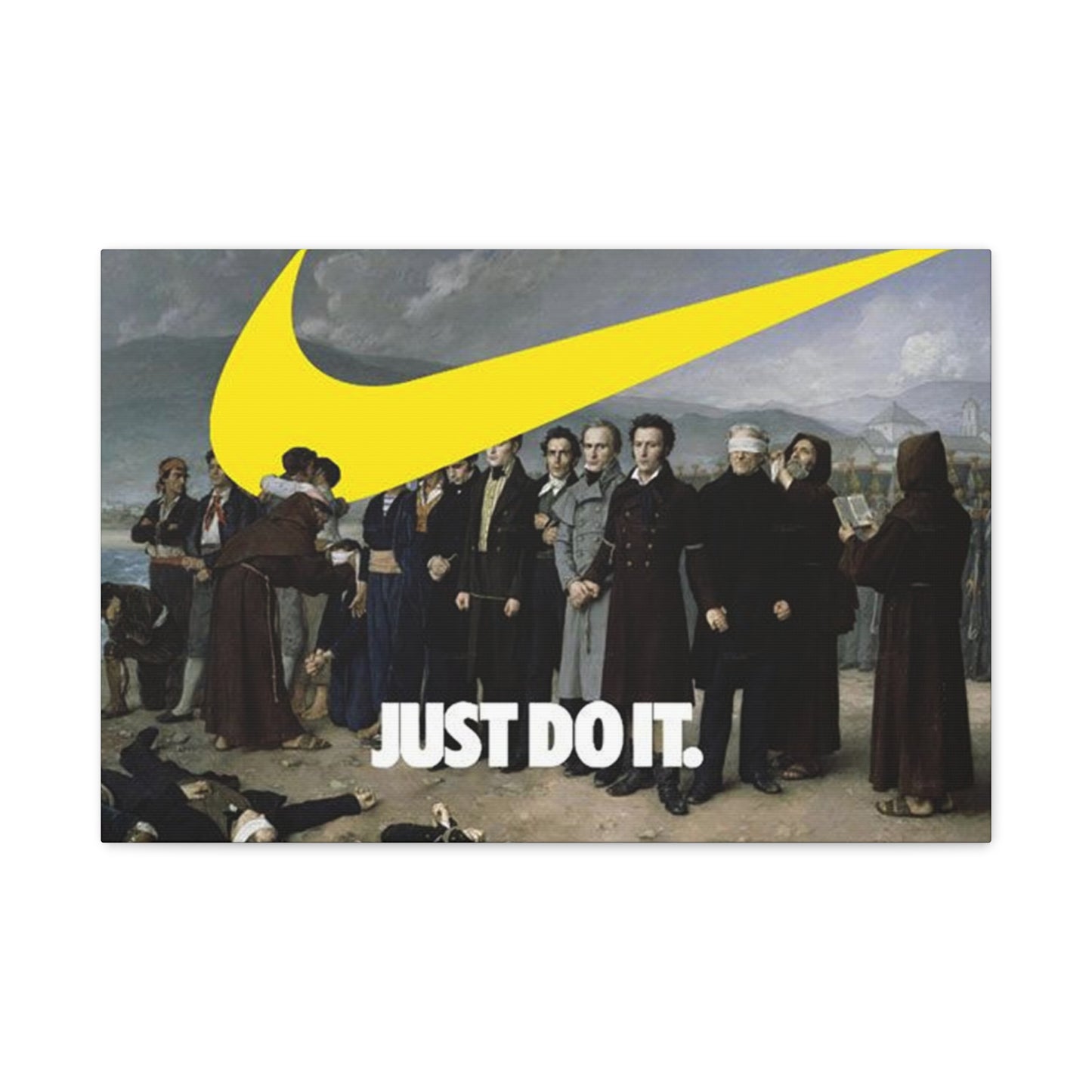
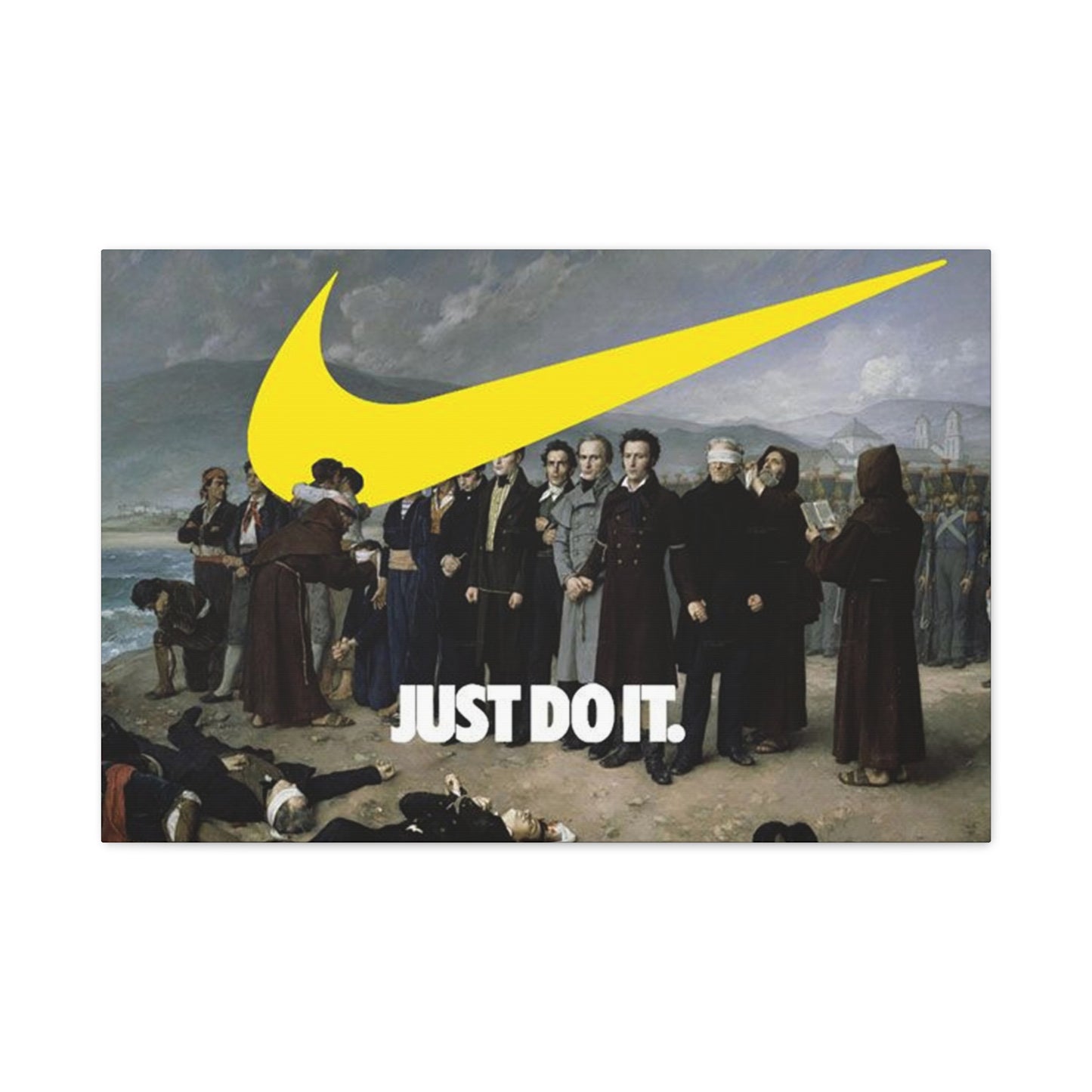
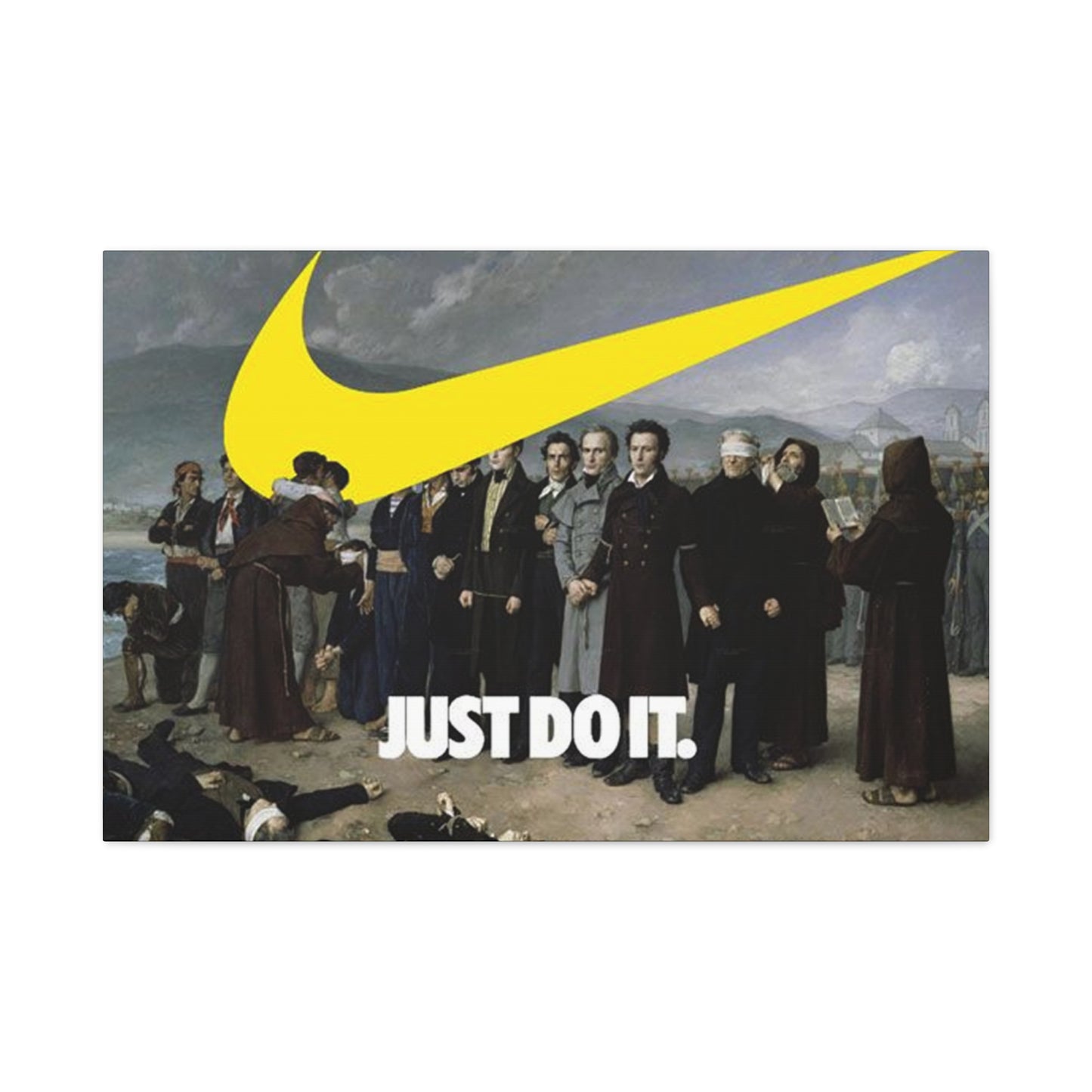
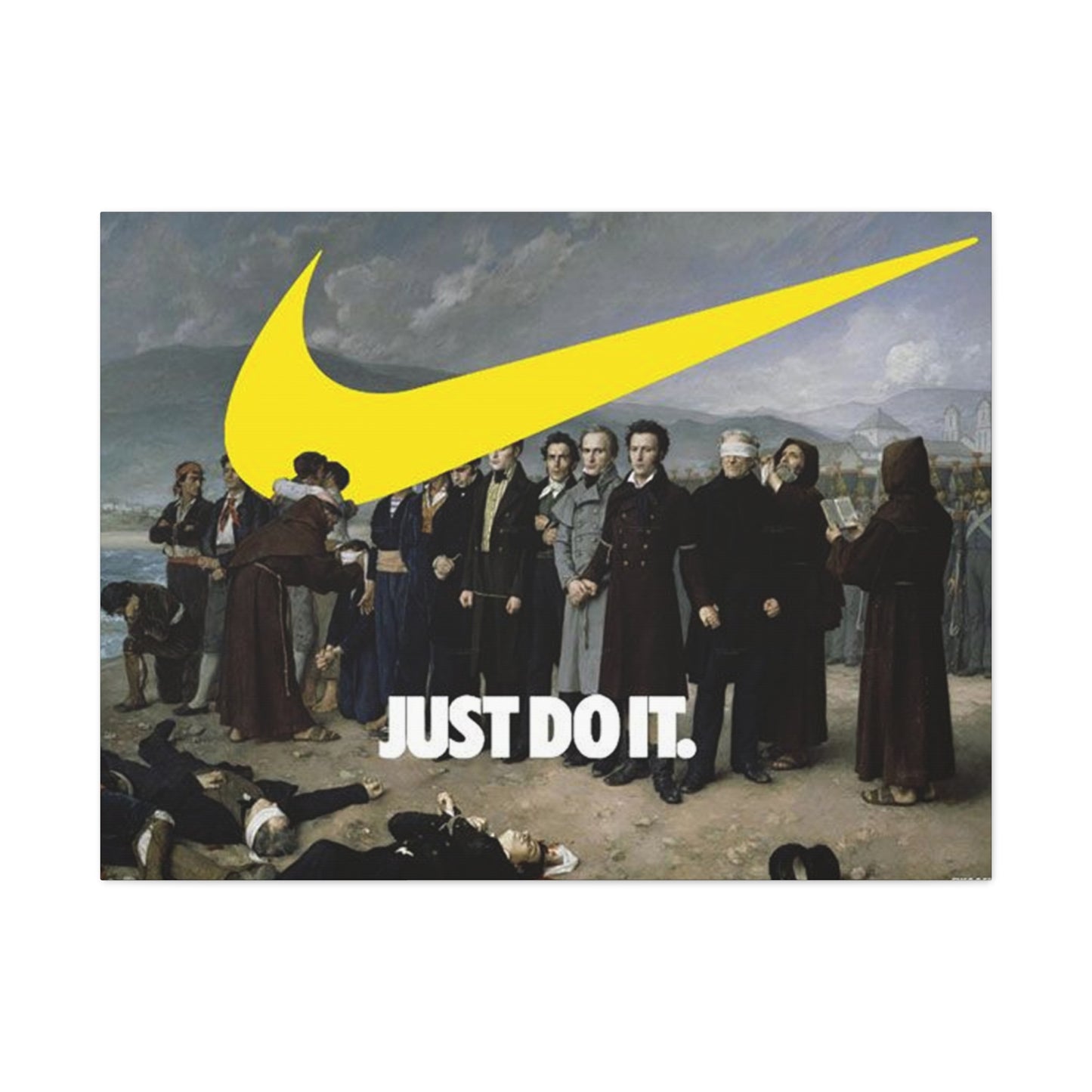
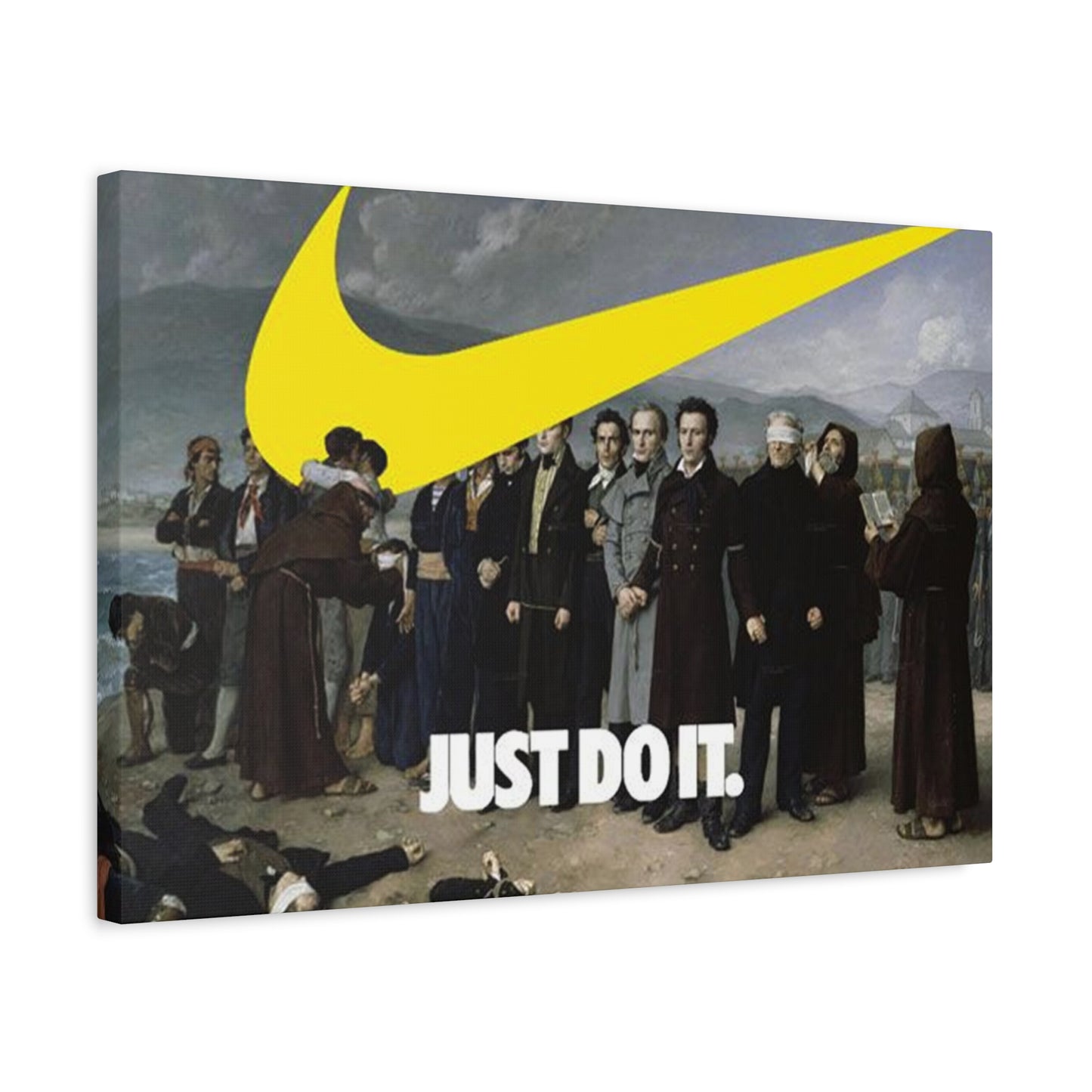
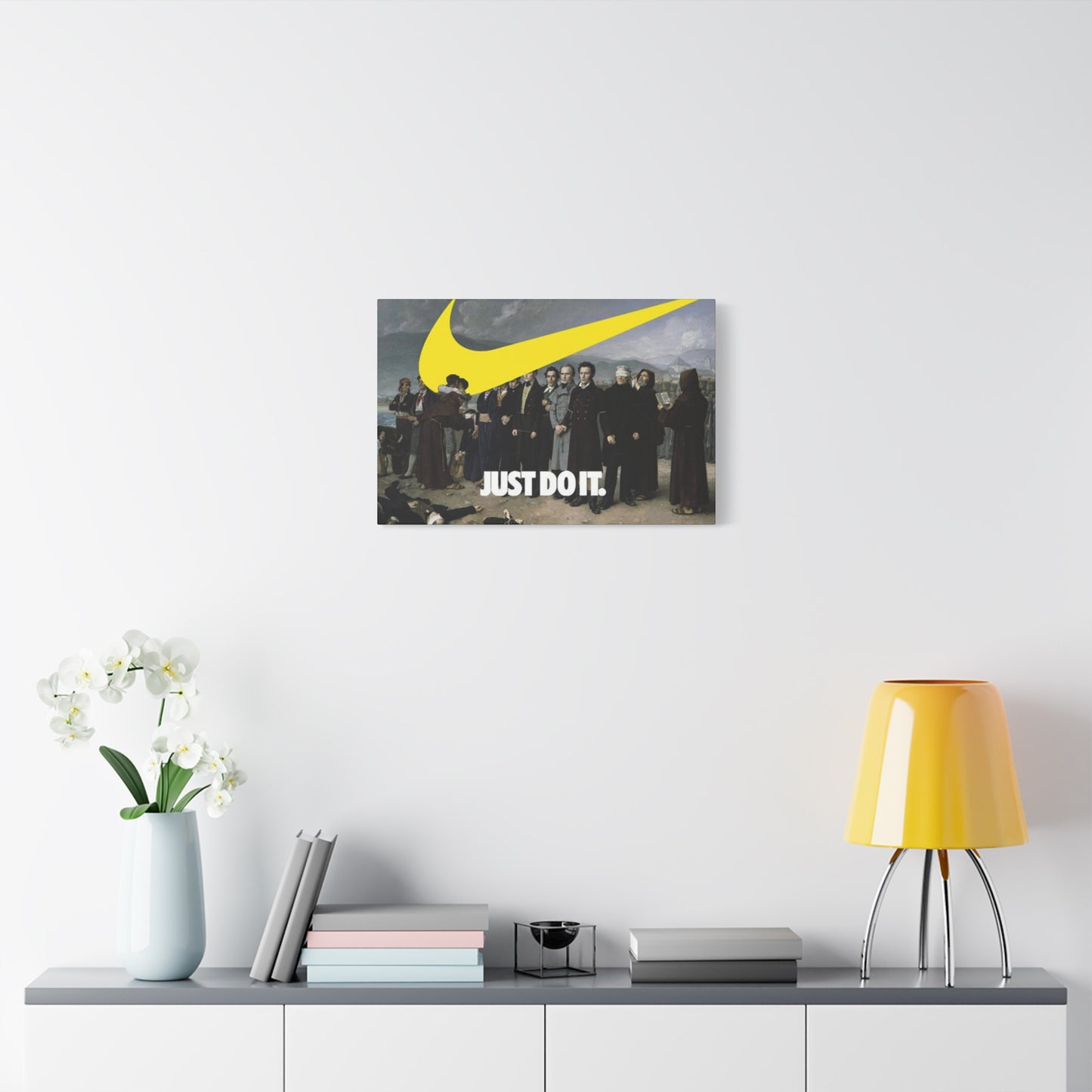
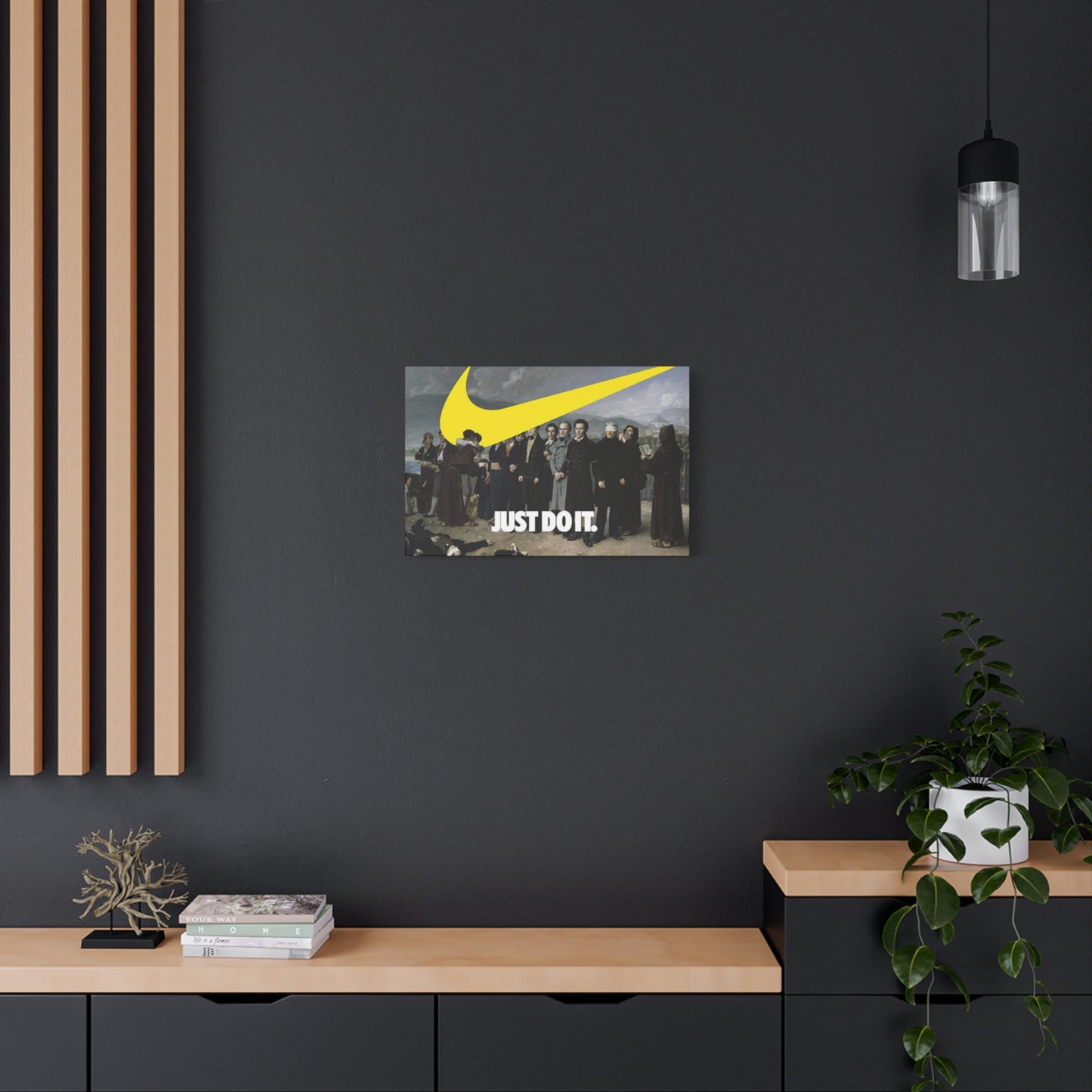
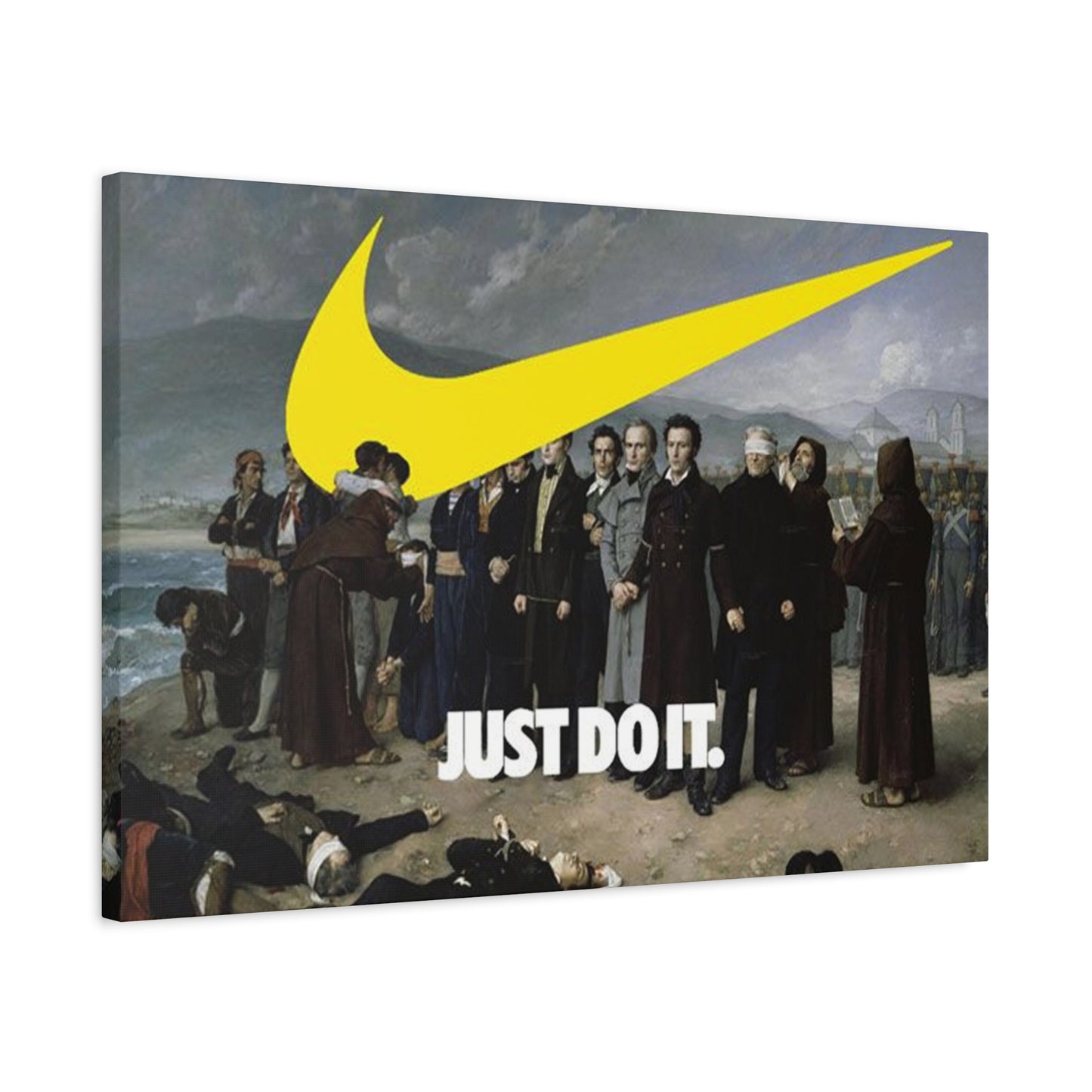
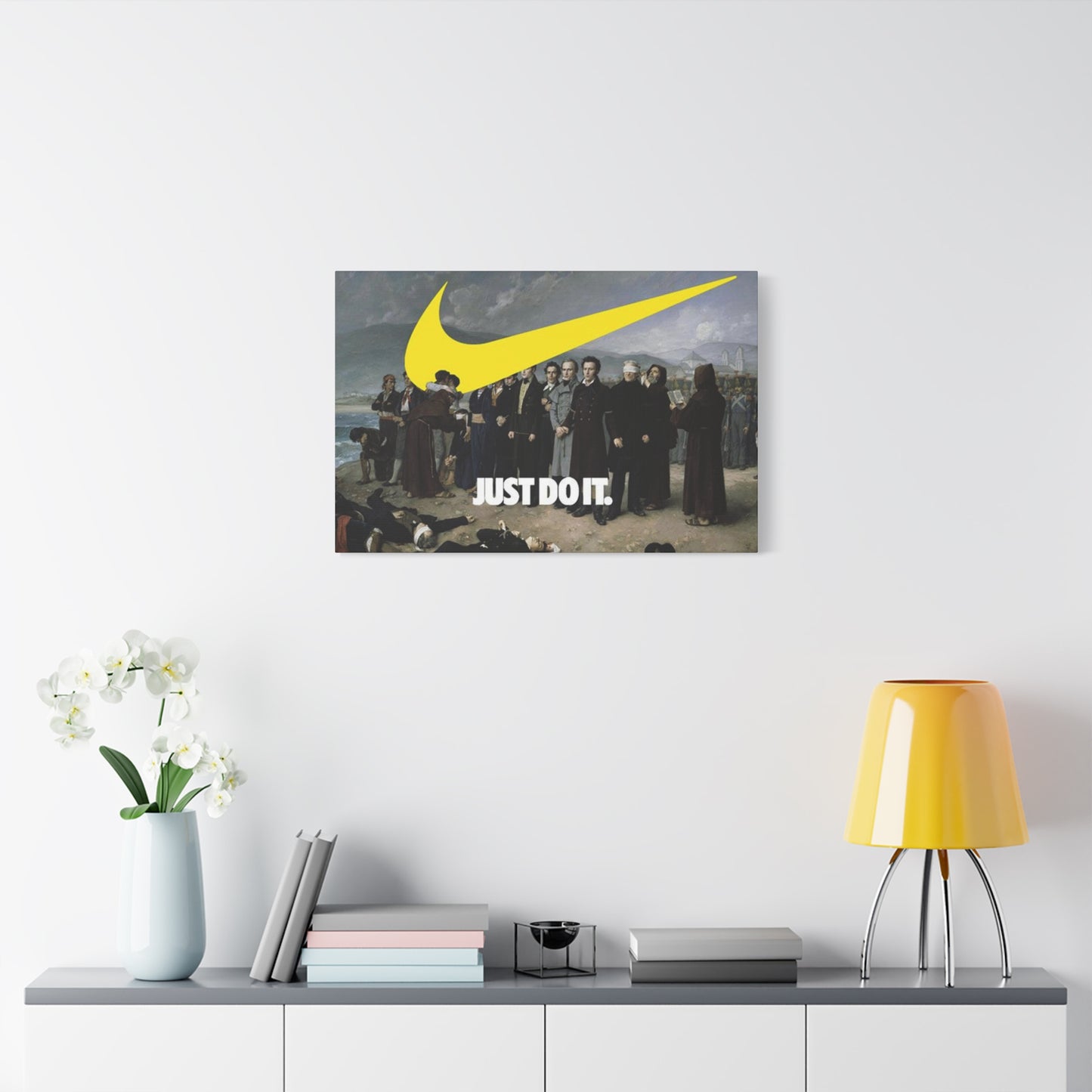
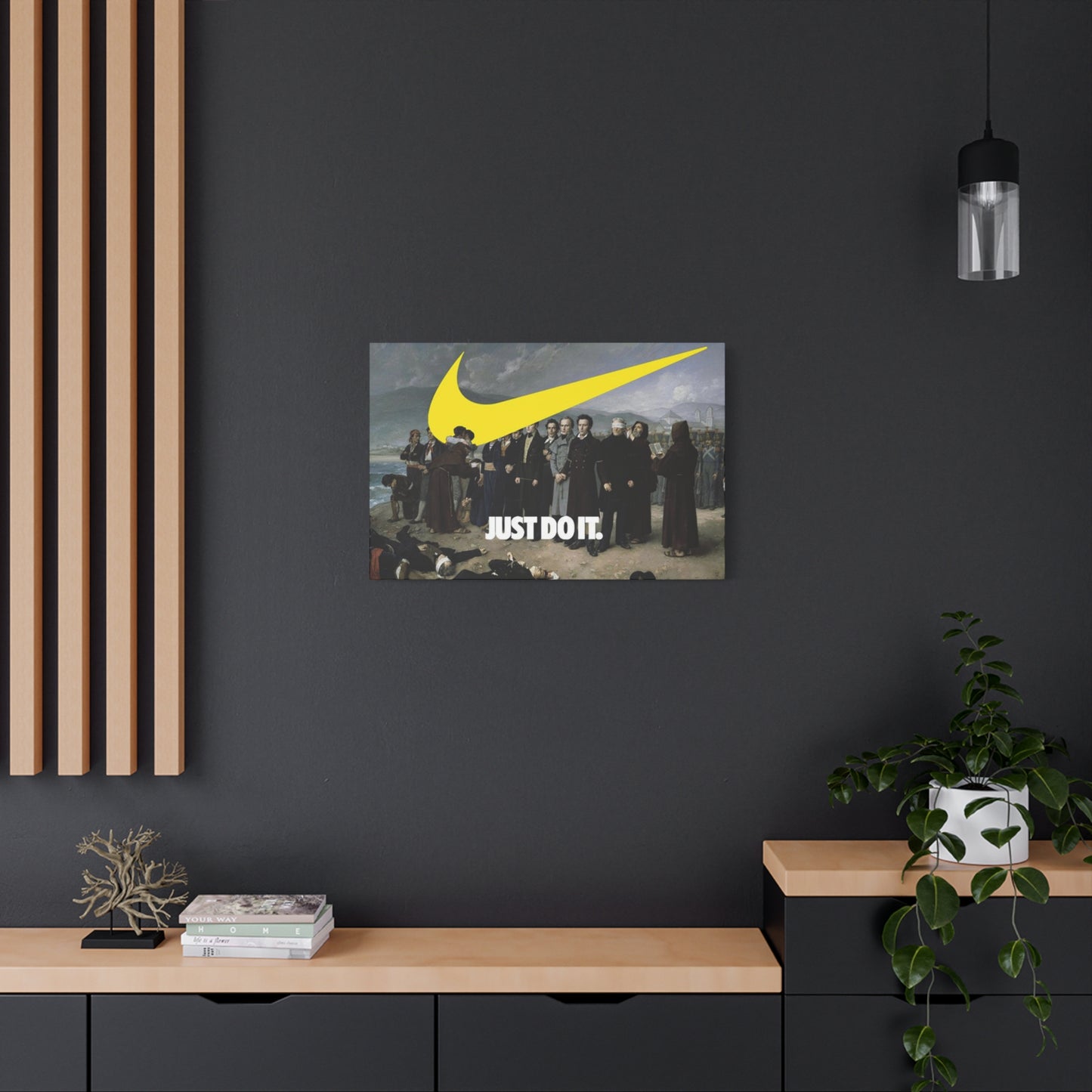
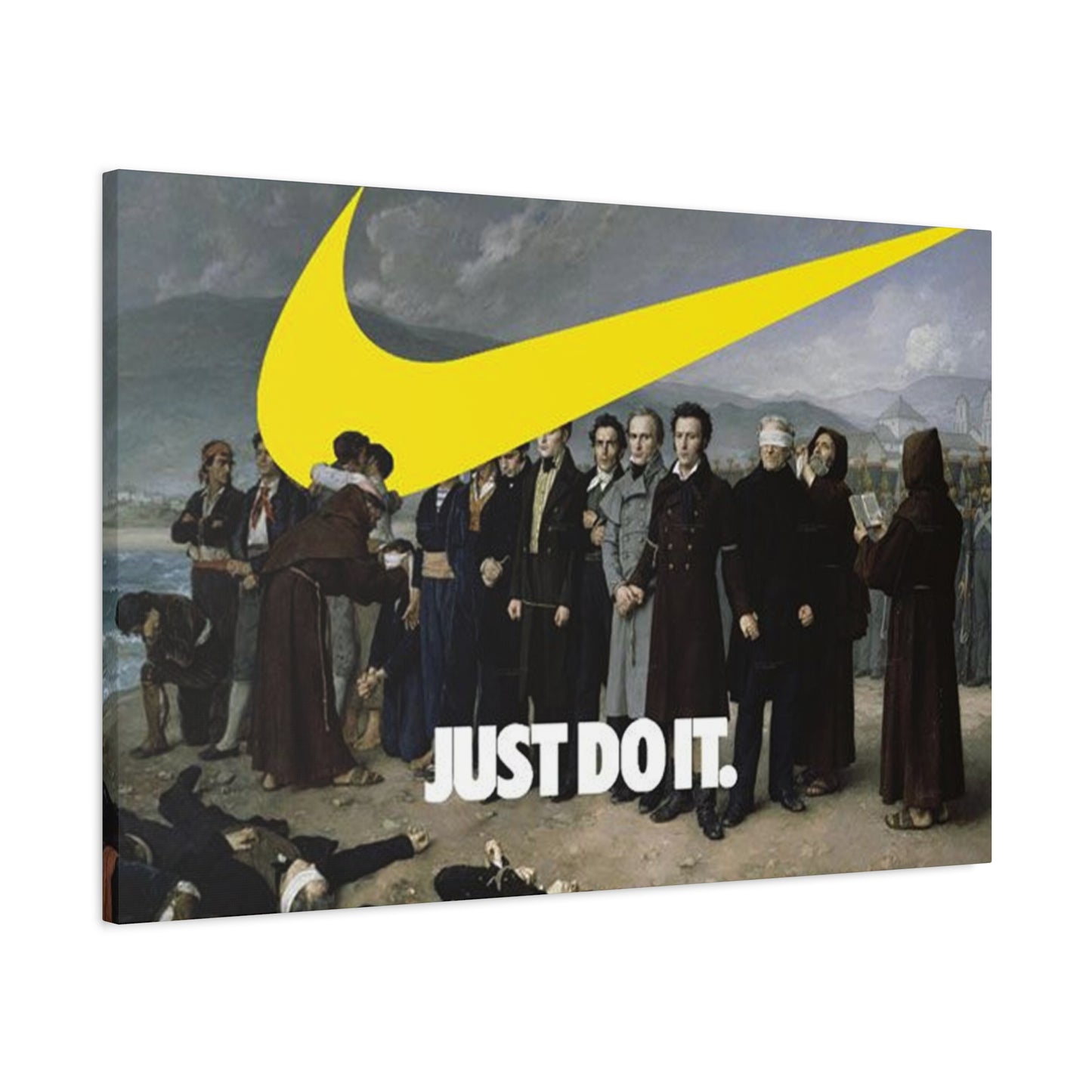
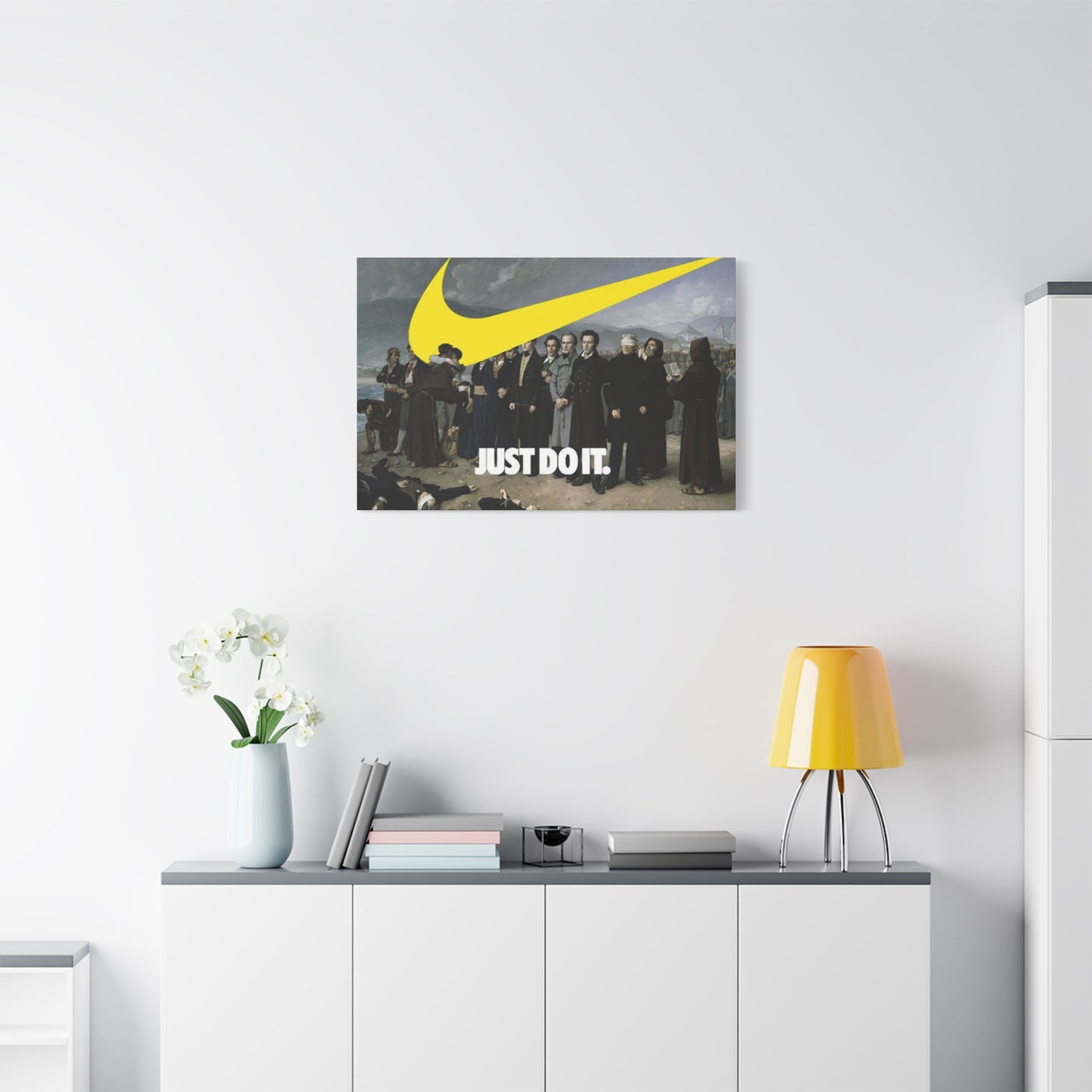
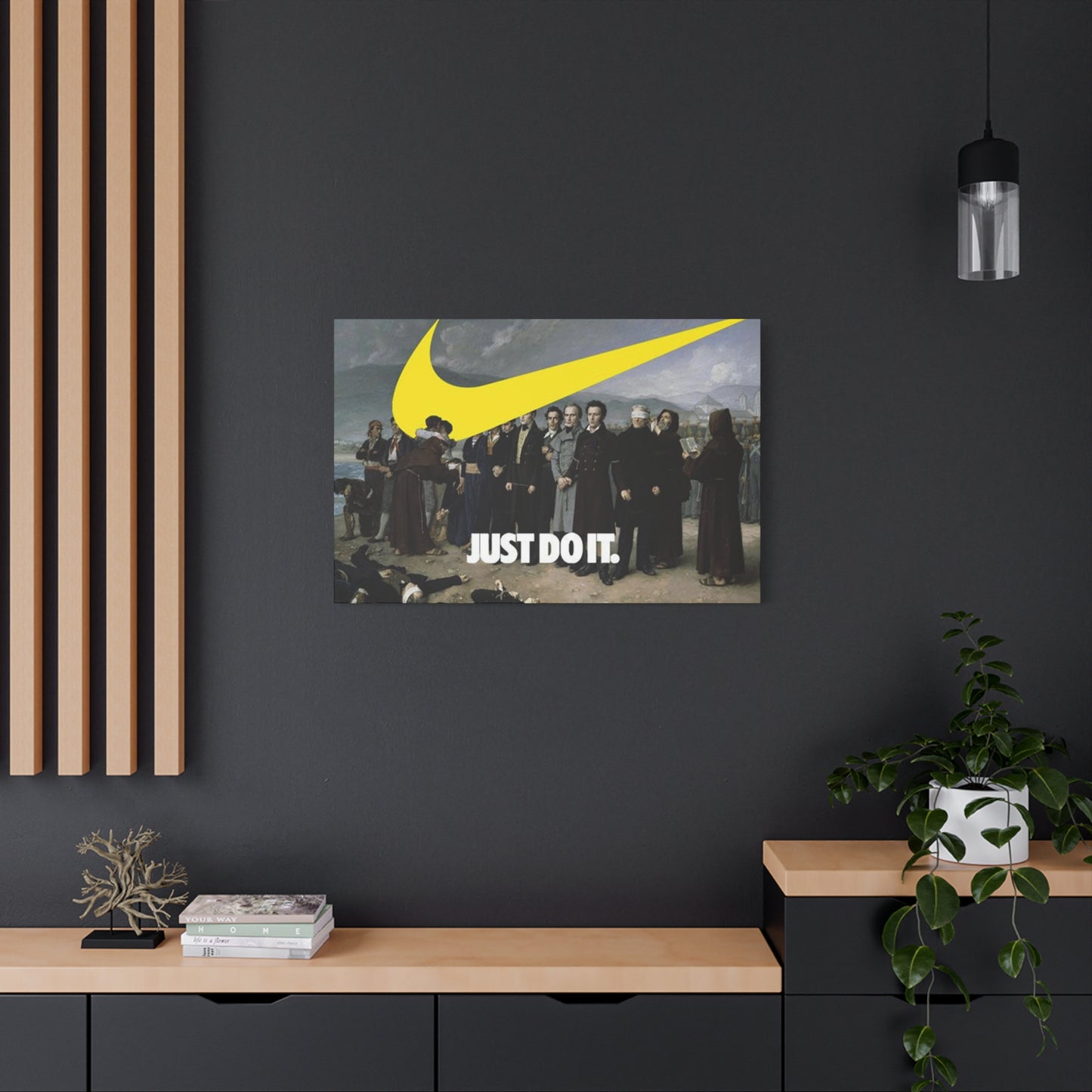
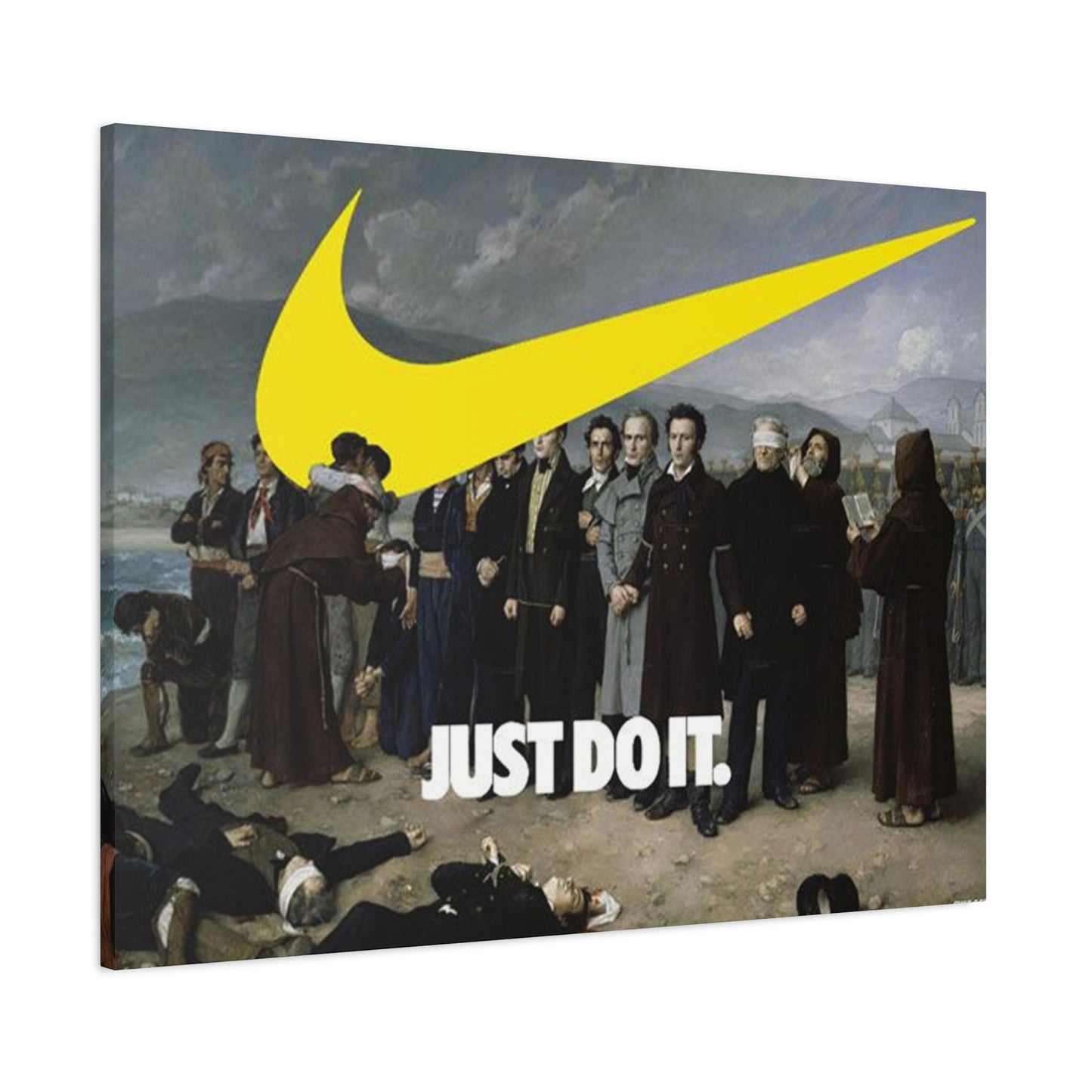
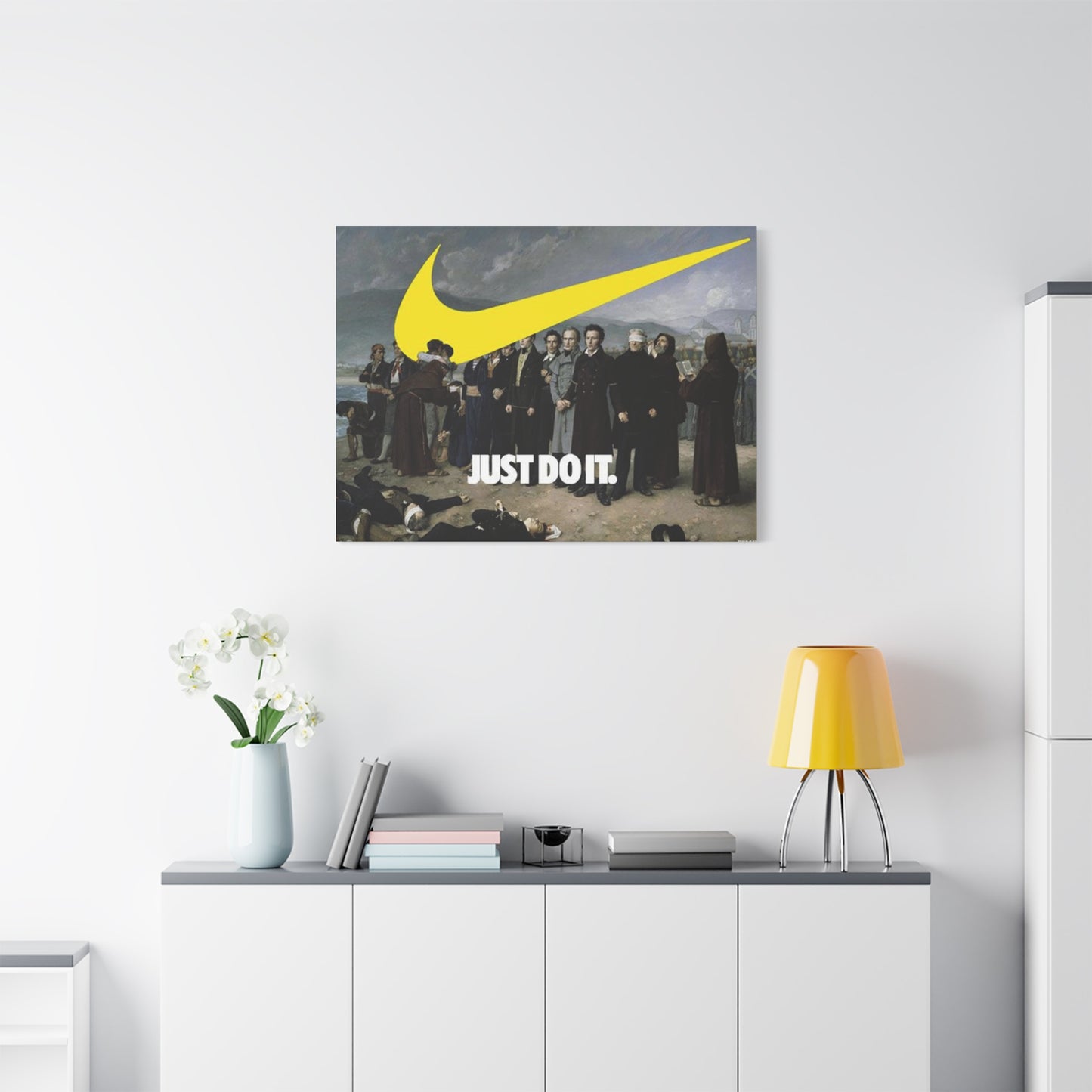
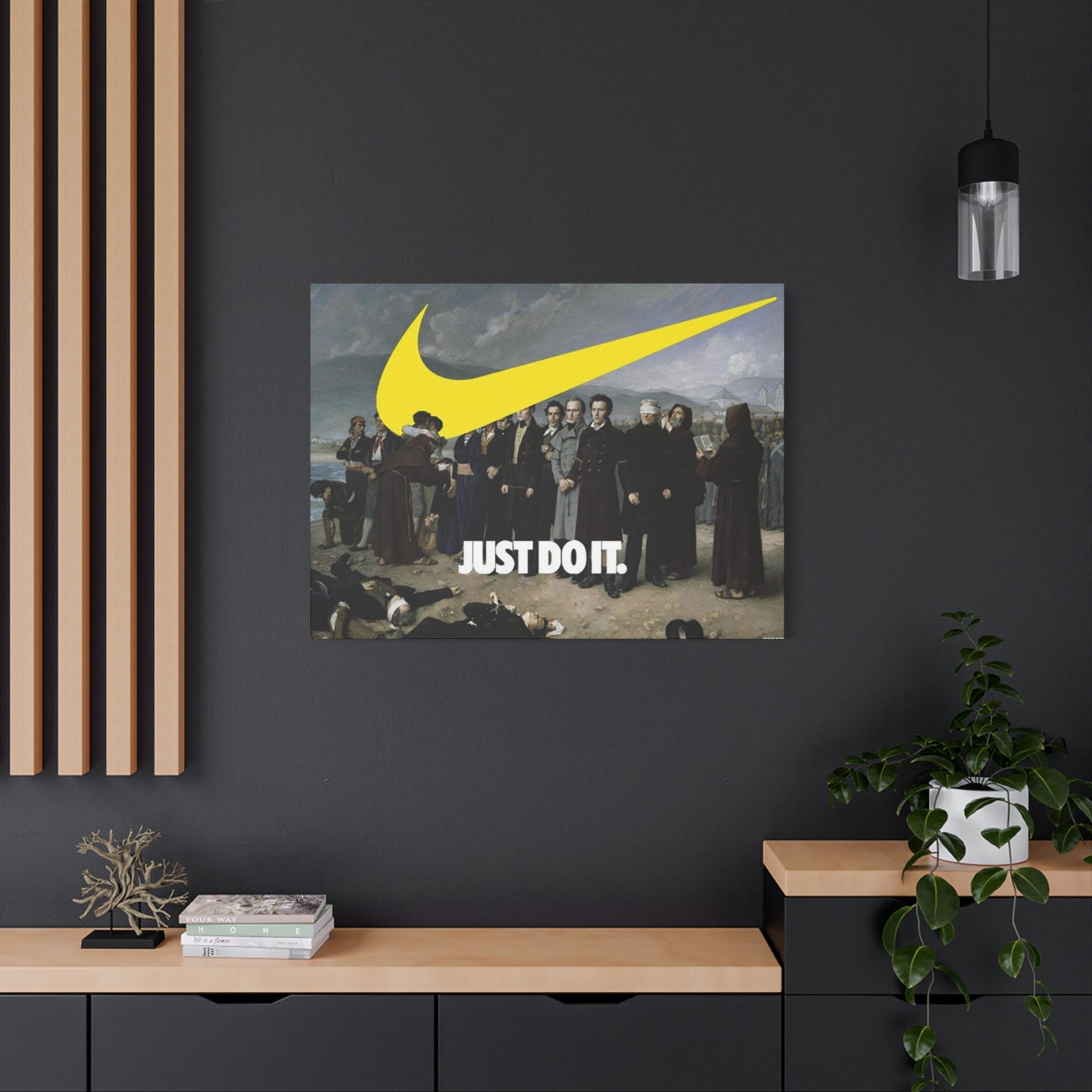
Just Do It Wall Art & Canvas Prints
Just Do It Wall Art & Canvas Prints
Couldn't load pickup availability
Just Do It Wall Art: Creative Ways to Design Motivational Pieces That Inspire Action and Transform Your Living Spaces
The power of motivational imagery within residential and commercial environments has experienced remarkable growth over recent years. When individuals seek to create atmospheres that encourage productivity, determination, and positive mindset shifts, few decorative elements prove as effective as carefully selected inspirational artwork. Among the most sought-after pieces in contemporary interior styling, motivational wall displays featuring empowering phrases have become essential components of modern living spaces, offices, workout facilities, and creative studios.
The concept of surrounding oneself with affirmative visual reminders traces back centuries, though the modern iteration has evolved significantly. Today's marketplace offers countless variations, from minimalist typography to elaborate graphic compositions, each designed to resonate with different personality types and aesthetic preferences. The phrase that has become synonymous with determination and perseverance appears in countless homes, gyms, and workspaces worldwide, serving as a constant reminder to pursue goals relentlessly.
Creating an environment that naturally encourages action requires thoughtful consideration of multiple factors. The visual elements present in any given space profoundly impact mood, energy levels, and overall motivation. Research in environmental psychology demonstrates that strategically placed visual cues can significantly influence behavior patterns and emotional states. When properly implemented, motivational artwork serves not merely as decoration but as a functional tool for maintaining focus and drive throughout daily routines.
The selection process for motivational pieces involves understanding personal goals, identifying resonant messaging, and matching aesthetic preferences with existing decor schemes. Different environments benefit from distinct approaches—what works exceptionally well in a home gym might feel inappropriate in a professional office setting. Understanding these nuances enables individuals to make informed decisions that maximize both visual appeal and motivational impact.
Exploring Various Artistic Styles for Motivational Wall Displays That Enhance Different Room Aesthetics
The diversity of artistic approaches available when selecting motivational pieces ensures that regardless of personal taste or existing interior design, suitable options exist. Contemporary minimalist designs emphasize clean lines, simple typography, and monochromatic or limited color palettes. These pieces integrate seamlessly into modern spaces characterized by uncluttered surfaces, neutral tones, and geometric furniture arrangements. The simplicity of minimalist motivational art ensures the message remains prominent without overwhelming the visual field.
Vintage-inspired motivational pieces incorporate distressed textures, retro color schemes, and typography reminiscent of mid-century design movements. These works appeal to individuals drawn to nostalgic aesthetics or those cultivating eclectic spaces that blend historical references with contemporary elements. The weathered appearance of vintage-style pieces adds character and depth to interiors, creating conversation-starting focal points that combine aesthetic interest with inspirational messaging.
Industrial-themed motivational artwork utilizes raw materials, exposed textures, and urban-influenced design elements. Metal fabrications, reclaimed wood substrates, and concrete-inspired finishes characterize this category. Such pieces particularly suit loft apartments, converted industrial spaces, and contemporary homes embracing raw, unfinished aesthetic qualities. The rugged appearance of industrial motivational art reinforces themes of strength, resilience, and determination.
Abstract interpretations of motivational phrases present opportunities for artistic creativity while maintaining inspirational intent. Through color gradients, geometric patterns, unconventional layouts, and experimental typography, abstract pieces engage viewers on multiple levels. These works function equally well as art objects and motivational tools, appealing to individuals who appreciate conceptual creativity alongside functional messaging.
Typography-focused designs place primary emphasis on letterforms themselves, treating text as visual art. Variations in font selection, character spacing, weight distribution, and arrangement create visually striking compositions that command attention. Typography enthusiasts particularly appreciate these pieces, which transform simple phrases into sophisticated graphic statements suitable for even the most refined interior settings.
Photographic compositions incorporating motivational text overlay scenic imagery with inspirational phrases. Mountain landscapes, ocean vistas, forest scenes, and urban skylines provide dramatic backdrops for overlaid text. These pieces appeal to nature enthusiasts, adventure seekers, and those who find inspiration in environmental beauty. The combination of stunning imagery with powerful messaging creates multilayered visual experiences.
Illustrative approaches employ hand-drawn elements, watercolor effects, digital painting techniques, or mixed media compositions. Artists interpret motivational concepts through personalized visual languages, resulting in unique pieces that reflect individual creative perspectives. Illustrated motivational art particularly appeals to those who value handcrafted aesthetics and artistic individuality.
Selecting Appropriate Dimensions and Placement Positions Throughout Various Living and Working Environments
Determining optimal size relationships between artwork and wall space requires understanding basic proportion principles. Oversized pieces create dramatic focal points but demand sufficient wall area to avoid overwhelming spaces. As general guidance, artwork should occupy approximately two-thirds to three-quarters of the furniture width beneath it. For standalone wall placements without furniture reference points, pieces should span thirty-five to fifty percent of available wall width for balanced visual weight.
Small motivational pieces measuring under sixteen inches in any dimension work well in compact spaces, hallways, bathrooms, and as components within larger gallery wall arrangements. These diminutive works provide flexibility for creative groupings and suit environments where larger pieces would dominate limited square footage. Clustered small pieces generate visual interest through repetition and variation while maintaining cohesive thematic connections.
Medium-sized pieces ranging from sixteen to thirty-six inches accommodate most residential and commercial settings comfortably. This versatile size category suits living rooms, bedrooms, home offices, and professional workspaces effectively. Medium proportions provide sufficient visual presence without monopolizing wall surfaces, allowing for balanced room compositions that incorporate multiple decorative elements.
Large-format pieces exceeding thirty-six inches create powerful statements in spacious environments. Grand living areas, commercial lobbies, fitness facilities, and open-concept offices benefit from substantial motivational artwork that commands attention across significant distances. Large pieces anchor room designs, establishing visual hierarchy and creating memorable impressions.
Strategic placement positions dramatically impact motivational effectiveness. Eye-level positioning ensures maximum engagement, with center points ideally situated between fifty-seven and sixty inches from floor level. This height aligns with average sight lines, facilitating natural viewing without requiring awkward neck adjustments. Deviation from standard heights may prove appropriate depending on ceiling dimensions, furniture arrangements, and viewing contexts.
Above furniture placements require careful calculation to maintain proportional relationships. Maintaining six to twelve inches between furniture tops and artwork lower edges prevents cramped appearances while establishing visual connection between elements. This spacing guideline applies to pieces hung above sofas, beds, desks, consoles, and credenzas.
Entryway placements create immediate impact, establishing motivational tones from the moment individuals enter spaces. Positioned opposite entry doors or along primary circulation paths, motivational pieces in transitional zones deliver repeated exposures throughout daily routines, reinforcing positive messaging through consistent visual contact.
Bedroom installations above headboards or opposite beds ensure motivational messages remain visible during morning and evening routines, bookending days with inspirational reminders. These placements capitalize on psychologically significant moments when individuals prove particularly receptive to affirmative messaging.
Home gym and workout area placements directly influence exercise motivation and performance endurance. Positioning motivational pieces within direct sight lines from equipment ensures visibility during physically challenging moments when encouragement proves most valuable. Multiple pieces throughout workout spaces provide varied focal points during different exercise routines.
Office and workspace installations above desks, opposite seating positions, or on walls facing primary work areas maintain motivational visibility throughout professional activities. These placements combat productivity dips and mental fatigue by providing periodic inspirational boosts during extended work sessions.
Understanding Color Psychology and Its Profound Impact on Motivational Effectiveness Within Interior Spaces
Color selection significantly influences emotional responses to motivational artwork. Different hues trigger distinct psychological reactions, making strategic color choices essential for maximizing desired effects. Understanding fundamental color psychology principles enables informed decision-making that aligns visual elements with motivational objectives.
Red tones evoke energy, passion, intensity, and urgency. This highly stimulating color increases heart rates, elevates blood pressure, and generates feelings of excitement and alertness. Motivational pieces featuring red prove particularly effective in workout environments, creative studios, and spaces dedicated to high-energy activities. However, excessive red may induce agitation or stress, requiring balanced implementation.
Orange hues convey enthusiasm, creativity, warmth, and sociability. This energizing color promotes feelings of vitality without the aggressive intensity associated with red. Orange-dominant motivational artwork suits creative workspaces, collaborative environments, and social areas where positive, welcoming atmospheres enhance functionality.
Yellow shades represent optimism, happiness, mental clarity, and intellectual stimulation. This cheerful color enhances mood, promotes positive thinking, and supports cognitive function. Yellow-accented motivational pieces work well in home offices, study areas, and morning routines spaces where mental acuity and positive outlooks benefit daily activities.
Green tones symbolize growth, balance, renewal, and harmony. This naturally calming color reduces stress, promotes equilibrium, and connects viewers with restorative environmental associations. Green-featured motivational artwork suits meditation spaces, bedrooms, and environments where balanced energy and peaceful determination prove most beneficial.
Blue hues evoke calmness, stability, trust, and productivity. This universally appealing color lowers heart rates, reduces anxiety, and supports focused concentration. Blue-dominant motivational pieces particularly suit professional offices, study environments, and spaces requiring sustained mental effort and emotional composure.
Purple shades convey creativity, wisdom, luxury, and spirituality. This sophisticated color stimulates imagination while maintaining dignified restraint. Purple-accented motivational artwork appeals to creative professionals, those pursuing personal growth, and individuals valuing refined aesthetic expressions.
Black and white combinations create striking contrast, timeless elegance, and universal compatibility. Monochromatic motivational pieces integrate seamlessly across diverse design schemes while delivering clear, unambiguous messaging. The classic simplicity of black and white ensures enduring relevance regardless of evolving design trends.
Neutral palettes featuring grays, beiges, taupes, and earth tones provide versatile foundations that complement virtually any color scheme. Neutral-based motivational artwork allows flexibility for future design changes while maintaining sophisticated, understated presence. These pieces particularly suit minimalist, transitional, and contemporary interiors.
Multi-color compositions leverage varied hues to create dynamic visual interest and layered emotional resonance. Carefully balanced color combinations can simultaneously energize, calm, inspire, and ground viewers, creating complex motivational experiences that engage multiple psychological dimensions.
Examining Material Options and Manufacturing Processes That Determine Quality, Longevity, and Visual Characteristics
The substrate and production method selected for motivational pieces significantly impact appearance, durability, and overall satisfaction. Various options exist across price points, each offering distinct advantages suited to different priorities and contexts.
Canvas prints replicate traditional painting aesthetics through textile substrates stretched over wooden frames. This classic presentation method provides texture, depth, and artistic legitimacy that appeals to those valuing traditional art characteristics. Canvas naturally absorbs light rather than reflecting it, reducing glare issues in brightly lit environments. Quality varies considerably based on canvas weight, stretching technique, and ink quality, with premium options featuring gallery-wrapped edges and protective coatings that extend longevity.
Framed prints under glass or acrylic provide protection while offering diverse presentation options. Frame selection dramatically influences overall aesthetic, with materials ranging from wood to metal to composite materials in countless finish options. Matting choices further customize appearance while protecting artwork from direct contact with glazing materials. Glass provides clarity and scratch resistance, while acrylic alternatives offer lighter weight and shatter resistance, particularly valuable in households with children or high-traffic commercial environments.
Metal prints utilize dye sublimation processes that infuse imagery directly into specially coated aluminum panels. This contemporary presentation method delivers exceptional color vibrancy, remarkable detail resolution, and extraordinary durability. Metal prints resist fading, moisture damage, and physical wear more effectively than most alternatives. The sleek, modern appearance particularly suits contemporary, industrial, and minimalist design schemes. The inherent reflectivity of metal surfaces creates luminous quality but may produce glare in certain lighting conditions.
Acrylic prints mount imagery behind clear acrylic panels, creating depth and luminosity through material transparency. This sophisticated presentation method produces gallery-quality appearance with remarkable color saturation and three-dimensional visual depth. Acrylic naturally resists yellowing and maintains clarity for decades when properly maintained. The weight and expense of quality acrylic prints position them as premium options suited to high-end residential and commercial installations.
Wood-mounted prints adhere imagery to natural wood substrates, creating rustic, organic presentations. The wood grain visible through or around imagery adds natural texture and warmth. Various wood species offer different aesthetic qualities, from light birch to dark walnut, each contributing distinct character. Wood mounting particularly suits farmhouse, rustic, cottage, and natural design schemes.
Poster prints represent economical options utilizing paper substrates in various weights and finishes. While less durable than premium alternatives, quality poster prints provide excellent value for budget-conscious buyers or those frequently updating decor. Professional framing significantly elevates poster presentation, transforming economical prints into respectable artistic statements.
Vinyl decals offer temporary or semi-permanent solutions that apply directly to wall surfaces. This flexible option enables customization of exact sizing, color, and positioning while avoiding permanent wall alterations. Removable vinyl particularly suits rental properties, temporary installations, and those who frequently refresh decor. Quality vinyl resists fading and maintains adhesion for years when properly applied to appropriate surfaces.
Handcrafted options including hand-lettered pieces, painted canvases, and mixed-media creations provide unique, one-of-kind artworks. These pieces command premium pricing but offer distinctive character impossible to replicate through mass production. Supporting independent artists while acquiring truly unique pieces appeals to those valuing originality and artisan craftsmanship.
Creating Cohesive Gallery Wall Arrangements That Combine Motivational Pieces With Complementary Visual Elements
Gallery walls transform single decorative statements into curated collections that tell visual stories while maximizing wall space utilization. Successfully executing gallery arrangements requires planning, patience, and understanding of composition principles that create visual harmony from multiple disparate elements.
Thematic cohesion establishes conceptual connections between pieces within collections. Gallery walls might focus exclusively on motivational messaging, combine inspirational text with related imagery, or integrate motivational pieces within broader personal photo collections. Maintaining clear thematic threads prevents arrangements from appearing random or disorganized.
Color coordination ensures visual unity across multiple pieces. Strategies include limiting palettes to specific color families, utilizing varying shades within single hue ranges, or embracing controlled contrast through complementary color pairings. Repetition of key colors throughout arrangements creates rhythm and intentional relationships between individual works.
Frame consistency or intentional variation both prove viable approaches depending on desired effects. Uniform framing creates clean, cohesive appearances particularly suited to formal settings and traditional design schemes. Deliberately varied framing styles generate eclectic, collected-over-time aesthetics that suit bohemian, transitional, and personalized spaces.
Layout planning prevents costly mistakes and wall damage from repeated hanging attempts. Creating full-size paper templates representing each piece enables experimental arrangements without committing to permanent installations. Laying templates on floors replicates final proportions, allowing evaluation of spacing, balance, and overall composition before mounting hardware.
Balanced asymmetry creates dynamic interest while maintaining visual equilibrium. Rather than rigidly symmetrical arrangements, most successful gallery walls employ irregular layouts where visual weight distributes evenly despite varied piece sizes and positions. Larger pieces anchor arrangements, with smaller elements orbiting around focal points.
Spacing consistency maintains professional appearance across collections. Generally, maintaining two to three inches between pieces creates cohesive groupings without individual elements competing for attention. Closer spacing increases density and drama, while wider spacing emphasizes individual pieces and creates airier compositions.
Grid arrangements organize pieces into structured rows and columns, creating orderly, predictable patterns. This approach particularly suits modern and contemporary settings valuing clean organization and geometric precision. Uniform sizing across all grid elements produces most polished results, though varied sizes within consistent grid structures can accommodate diverse piece collections.
Salon-style hanging densely clusters pieces with minimal spacing, creating rich, maximalist wall coverage. This approach originated in nineteenth-century art galleries and maintains contemporary relevance in eclectic, bohemian, and artistic environments. Successful salon arrangements require confident execution and acceptance of visually busy results.
Central focal point layouts position one substantial piece centrally with smaller elements arranged symmetrically or asymmetrically around it. This format works particularly well when one exceptional motivational piece deserves starring prominence with supporting elements enhancing rather than competing with the centerpiece.
Horizontal progression arrangements span walls linearly at consistent heights, creating frieze-like effects. This format suits hallways, above furniture pieces, and spaces where vertical dimension proves limited. Horizontal arrangements guide visual movement along walls, creating sense of spaciousness and flow.
Incorporating Motivational Artwork Into Specific Room Types While Respecting Functional Requirements and Design Constraints
Different rooms present unique opportunities and challenges for motivational artwork implementation. Understanding spatial functions, typical activities, and design considerations specific to each room type enables optimal selection and placement decisions.
Living room installations typically occupy walls above sofas, opposite seating arrangements, or flanking entertainment centers. These social spaces benefit from motivational messaging that reflects household values and creates positive atmospheres for family gatherings and guest entertainment. Scale proves particularly important in living areas, where generous proportions suit spacious environments typical of primary gathering spaces.
Bedroom implementations should promote restful determination rather than aggressive intensity. Positioning motivational pieces where they remain visible from beds ensures morning inspiration and evening reflection opportunities. Color selections should harmonize with restful atmospheres, avoiding overly stimulating hues that might interfere with quality sleep. Motivational messaging in bedrooms should emphasize personal growth, gratitude, peace, and positive self-image rather than relentless productivity.
Home office installations directly support professional productivity and sustained focus. Positioning pieces within direct sight lines from workstations provides periodic motivational reinforcement during extended work sessions. Multiple smaller pieces distributed throughout offices offer varied focal points that combat mental fatigue through visual diversity. Office motivational art should emphasize productivity, persistence, goal achievement, and professional excellence.
Kitchen and dining area motivational pieces create positive associations with gathering, nourishment, and family connection. These spaces benefit from messaging related to gratitude, togetherness, health, and joy. Scale typically remains moderate to small, accommodating wall space limitations common in functional kitchen environments. Moisture-resistant materials prove advisable given humidity and temperature fluctuations characteristic of cooking areas.
Bathroom installations transform purely functional spaces into personal retreat environments. Compact dimensions typical of bathrooms require appropriately scaled pieces that provide inspiration without overwhelming limited space. Moisture resistance becomes critical consideration given high humidity levels. Motivational messaging in bathrooms might emphasize self-care, personal worth, starting fresh, and positive body image.
Entryway and mudroom placements create immediate motivational impact upon arrival and departure. These transitional spaces benefit from messaging related to new beginnings, seizing opportunities, facing challenges confidently, and returning home to supportive environments. Durable materials withstand higher traffic and environmental exposure typical of entry areas.
Home gym and fitness space implementations directly influence workout motivation and performance persistence. Bold, energizing colors and aggressive motivational messaging suit these environments where physical challenge and determination prove central themes. Positioning pieces directly opposite cardio equipment or within clear sight lines from free weight areas ensures visibility during physically demanding moments when encouragement proves most valuable.
Children's rooms and play areas benefit from age-appropriate motivational messaging that encourages positive self-image, resilience, curiosity, and kindness. Visual elements should engage young viewers through appealing graphics, characters, or imagery alongside text. Adjustable hanging methods accommodate changing preferences as children mature.
Laundry rooms and utility spaces often receive minimal decorative attention despite regular use. Injecting motivational elements into these overlooked areas transforms mundane chores into opportunities for positive reinforcement. Humor-inflected motivational pieces particularly suit laundry rooms, acknowledging the tedious nature of tasks while encouraging persistence.
Exploring Diverse Methods for Creating Personalized Motivational Pieces That Reflect Individual Values and Aesthetic Sensibilities
While commercial options abound, creating custom motivational artwork enables complete personalization aligned with specific preferences, goals, and design requirements. Various approaches accommodate different skill levels, time commitments, and creative inclinations.
Digital design software enables creation of entirely custom typographic compositions. Programs ranging from professional-grade design suites to accessible consumer applications provide tools for font selection, layout experimentation, color manipulation, and effects application. Digital creation offers unlimited revision opportunities and flexibility for generating precisely desired results. Files can then be professionally printed through online services or local print shops.
Hand lettering and calligraphy add personal touches impossible to replicate through digital means. These skills, while requiring practice, create authentically unique pieces imbued with maker's personal energy. Numerous brush pens, markers, and traditional calligraphy tools accommodate various skill levels and stylistic preferences. Hand-lettered pieces can be digitally scanned and reproduced or displayed as singular original works.
Painting techniques allow full artistic expression through color mixing, texture creation, and compositional creativity. Acrylic paints offer beginner-friendly characteristics with quick drying times and easy cleanup. Oil paints provide rich color and extended working times, though requiring more advanced techniques and longer completion timelines. Watercolors create ethereal, flowing effects particularly suited to softer motivational aesthetics.
Stenciling provides accessible means for creating professional-looking typography without advanced artistic skills. Commercially available stencils or custom-cut versions enable precise letter formation. This technique works across various substrates including canvas, wood, metal, and direct wall applications. Layering multiple stencil passes creates multi-colored, dimensional effects.
Vinyl cutting machines transform digital designs into precise adhesive graphics. These devices, increasingly affordable and user-friendly, cut intricate patterns from vinyl sheets based on uploaded designs. Resulting decals can be applied to walls, furniture, glass, or framed substrates, offering remarkable versatility. Permanent and removable vinyl options accommodate different permanence requirements.
Mixed media approaches combine multiple techniques and materials within single pieces. Collage elements, found objects, textured mediums, and varied application methods create richly layered works reflecting maker's unique creative perspectives. This approach particularly suits those who resist rigid rules and embrace experimental creativity.
Woodworking techniques including routing, wood burning, painting, and staining enable creation of rustic, dimensional pieces with substantial physical presence. Reclaimed wood adds character through existing weathering and patina. Woodworkers can incorporate three-dimensional elements, decorative edges, and structural complexity impossible in two-dimensional formats.
Needlework methods including embroidery, cross-stitch, and needlepoint translate motivational phrases into textile art forms. These traditional crafts create unique textural qualities while offering meditative creative processes. Framed needlework pieces suit cottage, farmhouse, and traditional design schemes particularly well.
Photography-based customization overlays personal photographs with motivational text, creating deeply meaningful pieces that combine inspirational messaging with treasured memories. Landscapes from meaningful locations, family photos, or personally captured images provide backdrops for layered text. Free and commercial software applications simplify this overlay process.
Analyzing Current Trends Influencing Contemporary Motivational Wall Art Preferences and Design Directions
The motivational artwork marketplace continually evolves, reflecting broader design trends, cultural shifts, and changing consumer preferences. Understanding current directions helps inform selection decisions while recognizing that timeless choices often outlive fleeting trends.
Minimalist compositions emphasizing negative space, simple typography, and restrained color palettes maintain strong appeal. This aesthetic aligns with broader movements toward simplifying lifestyles, reducing visual clutter, and focusing on essential elements. Single words or very brief phrases communicate maximum impact through minimal means.
Handwritten-style typography mimics casual, personal script, creating intimate connections between messages and viewers. This trend reflects desires for authenticity, personal connection, and rejection of overly polished corporate aesthetics. Imperfect letterforms, baseline variations, and organic character shapes convey warmth and approachability.
Bold, oversized typography creates dramatic impact through sheer scale and confident letter forms. Massive text commands attention and makes unambiguous statements about values and priorities. This trend particularly appeals to younger demographics embracing assertive self-expression.
Nature-integrated designs combine motivational text with botanical elements, landscapes, and environmental imagery. This direction reflects growing awareness of environmental concerns and biophilic design principles that incorporate natural elements into built environments. Leaf patterns, mountain silhouettes, ocean waves, and forest scenes provide organic backdrops for inspirational messaging.
Geometric patterns and abstract shapes create visually sophisticated compositions that transcend literal representation. Circles, triangles, hexagons, and irregular polygons frame or interact with typography, adding structural interest and contemporary flair. This trend appeals to design-conscious individuals appreciating balanced complexity.
Watercolor effects featuring soft color gradients, flowing pigment pools, and ethereal washes create dreamy, artistic atmospheres. Digital and traditional watercolor techniques produce gentle, approachable aesthetics that soften potentially aggressive motivational messaging. This trend particularly appeals to feminine-coded design preferences, though gender neutrality continues expanding.
Metallic accents incorporating gold, silver, copper, or rose gold foiling add luxury and visual interest to motivational pieces. Reflective elements catch light dynamically, creating changing appearances throughout days. Metallic details elevate perceived value and sophistication.
Line art illustrations using continuous single lines or minimal strokes create sophisticated simplicity. Faces, figures, objects, and abstract forms rendered through economical mark-making demonstrate artistic skill while maintaining clean, uncluttered appearances. This trend bridges representational and abstract aesthetics.
Retro-futuristic designs blend mid-century modern aesthetics with space-age optimism. Atomic-era color palettes, starburst patterns, and optimistic messaging reflect nostalgia for perceived simpler times combined with enthusiasm for future possibilities. This playful trend appeals to those appreciating vintage design references.
Social justice and activism-oriented messaging extends beyond individual motivation toward collective action and societal improvement. Pieces addressing equity, inclusion, environmental stewardship, and community responsibility reflect growing awareness of systemic issues and desires for meaningful contribution beyond personal achievement.
Discovering Cost-Effective Strategies for Acquiring High-Quality Motivational Artwork Without Exceeding Reasonable Budgets
Motivational artwork spans enormous price ranges, from minimal expenditures to substantial investments. Strategic approaches enable acquisition of satisfying pieces regardless of budget constraints.
Print-on-demand services offer vast selection at accessible price points. Numerous online platforms provide thousands of designs available for immediate printing in multiple size and format options. These services eliminate inventory costs, passing savings to consumers while offering remarkable variety. Quality varies across providers, making research and review consultation advisable before purchasing.
Downloadable digital files for self-printing represent ultimate budget solutions. Independent artists and designers sell high-resolution files through online marketplaces, allowing buyers to print through preferred local or online services. This approach provides maximum flexibility for sizing, material selection, and framing while supporting independent creators. Printing costs remain separate considerations but allow complete control over final presentation.
Independent artist marketplaces connect buyers directly with creators, often at prices substantially below traditional gallery markups. Platforms facilitating these connections democratize art acquisition while supporting working artists. Original works, limited editions, and custom commissions become accessible to broader audiences through reduced overhead and direct sales models.
Thrift stores, consignment shops, and estate sales occasionally yield remarkable finds at minimal costs. While discovery proves unpredictable, patient shoppers willing to visit regularly and think creatively about repurposing or updating pieces sometimes uncover exceptional values. Existing frames alone may justify purchases, enabling replacement of original artwork with preferred imagery.
Seasonal sales, promotional events, and clearance offerings from established retailers provide opportunities for substantial savings. Shopping strategically around holidays, end-of-season clearances, and special promotional periods reduces costs significantly. Email subscriptions and loyalty programs provide advance notice of sales events.
DIY creation eliminates retail markups entirely, with costs limited to materials and printing. While requiring time investment and creative confidence, self-creation enables perfect personalization and significant savings. Free design software and tutorials lower barriers to entry, making DIY increasingly accessible.
Frame reuse and updating transforms existing frames through painting, distressing, or embellishment, avoiding replacement costs while refreshing appearances. Thrift store frames provide inexpensive starting points for customization projects. This sustainable approach reduces waste while stretching budgets.
Print exchanges and community art shares enable acquisition without monetary expenditure. Swapping with friends, participating in community art exchanges, or arranging trades with local artists creates opportunities for refreshing collections without financial outlay.
Phased acquisition spreads costs over time, allowing gradual gallery wall development or room-by-room implementation. Beginning with single focal piece and adding complementary elements as budgets allow prevents financial strain while maintaining progress toward design goals.
Understanding Proper Hanging Methods and Hardware Selection That Ensure Secure Mounting and Prevent Wall Damage
Proper hanging techniques protect both artwork and walls while ensuring pieces remain securely positioned. Different wall types, artwork weights, and substrate materials require specific approaches for optimal results.
Drywall installations represent most common scenarios in contemporary construction. Standard picture hanging hardware suitable for drywall includes traditional nails, picture hooks, and adhesive strips. For lightweight pieces under ten pounds, simple nails or small picture hooks prove adequate. Medium-weight pieces between ten and twenty-five pounds benefit from reinforced picture hooks with multiple nail points distributing load across larger areas. Heavy pieces exceeding twenty-five pounds require anchoring into wall studs or utilizing wall anchors designed for substantial loads.
Wall anchor types include plastic expansion anchors, toggle bolts, and threaded drywall anchors. Plastic expansion anchors work by compressing against surrounding drywall when screws insert, creating friction-based hold suitable for medium loads. Toggle bolts feature spring-loaded wings that deploy behind drywall, distributing weight across larger areas for superior holding power. Threaded drywall anchors utilize sharp threads that cut directly into gypsum, providing solid holds without pre-drilling.
Stud mounting provides maximum security by anchoring directly into structural framing members behind wall surfaces. Stud finders locate these wooden or metal beams, enabling precise hardware placement. This method proves essential for heavy or valuable pieces where failure risks remain unacceptable. Stud spacing typically measures sixteen inches on center in modern construction, requiring artwork positioning consideration during design phases.
Plaster wall installations require different approaches due to material brittleness and age-related fragility. Pre-drilling pilot holes prevents cracking that commonly occurs when driving fasteners directly into plaster. Masonry anchors designed for plaster and brick applications provide reliable holds without damaging fragile surfaces. Professional assistance may prove advisable for hanging valuable pieces on historic plaster walls.
Brick and concrete installations necessitate masonry-specific hardware and power tools. Masonry bits drill holes into which plastic or metal anchors insert, accepting screws for hardware attachment. This process requires patience, appropriate tools, and understanding of material characteristics. Specialized picture hanging systems designed for masonry applications simplify processes while ensuring secure mounting.
Adhesive hanging solutions including command strips and mounting putty provide damage-free alternatives to traditional hardware. These products suit rental properties, temporary installations, and situations where wall preservation proves paramount. Weight ratings vary considerably across adhesive products, making careful specification essential. Surface preparation critically impacts adhesive performance, with clean, smooth surfaces yielding best results.
Picture hanging wire attached to artwork frames enables flexible positioning and leveling adjustments. D-rings or eye screws attach to frame sides, with wire spanning between attachment points. Hanging wire on wall hooks rather than frame hardware directly allows minor adjustments without repositioning wall hardware. Wire gauge should substantially exceed artwork weight for safety margins.
Gallery hanging systems featuring continuous tracks mounted to walls or ceilings with adjustable cables provide ultimate flexibility. These professional solutions enable effortless repositioning, height adjustment, and piece exchange without additional wall penetrations. Track systems particularly suit collectors who regularly rotate artwork or commercial settings where frequent updates occur.
Level utilization ensures horizontal alignment that appears professional rather than haphazard. Even slight deviations from true horizontal prove immediately noticeable, undermining overall installation quality. Laser levels and smartphone leveling applications supplement traditional bubble levels, particularly for gallery wall installations requiring precise alignment across multiple pieces.
Template creation using paper cutouts prevents experimental wall damage from multiple hanging attempts. Full-size templates enable evaluation of positioning, spacing, and arrangement before committing to permanent hardware installation. Masking tape temporarily affixes templates for evaluation periods before final decisions.
Examining Lighting Considerations That Dramatically Enhance Visual Impact and Ensure Optimal Viewing Conditions
Illumination dramatically affects artwork perception, influencing color accuracy, contrast, readability, and overall visual impact. Strategic lighting decisions maximize motivational effectiveness while protecting pieces from damage.
Natural daylight provides full-spectrum illumination that renders colors accurately and creates dynamic lighting conditions throughout days. However, direct sunlight causes fading, particularly damaging to prints, textiles, and works created with fugitive pigments. Positioning artwork perpendicular to windows or on walls opposite windows allows natural light benefits while minimizing direct exposure. UV-filtering window films and glazing materials protect against ultraviolet damage while maintaining transparency.
Ambient room lighting establishes baseline illumination levels affecting overall artwork visibility. General lighting schemes should provide sufficient brightness for comfortable viewing without creating harsh conditions or excessive glare. Layered lighting approaches combining ambient, task, and accent sources create flexible, controllable environments adapting to different activities and times of day.
Picture lights mounted directly to frames or walls above artwork provide focused illumination specifically designed for art viewing. These fixtures direct concentrated light downward across artwork surfaces, enhancing visibility and creating dramatic after-dark presentations. LED picture lights offer energy efficiency, minimal heat generation, and long operational lifespans. Adjustable arms and multiple brightness settings enable customization matching specific pieces and contexts.
Track lighting systems with adjustable fixtures enable precise light directing toward artwork from ceiling-mounted tracks. This versatile approach accommodates gallery wall arrangements by positioning multiple fixtures along shared tracks. Modern LED track lighting provides efficient, cool operation with minimal maintenance requirements.
Recessed spotlights installed in ceilings direct focused beams toward artwork from overhead positions. This architectural lighting solution integrates seamlessly into contemporary spaces, maintaining clean ceiling lines without visible fixtures. Recessed spots require planning during construction or renovation phases, as retrofitting proves significantly more complex and expensive.
Wall-washing techniques use grazing light to evenly illuminate entire wall surfaces rather than individual pieces. This approach works particularly well for gallery walls and multiple-piece arrangements, creating cohesive lighting that treats collections as unified elements. Wall-washing requires precise fixture positioning and beam spread calculations for even coverage without hotspots or shadows.
Accent lighting using table and floor lamps positioned to illuminate nearby artwork offers flexible, non-permanent solutions. This approach works particularly well in living spaces where layered lighting serves multiple functions beyond artwork illumination. Adjustable lamp positioning accommodates furniture rearrangements and seasonal decor changes.
Color temperature selection influences mood and color rendering. Warm white light (2700K-3000K) creates cozy, intimate atmospheres but may shift color perception toward yellow-orange ranges. Neutral white (3500K-4100K) provides balanced illumination suitable for most residential and commercial applications. Cool white (5000K-6500K) mimics daylight and renders colors accurately but may feel clinical in residential settings. Matching light temperature to artwork color palettes and room functions optimizes results.
Dimming capability provides lighting flexibility adapting to changing needs, times of day, and desired atmospheres. Dimmable LED bulbs and compatible dimmer switches enable seamless transition from bright task lighting to subtle ambient illumination. Gradual dimming protects night vision while maintaining artwork visibility during evening hours.
Glare prevention proves essential for comfortable viewing and photograph-taking. Glossy surfaces and glass-covered artwork may reflect light sources, creating bright spots that obscure imagery. Positioning lights at angles preventing direct reflection into primary viewing positions eliminates this issue. Matte or non-reflective glazing materials reduce glare tendencies, particularly valuable in brightly lit environments.
Discovering Creative Alternatives Beyond Traditional Hanging Methods That Add Dimensional Interest and Unique Character
While conventional hanging remains most common presentation method, alternative display approaches create distinctive visual interest and solve specific challenges posed by certain spaces and artwork types.
Leaning artwork against walls on mantels, shelves, or floors creates casual, collected aesthetics particularly suited to eclectic and bohemian design schemes. This approach eliminates wall damage concerns while enabling effortless rearrangement. Layering multiple pieces creates depth and visual complexity. Non-slip pads prevent sliding, while securing valuable or heavy pieces with museum putty provides additional stability.
Floating ledge shelves designed specifically for artwork display enable layered arrangements and easy rotation without removing wall hardware. These shallow shelves feature forward-angled lips that prevent pieces from sliding while accommodating various frame thicknesses. Multiple ledges at staggered heights create dynamic vertical compositions with changeable contents.
Easel presentation brings gallery sophistication to residential settings while providing portable display options. Floor easels suit larger pieces and create dramatic statements in spacious environments.
Conclusion
Incorporating Just Do It wall art into your living space offers more than just an aesthetic upgrade—it serves as a constant source of motivation and inspiration. Whether you're an athlete, an entrepreneur, or someone simply seeking to ignite daily action, this iconic phrase is a reminder that progress begins with taking the first step. It carries a timeless, universal message: don't overthink it, don't wait for the perfect moment, just take action and get started.
The beauty of Just Do It wall art lies in its versatility. It’s a phrase that can be creatively adapted into any home, office, gym, or personal space. Whether you opt for minimalist designs, bold typography, or a more artistic interpretation, this slogan can fit into any décor style—be it modern, industrial, rustic, or even eclectic. The key is to choose a design that resonates with you personally and reflects the energy you want to cultivate within your environment.
Beyond the design and aesthetic, Just Do It wall art acts as a visual cue that encourages a shift in mindset. It’s easy to get stuck in patterns of procrastination or self-doubt, but having a motivational phrase in your direct line of sight can serve as a gentle nudge to take the leap, even when you're unsure. The simplicity of the phrase allows it to be both bold and subtle, commanding attention without overwhelming the space. This subtle yet powerful reminder can motivate you to push past barriers and strive for greatness, regardless of the challenges that may arise.
Moreover, wall art featuring this mantra can be a conversation starter. When guests visit your space, they will undoubtedly notice the phrase and, in many cases, it may lead to deeper discussions about personal goals, the importance of perseverance, and the value of action over hesitation. It helps set the tone for a growth-minded, proactive environment, one where the focus is on progress rather than perfection.
Additionally, customizing your Just Do It wall art allows you to inject your own unique style and flair into the design. Whether you add elements like nature-inspired backgrounds, geometric patterns, or incorporate your favorite color palette, the design process itself can be a reflection of your individual personality. This customization makes the artwork feel even more personal and connected to your values, as it mirrors your own vision for what you want to achieve.
In conclusion, Just Do It wall art is more than just a motivational statement; it’s a powerful tool that can transform your living or working space into a hub of inspiration and energy. By creating a visual focal point that encourages action, you cultivate an atmosphere of positivity and determination. Whether as a simple reminder to stay focused or a bold declaration of your goals, this iconic phrase can help empower you to take that first step toward achieving your dreams. So, embrace the challenge, trust the process, and let your walls remind you daily: the time to act is now.
Share