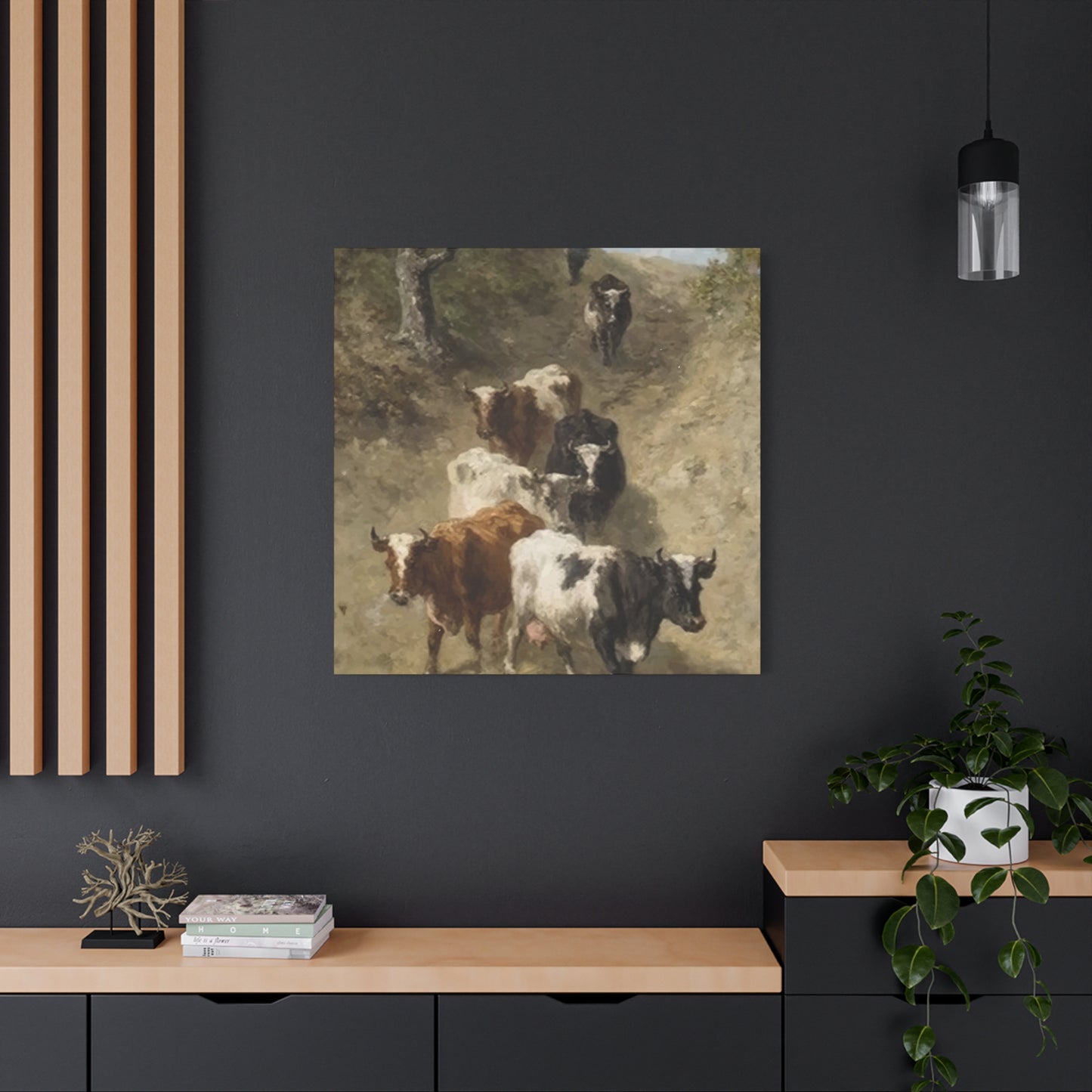


Jungle Cow Wall Art & Canvas Prints
Jungle Cow Wall Art & Canvas Prints
Couldn't load pickup availability
Bring the Untamed Beauty of Jungle Cow Wall Art into Your Home for a Touch of Nature in Modern Interiors
The realm of interior decoration has witnessed a remarkable surge in the popularity of animal-themed artistic pieces that bring nature's raw essence into contemporary homes. Among these captivating design elements, jungle cow wall art stands as a magnificent representation of untamed wilderness meeting domestic familiarity. This distinctive decorative approach combines the rugged charm of bovine creatures with lush tropical environments, creating visual narratives that transform ordinary walls into extraordinary focal points.
The Magnetic Appeal of Bovine Creatures in Tropical Settings for Interior Decoration
The fusion of cattle imagery with dense vegetation backgrounds creates an intriguing paradox that captures viewer attention instantly. These powerful herbivores, typically associated with pastoral farmlands, take on entirely new dimensions when portrayed against backdrops of verdant foliage, towering trees, and exotic flora. The juxtaposition challenges conventional perceptions while offering a fresh perspective on familiar subjects.
Artistic representations featuring these majestic animals in untamed environments evoke feelings of freedom, strength, and natural balance. The visual contrast between the solid, grounded presence of cattle and the wild, unpredictable nature of tropical landscapes creates dynamic tension that energizes any room. Homeowners seeking to inject personality and conversation-starting elements into their spaces find these pieces particularly compelling.
The color palettes employed in such artwork typically feature rich earth tones complemented by vibrant greens, deep browns, and occasional splashes of tropical hues. This combination allows the pieces to blend seamlessly with various decorating schemes while maintaining their distinctive character. Whether rendered in photorealistic detail or abstract interpretation, these compositions carry an inherent vitality that static, traditional art often lacks.
Exploring Various Artistic Styles That Bring Bovine Subjects to Life
The creative interpretation of cattle within jungle settings spans an impressive spectrum of artistic movements and execution styles. Realistic portrayals capture every textural detail of hide, horn, and surrounding vegetation with photographic precision. These works appeal to those who appreciate meticulous craftsmanship and naturalistic representation, offering windows into imagined ecosystems where domesticated animals roam wild.
Impressionistic renderings take a different approach, using bold brushstrokes and color blocking to suggest form rather than define it explicitly. These pieces convey mood and atmosphere more than literal representation, allowing viewers to engage their imagination in completing the visual narrative. The emotional resonance of impressionistic bovine art often proves more powerful than hyper-realistic alternatives.
Abstract interpretations push boundaries further, deconstructing the subject into geometric shapes, color fields, and suggestive forms. These avant-garde pieces challenge viewers to find the animal within the composition, creating an interactive viewing experience. The cerebral engagement required makes abstract jungle cow wall art particularly suitable for modern, minimalist spaces where each decorative element must earn its place through conceptual strength.
Vintage and retro styles offer yet another dimension, channeling mid-century aesthetic sensibilities or Victorian naturalist illustrations. These nostalgic interpretations appeal to those drawn to specific historical periods or seeking to create eclectic, layered interiors that tell stories through diverse artistic voices.
Selecting Optimal Materials and Mediums for Lasting Visual Impact
The substrate and printing method dramatically influence how artwork presents itself in physical spaces. Canvas remains perennially popular for its textured surface that adds depth and traditional art gallery legitimacy to prints. Stretched canvas pieces arrive ready to hang, eliminating framing costs while providing a finished, professional appearance that commands attention.
Metal prints offer contemporary alternatives with striking visual properties. The sublimation process infuses images directly into specially coated aluminum sheets, producing luminous colors and exceptional clarity. These durable pieces resist fading, moisture damage, and physical wear, making them ideal for high-humidity environments or high-traffic areas where traditional prints might deteriorate.
Acrylic glass mounting creates a floating, three-dimensional effect that adds sophistication and modern elegance. The transparent layers create depth while protecting the image, and the glossy finish intensifies colors dramatically. Though more expensive than other options, acrylic presentations make bold statements in upscale residential and commercial settings.
Wood panel prints embrace rustic charm while offering substantial weight and presence. The natural wood grain visible through the image adds organic warmth and textural interest. These pieces particularly complement farmhouse, industrial, and nature-inspired design schemes where authenticity matters.
Framed prints under museum-quality glass provide traditional presentation with archival protection. This classic approach suits formal spaces and allows for custom matting that enhances the artwork while coordinating with room colors. The frame selection itself becomes an extension of the decorative statement.
Strategic Placement Considerations for Maximum Decorative Effect
The positioning of jungle cow wall art within a room significantly impacts both the piece itself and the overall spatial dynamics. Living rooms typically benefit from large-scale installations above sofas or fireplaces, where the artwork can serve as the room's visual anchor. The substantial presence of cattle subjects requires sufficient wall space to breathe, avoiding cramped arrangements that diminish impact.
Dining areas present unique opportunities for these pieces to spark conversation during meals. The combination of natural subject matter and exotic settings creates universally accessible talking points while adding visual interest that prevents dining spaces from feeling purely functional. Positioning artwork at eye level for seated viewers ensures optimal engagement.
Home offices gain character and vitality from bovine-themed artwork that breaks the monotony of work environments. The wild, free-spirited nature of jungle settings provides mental respite during demanding workdays, while the grounded strength of cattle imagery subtly reinforces productivity and determination.
Bedroom installations should consider the emotional tone desired for rest spaces. Calmer, more subdued interpretations of the theme work better than highly stimulating, vibrant pieces that might interfere with relaxation. Placement opposite the bed creates a focal point for morning viewing while avoiding direct line-of-sight from sleeping position.
Entryways and hallways transform into mini-galleries with properly scaled bovine artwork that welcomes guests while establishing the home's design personality immediately. These transitional spaces tolerate bolder, more experimental pieces since viewers encounter them briefly rather than spending extended time under their influence.
Understanding Scale Relationships Between Artwork and Architectural Elements
Proper sizing represents perhaps the most critical yet frequently mishandled aspect of wall decoration. Oversized pieces overwhelm small rooms, creating claustrophobic feelings and unbalanced proportions. Conversely, undersized artwork floats awkwardly on large walls, appearing tentative and failing to command the presence needed to justify its existence.
Professional designers often employ the two-thirds rule, suggesting artwork should span approximately two-thirds the width of the furniture piece it hangs above. This proportion creates visual harmony while allowing adequate negative space around the piece. For walls without furniture below, artwork should occupy roughly 60-75% of the available wall width to achieve balanced presence without excessive dominance.
Vertical spaces like stairwells and narrow walls call for tall, portrait-oriented compositions that emphasize the architectural features rather than fight against them. Horizontal spaces demand landscape orientations that complement rather than contradict the room's natural flow. Mismatched orientations create subtle visual discord that registers subconsciously even when viewers cannot articulate the source of discomfort.
Gallery wall arrangements allow multiple smaller pieces to collectively create the impact of a single large work. When incorporating jungle cow wall art into multi-piece displays, it should typically occupy the central or most prominent position, with supporting pieces radiating outward. Maintaining consistent frame styles or color themes across the arrangement prevents chaotic visual fragmentation.
Ceiling height influences ideal artwork dimensions significantly. Standard eight-foot ceilings accommodate pieces up to approximately 36 inches tall before proportions begin feeling compressed. Higher ceilings tolerate and often demand larger works that fill vertical space appropriately, preventing the artwork from appearing diminished against expansive walls.
Color Harmony Principles for Seamless Room Coordination
The color relationships between artwork and surrounding environment determine whether pieces feel intentionally selected or haphazardly placed. Monochromatic schemes where jungle cow wall art shares the room's dominant color family create cohesive, sophisticated atmospheres. Variations in saturation and value provide visual interest while maintaining overall unity.
Complementary color strategies employ hues opposite each other on the color wheel, creating vibrant contrast that energizes spaces. If room furnishings lean heavily toward cool blues and grays, artwork dominated by warm oranges and earth tones generates dynamic tension that prevents sterility. This approach requires confident execution to avoid appearing disjointed.
Analogous color harmony uses adjacent color wheel segments, creating gentle transitions that feel natural and relaxing. Artwork featuring yellow-greens through blue-greens coordinates beautifully with rooms decorated in similar spectral ranges, producing tranquil environments conducive to unwinding.
Neutral backgrounds in rooms allow artwork to introduce the primary color story without competing with existing elements. Gray, beige, white, and black furnishings serve as blank canvases where vibrant jungle cow wall art can truly shine, becoming the space's defining characteristic rather than just another component.
Accent color extraction involves pulling one minor color from the artwork and repeating it in accessories, throw pillows, or small furniture pieces throughout the room. This threading technique creates intentional connections that make even bold, unconventional artwork feel like an integral part of the design scheme rather than an afterthought.
Illumination Strategies That Enhance Visual Drama and Preserve Artwork
Lighting transforms how viewers perceive and interact with wall decorations, making it a crucial consideration often overlooked until after installation. Natural light flooding rooms during daylight hours provides ideal viewing conditions but also poses fading risks for certain printing methods and substrates. UV-protective glass and fade-resistant inks mitigate these concerns while allowing pieces to bask in sunlight.
Picture lights mounted directly above or below artwork create focused illumination that highlights details while establishing the piece as intentionally featured rather than incidentally placed. LED options generate minimal heat, protecting delicate materials from thermal damage while providing adjustable color temperatures that can warm or cool the image's apparent tone.
Track lighting offers flexibility for rooms with multiple focal points requiring individual attention. Directional heads allow precise beam placement that can emphasize specific portions of larger compositions, guiding viewer attention toward particularly compelling elements. The industrial aesthetic of track systems particularly suits loft spaces and contemporary interiors.
Recessed spotlights maintain clean ceiling lines while providing targeted illumination. These embedded fixtures work especially well in formal settings where visible lighting hardware might detract from elegant ambiance. Proper aiming prevents harsh glare off glossy surfaces while ensuring even coverage across the entire piece.
Ambient room lighting from floor lamps, table lamps, and overhead fixtures provides general visibility but rarely showcases artwork optimally. Supplemental dedicated art lighting elevates pieces from mere wall covering to curated display, signaling their importance within the overall design hierarchy.
Preservation Practices That Maintain Artwork Appearance Across Years
Environmental conditions dramatically impact artwork longevity, with humidity, temperature fluctuations, and direct sunlight posing the greatest threats. Maintaining stable indoor climates between 65-75 degrees Fahrenheit with 40-50% relative humidity prevents warping, fading, and material degradation. Rooms with extreme conditions like bathrooms or sun-drenched Florida rooms require specially treated pieces or alternative locations.
Dust accumulation dulls colors and obscures details gradually over time. Regular gentle cleaning using microfiber cloths removes particulates without scratching surfaces. Canvas and fabric-based pieces benefit from occasional very light vacuuming with brush attachments held slightly away from the surface. Chemical cleaners should never touch artwork without manufacturer-specific approval, as many solutions damage inks or protective coatings.
Frame inspection catches developing problems before they require expensive repairs. Checking hanging hardware annually ensures secure mounting that prevents accidents. Examining corners and edges for separation alerts owners to environmental issues causing material expansion or contraction that stresses joints.
Rotation strategies prevent permanent fading in rooms with unavoidable direct sun exposure. Alternating pieces seasonally distributes UV damage across multiple works rather than concentrating it on single items. This approach works particularly well for collectors who enjoy refreshing their spaces regularly anyway.
Professional conservation becomes necessary when damage occurs despite preventive measures. Attempting amateur repairs on valuable pieces often causes irreversible harm that experts could have reversed. Reputable conservators assess damage, recommend treatment options, and execute restorations using archival materials and proven methodologies that preserve both aesthetic and monetary value.
The Psychological Influence of Animal Imagery in Personal Environments
Humans maintain deep evolutionary connections to animal imagery that trigger subconscious responses influencing mood and behavior. Cattle specifically symbolize abundance, nourishment, and patient strength across numerous cultures. Their presence in home environments subtly reinforces feelings of security and provision, making spaces feel more grounded and stable.
The wild jungle context adds layers of meaning associated with freedom, adventure, and untamed vitality. This combination creates interesting psychological duality where viewers simultaneously access feelings of safety (through the familiar bovine presence) and excitement (through the exotic setting). The tension between these states generates engagement that static, single-meaning imagery cannot replicate.
Biophilic design principles recognize humans' innate need for nature connection even within built environments. Artwork depicting animals and lush vegetation satisfies these deep-seated urges, reducing stress and promoting well-being. Studies consistently demonstrate that nature imagery lowers blood pressure, decreases anxiety, and improves cognitive function compared to purely abstract or urban subjects.
Color psychology adds another dimension, with the earth tones and greens predominant in jungle cow wall art promoting calmness, balance, and renewal. These hues contrast sharply with the overstimulation of digital screens and artificial environments that dominate modern life, offering visual respite that allows nervous systems to reset.
Personal identity expression through decorating choices allows individuals to communicate values and interests nonverbally. Selecting unconventional subjects like cattle in tropical settings signals creativity, humor, and willingness to embrace the unexpected. These subtle self-revelations help guests understand their hosts on deeper levels while providing conversation foundations.
Sourcing Authentic Pieces from Reputable Artists and Vendors
The marketplace overflows with mass-produced decorative items of questionable quality alongside legitimate artistic creations. Distinguishing between these categories requires attention to several indicators. Original works by individual artists command higher prices but offer unique pieces no other homes will duplicate. Limited edition prints strike middle ground, providing artistic credibility while remaining more accessible financially.
Print-on-demand services enable artists to offer wide distribution without inventory costs, but quality varies dramatically between providers. Examining sample images, reading customer reviews, and verifying return policies protects buyers from disappointment. Established platforms typically maintain quality standards that newer operations might lack.
Direct artist purchases through personal websites or studio sales ensure maximum compensation reaches creators while often providing customization opportunities. Many artists welcome commission requests for specific sizes, color adjustments, or subject variations that perfectly suit buyer needs. These collaborations result in truly personalized pieces while supporting independent creators.
Gallery representation indicates professional vetting, though markup percentages run higher than direct sales. Galleries curate selections based on artistic merit and market trends, sparing buyers the overwhelming task of sorting through thousands of options independently. The guided shopping experience and expertise offered justify premium pricing for many purchasers.
Online marketplaces aggregate numerous sellers, creating convenient comparison shopping but requiring buyer vigilance regarding seller ratings, product descriptions, and realistic price expectations. Suspiciously low prices often indicate inferior materials, stolen designs, or misleading size specifications that leave customers disappointed upon delivery.
Seasonal Rotation Strategies for Dynamic Living Spaces
Static decorating grows stale over time, with even beloved pieces fading into background noise as familiarity breeds inattention. Rotating artwork seasonally refreshes environments without requiring complete redesigns or major expenses. Jungle cow wall art particularly suits spring and summer displays when growth, vitality, and outdoor themes resonate strongly.
Autumn transitions might move these pieces to secondary locations while highlighting harvest themes, textile textures, and warmer color palettes. Winter rotations could embrace either continued tropical escapism as antidote to cold weather doldrums or shift toward cozier, more intimate subjects that match seasonal moods.
Storage requirements for rotated pieces include climate-controlled spaces free from extreme temperatures and humidity. Wrapping artwork in acid-free paper protects surfaces while allowing material breathing. Stacking pieces risks damage; vertical storage racks or padded boxes preserve condition better during off-display periods.
Rental and subscription services cater to those desiring frequent changes without ownership commitment or storage responsibilities. These models allow experimentation with diverse styles, including jungle cow wall art, before making purchase decisions. The constantly refreshed environments prevent decorating stagnation while keeping costs predictable.
Digital displays represent emerging alternatives where screens cycle through curated artwork collections. High-resolution digital canvases now rival print quality while offering infinite variety. The lack of physical object permanence appeals to minimalists while satisfying desires for visual stimulation and change.
Pairing Complementary Decorative Elements for Cohesive Aesthetics
Jungle cow wall art rarely stands alone in furnished rooms, requiring thoughtful coordination with surrounding elements to achieve harmonious results. Furniture selection should consider the artwork's visual weight and style. Rustic wooden pieces with natural finishes complement the organic subject matter while avoiding stylistic clashes.
Textile choices in upholstery, curtains, and rugs either support or undermine artistic statements. Patterns competing for attention fragment visual focus, while solid fabrics allow artwork to dominate. Pulling accent colors from the piece into throw pillows or blankets creates intentional connections that unify disparate elements.
Sculptural objects and three-dimensional decorative items extend the bovine or tropical theme into physical space when carefully selected. However, literal repetition risks themed overkill that transforms sophisticated spaces into novelty rooms. Subtle nods through texture, form, or material prove more effective than obvious replication.
Living plants bridge the gap between depicted and actual nature, bringing authenticity to rooms featuring vegetation-heavy artwork. The care required for living greenery adds dynamic, changing elements that prevent spaces from feeling museum-like or static. Scale considerations prevent small potted plants from appearing insignificant beside large, dramatic wall installations.
Lighting fixtures, hardware, and accessories in metallic finishes should coordinate rather than compete. Mixed metal approaches can succeed but require confident execution and clear intentionality. Defaulting to consistent finishes throughout a room creates safer, more cohesive results for those less certain of their design instincts.
Creating Gallery Walls That Incorporate Multiple Artistic Voices
Gallery wall arrangements amplify decorative impact by grouping multiple pieces into collective statements. Successfully incorporating jungle cow wall art into these displays requires balancing its visual strength against companion pieces. The bovine subject should anchor the arrangement, typically occupying the largest or most central position.
Layout planning before nail holes appear prevents costly mistakes. Paper templates taped to walls allow experimentation with arrangements until optimal configurations emerge. Digital planning tools offer similar benefits with less physical effort, though they remove the valuable perspective gained from viewing actual scale in situ.
Frame consistency versus variety presents a key decision point. Matching frames create cohesive, formal presentations while diverse frames add eclectic character. When mixing frame styles around a central jungle cow piece, repetition of finish color or profile shape maintains sufficient unity to prevent chaotic appearances.
Spacing between pieces affects whether arrangements read as unified collections or individual items happening to occupy the same wall. Narrower gaps (2-3 inches) create tighter cohesion while wider spacing (4-6 inches) allows each piece more individual breathing room. Neither approach inherently surpasses the other; appropriateness depends on specific pieces and room context.
Subject matter relationships across gallery walls need not be literal or obvious. Abstract connections through color, mood, or compositional elements often prove more sophisticated than matchy-matchy themes. A jungle cow piece might pair beautifully with abstract color fields, vintage botanical prints, or geometric designs if the underlying artistic languages speak to each other.
Budget-Conscious Approaches to Acquiring Quality Wall Decoration
Financial constraints need not prevent attractive, impactful decorating. Print-on-demand services offer affordable access to artwork designs previously available only as expensive originals or limited editions. While lacking the cachet of artist-signed pieces, these reproductions deliver visual impact at accessible price points.
DIY framing substantially reduces costs compared to professional services, though results depend on skill and tool access. Pre-made frames from home goods stores fit standard print sizes acceptably, while custom cutting mats elevates presentations significantly for minimal expense. Online tutorials guide beginners through processes that once required professional expertise.
Emerging artists and art students often sell quality work at bargain prices while building portfolios and reputations. University art departments, local exhibitions, and online platforms connect buyers with talented creators whose prices remain reasonable. Supporting developing artists while acquiring unique pieces creates win-win scenarios.
Estate sales, thrift stores, and consignment shops occasionally yield remarkable finds at tiny fractions of retail prices. The treasure hunt aspect appeals to some buyers, though success requires patience and regular searching since inventory constantly changes. Hidden gems reward persistent, discerning shoppers willing to invest time.
Printable downloadable files purchased digitally allow buyers to handle printing locally, controlling costs by selecting preferred vendors and materials. This approach requires more involvement but maximizes value while ensuring exact size and substrate preferences are met. Quality varies with file resolution; ensuring 300 DPI minimum prevents pixelated disappointments.
Customizing Standard Designs to Reflect Personal Preferences
Many vendors offer modification services that adapt existing jungle cow wall art designs to better suit specific needs. Color scheme adjustments allow matching room palettes more precisely while maintaining the artwork's essential character. Professional digital artists can shift hues, adjust saturation, or even replace backgrounds entirely.
Size modifications ensure pieces fit available wall space perfectly rather than compromising with nearly-appropriate dimensions. Cropping or extending compositions changes their impact dramatically; understanding how alterations affect visual balance prevents awkward results. Consulting with artists before finalizing changes leverages their expertise in compositional principles.
Adding or removing elements personalizes generic designs. A family surname incorporated subtly into the composition creates custom heirloom pieces that gain sentimental value transcending mere decoration. Personal photographs edited into jungle settings with cattle elements bridges the gap between professional art and personal memorabilia.
Text overlays featuring meaningful quotes, dates, or names transform decorative pieces into narrative objects that tell specific stories. Font selection dramatically affects whether text additions feel harmonious or intrusive. Script fonts convey elegance while sans-serif options communicate modernity; choosing appropriately ensures additions enhance rather than detract.
Commissioning original works represents the ultimate personalization, though costs exceed modified reproductions significantly. Artists translate client visions into unique creations impossible to duplicate. The collaborative process itself often proves rewarding, creating relationships and stories that standard purchases cannot match.
Addressing Common Installation Challenges and Solutions
Wall composition varies dramatically between plaster, drywall, brick, and concrete, each requiring specific hanging approaches. Drywall demands anchors or studs for secure mounting, as nails alone pull out under weight. Stud finders locate solid framing members capable of supporting heavier pieces without supplemental hardware.
Masonry surfaces require specialized drill bits and anchors designed for hard materials. Incorrect tools lead to frustrated failures and damaged walls. Rental equipment makes occasional masonry projects feasible without purchasing expensive tools used once then forgotten.
Wire hanging systems distribute weight more evenly than single-point mounting while allowing easy position adjustment. Picture rails or gallery systems particularly suit renters or frequent redecorators avoiding excessive wall damage. These solutions trade slight added complexity during installation for flexibility afterward.
Leveling represents the difference between professional-looking installations and obvious amateur efforts. Digital levels remove guesswork while built-in bubble levels serve adequately with care. Measuring distances from ceiling and adjacent walls ensures centered placement that appears intentional rather than arbitrary.
Damage-free hanging strips marketed for renter-friendly installations work surprisingly well for lighter pieces but reach weight limits quickly. Understanding product specifications prevents failures that damage both walls and artwork. Testing holds by tugging firmly before trusting valuable pieces to adhesive mounts provides insurance against disasters.
Blending Traditional and Contemporary Elements for Timeless Appeal
Decorating styles need not adhere rigidly to single aesthetic movements. Eclecticism, when executed thoughtfully, creates layered, collected appearances with depth that matchy-matchy rooms lack. Jungle cow wall art bridges traditional subject matter with contemporary presentation, making it particularly suitable for transitional spaces.
Mixing periods requires identifying common threads that unite disparate elements. Color provides obvious connections; repeating specific hues across traditional and modern pieces creates cohesion despite stylistic differences. Proportion and scale similarities also unify varied objects into harmonious arrangements.
Contrast creates interest when properly balanced against unifying factors. A traditional Chesterfield sofa gains new life when paired with boldly contemporary wall art rather than expected formal landscapes. The dialogue between old and new generates visual excitement while allowing each element to shine rather than fade into homogeneous blandness.
Neutral foundations allow eclectic layering without overwhelming chaos. When walls, floors, and large furniture pieces remain understated, artwork and accessories can embrace diversity without tipping into visual cacophony. The restrained background provides necessary breathing room for statement pieces.
Editing prevents accumulation from becoming clutter. Successful eclectic spaces balance variety with restraint, displaying curated selections rather than everything owned simultaneously. Rotating objects seasonally maintains freshness while preventing overstuffed appearances that undermine individual pieces' impact.
Recognizing Quality Indicators in Printing and Production Methods
Print quality determines whether affordable reproductions approach original art's visual impact or betray their mass-produced origins obviously. Resolution represents the foundational quality factor; 300 DPI (dots per inch) minimum ensures crisp details and smooth color transitions. Lower resolutions produce visible pixelation that appears amateurish and cheap.
Color accuracy depends on calibrated printing equipment and quality inks. Giclée printing using archival pigment inks produces gallery-quality reproductions with exceptional color fidelity and longevity. Cheaper dye-based inks fade rapidly when exposed to light, making them false economies for artwork intended as lasting decoration.
Substrate quality affects both appearance and durability. Canvas weight measured in ounces per square yard indicates sturdiness; 380-400 GSM (grams per square meter) canvas provides professional thickness that resists sagging. Flimsy materials produce disappointing results regardless of image quality.
Stretcher bar depth on canvas pieces influences presence and perceived value. Deep-edge canvases (1.5-2 inches) create substantial shadow lines that emphasize the artwork as a three-dimensional object rather than flat print. Gallery-wrapped edges where images continue around sides eliminate framing needs while maintaining finished appearances.
Protective coatings extend lifespan by shielding images from UV light, moisture, and physical contact. Varnishes on canvas, laminates on paper, and specialized treatments on metal prints prevent premature degradation. Inquiring about protective measures before purchasing helps assess long-term value.
Exploring Cultural Connections Between Cattle and Human Civilization
Bovine animals occupy unique positions in human culture, simultaneously representing practical utility and sacred significance across civilizations. Agricultural societies' dependence on cattle for labor, milk, meat, and materials elevated these creatures to symbolic importance reflected in mythology, religion, and artistic expression throughout recorded time.
Ancient Egyptian reverence for Hathor, the cow goddess of motherhood and joy, exemplifies spiritual connections that transcended the animals' economic value. Similar veneration appears in Hindu traditions where cows embody divine and natural beneficence worthy of protection and respect. These deep cultural associations resonate subconsciously when viewing contemporary cattle imagery.
Western frontier mythology transformed cattle into symbols of American expansion, independence, and rugged individualism. Longhorn cattle particularly represent this romantic narrative, their dramatic silhouettes instantly evoking open ranges and cowboy culture. Modern jungle cow wall art sometimes draws on these associations while transposing them into unexpected contexts.
Indigenous Amazonian and African cultures view cattle through different lenses shaped by their ecological and social structures. Pastoralist traditions where wealth measures in herd size create relationships where individual animals gain recognition and value beyond mere commodity status. This personal connection elevates cattle from livestock to companions deserving artistic celebration.
Contemporary agriculture's industrialization has distanced most people from direct cattle contact, making artistic representations increasingly important for maintaining cultural connections to these animals. Wall art serves as proxy for experiences few urban residents encounter naturally, preserving relationships that defined human development for millennia.
Analyzing How Tropical Environments Inspire Artistic Expression
Jungles represent humanity's primordial origins, dense ecosystems where early humans evolved before spreading across diverse environments. The verdant chaos of tropical forests triggers deep-seated responses, simultaneously attracting with their beauty and intimidating with their wildness. Artists channel these complex reactions into compositions that captivate viewers through evocative power.
The overwhelming biodiversity of tropical regions provides endless inspiration through color, form, and texture. Artists select specific elements while suggesting the immensity beyond frame edges, creating windows into imagined ecosystems that feel simultaneously realistic and fantastical. Strategic restraint prevents visual overload while maintaining the essential jungle character.
Light behavior in dense vegetation creates distinctive atmospheric effects impossible to replicate elsewhere. Dappled illumination filtering through canopy layers, luminous fog banks at dawn, and golden hour glow transform ordinary subjects into magical visions. Capturing these ephemeral light qualities elevates jungle cow wall art from literal documentation to evocative interpretation.
Tropical colors span extremes from deep shadow blacks to vibrant flower and bird hues. This expanded palette allows bold artistic choices that would appear garish in temperate contexts but read as authentic within jungle frameworks. The permission to embrace saturated colors liberates artists from conservative restraint.
Exotic settings provide psychological distance that makes familiar subjects feel fresh. Cattle viewed daily in agricultural settings barely register consciously, but the same animals portrayed in improbable tropical contexts force viewer attention and reconsideration. This defamiliarization technique refreshes perceptions and generates renewed appreciation.
Considering Frame Options That Enhance Without Overwhelming
Frame selection dramatically impacts artwork presentation, either supporting the piece's statement or competing destructively for attention. For jungle cow wall art, frames should generally defer to the image rather than dominate through excessive ornamentation or contrasting style. The goal involves creating boundaries that complete the composition without stealing focus.
Wood frames in natural finishes complement organic subject matter while adding warmth and texture. Species selection matters; lighter woods like maple and birch feel contemporary while darker walnut and cherry convey traditional elegance. Reclaimed or distressed finishes introduce rustic character appropriate for cattle subjects.
Metal frames in matte black or brushed finishes provide modern alternatives that disappear visually, becoming pure boundary markers rather than decorative elements themselves. Thin profiles maintain contemporary minimalism while sturdier designs add substance. Metal particularly suits industrial, loft, and contemporary spaces where wood might feel incongruous.
Ornate gilded frames belong primarily with formal traditional artwork in classic interiors. Pairing elaborate frames with casual cattle subjects creates jarring mismatches unless undertaken intentionally for ironic, eclectic effect. When mixing high and low, confidence and clear vision separate success from confusion.
Floating frames create shadow gaps between artwork and frame, producing depth that adds sophistication. The technique works beautifully with canvas or wood panel prints, emphasizing their dimensionality. The added visual interest justifies slightly higher costs for spaces where details matter.
No frame at all suits gallery-wrapped canvases and certain modern metal or acrylic prints designed for frameless presentation. This approach maximizes contemporary minimalism while reducing costs. Edges must be finished professionally since they remain visible as integral compositional elements.
Incorporating Bovine Themes Throughout Broader Decorating Schemes
Repeating motifs create cohesive, intentional design narratives when executed with restraint. Beyond primary jungle cow wall art, subtle bovine references throughout a space reinforce the theme without overwhelming. Sculptural bookends, throw pillow patterns, or decorative objects echo the main statement piece while adding layers.
Literal repetition risks themed overkill that transforms sophisticated spaces into novelty rooms. A single bold artwork statement complemented by tangential references proves more elegant than saturating every surface with obvious cow imagery. Subtlety demonstrates design confidence that heavy-handed approaches lack.
Material choices extend themes through texture rather than literal imagery. Cowhide rugs, leather upholstery, and horn accessories reference bovine origins without explicit pictorial representation. These sophisticated allusions appeal to those appreciating conceptual connections over obvious decoration.
Color threading pulls hues from the central artwork into distributed accents throughout the room. If the jungle cow piece features prominent terra cotta tones, repeating that color in pottery, textiles, or small furniture items creates cohesion. The repeated color unifies disparate elements into a harmonious whole.
Contrasting rather than matching creates dynamic tension that prevents monotony. Pairing the organic curves and earth tones of bovine art with sleek metallics and geometric patterns generates visual interest through opposition. The interplay keeps eyes moving and minds engaged rather than allowing comfortable but boring uniformity.
Investigating the Symbolism Behind Specific Color Choices
Color carries innate psychological properties and cultural associations that influence viewer responses whether consciously recognized or not. Earth tones dominating most jungle cow wall art ground compositions literally and figuratively, connecting viewers to soil, stone, and wood. These hues promote stability, reliability, and natural authenticity.
Green pervades tropical jungle depictions, carrying associations with growth, renewal, and life itself. The color's calming properties reduce stress while connecting humans to nature—a relationship increasingly strained by modern urban living. Various green shades from chartreuse to forest create diverse moods within the general relaxation category.
Brown bovine hides and tree trunks provide neutral foundations allowing other colors to pop without competing. Brown's association with earth, wood, and leather conveys warmth, security, and organic authenticity. Its understated nature makes it ideal for large compositional areas that support rather than dominate.
Occasional bright accent colors in tropical flowers, birds, or sky glimpses provide focal points that draw eyes through compositions. These strategic color pops prevent muddiness while adding vitality. Limiting bright hues to small percentages maintains overall harmony while providing necessary visual interest.
Black shadows and definition lines create contrast and depth essential for dimensional illusion on flat surfaces. Without adequate value range from lights to darks, images appear flat and unconvincing. Mastering shadow placement separates amateur efforts from professional executions.
White highlights suggest illumination sources and reflective surfaces, adding realism and sparkle. Strategic white placement guides viewer attention to intended focal points while suggesting atmospheric conditions. The interplay between white and black establishes the value structure everything else builds upon.
Evaluating Different Compositional Approaches for Visual Storytelling
Composition determines how viewers' eyes travel through artwork and which elements receive emphasis. Central placement of cattle subjects creates static, formal presentations with inherent stability. This traditional approach suits symmetrical rooms and conservative tastes but may feel predictable for those seeking more dynamic statements.
Rule of thirds positioning places primary subjects at intersection points one-third from edges, creating more interesting, balanced asymmetry. Eyes naturally gravitate toward these power points, making them ideal for focal elements. The remaining negative space prevents cramped feelings while allowing compositions to breathe.
Leading lines guide viewer attention through deliberate pathways within the image. Tree trunks, fence lines, paths, or even implied sight lines from the animal's gaze direct eye movement purposefully. Skillful artists employ leading lines to ensure viewers experience artworks in intended sequences.
Foreground, middle ground, and background layering creates depth perception crucial for engaging scenes. Placing cattle in middle ground with vegetation framing in foreground and distant jungle in background establishes three-dimensional space on two-dimensional surfaces. This layering prevents flat, cardboard-cutout appearances.
Negative space provides visual rest areas that prevent overwhelming busy-ness. Not every square inch requires detailed rendering; strategic emptiness allows complex areas to register fully. The interplay between detailed rendering and simplified passages creates rhythm and breathing room.
Framing within the frame uses natural elements like overhanging branches or doorways to create borders around primary subjects. This compositional device focuses attention while adding depth through the suggestion of viewer perspective behind foreground elements.
Understanding the Role of Texture in Two-Dimensional Artwork
Despite existing on flat surfaces, effective artwork creates textural illusion through technique and actual physical surface qualities. Canvas weave provides literal texture visible close-up and contributing subtle dimension even from viewing distance. This physical characteristic distinguishes canvas prints from smooth paper or metal alternatives.
Brushstroke visibility in paintings and artistic prints suggests the physical creation process, adding human touch that sterile photographic smoothness lacks. Impressionistic and expressionistic styles particularly embrace visible technique as aesthetic element rather than hiding construction processes.
Implied texture through lighting and detail work creates visual suggestion of surfaces viewers almost feel. Rough bark, coarse cattle hair, and soft moss each demand different rendering approaches to convince eyes and brains of their tactile properties.
Conclusion
Incorporating jungle cow wall art into your modern living spaces offers far more than just an aesthetic enhancement; it provides a dynamic way to bring nature, culture, and personal expression into your home. This genre of art combines the peaceful beauty of rural life with the untamed energy of the jungle, creating a visual experience that is both intriguing and captivating. The wild beauty of cows, often seen as symbols of nurturing and abundance, juxtaposed with the chaotic vitality of a tropical landscape, speaks to our deep connection with the natural world and offers an artistic interpretation of harmony amidst contrast.
What makes jungle cow wall art particularly unique is its ability to transcend typical expectations. When we think of cows, we often imagine pastoral scenes—peaceful farm animals grazing in meadows or resting in fields. However, the infusion of a jungle setting transforms the cow into an entirely new symbol, embodying the idea of wildness and untamed beauty. The lush greenery of the jungle, with its rich textures and vivid colors, creates an unexpected yet compelling backdrop for the cow, which in turn, offers a fresh take on rural and pastoral art. This unexpected blend invites viewers to think about nature, animals, and our relationship to the environment in new and thought-provoking ways.
Jungle cow wall art also taps into the broader trend of blending modern and natural aesthetics in interior design. In recent years, there has been a notable shift towards organic, nature-inspired design elements in homes, reflecting a desire to reconnect with the natural world amidst the fast-paced, technology-driven lifestyles many of us lead. Jungle cow art embodies this philosophy by combining elements of the wild with the calm presence of domestic animals, symbolizing balance and co-existence. These artworks offer a gentle reminder of the natural world's beauty and power, making them ideal for those seeking to bring more green and life into their home decor.
The versatility of jungle cow wall art is another reason for its increasing popularity. It can easily be incorporated into a range of design styles, from minimalist to eclectic to bohemian. In minimalist interiors, the boldness of a jungle cow print can serve as a focal point, drawing attention to the walls and creating a contrast with the clean, muted tones that define this style. In more eclectic or bohemian spaces, jungle cow art can blend seamlessly with other nature-inspired pieces, such as botanical prints, animal portraits, or abstract representations of natural landscapes. The combination of these elements can create a dynamic, layered look that feels lively and full of character.
Moreover, the symbolism inherent in jungle cow wall art can hold deeper significance for many people. For those who care about animal welfare or sustainability, the depiction of cows in this vibrant, untamed environment can reflect a commitment to protecting wildlife and the ecosystems that support them. It’s not simply about creating a visually appealing piece for the home; it's also about aligning one's decor choices with personal values, whether that’s supporting nature conservation or celebrating the beauty of diverse ecosystems. For others, the cow may represent abundance, fertility, or even the idea of domesticated harmony in a natural setting—reminding us that civilization and nature can exist in balance.
Additionally, the tactile qualities of jungle cow art, often available in various media such as canvas prints, watercolors, and framed photographs, allow for customization to suit any room or style preference. From large statement pieces to smaller, more subtle works of art, the medium and size can be adapted to create the exact effect desired. Furthermore, with the ability to choose from different finishes and framing options, jungle cow art can either stand out as a centerpiece or blend in as a complementary element, depending on the overall vibe of the room.
Another aspect to consider is how the inclusion of jungle cow art speaks to the growing desire for creativity in home interiors. This type of art allows for an infusion of personal style and artistic taste. It’s a wonderful conversation starter, as it moves away from conventional design trends and explores more whimsical and imaginative territories. The beauty of choosing a distinctive piece of art like this is that it allows homeowners to express their individuality. By choosing an art form that’s unexpected and a little unconventional, you’re making a statement about who you are and what you value—whether it's nature, creativity, or the love for animals.
In conclusion, jungle cow wall art is more than just a design trend; it’s an artistic exploration that speaks to the heart of modern living. It balances the elegance of rural life with the untamed energy of the jungle, creating an artistic dialogue that’s as thought-provoking as it is visually striking. This art form not only enhances the visual appeal of any space but also invites deeper reflections on our relationship with nature, sustainability, and the beauty of the world around us. Whether it’s the symbolic importance of the cow or the vibrant, wild colors of the jungle setting, this unique genre of art connects with both the emotional and aesthetic sensibilities of homeowners. It’s a meaningful addition to modern homes, perfectly suited for those looking to create a living space that reflects a deep connection to the environment while celebrating the diversity of life in all its forms.
Share