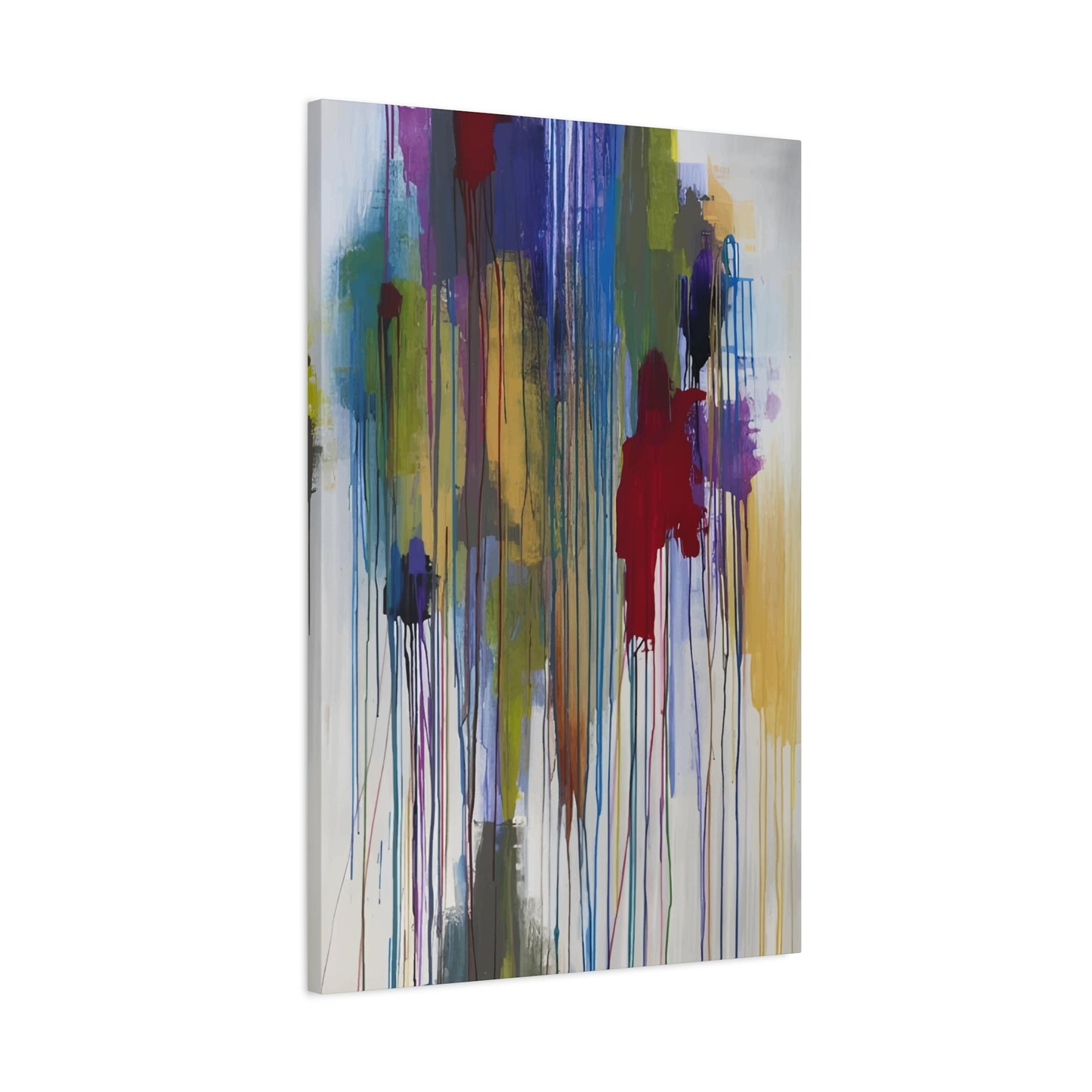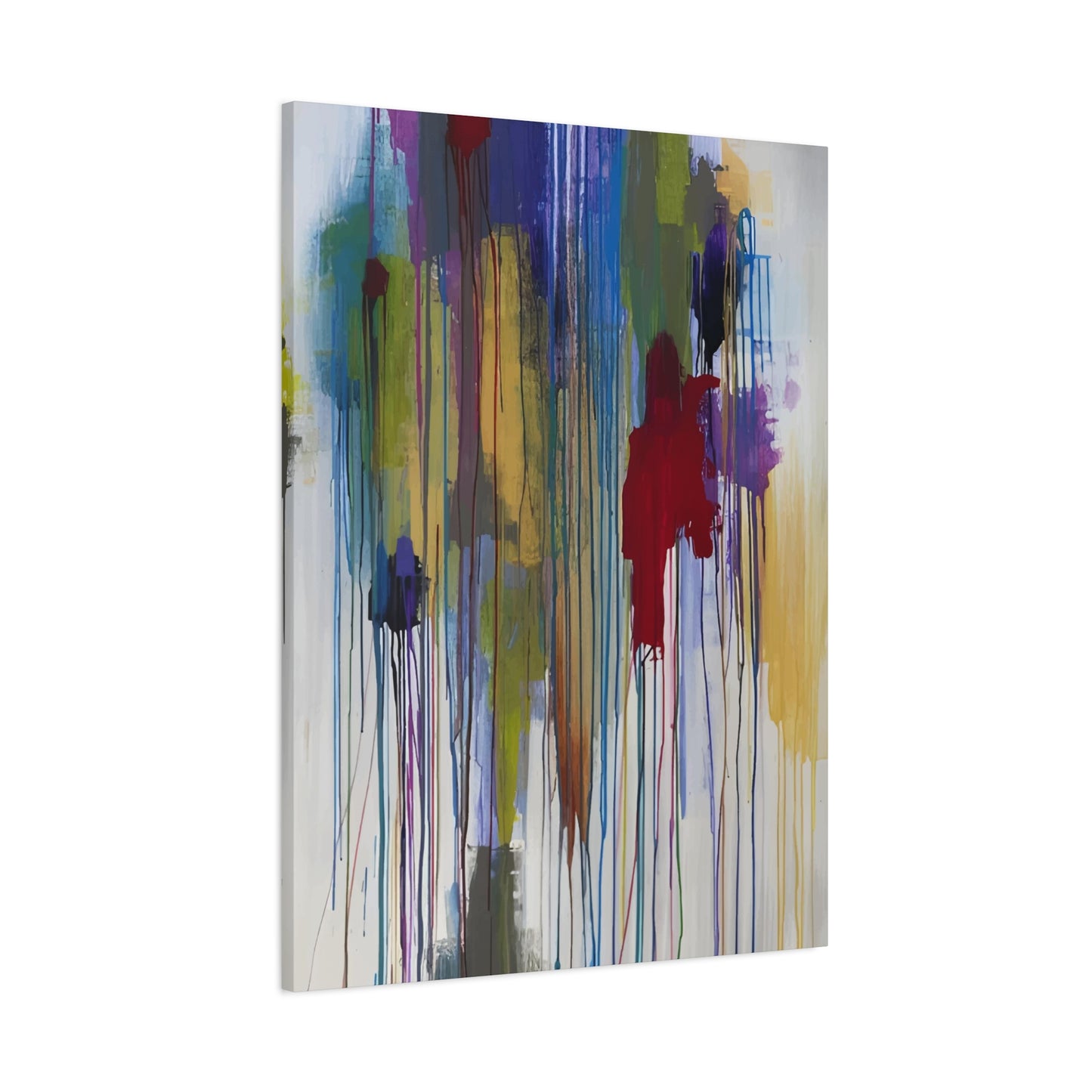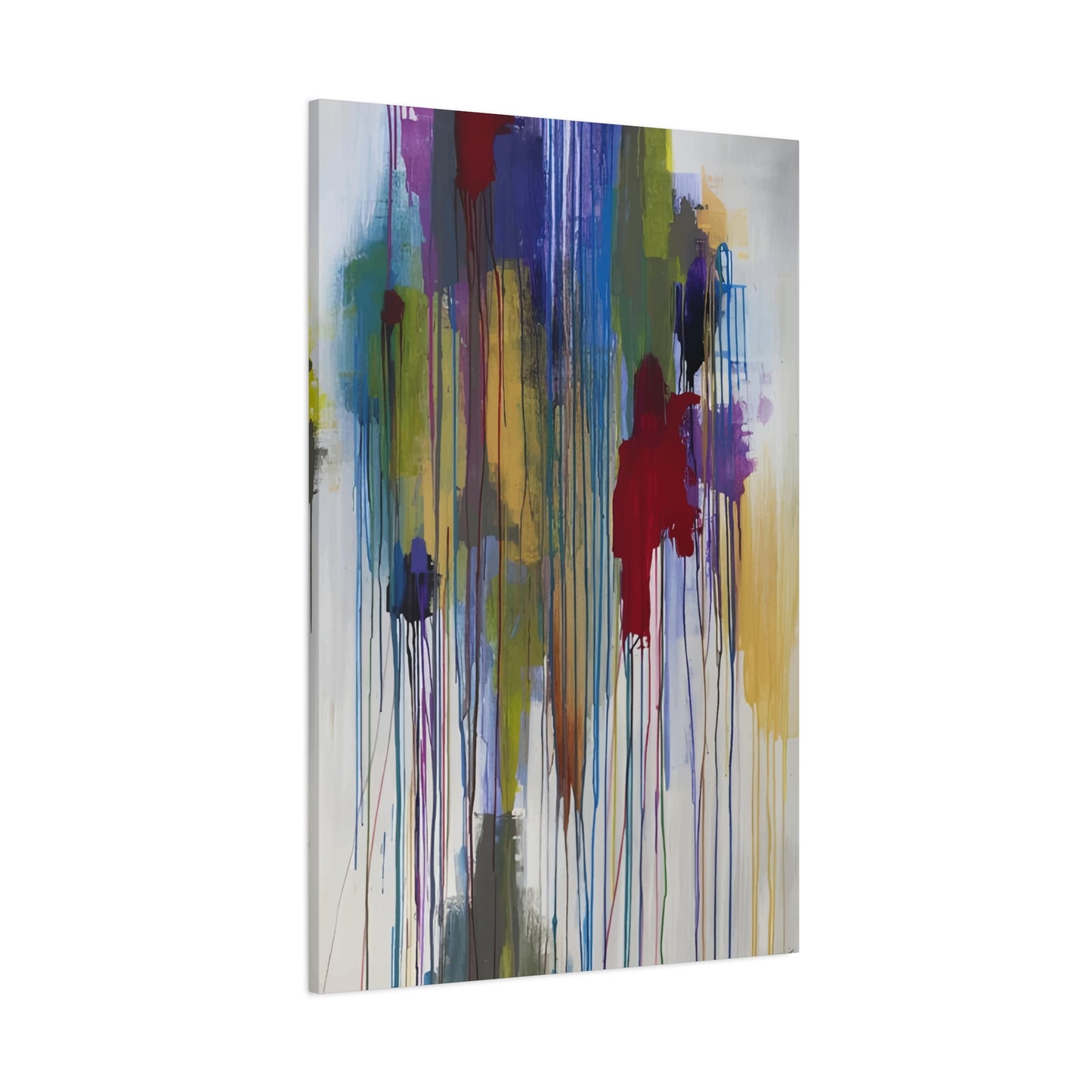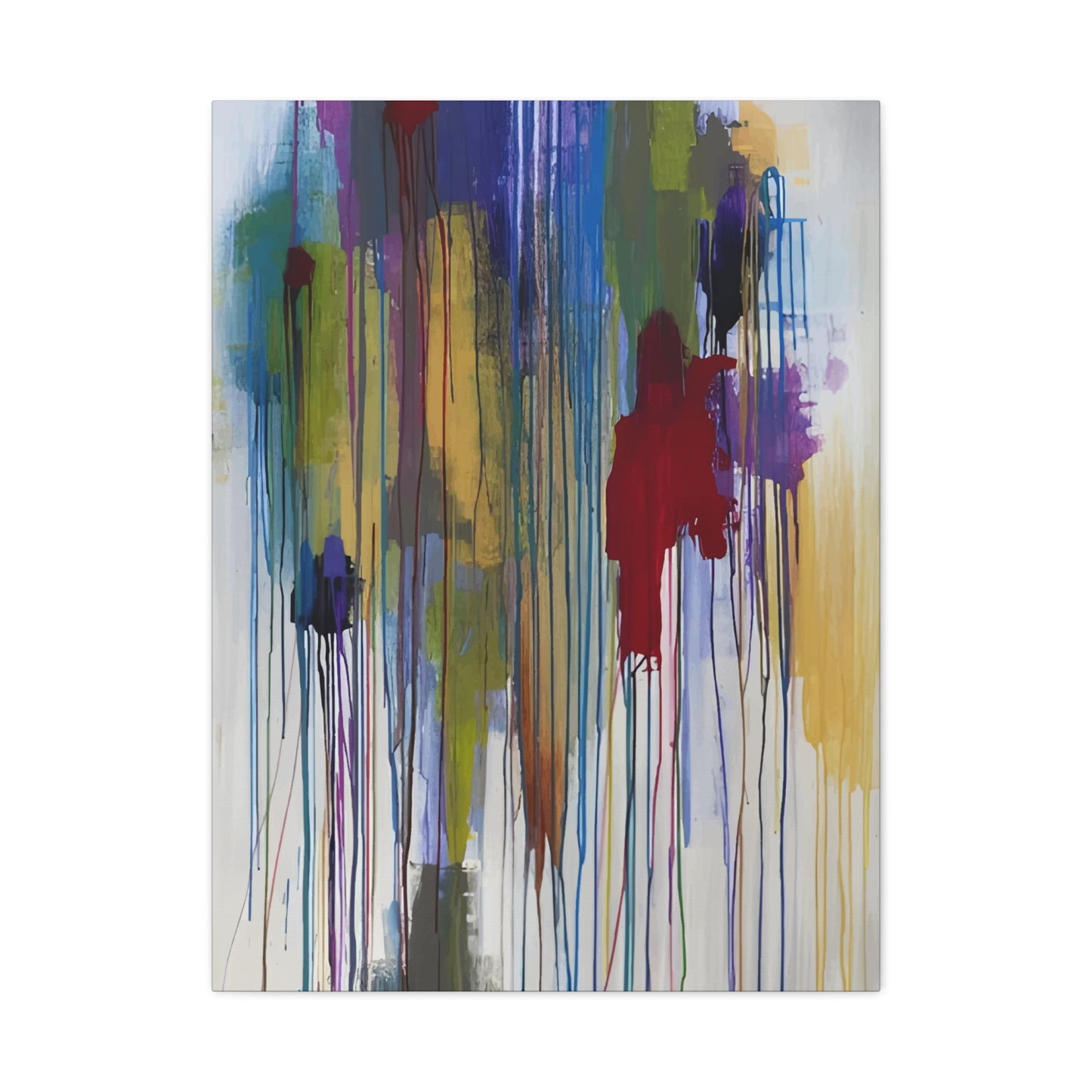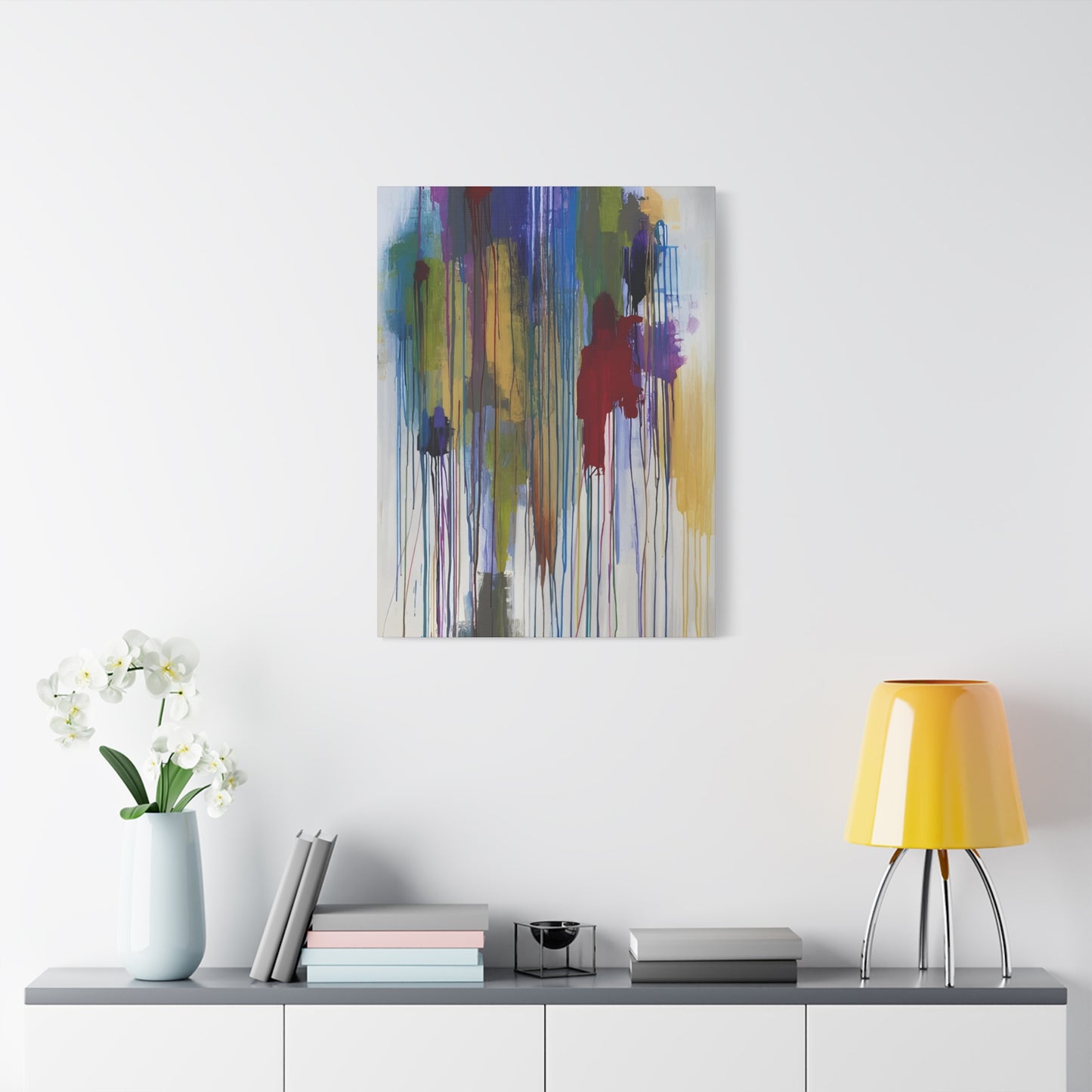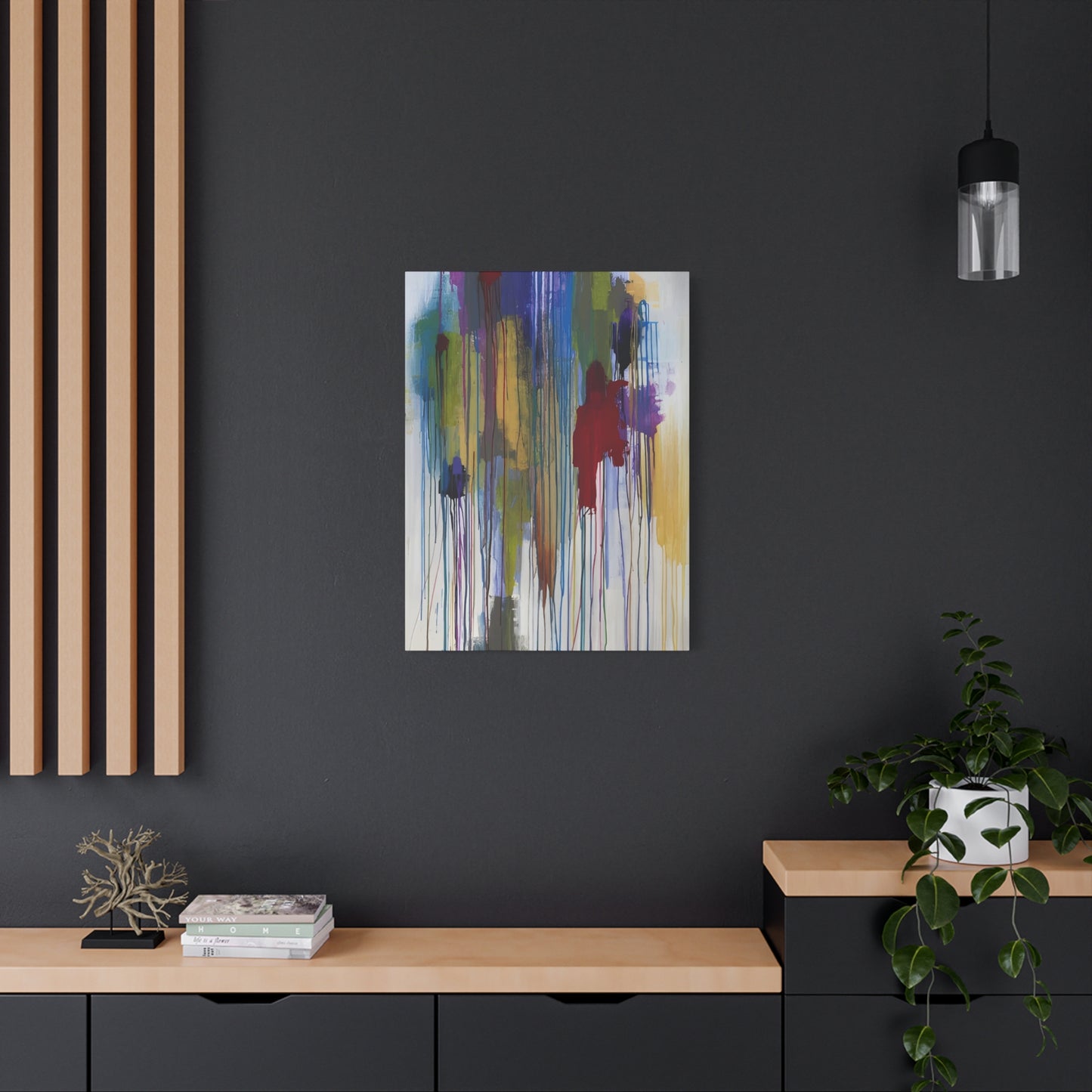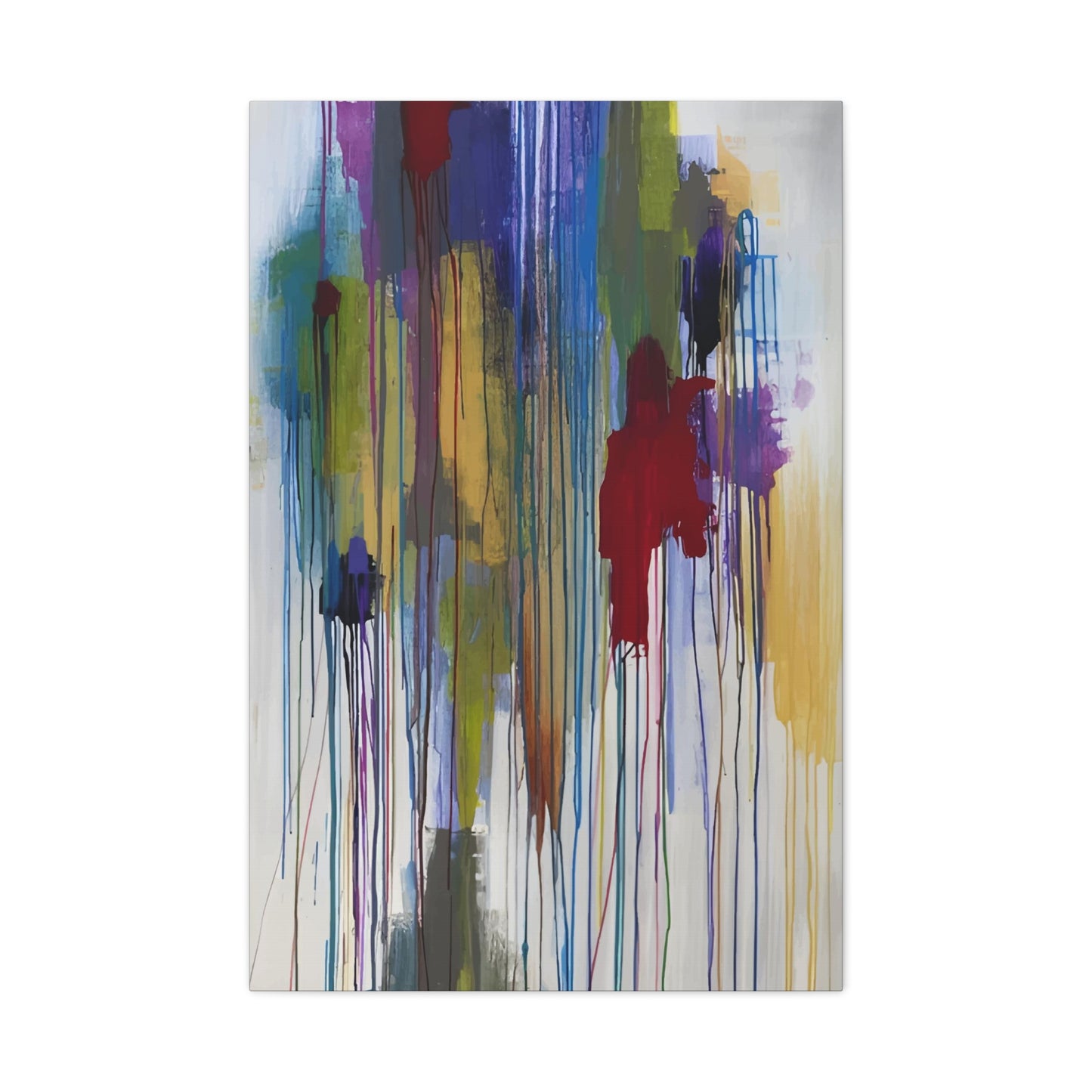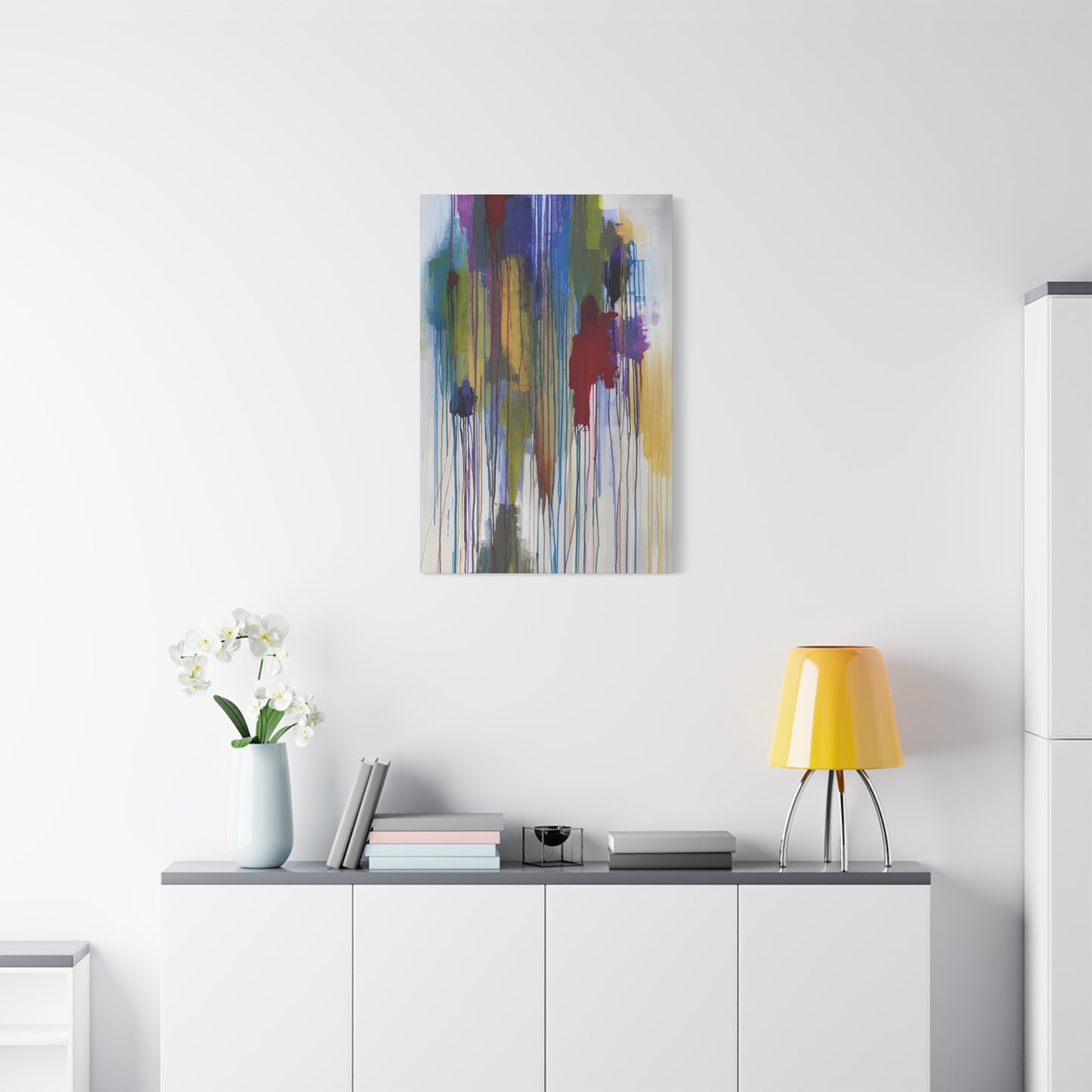


Joshua 2 Wall Art & Canvas Prints
Joshua 2 Wall Art & Canvas Prints
Couldn't load pickup availability
Sacred Imagery of Joshua 2 Wall Art: Bringing Divine Beauty and Scriptural Inspiration into Your Living Space
The intersection of faith and artistic expression has created a remarkable niche within home decor that speaks to both aesthetic sensibilities and spiritual devotion. When believers seek to transform their living environments into sanctuaries that reflect their deepest convictions, they often turn to visual representations of pivotal biblical narratives. Among these, the story from the second chapter of Joshua holds particular resonance, offering themes of courage, redemption, and divine providence that translate beautifully into visual mediums suitable for adorning walls in homes, churches, and communal gathering spaces.
Exploring the Profound Narrative Behind Rahab and the Spies Depicted in Scripture-Based Artwork
The biblical account found in the second chapter of Joshua presents a riveting tale of espionage, faith, and unexpected heroism. Two reconnaissance operatives dispatched by Joshua enter the fortified city of Jericho, seeking intelligence before the Israelite conquest. Their sanctuary comes from an unlikely source: Rahab, a woman whose profession placed her at the margins of society yet whose faith positioned her at the center of redemptive history. This narrative encompasses multiple layers of meaning that artists throughout centuries have attempted to capture through various visual interpretations.
When examining artwork inspired by this scriptural passage, viewers encounter depictions that range from the dramatic moment when Rahab conceals the spies on her rooftop beneath stalks of flax to the symbolic scarlet cord dangling from her window as a covenant marker. Each artistic interpretation brings different emphases, whether highlighting Rahab's courage in defying her own people, the spies' vulnerability in enemy territory, or the overarching theme of divine orchestration working through human agency. The richness of this narrative provides endless inspiration for creators seeking to translate ancient words into contemporary visual language.
Artists working within this genre face the challenge of rendering scenes from a culture distant in both time and geography while making them accessible and meaningful to modern audiences. Some choose photorealistic approaches that attempt archaeological accuracy in depicting ancient Canaanite architecture, clothing, and material culture. Others embrace more stylized or abstract representations that prioritize emotional resonance over historical precision. Still others incorporate contemporary design elements, creating pieces that bridge millennia by suggesting the timeless relevance of these ancient events.
The emotional register of Joshua 2 wall art varies considerably depending on which moment within the narrative receives emphasis. Pieces focusing on the initial meeting between Rahab and the spies often convey tension and suspense, with shadowy interiors and furtive glances dominating the composition. Those depicting Rahab's declaration of faith frequently radiate with light, symbolizing the illumination of truth penetrating spiritual darkness. Artwork centered on the scarlet cord tends toward hope and anticipation, with the crimson thread serving as a visual focal point laden with symbolic significance pointing toward themes of sacrifice and salvation that echo throughout scripture.
Symbolic Elements and Their Deeper Meanings Within Jericho Reconnaissance Imagery
The scarlet cord emerges as perhaps the most potent symbol within this narrative, carrying layers of meaning that resonate across testamental boundaries. In its immediate context, this crimson thread functions as an identification marker, ensuring that when judgment falls upon Jericho, Rahab's household remains protected. Artists rendering this element often employ vivid reds that draw the eye, creating visual tension between the thread's delicate nature and its profound protective function. This same imagery reverberates with typological significance, as theologians throughout church history have noted parallels between this scarlet cord and the sacrificial blood that marks doorposts in Exodus or the ultimate sacrifice represented in New Testament theology.
The flax stalks concealing the spies represent another rich symbolic vein that artists explore. Flax served multiple purposes in ancient Near Eastern economies, providing material for linen production and representing agricultural abundance. By hiding God's servants beneath her harvest, Rahab transforms an ordinary commodity into an instrument of divine purpose. Visual representations of this scene often emphasize the contrast between the mundane nature of agricultural products and the extraordinary events unfolding, suggesting how divine plans often work through everyday circumstances and materials.
The wall itself constitutes a significant symbolic element deserving artistic attention. Ancient Jericho possessed formidable fortifications that should have made it impregnable, yet both the narrative and its eventual outcome demonstrate that human strength proves futile against divine intention. Rahab's house, positioned upon or within these walls, occupies a liminal space between inside and outside, between the condemned city and the approaching army of liberation. Artists frequently emphasize this positioning, using architectural elements to suggest themes of boundaries, transitions, and passages from judgment to mercy.
Windows serve as crucial visual elements within compositions based on this narrative. The window through which Rahab lowers the spies by rope becomes a portal between condemnation and deliverance, a threshold separating death and life. In artistic representations, this aperture often receives dramatic lighting treatment, with illumination suggesting divine presence or guidance. The same window from which the scarlet cord eventually hangs transforms from an escape route into a beacon of covenant faithfulness, demonstrating how physical spaces can carry evolving spiritual significance.
Various Artistic Styles and Rendering Approaches for Biblical Jericho Scenes
Contemporary creators approaching this subject matter employ diverse stylistic vocabularies, each bringing different strengths and appealing to distinct aesthetic preferences. Photorealistic rendering seeks to transport viewers into the historical moment with meticulous attention to period details, from the weave of fabric to the texture of mud-brick walls. These pieces often emerge from extensive research into ancient Near Eastern archaeology, drawing upon scholarly reconstruction of material culture to create scenes that feel grounded in historical plausibility. Such works particularly appeal to those who value the historical rootedness of scripture and wish to visualize these events as tangible occurrences within specific times and places.
Impressionistic approaches prioritize emotional atmosphere over precise details, using color, light, and brushwork to evoke the psychological and spiritual dimensions of the narrative. These pieces might render Rahab's face with quick, expressive strokes that suggest her conflicted loyalties and dawning faith rather than providing photographic facial detail. The interplay of shadow and illumination becomes paramount, with contrast serving to heighten dramatic tension. Viewers drawn to these interpretations often appreciate how they invite personal emotional engagement rather than prescribing specific responses.
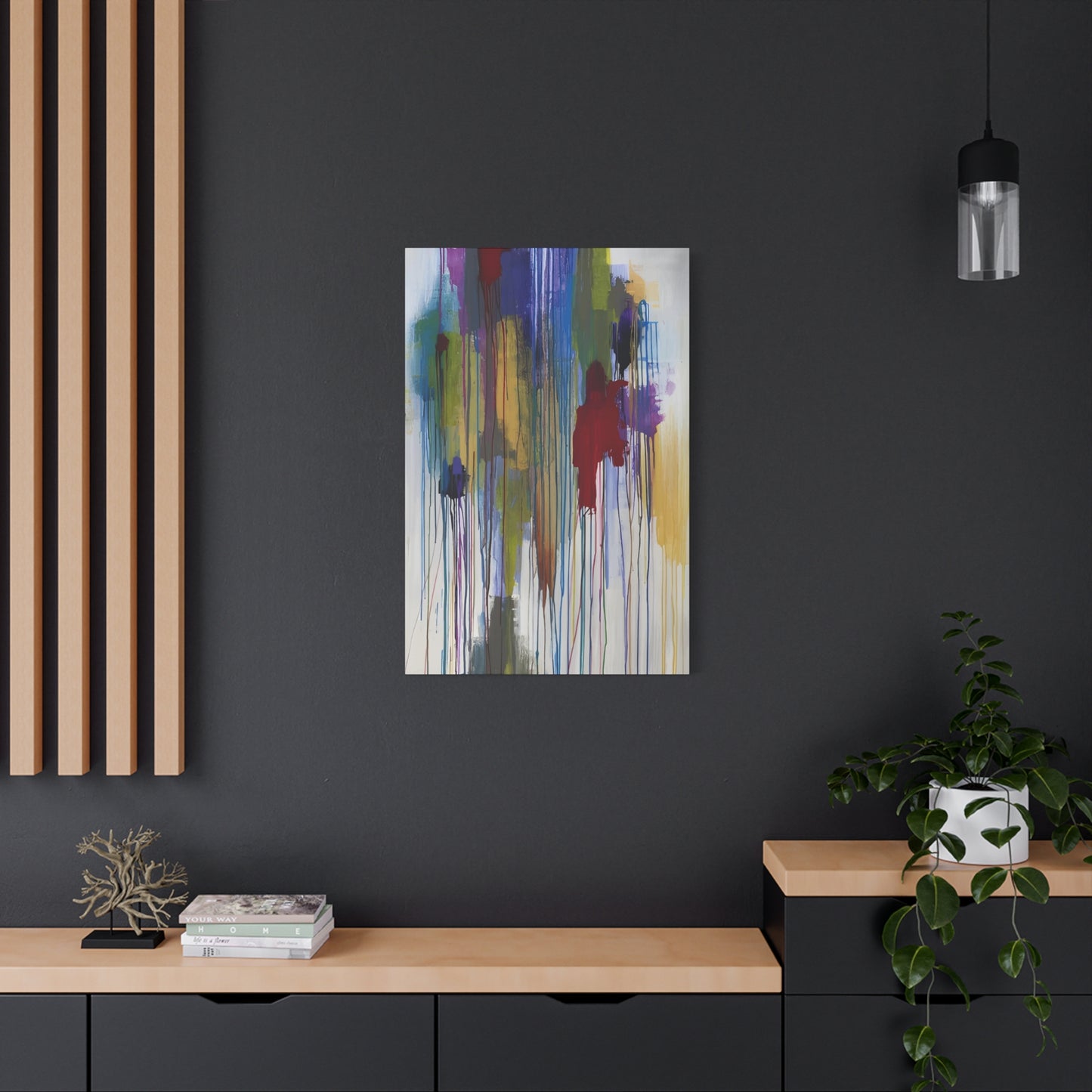
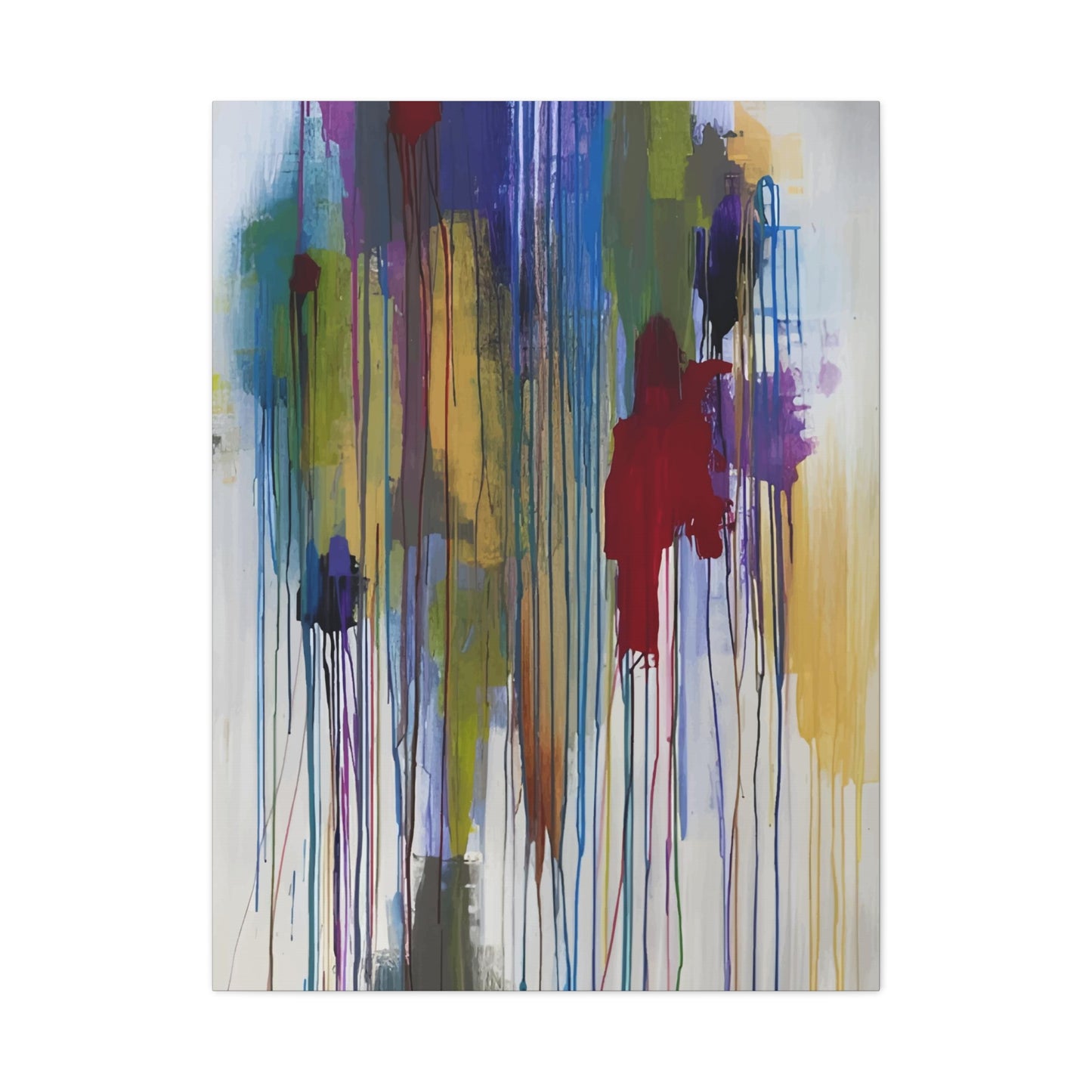
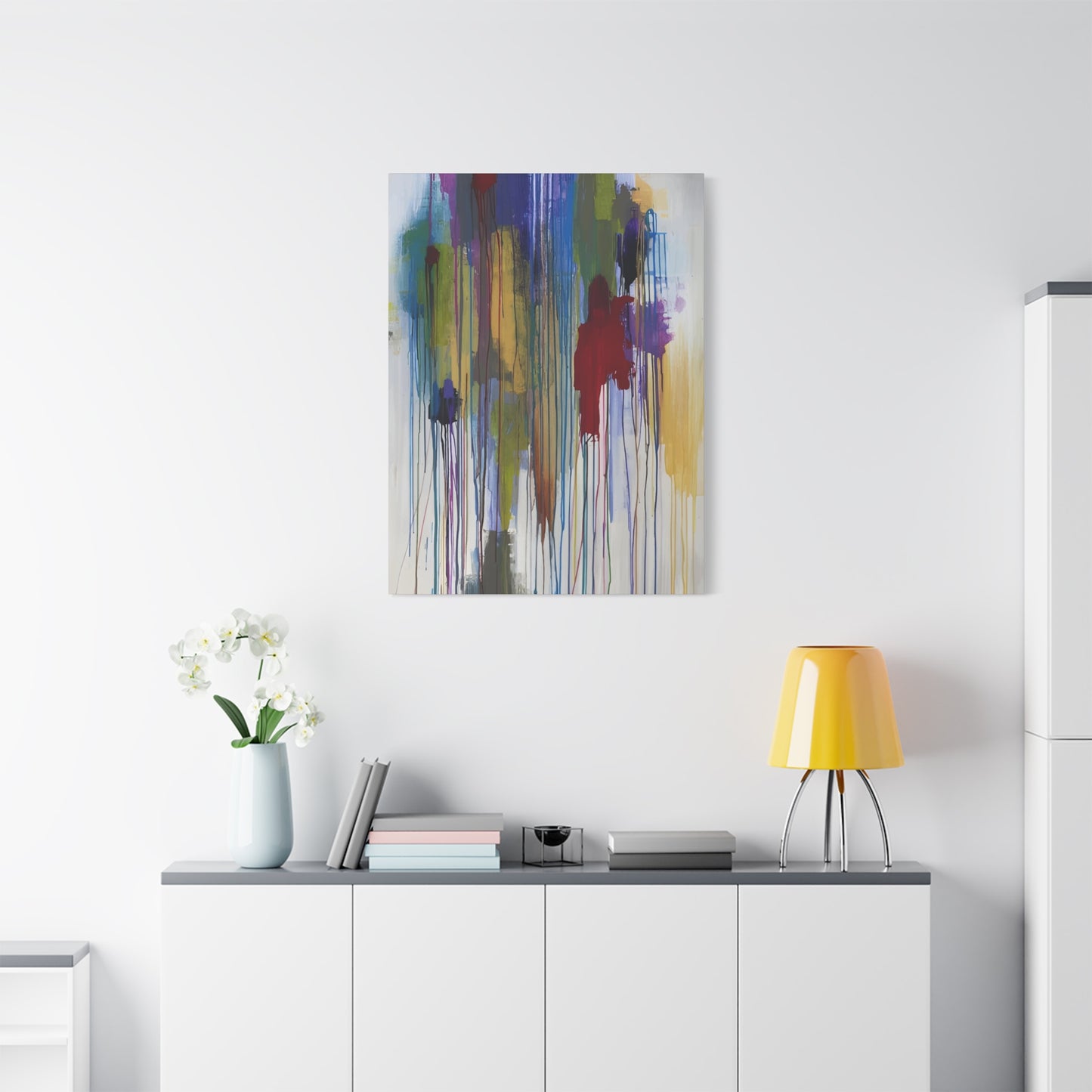
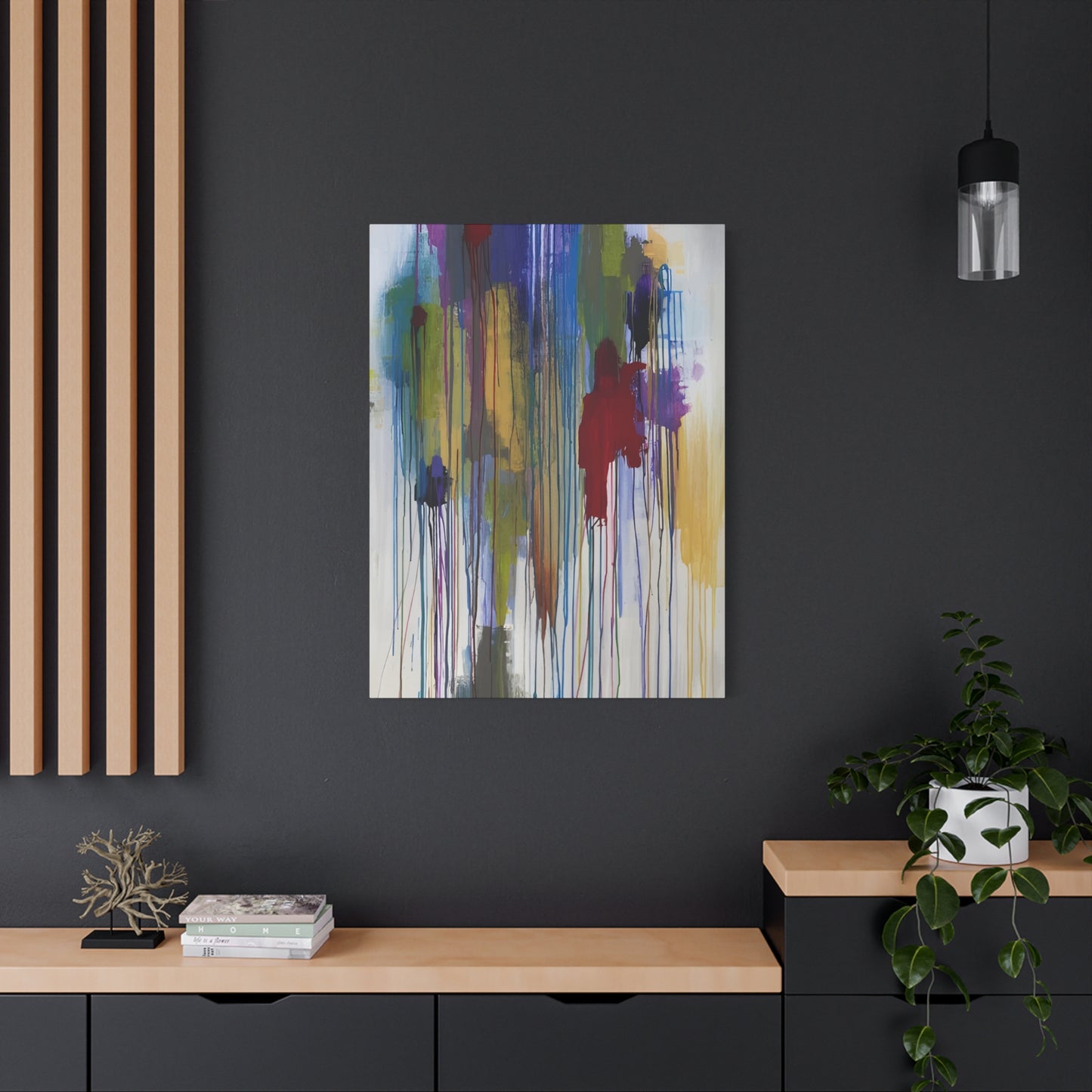
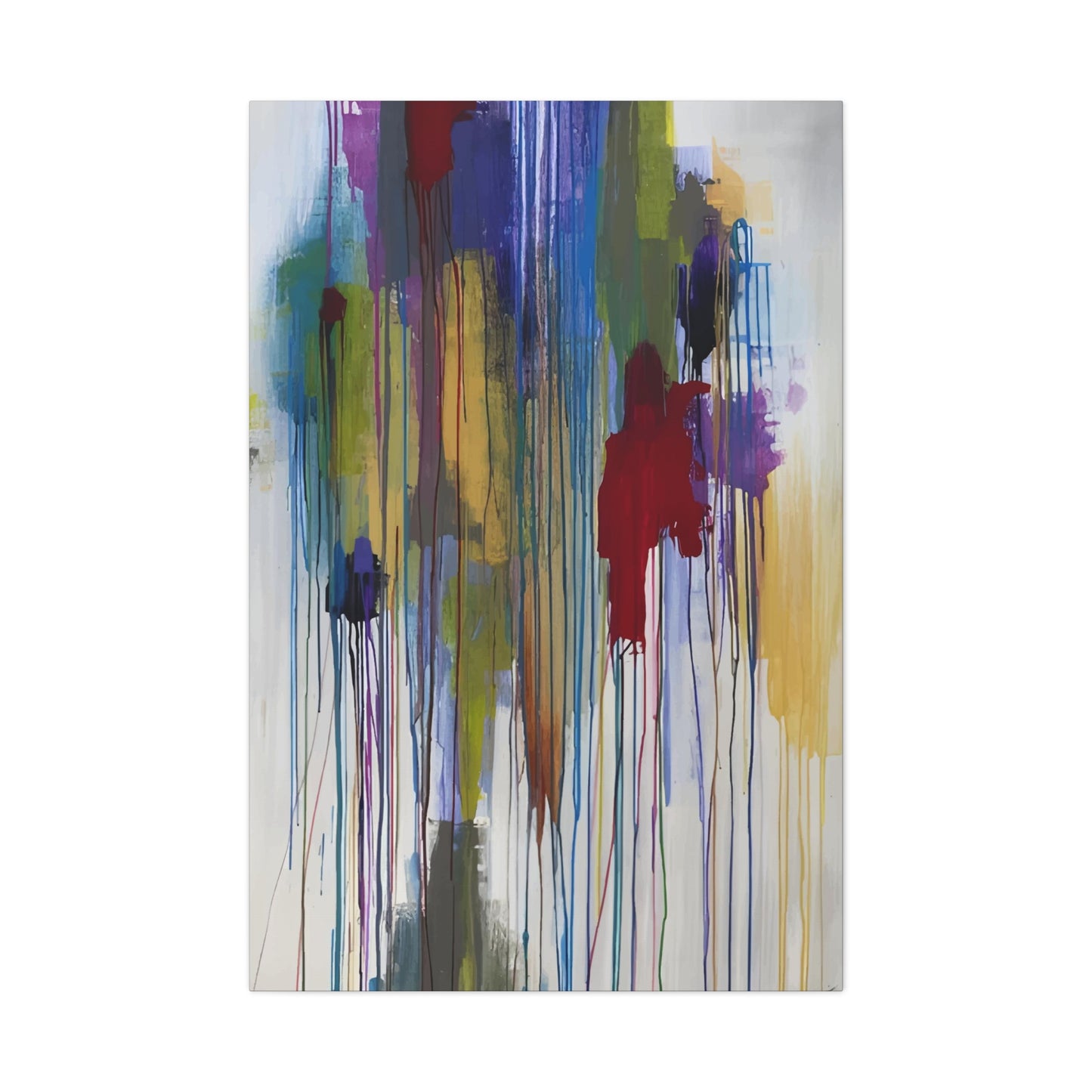
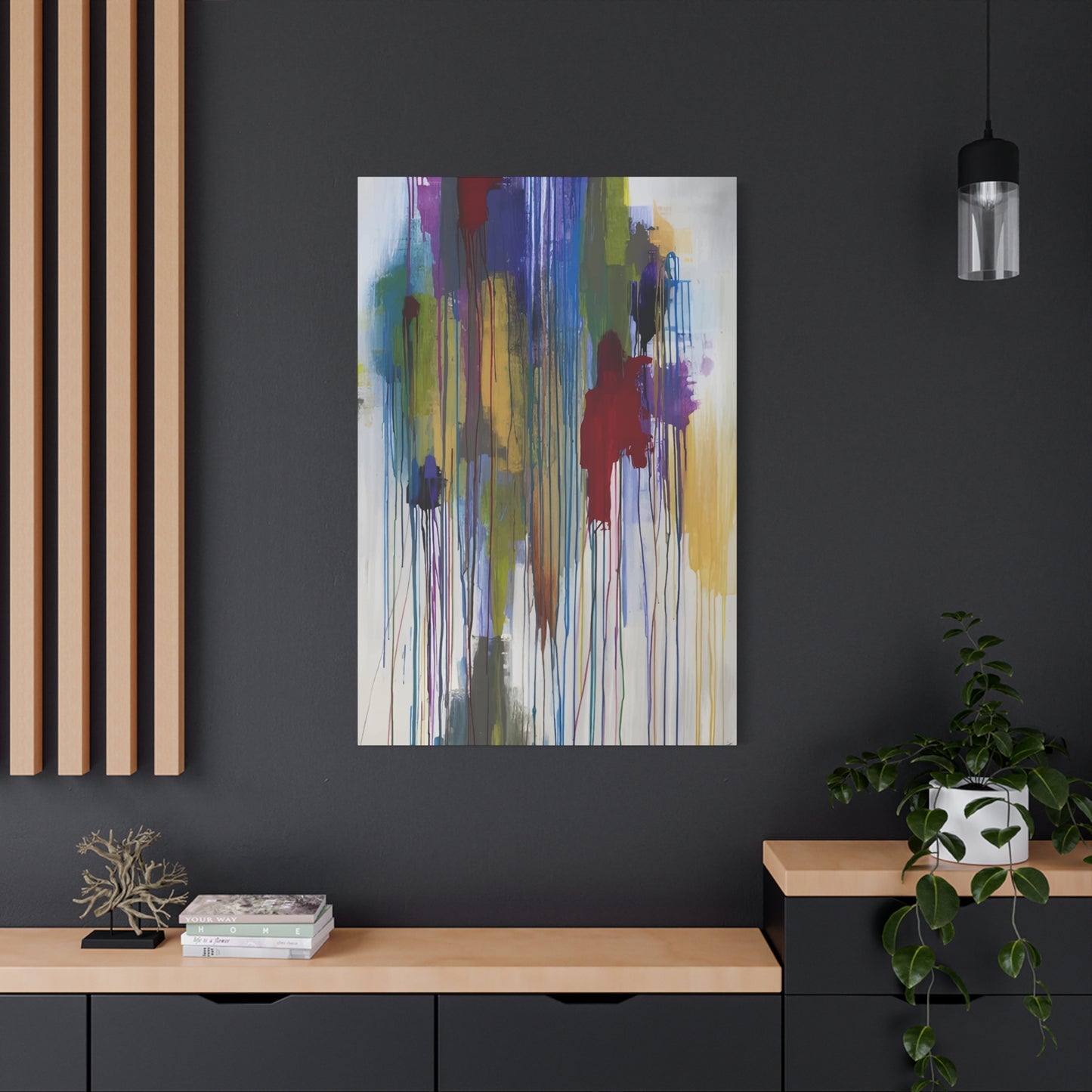
Abstract and minimalist representations distill the narrative to essential symbolic elements, creating compositions that function more as meditative focal points than narrative illustrations. A minimalist piece might feature simply a vertical architectural form suggesting a wall, a window-like geometric shape, and a single crimson line descending through the composition. Such works invite contemplation and prolonged viewing, revealing their meanings gradually rather than immediately. They suit spaces where subtlety and understatement align with overall design philosophies, and they appeal to viewers who appreciate how restraint can paradoxically intensify meaning.
Folk art and naive style interpretations bring a different energy to this subject matter, often characterized by flattened perspective, bright colors, and simplified forms. These approaches can make biblical narratives feel accessible and approachable, stripping away the potentially intimidating grandeur that sometimes accompanies religious imagery. Folk art versions often emphasize pattern and decoration, incorporating textile-inspired borders or decorative elements that reference cultural artistic traditions. Such pieces frequently resonate with viewers who value handcrafted aesthetics and communal artistic expressions over gallery-oriented fine art.
Contemporary graphic design approaches translate this ancient narrative into bold, typography-integrated compositions that might combine stylized imagery with key phrases from the text. These pieces often employ limited color palettes, strong geometric shapes, and contemporary compositional strategies borrowed from poster design and commercial art. They particularly appeal to younger demographics and those who appreciate how modern design sensibilities can invigorate traditional subject matter, making ancient stories feel relevant to current cultural moments.
Choosing Appropriate Dimensions and Formats for Scripture-Inspired Wall Hangings
Scale considerations profoundly affect how viewers experience and interact with biblical imagery in their spaces. Large-format pieces, extending beyond four feet in any dimension, command attention and can serve as anchoring focal points for entire rooms. Such substantial works suit spacious areas like great rooms, fellowship halls, or sanctuaries where their scale matches architectural proportions. A massive rendering of Rahab's confession of faith or the dramatic moment of the spies' escape can create immersive experiences that draw viewers into the narrative, surrounding them with the story's emotional and spiritual dimensions.
Medium-sized pieces, typically ranging between two and four feet in their longest dimension, offer versatility that explains their popularity. These proportions work well above furniture like sofas and credenzas, in hallways, or as parts of gallery wall arrangements. They provide sufficient size to read clearly from across a room while remaining manageable during hanging and potential repositioning. For Joshua 2 wall art, these dimensions allow adequate space to develop narrative complexity without overwhelming viewers or dominating spaces.
Smaller works, under two feet in any direction, serve different purposes within decorative schemes. They integrate easily into vignettes, work well in intimate spaces like studies or bedrooms, and allow for creating multi-piece installations that develop themes across several related images. A series of smaller pieces might trace the chronological progression of the Joshua 2 narrative from the spies' entry into Jericho through Rahab's declaration of faith to the covenant establishment via the scarlet cord. These dimensions also prove practical for those with limited wall space or who prefer understated approaches to religious expression in their homes.
Aspect ratio significantly influences compositional possibilities and display contexts. Vertical orientations, particularly pronounced portrait formats, can emphasize the height of Jericho's walls, the descent of the scarlet cord, or the upward dimension of faith reaching toward heaven. These proportions suit narrow wall spaces beside doorways, in stairwells, or flanking larger horizontal pieces. Horizontal landscape formats allow for narrative development across the picture plane, potentially depicting multiple moments or characters within a single composition. Square formats provide balanced, centered compositions that work well in grid-based gallery arrangements or as standalone pieces where symmetry serves the design scheme.
Triptych and multi-panel formats offer unique possibilities for developing the Joshua 2 narrative across connected but distinct compositional spaces. A three-panel work might dedicate each section to a different narrative moment: the spies' arrival, Rahab's confession, and the scarlet cord covenant. This format encourages sequential reading while creating visual rhythm through repeated vertical elements. Such arrangements suit large walls where a single piece might feel insufficient but where cohesive thematic unity remains desirable.
Material Substrates and Printing Methodologies for Durable Religious Artwork
Canvas remains the predominant substrate for reproducing artwork intended for residential and ecclesiastical display, offering texture that references traditional painting while providing practical advantages. Gallery-wrapped canvas, where the printed image continues around the edges of the stretcher bars, eliminates framing requirements and creates a contemporary, finished appearance. This approach particularly suits modern and transitional interior styles. Canvas accepts archival inks beautifully, with the slight texture adding visual interest and reducing glare that can plague smoother surfaces. Quality canvas prints, when properly produced using fade-resistant inks and UV protective coatings, maintain their appearance for decades without significant color shift or deterioration.
Metal substrates have gained considerable traction for religious artwork, particularly among those seeking contemporary aesthetics or enhanced durability. Aluminum panels, typically finished with white polymer coatings, receive dye-sublimation printing that infuses inks into the coating rather than merely depositing them on the surface. The result exhibits exceptional vibrancy, remarkable detail resolution, and outstanding longevity even in challenging environments. The slight luminosity inherent to metal substrates creates intriguing effects with biblical imagery, as light seems to emanate from within the piece. Metal's moisture resistance makes it suitable for bathrooms, basements, or humid climates where other substrates might deteriorate.
Acrylic face-mounting creates museum-quality presentations characterized by exceptional depth and clarity. This process involves printing onto paper or other substrates, then laminating the printed surface to the back of clear acrylic sheets. Light travels through the acrylic before reaching the image, then reflects back through it, creating remarkable vibrancy and apparent dimensionality. The smooth, glossy acrylic surface adds contemporary sophistication, though it does require careful placement to avoid problematic reflections. These pieces command premium prices but deliver unmatched visual impact appropriate for prominent display locations.
Wood substrates introduce organic warmth particularly compatible with rustic, farmhouse, or nature-inspired design schemes. Printing directly onto wood panels preserves visible grain patterns that interact intriguingly with the printed imagery, creating unique pieces where natural variation ensures no two are identical. For Joshua 2 wall art, wood substrates can reinforce themes of earthiness, historicity, and connection to the material world through which spiritual realities manifest. Some producers offer distressed or weathered finishes that enhance vintage aesthetics, while others emphasize natural wood beauty through clear protective topcoats.
Paper prints, while less durable than alternatives, offer certain advantages including lower cost, lighter weight, and traditional fine art associations. Archival paper options using cotton or alpha-cellulose compositions paired with pigment-based inks achieve remarkable longevity when properly protected behind glazing and matting. Paper prints require framing, which adds cost but also provides protective benefits and decorative framing options. For collectors valuing traditional presentation or planning limited-exposure display, quality paper prints remain viable choices.
Color Palette Considerations for Faith-Centered Home Embellishments
Chromatic choices profoundly affect both aesthetic compatibility with existing decor and the emotional-spiritual resonance of biblical imagery. Warm palettes dominated by reds, oranges, golds, and earth tones create inviting, emotionally engaging atmospheres that many find conducive to contemplation and worship. For Joshua 2 wall art, warm palettes can emphasize the scarlet cord symbolism, evoke ancient Near Eastern desert landscapes, or suggest divine presence through golden illumination. These hues integrate beautifully with traditional interior schemes featuring wood tones, leather, and classic textiles.
Cool palettes centered on blues, grays, and muted greens project tranquility and contemplative serenity. For Jericho-themed imagery, cool tones might emphasize nighttime scenes during the spies' covert operations or suggest the cool stone of city walls. Blue holds particular significance within Christian color symbolism, often associated with heaven, divinity, and truth. A composition bathed in twilight blues with a vivid red cord creates striking contrast that draws attention to the scarlet thread's theological significance while maintaining overall visual calm.
Monochromatic or near-monochromatic approaches emphasize form, composition, and tonal variation over chromatic variety. Sepia-toned pieces evoke historical distance, suggesting ancient events while coordinating effortlessly with diverse interior color schemes. Black and white renderings maximize dramatic contrast, emphasizing light and shadow relationships that can powerfully convey spiritual themes of revelation penetrating darkness. For Joshua 2 wall art, monochromatic approaches might feature all elements rendered in neutral tones except the scarlet cord, which blazes in saturated red, creating a focal point of theological significance.
Vibrant, saturated palettes infused with bold colors appeal to contemporary tastes and younger demographics. These approaches might render the Jericho narrative with unexpected chromatic intensity, using vivid purples, teals, and magentas alongside traditional elements. Such palettes energize spaces and make ancient narratives feel immediate and relevant. When executed thoughtfully, they avoid feeling anachronistic by using color abstractly to convey emotional and spiritual dimensions rather than attempting period accuracy.
Consideration of existing interior color schemes proves essential when selecting biblical artwork. Analogous color harmony, using hues adjacent on the color wheel, creates cohesive relationships between artwork and surrounding decor. Complementary color schemes, pairing opposites like blue and orange, generate visual excitement and energy. Neutral-dominant interiors afford maximum flexibility, accommodating artwork across chromatic spectrums, while strongly colored rooms require more careful coordination to avoid visual discord.
Framing Choices and Presentation Methods for Sacred Visual Narratives
Traditional wood framing remains timelessly appropriate for biblical subject matter, offering versatility across style spectrums from ornate gilded moldings to clean-lined contemporary profiles. Dark wood frames in walnut, espresso, or mahogany tones lend gravitas and formality suitable for traditionally furnished spaces or formal areas like dining rooms and studies. Lighter woods including oak, maple, or ash contribute warmth without heaviness, coordinating well with casual and transitional interiors. Distressed or weathered wood finishes enhance rustic or farmhouse aesthetics increasingly popular in residential design.
Metal framing introduces contemporary sophistication through sleek profiles and industrial references. Thin black metal frames provide definition without distraction, allowing imagery to dominate while adding modern edge. Brushed silver or gold metal frames bridge traditional and contemporary sensibilities, offering metallic elegance without the ornamental excess of traditional gilded frames. For Joshua 2 wall art destined for modern sanctuaries or contemporary homes, metal framing can signal theological engagement with current cultural contexts rather than retreat into nostalgic historicism.
Frameless presentations, particularly gallery-wrapped canvas or mounted metal panels, eliminate visual barriers between artwork and viewer while projecting confident modernism. These approaches suit minimalist and contemporary interiors where clean lines and uncluttered surfaces predominate. Frameless mounting allows imagery to feel integrated into architectural space rather than applied as separate decoration. For believers seeking to incorporate faith expressions subtly within modern design schemes, frameless presentations often prove ideal.
Mat boards serve multiple functions within framed presentations, providing physical separation between glazing and artwork surface while contributing aesthetic dimension through color and proportional relationships. Wide mats create breathing room around imagery, lending importance through generous presentation. Mat colors should harmonize with both artwork and frame while avoiding competition for attention. Neutral mats in cream, gray, or taupe suit most applications, though colored mats can be employed strategically to emphasize specific hues within the artwork or coordinate with room colors.
Shadow box framing, creating dimensional depth between artwork and wall surface, adds physical presence that enhances visual impact. This presentation style suits mixed media pieces or creates dramatic emphasis for particularly significant works. The pronounced dimensionality draws attention while the recessed artwork gains protective benefits from its housing within the frame structure. For focal point Joshua 2 wall art in prominent locations, shadow box presentations can signal importance and invite closer examination.
Strategic Placement Within Domestic and Ecclesiastical Environments
Living rooms and great rooms, functioning as primary gathering spaces for families and guests, offer prominent platforms for scripture-inspired artwork that reflects household values and invites conversation. Above seating arrangements, biblical imagery creates focal points that naturally draw attention while providing contemplative subjects during moments of rest and fellowship. Joshua 2 wall art in these contexts can spark discussions about faith, courage, and divine providence. Scale matters significantly here, as pieces must hold their own against furniture groupings and architectural elements without overwhelming or feeling insubstantial.
Dining areas present opportunities for displaying imagery that resonates with themes of hospitality, provision, and covenant community. Rahab's narrative includes elements of sheltering strangers and covenant meal implications that connect meaningfully with the fellowship occurring around dining tables. Artwork in these spaces should complement without competing with table settings and should remain visually pleasing during extended viewing periods that meals provide. Horizontal orientations often suit dining room walls, echoing table proportions while developing narrative breadth.
Bedrooms offer intimate contexts for personal devotional focus, where artwork serves primarily the residents rather than guests. Here, scripture imagery functions as part of daily spiritual rhythms, with pieces viewable during morning and evening times of prayer or reflection. Joshua 2 wall art emphasizing faith and divine protection resonates particularly well in bedrooms, reinforcing trust before sleep and upon waking. Smaller to medium scales suit most bedroom proportions, creating presence without domination in these personal retreats.
Home offices and studies benefit from artwork that inspires, encourages, and reminds occupants of priorities beyond immediate tasks. Biblical narratives demonstrating courage, wisdom, and faithfulness provide meaningful counterpoints to professional pressures and challenges. Rahab's story, highlighting unlikely heroism and faith exercised despite uncertain outcomes, speaks powerfully to those facing difficult decisions or overwhelming circumstances. Desktop-adjacent placement allows for easy viewing during work breaks, while opposite-desk positions provide contemplative focuses when looking up from screens and documents.
Entryways and foyers establish thematic statements about household identity and priorities, with artwork in these transitional spaces communicating values to all who enter. Scripture-based imagery immediately signals faith commitments while welcoming guests into homes where spiritual realities receive serious consideration. Scale must accommodate viewing from varying distances as people move through these spaces. Vertical orientations often work particularly well in entry areas, drawing eyes upward and occupying narrow wall sections common in these architectural zones.
Church sanctuaries and worship spaces demand careful consideration regarding scriptural imagery that will inform and inspire congregational worship. Joshua 2 wall art in these contexts should enhance rather than distract from worship focus, complementing liturgical functions and theological emphases. Multiple pieces might trace redemptive themes across salvation history, with Rahab's story contributing to broader typological progressions. Durability becomes particularly important in these higher-traffic contexts, as does resistance to environmental factors like fluctuating humidity and temperature.
Fellowship halls and classrooms within religious buildings benefit from narrative biblical imagery that facilitates discussion and teaching. Joshua 2 wall art in these contexts serves both decorative and pedagogical functions, providing visual references for lessons about faith, courage, and divine grace. Interactive elements might include accompanying text panels exploring historical context or theological themes. Durability and ease of maintenance become practical considerations given intensive use these spaces receive.
Maintenance Protocols for Preserving Artistic Investments
Canvas pieces require regular dusting using soft, lint-free cloths or feather dusters to prevent particulate accumulation within surface texture. Avoid applying pressure during cleaning, as canvas surfaces can be vulnerable to abrasion or denting. For more thorough cleaning, slightly dampened microfiber cloths can remove surface grime, but moisture should never be applied directly to the canvas; instead, clothe should be dampened then wrung nearly dry before gentle wiping. Commercial canvas cleaners exist for addressing stubborn soiling, though these should be tested on inconspicuous areas before broader deployment.
Metal and acrylic substrates tolerate more aggressive cleaning than porous materials like canvas or paper. Glass cleaners work well on acrylic surfaces, though ammonia-free formulations prove gentler and reduce risk of coating damage over time. Metal prints typically need only damp cloth wiping to remove dust and fingerprints, with their non-porous surfaces resisting staining and environmental soiling. Avoid abrasive cleaners or scrubbing tools that might scratch these smooth surfaces, compromising their visual clarity and protective coatings.
Framed pieces behind glazing require attention to both glass surfaces and frame materials. Standard glass cleaner suits the protective glazing, with care taken to prevent moisture from seeping behind glass to contact mats or artwork. Frame cleaning depends on material, with wood frames benefiting from furniture polish that conditions wood while removing dust, and metal frames requiring only damp wiping. Anti-static treatments can help glazed frames resist dust accumulation, reducing cleaning frequency.
Environmental factors profoundly impact artwork longevity, with direct sunlight representing the most significant threat to color stability. Even archival inks fade when exposed to sustained UV radiation, particularly intense through unfiltered windows. Positioning artwork away from direct sun or employing window treatments during peak sunlight hours substantially extends vibrancy. UV-protective glazing provides additional defense for framed pieces, filtering harmful radiation while maintaining visual clarity. Climate control benefits artwork by preventing humidity extremes that can warp substrates, promote mold growth, or accelerate ink degradation.
Periodic professional evaluation helps identify developing problems before they become severe. Conservators can assess whether pieces show signs of deterioration, recommend preventive measures, and perform restoration when necessary. For particularly valuable or irreplaceable pieces, establishing relationships with local conservation professionals provides access to expertise when needed. Many conservators offer consultation services that help collectors understand proper care protocols specific to their pieces.
Theological Reflections Embedded Within the Rahab Narrative
The inclusion of Rahab within redemptive history raises profound questions about divine grace operating outside expected channels. As a Canaanite woman practicing a stigmatized profession within a condemned city, every external factor marked her for judgment alongside her compatriots. Yet her declaration of faith in Israel's God and her courageous protection of the reconnaissance operatives placed her within the covenant community. Artists exploring this theme often employ visual contrasts between darkness and light, captivity and freedom, or condemnation and salvation to embody these theological tensions and resolutions.
Faith operating apart from ethnic or religious privilege constitutes another rich theological vein within this narrative. Rahab's confession demonstrates understanding of divine power and character exceeding that of many Israelites who witnessed miraculous deliverance firsthand. Her faith, exercised in the absence of community support or religious tradition, exemplifies pure trust in divine character based on testimony and revelation rather than cultural conditioning. Visual representations might emphasize Rahab's isolation, depicting her alone or separated from others, highlighting the individual nature of faith commitments that transcend communal identities.
Covenant relationship established through unlikely means threads through this account, with the scarlet cord functioning as covenant marker reminiscent of blood applied to doorposts during Passover. This physical token represents spiritual realities, with visible signs marking invisible grace. The progression from judgment to mercy through covenant participation offers endless artistic possibilities, from dark, foreboding compositions suggesting impending destruction to luminous depictions of the scarlet cord glowing with salvific promise. The juxtaposition of common materials like rope and thread bearing cosmic significance invites meditation on how divine purposes often employ humble means.
Women's roles within redemptive history receive significant attention through Rahab's narrative. In patriarchal ancient Near Eastern contexts, her agency, courage, and theological insight stand out remarkably. She negotiates terms, secures promises, and takes decisive action while men around her remain passive or adversarial. Visual representations honoring her dignity and courage counter centuries of interpretation that emphasized her past over her faith. Contemporary artists increasingly depict Rahab with nobility and strength, recognizing her rightful place among faith's heroes.
Typological connections between Rahab's story and broader redemptive themes enrich theological reflection on this passage. The scarlet cord's symbolic resonance with sacrificial blood, the salvation of a household marked by faith, and the inclusion of outsiders within covenant community all point beyond their immediate context toward fuller theological realization. Artists attuned to these connections might incorporate subtle visual references to other redemptive moments, creating layers of meaning that reward extended contemplation and theological literacy.
Gift-Giving Contexts for Scripture-Inspired Decorative Items
Housewarming occasions provide ideal opportunities for presenting faith-based artwork that helps new homeowners establish their space as a sanctuary reflecting spiritual priorities. Joshua 2 wall art makes particularly meaningful housewarming gifts given themes of shelter, protection, and divine provision associated with the narrative. Selecting pieces that coordinate with recipients' known aesthetic preferences demonstrates thoughtfulness while the biblical content communicates deeper hopes for God's blessing on their household. Including brief notes explaining the narrative and its significance personalizes the gift and provides interpretive framework for recipients less familiar with the passage.
Wedding gifts carrying spiritual significance help couples establish homes built on shared faith commitments. Rahab's story, culminating in her marriage to Salmon and inclusion within the messianic lineage, carries romantic elements alongside its theological weight. Artwork depicting her courage and faith offers inspiration for couples facing their own journey of building life together. Selecting substantial pieces suitable for prominent display in shared spaces helps ensure the gift maintains presence throughout the marriage rather than being relegated to storage.
Ordination or commissioning gifts for those entering ministry service benefit from imagery reinforcing calling and divine faithfulness. The account of spies depending on unlikely allies in hostile territory resonates with ministry realities of vulnerability and dependence on divine provision. Joshua 2 wall art for ministry contexts might emphasize themes of courage, faithfulness in difficult circumstances, or divine protection. Selecting museum-quality pieces acknowledges the significance of ordination moments and provides lasting reminders of community support and confidence in divine calling.
Mother's Day and birthday gifts for spiritually-minded women can celebrate feminine faith examples through Rahab-focused artwork. Her courage, quick thinking, and theology deserve recognition and emulation. Pieces emphasizing her dignity, strength, and pivotal role within salvation history honor women recipients while providing meaningful decor. Personal notes connecting the recipient's faith or character qualities to Rahab's example add intimate significance that transforms decorative items into personal affirmations.
Retirement gifts acknowledging careers of faithfulness and service gain additional meaning through biblical imagery celebrating those who trusted God despite uncertainty. Rahab's act of hiding the spies despite unknown outcomes parallels faith-based career decisions and service choices whose full significance often becomes clear only in retrospect. Selecting pieces with mature, contemplative aesthetics suits retirees entering new life phases characterized by reflection on life's meaning and divine guidance throughout preceding years.
Commissioning Custom Artwork Featuring Specific Narrative Elements
Working directly with artists to create custom pieces allows for unprecedented personalization addressing specific theological emphases, aesthetic preferences, and spatial requirements. The commissioning process typically begins with consultations exploring the patron's vision, including which narrative moments resonate most powerfully, stylistic preferences, color palette considerations, and practical specifications like dimensions and substrate. Artists may provide preliminary sketches or digital mockups allowing patrons to visualize concepts before final execution begins.
Custom commissions enable incorporating personal elements that deepen connections between viewers and artwork. Family members' likenesses might be subtly incorporated into crowd scenes or architectural details might reference the patron's home or church building. Including specific scriptural quotations, whether from the Joshua narrative or related passages, personalizes pieces while reinforcing particular theological interpretations. Some patrons request specific color schemes matching existing decor or architectural elements, ensuring seamless visual harmony between commissioned artwork and its intended environment.
Scale considerations become particularly important with commissioned work, as artists can tailor dimensions precisely to available wall space. Providing accurate measurements and photographs of intended locations helps artists optimize compositional choices for specific contexts. Large-scale commissioned works might span multiple panels, creating dramatic installations that transform entire walls into immersive narrative environments. Conversely, intimate smaller pieces can capture subtle narrative moments often overlooked in more panoramic compositions.
Budget ranges for commissioned artwork vary dramatically based on artist reputation, piece complexity, dimensions, and materials. Emerging artists may offer commissions for hundreds of dollars, providing opportunities for patronage while managing costs. Established artists with gallery representation typically command thousands or tens of thousands for significant works. Discussing budget parameters candidly during initial consultations helps ensure alignment between patron expectations and artistic feasibility. Many artists offer payment plans for substantial commissions, making custom work accessible to broader audiences.
Timeline expectations require clear communication, as quality custom work demands significant time for conception, execution, and proper curing or finishing processes. Rush commissions, while sometimes possible, often incur premium fees and may compromise artistic quality. Planning major commissions months or even years in advance allows artists adequate time for their finest work and prevents patron disappointment from delayed completion. Regular progress updates via photographs or studio visits help patrons stay engaged with the creative process while allowing adjustments before final stages.
Digital Versus Physical Artwork Acquisition Considerations
Downloadable digital files offer immediate access and maximum flexibility, with purchasers receiving high-resolution image files they can reproduce at will through various printing services. This model suits those comfortable managing their own printing and framing processes or those desiring multiple prints for different locations. Digital purchases typically carry lower price points than physical artwork while eliminating shipping costs and transit damage risks. However, they place responsibility for quality control entirely on purchasers, who must select appropriate printing services, substrates, and finishing options without guaranteed results.
Print-on-demand services bridge gaps between digital files and physical artwork by handling production and shipping while maintaining inventory-free operations. Customers select from predetermined size and substrate options, with orders fulfilled individually as placed. This model offers convenience and broad selection but typically with limited customization compared to traditional art purchasing. Quality varies considerably across print-on-demand providers, making research and sample ordering prudent before committing to significant purchases. Customer service and satisfaction guarantees deserve investigation, as resolution processes for damaged or unsatisfactory products vary widely.
Ready-made physical artwork purchased through galleries, online marketplaces, or directly from artists provides immediate gratification with guaranteed quality, as purchasers evaluate actual finished pieces before acquisition. This traditional model offers confidence regarding color accuracy, substrate quality, and craftsmanship unavailable with digital files or print-on-demand services. Physical purchases typically include shipping directly to purchasers' locations with appropriate protective packaging. Return policies vary but generally prove more generous than digital file sales, which often prohibit returns due to intangible product nature.
Limited edition prints occupy a middle ground, offering physical artwork with enhanced collectibility through artificial scarcity. Artists produce predetermined numbers of prints, typically signing and numbering each, then destroy printing plates or files to ensure edition limits. Limited editions command premium prices reflecting their collectible status while remaining more accessible than unique original works. Documentation certificates accompany legitimate limited editions, providing provenance records that maintain value and authenticity. Collectors should verify edition numbers and artist signatures before purchasing to avoid fraudulent reproductions masquerading as legitimate limited editions.
Original artwork represents the pinnacle of collecting, offering unique pieces hand-created by artists without reproduction. For Joshua 2 wall art, originals might include paintings, mixed media works, or sculptural pieces exploring the narrative through three-dimensional forms. Originals command highest prices, reflecting both artistic labor and unique status. Provenance documentation becomes crucial for maintaining value, with certificates of authenticity, purchase receipts, and artist statements providing records for insurance and potential future sales. Original artwork acquisition often involves direct relationships with artists or gallery representation, providing opportunities for conversation about creative processes and thematic development.
Coordinating Biblical Imagery with Broader Interior Design Schemes
Traditional interior design schemes characterized by ornate furniture, rich wood tones, and classical architectural details pair naturally with biblical artwork employing realistic rendering, warm palettes, and formal compositions. Joshua 2 wall art within these contexts might feature detailed period costumes, careful attention to architectural elements, and compositional strategies borrowed from Old Master paintings. Gilded or substantial wood frames enhance traditional presentations, while placement above mantels, in formal dining rooms, or flanking doorways reinforces classical spatial hierarchies.
Contemporary interiors defined by clean lines, minimal ornamentation, and neutral color palettes require different approaches to religious imagery integration. Frameless presentations, abstract or minimalist artistic interpretations, and limited color palettes help biblical artwork feel cohesive within modern contexts. For Joshua 2 wall art in contemporary settings, focusing on essential symbolic elements like the scarlet cord rendered with geometric simplicity allows faith expression without aesthetic discord. Monochromatic or near-monochromatic palettes bridge scriptural content and modern design sensibilities.
Transitional design, blending traditional and contemporary elements, offers flexibility for diverse artistic approaches to biblical subject matter. These eclectic spaces accommodate both realistic narrative depictions and more stylized interpretations, allowing homeowners to prioritize personal responses to artwork over strict stylistic coherence. Joshua 2 wall art selections might combine traditional subject rendering with contemporary presentation methods, such as photorealistic imagery on metal substrates or classical compositions in modern acrylic mounting. This design approach celebrates meaningful juxtapositions rather than rigid stylistic consistency.
Farmhouse and rustic aesthetics, characterized by reclaimed materials, distressed finishes, and nature-inspired palettes, harmonize beautifully with biblical imagery emphasizing historical settings and ancient narratives. Wood substrate prints, weathered frames, and earth-toned palettes help Joshua 2 wall art feel organic within these schemes. The ancient Near Eastern agricultural context of the narrative aligns naturally with farmhouse emphasis on land, seasons, and material simplicity. Incorporating natural textures and visible wood grain creates conversations between artwork substrates and surrounding design elements.
Bohemian and eclectic interiors celebrate pattern mixing, color vibrancy, and global influences, providing permissive contexts for diverse artistic interpretations of scriptural narratives. Joshua 2 wall art within these schemes might employ unexpected color combinations, incorporate decorative borders inspired by global textile traditions, or embrace folk art rendering styles. The anything-goes attitude characteristic of bohemian design frees religious artwork from stylistic constraints that might limit expression in more controlled design schemes. Layering multiple pieces, mixing frame styles, and incorporating surrounding decorative elements creates rich visual environments where faith expressions coexist with diverse aesthetic influences.
Conclusion
Incorporating Joshua 2 into wall art as part of your home décor is an inspiring and visually meaningful way to infuse sacred scripture into your living space. The story of Rahab’s faith and the Israelite spies, found in Joshua 2, is one of courage, redemption, and divine grace, making it a profound choice for a piece of art that speaks to the heart of Christian themes such as faith, hope, salvation, and the transformative power of God’s mercy. By bringing this powerful narrative into your home through artistic expression, you create a space where spiritual reflection and aesthetic beauty coexist, providing both a visual and spiritual anchor in your everyday life.
The story of Rahab is one of remarkable faith in the face of fear, as she risks her life to protect the Israelite spies, acknowledging the power of the God of Israel. Her act of courage and trust in God’s promises led to her and her family's salvation, and this story is a profound reminder of the impact of personal faith and obedience to God. When displayed as wall art, this passage from Joshua 2 can serve as a powerful visual reminder of the strength that comes from trusting in divine promises, even when faced with daunting challenges. It symbolizes how God’s grace extends beyond the boundaries of expectations, reaching those who demonstrate faith regardless of their past or circumstances.
Through sacred scripture imagery like Joshua 2, wall art does more than just decorate a room; it invites a deeper connection to the stories and messages of the Bible. Artistic representations of scripture, whether through illustration or text, act as conduits for spiritual reflection and personal meditation. Whether the artwork features the moment of Rahab hiding the spies or the dramatic scene of the spies’ escape, the imagery captures the essence of God’s protection and His working through individuals to accomplish His divine plan. By incorporating such art into the home, individuals create an environment where their faith is actively lived out and celebrated daily. The space becomes a visual testament to the power of God in everyday life, reinforcing spiritual values and encouraging a constant reminder of God’s presence.
In today’s world, where people often seek to personalize their living spaces, the incorporation of scripture-based art is a powerful way to integrate one’s faith into the home. Joshua 2 is a story that resonates with themes of courage, trust, and deliverance, making it highly relatable and inspiring. Displaying such artwork adds an intentional layer of meaning to one’s living environment, creating a sanctuary that not only speaks to the soul but also fosters an atmosphere of peace and reflection. Whether it’s placed in a living room, bedroom, or study, this art offers a space for contemplation and conversation, allowing family members, guests, and visitors to reflect on the significance of God’s word and the powerful stories of the Bible.
The versatility of scripture art is another aspect that makes it particularly appealing in home décor. From minimalist designs featuring Rahab’s red cord to more detailed depictions of the escape or the spy mission, the choices are endless. Such art can be customized to reflect personal taste, whether through the use of colors, style, or composition, allowing the artwork to seamlessly blend into the aesthetic of any room. This integration of faith into design allows the home to become more than just a place to rest; it becomes a visual and spiritual extension of one’s beliefs, where the stories of the Bible actively shape the environment.
Additionally, art that depicts Joshua 2 can serve as a conversation starter, inviting dialogue on themes such as faith, courage, and God’s providence. When visitors or family members engage with the art, it provides an opportunity to discuss the deeper meanings behind the image or verse, promoting spiritual growth and understanding. For those raising children, these pieces of art also offer a way to introduce young ones to the stories of the Bible, helping them understand the importance of trust in God and the concept of divine redemption. Children can visually connect with the imagery, making the lesson of Rahab's faith tangible and memorable in their formative years.
Ultimately, the act of displaying Joshua 2 wall art creates a home that is not only aesthetically pleasing but spiritually enriching. By incorporating sacred scripture into your living space, you invite divine beauty and purpose into every corner of your home. The beauty of this scripture-based art lies not only in its design but in the depth of meaning it carries—offering daily reminders of God's protection, grace, and the importance of faith. In doing so, you turn your home into a space where both beauty and spirituality live in harmony, creating an environment that nurtures both the soul and the eye.
In conclusion, Joshua 2 wall art is more than just a decorative piece; it’s a powerful way to bring divine beauty into your home. By reflecting on Rahab’s faith and the grace of God, such artwork invites deeper engagement with the themes of redemption, trust, and divine intervention. It transforms the living space into a sanctuary where scripture comes to life, offering both visual delight and spiritual encouragement. Through the integration of sacred imagery and meaningful verses, individuals create a space that constantly reminds them of God’s unwavering faithfulness, inspiring trust in His plans and His promises for each person’s life.
Share