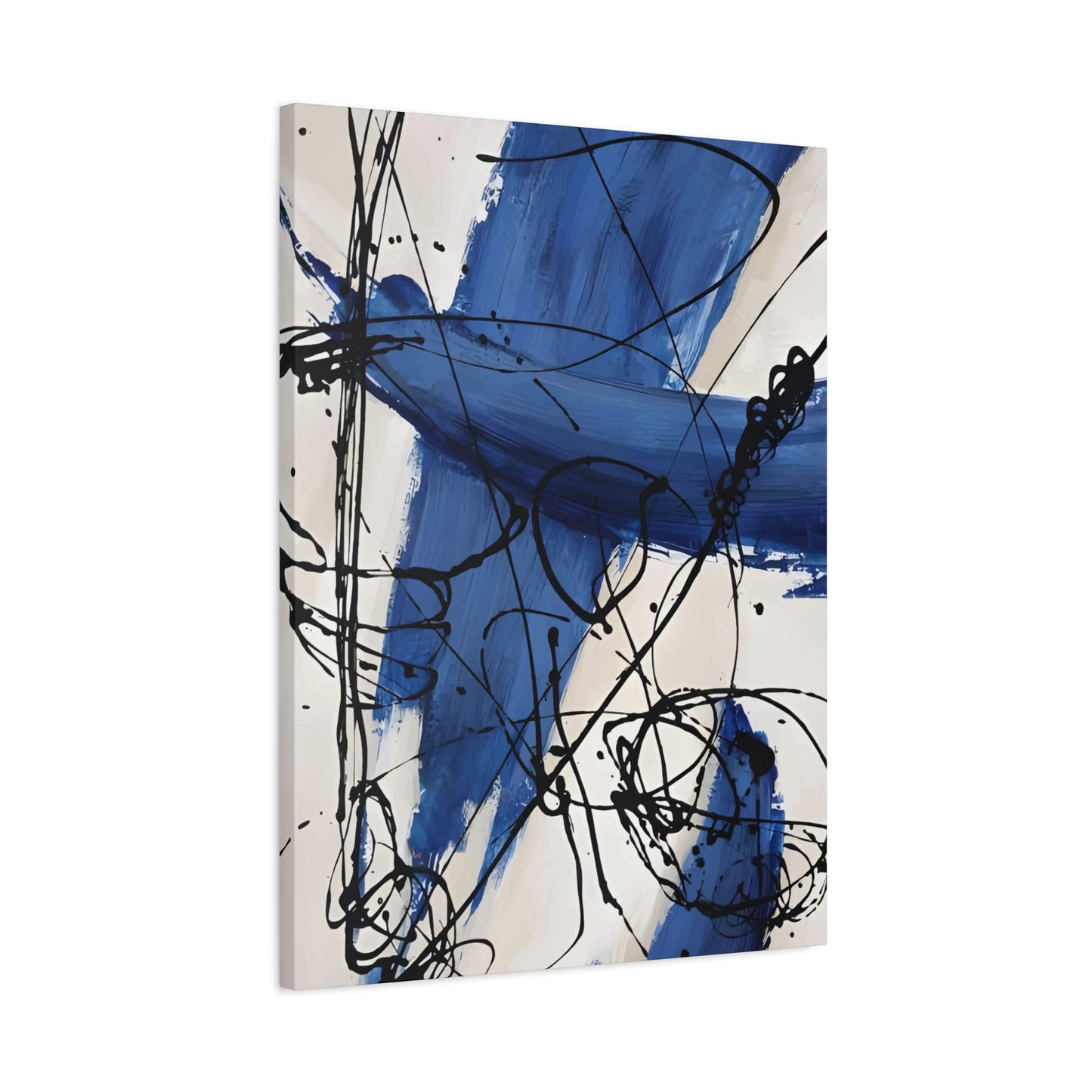
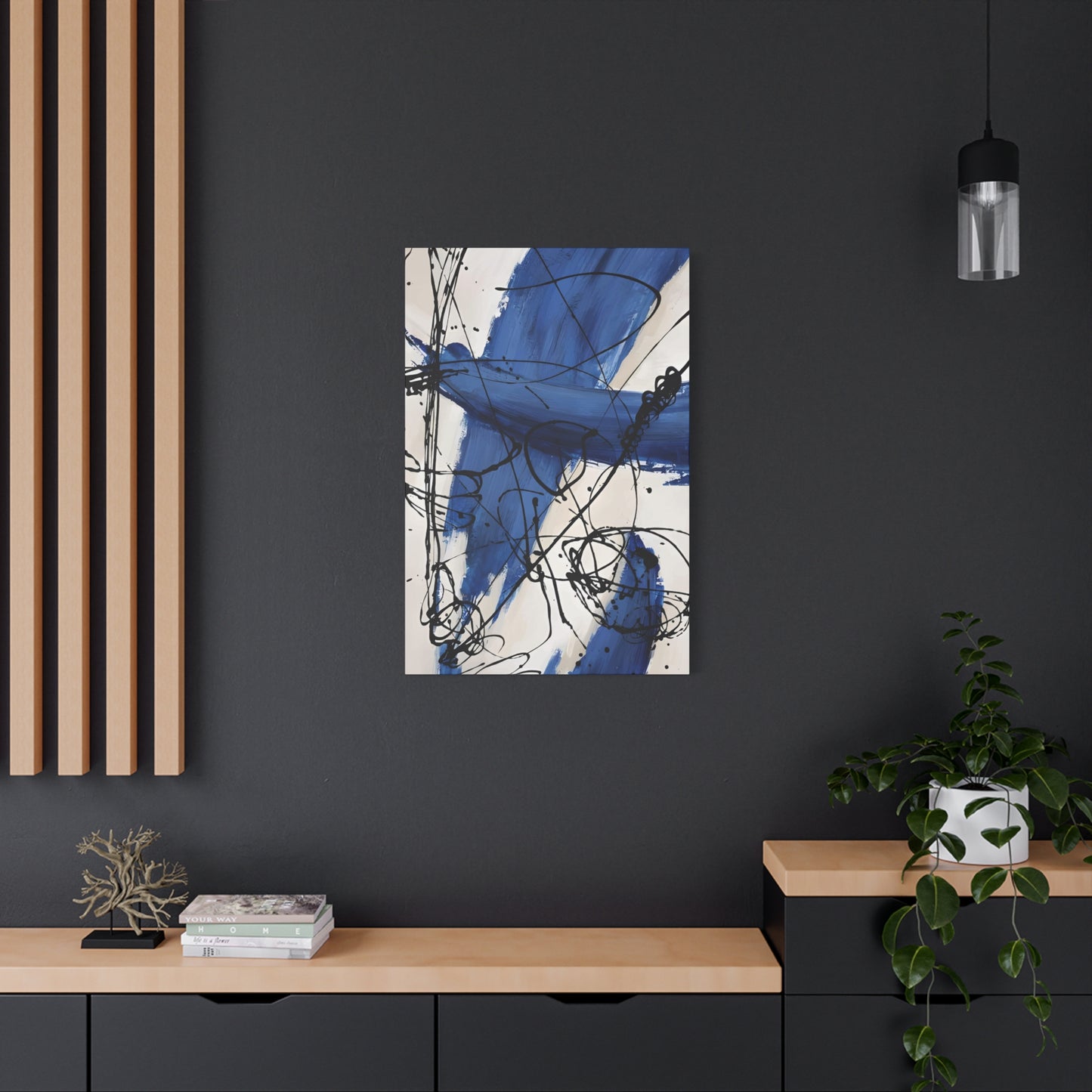
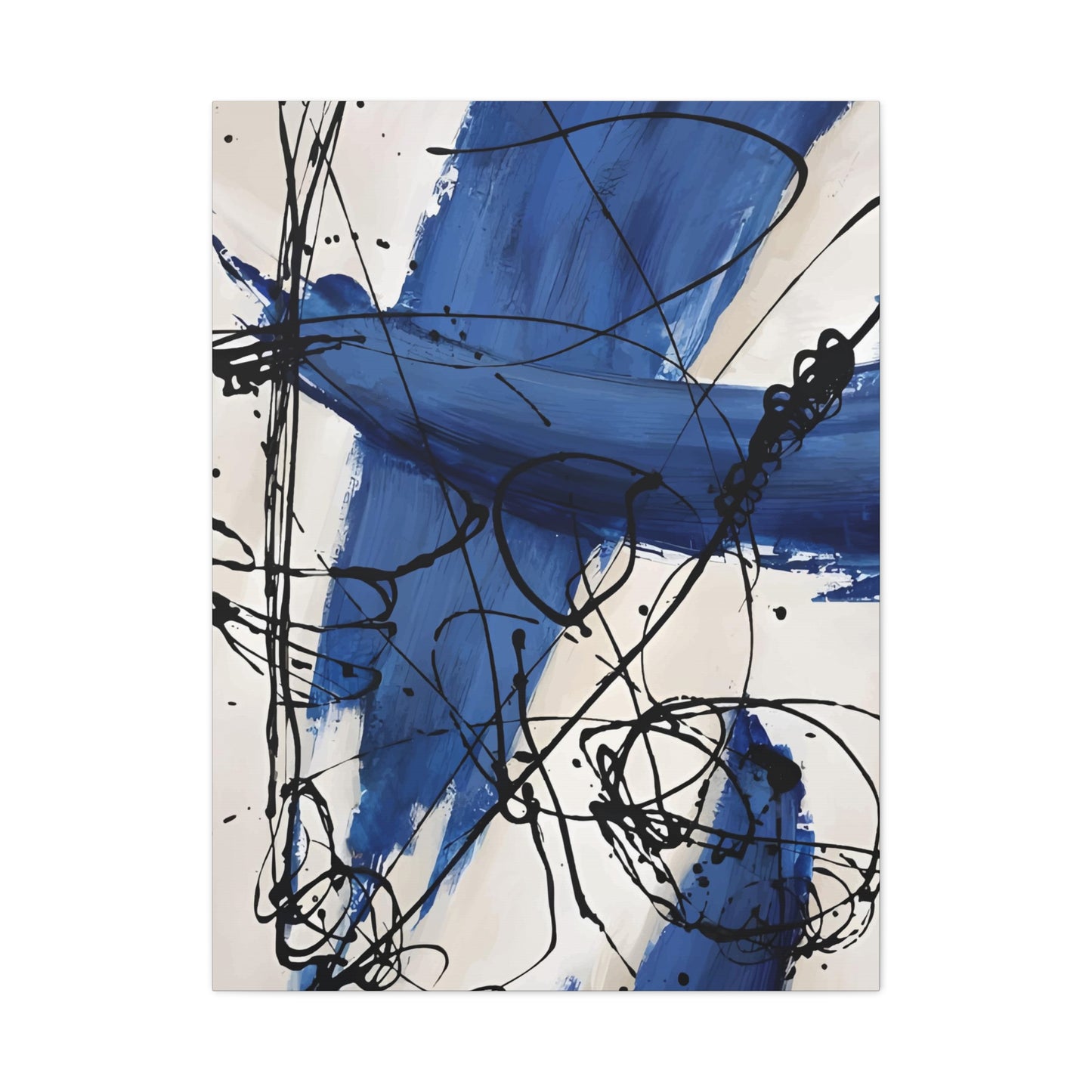
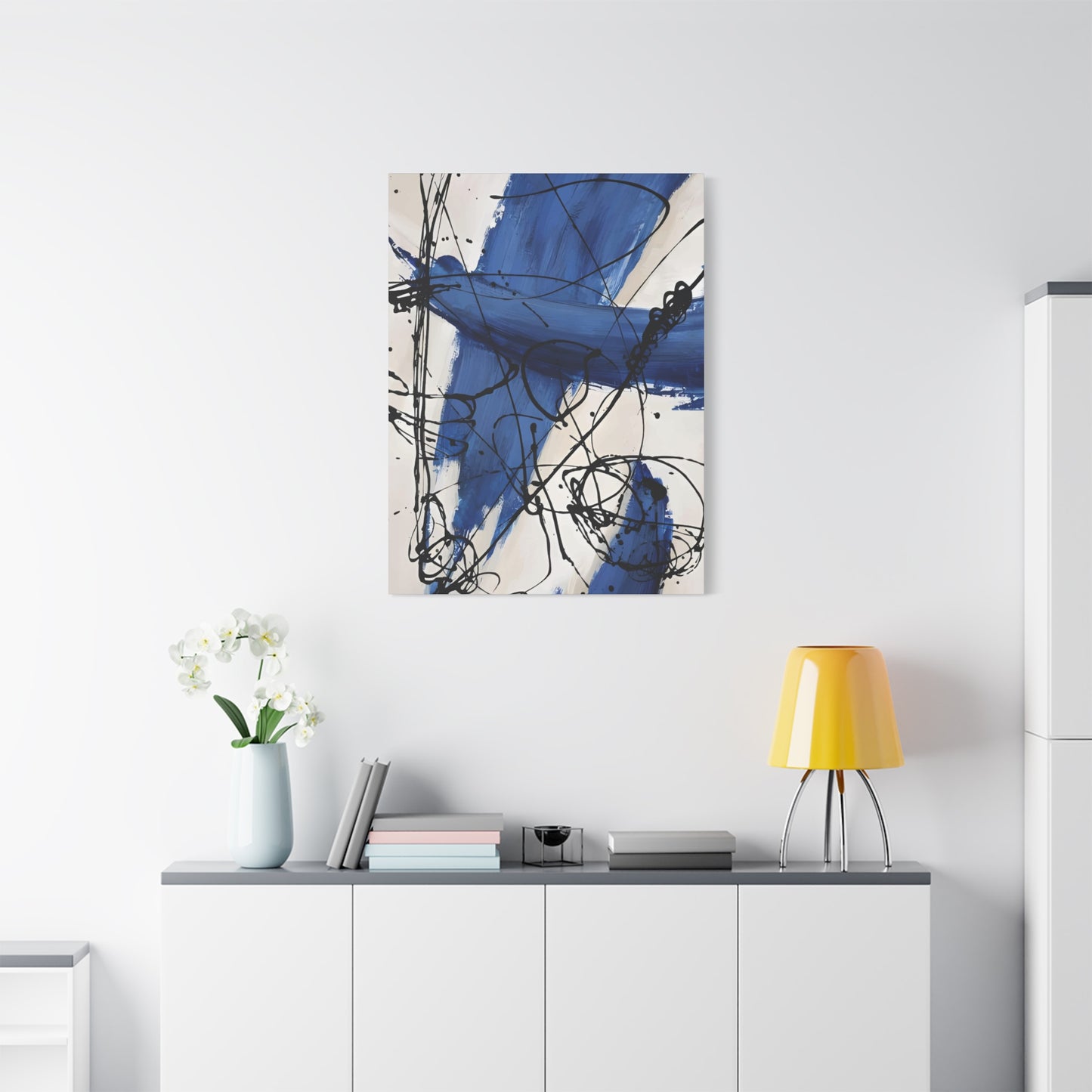
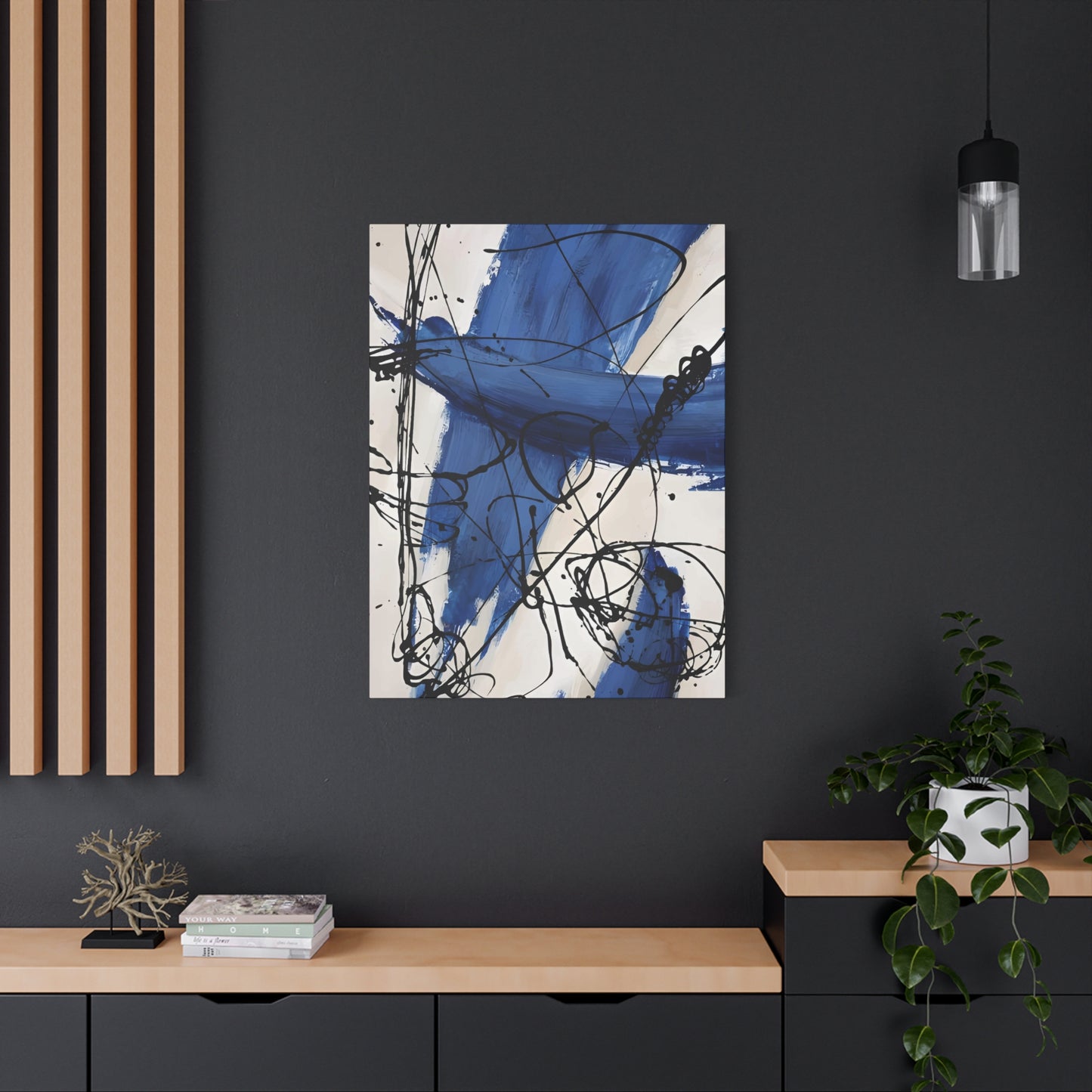
Joshua Wall Art & Canvas Prints
Joshua Wall Art & Canvas Prints
Couldn't load pickup availability
Modern Canvas Prints of Joshua Wall Art: A Sacred and Inspirational Touch for Your Home Décor
The intersection of faith, spirituality, and interior design has created a profound movement in contemporary home decoration. Biblical figures have long served as inspiration for artists throughout centuries, and today's homeowners seek meaningful connections through visual representations of scriptural narratives within their living spaces. Among the most compelling subjects for devotional artwork stands the figure whose name resonates with strength, courage, and unwavering faith in divine guidance.
Canvas prints depicting this Old Testament commander have become increasingly sought after by believers who desire to infuse their homes with reminders of spiritual fortitude and miraculous intervention. The visual representation of biblical heroes serves not merely as decoration but as constant inspiration for daily living, reminding occupants of the extraordinary possibilities that emerge when human determination aligns with heavenly purpose.
Exploring the Spiritual Significance Behind Biblical Canvas Imagery in Contemporary Homes
The practice of displaying religious imagery within domestic spaces traces back thousands of years across multiple civilizations and faith traditions. Ancient believers understood the power of visual reminders to strengthen conviction during challenging circumstances. Modern homeowners continue this tradition through carefully selected artwork that reflects their deepest values and beliefs.
Biblical canvas prints serve multiple purposes within contemporary living environments. They function as conversation starters that invite guests to engage with meaningful topics beyond superficial small talk. These pieces create focal points that draw the eye and mind toward contemplation of eternal truths rather than temporary concerns. For families raising children in faith-based households, such artwork provides daily opportunities to discuss scriptural narratives and their relevance to modern challenges.
The psychological impact of surrounding oneself with representations of courage and faith cannot be overstated. Neuroscience research has demonstrated that repeated exposure to specific imagery influences thought patterns and emotional responses. When individuals regularly encounter visual depictions of biblical victories, their subconscious mind begins associating their own circumstances with the possibility of similar triumphant outcomes.
Canvas prints offer particular advantages over traditional framed prints behind glass. The texture of canvas creates depth and dimension that flat prints cannot replicate. Light interacts differently with canvas surfaces, causing subtle shifts in appearance throughout the day as natural illumination changes. This dynamic quality keeps the artwork feeling fresh and engaging rather than static and overlooked.
Selecting the Perfect Dimensions for Maximum Visual Impact in Various Room Settings
Size considerations play a crucial role in determining how effectively artwork communicates its intended message within a space. Undersized pieces disappear against large walls, failing to command attention or make significant visual statements. Oversized artwork can overwhelm smaller rooms, creating feelings of claustrophobia rather than inspiration.
For primary living areas such as family rooms or open-concept spaces, large-scale canvas prints measuring 40 by 60 inches or greater create commanding focal points that anchor entire design schemes. These substantial pieces make bold declarations about the values and priorities of household occupants. When guests enter spaces dominated by such impressive biblical imagery, they immediately understand the central role faith plays in the lives of those who dwell there.
Medium-sized canvases ranging from 24 by 36 inches to 30 by 40 inches work exceptionally well in bedrooms, home offices, and dining areas. These dimensions provide sufficient visual weight to establish presence without overwhelming more intimate spaces. In bedrooms particularly, biblical imagery of this scale creates a peaceful atmosphere conducive to reflection before sleep and upon waking.
Smaller canvas prints measuring 16 by 20 inches or 18 by 24 inches suit hallways, entryways, and personal prayer corners. While more modest in scale, these pieces nonetheless deliver meaningful visual reminders throughout the home. Grouping several smaller canvases together creates gallery-wall effects that tell broader narratives through multiple related images.
Consider ceiling height when selecting canvas dimensions. Rooms with eight-foot ceilings accommodate different proportions than spaces with ten or twelve-foot ceilings. Vertical orientation elongates perceived wall height, making rooms feel more spacious. Horizontal orientation emphasizes width and creates calming, grounded sensations.
Color Palette Considerations That Harmonize Biblical Imagery With Existing Interior Design Schemes
The colors present within biblical artwork significantly influence how pieces integrate with surrounding decor. Warm earth tones including burnt sienna, ochre, and deep umber evoke ancient desert landscapes where many scriptural events unfolded. These hues complement traditional and rustic interior styles, creating cohesive visual flow throughout spaces.
Cool color palettes featuring azure blues, soft grays, and muted purples suggest spiritual contemplation and heavenly realms. Such colorations work beautifully in modern and contemporary settings where clean lines and minimalist aesthetics dominate. The contrast between stark white walls and richly colored biblical canvas creates dramatic visual interest without cluttering spaces.
Many homeowners prefer artwork that incorporates metallic accents such as gold leaf, copper highlights, or silver detailing. These elements add luxurious dimension while symbolizing the precious nature of faith and divine promises. Metallic components catch and reflect light, causing artwork to subtly shimmer and draw attention throughout various times of day.
Monochromatic treatments present another compelling option for those seeking sophisticated simplicity. Black and white biblical imagery possesses timeless elegance that transcends passing design trends. Sepia-toned pieces evoke historical authenticity, connecting viewers with the ancient origins of scriptural narratives while maintaining relevance to contemporary life.
When selecting colors, consider the emotional atmosphere desired within each room. Bedrooms benefit from calming, restful palettes that promote relaxation and peaceful sleep. Living areas might incorporate more vibrant, energizing colors that stimulate conversation and engagement. Home offices could feature focused, contemplative hues that enhance concentration and purposeful work.
Understanding the Narrative Elements That Make Biblical Warrior Imagery Particularly Compelling
The story of the commander who led Israel into the promised land contains numerous dramatic moments that translate powerfully into visual art. The crossing of the Jordan River on dry ground demonstrates miraculous intervention and divine faithfulness. The walls of Jericho falling after priests circled the city blowing rams' horns illustrates the power of obedience combined with supernatural assistance.
The sun standing still during a crucial battle represents perhaps the most extraordinary demonstration of heaven responding to human petition in all of scripture. Artists have depicted this moment countless times throughout history, each interpretation capturing different aspects of the wonder and awe such an event inspires. Modern canvas prints continue this tradition, offering fresh perspectives on familiar narratives.
The renewal of covenant at Shechem provides another significant narrative moment rich with symbolic meaning. The declaration that the household would serve the Lord regardless of others' choices resonates deeply with contemporary believers facing cultural pressures to compromise convictions. Artwork depicting this scene reminds viewers that faithfulness remains a choice requiring intentional commitment.
Lesser-known episodes from this commander's life also provide artistic inspiration. The encounter with the commander of the Lord's army before the Jericho conquest reveals humility and recognition of divine supremacy. The conflict with the Gibeonites teaches lessons about discernment and the consequences of decisions made without seeking heavenly wisdom. The farewell addresses delivered before death demonstrate concern for the next generation's spiritual welfare.
Each narrative element offers unique opportunities for artistic interpretation. Some pieces emphasize action and conquest, appealing to those drawn to themes of spiritual warfare and overcoming obstacles. Others highlight worship and covenant, resonating with believers focused on devotional practices and relationship with the divine. The diversity of available imagery ensures every household can find representations that speak to their particular spiritual journey.
Examining Various Artistic Styles That Bring Biblical Scenes to Life on Canvas
Realistic representational art attempts to depict biblical figures and events as they might have actually appeared, with attention to historical accuracy in clothing, architecture, and landscape details. This approach appeals to viewers who appreciate grounded, tangible connections to scriptural narratives. Realistic pieces often incorporate extensive research into ancient Middle Eastern culture, creating educational value alongside aesthetic appeal.
Impressionistic interpretations focus on capturing the emotional essence and spiritual atmosphere of biblical moments rather than precise details. Brushstrokes become visible and colors blend, creating dreamlike qualities that emphasize the supernatural dimensions of scriptural events. This style suits contemplative spaces where meditation and reflection take priority over activity and productivity.
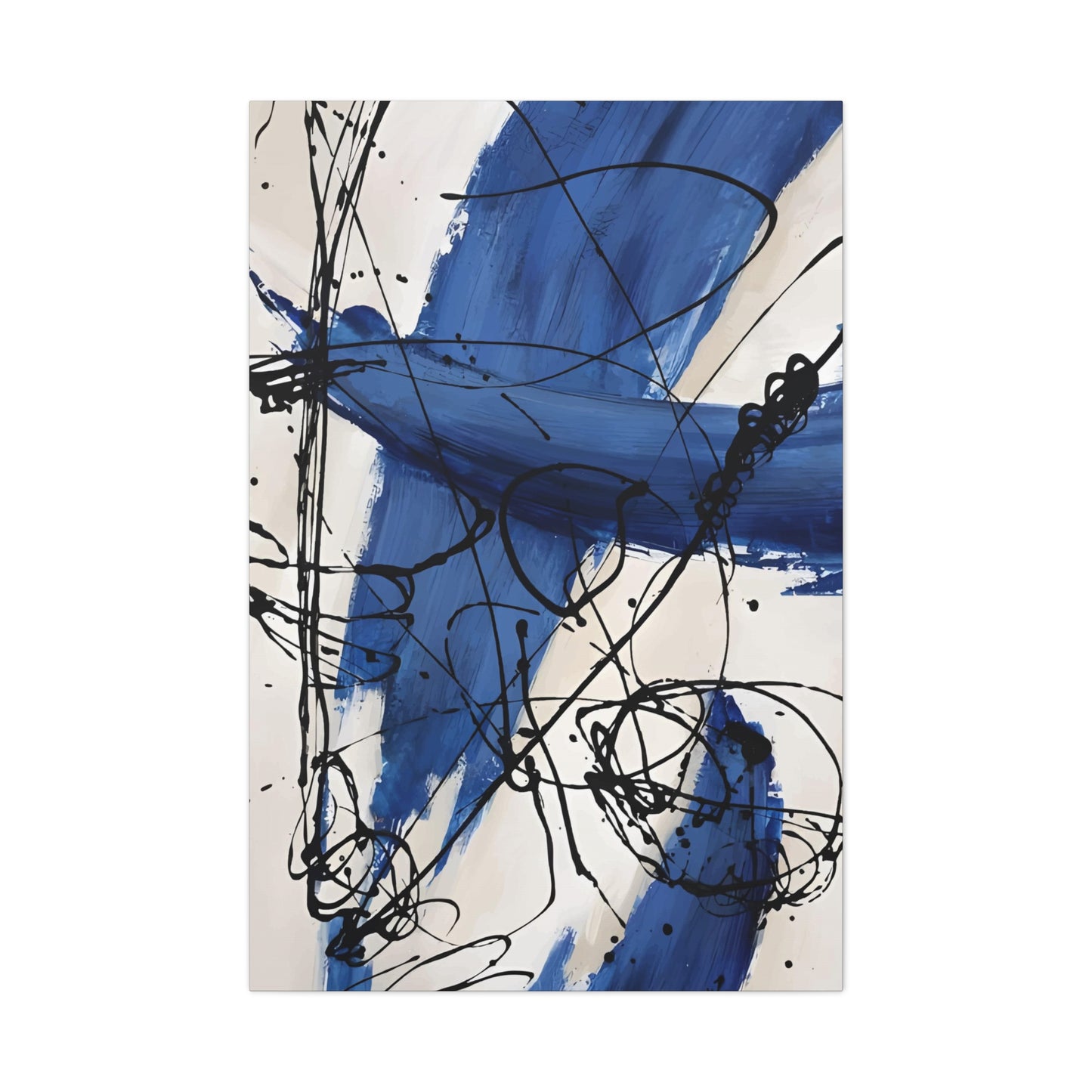
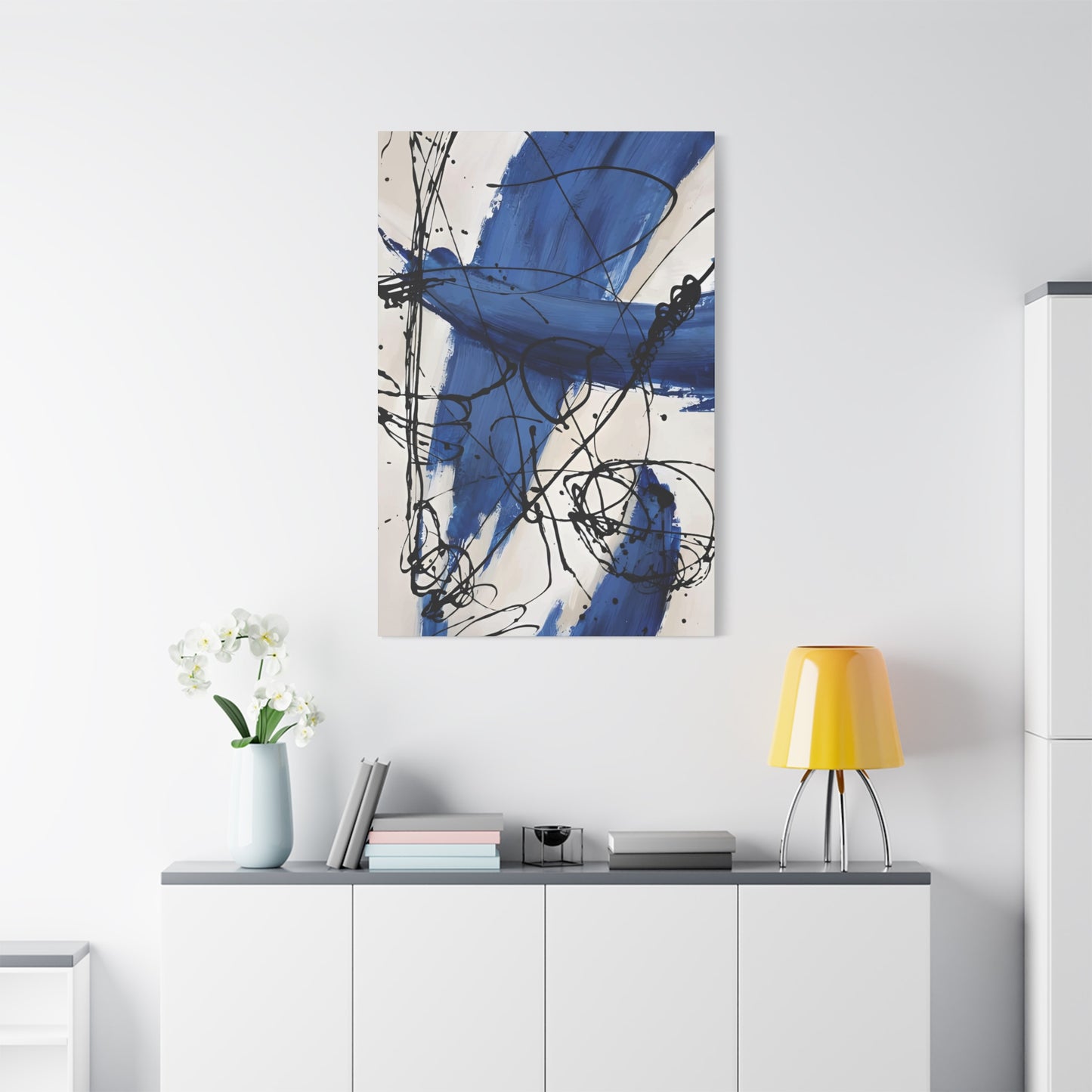
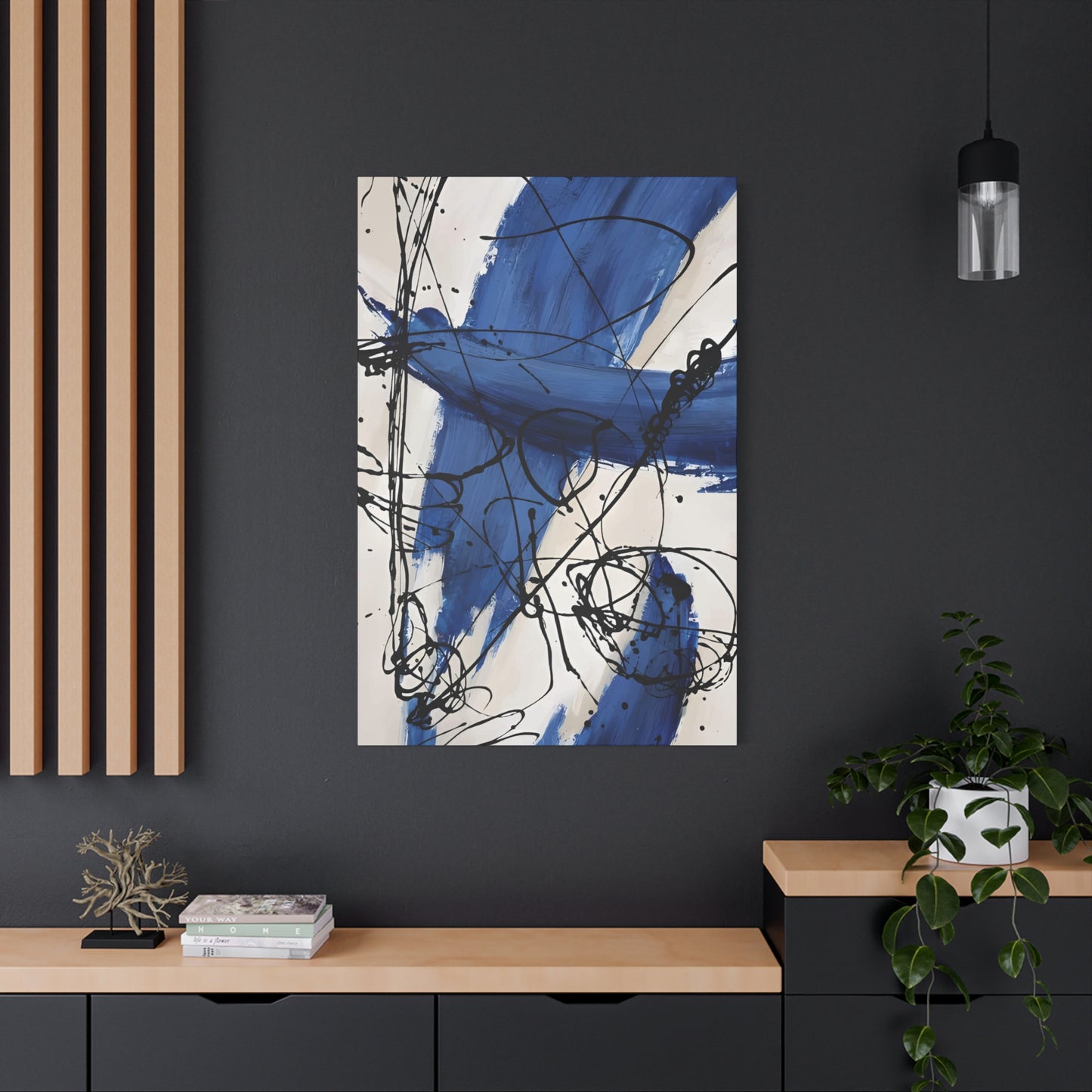
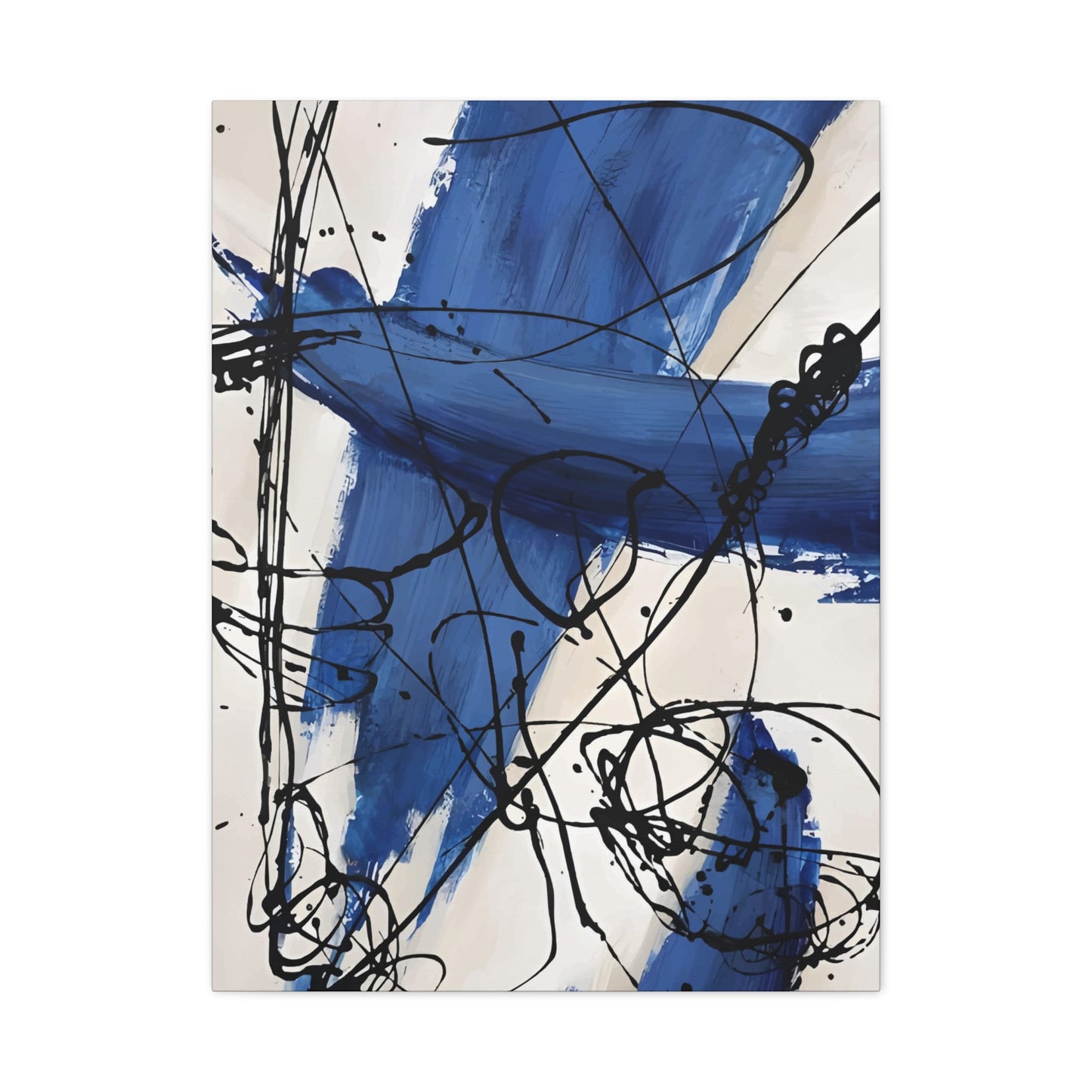
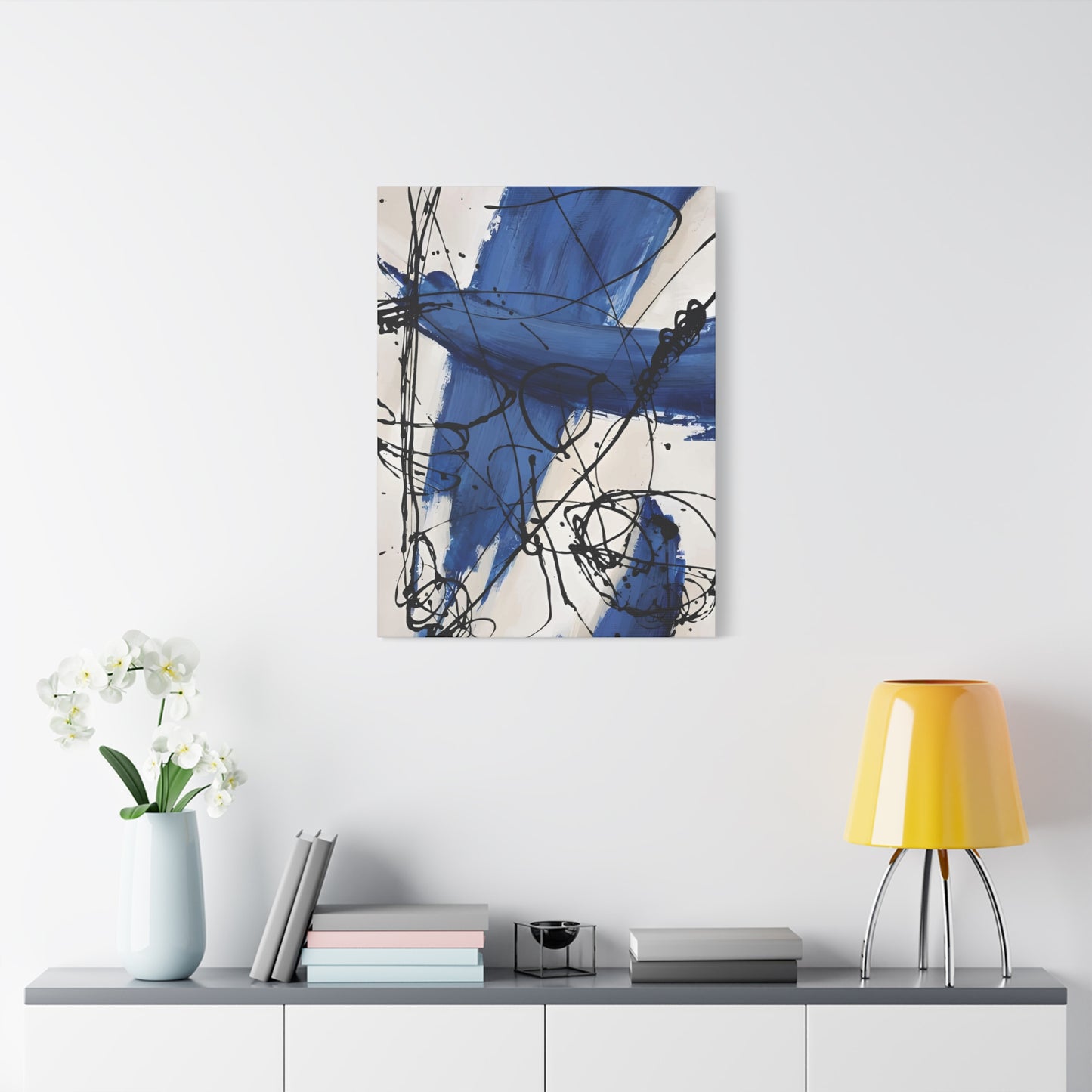
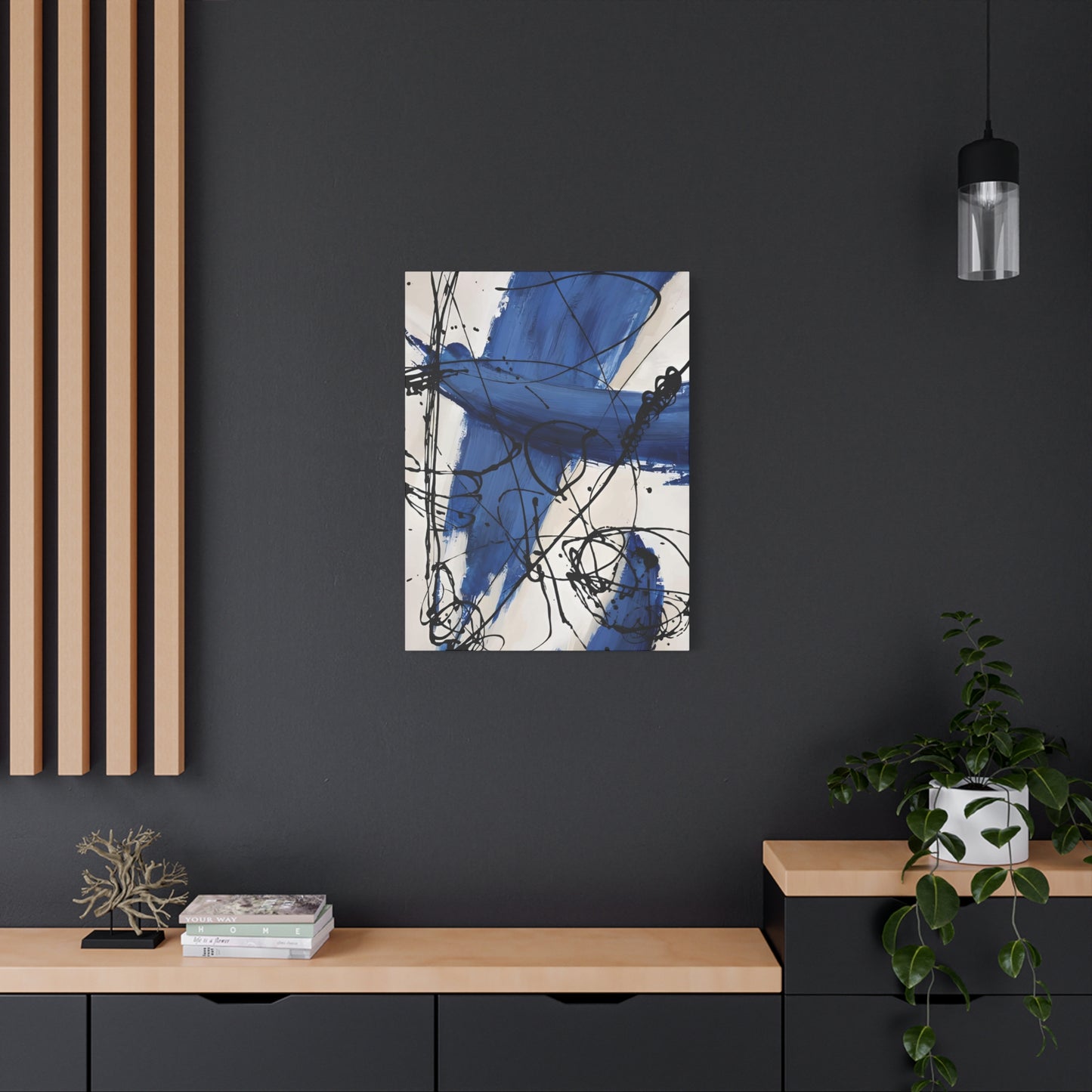
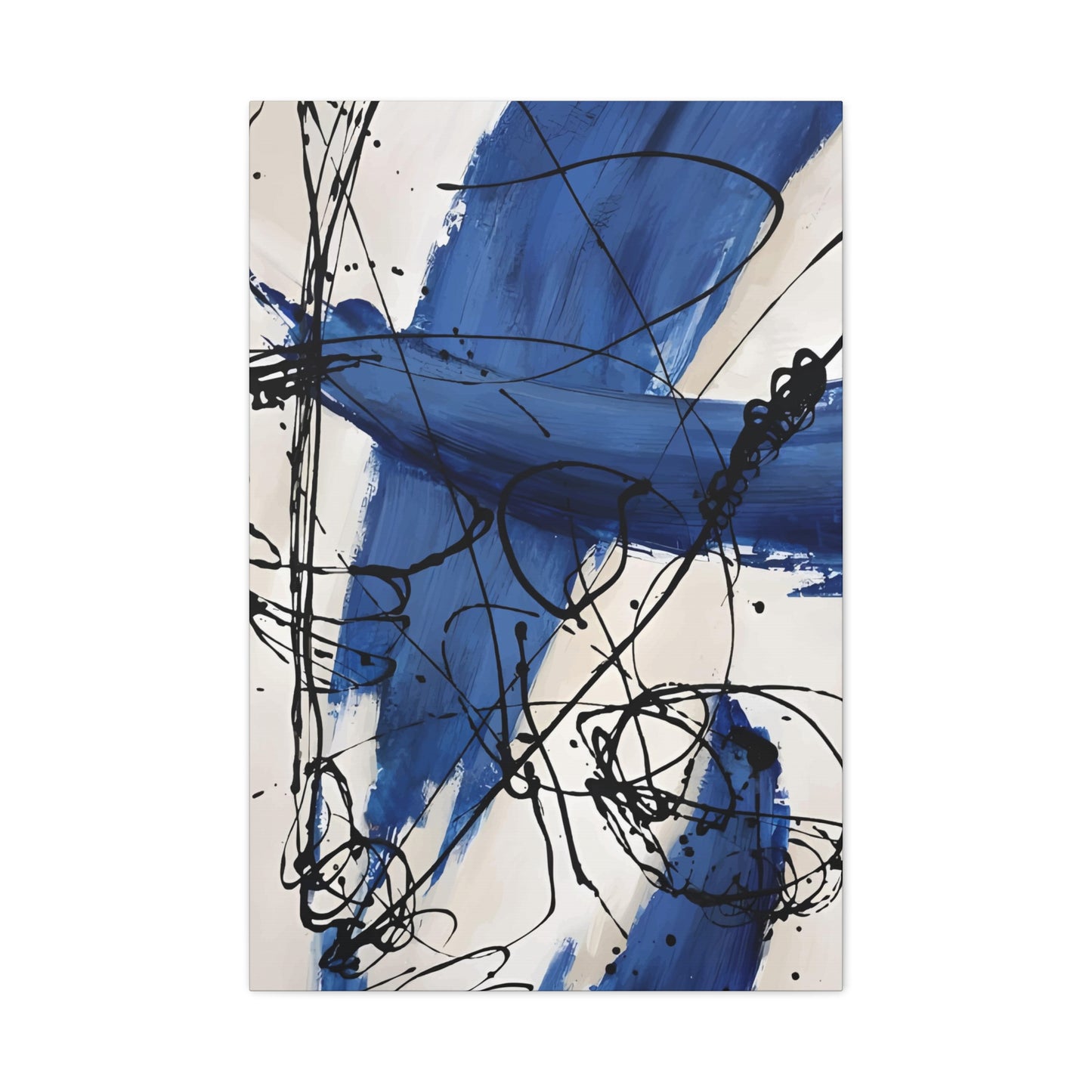
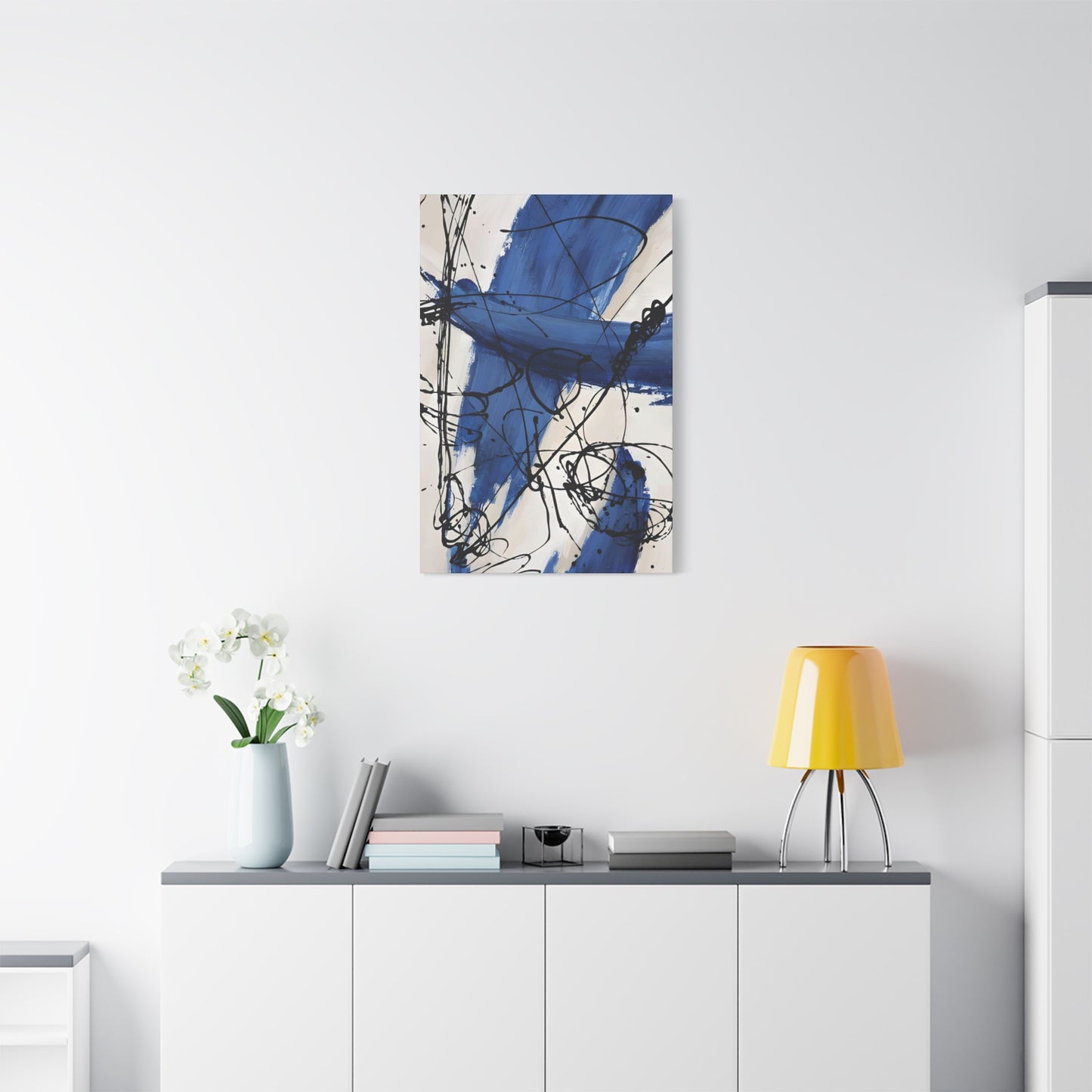
Abstract biblical art distills narratives down to essential symbolic elements through shapes, colors, and compositions that suggest meaning without literal representation. Such pieces invite viewers to engage imaginatively with familiar stories, discovering new insights through metaphorical visual language. Abstract approaches work particularly well in modern minimalist interiors where traditional representational art might feel stylistically incongruous.
Folk art interpretations bring warmth and accessibility to biblical imagery through simplified forms and bright, cheerful colors. This style creates welcoming, non-intimidating atmospheres particularly suitable for children's spaces and family gathering areas. Folk art pieces often incorporate cultural elements from specific traditions, celebrating the universal nature of biblical narratives across diverse communities.
Mixed media pieces combine painting with collage, digital elements, or three-dimensional components to create layered, textured effects. These innovative approaches reflect the complex, multifaceted nature of faith itself, acknowledging that spiritual truth contains depths beyond what single artistic methods can fully express. Mixed media works become conversation pieces that reward extended contemplation.
Placement Strategies That Maximize the Devotional Impact of Biblical Canvas Prints
The location where biblical artwork hangs significantly affects how often household members engage with it and what associations form around it. Placing canvas prints directly opposite entryways ensures that these images provide first impressions for both residents and guests. This positioning makes clear declarations about household priorities before any verbal communication occurs.
Above seating areas in living rooms or family rooms, biblical artwork becomes part of regular gathering spaces where families spend significant time together. This placement facilitates spontaneous discussions about faith as children ask questions about images they see daily. Parents can use these visual prompts to teach scriptural narratives naturally within the context of everyday life.
Bedroom placement creates intimate devotional spaces where individuals can begin and end each day focused on spiritual truth. Positioning biblical canvas opposite the bed ensures that these images are among the first things seen upon waking and last things viewed before sleeping. This strategic placement influences subconscious thought patterns during both wakeful hours and sleep cycles.
Home office or workspace installations provide encouragement during challenging professional situations. When work pressures mount and decision-making becomes difficult, glancing at depictions of biblical courage and divine faithfulness offers perspective and renewed strength. These visual reminders help maintain ethical standards and godly priorities within secular work environments.
Dining areas benefit from biblical imagery that emphasizes covenant, community, and divine provision. Artwork in these spaces enhances the sacred nature of shared meals, transforming ordinary dining into occasions for gratitude and connection. Families who pray together before meals find that surrounding biblical artwork reinforces the spiritual dimensions of gathering around the table.
Stairways and hallways often become neglected spaces in home design schemes, yet these transitional areas offer excellent opportunities for displaying multiple related pieces. Creating narrative sequences that tell complete biblical stories through a series of smaller canvases transforms previously wasted space into engaging visual storytelling that educates while beautifying.
Caring for Canvas Prints to Ensure Lasting Beauty and Preservation
Canvas durability depends significantly on the quality of materials used during production and the environmental conditions where pieces hang. High-quality canvas prints utilize archival inks that resist fading when exposed to normal indoor lighting. These pigments maintain color vibrancy for decades when proper care precautions are followed.
Direct sunlight represents the primary threat to canvas longevity. Ultraviolet radiation breaks down both canvas fibers and ink pigments over time, causing colors to fade and materials to deteriorate. Hanging biblical canvas prints on walls that receive indirect natural light rather than direct sun exposure dramatically extends their lifespan. Where direct sunlight cannot be avoided, consider installing UV-protective window films or hanging sheer curtains that filter harsh rays.
Humidity levels affect canvas stability, causing expansion and contraction that can eventually lead to warping or sagging. Maintaining consistent humidity between 40 and 60 percent protects canvas integrity. Avoid hanging pieces in bathrooms or other high-moisture environments unless specifically treated for such conditions. Dehumidifiers help control excess moisture in naturally humid climates.
Dust accumulation dulls artwork over time and can embed particles into canvas texture where they become difficult to remove. Regular dusting using soft, dry microfiber cloths prevents buildup. Always dust gently in the direction of the canvas weave rather than against it. Avoid using chemical cleaners or liquid solutions unless specifically designed for canvas, as moisture can damage both canvas and inks.
Temperature extremes stress canvas materials, particularly rapid fluctuations between hot and cold. Avoid hanging biblical artwork near heat vents, air conditioning returns, fireplaces, or exterior walls in regions with significant seasonal temperature variations. Stable temperatures prevent the expansion and contraction cycles that eventually compromise structural integrity.
Professional conservation becomes necessary when damage occurs beyond simple surface dust. Tears, water damage, significant fading, or structural issues require expert attention. Attempting amateur repairs often causes additional harm. Reputable art conservators possess specialized knowledge and materials needed to restore damaged pieces while preserving as much original material as possible.
Framing Options That Enhance Visual Presentation While Protecting Canvas Edges
Gallery wrap technique stretches canvas around wooden frame edges, continuing the image around sides. This approach creates a finished, frameless appearance that emphasizes the artwork itself without additional borders. Gallery wrapped biblical canvas prints suit modern and contemporary interiors where clean lines and minimal embellishment define the aesthetic.
Floating frames create visual separation between canvas and wall surface by mounting artwork within frames that leave gaps around edges. This presentation style adds dimension and importance to pieces, drawing additional attention while maintaining a relatively modern appearance. Floating frames work beautifully with both traditional and contemporary biblical imagery.
Traditional wooden frames provide classic presentation that complements period furnishings and formal design schemes. Ornate gilded frames suggest importance and reverence, appropriate for biblical subject matter. Simpler wooden frames in natural finishes create rustic, approachable atmospheres. Frame selection should harmonize with both the artwork itself and surrounding interior design elements.
Metal frames offer sleek, contemporary presentation particularly suitable for abstract or modern interpretations of biblical themes. Brushed nickel, oil-rubbed bronze, or matte black finishes provide sophisticated backdrops that don't compete with artwork for attention. Metal frames work especially well in offices, urban apartments, and minimalist homes.
Shadow box framing creates substantial depth by positioning canvas several inches away from backing material. This dramatic presentation adds sculptural qualities to two-dimensional artwork. Shadow boxes suit feature walls or areas where biblical canvas serves as the primary decorative element rather than one component among many.
Frameless mounting using hidden hanging systems creates ultra-modern presentations where artwork appears to float directly against walls. This minimalist approach works best with gallery-wrapped canvas in contemporary settings. The absence of framing focuses all attention on the image itself without any decorative distractions.
Creating Cohesive Multi-Panel Displays That Tell Complete Biblical Narratives
Triptych arrangements present three related panels side by side, often with a larger central image flanked by smaller complementary pieces. This classical format works beautifully for depicting sequential biblical narratives, showing before, during, and after moments from significant events. Triptychs create focal points suitable for large walls in living rooms, dining areas, or church fellowship halls.
Polyptych displays extend the triptych concept to four or more panels, allowing for more complex storytelling through multiple scenes. These ambitious arrangements suit particularly large walls or entire room corners where they can command attention without overwhelming spaces. Polyptychs work exceptionally well for depicting extended narratives such as the conquest of the promised land.
Vertical stacking of horizontal panels creates columnar effects that draw the eye upward, emphasizing verticality and creating impressions of height. This arrangement suits narrow wall spaces such as those beside doorways or between windows. Vertical arrangements also work beautifully on stairway walls where panels can ascend or descend alongside steps.
Grid arrangements present four, six, nine, or more equal-sized panels in symmetrical patterns. This orderly approach appeals to those who appreciate structure and balance. Grids work well for displaying different aspects of a single biblical figure's life or comparing related themes across multiple scriptural narratives.
Asymmetrical gallery walls combine various sizes and orientations in seemingly random patterns that nonetheless create balanced compositions. This approach allows incorporation of biblical canvas alongside other meaningful items such as family photos, scripture calligraphy, or three-dimensional objects. Gallery walls tell personalized stories that reflect unique household faith journeys.
Spacing between panels significantly affects overall visual impact. Closer spacing emphasizes connections between images, suggesting unified narratives. Wider spacing allows each piece to stand independently while still contributing to overall thematic coherence. Generally, spacing between 2 and 4 inches works well for most multi-panel arrangements.
Commissioning Custom Biblical Artwork That Reflects Personal Faith Journeys and Family Heritage
Custom commissioned pieces allow believers to request specific biblical scenes, interpretations, or stylistic approaches not readily available through commercial channels. Working directly with artists creates collaborative processes where personal spiritual insights influence final results. Commissioned artwork becomes truly unique, reflecting both the artist's creative vision and the patron's faith journey.
Finding artists whose existing work resonates spiritually provides good starting points for commissioning processes. Review portfolios carefully, noting how artists handle biblical subject matter, their command of various styles, and the emotional qualities their work evokes. Initial consultations should explore both artistic capabilities and spiritual understanding, ensuring alignment between artist and patron.
Clear communication about expectations prevents disappointment and ensures satisfactory outcomes. Provide reference images, describe desired emotional tones, specify size requirements, and discuss color preferences. Share personal connections to specific biblical narratives, explaining why particular stories hold special significance. Artists who understand the deeper meaning pieces will hold for patrons create more emotionally resonant work.
Timeline discussions should establish realistic completion dates while allowing sufficient time for thoughtful creative processes. Rushed artwork rarely achieves the quality of pieces created with adequate time for contemplation and refinement. Most substantial canvas pieces require several weeks minimum from initial consultation through final delivery.
Budget conversations should occur early in commissioning processes, establishing what financial resources are available and what scope of work those resources can realistically secure. Custom artwork represents significant investments, but the resulting unique pieces often become treasured family heirlooms passed down through generations.
Progress updates maintain engagement throughout creation processes and allow for course corrections if artistic direction strays from intended outcomes. Most artists provide periodic photographs showing work in various stages of completion. These check-ins offer opportunities for feedback before pieces progress too far for easy modification.
Incorporating Biblical Canvas Prints Into Themed Room Designs Centered Around Faith and Worship
Prayer rooms dedicated specifically to devotional practices benefit enormously from carefully selected biblical imagery that facilitates meditation and communication with the divine. These intimate spaces might feature single large canvas pieces that serve as focal points during prayer, or multiple smaller pieces arranged to create contemplative atmospheres. Lighting in prayer rooms should highlight artwork while maintaining overall dimness that encourages introspection.
Children's rooms offer wonderful opportunities to introduce biblical narratives through age-appropriate artistic styles and content. Bright colors, simplified forms, and clear storytelling help young minds engage with scriptural truths. As children mature, artwork can be updated to reflect growing understanding and deeper engagement with faith complexities.
Home study spaces for biblical research and theological reading deserve artwork that inspires continued learning. Maps showing biblical lands, depictions of key events, or portraits of significant figures provide visual reference points that enhance textual study. Such spaces might incorporate multiple smaller pieces that collectively survey broad scriptural narratives.
Guest rooms that incorporate biblical canvas communicate household values to visitors while potentially ministering to guests during vulnerable times. Travelers often experience loneliness, anxiety, or spiritual questioning while away from familiar surroundings. Thoughtfully selected artwork in guest spaces offers comfort and reassurance through visual reminders of divine presence and faithfulness.
Multipurpose spaces that serve both secular and sacred functions benefit from biblical artwork that elevates everyday activities without creating overly solemn atmospheres. Cheerful, hopeful representations of biblical triumph and joy maintain encouraging environments suitable for family life while still pointing toward spiritual truths.
Exploring Scriptural Passages That Complement Visual Depictions of Biblical Warriors
The written word and visual imagery work synergistically, each enhancing understanding of the other. Pairing specific scripture passages with corresponding artwork deepens engagement with both textual and visual elements. Consider displaying relevant verses alongside or beneath biblical canvas prints using calligraphy, vinyl lettering, or printed cards.
Key passages from the Book describing the commander's life provide natural textual accompaniments to visual depictions. The charge to be strong and courageous appears repeatedly throughout the early chapters, establishing courage as a central theme. This exhortation resonates across millennia, speaking to contemporary believers facing their own intimidating challenges.
The promise that divine presence would accompany the commander wherever he went offers profound comfort during uncertain times. Pairing this assurance with imagery of the Jordan crossing or early conquests creates powerful combinations that remind viewers they never face circumstances alone. Visual depiction combined with explicit textual promise reinforces faith that transcends rational analysis.
The account of the sun standing still includes the bold prayer that preceded the miracle. Displaying this passage with corresponding artwork emphasizes the human element in divine intervention. God responds to His people's petitions, particularly when those requests align with His purposes. This encouragement emboldens believers to bring audacious requests before heaven.
The covenant renewal speech delivered at Shechem challenges hearers to choose whom they will serve. The declaration that the speaker's household would serve the Lord provides a powerful statement of commitment. This passage pairs beautifully with family-oriented living spaces, reminding all household members of collective devotion to faith.
The farewell addresses delivered before death emphasize legacy and the importance of passing faith to subsequent generations. These sobering reflections suit spaces where families gather for significant discussions or where individuals contemplate mortality and eternal matters. The combination of visual and textual elements creates particularly poignant moments of reflection.
Gifting Biblical Canvas Prints for Meaningful Occasions That Celebrate Faith Milestones
Baptism celebrations mark public declarations of faith and commitment to following divine ways. Biblical canvas depicting covenant or commissioning scenes makes appropriate gifts that commemorate these spiritual milestones. Such presents carry lasting value far beyond typical gift options, serving as permanent reminders of sacred commitments.
Weddings establish new households where godly foundations must be laid. Canvas prints showing covenant scenes or depicting faithful servants provide excellent gifts for newly married couples. These pieces help establish visual environments that keep spiritual priorities central as couples navigate the challenges of building lives together.
Ordination or commissioning services for those entering ministry deserve gifts acknowledging the seriousness of callings received. Biblical imagery showing leadership, courage, or divine commissioning speaks directly to situations ministers face. Such artwork in pastors' homes or offices provides encouragement during difficult seasons of service.
Graduation from biblical studies programs or seminary deserves commemoration through meaningful gifts reflecting years of spiritual and intellectual growth. Canvas prints depicting scenes related to learning, obedience, or faithfulness acknowledge both completed preparation and coming responsibilities to serve others through acquired knowledge.
New home purchases present ideal occasions for gifting biblical artwork that helps families establish godly atmospheres in fresh living spaces. Rather than generic housewarming gifts, biblical canvas makes clear statements about hoped-for spiritual climate in new residences. These gifts communicate care for recipients' spiritual wellbeing alongside their physical comfort.
Personal spiritual anniversaries marking conversion experiences, answered prayers, or seasons of spiritual breakthrough deserve commemoration through meaningful gifts. Selecting biblical imagery that speaks to specific circumstances shows thoughtfulness and spiritual discernment. Such personalized gifts become treasured possessions that reconnect recipients with formative spiritual experiences.
Balancing Biblical Artwork With Other Decorative Elements to Avoid Overwhelming Spaces
Even deeply religious households benefit from varied visual environments that don't create monotonous or overly intense atmospheres. Biblical canvas should coexist with other decorative elements including family photographs, natural materials, plants, and functional design components. Balance creates livable spaces that honor faith without feeling like museum exhibits or religious institutions.
The 60-30-10 design principle offers helpful guidance for incorporating biblical artwork proportionately. Approximately 60 percent of visual elements should consist of neutral foundational components like wall colors, flooring, and major furniture pieces. Thirty percent might include secondary elements such as accent furniture, window treatments, and decorative accessories. The remaining 10 percent comprises bold focal points including significant artwork pieces.
Applying this principle, biblical canvas naturally occupies that crucial 10 percent, serving as focal points that anchor entire design schemes. Supporting this primary artwork with complementary accessories in the 30 percent category creates cohesion. The neutral 60 percent provides restful backgrounds that prevent visual chaos and allow meaningful elements to shine.
Texture variety prevents spaces from feeling flat or one-dimensional. Smooth canvas paintings benefit from surrounding textures including woven baskets, rough-hewn wood furniture, soft fabric upholstery, and natural fiber rugs. This tactile diversity creates sensory richness that engages visitors on multiple levels simultaneously.
Color coordination between biblical artwork and surrounding elements creates harmonious environments where nothing clashes or competes unnecessarily for attention. Pull accent colors from canvas pieces to use in throw pillows, blankets, or decorative objects. This repetition creates visual flow that guides the eye naturally throughout spaces.
Negative space remains as important as filled areas. Resist temptations to cover every available wall surface with artwork or accessories. Empty spaces provide visual rest and prevent sensory overload. Biblical canvas makes stronger statements when surrounded by simplicity than when crowded by competing visual elements.
Discovering Emerging Artists Who Bring Fresh Perspectives to Classical Biblical Themes
Contemporary artists continue reimagining biblical narratives through modern lenses, creating innovative interpretations that speak to current cultural contexts while remaining faithful to scriptural truths. Discovering these emerging voices provides opportunities to acquire unique pieces while supporting working artists who dedicate themselves to faith-based creative expression.
Online platforms specializing in religious art connect believers with artists worldwide. These marketplaces showcase diverse styles, price points, and interpretive approaches, making it easier than ever to find pieces that resonate personally. Many platforms allow direct communication with artists, facilitating discussions about custom work or simply enabling patrons to express appreciation for existing pieces.
Art shows at churches, faith-based conferences, or religious bookstores provide in-person opportunities to view biblical artwork and meet artists directly. These encounters allow examination of technique details impossible to fully appreciate through digital images. Conversations with creators reveal spiritual motivations and creative processes that deepen appreciation for finished works.
Social media platforms enable artists to build followings and share work-in-progress images that document creative journeys. Following biblical artists on these platforms provides regular inspiration while supporting their ministries through shares and engagement. Many artists offer limited editions or special releases exclusively to social media followers.
Art cooperatives and faith-based creative communities bring together multiple artists working in religious themes. These collectives provide mutual support while making it easier for potential patrons to discover new voices. Group shows organized by such cooperatives present opportunities to compare various approaches side by side.
Artist statements and biographical information help patrons understand perspectives and experiences that shape creative output. Learning about artists' faith journeys, artistic training, and motivations for creating biblical work adds meaning to acquisitions. Supporting artists whose life stories resonate creates connections beyond simple transactions.
Utilizing Biblical Canvas in Corporate Worship Spaces and Community Gathering Places
Church sanctuaries benefit from large-scale biblical artwork that enhances worship experiences and directs attention toward spiritual truths. Unlike private homes where intimate scale might be preferred, corporate worship spaces accommodate monumental pieces that command attention from distances. Such installations become integral components of worship architecture.
Fellowship halls and multipurpose church spaces require artwork that maintains sacred atmosphere while accommodating various activities from children's programs to community meals. Biblical canvas in these transitional spaces reminds users that all activities undertaken within church facilities carry spiritual dimensions even when not explicitly devotional.
Church offices where pastoral staff counsel struggling individuals benefit from carefully selected biblical imagery that offers hope without trivializing suffering. Scenes depicting divine faithfulness during difficult circumstances or showing compassionate responses to human need create atmospheres conducive to vulnerable conversations and healing prayer.
Youth spaces require biblical artwork that engages younger generations through relevant styles and compelling presentations. Abstract interpretations, bold graphics, or culturally current artistic approaches help bridge perceived gaps between ancient texts and contemporary experience. Artwork in youth areas should invite questions and discussion rather than communicating that faith requires passive acceptance.
Prayer chapels designed for intimate encounters with the divine benefit from singular powerful pieces that facilitate meditation without distraction. These focused spaces might feature single canvas prints surrounded by otherwise minimal decoration, allowing the artwork itself to become a portal for contemplation and communion.
Outdoor gathering spaces including courtyards, gardens, or covered pavilions can incorporate weather-resistant canvas treatments or alternative materials that replicate canvas aesthetics while withstanding environmental exposure. Biblical imagery in outdoor settings connects natural creation with scriptural narratives, celebrating the Creator revealed through both nature and special revelation.
Preserving Family Heritage Through Biblical Artwork That Represents Cultural and Ethnic Diversity
The universal nature of biblical narratives allows for culturally contextualized artistic interpretations that honor specific ethnic heritages while remaining faithful to scriptural content. African, Asian, Hispanic, Indigenous, and other cultural artistic traditions bring unique perspectives that enrich global understanding of timeless spiritual truths.
Artists depicting biblical figures with ethnic characteristics from various people groups remind viewers that scriptural narratives transcend particular cultures while simultaneously belonging to all cultures. A believer from any background can identify with biblical heroes when artwork reflects familiar phenotypes, clothing styles, or cultural markers.
Multicultural households or families with diverse ethnic backgrounds benefit from biblical artwork representing multiple traditions. This visual diversity celebrates the breadth of God's creation and the universal reach of biblical truth across all human divisions. Children raised in such environments develop more inclusive understandings of faith communities.
Immigrant families maintaining connections to countries of origin find comfort in biblical artwork reflecting homeland artistic traditions. These pieces honor cultural heritage while demonstrating that faith transcends geographical boundaries. Such artwork becomes part of passing both spiritual and cultural inheritance to subsequent generations.
Cross-cultural adoptive families sometimes deliberately select biblical artwork representing their children's ethnic backgrounds, affirming that heritage matters while emphasizing the even deeper connections formed through shared faith. These thoughtful choices communicate value for all aspects of children's identities.
International art cooperatives bring together artists from multiple countries, offering patrons opportunities to acquire pieces reflecting global Christianity. Supporting such cooperatives promotes cross-cultural understanding while enabling artists in economically challenged regions to sustain themselves through sacred art creation.
Examining the Symbolism Embedded Within Biblical Warrior Imagery Beyond Surface Narratives
Visual depictions of biblical conquest contain layered meanings extending far beyond historical military campaigns. The promised land itself symbolizes the abundant life available to faithful believers, characterized by fruitfulness, security, and divine blessing. Entry into this territory required both divine intervention and human participation, modeling the cooperative nature of spiritual growth.
The Jordan River represents transitional boundaries between former existence and promised destiny. Crossing this barrier on dry ground illustrates that obstacles blocking progress toward divine purposes will give way when faithful obedience combines with supernatural assistance. This symbolism resonates with anyone facing intimidating transitions between current circumstances and hoped-for futures.
The walls of Jericho symbolize seemingly impenetrable obstacles that yield not through conventional assault but through obedient action that appears foolish by worldly standards. Marching in circles and blowing trumpets would not normally demolish fortified cities, yet these actions demonstrated faith that divine power would accomplish what human strength could not. This narrative encourages believers facing impossible situations to obey counterintuitive divine directives.
The sun standing still represents the ultimate symbol of heaven responding to human petition in ways that transcend natural order. This astronomical impossibility demonstrates that Creator God remains intimately involved with human affairs and willing to suspend normal operations when doing so serves His purposes. Such faith-building accounts remind believers that no request is too audacious when aligned with divine will.
The division of conquered territory among tribes symbolizes the importance of each believer finding and occupying their specific calling and place within broader spiritual communities. Not everyone receives identical assignments, but all contribute essential roles in collective flourishing. This principle combats comparison and competition within faith communities.
The cities of refuge established throughout the land symbolize mercy and justice operating together. These havens protected those who accidentally caused death while still holding them accountable through exile from home territories. The symbolism points toward humanity's need for both justice and grace, perfectly fulfilled in the gospel narrative.
Coordinating Biblical Canvas Selection With Liturgical Seasons and Church Calendar Observances
Christian households observing the traditional church calendar throughout the year might rotate biblical artwork to correspond with liturgical seasons. This practice keeps visual environments fresh while deepening engagement with the spiritual themes each season emphasizes. Artwork rotation requires sufficient storage space and careful handling to prevent damage.
Advent season preceding Christmas focuses on anticipation and preparation. Biblical canvas depicting prophecies, promises, or expectant waiting suits this season. Imagery showing figures who waited faithfully for divine fulfillment creates appropriate atmospheres during these preparatory weeks.
Christmas celebration emphasizes incarnation and divine entry into human experience. While nativity scenes naturally dominate, artwork showing Old Testament foreshadowing of coming redemption also fits this season. Prophecies fulfilled through Christ's birth connect across testament boundaries.
Epiphany season following Christmas highlights revelation of Christ to gentile nations. Artwork depicting the inclusion of outsiders or the breaking down of ethnic divisions between peoples suits this season. Themes of light overcoming darkness also characterize Epiphany.
Lent preceding Easter calls for somber reflection on sin, sacrifice, and redemption's cost. Biblical imagery showing human rebellion, divine judgment tempered by mercy, or foreshadowing of Christ's passion through Old Testament narratives fits this penitential season. Artwork during Lent should encourage introspection.
Easter celebration of resurrection brings joyful imagery of victory, life overcoming death, and divine triumph. Biblical scenes showing miraculous deliverance, impossible situations reversed, or celebrations following divine intervention match the jubilant character of this holiest of Christian seasons.
Pentecost commemorating the Holy Spirit's arrival emphasizes empowerment for witness and supernatural enabling of previously impossible obedience. Artwork depicting bold faith, courageous action, or divine strengthening of inadequate humans suits this season celebrating spiritual gifting.
Ordinary time between major liturgical seasons allows return to regular biblical artwork without seasonal constraints. These extended periods provide opportunities to focus on particular themes, work through systematic study of specific biblical books through corresponding imagery, or simply enjoy favorite pieces without rotation pressure.
Conclusion
Artists creating biblical content often face significant financial challenges as religious art represents a niche market within broader art worlds. Believers who purchase such artwork provide crucial support enabling artists to continue producing faith-centered pieces. Patronage represents ministry partnership, funding creative work that edifies broader communities.
Direct artist purchases ensure creators receive fair compensation for their labor rather than only small percentages filtered through multiple intermediaries. While galleries and online marketplaces provide valuable visibility, buying directly when possible maximizes financial support reaching artists themselves.
Commissioning new works rather than only purchasing existing pieces provides income while allowing artists creative challenges that sharpen skills and expand portfolios. Patrons willing to commission work help artists develop their craft while ensuring pieces perfectly match specific needs and preferences.
Public praise through reviews, social media features, or word-of-mouth recommendations helps faith-based artists build reputations and expand clientele. Satisfied patrons become advocates whose endorsements carry weight with potential customers. This promotion costs nothing but provides invaluable marketing support.
Gift-giving that features biblical artwork from specific artists introduces new audiences to their work. Recipients who might never seek out religious art independently encounter it through thoughtful gifts, potentially becoming future patrons themselves. Each gift becomes evangelistic for both scriptural truths and artistic ministries.
Connecting artists with churches, schools, or organizations needing biblical artwork creates opportunities for larger commissions than individual patrons typically request. These institutional relationships often lead to ongoing partnerships benefiting both artists who gain steady work and organizations that acquire quality pieces enhancing their facilities.
Fellowship and community support mean as much as financial patronage to many artists working in isolation. Taking time to send encouraging messages, pray for creative processes, or simply express appreciation for how artwork has blessed your household ministers to those who pour themselves into blessing others through visual beauty.
Understanding intellectual property rights prevents legal complications and ensures artists receive appropriate compensation. Original artwork belongs to creating artists who retain reproduction rights unless explicitly transferred through sale agreements. Purchasing physical pieces does not automatically grant reproduction permissions.
Licensed reproductions allow artists to earn ongoing income from single creative efforts through authorized printing and distribution. Reputable vendors clearly communicate licensing terms, explaining whether purchases grant only personal use rights or include reproduction permissions. Most canvas prints sold commercially provide personal use licenses only.
Public domain works including many classical biblical paintings from centuries past can be freely reproduced without permission or payment. However, photographs of such works may themselves carry copyrights owned by museums or photographers. Verifying public domain status requires research into specific pieces and reproduction sources.
Share