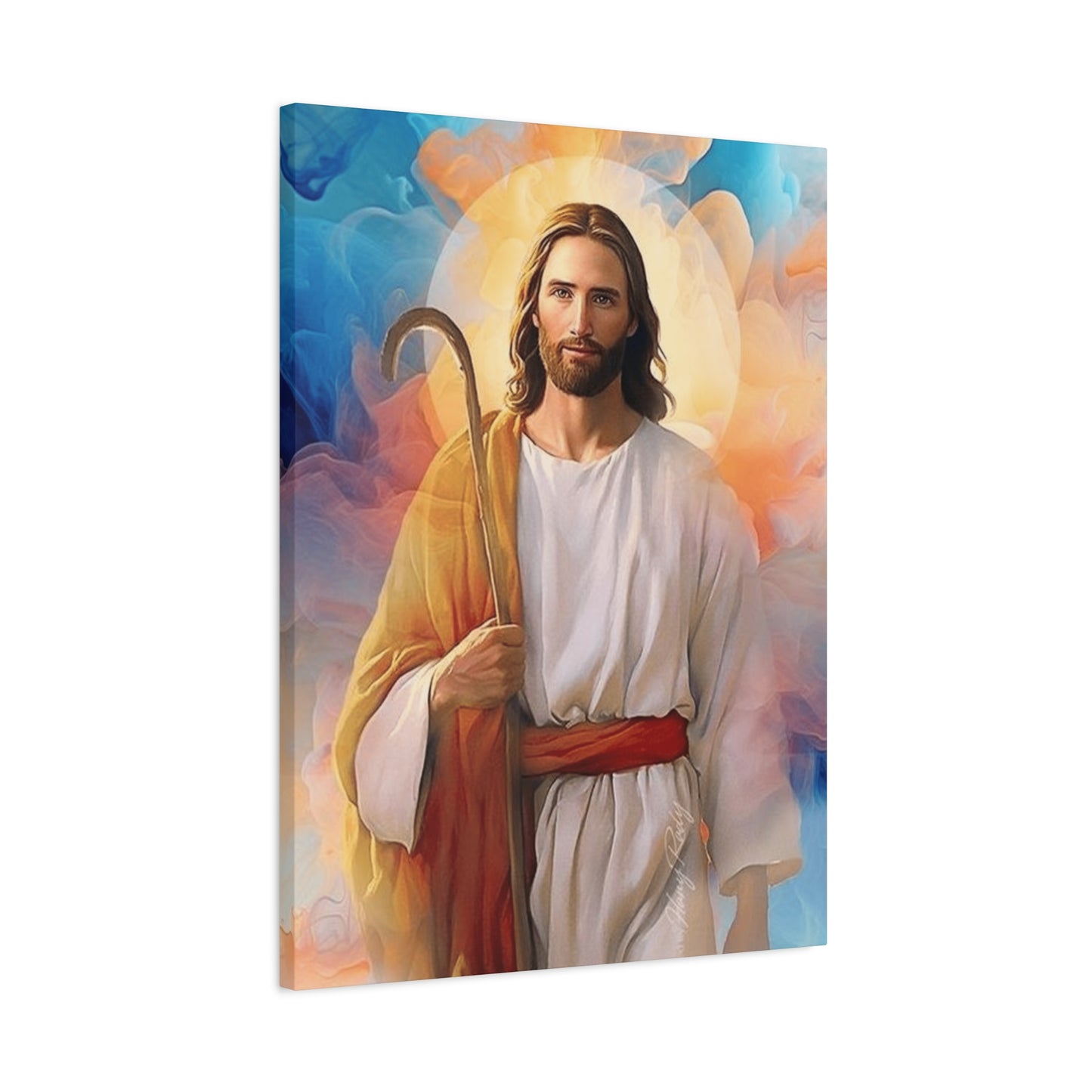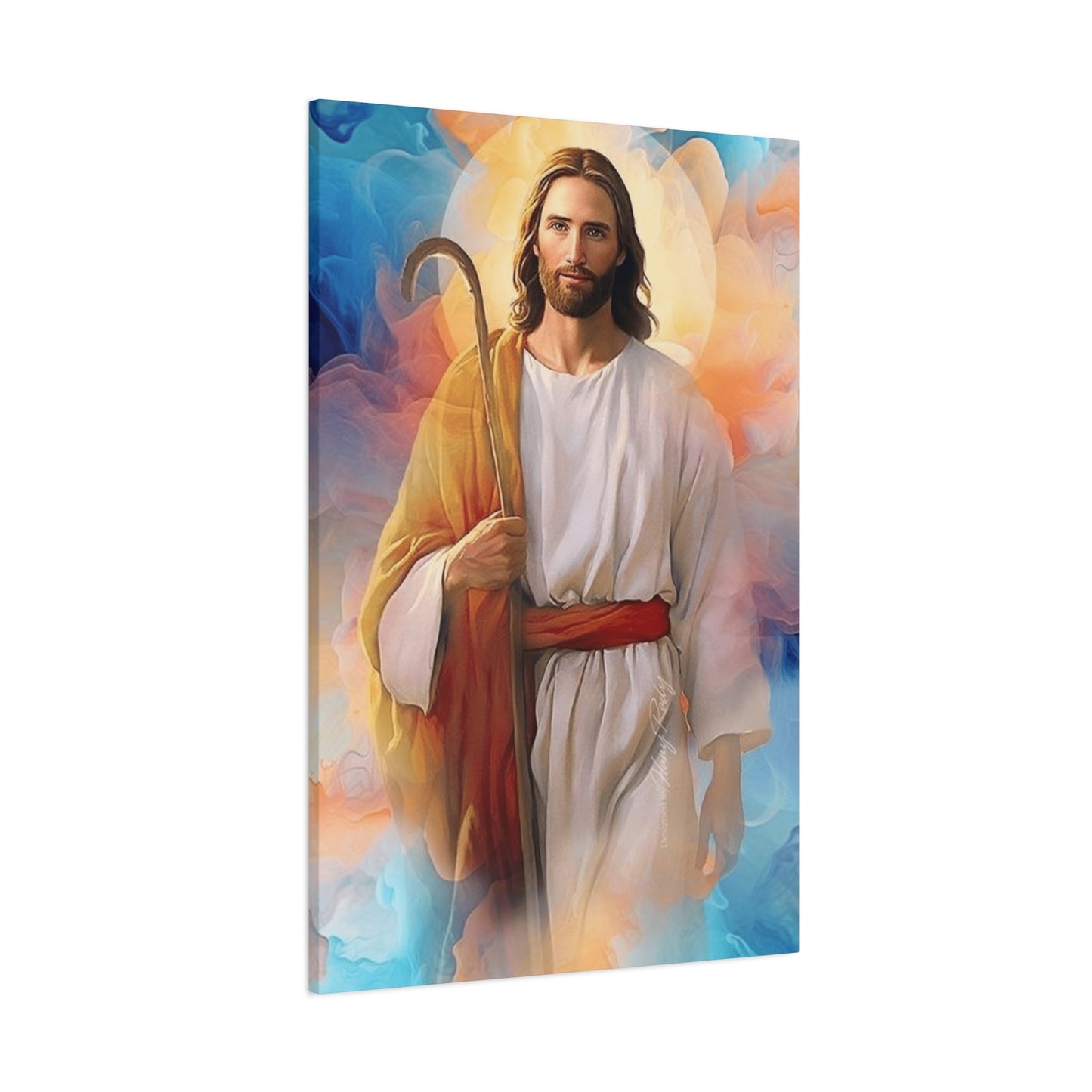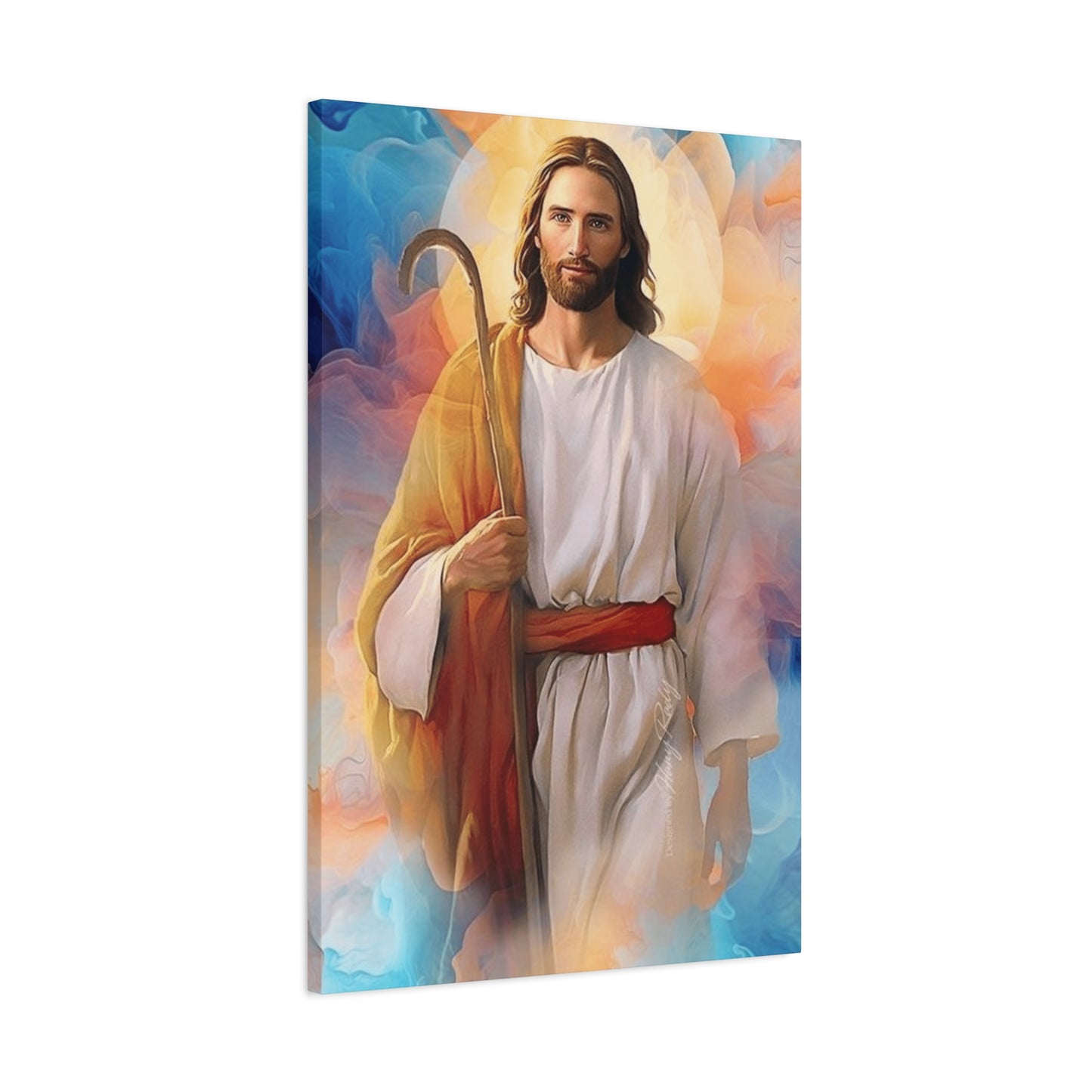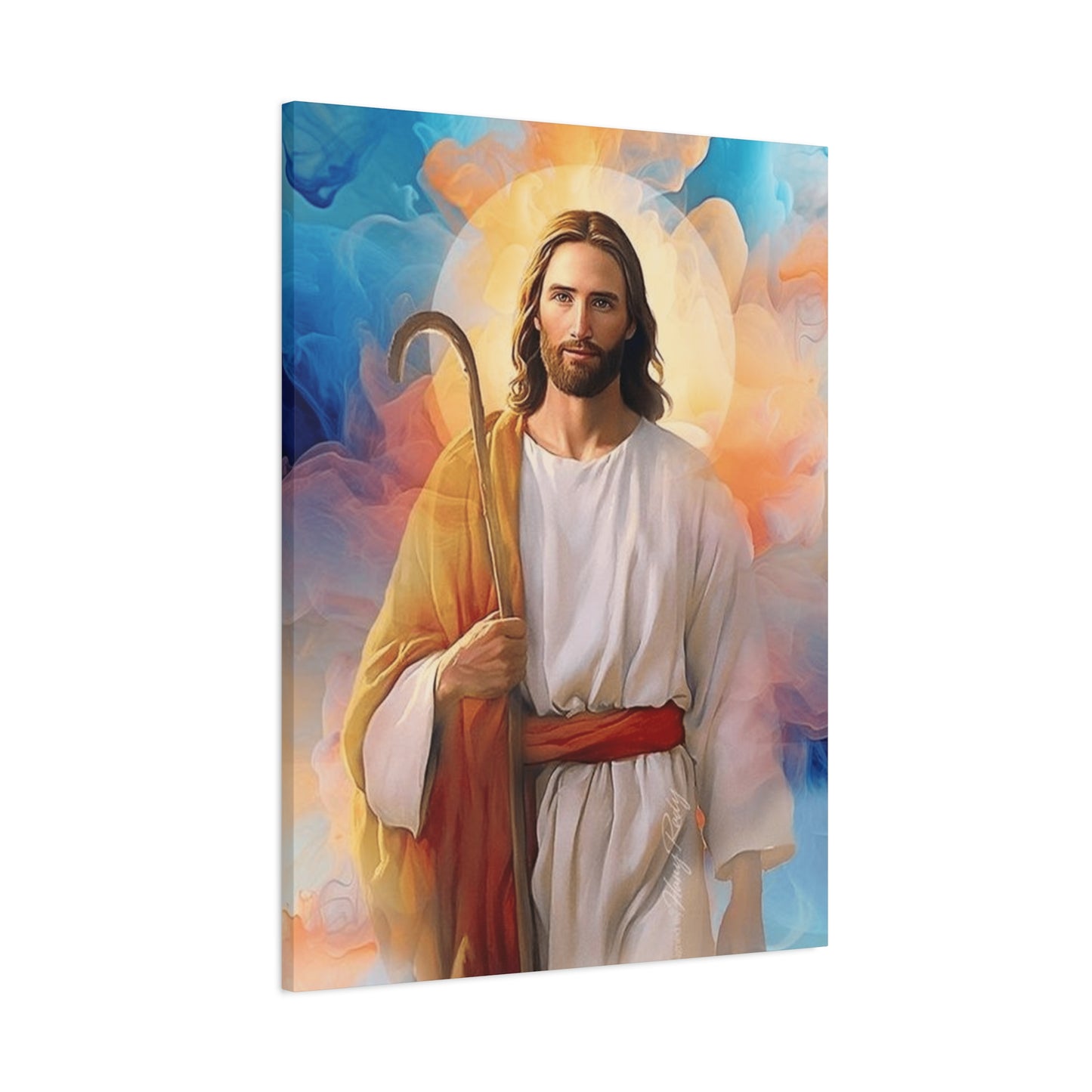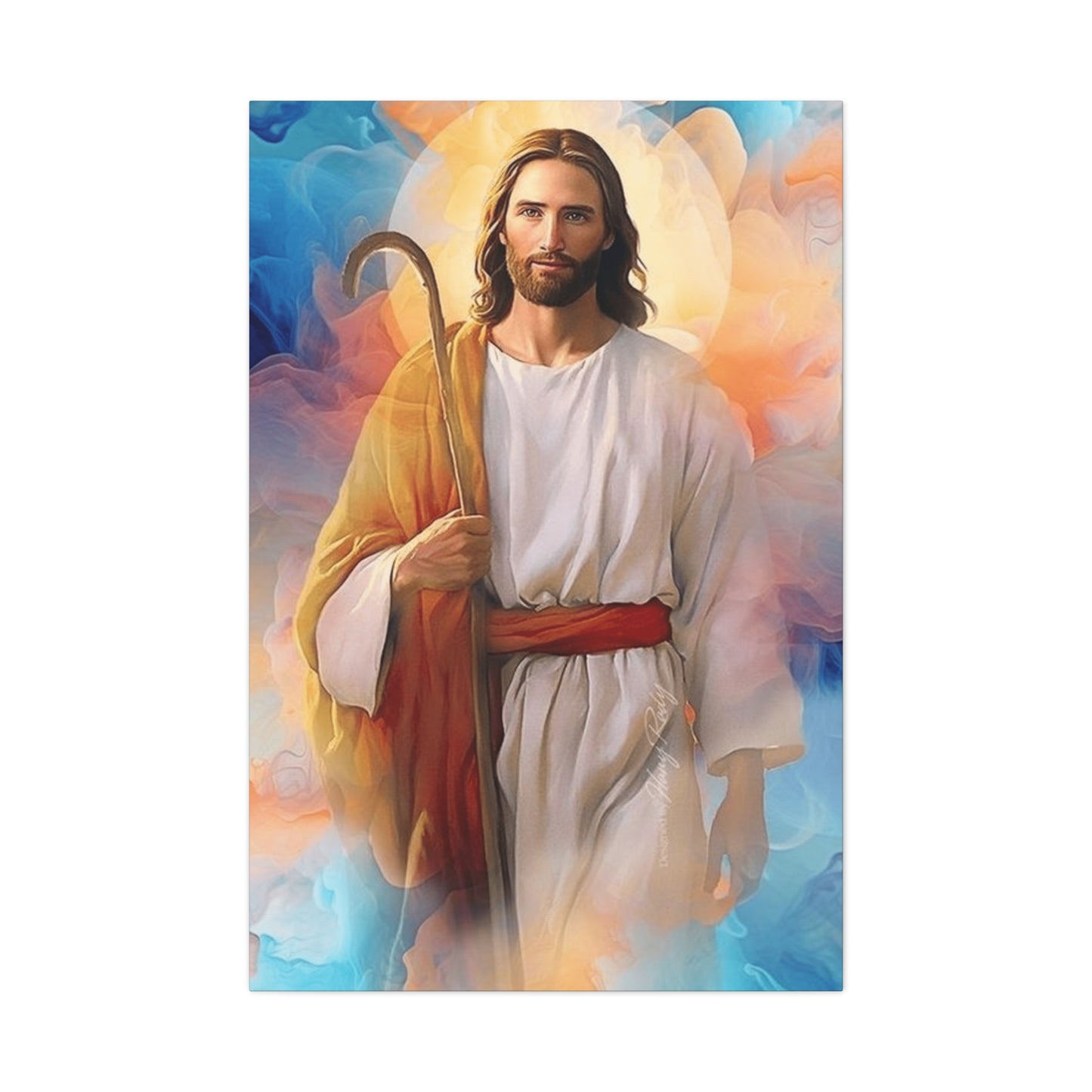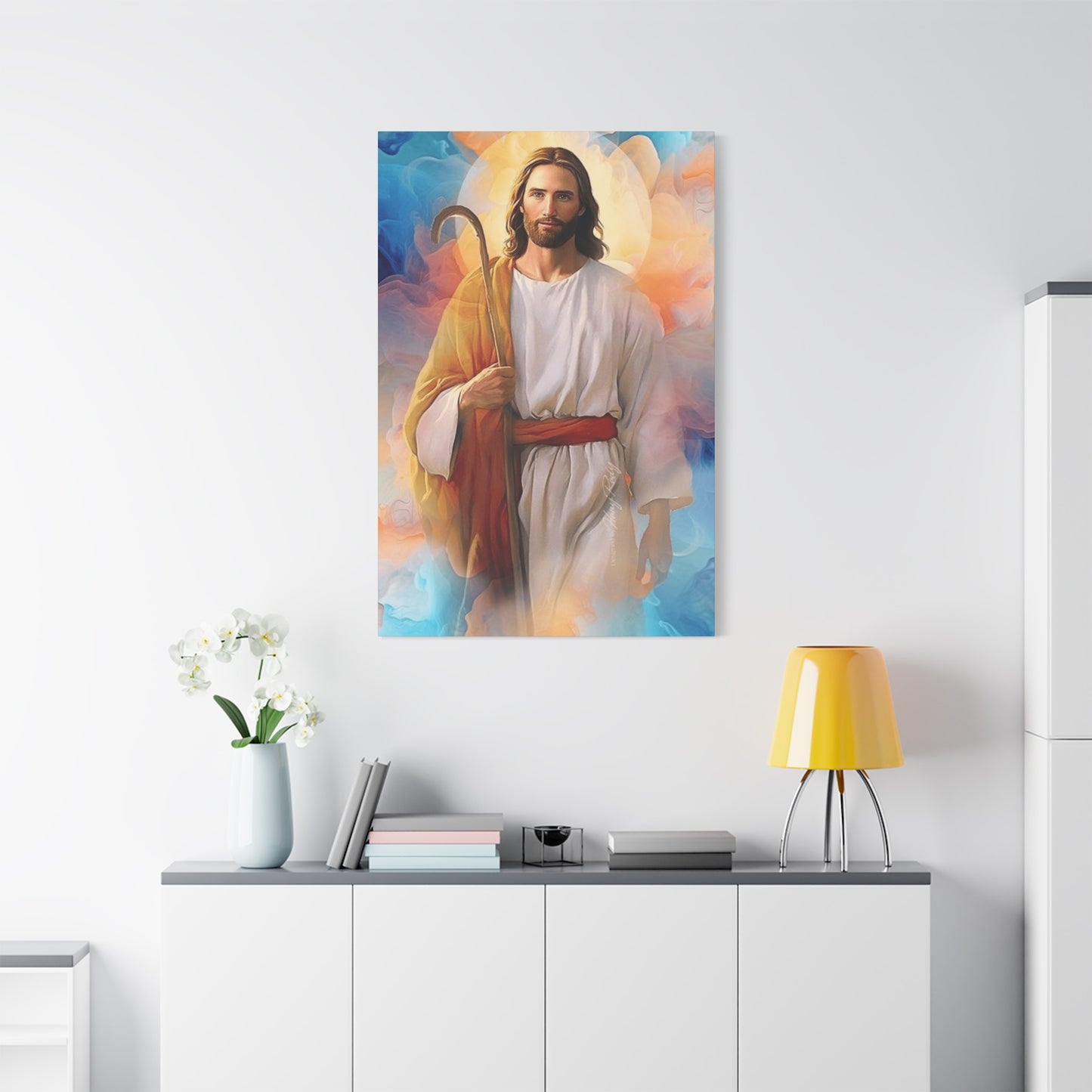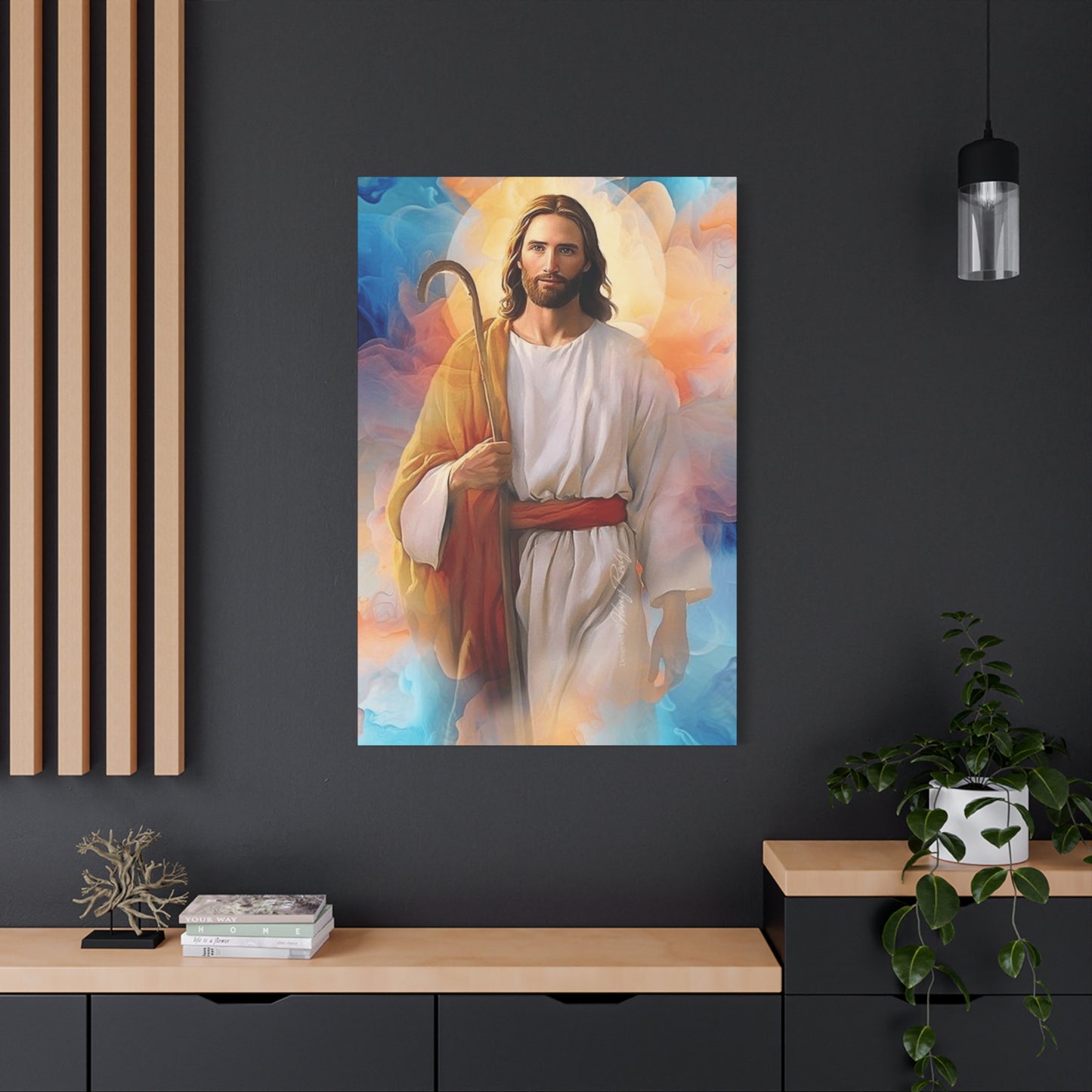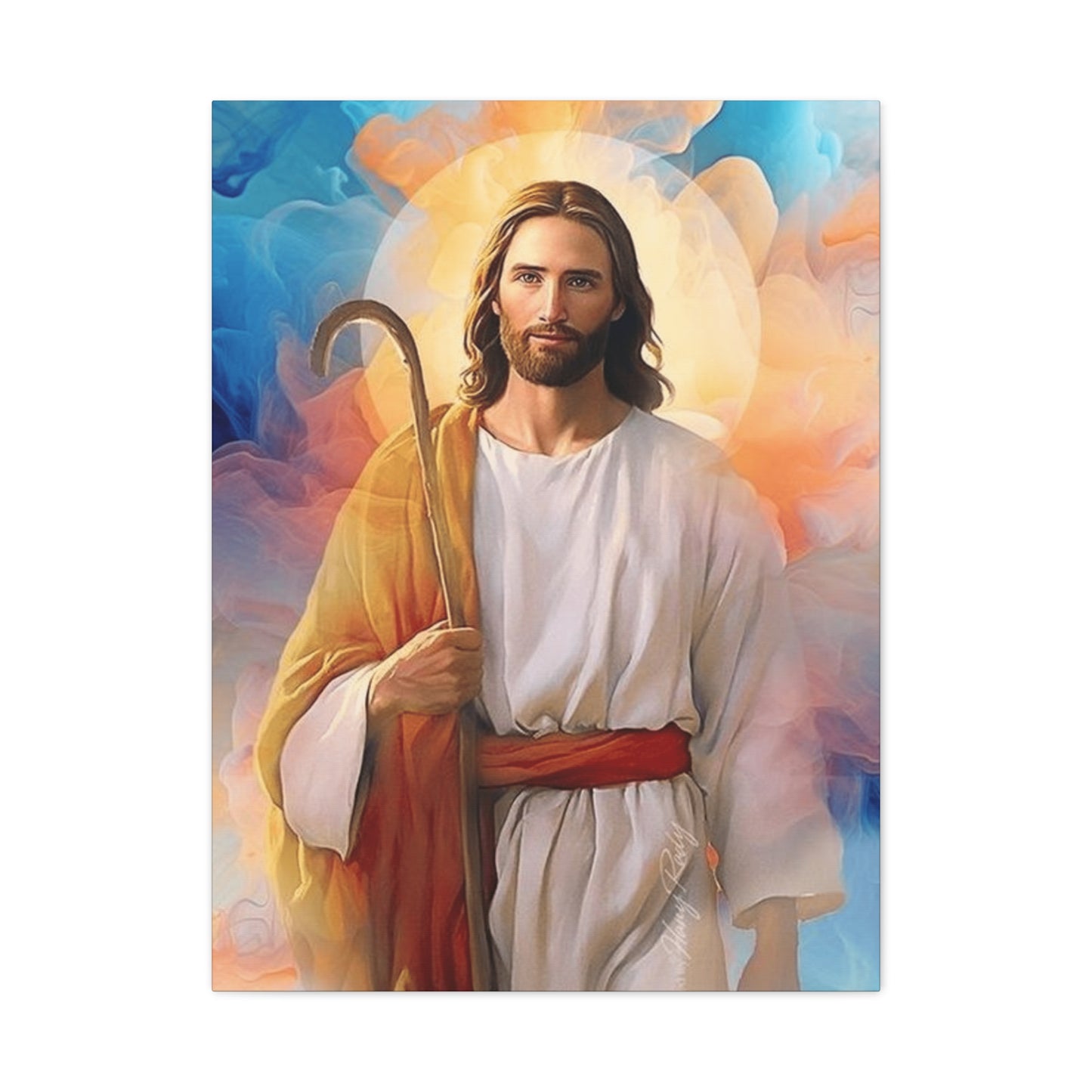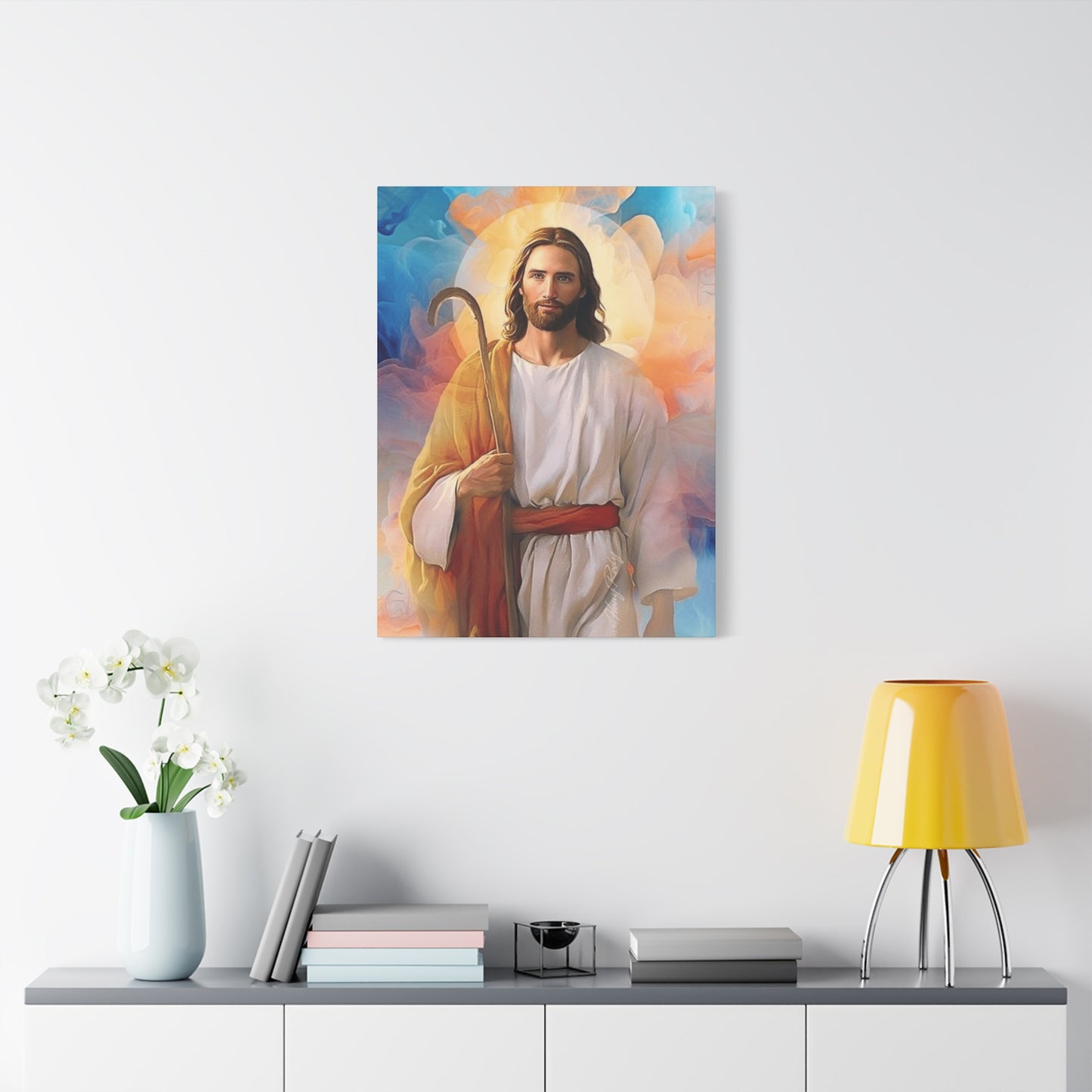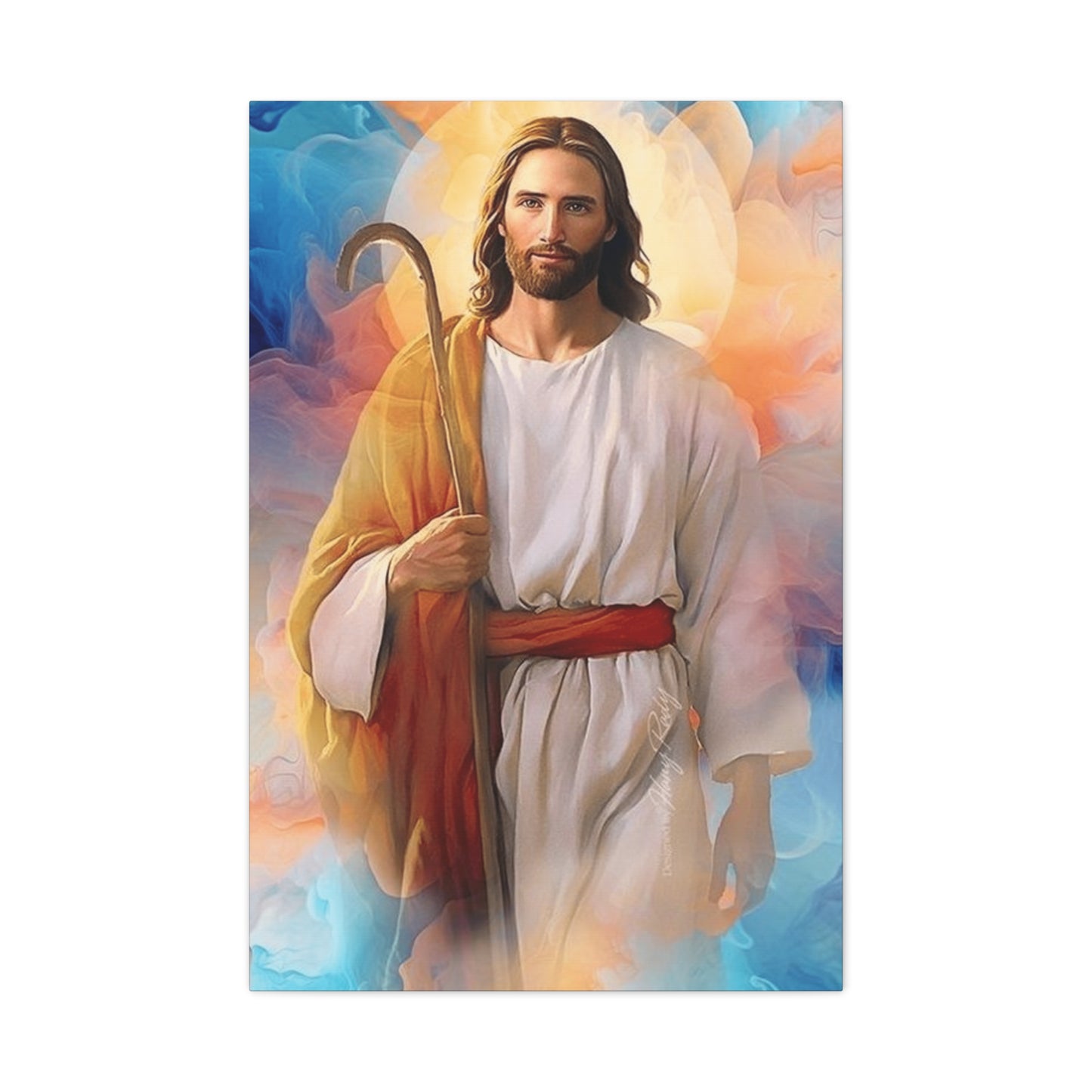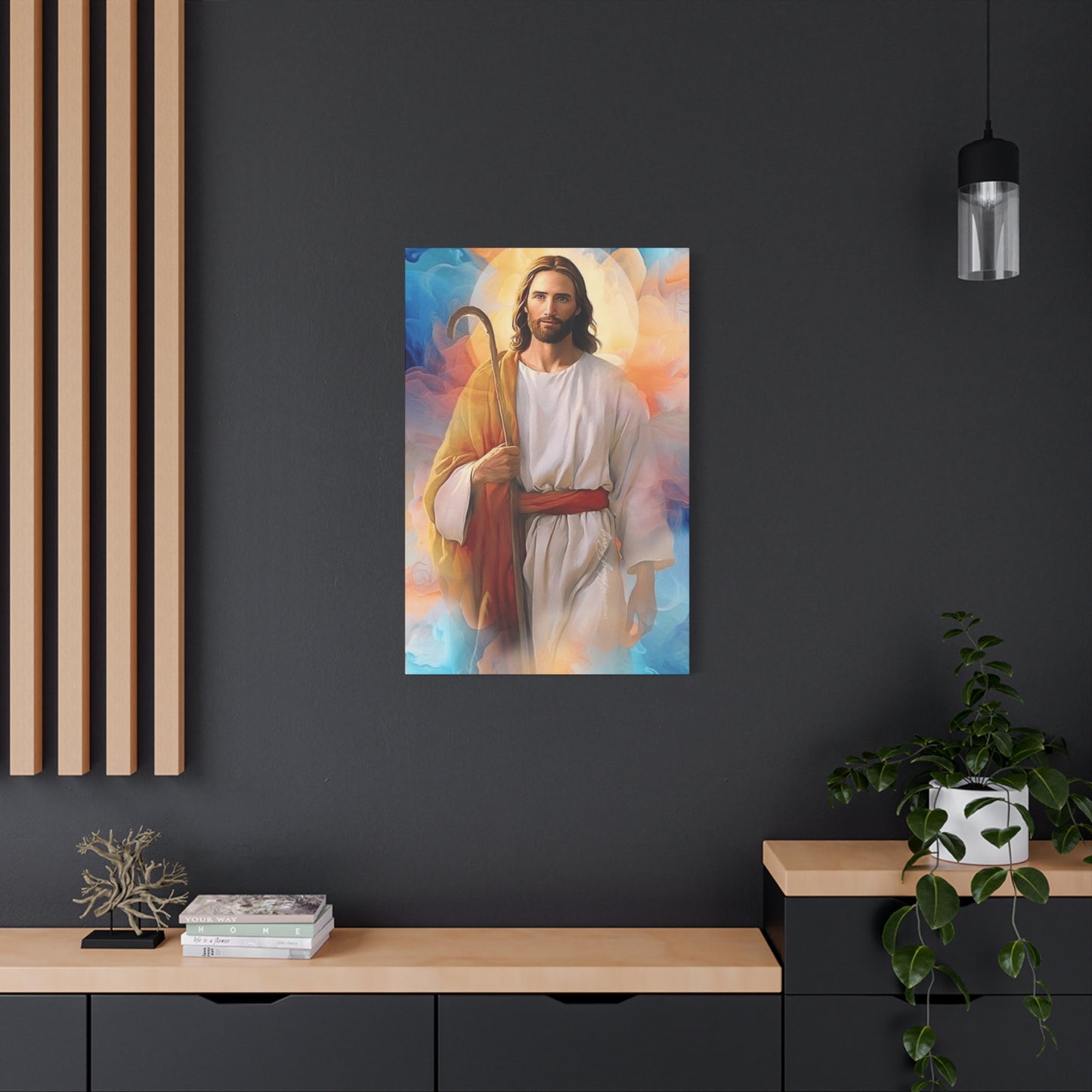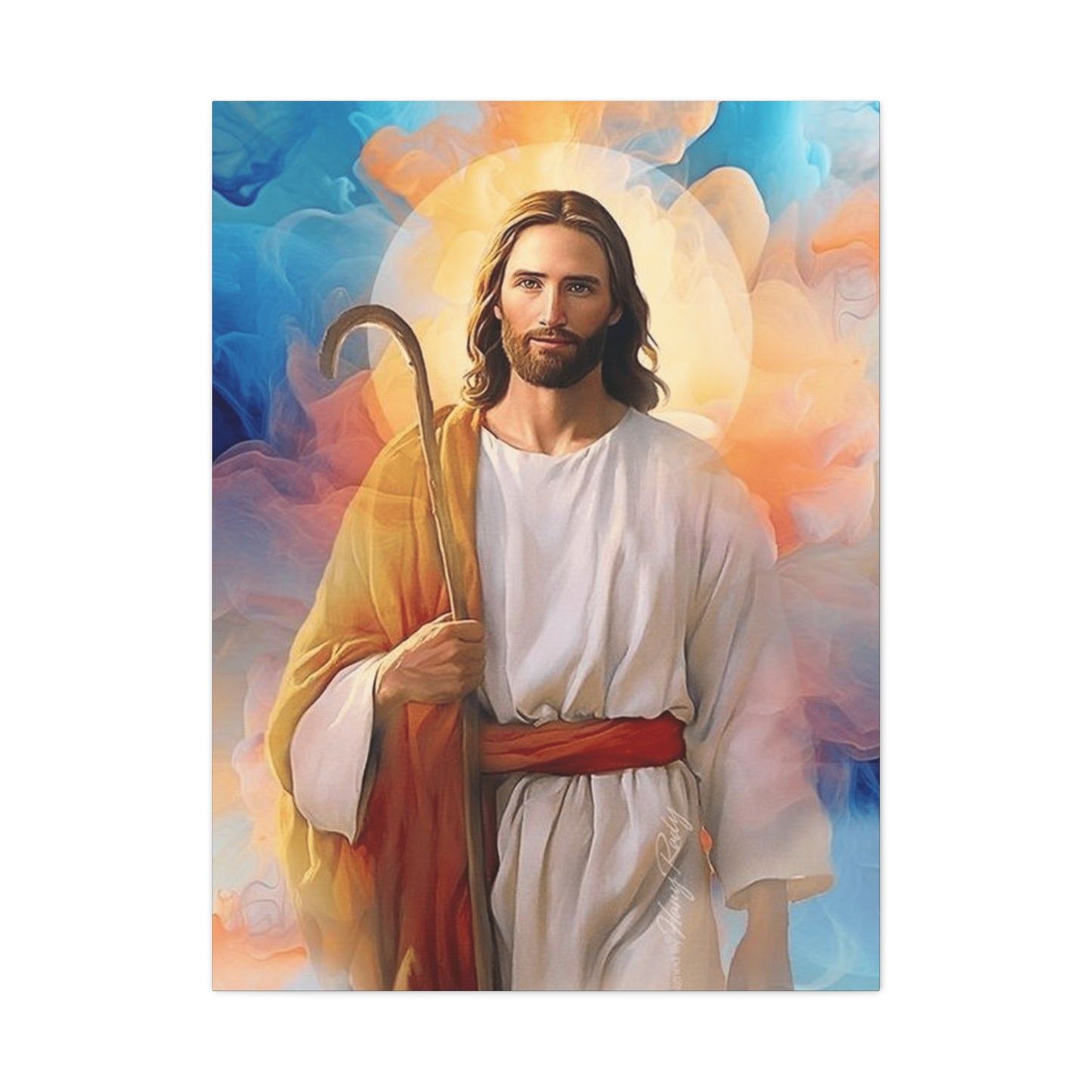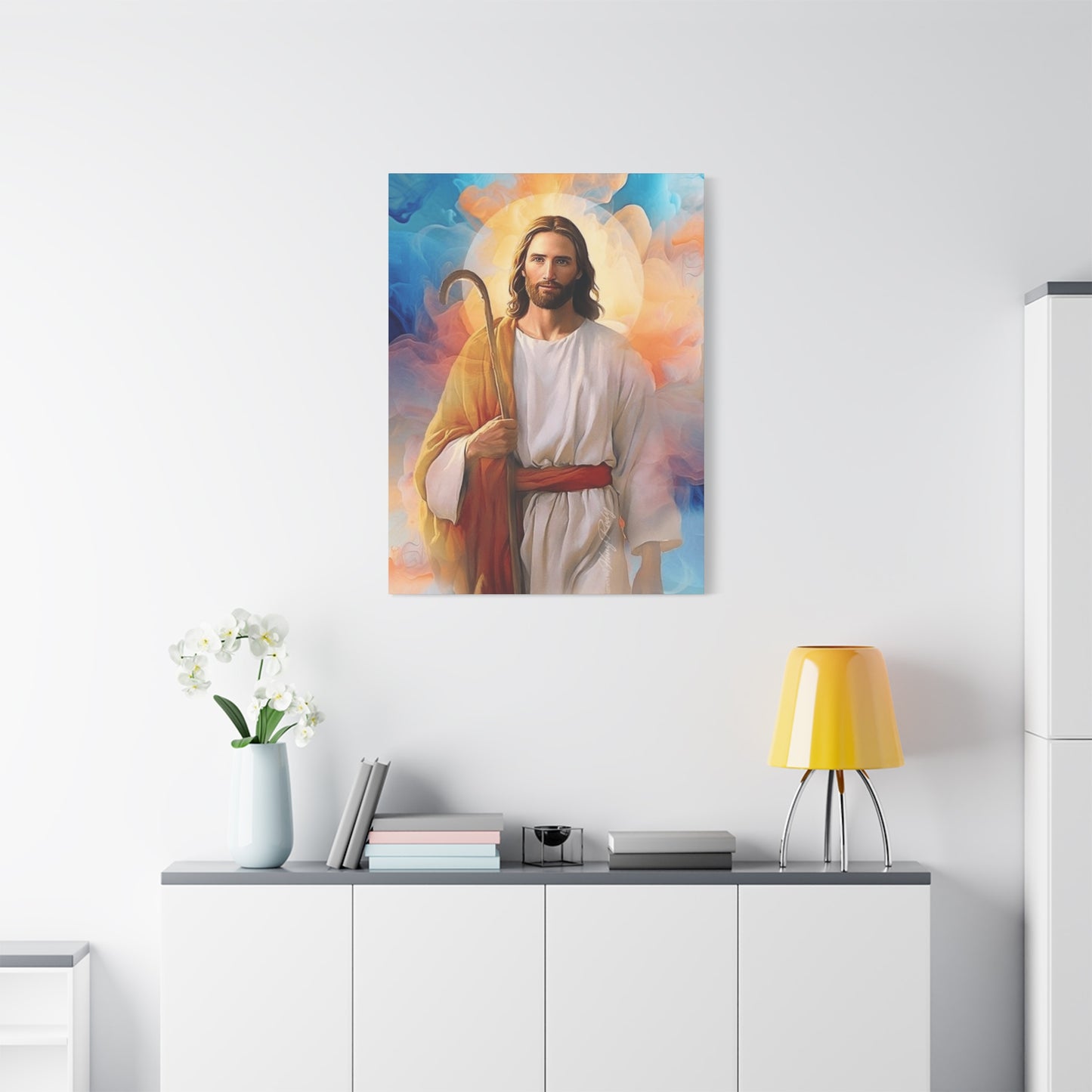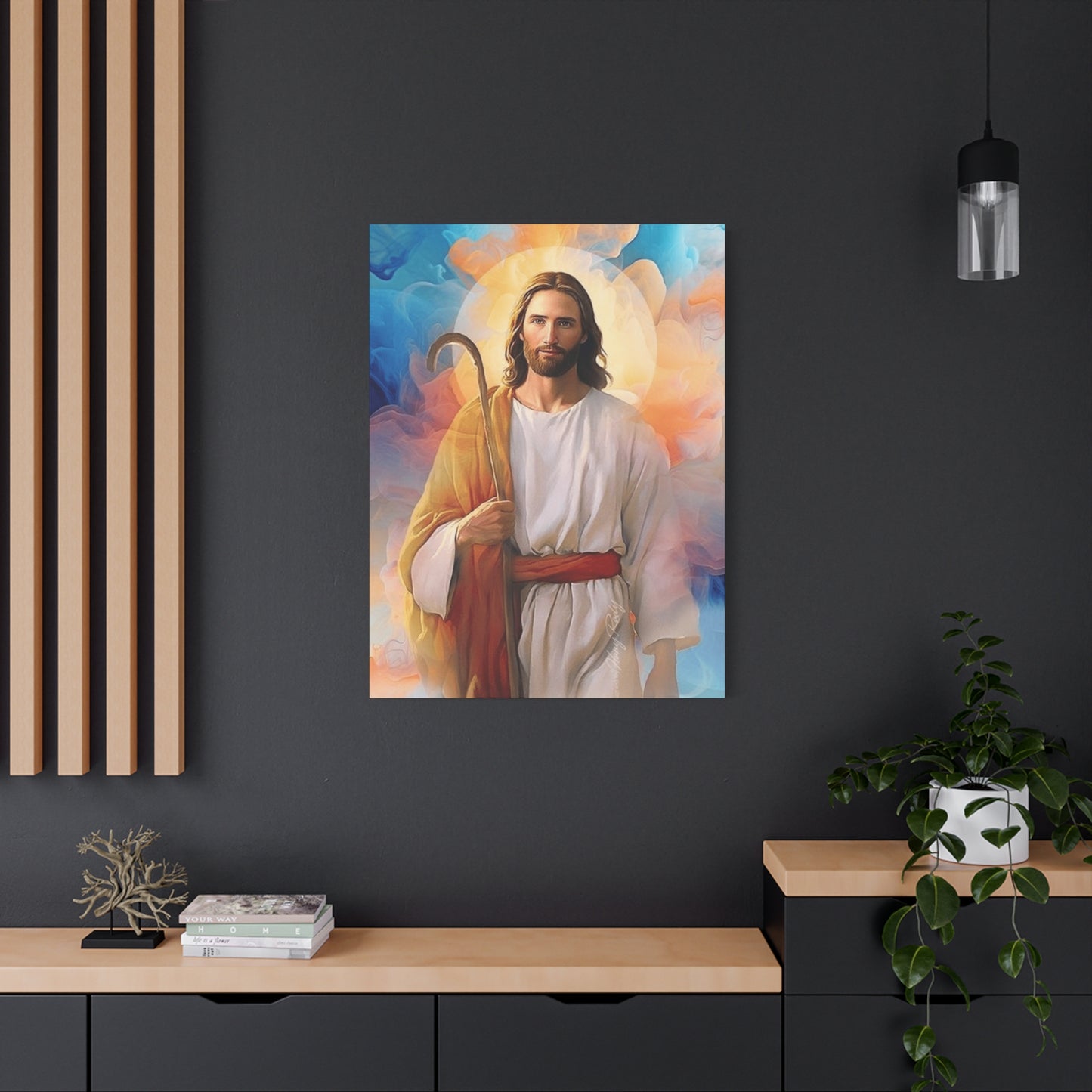


Jesus Wall Art & Canvas Prints
Jesus Wall Art & Canvas Prints
Couldn't load pickup availability
Exploring the Spiritual Beauty and Profound Meaning Behind Jesus Wall Art in Modern Home Decor
The presence of sacred imagery within residential spaces has maintained its significance throughout centuries, serving as both decorative elements and powerful reminders of faith. When individuals choose to display depictions of Christ within their living environments, they create environments that reflect their deepest convictions and spiritual commitments. These visual representations transcend mere ornamentation, becoming focal points for contemplation, prayer, and daily inspiration that connect inhabitants with their religious heritage.
The Timeless Significance of Displaying Sacred Christian Imagery Within Your Personal Living Spaces
Sacred Christian artwork has adorned homes and places of worship since the earliest centuries of the faith. The practice of placing these meaningful representations throughout one's dwelling stems from a desire to create sanctified environments where family members can feel surrounded by reminders of divine presence. Unlike secular decorations that serve purely aesthetic purposes, these spiritual pieces carry profound symbolic weight that influences the atmosphere and energy of entire households.
Many believers find that incorporating such imagery into their daily surroundings strengthens their connection to their faith in ways that weekly services alone cannot achieve. The constant visual presence serves as an anchor during challenging moments, offering comfort and reassurance when needed most. This practice reflects an understanding that our physical environments profoundly affect our mental, emotional, and spiritual states.
The tradition of displaying Christ's likeness has evolved considerably over millennia, yet the core purpose remains unchanged. Whether rendered in Byzantine iconographic style, Renaissance realism, or contemporary abstract interpretations, these depictions serve as windows into the divine, helping believers maintain awareness of spiritual truths amid the distractions of modern existence.
Families who incorporate such imagery often report feeling a greater sense of peace and purpose within their homes. Children growing up surrounded by these visual representations develop natural familiarity with their religious tradition, absorbing spiritual concepts through daily exposure. The artwork becomes woven into the fabric of family life, present during meals, conversations, celebrations, and quiet moments of reflection.
Discovering the Diverse Artistic Styles and Representations Available in Contemporary Christian Home Decor
The marketplace today offers an unprecedented variety of artistic interpretations suitable for virtually any aesthetic preference or interior design scheme. Traditional representations maintain their popularity, particularly those echoing classical European masterworks that have shaped Western Christian iconography for centuries. These pieces typically feature realistic depictions with careful attention to anatomical accuracy, dramatic lighting, and rich color palettes that evoke the grandeur of Renaissance and Baroque periods.
Contemporary artists have expanded the visual vocabulary considerably, introducing minimalist interpretations that strip away extraneous detail to focus on essential forms and gestures. These streamlined versions appeal to individuals whose tastes run toward modern design aesthetics, proving that sacred art can harmonize beautifully with clean lines and uncluttered spaces. Abstract representations push boundaries further still, using color, texture, and composition to evoke spiritual concepts without literal depiction.
Cultural diversity has enriched the field tremendously, with artists from African, Asian, Latin American, and other non-European traditions offering interpretations rooted in their own visual languages and cultural contexts. These works challenge Western-centric assumptions about how Christ should be depicted, presenting alternative visions that resonate deeply with believers from varied backgrounds. African representations might emphasize community and oral tradition, while Asian interpretations often incorporate contemplative elements drawn from meditation practices.
Mixed media approaches combine painting with sculptural elements, textiles, or found objects to create textured, dimensional works that engage viewers on multiple sensory levels. These pieces often carry particular impact in contemporary settings, where visual interest and uniqueness are highly valued. Some artists incorporate written scripture directly into their compositions, layering text with imagery to create rich, multi-layered works that reward sustained contemplation.
Digital printing has democratized access to high-quality reproductions of classic masterworks and contemporary pieces alike. This availability means that individuals with limited budgets can still obtain museum-quality reproductions that bring beauty and inspiration into their homes. However, handcrafted originals continue to hold special appeal for collectors and those seeking one-of-a-kind pieces that carry the unique energy of the artist's hand.
Understanding How Sacred Christian Imagery Influences Household Atmosphere and Family Spiritual Life
The psychological and spiritual effects of surrounding oneself with meaningful imagery have been documented across numerous studies and anecdotal accounts. Visual stimuli constantly shape our thoughts and emotions, often operating below conscious awareness. When we populate our environments with uplifting, spiritually significant images, we create subtle but persistent influences on our mental states and behavioral patterns.
Neuroscience reveals that repeated exposure to particular visual stimuli strengthens neural pathways associated with the concepts and emotions those images evoke. For believers, regularly encountering depictions of Christ reinforces spiritual commitments, making it easier to maintain focus on faith-based values amid competing demands and distractions. The imagery serves as environmental scaffolding that supports desired mental and emotional states.
Many believers report experiencing particular rooms or spaces differently depending on the artwork displayed within them. A bedroom containing peaceful representations of Christ might feel more conducive to rest and contemplation, while a kitchen piece depicting the Last Supper could inspire thoughts about fellowship and gratitude during meal preparation. These environmental effects demonstrate how physical objects can shape subjective experiences of space.
Children prove particularly responsive to their visual environments. Young minds absorb and process imagery constantly, building associations and understandings that form the foundation for later beliefs and attitudes. Growing up in homes where Christ's presence is visually represented normalizes spiritual practice and helps children develop comfort with religious concepts from their earliest years.
The practice of creating dedicated prayer or meditation spaces within homes has gained popularity in recent decades, and carefully selected artwork plays a central role in these sanctuaries. A corner containing a comfortable chair, perhaps a small table with candles or prayer books, and meaningful artwork creates an inviting retreat where household members can withdraw for quiet reflection. These spaces become associated with particular mental states, making it easier to transition into contemplative or prayerful mindsets.
Practical Considerations When Selecting Meaningful Christian Artwork for Different Rooms Throughout Your Home
Choosing appropriate pieces for specific locations requires thoughtful consideration of multiple factors. The function of each room, its existing design elements, lighting conditions, and who primarily uses the space all influence what types of artwork will prove most suitable and impactful. A systematic approach helps ensure selections that will bring lasting satisfaction rather than hasty purchases that ultimately feel mismatched to their settings.
Living rooms and family gathering spaces benefit from larger statement pieces that can command attention and serve as conversation starters with guests. These central locations offer opportunities to display more elaborate or visually complex works that reward extended viewing. Consider the sight lines from various seating positions to ensure the artwork will be visible and properly appreciated from multiple vantages throughout the room.
Bedrooms call for more personal, contemplative selections that promote rest and reflection. Gentler color palettes and peaceful subjects often work best in these private spaces. Many individuals prefer representations of Christ in moments of calm teaching or blessing rather than depictions of the crucifixion, which can feel too intense for spaces dedicated to relaxation and restoration.
Dining areas naturally lend themselves to imagery related to fellowship, gratitude, and sustenance. Scenes of the Last Supper or Christ breaking bread with disciples resonate particularly well in these contexts, creating thematic harmony between the room's function and its decoration. These placements can inspire meaningful dinner table conversations about faith and values.
Home offices and study spaces might incorporate images that emphasize wisdom, purposeful work, or calling and vocation. Depictions of Christ teaching or engaging in his earthly ministry can serve as reminders to approach one's work with integrity and dedication. For those who work from home, such imagery helps maintain boundaries between professional and personal life by infusing workspaces with spiritual dimension.
Hallways and transitional spaces offer opportunities for smaller pieces or gallery-style groupings that tell visual stories through sequential imagery. These locations experience frequent traffic, so the artwork becomes part of daily routines, seen multiple times throughout each day. This repetition can be particularly powerful for reinforcing spiritual messages and maintaining awareness of one's faith commitments.
Exploring the Symbolism and Deeper Meanings Embedded Within Various Representations of Christ in Visual Arts
Every artistic choice carries meaning, from color selections to compositional arrangements to the presence or absence of particular symbolic elements. Developing familiarity with common iconographic conventions deepens appreciation for these works and unlocks additional layers of significance that casual viewers might miss. This symbolic vocabulary has developed over centuries, creating a rich visual language understood across cultures and denominations.
Light serves as one of the most prevalent and powerful symbolic elements in Christian art. Christ depicted with a halo or emanating divine radiance references biblical descriptions of transfiguration and spiritual illumination. Artists manipulate light and shadow to create drama, focus attention, and suggest the presence of the sacred within ordinary moments. Understanding these techniques helps viewers appreciate the deliberate craftsmanship behind seemingly simple compositional choices.
Hand gestures carry specific meanings rooted in ancient conventions. Open palms suggest blessing, welcome, or offering. Hands raised in prayer indicate intercession or worship. Pointed fingers direct attention to particular elements or convey teaching moments. The position of Christ's fingers in many representations follows established patterns that communicate specific theological concepts to those familiar with the visual vocabulary.
Colors operate symbolically throughout Christian iconography. Royal purple signals sovereignty and divine authority. White represents purity and resurrection. Red symbolizes sacrifice and martyrdom. Blue often indicates heavenly origin or the presence of the divine. Gold suggests glory, eternal value, and the presence of God. Artists layer these color meanings to create works that speak simultaneously on aesthetic and symbolic levels.
Surrounding elements and background details frequently carry significance beyond mere decoration. Lambs reference Christ's role as sacrificial offering. Grapes and wheat allude to communion elements. Books symbolize scripture and divine wisdom. Lilies suggest purity and resurrection. Architecture in backgrounds might reference particular locations mentioned in biblical accounts or symbolize the church itself as spiritual edifice.
Facial expressions and body language convey emotional and spiritual states. Serene countenances suggest divine peace and compassion. Sorrowful expressions connect to suffering and sacrifice. Majestic bearing emphasizes authority and kingship. Artists manipulate these visual cues to evoke particular responses in viewers, guiding emotional and spiritual reactions to the imagery.
The Process of Creating Sacred Christian Artwork From Initial Conception Through Final Completion
Artists approaching religious subjects face unique challenges and responsibilities. They must balance personal creative vision with respect for tradition, theological accuracy, and the spiritual needs of potential viewers. The creative process typically begins long before brush touches canvas, involving research, contemplation, and careful planning to ensure the final work achieves its intended purposes.
Many artists begin with extensive study of biblical texts, theological commentaries, and existing artistic traditions. This foundation ensures their work remains rooted in authentic spiritual understanding rather than personal fancy or misinterpretation. Some maintain ongoing relationships with clergy or theologians who provide guidance and feedback throughout the creative process, helping ensure theological soundness.
Preliminary sketches and studies allow artists to experiment with composition, pose, lighting, and other elements before committing to final versions. This exploratory phase might produce dozens of variations as the artist refines their vision. Digital tools have expanded possibilities for this experimental work, allowing rapid manipulation of elements that would have required laborious repainting in earlier eras.
Material selection carries particular importance in sacred art. Traditional painters might choose their pigments based on historical precedent or symbolic associations. Sculptors consider how different woods, metals, or stones contribute to the overall meaning and impact of their works. Contemporary artists working with nontraditional materials must consider how their choices affect the piece's ability to communicate spiritual truths effectively.
The actual execution phase demands both technical skill and spiritual engagement. Many artists report praying or meditating before and during work sessions, seeking divine guidance and inspiration. This prayerful approach transforms the creative act itself into a form of worship and devotion. The distinction between sacred and secular work becomes blurred when the artist understands their craft as a form of service to the divine.
Detail work requires patience and sustained concentration. Facial features demand particular attention, as subtle variations in expression dramatically affect the emotional impact of the piece. Many artists return repeatedly to the face, refining and adjusting until achieving the desired effect. Eyes receive special focus, as they often serve as the primary point of connection between viewer and subject.
Finishing techniques protect the work and enhance its visual qualities. Varnishes on paintings deepen colors and provide protective layers against environmental damage. Patinas on metal sculptures create visual depth and suggest age or permanence. Framing choices affect how viewers perceive and interact with the finished piece. Professional mounting and presentation ensure the work will be displayed to maximum advantage.
How Different Christian Denominations Approach Visual Representations of Christ in Worship and Personal Practice
Various branches of Christianity maintain distinct traditions and attitudes regarding religious imagery, shaped by theological perspectives, historical experiences, and cultural contexts. Understanding these differences helps explain the remarkable diversity in how believers incorporate sacred art into their worship and personal devotional practices. These variations reflect fundamental questions about the relationship between material and spiritual realms.
Eastern Orthodox traditions maintain the most elaborate and structured approach to sacred imagery through their icon tradition. Icons are understood not as mere representations but as windows into spiritual reality, created according to strict conventions that have been refined over centuries. Iconographers undergo extensive training in both technique and theology, understanding their work as a spiritual discipline rather than merely artistic expression. Icons are venerated but not worshiped, and they play central roles in Orthodox liturgy and personal devotion.
Roman Catholic traditions have historically embraced visual arts as valuable aids to worship and devotion, though with less rigid conventions than Orthodox practice. Catholic churches often feature abundant statuary, stained glass, and paintings depicting Christ, Mary, and various saints. The Second Vatican Council in the 1960s prompted reevaluation of some artistic practices, leading to simplified aesthetics in many newer Catholic churches, though traditional imagery remains prevalent in homes and older structures.
Protestant denominations vary considerably in their approaches. Some Lutheran and Anglican communities maintain relatively elaborate visual traditions, including stained glass, altar pieces, and other representational art. Reformed and Presbyterian traditions historically have been more cautious about imagery, influenced by concerns about idolatry and preference for Word-centered worship. However, many contemporary Protestant churches have embraced visual arts as valuable means of spiritual expression and communication.
Evangelical and Pentecostal communities show significant diversity in practice. Some congregations worship in spaces stripped of virtually all imagery, preferring blank walls or simple crosses. Others have embraced contemporary Christian art, commissioning bold, modern pieces that reflect their energetic worship styles. Personal practices vary widely, with some believers maintaining elaborate home shrines while others keep their faith expressions minimal.
Anabaptist traditions including Mennonites and Amish generally avoid representational religious art as part of broader commitments to simplicity and wariness of worldly displays. Their sparse aesthetics extend to places of worship and homes alike, focusing attention on lived faith rather than material representations. However, these communities do appreciate craft and beauty in utilitarian objects, finding spiritual expression through excellence in everyday items.
Combining Sacred Christian Imagery With Various Interior Design Styles Without Creating Visual Discord
Successfully incorporating meaningful religious artwork into cohesively designed spaces requires attention to visual harmony and thoughtful selection. The goal is creating environments where sacred pieces feel integral to the overall design rather than awkwardly inserted afterthoughts. With careful planning, virtually any design aesthetic can accommodate spiritually significant imagery in ways that enhance both the décor and the artwork's impact.
Traditional and classical interiors naturally complement religious art rendered in historic styles. A formal living room with antique furnishings, rich fabrics, and classical architectural details provides an ideal setting for Renaissance-style paintings or elaborate gilded pieces. The visual languages speak the same aesthetic dialect, creating unified environments where every element reinforces the others. Period-appropriate framing enhances this integration.
Modern and contemporary spaces require different approaches but can incorporate sacred art beautifully when style characteristics are carefully matched. Clean-lined interiors with minimal color palettes benefit from equally streamlined religious pieces that share those aesthetic values. Abstract or geometric interpretations of Christian themes often work particularly well in modern contexts, maintaining spiritual significance while respecting contemporary design principles. Floating frames and minimalist mounting techniques preserve the uncluttered feel.
Rustic and farmhouse aesthetics pair wonderfully with certain types of religious artwork. Distressed wood frames, vintage-style prints, and pieces incorporating natural materials complement the warmth and informality of these popular styles. Hand-lettered scripture art fits particularly well in farmhouse contexts, combining meaningful text with the casual, handcrafted feel these spaces cultivate. Neutral color schemes common in farmhouse design provide flexible backdrops for various artistic styles.
Bohemian and eclectic interiors allow tremendous freedom in mixing styles, eras, and cultural influences. These maximalist spaces can accommodate everything from traditional iconography to contemporary mixed-media pieces, often displaying multiple works in gallery-style arrangements. The key to success in eclectic spaces lies in finding common threads—perhaps shared color palettes or framing styles—that create visual cohesion despite surface diversity.
Minimalist interiors demand careful restraint when incorporating any artwork, including religious pieces. A single powerful image might serve an entire room, becoming a dramatic focal point that commands attention precisely because it stands alone. The negative space surrounding the artwork in minimalist contexts amplifies its presence and impact. Scale becomes particularly important; either oversized statement pieces or very small works can succeed, while medium-sized pieces may feel lost.
Scandinavian design's emphasis on light, natural materials, and functional beauty creates wonderful opportunities for certain types of sacred art. Simple representations with limited color palettes and emphasis on natural forms fit seamlessly into these serene environments. Prints on natural wood panels or simple line drawings work particularly well. The Scandinavian approach to hygge—creating cozy, comfortable spaces—aligns beautifully with the spiritual comfort that meaningful artwork provides.
The Role of Color Psychology in Creating Spiritually Uplifting Environments Through Religious Artwork
Colors profoundly affect human psychology and physiology, influencing mood, energy levels, and emotional states in measurable ways. When selecting sacred artwork for homes, understanding these color effects enables more intentional choices that support desired atmospheric qualities. The interplay between an artwork's colors and the existing palette of a room creates combined effects that can enhance or diminish the piece's spiritual impact.
Cool colors including blues, greens, and purples generally promote calm, contemplation, and peace. These hues slow heart rate and reduce blood pressure, creating physiological relaxation that supports prayer and meditation. Artwork dominated by cool tones works particularly well in bedrooms, prayer spaces, and other areas designated for quiet reflection. Biblical associations—blue representing heaven, green symbolizing growth and renewal—add layers of meaning to these color choices.
Warm colors such as reds, oranges, and yellows stimulate energy, passion, and engagement. These hues increase alertness and can inspire action and enthusiasm. In sacred contexts, warm colors often appear in depictions of divine love, Holy Spirit fire, or resurrection glory. Artwork featuring warm palettes might suit gathering spaces where energy and interaction are welcomed, though they should be used cautiously in areas meant for rest.
Neutral tones including earth tones, grays, and soft whites provide versatility and timeless appeal. These understated palettes allow imagery to work in virtually any setting without overwhelming existing décor. Monochromatic or sepia-toned works carry vintage appeal while remaining surprisingly contemporary in their flexibility. Neutrals also allow spiritual content to take priority over aesthetic impact, emphasizing message over medium.
Contrast levels dramatically affect visual impact and emotional response. High-contrast images with stark value differences create drama and demand attention, suitable for spaces where the artwork should serve as a focal point. Low-contrast pieces with subtle gradations promote gentler, more contemplative responses, working well in spaces meant for quiet retreat. Understanding how existing room contrasts interact with artwork helps predict overall effects.
Color temperature—the relative warmth or coolness of hues—affects spatial perception and emotional response. Warm-toned artwork can make large rooms feel more intimate and welcoming, while cool tones can help small spaces feel more expansive and serene. Matching or deliberately contrasting the temperature of artwork with room's dominant temperature creates different effects worth considering during selection.
Saturation and intensity determine how forcefully colors assert themselves. Highly saturated, intense colors create vibrant, energetic feelings but can become overwhelming if overused. Desaturated, muted colors produce sophisticated, calming effects but risk feeling drab if taken too far. Most successful religious artwork balances areas of intensity with quieter passages, creating visual rhythm that sustains interest without overwhelming viewers.
Practical Guidelines for Properly Hanging and Displaying Sacred Christian Artwork to Maximize Visual Impact
Even the most beautiful and meaningful artwork will fail to achieve its potential if poorly displayed. Proper hanging and lighting transform how viewers perceive and interact with pieces, dramatically affecting their impact on the space and the people who inhabit it. A systematic approach to display ensures artwork receives the attention it deserves while enhancing rather than detracting from surrounding environments.
Height determines accessibility and impact. The standard guideline places artwork so its center sits at average eye level, typically between 57 and 60 inches from the floor. This positioning ensures comfortable viewing for most adults without requiring them to look noticeably up or down. In rooms where people will be seated while viewing the art, hanging slightly lower—perhaps with centers at 48 to 52 inches—improves accessibility and engagement.
Lighting profoundly affects how artwork appears and whether it receives appropriate attention. Natural light beautifully illuminates artwork during daytime hours but requires caution regarding direct sunlight, which can fade pigments and damage materials over time. Positioning pieces perpendicular to windows often provides illumination without direct exposure. Artificial lighting systems should illuminate artwork evenly without creating glare or hotspots. Picture lights, track lighting, or strategically placed lamps can dramatically enhance visibility and impact during evening hours.
Spacing and arrangement require thoughtful planning, especially when displaying multiple pieces. Gallery-style arrangements should maintain consistent spacing between frames—typically 2 to 4 inches—to create visual unity while allowing each piece individual breathing room. Asymmetrical arrangements require careful attention to visual weight and balance, ensuring no area feels disproportionately heavy or empty. Mock arrangements on paper or using temporary adhesive allow experimentation before putting holes in walls.
Wall color and texture affect how artwork reads visually. Lighter walls make artwork stand out prominently, suitable when pieces should command attention as focal points. Darker walls can create dramatic effects but require adequate lighting to prevent pieces from disappearing. Textured walls add visual interest but can compete with artwork detail; smooth surfaces generally provide cleaner backdrops. When uncertain, neutral mid-tones offer safe versatility for various artwork styles.
Scale relationships between artwork and surrounding furniture matter significantly. A general guideline suggests artwork should span roughly two-thirds the width of furniture pieces below it, though this can be adjusted based on ceiling height and overall room proportions. Pieces that are too small for their spaces feel lost and insignificant, while oversized works can overwhelm and dominate uncomfortably. Multiple smaller pieces arranged together can effectively fill spaces that would require single large works.
Secure mounting ensures safety and longevity. Use appropriate hanging hardware rated for the weight of each piece, with heavier works requiring wall anchors or studs rather than simple picture hooks. Wire hangers provide flexibility in adjusting hanging angle, while D-rings or sawtooth hangers offer stable mounting for lighter pieces. Check hanging systems periodically to ensure screws remain tight and materials haven't degraded over time.
Creating Dedicated Sacred Spaces and Prayer Corners Enhanced With Meaningful Christian Visual Elements
Establishing specific areas within homes for prayer, meditation, and spiritual reflection has gained popularity as individuals seek to deepen their devotional practices. These sanctuaries need not be large—even a corner of a bedroom or a section of a hallway can be transformed into meaningful retreat spaces where household members withdraw from daily distractions to connect with the divine. Thoughtfully selected artwork anchors these spaces visually and spiritually.
Location selection requires balancing practical considerations with spiritual goals. Ideal spots offer relative quiet and privacy, away from household traffic patterns and noise sources. Natural light enhances many prayer spaces, though some individuals prefer dimmer environments conducive to contemplation. The space should feel psychologically separate from surrounding areas, creating a threshold effect that signals mental and spiritual transition upon entering.
Seating arrangements greatly affect how prayer spaces function. Comfortable chairs or cushions invite extended periods of sitting, crucial for meaningful prayer or meditation. Some traditions prefer kneeling benches that promote particular postures associated with devotional practice. Others incorporate yoga mats or meditation cushions for floor sitting. The key is ensuring physical comfort doesn't distract from spiritual focus.
Central artwork often serves as the visual anchor around which prayer spaces are organized. This piece might depict Christ, a meaningful biblical scene, or abstract representations of spiritual concepts. Positioning artwork at appropriate eye level for the chosen seating arrangement creates natural focal points during prayer. Some individuals prefer placing artwork slightly elevated, creating a subtle sense of looking upward toward the divine.
Supplementary elements enhance prayer spaces without overwhelming them. Small tables or shelves can hold candles, prayer books, journals, or other devotional items. Textile elements including throws or small rugs define the space and add warmth. Natural elements such as plants or stones connect the space to creation. However, restraint proves important—overly cluttered spaces can distract rather than focus attention.
Lighting deserves special consideration in prayer spaces. Harsh overhead lighting rarely suits contemplative activities, while softer sources create more conducive atmospheres. Candles provide both illumination and symbolic significance, their flickering flames suggesting the presence of the Holy Spirit. Table lamps with warm-toned bulbs offer practical alternatives for those uncomfortable with open flames. Dimmer switches allow flexibility in adjusting lighting to match different activities and times of day.
Personal touches make prayer spaces feel authentic and meaningful rather than staged or artificial. Photographs of loved ones for whom one prays regularly, written prayers or favorite scripture verses, or meaningful objects with spiritual significance all personalize the space. These elements should support rather than distract from prayer—items that prompt memories or spiritual reflection rather than wandering thoughts.
Maintenance keeps prayer spaces functioning effectively. Regular dusting and cleaning prevent the area from feeling neglected. Rotating elements seasonally or in alignment with the liturgical calendar maintains freshness and reflects spiritual rhythms. However, stability also matters—familiar elements create comfort and ease the transition into prayerful states. Balance continuity with occasional refreshing to prevent staleness.
The Impact of Sacred Christian Imagery on Children's Spiritual Formation and Religious Understanding
Visual learning proves particularly powerful during childhood when brains actively develop pattern recognition, symbol interpretation, and abstract thinking capabilities. Children exposed to meaningful religious imagery absorb spiritual concepts in ways that purely verbal instruction cannot achieve. These visual encounters plant seeds that may not fully bloom until years later, but they establish foundational familiarity and comfort with faith traditions.
Age-appropriate selections matter significantly when choosing artwork for children's spaces. Younger children respond well to gentler representations emphasizing Christ's love, compassion, and blessing. Scenes of Christ with children naturally appeal and help youngsters see themselves within biblical narratives. Bright, engaging colors capture attention while maintaining visual interest. Overly realistic or intense imagery, particularly crucifixion scenes, may prove overwhelming or frightening for very young viewers.
Storytelling through imagery helps children understand biblical narratives more fully. Sequential artwork depicting parables or miracle stories provides visual anchors for verbal retellings. Children can reference the images while hearing or retelling stories, strengthening memory and comprehension. This multi-sensory approach to scripture aligns with research on childhood learning, which emphasizes the power of combining verbal and visual information.
Question-prompting artwork engages children's natural curiosity and creates opportunities for spiritual conversations. Images that show unusual elements or prompt wondering—"Why is Christ washing feet?" "Who are all these people?"—open doors for age-appropriate theological discussions. Parents can follow children's interest and questions rather than forcing predetermined lessons, creating more organic and memorable teaching moments.
Bedroom artwork deserves special consideration as these images will be among the last things children see before sleep and first upon waking. Peaceful, reassuring representations help establish positive associations with faith and create comforting atmospheres conducive to rest. Many children find security in feeling watched over by Christ's loving presence, reducing nighttime fears and anxieties.
Shared family spaces benefit from artwork accessible to all age groups. Pieces that prompt conversation across generations help children see faith as family heritage rather than individual burden. Grandparents might share memories of similar images from their childhoods, creating intergenerational connections. These conversations situate children within larger faith communities extending across time and space.
Interactive or tactile elements can enhance children's engagement with religious imagery. Textured paintings invite touching and exploration, engaging additional senses. Some artists create works specifically designed for children to handle and examine closely. While traditional artwork requires "look but don't touch" rules, having a few pieces children can physically interact with acknowledges different learning styles and developmental needs.
Consistency matters when using artwork to support spiritual formation. Children thrive on routine and repetition, so maintaining core pieces while occasionally introducing new elements provides both stability and freshness. Familiar images become like old friends, offering comfort and continuity even as understanding deepens with age. Children may return to the same artwork repeatedly over years, discovering new layers of meaning as they mature.
Sourcing Authentic and Ethically Produced Christian Artwork While Supporting Artists and Craftspeople
The marketplace for sacred Christian artwork spans everything from mass-produced prints to commissioned originals, with corresponding variations in quality, authenticity, and ethical considerations. Mindful consumers can make choices that honor both artistic integrity and Christian values of justice and stewardship. Understanding different sourcing options helps buyers align purchases with their convictions and budgets.
Local artists and craftspeople offer opportunities for personal connection and custom work tailored to specific needs. Many communities include Christian artists eager to create commissioned pieces reflecting clients' visions and spiritual priorities. Working directly with artists ensures they receive fair compensation while allowing buyers input into final results. The relationship itself can become spiritually meaningful as artist and patron collaborate in creating sacred work.
Church-affiliated art programs and cooperatives connect buyers with artists while supporting faith communities. Some denominational organizations operate galleries or online marketplaces featuring work by members. Purchases through these channels often support ministries, missions, or artist assistance programs. The vetting process through church affiliation provides some assurance regarding both artistic quality and theological soundness.
Online marketplaces have exploded in recent years, offering unprecedented variety and accessibility. Platforms connecting artists directly with consumers reduce intermediary costs while ensuring artists retain larger percentages of sale prices. However, buyers must exercise discernment regarding quality, as online images can misrepresent actual products. Reading reviews, requesting additional photos, and asking questions before purchasing helps avoid disappointment.
Fair trade considerations extend to religious artwork just as they do to other products. Some producers in developing nations create religious art under exploitative conditions, receiving minimal compensation while middlemen capture most profits. Seeking out fair trade certified or verified producers ensures artists receive living wages and work in safe, ethical conditions. This alignment between purchase practices and Christian social teachings matters to many believers.
Reproduction quality varies enormously, from cheap poster prints to museum-quality giclée reproductions virtually indistinguishable from originals. Higher-quality reproductions cost more but offer superior color accuracy, archival materials, and longevity. For famous works unavailable as originals, investment in quality reproductions proves worthwhile. Many museums and foundations license reproductions of their holdings, with proceeds supporting their educational and conservation missions.
Vintage and antique religious artwork appears regularly at estate sales, auctions, and specialty dealers. These pieces carry histories and patinas that new works cannot replicate. However, buyers should research values and authenticate attributions before making significant purchases. Condition issues common with older works may require professional restoration, adding to overall costs. The hunt for vintage pieces appeals to many collectors, combining spiritual and aesthetic interests with treasure-seeking excitement.
Print-on-demand services allow access to enormous varieties of designs with minimal production waste. Buyers select images from vast digital libraries, and items are printed only after orders are placed. This model eliminates overproduction and excess inventory while offering customization options regarding size, materials, and framing. Environmental benefits align with stewardship values important to many Christians.
Preserving and Maintaining Christian Artwork to Ensure Longevity and Continued Beauty Across Generations
Proper care extends the life of sacred artwork indefinitely, allowing pieces to be passed down as family heirlooms carrying spiritual and historical significance. Different media require specific conservation approaches, but general principles of protection from damaging environmental factors apply universally. Proactive maintenance prevents deterioration far more effectively and economically than restoration after damage occurs.
Environmental control ranks among the most critical factors affecting artwork longevity. Extreme temperatures and fluctuations cause materials to expand, contract, and degrade. Ideally, artwork should remain in spaces maintaining relatively stable temperatures between 65-75 degrees Fahrenheit. Humidity levels between 40-50% prevent moisture damage while avoiding the brittleness that excessive dryness causes. Dehumidifiers or humidifiers help maintain appropriate ranges in climates with extreme conditions.
Light exposure gradually but inevitably damages artwork through both visible light and ultraviolet radiation. Direct sunlight proves especially harmful, fading colors and degrading materials within remarkably short periods. Even indirect natural light causes cumulative damage over years. UV-filtering glass in frames provides some protection, as do window treatments controlling light levels. Artificial lighting should use LED or other low-heat sources rather than incandescent bulbs that emit heat and UV radiation.
Dust accumulation may seem merely unsightly, but it actually accelerates deterioration. Dust particles are abrasive and can scratch surfaces during cleaning if proper techniques aren't employed. Dust also absorbs moisture and pollutants from air, creating acidic conditions on artwork surfaces. Regular gentle dusting with soft brushes or microfiber cloths prevents buildup. Compressed air should be avoided as it can force particles into paint layers or behind glazing.
Frame integrity affects artwork preservation significantly. Frames should be checked periodically for loose corners, degrading hanging hardware, or failing glazing materials. Acid-free matting and backing materials prevent chemical damage to artwork. Sealed frames protect against insects and environmental contaminants. Professional reframing may be needed every few decades as materials age and protective qualities diminish.
Handling artwork requires care even during routine activities like moving or cleaning. Oil and acids from skin contact can damage surfaces, so clean hands or cotton gloves should be used when touching artwork or frames. Carrying framed pieces by their frames rather than hanging wires prevents stress on hanging systems. When moving artwork, protective wrapping prevents scratches and impacts.
Professional conservation may become necessary for valuable or damaged pieces. Conservators possess specialized training in examining, cleaning, and repairing artwork using materials and methods that won't cause further damage. They can address issues like flaking paint, torn canvases, insect damage, or mold growth. While conservation services require investment, they preserve pieces that might otherwise be lost. Seeking conservators with religious art experience ensures understanding of both technical and spiritual dimensions.
Documentation protects investments and aids future care. Photographing artwork periodically creates records showing condition over time. Maintaining receipts, certificates of authenticity, artist information, and conservation records establishes provenance and value. This documentation becomes particularly important for estate planning and insurance purposes. Digital files should be backed up to prevent loss.
Storage of artwork not currently displayed requires attention to prevent damage during dormancy. Climate-controlled environments prevent temperature and humidity extremes. Vertical storage with adequate support prevents warping or creasing. Protective wrapping in acid-free materials shields against dust and light while allowing slight air circulation to prevent moisture accumulation. Regular inspection ensures problems are caught early.
Conclusion
Spiritual disciplines and sacred imagery intersect powerfully in the prayer lives of many believers. The visual focus provided by Christ's representation can anchor wandering attention, provide subjects for meditation, and create environments conducive to sensing divine presence. Different prayer traditions utilize imagery in distinct ways, but common threads emerge across denominational boundaries regarding the supportive role that visual elements can play.
Contemplative prayer practices often incorporate sustained gazing at sacred imagery as a form of visual lectio divina. Practitioners allow their eyes to move slowly across the image, noticing details, colors, gestures, and expressions without rushing or analyzing. This receptive viewing opens consciousness to spiritual insights and movements that might emerge through the imagery. The practice combines visual perception with interior listening, creating multisensory prayer experiences.
Ignatian meditation methods encourage practitioners to imaginatively enter biblical scenes, engaging all senses to create vivid mental experiences. Physical artwork depicting these scenes can serve as starting points or anchors for imaginative prayer. The visual details help practitioners construct rich inner experiences, noticing elements they might otherwise overlook. Returning to the same image repeatedly can deepen familiarity and allow progressive exploration of its spiritual possibilities.
Share