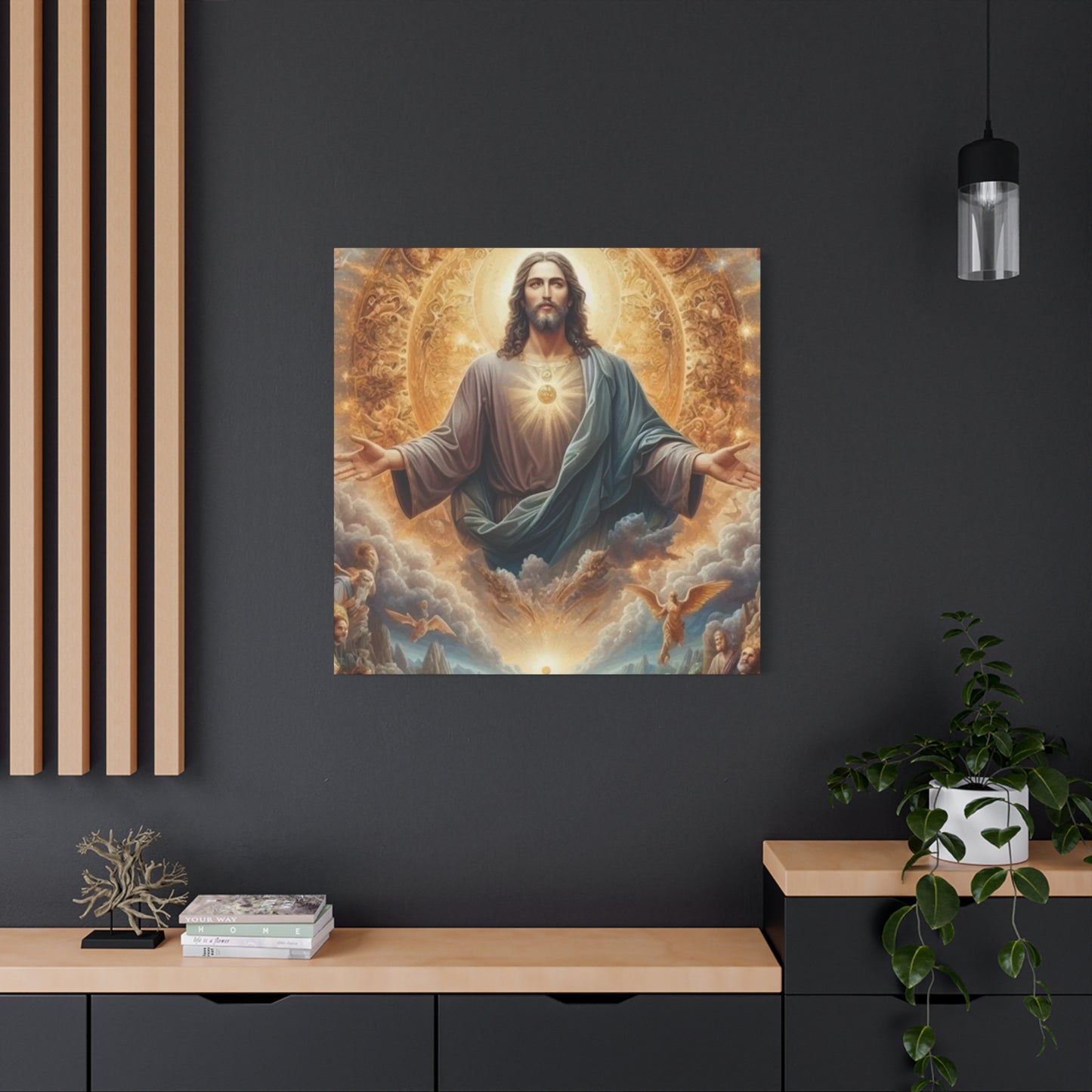


Jesus Divinity Wall Art & Canvas Prints
Jesus Divinity Wall Art & Canvas Prints
Couldn't load pickup availability
Exploring the Sacred Beauty and Spiritual Significance of Jesus Divinity Wall Art in Modern Home Decor
The presence of sacred imagery within residential spaces has experienced a remarkable renaissance during recent years. Among various forms of spiritual decorative elements, Jesus Divinity Wall Art stands as one of the most profound and meaningful choices for individuals seeking to infuse their living environments with deeper significance and contemplative beauty. This form of artistic expression transcends mere decoration, serving as a constant reminder of faith, devotion, and spiritual connection within everyday domestic life.
The Profound Impact of Sacred Religious Imagery on Contemporary Living Spaces
Throughout centuries, humanity has recognized the transformative power of visual representations of divinity. When we consider the placement of Jesus Divinity Wall Art within our homes, we are participating in a tradition that extends back through millennia of human spiritual practice. The contemporary homeowner who chooses to display such sacred imagery is making a conscious decision to create an environment that reflects personal values, beliefs, and spiritual commitments.
The visual presence of divine imagery serves multiple purposes within the domestic sphere. It functions as a focal point for meditation and prayer, creates an atmosphere conducive to spiritual reflection, and serves as a tangible expression of religious identity. Moreover, these artistic pieces often become conversation starters, allowing homeowners to share their faith journey with guests and visitors in organic, natural ways.
Research into environmental psychology demonstrates that our surroundings profoundly influence our mental states, emotional wellbeing, and behavioral patterns. When we deliberately choose to incorporate Jesus Divinity Wall Art into our living spaces, we are actively shaping the energy and atmosphere of our homes. The calming presence of sacred imagery can reduce stress levels, promote feelings of peace and security, and provide comfort during challenging times.
Diverse Artistic Representations and Stylistic Variations in Divine Portraiture
The world of Jesus Divinity Wall Art encompasses an extraordinary range of artistic styles, from classical Renaissance-inspired paintings to contemporary minimalist interpretations. Each style speaks to different aesthetic sensibilities while maintaining the core spiritual message at the heart of the imagery.
Traditional representations often draw upon centuries of iconographic tradition, presenting Christ in familiar poses and settings that resonate with collective religious memory. These pieces typically feature rich color palettes, detailed craftsmanship, and compositional elements that have been refined through generations of artistic practice. The familiarity of these traditional styles provides comfort and connection to broader religious community and heritage.
Contemporary artistic interpretations bring fresh perspectives to sacred subjects. Modern artists working with Jesus Divinity Wall Art often employ abstract elements, unconventional color schemes, and innovative compositional approaches that challenge viewers to engage with familiar subjects in new ways. These contemporary pieces can speak particularly powerfully to younger generations who seek to connect their faith with modern aesthetic sensibilities.
Photographic representations offer yet another dimension to this artistic category. High-quality photographic prints, whether depicting historical religious architecture, natural landscapes with spiritual symbolism, or staged representations of biblical scenes, provide a different kind of visual impact. The realism inherent in photography can create powerful emotional connections and serve as windows into sacred spaces and moments.
Mixed media approaches combine various artistic techniques and materials to create layered, textured pieces that engage viewers on multiple sensory levels. These works might incorporate painting, collage, metalwork, textile elements, and other materials to create rich, complex compositions that reward sustained contemplation.
Materials, Craftsmanship, and Production Methods in Religious Artwork Creation
The creation of Jesus Divinity Wall Art involves a wide spectrum of materials and production methods, each contributing unique qualities to the finished piece. Understanding these various approaches helps collectors and enthusiasts make informed decisions about which pieces best suit their spaces and preferences.
Canvas prints remain among the most popular formats for religious wall art. The texture of canvas provides a traditional, painterly quality that many find appealing. Modern printing methods on canvas achieve remarkable color fidelity and detail, while the material itself offers durability and relative affordability. Canvas pieces can be stretched over frames or mounted on backing boards, and they typically feature protective coatings that resist fading and environmental damage.
Metal prints represent a more contemporary approach to displaying sacred imagery. The process of infusing dye directly into specially coated aluminum creates luminous, vibrant images with exceptional depth and clarity. Metal prints offer remarkable durability, resistance to moisture and UV light, and a sleek, modern appearance that works well in contemporary settings. The reflective quality of metal surfaces adds a dynamic element to the viewing experience, as the appearance of the image changes subtly with varying light conditions.
Wood-mounted prints and wooden panel paintings bring organic warmth to religious imagery. The natural grain and texture of wood provide a beautiful backdrop for sacred subjects, creating a connection between the spiritual content and the natural world. Various wood species offer different aesthetic qualities, from the pale tones of birch to the rich darkness of walnut. Some artisans work directly on wood surfaces, creating unique painted pieces, while others mount prints onto wood substrates for stability and visual interest.
Glass and acrylic mounting methods create sophisticated, gallery-quality presentations. These approaches involve mounting prints behind clear protective surfaces, which enhances color vibrancy while providing excellent protection. Acrylic face mounting, in particular, creates a luminous, almost three-dimensional quality that can make images appear to float off the wall. These premium presentation methods work particularly well for high-resolution photography and detailed artwork.
Sizing Considerations and Spatial Relationships in Religious Art Display
Selecting appropriately sized Jesus Divinity Wall Art requires careful consideration of multiple factors, including room dimensions, viewing distances, wall space availability, and the intended impact of the piece. The relationship between artwork size and surrounding space significantly influences both aesthetic success and spiritual impact.
Large-scale pieces, typically measuring 36 inches or more in their longest dimension, create powerful focal points that command attention and set the tone for entire rooms. These substantial works function best in spaces with adequate wall area and viewing distance. A large-scale representation of Christ can transform a living room, bedroom, or dedicated prayer space into a sanctuary-like environment. When selecting oversized pieces, consider ceiling height as well as wall width; high ceilings can accommodate taller vertical compositions, while long horizontal walls suit panoramic formats.
Medium-sized artwork, generally ranging from 20 to 36 inches, offers versatility for various settings. These pieces provide significant visual impact without overwhelming smaller spaces. Medium-format Jesus Divinity Wall Art works beautifully in bedrooms, home offices, hallways, and dining areas. The moderate scale allows for comfortable viewing from typical room distances while maintaining enough detail to reward closer examination.
Smaller pieces, under 20 inches, excel in intimate settings and as components of larger gallery wall arrangements. Desktop prayer corners, bedside alcoves, and narrow wall sections can accommodate these compact works perfectly. Multiple small pieces arranged thoughtfully can create visual narratives or thematic collections that tell stories of faith and devotion.
When planning placement, consider the typical viewing distance for the space. Artwork hung in hallways, where viewers pass quickly, can effectively feature bolder, simpler compositions with strong visual impact. Pieces placed in seating areas, where extended contemplation is possible, can incorporate more intricate details and complex compositional elements that reward sustained attention.
Color Psychology and Its Role in Religious Artistic Expression
The color palettes employed in Jesus Divinity Wall Art carry profound symbolic meanings and exert powerful effects on viewer psychology and emotional response. Understanding color symbolism enriches appreciation of religious artwork and guides selection decisions.
Blue, frequently appearing in religious artwork, traditionally symbolizes divinity, heaven, truth, and spiritual wisdom. The association between blue and the celestial realm makes it a natural choice for backgrounds and garments in representations of Christ. Different shades of blue evoke varying responses: deep azure suggests mystery and transcendence, while lighter cerulean tones convey peace and accessibility.
Gold and yellow hues represent divine light, glory, and the presence of the sacred. In traditional iconography, gold leaf often surrounds holy figures, creating halos and backgrounds that separate the divine from the mundane. Yellow brings warmth, hope, and joy to compositions. The strategic use of golden tones in Jesus Divinity Wall Art can create luminous focal points that draw the eye and suggest spiritual radiance.
Red symbolizes sacrifice, divine love, passion, and the blood of Christ. This powerful color carries emotional weight and commands attention. Artists often employ red judiciously, using it to highlight significant elements or to convey intense spiritual moments. The psychological impact of red includes increased energy, focus, and emotional engagement.
White represents purity, holiness, resurrection, and divine perfection. In many representations of Christ, white garments signify his sinless nature and spiritual authority. The psychological effect of white includes feelings of cleanliness, clarity, and simplicity. White spaces in compositions provide visual rest and allow other elements to resonate more powerfully.
Purple, the color of royalty and majesty, connects to Christ's divine kingship. This rich, complex hue suggests nobility, mystery, and spiritual authority. Purple also carries associations with penitence and preparation, making it particularly meaningful in certain liturgical contexts.
Earth tones—browns, tans, and muted greens—ground religious imagery in the natural world and human experience. These colors connect the divine to everyday life, reminding viewers that spirituality intersects with material reality. Earth tones create warmth and accessibility in sacred imagery.
Strategic Placement Principles for Maximum Spiritual and Aesthetic Impact
The location where Jesus Divinity Wall Art is displayed significantly influences both its visual effectiveness and spiritual function. Thoughtful placement considers practical factors, aesthetic principles, and the intended purpose of the artwork.
Entry areas and foyers present immediate opportunities to establish the spiritual character of a home. Placing sacred imagery near the entrance creates a threshold experience, marking the transition from the external world to the domestic sanctuary. This positioning also allows the artwork to serve as a welcoming gesture to visitors, immediately communicating the household's values and priorities.
Living rooms and family gathering spaces benefit greatly from the presence of Jesus Divinity Wall Art. These communal areas are where family members spend significant time together, making them ideal locations for artwork that can inspire shared spiritual experiences. Placing a meaningful piece above a fireplace mantel or on a prominent wall creates a natural focal point for the room while encouraging moments of reflection during daily activities.
Bedroom placement serves more private, contemplative purposes. Many individuals find that positioning Jesus Divinity Wall Art where it is visible from bed creates opportunities for morning and evening prayer or meditation. The intimate nature of bedroom spaces allows for more personal, emotionally resonant pieces that might not work in public areas of the home.
Dedicated prayer or meditation spaces call for carefully selected artwork that supports contemplative practice. In these environments, Jesus Divinity Wall Art functions as more than decoration; it becomes a tool for spiritual focus and connection. Consider placing pieces at eye level when seated in prayer posture, ensuring comfortable viewing during extended meditation sessions.
Dining areas provide unique opportunities for spiritual engagement. The practice of sharing meals carries deep religious significance, and sacred imagery in dining spaces connects everyday nourishment with spiritual sustenance. Placement above buffets, sideboards, or on walls visible from the dining table reinforces the sacred dimension of communal eating.
Home offices and workspaces benefit from the calming, centering presence of religious artwork. The presence of Jesus Divinity Wall Art in professional spaces serves as a reminder of larger purposes and values amid daily tasks and challenges. Positioning artwork where it is visible during work, but not directly in the primary line of sight, allows for occasional glances that provide grounding without distraction.
Hallways and transitional spaces, often overlooked in decorating plans, offer excellent opportunities for displaying sacred imagery. These areas see frequent traffic, and artwork placed here encounters regular viewing. Gallery-style arrangements of multiple related pieces can transform ordinary hallways into meaningful spiritual corridors.
Lighting Strategies to Enhance Sacred Imagery Display
Proper illumination of Jesus Divinity Wall Art dramatically affects its visual impact and the atmosphere it creates. Different lighting approaches serve various aesthetic and spiritual purposes.
Natural light provides the most dynamic illumination, changing throughout the day and seasons. Positioning artwork where it receives indirect natural light prevents damage from UV exposure while allowing the piece to participate in the daily rhythm of light and shadow. Morning light brings fresh, cool tones that can emphasize blues and whites in religious imagery, while afternoon light warms colors and creates a more golden atmosphere. Consider how natural light patterns in your space will interact with chosen artwork throughout the day.
Dedicated picture lights, mounted directly above or below artwork, provide focused illumination that highlights the piece while creating dramatic visual impact. These fixtures come in various styles, from traditional brass library lights to sleek modern LED strips. Proper positioning of picture lights eliminates glare while ensuring even coverage across the artwork surface. Adjustable fixtures allow fine-tuning of light direction and intensity.
Track lighting offers flexibility for illuminating multiple pieces or adjusting focus as artwork changes. This system works particularly well in spaces where religious art is displayed alongside other decorative elements. Individual track heads can be aimed precisely, and dimming capabilities allow atmosphere adjustment for different occasions and times of day.
Ambient room lighting contributes to overall viewing conditions without specifically highlighting artwork. Recessed ceiling fixtures, chandeliers, and wall sconces create general illumination that allows comfortable viewing of Jesus Divinity Wall Art while serving broader lighting needs. When planning ambient lighting, ensure adequate overall light levels while avoiding direct glare on artwork surfaces.
Accent lighting creates mood and directs attention. Small spotlights, uplights, or wall washers can emphasize sacred imagery while contributing to spiritual atmosphere. Warm color temperatures, typically around 2700-3000K, create welcoming, peaceful environments suitable for contemplation, while cooler temperatures above 4000K produce more alert, focused conditions.
Candlelight offers unique aesthetic and spiritual qualities. While not suitable as primary illumination for artwork viewing, the presence of candles near Jesus Divinity Wall Art creates a traditional devotional atmosphere. The flickering quality of candlelight adds movement and life to static imagery, creating a contemplative ambiance. Always observe fire safety precautions when using candles near artwork.
Smart lighting systems enable customization of illumination schedules and characteristics. Programmable systems can adjust lighting throughout the day, perhaps brightening artwork during morning prayer time or creating softer evening ambiance. Color-tunable LED systems even allow subtle shifts in light color to emphasize different aspects of artwork at different times.
Framing Options and Presentation Methods for Religious Artwork
The manner in which Jesus Divinity Wall Art is framed and presented significantly influences its visual impact and longevity. Various framing approaches serve different aesthetic preferences while providing necessary protection.
Traditional wood framing offers classic elegance and substantial presence. High-quality wood frames come in countless profiles, from simple rectangles to elaborate ornate designs with decorative carving. Wood finish options range from natural grain displays to painted, gilded, or distressed treatments. The warmth of wood complements religious subject matter particularly well, creating a sense of permanence and respect for the sacred imagery.
Metal framing provides contemporary, streamlined aesthetics. Aluminum and steel frames offer clean lines and modern sophistication while providing excellent structural support. Metal finishes include brushed silver, polished chrome, matte black, gold tones, and various powder-coated colors. The slim profiles possible with metal framing allow maximum emphasis on the artwork itself, making these frames particularly suitable for modern and minimalist interpretations of sacred subjects.
Floating frames create the illusion that artwork hovers within the frame, separated from the backing by a small gap. This dramatic presentation method works exceptionally well with canvas and wood-mounted prints. The shadowed gap around the artwork adds depth and contemporary flair while drawing attention to the piece itself. Floating frames come in both wood and metal variations, offering flexibility for different interior styles.
Gallery wrap presentation eliminates frames entirely for canvas pieces. The printed image extends around the edges of the stretched canvas, creating a finished appearance suitable for direct wall mounting. This frameless approach emphasizes the artwork's presence while creating a clean, modern look. Gallery-wrapped canvases work particularly well in contemporary and casual settings.
Shadow box frames add three-dimensional depth to presentations. These frames, featuring deeper profiles than standard frames, create space between the glass and artwork. Shadow boxes work beautifully for pieces that include textural elements or slight three-dimensional components. The added depth creates intriguing viewing angles and light play.
Matting, when used appropriately, provides visual breathing room around artwork. Mats create borders between image and frame, preventing visual crowding while adding a gallery-quality appearance. Multiple mat layers in coordinating or contrasting colors add sophistication and can emphasize particular colors within the artwork. Mat selection should consider both the artwork's palette and the surrounding decor.
Conservation framing methods protect valuable artwork from environmental damage. UV-protective glass or acrylic, acid-free mats and backing materials, and proper mounting techniques preserve pieces for generations. While conservation framing costs more initially, it proves worthwhile for meaningful or irreplaceable Jesus Divinity Wall Art.
Thematic Variations and Iconographic Traditions in Christ Representations
The visual tradition surrounding representations of Christ encompasses numerous specific themes and iconographic conventions, each carrying particular meanings and spiritual emphases. Understanding these various representational categories enriches appreciation and guides selection.
The Sacred Heart imagery emphasizes Christ's love for humanity through the symbol of his exposed, radiant heart. This powerful iconographic tradition, with roots in medieval mysticism and particular development during the Counter-Reformation, presents Christ with his heart visible, often surrounded by thorns, flames, or rays of light. Sacred Heart Jesus Divinity Wall Art speaks to themes of divine love, compassion, and sacrifice, making it particularly meaningful for those whose spiritual practice emphasizes emotional connection with the divine.
Christ the King representations emphasize Jesus's sovereignty and divine authority. These images typically feature regal elements such as crowns, thrones, or royal vestments, sometimes combined with traditional symbols like the orb and scepter. The Christ the King theme celebrates Jesus as ruler of the universe, emphasizing his majesty and cosmic significance.
The Good Shepherd portrayal draws on biblical parable and pastoral imagery to present Christ as caring guide and protector. These scenes typically show Jesus carrying a lamb or surrounded by sheep, symbolizing his concern for each individual soul. Good Shepherd imagery emphasizes themes of guidance, protection, and the value of every person in the divine economy.
Resurrection and Triumphant Christ representations focus on the victory over death and the glory of the risen Savior. These images often feature dramatic lighting, angelic figures, and symbols of triumph such as the banner of victory or trampled death. Resurrection-themed Jesus Divinity Wall Art emphasizes hope, renewal, and the promise of eternal life.
The Suffering Servant tradition presents Christ in his passion, emphasizing themes of sacrifice, redemption, and solidarity with human suffering. Crucifixion scenes, images of Christ carrying the cross, or representations of the Man of Sorrows connect viewers with the redemptive meaning of Christ's suffering. While these images focus on difficult subjects, they offer profound spiritual depth and connection to the central Christian narrative of salvation.
Christ the Teacher or Christ the Philosopher presentations emphasize Jesus's wisdom and moral guidance. These representations often show Jesus with open scriptures, teaching gestures, or surrounded by disciples. This iconographic tradition highlights intellectual and moral dimensions of faith, appealing to those who value the ethical and wisdom aspects of religious commitment.
Tender or Intimate representations focus on accessible, emotionally approachable presentations of Christ. These images might show Jesus in gentle poses, with welcoming expressions, or in contexts emphasizing his humanity and relatability. This style of Jesus Divinity Wall Art creates emotional connection and emphasizes the personal relationship possible with the divine.
Cosmic or Transcendent Christ imagery presents Jesus in contexts emphasizing his universal, eternal nature. These representations might incorporate symbols of the cosmos, abstract spiritual symbolism, or visual elements suggesting realms beyond ordinary perception. This category appeals to those drawn to mystical or contemplative spiritual practice.
Caring for and Preserving Religious Artwork for Generational Transmission
Jesus Divinity Wall Art often carries significant emotional and spiritual value, making its preservation important for many families. Proper care ensures that meaningful pieces can be passed to future generations as spiritual heirlooms.
Environmental control represents the first line of defense against artwork deterioration. Maintaining stable temperature and humidity levels prevents many common forms of damage. Ideal conditions typically include temperatures between 65-75 degrees Fahrenheit and relative humidity between 40-55 percent. Extreme fluctuations in either parameter cause materials to expand and contract, leading to cracking, warping, and adhesive failure. In climates with significant seasonal variation, consider using humidifiers during dry winter months and dehumidifiers during humid summers.
Light exposure, particularly ultraviolet light, causes cumulative damage to artwork over time. Colors fade, papers yellow, and materials weaken under prolonged light exposure. While some light is necessary for viewing and enjoyment, minimize exposure when possible. Position Jesus Divinity Wall Art away from direct sunlight, use UV-filtering window treatments, and consider UV-protective glazing for framed pieces. In spaces with significant natural light, rotating displayed pieces seasonally distributes light exposure across multiple artworks.
Regular, gentle cleaning maintains appearance without causing damage. Dust accumulation dulls artwork and can attract moisture, creating conditions for mold growth. For unframed canvas or similar surfaces, use a soft, clean brush to gently remove dust, always brushing away from the surface rather than pressing into it. For framed pieces, clean glass or acrylic with appropriate cleaners and soft, lint-free cloths, avoiding excessive moisture near frame edges where liquid might seep behind glazing.
Protective barriers prevent accidental damage. In homes with active children or pets, consider positioning valuable pieces higher on walls or in less trafficked areas. For pieces in dining areas or other spaces where splatter or spill risks exist, glazed frames provide excellent protection. Even gallery-wrapped canvases benefit from protective coatings that resist moisture and staining.
Professional assessment and conservation address serious concerns. When Jesus Divinity Wall Art shows signs of significant deterioration, mold growth, structural damage, or other serious problems, consult professional conservators. These specialists possess the training and materials to address complex problems without causing additional harm. While professional conservation services represent significant investment, they prove worthwhile for pieces of particular sentimental or spiritual value.
Documentation preserves information about cherished pieces. Photograph your Jesus Divinity Wall Art, noting acquisition details, artist information when known, and any special meaning or family history associated with pieces. This documentation proves valuable for insurance purposes and helps family members understand the significance of inherited pieces. Written accounts of why particular pieces were chosen and what they meant to family members add depth to spiritual inheritance.
Proper storage protects pieces not currently displayed. When rotating seasonal displays or temporarily storing artwork, use appropriate materials and methods. Store canvas pieces flat or slightly tilted, never rolled, to prevent cracking. Use acid-free tissue or glassine paper between stacked items. Maintain climate-controlled storage environments, and avoid basements, attics, or garages where temperature and humidity fluctuate dramatically. Check stored pieces periodically for any signs of pest activity or environmental damage.
Curating Personal Collections and Building Spiritual Galleries
Many households develop collections of Jesus Divinity Wall Art over time, creating personal galleries that reflect evolving spiritual journeys and aesthetic preferences. Thoughtful curation transforms random accumulation into coherent, meaningful collections.
Thematic coherence creates visual and spiritual unity across multiple pieces. Collections might focus on specific aspects of Christ's life, particular artistic styles, representations from different cultural traditions, or other unifying concepts. A collection emphasizing Christ's teachings might include multiple scenes of Jesus with disciples, parables depicted visually, or representations of specific biblical teachings. Alternatively, a collection might trace the narrative of Jesus's earthly life chronologically, from nativity to ascension.
Stylistic variety within an overarching theme adds visual interest while maintaining conceptual unity. A collection focused on Sacred Heart imagery might include traditional painted representations, contemporary abstract interpretations, photographic pieces featuring Sacred Heart churches or devotional objects, and mixed-media works. This variety keeps the collection visually engaging while maintaining thematic focus.
Scale diversity creates dynamic visual relationships between pieces. Combining large anchor pieces with medium and smaller complementary works allows flexible arrangement options and creates visual hierarchy. A dominant large-scale piece might serve as the spiritual and visual center of a gallery wall, with smaller related pieces arranged around it to support and expand the central theme.
Cultural diversity enriches collections and reflects the universal nature of Christian faith. Jesus Divinity Wall Art from different cultural traditions—European, African, Asian, Latin American, and others—demonstrates how the Christian message has been received and expressed across human diversity. Including representations that reflect different cultural perspectives honors the global church and can provide fresh insights into familiar subjects.
Gallery wall arrangements allow cohesive display of multiple pieces. Successful gallery walls balance several factors: visual weight distribution, color harmony, spatial relationships, and thematic connections. Layout planning using paper templates or digital tools prevents unnecessary wall damage from experimental hanging. Various arrangement patterns work for different spaces: grid arrangements create orderly, structured appearances; salon-style arrangements with varied spacing feel more organic and collected; symmetrical arrangements around a central piece provide formal balance.
Living collections evolve over time, reflecting spiritual growth and changing life circumstances. Remain open to adding new pieces that speak to current spiritual needs or questions. Conversely, some pieces that once held great meaning might naturally transition to new homes with family members or friends for whom they hold special significance. This organic evolution keeps collections vital and personally relevant.
Commissioning Custom Pieces for Unique Spiritual Expression
While many beautiful Jesus Divinity Wall Art options exist through commercial channels, commissioning custom pieces offers unique advantages for those seeking highly personal spiritual artwork.
Artist selection forms the foundation of successful commissions. Research artists whose existing work demonstrates both appropriate skill levels and aesthetic sensibilities aligned with your vision. Review portfolios thoroughly, paying attention to how artists handle religious subjects, their range of styles, and the quality of their craftsmanship. Many artists share process documentation, offering insight into their working methods and professionalism.
Clear communication about expectations, preferences, and intended meaning proves essential. Prepare a written brief outlining the desired subject matter, size parameters, color preferences, style direction, and intended location for the finished piece. Share reference images that capture elements you find appealing, even if those references come from entirely different contexts. Explain the spiritual significance you hope the piece will carry and any specific symbolic elements you wish to include.
Budget discussions belong early in the commission process. Custom artwork represents significant investment, with costs varying widely based on artist reputation, piece size, medium complexity, and project timeline. Understand what the quoted price includes—typically the artwork itself, but sometimes excluding framing, shipping, or other ancillary costs. Payment terms vary among artists; some require full payment upfront, while others work with deposits and milestone payments.
Timeline expectations require realistic assessment. Quality custom artwork takes time, often weeks or months from initial consultation to completion. Factors affecting timeline include the artist's current workload, medium drying times for painted pieces, and complexity of the composition. Rush orders may incur additional fees and compromise the contemplative working process that produces the best results.
Revision policies should be clearly understood before work begins. Most artists include a specified number of revision rounds in their commission terms, often showing works-in-progress for client feedback before proceeding to final stages. Understand what types of revisions are possible at different stages and how significant changes beyond the agreed scope will be handled.
Intellectual property considerations deserve attention. Typically, commissioned artwork results in the client owning the physical piece while the artist retains copyright to the image itself. This arrangement allows artists to photograph work for portfolio use while restricting the client's ability to reproduce the image commercially. If you desire full image rights, discuss this explicitly and understand that it typically increases commission costs.
Documentation of completed commissions serves multiple purposes. Professional photography of finished pieces provides records for insurance and cataloging purposes. Written documentation of the commission process, artist statements about their work, and your own reflections on the piece's meaning enrich the artwork's personal history.
Gifting Sacred Imagery as Meaningful Spiritual Gesture
Jesus Divinity Wall Art makes profoundly meaningful gifts for various occasions, combining aesthetic beauty with spiritual depth. Thoughtful selection and presentation elevate these gifts beyond ordinary exchanges.
Life milestone occasions call for particularly significant gifts. Baptisms, confirmations, first communions, weddings, ordinations, and similar events mark crucial moments in spiritual journeys. Jesus Divinity Wall Art commemorating these occasions becomes permanent reminders of commitments made and grace received. For baptisms, imagery emphasizing new life and divine welcome creates appropriate symbolism. Wedding gifts might feature representations of Christ blessing marriages or emphasizing covenant love. Ordination gifts could focus on Christ as Good Shepherd or Teacher, models for ministry.
Comfort during difficulty makes sacred imagery particularly meaningful. When friends or family members face illness, loss, or other trials, Jesus Divinity Wall Art can provide tangible spiritual support. Images emphasizing divine presence during suffering, comfort in affliction, or hope in resurrection speak directly to those experiencing hardship. The permanent nature of wall art means these pieces continue offering comfort long after the immediate crisis passes.
New home blessings benefit from carefully chosen sacred imagery. Housewarming gifts of Jesus Divinity Wall Art help establish the spiritual character of new residences from the beginning. Consider the recipients' aesthetic preferences, the style of their new home, and which rooms might benefit most from sacred art presence. Including information about proper placement and care demonstrates thoughtfulness and practical concern.
Holiday gifting, particularly during Christmas and Easter, connects to the deepest meanings of Christian celebration. Nativity-themed pieces for Christmas or resurrection imagery for Easter help recipients maintain focus on spiritual significance amid cultural commercialization. These holiday gifts often become cherished traditions, displayed annually as part of seasonal celebrations.
Presentation enhances gift impact. Quality wrapping and thoughtful cards that articulate why the specific piece was chosen add layers of meaning. Consider including information about the artist, the iconographic tradition represented, or the symbolism within the piece. For particularly significant gifts, a letter explaining your prayer that this artwork will bring blessing to the recipient's home creates lasting emotional impact.
Respect for recipient preferences remains paramount. Consider the recipient's aesthetic sensibilities, denominational traditions, and personal devotional style. A piece that speaks deeply to your spiritual experience might not resonate similarly for someone with different theological emphases or artistic preferences. When uncertain, erring toward more universally appealing representations or inquiring about preferences ensures your gift will be truly treasured.
Building Faith Through Visual Engagement in Family Contexts
Jesus Divinity Wall Art serves unique roles in family contexts, particularly in households raising children within religious traditions. Sacred imagery becomes part of the visual environment that shapes developing spiritual consciousness.
Children's natural visual orientation makes sacred imagery particularly effective for spiritual formation. Young children absorb their environments holistically, and the regular presence of Jesus Divinity Wall Art normalizes spiritual awareness as part of daily life. Children who grow up surrounded by religious imagery develop comfort with sacred subjects and visual vocabularies for discussing spiritual matters.
Age-appropriate selection ensures engagement rather than confusion or fear. For very young children, gentler representations emphasizing Jesus's kindness, love for children, and welcoming nature work best. Avoid overly intense crucifixion imagery for small children who lack cognitive capacity to process suffering and redemption theologically. As children mature, gradually introducing more complex representations matches their developing capacity for theological understanding.
Placement in children's spaces claims those areas for spiritual purposes. Jesus Divinity Wall Art in bedrooms, playrooms, or study areas reminds children that no aspect of life falls outside divine concern. Imagery visible from beds particularly serves bedtime prayer routines and provides comfort during nighttime fears.
Interactive engagement with artwork develops observation and reflection skills. Parents can use displayed Jesus Divinity Wall Art as starting points for spiritual conversations. Ask children what they notice in images, how they think Jesus feels in particular representations, or what stories the pictures might tell. These conversations develop visual literacy while creating opportunities for theological discussion at developmentally appropriate levels.
Personal selection involvement gives children ownership of their spiritual environments. When redecorating children's spaces, involve them in selecting Jesus Divinity Wall Art for their rooms. This participation conveys that their spiritual lives matter and develops their capacity for making faith-informed choices. Even young children can express preferences between options, and respecting these preferences honors their developing spiritual agency.
Memory creation around specific pieces roots spiritual formation in family narrative. When significant Jesus Divinity Wall Art enters the home, create ceremony around its placement. Explain to children why the piece is meaningful, perhaps incorporating a prayer or blessing for the home. These rituals make specific artworks landmarks in family spiritual history, referenced in later conversations about faith development.
Seasonal rotations maintain engagement and teach liturgical awareness. Families following liturgical calendars can rotate Jesus Divinity Wall Art to reflect different seasons and emphases of the church year. Advent and Christmas nativity imagery gives way to Lenten and Passion representations, followed by Easter resurrection themes and Ordinary Time pieces. This rotation makes the liturgical cycle visible and concrete for children while keeping displayed artwork fresh and engaging.
Navigating Contemporary Marketplace for Religious Artwork Acquisition
The marketplace for Jesus Divinity Wall Art has expanded dramatically with digital commerce, offering unprecedented selection alongside new challenges in quality assessment and authentic value determination.
Online marketplaces provide access to enormous inventories from multiple sellers and artists worldwide. Major platforms host thousands of religious art options at every price point, style, and quality level. This abundance offers advantages and challenges. The advantage lies in unparalleled selection and competitive pricing; the challenge involves sorting through options to identify pieces that offer genuine quality and value.
Artist-direct purchasing through personal websites and online portfolios connects buyers with creators, often resulting in better prices and more authentic experiences. Many skilled religious artists maintain web presences showcasing their work and facilitating direct sales. Purchasing directly from artists ensures that more money reaches creators rather than intermediaries, and often allows for dialogue about customization, commission possibilities, and the spiritual motivation behind specific pieces.
Print-on-demand services offer affordable access to religious imagery but require quality evaluation. These platforms allow independent designers to offer artwork printed on various substrates and shipped to customers. Quality varies enormously across print-on-demand offerings. Examine seller ratings, request samples when possible, and understand printing processes used before purchasing. The most affordable options often involve lower print quality that may prove disappointing for prominent display.
Specialized religious goods retailers curate selections specifically for faith communities. These businesses, both online and physical, focus exclusively on religious merchandise and often employ staff with knowledge about iconographic traditions, appropriate usage, and quality standards. While prices may run higher than mass-market options, the curated selection and expertise available from these specialists justify the premium for many buyers.
Auction platforms and estate sales occasionally yield exceptional Jesus Divinity Wall Art, particularly older pieces with historical value. Savvy shoppers can find high-quality religious artwork at below-retail prices by monitoring auction sites and attending estate sales. This approach requires patience and some expertise in assessing artwork quality and authenticity, but can result in meaningful acquisitions with interesting provenance.
Quality indicators help sort strong offerings from inferior options. Resolution matters enormously for printed pieces; low-resolution images appear blurry or pixelated, particularly in larger sizes. Request information about source image resolution before purchasing large-format prints. Material quality affects both appearance and longevity; canvas weight, metal thickness, wood type, and coating quality all impact final results. Reputable sellers specify materials used and finishing processes applied.
Return policies provide crucial protection when purchasing artwork sight-unseen. Understand return terms before ordering, including who pays return shipping and whether returns incur restocking fees. The inability to physically examine pieces before purchase makes generous return policies essential for online religious art acquisition.
Authentication concerns arise particularly with more expensive pieces, especially when purchasing works described as antique or attributed to recognized artists. Request documentation of provenance when purchasing significant pieces, and consider expert appraisal for expensive acquisitions. Unfortunately, misrepresentation occurs in religious art markets, with reproductions sometimes marketed as originals and falsely attributed pieces commanding undeserved premiums.
Conclusion
Contemporary conversations about cultural representation have important implications for Jesus Divinity Wall Art selection, particularly regarding how Christ is visually represented and which artistic traditions receive prominence.
Historical artistic conventions predominantly portrayed Jesus with European features, reflecting the cultural contexts where much traditional Christian art originated. These representations, created by European artists working within their cultural frames of reference, became standardized through reproduction and dissemination. However, this artistic tradition has created limitations, sometimes implying that European cultural expressions of Christianity carry more authenticity or authority than others.
Diverse cultural representations honor the universal scope of Christian faith. The global nature of Christianity means the faith has been indigenized within countless cultural contexts, each developing distinctive artistic expressions. African Christian art, Asian Christian iconography, Latin American religious folk art, and indigenous Christian traditions worldwide offer rich, distinctive representations of Christ and Christian themes that reflect the gospel's capacity to speak within diverse cultural frameworks.
Inclusive representation in home art selections acknowledges global Christian unity. Households seeking to express solidarity with worldwide Christian community might deliberately include Jesus Divinity Wall Art from multiple cultural traditions. This practice visually affirms that Christianity transcends any single culture and finds authentic expression across human diversity.
Share