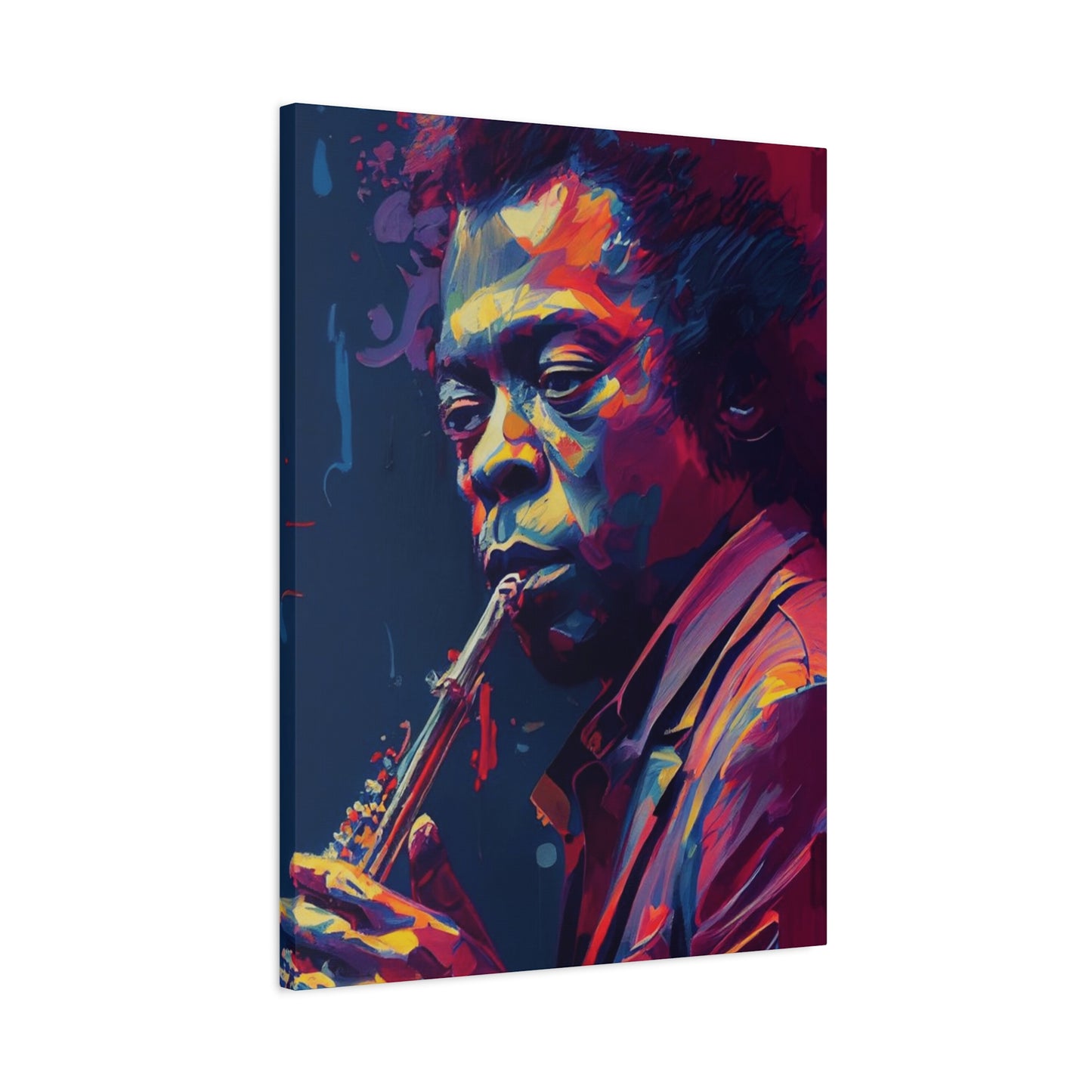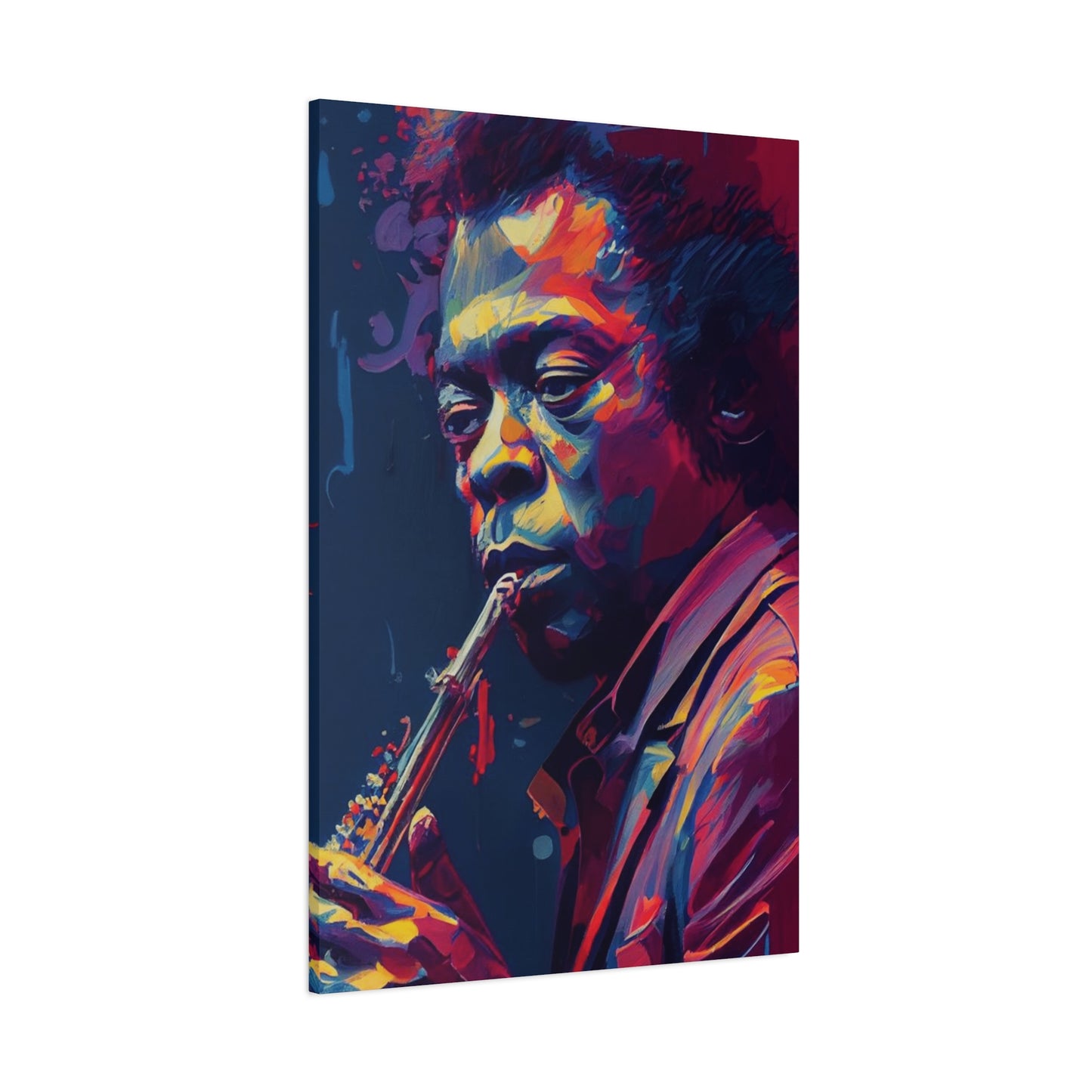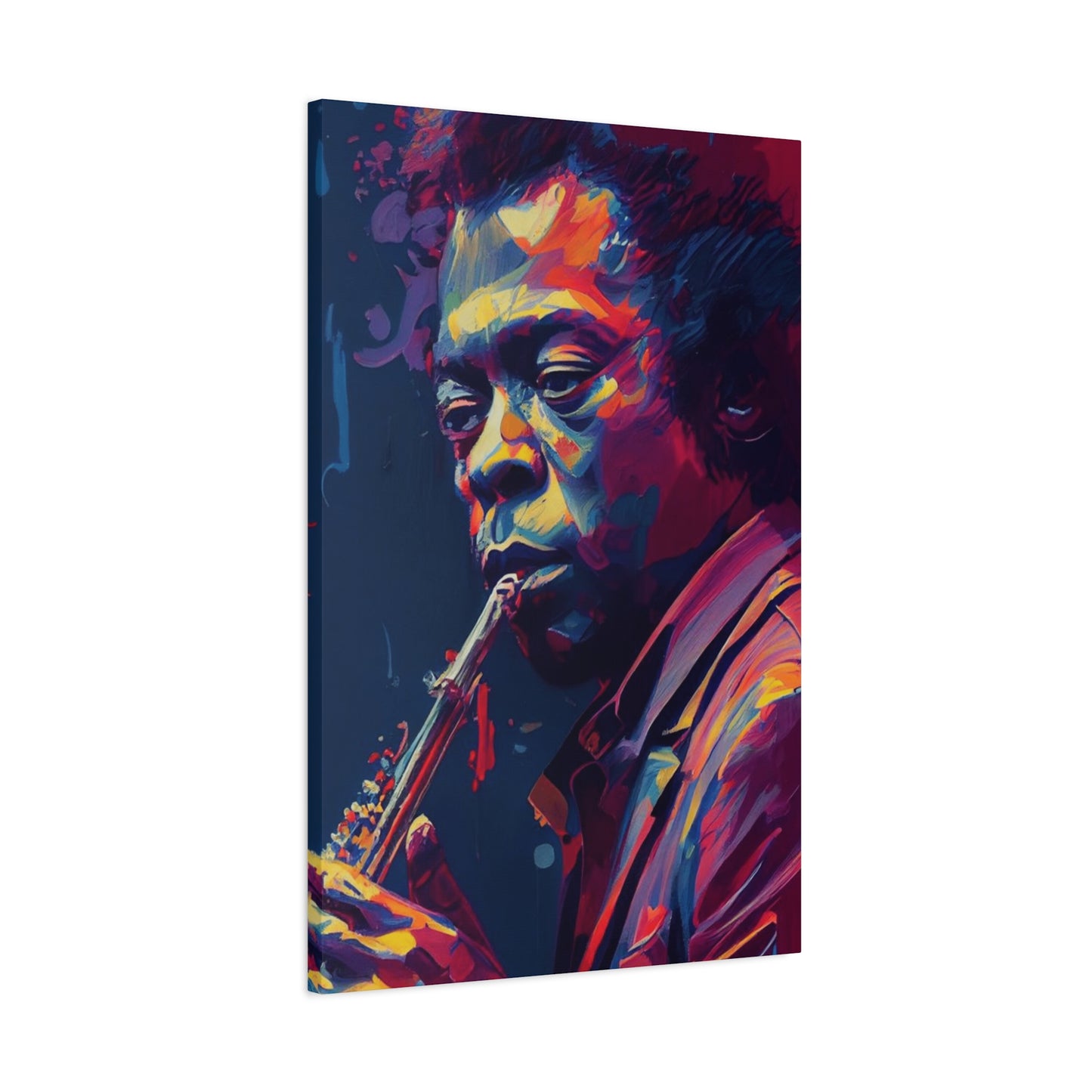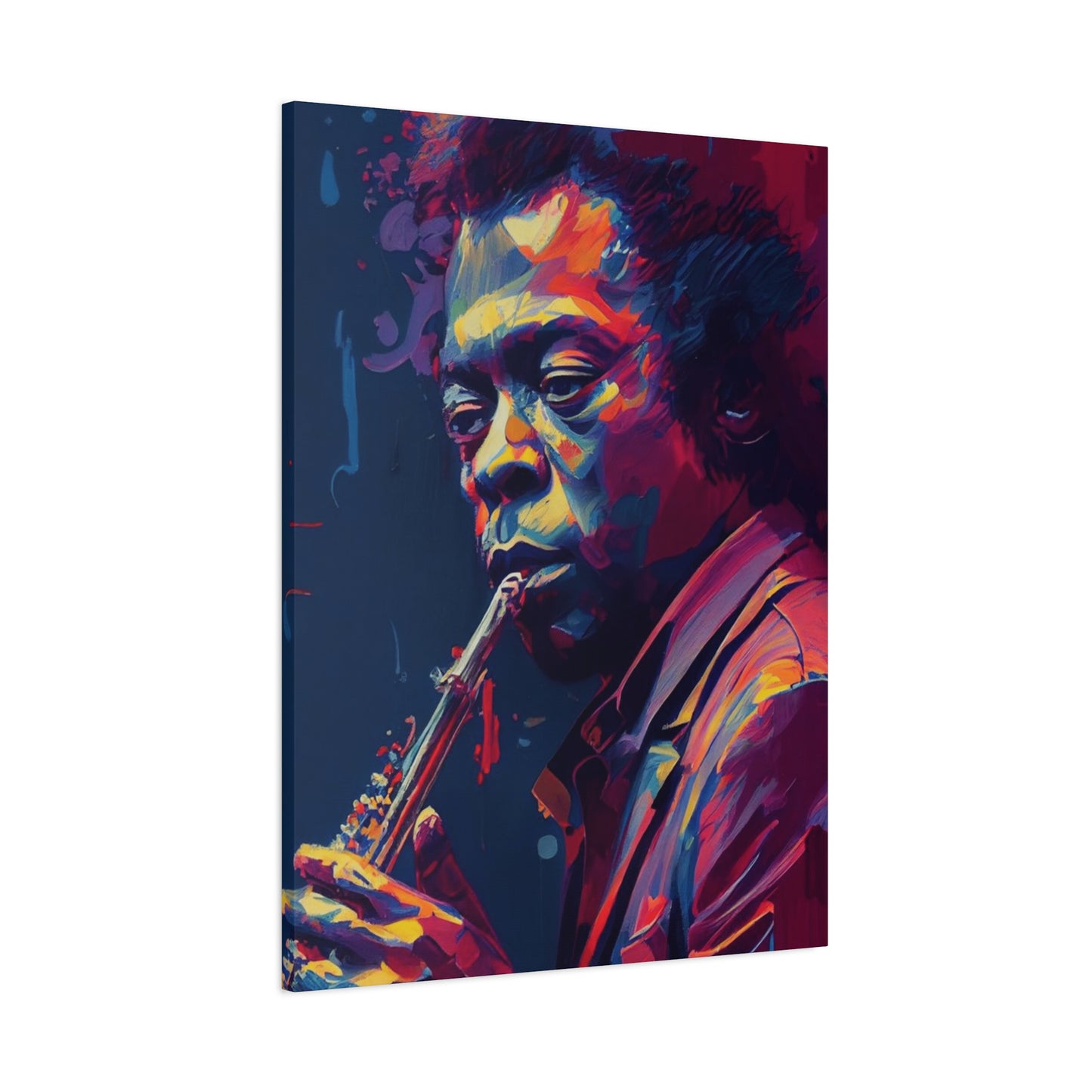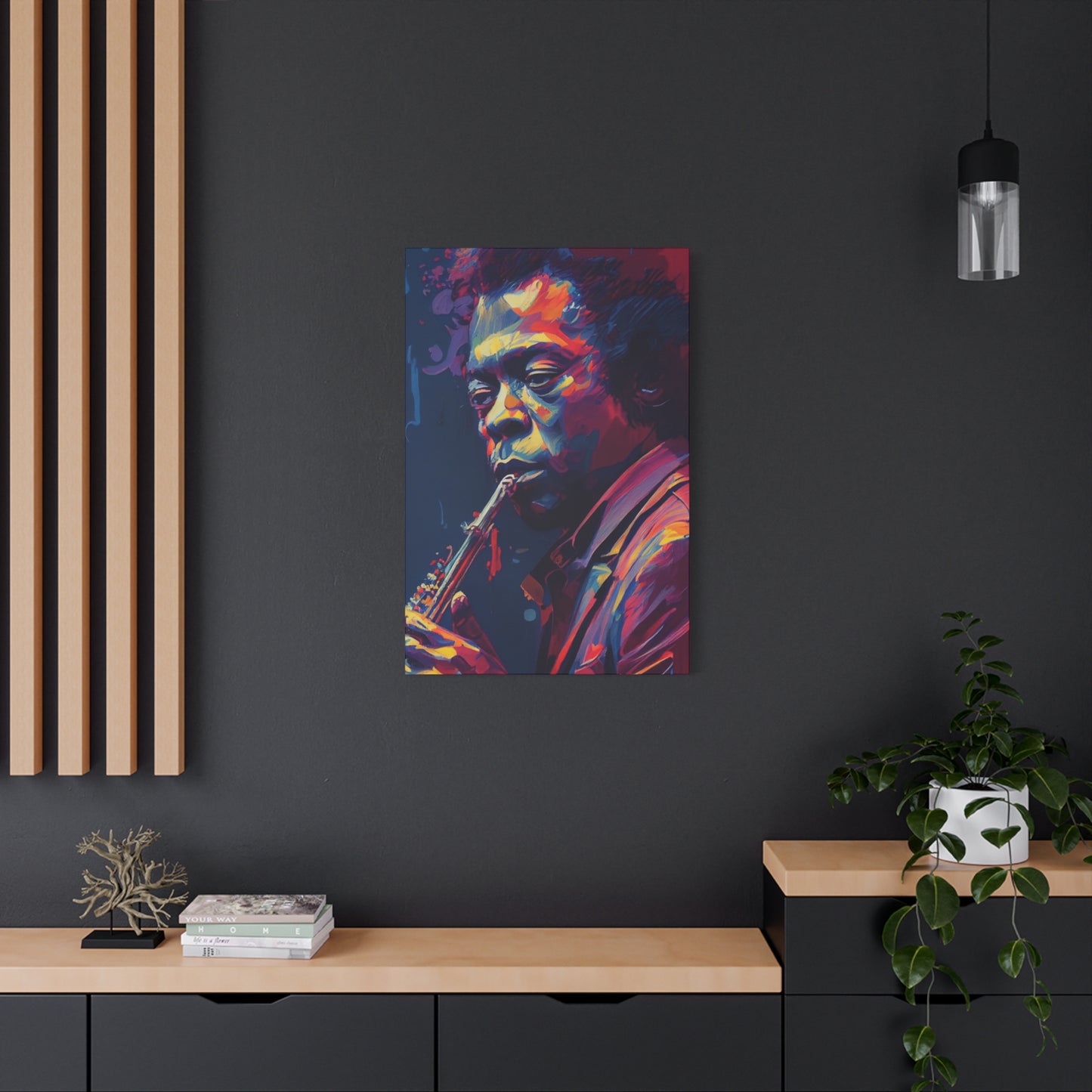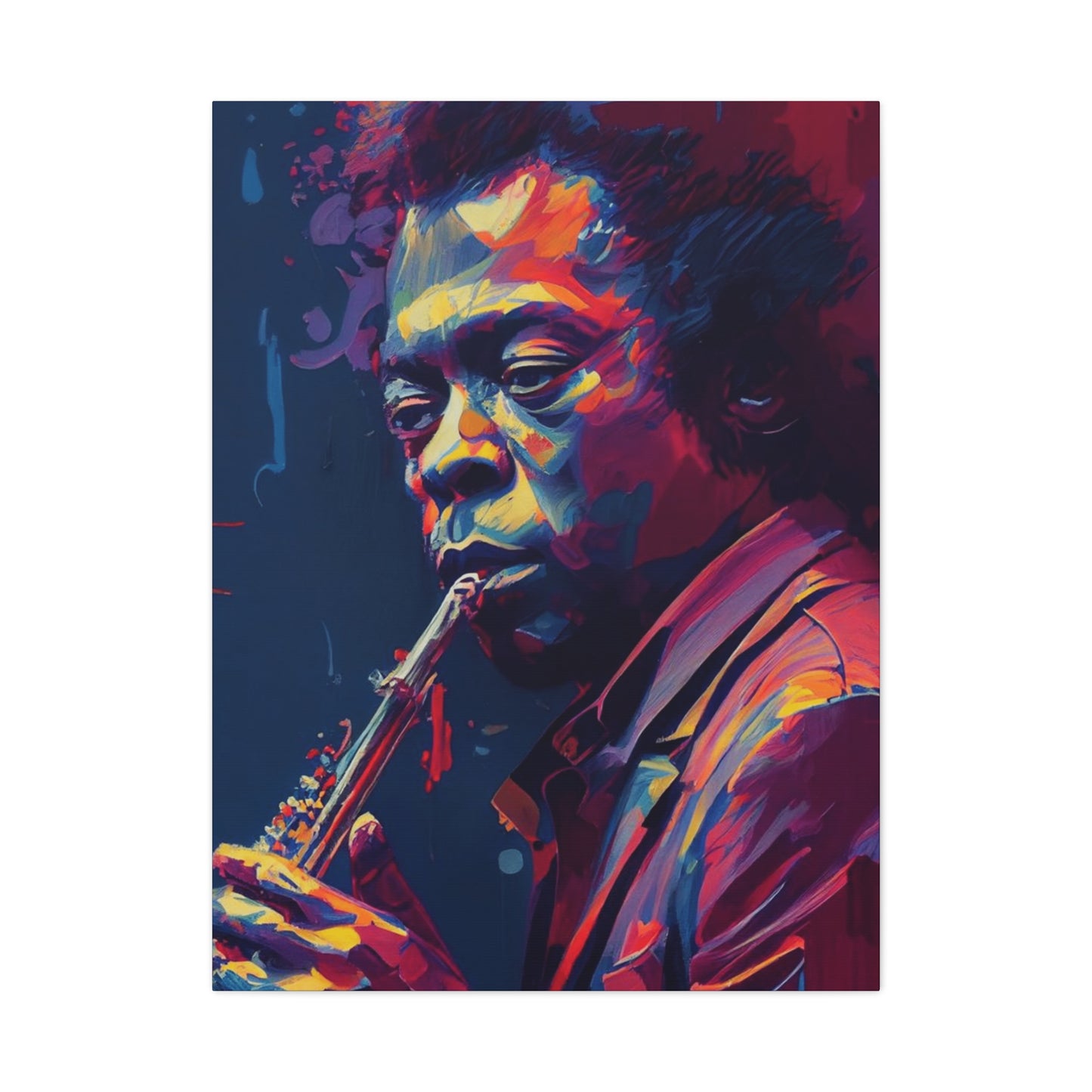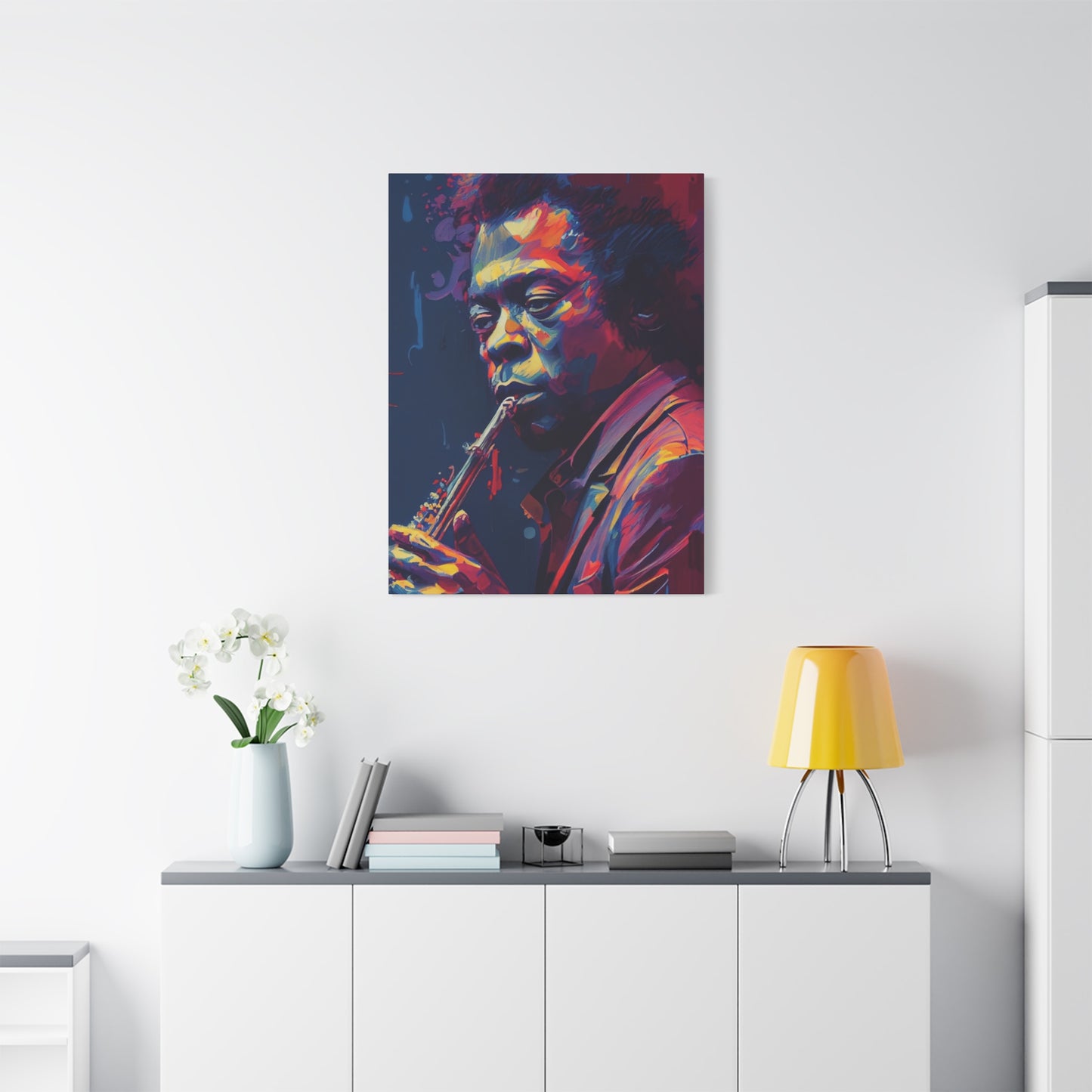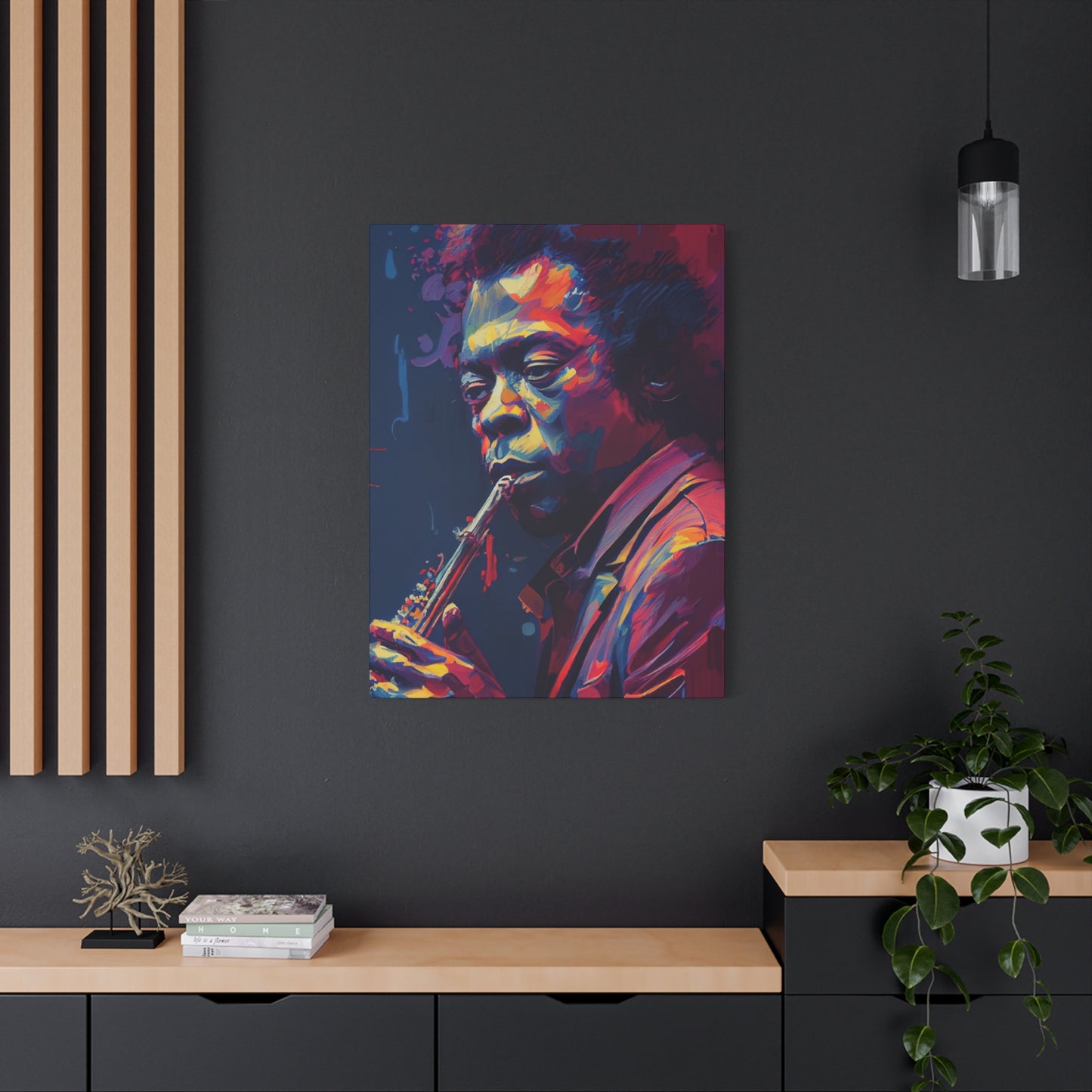


Jazz Wall Art & Canvas Prints
Jazz Wall Art & Canvas Prints
Couldn't load pickup availability
Expressive Visual Statements That Capture the Spirit of Musical Improvisation- Jazz Wall Art
The vibrant world of jazz has long inspired artists to translate its rhythmic complexity and improvisational energy into visual form. Jazz wall art represents more than mere decoration; it embodies the soul-stirring essence of a musical genre that revolutionized American culture and spread its influence across the globe. When collectors and enthusiasts seek out these artistic pieces, they're not simply purchasing decorative items but investing in tangible representations of freedom, creativity, and cultural expression that transcends conventional boundaries.
The relationship between jazz music and visual art has existed since the early twentieth century, when musicians in New Orleans began creating a distinctively American sound that blended African rhythms, European harmonies, and blues traditions. Artists working in various mediums recognized the revolutionary nature of this music and sought ways to capture its essence through paint, sculpture, photography, and mixed media. This creative dialogue between auditory and visual expression continues to flourish today, with contemporary artists finding new methods to interpret the improvisational nature of jazz through their chosen mediums.
Understanding the appeal of jazz wall art requires appreciating the genre's fundamental characteristics. Jazz celebrates spontaneity, individual expression within collective harmony, and the beautiful tension between structure and freedom. Visual artists translating these qualities into their work employ dynamic compositions, bold color palettes, rhythmic patterns, and gestural marks that mirror the music's energy. The resulting pieces often feature abstract elements that evoke the feeling of a trumpet's wail, the cascade of piano keys, or the syncopated pulse of drums without literally depicting these instruments.
Collectors drawn to this artistic category typically possess an appreciation for both visual aesthetics and musical heritage. They understand that displaying such pieces in their homes or establishments creates an atmosphere charged with creative energy and cultural significance. Whether featuring stylized portraits of legendary performers, abstract interpretations of musical concepts, or documentary photography capturing historic moments, these works serve as conversation pieces that invite viewers to consider the profound impact jazz has had on artistic expression worldwide.
Examining Various Artistic Styles Within the Jazz Visual Tradition
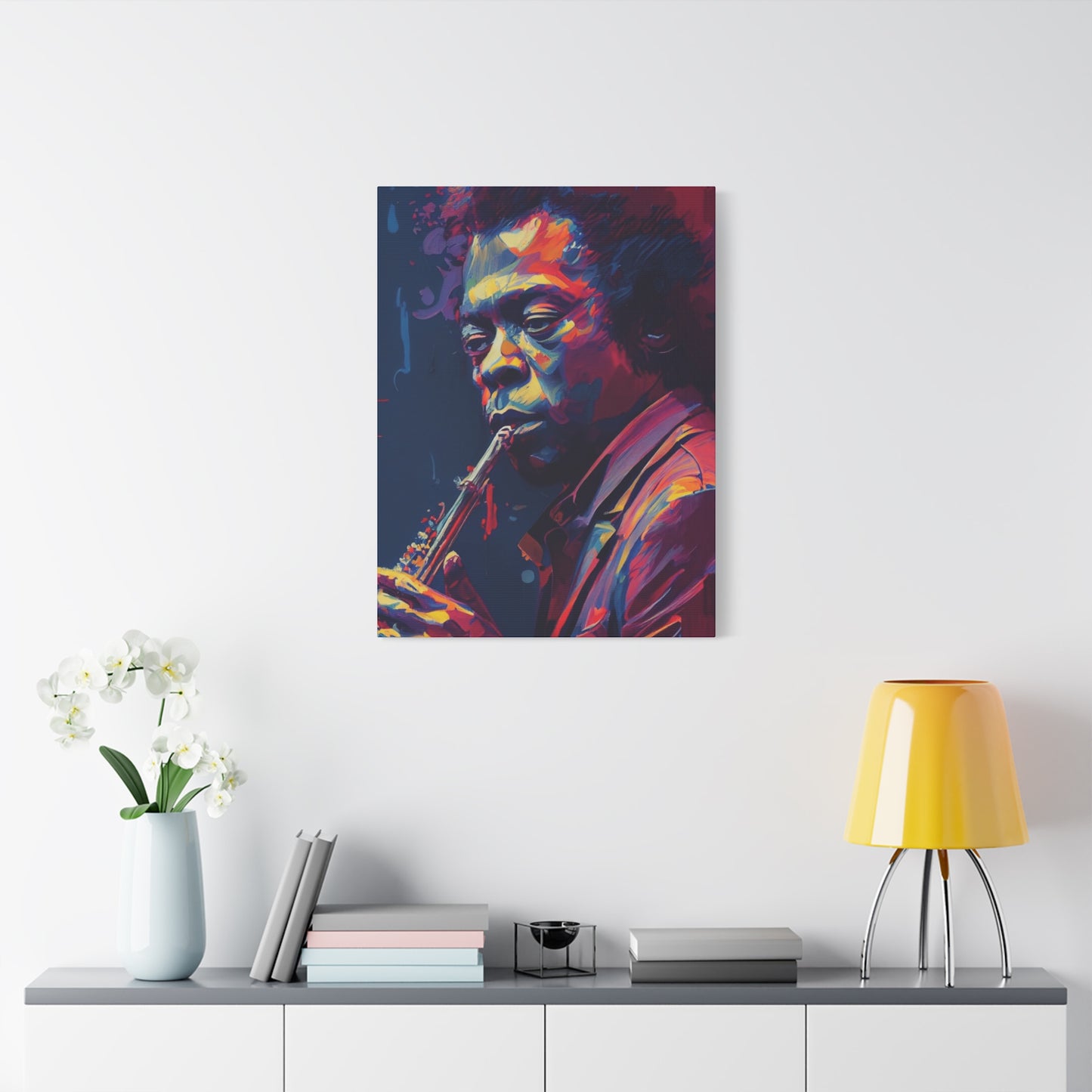
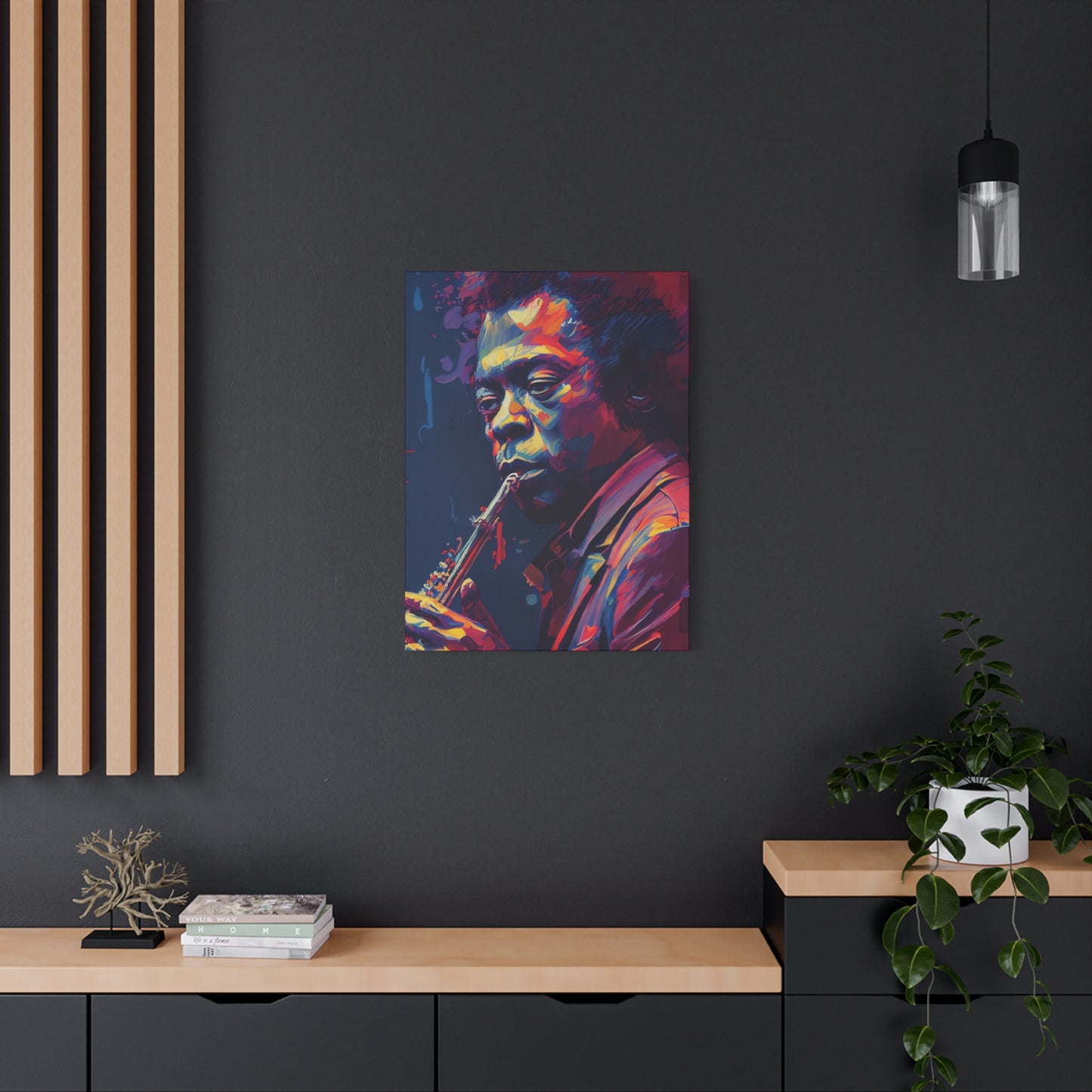
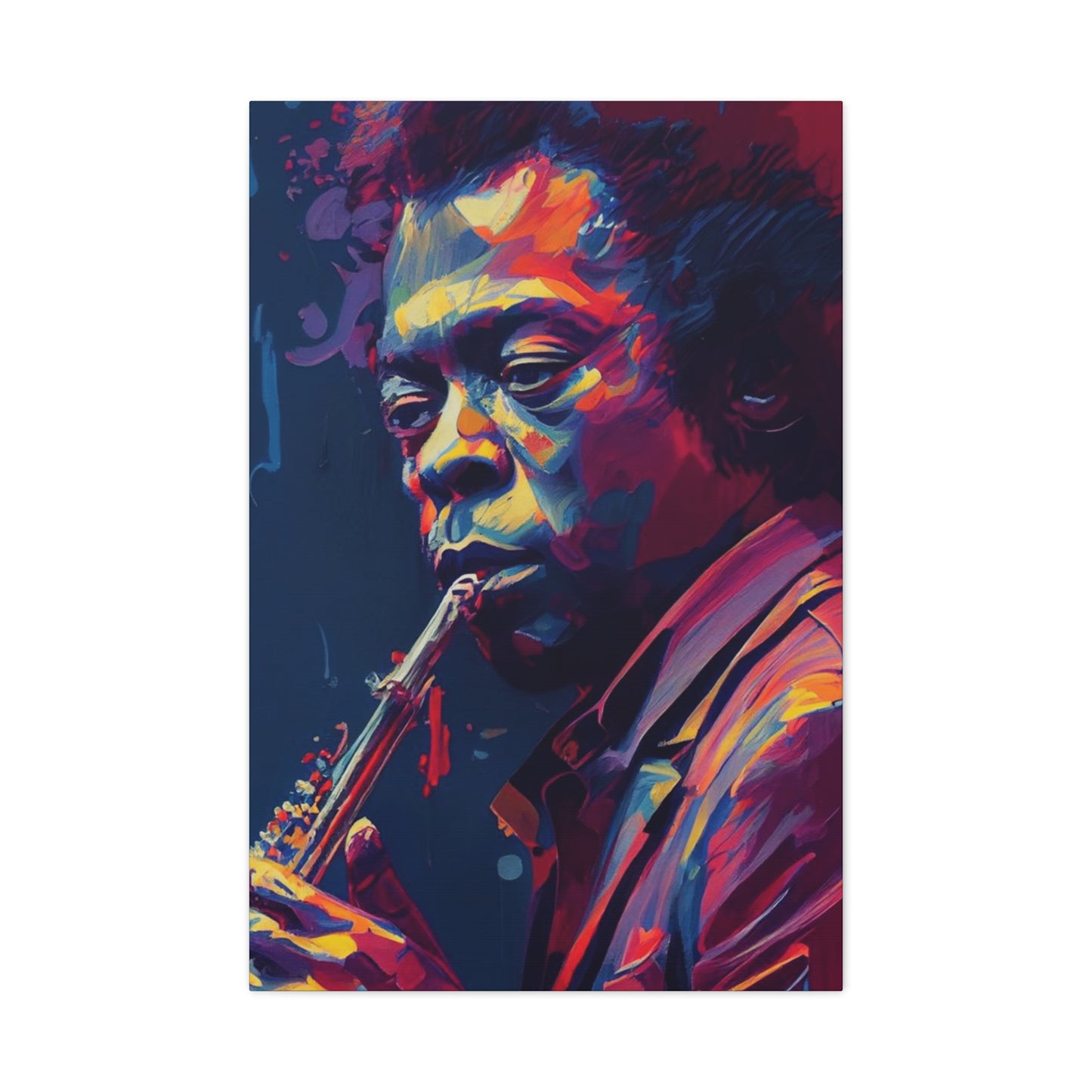
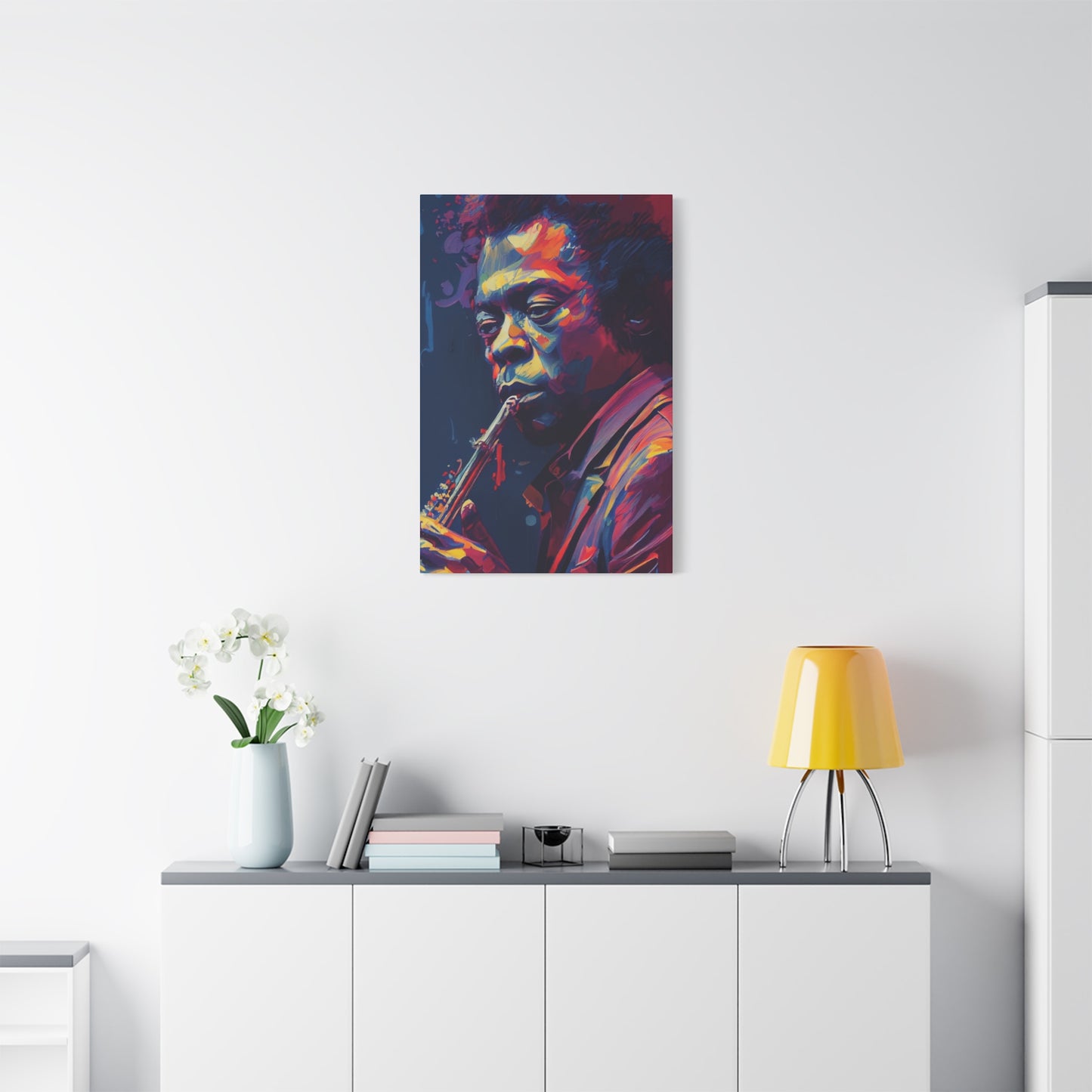
The diversity within jazz wall art mirrors the genre's own stylistic range, from traditional New Orleans jazz to bebop, cool jazz, fusion, and beyond. Artists working in realistic styles often create portraits of iconic figures like Louis Armstrong, Duke Ellington, Miles Davis, John Coltrane, Billie Holiday, and Ella Fitzgerald. These portraits range from photorealistic renderings that capture every facial detail to more stylized interpretations that emphasize emotional expression over literal accuracy. The most compelling portrait work manages to convey not just the physical appearance of these musicians but something essential about their artistic personalities and contributions.
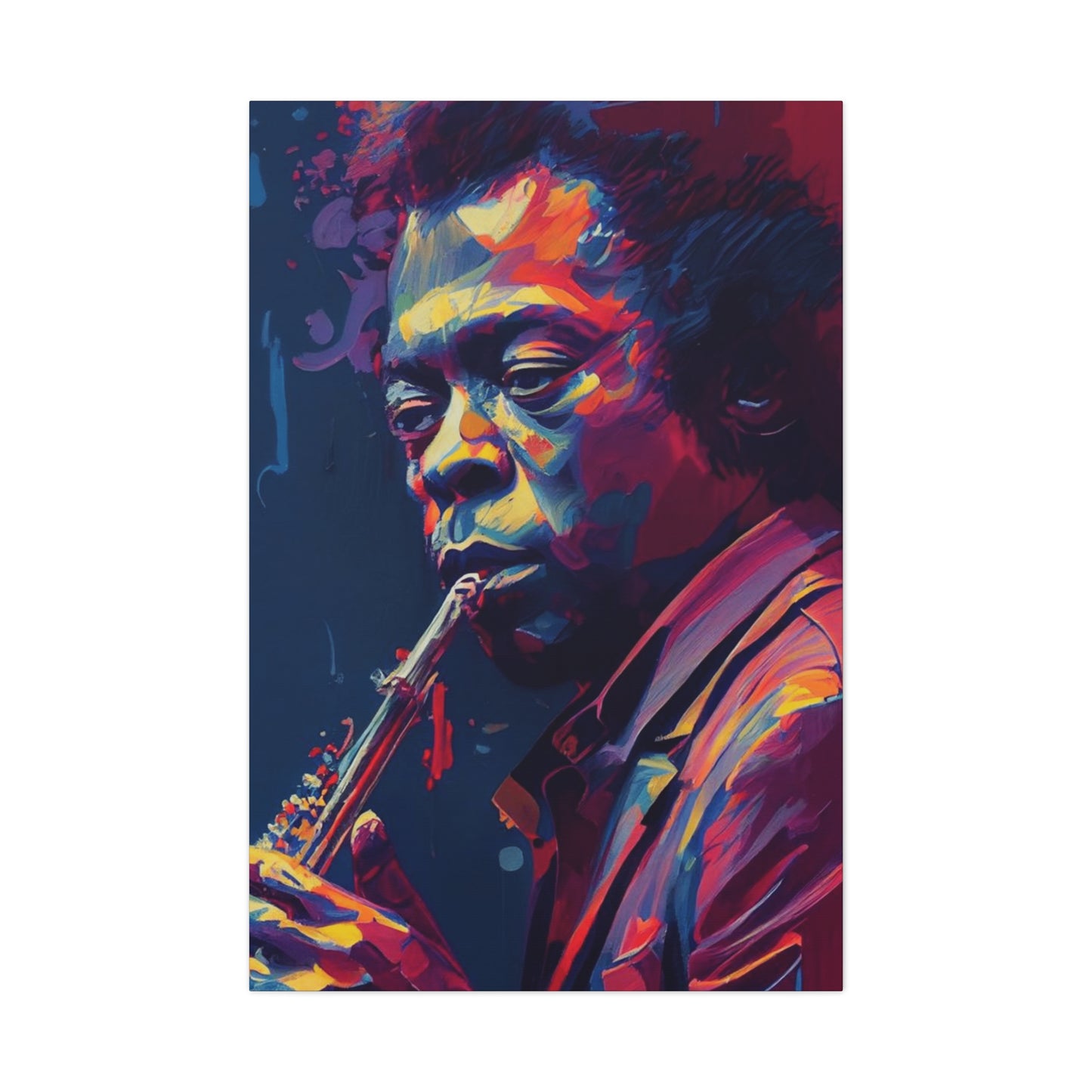
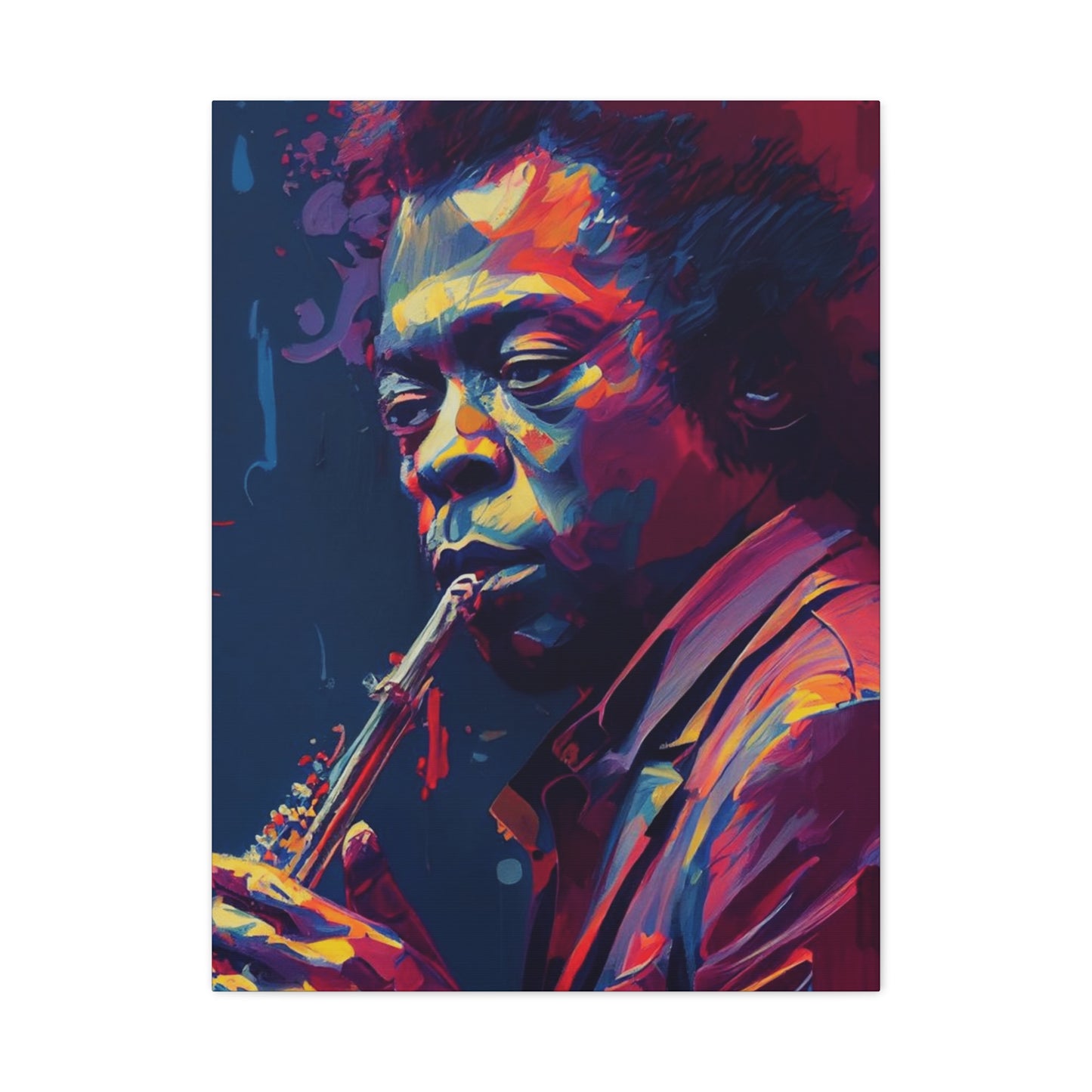
Abstract expressionism finds a natural kinship with jazz, as both celebrate spontaneity and emotional directness. Artists working in this mode create compositions where color, line, and form interact in ways that parallel musical improvisation. Sweeping brushstrokes might suggest the flow of a saxophone solo, while splatters and drips of paint evoke the unpredictable excitement of a drum break. These works often employ vibrant hues—deep blues, fiery reds, golden yellows, and rich purples—that create visual rhythms across the canvas surface. The viewer's eye travels through these compositions much as the ear follows melodic lines through a musical arrangement.
Vintage poster reproductions represent another significant category within jazz wall art. During the mid-twentieth century, graphic designers created stunning promotional materials for jazz clubs, concerts, and festivals. These posters combined bold typography, striking imagery, and sophisticated color schemes to capture public attention and communicate the excitement of live performances. Contemporary reproductions of these vintage designs appeal to collectors who appreciate retro aesthetics and want to evoke the glamorous era when jazz dominated popular culture. Original vintage posters command premium prices, but high-quality reproductions make this aesthetic accessible to broader audiences.
Mixed media approaches allow artists to incorporate diverse materials and techniques into their jazz-themed works. Some creators combine painting with collage elements, incorporating sheet music fragments, album covers, concert tickets, and other ephemera related to jazz history. Others integrate three-dimensional elements like actual instrument parts, wire, fabric, or found objects to create textured surfaces that engage viewers tactilely as well as visually. These layered compositions often reward extended contemplation, revealing new details and connections with each viewing.
Photography occupies an essential place within the jazz visual tradition. Legendary photographers like Herman Leonard, William Claxton, Roy DeCarava, and Francis Wolff documented the jazz world with images that have become iconic. Their photographs captured not just the musicians themselves but the entire atmosphere surrounding jazz—smoky clubs, rapt audiences, the intensity of performance, and the camaraderie of recording sessions. Contemporary photographers continue this tradition, creating images that honor jazz's living legacy. Both vintage prints and modern photography offer collectors authentic glimpses into the world these visual representations celebrate.
Selecting the Perfect Pieces for Your Personal Space
Choosing jazz wall art for your environment involves considering multiple factors that ensure the selected pieces enhance your space while reflecting your personal aesthetic sensibilities. The first consideration involves assessing the physical characteristics of the room where you plan to display the artwork. Large, open walls can accommodate substantial pieces that serve as focal points, commanding attention and setting the tone for the entire space. Smaller walls or areas with architectural features like windows, doors, or built-in elements require more careful planning to ensure artwork complements rather than competes with existing features.
Color relationships between your chosen artwork and existing decor elements significantly impact overall visual harmony. Jazz wall art typically features bold, saturated colors that make strong statements. When working with neutral wall colors and furnishings, these vibrant pieces can inject energy and personality into otherwise subdued spaces. Conversely, if your room already incorporates strong colors, selecting artwork that either complements or deliberately contrasts with these existing hues creates intentional visual relationships. Consider whether you want the artwork to blend harmoniously with your space or create deliberate tension that energizes the environment.
Scale plays a crucial role in how artwork impacts a room's atmosphere. A common mistake involves selecting pieces too small for the available wall space, resulting in artwork that feels insignificant and fails to make the intended impression. As a general guideline, artwork hung above furniture pieces should span approximately two-thirds to three-quarters of the furniture's width to create proper visual balance. For standalone wall displays, consider how the piece relates to the entire wall surface. Sometimes multiple smaller pieces arranged in a thoughtful grouping create more impact than a single large work, allowing you to tell a more complex visual story.
The subject matter and style of jazz wall art you select should resonate with your personal connection to the music. If you have particular admiration for specific musicians, seeking out portraiture featuring these artists creates a personal connection each time you view the work. Abstract interpretations appeal to those who appreciate jazz's improvisational spirit without requiring literal representation. Vintage promotional materials attract collectors drawn to specific eras in jazz history and retro design aesthetics. Photography appeals to those who value documentary authenticity and want windows into the actual world of jazz performance.
Framing choices significantly influence how artwork presents itself within your space. Traditional frames with matting create formal presentations suitable for refined environments, while frameless mounting or gallery-style frames with minimal profiles suit contemporary spaces that favor clean lines. The frame material, color, and style should complement both the artwork itself and the surrounding decor. Consider whether you want frames to blend discretely into the background or serve as additional design elements that enhance the overall presentation. Quality framing also protects valuable artwork, particularly works on paper that are vulnerable to environmental damage.
Creating Compelling Gallery Wall Arrangements
Gallery walls featuring multiple pieces of jazz wall art offer opportunities to create dynamic visual narratives that celebrate the genre's richness and complexity. These arrangements allow collectors to combine various styles, subjects, and formats into cohesive displays that engage viewers and reflect the collector's sophisticated appreciation for both jazz and visual art. Successful gallery walls require careful planning that balances spontaneity with intentional design principles.
Begin the planning process by gathering all pieces you're considering for inclusion in your gallery wall arrangement. Lay them out on the floor in your desired configuration, experimenting with different arrangements until you discover a composition that feels balanced and visually interesting. This preparatory work allows you to consider relationships between individual pieces—how colors interact, how sizes balance, how subjects relate—without committing to wall placement prematurely. Photograph successful arrangements from various angles to reference during installation.
Several organizational principles can guide your gallery wall design. Symmetrical arrangements create formal, orderly presentations where pieces are arranged in regular grids or balanced around a central axis. This approach suits traditional spaces and creates a sense of stability and deliberation. Asymmetrical arrangements embrace irregular spacing and varied piece sizes to create more dynamic, energetic displays that mirror jazz's improvisational nature. These layouts feel more casual and contemporary, with the apparent randomness actually concealing careful attention to visual balance and flow.
When combining pieces of different sizes, consider establishing a rhythm through your arrangement. In music, rhythm creates patterns that organize sound in time; in visual composition, rhythm guides the viewer's eye through space. You might establish rhythm by alternating large and small pieces, creating diagonal lines through your arrangement, or repeating certain colors or subjects at intervals across the display. This rhythmic organization prevents the arrangement from feeling chaotic while maintaining visual interest.
Maintaining consistent spacing between frames creates cohesion within gallery wall arrangements. Most designers recommend spacing pieces two to three inches apart, though you can adjust this based on your aesthetic preferences and available wall space. Consistent spacing helps viewers perceive the arrangement as a unified whole rather than a collection of unrelated objects. If you're including pieces with different frame styles and colors, consistent spacing becomes even more important for creating visual unity.
The center line principle provides a useful guideline for determining hanging height in gallery wall arrangements. Imagine a horizontal line running through the center of your entire arrangement, then position this line at approximately 57 to 60 inches from the floor—standard eye level for most viewers. Individual pieces will hang above and below this center line based on their sizes and positions within the overall composition, but anchoring the arrangement to this standard height ensures comfortable viewing.
Exploring the Symbolism and Imagery Common in Jazz Artwork
Visual artists creating jazz-themed works draw upon a rich vocabulary of symbols and imagery that communicate meaning to knowledgeable viewers. Understanding this visual language enhances appreciation for the nuances these artists incorporate into their creations. Musical instruments naturally figure prominently, with each carrying particular associations and symbolic weight within the jazz tradition.
The saxophone, particularly the tenor and alto varieties, represents the voice of jazz itself for many people. Artists depicting saxophones often emphasize the instrument's curved, sensual form and golden gleam. The saxophone symbolizes expressiveness, passion, and the human voice translated through metal and reed. Visual representations might show the instrument in realistic detail or abstract its essential curves and angles into pure form. Some artists focus on the player's relationship with the instrument, capturing the intimacy of breath flowing through metal to create sound.
Trumpets carry different symbolic associations, representing brightness, celebration, and the commanding presence of legendary figures like Armstrong and Davis. The trumpet's direct, linear form contrasts with the saxophone's curves, and artists often exploit this geometric quality in their compositions. Golden or brass trumpets catch and reflect light in ways that artists translate through highlights and careful attention to metallic surfaces. The bell of the trumpet, flaring outward, suggests sound radiating into space—a visual metaphor that resonates across various artistic styles.
Piano keyboards provide artists with built-in geometric elements—the alternating pattern of black and white keys creating rhythmic visual sequences. Artists frequently use keyboard imagery abstractly, extracting the pattern from its source and employing it as a design element that suggests music without literal representation. The physical act of playing piano, with fingers dancing across keys, offers opportunities to explore themes of dexterity, control, and the physical dimension of musical creation.
Drums and percussion instruments symbolize rhythm, the foundation upon which jazz improvisation builds. Visual representations of drums might emphasize circular forms, the tension of drumheads, or the blur of motion as sticks strike surfaces. Some artists focus on the drummer's physical energy, capturing the athletic dimension of percussion performance. Others abstract rhythmic concepts through patterns, repetitions, and visual beats that pulse across compositional surfaces.
Beyond instruments themselves, artists incorporate additional symbolic elements that evoke jazz culture and context. Smoke—from cigarettes, cigars, or atmospheric haze—frequently appears in jazz imagery, suggesting the club environments where the music traditionally flourished. While contemporary health consciousness has largely eliminated smoking from performance spaces, its visual associations remain strong in artistic representations. Artists use smoke's ephemeral, flowing qualities to suggest music itself—something invisible that fills space and affects everyone present.
Musical notation—staff lines, clefs, notes, and other elements from written music—provides another layer of symbolic imagery. Artists might incorporate actual sheet music fragments into collage works or reference notation through painted elements. This imagery bridges the gap between sound and sight, offering visual representation of the abstract system humans developed to capture and communicate musical ideas. Some artists deliberately distort or fragment notation, suggesting jazz's relationship with written tradition—respecting structure while embracing spontaneous departure from predetermined forms.
Urban landscapes and architectural elements frequently appear in jazz artwork, acknowledging the genre's deep connections to city life. Jazz emerged from and thrived in urban environments—New Orleans, Chicago, Kansas City, New York—and visual artists often incorporate cityscapes, streets, buildings, and urban energy into their compositions. These elements ground the music in specific places and communities, reminding viewers that jazz arose from particular cultural and geographic contexts.
Human figures beyond identifiable musician portraits also populate jazz artwork, representing audiences, dancers, and the social dimensions of jazz culture. These figures might be rendered realistically or abstracted into simplified forms that suggest movement and collective energy. Artists exploring jazz's social aspects consider how the music brought diverse people together, created community, and provided space for expression within and against societal constraints.
Color itself functions symbolically in jazz artwork. Deep blues reference the genre's roots in blues music and can suggest melancholy, depth, and emotional truth. Vibrant reds and oranges convey heat, passion, and intensity. Golden yellows and metallics suggest the gleam of brass instruments and the glamour of performance. Purple, historically associated with royalty and spirituality, appears in jazz artwork to suggest the music's transcendent qualities. Artists combine these colors in ways that create visual harmony and tension, mirroring the harmonic relationships within the music itself.
Discovering Emerging Artists and Established Masters
The world of jazz-inspired visual art includes both established masters whose works command significant prices and emerging creators developing fresh perspectives on this enduring subject matter. Collecting works from both categories allows enthusiasts to support living artists while acquiring pieces with potential for increasing value and significance over time.
Romare Bearden stands among the most significant twentieth-century artists to extensively explore jazz themes. Working primarily in collage, Bearden created complex compositions that captured the vitality of African American life and culture, with jazz serving as both subject and structural influence. His works combine painted elements, photographic fragments, and paper cutouts into layered compositions that parallel jazz's layering of melodic lines and rhythmic patterns. Bearden's pieces appear in major museum collections worldwide, and original works command substantial prices. However, high-quality prints of his most celebrated compositions remain accessible to collectors with more modest budgets.
Jean-Michel Basquiat, though known for wide-ranging subject matter, created numerous works celebrating jazz musicians and incorporating musical themes. His raw, energetic style combined text, symbols, and gestural painting in ways that captured urban creativity and cultural complexity. Basquiat's work featuring jazz legends like Charlie Parker demonstrates how visual art can channel the revolutionary spirit that animated jazz's greatest innovators. Original Basquiat paintings sell for millions of dollars, but prints and reproductions allow broader audiences to engage with his vision.
Contemporary artists continue exploring jazz themes with fresh perspectives informed by current cultural contexts. Kehinde Wiley, celebrated for his vibrant portraits that reimagine classical painting traditions with contemporary Black subjects, has created works celebrating jazz musicians within his distinctive aesthetic framework. His approach combines realistic portraiture with decorative patterns and bold colors, creating works that honor their subjects while asserting their significance within art historical traditions.
Lois Mailou Jones, an influential figure in the Harlem Renaissance and beyond, created paintings that incorporated jazz themes alongside broader explorations of African and African American culture. Her work demonstrates how jazz connected with larger cultural movements and artistic conversations. Jones's legacy reminds contemporary viewers that jazz has always existed within broader cultural contexts, never isolated but constantly in dialogue with other forms of expression.
Lesser-known and emerging artists offer collectors opportunities to acquire original works at accessible prices while supporting creators developing their voices. Online platforms, local galleries, and art fairs provide venues for discovering these artists. When evaluating emerging creators, consider their demonstrated skill level, the thoughtfulness of their conceptual approach, and whether their work speaks to you personally. Emerging artists often demonstrate greater willingness to create custom commissions or discuss their work directly with collectors, offering opportunities for meaningful relationships between creators and patrons.
Many contemporary urban artists working in street art and graffiti traditions incorporate jazz themes into their large-scale murals and gallery pieces. These creators draw connections between hip-hop culture and its jazz predecessors, acknowledging how improvisation, sampling, and creative appropriation link musical traditions across generations. Their work often features bold graphics, stylized typography, and contemporary design sensibilities that appeal to younger collectors while honoring jazz's legacy.
Artists working in digital mediums bring new approaches to jazz visualization. Digital illustration allows for manipulation of color, form, and composition in ways traditional media cannot easily achieve. Some digital artists create works that incorporate motion and sound, producing multimedia pieces that literally integrate visual and auditory dimensions. These explorations push boundaries and suggest new directions for how audiences might experience jazz-inspired art.
When acquiring works by emerging artists, documentation becomes important. Obtain certificates of authenticity, maintain records of purchase, and photograph works thoroughly. These practices protect your investment and simplify processes if you later choose to sell or donate pieces. Established artists typically work with galleries that provide documentation, but when purchasing directly from emerging creators, collectors must take responsibility for maintaining proper records.
The Role of Color Theory in Jazz Visual Expressions
Color choices in jazz wall art significantly impact emotional resonance and visual effectiveness. Artists working in this genre draw upon color theory principles while allowing intuition and emotional response to guide their palettes. Understanding how color functions in these works enhances appreciation for the artists' craft and helps collectors make informed selections.
Color temperature refers to the warm or cool quality of hues. Warm colors—reds, oranges, yellows—advance visually and convey energy, passion, and excitement. Cool colors—blues, greens, purples—recede visually and suggest calmness, depth, and contemplation. Jazz wall art frequently employs warm colors to capture the heat of performance and the emotional intensity of the music. However, cool colors appear regularly as well, particularly in works evoking the "cool jazz" movement or exploring melancholic themes.
Saturation describes color intensity—how pure and vivid versus muted and grayish a hue appears. Highly saturated colors create bold, energetic effects that command attention. Desaturated colors feel more subtle and sophisticated, sometimes conveying nostalgia or historical distance. Many jazz artworks combine various saturation levels to create depth and guide viewer attention. Highly saturated passages draw the eye, while desaturated areas provide visual rest and allow saturated sections to shine more brightly.
Value refers to lightness or darkness of colors. High contrast between light and dark values creates dramatic effects and defines forms clearly. Low contrast produces softer, more ambiguous effects where forms blend into their surroundings. Jazz artwork frequently employs dramatic value contrast, echoing the music's dynamic range from quiet passages to explosive crescendos. The interplay between light and shadow adds dimensionality to two-dimensional surfaces and can suggest the lighting conditions in performance venues.
Complementary colors—pairs opposite each other on the color wheel like red and green, blue and orange, or yellow and purple—create maximum visual contrast when placed adjacent to each other. Artists use complementary relationships to create vibration and energy in their compositions. A common approach in jazz artwork involves pairing warm and cool complements, allowing each to intensify the other's appearance through simultaneous contrast.
Analogous color schemes employ colors adjacent on the color wheel, such as blue, blue-green, and green. These harmonious relationships create cohesive, unified effects without the tension of complementary pairings. Some jazz artwork uses analogous schemes to create specific moods—perhaps blues and purples for melancholic nocturnal atmospheres, or yellows, oranges, and reds for jubilant celebration.
Monochromatic approaches limit palettes to variations in value and saturation of a single hue. While less common in jazz art than polychromatic approaches, monochromatic works can create sophisticated, unified statements. Black and white artwork, technically achromatic rather than monochromatic, holds particular significance in jazz imagery. The contrast between these non-colors suggests piano keys, printed photographs, and the era when black-and-white documentation dominated. Many collectors appreciate the timeless quality and visual clarity of monochromatic jazz works.
Color symbolism varies across cultures, but certain associations appear consistently in jazz artwork. Red suggests passion, danger, love, and intensity. Blue evokes the blues musical tradition, sadness, depth, and nighttime. Gold and metallic tones reference brass instruments and convey value, light, and celebration. Purple suggests spirituality, royalty, and mystery. Artists intentionally employ these associations, though they also trust viewers to respond intuitively to color without necessarily analyzing symbolic meanings.
The psychological effects of color influence how artwork impacts viewers emotionally. Warm colors generally energize and stimulate, while cool colors calm and soothe. Bright, saturated colors create excitement and demand attention, while muted tones feel more contemplative and restrained. When selecting jazz wall art, consider both your emotional response to specific pieces and how their color schemes will influence the atmosphere of your space. A vibrant, warm-toned piece energizes a room, while cooler, more subdued work creates peaceful environments.
Understanding Different Printing and Reproduction Methods
Original artworks—one-of-a-kind paintings, drawings, or photographs—represent the pinnacle of art collecting but command prices reflecting their uniqueness and cultural value. Most collectors of jazz wall art acquire reproductions that make iconic images accessible at manageable costs. Understanding various reproduction methods helps collectors make informed purchases and properly value their acquisitions.
Giclée prints represent the highest quality in contemporary reproduction. The term comes from the French verb "gicler," meaning "to spray," referencing how inkjet technology deposits microscopic droplets of ink onto printing surfaces. Giclée printing uses archival pigment inks and museum-quality papers or canvases to create reproductions with exceptional color accuracy, tonal range, and longevity. Properly produced giclée prints resist fading for decades when displayed away from direct sunlight and maintained in appropriate environmental conditions.
The quality of giclée prints varies based on several factors. Ink quality profoundly affects longevity and color accuracy. Premium pigment-based inks contain light-fast colorants that resist fading far better than dye-based alternatives. Substrate choice matters equally—acid-free papers and archival canvases prevent deterioration over time. The printer's color management practices determine how accurately reproductions match original artwork. Collectors should seek giclée prints produced by reputable fine art printers who understand color calibration and use professional equipment.
Limited edition prints carry assigned numbers indicating each print's position within the total production run. For example, a print marked "42/250" indicates the forty-second print in an edition of 250 total impressions. Artists or publishers typically sign limited edition prints and include certificates of authenticity. The smaller the edition size, the more exclusive and potentially valuable each print becomes. Once an edition sells out, no legitimate reproductions of that specific printing exist for purchase, potentially increasing the value of existing prints in the marketplace.
Open edition prints lack assigned numbers and theoretically unlimited production runs. Publishers can continue printing these reproductions indefinitely without restriction. Open editions cost less than limited editions due to their unlimited availability. While they lack the collectible cachet of limited editions, open edition prints provide affordable access to popular images for decorative purposes. Many collectors happily display open edition reproductions of beloved jazz images without concern for investment value.
Offset lithography, the process used for most commercial printing including books, magazines, and posters, produces reproductions through a mechanical process involving printing plates. While offset lithography achieves good results for many purposes, it generally cannot match giclée printing's color range and tonal subtlety. Vintage jazz posters were typically produced through offset lithography, and contemporary reproductions of these posters appropriately employ the same process to maintain authentic character.
Screen printing, also called serigraphy, creates images by pushing ink through mesh screens onto printing surfaces. Each color requires a separate screen, with colors layered sequentially to build the complete image. Screen prints possess distinctive characteristics—solid, opaque colors and crisp edges between color areas. Some contemporary artists create original screen-printed jazz artwork, with each print considered an original multiple rather than a reproduction since no original painting precedes the printed editions.
Photographic prints hold special significance within jazz artwork since photography has documented the music's history from its earliest days. Traditional photographic prints created in darkrooms through chemical processes possess unique qualities and, if printed by the photographers themselves, may be considered original artworks. Contemporary digital photographic prints created through inkjet processes can achieve archival quality comparable to giclée fine art reproductions. Collectors seeking photographic jazz images should verify print quality, edition sizes, and whether prints bear the photographer's signature.
Canvas transfers involve printing images onto canvas material, either through giclée or other processes, then stretching the printed canvas over wooden frames. Gallery-wrapped canvases have printed surfaces that continue around the stretcher bar edges, eliminating the need for frames. These presentations suit contemporary interiors favoring clean aesthetics. Canvas transfers can achieve impressive results, though quality varies significantly based on production methods and materials. Premium canvas transfers using archival inks and heavy-weight canvas provide long-lasting, museum-quality reproductions.
When evaluating reproductions, examine print quality carefully. Colors should appear rich and accurately balanced without unnatural casts. Details should render crisply without blurriness or visible pixelation. Skin tones in photographic prints or realistic paintings should look natural. If comparing a reproduction to an original or reference image, verify color accuracy—though recognize that monitors display colors differently than physical prints, making exact comparisons challenging. Reject prints showing banding, streaking, or other production defects.
Caring for and Preserving Your Jazz Art Collection
Proper care ensures jazz wall art maintains its beauty and value across decades. Environmental factors, handling practices, and display choices all influence artwork longevity. Collectors who understand basic conservation principles can prevent most common forms of deterioration without requiring professional intervention.
Light exposure represents the primary threat to most artwork. Ultraviolet radiation and visible light cause fading, color shifting, and material degradation over time. Never hang valuable artwork in direct sunlight, where exposure intensity accelerates deterioration dramatically. Even indirect daylight causes gradual damage, particularly to works on paper and photographs. Artificial lighting also poses risks, with some bulb types generating significant UV radiation. LED bulbs emit minimal UV radiation while offering excellent color rendering, making them ideal for illuminating artwork. Limiting overall light exposure through strategic display location and controlled lighting preserves artwork for future generations.
If displaying artwork in brightly lit areas proves unavoidable, protective glazing can mitigate damage. Conservation-grade acrylic or glass includes UV filtering that blocks harmful radiation while allowing visible light to pass through. This glazing protects framed works on paper and photographs significantly. Museum-quality acrylic offers superior UV filtration compared to standard glass, blocks 99% of UV radiation, and weighs less than glass, though it costs considerably more. For valuable pieces in exposed locations, this investment provides worthwhile protection.
Climate control influences artwork preservation considerably. Dramatic temperature fluctuations and humidity extremes cause materials to expand and contract, stressing artwork physically. Paper becomes brittle in dry conditions and develops mold in excessively humid environments. Oil paintings crack when temperature and humidity fluctuate significantly. Maintain stable conditions between 65-75 degrees Fahrenheit and 40-60% relative humidity for optimal artwork preservation. Avoid hanging valuable pieces in bathrooms, kitchens, or other areas experiencing environmental extremes.
Physical protection prevents handling damage and accidental impacts. Framed works should include backing boards that prevent damage from behind and seal out environmental contaminants. Glass or acrylic glazing protects surfaces from physical contact, moisture, and airborne pollutants. Canvas paintings benefit from protective varnishes that create barrier layers between painted surfaces and the environment. These varnishes can be removed and replaced if necessary without affecting underlying paint layers.
Proper hanging techniques prevent accidents that damage both artwork and walls. Use hanging hardware appropriate for each piece's weight, with substantial margins of safety. Two-point hanging systems distribute weight more evenly than single-point systems and prevent frames from tilting. Wall anchors or studs should support heavy pieces rather than drywall alone. Secure valuable artwork with anti-theft devices in public spaces or high-traffic environments where intentional removal poses risks.
Regular maintenance involves gentle dusting of frames and glass surfaces using soft, lint-free cloths. Never spray cleaning products directly onto glass covering artwork; instead, lightly dampen cloths with water or appropriate glass cleaner, then wipe gently. Avoid touching painted or printed surfaces directly—oils from skin cause degradation over time. When moving framed works, carry them by frames rather than grasping hanging wires or other hardware.
Periodic inspection helps identify developing problems before they become serious. Check for signs of insect activity, mold growth, or other biological threats. Examine frames for loose corners or failing hanging hardware. Look for changes in artwork appearance that might indicate fading, discoloration, or other deterioration. Address problems promptly to prevent progression. If you notice significant changes or damage beyond your ability to address, consult professional conservators who possess expertise in treating compromised artworks.
Insurance protects valuable collections against loss, theft, or damage. Homeowner's or renter's insurance policies typically provide limited coverage for artwork, often with low per-item limits. Collectors with valuable pieces should obtain detailed appraisals and schedule high-value items individually on their policies or purchase separate fine art insurance. Maintain thorough documentation including purchase receipts, appraisals, and photographs of each piece. This documentation facilitates claims processes and helps establish values if loss occurs.
Proper packing protects artwork during moves or shipment. Use archival materials including acid-free tissue, bubble wrap, and rigid cardboard corners. Never allow bubble wrap to contact painted or printed surfaces directly—the plastic can stick to certain materials and cause damage. Create rigid sandwiches around framed works using cardboard sheets to prevent flexing. Mark packages clearly as fragile and indicate proper orientation. When shipping valuable pieces, use specialized art shippers who understand handling requirements and carry appropriate insurance.
Incorporating Jazz Artwork into Various Interior Design Styles
Jazz wall art adapts successfully to diverse interior design aesthetics, from traditional to contemporary, industrial to eclectic. Understanding how to integrate these pieces into different stylistic contexts ensures they enhance rather than clash with existing decor.
Traditional interiors featuring classic furniture, rich woods, and formal arrangements can incorporate jazz artwork effectively when pieces are properly framed and thoughtfully positioned. Vintage photographs of jazz legends in elegant frames suit traditional spaces beautifully, adding cultural sophistication without disrupting the established aesthetic. Portrait paintings of musicians rendered in realistic styles complement traditional environments while introducing subjects that add personality and distinguish the space from generic period reproductions. When selecting jazz artwork for traditional settings, consider pieces with more restrained color palettes and formal compositions that respect the surrounding decor's refinement.
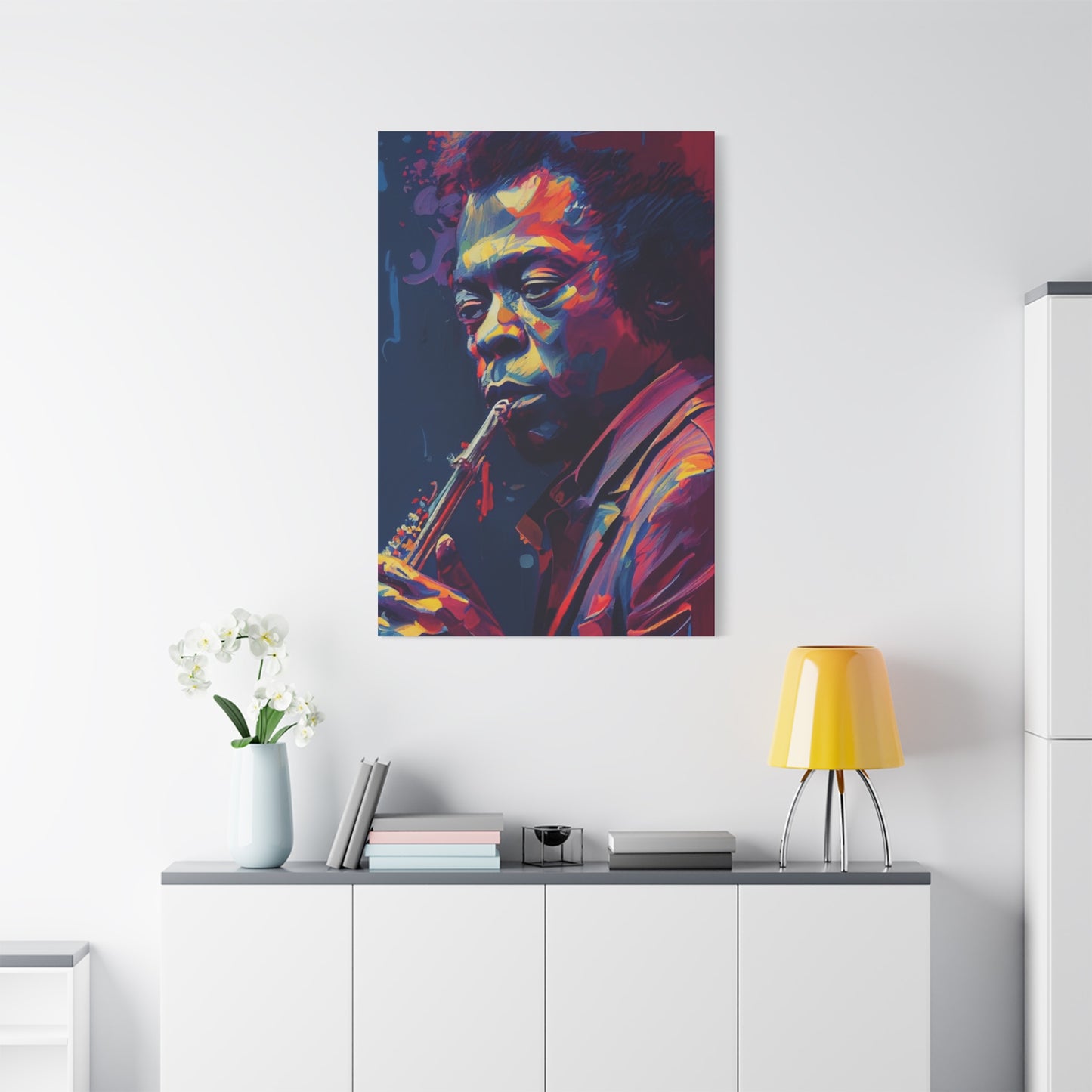
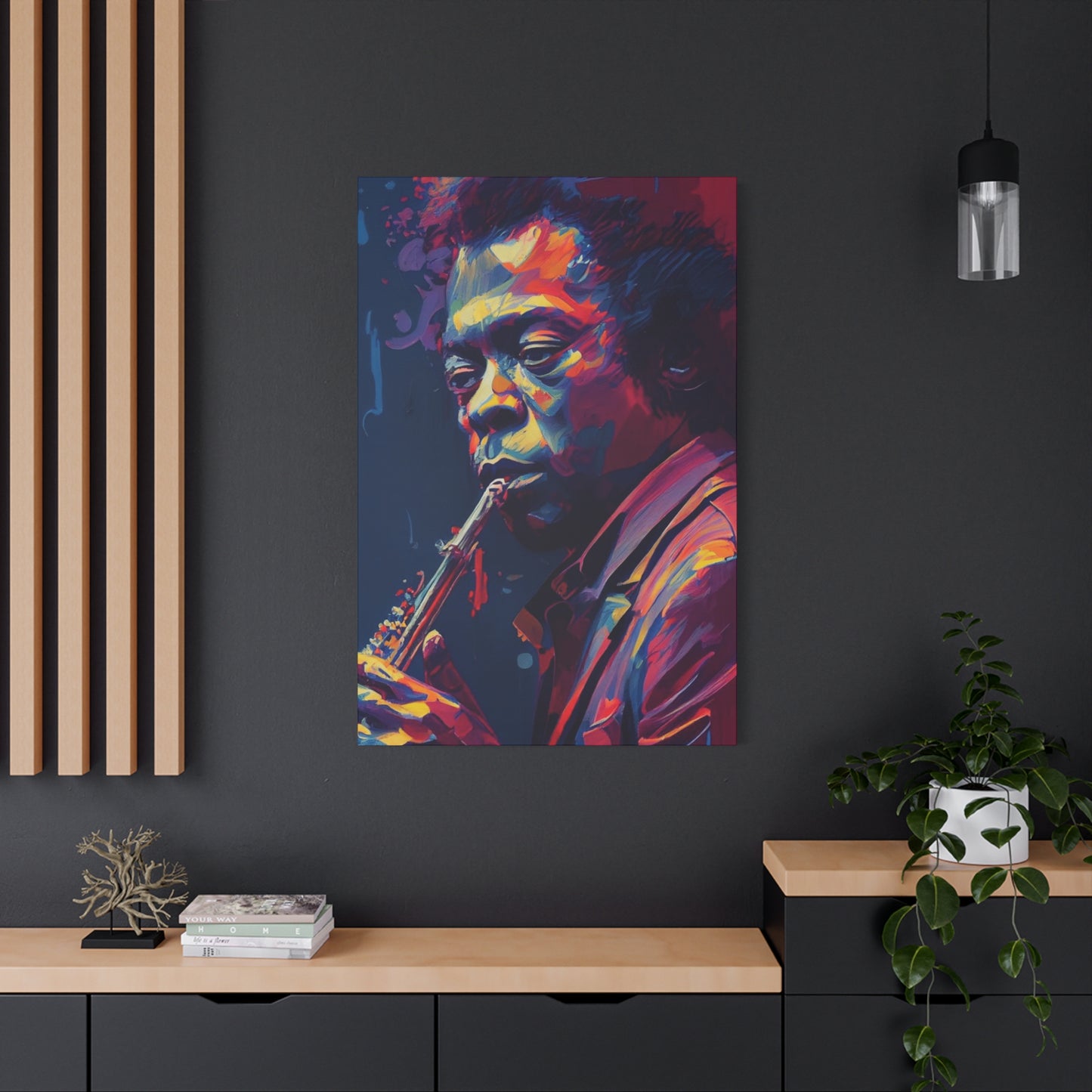
Contemporary interiors characterized by clean lines, minimal ornamentation, and neutral color palettes provide ideal settings for bold jazz artwork. Abstract pieces with vibrant colors create stunning focal points against white or gray walls. Large-scale works suit the generous proportions often found in contemporary spaces. Gallery-wrapped canvases without frames align with contemporary preference for streamlined presentations. The contrast between contemporary interiors' restraint and jazz art's expressive energy creates dynamic tension that enlivens spaces without overwhelming them.
Industrial-style spaces featuring exposed brick, metal elements, concrete, and raw materials pair naturally with jazz artwork. The genre's urban origins and association with warehouse lofts and converted industrial buildings create authentic connections. Bold, graphic pieces complement industrial interiors' hard surfaces and neutral palettes. Works incorporating collage elements, distressed surfaces, or street art aesthetics feel particularly at home in industrial environments. Consider mounting artwork directly on brick walls or using minimal metal frames that echo the industrial materials surrounding them.
Mid-century modern interiors offer especially appropriate settings for jazz wall art, as the design movement and jazz's golden age coincided chronologically. Vintage concert posters and period photography from the 1950s and 1960s suit mid-century spaces perfectly, creating cohesive narratives connecting visual and musical culture from the same era. The bold graphics and sophisticated color palettes of mid-century design harmonize with jazz artwork's visual characteristics. Warm wood tones typical of mid-century furniture complement the golden and amber hues often appearing in jazz-themed works.
Eclectic interiors mixing styles, periods, and cultural references welcome jazz artwork enthusiastically. These spaces thrive on interesting juxtapositions and personal collections displayed without rigid adherence to matching formulas. Jazz art contributes to eclectic rooms' layered, collected-over-time feeling. Mix different sizes, frames, and artistic styles to create dynamic walls that reflect broad interests and sophisticated taste. The key to successful eclectic design lies in finding common threads—perhaps color relationships or recurring themes—that unify seemingly disparate elements.
Bohemian interiors emphasizing artistic expression, global influences, and comfortable informality naturally accommodate jazz artwork. These spaces celebrate creativity and cultural curiosity, values jazz embodies completely. Bohemian rooms typically feature rich colors, varied textures, and abundant pattern, providing visually complex environments where jazz art adds to the overall sensory richness. Don't hesitate to layer artwork, creating densely hung walls that demonstrate passion for visual culture.
Minimalist spaces present particular challenges for incorporating jazz wall art since minimalism emphasizes restraint and careful editing. However, when thoughtfully selected, a single powerful piece of jazz artwork can serve as a minimalist space's primary decorative element, providing visual interest and cultural substance without contradicting minimalist principles. Choose works with strong compositional clarity and avoid cluttered or overly complex images. Allow generous breathing room around the artwork, treating it as a precious object displayed in contemplative isolation rather than one element among many competing for attention.
Transitional interiors blending traditional and contemporary elements accommodate jazz artwork easily, as the pieces themselves often bridge historical and contemporary contexts. Balancing classic and modern characteristics in your artwork selection mirrors the room's overall approach. Perhaps choose contemporary interpretations of classic jazz themes, or frame vintage photographs in modern profiles that update their presentation without disrespecting their historical nature.
Conclusion
Different periods and styles within jazz's evolution developed distinct cultural associations and visual identities that inform how artists approach representing them. Understanding these connections enriches appreciation for how visual creators translate musical distinctions into their work.
Early jazz and traditional New Orleans styles evoke specific visual atmospheres—wrought iron balconies, gas lamps, riverboats, and the architectural character of the French Quarter. Artists depicting these jazz forms often incorporate these environmental elements, grounding the music in its birthplace's physical reality. The instrumentation typical of traditional jazz—trumpet, clarinet, trombone, banjo, tuba—appears in visual representations, often rendered with nostalgic warmth. Color palettes might feature sepia tones suggesting historical distance, or they might employ the jewel tones and intricate patterns associated with New Orleans's festive visual culture.
Swing-era jazz from the 1930s and 1940s carries associations with big bands, ballrooms, and social dancing. Visual representations often capture the era's glamour—musicians in sharp suits, elegant gowns in audiences, art deco architectural details. The visual culture of this period included sophisticated graphic design in promotional materials, with streamlined forms and stylized typography reflecting broader modernist influences. Contemporary artists referencing swing-era jazz often employ these design elements, creating works that honor the period's distinctive aesthetic vocabulary.
Bebop revolutionized jazz during the 1940s, shifting emphasis from danceable entertainment to complex music demanding concentrated listening. The visual culture surrounding bebop reflected this change—intimate club settings replaced grand ballrooms, and the music's intellectual seriousness attracted avant-garde artists and writers. Visual representations of bebop often emphasize intensity and complexity, with fragmented forms and angular compositions mirroring the music's harmonic adventurousness. Artists depicting bebop pioneers like Charlie Parker, Dizzy Gillespie, and Thelonious Monk often capture their fierce concentration and revolutionary spirit.
Share