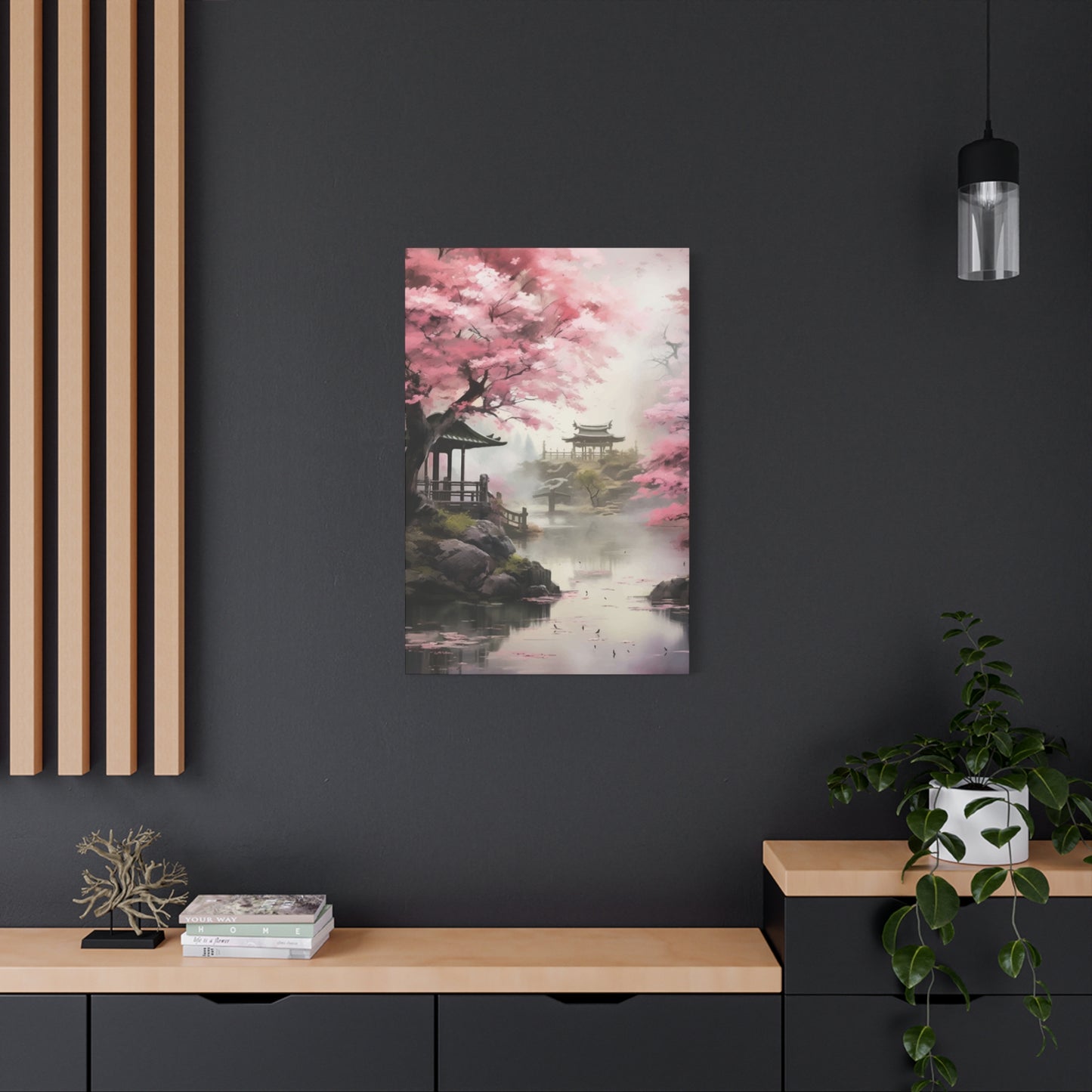
Japanese Landscape Wall Art & Canvas Prints
Japanese Landscape Wall Art & Canvas Prints
Couldn't load pickup availability
Unveiling the Timeless Allure of Japanese Landscape Wall Art: A Rich Journey Through Eastern Aesthetic Expression
The captivating realm of Japanese landscape wall art represents far more than mere decorative pieces adorning our living spaces. These remarkable visual narratives embody centuries of philosophical wisdom, artistic refinement, and cultural heritage that continue to resonate with contemporary audiences across the globe. When we immerse ourselves in the contemplation of these exquisite works, we embark upon a transformative journey that transcends geographical boundaries and temporal limitations, connecting us with ancient traditions while simultaneously enriching our modern environments.
The Profound Cultural Foundations Behind Japanese Landscape Wall Art and Its Enduring Significance
Japanese landscape wall art emerges from a rich tapestry of cultural influences that have evolved over millennia. The aesthetic principles underlying these captivating visual expressions draw heavily from Shinto beliefs about the sacredness of nature, Buddhist concepts of impermanence and mindfulness, and Confucian ideals regarding harmony and balance. These philosophical underpinnings manifest themselves in every brushstroke, every carefully chosen color palette, and every compositional decision that artists make when creating these timeless pieces.
The concept of "ma," representing negative space and the intervals between objects, plays a fundamental role in Japanese artistic expression. This principle teaches us that what remains unsaid or unpainted holds equal importance to what appears explicitly on the canvas. When examining Japanese landscape wall art, viewers quickly recognize how empty spaces contribute to the overall composition, creating breathing room that allows the depicted elements to achieve their full expressive potential. This sophisticated understanding of spatial relationships distinguishes Japanese artistic traditions from many Western counterparts.
Furthermore, the notion of "wabi-sabi" permeates Japanese aesthetic sensibilities, celebrating imperfection, impermanence, and incompleteness as sources of profound beauty. Rather than striving for flawless symmetry or polished perfection, Japanese artists often embrace asymmetry, roughness, and simplicity. These qualities imbue their landscape wall art with an authentic, organic character that speaks to the transient nature of existence itself. When we display such artwork in our homes or workplaces, we invite these philosophical perspectives into our daily consciousness, potentially shifting our relationship with material possessions and aesthetic appreciation.
The reverence for natural phenomena constitutes another cornerstone of Japanese landscape wall art. Mountains, rivers, forests, and seasonal transformations receive treatment not as mere subjects to be documented but as manifestations of divine presence and cosmic forces. Mount Fuji, for instance, appears repeatedly throughout Japanese artistic history, symbolizing strength, permanence, and spiritual aspiration. Cherry blossoms represent the ephemeral beauty of life, while pine trees embody resilience and longevity. Each natural element carries symbolic weight, transforming landscape depictions into multilayered visual poems that reward sustained contemplation.
Exploring the Diverse Stylistic Expressions Within Japanese Landscape Wall Art Traditions
The landscape genre in Japanese visual arts encompasses remarkable stylistic diversity, reflecting different periods, regional influences, and individual artistic visions. Yamato-e, which emerged during the Heian period, established distinctly Japanese aesthetic sensibilities that diverged from earlier Chinese influences. These paintings often featured rolling hills, delicate vegetation, and subtle seasonal indicators rendered in soft colors and flowing lines. The narrative quality of Yamato-e frequently incorporated literary references, creating visual-textual dialogues that enriched the viewing experience for educated audiences.
Ink wash painting, known as sumi-e or suiboku-ga, represents another profoundly influential approach to landscape depiction. This monochromatic style, utilizing only black ink in varying dilutions, demonstrates extraordinary economy of means while achieving remarkable expressive depth. Master practitioners of this form could suggest atmospheric perspective, convey volumetric mass, and evoke emotional resonance using minimal brushstrokes. The spontaneity inherent in ink wash painting reflects Zen Buddhist principles, where decisive action emerges from calm mental clarity rather than laborious planning.
The ukiyo-e woodblock printing tradition, flourishing during the Edo period, democratized access to landscape imagery by enabling mass production of affordable prints. Artists like Hokusai and Hiroshige created iconic series depicting famous locations, seasonal variations, and weather phenomena with unprecedented vibrancy and dynamism. These prints captured fleeting moments—a sudden downpour, twilight's fading light, or snow-laden branches—with remarkable immediacy. The bold compositional choices, saturated colors, and flattened pictorial space of ukiyo-e profoundly influenced Western Impressionist and Post-Impressionist painters, demonstrating the cross-cultural dialogue that enriches artistic evolution.
Contemporary Japanese landscape wall art continues evolving while maintaining connections to traditional forms. Modern artists reinterpret classical motifs using new media, from digital illustration to mixed-media collage. Some practitioners embrace abstraction while retaining recognizable references to natural forms, creating bridges between ancient symbolism and current aesthetic sensibilities. Others experiment with scale, producing monumental works that overwhelm viewers with their immersive presence. This ongoing creative fermentation ensures that Japanese landscape wall art remains vital and relevant rather than ossifying into mere historical curiosities.
How Japanese Landscape Wall Art Shapes and Enriches Contemporary Interior Environments
Incorporating Japanese landscape wall art into residential or commercial spaces generates profound effects that extend beyond superficial decoration. These pieces function as focal points that organize visual hierarchies within rooms, drawing attention and establishing tonal qualities that influence how occupants experience their environments. A serene mountain landscape might promote contemplative calmness in a meditation room, while dynamic wave compositions could energize creative workspaces. The strategic placement of such artwork demonstrates intentionality in environmental design, reflecting thoughtfulness about how visual stimuli affect human wellbeing.
The color palettes prevalent in Japanese landscape wall art offer particularly versatile options for interior coordination. Subtle earth tones—ochres, siennas, mossy greens, and soft grays—harmonize effortlessly with natural materials like wood, stone, and textiles. More vibrant ukiyo-e prints featuring vivid blues, crimsons, and yellows can serve as striking accent pieces that inject personality into otherwise neutral spaces. The seasonal themes common in Japanese landscape art also permit rotating displays that align with changing weather patterns, creating dynamic relationships between interior environments and external natural cycles.
Scale considerations play crucial roles when selecting Japanese landscape wall art for specific locations. Large-format pieces command attention and work well as statement elements in expansive rooms with high ceilings, creating dramatic visual anchors. Conversely, intimate cabinet-sized paintings suit more confined spaces, inviting close examination and quiet contemplation. Diptychs, triptychs, and longer horizontal compositions accommodate architectural features like mantels or hallway walls, their sequential panels guiding viewers' eyes across pictorial narratives or panoramic vistas.
The framing and presentation methods for Japanese landscape wall art deserve careful consideration to preserve authenticity while ensuring physical protection. Traditional mounting techniques involve adhering artwork to backing papers and surrounding them with decorative silk brocade borders, then affixing everything to wooden rollers for hanging scrolls. These scrolls can be displayed seasonally and stored compactly when not in use. For permanent installations, Western-style framing works well, though minimalist approaches that avoid heavy, ornate frames typically complement the aesthetic principles underlying the artwork better than elaborate treatments.
Lighting conditions dramatically affect how Japanese landscape wall art appears and should inform placement decisions. Natural illumination reveals subtle tonal gradations and material textures, but direct sunlight causes fading and deterioration over time. Positioning artwork perpendicular to windows or using UV-filtering glass mitigates damage risks while maintaining visibility. Artificial lighting offers more control, with adjustable spotlights enabling precise highlighting of specific compositional elements. Ambient illumination creates softer, more diffused viewing conditions suitable for contemplative appreciation.
The Symbolic Language Embedded Within Japanese Landscape Wall Art Elements
Understanding the symbolic dimensions of Japanese landscape wall art enhances appreciation and enables more informed selection processes. Cherry blossoms, perhaps the most recognizable Japanese natural symbol, represent the transient beauty of existence, reminding viewers that nothing lasts forever and encouraging mindful presence. Their brief flowering period becomes a metaphor for life's preciousness and the importance of savoring fleeting moments. Artwork featuring cherry blossoms often carries associations with renewal, springtime vitality, and bittersweet awareness of mortality.
Bamboo appears frequently in Japanese landscape compositions, symbolizing flexibility, resilience, and integrity. Unlike rigid trees that break under stress, bamboo bends with storms yet springs back unchanged, embodying adaptive strength. Its hollow interior represents humility and receptivity to wisdom, while its rapid growth suggests vitality and abundance. The rustling sound of bamboo forests in the wind has inspired poets and artists for generations, adding auditory dimensions to visual representations.
Cranes hold auspicious significance in Japanese culture, representing longevity, fortune, and fidelity. These elegant birds feature prominently in landscape scenes, often depicted mid-flight or standing gracefully beside water bodies. The belief that cranes live for a thousand years imbues their images with wishes for extended life and enduring happiness. Pairs of cranes symbolize successful marriages and devoted partnerships, making such artwork popular for newlywed households.
Water imagery appears throughout Japanese landscape wall art in myriad forms—crashing ocean waves, tranquil ponds, cascading waterfalls, or gentle streams. Each manifestation carries distinct symbolic associations. Turbulent waves represent life's challenges and the raw power of natural forces, while still waters suggest inner peace and reflective contemplation. Waterfalls symbolize cleansing, renewal, and the continuous flow of time. Rivers embody life's journey, with their sources representing birth and their merging with the ocean signifying death and return to cosmic unity.
Mountains dominate Japanese landscape iconography, with Mount Fuji serving as the preeminent example. This sacred peak appears in countless artistic interpretations, viewed from different angles, seasons, and atmospheric conditions. Mountains generally symbolize permanence, spiritual aspiration, and the dwelling places of deities. Their imposing presence reminds viewers of forces greater than individual human concerns, encouraging perspective and humility. The practice of mountain pilgrimage connects physical journey with spiritual quest, themes that resonate through landscape depictions.
Materials and Methods Employed in Creating Authentic Japanese Landscape Wall Art
The materials used in traditional Japanese landscape wall art reflect centuries of refinement and adaptation to available resources. Washi paper, handcrafted from plant fibers like mulberry, gampi, or mitsumata, provides surfaces that absorb ink beautifully while remaining remarkably durable. The slight texture of washi adds subtle visual interest and interacts with brushstrokes in ways that smooth papers cannot replicate. Different washi varieties offer varying degrees of absorbency and tooth, enabling artists to achieve specific effects.
Sumi ink, produced by grinding solid ink sticks against stone with water, yields rich blacks and delicate grays depending on dilution ratios. The quality of sumi ink significantly impacts final results, with finely ground particles producing smoother tones and better adhesion. Master artists often prepare their own ink immediately before painting sessions, adjusting consistency for particular techniques. The ritual of ink preparation becomes a meditative practice that focuses attention and calms the mind before creative work begins.
Brushes for Japanese landscape painting come in diverse sizes and hair types, each suited to specific purposes. Large brushes hold substantial ink volumes for sweeping background washes, while fine-pointed brushes enable precise detail work. The hair composition—whether soft goat, resilient horse, or springy badger—affects responsiveness and mark-making characteristics. Skilled artists manipulate brush pressure, angle, and speed to generate varied line qualities within single strokes, achieving remarkable versatility from relatively simple tools.
Pigments for colored landscape paintings derive from mineral and organic sources. Azurite yields vibrant blues, malachite produces greens, vermillion provides intense reds, and various earth pigments supply yellows, oranges, and browns. These pigments require grinding and mixing with binding agents before use, demanding considerable preparation time. The resulting colors possess luminous qualities and permanence that synthetic alternatives struggle to match. Gold and silver leaf embellishments add precious metal elements to special pieces, creating luxurious effects and emphasizing particular compositional zones.
Silk provides an alternative support surface for Japanese landscape wall art, particularly in hanging scroll formats. Silk's smooth texture yields different visual effects than washi, with colors appearing more saturated and ink behaving with greater fluidity. The slight sheen of silk surfaces catches light distinctively, creating dynamic viewing experiences as observers move or lighting changes. However, silk's delicacy demands careful handling and storage to prevent deterioration.
Regional Variations and Local Influences on Japanese Landscape Wall Art Expressions
Japan's geographical diversity generates distinct regional landscape characteristics that artists incorporate into their works. The mountainous interior regions inspire dramatic compositions featuring towering peaks, deep valleys, and alpine vegetation. Coastal areas provide maritime subjects—rocky shorelines battered by waves, fishing villages nestled against hills, and expansive ocean vistas. Agricultural plains yield scenes of rice paddies, traditional farmhouses, and seasonal cultivation activities. These geographical variations ensure that Japanese landscape wall art encompasses remarkable thematic breadth beyond stereotypical representations.
The Kanto region surrounding Tokyo developed particular landscape conventions influenced by urban sophistication and access to diverse artistic movements. Edo-period ukiyo-e masters working in this area produced numerous series documenting famous sites around the shogunal capital, creating proto-tourist imagery that popularized specific locations. The interplay between urban and natural environments characterizes many Kanto landscapes, with human structures integrated into natural settings rather than dominating or displacing them.
The Kansai region, encompassing Kyoto and Osaka, maintained stronger connections to courtly traditions and classical aesthetic refinement. Kyoto's status as the imperial capital for over a millennium fostered elaborate artistic patronage and preservation of ancient techniques. Landscape paintings from this area often exhibit subtlety, restraint, and sophisticated color harmonies reflecting aristocratic sensibilities. The surrounding mountains, temples, and gardens provided endless inspiration for artists seeking to capture spiritual dimensions of natural beauty.
Northern regions of Honshu and Hokkaido present harsher climates and more rugged landscapes that artists render with appropriate vigor. Snow scenes become prominent, depicting the dramatic transformations winter imposes on familiar environments. The isolation and severity of northern landscapes lend themselves to expressions of solitude, endurance, and dramatic contrast between human vulnerability and nature's overwhelming power.
Southern regions, including Kyushu and Okinawa, feature subtropical and tropical elements less common in mainland depictions. Lush vegetation, volcanic landscapes, and distinctive architecture reflect different cultural influences and climatic conditions. Artists from these areas sometimes incorporate bright colors and bold patterns that diverge from austere northern aesthetics, creating vibrant alternatives within the broader Japanese landscape tradition.
The Meditative and Contemplative Dimensions of Japanese Landscape Wall Art
Japanese landscape wall art serves functions extending far beyond aesthetic pleasure or status display. These works function as tools for contemplation, meditation, and spiritual cultivation. The act of quietly observing landscape paintings—noting compositional relationships, tracing brushwork, and absorbing atmospheric qualities—becomes a form of moving meditation that quiets mental chatter and centers awareness. In this sense, Japanese landscape wall art operates as visual gateways to altered states of consciousness characterized by expanded awareness and diminished ego identification.
Zen Buddhism particularly emphasizes the contemplative potential of landscape imagery. Monastic settings incorporate landscape scrolls in meditation halls, providing focal points for sustained attention. The paradoxical simplicity and complexity of skillful landscape paintings mirror Zen koans—apparent contradictions that short-circuit logical thinking and provoke intuitive insight. A few brushstrokes suggesting a distant mountain range contain both representational specificity and abstract gesture, inviting viewers to experience direct perception unmediated by conceptual categorization.
The seasonal themes pervading Japanese landscape wall art align with Buddhist teachings about impermanence and cyclical transformation. Observing how artists capture spring's ephemeral blossoms, summer's lush growth, autumn's colorful decline, and winter's stark dormancy reminds viewers of life's inevitable progressions. Rather than resisting change or clinging to preferred states, these images encourage acceptance of natural rhythms and recognition that each phase possesses unique beauty. This philosophical perspective can profoundly affect how individuals navigate personal transitions and losses.
Certain landscape motifs carry specific contemplative associations. Waterfall images might accompany meditation on purification and release. Mountain scenes support reflections on stability and lofty aspiration. Forest paintings evoke themes of mystery, interconnection, and life's teeming diversity. By selecting particular types of Japanese landscape wall art for personal spaces, individuals can create environmental supports for cultivating desired mental states or exploring specific philosophical questions.
The practice of seasonal scroll rotation, traditional in Japanese homes, embeds contemplative awareness into domestic routines. The act of carefully removing one landscape scroll, storing it properly, and hanging another appropriate to the current season becomes a mindfulness exercise. This practice heightens sensitivity to temporal passage and environmental conditions, countering modern tendencies toward climate-controlled uniformity and disconnection from natural cycles. Each season's characteristic landscape imagery arrives as a welcomed guest, its temporary presence all the more precious for its limited duration.
Collecting Japanese Landscape Wall Art: Considerations for Discerning Enthusiasts
Building a meaningful collection of Japanese landscape wall art requires education, patience, and clear intentions. Collectors must first determine their primary motivations—aesthetic enjoyment, cultural preservation, financial appreciation, scholarly study, or some combination thereof. These motivations inform subsequent decisions about what types of works to pursue, acceptable price ranges, and acquisition strategies.
Authentication presents significant challenges in the Japanese art market, where historical attribution practices differed from Western conventions. Many works bear seals and signatures, but these alone don't guarantee authenticity, as students often signed their masters' names, and later forgeries abound. Provenance research—tracing ownership history—provides crucial evidence, though documentation gaps complicate this process. Consulting reputable dealers, auction house specialists, and academic experts helps navigate these complexities, though acquiring sufficient expertise to make independent judgments requires years of study.
Condition assessment demands careful examination of physical integrity. Paper and silk artworks suffer various degradation modes—foxing (brown spots from mold or impurities), fading from light exposure, tears, creases, insect damage, and previous repair attempts. Some condition issues merely affect appearance without compromising structural stability, while others threaten long-term survival. Understanding which flaws remain acceptable versus which should disqualify purchases requires experience and often professional consultation.
Market values for Japanese landscape wall art span enormous ranges, from affordable contemporary prints costing dozens of dollars to museum-quality historical masterpieces commanding millions. Establishing realistic budgets prevents disappointment and focuses search efforts productively. Beginning collectors might start with modern reproductions or works by living artists before progressing to vintage pieces as knowledge and resources expand. This graduated approach builds connoisseurship while managing financial risk.
Storage and environmental controls become crucial responsibilities for collectors of Japanese landscape wall art. These works require protection from excessive light, humidity fluctuations, pests, and physical damage. Archival materials for storage, climate-controlled spaces, and periodic professional conservation treatments preserve artworks for future generations. Collectors accepting these obligations become temporary stewards of cultural heritage rather than mere owners of decorative objects.
Building relationships with dealers, galleries, and fellow collectors enriches the collecting experience beyond object acquisition. These connections provide learning opportunities, first access to new offerings, and community with others sharing similar passions. Attending exhibitions, auctions, and symposia expands knowledge while offering chances to view works that might never appear on the market. The social dimensions of collecting often prove as rewarding as the artworks themselves.
The Influence of Japanese Landscape Wall Art on Western Artistic Movements
The opening of Japan to Western contact in the mid-nineteenth century triggered profound artistic cross-pollination. European and American artists encountered Japanese landscape prints and paintings with astonishment, recognizing sophisticated alternatives to prevailing Western conventions. This phenomenon, termed Japonisme, influenced numerous avant-garde movements and individual artists who incorporated Japanese aesthetic principles into their own works.
Impressionist painters found particular inspiration in Japanese landscape art's flattened pictorial space, bold cropping, and emphasis on capturing fleeting atmospheric effects. Claude Monet collected Japanese prints extensively, and his late water lily paintings demonstrate compositional strategies derived from Japanese precedents. The elevated viewpoints, asymmetrical arrangements, and attention to seasonal subtleties in Monet's work reveal Japanese influences integrated into his personal vision.
Post-Impressionists like Vincent van Gogh explicitly copied Japanese landscape prints while developing his characteristic style. Van Gogh admired the bold contours, flat color areas, and expressive distortions he observed in ukiyo-e works. His letters reveal fascination with Japanese culture and artistic approaches, which he attempted to synthesize with European traditions. The resulting hybrid aesthetic contributed to modern art's evolution toward increased abstraction and subjective expression.
Art Nouveau designers drew heavily from Japanese decorative arts, incorporating organic forms, flowing lines, and nature-inspired motifs into architecture, furniture, and graphic design. The asymmetrical compositions and negative space usage characteristic of Japanese landscape art influenced poster designers and illustrators seeking alternatives to Victorian cluttered density. This cross-cultural fertilization generated entirely new visual languages that defined turn-of-the-century modernity.
Contemporary Western artists continue engaging with Japanese landscape traditions, either through explicit homage or subtle incorporation of philosophical principles. Some painters adopt ink wash techniques while working within Western artistic contexts, creating fusion styles. Others embrace Japanese concepts like ma (negative space) or wabi-sabi (imperfect beauty) while working in completely different media. This ongoing dialogue demonstrates Japanese landscape wall art's enduring relevance beyond its original cultural context.
Caring for and Preserving Japanese Landscape Wall Art for Posterity
Proper stewardship of Japanese landscape wall art ensures these cultural treasures remain appreciable for future generations. Paper and silk works prove particularly vulnerable to environmental damage, demanding vigilant protective measures. Understanding deterioration mechanisms helps collectors and institutions implement effective preservation strategies.
Light exposure represents perhaps the most significant threat to Japanese landscape wall art. Ultraviolet radiation causes irreversible fading of pigments and degradation of support materials. Even visible light gradually damages organic materials through photochemical reactions. Limiting exposure through controlled display durations, UV-filtering glazing, and appropriate illumination levels substantially extends artwork longevity. Museums typically maintain lighting levels below fifty lux for sensitive materials, with ultraviolet radiation eliminated entirely.
Humidity control prevents numerous problems afflicting paper and silk artworks. Excessive moisture encourages mold growth, causes dimensional changes leading to cockling or distortion, and accelerates chemical degradation. Conversely, overly dry conditions make materials brittle and prone to cracking. Maintaining relative humidity between thirty and fifty percent with minimal fluctuation provides optimal conditions. Climate control systems in exhibition and storage spaces should incorporate both humidification and dehumidification capabilities.
Temperature stability complements humidity control in preservation protocols. Elevated temperatures accelerate chemical degradation reactions, while fluctuations cause expansion and contraction cycles stressing materials. Maintaining consistent cool temperatures—ideally around sixty-eight degrees Fahrenheit—slows deterioration rates without creating uncomfortable conditions for viewers. Storage areas can be kept cooler than exhibition spaces to maximize preservation of objects not currently displayed.
Pollutants pose insidious threats to Japanese landscape wall art. Airborne particles settle on surfaces, causing soiling and abrasion. Acidic gases from industrial pollution, vehicle emissions, and even certain building materials cause chemical damage. Particulate and gaseous filtration in HVAC systems removes many contaminants before they reach artworks. Using archival materials for framing, matting, and storage prevents introducing harmful substances from supposedly protective enclosures.
Professional conservation treatments address existing damage and prevent further deterioration. Trained conservators can repair tears, reduce staining, stabilize flaking paint, and rehouse works using appropriate materials. Conservation represents specialized work requiring extensive training and should never be attempted by unqualified individuals, no matter how well-intentioned. Even minor interventions can cause irreversible damage when performed incorrectly. Establishing relationships with reputable conservators before emergencies arise ensures rapid response when problems occur.
Documentation practices preserve information about artworks even if physical objects deteriorate. Detailed condition reports, high-resolution photographs, and provenance research create records that maintain scholarly value regardless of artwork survival. Digital documentation also enables virtual exhibitions and reproductions that spread knowledge without exposing fragile originals to additional handling and display stress.
How to Distinguish Quality and Value in Japanese Landscape Wall Art Offerings
Developing connoisseurship—the ability to recognize quality and authenticity through direct examination—requires extensive exposure to genuine examples and systematic study. However, certain guidelines help even relative novices make more informed assessments when encountering Japanese landscape wall art.
Technical execution provides crucial quality indicators. Skillfully rendered works demonstrate confident brushwork with varied line weights, smooth tonal gradations, and purposeful compositional decisions. Amateur or mass-produced pieces typically exhibit tentative, repetitive brushstrokes, muddy colors from inadequate pigment preparation, and derivative compositions lacking original vision. Examining brushwork closely reveals whether individual marks resulted from assured, practiced movements or hesitant, corrective efforts.
Compositional sophistication separates masterworks from competent but unremarkable productions. Exceptional Japanese landscape wall art achieves dynamic balance through asymmetrical arrangements, creates depth through overlapping elements and atmospheric perspective, and guides viewers' eyes along intentional pathways through the pictorial space. Weak compositions feel static, cluttered, or empty, failing to establish compelling visual hierarchies or reward sustained examination.
Material quality affects both aesthetic results and physical longevity. Fine washi paper possesses subtle textures and beautiful translucency, while cheap papers appear dull and lifeless. High-quality sumi ink produces rich, luminous blacks and delicate silvery grays, whereas inferior ink appears flat and chalky. Mineral pigments yield vibrant, permanent colors that synthetic alternatives rarely match. Though difficult for untrained observers to assess, material quality becomes increasingly apparent with experience.
Artistic originality versus formulaic repetition distinguishes creative achievements from commercial productions. While Japanese artistic training traditionally involved copying masterworks, accomplished artists eventually developed personal styles recognizable to informed viewers. Works demonstrating individual vision, whether through unusual compositional choices, distinctive brushwork, or fresh interpretations of conventional subjects, generally merit higher regard than assembly-line repetitions of popular motifs.
Historical and cultural significance elevate certain works beyond purely aesthetic considerations. Landscapes depicting specific famous locations, commemorating important events, or documenting vanished environments possess documentary value. Works by artists who innovated technically or influenced subsequent generations command premium prices reflecting their art-historical importance. Understanding these contextual dimensions requires research beyond visual analysis alone.
Signatures, seals, and inscriptions provide potential authentication evidence but demand careful interpretation. Many Japanese artists used multiple names throughout their careers, complicating attribution. Students often signed their teachers' names with permission. Forgers routinely add spurious signatures to enhance value. Comparing signatures against authenticated examples helps, but seal impressions often provide more reliable evidence since personal seals were harder to replicate accurately. Inscriptions by collectors, connoisseurs, or later artists add provenance information and cultural interest.
The Philosophical Concepts Underpinning Japanese Landscape Wall Art Aesthetics
Japanese aesthetic philosophy encompasses principles that distinguish landscape wall art from merely skillful nature depiction. Understanding these concepts deepens appreciation and informs more discerning selection of works that embody authentic sensibilities rather than superficial stylistic imitation.
Yugen refers to mysterious profundity, the subtle and profound beauty suggesting more than explicit representation. Works possessing yugen invite imaginative completion by viewers, evoking emotional responses that transcend literal subject matter. A mist-shrouded mountain landscape might embody yugen by suggesting hidden depths and unreachable distances, prompting contemplation of the unknown and unknowable. This quality resists precise definition but remains recognizable to sensitive observers.
Shibui describes understated elegance, refined simplicity that rejects ostentation while achieving sophistication. Shibui Japanese landscape wall art employs restrained color palettes, minimal compositional elements, and subtle tonal variations. Rather than overwhelming viewers with complexity or drama, shibui works reveal their qualities gradually through sustained attention. This aesthetic valorizes depth over surface flash, enduring appeal over immediate impact.
Iki captures urban sophistication, particularly the refined sensibilities cultivated in Edo period merchant culture. While seemingly contradicting more austere principles, iki celebrates stylish restraint, knowing wit, and unforced elegance. Ukiyo-e landscape prints often embody iki through their combination of popular accessibility and artistic accomplishment, their documentation of pleasure districts and entertainment alongside natural wonders.
Miyabi denotes courtly refinement and cultivated awareness of beauty in all its manifestations. Heian period aristocratic culture generated this aesthetic category, valuing subtle emotional responsiveness, seasonal awareness, and literary associations. Japanese landscape wall art embodying miyabi typically incorporates poetic inscriptions, references to classical literature, and sophisticated color harmonies reflecting deep cultural education.
These philosophical concepts interrelate and overlap rather than functioning as discrete categories. Individual artworks might embody multiple principles simultaneously, their richness deriving from successful integration of various aesthetic dimensions. Approaching Japanese landscape wall art through these conceptual lenses trains perception toward culturally informed appreciation rather than imposing foreign evaluative criteria.
Creating Harmonious Living Spaces Through Strategic Japanese Landscape Wall Art Placement
Integrating Japanese landscape wall art into residential environments requires thoughtful consideration of spatial relationships, lighting conditions, and lifestyle patterns. These works function most effectively when their placement reflects intentionality rather than arbitrary decoration filling empty wall space.
The tokonoma, a recessed alcove traditionally found in Japanese homes, provides the ideal display context for hanging scrolls and other artworks. This architectural feature elevates displayed objects through formal framing and dedicated attention. While few Western homes include actual tokonoma, creating analogous zones—quiet corners with minimalist furnishing, dedicated walls without competing visual elements—adapts this principle. Positioning Japanese landscape wall art in such honorific locations emphasizes its contemplative purpose rather than treating it as mere background decoration.
Sightlines and viewing distances affect optimal placement. Large-scale works require sufficient distance for viewers to absorb overall compositions without feeling overwhelmed by proximity. Conversely, detailed paintings reward close examination possible only with accessible placement. Considering typical viewing positions—seated on furniture, passing through hallways, looking up from dining tables—helps determine appropriate hanging heights and locations. Japanese tradition often positions artwork lower than Western conventions, reflecting floor-sitting customs, but contemporary placement should accommodate actual usage patterns.
Seasonal rotation practices, mentioned earlier, create dynamic relationships between artworks and living rhythms. Designating storage for landscapes not currently displayed and scheduling regular exchanges transforms passive decoration into active engagement. Spring cherry blossom scenes yield to summer river landscapes, which transition to autumn maple groves before giving way to winter snow views. This practice heightens awareness of temporal passage while preventing visual habituation that causes even excellent works to fade into unnoticed background elements.
Lighting design significantly impacts presentation effectiveness. While natural illumination provides ideal viewing conditions during daylight hours, artificial lighting extends appreciation into evenings. Directional spotlights create dramatic emphasis but risk uneven illumination and potential damage from concentrated heat and light. Diffused ambient lighting offers gentler, more uniform coverage suitable for extended viewing sessions. Adjustable systems permit modifications based on time of day, activities, and mood preferences.
Surrounding elements either complement or undermine Japanese landscape wall art. Minimalist environments with natural materials, neutral colors, and uncluttered surfaces provide harmonious contexts that allow artworks to achieve full impact. Conversely, busy patterns, competing colors, and excessive ornamentation create visual cacophony that diminishes everything. Selecting furnishings, textiles, and accessories that defer to rather than compete with displayed artworks demonstrates curatorial discipline that benefits overall environmental quality.
Commissioning Contemporary Japanese Landscape Wall Art from Living Artists
While historical works possess undeniable appeal, commissioning contemporary Japanese landscape wall art offers unique advantages. Living artists can tailor works to specific spatial requirements, color preferences, and personal symbolism meaningful to commissioners. The collaborative process between artist and patron generates customized pieces impossible to obtain through conventional art market channels.
Identifying appropriate artists requires research into current practitioners working within Japanese landscape traditions. Online portfolios, gallery exhibitions, and art fairs provide opportunities to survey various approaches and identify artists whose sensibilities align with patron preferences. Some artists maintain strict adherence to classical techniques and subjects, while others innovate freely while drawing inspiration from traditional forms. Clarifying personal priorities regarding authenticity versus innovation helps narrow candidate searches.
Initial consultations establish mutual understanding about project scope, expectations, and constraints. Patrons should communicate spatial dimensions, lighting conditions, and intended display contexts. Sharing photographs of actual locations helps artists envision how commissioned works will function within specific environments. Discussing color preferences, subject matter interests, and desired emotional qualities provides creative direction while respecting artistic autonomy. Successful commissions balance patron input with artist expertise and vision.
Budget discussions should occur early, acknowledging that quality contemporary Japanese landscape wall art represents significant investment. Factors affecting pricing include artist reputation and career stage, artwork dimensions, material choices, and project complexity. Rush timelines might incur premium charges, while flexible schedules accommodate artists' existing commitments. Payment terms typically involve deposits upon agreement, progress payments during creation, and final settlement upon completion. Clear written agreements prevent misunderstandings and establish recourse if disputes arise.
The creation timeline depends on project complexity and artist availability. Simple works might require only weeks, while elaborate pieces demand months of intermittent effort. Patrons should resist pressuring artists for premature delivery, as rushed work rarely achieves full potential. Periodic updates maintain communication without micromanaging creative processes. Some artists welcome studio visits allowing patrons to observe work in progress, while others prefer solitary focus until completion.
Receiving commissioned Japanese landscape wall art represents the culmination of collaborative creativity. Examining finished works in person permits final approval before installation. Minor adjustments might be negotiated if results diverge significantly from agreed parameters, though substantial revisions generally prove impractical given artwork permanence. Building relationships with commissioned artists can lead to repeat collaborations, with subsequent works reflecting deepened mutual understanding.
The Role of Japanese Landscape Wall Art in Commercial and Institutional Spaces
Beyond residential applications, Japanese landscape wall art enhances numerous commercial and institutional environments. Corporate offices, hospitality venues, healthcare facilities, and cultural institutions all benefit from thoughtfully selected and positioned landscape imagery drawn from Japanese traditions.
Corporate environments increasingly recognize that workplace aesthetics affect employee wellbeing, creativity, and productivity. Japanese landscape wall art introduces natural elements into artificial interiors, potentially reducing stress and improving mood. The philosophical principles underlying these works—balance, harmony, simplicity—align with contemporary management ideals about organizational culture. Conference rooms displaying serene mountain landscapes might encourage thoughtful deliberation, while dynamic wave compositions in creative departments could stimulate innovative thinking.
Hotels and restaurants cultivate distinctive atmospheres through environmental design, with artwork playing crucial roles. Establishments emphasizing tranquility and refinement find Japanese landscape wall art particularly appropriate. Spa facilities benefit from contemplative nature imagery supporting relaxation. Dining venues serving Japanese cuisine achieve thematic consistency through authentic artistic elements. The cultural sophistication Japanese landscape art conveys enhances brand positioning for establishments targeting discerning clientele.
Healthcare facilities recognize that environmental factors influence patient outcomes. Research demonstrates that nature imagery reduces anxiety, lowers blood pressure, and potentially speeds recovery. Japanese landscape wall art provides aesthetically superior alternatives to generic nature photography while offering additional contemplative dimensions. Waiting areas, patient rooms, and meditation spaces all benefit from carefully selected landscape works. The impermanence themes common in Japanese art might even facilitate philosophical acceptance among patients facing mortality.
Museums and cultural centers collect and exhibit Japanese landscape wall art to educate public audiences about artistic traditions and cultural heritage. These institutions preserve fragile works under optimal conditions while making them accessible through exhibitions, publications, and digital resources. Interpretive materials help visitors understand historical contexts, artistic techniques, and philosophical concepts informing the works. Educational programming extends knowledge beyond specialist audiences, fostering cross-cultural appreciation.
Academic institutions incorporate Japanese landscape wall art into teaching collections, enabling direct student engagement with original materials. Art history courses benefit from hands-on examination of brushwork, pigments, and mounting techniques. Philosophy and religious studies departments find visual representations of concepts discussed abstractly in texts. International studies programs use artwork to explore cross-cultural exchange and globalization's historical precedents.
Authentic Versus Reproduced Japanese Landscape Wall Art: Making Informed Choices
The distinction between original artworks and reproductions carries significant implications for value, aesthetic experience, and ethical considerations. Understanding these differences helps potential buyers make choices aligned with their priorities and resources.
Original Japanese landscape wall art—whether historical or contemporary—represents unique objects created directly by artists' hands. Each brushstroke carries traces of specific physical movements, with subtle variations impossible to replicate mechanically. The materials themselves—handmade paper, ground pigments, aged silk—possess individual characteristics and patinas developed through decades or centuries. Experiencing originals offers irreplaceable encounters with artistic genius and cultural heritage that transcend mere visual information.
Conclusion
Japanese landscape wall art stands as a testament to the profound connection between art, nature, and spirituality that defines much of Japan's cultural identity. From the delicate brushstrokes of ancient scrolls to the vivid colors of modern prints, Japanese landscape art offers more than just a visual feast; it is a journey through the serene beauty and timeless philosophies that have shaped Japan for centuries. Through the thoughtful depiction of nature, each piece invites the viewer to not only appreciate the landscape but to engage with it on a deeper, meditative level, reflecting the harmony between humanity and the natural world.
One of the core elements of Japanese landscape wall art is the reverence for nature. The natural world in Japan is not merely a backdrop; it is a living, breathing entity imbued with spiritual significance. In traditional works, such as those from the ukiyo-e genre or ink paintings, elements like mountains, rivers, and trees are depicted not just for their physical beauty, but as symbols of permanence, change, and the cyclical nature of life. Artists like Katsushika Hokusai and Utagawa Hiroshige captured the essence of this philosophy through their iconic depictions of iconic landscapes like Mount Fuji or the Tōkaidō Road. These works reflect a delicate balance of human presence within nature, with an emphasis on subtlety and quiet awe.
The traditional Japanese aesthetic, seen in the likes of shakkei (borrowed scenery), underscores the ability to bring nature into the home, making it a part of one’s everyday life. The use of negative space, minimalistic compositions, and attention to detail in Japanese landscape art promotes mindfulness, inviting a sense of calm and tranquility into any living space. It is art designed to slow down time, allowing the viewer to focus on the beauty of the moment—whether it’s the delicate branches of a cherry blossom tree in full bloom, the soft reflection of a mountain in a quiet pond, or the mist hovering over distant hills.
Moreover, Japanese landscape art emphasizes the transience of beauty—a concept captured in the famous phrase mono no aware, which translates to “the pathos of things.” This philosophy underscores the fleeting nature of life, encapsulating the beauty in impermanence. The changing seasons, often central to Japanese art, serve as a reminder of life’s cycles and the passage of time. Whether it’s the vibrant colors of autumn, the stillness of winter’s snow, or the renewal brought by spring, Japanese landscape art captures both the fleeting and eternal qualities of nature in stunning detail.
Incorporating Japanese landscape wall art into your home creates an environment rich with cultural depth and aesthetic tranquility. These artworks are not only decorative pieces but carry profound messages that resonate with those who appreciate the subtleties of life. The imagery is designed to evoke introspection, to celebrate nature’s beauty, and to honor the interconnectedness of all things. Whether you choose a traditional hand-painted scroll or a modern print, the artwork becomes a tool for fostering peace and balance in your living space.
Japanese landscape art’s continued popularity today lies in its ability to transcend time and cultural boundaries. Its universal themes of nature, balance, and impermanence speak to the human experience in a way that feels as relevant now as it did centuries ago. In our fast-paced, modern lives, these images offer a necessary pause—a reminder to slow down, appreciate the beauty around us, and reconnect with the natural world. Through Japanese landscape wall art, we not only invite beauty into our homes but also invite a deeper understanding of life’s fleeting, yet beautiful, moments.
In conclusion, Japanese landscape wall art is much more than an artistic style; it is an invitation to embrace nature’s beauty and wisdom. Its timeless aesthetic, rooted in centuries of tradition and spiritual philosophy, offers a serene way to enhance living spaces. Whether it’s the majestic mountains, tranquil seas, or delicate seasonal shifts, Japanese landscapes continue to inspire and captivate, providing a space for reflection, peace, and harmony. By incorporating these pieces into your home, you open a door to a deeper cultural connection and an enriched visual experience—one that celebrates the art of living in balance with the natural world.
Share