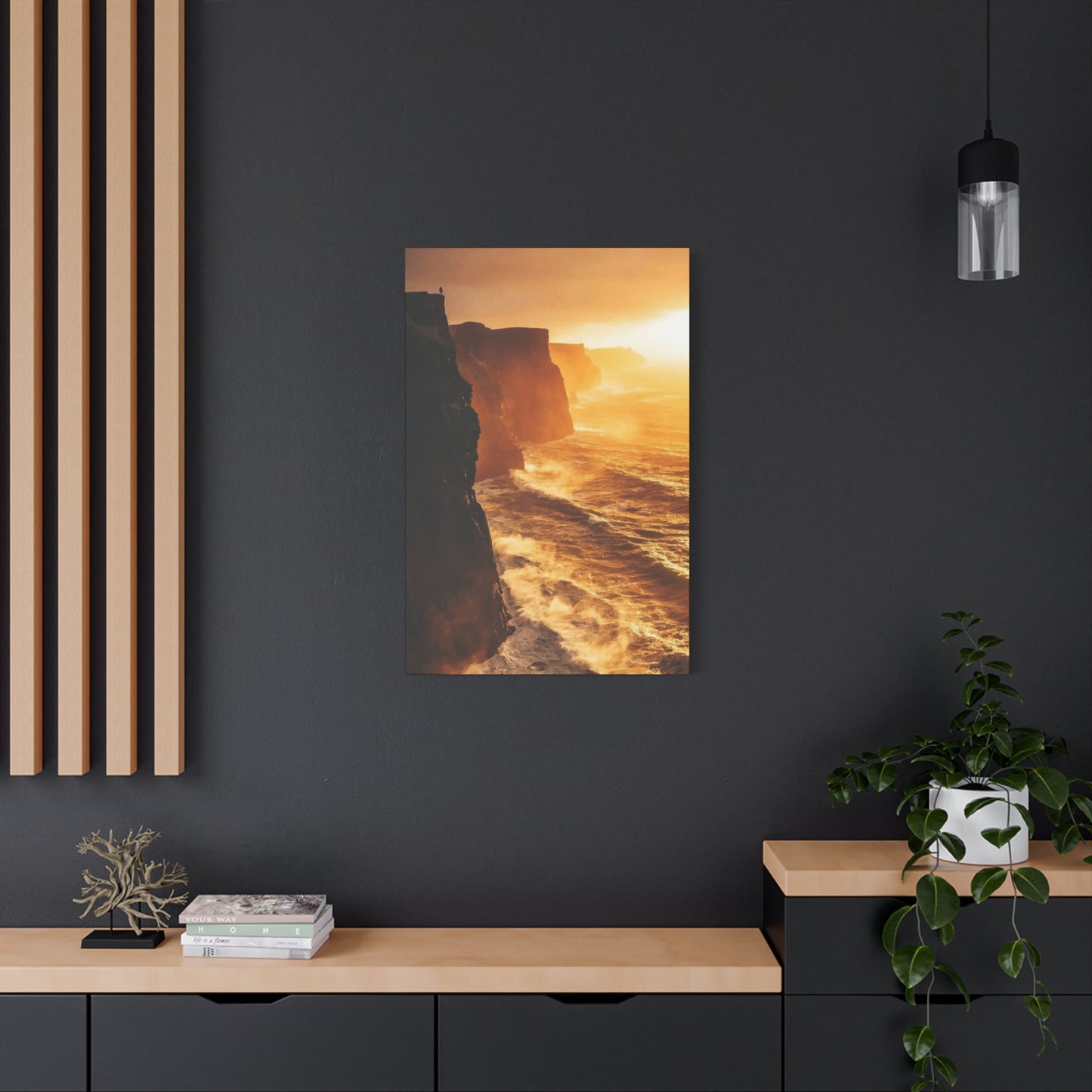


Ireland Wall Art & Canvas Prints
Ireland Wall Art & Canvas Prints
Couldn't load pickup availability
Celtic Splendor in Every Piece: Discover Ireland Wall Art that Honors Rich Heritage and Timeless Beauty
The emerald landscapes, ancient castles, and mystical folklore of the Celtic island have captivated hearts worldwide for centuries. Bringing these captivating elements into living spaces through decorative pieces creates an atmosphere rich with cultural resonance and visual splendor. From the rugged Cliffs of Moher to the serene beauty of Connemara, the essence of this enchanting land can transform any room into a sanctuary of Irish charm and timeless elegance.
Exploring The Rich Tapestry Of Irish Decorative Heritage In Modern Homes
The tradition of adorning living spaces with representations of the Emerald Isle stretches back generations, reflecting a deep connection to ancestral roots and cultural pride. Contemporary interpretations of these decorative elements blend traditional motifs with modern aesthetics, creating pieces that resonate with both nostalgia and contemporary design sensibilities. The evolution from simple commemorative prints to sophisticated artistic renditions showcases how this form of home decoration has matured into a respected genre within interior design.
Irish decorative pieces encompass an extraordinary range of subjects, from sweeping coastal panoramas to intimate village scenes, each telling a unique story of the land and its people. The verdant countryside dotted with sheep, ancient Celtic crosses standing sentinel over weathered graveyards, and colorful Georgian doorways of Dublin all serve as inspiration for these captivating works. Artists draw upon centuries of Celtic artistry, incorporating intricate knotwork, spirals, and interlaced patterns that have defined Irish visual culture since pre-Christian times.
The appeal of these decorative elements transcends mere aesthetic appreciation. For many individuals of Irish descent living abroad, these pieces serve as tangible connections to their heritage, evoking memories of ancestral homelands and keeping cultural traditions alive across generations. Even for those without direct Irish lineage, the romantic imagery and symbolic depth of Celtic-inspired decorations offer a window into a rich cultural legacy that has influenced Western civilization profoundly.
Capturing The Essence Of Emerald Landscapes Through Artistic Renditions
The diverse geography of Ireland provides endless inspiration for decorative pieces that celebrate natural beauty. From the dramatic limestone pavements of the Burren to the purple-hued mountains of Kerry, each region offers distinct visual characteristics that artists skillfully translate into captivating home decorations. The ever-changing Irish weather creates atmospheric conditions that photographers and painters alike find irresistible, with mist-shrouded valleys and sunlight breaking through storm clouds producing ethereal effects that seem almost otherworldly.
Coastal scenes particularly dominate the repertoire of Irish-themed decorative pieces, and for compelling reasons. The Wild Atlantic Way, stretching along the western seaboard, presents some of the most breathtaking maritime landscapes found anywhere on Earth. Towering cliffs plunging into roiling Atlantic waters, pristine beaches with sand so white it resembles snow, and rugged headlands where seabirds wheel and cry create dramatic compositions that translate beautifully into visual representations for the home.
The countryside imagery proves equally compelling, with its patchwork of impossibly green fields separated by ancient stone walls and hedgerows. These pastoral scenes, often featuring grazing livestock, thatched cottages, and winding country roads, evoke a simpler way of life that resonates deeply in our increasingly urbanized world. The seasonal transformations of the Irish landscape—from spring's explosive wildflower displays to autumn's golden bracken-covered hillsides—provide artists with perpetually fresh subject matter.
Lakes and rivers threading through the interior landscape offer another rich vein of inspiration. The tranquil waters of Killarney's lakes, the mighty Shannon meandering through the heartland, and countless smaller waterways create reflective surfaces that add depth and serenity to decorative compositions. These aquatic elements often feature prominently in pieces designed to create calming, meditative atmospheres within living spaces.
Celtic Symbolism And Ancient Motifs In Contemporary Home Decorations
The artistic traditions of ancient Celtic peoples continue exerting profound influence on contemporary Irish-themed decorative pieces. The intricate knotwork that adorned illuminated manuscripts like the Book of Kells translates remarkably well into modern home decorations, with its endless loops and interwoven patterns symbolizing eternal life and the interconnectedness of all existence. These mathematical yet organic designs possess a mesmerizing quality that draws the eye into their labyrinthine pathways, creating focal points that command attention without overwhelming surrounding decor.
The Celtic cross, combining Christian symbolism with pre-Christian solar imagery, represents another perennially popular motif. These distinctive crosses, with their characteristic ringed intersections, appear throughout the Irish landscape in graveyards, monastic sites, and town squares. Their representation in home decorations ranges from highly detailed reproductions of famous examples like the Cross of Cong to simplified, stylized versions that emphasize clean lines and contemporary aesthetics. The spiritual resonance of these symbols appeals to individuals seeking decorative elements that convey deeper meaning beyond mere visual appeal.
Spirals, triskeles, and other geometric patterns drawn from prehistoric Irish art provide additional design vocabulary for contemporary pieces. These ancient symbols, carved into megalithic monuments like Newgrange thousands of years before the pyramids, carry associations with cosmic cycles, spiritual journeys, and natural forces. Modern interpretations of these primordial designs create bridges between contemporary living spaces and the distant past, imbuing homes with a sense of timeless continuity.
Animal motifs also feature prominently in Celtic-inspired decorations, with creatures like horses, hounds, birds, and serpents appearing in various stylized forms. These representations often carry symbolic meanings rooted in Celtic mythology, where animals served as totems, messengers between worlds, or manifestations of divine forces. Contemporary artists incorporate these zoomorphic elements in ways that honor traditional symbolism while creating fresh, appealing designs for modern sensibilities.
The Allure Of Irish Cities And Towns Through Artistic Perspectives
Urban scenes from Irish cities provide striking alternatives to pastoral and coastal imagery in decorative pieces. Dublin, with its Georgian architecture, colorful doors, and literary heritage, offers particularly rich visual material. The iconic Ha'penny Bridge spanning the Liffey, the Long Room of Trinity College Library stretching into architectural infinity, and the vibrant Temple Bar district with its artistic energy all translate into compelling decorative subjects that capture the cosmopolitan spirit of Ireland's capital.
Cork, Galway, Limerick, and other Irish cities each possess distinctive architectural character and cultural atmosphere that artists capture in their work. The medieval stone buildings, narrow winding streets, and vibrant shopfronts create intimate urban scenes that contrast beautifully with expansive landscape imagery. These city views appeal to those who appreciate the human dimensions of Irish culture alongside its natural splendors.
Village scenes hold particular charm, depicting the heart of Irish community life. A typical composition might feature a main street lined with brightly painted buildings, a pub with a welcoming glow emanating from its windows, perhaps a church spire rising above slate rooftops. These idealized yet authentic representations of small-town Irish life evoke feelings of community, tradition, and unhurried living that many find appealing in our fast-paced modern world.
Harbor towns present another beloved subject category, combining maritime elements with architectural interest. Fishing vessels bobbing at their moorings, nets drying on stone quays, and whitewashed cottages ascending hillsides create layered compositions rich with narrative potential. These scenes speak to Ireland's relationship with the sea—simultaneously source of livelihood, avenue of connection to the wider world, and sometimes harsh adversary.
Seasonal Transformations Captured In Irish Decorative Artwork
The dramatic seasonal changes experienced across the Irish landscape provide artists with constantly shifting palettes and moods to explore. Spring arrives with explosive energy, carpeting meadows with wildflowers and hedgerows with blossoming hawthorn. The fresh greens of new growth, punctuated by brilliant yellows of gorse and delicate purples of wild orchids, create compositions bursting with renewal and vitality. Decorative pieces capturing this season bring feelings of rejuvenation and hope into living spaces.
Summer in Ireland, while often unpredictable, offers long twilight hours when golden light bathes landscapes in warmth and clarity. The full verdure of high summer, with vegetation at peak lushness, provides artists with the quintessential "forty shades of green" palette that has become synonymous with Irish imagery. Coastal scenes particularly benefit from summer's conditions, with blue skies (when they appear) contrasting dramatically against white beaches and turquoise waters.
Autumn transforms the landscape into a tapestry of russets, golds, and browns as bracken dies back on hillsides and deciduous trees prepare for winter. This season holds particular poignancy, with its themes of harvest, reflection, and the turning year. Decorative pieces capturing autumn's melancholy beauty appeal to those drawn to more contemplative, introspective atmospheres in their living spaces.
Winter strips the landscape to its essential forms, revealing the underlying structure of hills and valleys. While perhaps less immediately picturesque than other seasons, winter offers dramatic opportunities for artists, particularly in capturing storm systems rolling in from the Atlantic or frost transforming familiar scenes into crystalline wonderlands. The reduced color palette of winter scenes—grays, browns, and muted greens—creates sophisticated, understated decorative pieces that suit minimalist or contemporary interiors.
Selecting Appropriate Pieces For Different Interior Design Schemes
Matching Irish-themed decorative elements to existing interior design requires consideration of various aesthetic factors. In traditional or classic interiors, pieces featuring detailed landscape renditions, historical subjects, or Celtic motifs executed in realistic styles typically harmonize beautifully. These spaces often feature warm wood tones, rich fabrics, and established color schemes into which carefully selected Irish imagery integrates seamlessly.
Contemporary and minimalist spaces benefit from more abstracted or stylized Irish-themed pieces. Clean-lined representations of Celtic symbols, simplified landscape compositions emphasizing form and color over detail, or monochromatic photographic prints create visual interest without cluttering the restrained aesthetic of modern interiors. The key lies in selecting pieces that respect the design philosophy of the space while adding cultural and visual depth.
Rustic or cottage-style interiors naturally complement Irish decorative themes, given the stylistic overlap. Weathered wood frames, textured canvases, and subjects featuring rural scenes or traditional crafts enhance the cozy, lived-in feeling these spaces cultivate. The organic textures and earthy color palettes typical of rustic design align perfectly with many Irish landscape and village scenes.
Eclectic interiors offer perhaps the greatest freedom in incorporating Irish-themed pieces, as these spaces embrace mixing various styles and periods. Here, juxtaposing a contemporary interpretation of Celtic knotwork with vintage furnishings, or placing a traditional landscape alongside modern abstract pieces, creates dynamic visual conversations that enliven the space. The key to success in eclectic settings involves maintaining some unifying elements—perhaps color palette or framing style—to prevent visual chaos.
Size Considerations And Placement Strategies For Maximum Visual Impact
The scale of decorative pieces profoundly influences their effectiveness within a space. Large-format pieces command attention and can serve as room focal points, particularly above sofas, beds, or fireplaces. Panoramic Irish landscape scenes work especially well in these prominent positions, their horizontal orientation complementing furniture arrangements while providing visual weight that balances the room. When selecting oversized pieces, consideration of viewing distance becomes crucial—images with fine detail may be lost when hung where they'll be viewed primarily from across the room.
Medium-sized pieces offer versatility, working well in various configurations. Groupings of multiple medium pieces can create gallery walls that tell visual stories, perhaps combining coastal scenes, Celtic symbols, and architectural subjects to present a comprehensive portrait of Irish culture. Alternatively, a single medium piece can anchor smaller vignettes on hallway walls, above console tables, or in intimate spaces like reading nooks.
Smaller decorative pieces excel in creating layered, collected looks when grouped together or integrated into shelf displays. These might include representations of specific subjects—a series of Irish wildflowers, various Celtic crosses, or architectural details from different regions. Small-scale pieces also work beautifully in unexpected locations like bathrooms, walk-in closets, or along stairwell walls where larger pieces would overwhelm.
Vertical versus horizontal orientation significantly impacts how pieces interact with their surroundings. Vertical pieces draw the eye upward, making rooms feel taller, while horizontal pieces create restful, expansive feelings. Irish subjects lend themselves to both orientations—vertical treatments work wonderfully for subjects like Celtic crosses, lighthouse scenes, or narrow street views, while horizontal formats suit panoramic landscapes, harbor scenes, or wide countryside vistas.
Color Palette Influences On Room Atmosphere And Emotional Response
The colors dominating Irish-themed decorative pieces significantly affect the emotional atmosphere of spaces. Pieces emphasizing the famous green palette of Irish landscapes introduce calming, restorative energies into rooms. Green's associations with nature, growth, and renewal make these pieces particularly suitable for spaces intended for relaxation or contemplation—bedrooms, reading areas, or meditation spaces benefit from verdant landscape imagery.
Coastal scenes featuring blues and grays create different psychological effects. These cooler tones promote tranquility and spaciousness, making them excellent choices for smaller rooms that benefit from the visual expansion cool colors provide. The gray-blue palette of Irish seascapes particularly suits contemporary color schemes, complementing popular neutral decor trends while adding visual interest and cultural depth.
Warmer-toned pieces, perhaps featuring autumn landscapes or sunset scenes, introduce coziness and intimacy into spaces. These pieces work beautifully in rooms designed for gathering and conversation—living rooms, dining areas, or family spaces. The golden hours of Irish sunlight, captured by skilled artists, can make rooms feel illuminated from within, adding warmth even to north-facing spaces that receive limited natural light.
Monochromatic or limited palette pieces offer sophisticated alternatives to full-color imagery. Black and white photographs of Irish subjects create dramatic, timeless statements that work across various design styles. Sepia-toned pieces evoke nostalgia and heritage, particularly effective when the subject matter includes historical or traditional scenes. These restrained color schemes allow the subject and composition to command full attention without competing coloristically with surrounding decor.
Materials And Mediums Creating Textural Interest In Irish Decorative Pieces
The medium through which Irish imagery is rendered significantly impacts both aesthetic effect and practical considerations. Canvas prints offer texture and depth, with the woven surface visible through paint or ink adding dimensionality that flat photographic papers cannot match. Stretched and gallery-wrapped canvases, where the image extends around the sides of the frame, create modern, polished presentations suitable for contemporary settings.
Paper prints provide crisp detail and color accuracy, making them ideal for photographic subjects or pieces where fine detail deserves emphasis. Behind glass, paper prints gain protection from environmental factors while the glass surface can add elegant reflectivity. Matte versus glossy finishes affect appearance significantly—matte surfaces minimize glare and create sophisticated, understated presentations, while glossy finishes make colors appear more vibrant and add contemporary polish.
Metal prints represent an increasingly popular medium, particularly for bold, graphic Irish imagery. The printing process infuses dyes directly into specially coated aluminum sheets, creating luminous, extraordinarily durable pieces with contemporary appeal. The slight sheen of metal prints makes them particularly effective for subjects with dramatic lighting or strong color contrasts—sunsets over the Atlantic, lightning illuminating ancient stone towers, or the brilliant greens of rain-washed landscapes.
Wood-mounted prints create rustic, organic presentations particularly suited to certain Irish subjects. Landscape scenes, rural views, or Celtic symbols printed directly onto wooden planks or panels harmonize beautifully with natural materials popular in many decorating schemes. The visible wood grain adds textural interest that complements the organic subjects of much Irish imagery, creating cohesive, nature-connected decorative statements.
Framing Choices That Enhance Irish Imagery While Complementing Interior Decor
Frame selection profoundly influences how decorative pieces integrate into spaces. Traditional wooden frames in warm finishes—walnut, cherry, or oak—complement Irish imagery while adding classic elegance. These frames work particularly well with realistic landscape paintings, historical subjects, or pieces intended for traditional interiors. The substantial presence of quality wooden frames lends gravitas to pieces, suggesting permanence and importance.
Painted frames offer opportunities to either harmonize or contrast with Irish imagery. White or cream frames create clean, cottage-style presentations that lighten and brighten pieces, particularly effective with darker subjects like storm-swept coastal scenes. Black frames provide sophisticated, gallery-style presentations that focus attention on the imagery itself, creating strong graphic impact suitable for contemporary spaces. Colored frames, though requiring more careful coordination, can draw out specific hues within the imagery—a sage green frame echoing the landscape tones, or a deep blue frame complementing coastal scenes.
Metal frames in finishes like brushed nickel, oil-rubbed bronze, or matte black create sleek, modern presentations. These work beautifully in contemporary settings and with certain subject matter—urban scenes, architectural details, or stylized Celtic designs often benefit from metal's clean lines and reflective surfaces. The industrial aesthetic of metal frames can create interesting juxtapositions when paired with organic Irish landscape imagery.
Frameless presentations represent another option, particularly for canvas pieces. Gallery-wrapped canvases need no additional framing, their clean edges creating modern, uncluttered statements. This approach works exceptionally well for large-scale pieces where frames would add significant expense and visual weight, and in settings where minimalist aesthetics prevail.
Creating Gallery Wall Arrangements With Multiple Irish Decorative Elements
Curating collections of multiple Irish-themed pieces into cohesive gallery walls requires balancing several factors. Thematic coherence helps create unified presentations—grouping coastal scenes together, combining various Celtic symbols, or assembling architectural subjects from different Irish cities creates narrative threads that give collections purpose and interest. Alternatively, mixing various Irish subjects can present comprehensive cultural portraits when pieces share stylistic qualities or color palettes.
Layout planning determines whether gallery walls succeed or overwhelm. Grid arrangements, with pieces of identical size hung in regular rows and columns, create ordered, calming presentations suited to contemporary spaces. Salon-style arrangements, mixing various sizes in asymmetrical compositions, offer more dynamic, collected looks that work beautifully in traditional or eclectic settings. Mock layouts using paper templates allow experimentation before committing nail holes to walls.
Spacing between pieces affects overall impact significantly. Tighter spacing creates cohesive, unified groupings where individual pieces merge into collective statements, while generous spacing allows each piece more individual prominence. As a general guideline, spacing of two to six inches between frames works for most arrangements, with adjustments based on frame style, piece size, and overall aesthetic goals.
Vertical and horizontal balance ensures gallery walls feel stable and intentional. While perfect symmetry isn't necessary (and often undesirable in more casual arrangements), ensuring visual weight distributes relatively evenly across the arrangement prevents the composition from feeling lopsided. Placing larger or darker pieces centrally or in lower portions of the arrangement typically creates satisfying balance.
Illuminating Irish Decorative Pieces For Optimal Visibility And Drama
Lighting dramatically affects how decorative pieces appear and function within spaces. Natural light offers the most accurate color rendition but varies significantly throughout the day and across seasons. Positioning pieces to receive natural illumination without direct sunlight prevents fading while allowing appreciation of colors and details. Northern light, prized by artists for its consistency, provides excellent conditions for viewing artwork, though its coolness may subtly shift warmer tones.
Picture lights mounted above pieces create focused illumination that adds drama and importance. These dedicated fixtures, available in various styles from traditional brass to modern LED strips, ensure pieces remain visible even in dimly lit rooms. Adjustable picture lights allow fine-tuning of the angle and intensity of illumination, preventing glare on glass surfaces while highlighting textures in canvas or other dimensional mediums.
Track lighting offers flexibility for illuminating multiple pieces or adjusting as collections change. This approach works particularly well in dedicated gallery wall areas or rooms where Irish-themed decorative elements feature prominently in the design scheme. Track systems with adjustable heads allow customized lighting for each piece, accommodating various sizes and positions within the space.
Ambient room lighting affects decorative pieces even when not directly illuminated. Warm-toned ambient lighting enhances pieces with golden or russet palettes—autumn landscapes or sunset scenes—while cooler ambient light complements coastal imagery and pieces with blue-gray tonalities. Dimmer switches allow adjustment of lighting intensity for different moods and times of day, changing how pieces appear and the atmosphere they create.
Incorporating Irish Decorative Elements Into Specific Room Contexts
Living rooms often serve as primary locations for Irish decorative pieces, given their role as main gathering spaces. Above the sofa represents the most common placement, where substantial pieces can anchor seating arrangements while providing visual interest for family and guests. Complementary smaller pieces on adjacent walls or surrounding shelving can support the main focal point without competing for attention. The conversational nature of living rooms makes these spaces ideal for pieces that invite discussion—dramatic landscapes, scenes of cultural significance, or pieces incorporating traditional symbolism.
Dining rooms benefit from Irish imagery that enhances the convivial atmosphere of shared meals. Scenes of Irish pubs, village celebrations, or abundant harvest imagery reinforce themes of gathering and abundance. The relatively controlled lighting in dining rooms, often featuring chandeliers or pendant fixtures, allows flexibility in piece placement without concerns about glare or shifting natural light. Dramatic pieces work particularly well in dining spaces, where they can be appreciated during extended periods of sitting.
Bedrooms require different considerations, with most individuals preferring calming imagery in these private retreats. Serene coastal scenes, pastoral landscapes, or pieces incorporating Celtic symbols associated with protection and peace create appropriate atmospheres for rest. Colors become particularly important in bedroom contexts—cooler palettes generally promote restful feelings, while vibrant or energetic imagery may prove stimulating rather than relaxing.
Home offices and studies benefit from Irish decorative pieces that inspire while avoiding distraction. Inspirational quotes rendered in Celtic calligraphy, historical scenes, or sophisticated landscape compositions provide visual interest during work breaks without drawing attention away from tasks. Many individuals with Irish heritage find that connecting with cultural imagery in work spaces provides motivational energy and identity affirmation during long workdays.
Curating Personal Collections That Reflect Individual Irish Connections
Building collections of Irish-themed decorative pieces allows individuals to express personal relationships with Irish culture. Those with ancestral connections might focus on imagery from specific regions where family originated—County Cork landscapes, Galway coastal scenes, or Dublin architecture take on deeper personal significance when representing actual homeland locations. Researching family history can inform collecting choices, creating decorative displays that honor heritage while educating younger generations.
Commemorating visits to Ireland through carefully selected pieces transforms travel memories into permanent parts of the home environment. Rather than purchasing generic tourist imagery, travelers can seek pieces by local artists, representations of specifically meaningful locations, or items incorporating unique regional characteristics. These curated selections carry richer personal meaning than mass-produced alternatives while supporting Irish artists and craftspeople.
Thematic collections focusing on particular aspects of Irish culture create cohesive displays with scholarly or connoisseurial dimensions. One might assemble pieces representing Celtic crosses from different periods and regions, create collections of Irish wildflower imagery, or gather representations of various Irish castles. These focused collections develop expertise while creating distinctive decorative statements that reflect personal interests and passions.
Mixing antique and contemporary pieces creates collections with depth and layers of meaning. A vintage Claddagh ring displayed alongside a modern Celtic knot interpretation, or historical photographs of Irish ancestors positioned near contemporary landscape paintings, bridges past and present while creating visually interesting juxtapositions. These mixed-era collections tell more complex stories than single-period assemblages.
Understanding Quality Indicators In Irish Decorative Artwork And Prints
Evaluating quality in Irish-themed decorative pieces requires considering several factors. Print quality manifests in color accuracy, detail sharpness, and tonal range. High-quality prints maintain detail in both highlight and shadow areas without muddiness or blown-out whites. Colors should appear saturated and accurate without oversaturation that creates unnatural appearances. Examining pieces closely reveals whether fine details remain crisp or dissolve into pixelation or blur.
Paper or substrate quality significantly affects longevity and appearance. Archival papers manufactured without acids or lignins resist yellowing and degradation, ensuring pieces maintain their appearance for decades. Heavier paper weights (measured in grams per square meter or pounds) feel more substantial and resist warping or rippling. Canvas quality varies similarly, with heavier, tighter weaves providing superior surfaces that showcase imagery better than loosely woven, lightweight alternatives.
Printing methods impact both appearance and durability. Giclée printing, using archival inks on high-quality substrates, produces gallery-quality results with exceptional longevity—properly displayed giclée prints can last over a century without noticeable fading. Standard photographic or digital prints, while often less expensive, may fade more quickly, particularly when exposed to bright light. Understanding the printing method used helps set appropriate expectations for appearance and lifespan.
For original artwork rather than prints, additional considerations apply. Paint quality, canvas preparation, and execution technique all influence both aesthetic qualities and longevity. Examining brushwork, color application, and compositional sophistication reveals artistic skill levels. Original pieces command premium prices but offer uniqueness and investment potential that prints cannot match.
Supporting Irish Artists And Craftspeople Through Thoughtful Purchasing
Choosing pieces created by Irish artists provides authentic cultural connections while supporting individuals keeping traditional crafts and artistic traditions alive. Contemporary Irish artists bring insider perspectives to their work, capturing subtle qualities of light, landscape, and atmosphere that outsiders might miss. Their work often incorporates personal knowledge of locations, traditions, and symbols, resulting in pieces with greater authenticity and depth.
Artist-signed limited editions represent middle ground between mass-produced prints and unique originals. These pieces, created in controlled quantities and individually signed by artists, offer exclusivity and collectibility while remaining more affordable than one-of-a-kind works. Limited editions often appreciate in value as artists' reputations grow, making them both decorative choices and potential investments.
Direct artist purchases, when possible, maximize support for creative individuals while often reducing costs by eliminating intermediaries. Many Irish artists maintain websites or social media presences where they showcase and sell work directly. This approach allows conversations with artists about their work, inspirations, and processes, enriching the purchasing experience and deepening appreciation for the acquired pieces.
Galleries specializing in Irish or Celtic artwork provide curated selections and expertise that assist buyers in making informed choices. Reputable galleries verify authenticity, provide proper documentation, and often offer guarantees or return policies that protect buyers. The additional costs associated with gallery purchases support these cultural institutions that promote and preserve Irish artistic traditions.
Gifting Irish Decorative Pieces For Meaningful Occasions And Celebrations
Irish-themed decorative elements make meaningful gifts for various occasions, particularly for individuals with Irish heritage. Wedding gifts might include pieces featuring Claddagh symbols, Celtic knots representing eternal love, or romantic Irish landscapes. These pieces commemorate the occasion while providing lasting reminders of the celebration. Personalization options—adding wedding dates, couples' names, or meaningful quotes—enhance these already significant gifts.
Housewarming presents in the form of Irish decorative pieces help new homeowners establish their spaces while honoring heritage. Pieces incorporating traditional blessings—classic wishes for prosperity, health, and happiness rendered in Celtic lettering alongside appropriate imagery—combine practical decoration with cultural and spiritual significance. The tradition of blessing new homes aligns beautifully with this gift category.
Milestone birthday gifts, particularly for significant ages like 40th, 50th, or 60th celebrations, can take the form of substantial Irish decorative pieces. Commissioning custom works depicting meaningful Irish locations—perhaps an ancestral village or a landscape from a memorable trip—creates deeply personal gifts that recipients treasure. These thoughtful presents acknowledge the recipient's heritage and personal history in ways that generic gifts cannot match.
Memorial pieces honoring departed loved ones might incorporate Irish blessings, Celtic crosses, or landscapes from locations significant to the deceased. These pieces provide comforting focal points for remembrance while beautifying spaces. For individuals of Irish descent, these culturally resonant memorial pieces connect personal loss with broader traditions and beliefs about life, death, and what lies beyond.
Blending Irish Decorative Elements With Other Cultural Influences
Homes incorporating multiple cultural influences can successfully integrate Irish decorative pieces alongside other heritage elements. The key lies in finding unifying themes or aesthetic qualities that allow different cultural expressions to coexist harmoniously. Color coordination provides one approach—selecting Irish pieces whose palettes complement colors in decorative elements from other traditions creates visual cohesion despite cultural diversity.
Thematic connections offer another avenue for successful cultural blending. If maritime themes run through a home's decor, Irish coastal scenes can coexist comfortably with nautical elements from other seafaring traditions. Similarly, agricultural or pastoral themes can unite Irish countryside imagery with rural scenes from other cultures. Finding these thematic threads creates decorative schemes that celebrate multicultural heritage while maintaining visual unity.
Separate dedicated spaces allow full expression of distinct cultural influences without requiring integration. An Irish-themed study or bedroom, for example, can feature concentrated Irish decoration while other rooms highlight different cultural influences. This approach works particularly well in larger homes where distinct spaces serve different functions and accommodate different aesthetic expressions.
Artistic style can provide unifying threads in culturally diverse spaces. Selecting Irish pieces rendered in similar styles to other cultural decorative elements—perhaps all photographic, all modern interpretations, or all traditional paintings—creates stylistic coherence that allows cultural variety without visual chaos. This approach celebrates heritage diversity while maintaining sophisticated, curated appearances.
Preserving And Caring For Irish Decorative Pieces To Ensure Longevity
Proper placement protects decorative pieces from environmental factors that accelerate deterioration. Direct sunlight causes fading in virtually all mediums—canvas, paper, and even metal prints will gradually lose color intensity when exposed to ultraviolet radiation. Positioning pieces away from windows or using UV-protective glazing for framed works significantly extends lifespans. South and west-facing walls receive the most intense sunlight and present highest risk for light damage.
Humidity control prevents various problems that compromise decorative pieces. Excessive humidity encourages mold growth, particularly on paper and canvas, while causing wooden frames to warp and expand. Very low humidity causes materials to dry out and become brittle, leading to cracking and deterioration. Maintaining relative humidity between forty and fifty percent protects most pieces effectively. Bathrooms and kitchens, with their extreme humidity fluctuations, generally represent poor locations for valuable decorative items.
Temperature stability proves nearly as important as humidity control. Significant temperature fluctuations cause expansion and contraction cycles that stress materials, potentially causing paint to crack, canvas to distort, or adhesives to fail. Avoiding placement near heating vents, radiators, fireplaces, or air conditioning registers protects pieces from these damaging temperature swings. Consistent temperatures between sixty and seventy-five degrees Fahrenheit provide optimal conditions for most materials.
Regular dusting and cleaning maintain appearance while preventing buildup of harmful particulates. Dusting should use soft, dry cloths or feather dusters to avoid scratching surfaces. Glass-covered pieces benefit from occasional cleaning with appropriate glass cleaners, while canvas pieces require only gentle dusting—never introduce moisture directly to canvas surfaces. Metal prints can typically be wiped clean with slightly dampened cloths, though checking manufacturer recommendations ensures appropriate care.
Digital Versus Physical Irish Decorative Pieces In Contemporary Homes
Digital display systems offering rotating imagery provide alternatives to static decorative pieces. These electronic frames can showcase extensive collections of Irish imagery, changing automatically throughout the day or on command. For individuals with large photograph collections from Irish travels, digital frames allow enjoyment of many images in single locations. Modern high-resolution displays produce imagery rivaling print quality, though nothing yet matches the resolution and depth of large-format, well-executed physical prints.
Physical pieces offer tangible qualities that digital displays cannot replicate. The texture of canvas, the weight of a frame, the subtle dimensional qualities of paint or print surfaces contribute to aesthetic experiences in ways that flat, backlit screens cannot match. Physical pieces also function without electricity, immune to technical failures and compatibility issues that affect digital systems. For many individuals, the permanence and substance of physical decorative pieces hold inherent value that digital alternatives lack.
Hybrid approaches combine both formats' advantages. A primary physical piece might anchor a space while smaller digital frames display rotating collections of related imagery. This solution provides stability and substance through physical elements while allowing frequent refreshment through digital variety. The combination addresses different needs—the desire for meaningful, permanent statements alongside appreciation for diverse imagery.
The investment dimension differs significantly between formats. Quality physical pieces, particularly original artworks or limited editions, may appreciate in value and can be passed to future generations as family heirlooms. Digital displays depreciate like all electronics, with no secondary market value and limited lifespans before technical obsolescence. For those viewing Irish decorative pieces as both aesthetic choices and cultural investments, physical pieces offer advantages that digital alternatives cannot match.
Seasonal Rotation Strategies For Refreshing Irish Decorative Displays
Rotating decorative pieces with seasons keeps homes feeling fresh and responsive to the changing year. Winter might feature dramatic storm scenes, cozy village imagery with smoke rising from chimneys, or Celtic symbols associated with the winter solstice and renewal. These pieces harmonize with winter's mood while providing visual warmth during darker months.
Spring rotations can introduce imagery celebrating renewal—wildflower meadows, lambing scenes, coastal views under clearing skies. The lighter, brighter palettes typical of spring subjects lift spirits after winter's darker months while aligning home decoration with natural cycles outside. Celtic symbols associated with growth, fertility, and awakening fit naturally into spring displays.
Summer calls for vibrant, luminous pieces capturing the season's energy and extended daylight. Beach scenes, outdoor festivals, sun-drenched landscapes, and brilliant coastal imagery reflect summer's expansive feeling. This season permits bolder color choices and more energetic compositions that might feel overwhelming during quieter seasons.
Autumn rotations embrace the season's contemplative character through harvest imagery, changing foliage, and pieces with warmer, muted palettes. Celtic symbols associated with the harvest season, thanksgiving, and preparation for winter create appropriate thematic content. The nostalgia often associated with autumn makes this season ideal for incorporating vintage or historical Irish imagery.
Irish Decorative Elements In Commercial And Public Spaces
Irish pubs and restaurants naturally incorporate Irish decorative pieces as part of establishing authentic atmospheres. Beyond the expected vintage advertising signs and sports memorabilia, quality landscape photography or paintings of Irish scenes create ambiance while elevating the space beyond cliché. Large-scale pieces can transform dining areas into immersive environments that transport patrons, at least imaginatively, to Ireland itself.
Hotels and bed-and-breakfast establishments, particularly those marketing Irish themes or located in areas with significant Irish populations, use decorative pieces to reinforce branding while creating memorable guest experiences. Pieces in guest rooms, lobbies, and common areas communicate attention to detail and cultural authenticity. For establishments in Ireland itself, featuring work by local artists provides guests with authentic cultural encounters while supporting regional creative communities.
Corporate offices and professional spaces may incorporate Irish decorative elements when relevant to company identity, location, or clientele. Law firms, financial services companies, or other businesses with Irish heritage connections might feature substantial Irish artwork in reception areas or conference rooms. These pieces project stability, tradition, and cultural awareness while creating distinctive environments that differentiate businesses from competitors.
Cultural centers, community organizations, and educational institutions serving Irish populations use decorative pieces to create culturally affirming environments. These spaces benefit from comprehensive decorative schemes incorporating various aspects of Irish culture—landscape imagery, historical subjects, Celtic symbols, and contemporary Irish artistic expressions. The goal extends beyond decoration to creating environments that celebrate and preserve Irish cultural identity.
Commissioning Custom Irish Decorative Pieces For Unique Personal Statements
Custom commissioned pieces allow individuals to obtain exactly the imagery they envision. Perhaps a specific Irish location holds personal significance—the village where grandparents lived, the cliff where a marriage proposal occurred, the churchyard where ancestors are buried. Commissioning an artist to create a piece featuring that precise location results in decoration with personal meaning that mass-produced alternatives cannot match.
Artistic interpretation can transform personal photographs into more finished artwork suitable for prominent display. An amateur photograph from an Irish vacation might capture a meaningful moment but lack technical qualities for enlargement and framing. Working with an artist to recreate that scene in oils, watercolors, or digital media produces display-worthy pieces that preserve the memory while overcoming snapshot limitations.
Incorporating family elements into Irish-themed pieces creates deeply personal decorations. A landscape might include a family motto rendered in Celtic script, a coat of arms discretely incorporated into the composition, or even family member portraits integrated into historical or traditional scenes. These personalized touches transform decorative pieces into family heirlooms with significance extending far beyond their aesthetic qualities.
Conclusion
Ireland's rich cultural and artistic heritage is a treasure trove of captivating imagery, symbolism, and craftsmanship, making Irish wall art a powerful means of connecting with the country’s deep-rooted traditions. Through decorative heritage pieces, the beauty of Celtic art transcends mere aesthetics, offering a window into the ancient world, where myths, history, and spirituality converge to shape Ireland’s unique identity. Whether you are drawn to the intricate designs of the Celtic knotwork, the evocative symbolism of the Claddagh, or the bold hues and intricate patterns of landscape art, Irish wall art offers more than just decoration—it tells a story.
At the heart of this art is a reverence for the land and its people. The timeless motifs seen in Celtic wall art are not only visually stunning but also carry meanings that resonate across generations. The Celtic knot, for instance, represents the interconnectedness of life, illustrating the endless cycles of birth, death, and rebirth, a concept that has been central to Irish culture for centuries. The Tree of Life, another common motif, reflects Ireland’s deep spiritual connection to nature, symbolizing harmony, growth, and the eternal flow of energy that sustains the world.
The landscapes of Ireland, often depicted in wall art, are equally symbolic. They evoke a sense of place that is not only physical but also emotional. The sweeping greens of the countryside, the wild ruggedness of the coastlines, and the tranquil beauty of the lakes and mountains are all symbolic of Ireland’s resilience and its ability to inspire awe in those who visit or call it home. These natural elements are captured in rich, vibrant artworks that serve as both a reminder of the land’s beauty and a celebration of its enduring cultural spirit.
Incorporating Irish wall art into your living space allows for an immersive experience, one that ties together the aesthetics of the past and present. Whether a piece is an intricate hand-painted reproduction or a contemporary take on a traditional design, it maintains the essence of Irish craftsmanship. These pieces are often created with an incredible attention to detail and respect for history, making them more than just decorative objects. They are expressions of heritage, pride, and the continuity of Irish culture.
Beyond the visual appeal, Irish wall art offers an opportunity to connect to the myths, legends, and stories that have shaped the identity of the Emerald Isle. The narrative quality of much of this art invites the viewer to explore and reflect on the symbols that have stood the test of time. From the ancient Celtic traditions to the modern Irish aesthetic, these works serve as cultural touchstones, connecting generations and bridging the past with the present.
In conclusion, Irish wall art is not just an artistic expression; it is an invitation to experience the rich tapestry of Ireland’s heritage. It is a celebration of the timeless beauty that permeates the landscapes, the people, and the culture of this remarkable island. Whether you are a lover of Celtic history or simply appreciate the striking visuals of this art form, incorporating these decorative pieces into your home creates a deeper connection to the spirit of Ireland. Through its enduring beauty and cultural significance, Irish wall art continues to inspire and captivate, making it a cherished addition to any collection or living space.
Share