Industrial Wall Art & Canvas Prints
Industrial Wall Art & Canvas Prints
Couldn't load pickup availability
Bold Statement Pieces: How Industrial Wall Art Revolutionizes Modern Interior Spaces and Creates Stunning Visual Impact
The world of interior design has witnessed a remarkable transformation over the past decade, with metal-based decorative pieces emerging as the dominant force in creating visually compelling environments. These striking statement pieces combine rugged aesthetics with artistic sophistication, offering homeowners and designers unprecedented possibilities for transforming ordinary rooms into extraordinary showcases of personal style. The marriage of weathered metals, exposed hardware, and bold geometric patterns creates an atmosphere that resonates with those seeking authenticity and character in their living environments.
Industrial wall art represents far more than simple decoration—it embodies a philosophical approach to spatial design that celebrates functionality alongside beauty. These pieces often incorporate salvaged materials, repurposed machinery components, and handcrafted metalwork that tells a story of craftsmanship and ingenuity. The textures, patinas, and dimensional qualities of these artworks add depth and interest to any room, creating focal points that command attention while maintaining a sense of understated elegance.
The appeal of these decorative elements extends across demographic boundaries, attracting young urban professionals, established homeowners, commercial property managers, and design enthusiasts alike. The versatility of metal-based artwork allows it to complement various design schemes, from minimalist lofts to rustic farmhouse interiors, demonstrating its remarkable adaptability and enduring relevance in contemporary design discourse.
Distinctive Characteristics That Set Metal Canvas Creations Apart From Traditional Decorative Elements
Metal artwork possesses unique attributes that distinguish it from conventional canvas paintings, framed photographs, or wooden decorative pieces. The dimensional quality of metalwork creates shadows and highlights that shift throughout the day as natural light moves across surfaces, essentially making the artwork a dynamic element that changes its appearance based on environmental conditions. This living quality transforms static walls into interactive experiences that engage viewers at different times and under varying lighting conditions.
The durability of metal pieces far exceeds that of paper-based or fabric artworks, making them ideal for high-traffic areas, commercial environments, or spaces where longevity is paramount. Unlike canvas paintings that fade under sunlight exposure or photographs that yellow with age, properly treated metal artworks maintain their visual integrity for decades, developing rich patinas that often enhance their aesthetic appeal rather than diminishing it. This longevity translates into long-term value, as these pieces require minimal maintenance while continuing to deliver visual impact year after year.
The tactile nature of metalwork adds another dimension to the viewing experience, inviting closer inspection and physical interaction that flat artwork cannot provide. The interplay of smooth polished surfaces with rough welded seams, the contrast between oxidized copper and gleaming steel, or the juxtaposition of angular geometric forms with flowing organic shapes creates a sensory richness that engages viewers on multiple levels. This multisensory engagement makes metal artwork particularly effective in spaces where memorable experiences are prioritized.
Diverse Material Compositions and Fabrication Methods That Create Unique Visual Expressions
The spectrum of materials employed in creating metal-based decorative pieces spans from common construction metals to exotic alloys, each bringing distinctive visual characteristics and practical properties. Steel remains the most prevalent material due to its structural strength, workability, and ability to accept various surface treatments. Raw steel develops a natural rust patina that many designers embrace for its authentic weathered appearance, while sealed steel maintains a consistent finish that resists environmental degradation.
Aluminum offers lightweight alternatives that facilitate installation on walls with limited structural capacity while providing excellent corrosion resistance. Its silvery finish can be left natural, anodized in vibrant colors, or powder-coated to achieve virtually any hue imaginable. The malleability of aluminum permits intricate cutting and forming operations, enabling artisans to create highly detailed designs with flowing curves and delicate features that would be impractical in heavier metals.
Copper and brass bring warm metallic tones that introduce a sense of luxury and refinement to spaces. These materials respond dramatically to oxidation processes, developing verdigris patinas ranging from deep browns to brilliant turquoise greens, depending on environmental exposure and intentional chemical treatments. The living nature of these patinas means that copper and brass pieces continue evolving over time, creating ever-changing visual narratives that reflect their environmental journey.
Mixed-metal compositions combine different materials within single pieces, leveraging the contrasting colors, textures, and reflective properties of various metals to create visual complexity. Welded assemblages might incorporate steel framework supporting copper accents, aluminum backing plates behind brass focal elements, or stainless steel highlights punctuating weathered iron backgrounds. These material juxtapositions create visual tension and interest that single-material pieces cannot achieve.
Reclaimed materials sourced from decommissioned factories, demolished buildings, or retired machinery carry historical significance that adds narrative depth to artwork. Salvaged gears, vintage tools, architectural elements, and industrial components become artistic mediums that preserve cultural heritage while serving contemporary aesthetic purposes. The stories embedded in these materials—the factories where they operated, the products they produced, the workers who handled them—transform artwork into tangible connections with industrial heritage.
Size Considerations and Spatial Planning for Maximum Visual Impact in Various Room Configurations
Selecting appropriately scaled artwork requires careful consideration of room dimensions, ceiling heights, furniture arrangements, and viewing distances. Oversized statement pieces measuring six feet or larger create dramatic focal points in spacious areas like great rooms, lobbies, or commercial spaces, commanding attention and anchoring the visual hierarchy of the environment. These massive installations often become defining features around which entire design schemes revolve, dictating color palettes, furniture selections, and spatial arrangements.
Medium-sized pieces ranging from two to four feet work effectively in dining rooms, bedrooms, home offices, and other moderately scaled spaces where balance between presence and proportion is essential. These dimensions provide sufficient visual weight to serve as focal points without overwhelming the room or competing with functional elements like windows, fireplaces, or architectural features. Gallery walls composed of multiple medium pieces allow for creative arrangements that build visual interest through repetition with variation.
Smaller accent pieces under two feet excel in intimate spaces such as powder rooms, entryways, hallway alcoves, or as complementary elements within larger gallery walls. Despite their modest dimensions, carefully selected small pieces can deliver disproportionate visual impact through intricate detailing, vibrant finishes, or strategic placement that draws the eye toward specific architectural features or transitions between spaces.
Vertical orientation elongates walls and emphasizes ceiling height, making rooms feel more spacious and grand. This configuration particularly suits narrow wall sections flanking windows, doors, or architectural elements where horizontal pieces would overwhelm the available space. Tall vertical pieces also complement stairwells, two-story entryways, and other soaring spaces where conventional artwork appears lost or insignificant.
Horizontal arrangements create stability and grounding, visually anchoring furniture groupings and emphasizing the width of spaces. Wide horizontal pieces work beautifully above sofas, beds, credenzas, and mantels, creating visual continuity between furniture and wall surfaces. The expansive format naturally draws eyes laterally, encouraging visual exploration across the composition while maintaining a calming, settled aesthetic.
Color Palette Selection Strategies for Harmonizing Metal Artwork With Existing Decor Schemes
Natural metal finishes—raw steel, brushed aluminum, aged copper, patinated brass—possess inherent chromatic qualities that coordinate effortlessly with neutral color schemes. The silvery grays of polished steel complement cool-toned environments featuring whites, grays, and blues, while the warm amber tones of brass and copper harmonize with earth-toned palettes incorporating browns, tans, and greens. Allowing metal's natural coloration to shine creates authentic aesthetic expressions that feel organic rather than forced.
Powder-coated finishes expand the chromatic possibilities exponentially, enabling precise color matching with existing decor elements or introducing bold accent colors that punctuate neutral backgrounds. Vibrant reds, deep blues, sunny yellows, or rich greens can be applied to metal surfaces with remarkable durability and consistency, creating custom pieces that perfectly complement specific design visions. The powder coating process produces uniform, scratch-resistant finishes that maintain their appearance under normal use conditions.
Patination treatments using chemical reactions produce unique color variations that cannot be replicated through painting or coating processes. Ferric nitrate solutions create rich browns and blacks on steel, while liver of sulfur darkens copper and silver into dramatic charcoal hues. Vinegar and salt solutions develop distinctive turquoise and blue-green verdigris on copper, while ammonia fumes produce rainbow iridescence on titanium. These chemical processes create organic, unpredictable variations that give each piece individual character.
Layered finishing techniques combine multiple surface treatments to achieve complex visual effects impossible through single processes. A steel piece might receive initial rusting to develop texture, followed by selective grinding to reveal bright metal highlights, then sealed with clear coating to preserve the contrasting surfaces. This multistep approach creates depth and visual interest that engages viewers, rewarding close inspection with discovered details.
Monochromatic schemes using varied tones of single colors create sophisticated, cohesive appearances that feel intentional and curated. All-black metal pieces deliver dramatic impact in light-colored rooms, while all-white painted metal sculptures create ethereal, modern impressions against dark walls. The monochromatic approach simplifies color coordination while allowing form, texture, and dimension to emerge as the primary design elements.
Complementary Design Movements That Share Aesthetic Affinity With Metal-Based Decorative Artwork
Loft-dwelling aesthetics emerging from converted warehouses and factory buildings naturally embrace metal artwork as authentic expressions of architectural heritage. Exposed brick walls, visible ductwork, concrete floors, and oversized windows characteristic of these spaces create perfect backdrops for metalwork that echoes the structural honesty and utilitarian roots of the buildings themselves. The visual continuity between architectural elements and decorative pieces creates cohesive environments where every element reinforces the overall design narrative.
Rustic farmhouse sensibilities combine weathered wood, vintage textiles, and pastoral motifs with metal accents that reference agricultural heritage and practical functionality. Barn door hardware, metal windmill sculptures, vintage tool displays, and wrought iron elements blend seamlessly with metal artwork to create spaces that feel grounded in rural traditions while incorporating contemporary design refinement. The juxtaposition of rough-hewn wood with smooth metal surfaces creates textural contrasts that enrich the visual landscape.
Minimalist design philosophies emphasizing clean lines, uncluttered spaces, and intentional object selection find ideal expression in carefully chosen metal pieces that deliver maximum visual impact with minimum complexity. A single large-scale metal sculpture can serve as the sole decorative element in a sparsely furnished room, becoming a powerful focal point that anchors the space without introducing visual chaos. The restraint inherent in minimalist approaches allows individual pieces to receive full attention, elevating them from mere decoration to essential design elements.
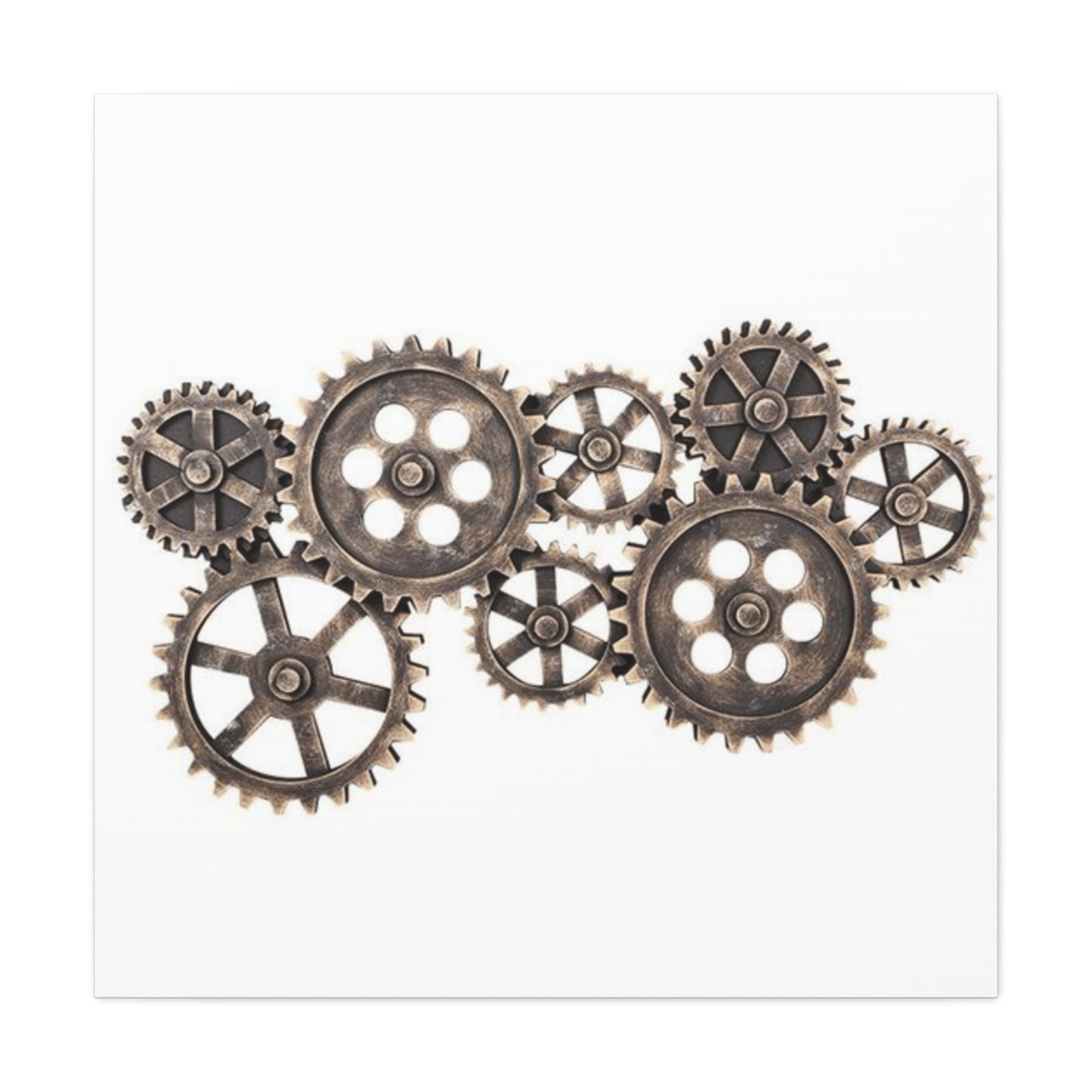
Steampunk aesthetics celebrating Victorian-era science fiction, mechanical complexity, and imaginative engineering find perfect expression in metal assemblages incorporating gears, gauges, pipes, and vintage machinery components. These fantastical creations blur boundaries between functional objects and artistic expressions, suggesting alternate realities where steam power and clockwork mechanisms drive impossibly elaborate contraptions. The narrative richness of steampunk designs transforms walls into portals to imagined worlds filled with adventure and innovation.
Urban contemporary styles found in metropolitan apartments and modern townhomes incorporate sleek metal artwork that reflects the energy, sophistication, and forward-thinking attitudes of city living. Polished stainless steel, geometric abstractions, and streamlined forms echo the architectural language of glass towers and steel-frame construction that defines urban skylines. These pieces feel at home in environments where contemporary art, modern furniture, and cutting-edge design converge to create aspirational living spaces.
Room-Specific Recommendations for Maximizing Aesthetic and Functional Benefits in Different Living Areas
Living rooms benefit tremendously from large statement pieces positioned above seating arrangements or on prominent walls visible from multiple viewing angles. These central gathering spaces deserve artwork that generates conversation, reflects household personality, and creates memorable impressions on visitors. The scale and visual weight of metalwork makes it ideal for anchoring furniture groupings while adding vertical interest that draws eyes upward, making rooms feel more expansive and architecturally significant.
Dining areas naturally accommodate metal artwork that complements the social, convivial atmosphere of shared meals and celebrations. Positioning artwork along walls adjacent to dining tables creates visual interest for seated diners without interfering with conversation flow or serving activities. Metal pieces incorporating wine-related motifs, culinary themes, or abstract designs that suggest gathering and community reinforce the room's essential purpose while adding sophisticated visual elements.
Bedrooms require careful artwork selection that promotes restful, calming atmospheres conducive to relaxation and sleep. While metal artwork might seem too bold for these intimate spaces, thoughtfully chosen pieces in muted tones, organic forms, or nature-inspired designs can enhance bedroom environments without introducing agitating visual stimulation. Positioning artwork on walls opposite the bed ensures it remains visible when entering the room but doesn't dominate the view from the pillow, maintaining appropriate visual hierarchy.
Home offices benefit from motivational, energizing artwork that stimulates creativity and focus without creating distraction. Abstract geometric metal pieces, inspirational word sculptures, or stylized representations of professional themes can enhance productivity while personalizing workspaces. The durability and professional appearance of metal artwork makes it particularly suitable for home offices where video conferencing and virtual meetings put backgrounds on display.
Bathroom and powder room walls offer unexpected opportunities for distinctive artwork that surprises and delights visitors. The moisture resistance of properly sealed metal makes it practical for these humid environments where paper-based artwork deteriorates rapidly. Smaller accent pieces or themed designs related to water, relaxation, or natural elements can transform utilitarian spaces into memorable experiences.
Kitchen walls increasingly feature decorative metal pieces that complement the abundant metal already present in appliances, fixtures, and hardware. Vintage kitchen tool displays, food-themed metal sculptures, or abstract pieces in finishes that coordinate with cabinet hardware create visual cohesion while adding personality to spaces often dominated by functional considerations. The easy-clean properties of sealed metal make it particularly practical in environments prone to grease, steam, and food splatters.
Entryways and foyers create crucial first impressions that set expectations for the entire home. Welcoming metal artwork positioned on the primary wall visible upon entry immediately establishes the household's design aesthetic and attention to visual detail. These pieces should be sufficiently impressive to command attention yet not so overwhelming that they create visual intimidation or make small entry spaces feel cramped.
Outdoor living areas including patios, decks, and covered porches increasingly incorporate weather-resistant metal artwork that extends indoor design sensibilities into exterior spaces. Specialized coatings and marine-grade materials ensure longevity despite exposure to moisture, temperature fluctuations, and ultraviolet radiation. Outdoor metal artwork often incorporates larger scales and bolder designs appropriate for the more expansive viewing distances and open environments characteristic of exterior spaces.
Strategic Installation Methods That Ensure Secure Mounting While Protecting Wall Surfaces
Proper weight assessment constitutes the critical first step in installation planning, as inadequate mounting hardware causes artwork failures that damage both pieces and walls. Bathroom scales provide rough weight estimates for medium pieces, while larger installations may require industrial scales or manufacturer specifications to determine actual weight. Adding twenty percent safety margin to calculated loads accounts for dynamic forces like earthquakes, door slams, or accidental impacts.
Stud mounting provides the strongest attachment method for heavy pieces, as wood or metal studs behind drywall or plaster can support substantial loads when properly engaged. Electronic stud finders locate framing members behind finished surfaces, though traditional methods like knocking to detect density changes or using strong magnets to locate drywall screws work effectively when electronic devices prove unreliable. Positioning artwork so mounting hardware aligns with stud locations may require adjusting planned placement, but the security gained justifies minor compromises.
Heavy-duty anchors including toggle bolts, molly bolts, and expansion anchors enable secure mounting into hollow walls where stud alignment proves impractical. These specialized fasteners spread loads across larger wall areas behind finished surfaces, dramatically increasing holding capacity compared to standard screws. Selecting anchors rated for at least triple the artwork weight provides adequate safety margins for long-term installations.
French cleat systems excel for large, heavy pieces requiring both security and easy removal for seasonal changes or relocation. These two-part mounting systems use matching beveled rails attached to walls and artwork backs, allowing pieces to hang securely from interlocking cleats while remaining easily removable by lifting upward. The distributed load bearing of cleat systems reduces stress concentration compared to point-mounted hanging wire systems.
Museum-quality mounting hardware including D-rings, security hooks, and professional hanging systems offers superior reliability for valuable pieces where failure risks expensive damage. These commercial-grade components feature higher load ratings, more secure attachment methods, and professional installation procedures that ensure long-term reliability. While museum hardware costs more than consumer-grade alternatives, the protection it provides for valuable artwork justifies the investment.
Picture rail systems found in older homes and period properties provide elegant mounting solutions that avoid wall penetrations while accommodating frequent artwork changes. Heavy-duty rail systems installed along wall-ceiling junctions support substantial weights through adjustable cables or rods that descend from the rail to artwork hanging points. This approach particularly suits rented spaces where permanent mounting solutions are prohibited or undesirable.
Professional installation services offer expertise, specialized tools, and liability insurance that justify their cost for valuable, heavy, or unusually configured pieces. Experienced installers assess structural conditions, select appropriate mounting hardware, ensure level alignment, and guarantee secure attachment using methods refined through thousands of installations. The peace of mind provided by professional installation eliminates anxiety about potential failures while ensuring optimal presentation.
Illumination Strategies That Enhance Visual Drama and Reveal Dimensional Complexity
Track lighting systems provide flexible, adjustable illumination that can be reconfigured as artwork arrangements change or seasonal design updates occur. Multiple adjustable fixtures mounted on ceiling tracks allow precise light positioning that highlights specific pieces, creates shadow drama, or provides general ambient illumination. Dimming capabilities enable mood adjustments from bright accent lighting to subtle background glow.
Picture lights mounted directly above or below artwork create focused illumination that emphasizes individual pieces while minimizing light spillage onto surrounding surfaces. These dedicated fixtures range from traditional brass library lights to contemporary LED strips, with both battery-powered and hardwired options available to suit installation constraints. Proper picture light selection considers artwork dimensions, mounting surface reflectivity, and desired lighting intensity.
Recessed can lights installed in ceilings provide clean, unobtrusive illumination that suits minimalist aesthetics where visible fixtures would detract from streamlined designs. Adjustable trim options allow beam direction modification to target specific artworks, while different lamp types—from warm incandescent to cool LED—affect how metal finishes appear under illumination. Spacing calculations ensure even coverage without creating hot spots or dark zones.
Wall washing techniques use strategically positioned lights to flood entire walls with uniform illumination that emphasizes texture and dimensional relief in metal artwork. This approach works particularly well for gallery walls displaying multiple pieces or for emphasizing interesting wall surfaces like exposed brick or textured plaster that complement metalwork aesthetic. Proper wall washing requires careful light positioning to avoid shadows and glare.
Natural light interaction represents an often-overlooked consideration that dramatically affects how metal artwork appears throughout the day. Windows positioned perpendicular to artwork walls create changing highlight patterns as sunlight moves, essentially animating static pieces through shifting shadows and reflections. However, direct sunlight on certain metal finishes can create problematic glare, requiring strategic placement, window treatments, or finish selections that minimize reflectivity.
Accent lighting using colored LED bulbs or filtered fixtures creates dramatic effects that transform metal artwork into theatrical focal points for evening entertaining or special occasions. Color-changing smart bulbs enable endless experimentation with different lighting moods, while programmed lighting scenes can automatically adjust illumination based on time of day or activity. These dynamic lighting approaches treat artwork as living design elements rather than static decorations.
Relationship Between Artwork and Surrounding Furniture for Creating Cohesive Interior Compositions
Scale proportions between furniture and artwork critically affect visual balance and spatial harmony. Artwork positioned above sofas should span roughly two-thirds of the furniture width to create appropriate visual weight without appearing overwhelmed by the seating below. This proportional relationship creates comfortable visual anchoring that feels neither top-heavy nor insignificant, establishing clear hierarchical relationships between architectural elements, furniture, and decorative objects.
Color coordination between artwork and upholstery fabrics, throw pillows, or decorative accessories creates intentional design continuity that feels curated rather than accidental. Extracting accent colors from metal artwork and repeating them in textiles, pottery, or other decorative elements weaves visual threads throughout spaces that guide eyes around rooms while creating satisfying color relationships. This approach transforms disparate elements into unified compositions that feel professionally designed.
Material echoes that repeat metal finishes between artwork and furniture hardware, lighting fixtures, or architectural elements strengthen design coherence while creating subtle visual rhythms. Matching brushed nickel in artwork frames with similar finishes on door hardware, cabinet pulls, or plumbing fixtures creates understated continuity that operates below conscious awareness yet contributes to overall design harmony. These material connections feel particularly important in open floor plans where multiple functional zones share visual space.
Height relationships between furniture and artwork affect viewing comfort and spatial perception. Artwork centers positioned approximately sixty inches above finished floors aligns with average eye level for standing viewers, creating comfortable viewing geometry for most people. However, this standard requires adjustment when artwork appears above seating, where centers should align closer to forty-eight inches to accommodate seated sight lines. Incorrect height positioning creates awkward viewing angles that diminish artwork impact.
Furniture arrangements that orient seating toward featured artwork maximize viewing opportunities and encourage contemplation. Positioning chairs and sofas to face prominent metal pieces treats them as entertainment and conversation focal points rather than incidental background elements. This intentional orientation elevates artwork from mere decoration to essential spatial component that influences traffic patterns and social interaction.
Caring for Metal Decorative Pieces to Preserve Appearance and Structural Integrity Over Decades
Routine dusting using soft, dry microfiber cloths removes accumulated particulates before they bond with metal surfaces or scratch finishes during cleaning. Weekly dusting prevents buildup that eventually requires more aggressive cleaning methods potentially harmful to delicate patinas or protective coatings. Establishing regular dusting schedules as part of routine household cleaning maintains artwork appearance with minimal effort while preventing degradation from neglect.
Periodic gentle washing with pH-neutral cleansers removes stubborn soiling that dusting alone cannot address. Mixing mild dish soap with warm water creates effective cleaning solutions that remove grease, smoke residue, and accumulated grime without attacking metal surfaces or protective finishes. Soft sponges or microfiber cloths dampened with cleaning solution gently lift soiling, followed by clear water rinses and thorough drying with clean towels to prevent water spotting.
Protective wax applications on unsealed metal surfaces create renewable barriers against atmospheric moisture and contaminants that cause corrosion. Clear paste wax formulated for metal surfaces applies easily with soft cloths, buffing to subtle sheens that enhance natural metal coloration while providing protection. Annual wax renewals maintain continuous protection with minimal effort, though high-humidity environments may require more frequent applications.
Avoiding harsh chemical cleaners including ammonia-based glass cleaners, bleach-containing products, and abrasive scrubbers prevents damage to both metal surfaces and protective finishes. These aggressive products can strip patinas, dull polished surfaces, and compromise clear coatings that protect underlying metals. When unusual staining or corrosion occurs, consulting with professional conservators or contacting artwork creators ensures appropriate treatment methods that preserve rather than damage pieces.
Monitoring environmental conditions including humidity levels and temperature fluctuations helps prevent accelerated corrosion in susceptible pieces. Maintaining relative humidity between thirty and fifty percent minimizes moisture-driven oxidation while avoiding excessive dryness that can affect protective coatings. Dehumidifiers in damp basements or humid coastal environments protect metal artwork along with other household contents subject to moisture damage.
Addressing damage promptly prevents minor issues from escalating into major conservation problems. Small rust spots caught early can often be arrested with localized treatment and resealing, while ignored corrosion spreads progressively until extensive restoration becomes necessary. Touch-up materials including rust converters, color-matched paints, and clear sealers enable owner-performed repairs for minor damage, though significant issues warrant professional conservation services.
Maker Landscapes Ranging From Individual Artisans to Commercial Production Facilities
Studio craftspeople working independently create unique, one-of-a-kind pieces that reflect individual artistic visions unconstrained by commercial production demands. These maker-artists typically operate small workshops where they personally fabricate each element through hands-on metalworking processes including cutting, welding, grinding, and finishing. The direct connection between creator and creation results in artwork possessing distinctive character and artistic integrity impossible in mass production environments.
Regional metalworking cooperatives and maker spaces provide shared equipment access and collaborative environments where multiple artisans create independently while benefiting from community knowledge sharing and resource pooling. These collective workshops democratize access to expensive metalworking equipment like plasma cutters, TIG welders, and metal breaks that individual artisans could not afford independently. The cross-pollination of ideas within maker communities often sparks innovation and stylistic evolution as makers observe and learn from each other's approaches.
Small fabrication shops employing teams of skilled metalworkers produce limited edition runs that balance artistic uniqueness with production efficiency. These operations typically accept custom commissions while maintaining signature design lines that establish brand identities and attract customers seeking distinctive pieces with professional execution. The team-based approach enables more complex fabrications requiring specialized skills like intricate scrollwork, precision engineering, or sophisticated patination techniques.
Larger manufacturing operations produce artwork through standardized processes that enable affordable pricing through economy of scale. Computer-controlled laser cutters, CNC plasma tables, and automated powder coating lines facilitate consistent production of popular designs in volumes that support widespread retail distribution. While these pieces lack the individual character of handcrafted originals, improved quality and attractive pricing make metal artwork accessible to broader audiences.
Import suppliers source metal artwork from overseas manufacturers where lower labor costs enable competitive pricing on elaborate designs. Quality varies tremendously among import sources, from exquisite handcrafted pieces reflecting proud artisan traditions to poorly executed designs manufactured under exploitative labor conditions. Conscientious buyers research supplier practices, seeking makers who maintain fair labor standards and environmental responsibility alongside artistic quality.
Architectural metalworking firms specializing in large-scale commissioned pieces for commercial buildings, public spaces, and upscale residential projects represent the high end of metal artwork creation. These specialized fabricators possess engineering expertise alongside artistic sensibility, enabling massive installations requiring structural calculations, permit coordination, and professional project management. Their work often becomes permanent architectural features that define building identities and contribute to neighborhood character.
Reclamation and upcycling enterprises transform salvaged materials into artwork that carries historical significance alongside artistic merit. These maker-businesses source raw materials from building demolitions, industrial liquidations, and estate dispersals, preserving architectural artifacts and machinery components that might otherwise reach landfills. The narrative dimension of reclaimed materials—the stories embedded in weathered surfaces and worn components—adds meaning that transcends purely aesthetic considerations.
Pricing Determinants That Explain Wide Cost Ranges From Affordable Accents to Investment Pieces
Material costs constitute fundamental pricing components that vary dramatically based on metal selection, thickness, and finish requirements. Basic steel pieces using thin-gauge material with minimal finishing require modest material investments, while substantial copper sculptures using heavy plate stock and elaborate patination represent significant raw material expenses. Specialty alloys, precious metal accents, and exotic imported materials command premium prices reflecting both acquisition costs and exclusivity.
Labor intensity directly correlates with pricing, as intricate hand-fabricated pieces requiring dozens of hours command proportionally higher prices than simple laser-cut designs completed in minutes. Skilled welding, detailed grinding, precise fitting, and elaborate surface treatments contribute to labor costs that often exceed material expenses in custom fabrications. The distinction between handcrafted and machine-produced pieces often manifests primarily through labor investment reflected in pricing.
Artistic reputation influences pricing independent of objective production costs, as works by recognized artisans carry value premiums reflecting their established track records and collector demand. Early-career artists price accessibly to build clientele and reputation, while mid-career makers command moderate premiums justified by proven quality and developing collector interest. Established artists with exhibition histories, critical recognition, and strong secondary markets price at investment levels reflecting both artistic merit and market positioning.
Production volume affects per-piece costs through classic economy of scale principles, with limited editions and unique originals commanding premiums over mass-produced designs. One-of-a-kind pieces receive full cost allocation for design development, tooling setup, and fabrication time, while repeated designs spread these fixed costs across multiple units. Edition sizes dramatically impact pricing, with strict limited editions maintaining value through scarcity while unlimited production minimizes per-piece costs.
Size and weight influence pricing through material requirements, shipping considerations, and installation complexity. Massive installations require engineering, specialized transportation, and professional installation that smaller pieces avoid. The dramatic visual impact of oversized pieces often justifies premium pricing, as their architectural presence and social capital value exceed that of more modestly scaled works.
Provenance and documentation add value to pieces through authenticated creation records, artist signatures, edition numbering, and certificates of authenticity. Gallery representation, exhibition history, and published documentation elevate pieces from anonymous decorative objects to catalogued artworks with traceable histories. This documentary evidence becomes increasingly important for investment-quality pieces where authenticity verification affects resale value.
Retail markup structures vary across distribution channels, with direct artist sales eliminating intermediary costs while gallery representation adds overhead expenses. Interior designers typically add professional fees to wholesale acquisition costs, while online marketplaces take commission percentages from listed prices. Understanding markup structures helps buyers make informed purchasing decisions aligned with their budget parameters and value priorities.
Acquisition Channels From Direct Artist Sales to Corporate Gallery Representation
Direct artist purchases eliminate intermediary markups while establishing personal connections between creators and collectors. Visiting artist studios enables firsthand observation of fabrication processes, discussion of customization possibilities, and development of ongoing relationships that may yield commission opportunities. Many artists maintain websites showcasing portfolios and available works, facilitating direct transactions that benefit both parties through eliminated overhead costs.
Local art festivals and craft shows provide opportunities for meeting multiple artists, comparing styles and prices, and purchasing pieces directly from creators. These events typically feature mid-range pricing that balances artist compensation with accessible affordability, making them excellent venues for discovering emerging talent before prices escalate. The festival atmosphere encourages experimentation and impulse purchases while supporting local creative communities.
Gallery partnerships provide curated selections backed by professional expertise in artistic merit, quality assessment, and market positioning. Galleries invest in artist development through exhibition opportunities, promotional support, and market cultivation that justifies their markup percentages. The gallery filtering mechanism saves buyers time by pre-screening quality while providing return policies and authenticity guarantees that reduce purchasing risks.
Interior design showrooms targeting trade professionals and retail clients display coordinated collections that simplify selection for complete room schemes. These commercial spaces emphasize design coordination over individual artistic merit, offering pieces selected to complement furniture, textiles, and accessories within cohesive style frameworks. Trade discounts for design professionals offset showroom markups, though retail customers pay full prices reflecting overhead costs.
Online marketplaces democratize access to vast artwork inventories searchable by style, size, color, price, and numerous other parameters. The convenience of home browsing and direct shipping appeals to time-constrained buyers, though the inability to physically examine pieces before purchase introduces risks mitigated through generous return policies and detailed product photography. Customer reviews provide crowd-sourced quality assessments that supplement vendor descriptions.
Auction houses occasionally offer metal artwork through estate sales, charity events, or specialized decorative arts auctions where determined bidding and uncertain outcomes create both opportunities and risks. Auction purchases may yield below-market bargains or competitive overpayment depending on bidder participation and luck. The auction format particularly suits collectors seeking specific artists or styles willing to invest time monitoring listings and attending preview exhibitions.
Custom commission relationships enable collectors to obtain precisely tailored pieces meeting exact specifications for dimensions, colors, themes, and design elements. Commissioning requires extended timelines, clear communication, and sometimes iterative design refinement before fabrication begins. The resulting unique pieces perfectly suit intended spaces while reflecting collector preferences impossible to satisfy through ready-made alternatives.
Customization Possibilities That Transform Standard Designs Into Personalized Artistic Statements
Dimensional adjustments scale existing designs to specific spatial requirements, creating perfect fits for challenging walls, narrow alcoves, or oversized feature walls. Skilled fabricators can proportionally enlarge or reduce signature designs while maintaining visual integrity and structural soundness. These modifications enable collectors to acquire desired aesthetics in appropriate sizes rather than compromising with imperfect dimensions.
Color modifications through alternative finishes, powder coating selections, or custom patination treatments personalize pieces to coordinate with specific color schemes. Providing paint chips, fabric swatches, or photographs of existing decor helps artisans match or complement established palettes. Custom coloration transforms generic designs into integrated decorative elements that feel specifically created for their intended environments.
Compositional variations adapting standard designs through element addition, subtraction, or rearrangement create unique pieces derived from proven templates. Requesting additional flourishes, simplified profiles, or alternative component arrangements produces customs works that maintain artist signatures while incorporating collector preferences. These evolutionary modifications demonstrate collaborative relationships between creators and collectors.
Textual incorporations including names, dates, meaningful quotes, or location coordinates personalize pieces through laser engraving, plasma cutting, or dimensional letter applications. Wedding dates memorialized in metal artwork create lasting commemorations, while inspirational phrases rendered in industrial materials deliver daily motivation. Coordinate engravings marking significant locations—birthplaces, proposal sites, favorite travel destinations—embed personal geography into decorative pieces.
Photographic transfers using specialized etching or printing processes reproduce cherished photographs onto metal surfaces with remarkable fidelity. Family portraits, historic photographs, or landscape images translated into metal become permanent, weather-resistant artworks suitable for both interior and exterior display. The dimensional substrate adds depth and presence impossible in traditional photo prints while ensuring archival permanence.
Mixed media incorporations combining metal with wood, glass, stone, or other materials create hybrid pieces balancing industrial character with contrasting textures. Reclaimed wood backing boards warm metal sculptures while adding natural organic elements. Glass infills within metal frameworks introduce color and luminosity. Stone inclusions ground pieces with literal and metaphorical weight. These material combinations expand expressive possibilities beyond pure metalwork.
Lighting incorporations transform static sculptures into illuminated features that serve dual roles as artwork and functional lighting. LED strips concealed within metal frameworks create dramatic backlighting effects, while strategic perforations emit starfield patterns when backlit. These electrically enhanced pieces blend form and function while creating dramatic evening presentations that differ markedly from daylight appearances.
Conclusion
Abstract geometric compositions using intersecting planes, overlapping circles, angular polygons, and mathematical progressions appeal to viewers attracted to formal visual relationships rather than representational imagery. These non-objective designs complement contemporary interiors through their modern visual language while remaining sufficiently open to interpretation that viewers project personal meanings onto ambiguous forms. The timeless quality of pure geometric abstraction ensures continued relevance across changing design trends.
Natural world interpretations depicting flora, fauna, landscapes, and organic forms connect interior spaces with outdoor environments through stylized botanical designs, wildlife silhouettes, and topographic representations. Metal tree sculptures celebrate nature's vertical growth while creating powerful vertical design elements. Mountain range outlines commemorate beloved landscapes while adding horizontal visual stability. These nature-themed pieces particularly suit rustic, farmhouse, and transitional design schemes seeking to maintain connections with natural environments.
Urban architectural subjects celebrating city skylines, iconic buildings, and infrastructure elements appeal to metropolitan residents proud of their civic identities. Skyline silhouettes of New York, Chicago, San Francisco, or other recognizable cities become geographic declarations and conversation starters. Bridge representations honor engineering achievements while creating dramatic linear designs. These urban themes particularly suit contemporary lofts and modern townhomes where architectural appreciation forms part of resident identity.
Vintage transportation themes featuring classic automobiles, motorcycles, bicycles, aircraft, and maritime vessels attract enthusiasts passionate about mechanical objects and design evolution. Detailed renderings of specific vehicle models appeal to collectors and hobbyists, while generalized transportation motifs work for broader audiences appreciating retro aesthetic. These nostalgic themes suit garage workshops, man caves, and anywhere celebrating mechanical ingenuity and design history.
Cultural and ethnic motifs drawing from specific artistic traditions including Celtic knotwork, Asian calligraphy, African tribal patterns, and Native American symbolism enable heritage celebration and identity expression through decorative choices. These culturally significant designs carry deeper meanings for communities sharing relevant backgrounds while introducing interesting visual elements to general audiences. Respectful interpretation avoiding appropriation requires cultural sensitivity and authentic engagement with represented traditions.
Share