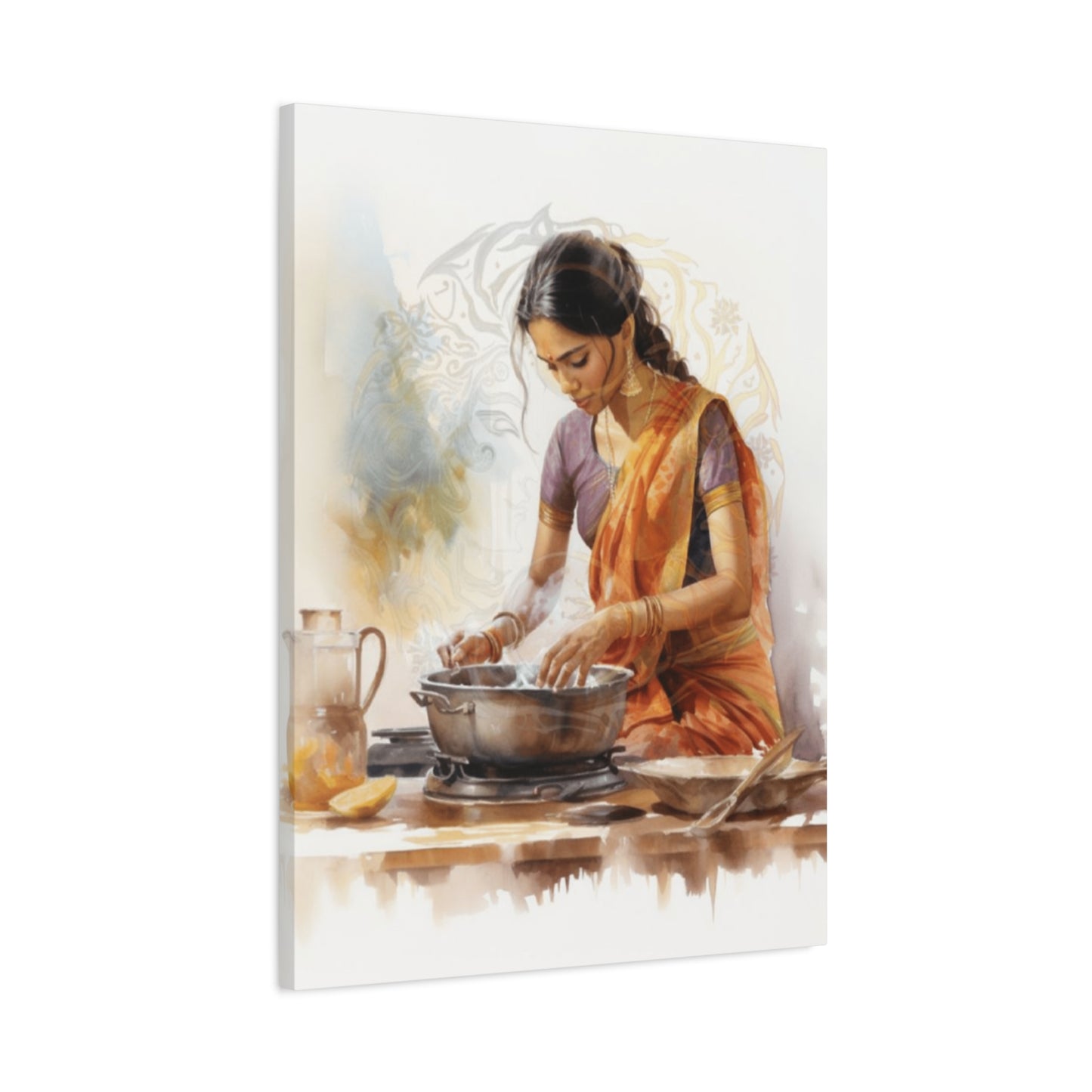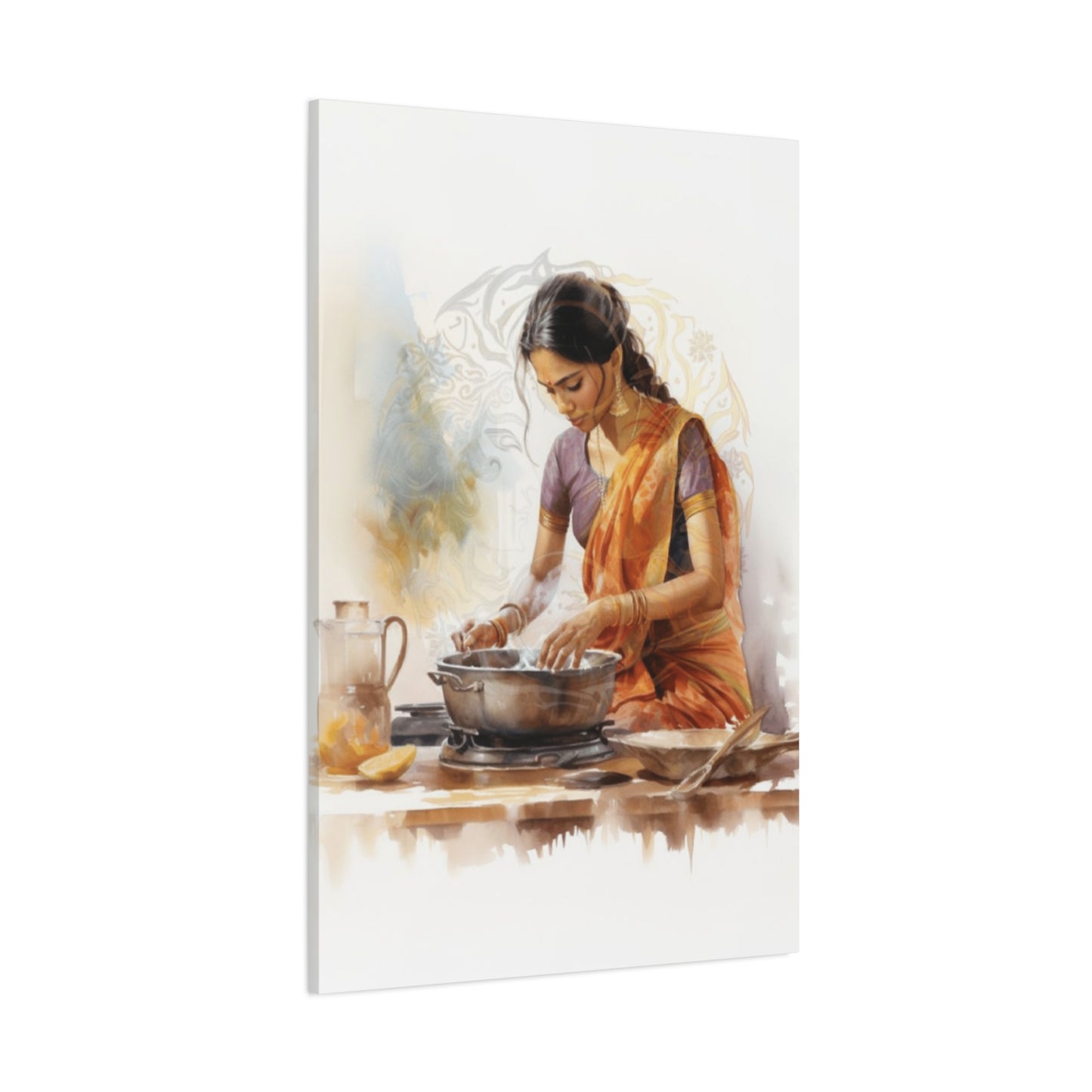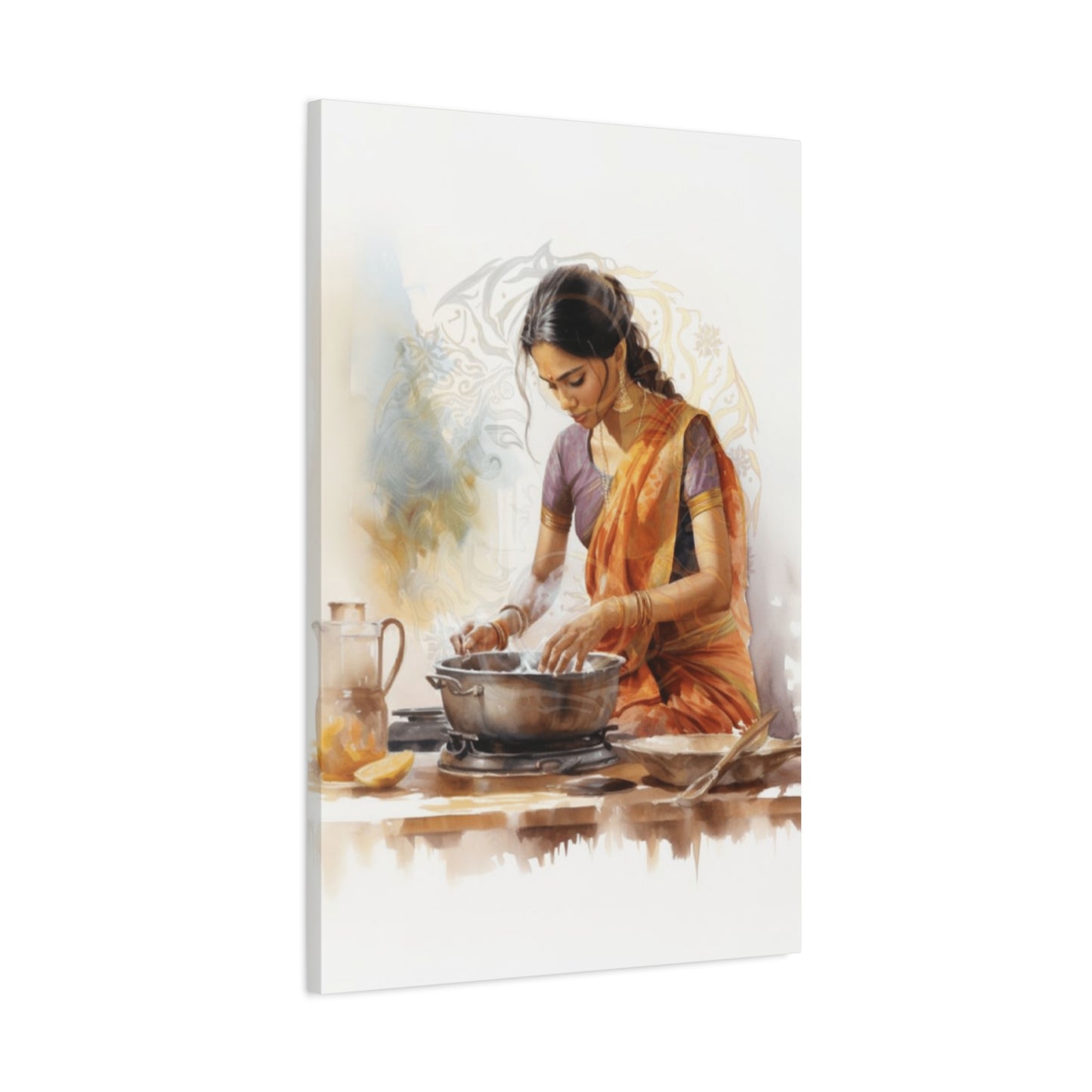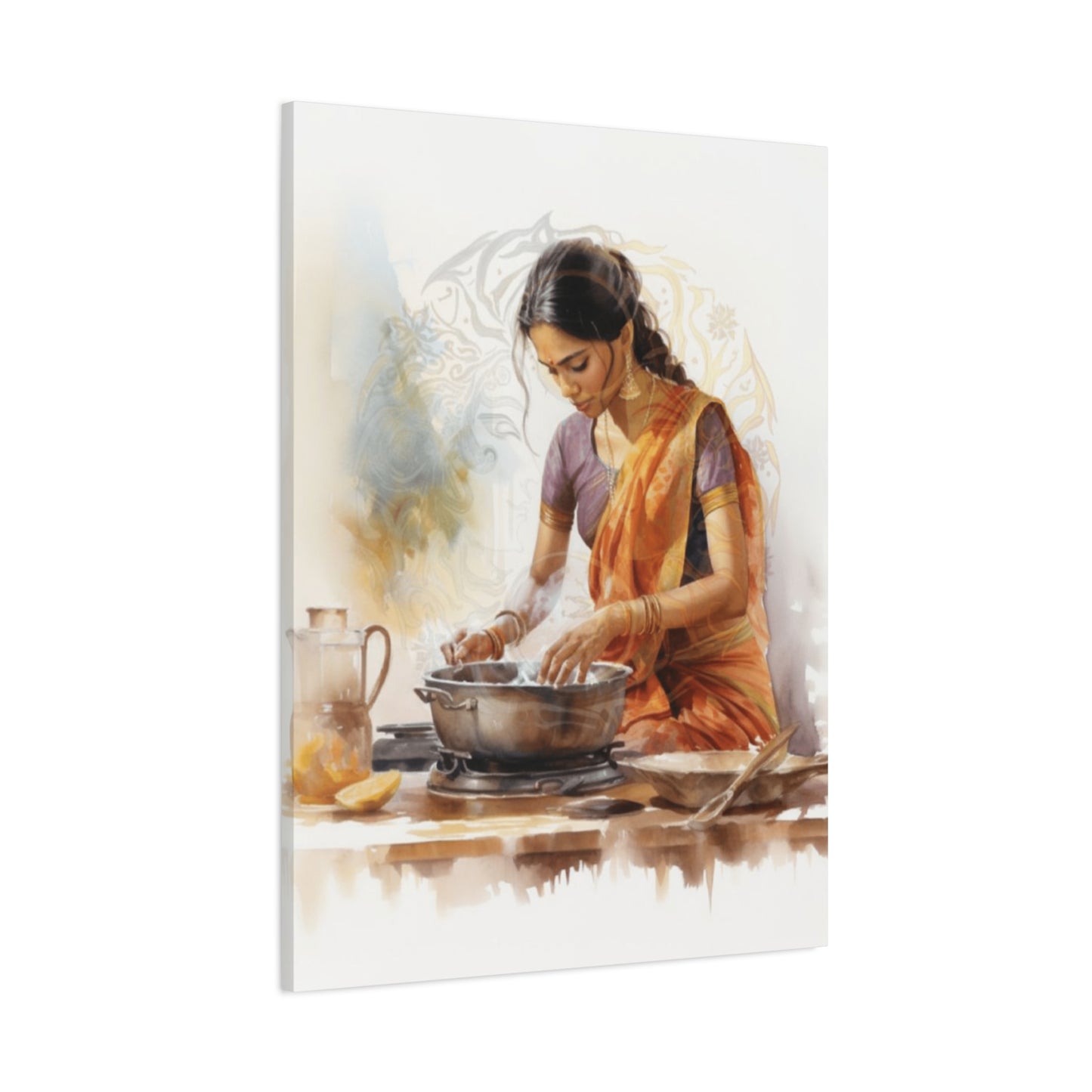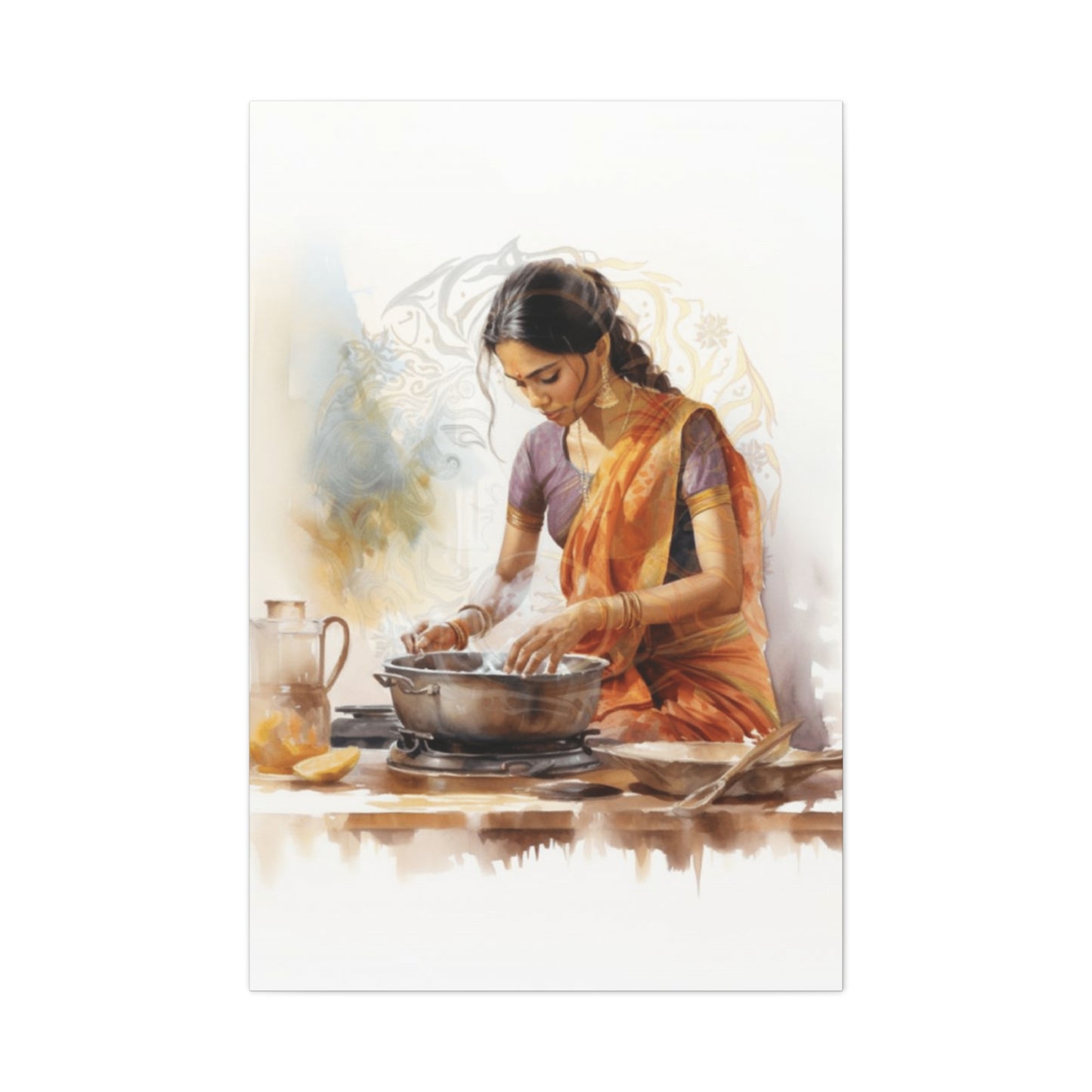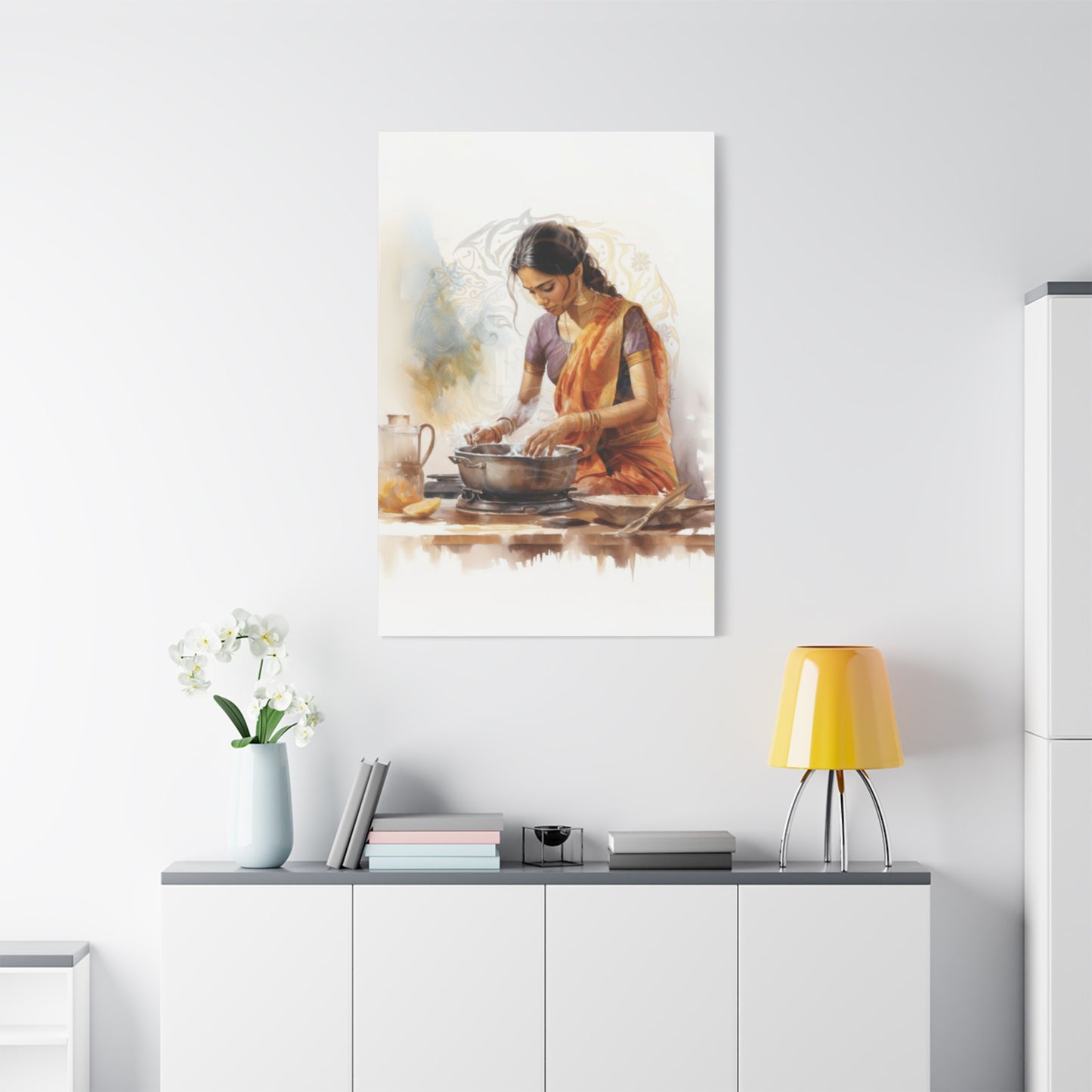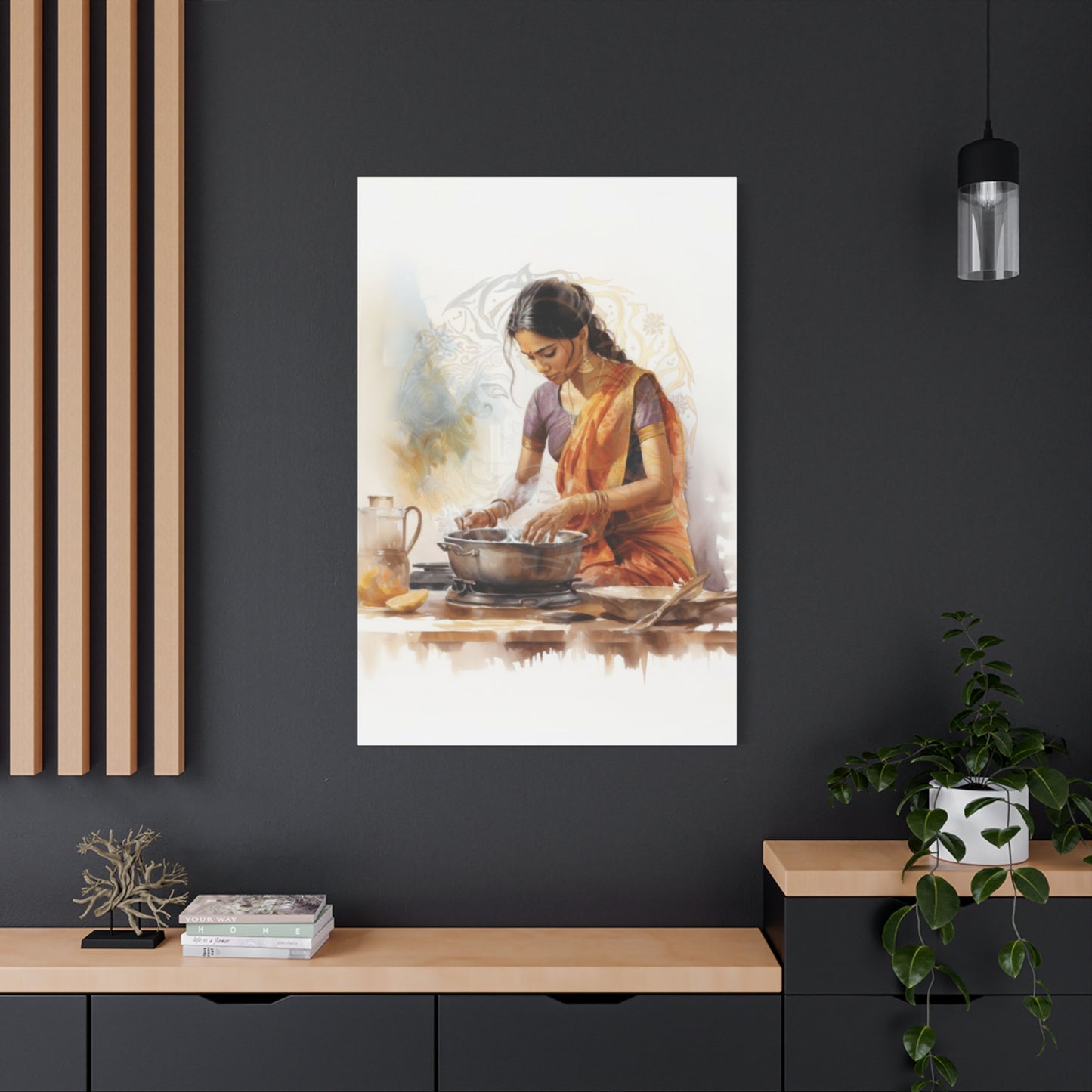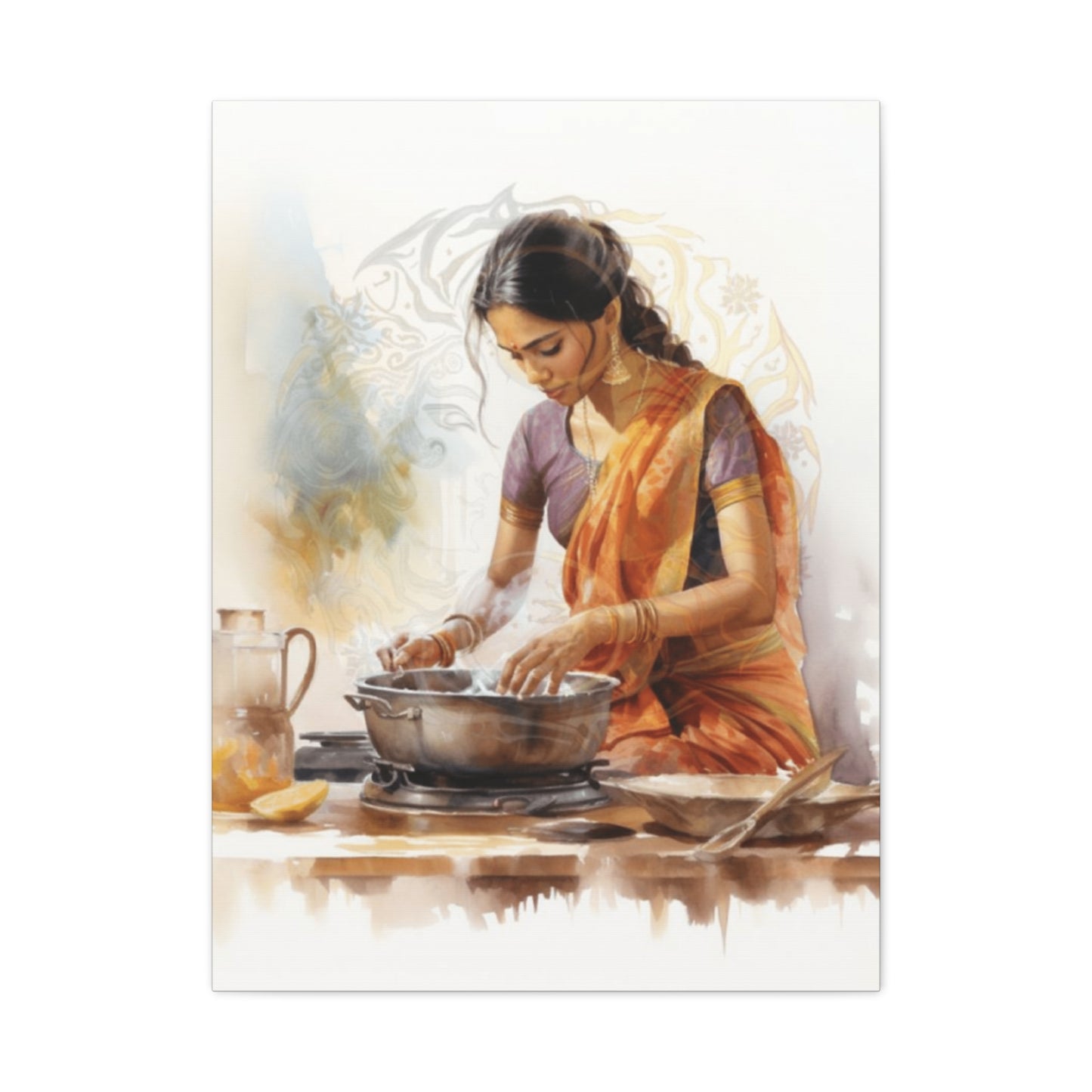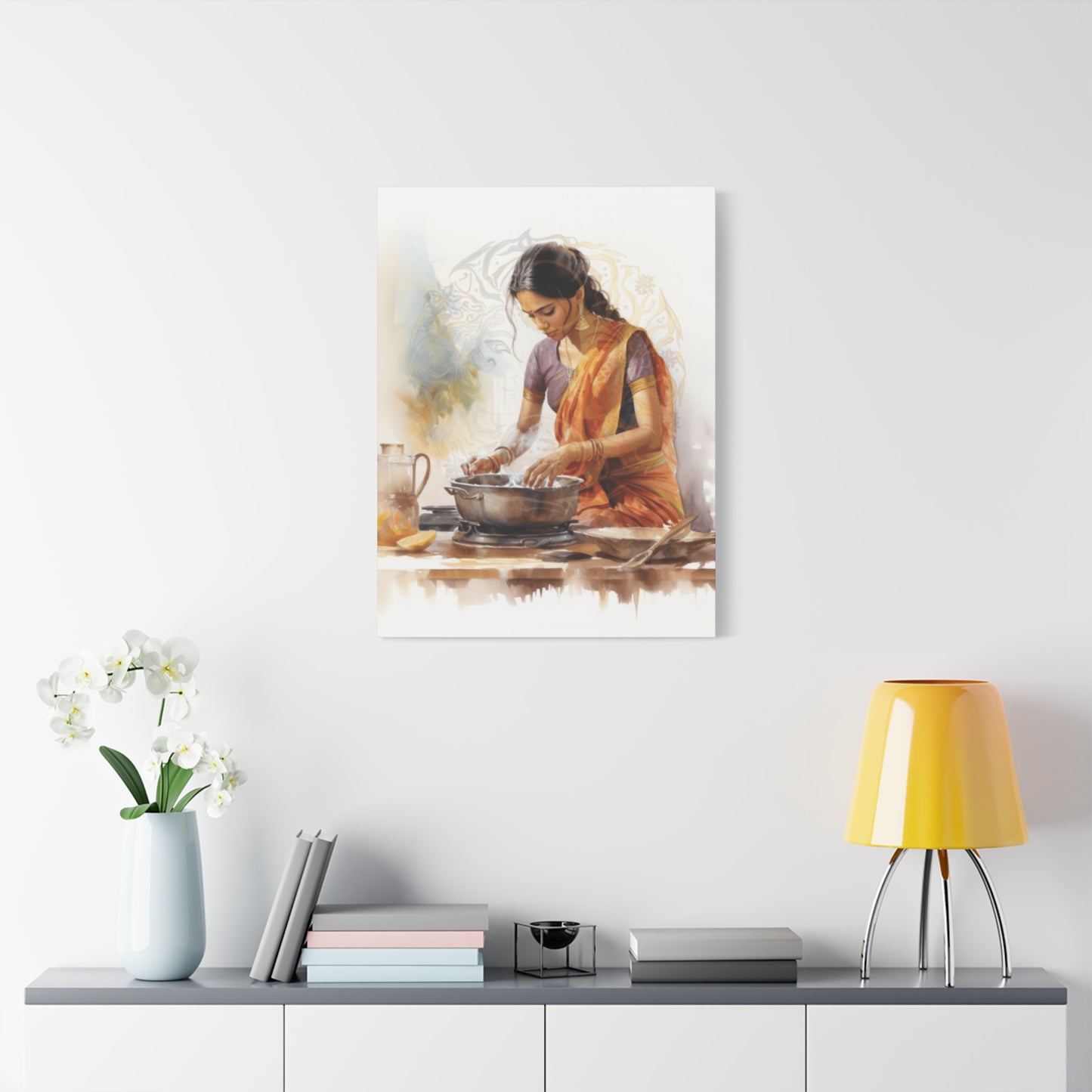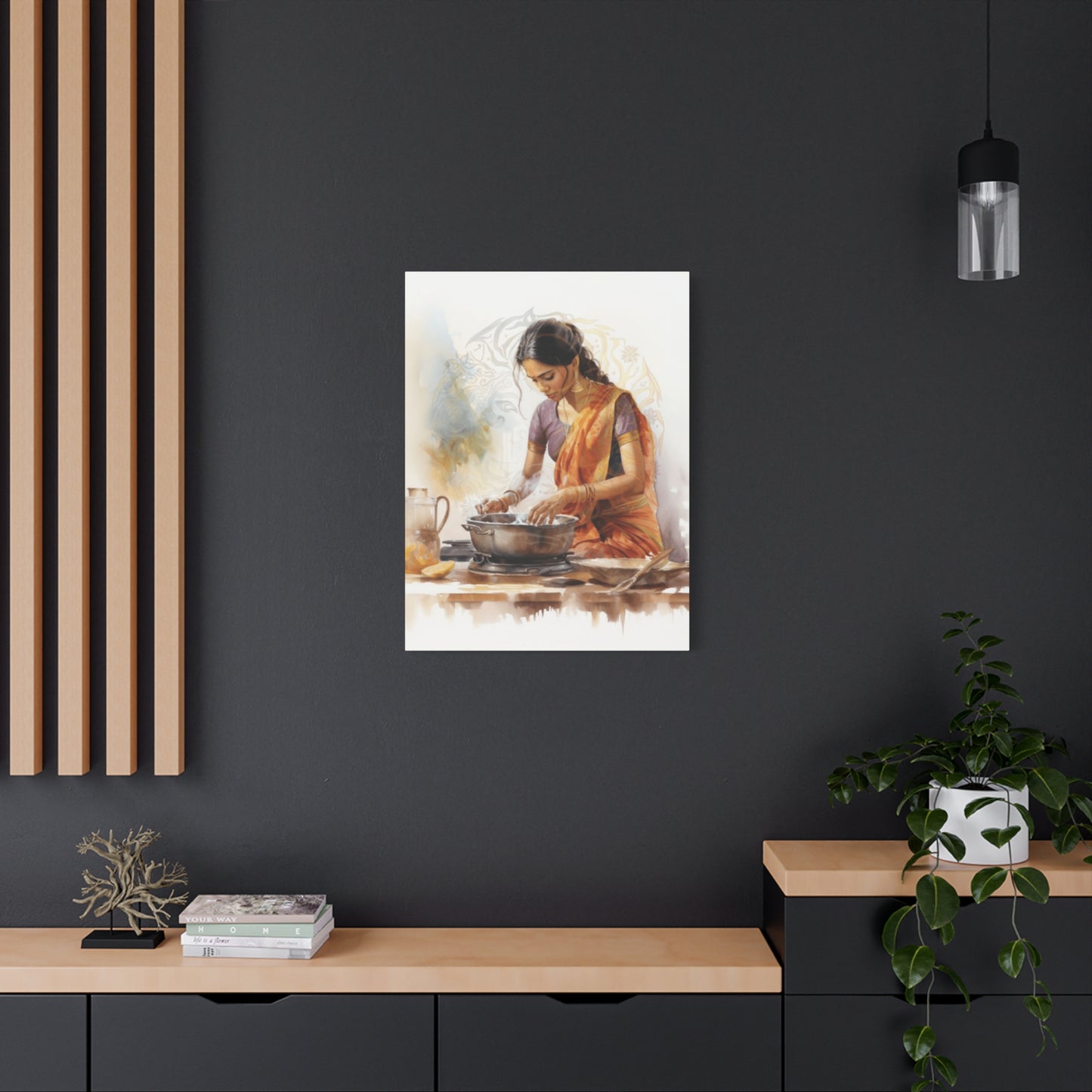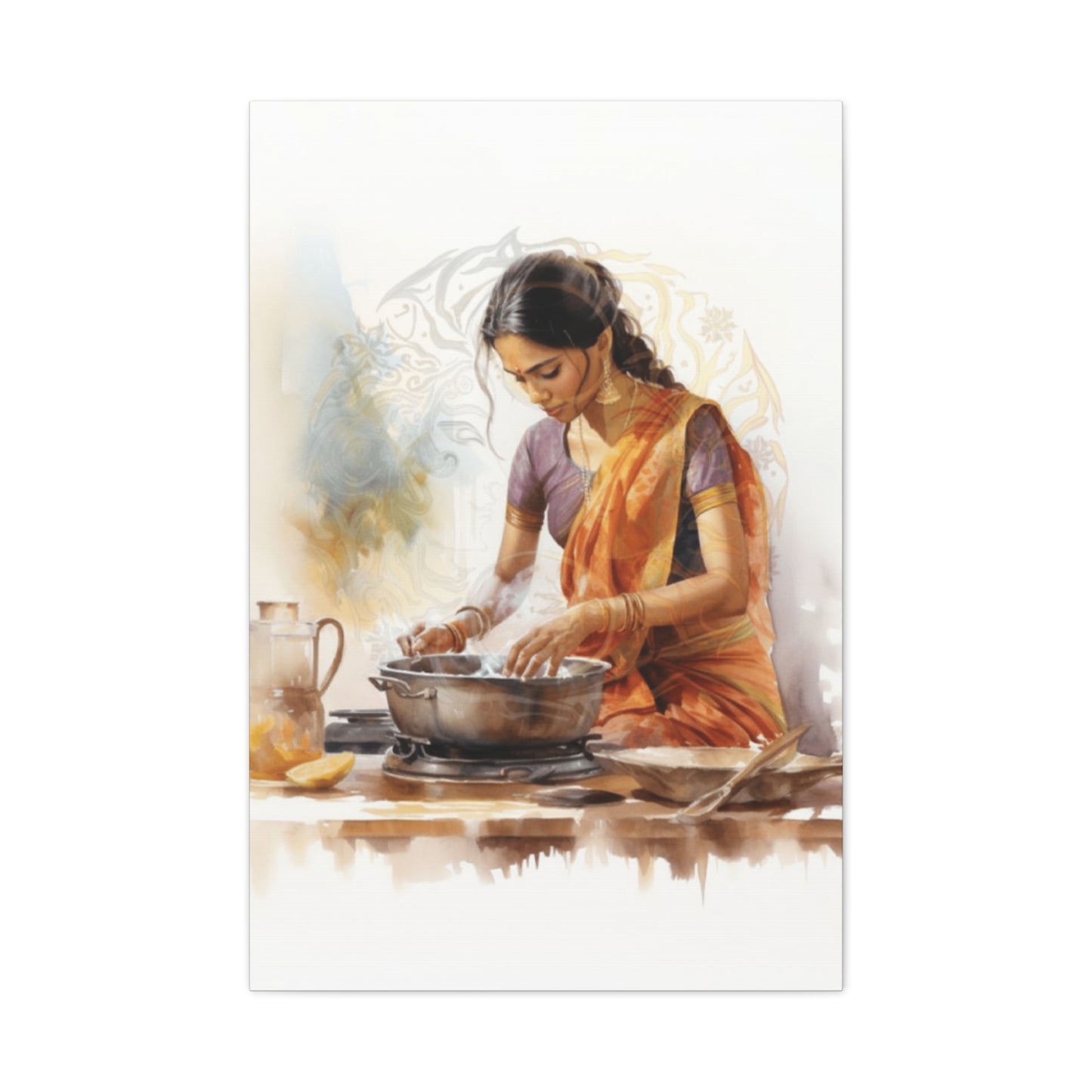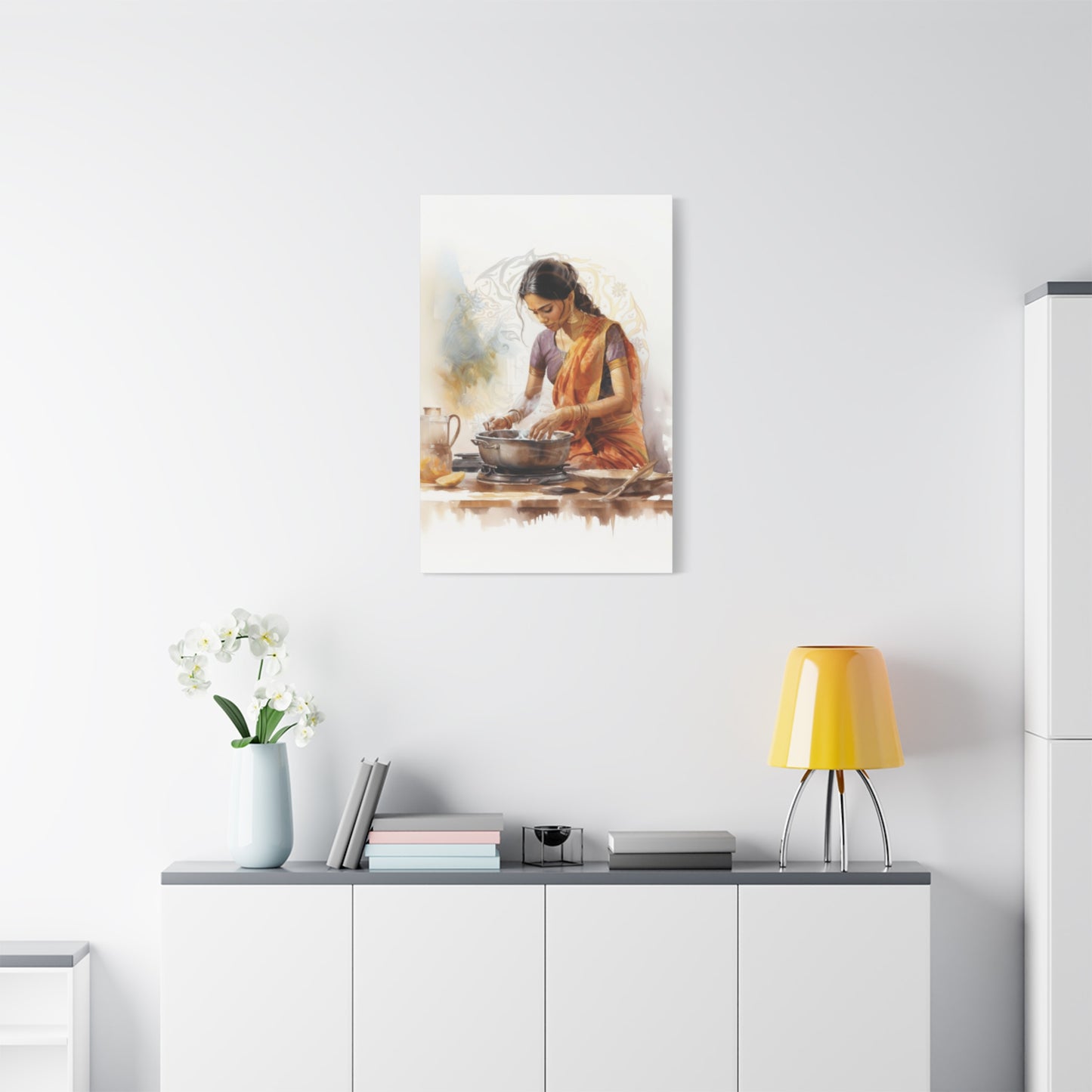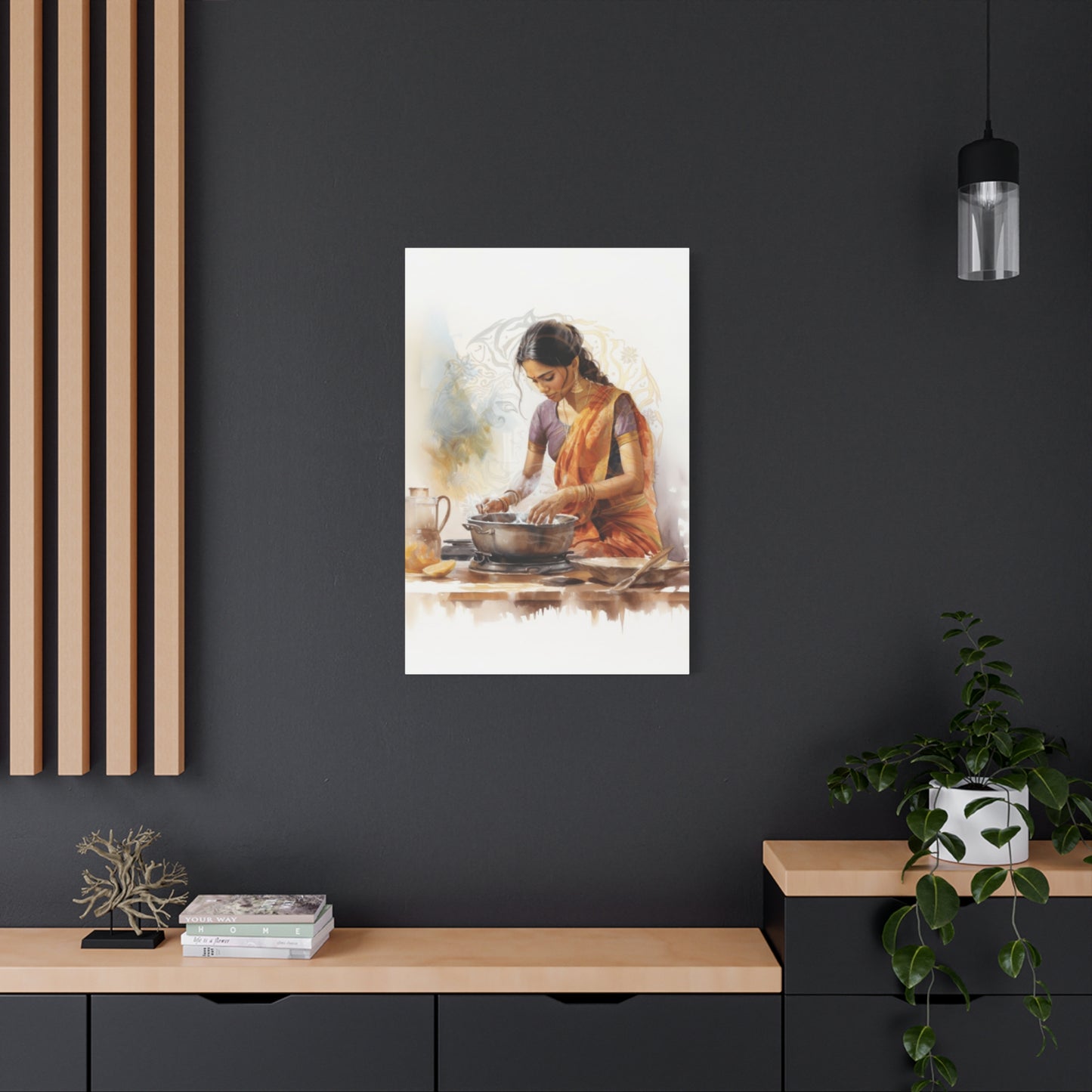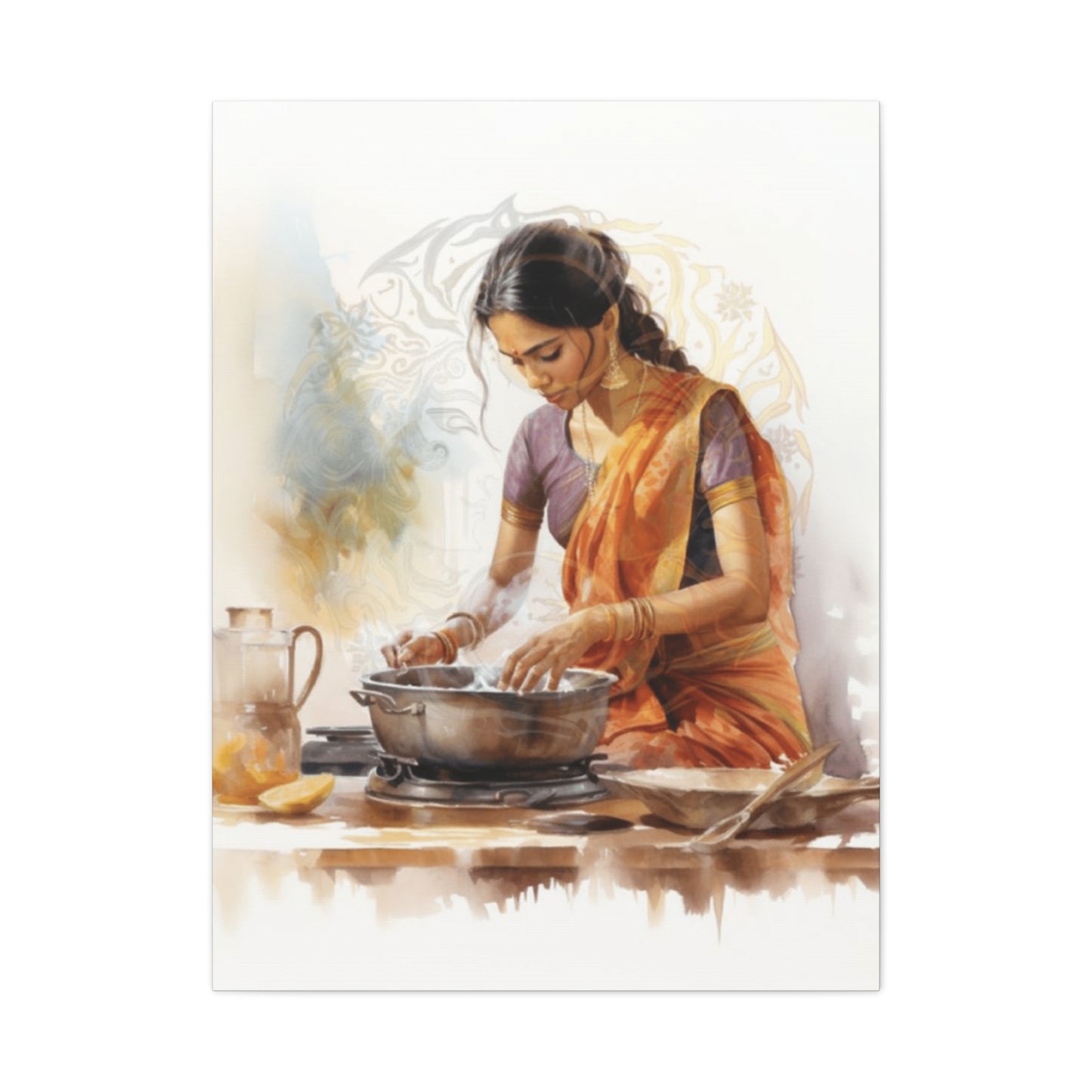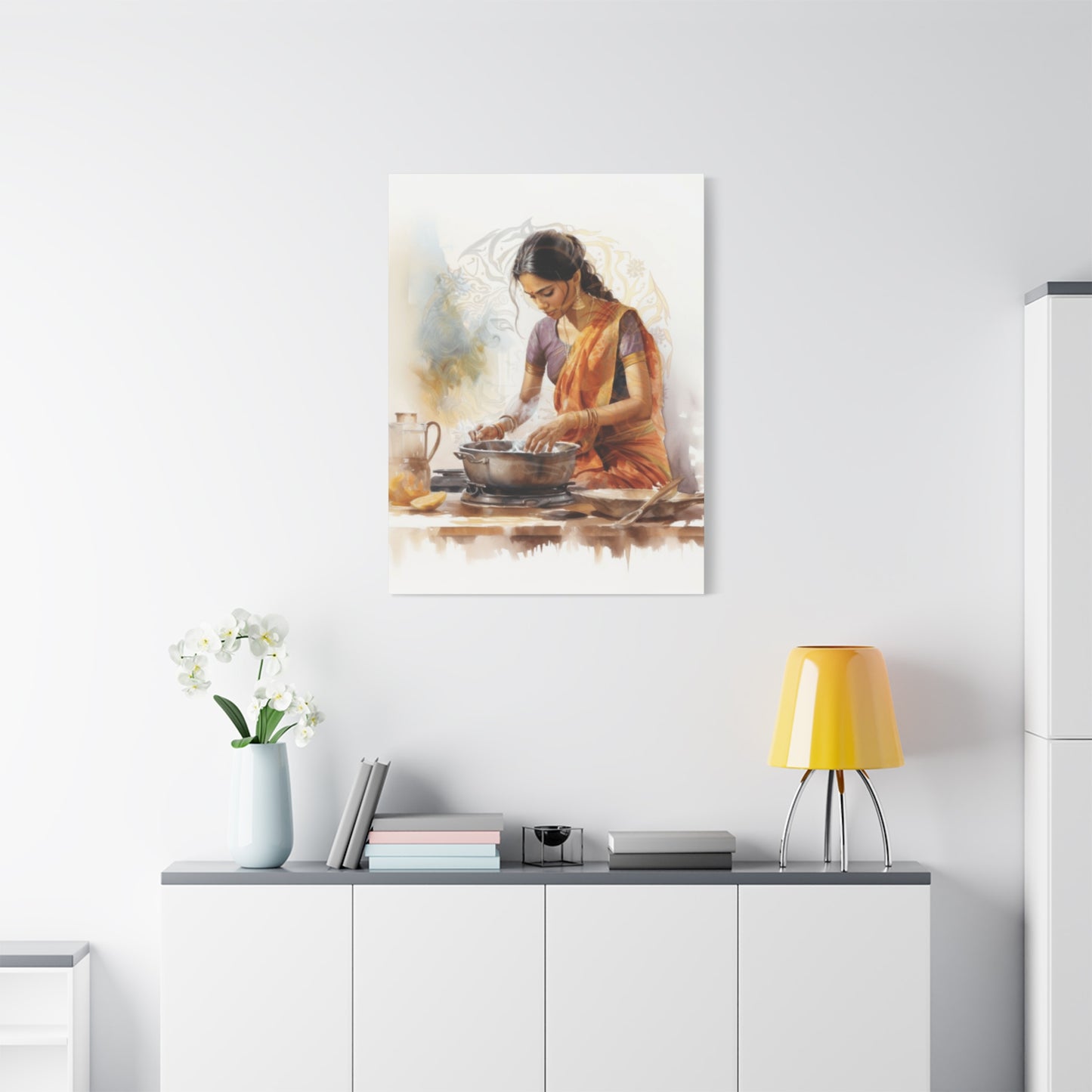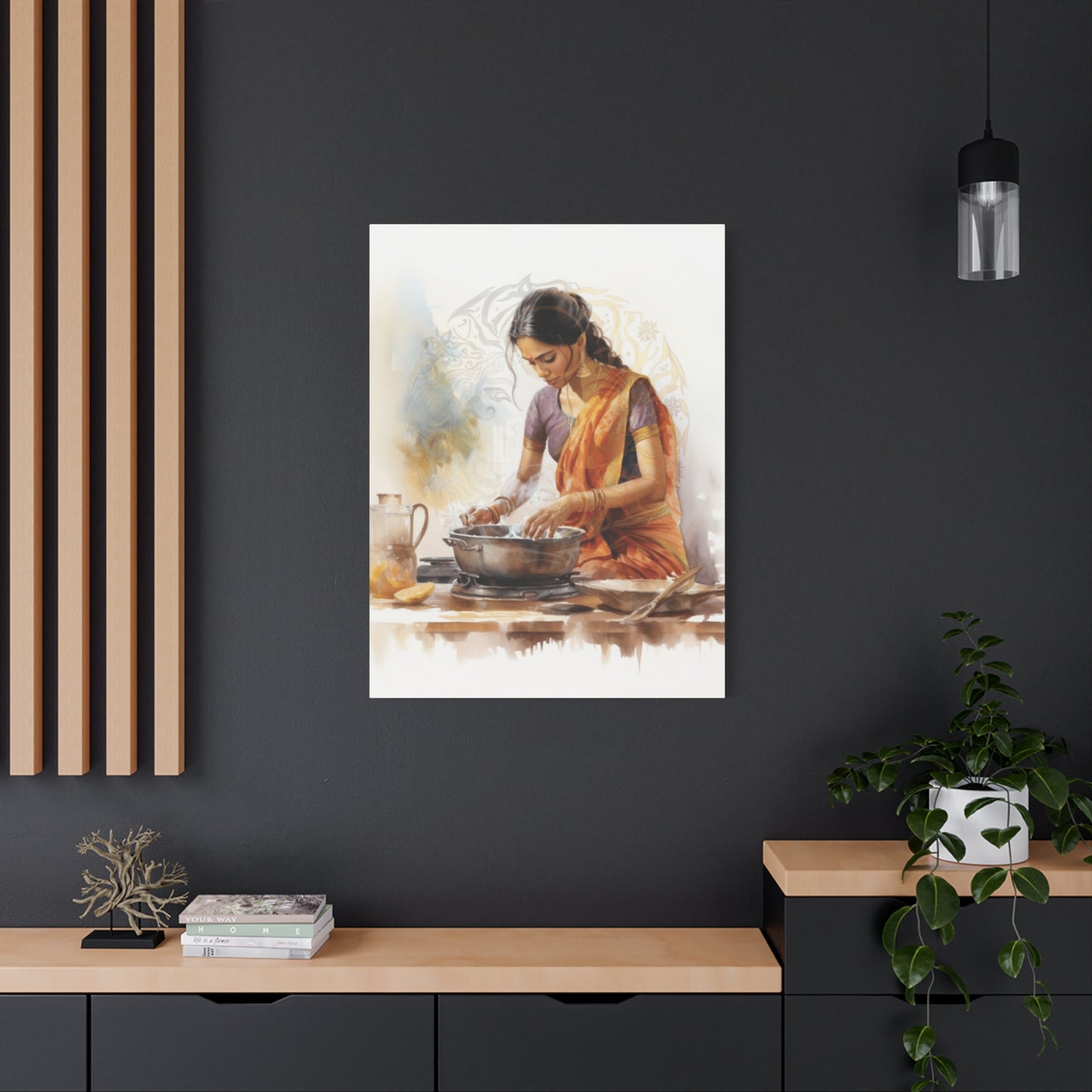


Indian Women In Saree Cooking Wall Art & Canvas Prints
Indian Women In Saree Cooking Wall Art & Canvas Prints
Couldn't load pickup availability
Celebrating Cultural Heritage Through Indian Women In Saree Cooking Wall Art: A Comprehensive Exploration of Kitchen Décor
The vibrant tapestry of Indian culture finds its most authentic expression through the everyday rituals that define domestic life. Among these, the image of women adorned in traditional sarees while preparing meals represents a powerful symbol of cultural continuity, familial bonds, and the preservation of ancestral wisdom. This visual motif has transcended its everyday context to become a celebrated theme in decorative artwork, particularly in the form of wall art that captures the essence of Indian culinary traditions and feminine grace.
The Profound Symbolism Behind Traditional Culinary Scenes in Visual Arts
The depiction of Indian women in sarees engaged in cooking activities carries layers of meaning that extend far beyond mere domestic documentation. These images encapsulate the transmission of generational knowledge, where recipes, techniques, and cultural practices pass from mother to daughter through the intimate act of preparing family meals. The saree itself serves as a visual anchor to regional identity, with its draping style, fabric choice, and color palette often revealing the geographic origins and social context of the wearer.
In contemporary artistic interpretations, these scenes have evolved to represent resilience, creativity, and the quiet strength inherent in nurturing others. The kitchen space, once viewed solely as a functional area, has been reimagined through artistic lenses as a sacred domain where transformation occurs not just of ingredients, but of relationships and cultural identity itself. Artists who choose this subject matter often seek to honor the countless unnamed women whose daily labor sustained families and preserved culinary heritage across centuries.
The visual composition of such artwork typically emphasizes the interplay between movement and stillness, capturing the graceful gestures involved in traditional cooking methods while highlighting the contemplative nature of meal preparation. The flowing lines of the saree create dynamic visual elements that contrast beautifully with the structured elements of kitchen implements and architectural features, producing compositions that are both aesthetically pleasing and culturally resonant.
Regional Variations and Their Representation in Decorative Artwork
India's remarkable diversity manifests distinctly in how different regions portray culinary scenes involving traditionally dressed women. In representations inspired by South Indian contexts, artists frequently depict women in silk sarees with distinctive border patterns, often shown preparing items like dosa, idli, or sambhar using traditional stone grinders and bronze vessels. The color palettes tend toward rich jewel tones, reflecting the vibrant aesthetic preferences of Tamil Nadu, Kerala, Karnataka, and Andhra Pradesh.
Northern interpretations might showcase women in lighter cotton sarees or heavily embroidered fabrics, engaged in preparing rotis, parathas, or regional specialties like sarson ka saag. The architectural backgrounds often feature elements characteristic of Punjabi, Haryanvi, or Uttar Pradesh homes, with distinctive courtyard settings or rustic kitchen environments that speak to agricultural abundance and communal living traditions.
Western Indian artistic representations frequently incorporate the distinctive draping styles of Maharashtra and Gujarat, with women portrayed preparing items like puran poli, dhokla, or traditional sweets. The color schemes often reflect the bold, celebratory aesthetic associated with festivals like Gudi Padwa or Navratri, with saffron, red, and green hues prominently featured.
Eastern interpretations draw upon the refined aesthetic traditions of Bengal, Odisha, and the northeastern states, often depicting women in tant sarees or mekhela chadors preparing fish curries, pithas, or traditional rice-based dishes. The artistic style in these representations frequently incorporates softer color transitions and more delicate linework, reflecting regional artistic traditions.
The Evolution of Kitchen Scenes as Legitimate Artistic Subjects
The journey of domestic scenes from marginalized subjects to celebrated artistic themes reflects broader shifts in how society values traditionally feminine domains of expertise. Early colonial-era paintings rarely featured cooking scenes, with European artists focusing instead on exotic landscapes or formal portraits of royalty and nobility. The everyday labor of women in kitchens remained largely undocumented in formal artistic contexts.
The independence movement and subsequent decades saw emerging Indian artists beginning to reclaim domestic scenes as worthy subjects, recognizing them as repositories of authentic cultural expression untainted by colonial influence. Artists like Raja Ravi Varma, though primarily known for mythological subjects, occasionally incorporated domestic elements that elevated everyday activities to the realm of fine art.
The late twentieth century witnessed a surge of interest in folk and vernacular artistic traditions, leading to increased appreciation for representations of daily life. Contemporary artists working across various mediums have increasingly drawn upon kitchen scenes as rich sources of visual and emotional content, recognizing the universal resonance of these intimate domestic moments.
This elevation of culinary scenes to prominent artistic status has coincided with broader recognition of food culture as a legitimate area of cultural study and preservation. Museums, galleries, and collectors have shown growing interest in artwork that documents traditional practices, viewing them as valuable cultural archives that preserve knowledge that might otherwise disappear as lifestyles modernize.
Color Theory and Symbolic Meanings in Saree and Kitchen Imagery
The chromatic choices in artwork depicting Indian women in sarees cooking carry significant symbolic weight, drawing upon centuries of color associations within Indian cultural contexts. Red sarees might symbolize auspiciousness, fertility, and the married state, particularly relevant when depicting wives preparing meals for their families. The color red also connects to concepts of shakti or divine feminine energy, imbuing these domestic scenes with spiritual significance.
Yellow and saffron tones evoke associations with turmeric, a staple spice in Indian cooking, creating visual and conceptual harmony between the clothing and the culinary activity depicted. These warm hues also connect to solar imagery and concepts of nourishment, enlightenment, and prosperity. Artists employing these color schemes often seek to emphasize the generative, life-giving aspects of meal preparation.
Green sarees in such artwork frequently symbolize new beginnings, growth, and the agricultural cycles that underpin food production. When combined with kitchen scenes, green creates visual connections between the earth that produces ingredients and the domestic space where they undergo transformation. This color choice particularly resonates in artwork depicting the preparation of vegetable-based dishes or seasonal specialties.
White and cream tones, while sometimes associated with widowhood in certain contexts, also represent purity, simplicity, and the meditative aspects of routine domestic labor. Artwork featuring these lighter hues often emphasizes the contemplative quality of cooking as a daily practice, highlighting the spiritual dimensions of nurturing others through food.
Blue, though less common in traditional saree choices for daily wear, appears in artistic interpretations as a means of introducing coolness and tranquility to compositions that might otherwise feel dominated by warm tones. The color creates interesting visual counterpoints and can symbolize divine protection over domestic spaces.
Materials and Methods Used in Creating These Artistic Pieces
Contemporary artists working with the theme of Indian women in sarees cooking employ a diverse array of materials and methods, each bringing distinct aesthetic qualities and cultural associations to their work. Traditional canvas paintings using oil or acrylic paints remain popular, allowing for rich color saturation and detailed rendering of fabric textures, metallic vessels, and architectural elements. Artists working in these mediums can achieve remarkable realism, capturing the play of light on silk sarees or the gleaming surfaces of brass cooking implements.
Watercolor interpretations offer a softer, more ethereal quality, particularly suited to capturing the fluid grace of saree draping and the steam rising from cooking pots. The translucent qualities of watercolor can evoke the ephemeral nature of daily rituals while creating visually delicate compositions that emphasize movement and light. Indian artists have long traditions of working with watercolors, making this medium particularly culturally appropriate for such subjects.
Digital artwork has opened new possibilities for artists exploring this theme, allowing for experimentation with color palettes, compositional arrangements, and stylistic approaches that might be prohibitively time-consuming in traditional media. Digital artists can incorporate photographic elements, create hybrid styles that blend realism with abstraction, and produce variations that make their work accessible to wider audiences through prints and reproductions.
Mixed media approaches combining painting with collage elements, textiles, or three-dimensional components add tactile dimensions to these works. Some artists incorporate actual fabric samples, spices, or other materials with cultural significance, creating pieces that engage multiple senses and blur boundaries between fine art and craft traditions. These experimental works often challenge conventional hierarchies that have historically devalued domestic crafts.
Print mediums including lithography, screen printing, and various etching techniques allow artists to create multiple editions of their work, making culturally significant imagery more accessible to broader audiences. The graphic qualities inherent in many printing processes can create striking visual effects, particularly when artists embrace bold simplification of forms and limited color palettes.
Compositional Strategies That Enhance Cultural Authenticity
Artists creating convincing and culturally authentic representations of Indian women in sarees cooking must consider numerous compositional elements that collectively communicate cultural specificity. The arrangement of space within the kitchen setting itself carries cultural meaning, with traditional Indian kitchens often featuring floor-level cooking areas, distinctive storage systems, and spatial organizations that differ significantly from Western kitchen layouts.
The positioning of the central figure within the composition affects how viewers relate to the scene. Frontal or three-quarter views create direct engagement, inviting viewers into the domestic space and creating a sense of intimacy. Profile views emphasize the grace of movement and the ritualistic quality of cooking gestures, creating compositions that feel more observational and documentary in nature.
The inclusion or exclusion of other figures significantly impacts the emotional tone of the work. Solitary figures emphasize the meditative, contemplative aspects of cooking as a personal practice. Compositions including children, other women, or family members transform the scene into a representation of community, generational transmission, or the social dimensions of meal preparation.
Background elements provide crucial context that grounds these scenes in specific cultural and temporal settings. The rendering of architectural details like carved wooden pillars, traditional flooring materials, or distinctive window designs helps establish regional identity. The depiction of cooking implements, storage vessels, and ingredients visible in the background adds layers of authentic detail that enhance credibility.
The treatment of light sources within these compositions creates atmospheric effects that dramatically influence emotional impact. Soft, diffused natural light filtering through windows suggests morning or afternoon cooking times and creates gentle, nurturing moods. Stronger directional lighting can emphasize particular elements, create dramatic shadows that add visual interest, and highlight the sculptural qualities of both the human figure and objects within the scene.
The Role of Such Artwork in Preserving Disappearing Culinary Traditions
As Indian society rapidly modernizes and traditional lifestyles undergo transformation, artwork depicting women in traditional attire engaged in time-honored cooking practices serves crucial documentary and preservational functions. These images capture specific cooking methods, implements, and spatial arrangements that are increasingly rare in contemporary urban homes. For younger generations growing up in apartments with modern kitchens, such artwork provides visual connections to ancestral practices they may never directly experience.
The detailed rendering of traditional cooking implements in these artworks creates inadvertent archives of material culture that anthropologists and cultural historians may find valuable in future decades. Stone grinders, traditional stoves, specific vessel types, and particular kitchen configurations are all documented through artistic representation, creating visual records that complement written descriptions and recipes.
Beyond merely documenting physical objects and spaces, these artworks capture gestural knowledge embedded in traditional cooking practices. The particular way hands shape rotis, the stance adopted while stirring large vessels, the methods of testing doneness through sensory observation rather than measurement all represent embodied knowledge that is difficult to transmit through written instruction alone. Visual artists capturing these moments preserve information that might otherwise disappear.
The emotional and social dimensions of traditional cooking practices also find preservation through artistic representation. The expressions on faces, the interactions between figures, and the overall atmosphere conveyed in these scenes document the social and emotional contexts in which cooking occurred, providing future generations with understanding not just of what was cooked, but how the act of cooking fit into broader patterns of family life and community relationships.
For diaspora communities separated from ancestral homelands, such artwork serves particularly powerful preservational functions, maintaining visual connections to cultural practices and aesthetic traditions that might otherwise fade across generations of geographic displacement. These images become anchors of identity, tangible manifestations of cultural continuity despite physical distance from places of origin.
Incorporating These Visual Elements into Contemporary Home Environments
The placement of artwork depicting Indian women in sarees cooking requires thoughtful consideration of both aesthetic and symbolic factors. In kitchen and dining areas, such pieces create thematic coherence, reinforcing these spaces as domains dedicated to nourishment and the continuation of cultural food traditions. The presence of such imagery can transform functional spaces into culturally affirmed environments that honor the significance of meal preparation.
Living rooms and family gathering spaces also provide appropriate contexts for these artworks, particularly when families wish to foreground cultural identity as central to their domestic environment. Positioned prominently in communal spaces, these images make statements about values, heritage, and the importance placed on traditional practices within contemporary life.
The scale of artwork significantly impacts its effect within a space. Large-scale pieces create dramatic focal points that dominate visual attention, making bold statements about the importance of the subject matter. Such pieces work well in spacious, minimally decorated areas where they can command attention without competing with other visual elements. Medium-sized works integrate more easily into diverse decorative schemes, providing cultural touchpoints without overwhelming other design elements.
Smaller pieces or series of related works offer flexibility in arrangement, allowing for the creation of gallery walls or themed groupings that tell more complex visual stories. A series depicting different aspects of meal preparation or representing diverse regional traditions can create rich, layered visual narratives that reward sustained attention.
The framing choices for such artwork should complement both the artistic style and the surrounding décor. Traditional carved wooden frames can enhance the cultural authenticity of the presentation, particularly for more realistic or traditional artistic styles. Contemporary minimal frames suit modern artistic interpretations and allow the artwork itself to remain the focus. The matting choices also significantly impact presentation, with neutral tones providing safe choices while colored mats can either harmonize with or create striking contrasts against wall colors.
Lighting considerations dramatically affect how these artworks appear and the moods they create within spaces. Natural light from windows can beautifully illuminate such pieces during daytime hours, though direct sunlight should be avoided to prevent fading. Picture lights or track lighting allow for precise illumination that can enhance colors and details while creating atmospheric effects in evening hours.
The Intersection of Gender Representation and Domestic Imagery
Artwork depicting women engaged in domestic labor, including cooking, exists within complex discourses surrounding gender roles, labor valuation, and the representation of women in visual culture. Critical engagement with such imagery requires acknowledging these multiple interpretive possibilities rather than adopting simplistic readings.
From one perspective, these images honor and dignify traditionally feminine domains of expertise that patriarchal power structures have historically devalued. By elevating domestic scenes to the status of fine art worthy of display and contemplation, artists challenge hierarchies that privilege masculine-coded activities and public sphere accomplishments over the essential nurturing labor that sustains families and communities. This perspective views such artwork as feminist in its insistence that traditionally feminine knowledge and practices deserve recognition and celebration.
Alternative readings suggest that repeated representation of women in domestic roles risks naturalizing these associations, reinforcing essentialist notions that women's proper sphere remains the home and that feminine identity should center on nurturing others. Critics from this perspective might argue that such imagery, however aesthetically accomplished, perpetuates limiting stereotypes that constrain women's possibilities by continually representing them in caretaking roles.
A third interpretive approach recognizes that the meaning of such imagery shifts depending on context, audience, and the broader narrative within which it appears. In diaspora contexts where traditional practices face erasure, images of women maintaining cultural traditions might function primarily as heritage preservation. In contexts where women's domestic labor goes unacknowledged, such artwork might serve to make visible work that is typically rendered invisible. In contexts where women actively choose traditional roles as meaningful life paths, such imagery might represent affirmation rather than limitation.
Many contemporary artists working with these themes consciously engage with these tensions, creating works that honor traditional practices while complicating simplistic narratives. They might depict women whose facial expressions suggest complex inner lives beyond their domestic roles, include elements that gesture toward the existence of other aspects of their lives, or employ artistic strategies that emphasize the skill and creativity required in cooking rather than presenting it as instinctive feminine behavior.
The most nuanced engagement with such artwork acknowledges that images can simultaneously honor valuable cultural practices, document important aspects of women's lives and knowledge, and exist within problematic representational traditions. Rather than seeking definitive interpretations, viewers and collectors might productively hold multiple perspectives in tension, allowing the artwork to generate ongoing reflection about gender, culture, and representation.
Market Dynamics and Collecting Practices Surrounding Cultural Kitchen Artwork
The market for artwork depicting Indian women in sarees cooking spans multiple collecting communities with distinct motivations and preferences. Heritage collectors, often of Indian descent, seek such pieces as connections to ancestral culture and as means of transmitting cultural identity to younger generations. These collectors frequently prioritize cultural authenticity and regional specificity, seeking works that accurately represent particular traditions with which they have personal connections.
Décor-focused purchasers approach such artwork primarily as aesthetic objects that enhance particular interior design schemes. These buyers often prioritize color coordination with existing décor, appropriate scale for intended spaces, and artistic styles compatible with their overall aesthetic preferences. Cultural authenticity may be less important than visual appeal and thematic appropriateness for kitchen or dining areas.
Investment collectors view culturally significant artwork as financial assets whose value may appreciate over time. This segment focuses on established artists with documented market histories, limited editions, or works with provenance that enhances cultural or monetary value. Authentication, condition, and documentation become paramount concerns for this collecting category.
Institutional collectors including museums, cultural centers, and corporate entities with connections to Indian communities seek works that represent cultural heritage and contribute to public understanding of Indian traditions. These collectors often prioritize works by recognized artists, pieces with documented cultural significance, or works that fill gaps in existing collections.
Price points for such artwork vary enormously based on factors including artist reputation, artistic medium, size, uniqueness versus edition numbers, and the reputability of galleries or platforms through which work is sold. Original paintings by established artists command premium prices, while high-quality prints of popular designs offer accessible entry points for collectors with modest budgets. The democratization of art through various reproduction technologies has made culturally significant imagery accessible across economic classes, though tensions exist between accessibility and the valuation of original artistic work.
The rise of online platforms has transformed access to such artwork, allowing artists to reach global audiences without traditional gallery representation. This shift has particularly benefited emerging artists and those working outside major urban art centers, though it has also raised concerns about quality control, authentication, and the preservation of traditional artist-gallery-collector relationships that historically sustained artistic careers.
Regional Artistic Movements and Their Treatment of Culinary Themes
Various Indian artistic movements and regional schools have approached the depiction of women and domestic scenes in distinctive ways that reflect their particular aesthetic philosophies and cultural contexts. The Bengal School of Art, which emerged in the early twentieth century as a reaction against Western academic realism, emphasized simplified forms, rhythmic lines, and spiritual dimensions of Indian life. While this movement focused primarily on mythological and literary subjects, its aesthetic principles influenced subsequent artists who applied similar approaches to everyday domestic scenes.
The Madras School developed a distinctive style blending Western academic techniques with subjects drawn from South Indian life and mythology. Artists associated with this movement created numerous works depicting traditional South Indian domestic scenes, including women in characteristic Tamil, Telugu, or Malayalam attire engaged in various household activities. The detailed rendering of regional architectural elements, distinctive saree draping styles, and specific cultural practices made these works valuable documents of South Indian cultural life.
The Progressive Artists' Group, which formed in post-independence Bombay, sought to break free from both Western academic constraints and the revivalist tendencies of earlier nationalist movements. While members of this group are better known for experimental, modernist approaches, their work collectively contributed to legitimizing Indian subject matter and everyday Indian life as appropriate content for serious contemporary art.
Folk and tribal artistic traditions across India have maintained continuous engagement with scenes from daily life, including cooking and domestic activities. Madhubani paintings from Bihar, Warli art from Maharashtra, Pattachitra from Odisha, and numerous other regional folk traditions all incorporate representations of women engaged in daily activities, rendered in distinctive stylistic conventions with rich symbolic dimensions. These folk traditions have increasingly influenced contemporary artists seeking authentic Indian aesthetic vocabularies.
Contemporary realist movements have produced numerous artists who focus specifically on documenting changing Indian lifestyles, with kitchen scenes and food preparation featuring prominently in their work. These artists often employ photorealistic techniques or work from photographic references, creating highly detailed works that capture specific moments and environments with documentary precision.
The Spiritual and Ritualistic Dimensions of Food Preparation in Artistic Representation
Within Hindu philosophical frameworks, the preparation and serving of food carries spiritual significance that extends beyond mere nutritional necessity. The concept of anna brahma equates food with the divine absolute, making the kitchen a sacred space and cooking a form of worship. Artists aware of these conceptual frameworks may incorporate symbolic elements that gesture toward these spiritual dimensions.
The practice of preparing food as an offering to deities before family consumption introduces ritualistic dimensions that some artists emphasize through compositional choices or symbolic elements. The inclusion of small home shrines within kitchen scenes, the depiction of particular gestures associated with offering food, or the representation of specific foods known to be used in religious offerings all serve to communicate these spiritual dimensions.
Certain cooking activities carry particular ritual significance within specific cultural contexts. The preparation of special festival foods, the cooking of first harvest celebrations, or the making of offerings for lifecycle ceremonies all represent occasions when cooking transcends everyday sustenance to become participation in sacred time and ritual action. Artists depicting these special occasions often employ visual strategies that distinguish them from ordinary daily cooking scenes.
The concept of the kitchen as a space maintained in a state of purity, with rules governing who may enter and how one should prepare oneself before cooking, reflects beliefs about the transmission of qualities from cook to food to consumer. Some traditional practices require bathing before cooking, the wearing of clean clothing, and the maintenance of positive mental states during food preparation. Artists attuned to these practices might depict women in particular postures or expressions that suggest this ritualistic mindfulness.
The aesthetic principle of rasa, central to Indian artistic theory, finds particular application in the depiction of domestic scenes. The evocation of specific emotional flavors or essences through artistic choices allows these works to function as more than mere documentation, instead becoming vehicles for emotional and spiritual experience. A skilled artist might evoke feelings of peace, devotion, love, or nostalgia through careful attention to compositional elements, color choices, and the rendering of particular details.
Sizing Considerations for Different Wall and Space Configurations
The physical dimensions of artwork significantly impact its effectiveness in various spatial contexts. For expansive wall surfaces in living rooms, dining areas, or entryways, large-scale pieces measuring 36 by 48 inches or larger create dramatic impact. These substantial works command attention and can serve as anchor points around which entire room designs cohere. When selecting large-scale pieces, collectors should ensure the visual weight and color palette harmonize with existing furnishings without creating overwhelming effects.
Medium-sized works in the range of 24 by 36 inches offer versatile options suitable for many residential spaces. These proportions work well above furniture pieces like buffets or console tables, on wall sections between windows, or as focal points in smaller rooms. The moderate scale allows for detailed appreciation of artistic elements without requiring the substantial wall space that larger works demand.
Smaller pieces, ranging from 11 by 14 inches to 18 by 24 inches, provide flexibility for creating gallery wall arrangements or for placement in compact spaces like hallways, studies, or bedroom walls. Series of smaller related works depicting sequential stages of meal preparation or representing various regional traditions can create visual narratives more complex than single large pieces.
The proportions of artwork should relate thoughtfully to the wall dimensions and surrounding architectural features. Horizontal compositions suit placement above furniture pieces or in rooms with strong horizontal emphasis in windows, doorways, or built-in features. Vertical orientations work well on narrow wall sections between architectural elements or in rooms with vertical emphasis in ceiling height or window proportions.
The relationship between artwork dimensions and viewing distances affects optimal placement. Larger works require sufficient viewing distance for comfortable appreciation, making them poorly suited to narrow hallways or small rooms where viewers cannot stand back far enough. Conversely, very small pieces may feel lost on expansive wall surfaces when viewed from typical room distances.
Multiple piece installations require careful planning regarding spacing between works, overall arrangement geometry, and the relationship between the grouped pieces and surrounding wall space. Traditional grid arrangements create order and coherence, while asymmetrical arrangements generate more dynamic visual interest. The total dimensions of multi-piece installations should relate proportionally to wall size using similar principles as single large works.
Color Coordination with Existing Interior Design Schemes
Successfully incorporating artwork depicting Indian women in sarees cooking into existing interior spaces requires thoughtful consideration of color relationships. When rooms feature neutral color schemes with whites, grays, beiges, or earth tones as dominant colors, artwork with vibrant saree colors can provide dramatic accents that energize the space without requiring wholesale decorative changes. The rich reds, deep blues, golden yellows, and emerald greens common in saree depictions create striking contrasts against neutral backgrounds.
In spaces already featuring bold colors, the challenge lies in achieving harmony rather than creating jarring conflicts. Artwork containing colors that appear elsewhere in the room as accent colors, upholstery fabrics, or decorative accessories creates visual cohesion. Even if specific hue matches are not perfect, staying within related color families or maintaining similar intensity levels helps various elements coexist harmoniously.
Complementary color relationships offer another strategy for successful coordination. If room décor emphasizes cool tones like blues and greens, artwork featuring warm tones of red, orange, and yellow creates vibrant complementary contrasts. Conversely, predominantly warm-toned rooms can benefit from artwork with cooler color emphases that provide visual balance.
Monochromatic or near-monochromatic artwork provides flexibility for spaces with complex existing color schemes. Black and white or sepia-toned representations of traditional cooking scenes, or works dominated by single color families, integrate easily into diverse decorative contexts without creating color conflicts. These approaches sacrifice some of the cultural specificity conveyed by traditional vibrant colors but gain flexibility in application.
Metallic elements in artwork, whether gold leaf details, copper vessel representations, or silver jewelry depicted on figures, create additional coordination opportunities. Spaces featuring metallic accents in light fixtures, hardware, or decorative objects can achieve cohesion when artwork incorporates similar metallic tones.
The background colors within artwork significantly impact coordination with wall colors. Artwork with backgrounds similar to wall tones creates subtle integration where the figures seem to emerge from the wall itself. Artwork with contrasting backgrounds creates more dramatic separation between the work and its surrounding wall, making the piece more prominent within the space.
Authentication and Quality Assessment for Prospective Collectors
Collectors seeking assurance of quality and authenticity when acquiring artwork depicting Indian culinary scenes should develop familiarity with several evaluative criteria. For original paintings, examining the physical substrate and paint application provides clues about materials quality and artistic technique. Canvas should show appropriate texture and tension, while paint application should demonstrate skill in achieving desired effects whether through smooth blending, impasto techniques, or other intentional surface qualities.
Artist signatures, dates, and any documentation accompanying works contribute to authentication and provenance establishment. Reputable artists typically sign their works consistently in characteristic locations using distinctive signature styles. Additional documentation might include certificates of authenticity, exhibition history, publication references, or gallery documentation, all of which enhance confidence in attribution and may increase cultural or monetary value.
For prints and reproductions, understanding edition information proves crucial. Limited editions numbered and signed by artists carry more value than open edition reproductions. The printing process itself affects quality, with giclée prints on archival paper or canvas representing high-quality reproduction methods that preserve color accuracy and detail. Lower quality reproductions may show evidence of digital compression artifacts, color banding, or poor resolution when examined closely.
Research into artist backgrounds helps assess quality and authenticity. Established artists typically have verifiable exhibition histories, representation by recognized galleries, presence in public or corporate collections, or documentation in art historical sources. Emerging artists may lack extensive documentation but should demonstrate consistent artistic vision and technical competence evident in their body of work.
Physical examination of works reveals quality indicators including color vibrancy, detail clarity, proper registration of multiple color layers, appropriate contrast ranges, and absence of defects like water damage, fading, or physical damage. For works described as hand-embellished reproductions, the added hand-work should be skillfully executed and add genuine value rather than attempting to disguise print quality limitations.
Pricing should align with appropriate factors including artist reputation, materials quality, work uniqueness, size, and complexity. Substantial price deviations from comparable works may indicate either exceptional value opportunities or questions about authenticity and quality. Collectors should develop familiarity with typical pricing in their areas of interest to recognize outliers requiring additional scrutiny.
Purchasing through reputable galleries, established online platforms with authentication procedures, or directly from known artists reduces authentication risks. These sources typically stand behind their attributions and may offer return policies or guarantees that provide recourse if issues emerge. Informal channels like unverified online marketplaces or flea markets offer no comparable protections and require greater expertise for confident authentication.
The Influence of Photography and Cinema on Contemporary Culinary Scene Depictions
The proliferation of food photography, cooking shows, and films featuring extended culinary scenes has significantly influenced how contemporary artists visualize and compose kitchen scenes. The intimate framing common in food photography, which draws viewers into immediate proximity with preparation activities, appears increasingly in painted and drawn work. This cinematographic influence creates more dynamic, participatory viewing experiences compared to the more distanced observational stance typical of earlier artistic traditions.
Documentary photography of daily life in Indian villages and urban neighborhoods has created vast visual archives that contemporary artists reference when seeking authentic details of traditional practices. These photographic sources document implements, spatial arrangements, lighting conditions, and gestural details that artists can study and incorporate, enhancing the cultural authenticity of their work even when creating stylized rather than strictly realistic representations.
Bollywood and regional cinema have created iconic visual representations of domestic scenes that have entered collective cultural imagination. Certain compositional arrangements, color palettes, or dramatizations of cooking activities from memorable film sequences influence both artists creating new work and audiences interpreting it. This cinematic influence can enhance popular accessibility and emotional resonance while potentially homogenizing regional diversity as specific cinematic conventions become widely disseminated.
The aesthetic of social media food photography, with its emphasis on overhead perspectives, selective focus, and saturated colors, has influenced contemporary artistic approaches. Some artists adopt these visual strategies when depicting traditional subjects, creating interesting juxtapositions between contemporary viewing conventions and traditional cultural content.
Documentary films focusing on culinary traditions, endangered cooking practices, or the lives of particular cooks have raised awareness of specific regional traditions and created visual documentation that informs artistic representation. The increased visibility of diverse regional traditions through various media forms has expanded the range of subjects that contemporary artists address.
Creating Narrative Depth Through Sequential or Series Approaches
Single images depicting moments from cooking activities possess inherent limitations in conveying the temporal unfolding of culinary processes. Some artists address this constraint by creating series of related works that depict sequential stages, building narrative depth through multiple images viewed collectively. A series might progress from raw ingredient gathering, through various preparation stages, to final presentation and consumption, creating comprehensive visual narratives of particular dishes or meal preparations.
Sequential approaches allow artists to explore how the same space transforms throughout the cooking process, documenting changing light conditions, accumulating implements and ingredients, and the evolving states of dishes under preparation. These temporal progressions can create meditation on process itself, emphasizing that cooking represents continuous engagement rather than discrete events.
Series organized around regional variations rather than temporal progression offer another narrative strategy. Multiple works depicting how different regional traditions approach similar dishes, or representing distinctive regional specialties, create comparative frameworks that highlight cultural diversity. Collectors might acquire complete series or select individual pieces, with the artist's overall vision providing context even when viewing single works.
Thematic series exploring particular aspects of culinary culture across diverse examples create conceptual coherence without requiring sequential viewing. A series focused on festive cooking, everyday meal preparation, special occasion foods, or the transmission of knowledge between generations might include works depicting diverse specific instances unified by shared themes.
Some artists create large-scale works incorporating multiple scenes within single compositions, using spatial rather than temporal separation to convey narrative complexity. These ambitious pieces might depict different areas of extended households, various activities occurring simultaneously, or contrasting traditional and modern cooking approaches within unified visual fields.
The narrative potential of series work extends beyond the images themselves to include accompanying text elements. Artists might provide recipes, family histories, regional cultural information, or personal reflections that deepen viewers' engagement with the visual content. These textual elements transform artwork from purely visual experiences into richer multi-modal encounters with cultural heritage.
Supporting Emerging Artists Working with Traditional Cultural Themes
The ecosystem supporting artists who create work depicting traditional Indian cultural themes, including kitchen scenes, faces particular challenges in balancing cultural preservation with artistic livelihoods. Emerging artists often struggle to gain recognition in fine art contexts that may view culturally specific representational work as insufficiently innovative or conceptually sophisticated, despite the cultural importance of their subject matter.
Collectors interested in supporting these artists while building their own collections can pursue several strategies. Purchasing work directly from artists rather than through intermediaries ensures that creators receive the maximum financial benefit from sales. Many artists maintain social media presences, personal websites, or online shop platforms where their work is available without dealer markups.
Commissioning custom works allows collectors to acquire pieces specifically tailored to their preferences while providing artists with important income and validation. Commission relationships work best when collectors clearly communicate their vision while respecting artists' creative autonomy, and when payment terms are fair and reliably honored. These direct relationships can evolve into ongoing patronage that sustains artistic careers.
Participating in crowdfunding campaigns, attending studio sales, or supporting artist cooperatives represents additional ways to directly support creators. These alternative economic models have emerged partly in response to the challenges of accessing traditional gallery representation, particularly for artists working outside major urban art centers.
Advocating for these artists through word-of-mouth recommendations, social media sharing, or writing about their work helps build reputations and expand audiences. In contemporary art economies where visibility significantly impacts success, collectors and enthusiasts can materially impact artists' careers through these promotional activities.
Supporting cultural organizations, festivals, or exhibition spaces that feature such artwork creates institutional infrastructure that benefits multiple artists. These communal support structures provide exhibition opportunities, networking possibilities, and validation that advancing individual careers.
Engaging thoughtfully and respectfully with cultural content remains crucial. Collectors and supporters from outside the specific cultural traditions being depicted should approach these works with humility, seeking to understand cultural contexts rather than extracting aesthetic elements divorced from meaning. This respectful engagement honors both the artists and the cultural heritage they represent.
Conclusion
In increasingly diverse societies, artwork depicting specific cultural traditions serves multiple social functions beyond private aesthetic enjoyment. In multicultural workplaces, such images can create welcoming environments that acknowledge and celebrate the cultural backgrounds of employees, signaling organizational values around diversity and inclusion. The visibility of diverse cultural imagery in professional settings validates the identities of people from featured cultures while educating others about cultural richness beyond their own experiences.
In restaurant settings, artwork depicting traditional cooking scenes creates atmospheric authenticity that enhances dining experiences. These visual elements educate diners about cultural contexts of cuisines being served while creating immersive environments that extend beyond food itself to encompass broader cultural appreciation. Restaurant owners must navigate potential concerns about stereotyping or overly commercialized cultural representation, seeking imagery that honors traditions respectfully.
Schools and community centers serving diverse populations can deploy such artwork pedagogically, using visual imagery as entry points for conversations about cultural traditions, immigration histories, or the preservation of heritage in multicultural contexts. These institutional uses of culturally specific artwork should ideally involve community input to ensure representations feel accurate and respectful to people from featured cultures.
Cultural centers and museums use such artwork to fulfill missions around cultural preservation and public engagement. Exhibition contexts provide opportunities for deeper exploration through accompanying text, public programming, and educational materials that help diverse audiences appreciate cultural specificity while recognizing universal aspects of human experience depicted.
Private homes in diverse neighborhoods or multicultural families may display such artwork as celebrations of specific heritage or as expressions of values around cultural appreciation and diversity. These domestic choices contribute to the normalization of cultural diversity in everyday visual environments.
The increasing presence of diverse cultural imagery in public spaces represents shifts toward more inclusive visual cultures that reflect demographic realities of contemporary society. This visibility can generate important conversations about representation, cultural ownership, and the dynamics of who creates, displays, and benefits from cultural imagery in various contexts.
Share