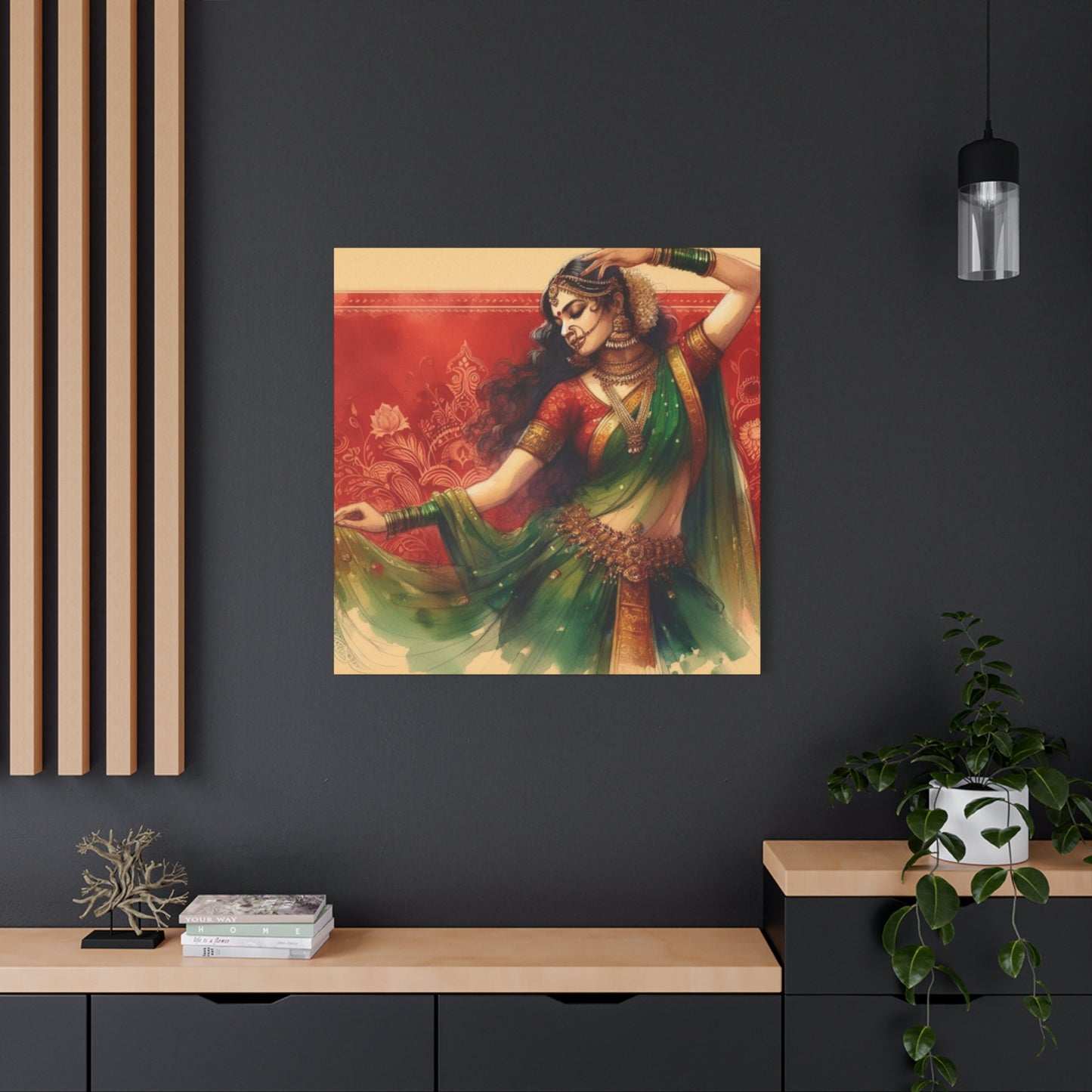


Indian Women Dancing Wall Art & Canvas Prints
Indian Women Dancing Wall Art & Canvas Prints
Couldn't load pickup availability
Vibrant Indian Women Dancing Wall Art: Celebrating Cultural Expression Through Decorative Masterpieces
The realm of home décor has witnessed a remarkable surge in the popularity of culturally rich artistic representations, particularly pieces that showcase traditional dance forms from the Indian subcontinent. Indian Women Dancing Wall Art has emerged as a captivating choice for individuals seeking to infuse their living spaces with vibrant energy, cultural authenticity, and aesthetic magnificence. These decorative pieces transcend mere ornamentation, serving as powerful conduits of heritage, storytelling, and artistic excellence that resonate with both cultural enthusiasts and contemporary design aficionados.
The allure of these artistic creations lies in their ability to capture the essence of movement, grace, and cultural significance within static representations. Each piece tells a story of centuries-old traditions, regional variations, and the profound connection between art and spirituality that characterizes the Indian performing arts landscape. From the classical poses of Bharatanatyam dancers to the energetic movements of folk performers, these artworks bring the dynamism of dance into the tranquility of residential and commercial spaces.
The Cultural Significance Behind Movement-Based Artistic Representations
Dance has occupied a sacred position in Indian civilization for millennia, serving as a medium of devotion, storytelling, and cultural preservation. The visual representation of female dancers in artistic formats carries deep symbolic meaning that extends far beyond aesthetic appreciation. These images embody concepts of shakti (feminine power), devotion, celebration, and the eternal dance of creation and destruction that forms the philosophical foundation of Hindu cosmology.
Ancient temple sculptures across the subcontinent feature intricate carvings of apsaras (celestial dancers) and devadasis (temple dancers), establishing a visual vocabulary that continues to influence contemporary artistic expressions. When translated into wall art formats, these traditional motifs bridge the temporal divide between ancient wisdom and modern sensibilities, allowing contemporary audiences to maintain connections with ancestral cultural roots while embracing current aesthetic preferences.
The symbolism embedded in dance postures, hand gestures (mudras), and facial expressions (abhinaya) carries layers of meaning that transform these artworks into visual narratives. A dancer depicted in the tribhanga (triple bend) posture conveys grace and fluidity, while specific hand positions might represent elements of nature, deities, or emotional states. This symbolic richness ensures that Indian Women Dancing Wall Art functions simultaneously as decoration, cultural artifact, and conversation catalyst.
Regional diversity within the Indian subcontinent has given rise to distinct dance traditions, each with characteristic costumes, movements, and aesthetic conventions. Classical forms such as Kathak from North India feature different visual elements compared to Odissi from the eastern regions or Mohiniyattam from Kerala. Folk dance traditions like Garba from Gujarat, Ghoomar from Rajasthan, and Bihu from Assam each possess unique visual signatures. This diversity provides endless inspiration for artistic interpretations, ensuring that wall art collections can reflect specific regional preferences or celebrate the broader tapestry of Indian performing arts.
Diverse Artistic Styles and Mediums for Dance-Themed Decorations
The contemporary market offers an impressive array of artistic approaches to representing dancers on wall-suitable formats. Traditional painting styles coexist with modern interpretations, providing consumers with choices that align with their personal aesthetic preferences and existing interior design schemes. Understanding these variations enables more informed selection processes and deeper appreciation of the artworks themselves.
Madhubani paintings, originating from Bihar, employ distinctive geometric patterns and natural pigments to create vibrant representations of dancers surrounded by symbolic flora, fauna, and geometric motifs. The characteristic bold outlines and flat color application create striking visual impact suitable for both traditional and eclectic contemporary settings. These folk art pieces often incorporate mythological narratives, with dancers depicted as participants in divine celebrations or cosmic events.
Warli art from Maharashtra presents a minimalist counterpoint to more elaborate styles, using simple geometric shapes—circles, triangles, and lines—to convey movement and celebration. Despite their apparent simplicity, Warli representations of dancing figures possess remarkable expressive power, capturing the communal joy of harvest festivals and tribal celebrations. The monochromatic or limited color palette of authentic Warli works complements modern minimalist interiors while maintaining strong cultural connections.
Tanjore paintings, distinguished by their use of gold foil and semi-precious stones, elevate dance-themed artworks to luxurious status. The raised relief work and metallic embellishments create three-dimensional effects that interact beautifully with ambient lighting, producing dynamic visual experiences that change throughout the day. These pieces typically depict classical dancers in elaborate costumes and jewelry, often representing divine figures or court dancers from historical periods.
Contemporary artists have embraced mixed media approaches, combining traditional motifs with modern materials and techniques. Acrylic paints on canvas allow for bold color choices and textural experimentation, while watercolors provide delicate, ethereal interpretations of dance movements. Digital art and photographic prints have democratized access to high-quality dance imagery, enabling reproduction of rare historical photographs or creation of entirely new compositions through digital manipulation.
Metal sculptures and wall hangings represent three-dimensional alternatives to painted surfaces. Brass, copper, and wrought iron works featuring silhouettes or detailed representations of dancers add tactile and spatial dimensions to wall displays. These pieces often incorporate traditional metalworking techniques passed down through generations of artisan families, connecting purchasers to living craft traditions.
Textile-based artworks, including embroidered panels, appliqué work, and fabric paintings, bring softness and texture to wall presentations. The use of fabrics mirrors the importance of costumes in actual dance performances, creating thematic continuity between subject matter and medium. Silk paintings particularly capture the flowing quality of dance movements, with the fabric's natural sheen enhancing representations of silk costumes worn by performers.
Selecting Appropriate Pieces for Various Interior Environments
The successful incorporation of Indian Women Dancing Wall Art into living or working spaces requires thoughtful consideration of multiple factors including room dimensions, existing décor elements, lighting conditions, and intended atmospheric effects. Strategic selection ensures that artworks enhance rather than overwhelm their surroundings while maintaining cultural integrity and aesthetic coherence.
Living rooms, as primary gathering spaces, benefit from larger statement pieces that serve as focal points for conversation and contemplation. A substantial canvas or framed print depicting multiple dancers in celebratory formation can anchor seating arrangements and establish cultural themes for the entire space. The energy and movement inherent in dance imagery naturally complement the social function of living areas, creating welcoming environments that encourage interaction and celebration.
Bedroom selections should consider the more intimate, restful nature of these private sanctuaries. Softer color palettes and more serene dance poses—perhaps depicting classical dancers in meditative postures or solitary performers in moments of graceful pause—create appropriate atmospheres for relaxation and reflection. Smaller pieces or diptychs and triptychs arranged above headboards provide visual interest without overwhelming the tranquil purpose of sleeping quarters.
Home offices and study areas present opportunities for artwork that inspires creativity and focus. Dance representations embodying discipline and artistic dedication can serve as visual reminders of the perseverance required to master complex skills. The structured geometry of certain folk art styles particularly complements workspace environments, providing visual stimulation without excessive distraction.
Dining spaces gain festive character from dance-themed artworks that celebrate abundance and communal joy. Many traditional dances connect to harvest celebrations and seasonal festivals, making them thematically appropriate for areas associated with nourishment and gathering. The vibrant colors typical of folk dance costumes complement the warmth and hospitality central to dining experiences.
Entryways and foyers benefit from welcoming imagery that establishes cultural identity and aesthetic preferences immediately upon entry. A striking dance artwork in an entrance area functions as both greeting and statement, communicating the homeowner's appreciation for cultural arts before visitors proceed further into the residence. Durable materials and protective framing become particularly important in these high-traffic, potentially variable-condition areas.
Commercial spaces including restaurants, hotels, cultural centers, and corporate offices increasingly incorporate Indian Women Dancing Wall Art to establish distinctive identities and create memorable environments. Restaurants serving Indian cuisine find thematic synergy with dance imagery, creating immersive cultural experiences that extend beyond culinary offerings. Hotels catering to cultural tourists or located in regions with significant Indian populations use such artwork to signal cultural awareness and create authentic atmospheres.
Yoga studios and wellness centers have embraced dance-themed Indian artwork as natural complements to their practice philosophies. The connection between dance and mindful movement, the emphasis on breath control shared by dancers and yogis, and the spiritual dimensions of classical Indian dance forms create meaningful resonances with yoga practice. Such imagery reinforces the Indian origins of yoga while celebrating related contemplative movement traditions.
Color Psychology and Palette Considerations in Dance Artwork
The chromatic choices within Indian Women Dancing Wall Art significantly impact both aesthetic appeal and psychological effect, making color consideration a critical aspect of selection and placement. Traditional Indian color symbolism imbues specific hues with cultural meanings that extend beyond universal color psychology, adding layers of significance to pigment choices.
Red occupies a paramount position in Indian color symbolism, representing vitality, celebration, matrimony, and auspiciousness. Dance artworks featuring predominantly red tones evoke festive energy and passionate expression, making them suitable for spaces intended for entertainment and social gathering. The various shades of red—from vermillion to crimson to maroon—each carry subtle variations in meaning and impact, with deeper tones suggesting sophistication and lighter shades conveying youthful exuberance.
Yellow and gold symbolize knowledge, learning, happiness, and prosperity in Indian contexts. Dance artworks incorporating these luminous hues bring warmth and optimism to spaces while honoring the traditional use of gold in temple arts and royal patronage of performing arts. The reflective quality of gold leaf or metallic pigments creates dynamic visual experiences that change with viewing angles and lighting conditions, adding vitality to static images.
Green represents fertility, harmony, and new beginnings, connecting dance imagery to the natural world and cycles of renewal celebrated in many folk traditions. Artworks featuring verdant backgrounds or green costume elements introduce calming influences while maintaining the celebratory character inherent in dance imagery. The color's association with spring festivals like Holi adds seasonal connotations to certain representations.
Blue holds divine associations, particularly with deities like Krishna and Shiva who are intimately connected to dance traditions. Dance artworks incorporating celestial blues evoke spiritual dimensions of performance while providing cooling visual effects that balance warmer accent colors. The range from pale sky blue to deep indigo offers versatility for various interior color schemes.
Orange embodies courage, sacrifice, and spiritual aspiration, making it particularly appropriate for dance representations connected to devotional practices. The color's energizing properties make it effective in spaces requiring stimulation and creativity, though its intensity requires balanced use to prevent visual overwhelm.
Purple and violet, while less common in traditional Indian color palettes, appear in contemporary interpretations of dance themes, suggesting mystery, luxury, and artistic innovation. These hues appeal to modern sensibilities while maintaining compatibility with traditional motifs when used thoughtfully.
Multi-colored artworks celebrating the rainbow spectrum reflect the diversity and vibrancy characteristic of Indian festivals and folk traditions. These maximalist color approaches suit eclectic décor styles and spaces that embrace bold visual statements. The challenge lies in ensuring color harmony despite chromatic abundance—successful pieces achieve this through balanced distribution and unifying compositional elements.
Monochromatic and neutral-toned artworks offer sophisticated alternatives that appeal to minimalist sensibilities while maintaining cultural content. Black and white representations of dancers emphasize form, line, and movement over chromatic appeal, creating dramatic contrasts suitable for contemporary interiors. Sepia-toned or earth-palette pieces evoke historical continuity and natural authenticity, connecting dance traditions to their environmental and temporal contexts.
The interaction between artwork colors and surrounding interior palettes requires careful attention. Complementary color schemes create vibrant contrasts that energize spaces, while analogous combinations produce harmonious, cohesive environments. The size and proportion of colored areas within artworks affect their visual impact—small pops of intense color within predominantly neutral compositions create focused interest points, while overall chromatic saturation produces immersive effects.
Authentic Craftsmanship and Artisan Traditions
The creation of high-quality Indian Women Dancing Wall Art often involves skilled artisans who have inherited techniques through familial or community lineages extending across generations. Understanding the human effort and cultural knowledge embedded in these pieces enhances appreciation and supports the preservation of endangered craft traditions.
Traditional painting techniques involve laborious preparation processes including surface treatment, pigment grinding, and adhesive formulation using natural materials. Genuine Madhubani artists still prepare colors from plants, minerals, and other natural sources, creating hues that possess different visual qualities compared to synthetic alternatives. The application methods—using fingers, twigs, or specially prepared brushes—require years of practice to master, with each artist developing distinctive stylistic signatures within established conventions.
The creation of Tanjore paintings involves multiple specialized stages often divided among different craftspeople. Wood panel preparation, gesso application, outline sketching, gold leaf adhesement, stone setting, and final painting each require specific expertise. A single elaborate Tanjore piece depicting a dancer might represent hundreds of hours of meticulous work, justifying the premium prices authentic pieces command.
Metal sculpture creation involves ancient lost-wax casting methods or contemporary welding and fabrication techniques, each producing characteristic aesthetic results. Traditional brass and bronze works begin with clay or wax models from which molds are created, followed by metal pouring, cooling, and extensive finishing work including patination, polishing, and detailing. Modern metal artworks might employ cutting, bending, and welding processes that allow for different formal possibilities while maintaining connections to sculptural traditions.
Textile-based artworks draw upon regional embroidery traditions, each with distinctive stitch types, pattern conventions, and symbolic vocabularies. Kantha stitching from Bengal creates textured surfaces through running stitches that outline forms and fill areas with parallel lines. Zardozi embroidery employs metallic threads and sequins to create luxurious surfaces suitable for depicting dancers in ceremonial costumes. Appliqué work from Odisha and Gujarat uses cut fabric pieces assembled into compositions, with additional embellishment through stitching and embroidery.
Supporting authentic craftsmanship involves purchasing directly from artisan cooperatives or through retailers committed to fair compensation and credit attribution. Many traditional artists struggle economically as industrialized reproduction undercuts their livelihoods, making conscious consumer choices critical for craft preservation. Certification programs and geographic indication protections help identify genuine handmade pieces, though these systems have limitations and gaps in coverage.
Contemporary artists bringing fresh perspectives to dance imagery occupy an important complementary space to traditional craftspeople. Formal art school graduates and self-taught creators explore new materials, conceptual frameworks, and stylistic approaches while engaging with cultural heritage. This creative dialogue between tradition and innovation ensures the vitality and relevance of dance-themed artwork for evolving audiences.
The distinction between handmade originals, limited edition prints, and mass-produced reproductions significantly affects both pricing and cultural value. Original paintings and sculptures represent unique creations with inherent scarcity value and direct connections to specific artists. Limited edition prints, when produced with artist involvement and proper numbering, maintain some exclusivity while increasing accessibility. Mass-produced reproductions serve entry-level markets but lack the authenticity and craftsmanship that characterize artisan works.
Compositional Elements and Visual Storytelling Strategies
Effective Indian Women Dancing Wall Art employs compositional strategies that capture movement, convey emotion, and create visual coherence despite the challenge of representing dynamic activities in static mediums. Understanding these compositional choices enhances both selection processes and viewing experiences.
Single figure compositions focus attention on individual performers, allowing detailed representation of costume elements, jewelry, facial expressions, and hand gestures. These intimate portraits create connections between viewers and subjects, inviting contemplation of the dedication and artistry required for dance mastery. The isolation of individual figures against simplified backgrounds emphasizes the dancer herself rather than contextual elements, creating timeless qualities that transcend specific performances or venues.
Group compositions depicting multiple dancers in coordinated formations convey the communal and celebratory aspects of many dance traditions. The rhythmic repetition of similar figures creates visual patterns that echo the musical and choreographic structures underlying actual performances. These arrangements present compositional challenges regarding figure placement, overlapping, and maintaining individual clarity within ensemble contexts—successful pieces achieve dynamic balance while preserving legibility.
Narrative compositions embed dancers within larger scenes that provide contextual information about settings, occasions, and cultural meanings. Mythological narratives might show dancers as participants in divine celebrations or cosmic events. Festival scenes depict dancers surrounded by musicians, audiences, and celebratory decorations. These expansive compositions require sophisticated organizational strategies to prevent visual confusion while conveying complex stories.
The representation of movement in static images requires special techniques including implied motion through compositional elements. Flowing fabric, hair in motion, and captured mid-gesture poses suggest kinetic energy frozen momentarily. Blurred edges or multiple exposures in photographic works create similar effects. The use of diagonal lines and asymmetric compositions generates visual dynamism compared to static horizontal and vertical orientations.
Perspective choices significantly impact viewer relationships with depicted dancers. Straight-on views at eye level create direct engagement and equality between viewer and subject. Low angles looking upward suggest reverence and monumentality, appropriate for depictions of divine or legendary dancers. High angles provide overview perspectives that emphasize choreographic patterns and spatial relationships within group compositions.
Background treatments range from elaborate environmental details to complete abstraction, each serving different artistic purposes. Detailed backgrounds situate dancers within specific architectural, natural, or social contexts that enhance narrative content and cultural specificity. Abstract or minimized backgrounds direct focus entirely to figures while creating flexibility regarding display contexts—such pieces adapt more easily to varied interior settings.
Framing and border elements often incorporate decorative motifs drawn from related artistic traditions including textile patterns, architectural ornamentation, and manuscript illumination. These frames create transitions between artwork and surrounding walls while contributing to overall cultural coherence. Some traditional styles integrate figures and borders through continuous designs that blur distinctions between frame and content.
Scale relationships within compositions affect visual impact and hierarchical emphasis. Central figures typically receive larger representation than peripheral elements, focusing attention on primary subjects. However, some folk art traditions employ more democratic scaling where all elements receive similar sizing regardless of narrative importance, creating distinctive visual effects that distinguish traditional from academic compositional approaches.
Proper Display Methods and Preservation Practices
The longevity and visual impact of Indian Women Dancing Wall Art depend significantly on appropriate display methods and ongoing care practices. Understanding these practical considerations ensures that investments in cultural artworks provide lasting enjoyment while maintaining their condition and value.
Lighting represents the most critical environmental factor affecting both artwork appearance and preservation. Natural sunlight, while aesthetically pleasing, contains ultraviolet radiation that causes fading, discoloration, and material degradation over time. Direct sunlight exposure should be avoided entirely for valuable or fragile pieces. Windows near displayed artworks benefit from UV-filtering films or appropriate window treatments that block harmful radiation while admitting visible light.
Artificial lighting offers more control over both illumination quality and preservation concerns. LED lighting has become preferable to incandescent or fluorescent alternatives due to minimal heat emission and lack of UV radiation. Dedicated picture lights mounted above or below frames provide focused illumination that enhances viewing while allowing control over exposure duration. Track lighting systems offer flexibility for changing displays and accommodating various piece sizes.
Hanging methods must support artwork weight securely while minimizing wall damage. Traditional wire and hook systems work well for lighter frames, while heavier pieces require wall anchors or mounting to wall studs. French cleat systems distribute weight evenly and allow easy repositioning. Gallery-style hanging strips provide damage-free alternatives suitable for rental properties or temporary displays, though weight capacity limitations restrict their use to lighter pieces.
Placement height significantly affects viewing comfort and visual impact. The standard recommendation positions artwork centers at approximately 57-60 inches from the floor, corresponding to average eye height. However, furniture placement, ceiling height, and intended viewing positions should modify this guideline. Pieces displayed above seating benefit from slightly higher placement, while artworks in hallways might hang lower to accommodate standing viewers.
Frame selection influences both aesthetic presentation and physical protection. Traditional wooden frames with glass or acrylic glazing provide classic presentation that suits most artistic styles. Metal frames offer contemporary alternatives with slim profiles that minimize visual interference with artwork. Shadow box frames create depth for dimensional pieces including textile works or objects with surface relief. Mat boards serve multiple functions including aesthetic enhancement, spacing artwork from glazing, and protecting edges from contact with frame elements.
Glazing choices balance visibility and protection. Regular glass provides basic protection at modest cost but reflects light noticeably and offers no UV protection. Museum glass eliminates reflections through special coatings and incorporates UV filtering but commands premium pricing. Acrylic glazing weighs less than glass and resists shattering, making it preferable for large pieces or high-traffic areas, though it scratches more easily and generates static that attracts dust.
Climate control prevents deterioration from humidity and temperature fluctuations. Ideal conditions maintain relative humidity between 40-50% and temperatures between 65-75°F, with minimal variation. Excessive humidity encourages mold growth and material degradation, while extremely dry conditions cause brittleness and cracking. Artworks should be mounted on interior walls rather than exterior walls where temperature variations are more extreme. Avoid placement near heating vents, air conditioning units, or other sources of rapid climate change.
Cleaning protocols depend on artwork materials and surface treatments. Framed pieces require only gentle dusting of frame exteriors and glass surfaces using soft, lint-free cloths. Avoid cleaning products containing ammonia or alcohol that might damage frames or seep behind glazing. Unframed canvas works require more delicate care—soft brushing to remove dust accumulation, never water or cleaning solutions that might damage paint or sizing. Textile pieces benefit from periodic gentle vacuuming using low suction and protective screens that prevent thread catching.
Professional conservation becomes necessary when artworks show signs of deterioration including fading, staining, tearing, paint loss, or structural compromise. Attempting amateur repairs often causes additional damage and reduces artwork value. Trained conservators possess specialized knowledge of traditional materials and techniques required for sympathetic restoration that preserves both physical integrity and cultural authenticity.
Market Dynamics and Sourcing Considerations
The marketplace for Indian Women Dancing Wall Art encompasses diverse channels ranging from direct artisan relationships to multinational retail platforms, each offering distinct advantages and considerations regarding authenticity, pricing, selection, and supporting ethical practices.
Gallery purchases provide curated selections with expert guidance and often include artist documentation, provenance information, and authenticity guarantees. Galleries specializing in Indian or South Asian art maintain relationships with established and emerging artists, providing access to works that might not appear through general commercial channels. The gallery environment allows close examination of pieces before purchase, and staff expertise aids in matching artworks to specific requirements and preferences. Premium pricing reflects these services along with gallery operational costs.
Artisan cooperatives and fair trade organizations offer direct purchasing relationships that ensure greater portions of sale prices reach creators rather than intermediaries. These organizations often provide cultural and artistic context about pieces while supporting community preservation and sustainable livelihoods. Many cooperatives have established online presences that overcome geographic limitations while maintaining direct relationships. Purchasing through these channels supports ethical consumption patterns and cultural preservation beyond the mere acquisition of decorative objects.
Online marketplaces have dramatically expanded access to diverse artworks while presenting authenticity and quality assessment challenges. Major platforms host both reputable dealers and problematic sellers offering unauthorized reproductions or misrepresented pieces. Detailed product descriptions, multiple high-quality photographs from various angles, clearly stated materials and dimensions, transparent return policies, and seller ratings help assess reliability. Platform buyer protection programs provide recourse for misrepresented purchases, though they require documentation and often involve time-consuming dispute processes.
Direct artist relationships, facilitated through social media and personal websites, allow collectors to commission custom pieces or purchase existing works while ensuring maximum compensation reaches creators. This approach requires more individual initiative in identifying and vetting artists but creates meaningful connections and supports artistic careers directly. Many contemporary artists maintain Instagram portfolios that showcase their work and facilitate purchasing inquiries.
Auction houses occasionally offer notable examples of Indian dance-themed artwork, particularly historical pieces or works by recognized artists. These venues suit serious collectors seeking museum-quality acquisitions or investment pieces. The competitive bidding environment can produce both exceptional values and inflated prices depending on specific circumstances. Auction purchases require careful condition assessment and authentication verification, as return options are typically limited.
Interior design firms and consultants provide artwork sourcing services as components of comprehensive design projects. These professionals leverage industry connections and expertise to identify pieces that fulfill specific aesthetic and practical requirements within overall design schemes. While adding service fees to artwork costs, designers streamline selection processes and coordinate installations with other project elements.
Physical craft fairs and cultural festivals provide opportunities to view numerous artworks in person while interacting directly with creators or their representatives. These events celebrate cultural heritage while facilitating commercial transactions. The temporary nature of such venues requires preparedness to make relatively quick decisions, though many participants maintain ongoing relationships with customers through provided contact information.
Import considerations affect international purchases including customs duties, shipping logistics, and documentation requirements. Artworks may qualify for reduced duty rates under cultural product classifications, though regulations vary by country and specific circumstances. Professional art shippers provide specialized packing and transportation services that minimize damage risks during international transit. Documentation of origin, artist information, and value assessments facilitate customs clearance and provide essential records for insurance purposes.
Price ranges for Indian Women Dancing Wall Art span from modest sums for mass-produced prints to substantial investments for original works by recognized artists or historical pieces. Understanding value determinants helps align expectations with budgets. Factors influencing pricing include artistic reputation, originality versus reproduction, size and complexity, materials and techniques employed, condition, provenance, and market demand. Handcrafted pieces understandably command premiums over printed reproductions due to skill, time, and uniqueness involved in their creation.
Investment potential exists for works by emerging or established artists, particularly those addressing contemporary issues through traditional cultural frameworks or achieving recognition through exhibitions and publications. However, artwork should be acquired primarily for aesthetic enjoyment and cultural appreciation rather than speculative investment unless purchasers possess specialized knowledge and accept associated risks. The art market's unpredictability makes pure financial return uncertain for most purchases.
The Intersection of Sacred Dance and Decorative Expression
Many Indian dance traditions possess profound spiritual dimensions that complicate their representation as decorative objects. Understanding these sacred origins enriches appreciation while raising questions about appropriate contexts for display and the tensions between devotional practice and aesthetic commodification.
Classical dance forms including Bharatanatyam, Odissi, and Mohiniyattam originated as temple offerings performed by devadasis (temple dancers) who occupied complex social and religious positions. These dances served as forms of worship, with movements and gestures conveying devotional poetry and mythological narratives. The secularization and concert-staging of these traditions during colonial and post-independence periods transformed sacred practices into performance arts, raising ongoing debates about authenticity and cultural appropriation.
Artistic representations of temple dancers necessarily engage with these histories and controversies. Some viewers may feel discomfort displaying imagery derived from sacred contexts within purely decorative schemes divorced from spiritual frameworks. Others appreciate the preservation and celebration of these traditions through any format that maintains cultural visibility. These varying perspectives reflect broader discussions about sacred art, cultural ownership, and the evolution of traditional practices within contemporary contexts.
The depiction of specific deities known for dance associations—particularly Shiva as Nataraja (Lord of Dance) and Krishna performing Rasleela—explicitly engages religious iconography. For devotees, such images function as objects of veneration requiring specific display contexts and ritual treatments. For non-practitioners, the same images might serve purely aesthetic purposes. This divergence illustrates how identical objects occupy different categorical positions depending on viewer relationships and intentions.
Respectful engagement with dance-themed artwork acknowledges these spiritual dimensions even when display contexts remain secular. Placement in prominent, honored positions rather than casual secondary locations demonstrates appropriate regard. Avoiding display in inappropriate contexts including bathrooms or other spaces considered culturally disrespectful shows sensitivity to sacred origins. Some individuals choose to offer brief acknowledgments or prayers when first installing such artwork, bridging decorative and devotional approaches.
Contemporary dancers who are practicing adherents of spiritual traditions often view their art as continuing devotional practices despite secular performance contexts. Their perspective that dance itself constitutes worship regardless of venue suggests that respectful artistic representation likewise honors rather than exploits sacred traditions. This stance provides philosophical justification for displaying dance-themed artwork with conscious appreciation of spiritual dimensions.
Folk dance traditions, while generally less explicitly devotional than classical temple forms, nonetheless often connect to religious festivals, seasonal celebrations with agricultural and fertility significance, and community rituals marking life transitions. The communal and celebratory character of these dances relates to collective spiritual experiences even when specific religious content remains minimal. Artwork depicting folk dances therefore participates in broader patterns of sacred community expression.
The question of who appropriately creates and displays dance-themed artwork involves considerations of cultural insider versus outsider positions. While artistic expression transcends ethnic boundaries, some argue that certain cultural materials should remain within communities of origin to prevent exploitation and distortion. Others advocate for cross-cultural exchange as enriching global culture while acknowledging that such exchange should occur respectfully and credit sources appropriately. These debates lack simple resolutions but merit consideration when engaging with culturally specific artistic materials.
Regional Dance Styles and Their Distinctive Visual Characteristics
The extraordinary diversity of dance traditions across the Indian subcontinent provides endless inspiration for artistic interpretation, with each regional style offering characteristic visual elements that define its artistic representation. Understanding these distinctions enables more informed artwork selection and deeper appreciation of specific cultural contexts.
Bharatanatyam from Tamil Nadu ranks among the most visually striking classical forms, distinguished by sharp, angular movements and geometric precision. Artistic representations emphasize the distinctive costume including vibrant silk sarees worn in a specific pleated style, elaborate temple jewelry, and flower garlands. The characteristic aramandi position with bent knees and outward-turned feet creates a stable triangular base from which intricate footwork emerges. Hand gestures follow codified systems where each mudra possesses specific meanings, allowing knowledgeable viewers to decode narratives from static images.
Kathak from North India presents dramatic contrast with its emphasis on rapid spins, intricate footwork, and fluid upper body movements. The costume—typically flowing skirts for women or churidar-kurta combinations—creates different visual effects compared to Bharatanatyam's structured silhouette. Artwork depicting Kathak dancers often captures the blur of spinning motion or the moment of stillness following rapid rotation. The narrative emphasis on mythological romances, particularly Krishna legends, influences compositional choices and iconographic elements surrounding dancers.
Odissi from Odisha features distinctive tribhanga (triple bend) postures creating sensuous S-curves that dominate artistic representations. The costume's silver ornamentation and distinctive headpiece create characteristic silhouettes easily recognizable in artworks. Temple sculpture aesthetics profoundly influence Odissi's visual vocabulary, with dancers often depicted in poses directly referencing ancient carvings. The incorporation of Odissi imagery into wall art directly connects contemporary decoration with centuries-old architectural traditions.
Kathakali from Kerala presents dramatically different visual material with its elaborate makeup, fantastical costumes, and oversized headdresses that transform performers into mythological characters. While Kathakali is traditionally a male-dominated form, female characters within the drama provide subjects for artistic representation. The vivid facial makeup with stylized color patterns creates striking visual impact particularly suited to bold artistic statements. The larger-than-life theatrical quality of Kathakali translates effectively to artwork scale and presence.
Mohiniyattam, Kerala's classical dance form characterized by gentle, swaying movements, offers softer visual alternatives to more dramatic dance styles. Artistic representations emphasize graceful curves, subtle facial expressions, and the distinctive white or cream costumes with gold borders. The dance's association with feminine enchantment (Mohini meaning enchantress) creates thematic content suitable for intimate, elegant spaces.
Kuchipudi from Andhra Pradesh combines elements of dance and drama, with performers traditionally speaking and singing while dancing. Artistic representations capture the dramatic expressions and storytelling gestures characteristic of the form. The tradition of male dancers performing female roles (particularly the character Satyabhama) adds interesting gender dimensions to artistic interpretation.
Manipuri from northeastern India presents distinctive aesthetics derived from its geographic and cultural separation from mainstream Indian traditions. The circular, flowing movements and gentle quality create different visual rhythms compared to the sharper geometry of southern classical forms. Costumes featuring the distinctive barrel-shaped skirt (kumil) create unique silhouettes in artistic representations. The relative scarcity of Manipuri-themed artwork compared to more widely known forms makes such pieces particularly valuable for collectors seeking distinctive cultural content.
Sattriya from Assam, rooted in Vaishnavite monasteries, offers another northeastern alternative with its own distinctive movement vocabulary and costuming traditions. The devotional origins remain particularly prominent in Sattriya, influencing the emotional and spiritual character of artistic representations.
Folk dance traditions provide equally rich visual material with greater diversity reflecting local cultural specificities. Garba and Dandiya Raas from Gujarat feature distinctive stick props and circular formations that translate well to artistic composition. The vibrant, heavily embroidered ghagras (skirts) and intensive color palettes create exuberant visual impact. Artworks depicting these dances often include multiple figures in coordinated formations emphasizing communal celebration.
Ghoomar from Rajasthan showcases the region's distinctive costume aesthetics including colorful head veils, extensive jewelry, and full circular skirts that fan dramatically during spinning movements. The swirling fabric creates dynamic circular compositions that convey movement and celebration. The association with weddings and celebrations influences the festive character of Ghoomar-themed artwork.
Bhangra from Punjab, traditionally a harvest celebration dance, has achieved global recognition through popular culture dissemination. The energetic movements, characteristic turbans, and dhol drums create visually dynamic compositions. Contemporary artwork often blends traditional and modern Bhangra elements reflecting the form's evolution within global contexts.
Bihu from Assam presents distinctive northeastern aesthetics with its characteristic hand movements and traditional mekhela chador costumes. The dance's connection to agricultural cycles and seasonal celebrations influences compositional choices and iconographic elements.
Lavani from Maharashtra features distinctive sensual movements and nine-yard sarees draped in a specific style that creates characteristic visual elements. The energetic, folk-theater origins translate to bold, dynamic artistic representations often featuring solo dancers in dramatic poses.
Chhau from eastern India encompasses martial, folk, and tribal elements with distinctive masks and vigorous movements that create powerful visual impact. The masked tradition provides particularly striking imagery for artistic interpretation, with elaborate decorative masks creating focal points within compositions.
Conclusion
While traditional artistic styles maintain strong presences within the Indian Women Dancing Wall Art market, contemporary artists increasingly explore innovative approaches that dialogue with cultural heritage while addressing modern aesthetic sensibilities and conceptual concerns. These creative evolutions ensure the continued vitality and relevance of dance-themed artwork for evolving audiences.
Abstract and semi-abstract interpretations reduce dance imagery to essential forms, colors, and gestural marks that evoke movement and energy without literal representation. These approaches allow traditional cultural content to integrate seamlessly with contemporary minimalist or abstract interior design while maintaining meaningful connections to dance traditions. The emphasis shifts from detailed depiction to emotional and kinetic suggestion, creating pieces that resonate across cultural boundaries while retaining specific cultural origins.
Mixed media experimentations combine traditional materials with unconventional elements including recycled materials, found objects, digital components, or unusual substrates. These hybrid approaches create textural richness and conceptual depth that pure traditional techniques might not achieve. An artwork might combine traditional painting with textile fragments from actual dance costumes, creating material connections to performance realities beyond pure representation.
Digital art and graphic design approaches apply contemporary visual vocabularies to traditional subjects. Vector graphics create clean, scalable images suitable for various reproduction formats. Digital painting software allows effects and manipulations impossible with traditional materials. Some artists create digital collages combining photographed dance elements with painted or drawn components, producing surreal or hyperreal hybrid images.
Photographic artworks ranging from documentary-style performance captures to elaborately staged artistic compositions provide different relationships to dance subjects compared to painted or drawn representations. High-speed photography freezes movements invisible to human perception, revealing the physics and aesthetics of dance in new ways. Long-exposure techniques create blurred, ghost-like images that emphasize motion and temporal dimensions. Carefully lit studio photography transforms dancers into sculptural subjects where form, line, and spatial relationships dominate over narrative or cultural content.
Street art aesthetics including stenciling, spray paint techniques, and urban visual vocabularies bring dance imagery into contemporary urban cultural contexts. These approaches often carry social commentary dimensions, addressing issues of cultural preservation, gender, and identity through juxtaposition of traditional dance forms with modern urban environments or contemporary social issues.
Pop art influences manifest in bold color choices, repetition, and graphic simplification that references both Indian cultural materials and global pop art movements. These works often achieve striking visual impact through saturated colors and strong contrast, creating pieces that function as bold design statements while celebrating cultural content.
Share