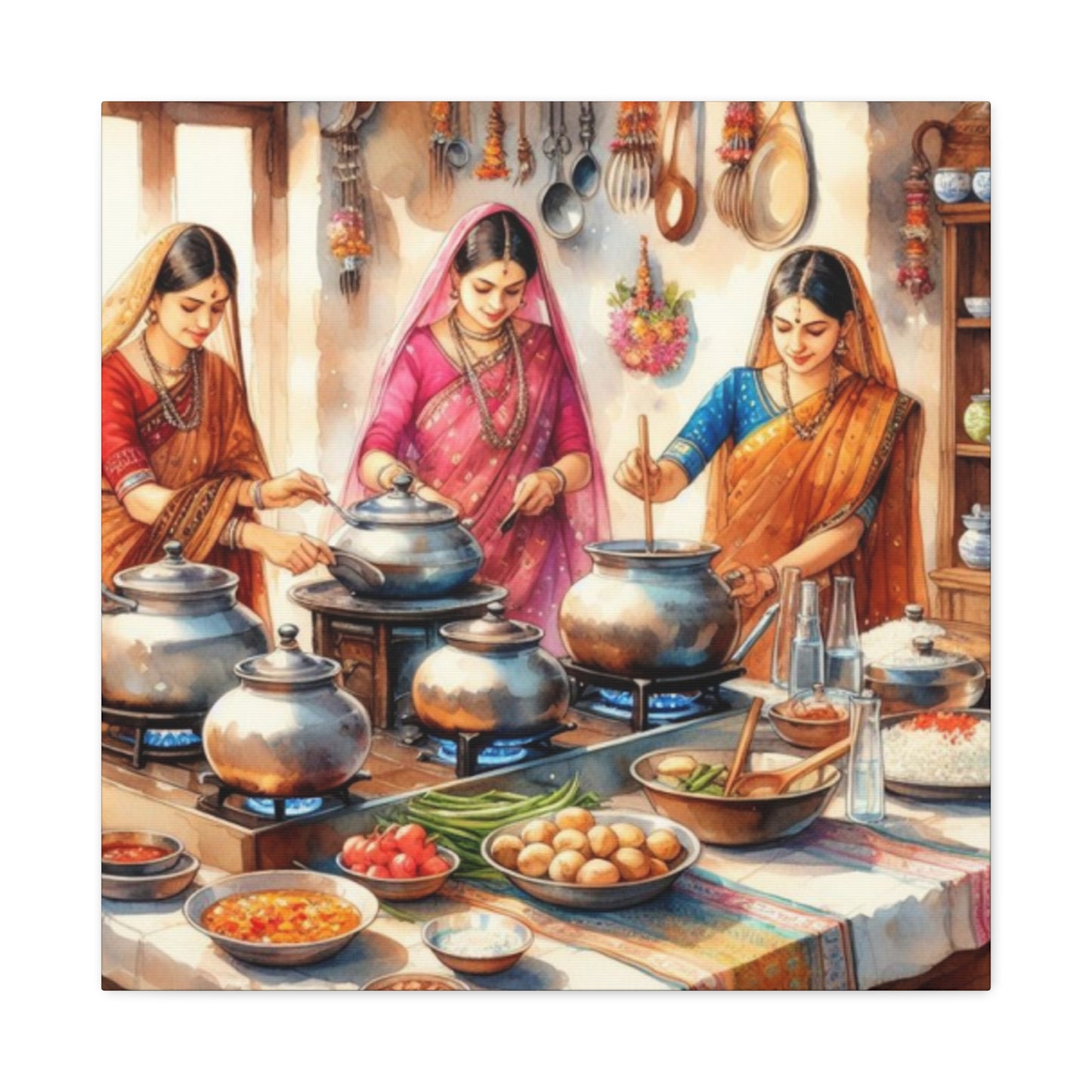
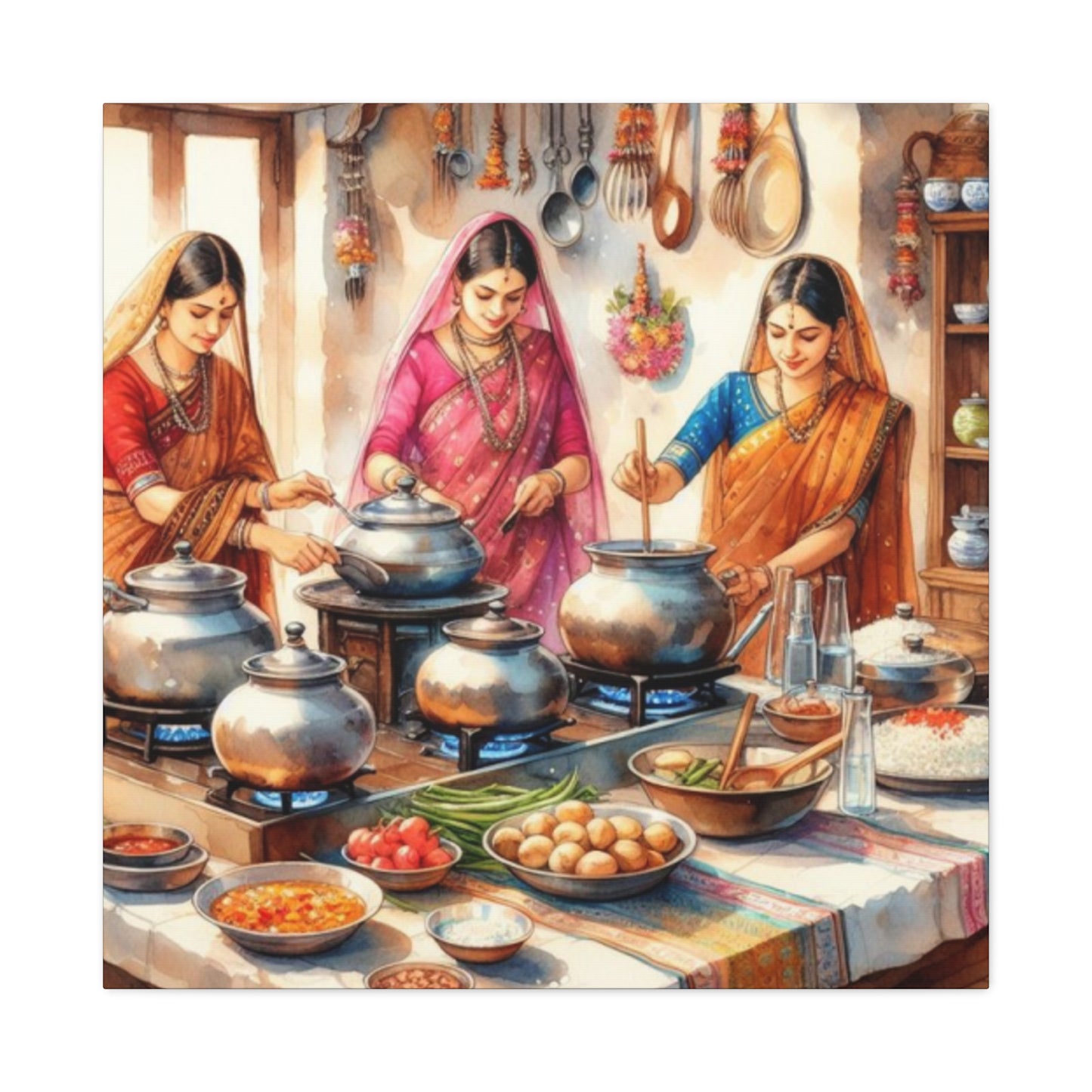
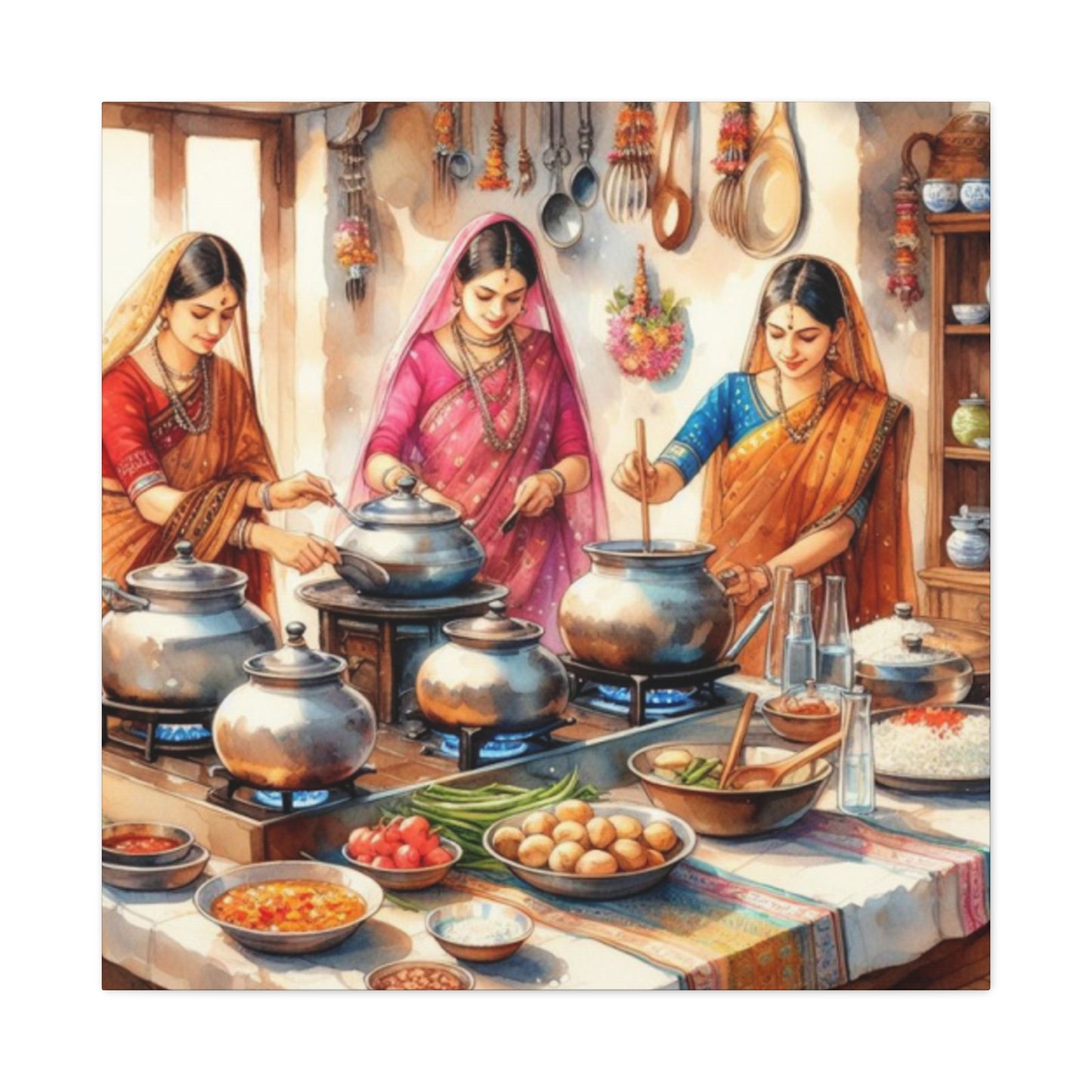
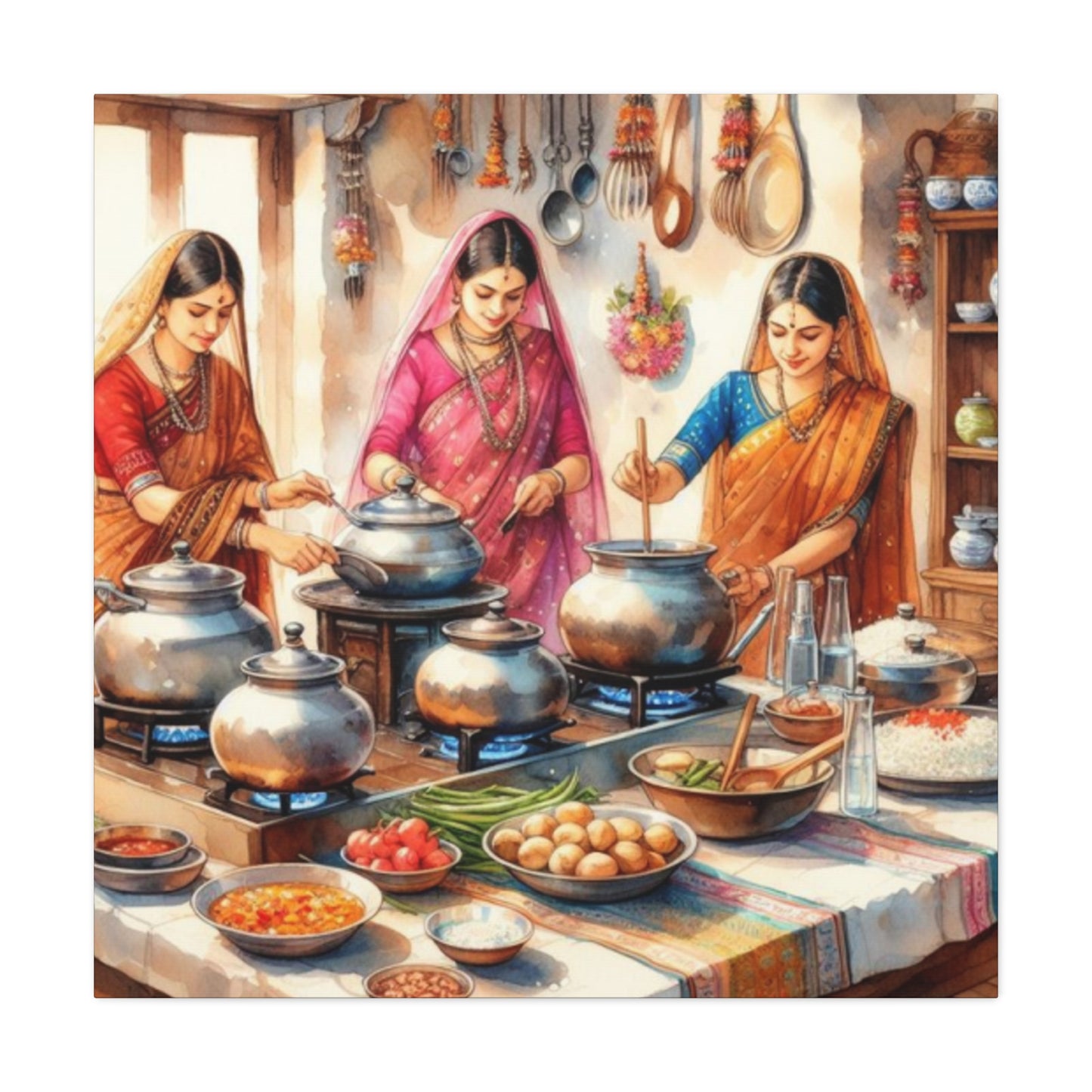
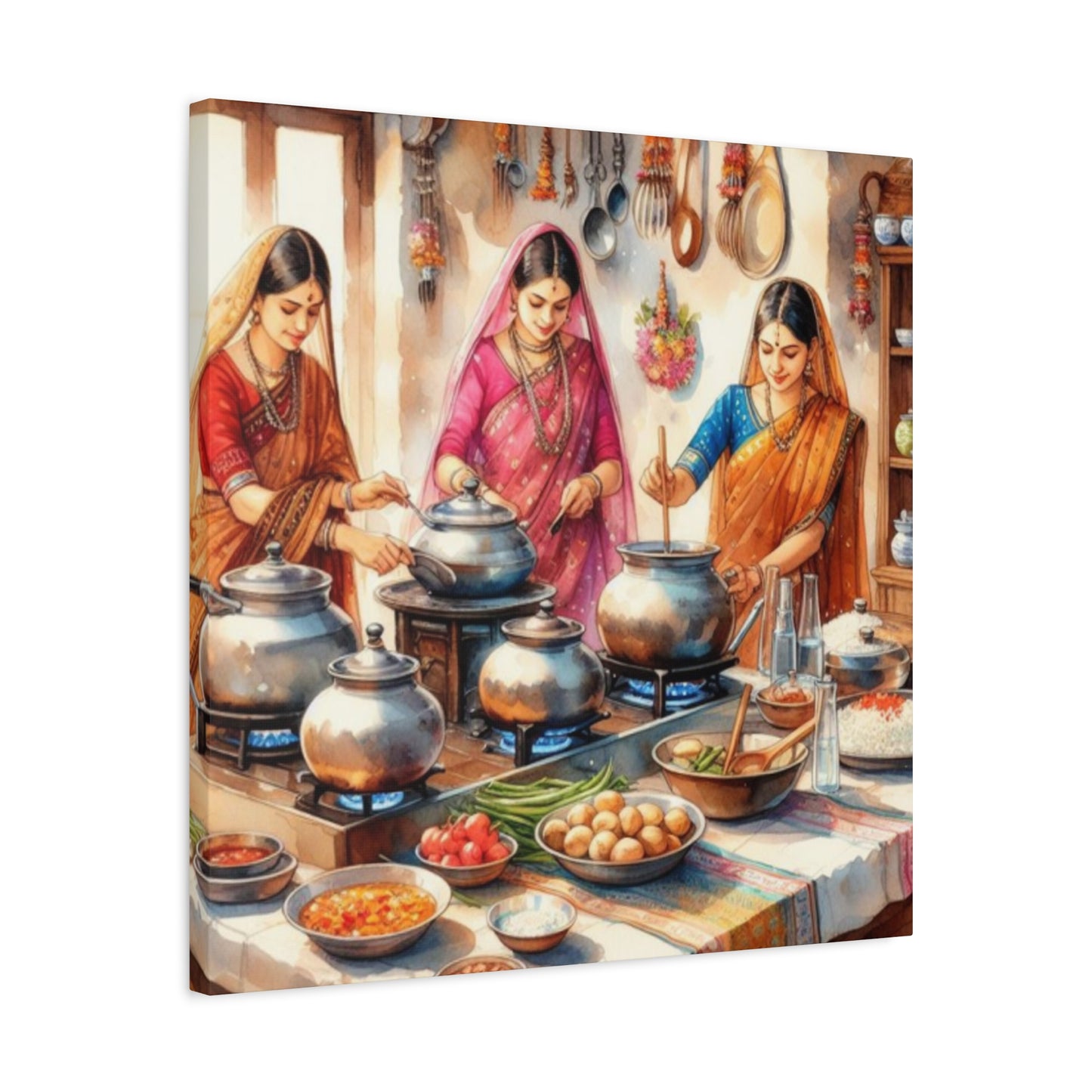
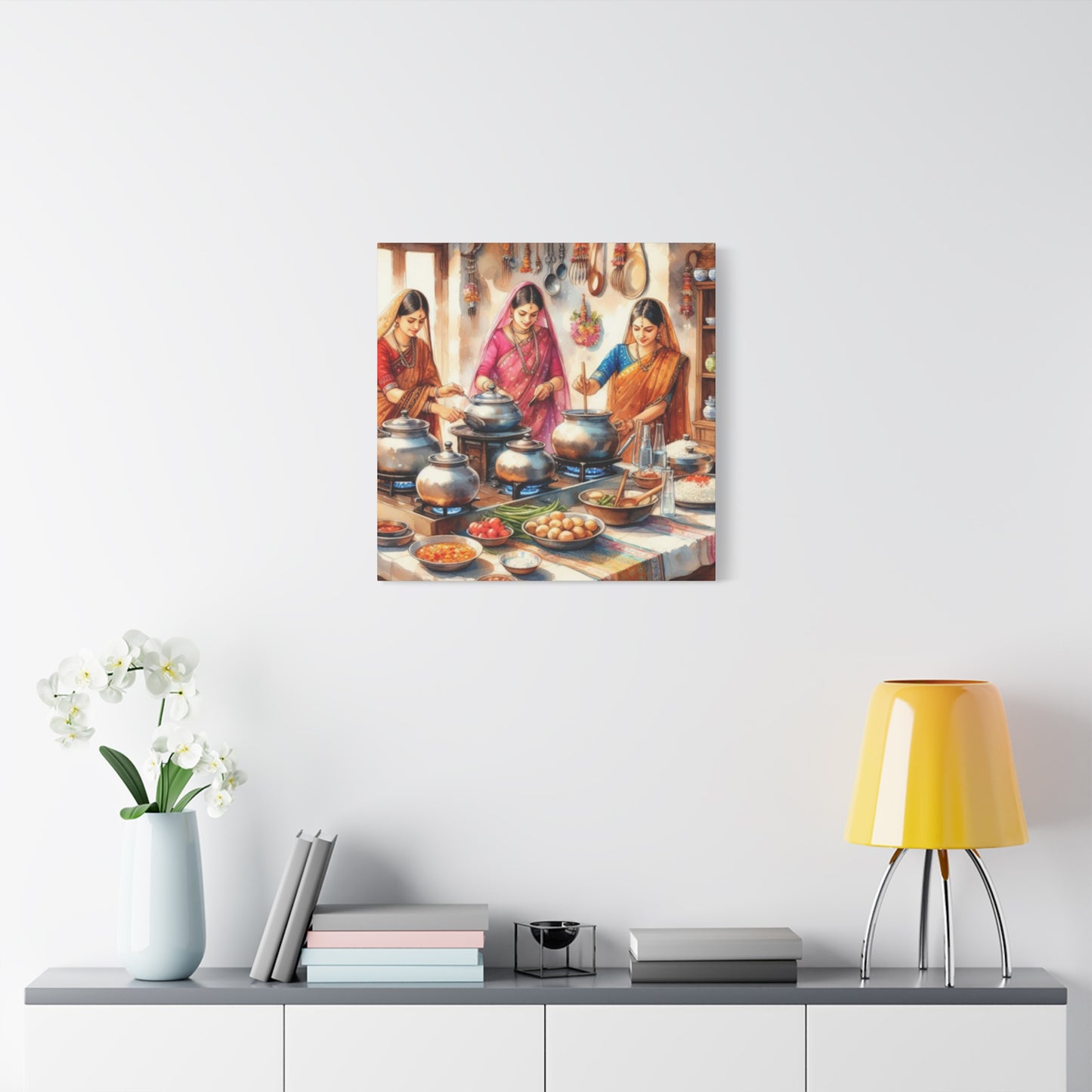
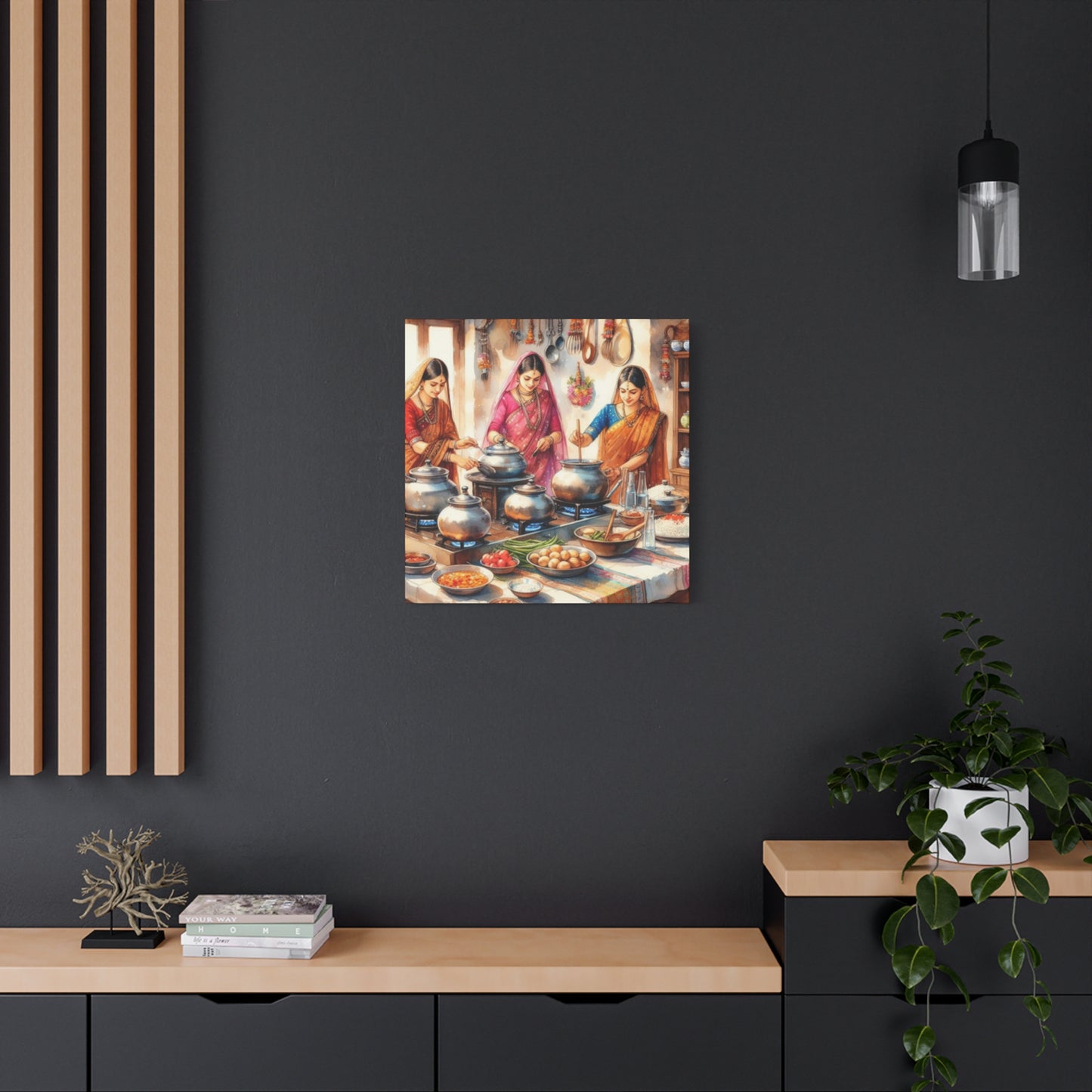
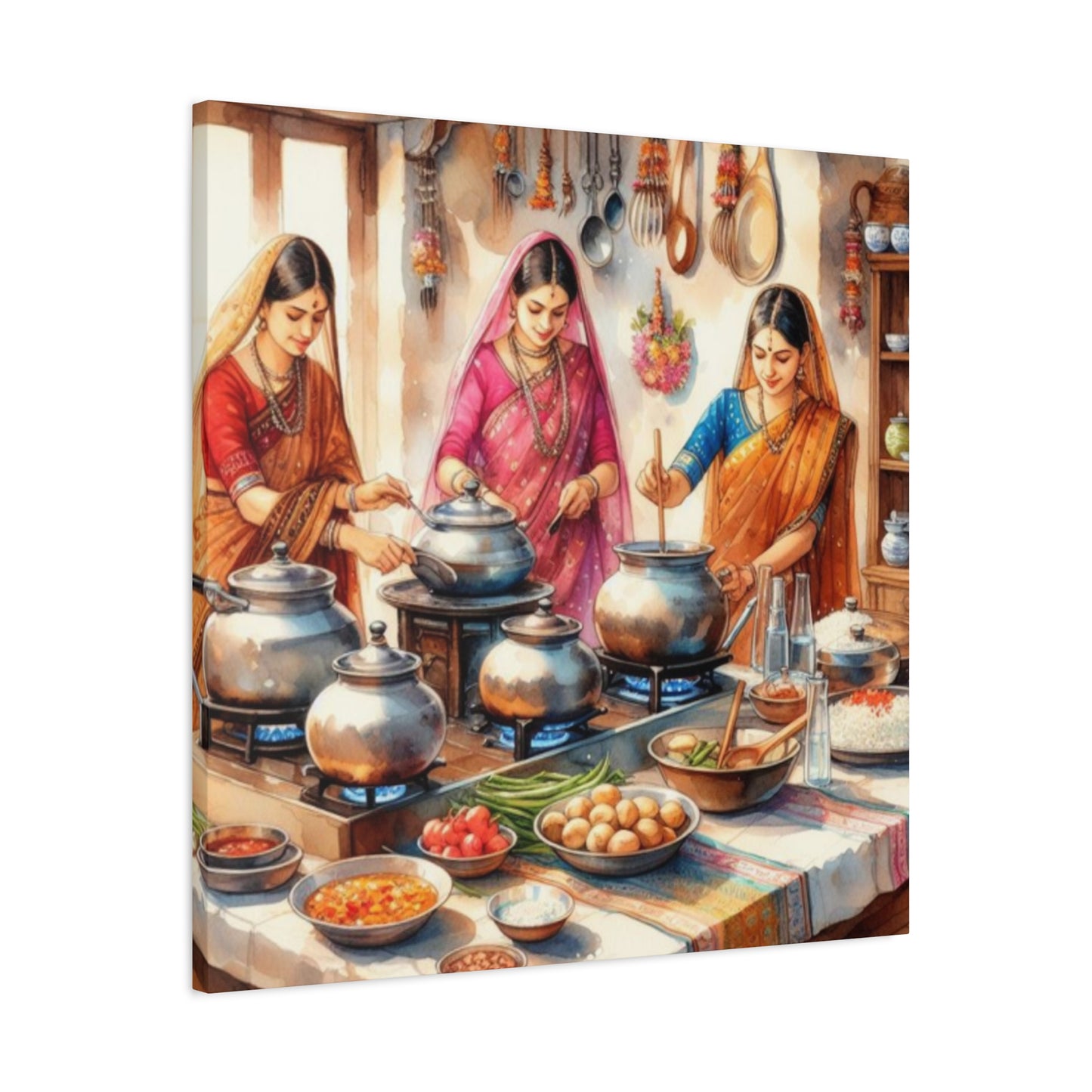
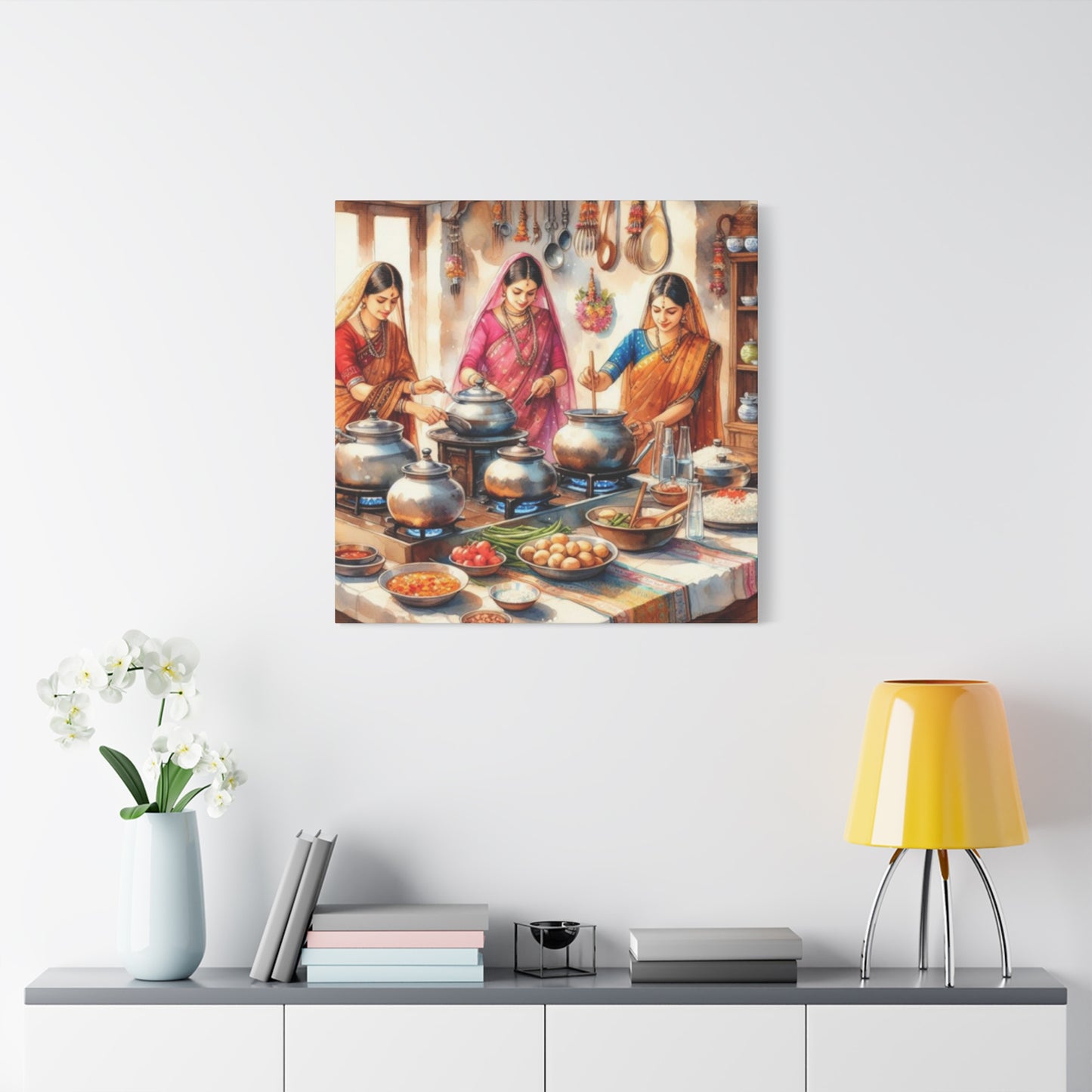
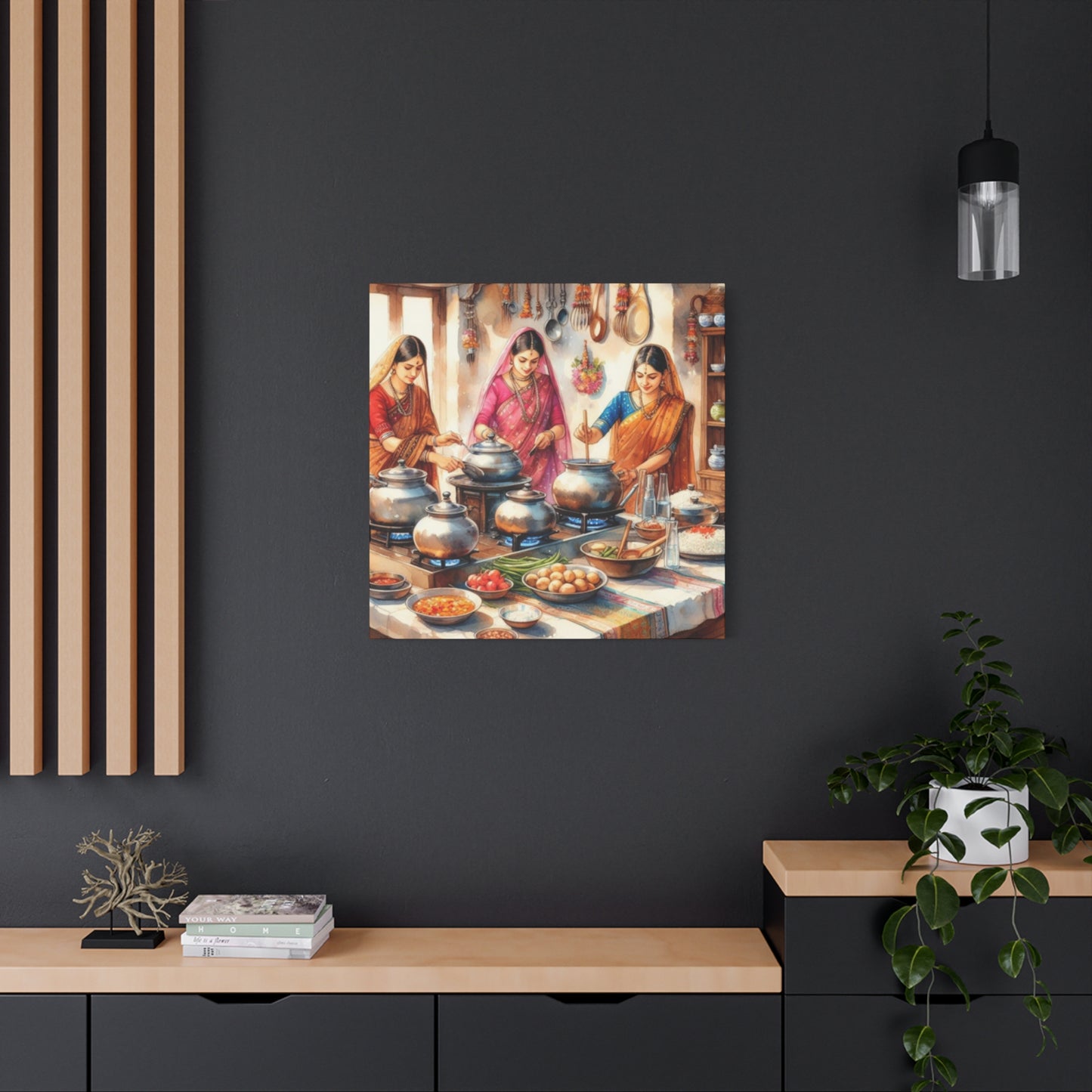
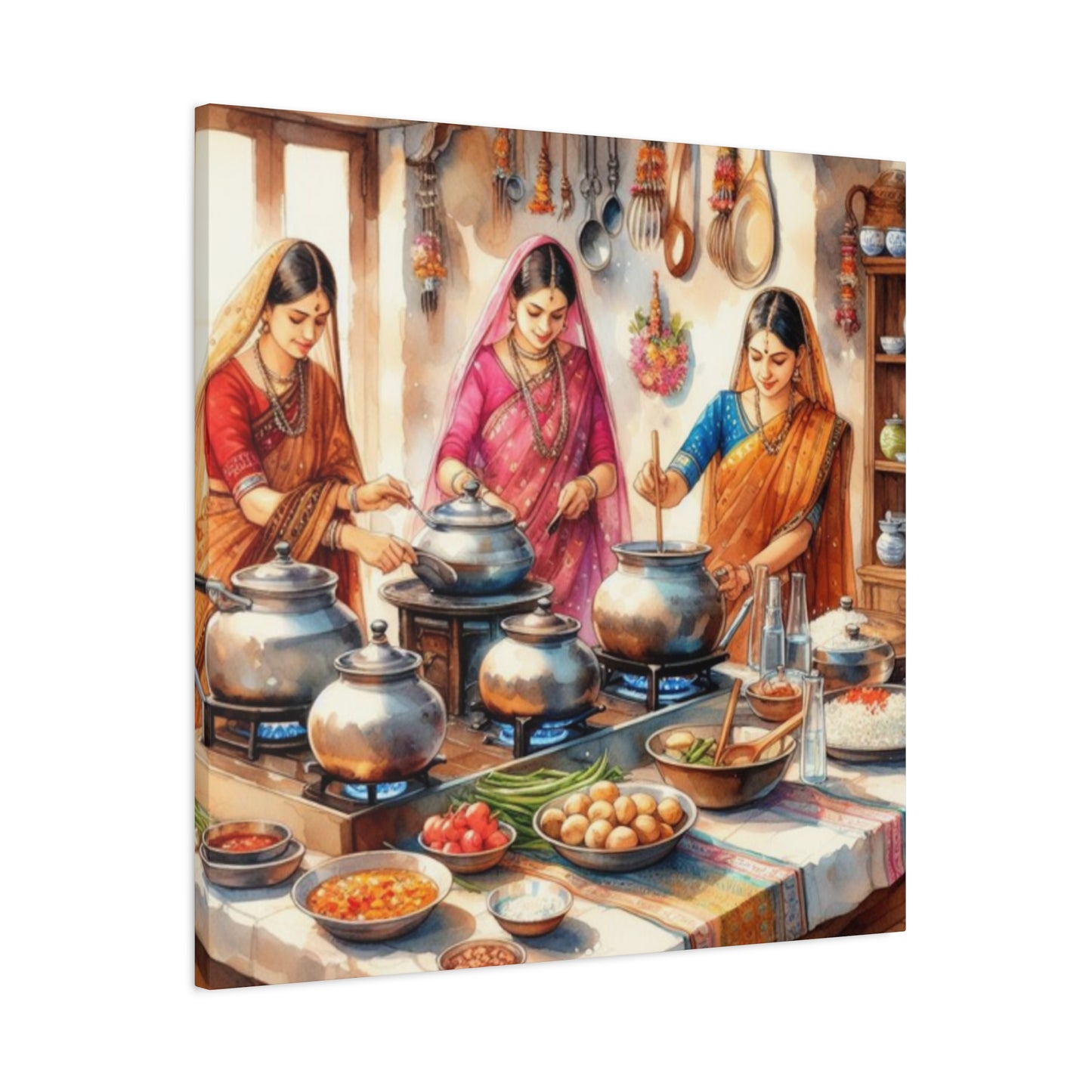
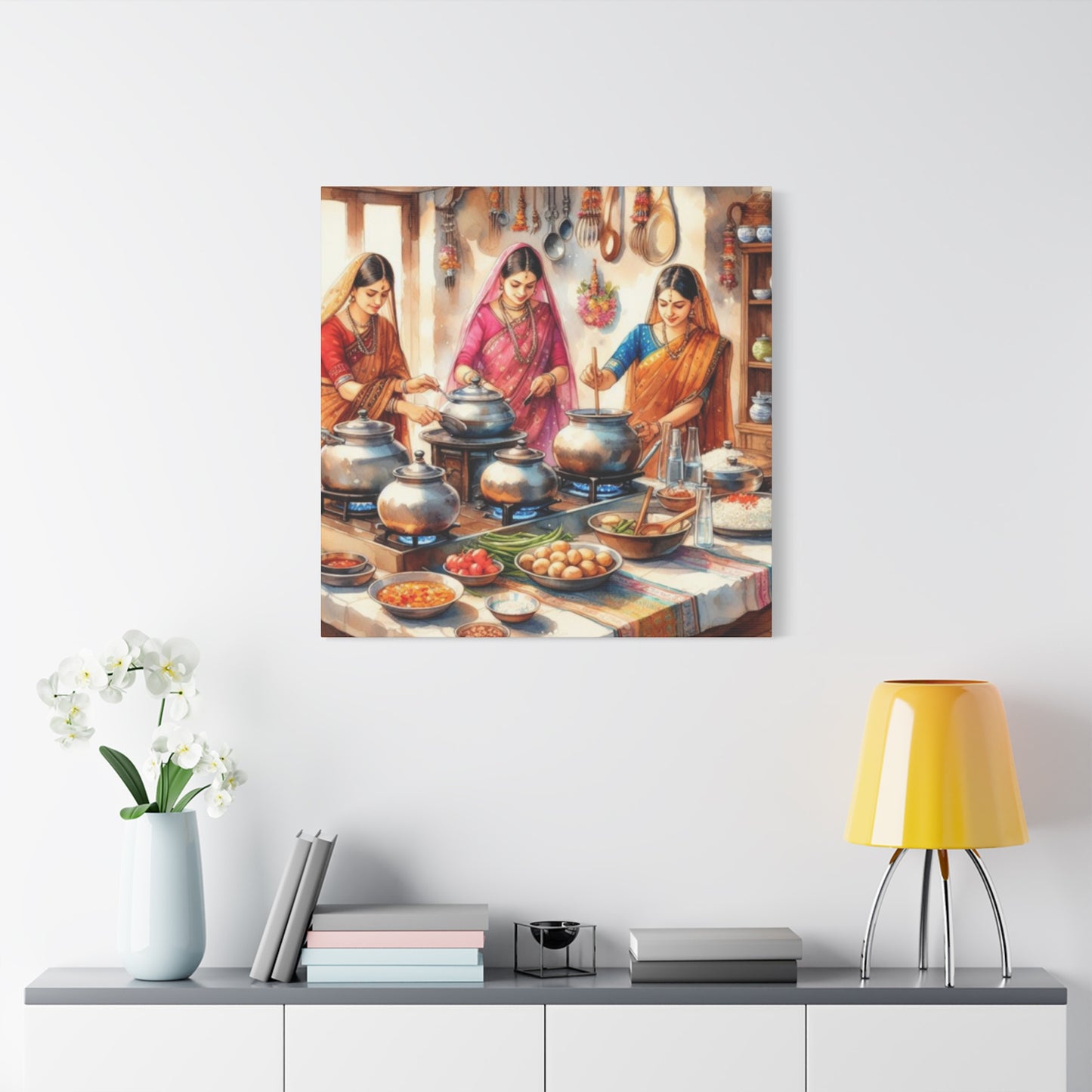
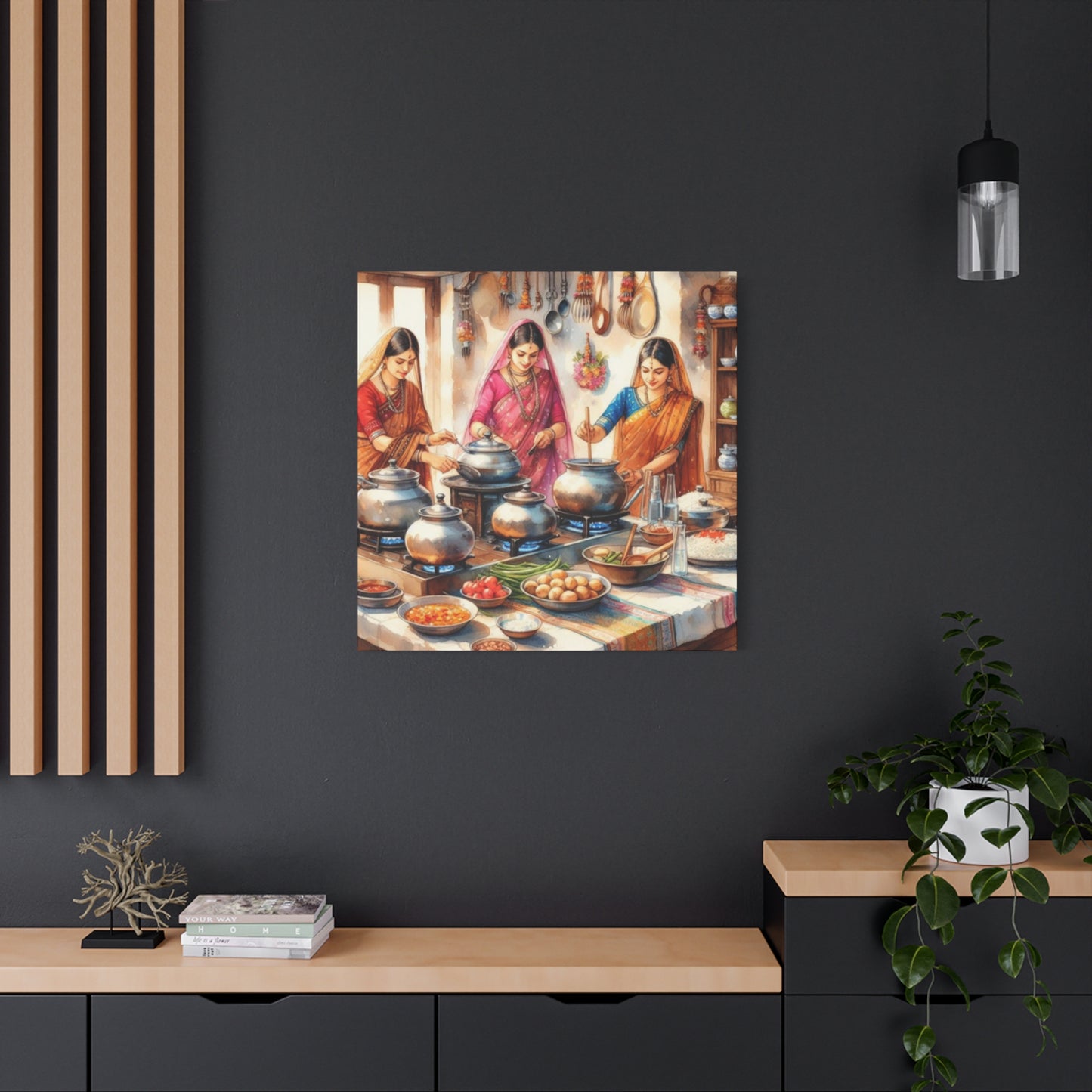
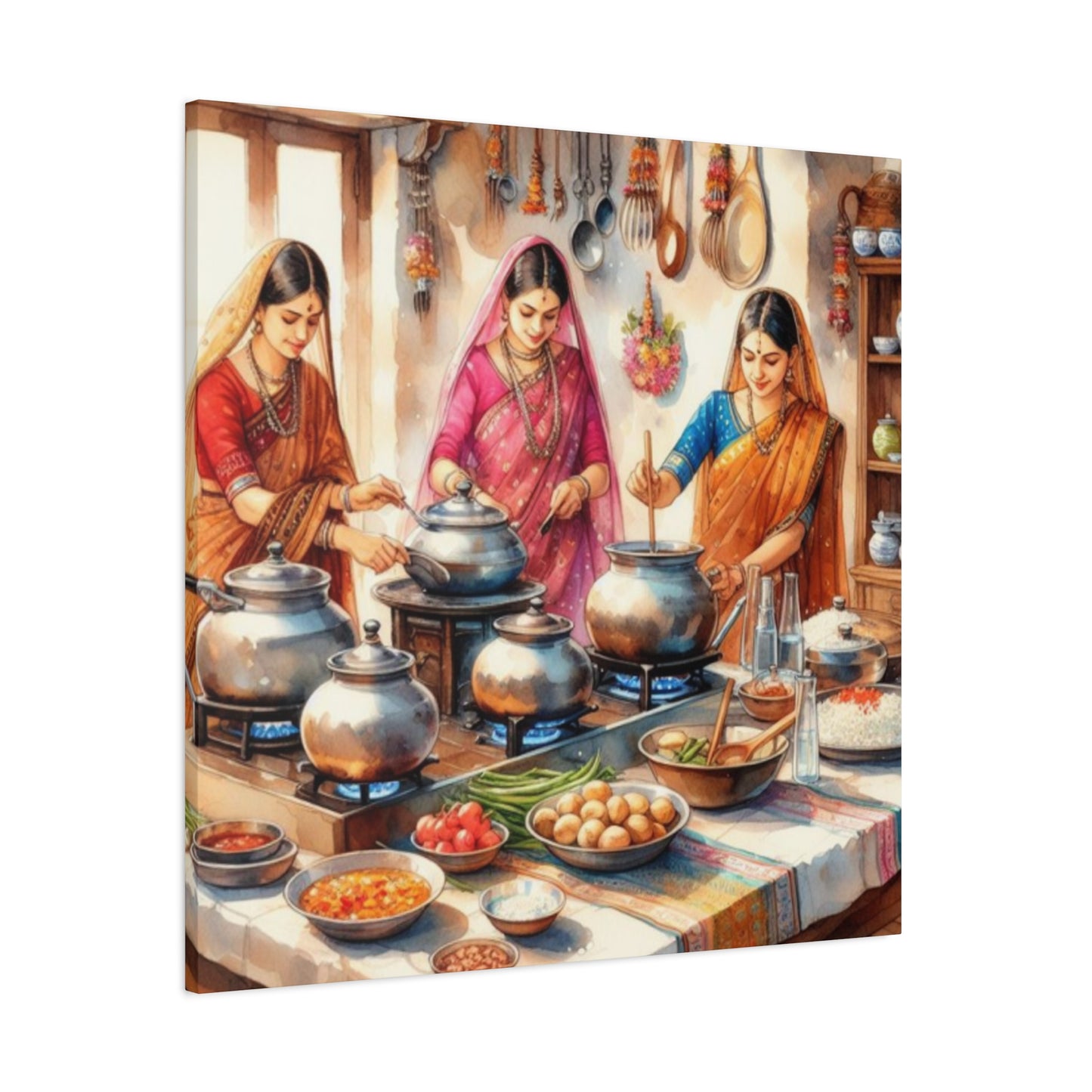
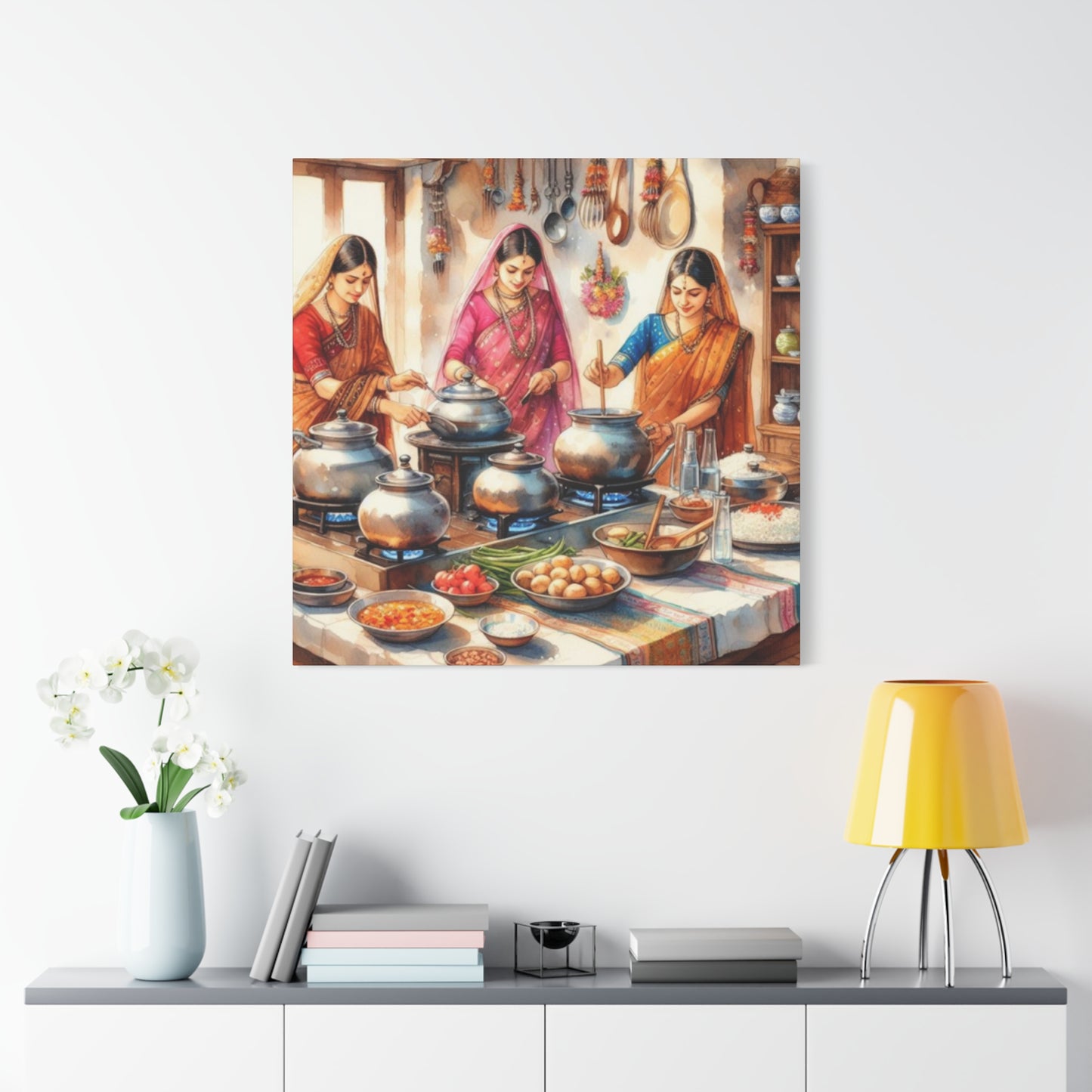
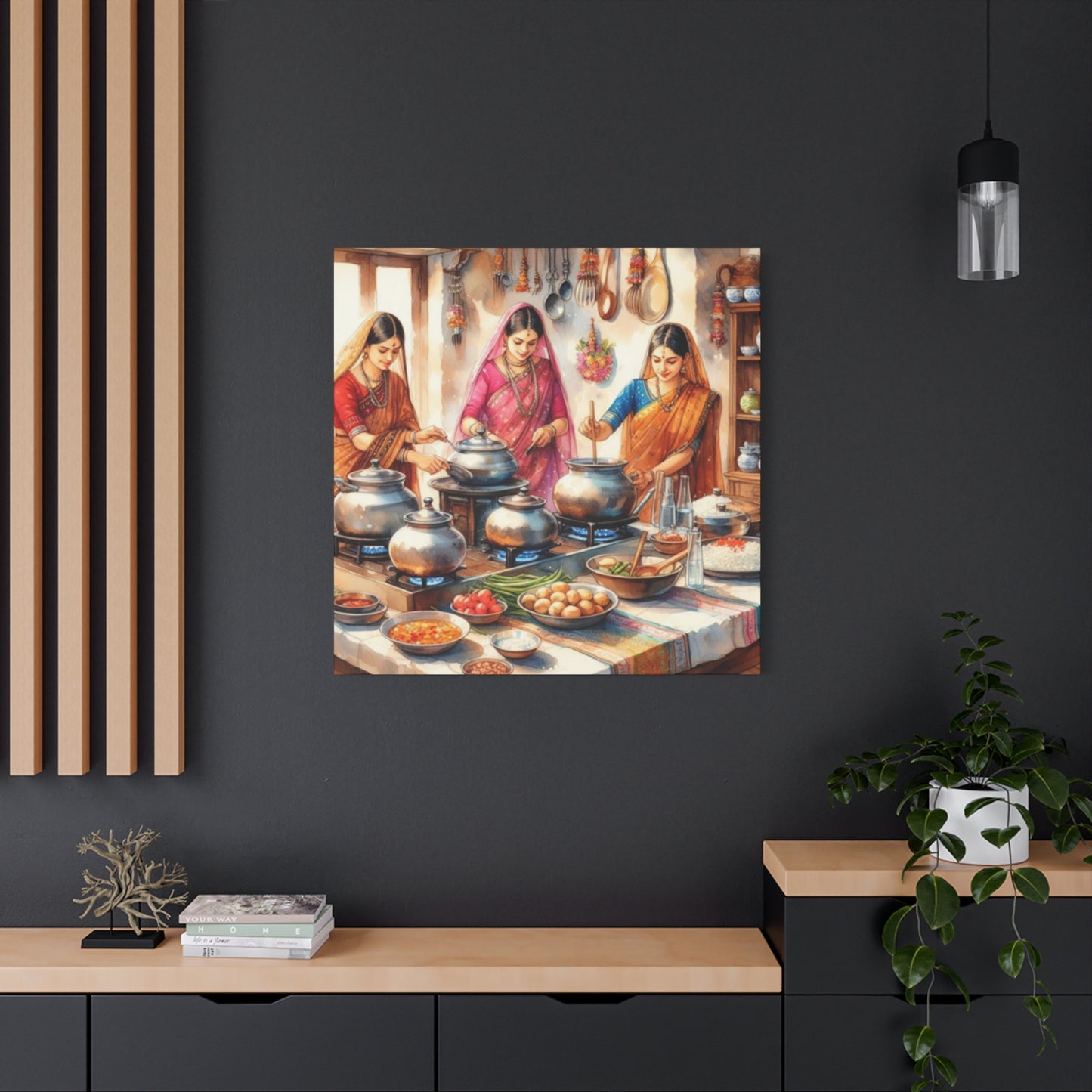
Indian Women Cooking Wall Art & Canvas Prints
Indian Women Cooking Wall Art & Canvas Prints
Couldn't load pickup availability
Authentic Indian Women Cooking Wall Art: Celebrating Culinary Heritage Through Canvas Masterpieces
The realm of home decoration has witnessed a remarkable transformation with the emergence of culturally rich visual narratives that capture the essence of traditional lifestyles. Indian women cooking wall art has become a significant element in contemporary interior design, offering a profound connection to ancestral roots while enhancing living spaces with warmth and authenticity. These artistic representations showcase the timeless beauty of culinary traditions, bringing the vibrant spirit of Indian kitchens into modern homes across the globe.
The Cultural Significance Behind Depictions of Female Culinary Artists in Traditional Indian Settings
The portrayal of women engaged in culinary activities holds deep cultural resonance within Indian society. These artistic representations transcend mere aesthetic appeal, embodying centuries of wisdom, nurturing energy, and familial bonds that form the cornerstone of Indian households. The visual narratives captured in these artworks tell stories of maternal love, generational knowledge transfer, and the sacred act of nourishment that has sustained communities for millennia.
Throughout Indian civilization, the kitchen has served as a sanctuary where women orchestrated daily miracles, transforming raw ingredients into meals that nourished both body and soul. The artistic celebration of these moments acknowledges the often-unrecognized labor and skill involved in feeding families. Each brushstroke in these compositions honors the patience required to grind spices on stone mortars, the precision needed to create perfectly round rotis, and the intuition developed through years of experience.
The spiritual dimension of cooking in Indian culture adds another layer of meaning to these artworks. Food preparation has traditionally been considered a meditative practice, with many households viewing the kitchen as a space of devotion. Women singing devotional songs while preparing meals, offering the first portion to deities, and maintaining ritual purity during cooking are common themes that artists capture, connecting viewers to this sacred dimension of daily life.
Regional variations in cooking practices across India provide endless inspiration for artists. The depiction of a Bengali woman preparing fish curry differs significantly from portrayals of Punjabi women kneading dough for parathas or South Indian women grinding batter for dosas. These regional specificities make each artwork unique, celebrating the diversity that characterizes Indian culinary traditions while maintaining common threads of dedication and craftsmanship.
Visual Elements That Define Authentic Representations of Indian Culinary Scenes
Authentic portrayals of Indian cooking scenes incorporate numerous visual elements that transport viewers into the heart of traditional kitchens. The color palette typically features warm earth tones—ochre yellows, terracotta reds, burnt siennas, and deep browns—that evoke the feeling of clay ovens, spice-stained wooden utensils, and sun-baked courtyards where much of traditional cooking occurred. These hues create an immediate emotional response, triggering memories and sensory associations with comfort and home.
The clothing worn by women in these artistic representations carries significant cultural information. Vibrant saris in cotton or silk, with their distinctive draping styles varying by region, become central compositional elements. Artists pay careful attention to the pallu (the loose end of the sari) draped over the shoulder or head, the way fabric falls during physical work, and how women adjust their garments while tending to hot stoves or grinding ingredients. The jewelry—simple glass bangles, nose pins, mangalsutras, and toe rings—adds authenticity while catching light in ways that draw the eye through the composition.
Kitchen implements featured in these artworks tell their own stories. Brass and copper vessels, polished to a gleaming finish through generations of use, reflect light in characteristic ways that skilled artists capture. Stone grinding slabs (sil-batta), clay pots, wooden ladles, coconut scrapers, and woven baskets filled with fresh produce create visual interest while grounding the scene in tangible reality. The patina on these objects—the darkening of brass, the smoothness of well-used wood, the chips in clay pots—speaks to their history and continued utility.
The setting itself provides crucial context. Whether depicting an outdoor courtyard kitchen with a traditional chulha (clay stove), a semi-open space with pillars and hanging brass lamps, or a humble interior with earthen floors and simple shelves, the environment shapes the narrative. Smoke rising from cooking fires, shafts of sunlight illuminating floating dust particles, and shadows cast by afternoon sun create atmospheric depth that makes these scenes feel inhabited and real.
Artistic Styles and Movements Influencing Contemporary Culinary-Themed Indian Artwork
Contemporary artists drawing inspiration from Indian culinary traditions work within various artistic frameworks, each bringing distinctive characteristics to their representations. The folk art traditions of India—including Madhubani, Warli, Pattachitra, and Kalamkari—have profoundly influenced how cooking scenes are depicted, with their characteristic line work, symbolic representations, and storytelling approaches finding new expression in wall art focused on culinary themes.
Madhubani-style interpretations of cooking scenes feature the characteristic double-line borders, geometric patterns, and vibrant color blocking associated with this Bihar-based tradition. Women preparing meals might be surrounded by intricate floral motifs, fish symbols representing fertility and sustenance, and stylized representations of kitchen gardens. The flat perspective and decorative treatment of space typical of Madhubani create compositions where culinary activities become part of a larger cosmological narrative.
Warli art, with its minimalist stick-figure humans and geometric representations of life, offers another lens through which cooking activities can be portrayed. The white-on-red color scheme and circular compositions centered on daily activities align perfectly with themes of communal meal preparation. These simplified forms capture the essential movements of cooking—stirring, grinding, serving—with an economy of line that makes the actions universally recognizable while maintaining cultural specificity.
Realistic and semi-realistic styles dominate much of the market for Indian women cooking wall art, appealing to viewers seeking recognizable representations of culinary traditions. These works employ perspective, shading, and anatomical accuracy to create believable scenes that could be snapshots of actual moments. Artists working in this mode pay particular attention to facial expressions, capturing the concentration required for precision tasks, the satisfaction of a dish turning out well, or the contentment found in familiar routines.
Abstract and contemporary interpretations bring modern sensibilities to traditional themes. These might fragment the cooking scene into geometric shapes, use unexpected color palettes of cool blues and purples alongside traditional warm tones, or employ mixed media techniques that incorporate textile elements, metallic paints, or digital manipulation. Such approaches appeal to collectors seeking art that bridges tradition and modernity, honoring heritage while speaking to contemporary aesthetic preferences.
The Symbolism Embedded in Scenes of Female Culinary Labor Within Indian Artistic Expression
Every element within depictions of Indian women cooking carries potential symbolic weight, creating layers of meaning that reward close observation. The act of grinding spices, for instance, represents the transformation of individual elements into harmonious blends—a metaphor for community building and family unity. The circular motions involved in this work echo the cyclical nature of time, seasons, and generations, connecting daily labor to cosmic rhythms.
Fire, central to most cooking processes, holds particularly rich symbolic associations in Indian thought. As one of the five elements (pancha mahabhutas) foundational to existence, fire in these artworks represents not just the practical tool for cooking but also purification, transformation, and the divine presence in domestic space. The tending of cooking fires becomes a sacred duty, maintaining the household's vitality and connecting the family to ancestral practices stretching back through time.
The vessels used in cooking carry their own significance. Clay pots represent humility and connection to earth, their porous nature requiring care and attention much like relationships. Brass and copper vessels signify prosperity and proper householding, their maintenance requiring regular polishing that parallels the continuous effort needed to maintain family harmony. The arrangement of these vessels—whether neatly stacked or in active use—communicates messages about household management and the cook's state of mind.
Ingredients depicted in these artworks function as symbolic markers of abundance, seasonality, and regional identity. Overflowing baskets of vegetables signal prosperity and the earth's generosity. Specific items like mangoes, coconuts, or rice hold cultural and religious significance beyond their culinary utility. The preparation of these ingredients—peeling, chopping, sorting—becomes meditative labor that connects the cook to the land and seasons.
The positioning and posture of women in these compositions convey meaning through body language. A woman seated on the ground while working maintains connection to earth and embodies the groundedness expected of household managers. The cross-legged position (sukhasana) or the squatting posture traditional for many cooking tasks demonstrates physical flexibility and comfort with traditional practices. Hands engaged in skilled work—whether rolling dough, tempering spices, or shaping sweets—are often depicted with particular care, honoring the expertise embedded in these gestures.
Regional Variations in Portraying Culinary Practices Across the Indian Subcontinent
The vast geographical and cultural diversity of the Indian subcontinent ensures that culinary-themed artwork varies dramatically by region, each area contributing distinctive visual vocabularies and thematic emphases. Understanding these regional characteristics helps collectors appreciate the specific cultural contexts being honored in different artworks and make informed choices about pieces that resonate with their personal heritage or aesthetic preferences.
In representations of South Indian cooking scenes, coconut palms often appear in backgrounds, reflecting this ingredient's centrality to the region's cuisine. Women might be shown grinding fresh coconut on stone slabs, making filter coffee using traditional devices, or preparing dosas on large cast-iron griddles. The architecture depicted typically includes sloping tiled roofs, open courtyards, and brass lamps hanging from ceilings. Color palettes often incorporate the rich browns of tamarind, the cream of coconut, and the vivid greens of curry leaves.
North Indian culinary scenes frequently feature wheat-based preparations, with women rolling rotis, stuffing parathas, or kneading large quantities of dough. The tandoor (clay oven) appears as an important element, sometimes with women collaborating to prepare naan or kulcha. Dairy products figure prominently, with depictions of churning butter, making paneer, or preparing milk-based sweets. The clothing depicted typically includes salwar kameez or saris in vibrant colors, with heavy jewelry indicating the region's preference for substantial ornamental pieces.
Eastern Indian representations, particularly those referencing Bengali culinary traditions, often showcase fish preparation, reflecting this protein's importance in the region's cuisine. Women might be shown cleaning fish at riverside ghats, grinding mustard seeds for pungent sauces, or preparing elaborate sweets like rosogolla or sandesh. The lush vegetation of the region appears in backgrounds, and the artwork often captures the monsoon moisture in the air. Terracotta crafts native to the region influence both the color palette and the types of vessels depicted.
Western Indian culinary art, encompassing diverse regions from Gujarat to Rajasthan to Maharashtra, reflects equally diverse practices. Gujarati-influenced pieces might show women preparing dhokla or rolling out theplas, with brass thalis (plates) and simple vegetarian preparations dominating. Rajasthani representations often feature desert landscapes visible through windows or doorways, with women preparing dishes that rely on preserved ingredients and minimal water. Maharashtrian scenes might include women preparing vada pav, bhakri, or modak, with coastal or mountainous geography providing contextual clues.
Material Choices and Printing Methods That Bring These Artistic Visions to Life
The transformation of artistic concepts into physical wall art involves crucial decisions about materials and production methods, each choice affecting the final work's appearance, longevity, and suitability for different spaces. Understanding these options helps buyers select pieces that meet their specific needs regarding durability, maintenance requirements, and aesthetic qualities.
Canvas remains among the most popular substrates for Indian women cooking wall art, offering texture that adds depth and visual interest. The woven surface of canvas creates subtle variations in how paint or ink settles, producing results that resemble traditional paintings. Stretched canvas—where fabric is pulled taut over wooden frames—arrives ready to hang, with the artwork continuing around the edges for a polished, gallery-worthy appearance. Canvas prints work particularly well for large-scale pieces, maintaining image quality even at substantial dimensions.
Paper-based prints offer different aesthetic qualities and practical considerations. Fine art papers with high cotton content and archival properties ensure longevity and color stability, resisting yellowing and degradation over time. Textured papers mimicking watercolor or canvas surfaces add tactile interest, while smooth papers produce crisp details ideal for highly detailed compositions. Paper prints typically require framing behind glass for protection, adding to the overall presentation but also increasing weight and complexity.
Metal prints represent a contemporary option that creates striking visual effects particularly suited to vibrant, high-contrast images. The process involves infusing dyes directly into specially coated aluminum sheets, resulting in luminous colors and excellent detail resolution. The metallic surface adds subtle shimmer that can enhance the glow of cooking fires, the gleam of brass vessels, and the richness of saris. These prints offer exceptional durability and require no additional framing, though their modern appearance may not suit all interior design schemes.
Acrylic prints mount photographs or digital artwork behind thick acrylic glass, creating depth and protecting the image while producing vibrant, saturated colors. The three-dimensional quality created by the acrylic layer adds a contemporary sophistication that works well in modern spaces. These prints resist fading and moisture damage, making them suitable for kitchens and dining areas where cooking-themed art naturally belongs but where conditions might damage more delicate pieces.
Wood-mounted prints offer rustic charm that complements the traditional subject matter of Indian cooking scenes. Images transferred onto wood panels retain visible grain patterns that add organic warmth to the artwork. This substrate works particularly well for scenes featuring earthy, natural elements and traditional settings. The natural variations in wood—knots, grain patterns, color shifts—ensure each piece has unique character, though these same variations require careful color calibration during printing to maintain intended hues.
Color Psychology and Palette Selection in Culinary-Themed Indian Artwork for Interior Spaces
The colors chosen for Indian women cooking wall art profoundly impact both the artwork's emotional resonance and its suitability for various interior environments. Understanding color psychology and how different hues interact with space helps in selecting pieces that enhance rather than overwhelm their intended locations.
Warm color palettes dominated by reds, oranges, yellows, and earth tones naturally align with cooking themes, evoking warmth, nourishment, and hospitality. These hues stimulate appetite and conversation, making them excellent choices for dining areas and kitchens. Red, particularly significant in Indian culture, symbolizes energy, passion, and auspiciousness, frequently appearing in saris, bindis, and decorative elements within these artworks. Orange evokes the warmth of cooking fires, the color of turmeric and other essential spices, and the vitality of Indian sunsets. Yellow brings light and optimism, recalling clarified butter (ghee), ripe mangoes, and the saffron used in special preparations.
Earth tones—browns, tans, ochres, and siennas—ground these compositions in tangible reality while creating cozy, welcoming atmospheres. These colors reference clay cooking vessels, wooden implements, the earthen floors of traditional kitchens, and the natural pigments used in folk art traditions. Their neutrality makes them versatile for various interior color schemes while maintaining strong connections to traditional cooking environments. The layering of multiple earth tones creates depth and visual interest without overwhelming viewers.
Green tones, representing fresh herbs, vegetables, and the natural world, provide cooling contrast to dominant warm palettes. The green of curry leaves, coriander, mint, and bitter melon adds authenticity to culinary scenes while offering visual relief from intense reds and oranges. These hues also symbolize growth, freshness, and the connection between cooking and agricultural cycles. In artwork, strategic placement of green elements draws the eye through compositions while reinforcing themes of natural abundance.
Blue and purple appear less frequently in traditional Indian cooking scenes but can be incorporated effectively in contemporary interpretations. When used, blue often appears in clothing, decorative tiles, or background elements, providing cool counterpoints to warm foregrounds. The relative rarity of blue in traditional Indian cooking contexts makes its appearance striking and memorable. Purple, sometimes seen in eggplants or in certain regional vegetables, adds regal sophistication while maintaining culinary relevance.
Metallic accents—gold, copper, and silver—reference the brass and copper vessels central to Indian cooking traditions while adding luminosity and visual interest. These elements catch light in ways that draw attention to specific areas of compositions, highlighting important details or creating focal points. The warm glow of brass and copper particularly enhances the sense of valued, well-maintained household implements passed through generations.
Size Considerations and Scaling Principles for Maximum Visual Impact in Different Room Configurations
Selecting appropriately sized artwork requires consideration of wall dimensions, viewing distances, furniture arrangements, and the desired prominence of the piece within the overall design scheme. Understanding scaling principles helps ensure that Indian women cooking wall art enhances rather than overwhelms or gets lost within its designated space.
Large-scale pieces measuring 40 inches or more in width make bold statements suitable for prominent walls in living rooms, dining areas, or open-concept kitchens. These substantial works command attention and can anchor entire rooms, establishing cooking and culinary heritage as central themes in the home. Such pieces work best on walls with minimal competing visual elements—avoiding overcrowding with smaller artworks, busy wallpaper, or cluttered shelving. The viewing distance matters significantly; large pieces need adequate space for viewers to step back and appreciate the complete composition without overwhelming their field of vision.
Medium-sized artwork ranging from 24 to 40 inches wide offers versatility, working well in various contexts from bedroom walls to hallway focal points to dining room features. These dimensions allow for meaningful detail and visual interest without requiring vast expanses of empty wall space. Medium pieces can stand alone as primary focal points or work within gallery wall arrangements alongside complementary pieces. They suit most standard furniture configurations, hanging effectively above sofas, sideboards, or dining tables without appearing disproportionate.
Smaller pieces under 24 inches function well in intimate spaces, clustered gallery arrangements, or areas where multiple artworks share visual territory. These dimensions suit powder rooms, breakfast nooks, kitchen walls adjacent to cabinetry, or bedroom corners. While individual small pieces might lack dramatic impact, thoughtful arrangements of multiple smaller works create dynamic visual rhythms and allow for thematic storytelling across several related images.
Diptychs and triptychs—artworks divided across two or three panels—offer flexibility and contemporary appeal. The separation between panels creates visual breathing room while maintaining compositional unity. These formats work particularly well for long, horizontal walls above sofas or console tables, or for vertical arrangements in narrow wall spaces. The gaps between panels should be carefully considered; typically, 2-4 inches of separation maintains unity while providing definition between sections.
Proportional relationships between artwork and furniture require attention. General guidelines suggest that artwork above sofas or beds should span roughly two-thirds to three-quarters of the furniture width, creating visual balance without overwhelming or appearing insignificant. For dining areas, pieces hung above sideboards or buffets should leave adequate space on either side while maintaining comfortable proportions relative to the furniture below. In kitchens, artwork must navigate around cabinets, appliances, and functional elements while remaining visible and impactful.
Ceiling height influences optimal artwork size and placement. Standard 8-foot ceilings accommodate most artwork sizes but may make very large pieces feel overwhelming. Higher ceilings in modern homes provide opportunities for more substantial artworks or vertical arrangements that draw the eye upward. The center of artwork should typically hang at eye level, approximately 57-60 inches from the floor, though this may be adjusted based on viewing circumstances and furniture arrangements.
Framing Options and Presentation Styles That Complement Traditional Indian Culinary Artwork
The frame surrounding Indian women cooking wall art significantly impacts the overall presentation, either enhancing the artwork's cultural authenticity and visual appeal or detracting from it through poor matches. Thoughtful frame selection considers color, material, style, and proportion in relation to both the artwork and the surrounding decor.
Wooden frames offer warmth and traditional appeal that naturally complement scenes of Indian cooking. Dark woods like walnut, mahogany, or espresso create sophisticated borders that add gravitas to the artwork without competing for attention. These rich tones particularly suit pieces with warm color palettes, creating harmonious transitions from wall to artwork. Lighter woods such as oak, maple, or bamboo bring organic freshness that works well with brighter, more contemporary interpretations of cooking scenes. The wood grain visible in quality frames adds textural interest that echoes the natural materials featured in traditional Indian kitchens.
Ornate frames with carved details, though requiring careful selection to avoid overwhelming simpler compositions, can enhance pieces that themselves feature intricate details and elaborate settings. Indian architectural motifs carved into frame molding—such as lotus patterns, paisley designs, or geometric elements drawn from traditional rangoli—create cultural continuity between artwork and presentation. However, restraint remains important; overly elaborate frames risk competing with rather than complementing the central image.
Simple, streamlined frames in metal finishes provide contemporary presentation suitable for modern interiors while allowing the artwork to remain the focal point. Brushed gold or brass frames reference the metal vessels featured in many cooking scenes, creating subtle thematic connections. Silver and black metal frames offer sophisticated neutrality that works across various design schemes. The clean lines of modern metal frames prevent stylistic conflicts while providing necessary structure and protection.
Floating frames, where the artwork appears suspended within the frame with visible space between image and frame edge, create contemporary, gallery-style presentations. This approach works particularly well for canvas or wood-mounted pieces where the substrate edges add visual interest. The shadow gap created by floating mounts adds dimensional depth that enhances the viewing experience. This presentation style suits modern interiors while maintaining respect for traditional subject matter through clean, unobtrusive framing.
Matting considerations matter for paper-based prints, with mat color and width significantly affecting overall appearance. White or cream mats create clean, classic presentations that work across various interior styles. Colored mats can either echo dominant hues within the artwork for harmonious effects or provide complementary contrast. Mat width should be proportional to artwork size; narrow mats suit smaller pieces while wider borders better frame substantial works. Double or triple matting, with layers of different colored mats visible as thin reveals, adds sophistication and visual depth.
Frameless presentations, particularly for canvas wraps or modern prints on rigid substrates, offer minimalist alternatives that emphasize the artwork itself. Gallery-wrapped canvas with images continuing around edges eliminates framing needs entirely, creating clean, contemporary presentations. This approach particularly suits large-scale pieces in modern interiors where ornate framing might feel incongruous. However, frameless presentations offer less protection and may not suit all artwork types or interior styles.
Strategic Placement Principles for Displaying Culinary-Themed Artwork Throughout the Home
Where Indian women cooking wall art is displayed significantly affects its impact and how viewers engage with it. Strategic placement considers both aesthetic factors—sightlines, lighting, surrounding elements—and thematic appropriateness for different home zones.
Kitchen walls present obvious choices for culinary-themed artwork, creating thematic continuity between decoration and function. However, kitchens present challenges including limited wall space, moisture, heat, and cooking residues that may damage certain artworks. When placing art in active kitchens, avoid areas directly adjacent to stoves where grease and heat accumulation occur. Positions above counters require ensuring adequate clearance from food preparation zones. Artwork in kitchens benefits from protective glazing or durable substrates like metal or acrylic that resist moisture and are easily cleaned. The connection between the cooking depicted in the artwork and the cooking performed in the space creates meaningful resonance, honoring the continuity of culinary traditions.
Dining rooms and eating areas offer ideal settings for cooking-themed art, contextually appropriate while typically providing better conditions for artwork preservation. Walls opposite seating allow diners to enjoy the artwork during meals, creating visual interest and conversation topics. Positioning above sideboards, buffets, or serving stations creates thematic coherence—the artwork depicting food preparation while the furniture below facilitates serving. Lighting in dining areas tends to be warm and flattering, enhancing the warm color palettes typical of Indian cooking scenes.
Living rooms accommodate larger-scale pieces that become focal points, with Indian women cooking wall art contributing warmth and cultural narrative to these gathering spaces. Placement above sofas, mantels, or console tables follows standard design principles while bringing culinary heritage into the heart of the home. In open-concept spaces where living, dining, and cooking areas flow together, artwork helps define zones while maintaining visual continuity. The contemplative quality of well-executed cooking scenes suits living rooms' function as spaces for relaxation and conversation.
Hallways and corridors benefit from artwork that draws the eye and creates interest in transitional spaces. Cooking scenes with strong compositional lines that lead the eye through the image work particularly well in these narrow spaces. Gallery wall arrangements featuring multiple related pieces create visual journeys as one moves through the corridor. Adequate lighting becomes crucial in hallways, which often lack natural light; picture lights or strategically placed sconces ensure artwork remains visible and impactful.
Bedroom placement of Indian women cooking wall art brings nurturing, domestic imagery into private spaces, creating connections to home, heritage, and family traditions. Positioning opposite the bed allows the artwork to be the first thing seen upon waking, starting days with these cultural touchstones. The warm, comforting associations of cooking scenes suit bedrooms' function as retreats from the outside world. Smaller, more intimate pieces work well in bedrooms, where viewing distances are often shorter and the mood more personal than in public spaces.
Home office environments can benefit from cooking-themed artwork that provides visual breaks from work and maintains connections to domestic life and cultural identity. The narrative quality of these scenes offers mind-wandering opportunities during mental breaks, while their cultural content reinforces identity in spaces often dominated by professional concerns. Positioning artwork within easy sightlines from desk areas maximizes these benefits without causing distraction.
Lighting Strategies That Enhance Color, Detail, and Emotional Impact of Cooking Scene Artwork
Proper illumination dramatically affects how Indian women cooking wall art appears and how viewers experience it. Lighting strategies must balance practical visibility with aesthetic enhancement while protecting artwork from damage caused by excessive light exposure.
Natural light offers the most flattering illumination for most artwork, revealing colors with full spectrum accuracy and creating dynamic viewing experiences as light changes throughout the day. However, direct sunlight poses serious risks, fading colors and degrading materials over time. Positions receiving indirect natural light—such as walls perpendicular to windows rather than directly opposite them—provide illumination benefits while minimizing damage risks. UV-filtering window films or glazing can protect artwork in brighter locations while maintaining natural light benefits.
Picture lights mounted directly on or above frames provide focused illumination that creates gallery-quality presentations. These fixtures direct light specifically onto the artwork while minimizing glare and ambient light pollution. LED picture lights offer energy efficiency and minimal heat generation compared to traditional incandescent options, reducing potential heat damage to artwork. Adjustable picture lights allow fine-tuning of direction and intensity to optimize how specific pieces appear. The warm color temperature of most LED options (2700-3000K) particularly suits the warm palettes common in Indian cooking scenes.
Track lighting and directional recessed lights provide flexible, adjustable illumination suitable for highlighting artwork while serving general room lighting needs. Positioning lights at 30-degree angles to the wall minimizes glare on glazed artwork while providing even illumination across the surface. Dimmer switches allow adjustment of lighting intensity for different times of day and activities, protecting artwork from constant high-intensity exposure while maintaining visibility. When using track or recessed lighting for artwork, ensure sufficient distance between light source and artwork to prevent heat accumulation and create even illumination without harsh hotspots.
Ambient room lighting affects how artwork appears even when not directly illuminated. Warm overall lighting (2700-3000K) enhances warm-toned cooking scenes while cooler lighting (4000K+) can make these same pieces appear less inviting. Layered lighting schemes—combining ambient, task, and accent lighting—create flexibility, allowing artwork to be highlighted when desired while maintaining comfortable general illumination. The interaction between various light sources requires consideration; multiple light sources at different color temperatures can create color confusion that muddles artwork appearance.
Avoiding common lighting mistakes protects both artwork and viewing experience. Positioning lights too close to artwork creates uneven illumination with bright centers and dark edges. Lights aimed at excessive angles create glare that obscures rather than reveals details. Overly intense illumination bleaches colors and creates eye strain while accelerating fading. Insufficient lighting renders artwork invisible, negating its presence in the space. Finding the optimal balance requires experimentation with positioning, intensity, and color temperature.
Time-based lighting considerations recognize that artwork need not be constantly illuminated. Automatic timers or smart lighting systems can provide illumination during primary usage hours while reducing light exposure during empty house periods, extending artwork life while reducing energy consumption. This approach particularly benefits pieces in formal spaces like dining rooms that see concentrated use rather than continuous occupation.
Combining Indian Women Cooking Wall Art With Complementary Design Elements for Cohesive Interiors
Indian women cooking wall art achieves maximum impact when thoughtfully integrated with surrounding design elements, creating cohesive interiors where all components reinforce and enhance each other rather than competing for attention.
Color coordination between artwork and room palettes creates visual harmony. Extracting accent colors from the artwork and repeating them in throw pillows, curtains, table runners, or decorative objects creates intentional connections that tie the space together. This doesn't require perfect matches; tonal variations within the same color family often appear more sophisticated than exact duplications. If the artwork features a woman in a rust-colored sari against terracotta walls, incorporating rust, burnt orange, and clay tones throughout the room creates cohesion. Alternatively, working with complementary colors—using blue-toned accents with warm orange-dominant artwork—creates dynamic visual interest through contrast.
Furniture style influences how well Indian cooking artwork integrates into spaces. Traditional or ethnic furniture pieces—carved wooden cabinets, brass-accented trunks, ornate mirrors, or low seating—create stylistic continuity with traditional cooking scenes. However, successful integration doesn't require matching periods; contemporary furniture in warm woods or with organic shapes can complement traditional artwork through shared emphasis on craftsmanship and natural materials. The key lies in avoiding jarring stylistic conflicts while maintaining visual interest through thoughtful variation.
Textile selections offer opportunities to reinforce themes and colors from cooking artwork. Handwoven fabrics, block-printed cottons, or textiles incorporating traditional Indian patterns like ikat, bagh, or kalamkari create textural and thematic connections. Table linens in dining areas can pick up colors from cooking-themed artwork, creating purposeful coordination. Window treatments in similar warm tones or featuring complementary patterns extend the artwork's influence throughout the space. Layering various textiles adds depth and visual richness that mirrors the layered complexity of traditional Indian cooking.
Decorative objects and accessories provide opportunities for thematic reinforcement without overwhelming spaces with cooking imagery. Displaying traditional cooking implements as decorative objects—antique spice boxes, brass vessels, wooden utensils, or clay pots—on shelving or in glass cabinets creates three-dimensional extensions of the artwork's themes. These objects add authenticity and personal connection, particularly if they're family heirlooms or collected during travels. However, restraint prevents spaces from feeling like museum displays; selective placement maintains sophistication.
Lighting fixtures contribute significantly to overall aesthetic cohesion. Traditional brass or copper pendant lights over dining tables echo the metal vessels in cooking artwork. Lantern-style fixtures with decorative metalwork reference traditional Indian lighting. Contemporary fixtures in warm metal finishes or with organic shapes can bridge traditional artwork with modern interiors. Lampshades in warm colors or featuring Indian-inspired patterns extend thematic connections while serving functional purposes.
Plant selections and placement add life and color while creating connections to the agricultural origins of cooking ingredients. Fresh herbs in kitchen windows reference the ingredients depicted in artwork while serving practical purposes. Larger plants like palms or banana plants (where climate appropriate) echo tropical vegetation often visible in backgrounds of South Indian cooking scenes. Flowering plants in colors echoing artwork palettes create living extensions of the color story established by the wall art.
Architectural elements and wall treatments provide foundations upon which artwork and furnishings build. Warm paint colors—cream, beige, warm gray, or muted earth tones—create welcoming backdrops that allow artwork to stand out without competing. Accent walls in deeper, saturated colors can dramatically highlight cooking-themed artwork, though color selection requires care to avoid overwhelming pieces or creating clashing combinations. Textured wall treatments like Venetian plaster or lime wash create depth and visual interest that complements traditional subject matter without pattern competition.
Conclusion
Proper care ensures that Indian women cooking wall art maintains its visual appeal and value for years or even generations. Different materials require specific approaches, but general principles apply across most artwork types.
Regular dusting prevents accumulation that dulls colors and embeds in textured surfaces. For canvas and unglazed artwork, soft, clean microfiber cloths or feather dusters gently remove surface dust without abrading or snagging. Dusting should proceed in gentle, sweeping motions rather than pressing hard or scrubbing. For glazed artwork behind glass or acrylic, slightly dampened microfiber cloths effectively clean surfaces without leaving streaks or lint. Avoiding commercial glass cleaners containing ammonia protects both glazing materials and artwork underneath from chemical damage.
Environmental conditions significantly impact artwork longevity. Relative humidity between 40-60% prevents issues at both extremes—excessive dryness causing brittleness and cracking, excessive humidity promoting mold growth and warping. In climates with significant seasonal humidity variations, dehumidifiers or humidifiers help maintain consistent conditions. Temperature stability matters equally; fluctuating temperatures cause expansion and contraction that stresses materials and mounting systems. Avoiding placement near heating vents, radiators, fireplaces, or air conditioning outlets protects artwork from temperature extremes and rapid changes.
Light exposure management prevents fading while allowing artwork visibility. Ultraviolet radiation causes the most damage, breaking down pigments and fibers over time. UV-filtering glazing, window films, or curtains significantly reduce exposure without completely blocking light. Limiting direct sunlight contact—particularly during peak afternoon hours—through strategic placement or window treatments extends color life substantially. For particularly valuable or irreplaceable pieces, specialized museum-quality framing with conservation glazing provides maximum protection while maintaining clarity and color accuracy.
Handling artwork properly during cleaning, moving, or rehang
ing prevents damage. Always holding framed pieces by the frame rather than the hanging wire distributes weight appropriately and prevents strain on mounting hardware. Wearing clean cotton gloves when handling unframed artwork prevents oil transfer from skin. When moving artwork, keeping pieces vertical rather than horizontal prevents stress on corners and frames. Wrapping artwork in clean, acid-free tissue or bubble wrap during transport or storage provides cushioning while avoiding chemical reactions with the artwork surface.
Inspection routines identify developing problems before they become serious. Quarterly examination of artwork for signs of fading, spotting, pest damage, or mounting hardware loosening allows timely intervention. Checking frame corners for separation, glass for cracks or condensation, and backing materials for warping ensures structural integrity. Particularly in humid climates or areas prone to pest issues, vigilance prevents extensive damage that might otherwise go unnoticed until serious problems develop.
Professional conservation and restoration services address problems beyond home care capabilities. Significant fading, tears, staining, or structural damage to frames or mounting require expert intervention. Reputable art conservators assess damage, recommend treatment options, and perform repairs using materials and methods that preserve artwork integrity and value. While professional services involve costs, appropriate intervention often proves more economical than replacing damaged artwork while preserving pieces with sentimental or financial value.
Storage considerations apply to artwork not currently displayed or during relocations. Climate-controlled storage spaces maintain consistent temperature and humidity, preventing damage from environmental extremes. Artwork should be wrapped in acid-free materials and stored vertically with adequate support to prevent warping or bending. Avoiding attics, basements, or garages where conditions fluctuate dramatically protects artwork during storage periods. Documenting stored pieces photographically and maintaining inventories prevents forgotten pieces from remaining in storage indefinitely.
Insurance and documentation provide financial protection and aid in recovery if artwork is damaged or stolen. Photographing artwork both in situ and in detail, recording dimensions and materials, noting purchase information, and maintaining any certificates of authenticity creates records valuable for insurance claims, resale, or estate planning.
Share