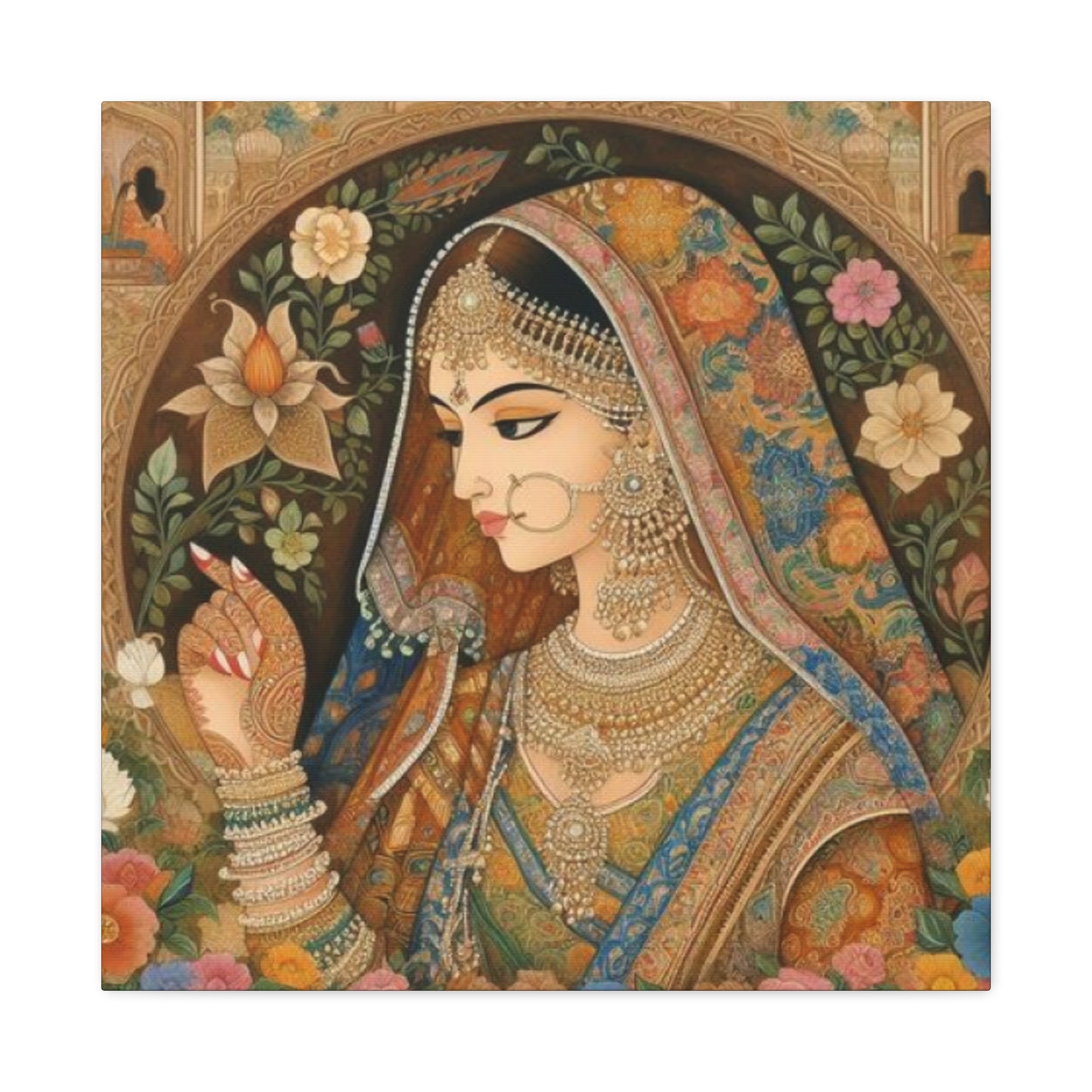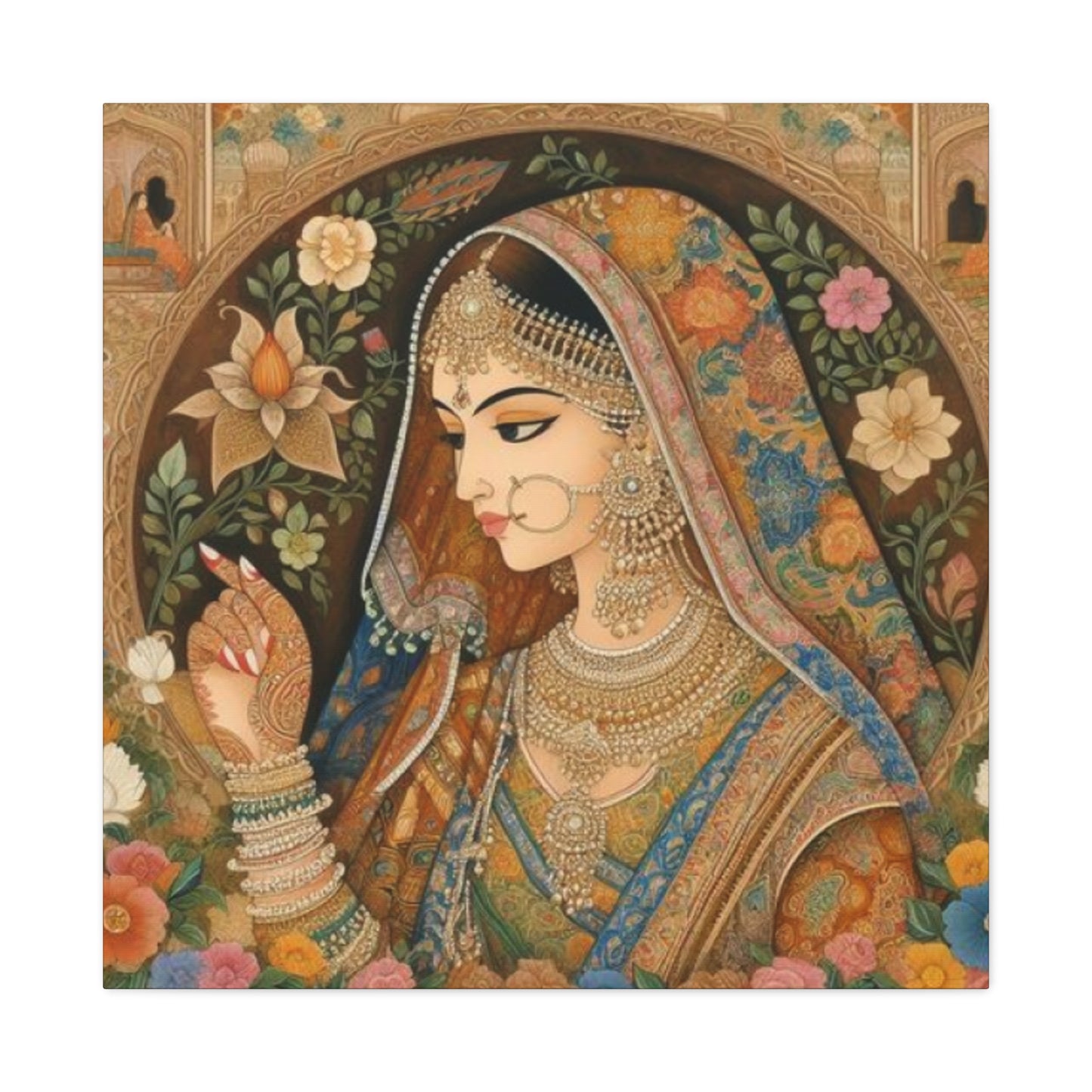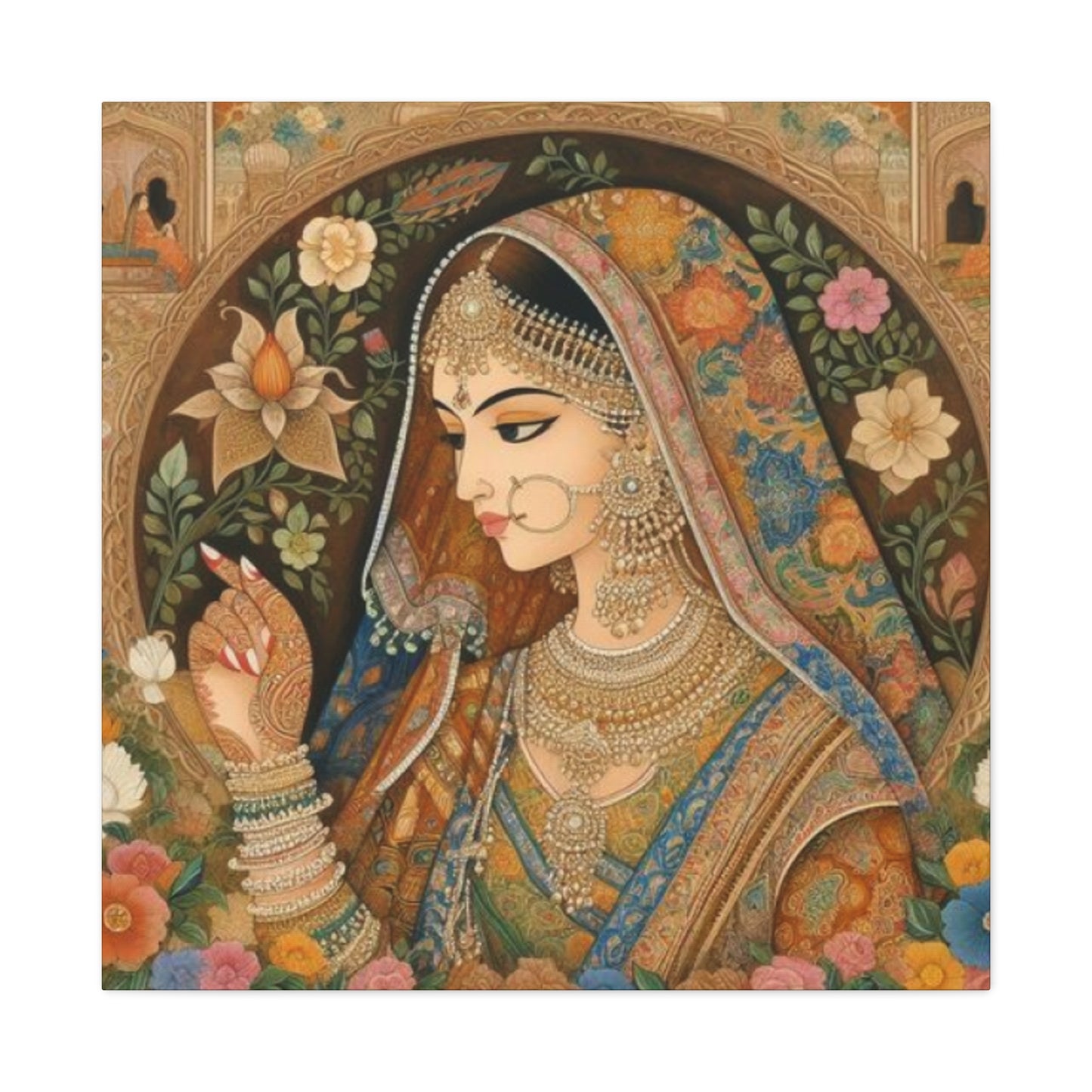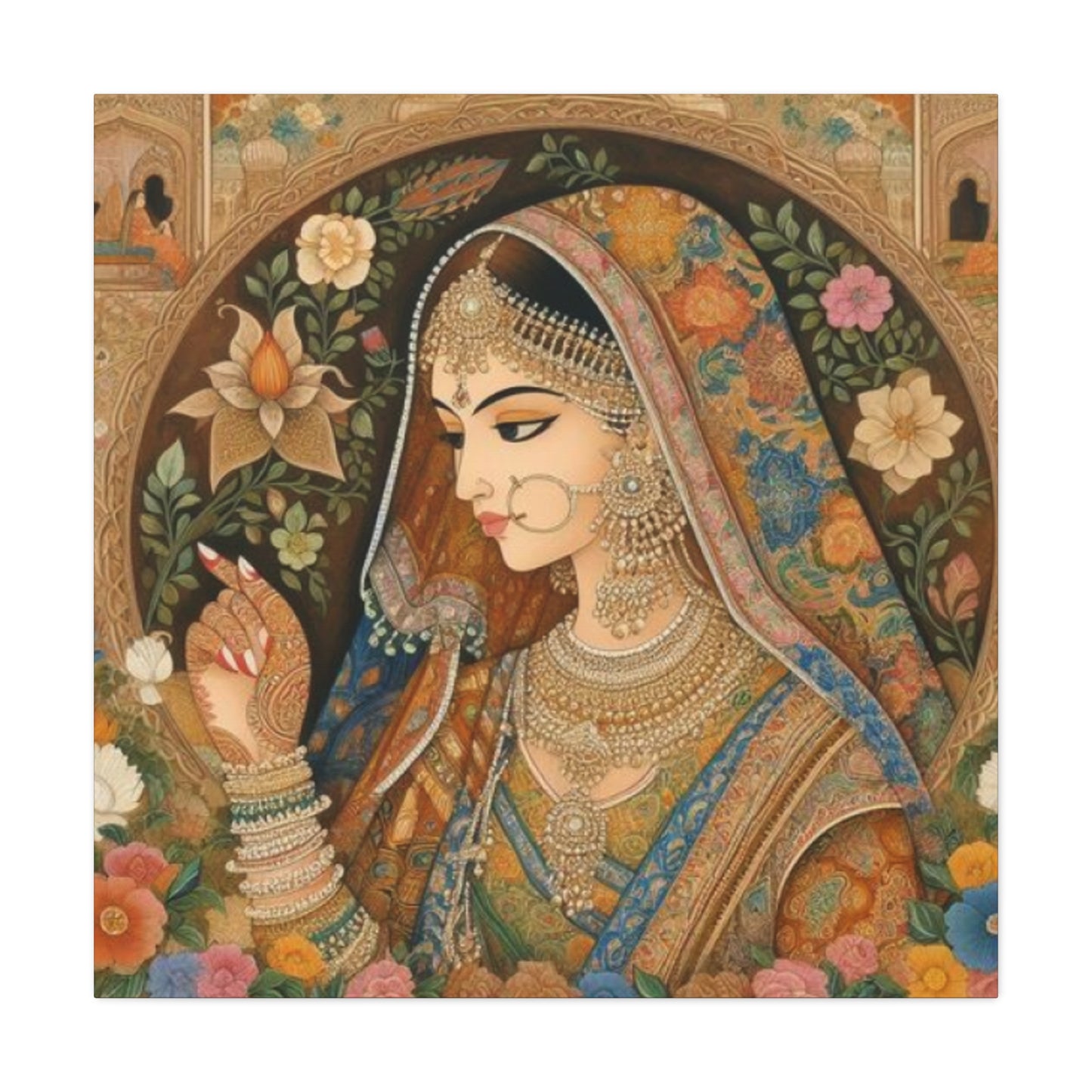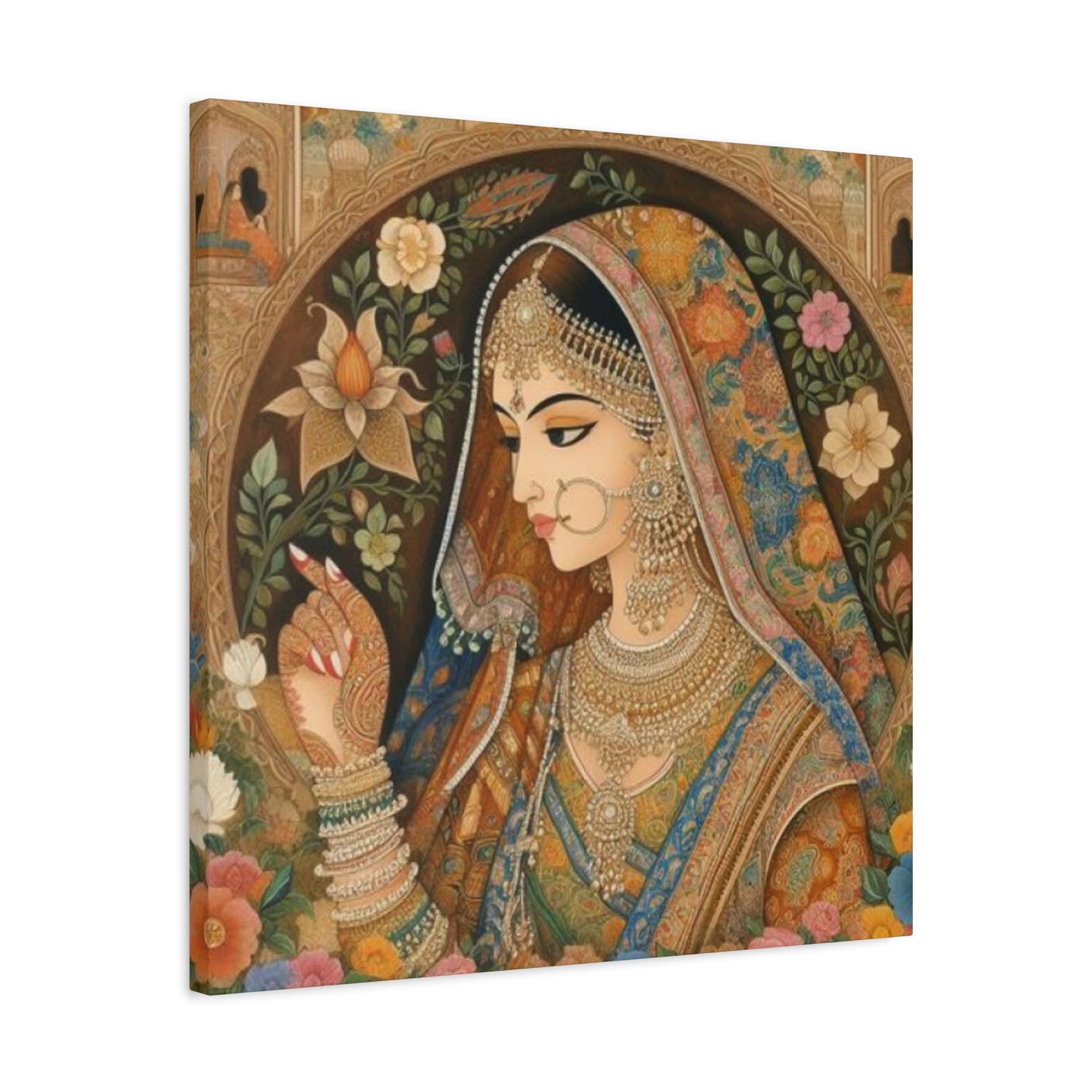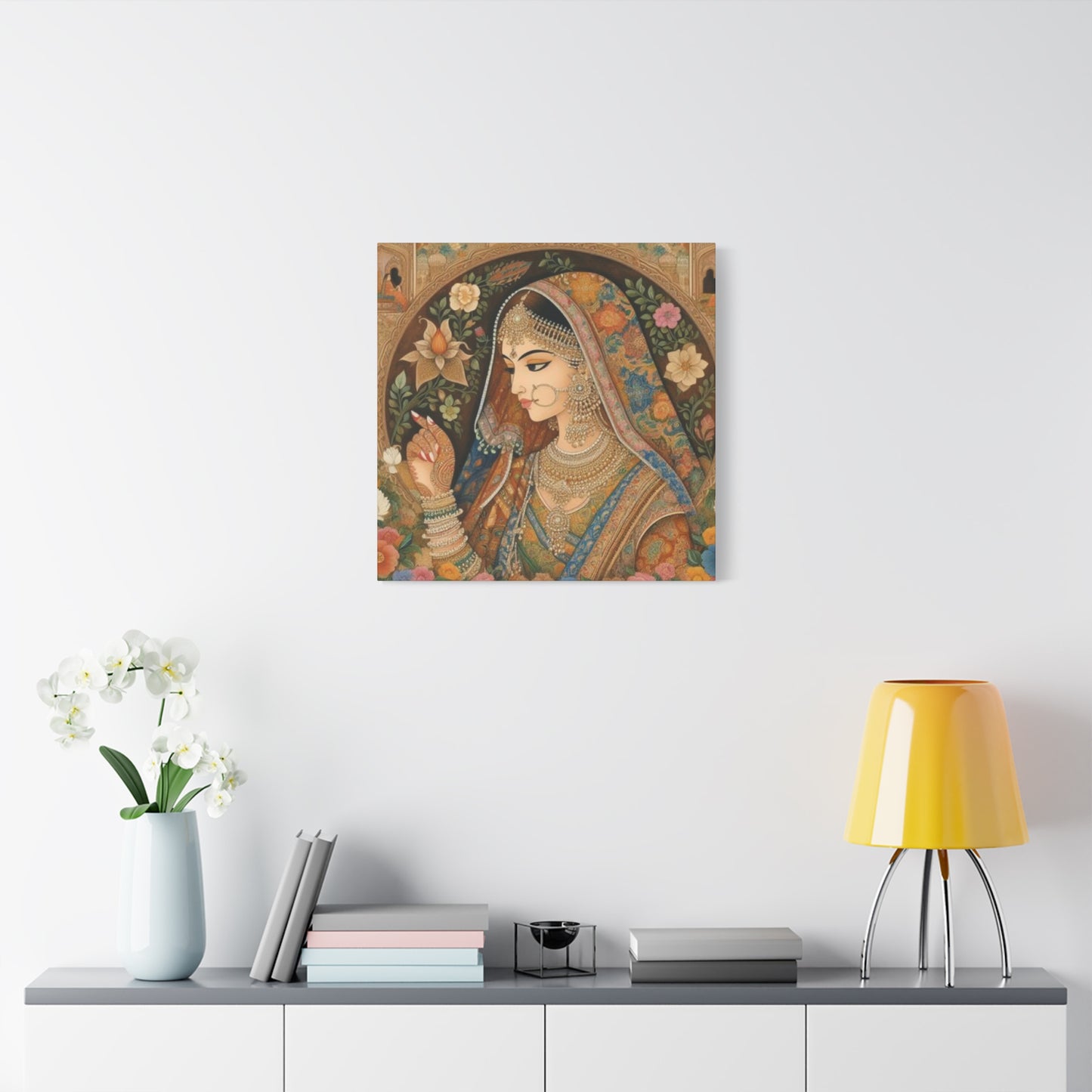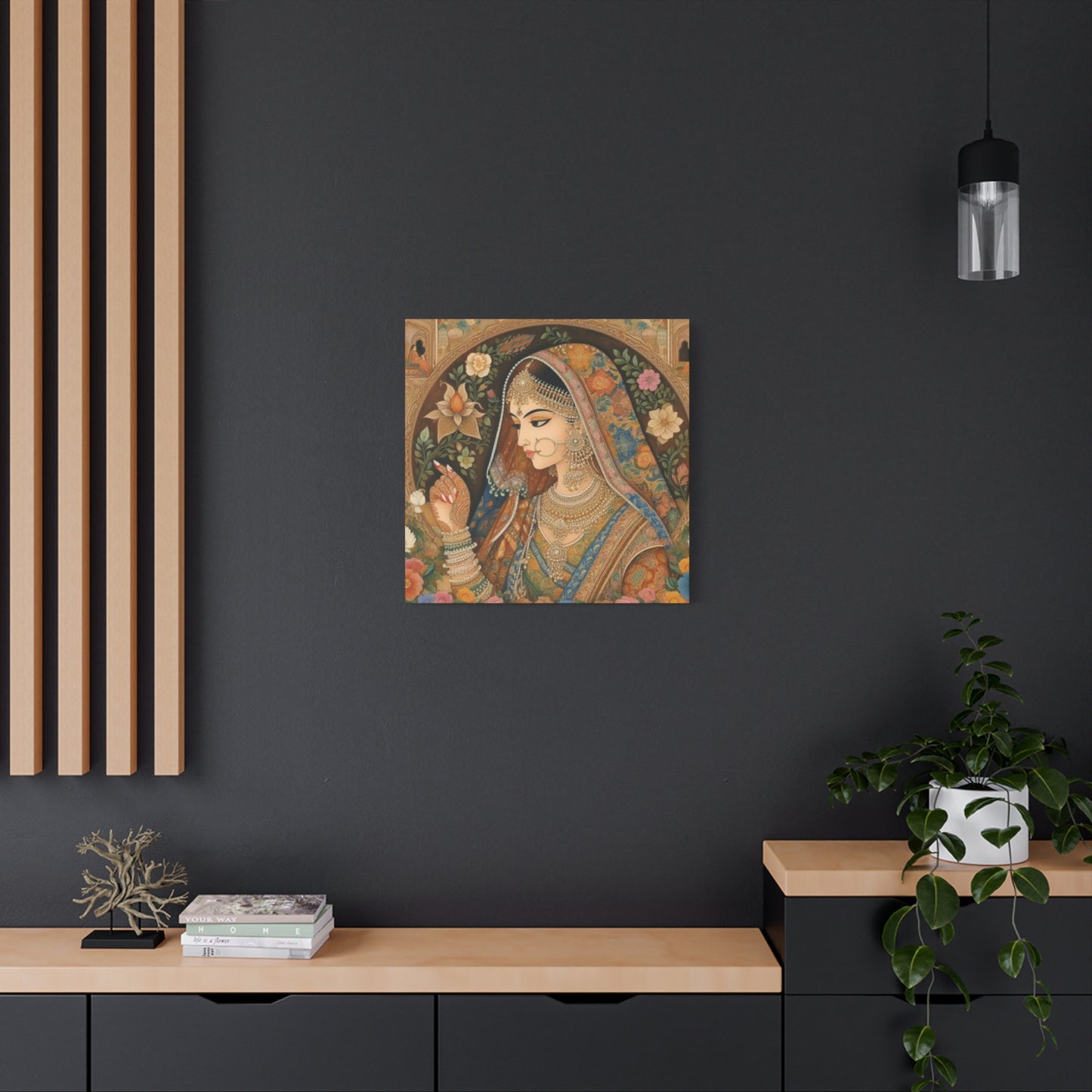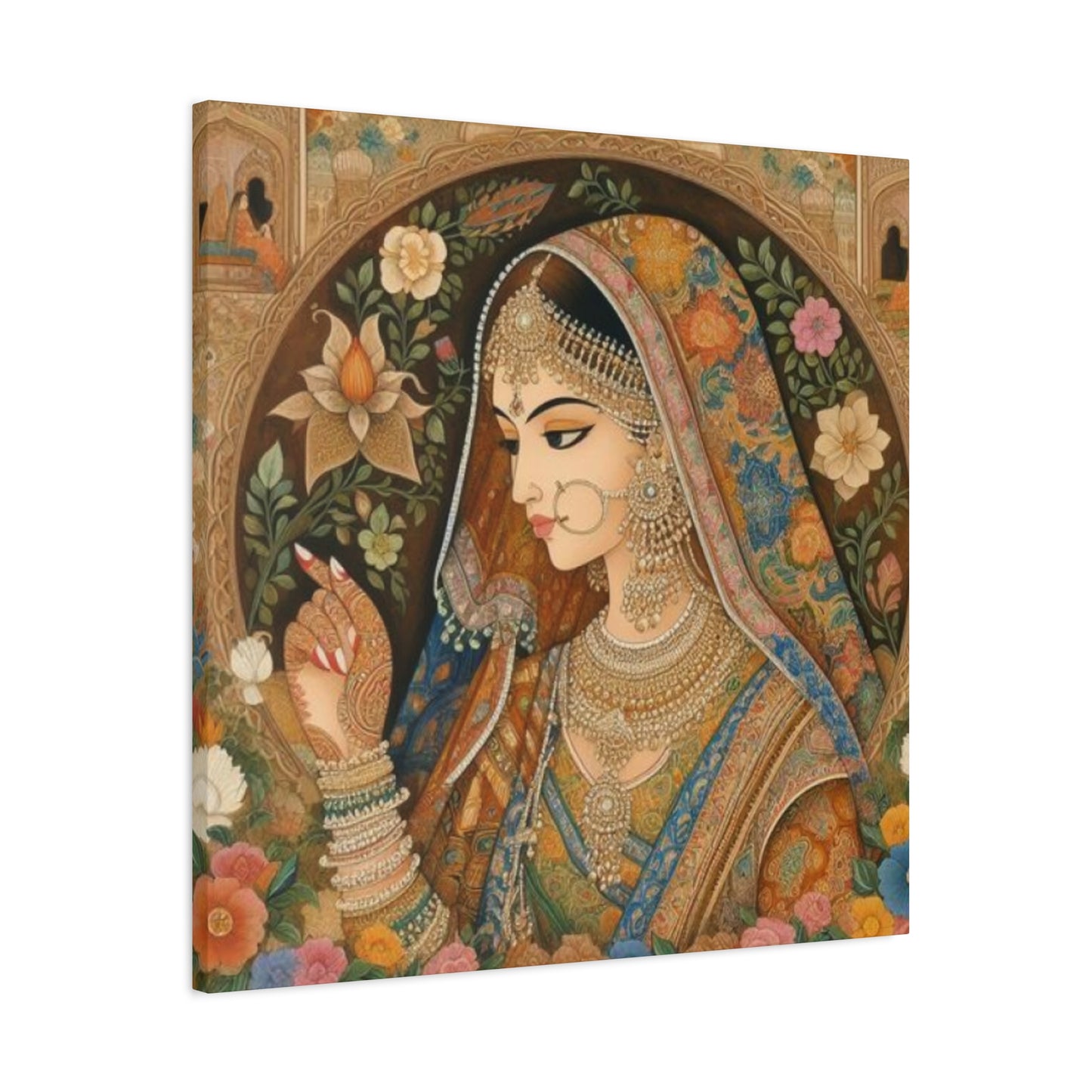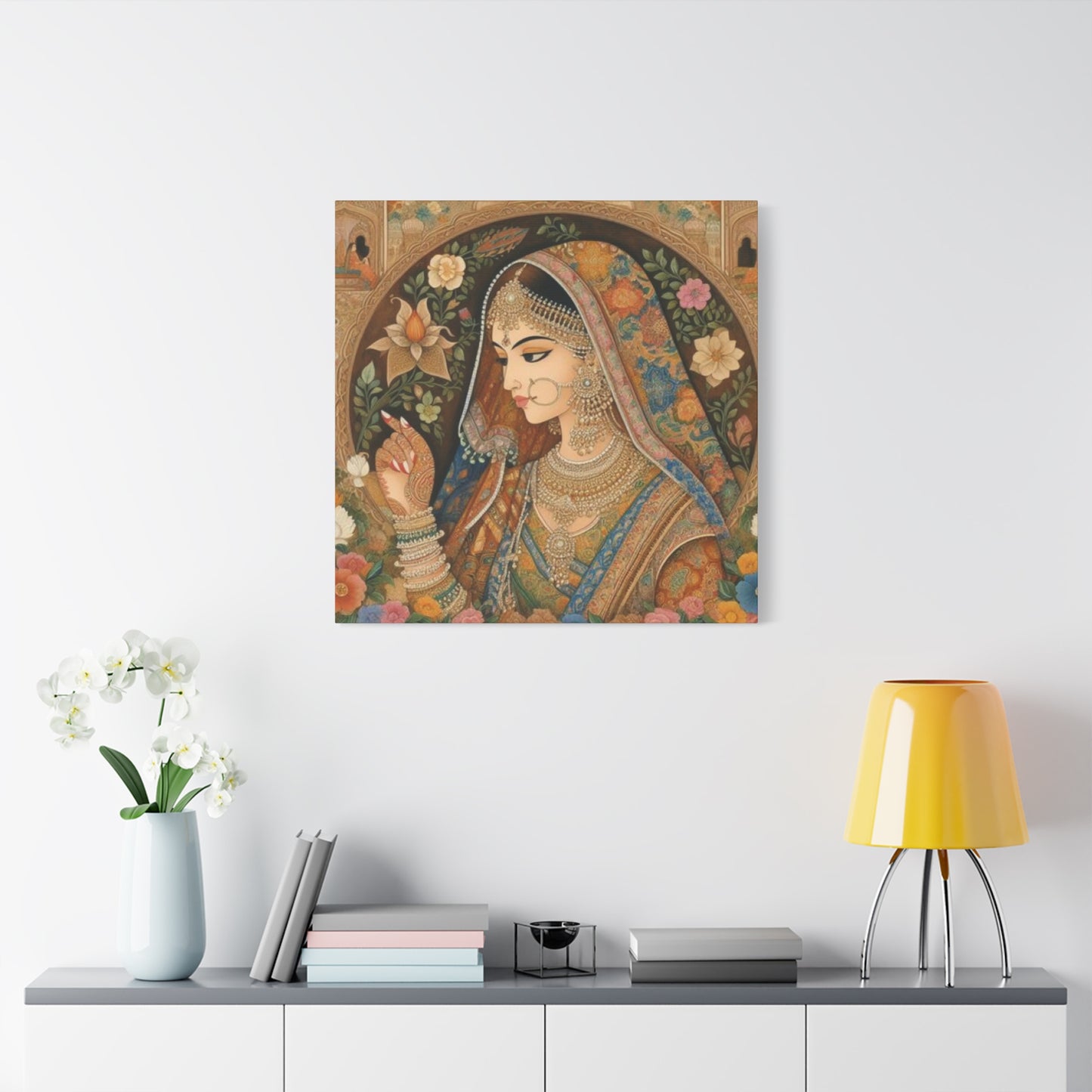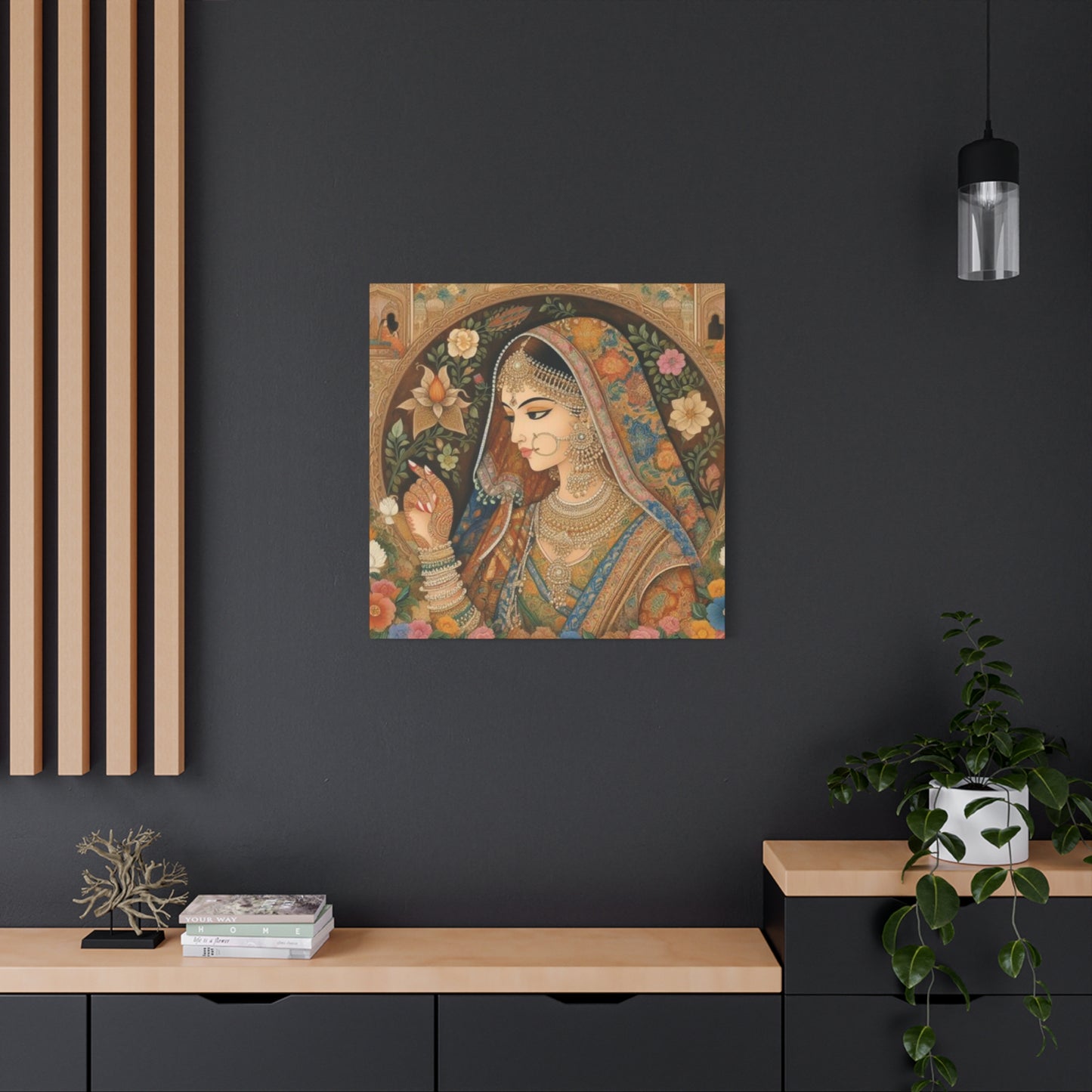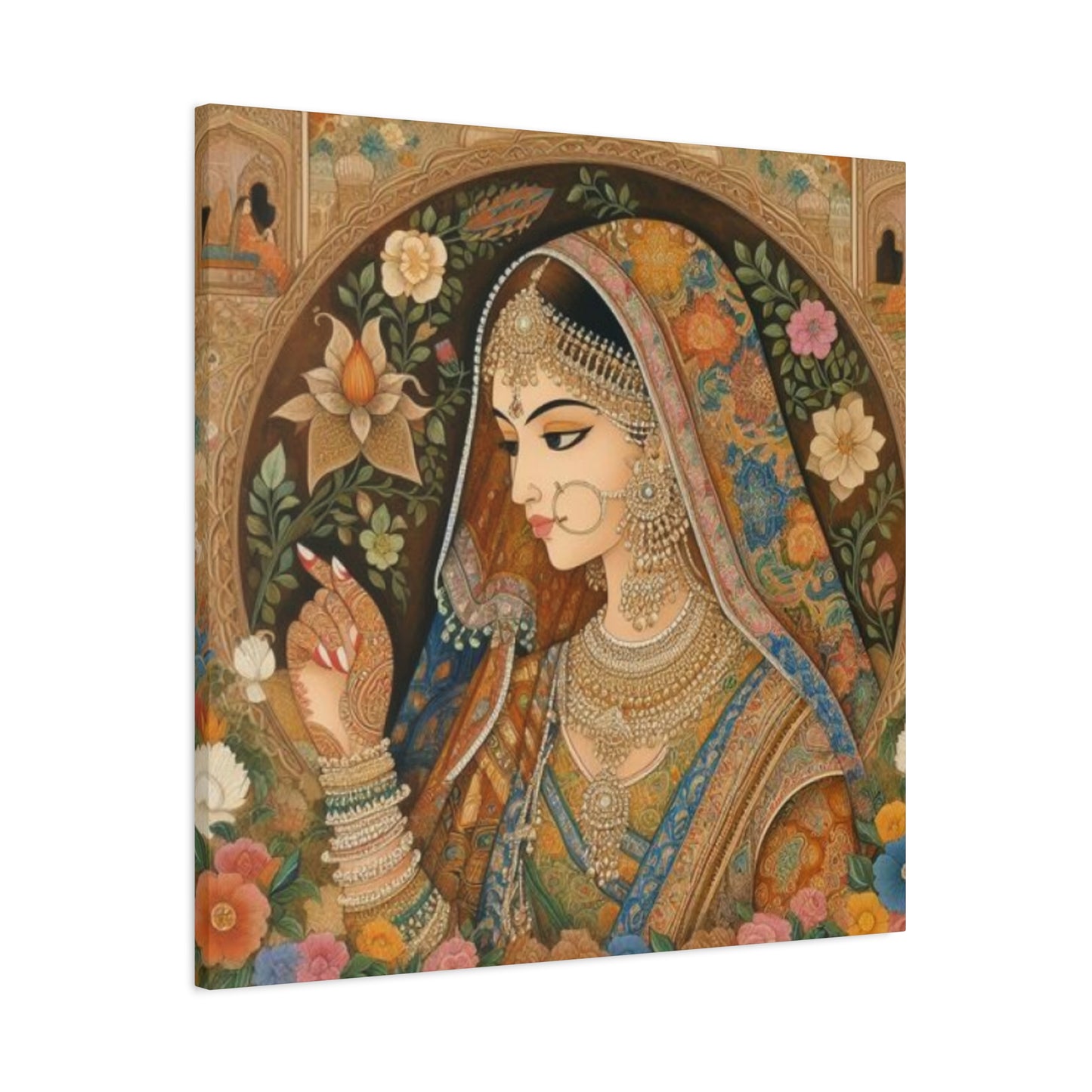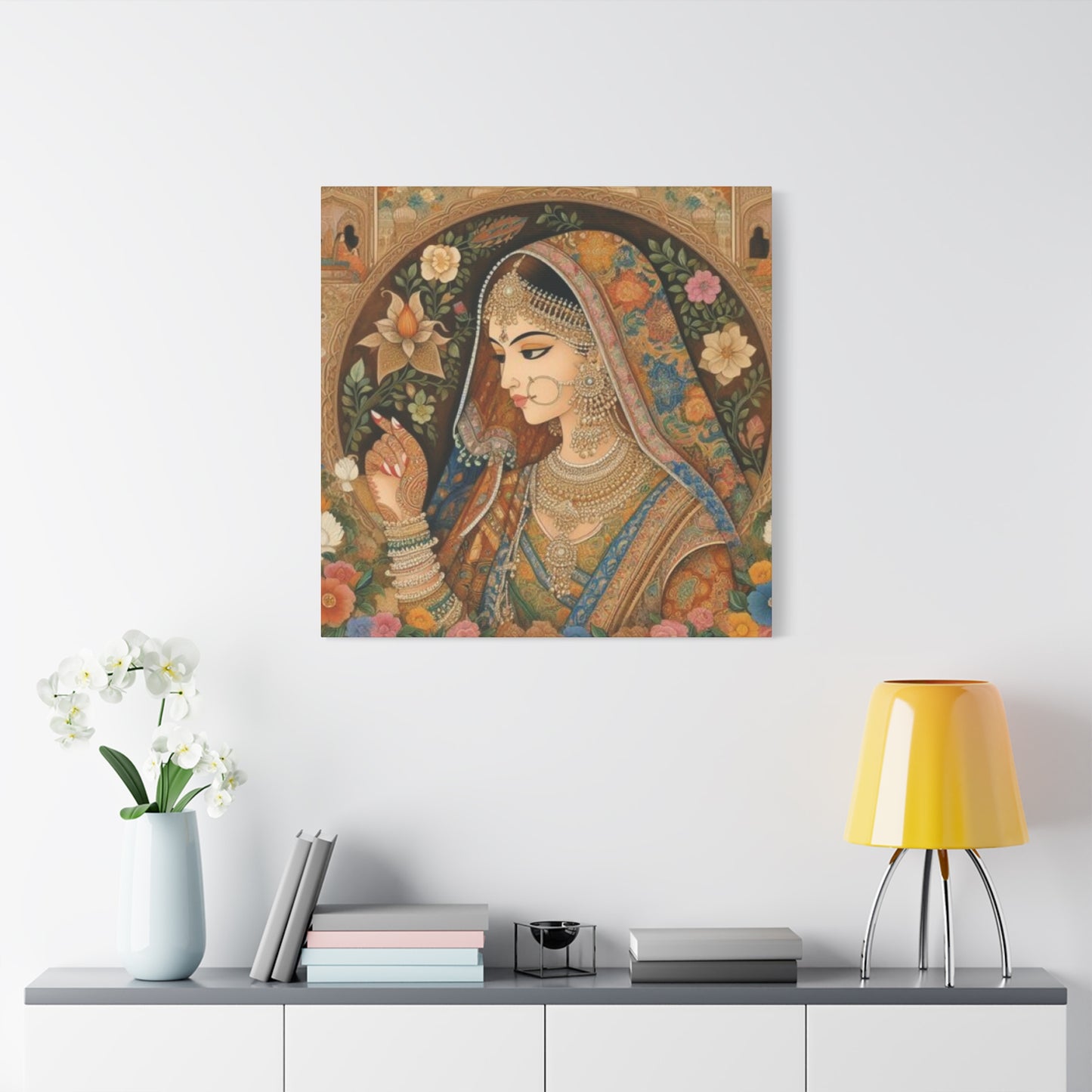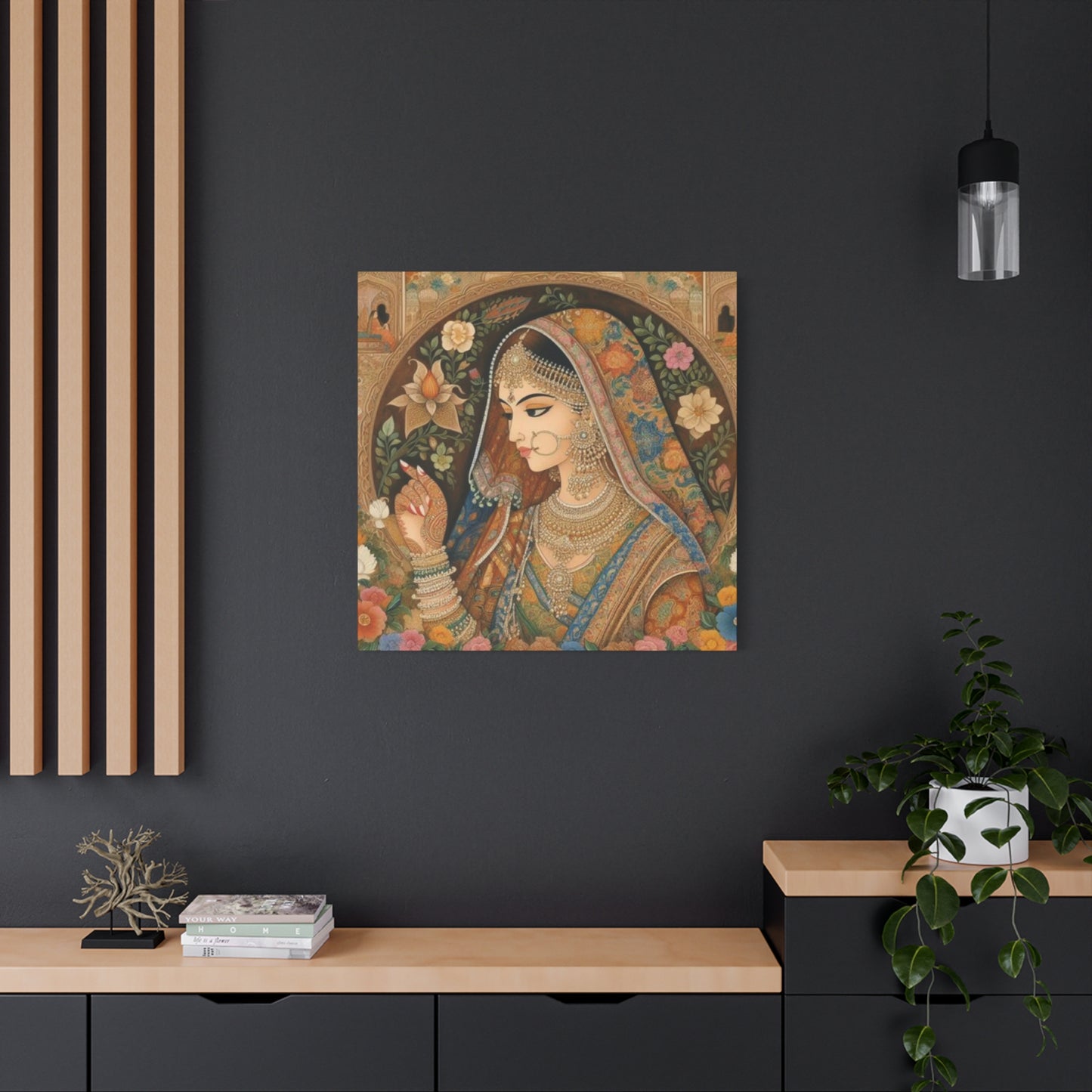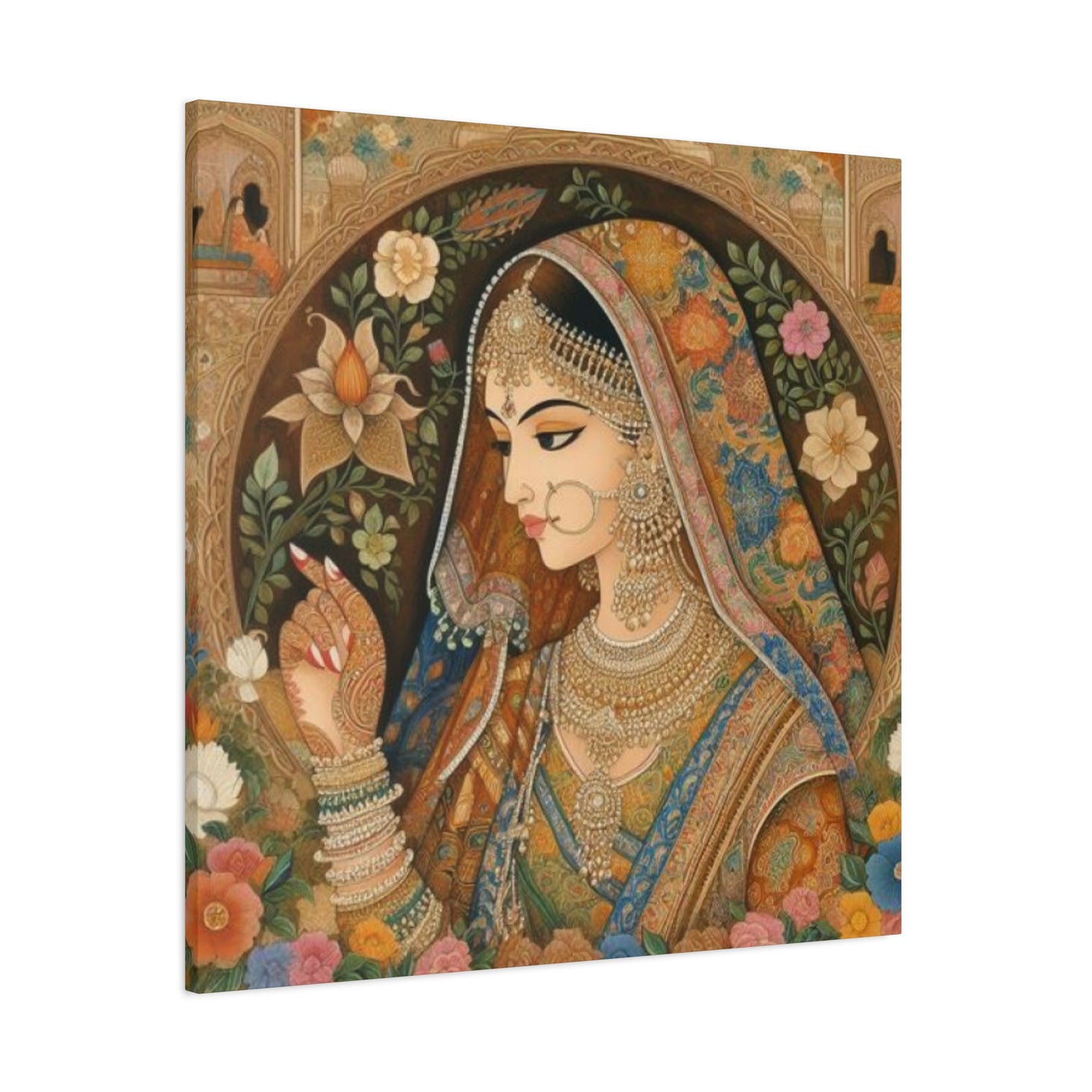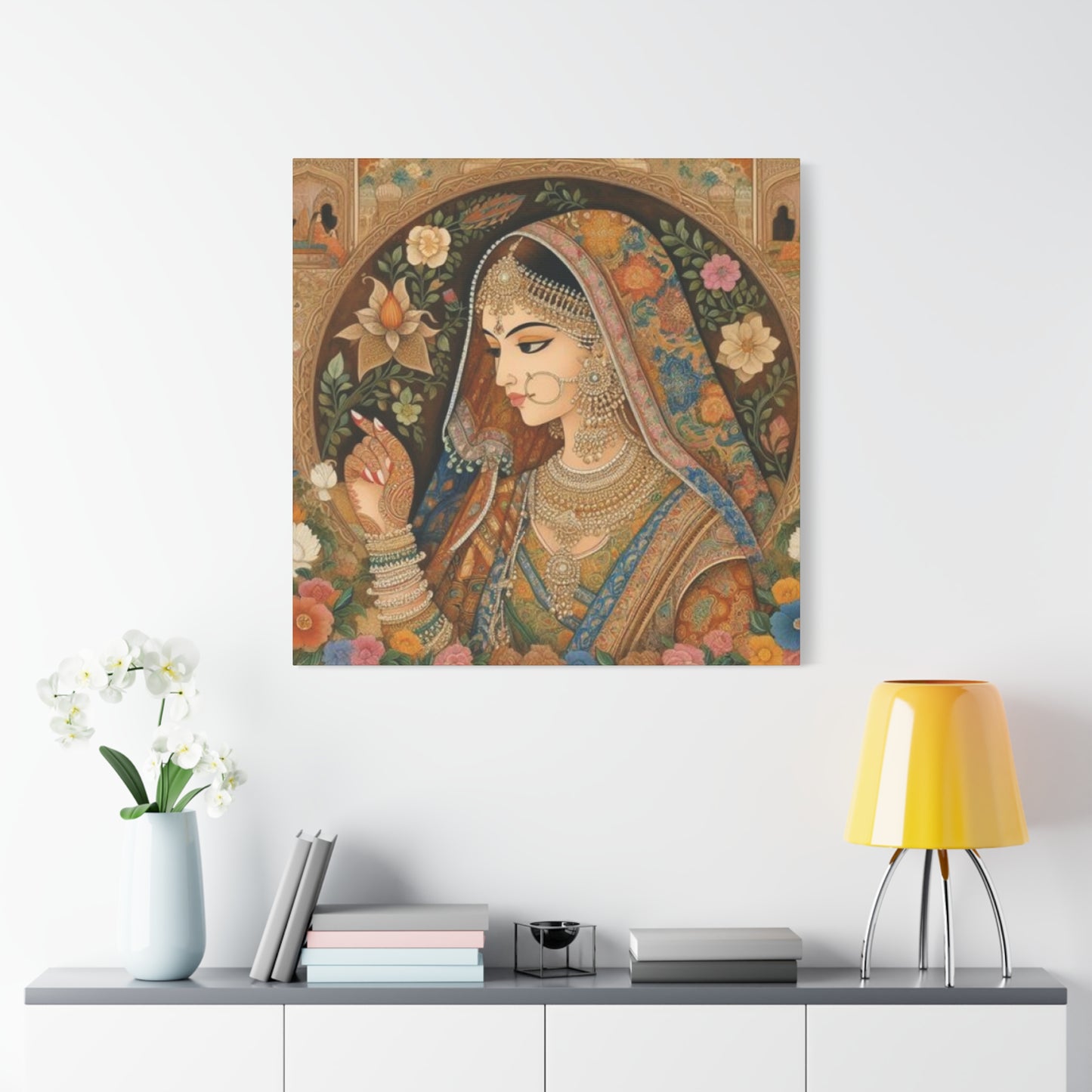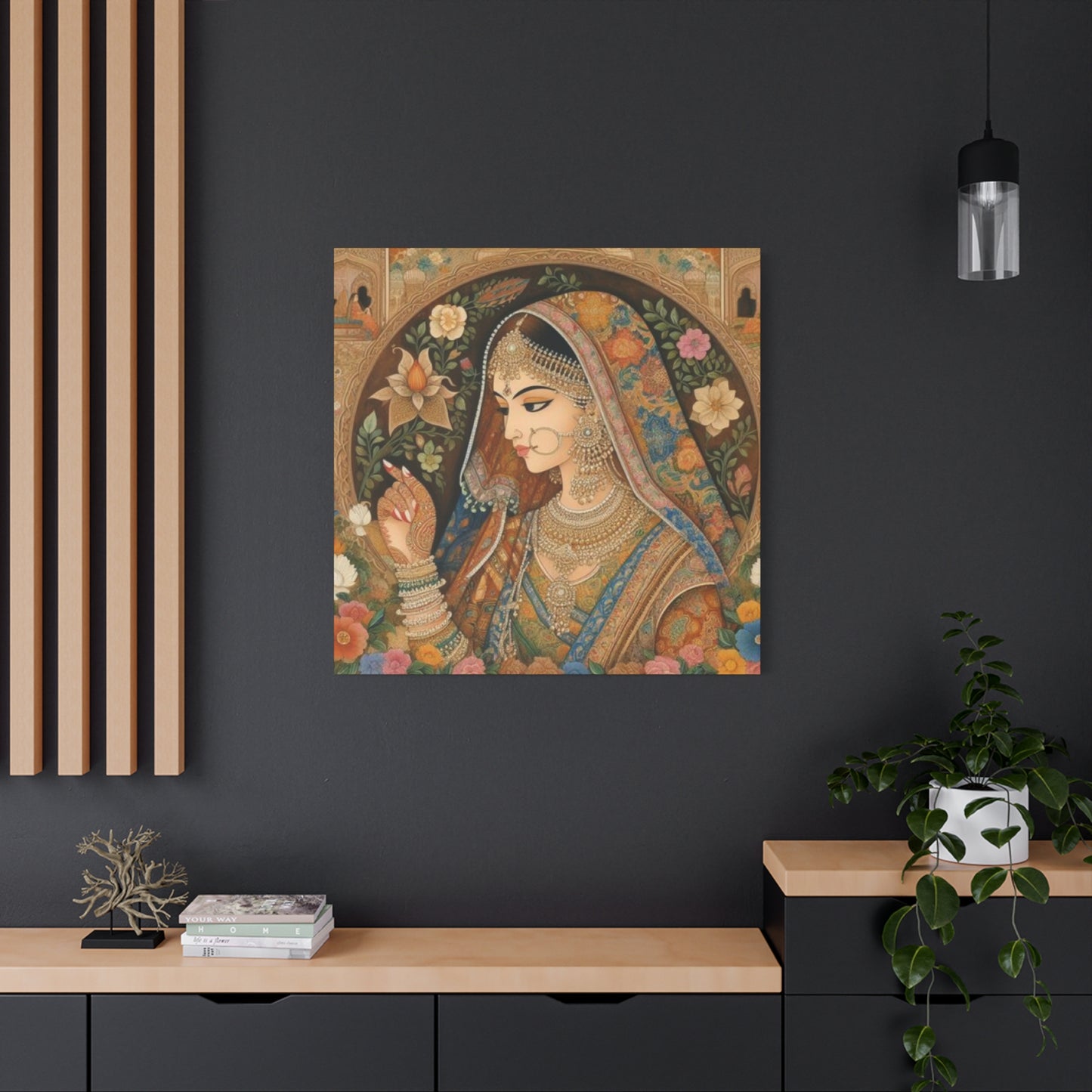


Indian Queen Wall Art & Canvas Prints
Indian Queen Wall Art & Canvas Prints
Couldn't load pickup availability
Finding the Regal Beauty and Cultural Significance of Indian Queen Wall Art for Modern Interior Spaces
The world of decorative pieces has witnessed a remarkable surge in popularity for artwork that celebrates royal heritage and majestic femininity. Among these treasures, Indian Queen Wall Art stands as a magnificent testament to centuries of rich cultural traditions, artistic excellence, and the powerful presence of female rulers throughout South Asian history. This form of artistic expression captures the essence of nobility, grace, and strength that characterized the queens who shaped empires and left indelible marks on civilization.
The Magnificent Origins and Cultural Roots Behind Royal Female Portraiture in South Asian Artistic Traditions
The tradition of depicting royal women in artistic representations dates back thousands of years across the Indian subcontinent. Ancient civilizations recognized the importance of commemorating their female rulers, consorts, and noblewomen through various artistic mediums. These portrayals were not merely decorative elements but served as powerful symbols of authority, divine connection, and cultural continuity.
In ancient times, temple walls and palace corridors were adorned with elaborate frescoes showcasing queens in their full regalia. These artistic creations employed natural pigments derived from minerals, plants, and precious stones, resulting in vibrant colors that have endured through centuries. The artists of that era possessed extraordinary skills in capturing the subtle nuances of facial expressions, the intricate details of jewelry, and the luxurious textures of royal garments.
The Mughal period brought a revolutionary transformation to portraiture styles, introducing Persian influences that merged seamlessly with indigenous traditions. Court painters received royal patronage to create miniature paintings that documented the lives of queens and princesses with remarkable precision. These artworks often featured elaborate backgrounds depicting palace gardens, architectural marvels, and symbolic elements that conveyed the subject's status and virtues.
Rajput kingdoms developed their distinctive style of royal portraiture, characterized by bold colors, stylized features, and symbolic representations. Queens were often depicted in profile, adorned with elaborate jewelry and surrounded by attendants, emphasizing their elevated social position. The artists paid meticulous attention to the patterns on textiles, the designs of ornaments, and the architectural elements that framed the royal figures.
Southern regions contributed their unique interpretations, with Tanjore paintings featuring queens embellished with gold foil and precious gems. This style created three-dimensional effects that made the subjects appear to emerge from the canvas, commanding attention and reverence from viewers. The combination of religious iconography with royal portraiture created a powerful visual language that celebrated both spiritual and temporal power.
Examining the Symbolic Elements and Iconographic Representations Within Royal Female Imagery
Every element within traditional royal female portraiture carries deep symbolic meaning, carefully chosen to convey specific messages about the subject's qualities, achievements, and divine favor. Understanding these symbols enhances appreciation for the artwork and reveals layers of meaning that might otherwise remain hidden to contemporary viewers.
The lotus flower appears frequently in these compositions, representing purity, spiritual enlightenment, and the ability to rise above worldly concerns while remaining rooted in earthly responsibilities. Queens holding lotus blossoms signified their role as nurturers of their kingdoms and their connection to goddess archetypes who embodied similar qualities.
Peacocks, with their resplendent plumage and association with royalty, often accompany depictions of queens. These magnificent birds symbolized beauty, pride, and immortality in many cultural contexts. Their presence in artwork suggested that the queen possessed these same attributes and enjoyed divine protection.
The cobra, despite its fearsome nature, represented protection and divine favor when depicted near royal figures. Queens shown with serpent imagery were understood to possess wisdom, the ability to defend their realms, and connections to powerful deities who manifested in serpentine forms.
Jewelry in these portrayals extended far beyond mere ornamentation. Each piece conveyed specific meanings related to marital status, regional affiliation, and spiritual beliefs. The elaborate necklaces, earrings, armlets, and anklets depicted in artwork followed strict iconographic conventions that informed viewers about the subject's identity and position within the royal hierarchy.
Color choices carried profound significance in traditional portraiture. Red hues symbolized passion, power, and marital bliss, while green represented fertility and prosperity. Gold indicated divinity and supreme authority, while white suggested purity and spiritual devotion. Artists employed these colors strategically to create multilayered narratives within single compositions.
The positioning of hands and fingers in specific gestures, known as mudras, communicated particular meanings to knowledgeable viewers. A queen shown with her hand extended in a blessing gesture demonstrated her role as a benevolent ruler, while hands positioned in meditation suggested spiritual wisdom and contemplative nature.
Architectural elements framing the royal figures were never arbitrary choices. Arched doorways represented transitions between worldly and spiritual realms, while latticed windows suggested the balance between public duty and private life. These structural components created narrative frameworks that enriched the overall meaning of the artwork.
Exploring Various Artistic Styles and Regional Interpretations of Queenly Representations
The vast geographical expanse of the Indian subcontinent gave rise to numerous distinct artistic traditions, each offering unique interpretations of royal female subjects. These regional variations reflect local aesthetic preferences, available materials, and cultural values that shaped artistic expression.
The Mughal miniature tradition emphasized realism and naturalistic proportions, with artists striving to create accurate likenesses of their royal subjects. These paintings featured subtle shading, delicate brushwork, and attention to anatomical accuracy that set them apart from more stylized representations. The backgrounds in Mughal miniatures often included detailed landscape elements, architectural features, and narrative scenes that contextualized the main subject.
Rajasthani painting schools developed bold, colorful styles that prioritized decorative qualities over naturalistic representation. Queens appeared with elongated eyes, stylized profiles, and figures that conformed to idealized beauty standards rather than individual likeness. These works celebrated pattern and ornamentation, with every surface covered in intricate designs that created visually rich compositions.
Pahari paintings from the Himalayan foothills introduced lyrical qualities and romantic sensibilities to royal portraiture. These works often depicted queens in garden settings, engaged in leisure pursuits or romantic encounters, presenting a more intimate and humanized view of royal life. The color palettes in Pahari paintings featured softer tones and more naturalistic landscape representations than the bold contrasts seen in Rajasthani works.
Deccani painting traditions blended indigenous styles with influences from Persian, Turkish, and European sources, creating a cosmopolitan aesthetic that reflected the region's diverse cultural exchanges. Queens in Deccani paintings often appeared in elaborate court scenes, surrounded by musicians, dancers, and attendants, emphasizing the cultured sophistication of royal life.
The Tanjore style from Tamil Nadu created stunning works featuring raised relief decoration and extensive use of gold foil. Queens depicted in this style appeared almost sculptural, with their jewelry and ornaments standing out from the surface of the painting. Semi-precious stones were often embedded in the artwork, creating dazzling effects that captured the opulence of royal courts.
Bengali Kalighat paintings offered a more folk-art approach to depicting noble women, with simplified forms, bold outlines, and limited color palettes. These works emphasized narrative content over decorative elaboration, often conveying moral lessons or contemporary social commentary through their subjects.
Contemporary artists have embraced these traditional styles while introducing modern sensibilities and techniques. Some creators maintain strict adherence to classical methods, using traditional materials and following established iconographic conventions. Others experiment with fusion approaches, combining elements from different regional traditions or blending traditional motifs with contemporary artistic concepts.
Understanding the Materials, Methods, and Craftsmanship Involved in Creating Authentic Royal Portraiture
Creating authentic representations of Indian queens requires mastery of specialized materials and techniques that have been refined over generations. The process demands patience, skill, and deep knowledge of traditional methods that distinguish genuine handcrafted works from mass-produced imitations.
Traditional artists begin by preparing their painting surfaces with meticulous care. Cloth canvases receive multiple layers of gesso made from chalk powder mixed with natural adhesives derived from tamarind seeds or animal hide. This preparation creates a smooth, slightly absorbent surface that accepts pigments evenly and allows for precise brushwork.
Natural pigments form the foundation of authentic color palettes. Red hues come from cinnabar, vermilion, or lac insects, while yellows derive from turmeric, orpiment, or gold ochre. Blues originate from lapis lazuli or indigo, and greens result from mixing yellow and blue pigments or using malachite. These natural colors possess unique qualities that synthetic substitutes cannot replicate, including subtle variations in tone and a luminous quality that enhances the finished artwork.
The binding medium that holds pigments together significantly affects the final appearance and durability of the work. Traditional artists use gum arabic, egg tempera, or specially prepared natural resins that allow pigments to maintain their vibrancy while providing adequate adhesion to the painting surface. The ratio of pigment to binder must be carefully calibrated for each color to achieve optimal results.
Brushes crafted from squirrel hair, mongoose fur, or fine goat bristles allow artists to execute the extraordinarily detailed work required for royal portraiture. The finest brushes consist of just a few hairs and can create lines thinner than a human hair, essential for rendering intricate jewelry details, delicate facial features, and elaborate textile patterns.
Gold leaf application represents one of the most challenging aspects of creating traditional royal portraits. Artists must prepare the surface with special adhesives that remain tacky long enough to allow precise placement of the delicate gold sheets. The gold is then burnished with agate tools to create a brilliant, reflective surface that catches light and draws attention to the most important elements of the composition.
Layering techniques build up colors and create depth within the artwork. Artists apply multiple thin washes of pigment, allowing each layer to dry completely before adding the next. This painstaking process can take weeks or months to complete a single painting, but results in rich, luminous colors with remarkable depth and complexity.
Outlining with black or dark brown pigment provides definition and emphasizes the decorative qualities of the artwork. These lines vary in thickness to create visual hierarchy, with the most important elements receiving the boldest outlines. The outlining process requires steady hands and complete concentration, as any mistake can compromise the entire composition.
The Powerful Symbolism of Feminine Royalty in Contemporary Living Spaces
Incorporating representations of queens into modern homes carries profound significance that extends beyond aesthetic appeal. These artworks serve as daily reminders of feminine strength, wisdom, and the important roles women have played throughout history in shaping societies and cultures.
Living spaces adorned with royal female imagery create an atmosphere of dignity and grace that influences the emotional tone of the environment. The presence of these powerful figures can inspire confidence, encourage self-respect, and remind inhabitants of their own inherent worth and capabilities. This psychological impact makes such artwork particularly meaningful in spaces where important decisions are made or where personal reflection occurs.
For individuals seeking to connect with their cultural heritage, displaying queens from their ancestral regions provides a tangible link to the past. These artworks become conversation starters that allow families to share stories, traditions, and values with younger generations, helping to preserve cultural knowledge and foster pride in one's roots.
The visual representation of female authority challenges contemporary viewers to reconsider stereotypes and limitations placed on women. Seeing queens depicted in positions of power, adorned with symbols of authority, and commanding respect through their bearing provides alternative narratives to those commonly presented in popular media. This visual counterbalance can be particularly empowering for young people forming their understanding of gender roles and possibilities.
From a design perspective, royal portraiture adds layers of richness and complexity to interior spaces that simpler decorative elements cannot achieve. The intricate details, vibrant colors, and cultural depth of these works create focal points that draw the eye and reward sustained attention. Unlike trendy decorative items that quickly become dated, well-chosen royal portraits possess timeless qualities that remain relevant across changing design fashions.
The presence of handcrafted artwork in living spaces creates a connection to human creativity and craftsmanship that mass-produced items lack. Knowing that an artist devoted significant time and skill to creating a piece imbues it with special significance and encourages viewers to approach it with greater attention and appreciation.
Selecting the Perfect Royal Portrait to Complement Your Personal Style and Interior Design Vision
Choosing the right depiction of royalty for your space requires careful consideration of multiple factors, including color schemes, spatial constraints, personal preferences, and the overall aesthetic you wish to achieve. The selection process becomes easier when approached systematically with clear criteria in mind.
Begin by evaluating the color palette of the room where the artwork will hang. The pigments in traditional royal portraits tend toward rich, saturated hues that make bold statements. If your space features neutral tones, a vibrant portrait can serve as a striking accent that energizes the environment. Conversely, if your room already incorporates strong colors, selecting artwork with complementary or harmonious tones ensures visual cohesion.
The size of the artwork must correspond appropriately to the wall space available. A common mistake involves selecting pieces that are too small for the intended location, resulting in artwork that appears lost or insignificant. As a general guideline, artwork should occupy roughly two-thirds to three-quarters of the wall space between furniture pieces. For large, empty walls, consider oversized pieces or arrangements of multiple related works that create visual impact.
The style of the portrait should resonate with your personal aesthetic preferences while complementing the overall design direction of your space. If your home features traditional furnishings and classical architectural elements, authentic reproductions of historical royal portraits may integrate seamlessly. Modern, minimalist interiors might benefit from contemporary interpretations that maintain traditional motifs while employing cleaner lines and simplified compositions.
Consider the mood or emotional quality you wish to establish in the space. Some royal portraits emphasize serenity and contemplation, with subjects shown in meditative poses or peaceful settings. Others project power and authority through commanding poses and direct gazes. Still others celebrate joy and celebration, depicting queens engaged in festivities or enjoying courtly entertainments. Matching the emotional tone of the artwork to the function of the room creates psychological harmony.
The level of detail in the artwork affects how viewers interact with it and how it functions within the space. Highly detailed works reward close examination and work well in intimate spaces where people spend extended periods. Simpler, bolder compositions with less intricate detail can be appreciated from a distance and suit rooms where people move through quickly or gather in large groups.
Authenticity considerations influence both aesthetic qualities and investment value. Original handcrafted works possess unique characteristics and carry greater cultural significance than printed reproductions. However, high-quality prints of famous royal portraits can provide access to iconic images at more accessible price points. Understanding the differences between original works, limited edition prints, and mass-produced reproductions helps you make informed decisions aligned with your priorities and budget.
Proper Display Methods and Environmental Considerations for Preserving Artistic Integrity
Once you have selected your royal portrait, proper display techniques ensure that it remains in excellent condition while making the strongest visual impact. The methods used to hang and light artwork significantly affect both its appearance and longevity.
Wall preparation begins with locating studs or using appropriate anchors to support the weight of framed artwork. Traditional paintings, especially those in heavy wooden frames or those featuring glass protection, can weigh considerably more than expected. Inadequate hanging hardware poses risks of damage to both the artwork and the wall, so investing in proper mounting solutions is essential.
Picture hanging height follows established guidelines that place the center of the artwork at eye level, typically between fifty-seven and sixty inches from the floor. However, this standard should be adjusted based on ceiling height, furniture placement, and sightlines within the room. In spaces with tall ceilings, hanging artwork slightly higher prevents it from feeling disconnected from the room's architectural proportions.
Lighting dramatically affects how viewers perceive colors, details, and overall mood in royal portraits. Natural light provides the most accurate color rendering but poses risks to artwork through ultraviolet radiation that causes fading and deterioration. If displaying artwork near windows, use UV-filtering glass or window treatments that block harmful rays while allowing visible light to enter.
Artificial lighting offers greater control and protection when properly implemented. Track lighting or picture lights with LED bulbs that emit minimal heat and UV radiation provide focused illumination that highlights the artwork without causing damage. The light should strike the surface at an angle of approximately thirty degrees to minimize glare while creating subtle shadows that enhance textural details.
Environmental conditions within the space affect the long-term preservation of artwork. Extreme temperature fluctuations, high humidity, and exposure to pollutants all contribute to deterioration. Maintaining stable conditions with temperatures between sixty-five and seventy-five degrees Fahrenheit and relative humidity between forty and fifty percent protects artwork from warping, mold growth, and other moisture-related problems.
Positioning artwork away from heat sources such as radiators, fireplaces, and heating vents prevents thermal stress that can cause paint to crack or canvases to expand and contract. Similarly, avoiding locations directly above or near air conditioning vents protects against rapid temperature changes and accumulation of dust and airborne particles on the artwork's surface.
Regular, gentle cleaning maintains the appearance of framed artwork without causing damage. Dusting the frame and glass with a soft, dry cloth removes accumulated particles. For glass surfaces, a slightly dampened microfiber cloth can remove fingerprints and smudges. Never spray cleaning solutions directly onto the glass, as liquids can seep behind the frame and damage the artwork. Cleaning the actual painted surface should be left to professional conservators who possess the knowledge and materials to safely remove dirt without harming delicate pigments.
The Cultural Significance and Symbolic Meanings Embedded in Royal Female Adornments and Attire
The garments and jewelry depicted in royal portraits constitute a sophisticated visual language that communicated complex information about the wearer's identity, status, and values. Understanding these elements enhances appreciation for the artwork and reveals the careful thought artists devoted to every detail.
The sari, in its countless regional variations, appears frequently in royal portraiture as the quintessential garment of refined femininity. The draping style indicated regional origin, with distinctive methods of pleating, tucking, and arranging the fabric serving as markers of geographical identity. The textile itself conveyed information about wealth and access to luxury goods, with fine silks, intricate embroideries, and precious metal threads reserved for the highest ranks of society.
Lehengas, consisting of long skirts paired with fitted tops and draped scarves, appeared in portraits of queens from northern regions. These elaborate ensembles featured heavy embellishment with gold and silver thread work, seed pearls, and semi-precious stones. The weight of a fully adorned lehenga could exceed twenty pounds, making the garment itself a demonstration of the wearer's ability to carry such magnificence with grace.
Jewelry in royal portraits demanded particular attention from artists, as each piece carried specific meanings and demonstrated the subject's connections to particular traditions. The maang tikka, worn at the center parting of the hair, symbolized the opening of the third eye and spiritual awareness. The size and elaborateness of this ornament indicated the wearer's spiritual authority in addition to temporal power.
Nose rings, whether simple studs or elaborate chains connecting to earrings, signified marital status in many regions. The style and size of these ornaments varied dramatically across different cultural contexts, with some traditions favoring delicate pieces while others celebrated bold, statement-making designs that dominated the face.
Necklaces appeared in multiple layers, each serving distinct symbolic functions. Chokers sitting high on the neck represented protection and security. Medium-length necklaces resting on the collarbone symbolized prosperity and abundance. Long necklaces extending to the waist indicated spiritual devotion and connection to divine forces. Queens often wore all three styles simultaneously, creating cascading displays of precious metals and gems.
Bangles covered the arms from wrist to elbow in many royal portraits, with the number, material, and design of these circular ornaments conveying multiple layers of meaning. Gold bangles indicated wealth and divine favor, while colored glass bangles represented specific virtues or affiliations. The tinkling sound of multiple bangles moving together was considered auspicious and announced the presence of an important person.
Waist chains and girdles emphasized the female form while serving as repositories for symbolic charms and amulets. These ornaments could be incredibly heavy, crafted from thick gold chains adorned with pendants depicting deities, protective symbols, or representations of the natural world.
Anklets and toe rings completed the comprehensive adornment of the royal body, with these lower extremity ornaments carrying their own symbolic weight. Silver anklets produced melodious sounds with movement, alerting others to the approach of the wearer. Toe rings indicated marital status and, according to traditional beliefs, pressed on nerve points that promoted health and fertility.
Headpieces ranged from delicate jeweled pins to elaborate crowns weighing several pounds. The style of head ornament indicated the specific occasion depicted in the portrait, with some pieces reserved for coronations, others for religious ceremonies, and still others for everyday court appearances. The most elaborate headpieces incorporated peacock feather motifs, representations of divine beings, and arrangements of precious gems that caught and reflected light.
Legendary Queens Who Shaped Empires and Inspired Countless Artistic Representations
Throughout South Asian history, numerous queens distinguished themselves through extraordinary leadership, courage, and wisdom, becoming subjects of enduring artistic fascination. Their stories provide context for understanding the portraits created in their honor and the qualities these works sought to immortalize.
Rani Durgavati of Gondwana demonstrated exceptional military prowess and strategic thinking during the sixteenth century. After her husband's death, she ruled as regent for her young son and successfully defended her kingdom against multiple invasions by the Mughal Empire. Her final battle, in which she fought despite serious wounds before taking her own life to avoid capture, became legendary. Portraits of Durgavati typically emphasize her martial bearing, often depicting her in warrior attire or surrounded by military symbols.
Rani Padmini of Chittorgarh occupies a unique place in cultural memory, with her story straddling the boundary between history and legend. Accounts describe her as a woman of exceptional beauty and wisdom whose presence sparked a military conflict when a powerful sultan demanded her surrender. Rather than submit to dishonor, Padmini and the other women of her kingdom chose self-sacrifice. Artistic representations emphasize her beauty while also suggesting the inner strength that made her a symbol of resistance and honor.
Chand Bibi defended Ahmadnagar against Mughal invasion during the late sixteenth century, personally overseeing military operations and inspiring her troops through her presence on the battlefield. Portraits show her as a dignified figure in regal attire, sometimes holding weapons or shown against backgrounds of fortifications, emphasizing both her feminine grace and martial capabilities.
Rani Abbakka Chowta ruled over coastal territories and earned distinction as one of the few rulers to successfully resist Portuguese colonial expansion. Her naval tactics and guerrilla warfare strategies confounded European forces accustomed to conventional battles. Artistic depictions often show her near water or ships, acknowledging her mastery of maritime warfare.
Ahilyabai Holkar transformed her kingdom through wise governance, infrastructure development, and patronage of arts and religious institutions during the eighteenth century. Despite facing initial opposition due to her gender, she proved to be one of the most capable rulers of her era. Portraits typically show her as a serene, dignified figure, often depicted in the act of worship or surrounded by symbols of prosperity and justice.
Rani Lakshmibai of Jhansi became an icon of resistance during the 1857 rebellion against British colonial rule. Her courage in leading troops into battle, her skill as an equestrian and warrior, and her death fighting against overwhelming odds transformed her into a national symbol. Artistic representations frequently show her on horseback, sword in hand, capturing the dynamic energy of her brief but impactful reign.
Maharani Jindan Kaur served as regent of the Sikh Empire during her son's minority and played crucial roles in military and political affairs. British colonial authorities considered her dangerous enough to warrant imprisonment and exile, testament to her political acumen. Portraits emphasize her regal bearing and often include symbols of the Sikh faith, acknowledging the religious dimension of her identity and authority.
Raziya Sultana achieved the remarkable distinction of ruling the Delhi Sultanate in the thirteenth century, overcoming enormous prejudice to prove herself a capable administrator and military commander. Her insistence on appearing in public without face coverings and her adoption of male attire shocked conservative elements but demonstrated her determination to rule effectively. Artistic representations must balance historical accuracy with later cultural sensibilities, resulting in varied interpretations of her appearance and bearing.
Contemporary Artists Breathing New Life Into Traditional Royal Portraiture Forms
Modern creators have embraced the rich legacy of royal female portraiture while introducing fresh perspectives, techniques, and interpretations that make these traditions relevant to contemporary audiences. Their work demonstrates how historical art forms can evolve while maintaining connections to their roots.
Some artists maintain strict adherence to traditional materials and methods, viewing themselves as custodians of endangered artistic practices. They source natural pigments, prepare their own painting surfaces, and follow classical compositional rules established centuries ago. Their work serves to preserve knowledge that might otherwise disappear as fewer practitioners master these demanding techniques.
Others experiment with fusion approaches that combine elements from multiple regional traditions, creating eclectic works that reflect the increasing cultural exchange and mixing of the modern world. A single portrait might incorporate Mughal-style realism in the face, Rajasthani boldness in color choices, and contemporary elements in the background, resulting in visually striking works that honor multiple traditions simultaneously.
Digital tools have opened new possibilities for creating royal portraits that would have astonished traditional artists. Some creators use tablets and styluses to produce works with the appearance of traditional paintings but with the flexibility and efficiency that digital methods provide. These works can be easily reproduced, shared, and modified while maintaining high quality, making them accessible to broader audiences.
Photography has emerged as a medium for creating contemporary royal portraits, with subjects styled in traditional costumes and jewelry, photographed against elaborate sets or digitally manipulated backgrounds. These works raise interesting questions about authenticity and tradition, challenging viewers to reconsider what makes an image a true heir to classical portraiture traditions.
Mixed media artists incorporate unconventional materials such as fabric, metal leaf, found objects, and three-dimensional elements into their royal portraits. These textural explorations add physical depth to the works and invite tactile as well as visual engagement, though they require different display considerations than flat paintings.
Street artists and muralists have brought royal female imagery to public spaces, creating large-scale works that democratize access to these powerful images. These outdoor works weather and fade, accepting impermanence as part of their nature while making strong visual statements in the communities where they appear.
Activist artists use royal female imagery to comment on contemporary issues affecting women, creating portraits that blend traditional motifs with modern concerns. These works might show queens holding contemporary objects, wearing modern garments mixed with traditional elements, or positioned in settings that emphasize ongoing struggles for equality and recognition.
The Emotional and Cognitive Benefits of Surrounding Yourself With Powerful Female Imagery
The images we surround ourselves with exert subtle but significant influences on our thoughts, emotions, and behaviors. Choosing to display representations of powerful, accomplished women creates an environment that supports positive self-concept and broader worldviews about gender and capability.
Neuroscience research demonstrates that repeated exposure to visual stimuli creates and strengthens neural pathways associated with those images. When we regularly see depictions of women in positions of authority, wearing symbols of power, and commanding respect, our brains normalize these representations and make it easier to imagine similar scenarios in our own lives and communities.
For young people forming their identities and understanding of possibilities, exposure to diverse role models through artwork provides valuable counterbalances to limiting stereotypes. Girls who grow up seeing queens and powerful women represented as subjects worthy of artistic celebration internalize different messages about their own potential than those exposed only to images of women in subordinate or decorative roles.
The aesthetic pleasure derived from beautiful artwork contributes to overall wellbeing and life satisfaction. Taking time to appreciate the details of a well-crafted royal portrait provides moments of respite from daily stresses and encourages mindfulness practices that benefit emotional regulation and stress management.
Artworks serve as prompts for storytelling and knowledge sharing within families and communities. A portrait of a queen hanging prominently in a home becomes a conversation piece that allows adults to share historical knowledge, cultural values, and family heritage with children in engaging, memorable ways that transcend dry recitation of facts.
The presence of culturally significant artwork in living spaces affirms the value of one's heritage and creates a sense of continuity with the past. For immigrants and diaspora communities, these visual connections to ancestral cultures help maintain identity across generations and geographical distances, combating the erosion of cultural knowledge that can occur in new environments.
Collectors and enthusiasts of royal portraiture often report that acquiring and living with these works encourages them to learn more about the histories, traditions, and artistic practices they represent. This ongoing engagement with learning keeps minds active and curious while deepening appreciation for cultural complexity and human creativity across time periods.
Discovering Authentic Sources and Reputable Creators for Quality Royal Portraits
The market for Indian Queen Wall Art includes everything from museum-quality original works to mass-produced prints of varying quality. Navigating this landscape requires knowledge and discernment to ensure that purchases meet expectations for authenticity, quality, and value.
Galleries specializing in South Asian art provide curated selections of works by established and emerging artists. These venues typically vet the pieces they display, providing some assurance of quality and authenticity. Gallery staff can often provide documentation about the artist, the materials and methods used, and the provenance of the work, information that proves valuable for both appreciation and investment purposes.
Direct relationships with artists offer opportunities to commission custom works tailored to specific preferences. This approach requires more time and typically involves higher costs than purchasing ready-made pieces, but results in truly unique artworks created specifically for the collector. Communication with the artist allows for input on details such as color preferences, size requirements, and specific queens or styles to be depicted.
Online marketplaces have democratized access to artwork from around the world, allowing buyers to browse extensive inventories from the comfort of their homes. However, these platforms vary dramatically in their quality control and seller verification processes. Reputable sites provide detailed information about each piece, including dimensions, materials, creation methods, and artist backgrounds. Customer reviews and seller ratings offer additional insights into reliability and product quality.
Auction houses occasionally feature royal portraits, particularly older pieces with established provenance. These venues attract serious collectors and can provide access to historically significant works, though prices often reflect rarity and historical importance rather than purely aesthetic considerations.
Art fairs and craft markets in regions with strong artistic traditions allow buyers to meet artists in person, examine works closely, and negotiate purchases directly. These settings provide unparalleled opportunities to assess quality, ask questions, and develop relationships with creators whose work resonates personally.
Cultural institutions and community organizations sometimes host sales or exhibitions featuring works by local artists working in traditional forms. Supporting these events strengthens cultural preservation efforts while providing access to authentic works by practitioners with deep roots in the traditions they represent.
When evaluating potential purchases, several factors indicate quality and authenticity. Hand-painted works show subtle variations and irregularities that machine printing cannot replicate. Examining the surface closely reveals brushstrokes, slight color variations, and texture that distinguish handcrafted pieces from reproductions. The back of canvas paintings typically shows some paint bleed-through where colors have penetrated the fabric, another indication of genuine handwork.
Framing quality affects both the appearance and protection of artwork. Professional framing with acid-free materials, appropriate spacing between the artwork and glass, and secure mounting prevents deterioration while displaying the piece to best advantage. Cheap frames with direct contact between artwork and glass can trap moisture and promote mold growth, damaging even high-quality paintings.
Documentation and provenance add value and authenticity to artwork. Certificates of authenticity from the artist or gallery, information about the artist's background and training, and records of exhibition history all contribute to establishing a piece's legitimacy and importance.
Incorporating Royal Imagery into Various Interior Design Styles and Aesthetic Approaches
The versatility of royal portraiture allows it to enhance diverse design schemes, from strictly traditional to boldly contemporary. Understanding how to integrate these pieces into different aesthetic contexts ensures they contribute effectively to the overall design vision.
Traditional interiors with classical furniture, rich textiles, and ornate architectural details provide natural settings for authentic historical portraits. These spaces embrace the visual complexity and ornamentation that characterize both the artwork and the surrounding environment. Positioning royal portraits above mantels, in formal dining rooms, or in libraries creates focal points that reinforce the refined, cultured atmosphere these spaces seek to achieve.
Transitional designs that blend traditional and contemporary elements can incorporate royal portraits as bridge pieces that honor the past while maintaining relevance in modern contexts. Pairing an elaborate Mughal-style miniature with sleek, modern furniture creates interesting visual tension that makes both elements more striking. The key lies in ensuring that colors from the artwork appear elsewhere in the space, creating coherent relationships between disparate design elements.
Modern minimalist interiors might seem incompatible with ornate royal portraits, but thoughtful selection and placement can create stunning effects. Choosing portraits with simpler compositions or those that emphasize bold color fields rather than intricate details allows the artwork to make strong statements without overwhelming spare surroundings. A single, properly scaled portrait on an otherwise empty wall becomes a powerful focal point that benefits from the visual breathing room minimalism provides.
Bohemian and eclectic spaces embrace the mixing of patterns, textures, and cultural influences that makes royal portraits natural additions. These relaxed, layered interiors accommodate multiple artworks grouped in gallery walls or scattered throughout the space. The visual richness of royal portraiture complements rather than competes with the abundance of decorative elements typical of bohemian style.
Industrial interiors with exposed brick, metal fixtures, and raw materials create dramatic contrasts when paired with traditional royal portraits. The juxtaposition of rough, unfinished surfaces with refined, detailed artwork highlights the qualities of both, creating dynamic visual interest. Oversized portraits in simple frames work particularly well in industrial spaces with high ceilings and open floor plans.
Scandinavian design principles emphasizing natural light, neutral colors, and functional simplicity can accommodate royal portraits when approached carefully. Selecting works with lighter palettes or those featuring significant negative space prevents the artwork from overwhelming the intentionally restrained aesthetic. Alternatively, using a vibrant portrait as the sole bold color statement in an otherwise neutral space creates controlled drama that respects Scandinavian values while adding warmth and personality.
Global or fusion interiors that celebrate diverse cultural influences embrace royal portraits as authentic expressions of South Asian artistic traditions. These spaces often feature furniture, textiles, and decorative objects from multiple cultures, creating rich, layered environments where Indian royal portraits feel completely at home alongside Moroccan lanterns, Japanese screens, or South American textiles.
Conclusion
Representations of queens and noblewomen from pre-colonial South Asia offer valuable perspectives for contemporary discussions about gender, power, and representation. These historical images challenge simplified narratives about women's roles across cultures and time periods.
The existence of numerous female rulers throughout South Asian history contradicts Western stereotypes about patriarchal Asian societies denying women agency or authority. While these queens remained exceptional rather than typical, their prevalence demonstrates that female leadership was conceptually acceptable and practically feasible within these cultural contexts. The artistic celebration of these rulers through portraiture further indicates that their authority was considered legitimate rather than anomalous.
The visual language used to represent female power in these portraits differs in significant ways from Western traditions of royal portraiture. Rather than emphasizing physical domination or military might through aggressive poses and weapons, many South Asian traditions depicted queenly power through serene dignity, spiritual authority, and cultural refinement. This alternative model suggests different conceptions of leadership and authority that prioritize wisdom and moral authority over physical force.
The elaborate jewelry and clothing in royal portraits can be interpreted through multiple feminist lenses. Some scholars see these ornate adornments as symbols of empowerment, visible markers of authority and divine favor that enhanced rather than diminished the wearer's power. Others view them as constrictive elements that reduced women to decorative objects regardless of their actual political authority. These competing interpretations highlight ongoing debates within feminist thought about the relationship between beauty, ornamentation, and agency.
The male gaze theory, which examines how visual representations position women as objects for male viewing pleasure, becomes complicated when applied to these works. Many royal portraits were created under female patronage or for female audiences, suggesting different viewing dynamics than those assumed by theories developed primarily through analysis of Western art. The ways queens chose to have themselves represented provides insights into how powerful women navigated the expectations and constraints of their cultural contexts.
Share