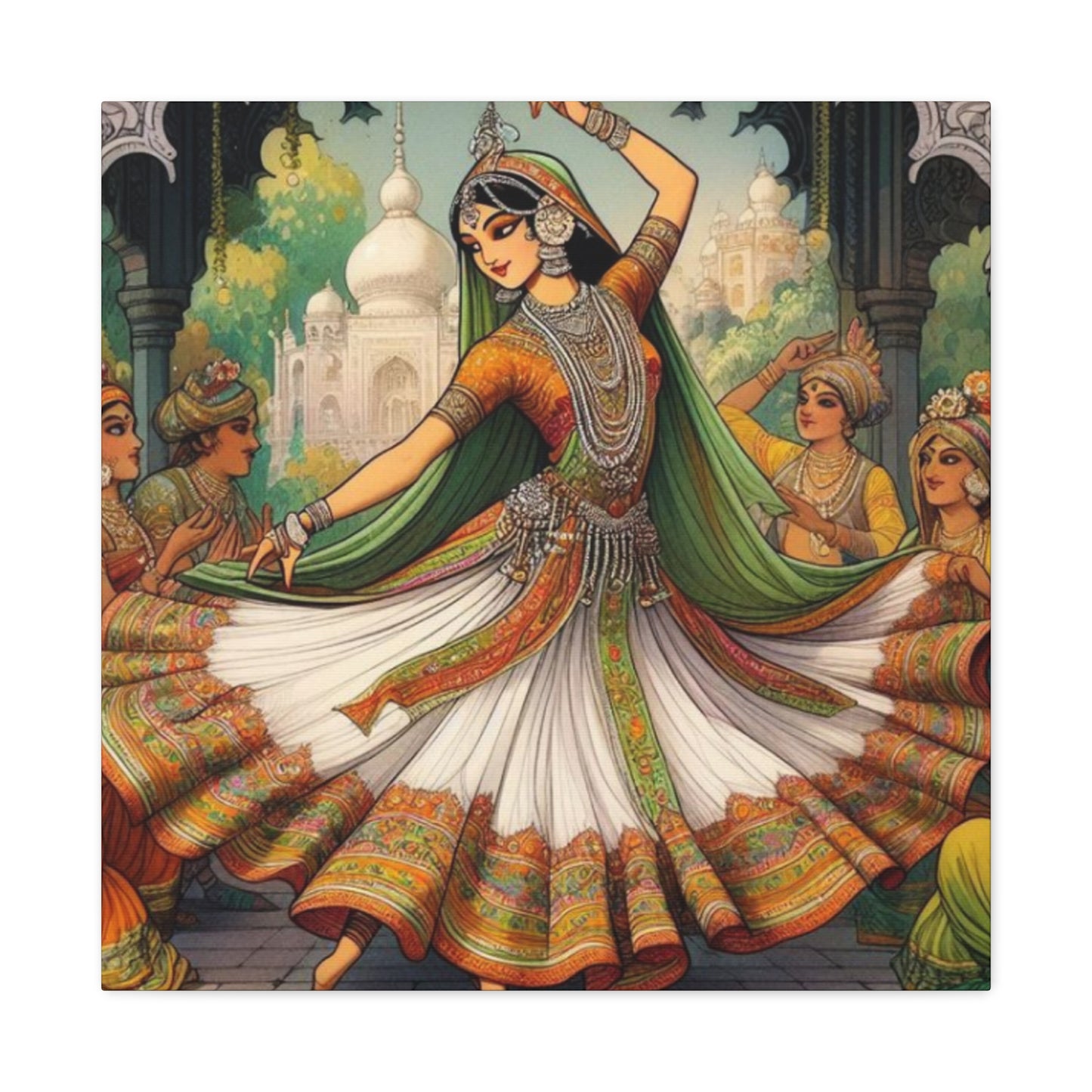
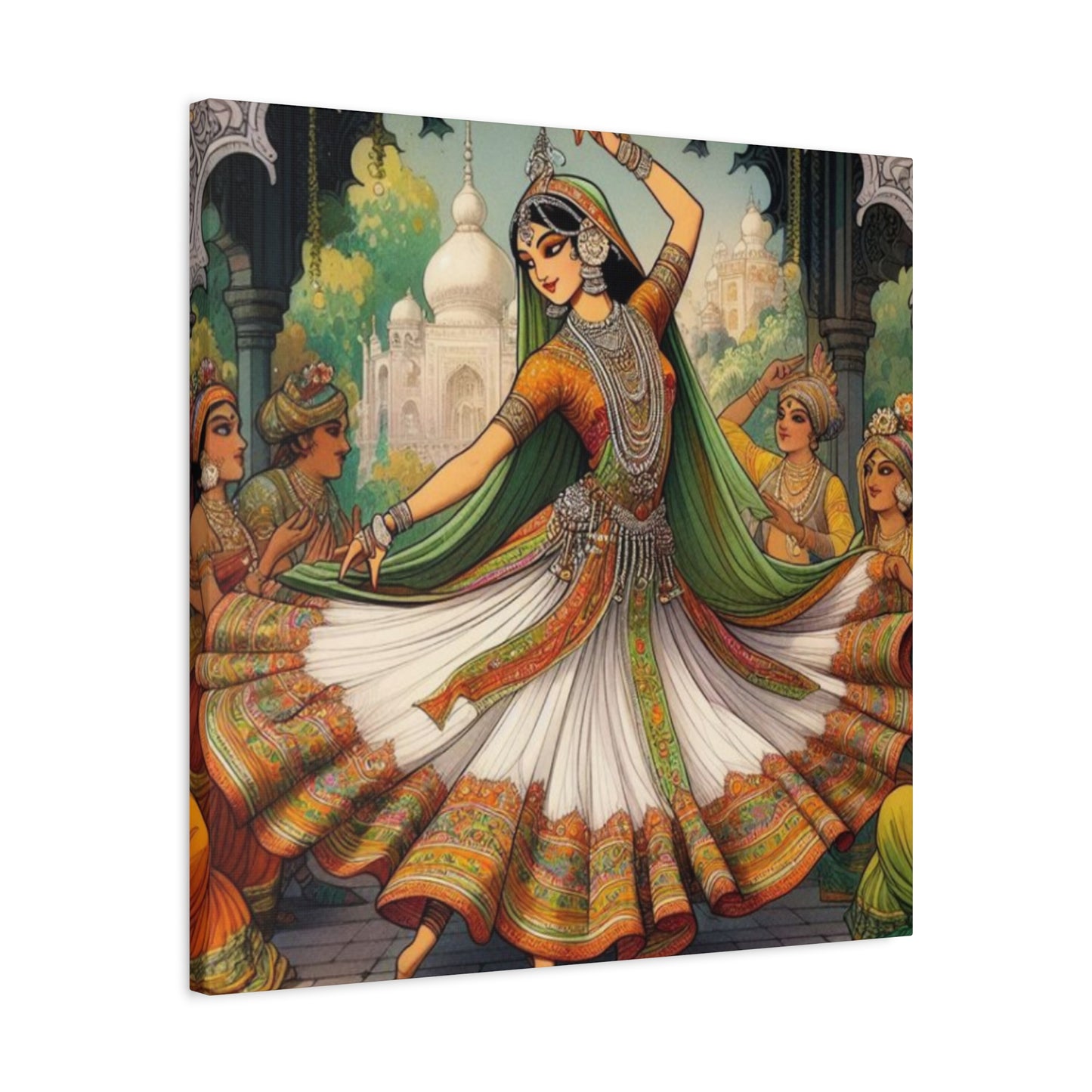
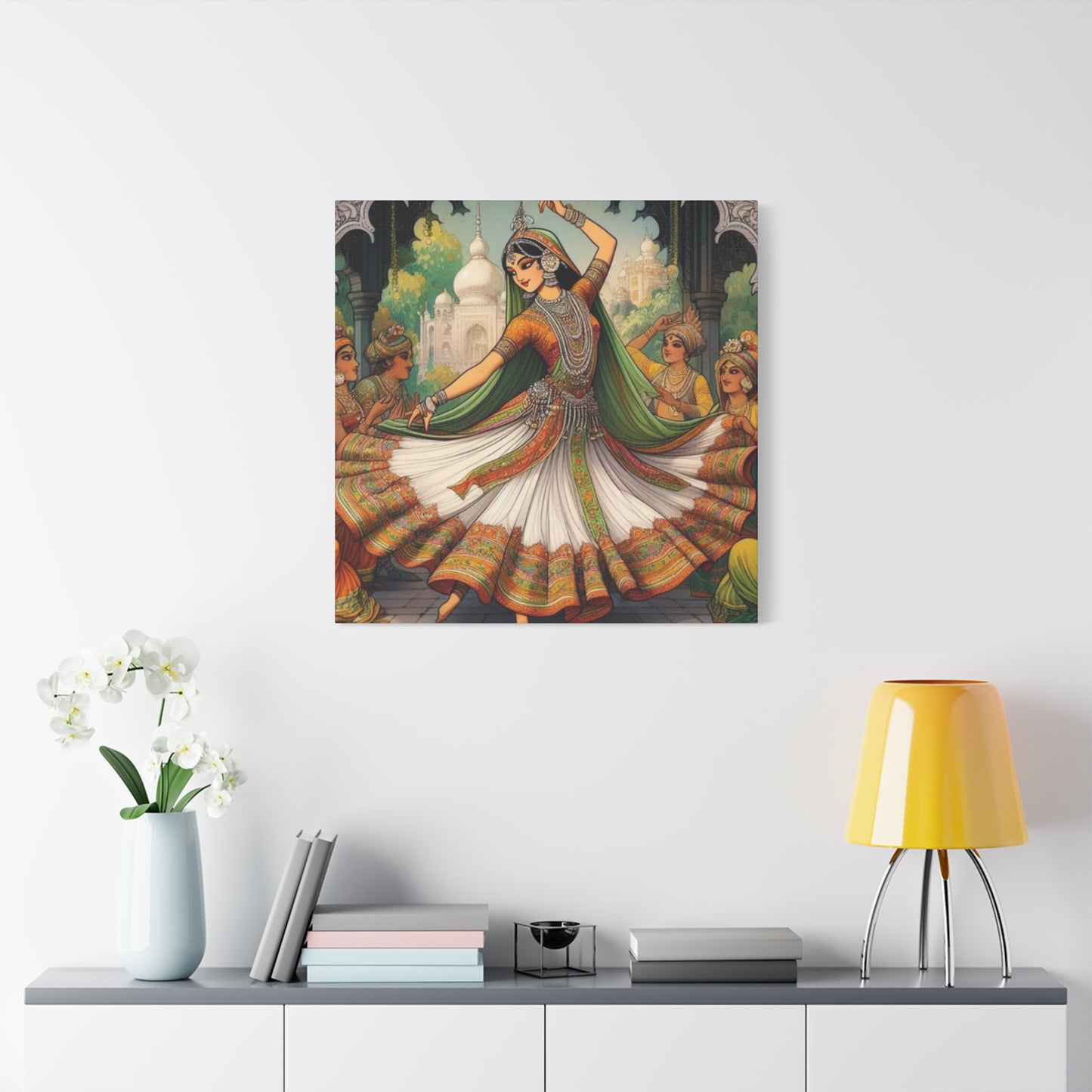
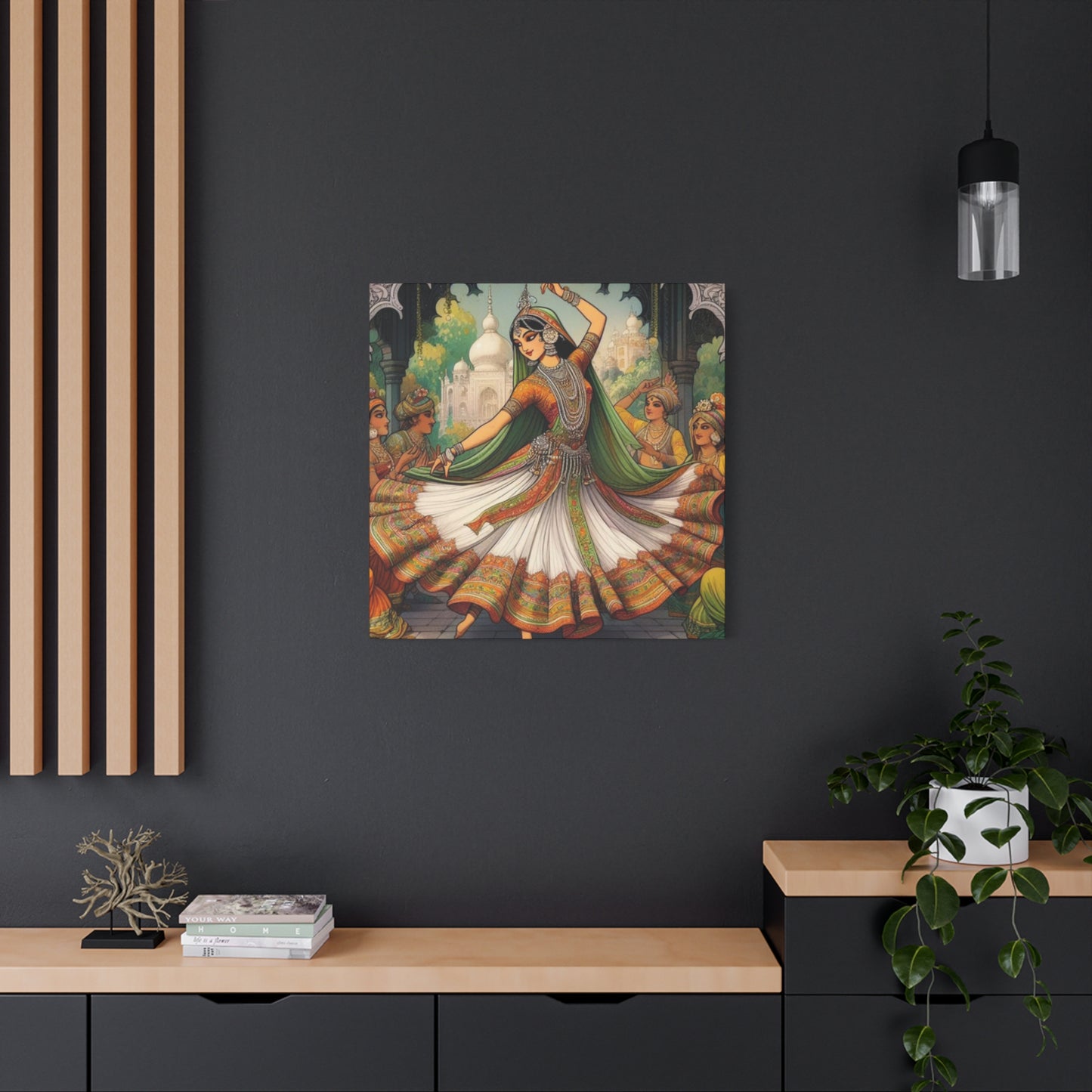
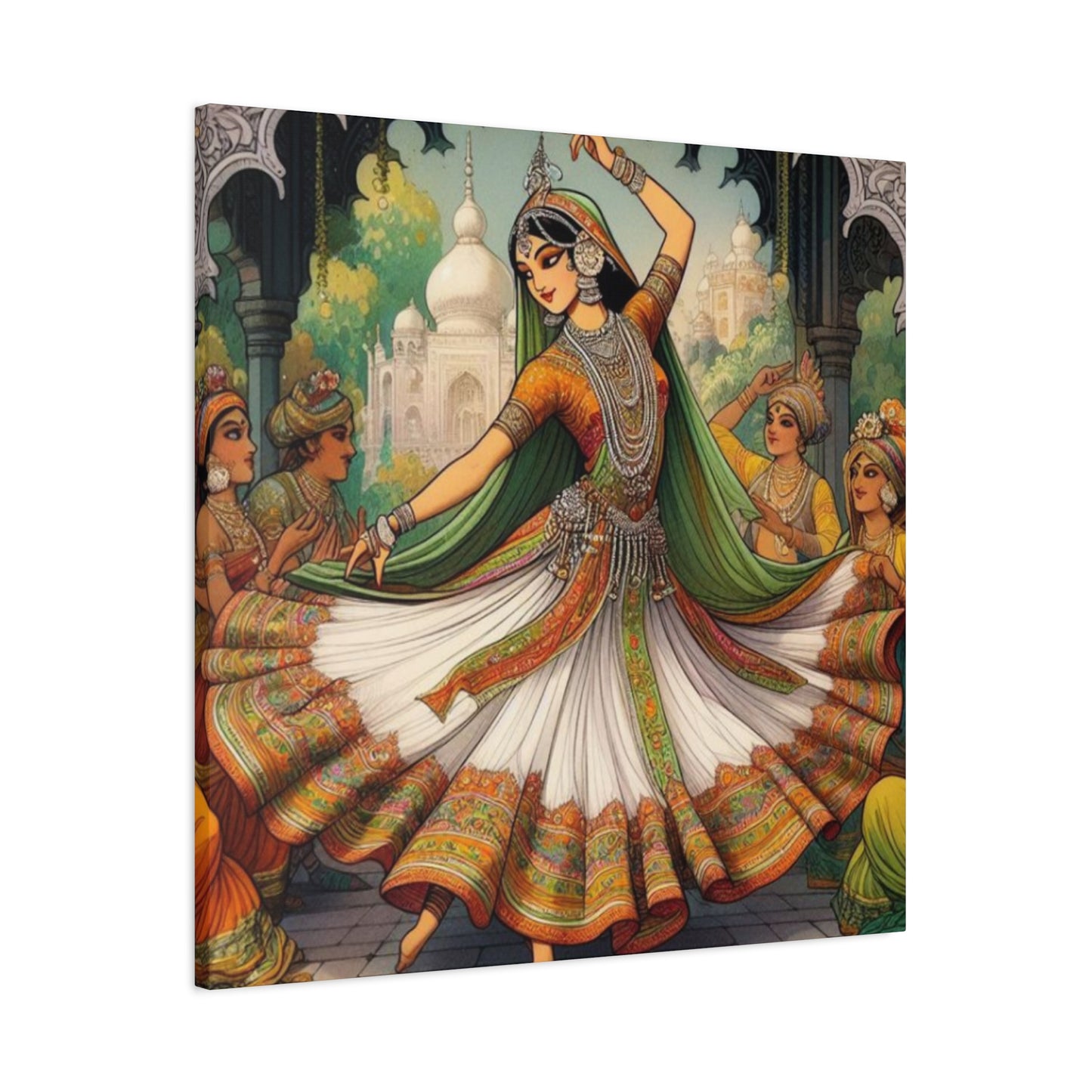
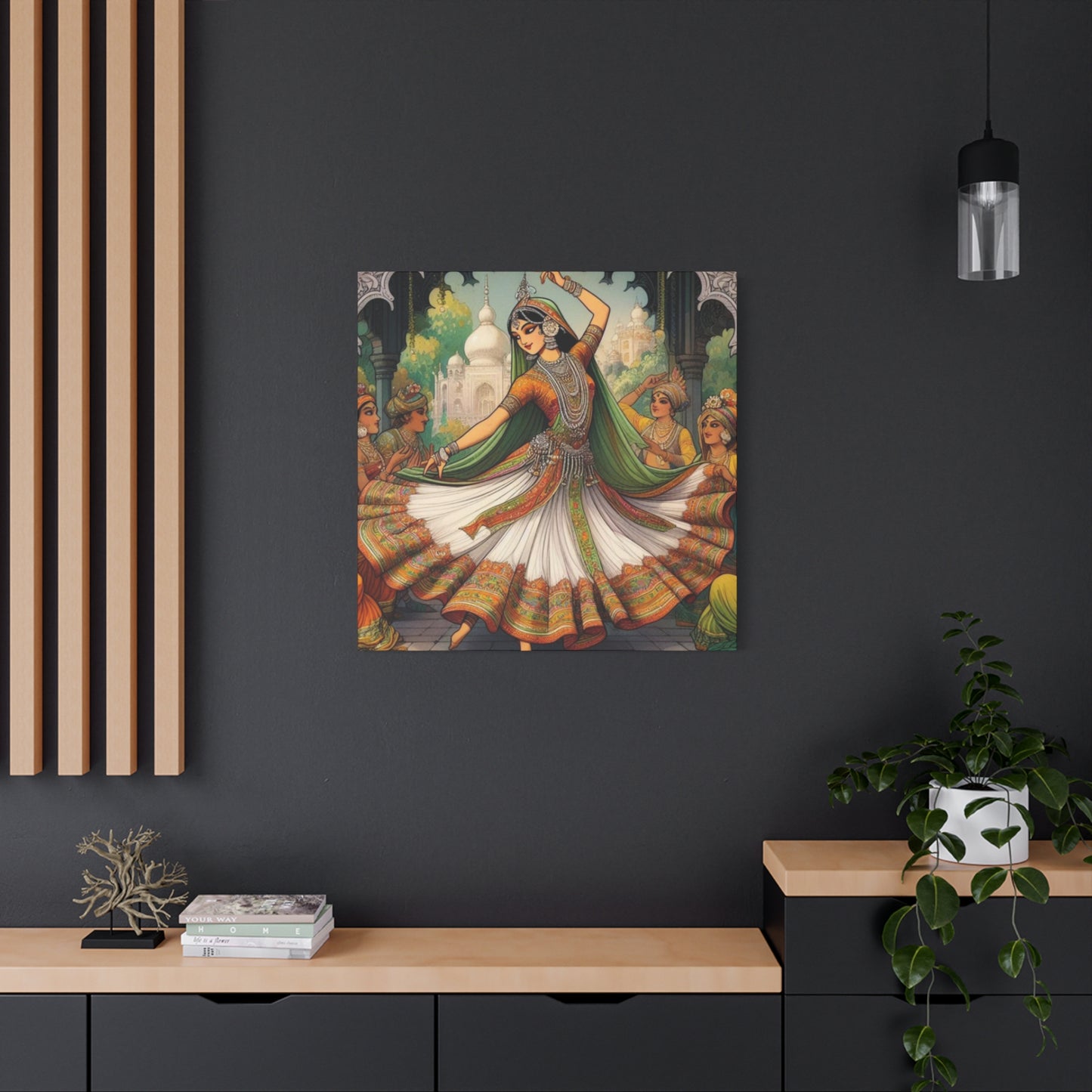
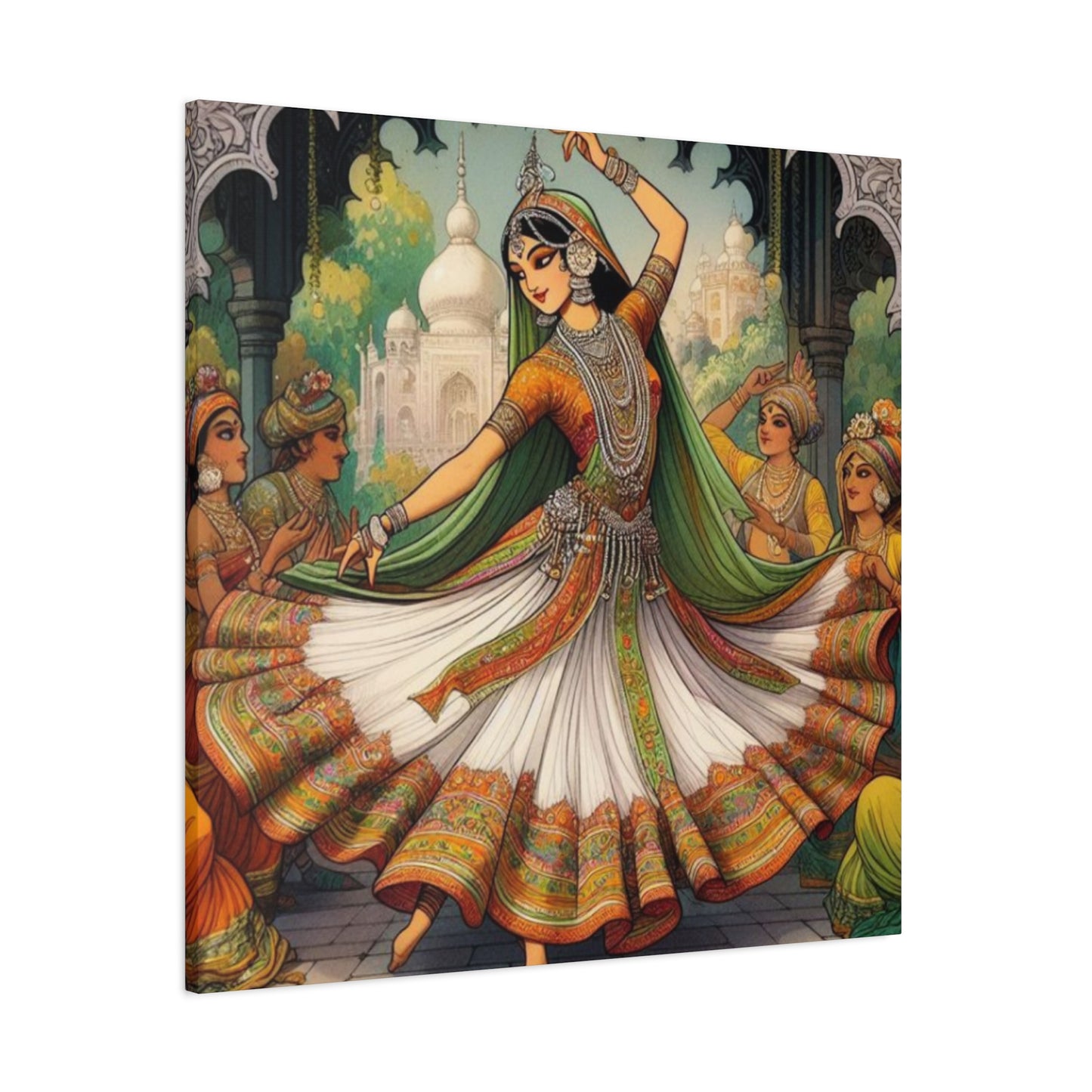
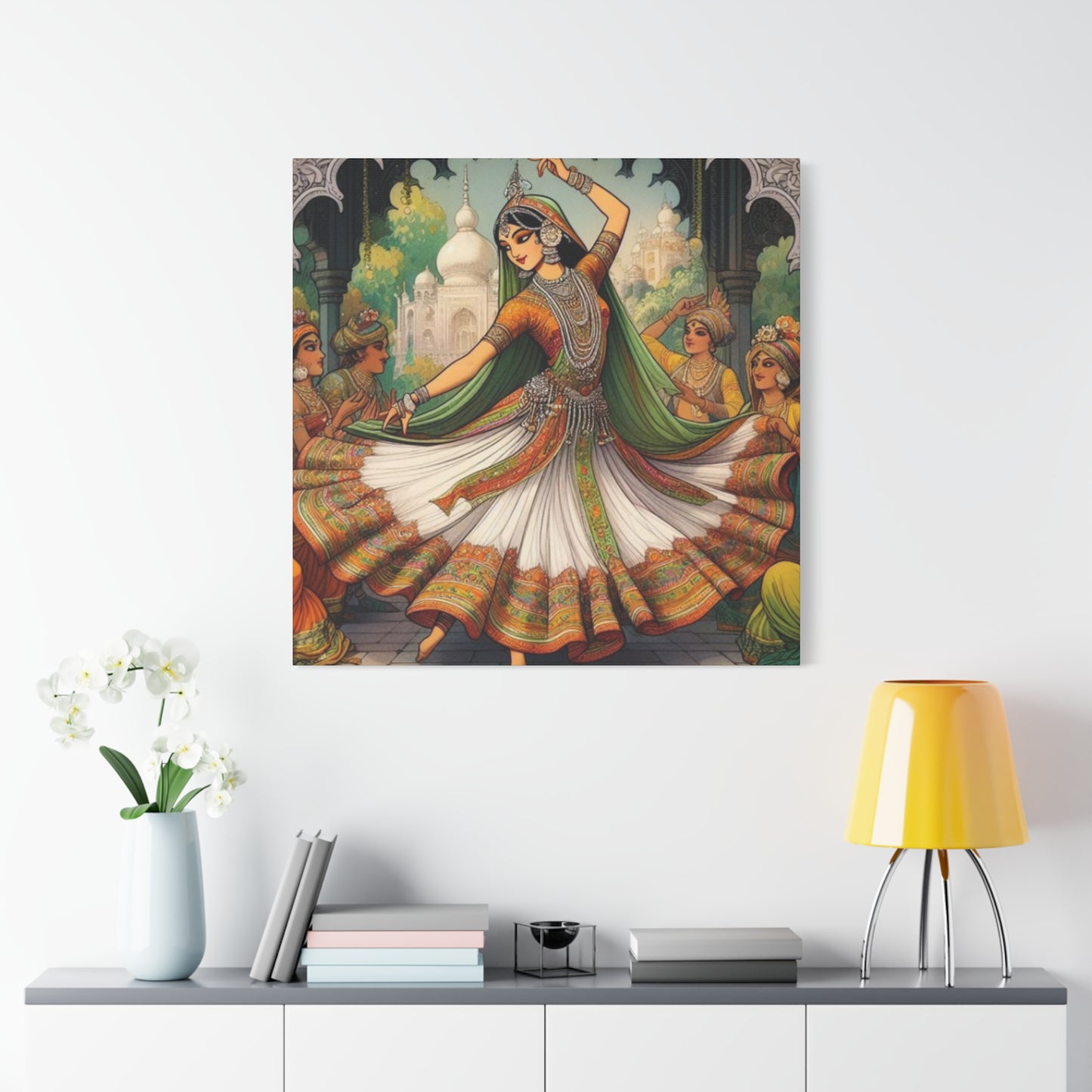
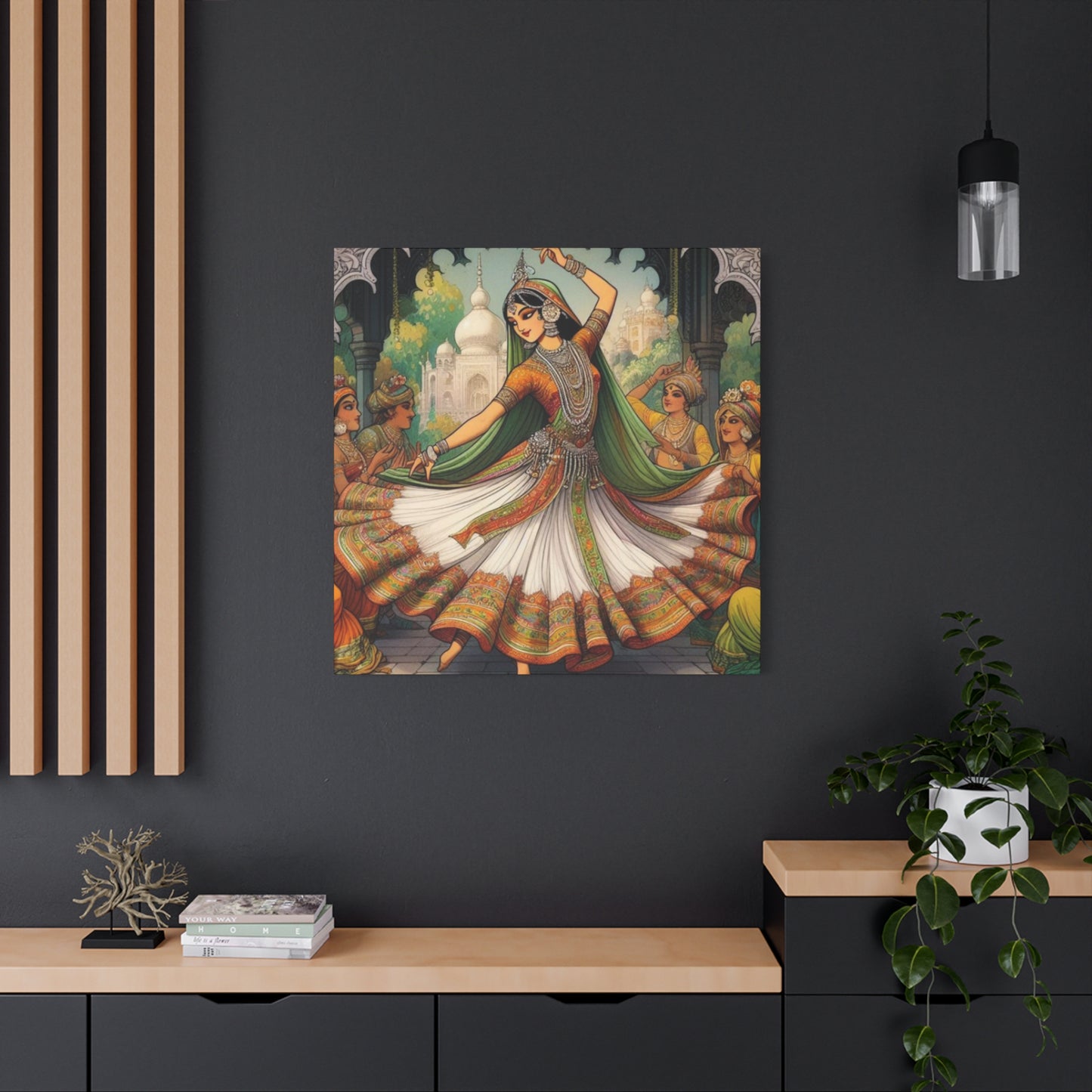
Indian Queen Dancing Wall Art & Canvas Prints
Indian Queen Dancing Wall Art & Canvas Prints
Couldn't load pickup availability
Indian Queen Dancing Wall Art: Mesmerizing Heritage Embodied in Contemporary Home Decor Masterpieces
The realm of home decoration has witnessed a remarkable surge in the appreciation of culturally rich artistic expressions, particularly those depicting regal feminine figures engaged in classical dance forms. These magnificent pieces serve as powerful visual narratives that transport viewers into a world where grace, tradition, and artistic brilliance converge. When adorning living spaces with such artwork, homeowners discover an immediate transformation in ambiance, creating environments that resonate with sophistication and cultural depth.
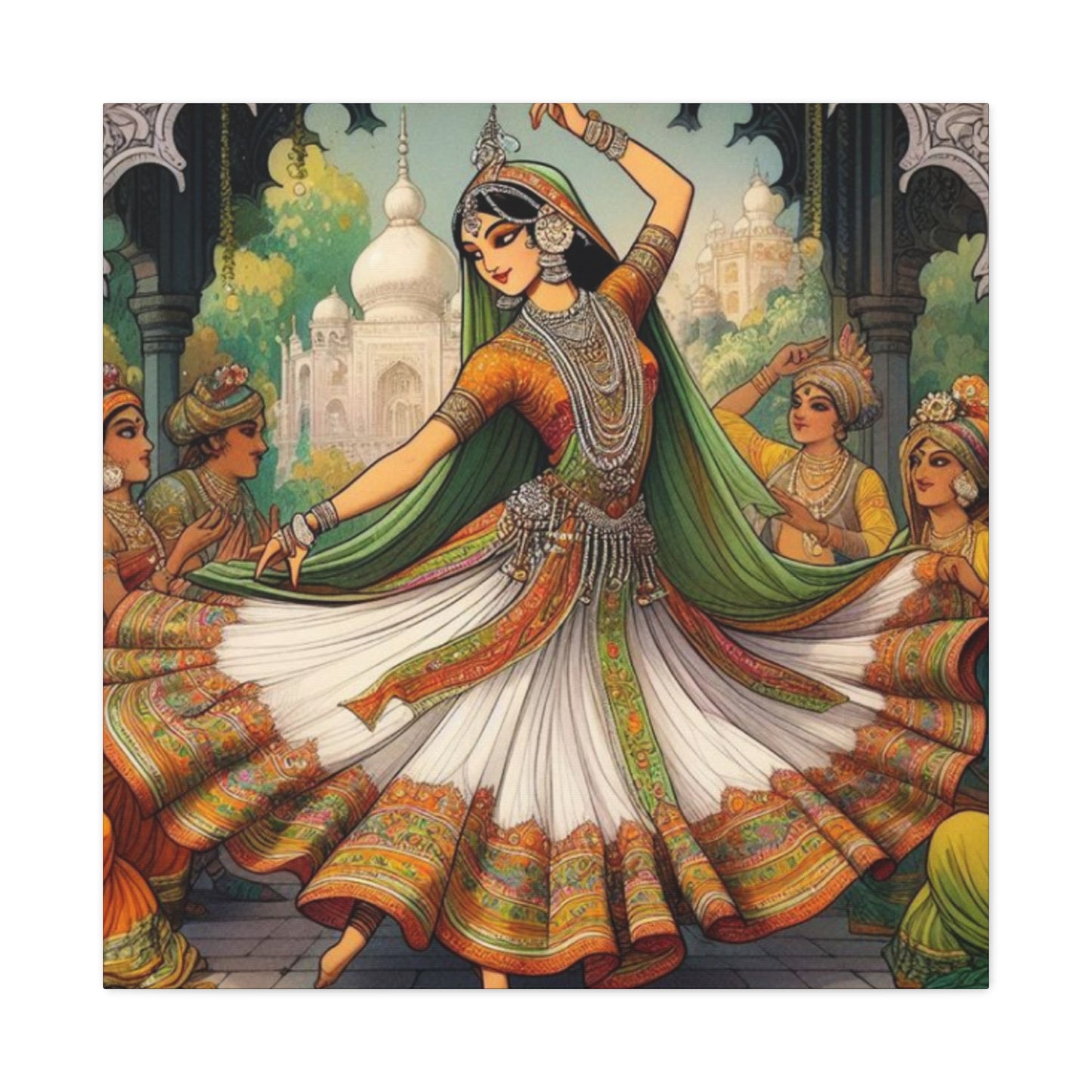
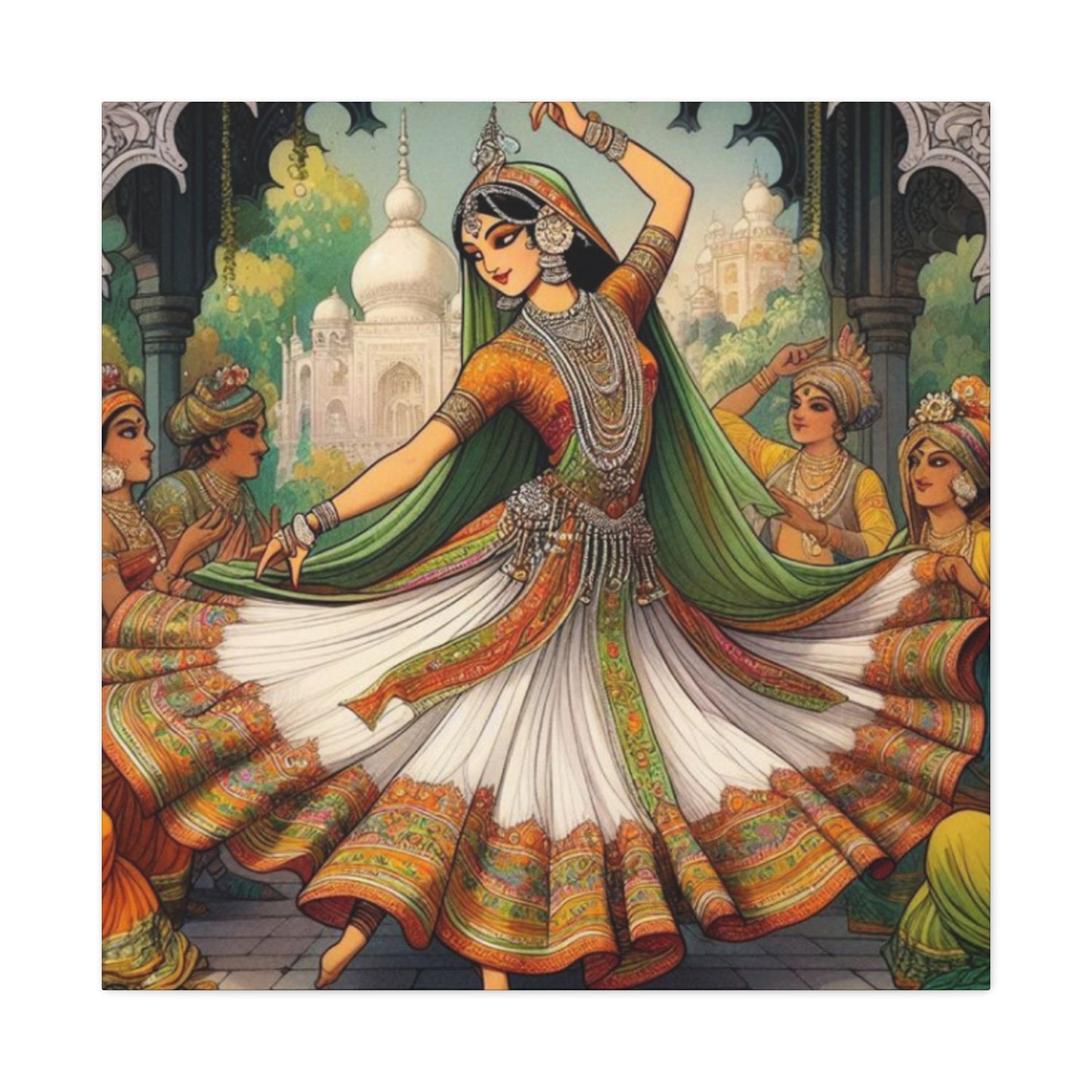
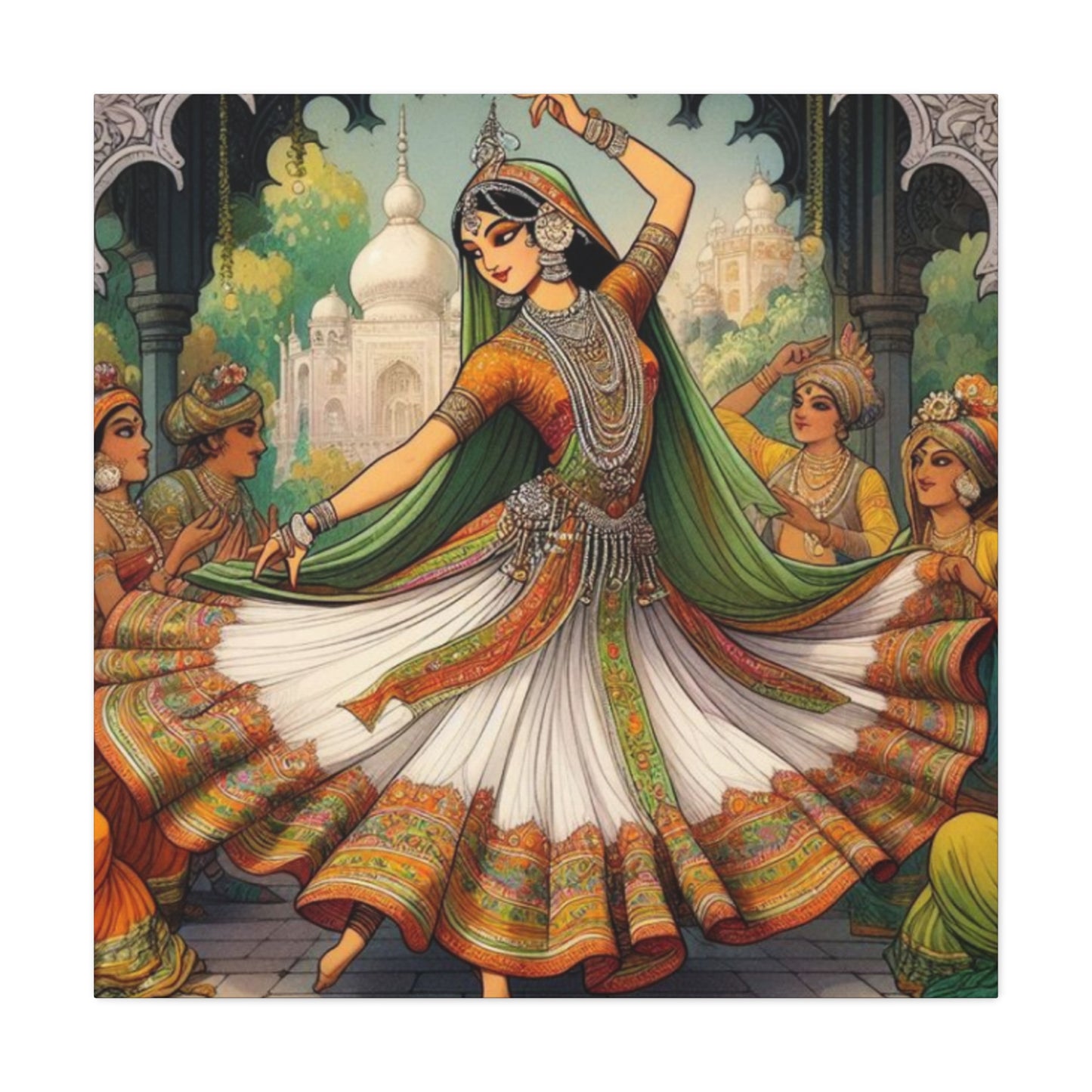
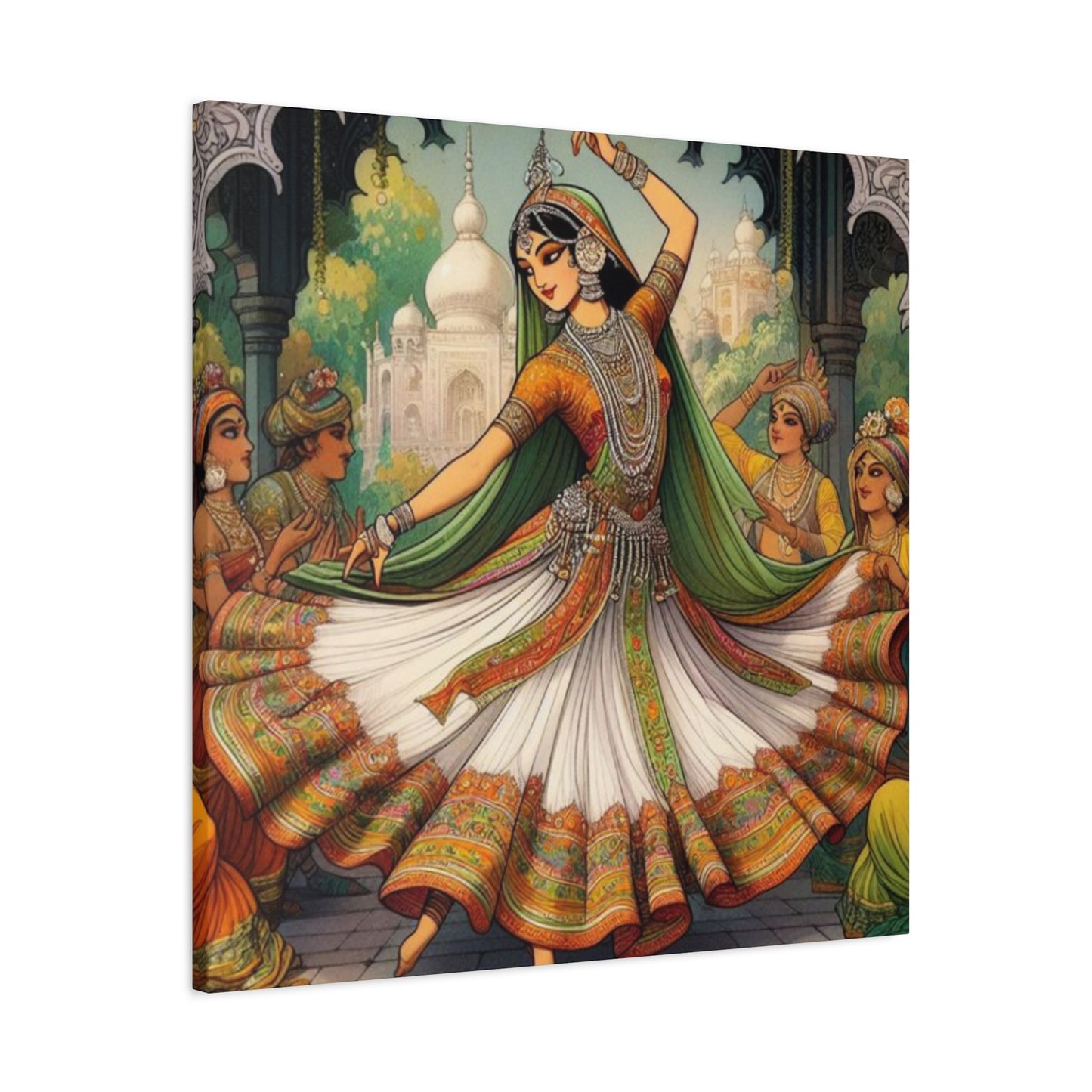
Indian Queen Dancing Wall Art represents more than mere decorative elements; these pieces embody centuries of artistic tradition, storytelling, and the celebration of feminine power within South Asian cultural contexts. The intricate details captured in each movement, the flowing garments, and the expressive hand gestures known as mudras create a mesmerizing focal point that commands attention while simultaneously inviting contemplation. Such artwork bridges the gap between ancestral heritage and contemporary aesthetic sensibilities, making them increasingly popular among design enthusiasts worldwide.
The visual impact of these artistic representations stems from their ability to convey motion within stillness. Artists who specialize in creating these pieces invest considerable effort in capturing the precise moment when a dancer's movement reaches its peak elegance. The cascading fabrics, the arch of the dancer's body, and the positioning of ornate jewelry all contribute to a composition that feels alive despite being rendered on static surfaces. This dynamic quality makes these pieces particularly effective in spaces that might otherwise feel static or lacking in character.
Beyond their aesthetic appeal, these artistic creations serve as conversation starters and cultural ambassadors. Guests entering a space adorned with such artwork often find themselves drawn into discussions about dance traditions, historical contexts, and the symbolism embedded within classical performances. This educational dimension adds layers of value to the decorative function, transforming ordinary walls into galleries of cultural significance.
Exploring Various Artistic Styles Depicting Classical Dance Performers
The diversity of artistic approaches available in this genre provides collectors and decorators with an extensive palette of choices. Traditional painting styles employ rich pigments and meticulous brushwork to recreate the opulence of royal courts and theatrical performances. These hand-painted renditions often feature elaborate backgrounds depicting palace architecture, garden settings, or abstract patterns that complement the central figure without overwhelming the composition.
Contemporary interpretations take bolder approaches, incorporating mixed media elements, metallic accents, or minimalist backgrounds that place exclusive focus on the dancing figure. Some artists experiment with color palettes that deviate from traditional combinations, introducing unexpected hues that create striking visual contrasts. These modern renditions appeal to those seeking artwork that honors cultural roots while embracing current design trends.
Digital art has emerged as another significant medium for creating these pieces. Using sophisticated software and printing techniques, artists can produce works that combine photographic realism with artistic enhancement. These digital creations often feature sharp details and vibrant color reproduction that traditional methods struggle to achieve. The accessibility of digital formats also allows for greater experimentation with scale and composition, enabling the creation of panoramic pieces or multi-panel installations.
Sculptural relief work presents yet another dimension to this artistic category. These three-dimensional pieces add textural interest to walls, creating plays of light and shadow that change throughout the day. Crafted from materials ranging from resin and metal to wood and ceramic, relief sculptures provide tactile engagement that flat artworks cannot match. The depth created by these pieces adds architectural interest to spaces, making them particularly effective in areas with challenging lighting conditions.
Textile-based interpretations include embroidered tapestries, woven hangings, and appliqué work that showcase the dancer through fiber arts. These soft-textured pieces introduce warmth and visual softness to spaces, contrasting beautifully with harder architectural elements. The craftsmanship involved in creating these textile artworks often reflects traditional methods passed down through generations, adding authenticity and heritage value to each piece.
Color Psychology and Palette Selection in Dance-Themed Artwork
The chromatic choices employed in these artistic pieces play a crucial role in determining their emotional impact and compatibility with existing interior schemes. Traditional color palettes draw heavily from natural dyes and pigments historically used in miniature paintings and temple murals. Deep jewel tones like sapphire blue, emerald green, and ruby red dominate many classical representations, evoking the richness of royal garments and ceremonial costumes.
Gold and bronze metallics frequently accent these pieces, representing not only the jewelry adorning the dancer but also serving as symbolic elements connecting earthly beauty with divine radiance. These metallic elements catch and reflect light, creating dynamic visual experiences that change as viewers move around the room or as natural light shifts throughout the day. The strategic placement of these highlights guides the eye through the composition, emphasizing key elements like facial expressions or significant hand gestures.
Earth tones including terracotta, ochre, and sienna provide grounding elements in many compositions, particularly those drawing inspiration from ancient cave paintings or rural performance traditions. These warmer hues create approachable, intimate feelings in spaces, making them ideal for personal retreats or contemplative areas. When combined with cooler accent colors, earth-tone-based pieces achieve balance that prevents them from feeling too heavy or overwhelming.
Monochromatic and neutral interpretations have gained popularity among minimalist enthusiasts and those seeking artwork that complements rather than dominates a space. Black and white renditions emphasize form, movement, and shadow over color, creating dramatic contrasts that work exceptionally well in contemporary settings. Sepia-toned pieces evoke nostalgia and vintage elegance, bridging historical subject matter with timeless aesthetic appeal.
Vibrant, unconventional color schemes represent the experimental edge of this artistic genre. Some contemporary artists employ neon hues, gradient washes, or unexpected color combinations that challenge traditional expectations while maintaining cultural authenticity in subject matter. These bold chromatic choices appeal to collectors seeking statement pieces that reflect individual personality and willingness to embrace artistic risk.
Symbolic Meanings Embedded Within Dance Postures and Gestures
Understanding the narrative and symbolic language within these artworks enriches appreciation and enables more meaningful connections with the pieces. Classical dance forms incorporate codified gesture systems where each hand position, facial expression, and body posture conveys specific meanings. These symbolic vocabularies evolved over millennia, drawing from sacred texts, mythological narratives, and philosophical concepts.
Hand gestures, or mudras, form a particularly sophisticated communication system within dance iconography. A single mudra might represent natural elements like flowers or animals, abstract concepts like love or devotion, or characters within narrative sequences. Artists who accurately render these gestures create works that function as visual storytelling devices, allowing knowledgeable viewers to read the depicted moment's meaning. This layered complexity adds intellectual engagement to aesthetic appreciation.
Foot positions and stances communicate equally important information about the dance moment being captured. Grounded positions suggest stability and earthly connection, while elevated poses convey transcendence or divine inspiration. The distribution of weight, the angle of the hips, and the arch of the back all contribute to the overall narrative being expressed. Skilled artists capture these nuances with precision, ensuring that their renditions maintain authenticity to the dance traditions they represent.
Facial expressions, particularly the eyes, hold tremendous importance in classical dance portrayals. The subtle positioning of eyelids, the direction of gaze, and the slight curve of lips all contribute to conveying specific emotional states or character traits. Artists who master these delicate expressions create figures that seem to possess inner life and consciousness, elevating their work beyond mere representation to genuine artistic achievement.
Costume elements and jewelry placement also carry symbolic weight beyond decorative function. Specific flowers worn in the hair might indicate seasons or occasions, while particular jewelry configurations could denote social status or regional identity. The draping of fabrics follows precise conventions that indicate movement direction and intensity. These details, when rendered accurately, transform artwork into cultural documentation while maintaining visual appeal.
Selecting Appropriate Spaces for Dance-Themed Artistic Installations
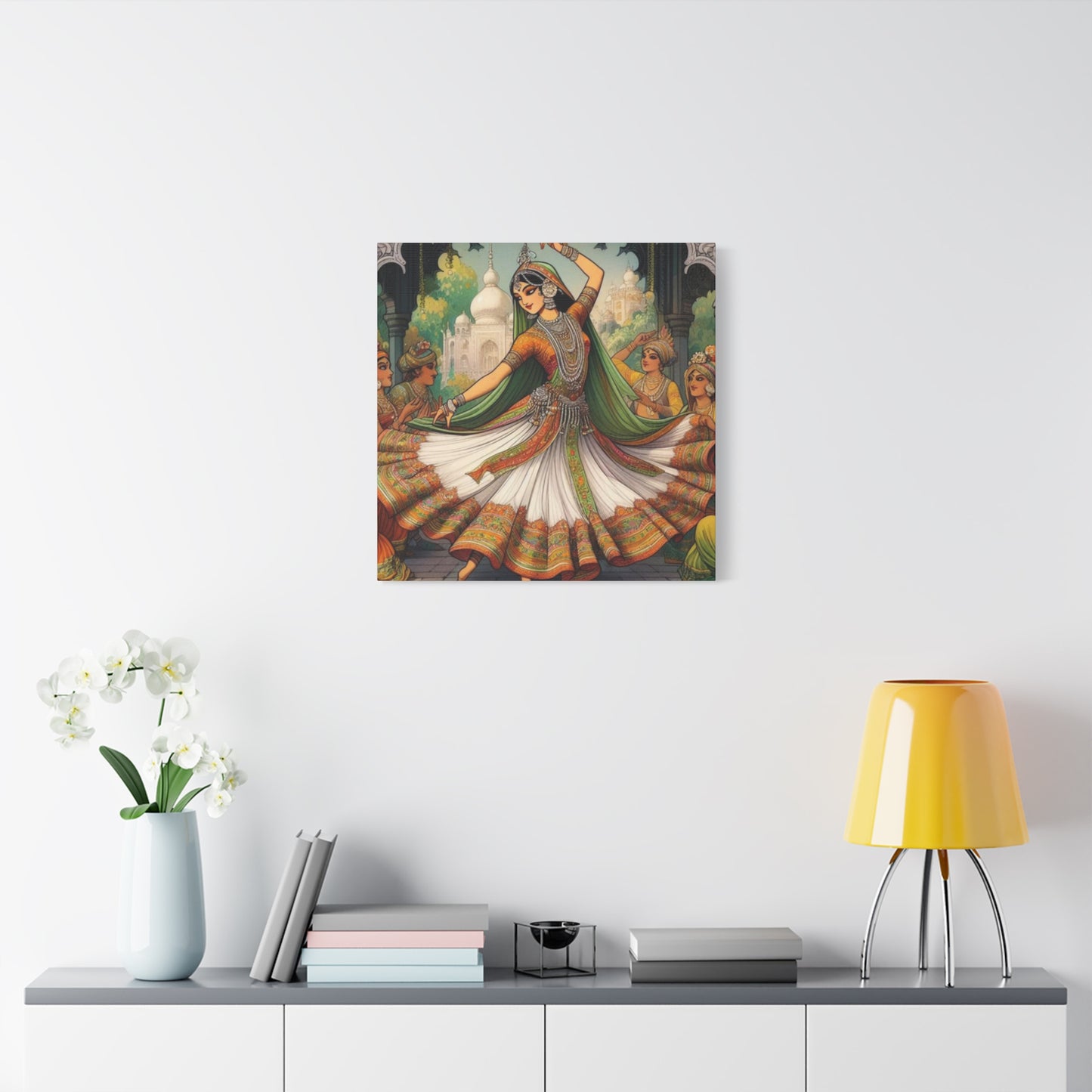
Strategic placement of these artworks significantly influences their impact and the overall atmosphere of a space. Living rooms benefit tremendously from these pieces, particularly when positioned as focal points above sofas or mantelpieces. The inherent elegance and cultural richness of dance-themed art elevates common gathering spaces, creating environments that encourage conversation and contemplation. Scale considerations become paramount in these public areas; pieces should command attention without overwhelming the space or competing with architectural features.
Dining areas present unique opportunities for incorporating these artworks. The ceremonial and celebratory aspects inherent in dance imagery complement the communal nature of shared meals. Positioning a dance-themed piece where it can be appreciated during dining experiences adds grace and refinement to these gatherings. The artwork serves as a constant reminder of beauty and cultural heritage, enriching everyday routines with artistic presence.
Bedroom spaces gain tranquility and personal significance when adorned with carefully selected dance art. These private sanctuaries benefit from pieces that speak to individual aesthetic preferences and cultural connections. Gentler color palettes and smaller scales often work better in sleeping areas, creating calming rather than stimulating environments. The grace and poise depicted in dance imagery can promote feelings of serenity and balance, contributing to restful atmospheres conducive to relaxation.
Home offices and study areas can be transformed through the strategic incorporation of these artistic pieces. The discipline, focus, and dedication embodied by classical dancers provide subtle inspirational elements for work environments. The visual complexity of well-executed dance art offers beneficial breaks for eyes and minds during intensive work sessions, providing moments of aesthetic appreciation that can refresh creativity and concentration.
Entryways and corridors benefit from dance-themed artwork as these spaces often lack character due to their transitional nature. A striking piece positioned in an entry creates immediate impressions for visitors while establishing the home's aesthetic personality. Hallways, often neglected in decorative schemes, become gallery-like spaces when adorned with appropriately sized and framed dance art, transforming utilitarian passages into experiential journeys.
Material Considerations and Surface Treatments for Lasting Beauty
The substrate and medium employed in creating these artworks significantly influence their longevity, appearance, and maintenance requirements. Canvas remains among the most popular surfaces for painted renditions, offering texture that enhances traditional painting techniques while maintaining flexibility and durability. Gallery-wrapped canvases eliminate the need for framing, creating contemporary presentations that allow artwork to wrap around edges, providing visual interest from multiple viewing angles.
Paper-based works including prints, watercolors, and mixed media pieces require different handling and preservation approaches. Acid-free materials prevent yellowing and degradation over time, ensuring that colors remain vibrant and papers maintain structural integrity. When properly matted and framed behind UV-protective glazing, paper works can retain their beauty for generations. The delicacy of paper-based art often requires more careful placement away from direct sunlight and high-humidity environments.
Metal substrates have gained popularity for their unique visual properties and exceptional durability. Aluminum and steel panels provide smooth, reflective surfaces that create luminous effects, particularly when combined with digital printing or photographic transfers. Metal artworks resist warping, moisture damage, and physical impacts better than many alternatives, making them suitable for challenging environments including outdoor covered spaces or humid climates.
Wood panels and reclaimed timber offer organic warmth and textural interest that complement the natural movement depicted in dance imagery. Artists working with wood substrates may leave natural grain visible, allowing material characteristics to contribute to the overall aesthetic. Wood's warmth creates approachable, tactile qualities that invite closer inspection and appreciation of both subject matter and medium.
Acrylic and glass surfaces provide contemporary, high-gloss finishes that create dramatic visual impact. These smooth, reflective materials work particularly well with photographic or digital imagery, producing sharp details and saturated colors. Acrylic's lighter weight compared to glass makes it preferable for larger installations, while its shatter-resistance provides safety advantages in homes with children or high-traffic areas.
Framing Choices That Enhance Rather Than Overshadow Artwork
The presentation framework surrounding dance-themed art significantly influences its visual impact and relationship with surrounding spaces. Traditional ornate frames featuring gold or silver leafing complement classical painting styles, echoing the opulence depicted within the artwork itself. These elaborate frames create formal presentations appropriate for traditional interiors or when establishing gallery-like atmospheres. The decorative elements of such frames should harmonize with the artwork's internal details rather than competing for attention.
Minimalist frames or frameless mounting systems allow contemporary interpretations to shine without visual interference. Floating frames, which create space between artwork and frame edges, add dimensional interest while maintaining clean lines. These presentations work exceptionally well with modern interior schemes where simplicity and uncluttered surfaces dominate design philosophies. The absence of ornate framing directs full attention to the artwork itself, allowing subtle details and color relationships to receive undiluted appreciation.
Wood frames in natural or stained finishes bridge traditional and contemporary aesthetics, providing warmth without excessive ornamentation. The grain patterns and organic textures of wood frames complement the human elements depicted in dance art, creating cohesive visual relationships. Various wood tones can be selected to either match existing furniture or provide intentional contrast that helps artwork stand out against walls and surrounding elements.
Metal frames in brushed or polished finishes offer sleek, modern presentations that work well with both traditional and contemporary artwork. The industrial character of metal framing creates interesting juxtapositions when combined with classical dance subjects, producing visually dynamic contrasts that appeal to eclectic design sensibilities. Metal's durability and resistance to warping make it practical for larger pieces or environments with temperature and humidity fluctuations.
Shadow box frames provide depth that proves particularly effective for dimensional artworks including textiles, relief sculptures, or pieces incorporating three-dimensional elements. These deeper frames protect protruding elements while creating dramatic shadow plays that enhance visual interest. The additional depth can also accommodate matting configurations that further isolate and elevate the artwork from its background.
Lighting Strategies to Maximize Visual Impact and Preservation
Proper illumination dramatically affects how dance-themed artwork is perceived and experienced while also influencing long-term preservation. Picture lights mounted directly above or below artwork provide focused illumination that emphasizes details and colors while minimizing glare. These dedicated fixtures allow for precise control over light intensity and direction, creating dramatic presentations particularly effective during evening hours. Adjustable picture lights enable customization based on specific artwork characteristics and viewing preferences.
Track lighting systems offer flexibility in directing light toward multiple artworks or allowing for repositioning as decoration schemes evolve. The ability to adjust individual fixture angles ensures optimal illumination regardless of artwork size, placement, or surface characteristics. LED track lighting provides energy efficiency and produces minimal heat, reducing risks of artwork degradation from prolonged exposure to light sources.
Ambient lighting strategies incorporate artwork illumination into overall room lighting schemes, creating harmonious environments where art receives appropriate emphasis without appearing artificially spotlit. This approach works well in spaces where multiple focal points compete for attention or where creating relaxed, cohesive atmospheres takes precedence over dramatic art presentation. Layered lighting designs combining ambient, task, and accent sources allow for flexible adjustments based on activities and moods.
Natural light presents both opportunities and challenges for displaying dance-themed art. While daylight reveals colors with unmatched accuracy and creates dynamic viewing experiences as light quality changes throughout the day, prolonged exposure to direct sunlight causes fading and material degradation. Strategic placement that receives indirect natural light provides ideal viewing conditions while minimizing preservation risks. UV-filtering window treatments offer additional protection in spaces with substantial natural light.
Smart lighting systems enable programmed scenarios that adjust illumination based on time of day, occupancy, or desired ambiance. These automated solutions can protect artwork by reducing unnecessary light exposure while ensuring optimal viewing conditions when spaces are actively used. Integration with home automation systems allows artwork lighting to coordinate with other environmental controls, creating seamless, sophisticated living environments.
Acquiring Authentic Pieces From Skilled Artisans and Galleries
Sourcing genuine, high-quality dance-themed artwork requires knowledge and careful consideration of various acquisition channels. Direct relationships with artists provide the most authentic experiences, allowing collectors to understand creative processes, commission custom pieces, and ensure that purchases directly support artistic practitioners. Studio visits offer opportunities to view works in progress, discuss customization options, and develop personal connections that enrich ownership experiences beyond mere possession of physical objects.
Reputable galleries specializing in cultural or dance-themed art serve as curated sources where quality and authenticity receive professional vetting. Gallery relationships provide access to established and emerging artists, often including documentation regarding provenance, materials, and artist backgrounds. The expertise of gallery professionals helps collectors make informed decisions, particularly when navigating unfamiliar artistic territories or investment considerations.
Art fairs and cultural festivals present opportunities to encounter diverse artists and styles within concentrated timeframes and spaces. These events often feature demonstrations, artist talks, and comparative viewing experiences that educate collectors while facilitating purchases. The festive, immersive atmospheres of such gatherings enhance acquisition experiences, creating memories associated with artwork that deepen personal connections.
Online marketplaces have democratized access to artists worldwide, enabling collectors to discover and acquire pieces regardless of geographic limitations. However, online purchasing requires heightened diligence regarding authenticity verification, material quality assessment, and artist credibility evaluation. Detailed photographs, clear material descriptions, and transparent artist information help mitigate risks inherent in purchasing art without physical inspection.
Auction houses occasionally feature dance-themed artwork, particularly pieces from established artists or collections with historical significance. Auction environments create excitement and competitive dynamics that can result in both bargains and inflated prices depending on bidder interest. Understanding auction processes, including buyer's premiums and condition reporting standards, proves essential for those exploring this acquisition channel.
Commissioning Custom Creations Tailored to Personal Spaces and Preferences
Custom commissions offer unparalleled opportunities to acquire artwork perfectly suited to specific spaces, color schemes, and personal aesthetic visions. The commissioning process begins with clearly articulating desired outcomes including size specifications, color preferences, stylistic approaches, and any particular dance forms or moments to be depicted. Providing reference images, fabric swatches, or paint samples helps artists understand the existing environment and client preferences, facilitating more accurate creative interpretations.
Selecting the right artist for commissioned work requires evaluating portfolios to ensure stylistic compatibility with envisioned outcomes. Different artists excel in various approaches, whether realistic representation, abstract interpretation, or specific media like oils, watercolors, or mixed media. Conversations about process timelines, revision policies, and payment structures establish clear expectations that prevent misunderstandings during creative development.
The collaborative nature of commissions allows for input throughout creation, though excessive intervention can stifle artistic expression and compromise final results. Establishing checkpoints where work-in-progress images are shared enables course corrections without micromanaging the creative process. Trusting artists' expertise while clearly communicating non-negotiable requirements creates balanced relationships that yield satisfying outcomes.
Custom size considerations prove particularly valuable when addressing challenging architectural features or specific furniture relationships. Commissioning allows precise dimensional specifications that ensure artwork fits perfectly within intended spaces without requiring compromises. This precision eliminates common frustrations of finding pre-made pieces that nearly, but not quite, meet spatial requirements.
Personalization can extend beyond size and color to incorporate meaningful elements like specific mudras that hold personal significance, costume details reflecting family heritage, or background elements referencing meaningful places or symbols. These personalized touches transform commissioned pieces into deeply personal artifacts that carry significance beyond aesthetic appeal, creating heirlooms that embody family stories and individual journeys.
Preserving Artistic Integrity Through Proper Maintenance Practices
Protecting investments in dance-themed artwork requires understanding and implementing appropriate care routines. Dust accumulation diminishes visual appeal and can attract moisture that promotes mold growth on certain materials. Regular gentle dusting using soft, dry microfiber cloths removes surface debris without abrading or smearing protective finishes. For textured surfaces or dimensional works, soft-bristled brushes provide effective cleaning without damaging delicate details.
Canvas-based paintings benefit from occasional professional cleaning and inspection, particularly valuable pieces or those in demanding environments. Conservators possess specialized knowledge and tools for addressing issues beyond routine maintenance, including structural repairs, varnish restoration, and damage remediation. Establishing relationships with qualified conservators before problems arise ensures rapid response when intervention becomes necessary.
Climate control significantly influences artwork longevity, with temperature and humidity fluctuations causing expansion and contraction that stresses materials. Maintaining stable environments with moderate humidity levels prevents warping, cracking, and adhesive failures. Dehumidifiers in damp climates and humidifiers in arid regions help maintain optimal conditions, while avoiding placement near heating vents, air conditioners, or exterior walls subject to temperature extremes protects against environmental stress.
Protective glazing for works on paper or delicate surfaces provides barriers against dust, moisture, and physical contact while offering UV filtration that slows fading. Conservation-grade glazing materials ensure that protective measures don't introduce their own risks through outgassing or chemical interactions. Regular inspection of glazing for condensation or seal failures enables timely intervention before moisture damages underlying artwork.
Transportation and handling procedures for relocating or temporarily removing artwork require careful planning and appropriate materials. Proper packaging using acid-free papers, bubble wrap, and rigid support prevents physical damage during movement. Professional art handling services provide expertise and insurance for valuable pieces, ensuring that relocations don't compromise artistic integrity or market value.
Coordinating Dance Art With Existing Interior Design Elements
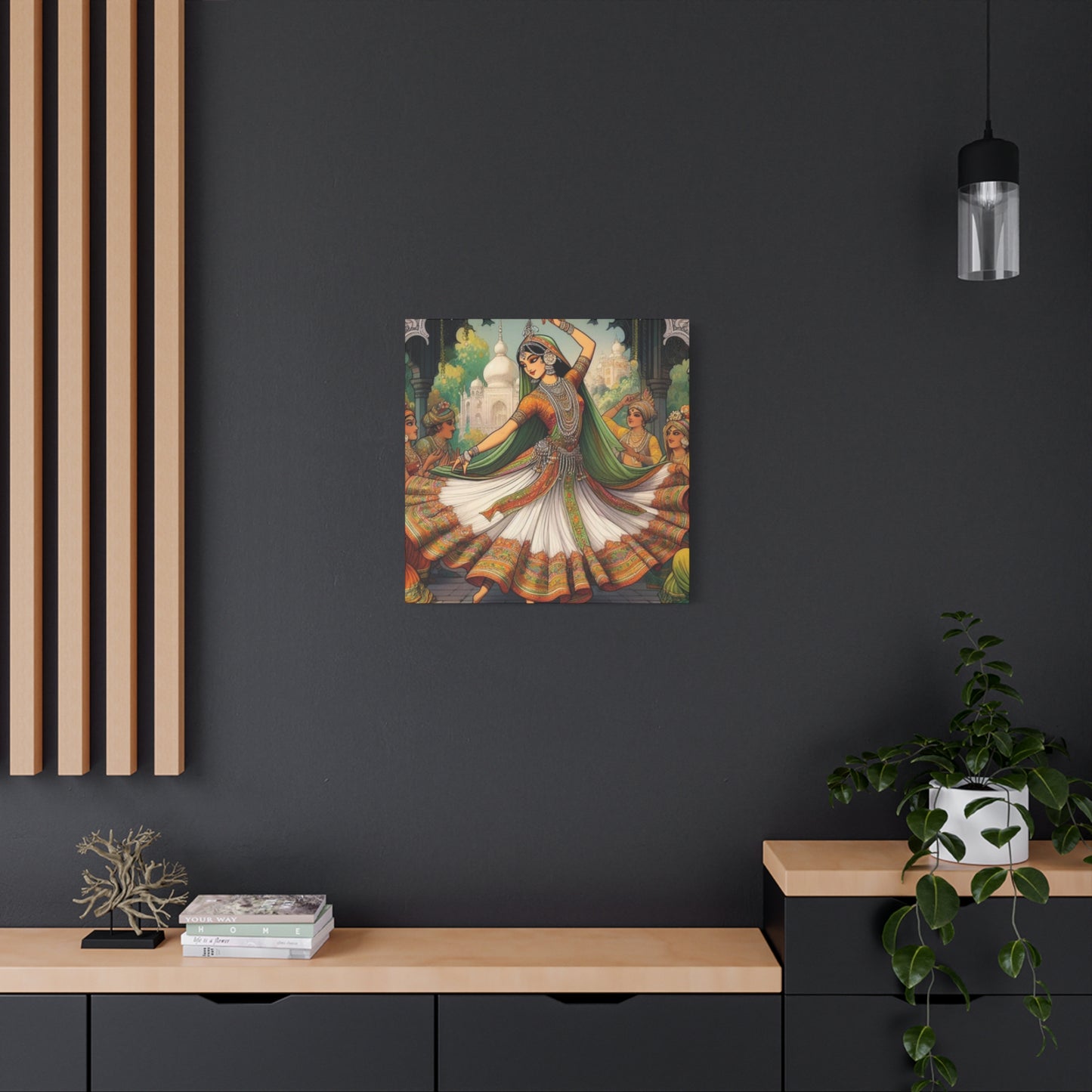
Successful art placement requires consideration of relationships with surrounding furniture, architectural features, and overall design schemes. Color coordination represents the most obvious integration point, with artwork either harmonizing with existing palettes or providing intentional contrast that creates visual excitement. Pulling accent colors from artwork into soft furnishings, decorative objects, or accent walls creates cohesive schemes where art feels integrated rather than arbitrarily placed.
Scale relationships between artwork and furniture pieces beneath or adjacent to them influence visual balance and compositional success. General guidelines suggest artwork width should approximate two-thirds to three-quarters of underlying furniture width, though these recommendations adapt based on ceiling heights, room proportions, and specific compositional considerations. Oversized pieces create dramatic statements in spacious rooms with high ceilings, while smaller works suit intimate spaces or grouped arrangements.
Stylistic consistency doesn't require rigid adherence to single design movements, but successful eclectic mixing demands unifying threads that prevent spaces from feeling chaotic or disjointed. When incorporating classical dance imagery into contemporary spaces, elements like framing style, color temperature, or subject treatment can provide bridges between disparate aesthetics. Conversely, modern interpretations of traditional subjects naturally complement contemporary interiors while introducing cultural depth.
Vertical and horizontal orientations affect spatial perceptions and should be selected based on wall dimensions and surrounding elements. Vertical pieces emphasize ceiling height and work well in narrow spaces or flanking doorways, while horizontal compositions complement low furniture and wider wall expanses. Square formats provide stability and work effectively in balanced, symmetrical arrangements.
Creating gallery walls or grouped arrangements with dance-themed artwork alongside complementary pieces builds visual interest through repetition and variation. Arrangements might explore thematic connections, stylistic progressions, or purely aesthetic relationships based on color, form, or texture. Planning layouts on floors before hanging ensures pleasing compositions and prevents unnecessary wall damage from repositioning.
Cultural Narratives and Stories Depicted in Classical Dance Scenes
The richness of dance-themed artwork extends beyond visual beauty to encompass narrative content drawn from ancient epics, devotional traditions, and folk storytelling. Many classical dance forms evolved as vehicles for communicating religious texts and mythological episodes to audiences who may not have been literate. Artists depicting these dance moments often reference specific stories familiar to culturally knowledgeable viewers, adding layers of meaning accessible to those versed in these traditions.
Epic narratives provide inexhaustible inspiration for dance artists and those who depict them. Stories of divine incarnations, cosmic battles between good and evil, and moral lessons embedded in character journeys find expression through choreographed sequences that artists capture in static moments. These frozen instants often represent climactic scenes or emotionally charged encounters that convey entire narrative arcs through careful composition and symbolic vocabulary.
Devotional themes explore relationships between human devotees and divine beings, expressing concepts of surrender, longing, and ecstatic union. Artwork depicting these devotional dances often features specific iconographic elements that identify divine subjects, including characteristic poses, symbolic objects, or distinctive ornamentation. The emotional intensity of devotional performances translates into artwork that radiates spiritual energy, creating contemplative presences within spaces.
Seasonal celebrations and harvest festivals find representation in dance artwork that captures communal joy and gratitude. These pieces often feature vibrant colors, dynamic movements, and celebratory atmospheres that bring festive energy into domestic environments. The accessible, joyful nature of these subjects makes them particularly appealing for spaces dedicated to gathering and celebration.
Historical events and court life provide another narrative category depicted through dance imagery. Renditions of royal performances, ceremonial dances, or courtly entertainments offer glimpses into vanished worlds of palace life. These pieces appeal to those fascinated by historical reconstruction and the lifestyles of aristocratic classes, serving as windows into social practices and aesthetic values of earlier eras.
Contemporary Interpretations Breathing Fresh Life Into Traditional Subjects
Modern artists continually reimagine classical dance subjects through contemporary lenses, creating works that honor heritage while speaking to present sensibilities. These reinterpretations might involve abstracting traditional forms until only essential movements and energy remain recognizable, creating pieces that feel simultaneously ancient and utterly current. Such abstraction allows artists to explore universal themes of grace, discipline, and expression without being constrained by representational accuracy.
Cultural fusion approaches combine elements from multiple traditions, creating hybrid artworks that reflect increasingly interconnected global cultures. An artist might depict a dancer whose costume blends elements from different regional traditions or set classical poses against unexpected contemporary backgrounds. These fusion pieces appeal to multicultural audiences and those whose personal identities span multiple heritages.
Political and social commentary occasionally emerges through contemporary dance-themed art, with artists using traditional forms to address current issues. The juxtaposition of classical beauty with challenging subject matter creates cognitive dissonance that provokes thought and conversation. While some collectors prefer purely aesthetic artwork, others appreciate pieces that engage with contemporary discourse while maintaining visual appeal.
Experimental materials and unconventional presentation formats push boundaries of what dance art can be. Artists might incorporate found objects, industrial materials, or digital elements into works that challenge viewers' expectations. These experimental approaches attract collectors interested in cutting-edge contemporary art while maintaining connections to classical dance traditions through subject matter.
Photographic approaches to capturing dance have evolved into fine art category distinct from documentary dance photography. Artists create carefully staged and lit compositions that elevate dancers to mythological status through production values rivaling commercial fashion photography. These works bridge performing arts and visual arts, appealing to audiences who appreciate both domains.
Regional Variations in Dance Styles and Their Artistic Representations
The vast geographic and cultural diversity across the subcontinent has produced numerous distinct classical dance traditions, each with characteristic aesthetics reflected in their artistic depictions. Northern traditions often emphasize narrative storytelling through elaborate facial expressions and hand gestures, with artwork capturing the nuanced emotional communications central to these forms. Costumes in these representations typically feature voluminous skirts and ornate jewelry that artists render with meticulous attention to textile patterns and metalwork details.
Southern classical forms emphasize geometric precision, rhythmic footwork, and sculptural poses that artists celebrate through compositions highlighting lines, angles, and dynamic tension. Artwork depicting these traditions often features dancers in powerful, grounded stances that convey strength and control. The simpler, more streamlined costumes of some southern traditions allow artists to emphasize body forms and movement qualities over decorative elements.
Eastern traditions bring unique aesthetic sensibilities rooted in devotional practices and temple rituals. Artistic representations often incorporate religious iconography and temple architecture as contextual elements. The softer, more fluid movements characteristic of some eastern forms translate into artwork emphasizing curves, flowing lines, and graceful transitions. Rich color palettes dominated by reds, golds, and deep blues frequently appear in these representations.
Western regional variations showcase folk influences and unique costume traditions featuring distinctive jewelry styles and textile patterns. Artists depicting these traditions often incorporate elements of regional landscape, architecture, or cultural symbols that locate the dance within specific geographic and cultural contexts. The earthy, vibrant aesthetics of these traditions create visually rich artworks filled with pattern, color, and decorative detail.
Contemporary urban interpretations have developed as classical forms evolved within modern city contexts, incorporating diverse influences while maintaining core technical principles. Artwork reflecting these urban evolutions might depict dancers in contemporary settings or feature styling that blends traditional and modern elements. These hybrid representations resonate particularly with younger collectors and those whose relationship with cultural heritage involves active reinterpretation rather than pure preservation.
Investment Potential and Market Dynamics for Dance-Themed Artwork
For collectors interested in financial dimensions alongside aesthetic enjoyment, understanding art market dynamics proves valuable. Established artists with documented exhibition histories, critical recognition, and museum acquisitions typically command higher prices and offer better long-term value retention. Researching artists' career trajectories, previous sale prices, and critical reception provides insight into investment potential while also revealing information relevant to aesthetic evaluation.
Emerging artists present opportunities for acquiring quality work at accessible price points with potential for value appreciation as careers develop. Identifying talented emerging artists requires cultivating knowledge of art scenes, attending exhibitions, and developing discernment about quality and originality. While emerging artist acquisitions carry more risk regarding future value, they also offer the satisfaction of supporting developing talent and potentially discovering future masters.
Provenance documentation tracking artwork ownership history enhances both market value and personal understanding of pieces. Maintaining purchase receipts, artist statements, exhibition records, and condition reports creates comprehensive documentation that facilitates future sales, insurance valuations, and estate planning. Digital documentation including detailed photographs supplements physical records, providing comprehensive archival resources.
Market trends in cultural art fluctuate based on factors including museum exhibition programming, prominent collector activities, and broader cultural interest in specific traditions. Global cultural awareness initiatives, increased representation of non-Western art in major museums, and growing collector bases in countries of cultural origin all influence demand and pricing. Staying informed about these trends through art publications, auction results, and gallery communications helps collectors make strategic acquisition decisions.
Condition significantly impacts both aesthetic enjoyment and market value, making careful assessment and preservation essential. Obvious damage, poor restoration work, or degraded materials substantially reduce artwork value and appeal. Investing in proper conservation when needed protects both financial investment and aesthetic integrity, ensuring that pieces can be enjoyed and appreciated for generations.
Creating Thematic Collections That Tell Cohesive Stories
Thoughtful collectors often develop focused collections exploring specific aspects of dance art rather than acquiring randomly diverse pieces. Thematic collecting might concentrate on particular dance forms, allowing deep exploration of regional traditions and their artistic representations across different artists and time periods. Such focused collections develop expertise and create opportunities for meaningful engagement with specific cultural traditions.
Chronological approaches trace evolution of artistic styles, dance forms, or specific artists' careers over time. These collections tell stories about artistic development, cultural changes, or shifting aesthetic values. Arranging chronological collections creates visual narratives that reveal influences, innovations, and cultural dialogues occurring across decades or centuries.
Medium-based collections might focus on specific artistic approaches like watercolors, bronze sculptures, or textile arts. This focus allows collectors to develop specialized knowledge about materials, techniques, and artists working within particular media. Display of medium-focused collections creates opportunities to explore how different materials and methods interpret similar subjects, revealing unique characteristics and capabilities of each approach.
Symbolic or thematic collections unite pieces through shared narrative content, symbolic elements, or emotional qualities rather than stylistic or formal similarities. A collection might explore representations of specific deities, particular mudras, or emotional states expressed through dance. These conceptual collecting approaches create intellectual frameworks for understanding and organizing acquisitions while guiding future collecting decisions.
Comparative collections intentionally acquire contrasting approaches to similar subjects, creating dialogues between different artistic visions, cultural perspectives, or time periods. These collections might pair traditional and contemporary interpretations, realistic and abstract approaches, or representations from different regional traditions. The juxtapositions created by comparative collecting generate insights unavailable through more homogeneous collections while creating visually dynamic displays.
Educational Resources for Deepening Appreciation and Knowledge
Enhancing enjoyment and understanding of dance-themed artwork benefits from exploring contextual information about dance forms, cultural traditions, and artistic movements. Books about classical dance provide comprehensive foundations including historical development, technical vocabulary, philosophical underpinnings, and regional variations. These resources transform passive viewing into informed appreciation by revealing layers of meaning embedded within artistic representations.
Documentary films and performance recordings bring static artwork to life by showing the actual dances being depicted. Observing live or recorded performances illuminates how two-dimensional artworks capture three-dimensional movement, helping viewers appreciate artists' skills in selecting decisive moments and translating motion into stillness. Performance viewing also reveals subtle details of costumes, jewelry, and staging that inform artistic representations.
Museum exhibitions featuring dance-themed art or related cultural artifacts provide curated learning experiences with expert interpretation. Exhibition catalogues extend these experiences beyond physical visits, offering scholarly essays, detailed artwork analysis, and high-quality reproductions. Virtual museum tours have made collections worldwide accessible regardless of geographic location, democratizing access to world-class cultural resources.
Academic journals and art publications provide scholarly analysis and critical discourse about dance art, individual artists, and broader cultural movements. While sometimes dense or specialized, these sources offer depth unavailable in popular media. Following contemporary critical discourse keeps collectors informed about emerging artists, market trends, and evolving interpretations of established traditions.
Workshops and lecture series offered by museums, cultural centers, and arts organizations create opportunities for direct learning from experts including artists, scholars, and performers. These interactive experiences allow question-asking and discussion that deepen understanding beyond what solitary study provides. Connecting with fellow enthusiasts through these programs builds communities of shared interest that enrich collecting experiences.
Ethical Considerations When Collecting Cultural Artwork
Responsible collecting requires awareness of ethical dimensions including cultural appropriation concerns, artist compensation, and heritage preservation. Understanding distinctions between appreciation and appropriation involves recognizing when cultural elements are being honored versus exploited. Purchasing directly from artists or reputable galleries ensures that cultural practitioners benefit financially from their work rather than having their traditions commodified without compensation.
Authenticity verification protects against supporting fraudulent reproductions or misattributed works while ensuring that purchases represent genuine artistic and cultural value. Requesting documentation regarding artist identity, creation methods, and material sources helps verify authenticity. Supporting artists who practice traditional methods and maintain connections to dance communities ensures that purchases support living cultural traditions rather than mere aesthetic commodification.
Repatriation issues surrounding cultural artifacts have heightened awareness about appropriate ownership of culturally significant objects. While most contemporary dance-themed artwork doesn't involve repatriation concerns, collectors should understand the broader context and remain sensitive to cultural heritage issues. Acquiring works created by contemporary artists working within their own cultural traditions generally avoids these ethical complications.
Cultural education responsibilities accompany ownership of culturally significant artwork. Collectors serve as informal ambassadors by sharing information about pieces, artists, and traditions with those who view their collections. This educational role requires sufficient knowledge to represent cultural contexts accurately and respectfully, avoiding perpetuation of stereotypes or misinformation.
Supporting cultural communities extends beyond purchasing artwork to include patronage of performing arts organizations, cultural centers, and educational initiatives. Collectors who contribute to ecosystem supporting dance traditions ensure continued vitality of practices that inspire the artwork they collect. This holistic support creates sustainable relationships between collectors, artists, and communities.
Conclusion
Dance-themed art makes particularly meaningful gifts for significant life events and milestone celebrations. Weddings benefit from artwork symbolizing grace, partnership, and joyful celebration. Selecting pieces depicting paired dancers or wedding-related dance ceremonies creates gifts with direct relevance to the occasion while providing lasting beauty for newlyweds' homes. Commissioning custom pieces incorporating wedding dates, couple names, or significant symbols creates personalized gifts of exceptional sentimental value.
Housewarming presents gain cultural significance when featuring dance artwork representing blessings, prosperity, or protective symbolism. Certain dance poses and associated deities carry auspicious meanings appropriate for blessing new homes. Explaining symbolic significance when presenting such gifts deepens their meaning and educational value, transforming decorative objects into carriers of goodwill and cultural wisdom.
Graduation gifts celebrating educational achievement might feature dance forms requiring extensive training and discipline, creating metaphorical connections between recipients' accomplishments and mastery depicted in artwork. The dedication and years of practice required to achieve excellence in classical dance parallel academic achievements, making these gifts particularly resonant for graduates embarking on professional journeys.
Retirement gifts acknowledging career conclusions and new life chapters gain poignancy when featuring dance imagery. The grace, wisdom, and expressive freedom achieved by master dancers mirrors the position of retirees who have accumulated life experience and now enjoy freedom from career demands. Selecting pieces depicting mature or contemplative dancers creates age-appropriate, dignified gifts honoring recipients' life stages.
Cultural heritage gifts for children or young adults exploring their identity prove particularly valuable. Dance artwork representing ancestral traditions helps younger generations maintain connections with cultural roots despite geographic displacement or generational distance from immigrant experiences. These gifts become touchstones for cultural identity and pride, potentially sparking deeper interest in learning about heritage traditions.
Share