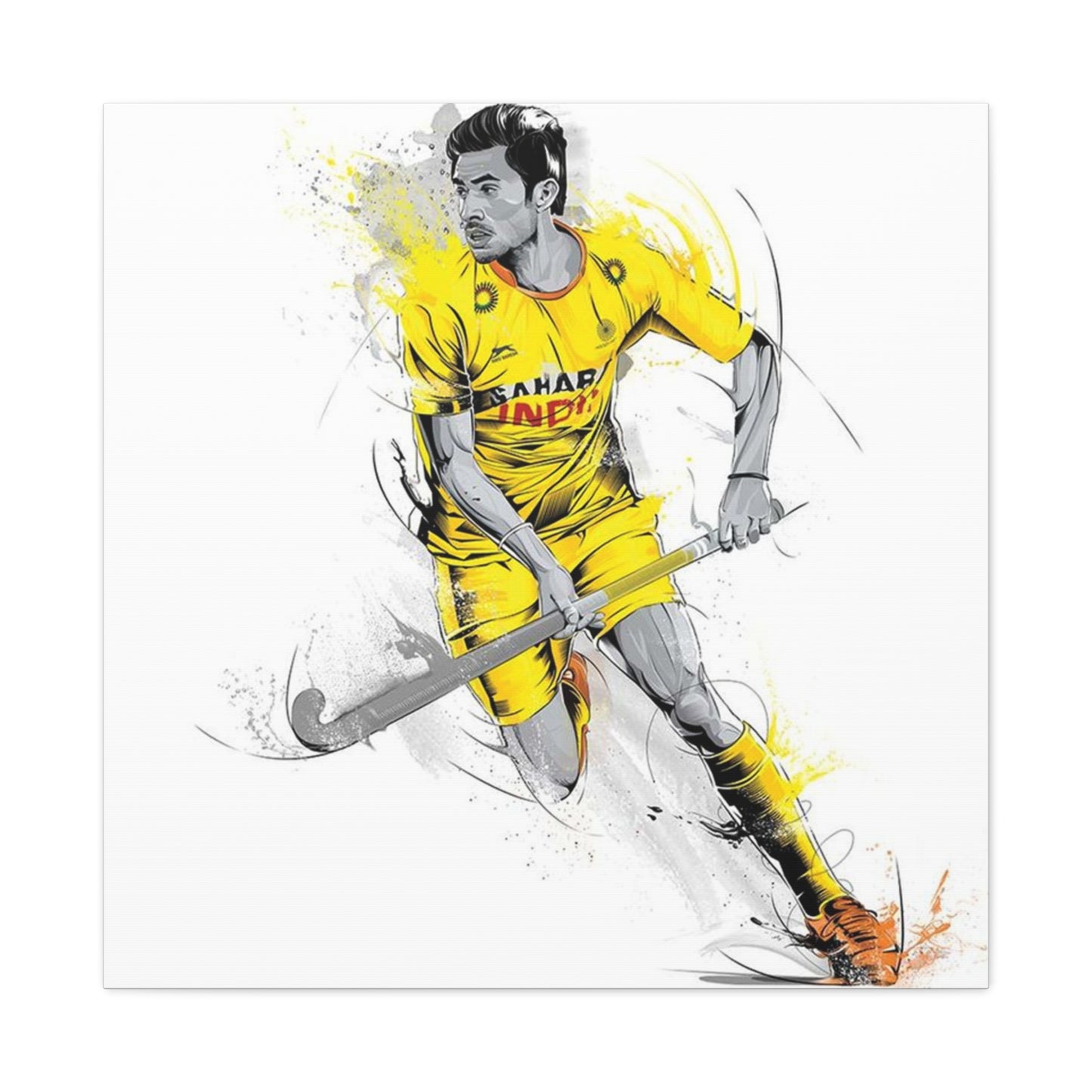
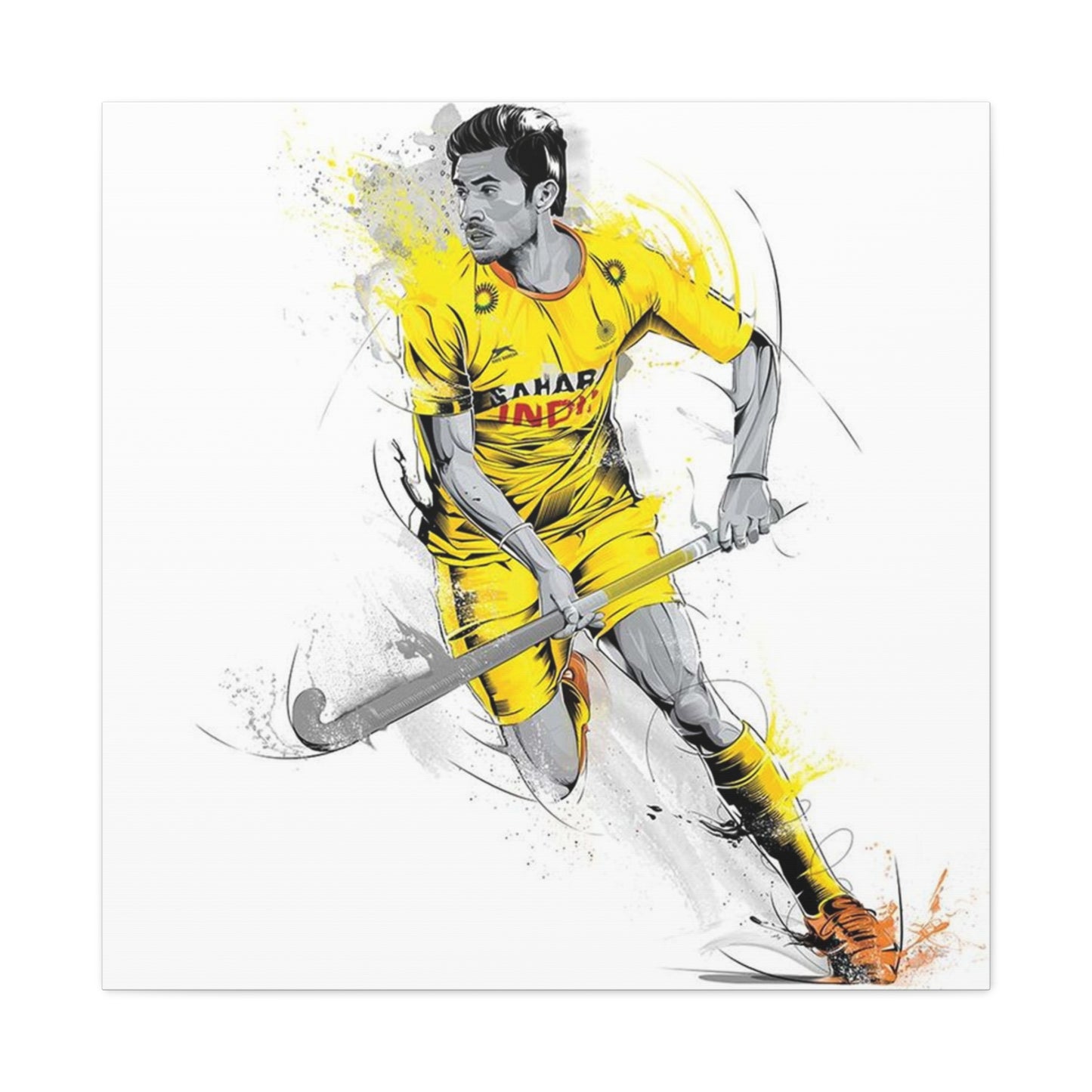
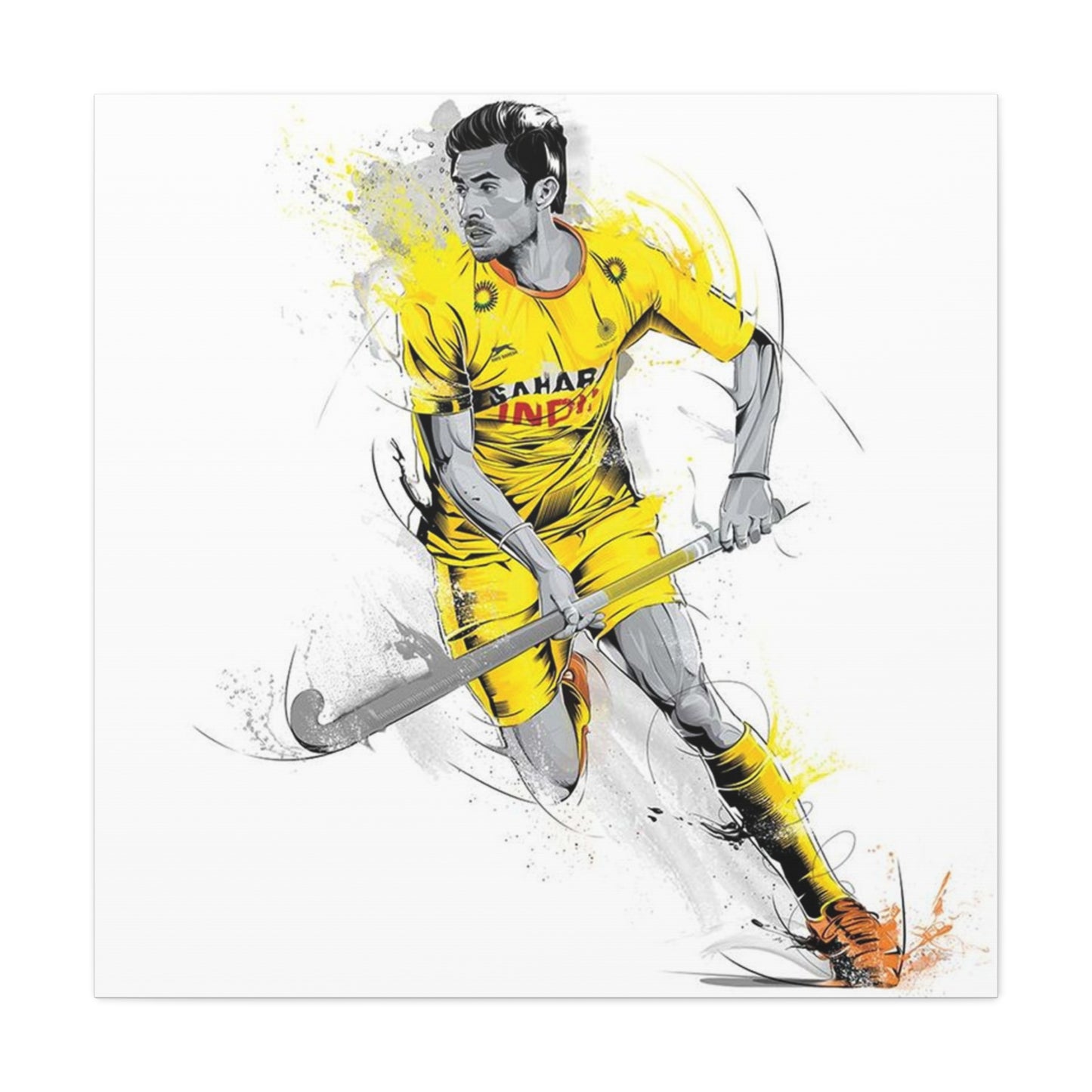
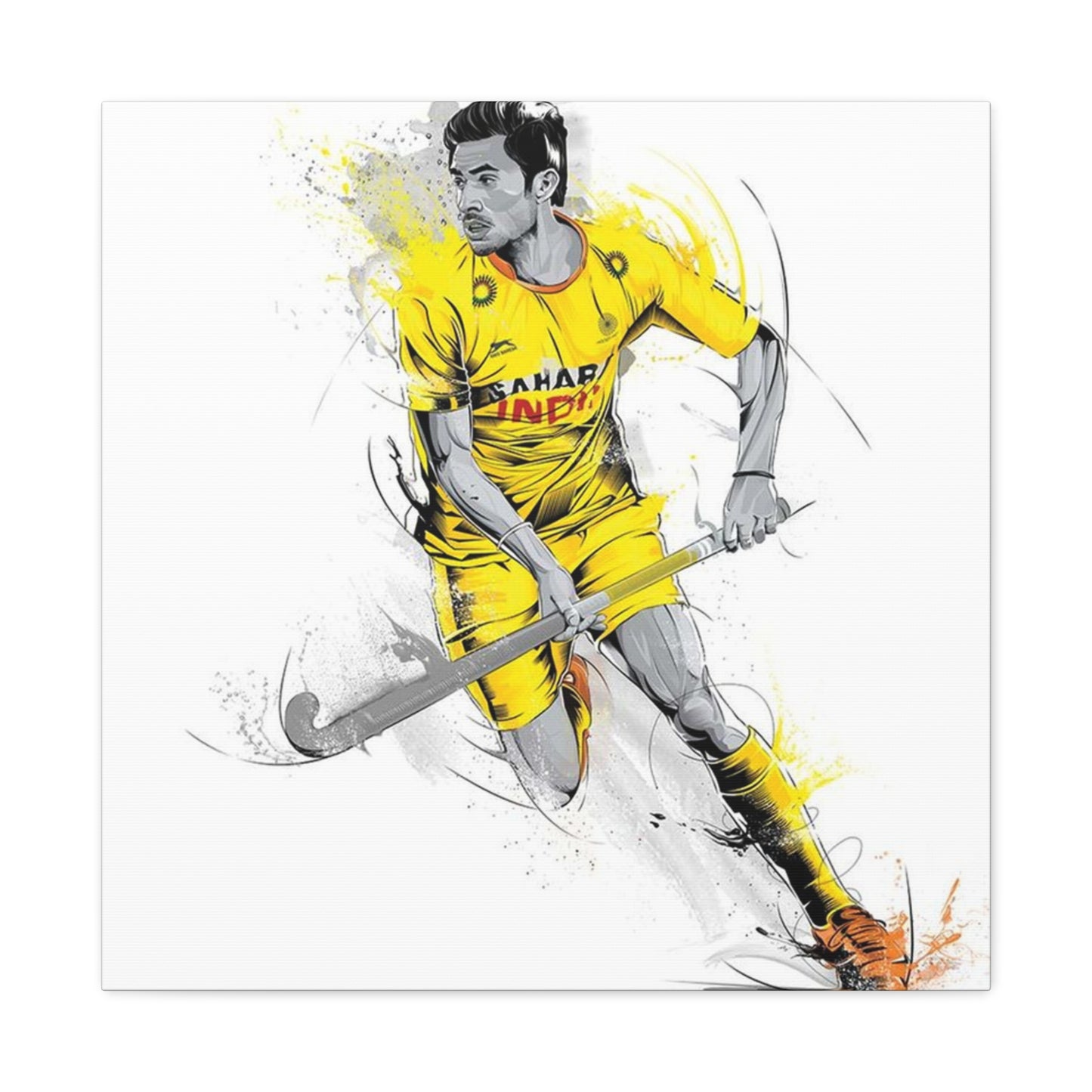
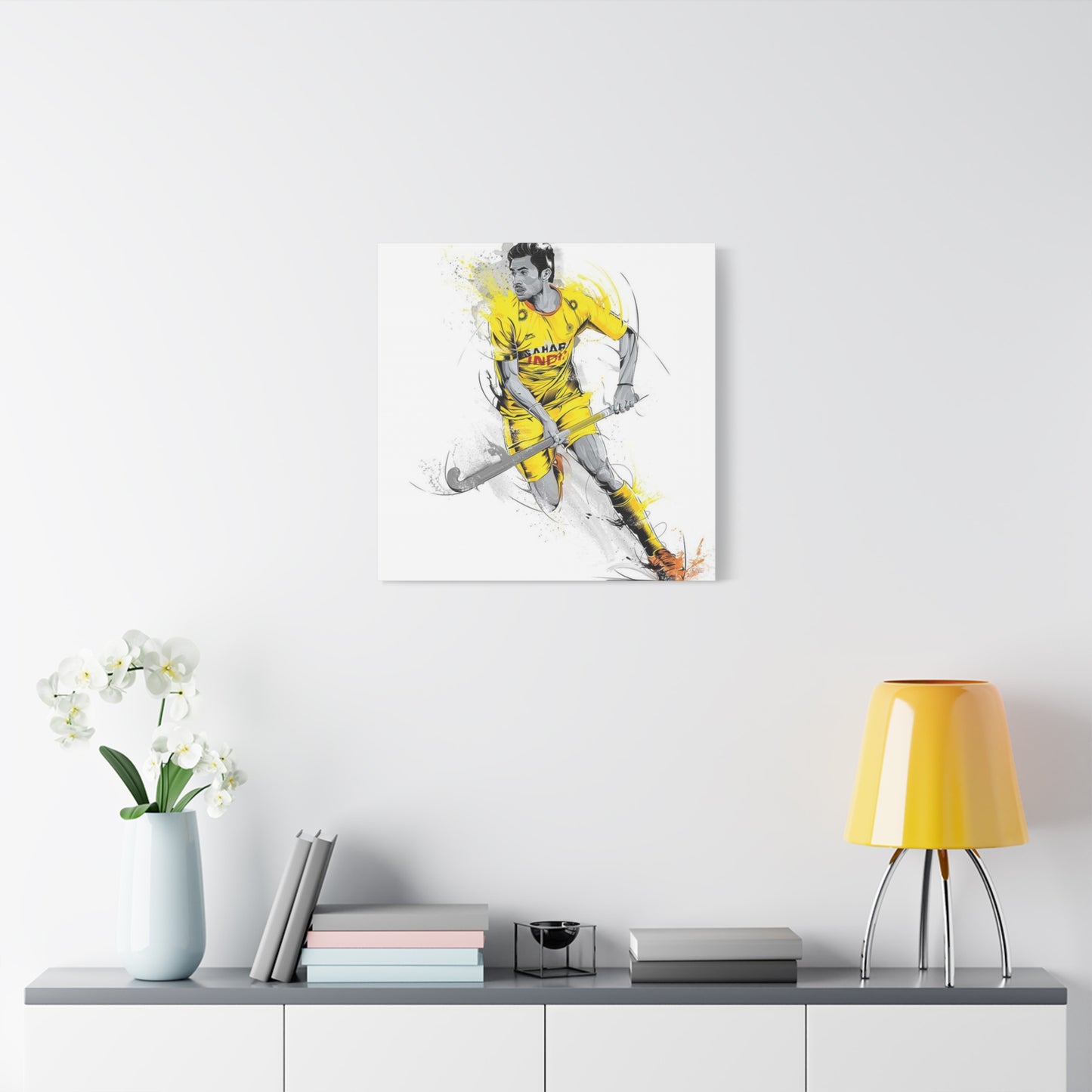
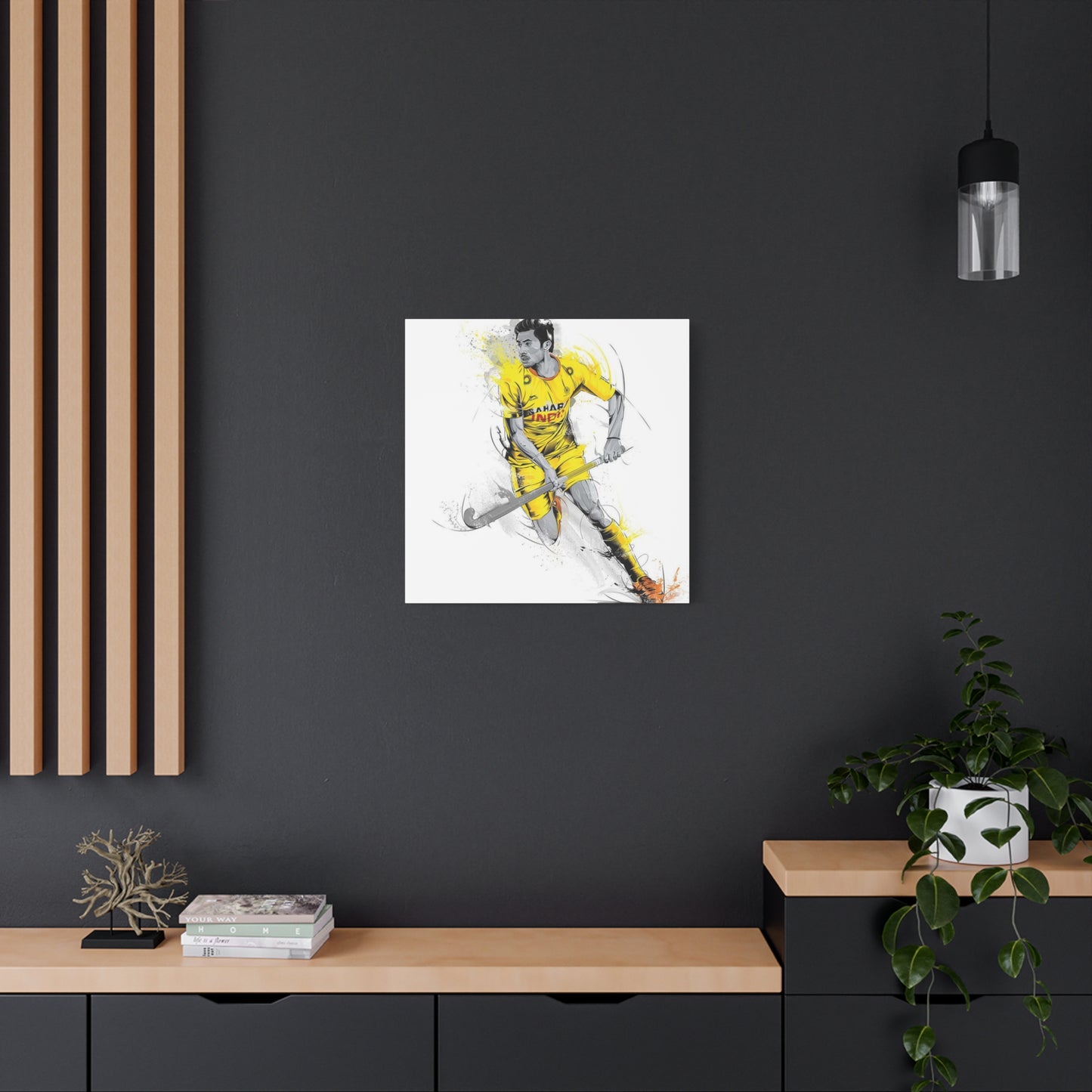
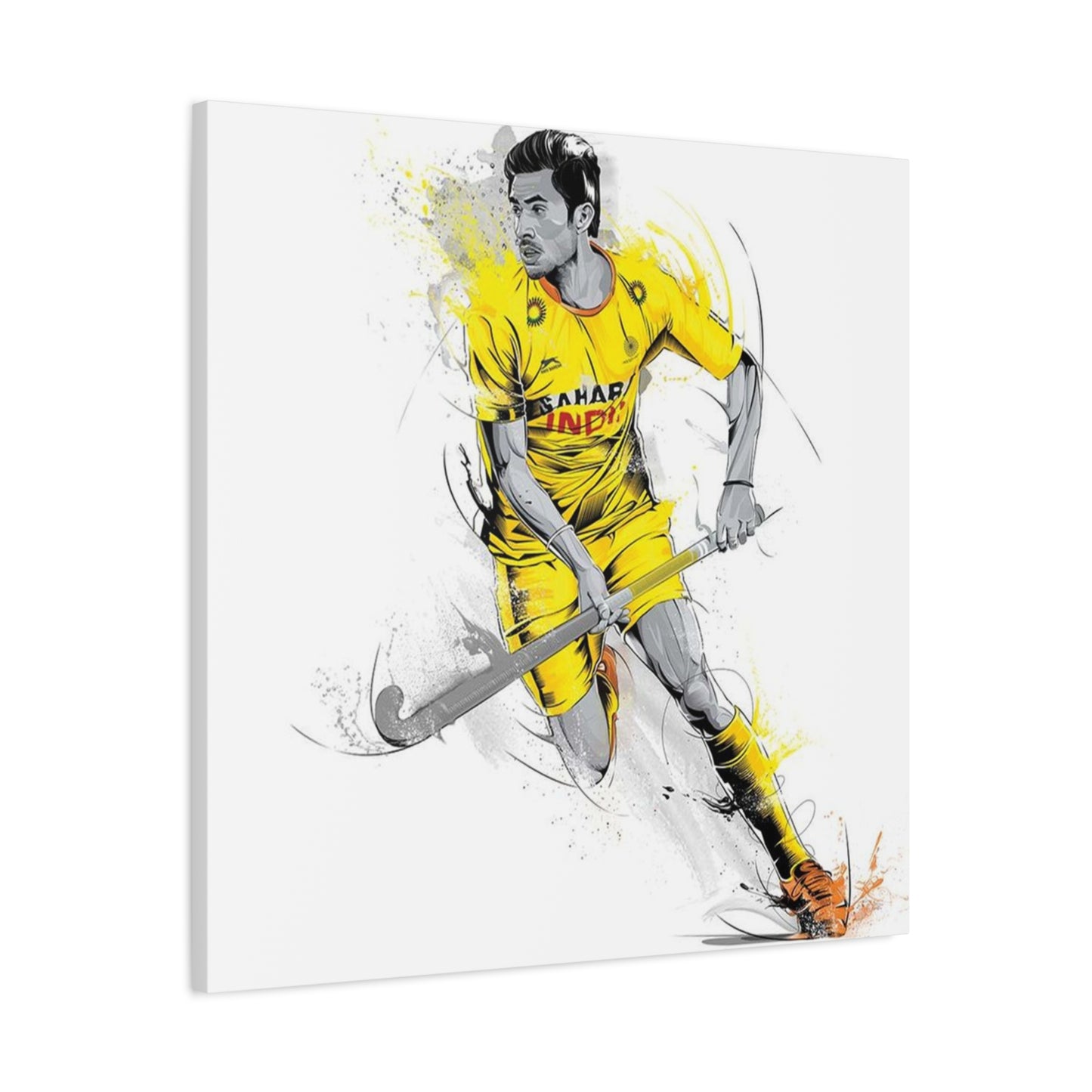
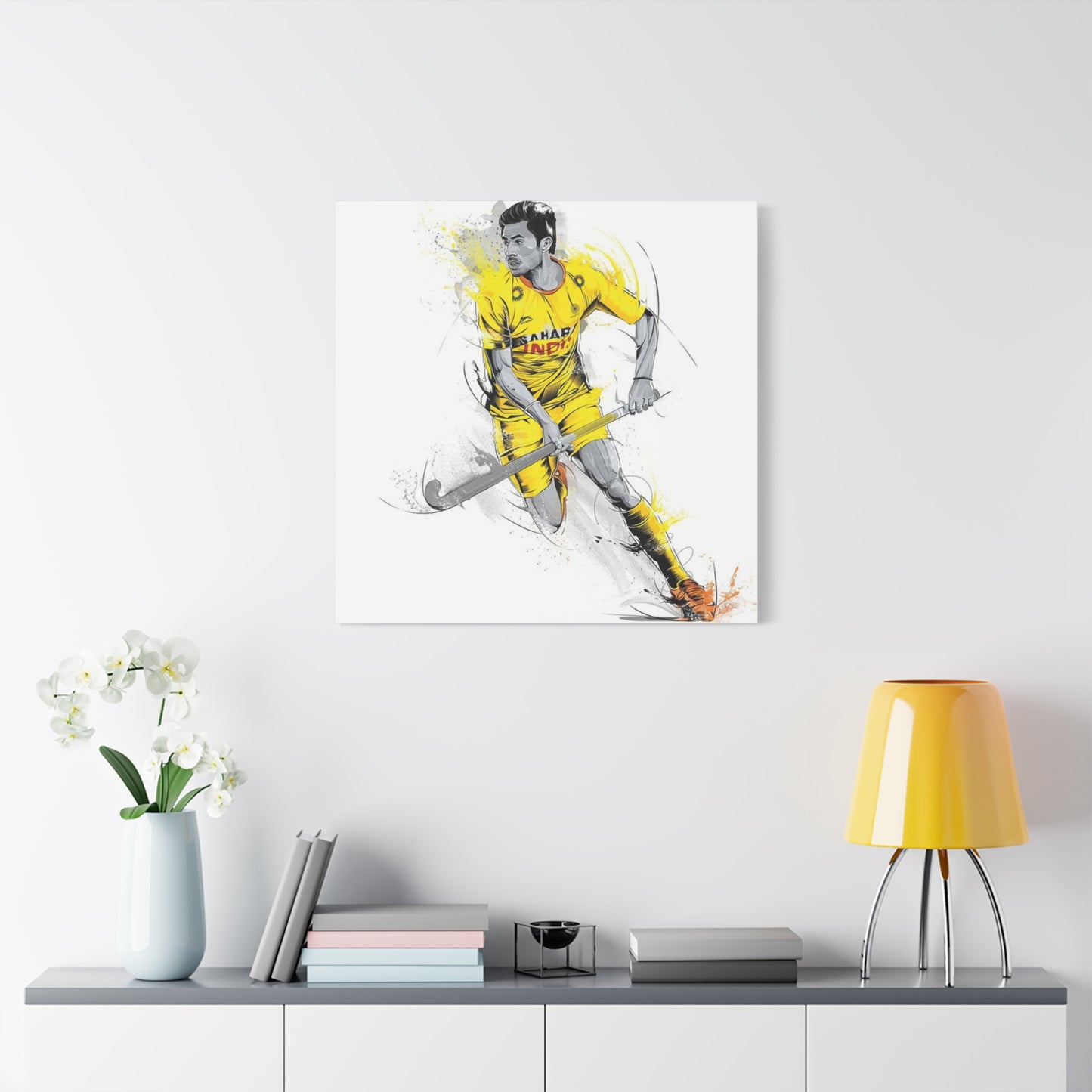
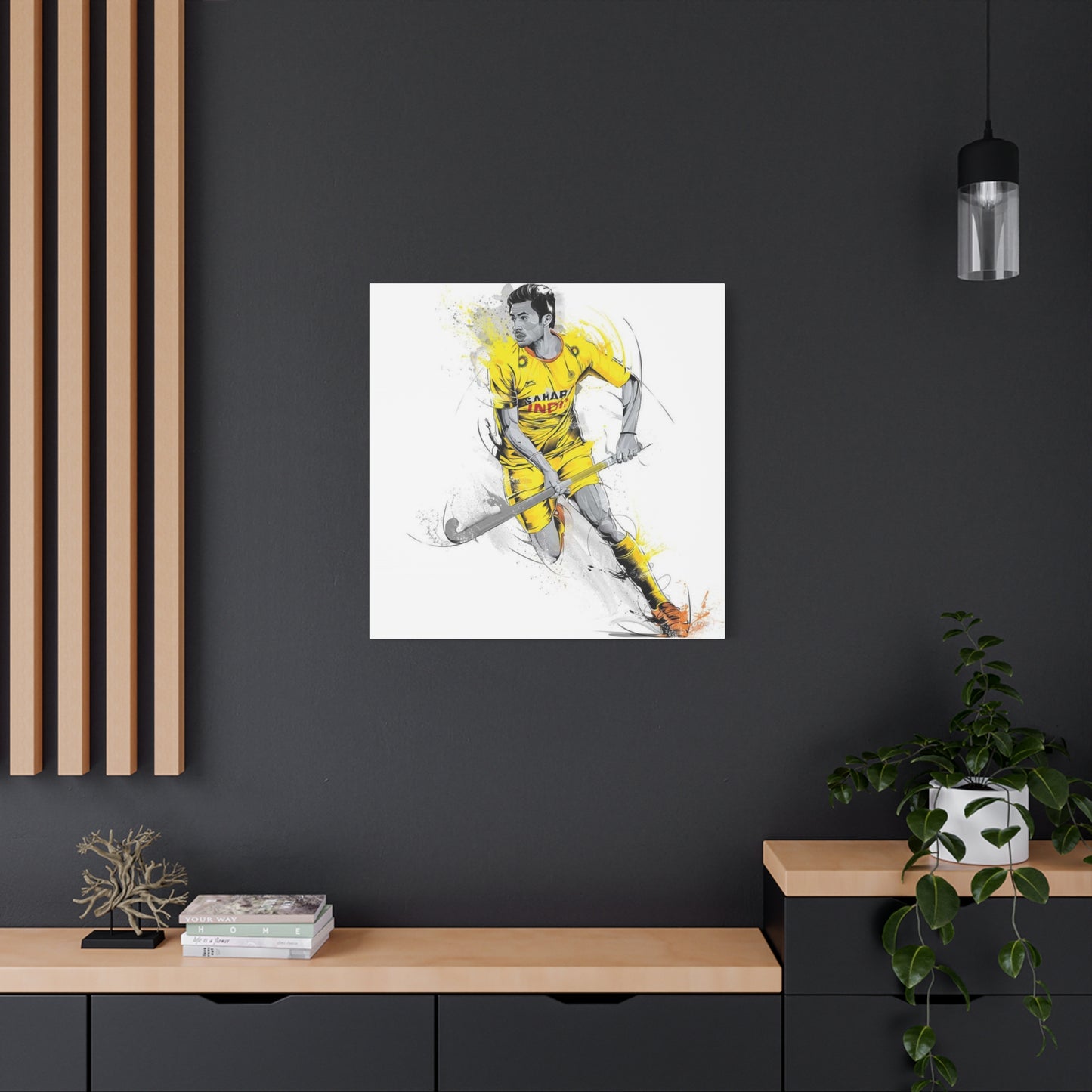
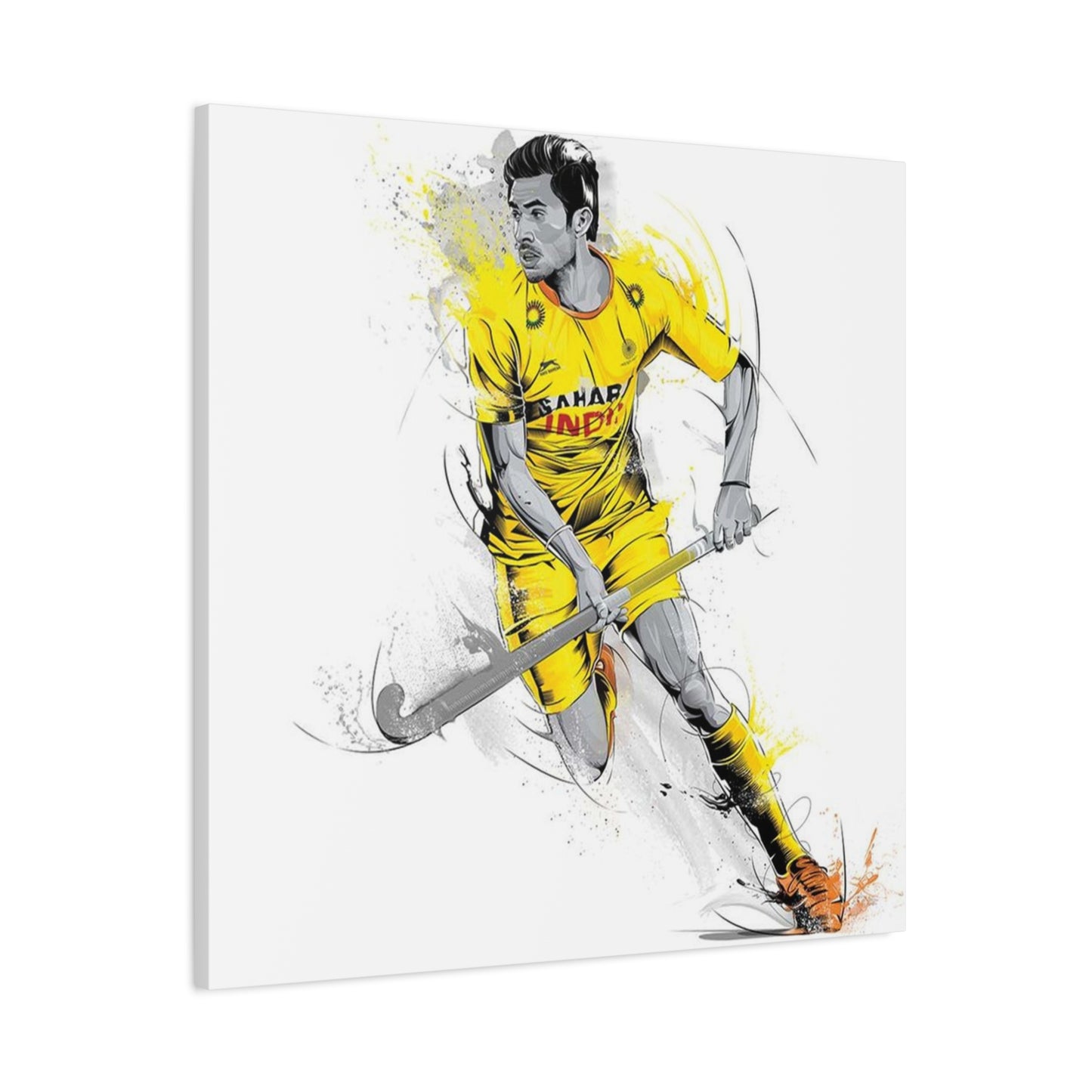
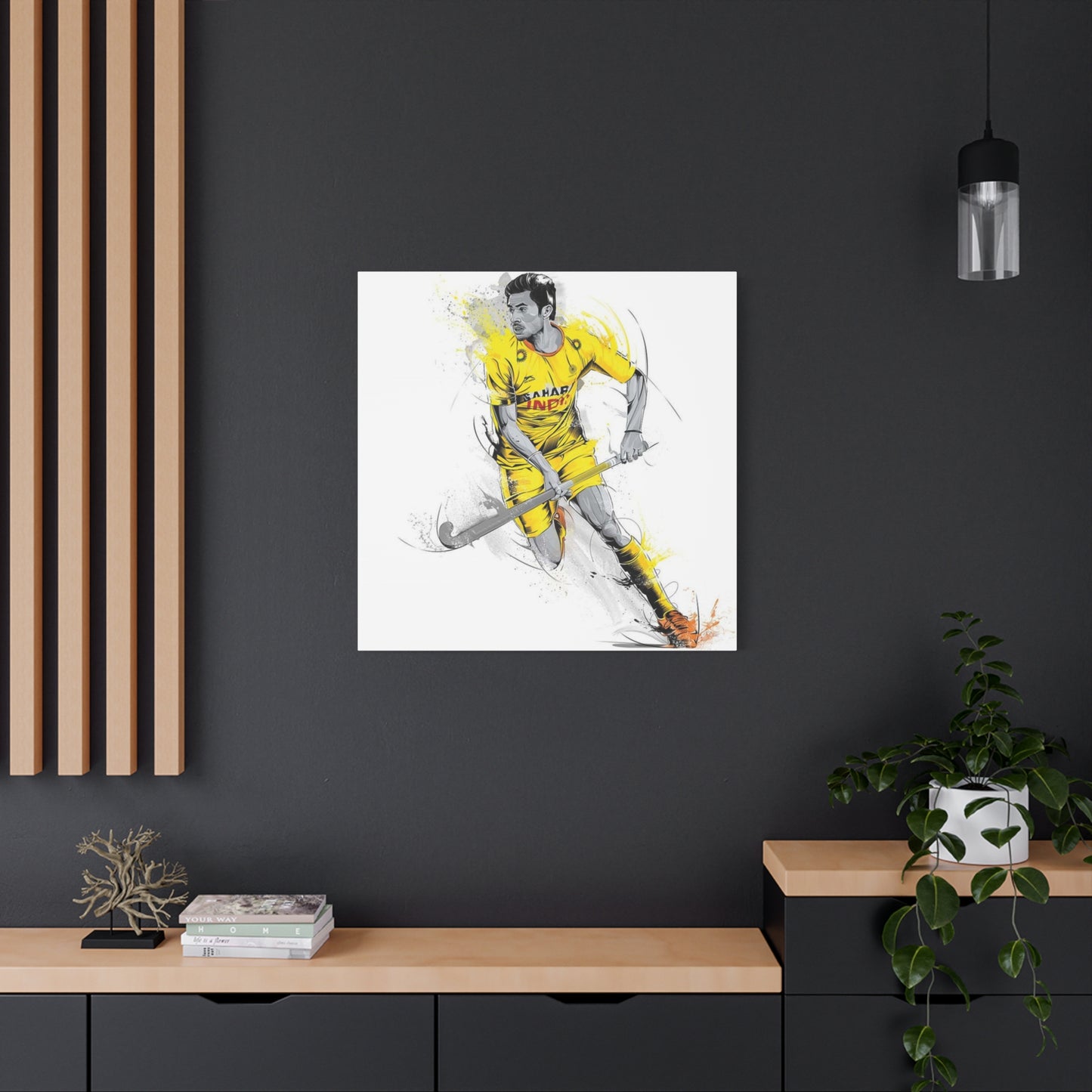
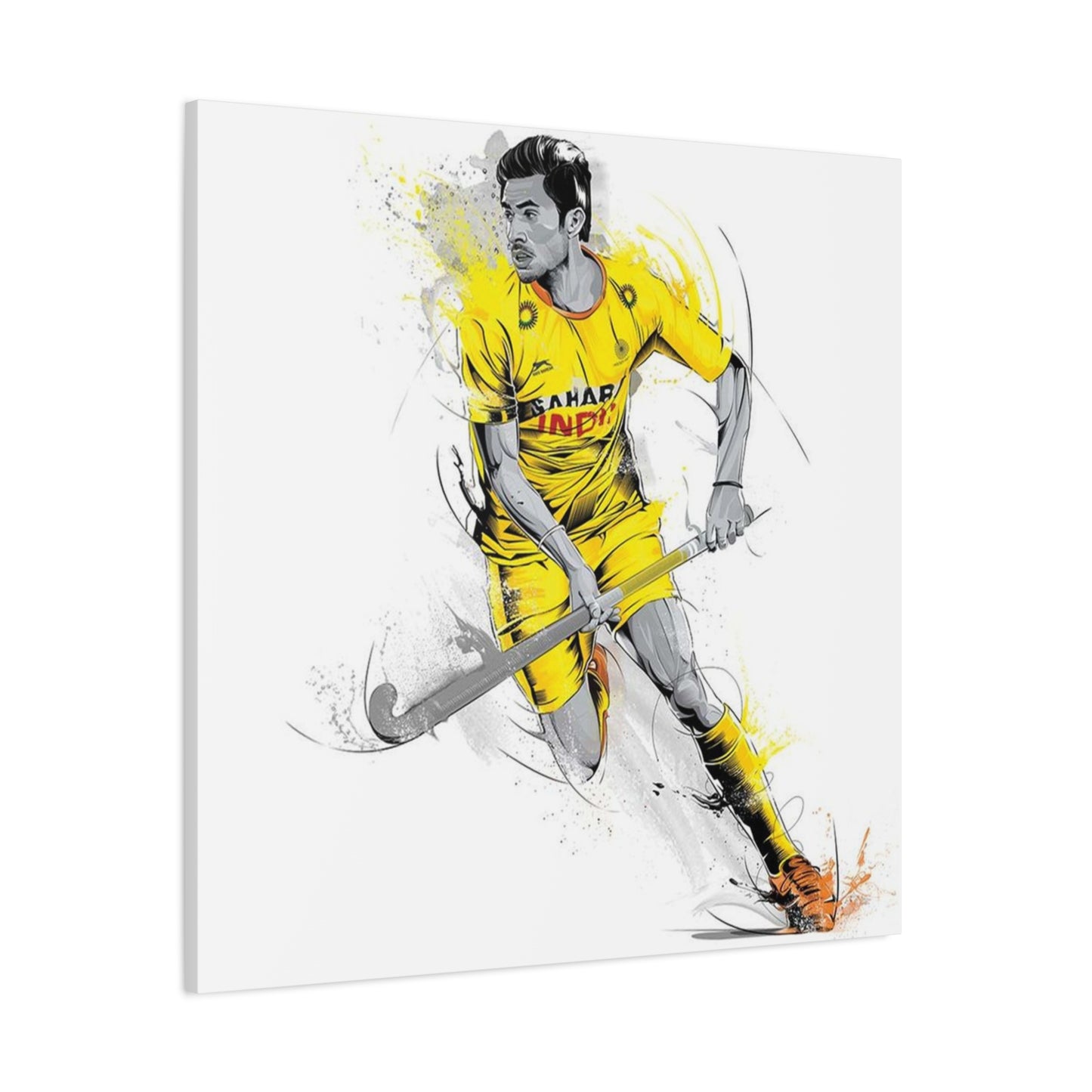
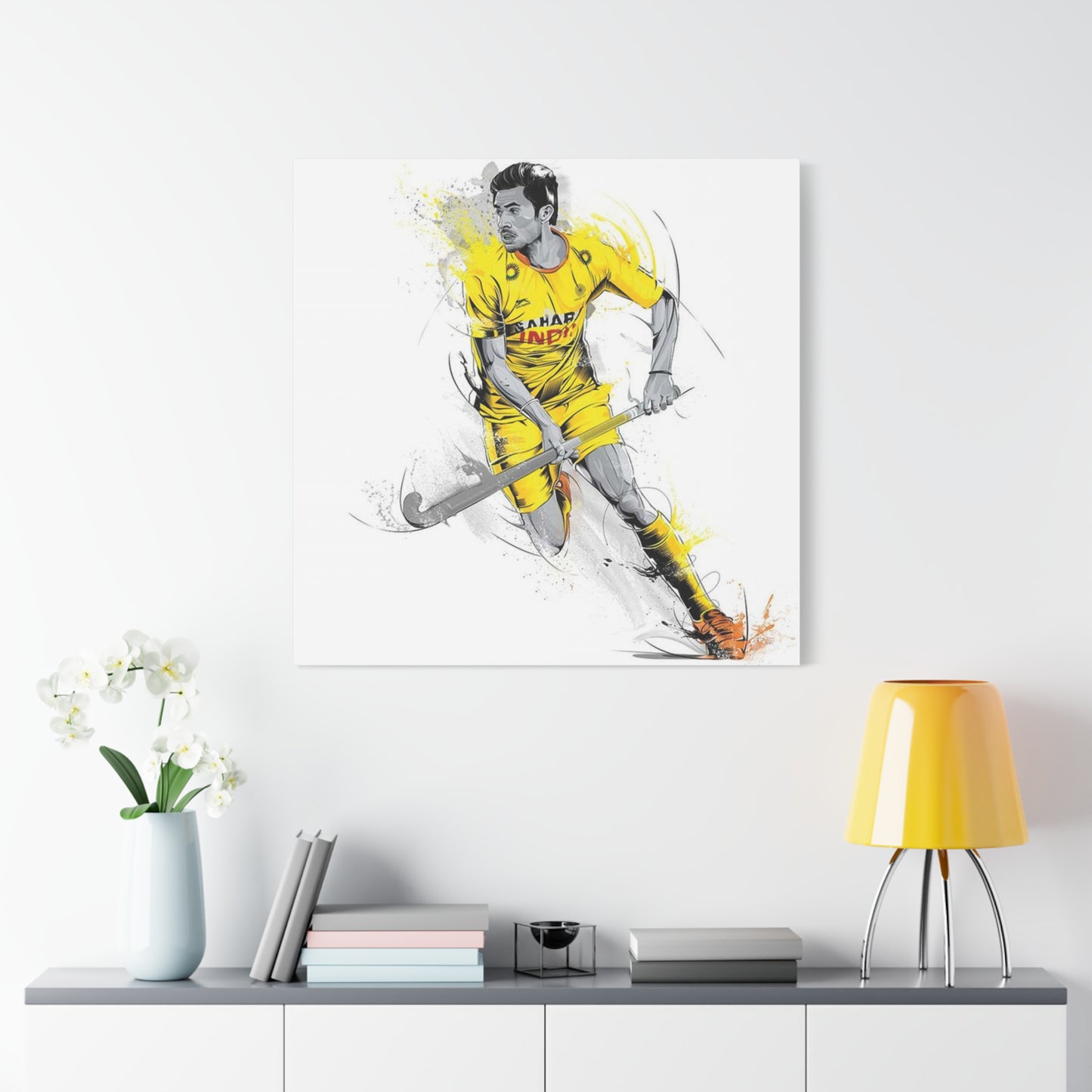
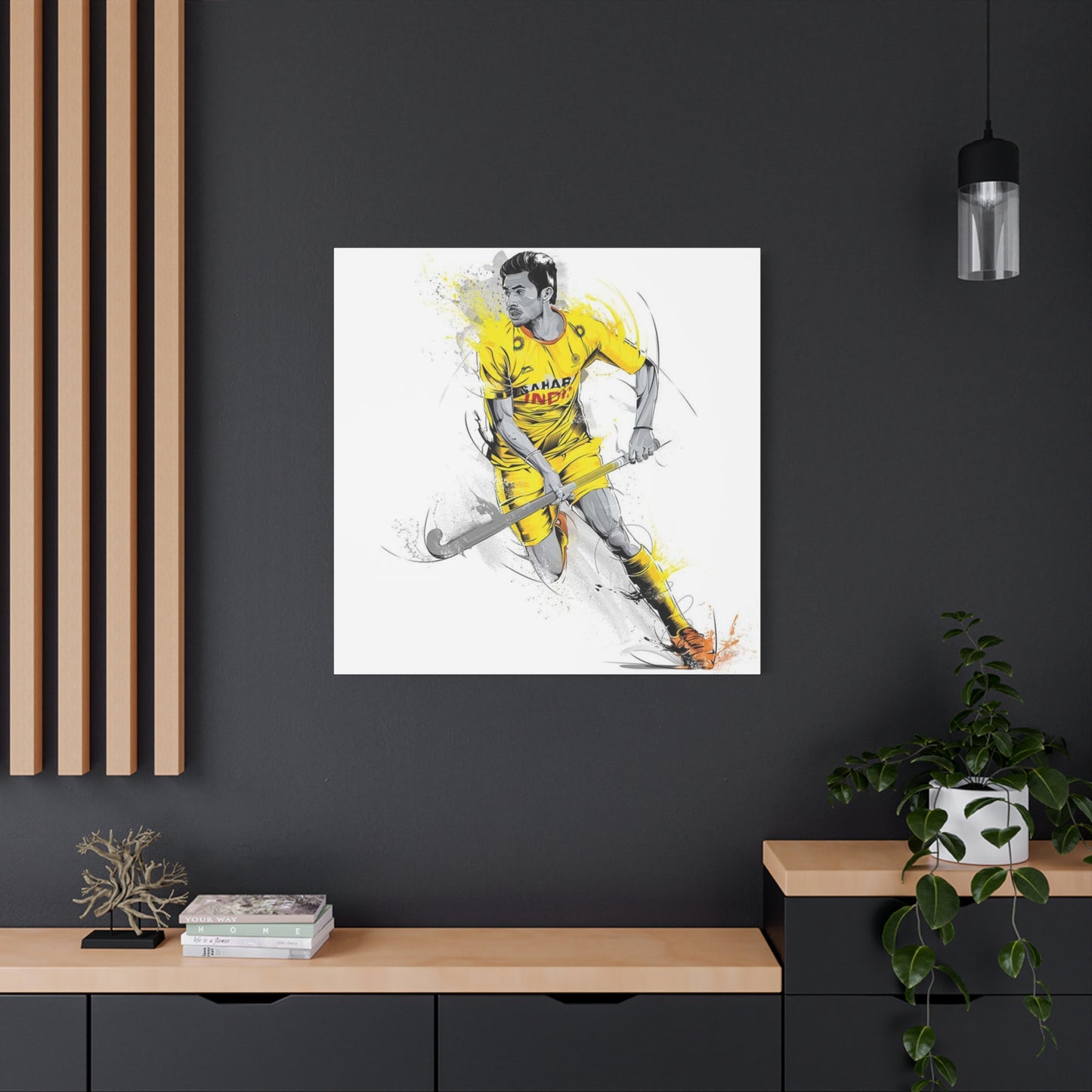
Indian Hockey Player Painting Wall Art & Canvas Prints
Indian Hockey Player Painting Wall Art & Canvas Prints
Couldn't load pickup availability
Vibrant Indian Hockey Player Painting Wall Art: Celebrating Sports Heritage Through Canvas Masterpieces
The realm of sports-themed decorative pieces has witnessed a remarkable surge in popularity, particularly when it comes to celebrating national pride through athletic imagery. Among the most sought-after items in contemporary home décor are representations of athletes who have brought glory to their nation. Indian hockey player painting wall art stands as a powerful testament to the rich sporting legacy of a country that has dominated the field hockey arena for decades. These artistic creations serve multiple purposes, from honoring legendary sportspersons to adding dynamic energy to residential and commercial spaces.
The fascination with hockey-themed artwork stems from India's unparalleled achievements in this sport. With eight Olympic gold medals to its name, the nation has produced countless icons whose images now grace walls across homes, offices, sports clubs, and public institutions. These painted renditions capture the essence of athleticism, determination, and national pride, making them perfect additions for anyone seeking to infuse their environment with motivational imagery.
The Cultural Significance Behind Sports Imagery in Modern Décor Schemes
Artwork depicting athletes transcends mere decoration, embodying deeper cultural narratives and collective memories. When someone chooses to display Indian hockey player painting wall art, they're making a statement about their values, interests, and connection to national heritage. This form of visual expression has roots in humanity's age-old tradition of celebrating heroes and commemorating significant achievements through various artistic mediums.
Throughout centuries, societies have immortalized their champions through sculptures, murals, tapestries, and paintings. In contemporary settings, this tradition continues with modern interpretations that blend classical artistic principles with current aesthetic sensibilities. The act of showcasing sports figures in one's personal space creates an atmosphere of inspiration and serves as a constant reminder of human potential and perseverance.
The psychological impact of surrounding oneself with images of accomplished individuals cannot be understated. Research in environmental psychology suggests that the visual elements in our surroundings significantly influence our mood, motivation, and cognitive processes. When these visual elements depict individuals engaged in peak performance moments, they can subconsciously encourage viewers to pursue their own goals with similar dedication and passion.
Indian hockey player painting wall art particularly resonates with audiences due to the sport's unique position in the nation's consciousness. Unlike cricket, which has become commercialized and omnipresent, field hockey represents a more authentic connection to sporting purity and national achievement. The sport's golden era, spanning from the 1920s through the 1980s, created legends whose names are synonymous with excellence: Dhyan Chand, Balbir Singh Sr., Leslie Claudius, and many others whose exploits on the field have become the stuff of legend.
Exploring Various Artistic Styles for Sports-Themed Canvas Creations
The diversity of artistic approaches available when creating or selecting sports imagery ensures that there's something to match every aesthetic preference and interior design scheme. From hyperrealistic portrayals that capture every detail of an athlete's expression to abstract interpretations that focus on movement and emotion, the spectrum of possibilities is vast and varied.
Realism remains one of the most popular styles for Indian hockey player painting wall art. These pieces aim to recreate photographic accuracy, capturing the texture of uniforms, the gleam of sweat on skin, the intense focus in athletes' eyes, and the dynamic tension of bodies in motion. Realistic paintings require exceptional skill and countless hours of meticulous work, resulting in pieces that command attention and admiration. The level of detail in such works allows viewers to feel as though they're witnessing the action firsthand, creating an immersive experience that static photography sometimes cannot achieve.
Impressionistic approaches offer a different sensibility, prioritizing the emotional essence of a moment over precise representation. These works use bold brushstrokes, vibrant color palettes, and deliberately blurred details to convey the energy and movement inherent in athletic competition. An impressionistic rendering of a hockey player might show streaks of blue representing the uniform, swift gestural marks suggesting rapid movement, and splashes of green indicating the playing field. This style excels at capturing the feeling of watching a match rather than documenting specific details.
Abstract expressionism takes the concept even further, distilling the subject matter down to fundamental elements of form, color, and composition. An abstract piece featuring hockey themes might use geometric shapes to represent players, dynamic lines to suggest motion, and contrasting colors to create visual tension. While these works may not immediately recognizable as depicting specific athletes or even specific sports, they capture the underlying energy and excitement that makes athletic competition so compelling.
Pop art interpretations have gained considerable traction in recent years, particularly among younger collectors and those seeking to make bold decorative statements. These pieces often employ bright, saturated colors, high contrast, and graphic elements reminiscent of comic books or advertisements. A pop art rendition of an Indian hockey player might feature vibrant oranges, greens, and whites (echoing the national colors), bold outlines, and perhaps text elements incorporating motivational phrases or historic statistics.
Minimalist approaches appeal to those who prefer understated elegance and contemporary aesthetics. These works use limited color palettes, simple compositions, and negative space to create impactful images that don't overwhelm their surroundings. A minimalist hockey painting might show a solitary figure rendered in just a few colors against a stark background, with the player's posture and minimal details conveying the entire narrative.
Mixed media creations combine various materials and techniques to produce multidimensional works that engage viewers on multiple levels. These pieces might incorporate acrylic or oil paints alongside elements like fabric from actual jerseys, newspaper clippings about historic matches, metallic leaf accents, or textured compounds that add physical dimension to the surface. The result is artwork that invites closer inspection and reveals new details with each viewing.
Commemorating Legendary Athletes Through Painted Tributes
India's hockey heritage is populated with extraordinary individuals whose contributions to the sport have earned them immortal status in the nation's sporting pantheon. Creating or collecting Indian hockey player painting wall art often focuses on these iconic figures, preserving their legacy for current and future generations.
Major Dhyan Chand stands as perhaps the most revered figure in Indian hockey history. Often called the "Wizard" or "Magician" of hockey, his ball control and goal-scoring prowess remain legendary decades after his retirement. Stories of his abilities have taken on mythic proportions: it's said that authorities in the Netherlands broke his hockey stick to check for magnets after witnessing his seemingly impossible ball control. Paintings depicting Dhyan Chand typically capture him in action, stick in hand, demonstrating the skills that made him a three-time Olympic gold medalist. His image serves not just as sports memorabilia but as a symbol of excellence and dedication that transcends athletic achievement.
Balbir Singh Sr., another titan of Indian hockey, scored five goals in India's 6-1 victory over the Netherlands in the 1952 Olympic final, a record that stood for decades. Artistic representations of this legend often show him in the thick of action, his powerful physique and determined expression conveying the intensity he brought to every match. His career spanned from 1947 to 1958, during which time he helped India secure three consecutive Olympic gold medals. Wall art featuring this icon resonates particularly with those who appreciate perseverance, as his journey from a small Punjabi village to international stardom exemplifies the possibilities that emerge from unwavering commitment.
Leslie Claudius holds the distinction of being one of only two athletes in any sport to win four consecutive Olympic medals in individual events. His career from 1948 to 1960 represents a golden age for Indian hockey, and paintings featuring him often emphasize his elegant playing style and exceptional defensive capabilities. Unlike some contemporaries known for aggressive attacking play, Claudius was celebrated for his tactical intelligence and positioning, qualities that translate well into artistic compositions emphasizing thoughtful rather than purely physical athleticism.
Udham Singh, known as one of the finest center-forwards the sport has ever seen, contributed significantly to India's Olympic victories in 1952, 1956, and 1964. His nickname "The Man with the Golden Stick" reflects his reputation for clutch performances in crucial moments. Artwork depicting Udham Singh often captures the precise instant of a goal or a perfectly executed pass, freezing in time the moments that defined his illustrious career.
In more recent decades, figures like Dhanraj Pillay have captured public imagination and become subjects for contemporary artists. Pillay's career, spanning from 1989 to 2004, bridged different eras of Indian hockey, from the traditional dominance to the sport's declining fortunes on the international stage. Despite this challenging period, Pillay's individual brilliance shone through, making him a symbol of persistence in adversity. Modern Indian hockey player painting wall art featuring Pillay often incorporates elements that reflect changing times, such as updated uniform designs and contemporary painting styles.
Female hockey players have also begun receiving deserved recognition through artistic representation. Players like Rani Rampal, who has been instrumental in reviving Indian women's hockey, are increasingly featured in wall art. These pieces serve the dual purpose of celebrating athletic achievement while promoting gender equity in sports representation. Paintings of women hockey players often emphasize grace combined with power, challenging outdated notions about women in athletics while inspiring young girls to pursue sporting excellence.
Selecting the Perfect Dimensions and Placement for Maximum Visual Impact
The effectiveness of Indian hockey player painting wall art depends significantly on choosing appropriate sizes and strategic placement within a space. These decisions should account for room dimensions, viewing distances, surrounding décor, and the intended emotional impact of the piece.
Large-scale pieces, typically measuring 36 by 48 inches or greater, work best in spacious environments like living rooms, sports lounges, or commercial establishments. These commanding works become focal points that immediately draw attention upon entering a space. A life-sized or near-life-sized depiction of a hockey player can create a dramatic presence, particularly when positioned on a prominent wall where it can be viewed from multiple angles. Such pieces work exceptionally well above sofas, behind reception desks in sports facilities, or in dedicated home gyms where they can provide motivational inspiration during workouts.
Medium-sized works, ranging from 24 by 36 inches to 30 by 40 inches, offer versatility that makes them suitable for various settings. These dimensions provide sufficient detail and impact without overwhelming smaller rooms. They're ideal for bedrooms, studies, office spaces, or corridors where they can be appreciated without dominating the entire visual field. Medium pieces also work well in groupings, allowing collectors to create gallery walls featuring multiple athletes or different artistic interpretations of the same subject.
Smaller pieces, generally under 24 by 36 inches, serve well in intimate settings or as part of larger compositions. These might include close-up portraits focusing on facial expressions rather than full-body action shots, or they might depict specific moments like a player celebrating a goal. Small works excel in creating cozy reading nooks, personalizing workspace cubicles, or adding character to hallways and staircases where larger pieces might feel cramped.
Placement height significantly affects how artwork is perceived and enjoyed. The general guideline suggests positioning the center of artwork at approximately 57 to 60 inches from the floor, roughly eye level for an average adult. However, this rule can be adjusted based on specific circumstances. In dining rooms where people are predominantly seated, slightly lower placement ensures comfortable viewing. In corridors where people typically walk past quickly, positioning might shift higher to account for the dynamic viewing angle.
Lighting considerations cannot be overlooked when displaying painted artwork. Natural light provides the most accurate color rendering but can also cause fading over time, particularly with certain pigments. Positioning Indian hockey player painting wall art perpendicular to windows rather than directly opposite them helps minimize sun damage while still benefiting from natural illumination. For evening viewing or spaces without abundant natural light, dedicated picture lights or adjustable track lighting can dramatically enhance the artwork's appearance. LED bulbs with high color rendering index (CRI) values above 90 provide excellent illumination without the heat and ultraviolet radiation that can damage pigments.
Creating visual balance within a room requires considering how artwork relates to other furnishings and architectural elements. A vertically oriented painting emphasizing a player's full height might complement horizontal furniture lines, while a horizontal composition showing multiple players across the field might balance vertical elements like bookcases or columns. The colors within the painting should harmonize with the room's overall palette, either complementing existing tones or providing calculated contrast that energizes the space.
Grouping multiple pieces requires careful planning to achieve cohesion rather than chaos. A triptych depicting three stages of a hockey match creates narrative flow, while a collection of paintings featuring different legendary players establishes thematic unity through subject matter despite varied compositions. When arranging multiple pieces, maintaining consistent spacing between frames (typically 2-3 inches) creates professional appearance, while varying sizes within a grouping adds visual interest and prevents monotony.
Understanding the Various Painting Mediums Used in Sports Artwork
The choice of painting medium significantly influences the final appearance, longevity, and care requirements of Indian hockey player painting wall art. Each medium possesses distinct characteristics that suit different artistic visions and practical considerations.
Oil paints have remained the preferred medium for many artists creating realistic sports portraits. These slow-drying paints allow for extensive blending and layering, enabling artists to achieve subtle gradations in skin tones, realistic fabric textures, and luminous color depth. The glossy finish characteristic of oil paintings adds richness and dimension that enhances three-dimensional illusions. Oil-based works also demonstrate exceptional longevity when properly cared for, with examples from centuries past still displaying vibrant colors. The downside includes longer creation times due to extended drying periods between layers, typically requiring weeks or even months for complex pieces to fully cure.
Acrylic paints offer a modern alternative that has gained widespread adoption since their commercial introduction in the mid-20th century. These water-based paints dry quickly, allowing artists to complete works more rapidly and apply multiple layers within single sessions. Acrylics can be manipulated to mimic various effects, from watercolor-like transparency when heavily diluted to impasto thickness rivaling oils when used directly from the tube. They're also more forgiving for emerging artists, as mistakes can be painted over within minutes once the underlying layer dries. The matte or satin finish of acrylics creates a different aesthetic than oils, sometimes preferred for contemporary or graphic styles. Additionally, acrylic paintings require no special solvents for cleanup, making them more environmentally friendly and easier to work with in home studios.
Watercolors provide a delicate, luminous quality particularly effective for impressionistic or loose interpretations of hockey scenes. The transparent nature of watercolors allows white paper to show through, creating highlights and luminosity impossible to achieve with opaque mediums. This technique excels at capturing the fluidity and motion inherent in athletic competition, with colors bleeding into each other to suggest movement rather than freeze it. However, watercolors present significant challenges, as mistakes are difficult to correct and the medium requires confident, decisive brushwork. Watercolor paintings also typically require glass protection, adding to display considerations.
Gouache combines qualities of both watercolors and acrylics, offering opacity and coverage while maintaining water solubility. This medium has seen renewed popularity among illustrators and contemporary artists for its versatility and distinctive matte finish. Gouache works particularly well for bold, graphic interpretations of sports subjects, with flat color areas and sharp edges creating striking compositions. The medium's ability to be reactivated with water even after drying allows for unique blending effects and corrections, though this property also means finished works require protection from moisture.
Mixed media approaches combine multiple painting types along with collage elements, textural additives, and non-traditional materials. An artist might begin with acrylic underpainting, add oil layers for rich color, incorporate actual newspaper clippings from historic hockey matches, and finish with metallic leaf accents highlighting key elements. These works create unique, multidimensional pieces impossible to achieve with single mediums. The tactile quality of mixed media pieces adds an extra dimension that engages viewers and invites closer inspection.
Digital painting has emerged as a legitimate artistic medium, with skilled artists creating works entirely on computers or tablets using specialized software and styluses. These pieces can then be printed on canvas or fine art paper using archival-quality inks. Digital creation allows for virtually unlimited experimentation, easy corrections, and the ability to produce multiple identical prints or create variations of a composition. While some traditionalists debate whether digital works constitute "real" painting, the skill required to create compelling digital art is substantial, and the resulting pieces can be virtually indistinguishable from traditional paintings when properly printed.
Encaustic painting, though less common for sports subjects, uses pigmented beeswax applied in molten form and then fused with heat. This ancient medium creates unique luminous surfaces with depth and translucency. The process is time-intensive and requires specialized equipment, but results in highly durable works with distinctive aesthetic qualities. Encaustic pieces would be particularly intriguing for abstract or impressionistic interpretations of hockey themes.
Color Theory Principles Applied to Sports-Themed Artwork Creation
Color selection profoundly impacts the emotional resonance and visual effectiveness of Indian hockey player painting wall art. Artists employ color theory principles to create compositions that achieve specific psychological effects and aesthetic goals.
The Indian national hockey team's colors—primarily blue with white and tricolor accents—provide natural starting points for palette selection. These hues carry patriotic associations while offering practical advantages in composition. Blue, particularly the deep navy shade often used in Indian jerseys, projects authority, confidence, and determination. This cool color recedes visually, making it excellent for backgrounds that allow foreground subjects to advance toward viewers. When artists want to emphasize the player as the primary focus, surrounding them with blue tones naturally draws the eye to warmer skin tones and other contrasting elements.
White serves multiple functions in hockey-themed artwork. As the predominant color in most playing surfaces (particularly indoor arenas), white provides natural context for action scenes. The color also represents purity, excellence, and clarity of purpose—qualities associated with elite athletic performance. From a compositional standpoint, white offers the highest contrast against darker elements, allowing artists to create dramatic lighting effects and direct viewer attention to specific areas.
The tricolor bands representing India's flag—saffron, white, and green—often appear subtly incorporated into compositions. These colors might feature in background elements, uniform details, or abstract flourishes that frame the main subject. Saffron represents courage and sacrifice, green symbolizes growth and fertility, and together they create visual interest while reinforcing the nationalistic themes inherent in sports representation.
Complementary color schemes, using hues opposite each other on the color wheel, create maximum visual contrast and vibrant energy. For instance, pairing the blue of jerseys with orange or rust tones (complementary to blue) in backgrounds or equipment creates eye-catching tension that commands attention. This approach works particularly well for pieces intended to energize spaces or serve as motivational imagery.
Analogous color schemes employ hues adjacent on the color wheel, creating harmonious compositions with subtle sophistication. A painting might feature various shades of blue and green, with perhaps touches of yellow-green to add warmth without jarring contrast. These palettes feel cohesive and calming while still allowing for considerable visual interest through value and saturation variations.
Monochromatic approaches limit palettes to variations of a single hue, creating unity and focus. A painting rendered entirely in shades of blue, from pale sky tones to deep navy, emphasizes form, composition, and the subject's inherent interest rather than relying on color variety for impact. This sophisticated approach suits minimalist or contemporary interior styles particularly well.
Triadic color schemes use three hues evenly spaced around the color wheel, such as blue, yellow, and red. These create vibrant, balanced compositions with considerable energy. An artist might position a blue-jerseyed player against a field with yellow-green grass and red boundary markers, with all elements working together to create visual excitement without any single color dominating.
Temperature considerations affect the mood and spatial perception within artworks. Warm colors (reds, oranges, yellows) advance visually and create feelings of energy, excitement, and intensity. Cool colors (blues, greens, purples) recede and evoke calmness, contemplation, and spaciousness. Action scenes depicting intense gameplay moments benefit from warmer palettes that convey heat, exertion, and competitive fire. Conversely, contemplative portraits showing athletes in moments of preparation or reflection might employ cooler tones to suggest focus and mental preparation.
Saturation levels significantly impact emotional intensity. Highly saturated, pure colors create bold, graphic qualities suitable for contemporary or pop art interpretations. Desaturated, muted tones suggest sophistication, nostalgia, or timelessness, working well for pieces meant to evoke hockey's golden age or create understated elegance in formal settings.
Value contrast—the relationship between light and dark elements—often matters more than hue selection for creating readable, impactful compositions. Strong value contrast with dark figures against light backgrounds or vice versa creates immediate visual hierarchy, directing viewers' eyes precisely where the artist intends. Subtle value gradations create atmosphere and depth, particularly in realistic works attempting to simulate natural lighting conditions.
Frame Selection and Presentation Options for Canvas Artwork
The framing and presentation of Indian hockey player painting wall art significantly influences its overall impact and how well it integrates with surrounding décor. These decisions should complement both the artwork itself and the space where it will be displayed.
Traditional wooden frames remain the most popular choice for canvas paintings, offering endless customization possibilities through wood species selection, finish colors, and profile shapes. Darker frames in espresso, walnut, or black create sophisticated presentations that suit formal environments and draw focus inward toward the artwork itself. These work particularly well with realistic paintings or pieces featuring detailed work that benefits from defined boundaries. Lighter woods like maple, birch, or whitewashed finishes create airier presentations that complement contemporary or coastal-inspired interiors, allowing artwork to feel less weighty and more integrated into bright, open spaces.
Ornate frames with carved details, gilded finishes, or elaborate moldings suit classical or traditional interior styles. These frames make statements in their own right, positioning artwork as prized possessions worthy of elaborate presentation. When paired with realistic paintings of legendary hockey players, ornate frames emphasize the subject's importance and create gallery-quality presentations. However, such frames require careful consideration to avoid overwhelming artwork or clashing with contemporary painting styles.
Simple, clean-lined frames serve modern and minimalist aesthetics, letting artwork remain the uncontested focal point. Flat-profile frames in black, white, or metallic finishes provide just enough definition to separate artwork from walls without adding visual weight. These frames pair excellently with contemporary painting styles, abstract works, or any pieces featuring bold colors and graphic elements that don't require embellishment.
Float frames create particularly striking presentations for canvas paintings by positioning artwork so it appears to hover within the frame, with visible space between the canvas edge and the frame's inner border. This presentation emphasizes the three-dimensional nature of canvas paintings and works exceptionally well with gallery-wrapped canvases where the painting continues around the sides. Float frames suit contemporary spaces and allow appreciation of the artwork's full extent, including any designs or colors wrapped around the canvas edges.
Canvas gallery wraps without frames have gained significant popularity in recent years, particularly for contemporary art and modern interiors. In this presentation, paintings extend around the canvas's sides, creating finished edges that eliminate framing requirements. Artists might continue the main image around the sides, paint them solid colors matching key elements in the composition, or create abstract extensions of the primary design. Gallery-wrapped presentations create clean, modern looks and eliminate the visual weight that frames add, making them ideal for smaller spaces or rooms with multiple artworks where framed pieces might feel cluttered.
Shadow box frames create substantial depth between artwork and glazing, accommodating mixed media pieces with three-dimensional elements or creating dramatic presentations for flat paintings. The depth and shadows cast within these frames add physical dimension that enhances the viewing experience and makes artworks feel more like sculptural objects than mere two-dimensional images.
Metallic frames in silver, gold, copper, or bronze finishes add luxury and can complement specific colors within paintings. Silver frames echo the metallic elements of hockey equipment and create cool, contemporary presentations. Gold frames add warmth and suit richer color palettes featuring oranges, reds, and warm browns. Copper and bronze frames offer distinctive alternatives that work well with paintings featuring earth tones or sunset lighting effects.
Matting considerations affect artwork presentation even for canvas pieces, though mats are more commonly associated with works on paper. When canvas paintings are framed with mats, these borders provide breathing room between the image and frame, preventing visual crowding. Mats also offer opportunities to incorporate additional colors that bridge artwork and décor. A painting featuring predominantly blue tones might have a white mat with a thin accent line in a color drawn from the room's furnishings, creating visual connection between the artwork and its environment.
Glazing decisions for framed artwork involve choosing between glass types that offer varying properties. Standard glass provides basic protection at minimal cost but reflects light noticeably and offers no UV protection. Non-glare glass reduces reflections through etched surfaces but can slightly diminish color clarity. Museum glass represents premium choices, offering exceptional clarity, minimal reflection, and UV protection that prevents fading, though at considerably higher cost. For valuable or treasured pieces, the investment in museum glass pays dividends through superior presentation and preservation. Acrylic glazing alternatives offer shatter resistance and lighter weight, though they scratch more easily than glass and can develop static that attracts dust.
Caring for and Preserving Painted Canvas Artworks Over Time
Proper stewardship ensures Indian hockey player painting wall art retains its beauty and value across decades. Understanding preservation principles helps collectors protect their investments while enjoying daily viewing pleasure.
Environmental conditions exert profound influence on artwork longevity. Temperature fluctuations cause canvas expansion and contraction, potentially leading to paint cracking over time. Maintaining stable temperatures between 65-75°F provides ideal conditions. Extreme heat accelerates chemical deterioration of binding mediums and can cause paintings to become tacky or even melt in severe cases. Cold temperatures make paints brittle and more susceptible to cracking. Humidity control proves equally crucial, with relative humidity between 40-50% considered optimal. Excessive moisture promotes mold growth, canvas sagging, and paint delamination. Conversely, very dry conditions make canvases brittle and increase cracking risk.
Light exposure represents perhaps the greatest threat to painting longevity. Ultraviolet radiation causes photochemical reactions that fade pigments, yellow protective varnishes, and degrade canvas fibers. Even visible light causes cumulative damage through ongoing exposure. Positioning artwork away from direct sunlight prevents the most severe damage. Windows near displayed paintings should have UV-filtering treatments, while artificial lighting should use bulbs with minimal UV output. Even with precautions, all artwork benefits from periodic "rest" in lower light conditions, so rotating pieces between prominent display and storage allows recovery time.
Dust accumulation seems innocuous but gradually dulls colors and provides food sources for insects and microorganisms. Regular gentle dusting using soft, natural-fiber brushes or microfiber cloths prevents buildup. Dusting should proceed in gentle strokes following the direction of any visible brushwork texture. Never use feather dusters, which can catch on canvas textures and cause damage. For especially dirty paintings, professional conservation cleaning may be necessary, as improper cleaning attempts can cause irreversible harm.
Smoke and airborne pollutants create film deposits that discolor paintings and accelerate deterioration. Kitchens pose particular risks from cooking oils and grease that become airborne and settle on nearby surfaces. Fireplaces produce soot that gradually accumulates on artwork. Displaying Indian hockey player painting wall art away from these sources minimizes exposure. In urban environments with significant air pollution, air purifiers with HEPA filters reduce particulate deposition on paintings and other household surfaces.
Physical handling should be minimized, and when necessary, should follow proper protocols. Always handle paintings by their frames rather than touching canvas or painted surfaces. Skin oils contain acids that can damage paints over time and leave permanent marks. If canvas must be touched, wearing cotton gloves provides protection. When moving artwork, carry it vertically rather than horizontally, supporting it from the bottom to prevent stress on hanging hardware or frame joints.
Storage conditions for paintings not currently displayed require careful attention. Paintings should never be stored in basements, attics, or garages where temperature and humidity fluctuate dramatically. Climate-controlled interior spaces provide appropriate environments. Paintings should be stored vertically, never stacked face-to-face where paint surfaces might adhere to each other. Glassine paper or acid-free tissue can separate pieces if space constraints require closer proximity. Covering stored paintings with breathable fabric like cotton sheets protects against dust while allowing air circulation that prevents moisture buildup.
Professional conservation assessment every few years helps identify developing problems before they become serious. Conservators can spot early signs of issues like paint lifting, canvas deterioration, or frame instability that owners might miss. They can also perform preventive treatments that extend painting lifespans significantly. For valuable or historically significant pieces, establishing relationships with qualified conservators ensures rapid response if damage occurs.
Insurance considerations protect financial investments in artwork. Standard homeowner's or renter's insurance policies often provide limited coverage for art, with low per-item limits and deductibles that may exceed artwork values. Scheduling specific pieces on policies or obtaining specialized fine art insurance ensures adequate protection. Documentation through high-quality photographs, receipts, and appraisals supports insurance claims if damage or theft occurs. Maintaining these records in fireproof safes or cloud storage protects them even if disaster damages the artwork itself.
Varnish layers on oil paintings require attention as they age. Varnishes applied during creation protect underlying paint layers from environmental damage while providing desired surface finishes. Over time, varnishes yellow, crack, or accumulate dirt. Professional conservators can remove deteriorated varnish and apply fresh protective layers, revitalizing painting appearance without disturbing original paint. This process, called "conservation relining," should only be performed by qualified professionals, as improper varnish removal destroys paintings.
For acrylic paintings, varnish considerations differ slightly. Acrylic varnishes don't yellow like traditional resin varnishes used on oils, but they still accumulate dirt and may develop scratches. Removable acrylic varnishes allow for cleaning and reapplication, though again, professional handling is advisable for valuable pieces. Some acrylic paintings receive no varnish, relying on the paint's inherent binding properties for protection. In these cases, careful handling and environmental control become even more critical.
Commissioning Custom Pieces from Skilled Artists and Painters
While ready-made Indian hockey player painting wall art serves many collectors' needs perfectly, commissioning custom work offers unique advantages for those seeking something specific or personal. Understanding the commissioning process helps ensure satisfying results that precisely match visions and requirements.
Finding appropriate artists begins with researching portfolios to assess whether their existing work aligns with desired aesthetic directions. Many artists maintain websites showcasing completed pieces, while others utilize social media platforms where they share works in progress alongside finished products. Gallery exhibitions, art fairs, and studio tours provide opportunities to view work in person and meet artists directly. When evaluating potential commissioning candidates, examine multiple pieces to understand the consistency of their quality and whether they demonstrate proficiency in the specific style desired for the commission.
Initial consultations establish whether artist and client communicate effectively and share compatible visions. During these discussions, clearly articulate what you want the finished piece to accomplish: Should it capture a specific historic moment? Focus on a particular athlete? Match specific color requirements to coordinate with existing décor? Include particular elements or symbols? The more thoroughly you communicate preferences and requirements upfront, the more likely the finished piece will satisfy expectations.
Reference materials help artists understand precisely what clients envision. Photographs of the intended installation space show scale relationships and color schemes that will surround the finished piece. Images of hockey moments, athletes, or artistic styles that appeal to you provide concrete examples that prevent misunderstandings. If commissioning a piece depicting a specific individual or event, providing multiple reference photos from various angles helps artists create accurate, compelling representations.
Size specifications must be established early, as they affect pricing, creation time, and practical feasibility. Measure the intended installation space carefully, accounting for furniture placement, visual sightlines, and proper proportions relative to wall size. Artists can provide guidance about whether proposed dimensions will work effectively for the intended subject matter and style. Extremely large pieces require more time to complete and command higher prices but create undeniable impact. Smaller works cost less and finish more quickly but may lack presence in large spaces.
Style discussions ensure shared understanding of aesthetic direction. Terms like "realistic," "impressionistic," or "abstract" can mean different things to different people, so examining examples of what you mean by these descriptors clarifies intentions. Specify whether you prefer bold, saturated colors or muted, sophisticated palettes. Indicate whether dynamic action shots or contemplative portraits better suit your vision. The more specifically you can describe desired outcomes, the more confidently artists can estimate whether they can deliver satisfactory results.
Timeline expectations vary considerably based on artwork complexity, artist schedules, and medium choices. A small, loosely rendered acrylic piece might be completed within weeks, while a large, detailed oil painting could require months. Artists with full commission schedules may not begin new projects immediately. Discuss realistic timeframes during initial consultations, and factor in extra time for revisions or unexpected delays. If the piece is intended for a specific occasion or installation deadline, communicate this clearly and confirm whether the artist can meet the target date.
Pricing structures vary among artists and depend on numerous factors including size, medium, complexity, and the artist's experience and reputation. Some artists charge by square inch or square foot, others quote flat fees for entire projects, and some calculate prices based on estimated time investment. Commissioned work typically costs more than comparable ready-made pieces because it's created specifically for individual clients with particular requirements. Detailed, realistic work generally commands higher prices than looser, more impressionistic approaches due to the additional time investment required. Establish clear pricing before work begins, including policies regarding deposits, progress payments, and final payment upon completion.
Deposits protect artists' time investment and material costs should clients cancel commissions partway through. Standard deposits range from 25-50% of total commission costs, paid before work begins. This money is typically non-refundable, as artists will have committed time to the project and potentially turned away other work. Some artists structure payment in stages, requesting additional percentages upon reaching specific milestones like sketch approval or completion of underpainting.
Progress updates allow clients to track commission development and provide feedback before pieces are fully completed. Many artists send photographs at various stages, allowing input on composition, color choices, or specific elements while changes remain feasible. However, understand that certain artistic decisions are best left to artists' professional judgment. Micromanaging or requesting excessive revisions during the process can undermine artistic vision and may result in less cohesive final products. Trust the artist you've commissioned while remaining engaged enough to catch any significant divergences from agreed-upon concepts.
Sketch approvals represent critical decision points where major compositional elements get finalized before substantial painting work begins. Review sketches carefully, ensuring poses, proportions, and spatial relationships work as envisioned. Once approved, major compositional changes become difficult or impossible to implement without starting over. If sketches reveal problems or misunderstandings, address them immediately rather than hoping subsequent stages will resolve issues.
Revision policies should be established before work begins. Most artists include one or two rounds of reasonable revisions in their base pricing, with additional substantial changes billed separately. Understand that certain revisions may be impossible once paintings reach advanced stages. Requesting that a figure facing left be changed to facing right when the painting is 80% complete would essentially require starting over. Catch concerns early and communicate them promptly to maximize artists' ability to address them.
Delivery methods for finished pieces require advance planning, particularly for large or fragile works. Artists may deliver pieces personally if distances and logistics permit, allowing them to ensure safe arrival and even assist with hanging. Crating and shipping adds considerable cost for substantial pieces but enables working with artists regardless of geographic location. Professional art shippers understand proper packing techniques and handle pieces with appropriate care. Insurance during shipping protects against damage or loss during transit.
Conclusion
The world of vibrant Indian hockey player painting wall art is a powerful celebration of India’s rich sports heritage, immortalizing the nation's passion for hockey through canvas masterpieces that blend athleticism with artistry. These paintings offer more than just a portrayal of physical action—they encapsulate the spirit of determination, teamwork, and pride that defines Indian hockey. From the fierce intensity of the game to the elegance of a player's movement, this art form brings to life the emotional and cultural significance of one of India’s most beloved sports.
Indian hockey, with its long and illustrious history, has been a source of national pride, especially with the legacy of Olympic victories and the indomitable spirit of past and present players. Vibrant Indian hockey player paintings capture not only the strength and energy of the sport but also honor the heroes who have made their mark on the field. These artworks pay tribute to the athletes who have dedicated their lives to the game, reflecting their grace, skill, and relentless pursuit of excellence.
Displaying a painting of an Indian hockey player in your living space is more than just an aesthetic choice—it is an homage to the country's sporting legacy. The dynamic colors and vivid brushstrokes often used in these pieces highlight the fast-paced action of the game, giving the viewer a sense of movement and intensity. Whether depicting an iconic moment from a crucial match or a stylized representation of a player in mid-action, these artworks evoke the thrill of the game while inspiring admiration for the dedication and passion behind the sport.
The energy and vibrancy captured in these paintings make them ideal for a wide variety of interior styles, particularly those that embrace bold colors and statement pieces. Whether in a living room, sports-themed den, or even a home office, a hockey painting can become a captivating focal point, reminding viewers of the importance of perseverance, teamwork, and national pride. The rich, saturated colors often used in the artwork—reflecting the vibrancy of India itself—add energy and life to any space, while also conveying a sense of movement that mirrors the speed and agility required on the field.
Incorporating Indian hockey player paintings into your home décor also serves as a conversation starter. These works not only celebrate the sport but also delve into the broader cultural significance of hockey in India—its roots, its role in uniting communities, and the way it continues to shape the future of Indian athletics. Whether it’s a painting featuring a legendary player like Dhyan Chand or a more contemporary figure, these pieces are a testament to the impact of hockey in shaping Indian sports culture.
Moreover, these masterpieces are available in various styles and formats—from detailed, realistic depictions of players to more abstract and stylized interpretations that emphasize motion and emotion. You can choose from oil paintings on canvas, mixed media pieces, or prints, depending on the ambiance you wish to create. Custom framing options allow you to tailor these artworks to complement your existing décor, ensuring they seamlessly integrate into your space.
In conclusion, vibrant Indian hockey player painting wall art is not just an artistic representation of a sport; it is a tribute to the power of sport to unite, inspire, and celebrate national pride. Through these captivating works, you can bring the energy, legacy, and passion of Indian hockey into your home, adding a unique cultural touch that resonates with both sports enthusiasts and art lovers alike. Whether you’re a dedicated fan of the game or simply appreciate the artistry behind capturing such dynamic moments, this wall art is sure to infuse your space with vibrancy and a sense of historical significance.
Share