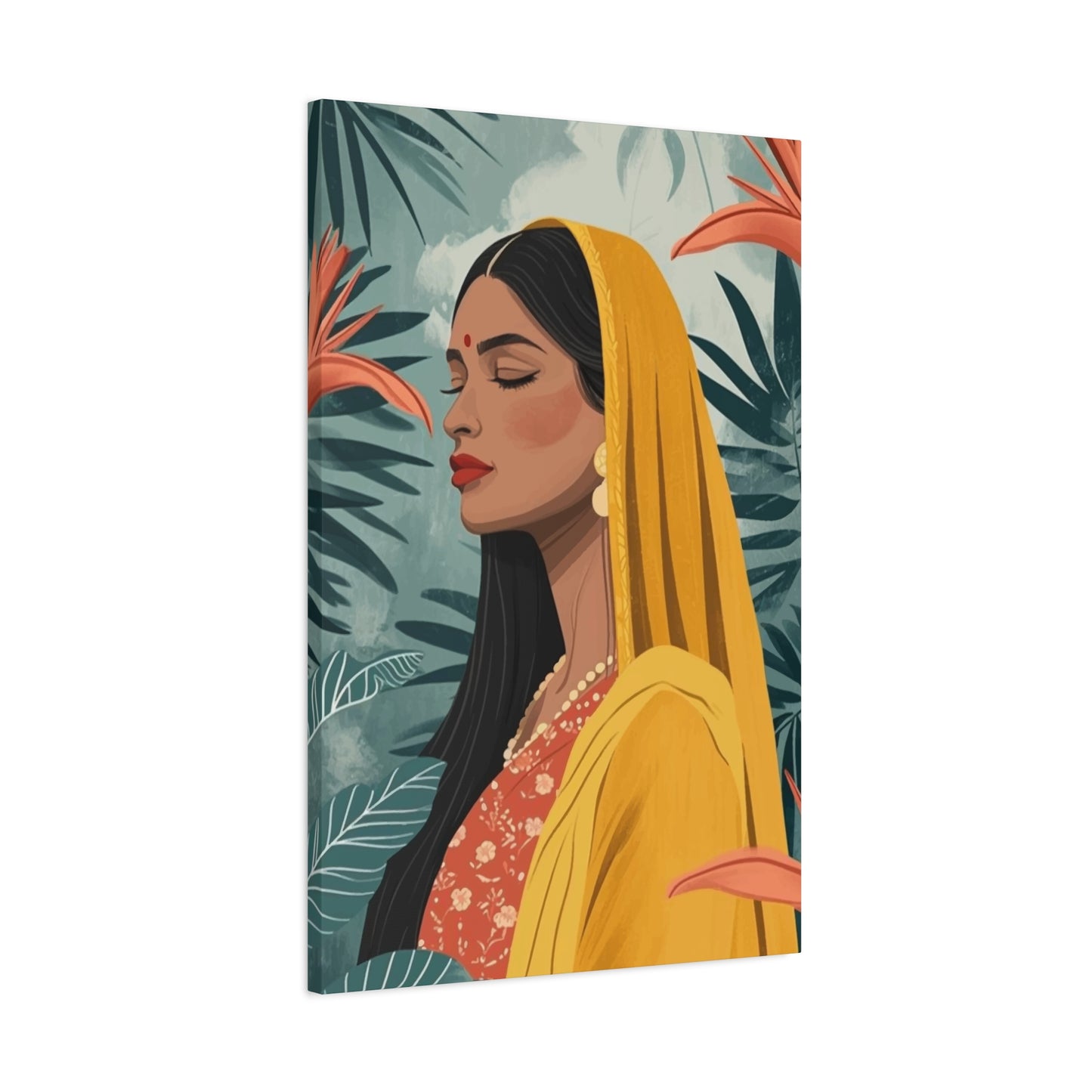
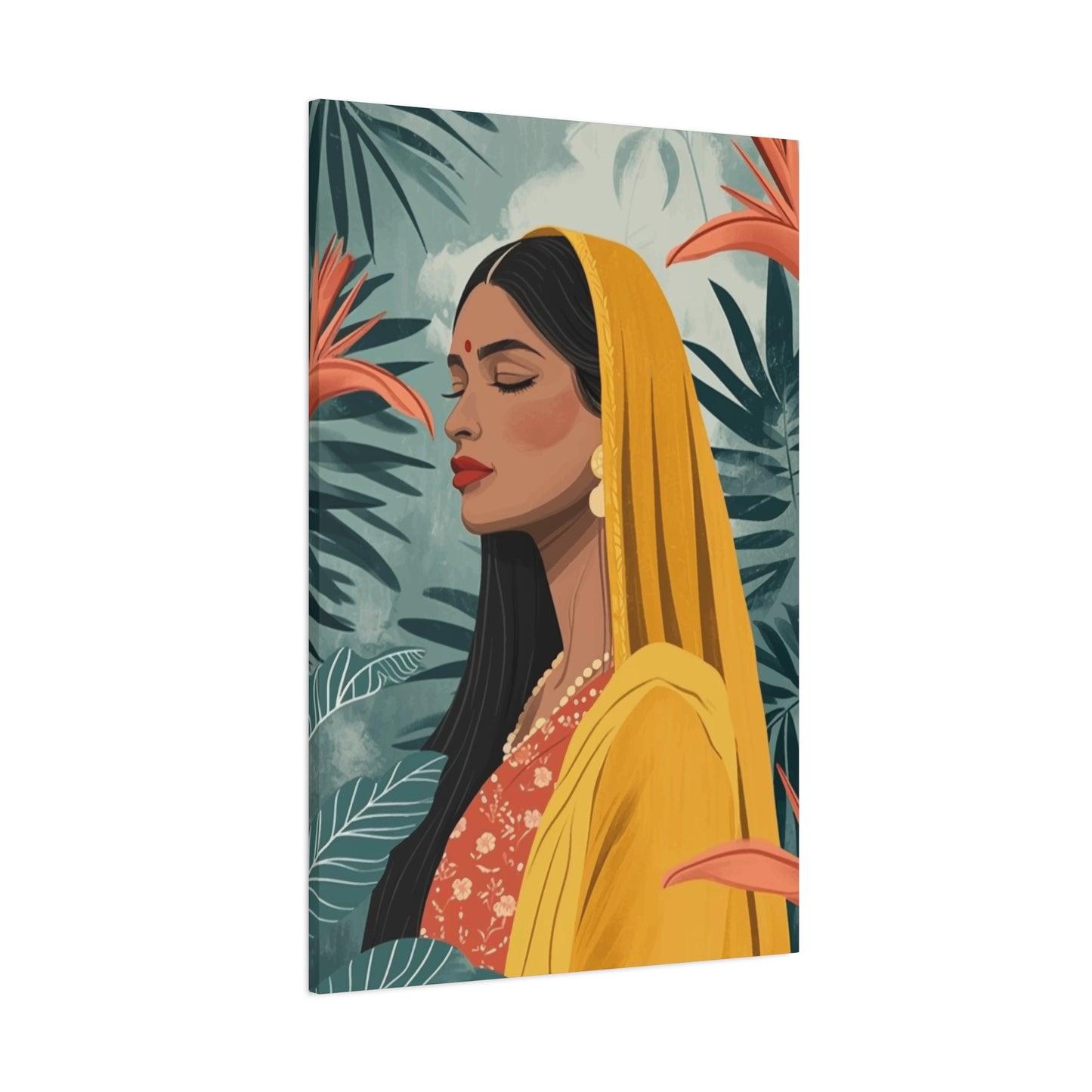
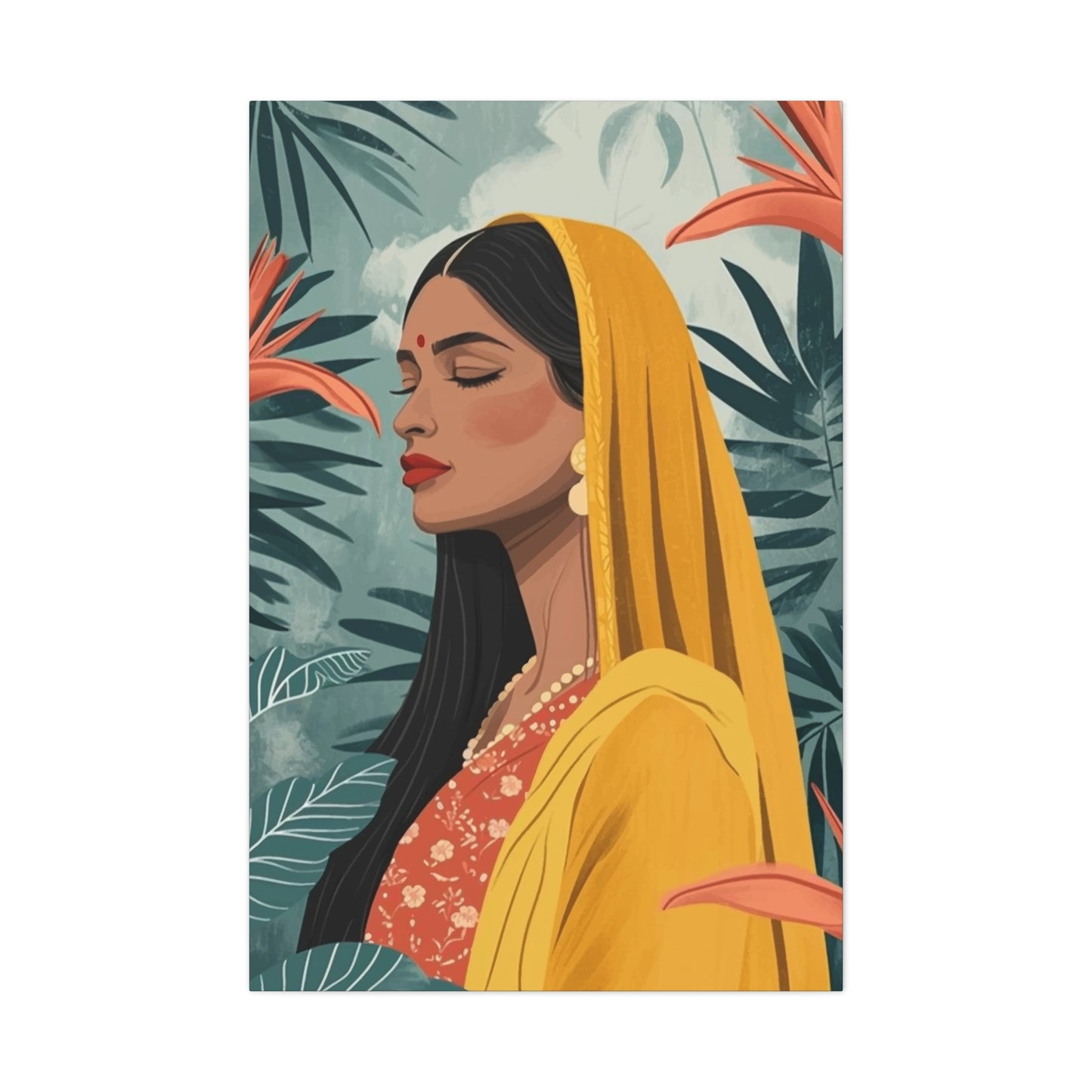
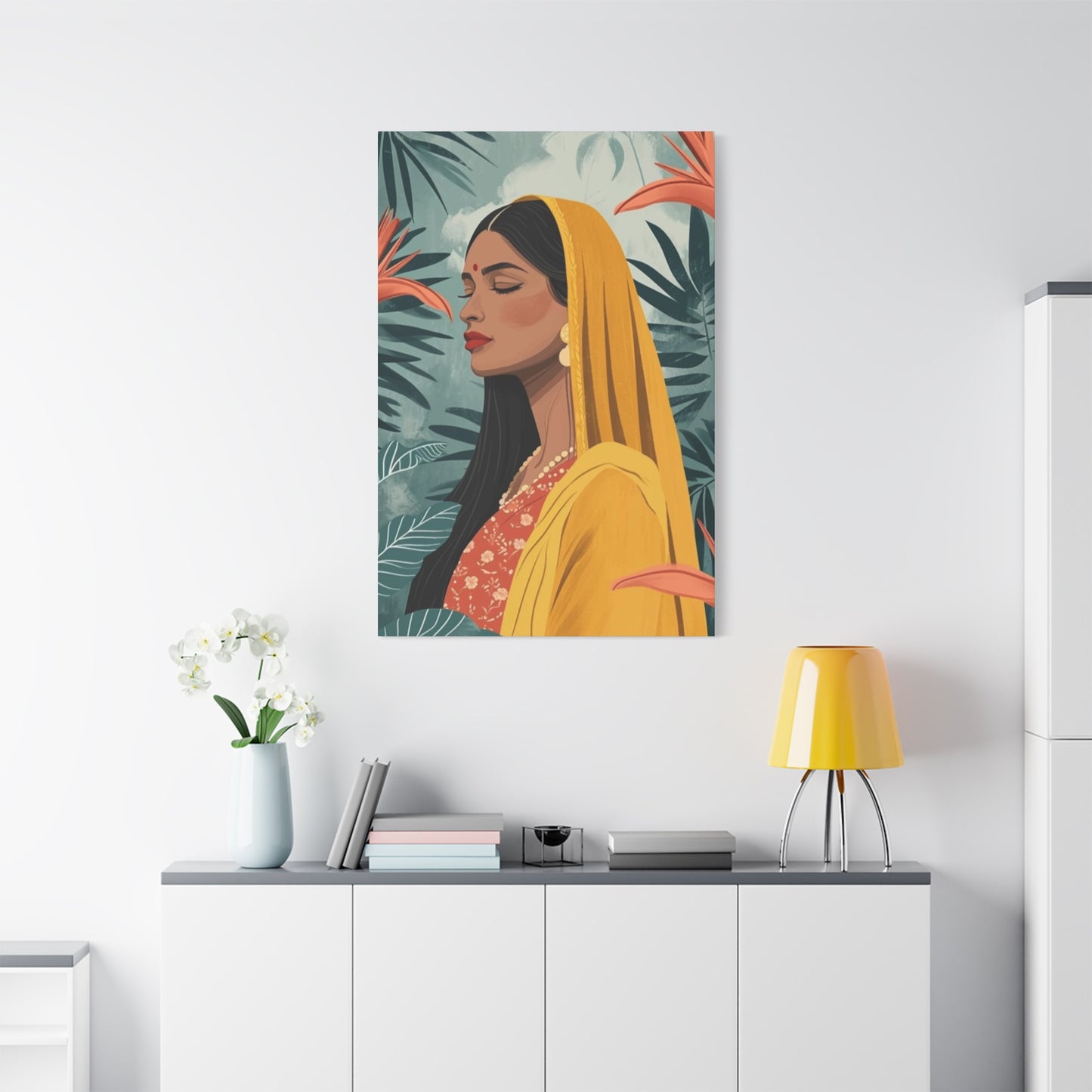
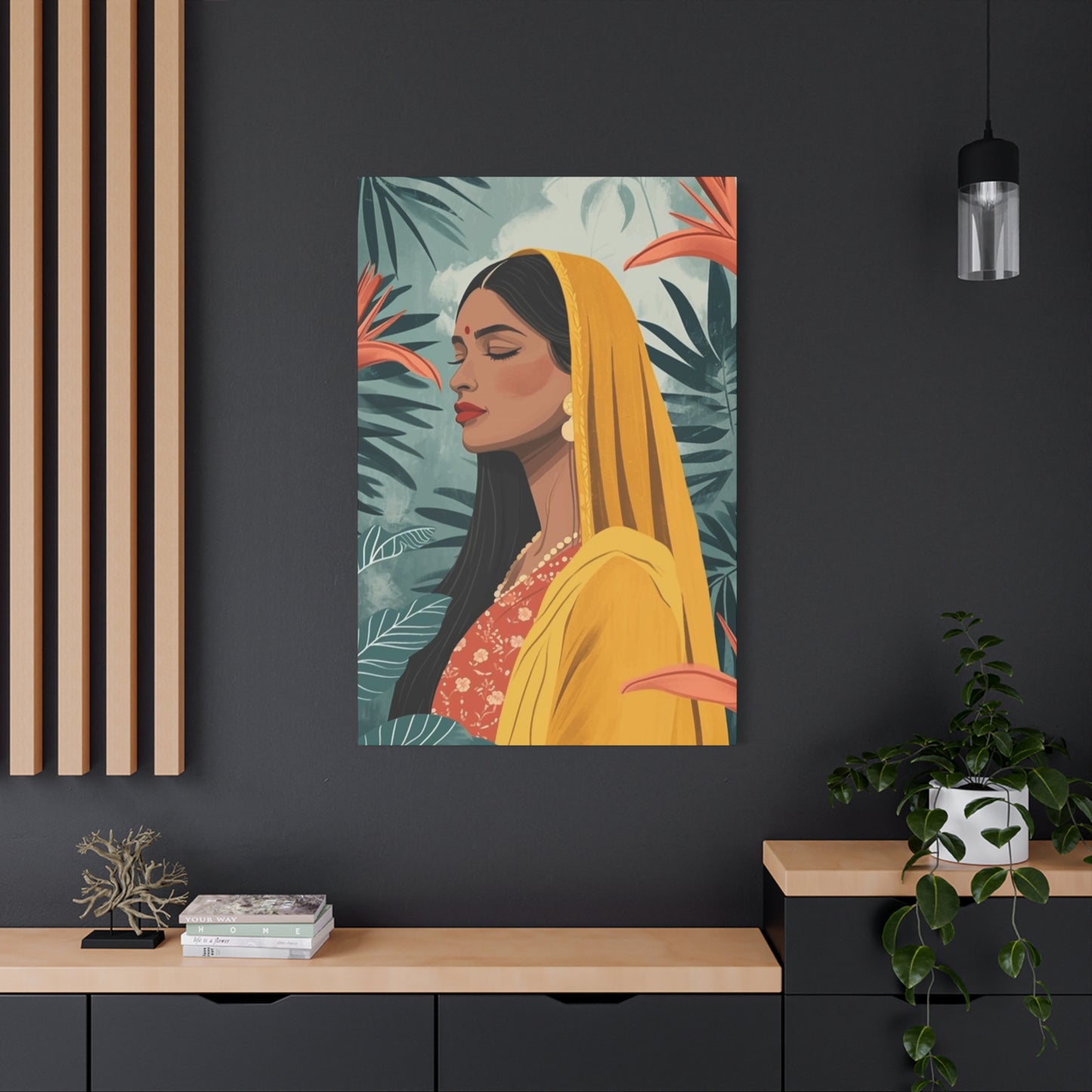
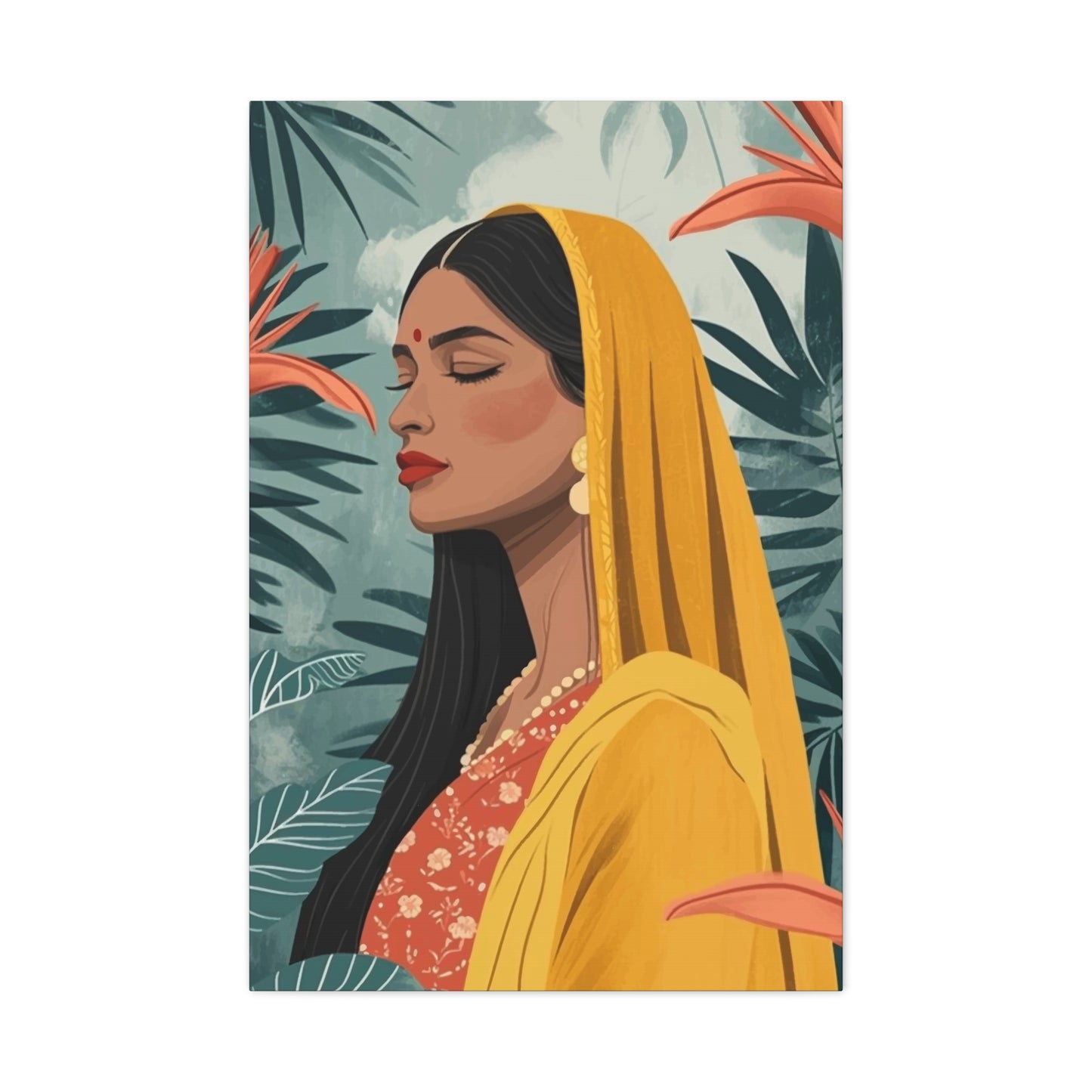
Indian Girl Wall Art & Canvas Prints
Indian Girl Wall Art & Canvas Prints
Couldn't load pickup availability
Modern Living Meets Cultural Beauty: Indian Girl Wall Art to Enrich Your Home’s Aesthetic
The world of decorative imagery showcasing young women from the Indian subcontinent represents a magnificent blend of cultural storytelling and contemporary aesthetics. These artistic representations capture the essence of traditional beauty, vibrant colors, and the profound heritage that has evolved over millennia. When collectors and homeowners seek to incorporate these visual elements into their living environments, they discover a gateway to understanding diverse customs, clothing styles, and the symbolic meanings embedded within each brushstroke or digital rendering.
The fascination with these portraits stems from their ability to convey stories without words. Each piece typically features intricate jewelry, elaborate textiles, and facial expressions that communicate emotions ranging from serenity to joy. The artistic tradition draws inspiration from classical painting methods that originated in royal courts, temple murals, and folk art practices passed down through countless generations. Modern creators have adapted these time-honored approaches to suit contemporary tastes while preserving the authentic spirit that makes these works so captivating.
Collectors often find themselves drawn to specific regional styles that reflect different parts of the subcontinent. Some pieces showcase the bold colors and geometric patterns associated with Rajasthani traditions, while others embrace the delicate lines and muted palettes reminiscent of Mughal miniature paintings. The diversity within this genre ensures that every individual can discover artwork that resonates with their personal aesthetic preferences and complements their existing decor schemes.
The Symbolic Language of Traditional Attire and Ornaments
Understanding the deeper meanings behind the clothing and accessories depicted in Indian girl wall art enhances appreciation for these works. The garments often featured in these portraits carry significant cultural weight, representing regional identities, social customs, and celebratory occasions. The draping styles of sarees, the embroidery patterns on lehengas, and the arrangement of dupattas all communicate specific messages about the subject's background and the artist's intentions.
Jewelry elements in these artworks serve purposes beyond mere decoration. The maang tikka adorning the forehead, the nose ring catching light, and the bangles cascading down arms all hold symbolic significance in various cultural contexts. Artists meticulously render these details to create authentic representations that honor the traditions they depict. The layering of necklaces, the choice of gemstone colors, and the placement of earrings all contribute to the overall narrative that each piece conveys to observant viewers.
Color selection in traditional attire carries profound meaning that extends beyond aesthetic appeal. Red frequently appears in bridal or festive contexts, symbolizing prosperity and celebration. Green represents fertility and new beginnings, while yellow conveys knowledge and learning. Blue shades often relate to divinity and the infinite sky. Artists working in this genre demonstrate their cultural literacy by employing these chromatic choices thoughtfully, creating works that resonate on multiple levels with those familiar with these symbolic associations.
The textiles depicted in quality pieces often showcase specific weaving traditions or printing methods characteristic of particular regions. Bandhani tie-dye patterns from Gujarat, Kantha embroidery from Bengal, or Chikankari needlework from Lucknow might feature prominently in different works. Recognizing these textile traditions allows viewers to appreciate the depth of research and cultural knowledge that skilled artists bring to their creations.
Contemporary Interpretations Blending Tradition with Modern Aesthetics
Today's artists creating Indian girl wall art navigate the delicate balance between honoring traditional forms and appealing to contemporary sensibilities. Many creators employ digital tools to achieve effects that would be impossible or extremely time-consuming with conventional media. However, the best digital works still exhibit the soul and attention to detail that characterize masterful handcrafted paintings.
Some contemporary pieces adopt minimalist approaches, reducing complex traditional imagery to essential lines and shapes while retaining recognizable cultural markers. These simplified versions appeal to collectors who favor clean, modern interior design schemes but still want to incorporate meaningful cultural references into their spaces. The reduction of detail doesn't diminish the power of these works; instead, it distills the essence of traditional beauty into forms that communicate across cultural boundaries.
Other modern interpretations embrace maximalism, layering intricate patterns, bold colors, and abundant decorative elements to create visually overwhelming compositions that demand attention. These pieces work beautifully as statement focal points in spacious rooms with neutral surroundings. The complexity rewards extended viewing, as new details emerge with each observation, creating an evolving relationship between the artwork and its audience.
Fusion styles have emerged that combine elements from multiple cultural traditions or blend Indian motifs with Western artistic movements. Some creators incorporate Art Nouveau's flowing lines with traditional jewelry designs, while others merge Pop Art's bright, flat colors with classical portrait compositions. These experimental approaches expand the genre's boundaries and attract collectors who appreciate innovation and cross-cultural dialogue.
Selecting the Perfect Piece for Your Interior Environment
Choosing appropriate Indian girl wall art requires careful consideration of multiple factors beyond personal preference. The scale of the artwork relative to the wall space significantly impacts visual effectiveness. Oversized pieces can overwhelm small rooms, while diminutive works may appear lost on expansive walls. Measuring your available space and considering proportions ensures that your selected piece achieves its full impact.
Color coordination between the artwork and existing decor determines how seamlessly the piece integrates into your environment. While contrasting colors can create dynamic tension, harmonious palettes often produce more restful, cohesive spaces. Extracting one or two accent colors from the artwork and echoing them in textiles, accessories, or furnishings throughout the room creates visual connections that tie the space together elegantly.
The mood conveyed by different pieces varies considerably, from contemplative portraits featuring subjects in meditative poses to energetic depictions of dancers or festival participants. Consider the emotional atmosphere you want to cultivate in each room. Serene, introspective pieces suit bedrooms and meditation spaces, while vibrant, celebratory works energize social areas like living rooms or dining spaces.
Frame selection dramatically influences how artwork presents itself and interacts with surrounding decor. Traditional gilt frames complement classical painting styles and formal interiors, while sleek metal or natural wood frames suit contemporary spaces. Some collectors prefer floating frames that create subtle shadows around the artwork, adding dimension and allowing the piece to appear suspended. The matting width, frame thickness, and material all contribute to the final presentation.
Regional Artistic Traditions Reflected in Portrait Styles
The vast subcontinent encompasses numerous distinct artistic traditions, each with characteristic approaches to depicting feminine beauty. Understanding these regional differences helps collectors identify specific styles that appeal to them and appreciate the diversity within the genre. Northern traditions often emphasize ornate jewelry and elaborate headdresses, reflecting the influence of courtly Mughal aesthetics and Rajput painting styles.
Eastern artistic traditions frequently feature subjects with distinctive facial features and jewelry styles particular to Bengal and neighboring regions. The influence of Kalighat painting, with its bold outlines and simplified forms, continues to inspire contemporary creators. These works often incorporate local textile patterns and ornament designs that differ markedly from those found in other regions, providing visual interest through their specificity.
Southern artistic approaches sometimes draw from temple sculpture traditions, with poses and gestures reminiscent of classical dance forms like Bharatanatyam. The jewelry depicted in these works often includes pieces unique to southern customs, such as specific nose ring styles or forehead ornaments. The color palettes sometimes reflect the region's landscape, incorporating warm earth tones and the brilliant greens of tropical vegetation.
Western coastal regions have developed distinctive styles influenced by centuries of maritime trade and cultural exchange. These works might feature elements reflecting Portuguese, Dutch, or British colonial contact while maintaining core indigenous aesthetics. The resulting hybrid styles offer fascinating glimpses into cultural synthesis and the ways artistic traditions evolve through contact with external influences.
The Artistic Process Behind Creating Compelling Portraits
Understanding the creative journey from concept to finished artwork deepens appreciation for these pieces. Many artists begin with extensive research, studying photographs of traditional clothing, jewelry, and poses to ensure authenticity. This preparatory phase might involve consulting cultural references, visiting museums, or interviewing community members to capture details accurately and respectfully.
Preliminary sketches allow artists to experiment with composition, proportions, and the arrangement of decorative elements before committing to final materials. These initial drawings help resolve challenges related to balancing intricate details with overall visual harmony. Artists might create dozens of thumbnail sketches exploring different possibilities before selecting the most promising concept to develop fully.
The layering process in painted works typically begins with establishing basic forms and values, gradually building up detail and color intensity. Patient artists who work in traditional media might spend weeks or months on a single piece, allowing layers to dry completely between sessions and making minute adjustments to achieve desired effects. This time investment contributes to the depth and richness that distinguish exceptional works from mediocre productions.
Digital creators employ similar layering approaches within their software environments, building complexity through multiple stages of refinement. Despite the different tools, the fundamental artistic principles remain consistent: understanding form, light, shadow, color harmony, and composition. Skilled digital artists produce works with as much character and visual appeal as their counterparts working with physical media.
Caring for and Preserving Your Decorative Pieces
Proper handling and environmental conditions ensure that your Indian girl wall art remains vibrant and undamaged for decades. Direct sunlight causes fading and deterioration in both traditional and printed media, so position pieces away from windows or use UV-filtering glass in frames. Even indirect bright light can gradually diminish colors over time, particularly in works created with fugitive pigments or inks.
Humidity control prevents problems like mold growth, paper buckling, or paint deterioration. Extremely dry conditions can cause cracking in paint layers or brittleness in paper substrates. Maintaining stable humidity levels between forty and sixty percent creates favorable conditions for most artwork types. Avoid hanging pieces in bathrooms or other high-moisture environments unless they're specifically designed for such conditions.
Temperature fluctuations stress artwork materials, causing expansion and contraction that can lead to structural damage over time. Maintain consistent temperatures and avoid positioning pieces near heating vents, radiators, or air conditioning units that create localized hot or cold spots. The cumulative effect of environmental stress compounds over years, so establishing proper conditions from the outset prevents future restoration needs.
Regular but gentle cleaning prevents dust accumulation that can dull colors and attract moisture. For framed works behind glass, clean the surface with appropriate glass cleaners and soft, lint-free cloths. Unframed pieces require more cautious approaches—light dusting with soft brushes or compressed air removes loose particles without touching delicate surfaces directly. Never use liquid cleaners on unprotected artwork surfaces.
Arrangement Strategies for Maximum Visual Impact
Thoughtful arrangement transforms individual artworks into cohesive displays that enhance entire rooms. Gallery wall configurations allow collectors to showcase multiple pieces simultaneously, creating dynamic visual narratives through careful placement and spacing. Maintaining consistent spacing between frames—typically two to three inches—produces unified appearances, while varied spacing creates more casual, organic feels.
The anchor piece principle suggests placing the largest or most visually striking work at eye level in the arrangement's center, then building outward with smaller pieces. This approach creates natural focal points that draw viewers' attention and establish visual hierarchies. Alternative arrangements might place the dominant piece off-center for asymmetrical compositions that feel more dynamic and contemporary.
Thematic groupings organize multiple pieces according to shared characteristics like color schemes, subject matter, or artistic styles. A collection featuring similar color palettes creates harmonious visual experiences, while mixing contrasting styles generates energy through juxtaposition. Consider how pieces relate to each other conceptually as well as visually—do they tell a story together, or does each stand as an independent statement?
Vertical arrangements suit narrow wall spaces and draw eyes upward, making ceilings appear higher. Horizontal configurations work well above furniture pieces like sofas or consoles, filling wide expanses without overwhelming the space. Asymmetrical groupings feel current and less formal than symmetrical arrangements, which convey traditional elegance and order.
Cultural Appreciation Versus Inappropriate Appropriation
Engaging respectfully with Indian girl wall art requires awareness of the distinction between genuine appreciation and superficial appropriation. Appreciation involves learning about cultural contexts, understanding symbolic meanings, and recognizing the traditions that inform these artistic works. It means seeking out artists from the communities being represented and supporting their creative practices directly whenever possible.
Appropriation occurs when individuals or corporations exploit cultural imagery for profit or aesthetic purposes without understanding or crediting the source traditions. This particularly problematic when dominant cultures commodify marginalized communities' visual heritage without providing compensation or recognition. Conscientious collectors research artists' backgrounds, purchase directly from creators or reputable galleries, and educate themselves about the cultural significance of the imagery they display.
Supporting authentic creators ensures that cultural knowledge and artistic skills continue passing to new generations. Many traditional art forms face survival challenges as mass-produced imitations flood markets, undercutting artists who invest years mastering their crafts. By paying fair prices for genuine works, collectors contribute to preserving living cultural traditions and enabling artists to sustain themselves through their creative practices.
Context matters when displaying cultural imagery in personal or commercial spaces. Treating these works with respect, avoiding ironic or diminishing presentations, and being prepared to discuss their cultural significance demonstrates appropriate engagement. Consider how the artwork's presentation might be perceived by members of the communities it represents, and adjust accordingly to avoid giving offense.
The Role of Color Theory in Emotional Resonance
Color choices in Indian girl wall art profoundly influence emotional responses and atmospheric effects. Warm color schemes dominated by reds, oranges, and yellows create energizing, passionate, and welcoming environments. These palettes suit social spaces where you want to encourage interaction and vitality. The intensity of warm colors can be modulated through the inclusion of neutral tones or smaller quantities of cool colors that provide visual relief.
Cool color schemes featuring blues, greens, and purples produce calming, contemplative, and sophisticated atmospheres. These palettes work beautifully in private spaces intended for rest and reflection. The psychological effects of cool colors include reduced heart rate and blood pressure, making them particularly suitable for bedrooms or meditation areas where relaxation is the primary goal.
Complementary color schemes employ colors opposite each other on the color wheel, creating maximum contrast and visual vibration. When used in artwork featuring traditional Indian subjects, these schemes might pair rich magentas with deep greens or brilliant oranges with intense blues. The resulting tension energizes compositions and demands attention, making these pieces effective focal points.
Analogous color schemes use colors adjacent on the color wheel, producing harmonious, unified effects. These might include progressions from yellow through orange to red, or from blue through purple to magenta. The subtle variations within analogous schemes create interest without the jarring contrast of complementary combinations, resulting in pieces that integrate smoothly into diverse interior environments.
Connecting With Artists and the Creative Community
Building relationships with artists who create Indian girl wall art enriches the collecting experience beyond simple transactions. Many creators maintain online presences through social media platforms, personal websites, or digital marketplaces where they share process insights, cultural information, and new works. Following favorite artists allows collectors to witness creative evolution and often provides opportunities to commission custom pieces.
Attending art fairs, gallery exhibitions, and cultural festivals provides chances to encounter works in person and meet creators directly. The experience of viewing artwork physically reveals details and qualities that digital reproductions cannot capture—surface textures, scale impact, and color accuracy all differ significantly from screen representations. Personal interactions with artists also facilitate deeper understanding of their inspirations, methods, and cultural perspectives.
Online communities dedicated to art collecting and cultural appreciation offer forums for sharing discoveries, asking questions, and connecting with others who share similar interests. These spaces can be valuable resources for learning about emerging artists, discussing conservation concerns, or seeking recommendations for framers and suppliers. Contributing to these communities by sharing knowledge and experiences enriches the collective understanding.
Commissioning original works allows collectors to collaborate directly with artists in creating pieces tailored to specific preferences and spatial requirements. This process typically involves discussing desired elements, reviewing preliminary sketches, and providing feedback during creation. The resulting works hold special significance as unique creations made specifically for particular collectors and spaces.
Lighting Considerations for Optimal Presentation
Proper illumination dramatically affects how Indian girl wall art appears and how effectively it communicates its visual and emotional content. Natural light provides the most accurate color rendering but requires careful management to prevent damage from UV radiation. Positioning pieces on walls perpendicular to windows allows indirect daylight to illuminate them without direct sun exposure, achieving a balance between visibility and preservation.
Picture lights mounted directly above or below frames create focused illumination that draws attention to specific pieces. These fixtures come in various styles from traditional brass designs to minimalist LED strips. The key consideration involves selecting lights with appropriate color temperatures—warmer lights enhance reds and yellows while cooler lights favor blues and greens. Choosing a color temperature that complements the artwork's palette ensures accurate color representation.
Track lighting systems offer flexibility in directing light toward multiple pieces and adjusting as collections evolve. The ability to reposition fixtures without rewiring makes track systems particularly suitable for collectors who frequently rotate their displays or acquire new works. Adjustable beam spreads allow customization of light coverage from tight spotlights to broad flood patterns.
Ambient room lighting affects how artwork appears even when not directly illuminated. The color temperature and intensity of overhead lights, lamps, and other sources create the visual environment within which the artwork exists. Ensuring that ambient lighting doesn't create glare on glass-covered pieces or cast distracting shadows requires attention to fixture placement and potentially using diffusers or adjusting angles.
Incorporating Cultural Elements Throughout Interior Design
Collectors who deeply appreciate Indian girl wall art often extend cultural themes throughout their interior design schemes. This holistic approach creates immersive environments that transport inhabitants and visitors to different cultural contexts. Textiles offer accessible entry points for layering cultural elements—throw pillows featuring traditional block prints, hand-woven rugs, or embroidered table runners echo motifs found in the artwork.
Furniture selections can reinforce cultural themes without overwhelming spaces with exoticism. Carved wooden pieces, low seating arrangements, or brass-inlaid tables introduce authentic elements that complement wall art naturally. The goal involves creating cohesive environments rather than museum-like displays, so mixing cultural pieces with contemporary furnishings often produces more livable, less theatrical results.
Decorative objects such as brass vessels, ceramic pottery, or carved sculptures add dimensional interest and provide tactile experiences that two-dimensional wall art cannot. Selecting pieces from the same cultural traditions as the artwork creates visual relationships and reinforces thematic consistency. However, restraint prevents spaces from becoming cluttered or appearing like shops rather than homes.
Architectural details offer opportunities for permanent cultural integration. Carved moldings, patterned tile work, or painted ceiling treatments inspired by traditional designs transform ordinary rooms into extraordinary spaces. These permanent alterations represent significant commitments but produce distinctive environments that reflect genuine appreciation for cultural aesthetics.
Understanding Different Printing Methods and Materials
The method used to reproduce Indian girl wall art significantly impacts its appearance, longevity, and value. Giclée printing represents the highest quality reproduction method, using archival inks and fine art papers or canvas to create prints virtually indistinguishable from originals. These limited edition prints retain value better than mass-produced alternatives and provide color accuracy and detail resolution that honor the original artwork.
Canvas prints stretched over wooden frames offer gallery-wrapped presentations that don't require additional framing. The texture of canvas substrate adds dimension and can approximate the appearance of paintings. However, print quality varies enormously among providers—low-resolution files printed on thin canvas with inferior inks fade quickly and display visible pixelation that diminishes the viewing experience.
Metal prints represent contemporary alternatives that produce striking, modern presentations. The dye sublimation process infuses inks directly into specially coated aluminum panels, creating extremely durable, vibrant images with unique depth and luminosity. The reflective quality of metal surfaces makes these prints particularly effective in modern, minimalist environments where traditional framing would feel out of place.
Acrylic prints sandwich images between clear acrylic sheets, creating depth and protecting the print surface. The acrylic adds remarkable vibrancy and creates a floating appearance when mounted away from walls with standoffs. These modern presentations suit contemporary spaces and provide excellent protection from environmental factors, though the glossy surface can create glare in bright conditions.
The Significance of Gestures and Poses in Portrait Composition
Body language and hand positions in Indian girl wall art carry meanings rooted in classical dance, religious iconography, and social customs. The mudras or hand gestures borrowed from dance traditions communicate specific concepts or emotions. A hand raised with palm forward might indicate greeting or blessing, while hands positioned in prayer convey devotion or respect. Artists fluent in these symbolic languages create works with layers of meaning accessible to informed viewers.
Poses often reference classical sculptures found in temples or miniature painting conventions developed in court workshops. A slight tilt of the head, the angle of shoulders, or the positioning of feet all follow established conventions that trained observers recognize. These traditional poses connect contemporary works to artistic lineages stretching back centuries, positioning current creators within ongoing conversations that transcend individual artistic visions.
Eye contact between portrait subjects and viewers creates intimate connections that engage audiences emotionally. Direct gazes can feel confrontational or inviting depending on other facial features and overall composition. Averted gazes create contemplative moods and allow viewers to observe subjects without feeling observed in return, producing different psychological dynamics.
The inclusion of objects or props within compositions provides narrative context and symbolic content. A musical instrument might indicate artistic accomplishment or devotion to the divine, while flowers could represent beauty, impermanence, or specific seasons. Books suggest learning, while mirrors introduce themes of self-reflection or vanity. Skilled artists select props that reinforce their intended messages without overcrowding compositions.
Seasonal Rotation Strategies for Dynamic Display Options
Many collectors maintain larger art inventories than their available wall space can accommodate simultaneously, leading to seasonal rotation practices that keep displays fresh and allow different pieces to shine at appropriate times. This approach prevents visual fatigue from seeing the same works constantly while providing opportunities to store pieces properly when not displayed.
Seasonal themes guide selection during rotation—brighter, more vibrant works featuring florals or outdoor settings suit spring and summer displays, while deeper, richer tones and indoor scenes feel appropriate for autumn and winter. This rotation mirrors natural environmental changes and helps interiors feel connected to the larger world beyond walls.
Holiday periods offer opportunities to feature specific works that complement celebratory decorating schemes. Pieces with particular color palettes or festive imagery can emerge from storage to enhance seasonal decor, then return to protection when the occasion passes. This strategic rotation makes collections work harder and provides renewed appreciation for works that haven't been visible recently.
Proper storage during off-display periods prevents damage and ensures works remain in excellent condition. Archival storage materials including acid-free papers, boxes, and sleeves protect against environmental factors. Climate-controlled storage areas maintain stable temperature and humidity levels. Vertical storage prevents pressure on works stacked horizontally, which can cause warping or indentations over time.
Investing in Emerging Artists and Supporting Creative Careers
Collecting work from emerging creators provides opportunities to acquire exceptional pieces at accessible price points while supporting artists early in their careers. These artists often demonstrate strong skills and unique visions but lack the name recognition that commands premium prices. Building relationships with emerging talents can be personally rewarding as collectors witness artists' growth and success over time.
Identifying promising emerging artists requires research and willingness to explore beyond established galleries and popular marketplaces. Social media platforms have democratized art promotion, allowing creators to build audiences directly without traditional gatekeepers. Following hashtags related to Indian art, cultural themes, or specific artistic styles reveals talents who might otherwise remain undiscovered by mainstream collectors.
Fair compensation ensures artists can continue creating rather than abandoning their practices for financial survival. The perception that art should be inexpensive devalues the years of skill development, cultural knowledge, and creative vision that artists bring to their work. Paying prices that reflect genuine value rather than haggling for discounts demonstrates respect for creative labor and enables sustainable artistic careers.
Providing testimonials, sharing works on social media, and recommending favorite artists to others costs nothing but significantly benefits creators by expanding their visibility. These small actions help build artists' reputations and clientele, potentially proving more valuable than single purchases. Engaged collectors who actively support artists' careers often receive first consideration for new works and commission opportunities.
The Relationship Between Fashion and Artistic Representation
Contemporary fashion increasingly draws inspiration from traditional cultural aesthetics, creating interesting dialogues between clothing design and visual art depicting traditional attire. Designers reinterpret classical jewelry styles, textile patterns, and silhouettes for modern wear, introducing these elements to global audiences. This cross-pollination can increase interest in traditional art forms as people who encounter cultural elements in fashion seek deeper engagement through art collecting.
The accuracy of traditional costume representation in artwork varies based on artists' research and cultural knowledge. Some creators meticulously reproduce historical accuracy, consulting museum collections and ethnographic records to ensure authenticity. Others take creative liberties, combining elements from different regions or time periods to create aesthetically pleasing compositions that don't claim documentary accuracy.
Fashion photography and editorial styling sometimes create modern interpretations of traditional looks that influence artistic representations. When contemporary models wear historical-inspired styling, photographers and artists capture these hybrid presentations, creating new visual languages that blend past and present. These modern interpretations appeal to audiences who appreciate cultural references but prefer contemporary aesthetics.
The textile arts represented in quality Indian girl wall art deserve recognition as significant creative achievements in themselves. Weaving, dyeing, printing, and embroidery traditions require enormous skill and knowledge passed through generations. When artists accurately depict these textiles in their works, they honor both the original textile creators and the broader cultural heritage that produced these remarkable crafts.
Digital Marketplaces and the Democratization of Art Access
Online platforms have revolutionized art acquisition, making Indian girl wall art accessible to global audiences regardless of geographic location. Collectors in remote areas can now browse extensive inventories, compare prices, read artist biographies, and complete purchases without traveling to urban gallery districts. This access has expanded both artist audiences and collector options dramatically.
The challenge within digital marketplaces involves quality assessment without physical inspection. Screen representations cannot capture texture, true color accuracy, or scale impact that influence how pieces function in actual spaces. Reputable platforms address these limitations through detailed specifications, close-up photographs showing details, and generous return policies that allow collectors to evaluate works in their intended environments.
Print-on-demand services occupy a controversial position within the art market. These platforms allow unprecedented access to affordable decorative imagery but often undermine artists through low compensation rates and enabling of unauthorized reproductions. Conscientious collectors research whether artists receive fair payments for designs sold through these services or if they profit at creators' expense.
Virtual gallery experiences using three-dimensional visualization tools allow collectors to preview how pieces might appear on their walls before purchasing. Augmented reality applications let users point devices at actual walls to see superimposed artwork representations at proper scale. These aids reduce uncertainty and return rates while helping collectors make confident decisions about compatibility with existing spaces.
The Psychology Behind Color Preferences and Personal Selection
Individual color preferences stem from complex interactions between biological factors, cultural conditioning, and personal experiences. Understanding why certain color palettes resonate helps collectors articulate their aesthetic preferences and select Indian girl wall art that will provide lasting satisfaction. Warm color preferences often correlate with extroverted personalities who seek stimulation and social interaction.
Cool color affinities typically reflect preferences for calm, order, and contemplation. Individuals drawn to blues and greens might gravitate toward pieces featuring serene expressions and peaceful compositions. These preferences influence not only art selection but entire interior design approaches, with color choices throughout homes reflecting underlying personality characteristics.
Cultural associations with colors vary globally, adding complexity to selection processes. While Western traditions might associate white with purity and black with mourning, other cultural contexts assign different meanings to these colors. Collectors familiar with Indian cultural symbolism can appreciate how traditional color uses in artwork carry meanings that enhance beyond purely aesthetic considerations.
Color psychology research suggests that environmental colors affect mood, productivity, and even physical comfort. Surrounding ourselves with personally pleasing colors contributes to well-being and life satisfaction. This reality elevates art selection beyond decoration to lifestyle choice with tangible impacts on daily experience. Choosing pieces that incorporate personally resonant colors creates positive psychological environments that support mental and emotional health.
Building Cohesive Collections Over Time
Successful collections evolve gradually as collectors refine their tastes and understanding. Initial purchases often reflect immediate attractions without consideration for long-term cohesion. As collections mature, collectors typically develop focused interests in specific regional styles, particular artists, or certain thematic approaches. This specialization creates collections with internal logic and coherence that enhance value and interest.
Documentation practices help collectors track acquisitions, including purchase dates, prices, artist information, and provenance details. This record-keeping serves practical purposes for insurance and estate planning while creating personal histories of collecting journeys. Reviewing documentation years after purchases often reveals patterns in taste evolution and motivations that weren't apparent during acquisition moments.
Collection assessments at regular intervals identify gaps or redundancies that inform future acquisition strategies. Perhaps the collection lacks pieces in certain color ranges or doesn't represent particular regional traditions. Recognizing these absences allows intentional growth rather than haphazard accumulation. Similarly, identifying redundant pieces that don't contribute meaningfully allows strategic deaccessioning through sales or donations.
Insurance considerations become important as collection values increase. Standard homeowners or renters policies often provide inadequate coverage for art collections. Specialized fine arts insurance offers broader protection including damage during transit, restoration costs, and market value coverage rather than mere replacement cost. Professional appraisals establish accurate values for insurance purposes and should be updated periodically as market conditions change.
The Influence of Cinema and Media on Visual Culture
Bollywood films and other media productions featuring lavish costumes and jewelry have significantly impacted popular conceptions of traditional Indian aesthetics. The heightened, glamorized presentations in movies often inspire artistic interpretations that emphasize drama and spectacle over documentary accuracy. This influence creates visual languages that blend traditional elements with entertainment industry aesthetics.
Period films set in historical contexts require extensive research and costume design that influences broader cultural memory about traditional appearance. When films achieve widespread popularity, their particular interpretations of historical dress and decoration sometimes become more culturally dominant than actual historical practices. Artists creating contemporary works might reference these popular film interpretations knowingly or unconsciously.
Music videos and promotional photography for musical artists often feature elaborate traditional or fusion styling that generates widespread visual impact. These images circulate globally through digital platforms, influencing aesthetic preferences across cultural boundaries. Young artists exposed to these hybrid presentations may incorporate similar fusion approaches in their own work, creating contemporary styles that speak to modern, globalized audiences.
Documentary media and cultural programming play educational roles in preserving and transmitting knowledge about authentic traditional practices. High-quality productions featuring expert interviews, archival materials, and careful research help audiences distinguish between entertainment presentations and accurate cultural documentation. Artists and collectors who engage with these educational resources develop more sophisticated understanding of the traditions informing contemporary artwork.
Spatial Planning for Gallery Wall Installations
Creating effective gallery walls requires careful planning before driving any nails. Laying out arrangements on floors allows experimentation with configurations without wall damage. Full-scale paper templates traced from frames and temporarily attached to walls with removable tape provide accurate previews of final arrangements. This planning prevents mistakes and ensures satisfying results that don't require patching multiple incorrect nail holes.
The 57-inch rule suggests hanging artwork so that centers align approximately fifty-seven inches from floor level, approximating average eye height in standing positions. This guideline works well for single pieces but requires modification for gallery walls where overall arrangement rather than individual pieces determines placement. The collective visual center of the entire grouping should align near the fifty-seven-inch height.
Weight considerations determine appropriate hanging hardware. Light pieces under five pounds can hang from picture-hanging hooks, while heavier works require wall anchors or mounting to wall studs. Incorrectly hung heavy pieces risk falling and causing damage or injury. Investing in proper hardware and installation tools prevents future problems and protects both walls and artwork.
Professional installation services offer expertise for valuable or particularly challenging arrangements. These specialists possess tools, knowledge, and experience that produce superior results compared to amateur efforts. While representing additional expense, professional installation provides peace of mind and often includes insurance coverage for any damage occurring during the process.
Understanding Price Factors in the Art Market
Multiple factors influence pricing for Indian girl wall art beyond simple material costs. Original paintings command premiums reflecting artist skill, time investment, and uniqueness. Established artist reputations significantly affect pricing, with recognized names demanding higher prices than emerging creators of comparable skill levels. Collectors essentially pay for the cultural capital associated with owning works by sought-after artists.
Limited edition prints maintain higher values than open editions through artificial scarcity. Numbering conventions indicate print numbers and edition sizes—a print marked 15/100 is the fifteenth impression in an edition limited to one hundred copies. Lower numbers sometimes command slight premiums though actual print quality doesn't vary within editions. Artist-signed prints typically cost more than unsigned impressions from the same editions.
Print sizes significantly affect pricing, with larger formats requiring more materials and production time. However, price increases don't follow linear relationships with size—a piece twice as large rarely costs exactly twice as much. The complexity of imagery also influences pricing, with highly detailed works requiring more artist time than simplified compositions.
Framing costs often equal or exceed print prices, particularly for custom framing using museum-quality materials. Collectors should factor framing expenses into total acquisition budgets to avoid surprises. Some artists and galleries offer framing services at reasonable rates, while others sell unframed works leaving framing to collectors' preferences and budgets.
The Role of Festivals and Celebrations in Artistic Themes
Many Indian girl wall art pieces depict subjects in festive attire associated with specific celebrations, capturing the joy and beauty of cultural observances. These works appeal to collectors seeking to commemorate particular traditions or simply to those drawn to the heightened colors and elaborate decorations characteristic of festival imagery. Understanding the celebrations referenced in artwork adds appreciation layers beyond purely visual enjoyment.
Diwali-themed pieces often feature subjects in rich reds, golds, and oranges, holding diyas or surrounded by decorative lights. The festival of lights' emphasis on beauty, prosperity, and the triumph of light over darkness creates naturally appealing artistic subject matter. Artists capture both the external decorations and the internal joy that celebrations bring to participants.
Holi celebrations with their riotous colors inspire dynamic, energetic artworks featuring subjects covered in vibrant powders. These pieces convey movement, spontaneity, and pure joy through their compositions and color choices. The temporary nature of Holi's color decorations contrasts with the permanence of artistic representations, allowing viewers to enjoy the festival's beauty year-round.
Wedding imagery represents another popular theme, featuring brides in spectacular attire and jewelry. The cultural significance of weddings as transformative life events and the sheer visual magnificence of bridal preparation create compelling artistic material. These pieces range from serene bridal portraits to dynamic scenes capturing ceremony moments or celebration activities.
Conclusion
Engaging deeply with Indian girl wall art provides gateway opportunities for broader cultural exploration beyond visual appreciation. Collectors often find themselves drawn to learn about the histories, philosophies, and daily practices of the cultures represented in their collections. This expanded engagement enriches life experiences and broadens perspectives on human diversity and creativity.
Culinary exploration offers delicious entry points into cultural understanding. Regional cuisines reflect the same geographic diversity evident in artistic traditions, with distinctive ingredients, preparation methods, and flavor profiles. Preparing or seeking out authentic regional dishes while learning about their cultural contexts creates multisensory engagement that complements visual art appreciation.
Music and dance traditions provide additional dimensions of cultural expression. Classical dance forms like Bharatanatyam, Kathak, or Odissi embody the same aesthetic principles and symbolic languages found in visual arts. Attending performances or studying these art forms enhances understanding of the gestures, poses, and narratives depicted in artwork.
Literature translated from regional languages offers insights into cultural values, historical experiences, and contemporary concerns. Reading fiction, poetry, and non-fiction by authors from the cultures represented in art collections deepens appreciation for the complex societies that produce such rich artistic traditions. This holistic engagement transforms casual collecting into meaningful cross-cultural dialogue.
The environmental conditions in different rooms require consideration when selecting materials for Indian girl wall art. High-humidity environments like bathrooms or kitchens demand moisture-resistant substrates and protective coatings. Canvas or paper pieces quickly deteriorate in these conditions unless properly sealed or protected behind glass. Metal or acrylic prints better withstand humidity and temperature fluctuations common in these spaces.
High-traffic areas subject artwork to increased dust, potential contact, and vibration from foot traffic or door closings. Durable materials and secure mounting systems prevent damage in these challenging locations. Glass or acrylic covering provides protection from accidental contact while making cleaning easier when dust accumulates.
Bedroom environments typically offer gentler conditions with moderate temperatures, controlled light, and less traffic. This makes bedrooms ideal locations for more delicate pieces including works on paper or canvas without protective glazing. The intimate nature of bedroom spaces suits serene, contemplative pieces that create calming atmospheres conducive to rest.
Share