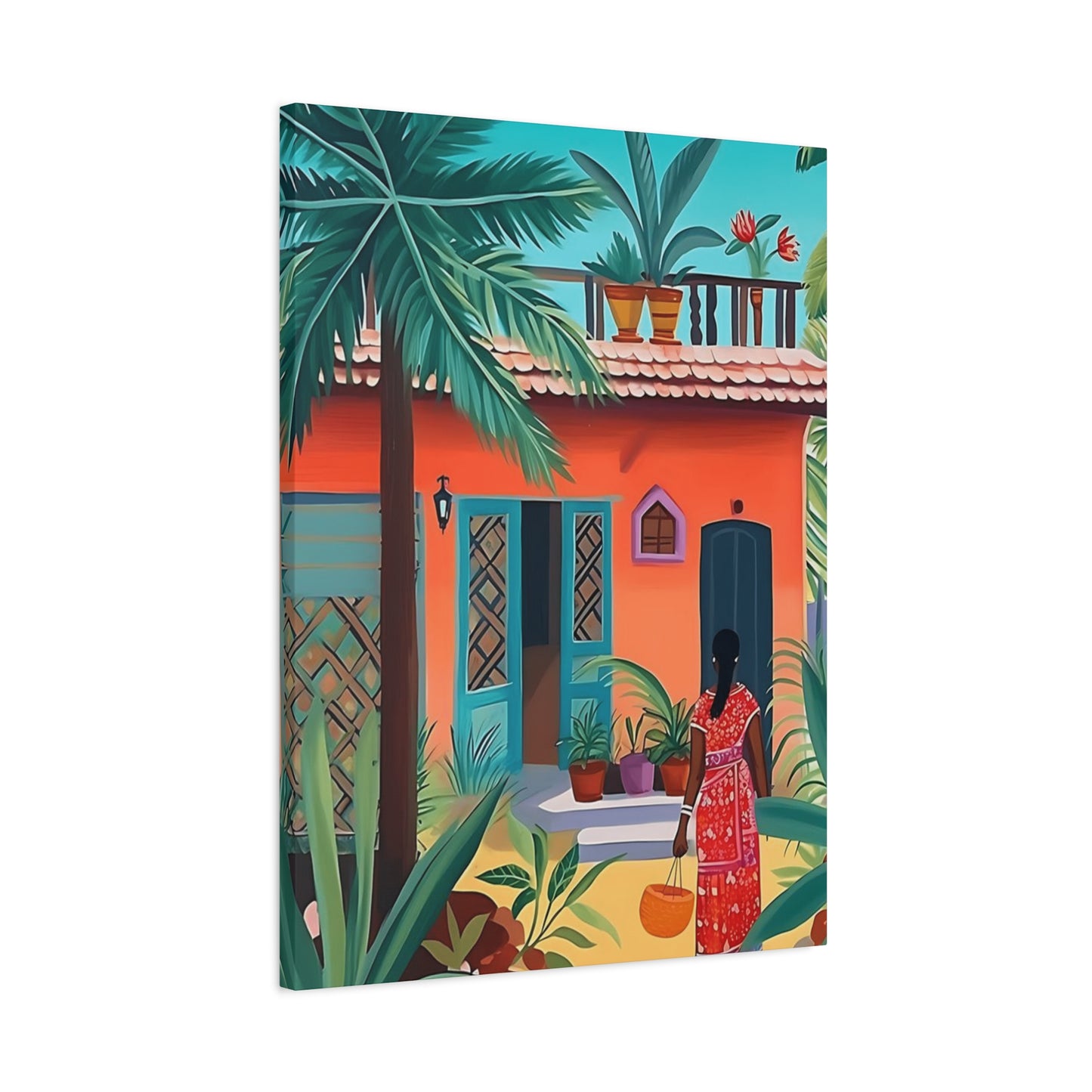
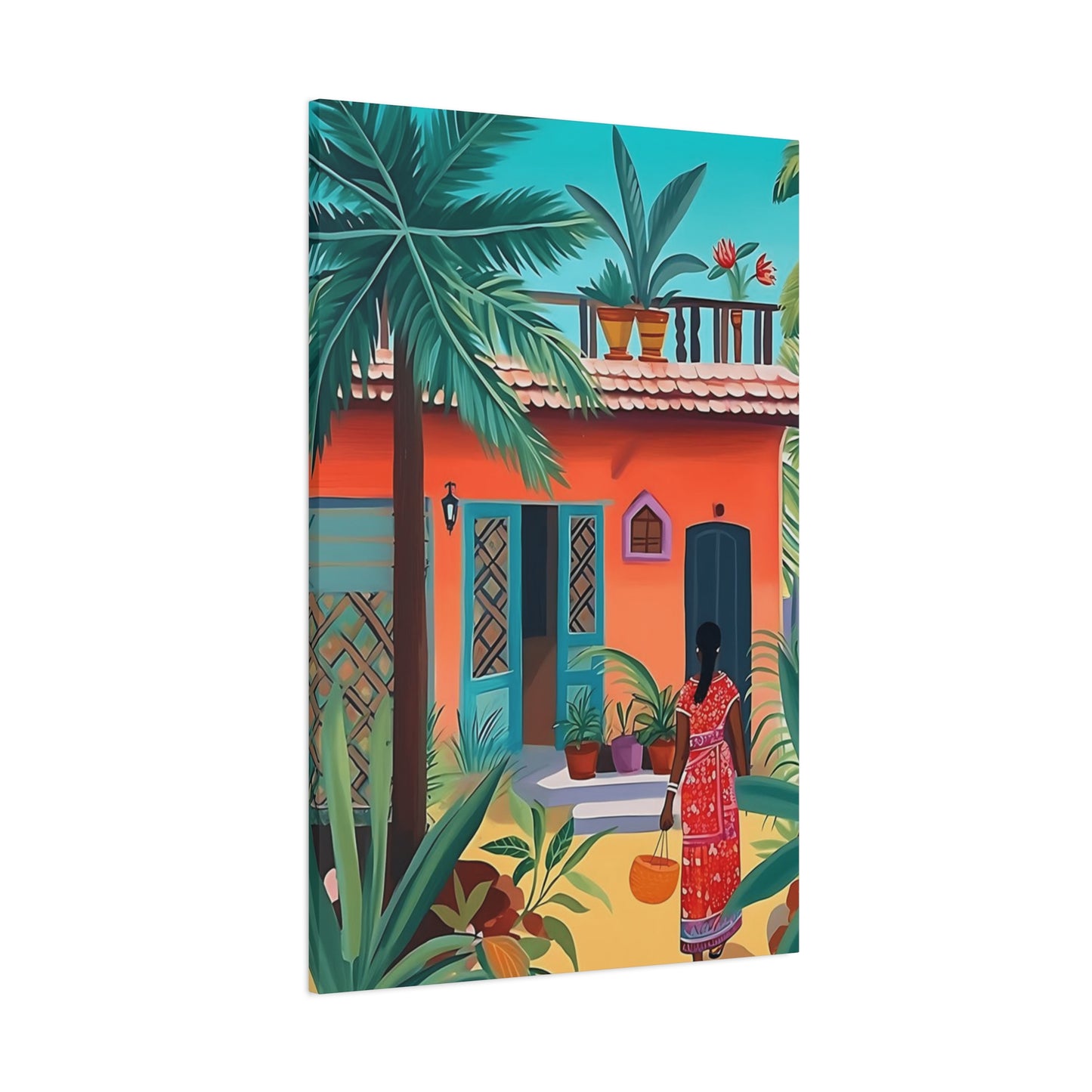
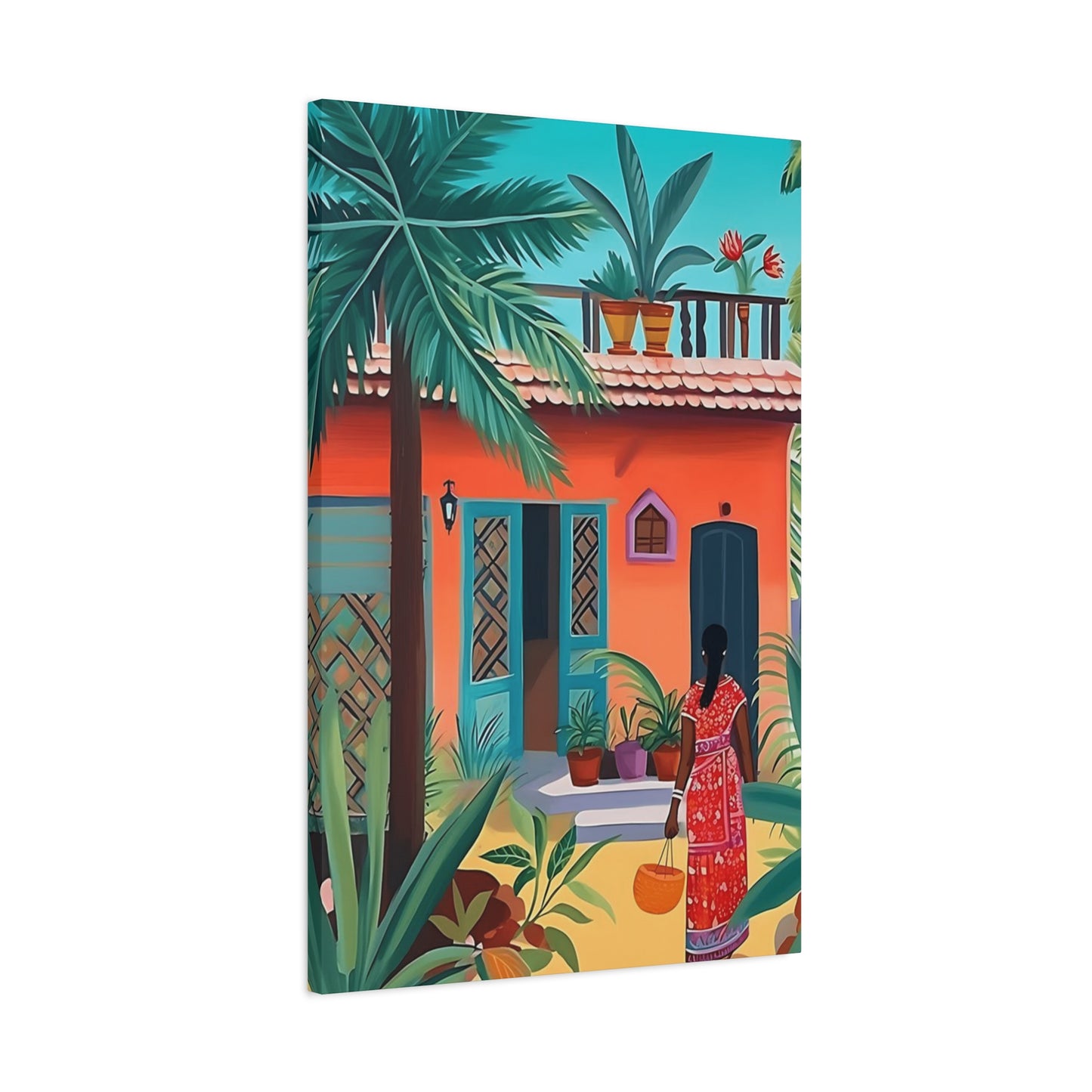
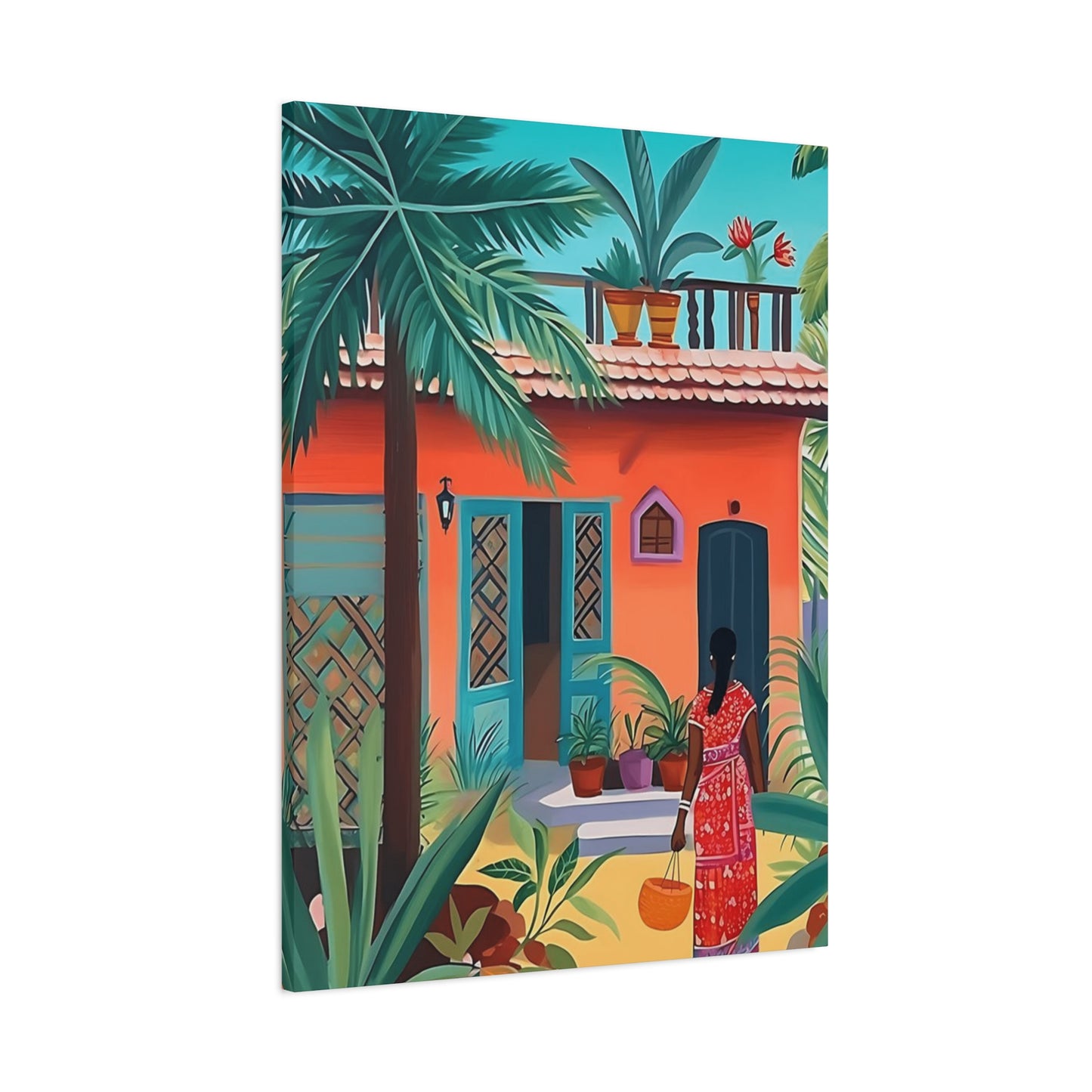
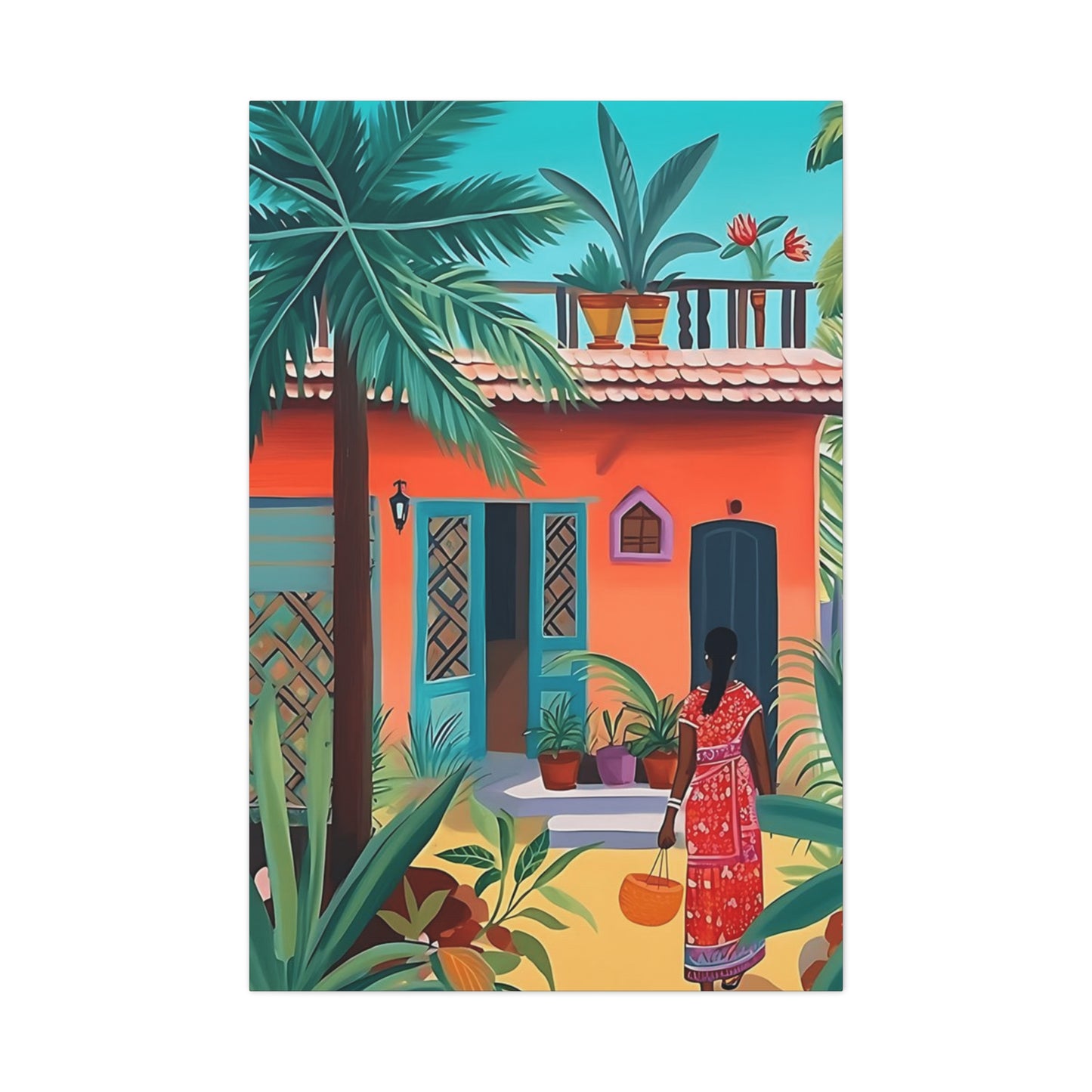
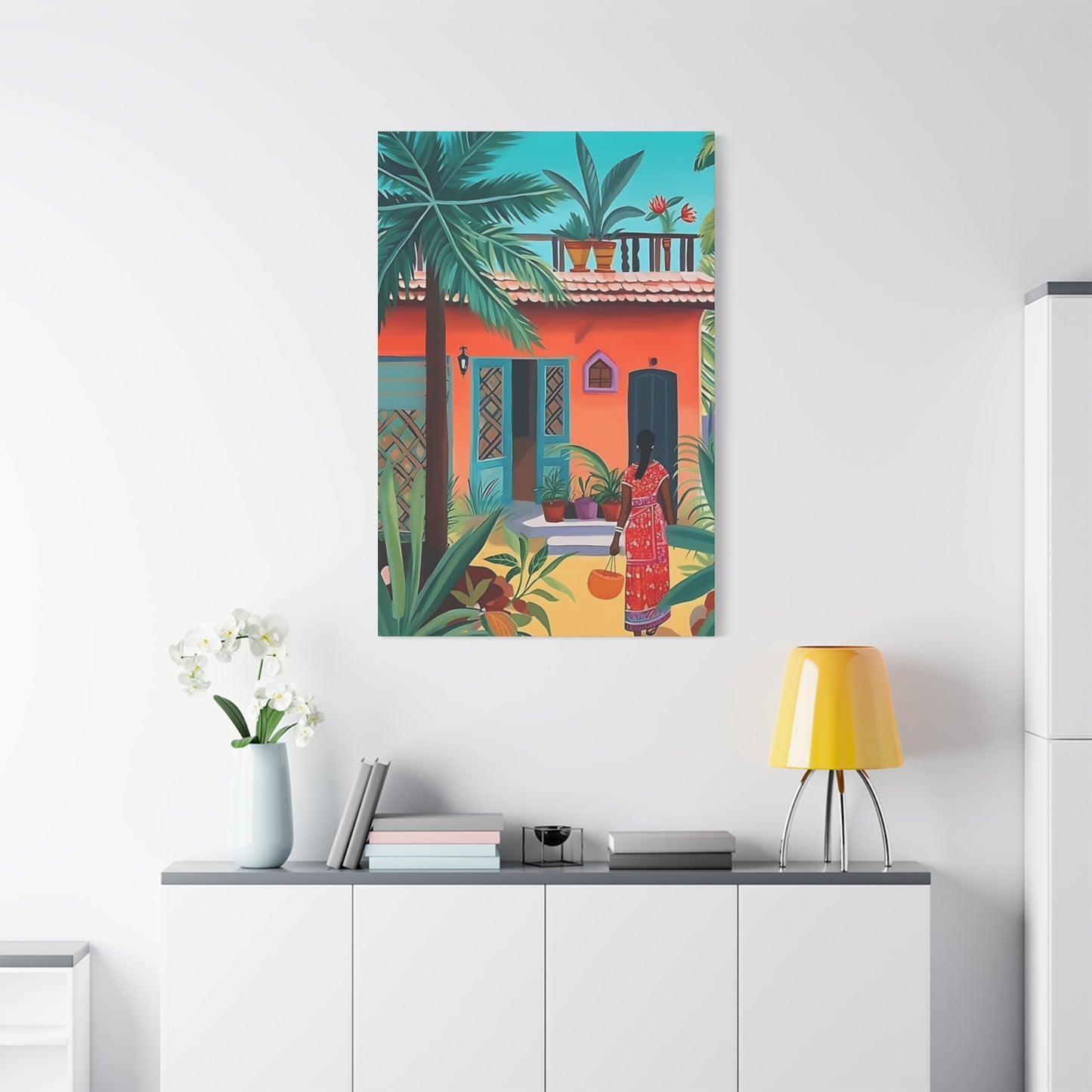
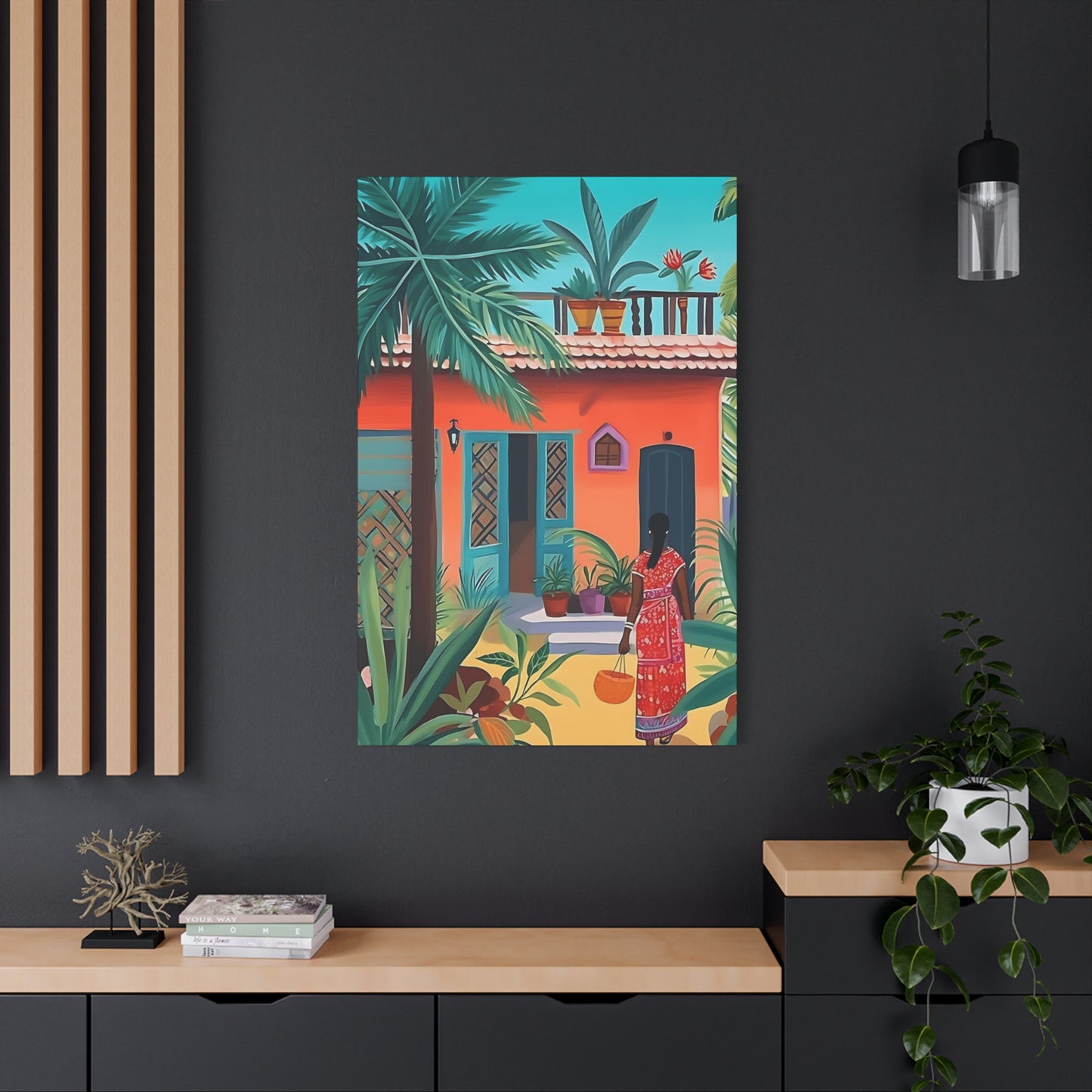
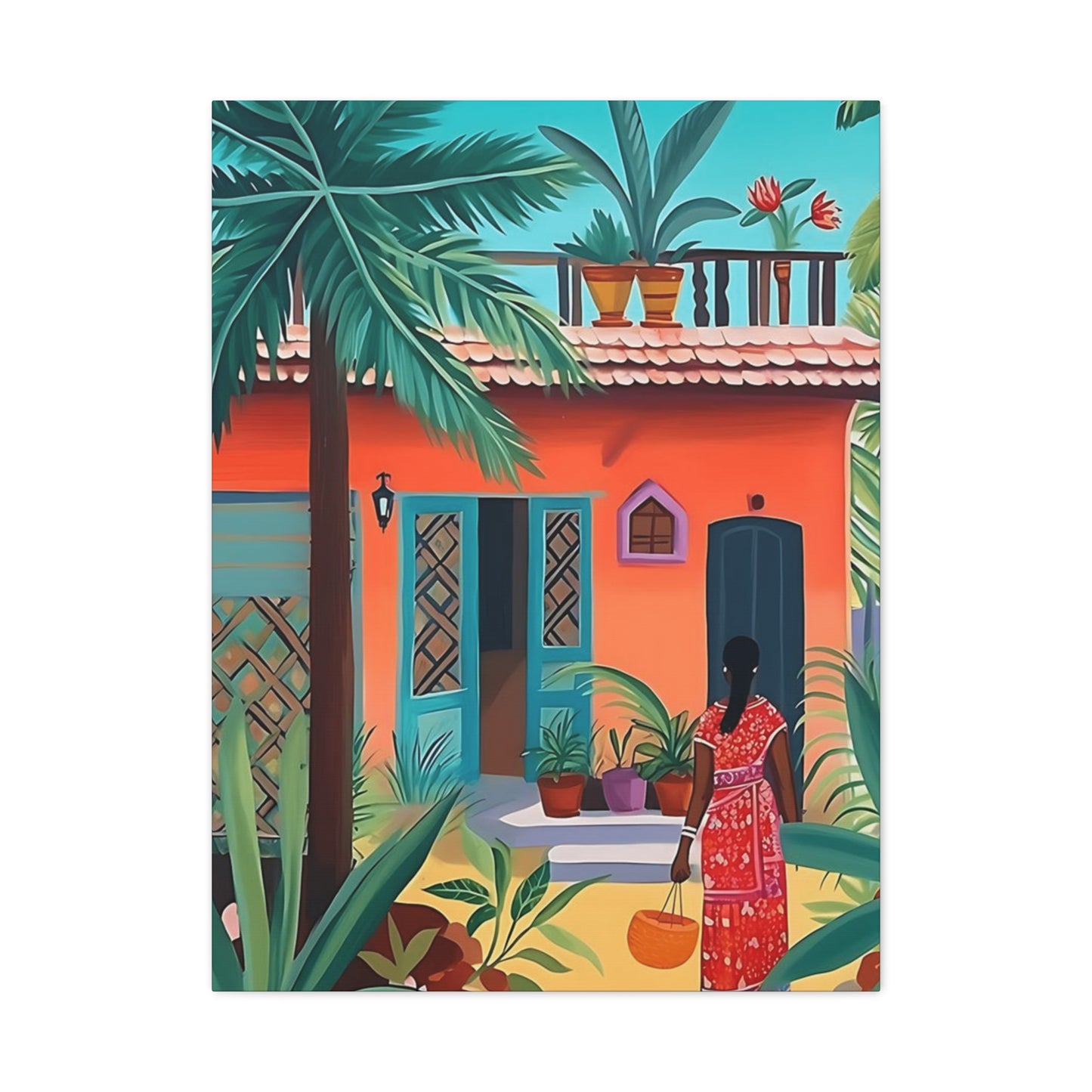
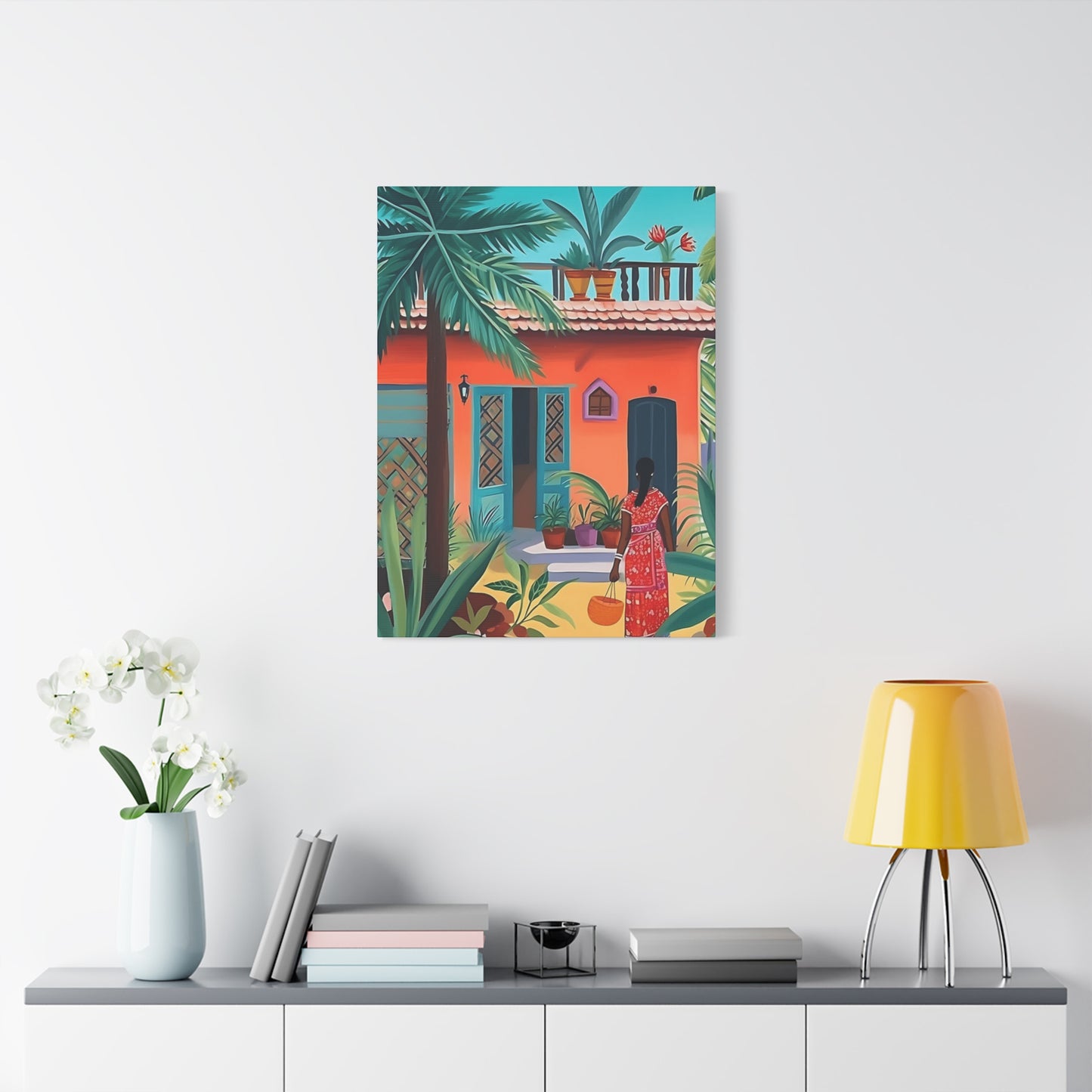
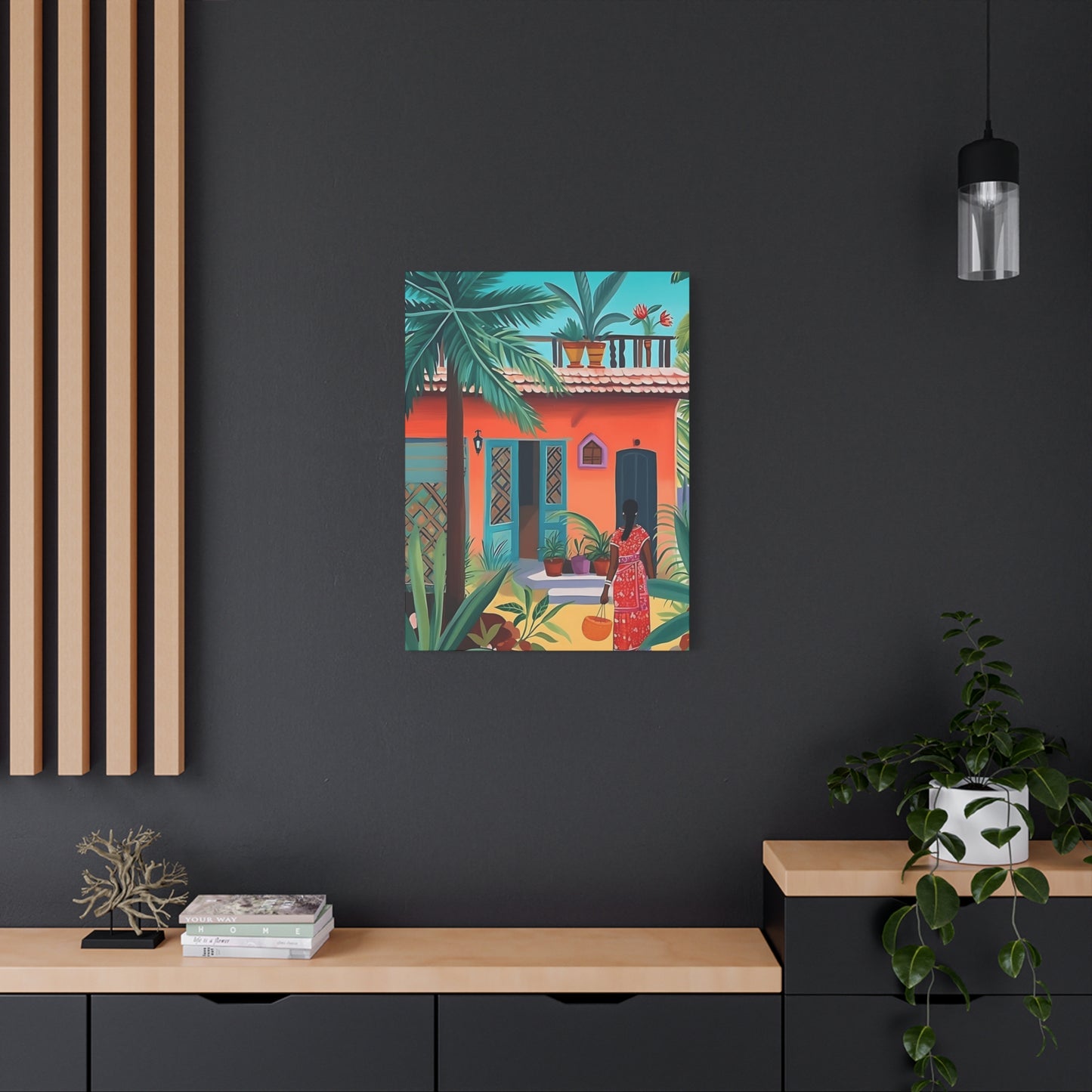
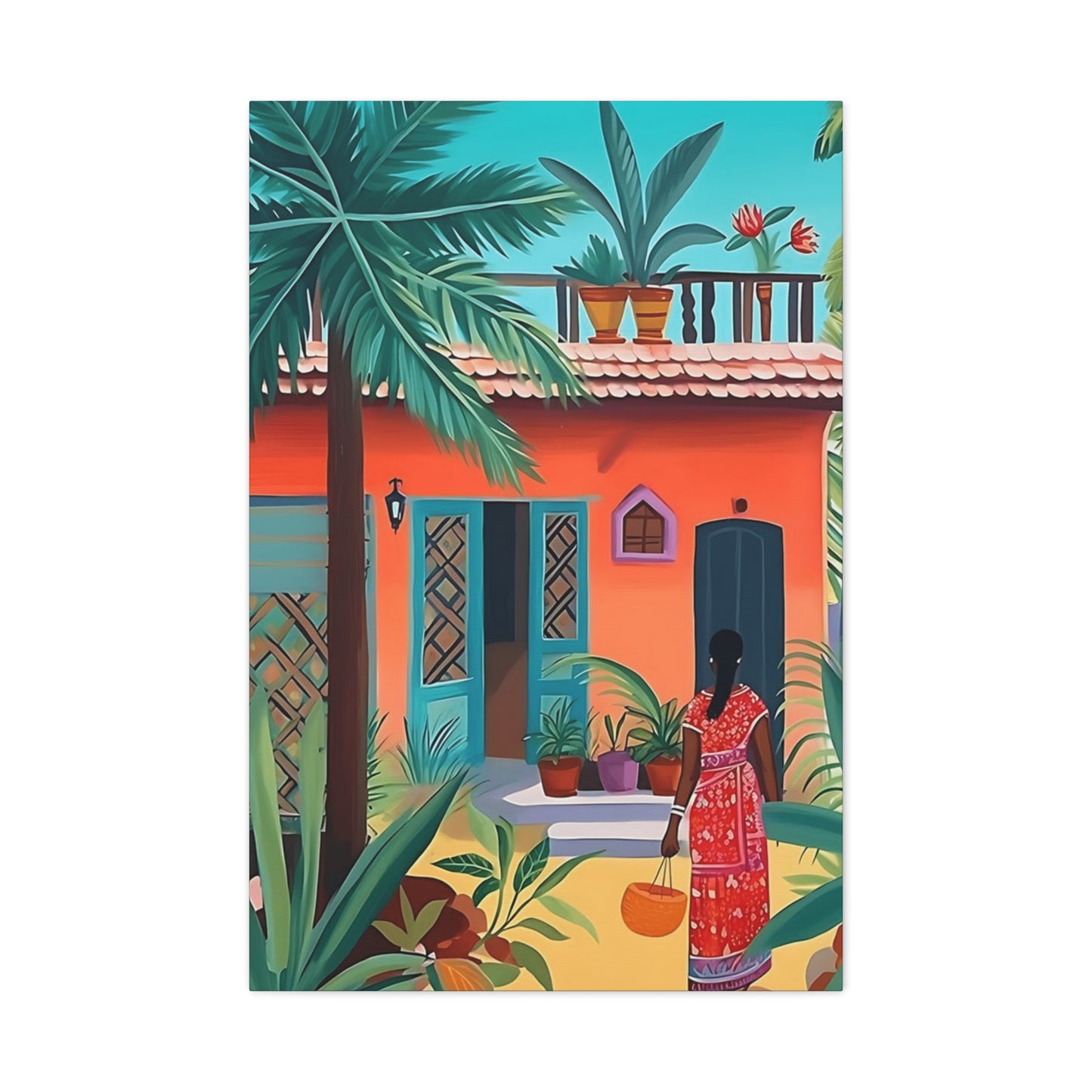
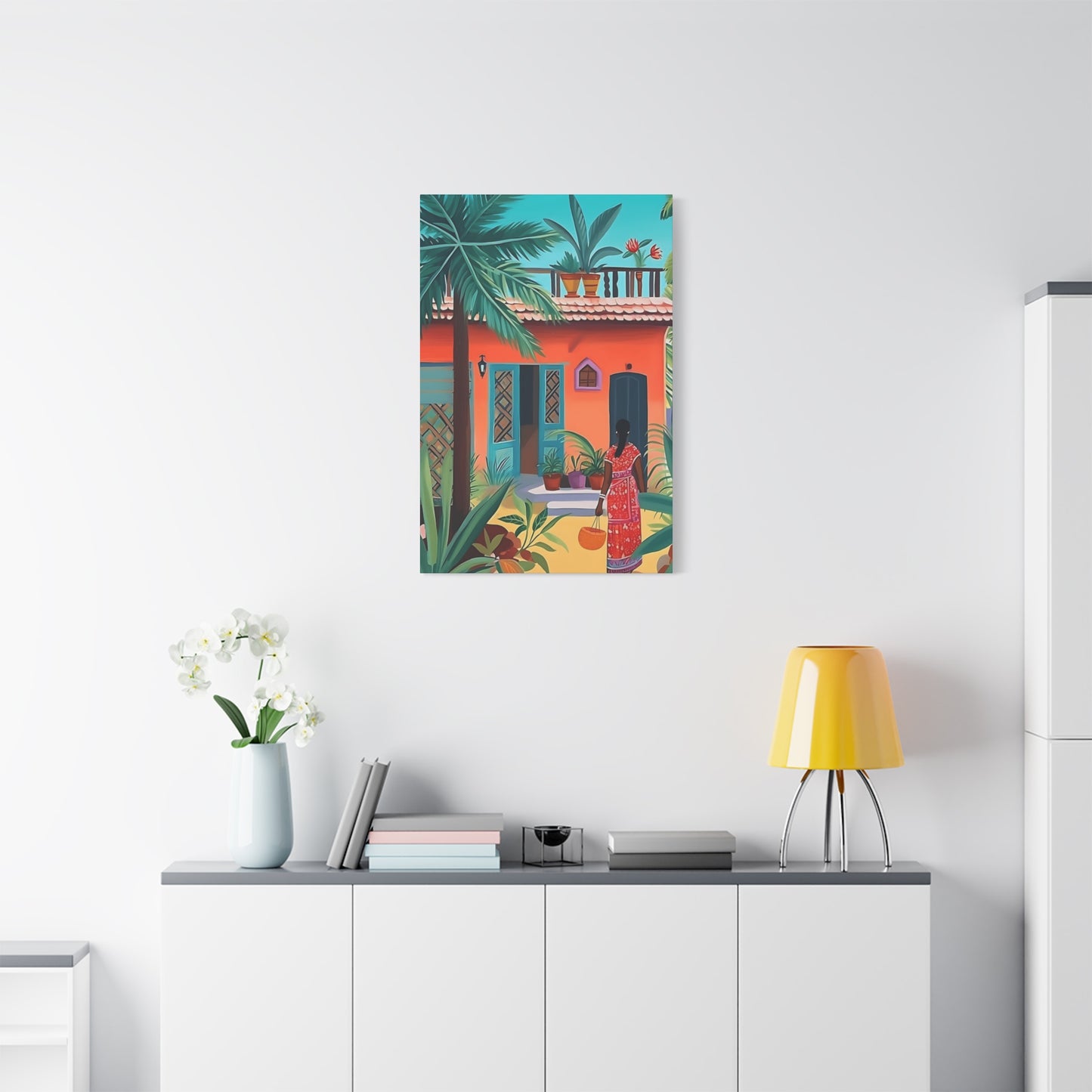
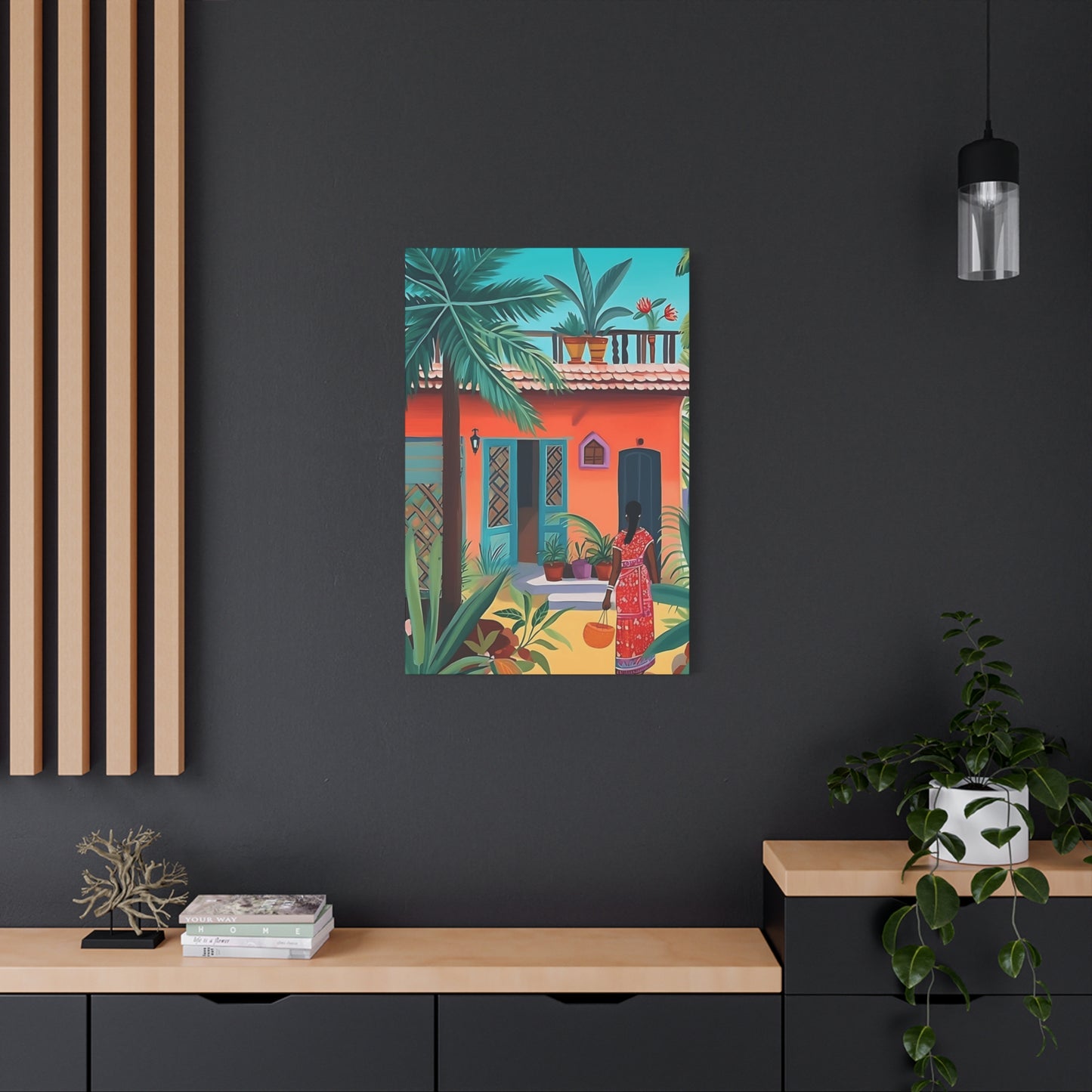
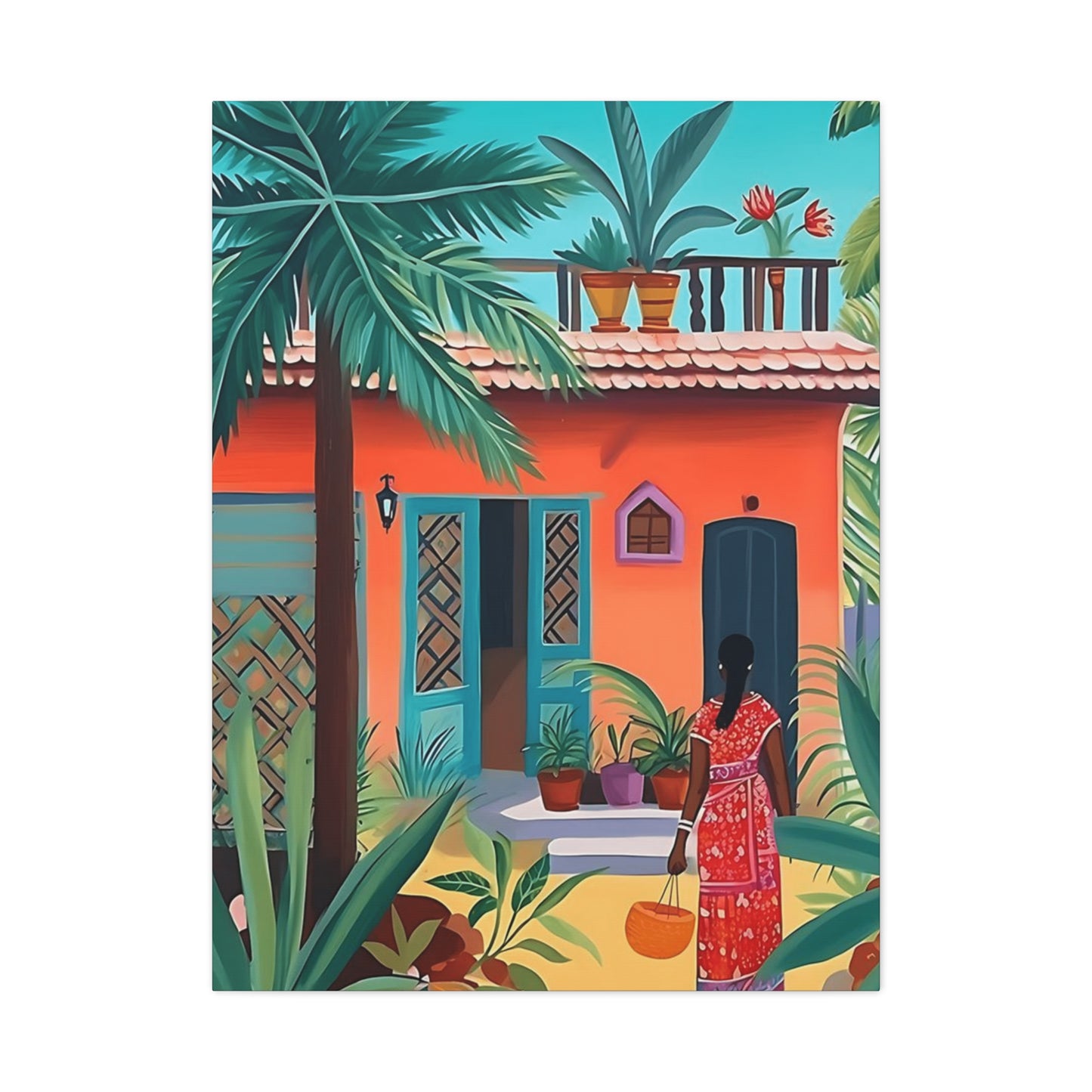
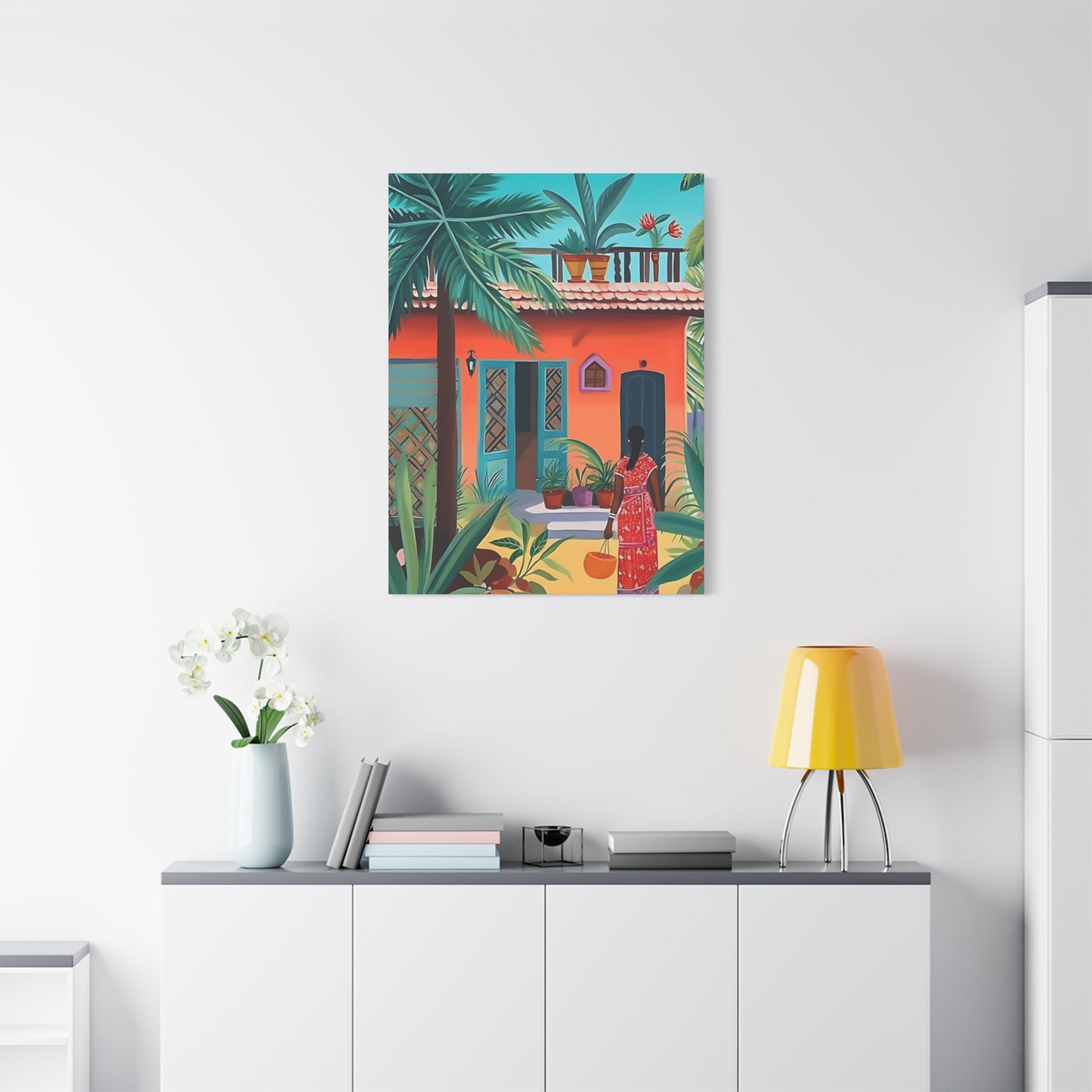
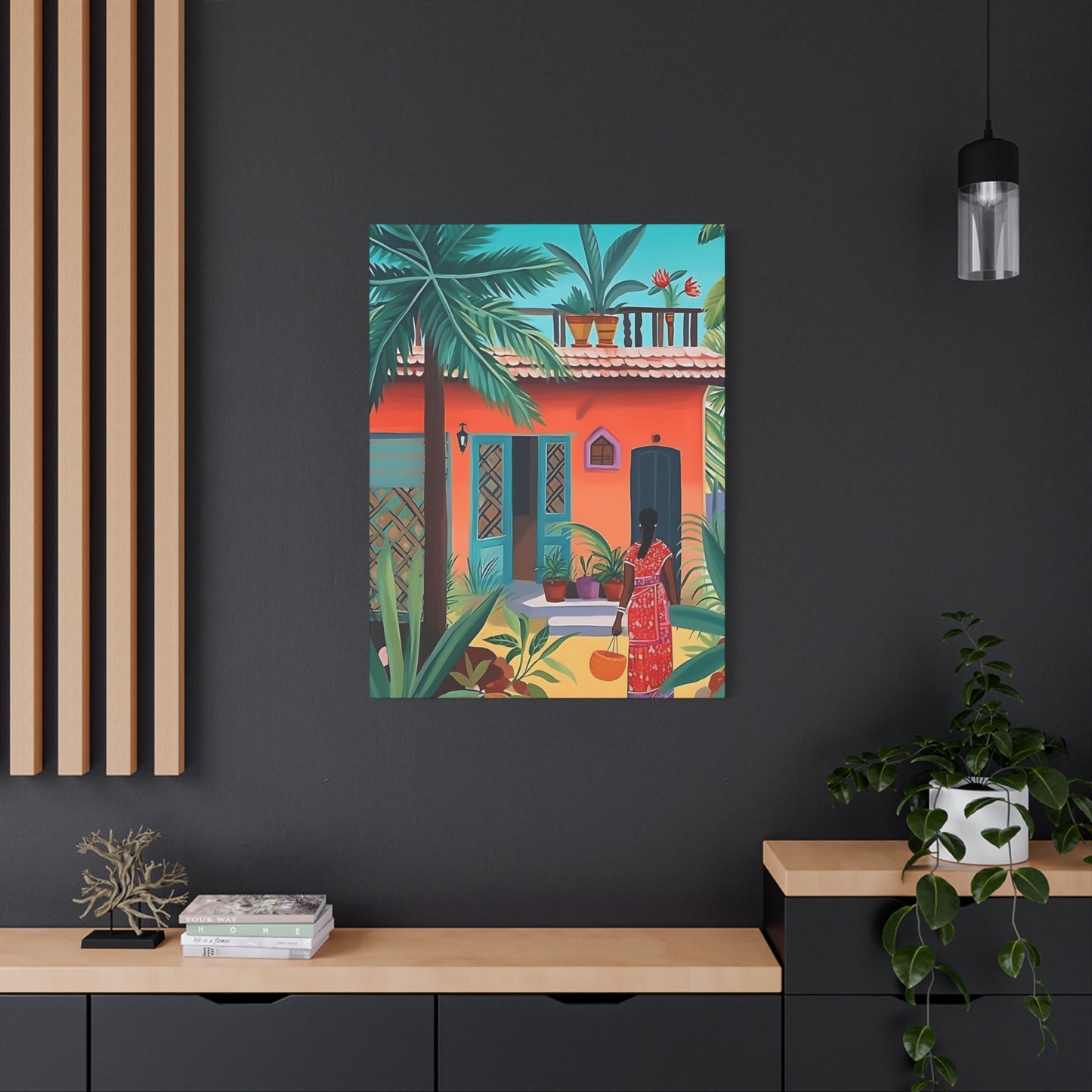
India Wall Art & Canvas Prints
India Wall Art & Canvas Prints
Couldn't load pickup availability
India Wall Art: A Deep Dive into Cultural Elegance and Modern Expression through Decorative Masterpieces
The mesmerizing world of Indian decorative expressions represents an extraordinary confluence of millennia-old traditions and contemporary artistic sensibilities. Throughout the subcontinent's vast geographical expanse, artisans have continuously crafted visual narratives that embody spiritual philosophies, cultural mythologies, and aesthetic principles unique to this ancient civilization. These decorative pieces serve as tangible connections to a heritage that spans thousands of years, incorporating symbolic motifs, vibrant pigmentation, and intricate craftsmanship that distinguish Indian artistic traditions from all others worldwide.
From the prehistoric cave paintings discovered in Bhimbetka to the sophisticated Mughal miniatures that adorned royal courts, the evolution of Indian visual artistry demonstrates an unbroken lineage of creative excellence. Contemporary collectors and enthusiasts increasingly recognize the profound cultural significance embedded within these decorative masterpieces, which transform residential and commercial spaces into sanctuaries of aesthetic refinement and spiritual contemplation. The resurgence of interest in authentic Indian artistic expressions reflects a global appreciation for handcrafted authenticity in an era dominated by mass-produced uniformity.
The distinctive characteristics of Indian decorative pieces emerge from the subcontinent's remarkable diversity—encompassing numerous regional schools, religious influences, and artistic movements that flourished across different epochs. Each geographical region developed its own recognizable visual language, characterized by specific color palettes, compositional arrangements, and thematic preoccupations. This extraordinary variety ensures that India wall art encompasses an astounding range of styles, from the bold geometric patterns of Warli painting to the delicate brushwork of Tanjore embellishments, from the narrative complexity of Pattachitra scrolls to the meditative simplicity of Buddhist thangkas.
Understanding these decorative traditions requires appreciating the holistic worldview that informs Indian artistic creation. Unlike Western artistic paradigms that often emphasize individual expression and secular themes, Indian visual traditions frequently serve devotional purposes, functioning as instruments of spiritual practice and vehicles for transmitting sacred knowledge. This fundamental distinction imbues these decorative pieces with layers of meaning that transcend purely aesthetic considerations, transforming them into objects of contemplation that invite viewers into deeper engagement with philosophical and metaphysical concepts central to Indian thought.
Regional Variations and Distinctive Characteristics Across the Indian Subcontinent
The Indian subcontinent's extraordinary geographical diversity has nurtured distinct regional artistic traditions, each reflecting local environmental conditions, cultural practices, and historical influences. The eastern regions, particularly Bengal, Odisha, and Bihar, developed sophisticated narrative traditions exemplified by Pattachitra and Kalighat paintings. These styles employ organic pigments derived from natural sources, applied with meticulous attention to iconographic precision and symbolic representation. The visual vocabulary of eastern Indian artistic traditions emphasizes fluid linework, expressive facial features, and compositional dynamism that captures mythological narratives with remarkable vitality.
Western Indian regions, encompassing Rajasthan, Gujarat, and Maharashtra, cultivated artistic traditions characterized by architectural grandeur and decorative exuberance. Rajasthani miniature paintings, which flourished under royal patronage, demonstrate sophisticated understanding of perspective, spatial organization, and chromatic harmony. These diminutive masterpieces, often no larger than a few inches, contain astonishing levels of detail—individual blades of grass, intricate jewelry designs, and nuanced emotional expressions rendered with brushes comprising just a few hairs. The Warli tribal traditions of Maharashtra present a striking contrast, employing geometric simplicity and monochromatic palettes to depict communal life, agricultural cycles, and cosmological concepts through highly stylized figures and symbols.
Southern Indian artistic expressions, particularly those emerging from Tamil Nadu, Karnataka, and Kerala, developed unique aesthetic principles influenced by Dravidian cultural frameworks and extensive maritime connections. Tanjore paintings, renowned for their three-dimensional quality achieved through raised gold-leaf embellishments, exemplify the southern predilection for material opulence and divine glorification. These devotional pieces transform religious iconography into objects of extraordinary visual splendor, incorporating semi-precious stones, vibrant pigments, and metallic accents that create luminous surfaces reflecting candlelight in temple settings. The Mysore painting tradition similarly emphasizes meticulous craftsmanship and luxurious materials, though with somewhat more restrained compositional arrangements.
Northern Indian regions, shaped by centuries of Indo-Islamic cultural synthesis, developed artistic traditions that harmoniously blended Persian influences with indigenous sensibilities. Mughal painting represents the apex of this cultural confluence, characterized by naturalistic rendering, sophisticated spatial recession, and exquisite attention to botanical and zoological accuracy. These court paintings established aesthetic standards that influenced subsequent artistic movements throughout the subcontinent, introducing refined portraiture conventions, architectural perspectives, and narrative sequences that departed from earlier stylistic approaches. The Pahari schools of Himachal Pradesh and Jammu adapted Mughal conventions to local devotional themes, creating intensely emotional depictions of divine love that resonate with both aesthetic refinement and spiritual fervor.
Traditional Methods and Materials Employed by Indian Artisans
The creation of authentic Indian decorative pieces involves specialized knowledge transmitted across generations through rigorous apprenticeship systems. Master craftsmen maintain closely guarded techniques for preparing surfaces, formulating pigments, and executing specific brushwork patterns that define their regional traditions. The process begins with substrate preparation—traditionally cloth, paper, or wooden panels treated with multiple layers of chalk powder and adhesive to create smooth, absorbent surfaces receptive to pigment application. This foundational stage requires considerable expertise, as surface quality directly impacts the final artwork's longevity and visual characteristics.
Pigment preparation represents another crucial dimension of traditional Indian artistic practice. Artisans historically extracted colors from mineral, vegetable, and animal sources, grinding raw materials into fine powders and suspending them in binding mediums derived from plant gums or animal glues. Vermillion originated from cinnabar or red ochre, brilliant yellows from turmeric or orpiment, deep blues from indigo or lapis lazuli, and lustrous greens from malachite or verdigris. The laborious process of pigment creation ensured exceptional color stability and luminosity, qualities that enable centuries-old examples to retain their visual intensity. Contemporary artisans working in traditional modes continue these practices, recognizing that synthetic alternatives, despite their convenience, cannot replicate the subtle tonal variations and optical properties of naturally derived pigments.
The execution phase demands extraordinary manual dexterity and artistic judgment. Traditional Indian painting implements include brushes fashioned from squirrel hair, goat hair, or vegetable fibers, each type suited to specific applications—fine detailing, broad washes, or textural effects. Artisans develop highly controlled hand movements through years of practice, achieving the steady precision necessary for rendering intricate patterns, delicate facial features, and elaborate ornamental borders. Many regional traditions employ distinctive mark-making techniques—the rhythmic dotting characteristic of Madhubani painting, the confident calligraphic strokes of Kalamkari textile decoration, or the stippled gold applications that distinguish Tanjore embellishments.
Gold leaf application exemplifies the technical sophistication of Indian decorative practices. This painstaking process involves hammering gold into sheets of extraordinary thinness—often just a few micrometers thick—then carefully transferring these fragile materials onto prepared surfaces. Artisans create raised areas using chalk paste or resin compounds, which, when covered with gold leaf, produce the three-dimensional effects characteristic of certain devotional painting styles. Additional embellishments might include semi-precious stones, glass beads, or fabric elements, transforming two-dimensional surfaces into multi-sensory objects that engage viewers through varied textures, reflective qualities, and material richness.
Symbolic Systems and Iconographic Conventions in Indian Visual Narratives
Indian decorative expressions operate within sophisticated symbolic frameworks where colors, forms, gestures, and compositional arrangements convey specific meanings comprehensible to culturally informed viewers. Understanding these iconographic conventions enhances appreciation of the conceptual depth embedded within visual representations that might otherwise appear merely decorative. The symbolic systems derive from ancient texts, mythological narratives, and philosophical treatises that established standardized visual vocabularies for representing divine beings, narrative episodes, and abstract concepts.
Color symbolism permeates Indian visual traditions, with specific hues carrying consistent associations across different regional styles. Red signifies auspiciousness, passion, and creative energy, frequently employed for depicting divine feminine principles and festive occasions. Blue represents cosmic consciousness, divine transcendence, and infinite space, explaining its consistent association with deities like Krishna and Rama. White conveys purity, spiritual illumination, and peace, while yellow embodies knowledge, learning, and spring's regenerative powers. Green symbolizes fertility, prosperity, and natural abundance, and black suggests the dissolution of ego and material attachments. These chromatic conventions enable viewers to immediately grasp emotional tones, spiritual attributes, and narrative contexts without requiring textual explanations.
Gestural languages constitute another sophisticated symbolic system within Indian visual traditions. Hand positions, known as mudras, communicate specific meanings—benediction, protection, teaching, meditation, or the dispelling of fear. Body postures similarly convey information about character roles, emotional states, and narrative situations. The slight tribhanga (three-bend) pose suggests graceful ease and divine beauty, while the militant warrior stance indicates protective vigilance. Facial expressions adhere to formalized conventions described in aesthetic treatises, with specific eye positions, lip configurations, and eyebrow angles signifying particular emotional states according to the rasa theory that governs Indian performing and visual expressions.
Compositional conventions provide narrative structures and emphasize thematic priorities. Hierarchical scaling indicates relative importance—divine figures appearing larger than attendants or devotees regardless of spatial positioning. Multiple perspective systems operate simultaneously, with architectural elements shown in elevation while figures occupy three-dimensional space, creating distinctly non-naturalistic spatial organizations that serve narrative clarity rather than illusionistic representation. Borders frequently contain subsidiary narratives, decorative patterns, or textual inscriptions that contextualize central images, transforming individual compositions into comprehensive visual encyclopedias.
Attribute systems enable immediate identification of depicted figures through associated objects, animals, or symbolic implements. Deities carry specific weapons, musical instruments, or emblems that distinguish them—Ganesha's elephant head and broken tusk, Saraswati's veena and manuscripts, Shiva's trident and damaru drum. These iconographic markers function as visual identification systems, allowing viewers to recognize complex mythological personages and understand their roles within depicted narratives. The consistency of these symbolic conventions across centuries and regions demonstrates the remarkable cultural continuity that characterizes Indian artistic traditions.
The Influence of Spiritual Philosophies on Visual Expressions
Indian decorative masterpieces reflect profound philosophical frameworks that shape both aesthetic choices and thematic content. The dominant spiritual traditions—Hinduism, Buddhism, Jainism, and later Islamic mysticism—each contributed distinctive conceptual approaches that influenced visual representation strategies. Hindu cosmological principles emphasizing the cyclical nature of existence, the interconnection of all phenomena, and the ultimate unity underlying apparent diversity manifest in compositional structures, narrative selections, and symbolic vocabularies employed by artisans working within this tradition.
The concept of darshan—sacred viewing as a form of communion with the divine—fundamentally shapes devotional imagery. Unlike Western religious imagery that might narrate biblical episodes or memorialize saints, Indian devotional pieces function as portals facilitating direct experiential encounter between viewer and deity. This understanding necessitates specific formal characteristics: frontal orientations that establish eye contact, elaborate ornamental treatments that honor divine magnificence, and precise iconographic accuracy that ensures the depicted form authentically embodies the invoked presence. The decorative piece becomes a consecrated object, participating in religious rituals rather than merely illustrating doctrinal concepts.
Buddhist visual traditions emphasize different philosophical priorities, particularly the impermanence of phenomena and the path toward enlightened awareness. Thangka paintings from Himalayan regions employ complex symbolic geometries—mandalas representing cosmic organizational principles, wrathful protective deities embodying transformative energies, and narrative cycles depicting the Buddha's lives and teachings. The meditative function of these images shapes their formal characteristics: symmetrical compositions promoting contemplative focus, carefully calibrated color relationships supporting specific visualization practices, and iconographic precision essential for tantric ritual applications. These pieces serve as instruments of spiritual practice rather than objects of passive appreciation.
Jain visual traditions, emerging from a philosophical system emphasizing non-violence, spiritual purification, and ascetic discipline, developed distinctive aesthetic characteristics. Jain manuscript illuminations and temple paintings depict tirthankara figures with idealized serenity, elaborate cosmological diagrams mapping the universe's structure according to Jain metaphysics, and narrative scenes emphasizing renunciation and spiritual conquest over material attachments. The comparative restraint characteristic of Jain visual expressions reflects the tradition's emphasis on detachment and the transcendence of sensory indulgence, creating works of quiet contemplative power.
Islamic influences introduced new aesthetic principles emphasizing geometric abstraction, calligraphic ornamentation, and the artistic representation of divine creation through natural forms rather than figural representation. While orthodox Islamic perspectives discouraged figural imagery in religious contexts, the syncretic cultural environment of the Indian subcontinent produced unique syntheses. Mughal painting incorporated Persian figurative traditions while infusing them with Indian sensibilities, creating a distinctive hybrid visual language. Islamic architectural motifs—elaborate arabesques, geometric interlace patterns, and calligraphic inscriptions—enriched Indian decorative vocabularies, particularly in regions with substantial Muslim populations or histories of Islamic patronage.
Contemporary Reinterpretations and Modern Artistic Movements
The twentieth and twenty-first centuries witnessed dramatic transformations in Indian visual expressions as artists confronted colonialism's cultural disruptions, independence movements' nationalist imperatives, and globalization's complex challenges. Progressive artists sought to honor traditional inheritances while developing contemporary visual languages addressing modern concerns and international artistic dialogues. This creative tension between continuity and innovation generated diverse movements that continue shaping contemporary India wall art production and appreciation.
The Bengal School, emerging in the early twentieth century under figures like Abanindranath Tagore, consciously rejected academic realism imposed through colonial education systems, instead reviving indigenous techniques and aesthetic sensibilities. This nationalist artistic movement sought to establish distinctly Indian visual modernities rooted in traditional painting methods, subject matter, and philosophical frameworks. Artists employed tempera techniques reminiscent of Mughal and Rajput painting, depicted scenes from Indian mythology and literature, and developed lyrical, emotionally expressive styles that synthesized various regional traditions into cohesive contemporary idioms.
The Progressive Artists' Group, founded in Bombay during the 1940s, pursued different strategies, engaging international modernist movements while maintaining connections to Indian cultural identities. Artists like M.F. Husain, S.H. Raza, and F.N. Souza experimented with abstraction, expressionism, and cubist formal strategies while drawing thematic inspiration from Indian mythology, village life, and spiritual philosophies. Their works demonstrated that engagement with international artistic developments need not require abandoning cultural specificity, instead suggesting productive dialogues between global modernism and local traditions.
Contemporary artists continue exploring diverse approaches to Indian visual heritage. Some practitioners work entirely within traditional formats and techniques, maintaining ancient craft knowledge while selecting themes relevant to present circumstances. Others employ traditional iconographies and compositional strategies within contemporary mediums—digital prints, installations, or performance documentation. Still others reference Indian visual traditions through conceptual frameworks rather than formal characteristics, creating works that dialogue with historical precedents while employing entirely modern visual languages.
The democratization of artistic production through accessible materials and expanded distribution networks has generated new contexts for Indian decorative expressions. Street artists incorporate traditional motifs into urban interventions, craft cooperatives market regional styles to international audiences, and digital platforms enable unprecedented access to diverse Indian visual traditions. These developments simultaneously preserve endangered craft knowledge and transform living traditions through new contextual framings and audience relationships. The question of authenticity becomes complex when traditional forms circulate through contemporary commercial networks, raising important considerations about cultural appropriation, artisan compensation, and the maintenance of technical standards.
Selecting Authentic Pieces and Establishing Quality Standards
Navigating the contemporary marketplace for Indian decorative expressions requires developing connoisseurship capable of distinguishing authentic handcrafted pieces from industrial reproductions, recognizing quality gradations within traditional categories, and understanding pricing structures reflecting genuine artistic merit versus speculative market manipulations. Several key factors enable informed collecting decisions that honor artistic excellence while supporting sustainable craft economies.
Material authenticity provides the foundation for quality assessment. Genuine traditional pieces employ natural pigments, handmade papers or cloth, and traditional binding mediums rather than synthetic alternatives. While natural materials cost more and require greater preparation labor, they produce distinctive visual qualities—subtle tonal variations, luminous color saturation, and aging characteristics—impossible to replicate through industrial processes. Examining pieces under magnification reveals brushwork quality, pigment particle structures, and surface characteristics that distinguish handcrafted authenticity from mechanical reproduction.
Technical execution quality varies considerably even among genuinely handcrafted pieces. Master artisans demonstrate extraordinary precision in linework consistency, proportional accuracy, and compositional balance. Fine details—jewelry ornamentation, architectural elements, textile patterns—appear crisp and deliberate rather than approximated or simplified. Color applications show careful gradation and harmonious relationships rather than crude contrasts or muddy mixtures. Traditional pieces adhere to iconographic conventions established through centuries of refinement, accurately rendering symbolic attributes, gestural vocabularies, and narrative elements according to recognized standards.
Artistic merit transcends mere technical competence, involving compositional creativity, expressive power, and conceptual sophistication that distinguish exceptional works from competent but uninspired examples. Even within traditional formats that specify strict iconographic requirements and compositional frameworks, individual artistic sensibilities emerge through subtle variations—particular approaches to facial expression, distinctive color preferences, or characteristic rhythms in decorative patterning. Recognizing these individual artistic voices requires developing familiarity with regional schools and specific workshop traditions, enabling collectors to appreciate the creative agency operating within seemingly standardized formats.
Provenance documentation establishes authenticity and contextualizes pieces within broader artistic and historical frameworks. Reputable dealers provide detailed information about regional origins, probable dating, workshop attributions when known, and previous ownership histories. Documentation might include certificates of authenticity from recognized experts, photographs showing the piece in situ before sale, or correspondence with the creating artisan in cases of contemporary works. While older pieces rarely possess comprehensive documentation, responsible dealers acknowledge uncertainty rather than fabricating provenances to enhance perceived value.
Pricing structures reflect multiple factors including age, condition, artistic quality, regional tradition, and current market dynamics. Antique pieces possessing historical significance command premium prices, particularly when demonstrating exceptional artistic quality or documented provenances connecting them to important collections or patronage contexts. Contemporary works by recognized master artisans similarly achieve substantial valuations based on technical virtuosity and artistic reputation. Mid-range options include competent traditional pieces by skilled but less renowned craftspersons, offering authentic handcrafted quality at accessible price points. Budget-conscious collectors might acquire apprentice works or simplified compositions that maintain traditional techniques while reducing time investments through less elaborate detailing.
Proper Preservation Protocols for Maintaining Decorative Masterpieces
Indian decorative pieces created using traditional materials and techniques require careful preservation protocols to ensure longevity and prevent degradation. Understanding the specific vulnerabilities inherent in these works enables collectors to implement appropriate protective measures that honor the artistic labor invested in their creation while maintaining accessibility for appreciation and study.
Environmental conditions exert profound influences on preservation outcomes. Light exposure represents the most significant threat, particularly ultraviolet radiation that causes irreversible fading of organic pigments and degradation of paper and textile substrates. Display locations should avoid direct sunlight, and even indirect natural light warrants caution during extended exposure periods. Artificial lighting similarly requires consideration—incandescent sources generate heat that accelerates deterioration, while fluorescent fixtures emit ultraviolet radiation unless equipped with filtering sleeves. LED illumination offers the safest option, producing minimal heat and negligible ultraviolet emissions while providing excellent color rendering for optimal visual appreciation.
Humidity fluctuations pose another serious conservation challenge. Excessive moisture promotes mold growth, encourages insect activity, and causes dimensional changes in hygroscopic materials like paper and cloth. Conversely, overly dry conditions make these materials brittle and susceptible to cracking or tearing. Ideal preservation environments maintain relative humidity between forty and fifty percent, avoiding rapid fluctuations that stress materials through repeated expansion and contraction cycles. Geographic regions with extreme seasonal variations may require humidity control equipment—dehumidifiers during humid periods, humidifiers during dry seasons—to maintain stable conditions.
Temperature stability similarly affects preservation outcomes. Elevated temperatures accelerate chemical degradation processes, while dramatic temperature swings create condensation risks and material stress. Conservation standards recommend maintaining temperatures between sixty-five and seventy degrees Fahrenheit, though slightly cooler conditions offer additional protection if consistent humidity levels prevent condensation. Display locations should avoid proximity to heating vents, fireplaces, or exterior walls that experience temperature extremes.
Atmospheric pollutants including sulfur dioxide, nitrogen oxides, and ozone contribute to deterioration through chemical reactions with pigments, binders, and substrates. Urban environments with significant air pollution require particular vigilance. Display cases or frames employing museum-quality glazing materials provide barrier protection while enabling visual access. Specialized conservation glazing blocks ultraviolet radiation while minimizing reflective glare, offering optimal protection without compromising aesthetic experience. Frames should employ acid-free matting materials and mounting techniques that support pieces without creating stress points or direct adhesive contact with original surfaces.
Physical handling requires appropriate protocols to prevent accidental damage. Clean hands or cotton gloves should contact only edges or backing materials, never decorated surfaces where oils, moisture, or pressure might cause harm. Pieces should remain horizontally oriented during transport to prevent gravitational stress. Framed works require secure hanging systems employing appropriate wall anchors and wire or cord capable of supporting weights with substantial safety margins. Regular inspection protocols enable early detection of emerging problems—foxing spots indicating mold activity, insect damage, frame deterioration, or glazing failures—allowing timely intervention before minor issues escalate into serious conservation challenges.
Display Strategies Maximizing Aesthetic Impact and Spatial Harmony
Integrating Indian decorative expressions within contemporary residential or commercial environments requires thoughtful consideration of spatial contexts, lighting conditions, surrounding furnishings, and overall design philosophies. Successful display strategies honor the intrinsic qualities of these artistic objects while creating harmonious relationships with architectural settings and complementary design elements.
Spatial positioning significantly influences viewer engagement and aesthetic impact. Prominent placement at eye level in frequently occupied spaces maximizes appreciative encounters, while positioning in meditation corners, reading nooks, or other contemplative environments aligns with the spiritual dimensions many pieces embody. Grouping multiple related pieces creates visual dialogues—narrative sequences, stylistic comparisons, or thematic explorations—that enrich individual works through contextual relationships. Conversely, presenting singular exceptional pieces as focal points emphasizes their intrinsic qualities, allowing concentrated attention without competing visual stimuli.
Lighting design dramatically affects visual experience and emotional resonance. Directional spotlighting can emphasize dimensional qualities and create dramatic shadows, though care must balance theatrical effect against conservation requirements limiting light exposure. Ambient lighting establishes overall illumination levels while accent lighting highlights specific passages of particular visual interest. Some traditional formats, particularly Tanjore paintings employing metallic embellishments, transform dramatically under changing lighting conditions as reflective surfaces catch and disperse light according to viewer position and illumination angles. Designing lighting schemes that accommodate these dynamic qualities enhances experiential richness.
Color relationships between decorative pieces and surrounding environments require careful orchestration. Complementary color schemes create visual harmony, allowing pieces to integrate naturally within existing palettes. Alternatively, contrasting relationships generate visual excitement and ensure artworks command attention within busy environments. Neutral surroundings—whites, grays, beiges—provide versatile backdrops that accommodate diverse artistic styles without competing for visual dominance. Bold environmental colors demand careful consideration to ensure compatibility rather than clashing with artwork palettes.
Furnishing relationships similarly influence overall aesthetic coherence. Traditional Indian decorative pieces pair beautifully with contemporary minimalist interiors, where clean lines and uncluttered spaces provide elegant contrast to ornate artistic detail. Conversely, incorporating these works within richly decorated environments featuring textiles, carved furnishings, and layered accessories creates immersive cultural atmospheres celebrating material abundance and decorative exuberance. Mixed approaches combining elements from diverse traditions require curatorial sensitivity to balance eclecticism with coherence, ensuring visual interest without descending into chaotic clutter.
Architectural contexts shape display possibilities and constraints. Period homes with historical character might accommodate traditional pieces within original contexts—mantels, alcoves, or architectural niches designed for displaying decorative objects. Modern open-plan spaces offer greater flexibility but may require creating defined zones establishing visual boundaries and intimate scales appropriate for viewing detailed artistic work. Temporary display systems employing easels, picture rails, or modular hanging systems enable periodic rotation, preventing viewer fatigue while protecting light-sensitive pieces through limited exposure periods.
Building Meaningful Collections Reflecting Personal Aesthetic Values
Developing a collection of Indian decorative expressions offers opportunities for sustained engagement with artistic traditions, cultural learning, and the cultivation of refined aesthetic sensibilities. Thoughtful collecting practices balance passionate enthusiasm with informed judgment, financial prudence with artistic appreciation, and personal pleasure with potential investment value.
Defining collecting parameters establishes focus and prevents scattered acquisitions lacking coherent relationships. Some collectors pursue comprehensive representations of specific regional traditions, systematically acquiring examples demonstrating technical variations, stylistic evolution, and thematic diversity within chosen schools. Others organize collections around thematic concepts—mythological narratives, devotional imagery, court life depictions, or folk traditions—allowing comparative study across diverse regional approaches to shared subject matter. Still others prioritize aesthetic qualities over categorical classifications, assembling eclectic collections unified by personal taste rather than scholarly organizing principles.
Educational engagement deepens collecting satisfaction and informs acquisition decisions. Studying scholarly literature, visiting museum collections, attending gallery exhibitions, and consulting knowledgeable dealers develops connoisseurship enabling quality recognition and authentic attribution. Many collectors maintain research libraries documenting their acquisition interests, compile photographic archives recording examination details, and develop networks of fellow enthusiasts sharing specialized knowledge. This intellectual dimension transforms collecting from mere accumulation into sustained cultural engagement yielding ongoing rewards beyond initial acquisition pleasures.
Financial planning establishes realistic parameters aligning collecting ambitions with available resources. Setting annual acquisition budgets prevents impulsive purchases threatening financial stability while encouraging disciplined evaluation of opportunities against alternative possibilities. Strategic collecting might focus resources on fewer exceptional pieces rather than numerous mediocre examples, prioritizing quality over quantity. Alternatively, building representative collections of accessible works provides broader exposure to diverse traditions while maintaining financial prudence. Balancing contemporary acquisitions supporting living artisans with antique purchases preserving cultural heritage reflects ethical considerations alongside aesthetic and financial factors.
Documentation practices establish provenance records, insurance valuations, and scholarly resources for future researchers. Maintaining detailed acquisition records including purchase dates, sources, prices paid, and any accompanying documentation creates essential archival materials. Photographic documentation recording condition at acquisition enables monitoring changes requiring conservation intervention. Written descriptions noting technical observations, iconographic identifications, and attribution reasoning preserve knowledge that might otherwise disappear with collectors' passing, contributing to broader scholarly understanding of Indian visual traditions.
Conservation planning addresses long-term preservation responsibilities inherent in collecting fragile artistic objects. Budgeting for professional conservation treatments when needed ensures pieces receive appropriate care maintaining their integrity for future generations. Establishing relationships with qualified conservators specializing in Indian material cultures provides access to expert guidance regarding preservation protocols and treatment options. Estate planning provisions ensuring collections receive appropriate future stewardship—whether through family transfer, institutional donation, or responsible deaccession—acknowledges collectors' custodial responsibilities extending beyond personal lifetimes.
The Role of India Wall Art in Contemporary Interior Design Movements
Contemporary interior design increasingly embraces global influences, drawing inspiration from diverse cultural traditions to create visually rich, personally meaningful environments transcending generic modernist aesthetics. Indian decorative expressions occupy prominent positions within these eclectic design movements, valued for their intense color palettes, intricate patterning, spiritual dimensions, and handcrafted authenticity contrasting with mass-produced uniformity dominating mainstream markets.
The maximalist design movement particularly celebrates Indian visual traditions, which align perfectly with this aesthetic philosophy emphasizing abundance, pattern layering, and chromatic intensity. Richly decorated spaces featuring multiple textile patterns, diverse decorative objects, and bold color combinations create visually stimulating environments where Indian wall pieces function as anchor elements unifying disparate components through shared aesthetic principles. The decorative complexity characteristic of many Indian regional styles—elaborate borders, dense pattern fills, multiple narrative registers—complements rather than clashes with surrounding abundance, creating harmonious visual symphonies celebrating material pleasure and aesthetic richness.
Conversely, minimalist design frameworks employ Indian decorative pieces as carefully selected focal points providing visual interest within otherwise restrained environments. The intense specificity of a single exceptional piece—perhaps a devotional painting with luminous colors and gold embellishments—creates dramatic contrast against neutral walls and simplified furnishings. This approach emphasizes contemplative appreciation, allowing sustained attention to artistic details that might otherwise compete for notice within busier contexts. The spiritual dimensions many pieces embody align with minimalist philosophies valuing mindfulness, intentional living, and material restraint, creating conceptual resonances transcending purely visual relationships.
Bohemian and eclectic design sensibilities naturally incorporate Indian visual traditions, which share these movements' embrace of handcrafted authenticity, cultural mixing, and individual expression over conventional rules. Combining Indian decorative pieces with textiles from diverse origins, vintage furnishings, natural materials, and plants creates layered, personal environments reflecting individual histories and aesthetic affinities. The imperfect, handmade qualities of authentic traditional pieces enhance rather than detract from these informal, relaxed atmospheres celebrating human creativity and cultural diversity.
Sustainable design philosophies increasingly value Indian decorative traditions for their environmental benefits and ethical production methods. Traditionally crafted pieces employ natural, renewable materials, non-toxic pigments, and low-impact production processes vastly less harmful than industrial manufacturing. Supporting living craft traditions preserves endangered cultural knowledge while providing economic opportunities for artisan communities, aligning with ethical consumption values prioritizing human welfare over corporate profits. The exceptional longevity of properly preserved traditional pieces contrasts favorably with disposable consumer goods requiring frequent replacement, representing genuinely sustainable acquisition choices.
Wellness-focused design frameworks recognize the psychological and spiritual benefits of surrounding oneself with meaningful, beautiful objects. Indian devotional imagery specifically designed to facilitate contemplative practices and spiritual connection offers unique contributions to environments supporting mental health, stress reduction, and mindfulness cultivation. The symbolic richness embedded within traditional iconographies provides ongoing material for reflection and discovery, preventing the visual fatigue that generic decorative elements quickly produce. Collectors frequently report that living with exceptional Indian wall pieces enhances daily experience, providing moments of beauty, cultural connection, and aesthetic satisfaction enriching ordinary routines.
Supporting Living Artisan Communities Through Ethical Acquisition Practices
The contemporary market for Indian decorative expressions encompasses diverse production contexts, from master artisans working within unbroken traditional lineages to commercial enterprises employing low-wage workers producing decorative commodities for tourist markets. Ethical collectors recognize their purchasing decisions directly impact artisan livelihoods, cultural preservation, and craft knowledge transmission, seeking acquisition strategies that honor artistic labor while supporting sustainable craft economies.
Direct acquisition from artisans or their immediate representatives ensures maximum financial benefit reaches creators rather than intermediary profits dominating final prices. Many traditional craft communities have established cooperatives or collective marketing initiatives enabling direct consumer access while providing artisans with business support, quality control, and fair pricing structures. These organizations often maintain transparent pricing policies clearly identifying portions allocated to artisan payments, administrative costs, and community development programs. Purchasing through such channels supports not only individual creators but broader community welfare programs including education, healthcare, and cultural preservation initiatives.
Fair pricing practices recognize the substantial labor investments traditional pieces require. Master artisans may invest weeks or months completing single exceptional works, incorporating years of training and specialized knowledge into their creations. Pricing that adequately compensates this expertise ensures economic sustainability enabling full-time craft practice and intergenerational knowledge transmission. Bargain hunting that demands unrealistically low prices either indicates inferior quality, exploitative labor practices, or unsustainable production methods compromising long-term craft survival. Ethical collectors accept that exceptional handcrafted quality commands premium pricing reflecting genuine artistic merit and fair labor compensation.
Provenance transparency establishes confidence that acquisition channels honor artisan rights and cultural protocols. Reputable dealers provide detailed information about piece origins, artisan identities when possible, and the specific communities sustaining relevant craft traditions. This transparency enables collectors to make informed decisions aligning purchases with personal ethical values while facilitating relationship building between creators and appreciative audiences. Some collectors develop ongoing relationships with specific artisans or workshops, commissioning custom pieces and providing sustained patronage supporting dedicated craft practice.
Cultural sensitivity requires recognizing that certain imagery categories possess sacred significance within originating communities. Devotional pieces intended for ritual use raise questions about appropriate secular acquisition and display. Some traditions consider particular imagery types inappropriate for commercial circulation or possession by cultural outsiders. Responsible collectors educate themselves regarding these sensitivities, consulting knowledgeable authorities when uncertain about appropriate acquisition and use of specific piece types. Respecting these boundaries honors cultural integrity while preventing the commodification of sacred objects never intended for decorative purposes.
Sustainability concerns extend beyond immediate artisan welfare to encompass environmental impacts and long-term craft viability. Traditional production methods employing natural materials and low-impact techniques generally demonstrate superior environmental profiles compared to industrial alternatives. However, some traditional materials—particularly certain wood varieties or mineral pigments—raise conservation concerns when harvested unsustainably. Inquiring about material sourcing and supporting artisans employing sustainably harvested or recycled materials demonstrates environmental consciousness alongside cultural appreciation. Similarly, recognizing that certain traditional practices depend on endangered craft knowledge justifies premium valuations for pieces representing particularly threatened traditions, where market support might enable cultural preservation that would otherwise succumb to economic pressures favoring abandonment for more lucrative employment.
Understanding Market Dynamics and Investment Potential
The market for Indian decorative expressions encompasses diverse segments ranging from modest contemporary pieces to museum-quality historical examples commanding substantial valuations. Understanding market structures, valuation factors, and investment dynamics enables collectors to make informed acquisition decisions balancing aesthetic appreciation with financial prudence.
The antique segment encompasses pieces predating the twentieth century, typically demonstrating age characteristics including natural patina development, period-appropriate materials, and stylistic qualities consistent with documented historical examples. Exceptional antique pieces possessing secure provenances, outstanding artistic quality, and excellent preservation conditions achieve premium valuations, particularly when representing rare regional traditions or documented workshop attributions. Museum deaccessions occasionally introduce important historical pieces into private markets, though competition from institutional buyers often drives prices beyond most private collectors' reach. Mid-range antique pieces lacking spectacular provenances or showing condition issues offer more accessible entry points for collectors prioritizing historical authenticity over investment potential.
The contemporary master artisan segment features works by living practitioners recognized for exceptional technical skills and artistic innovation. These artisans typically maintain traditional production methods while developing distinctive personal styles that distinguish their work from generic examples. Market recognition grows through gallery representation, critical attention, museum acquisitions, and collector demand, gradually establishing pricing structures reflecting artistic reputation. Investment potential remains somewhat speculative, dependent upon sustained critical recognition and market interest that may fluctuate according to broader art market dynamics and cultural trends affecting demand for traditional crafts.
The decorative commodity segment encompasses mass-produced or semi-handcrafted pieces marketed primarily as decorative accessories rather than serious artistic expressions. These items typically employ simplified compositions, synthetic materials, and abbreviated production processes reducing costs while maintaining superficial resemblance to traditional forms. Pricing remains modest, reflecting limited labor investments and absent artistic distinction. This segment serves consumers prioritizing affordable decoration over artistic authenticity, though collectors seeking genuine craft quality generally avoid these commercial approximations.
Investment considerations require realistic assessment of potential appreciation and liquidity. Unlike blue-chip Western fine art markets possessing deep liquidity and established valuation mechanisms, markets for Indian decorative pieces remain relatively thin and specialized. Resale opportunities depend upon finding subsequent collectors sharing specific interests, which may prove challenging for unusual pieces or during periods of declining market enthusiasm. Transaction costs including dealer commissions, auction fees, and restoration expenses significantly impact net returns, potentially offsetting nominal appreciation.
Diversification strategies balance investment risk across multiple market segments, regional traditions, and quality tiers. Concentrating resources exclusively on speculative contemporary acquisitions increases exposure to individual artistic reputation volatility, while focusing solely on established historical pieces may limit acquisition opportunities within constrained budgets. Building collections spanning various categories provides both investment diversification and aesthetic variety, ensuring engagement remains vital through exposure to diverse artistic expressions.
Conclusion
India Wall Art offers a captivating journey into the country’s diverse and vibrant cultural landscape, blending centuries of tradition with contemporary artistic expression. These decorative masterpieces provide an opportunity to celebrate India’s rich heritage, while also embracing the innovative spirit that defines modern art. From intricate depictions of iconic landmarks and spiritual symbols to bold, abstract compositions that reflect India’s dynamic modernity, India-inspired wall art invites you to experience the country's complexity and beauty in a visually compelling way.
At its core, Indian wall art is a reflection of India’s historical richness and cultural depth. The country’s vast diversity—from its varied landscapes and ancient architecture to its religious and philosophical traditions—provides an endless well of inspiration for artists. Traditional art forms such as Madhubani, Warli, Pattachitra, and miniature paintings celebrate the beauty of nature, spirituality, and mythology, while also telling stories that have been passed down through generations. These timeless forms of art offer more than just decorative value; they serve as cultural artifacts that preserve India’s heritage and offer insight into its long and storied history.
Incorporating India wall art into your living space allows you to bring these stories, symbols, and traditions into your home. A piece of art depicting a majestic elephant, a vibrant depiction of a festival, or a spiritual motif can infuse your space with energy, warmth, and meaning. Whether you choose traditional artworks or modern takes on Indian subjects, the colors, patterns, and textures inherent in these pieces can evoke feelings of serenity, joy, or excitement, depending on your personal preferences.
At the same time, India wall art is not confined to just traditional depictions—it also embraces contemporary forms of artistic expression. Modern artists from India often fuse traditional motifs with current styles, creating pieces that are both culturally significant and aesthetically modern. This dynamic fusion of the old and the new results in art that is fresh, bold, and relevant, yet still deeply rooted in India's rich artistic heritage. The juxtaposition of contemporary design with age-old techniques allows for a versatile way to decorate your home while connecting with the deeper meanings behind each piece.
Moreover, India wall art is incredibly adaptable to a wide range of interior design styles. Whether your home features minimalist décor, bohemian aesthetics, or more traditional themes, Indian-inspired art can fit seamlessly into your existing design scheme. Large canvas prints of stunning landscapes, intricate mandalas, or striking portraits of Indian women can be a statement piece in a living room, while smaller, more delicate works might add charm and personality to bedrooms, hallways, or home offices. The vibrant colors and intricate details of Indian wall art also work well in both modern urban spaces and more traditional, rustic settings, making it an ideal addition to any interior.
Indian art also plays a role in sparking meaningful conversations. Its symbolism—whether representing divine figures, cultural rituals, or national pride—invites contemplation and discussion. Whether you display a vibrant piece of folk art or a serene depiction of a temple or goddess, these artworks provide a bridge between cultures, offering a unique perspective on Indian life, spirituality, and society.
In conclusion, India Wall Art is a gateway to understanding the complexity and beauty of one of the world's most diverse cultures. By incorporating these masterpieces into your home, you invite not only the visual beauty of India but also its rich history, cultural traditions, and modern expressions. Whether through traditional depictions or contemporary interpretations, India wall art infuses your space with color, vibrancy, and meaning, allowing you to celebrate the country's heritage while embracing the innovation that defines its modern artistic expressions. With its timeless appeal and cultural significance, India wall art will continue to be a cherished addition to any home for years to come.
Share