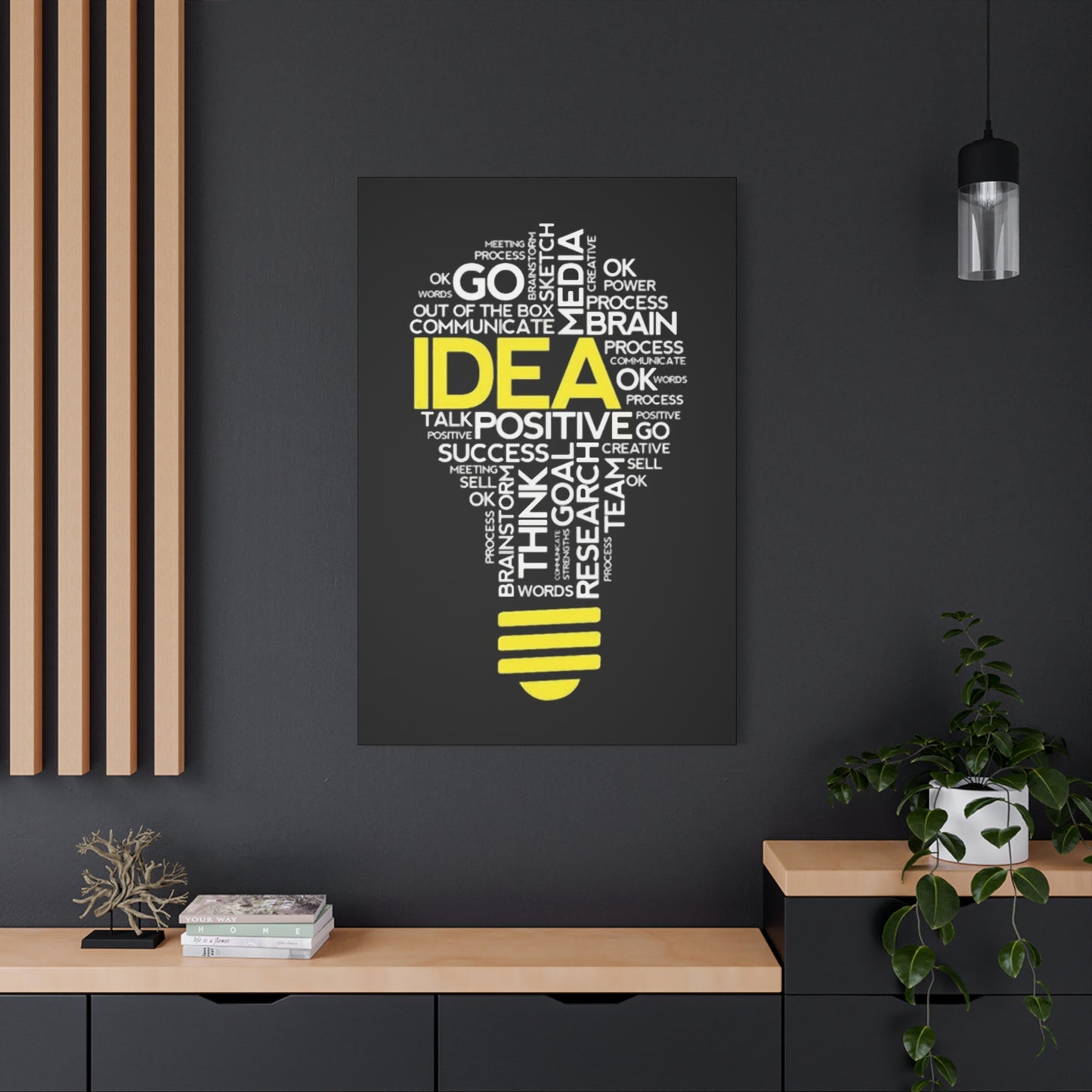


Idea Wall Art & Canvas Prints
Idea Wall Art & Canvas Prints
Couldn't load pickup availability
A Unique Conception Strategies for Transforming Your Living Spaces with Idea Wall Art
The realm of interior design has witnessed a remarkable evolution in how individuals express their personality and aesthetic preferences through visual elements displayed on vertical surfaces. Among the myriad options available to contemporary homeowners and design enthusiasts, the concept of curating distinctive visual displays has emerged as a compelling approach to personalizing residential and commercial environments. This comprehensive exploration delves into the multifaceted dimensions of creating captivating visual narratives that breathe life into otherwise mundane architectural features, offering insights that extend far beyond conventional decorating wisdom.
The Profound Significance of Visual Storytelling Through Curated Surface Displays
Every residential or commercial space possesses an inherent character waiting to be revealed through thoughtful aesthetic choices. The vertical surfaces that surround us daily represent untapped canvases for self-expression, cultural commentary, and emotional resonance. When we consider the fundamental human need for beauty and meaning in our surroundings, the importance of carefully selected visual elements becomes immediately apparent. These carefully chosen pieces serve multiple functions simultaneously—they reflect our innermost values, communicate our unique perspectives to visitors, and create atmospheric conditions that influence our daily emotional states.
The psychological impact of our surroundings extends far deeper than superficial appearances. Research in environmental psychology has consistently demonstrated that the visual stimuli we encounter in our living and working spaces directly affect our mood, productivity, and overall sense of wellbeing. A thoughtfully curated collection of visual elements can transform a sterile, impersonal space into a sanctuary that nurtures creativity, promotes relaxation, or energizes inhabitants depending on the specific aesthetic choices made. The colors, forms, subjects, and arrangements we select for our vertical displays communicate volumes about our identity, aspirations, and worldview.
Moreover, the democratization of artistic expression through various mediums has made it possible for individuals across all socioeconomic backgrounds to access visually compelling pieces that resonate with their personal aesthetic. Whether drawn to minimalist abstractions, vibrant cultural motifs, photographic representations, or mixed-media compositions, today's consumers enjoy unprecedented access to diverse visual styles that would have been unavailable to previous generations. This accessibility has fundamentally transformed how we approach the task of personalizing our environments, shifting the focus from expensive original pieces to thoughtfully curated collections that tell cohesive visual stories.
Exploring the Diverse Spectrum of Visual Expression Mediums for Interior Surfaces
The contemporary marketplace offers an astonishing variety of mediums through which individuals can express their aesthetic preferences on vertical surfaces. Each medium possesses distinct characteristics, advantages, and considerations that make it suitable for different contexts, preferences, and budgetary constraints. Understanding these various options empowers homeowners and design professionals to make informed decisions that align with their specific vision and practical requirements.
Traditional canvas prints remain perennially popular due to their classic aesthetic appeal and versatility across diverse interior styles. The texture of canvas lends a tactile dimension to visual displays that many find appealing, creating subtle variations in how light interacts with the surface throughout the day. Canvas prints work exceptionally well in spaces where a warm, inviting atmosphere is desired, as the material itself possesses inherent visual warmth. The durability of properly prepared canvas ensures that these pieces maintain their visual integrity over extended periods, making them sound investments for long-term display.
Metal prints represent a more contemporary alternative that has gained considerable traction among those seeking sleek, modern aesthetics. The process of infusing dyes directly into specially coated aluminum surfaces creates visual displays with exceptional color vibrancy and remarkable depth. The reflective qualities of metal surfaces interact dynamically with ambient lighting conditions, causing the appearance of these pieces to shift subtly throughout the day. This medium proves particularly effective in minimalist or industrial design schemes where clean lines and contemporary materials dominate the aesthetic vocabulary.
Wood-mounted prints offer yet another compelling option, particularly for those drawn to organic materials and natural aesthetics. The visible wood grain provides an attractive frame-like border that enhances rather than detracts from the central image. This medium bridges the gap between rustic and contemporary design sensibilities, making it adaptable to various interior styles. The natural warmth of wood creates an inviting visual presence that complements both neutral color schemes and more vibrant palettes.
Acrylic prints deliver unparalleled visual clarity and a distinctly modern appearance. The process involves mounting prints behind clear acrylic panels, creating impressive depth and luminosity. Light passes through the acrylic and reflects off the print surface, producing colors that appear more saturated and vibrant than those achieved through other mediums. The glossy surface and dimensional quality of acrylic prints make them conversation pieces that draw attention and admiration from visitors.
Framed paper prints remain relevant despite the proliferation of alternative mediums, offering advantages in terms of cost-effectiveness and traditional aesthetic appeal. High-quality archival paper paired with appropriate framing materials can produce displays that rival more expensive alternatives in visual impact while providing greater flexibility for future changes. The wide variety of frame styles available allows for precise customization to match existing decor elements.
Textile-based displays present unique opportunities for adding softness and texture to interior spaces. Tapestries, fabric panels, and textile prints introduce an element of warmth and acoustic dampening that harder surfaces cannot provide. These pieces work particularly well in spaces where creating a cozy, intimate atmosphere ranks as a priority. The inherent flexibility of fabric allows for easy storage and transportation, making textile displays excellent choices for those who relocate frequently or enjoy seasonal rotation of their visual displays.
Strategic Approaches to Selecting Visual Elements That Resonate with Personal Aesthetic Sensibilities
The process of selecting visual elements for display represents a deeply personal journey that requires introspection, aesthetic awareness, and practical consideration. Rather than following transient trends or defaulting to generically appealing options, thoughtful selection involves identifying pieces that genuinely resonate with individual preferences and complement the specific characteristics of the intended display location.
Begin by conducting an honest assessment of your aesthetic preferences across various dimensions. Consider which color palettes consistently appeal to you across different contexts—fashion choices, favorite outdoor environments, memorable vacation destinations. These naturally occurring preferences provide valuable clues about the visual elements most likely to bring lasting satisfaction when incorporated into your living spaces. Pay attention to the emotional responses evoked by different color combinations, as these visceral reactions often prove more reliable guides than intellectual preferences.
Subject matter constitutes another crucial dimension of the selection process. Some individuals gravitate toward representational imagery—landscapes, cityscapes, portraits, still life compositions—while others find greater satisfaction in abstract forms, geometric patterns, or conceptual pieces. Neither approach proves inherently superior; the key lies in identifying which category of visual content generates genuine enthusiasm and emotional engagement. Consider how different subjects might function within specific rooms: contemplative nature scenes might enhance bedroom tranquility, while dynamic abstract compositions could energize a home office environment.
Scale represents a frequently overlooked yet critically important consideration when selecting pieces for display. A common mistake involves choosing pieces that are too small relative to the available vertical surface area, resulting in visual insignificance and poor spatial integration. As a general principle, larger pieces or thoughtfully arranged groupings of smaller elements create more impactful displays than isolated small pieces hung without consideration for their relationship to surrounding architectural features. Measure your available space carefully and visualize how different sizes might function within that context before making final selections.
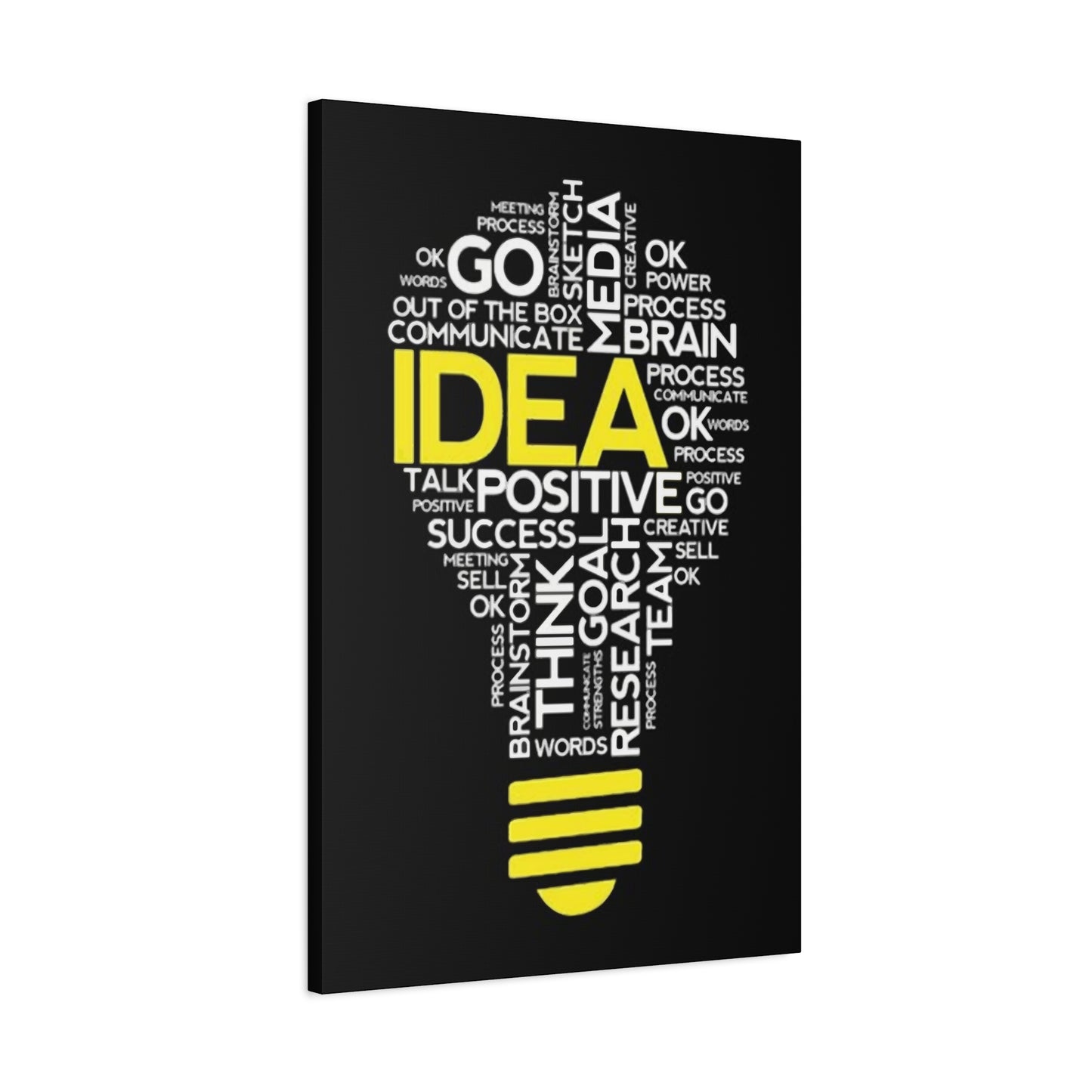
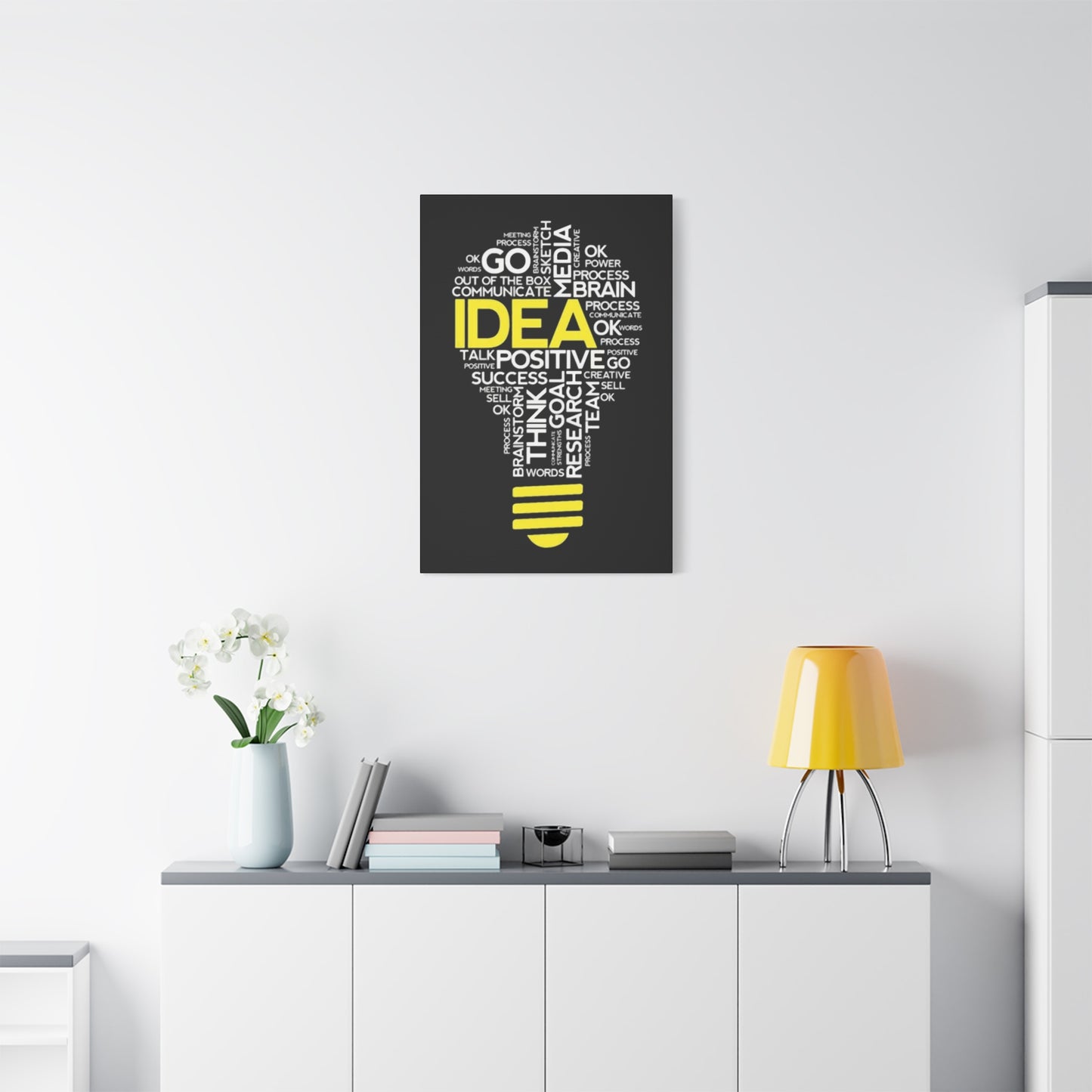
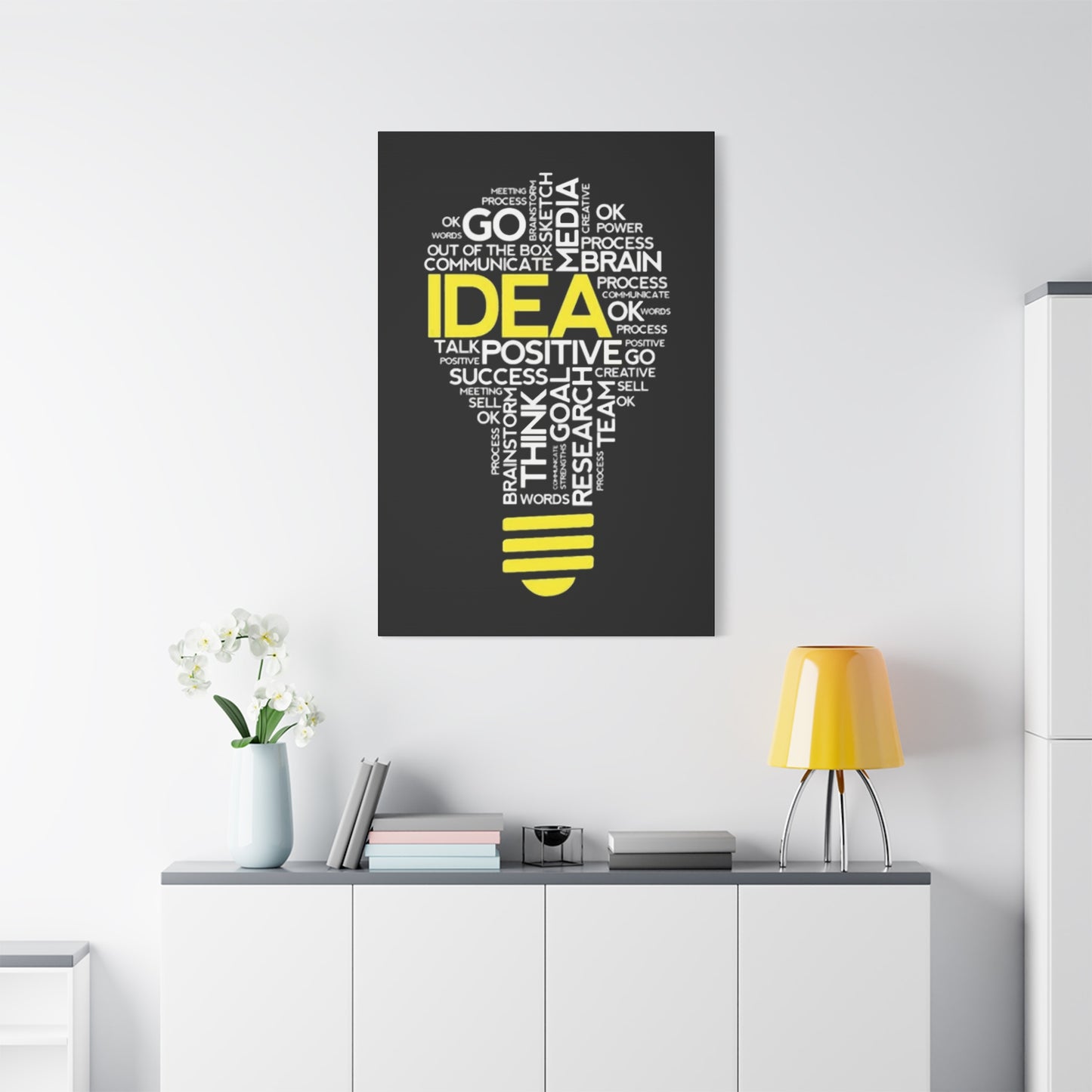
The concept of idea wall art extends beyond simply purchasing individual pieces to encompass the broader practice of developing cohesive visual narratives that unfold across single surfaces or throughout entire spaces. This approach treats each vertical surface as part of a larger visual composition, with individual elements working together to create unified aesthetic statements. Rather than randomly acquiring pieces as opportunities arise, this strategy involves developing an overarching vision that guides selection criteria and ensures consistency across multiple acquisitions.
Personal significance should factor heavily into the selection process. Pieces that connect to meaningful experiences, reflect genuine interests, or represent aspirations tend to maintain their emotional resonance far longer than those chosen purely for decorative purposes. Consider incorporating visual elements that commemorate important life events, represent beloved destinations, depict subjects aligned with passionate interests, or symbolize personal values and beliefs. These meaningful connections transform simple decorative objects into cherished possessions that enrich daily life through their constant presence.
Architectural Considerations and Environmental Factors Influencing Display Placement Decisions
The physical characteristics of your space exert tremendous influence over which visual elements will function most effectively within that environment. Successful placement requires careful attention to lighting conditions, color relationships, architectural features, and practical accessibility considerations that might not be immediately apparent to casual observers.
Natural lighting patterns deserve primary consideration when determining optimal placement locations. The intensity, direction, and quality of natural light change dramatically throughout the day and across seasons, affecting how displayed pieces appear under varying conditions. Spaces receiving abundant direct sunlight require special consideration, as prolonged exposure to ultraviolet radiation can cause fading and deterioration of certain materials over time. If displaying valuable or particularly beloved pieces in sun-exposed locations, consider using UV-protective glazing materials or strategically positioning pieces away from direct light paths.
Artificial lighting schemes present opportunities to enhance visual displays through strategic illumination. Accent lighting directed specifically at displayed pieces can dramatically increase their visual impact, particularly in spaces where ambient lighting proves insufficient. Track lighting, picture lights, and strategically placed spotlights allow for precise control over how pieces are illuminated, enabling you to emphasize certain elements while creating atmospheric lighting effects. The color temperature of light sources also affects perception—warmer tones tend to enhance pieces with earth tones and warm color palettes, while cooler light temperatures complement pieces featuring blues, grays, and silvery tones.
Existing color schemes within spaces must inform selection and placement decisions. Visual elements can either harmonize with surrounding colors through analogous relationships or create intentional contrast through complementary pairings. Harmonious approaches produce serene, unified atmospheres where visual elements blend seamlessly with their surroundings, while contrasting strategies create dynamic focal points that draw attention and energize spaces. Neither approach proves universally superior; the appropriate choice depends on the desired atmospheric qualities and functional purposes of specific spaces.
Architectural features such as windows, doorways, fireplaces, and built-in cabinetry establish natural focal points and spatial divisions that should guide placement decisions. Rather than fighting against these inherent spatial characteristics, successful displays work with architectural elements to create balanced compositions that feel naturally integrated within their environments. Consider how sightlines function within spaces—which vertical surfaces command immediate attention upon entering rooms, which areas receive sustained viewing during typical activities, and which locations might prove awkward or visually insignificant.
Functional considerations sometimes limit available placement options in ways that require creative problem-solving. In kitchens and bathrooms, exposure to humidity, temperature fluctuations, and cleaning products necessitates selecting materials specifically suited to these challenging environments. High-traffic areas require secure mounting methods that prevent accidental displacement, while spaces used by children may benefit from placement at heights that minimize damage risks while still providing visual interest.
The concept of negative space—intentionally leaving portions of vertical surfaces unadorned—represents an important principle in creating balanced, sophisticated displays. The tendency to fill every available surface can result in visual chaos that diminishes the impact of individual pieces. Strategic use of empty space around displayed elements allows each piece to breathe, reducing visual competition and enabling viewers to fully appreciate individual works. This principle proves especially important in smaller spaces where overcrowding can make rooms feel cramped and claustrophobic.
Mastering the Principles of Arrangement and Composition for Maximum Visual Impact
The arrangement of multiple visual elements presents unique challenges and opportunities for creating compelling displays that transcend the impact of individual pieces. Successful compositions require balancing multiple factors—visual weight, color relationships, thematic connections, scale variations, and spatial rhythm—to produce harmonious results that feel both intentional and effortless.
Gallery arrangements involving multiple pieces demand careful planning to achieve professional-looking results. The traditional salon-style approach clusters numerous pieces of varying sizes in dense arrangements that create visually rich displays. This method works particularly well in spaces with high ceilings or extensive vertical surface areas where creating a sense of visual abundance enhances the atmospheric qualities. When employing this approach, begin by arranging pieces on the floor in front of the intended display location, adjusting the composition until achieving a balanced arrangement before transferring measurements to the vertical surface.
Grid-based arrangements offer an alternative approach that emphasizes order, symmetry, and contemporary aesthetic sensibilities. These compositions involve hanging multiple pieces of identical or similar sizes in neat rows and columns, creating clean, organized displays that appeal to minimalist preferences. The uniformity of spacing and alignment produces a sense of intentionality and careful curation that communicates design sophistication. This approach works exceptionally well when displaying series of related images or creating cohesive visual narratives across multiple pieces.
Linear arrangements represent the simplest compositional approach, involving hanging pieces in horizontal or vertical rows. Despite their apparent simplicity, these arrangements can produce striking results when executed with attention to spacing, alignment, and thematic consistency. Horizontal linear arrangements at eye level create natural visual flow that guides viewer attention across the composition, while vertical arrangements draw the eye upward, emphasizing ceiling height and creating visual interest in narrow spaces.
Asymmetrical compositions present the greatest challenge but also offer the most creative flexibility. These arrangements abandon rigid geometric organization in favor of organic, balanced compositions that feel naturally evolved rather than strictly planned. Achieving successful asymmetrical displays requires developing an intuitive understanding of visual weight—how size, color intensity, subject complexity, and spatial positioning contribute to each element's perceptual importance within the overall composition. Balancing these factors creates dynamic arrangements that maintain cohesion despite their apparent irregularity.
The principle of the visual triangle provides a useful framework for creating balanced asymmetrical arrangements. This approach involves positioning three elements of varying sizes and visual weights at the points of an imaginary triangle, with the heaviest element typically placed lowest and off-center. Additional pieces can then be incorporated around this foundational structure, using the triangle as a guiding framework that ensures overall balance while permitting creative freedom in specific placements.
Color distribution across multi-piece arrangements significantly impacts overall visual coherence. When working with pieces featuring diverse color palettes, consciously distribute dominant hues throughout the composition rather than clustering similar colors together. This approach creates visual rhythm that encourages eye movement across the entire arrangement rather than allowing attention to become trapped in specific areas. Alternatively, deliberately clustering pieces by color family can create bold, impactful statements particularly suited to contemporary or maximalist design schemes.
Thematic connections between individual pieces strengthen compositional unity while providing intellectual engagement that encourages sustained viewing. These connections might manifest through subject matter relationships, stylistic similarities, color palette harmonies, or conceptual links that reward careful observation. Creating intentional thematic resonance between displayed pieces transforms collections from random assortments into curated galleries that communicate specific narratives or explore particular ideas.
Practical Execution Strategies for Secure and Level Mounting
Proper mounting techniques form the foundation of successful displays, ensuring that carefully selected pieces remain securely positioned while appearing level and professionally installed. The specific methods employed depend on several factors including the weight and construction of pieces, the composition of vertical surfaces, and the desired permanence of mounting solutions.
Before beginning any mounting project, accurately determine the composition of your vertical surfaces, as this knowledge dictates which fastening methods will prove most effective. Standard gypsum board construction accepts various hanging hardware options, while masonry, concrete, or tile surfaces require specialized fasteners. Many modern residences feature metal studs rather than traditional wood framing, necessitating specific hardware designed for this construction method. When uncertainty exists regarding surface composition, test small, inconspicuous areas or consult construction documentation if available.
For lightweight pieces under five pounds, adhesive hanging strips offer convenient, damage-free mounting solutions particularly attractive to renters or those who frequently rearrange displays. These products bond to both the piece backing and vertical surface, creating surprisingly strong holds when applied according to manufacturer instructions. The removability of these products makes them ideal for temporary displays or situations where preservation of vertical surfaces ranks as a priority. However, their effectiveness diminishes in environments with high humidity or extreme temperature fluctuations, making them less suitable for bathrooms, kitchens, or unconditioned spaces.
Traditional picture hanging wire combined with hooks screwed into frames and D-rings offers time-tested reliability for pieces in the five to twenty-five pound range. This method allows for minor adjustments after initial mounting, facilitating precise leveling without requiring hardware removal and reinstallation. When installing wire, attach mounting hardware one-quarter to one-third of the way down from the top edge of frames, ensuring sufficient tension that minimal slack remains when pieces hang at their final positions. This placement ensures proper weight distribution and prevents excessive forward tilting.
Heavier pieces exceeding twenty-five pounds demand more robust mounting solutions that anchor directly into structural framing members or employ specialized fasteners rated for substantial loads. Locating studs behind vertical surfaces traditionally involved trial-and-error tapping methods, but modern electronic stud finders provide more reliable detection while also identifying electrical wiring that should be avoided during installation. For particularly valuable or heavy pieces, mounting directly into studs provides peace of mind that pieces will remain securely positioned despite environmental factors or incidental contact.
French cleat systems represent the gold standard for mounting extremely heavy or valuable pieces, offering exceptional security and easy removability when circumstances require. This method involves attaching interlocking beveled strips to both the piece backing and vertical surface, creating connections capable of supporting tremendous weight while distributing loads across wide areas. The primary advantage of French cleats extends beyond mere strength—pieces can be easily lifted off their mounts for cleaning or relocation without requiring hardware removal, then repositioned with confidence that proper alignment will be automatically maintained.
Achieving perfect horizontal alignment remains one of the most challenging aspects of successful mounting, as even slight deviations from true level prove immediately apparent to viewers and undermine otherwise professional-looking installations. Traditional bubble levels provide adequate accuracy for single pieces but prove cumbersome when attempting to align multiple elements. Laser levels project perfectly horizontal or vertical reference lines across entire surfaces, dramatically simplifying the alignment process for complex multi-piece arrangements. These tools represent worthwhile investments for anyone planning extensive displays or frequent rearrangements.
Creating paper templates matching the exact dimensions and mounting hardware positions of pieces before making any permanent marks on vertical surfaces prevents costly mistakes and eliminates the stress of making irreversible placement decisions. This low-stakes approach allows experimentation with various compositional arrangements, soliciting feedback from others, and living with proposed layouts before committing to final installations. Once satisfied with template arrangements, transfer mounting hardware positions to vertical surfaces with confidence that the final result will match the previewed composition.
Color Theory Principles and Their Practical Implementation in Visual Display Selection
Understanding fundamental color theory principles empowers more informed selection decisions and enables the creation of displays that achieve specific atmospheric effects through intentional palette choices. While aesthetic preferences remain ultimately subjective, certain color relationships produce predictable perceptual and emotional responses that can be deliberately employed to enhance interior environments.
The color wheel provides a foundational framework for understanding relationships between hues and predicting how different combinations will interact visually. Primary colors—red, blue, and yellow—form the basis from which all other hues derive through various mixing combinations. Secondary colors—green, orange, and purple—result from mixing equal parts of adjacent primaries, while tertiary colors emerge from combining primary and secondary colors. This organizational system reveals inherent relationships that inform harmonious color pairing strategies.
Complementary color schemes employ hues positioned directly opposite each other on the color wheel, such as blue and orange, red and green, or yellow and purple. These pairings create maximum contrast and visual vibrancy, producing dynamic, energizing effects that command attention. Complementary schemes work exceptionally well when seeking to create bold focal points or inject energy into spaces dominated by neutral palettes. However, the intensity of these combinations requires careful balancing to avoid visual fatigue or overwhelming effects, particularly in spaces intended for relaxation or concentration.
Analogous color schemes utilize colors positioned adjacent to each other on the wheel, such as blue, blue-green, and green, or red, red-orange, and orange. These harmonious combinations create serene, unified visual effects that produce calming, cohesive atmospheres. Analogous schemes prove particularly effective in creating restful environments like bedrooms or meditation spaces where visual tranquility supports functional purposes. The inherent harmony of these combinations makes them relatively foolproof choices for those uncertain about their color-combining abilities.
Triadic color schemes employ three colors spaced equally around the color wheel, forming triangular relationships such as red, yellow, and blue, or orange, green, and purple. These balanced combinations offer visual interest and variety while maintaining overall harmony through their geometric relationships. Triadic schemes provide more complexity and visual stimulation than analogous approaches while remaining more harmonious than complementary pairings, making them versatile choices for diverse interior applications.
Monochromatic color schemes explore variations within a single hue, incorporating different tints (lightened versions), tones (grayed versions), and shades (darkened versions) of the same basic color. These sophisticated approaches create subtle, elegant atmospheres that feel intentional and carefully curated. Monochromatic schemes work beautifully in minimalist or contemporary interiors where visual restraint and subtle sophistication take precedence over bold statements.
Beyond these formal schemes, understanding color temperature proves crucial for creating appropriate atmospheric effects. Warm colors—reds, oranges, yellows, and warm neutrals—advance perceptually, making spaces feel more intimate while potentially appearing smaller. These hues evoke associations with fire, sunlight, and warmth, creating welcoming, energizing atmospheres. Cool colors—blues, greens, purples, and cool neutrals—recede perceptually, making spaces feel larger and more open while producing calming, contemplative effects. Strategic employment of warm and cool colors allows for subtle manipulation of spatial perception and atmospheric qualities.
Color psychology examines the emotional and behavioral responses evoked by different hues, providing insights that inform selection decisions based on intended room functions. Red stimulates energy, passion, and appetite, making it effective in dining areas but potentially overwhelming in bedrooms. Blue promotes calm, focus, and trust, supporting concentration in home offices while potentially feeling cold in spaces lacking warmth from other sources. Yellow evokes optimism, creativity, and cheerfulness, brightening spaces that receive limited natural light. Green connects to nature, balance, and renewal, creating refreshing effects throughout homes. Purple conveys luxury, creativity, and spirituality, adding dramatic sophistication when used judiciously.
The phenomenon of metamerism—whereby colors appear different under varying lighting conditions—necessitates evaluating potential pieces under lighting conditions similar to those in their intended display locations. Colors that appear perfect under bright showroom lighting may look entirely different in home environments with different light sources and intensities. Whenever possible, request samples or temporary trial periods that allow evaluation of pieces in their intended contexts before making final purchase commitments.
Stylistic Movements and Their Defining Characteristics for Informed Selection
Familiarity with major artistic and design movements provides valuable vocabulary for articulating aesthetic preferences and identifying pieces that align with particular stylistic sensibilities. While contemporary displays need not adhere strictly to any single movement, understanding these categories facilitates more effective communication with retailers, designers, and fellow enthusiasts while expanding awareness of available aesthetic territories.
Minimalism emphasizes simplicity, clean lines, limited color palettes, and the reduction of visual elements to their essential forms. This movement privileges negative space, geometric precision, and monochromatic or neutral color schemes that create serene, uncluttered atmospheres. Minimalist pieces typically feature restrained compositions that invite contemplation rather than demanding attention, supporting environments where visual calm ranks as a priority. This aesthetic pairs naturally with contemporary architecture and furnishings that similarly emphasize simplicity and functionality.
Abstract expressionism explores emotional content and spontaneous creative gestures through non-representational forms. These pieces emphasize process, materiality, and the physical act of creation, often featuring visible brushstrokes, drips, or other marks that document the artist's engagement with materials. The emotional intensity and dynamic compositions characteristic of this movement create bold focal points that inject energy and visual interest into spaces. Color field variations within abstract expressionism employ large areas of solid or subtly varied color to create contemplative, immersive viewing experiences.
Impressionism captures fleeting moments and atmospheric effects through loose brushwork and emphasis on light's changing qualities. These pieces typically depict landscapes, urban scenes, or everyday activities rendered with emphasis on overall visual impression rather than precise detail. The soft, luminous qualities characteristic of impressionism create inviting, accessible visual content that appeals to broad audiences while adding romantic, nostalgic atmospheres to interior spaces. This movement's emphasis on natural light and outdoor subjects makes impressionist pieces particularly effective in rooms seeking connections to nature.
Surrealism explores subconscious imagery, dreamlike scenarios, and unexpected juxtapositions that challenge rational understanding. These thought-provoking pieces combine realistic rendering techniques with impossible scenarios, creating visual puzzles that reward extended viewing and interpretation. The imaginative, often whimsical qualities of surrealism inject personality and conversation-starting interest into spaces while reflecting creative, unconventional mindsets. This movement appeals particularly to those who value intellectual engagement and appreciate visual content that resists simple categorization.
Geometric abstraction employs precise shapes, clean lines, and mathematical relationships to create ordered, harmonious compositions. These pieces emphasize rational design principles and visual clarity through carefully balanced arrangements of geometric forms. The structural precision and intellectual rigor of geometric abstraction pairs naturally with contemporary and mid-century modern interiors where similar principles govern furniture and architectural design. This movement's emphasis on balance and proportion creates satisfying visual experiences for those drawn to order and mathematical beauty.
Pop art appropriates imagery from popular culture, advertising, and mass media, often employing bright colors and repetition to create bold, accessible visual statements. These pieces celebrate or critique consumer culture through familiar imagery rendered in attention-grabbing styles. The energetic, optimistic qualities typical of pop art inject playful vitality into spaces while reflecting contemporary cultural engagement. This movement's accessibility and humor make it particularly effective in casual, social spaces where conversation and entertainment take precedence.
Photorealism pursues technical precision in depicting subjects with photograph-like accuracy, celebrating artistic skill and patient observation. These impressive pieces invite close examination that reveals astonishing detail and technical mastery. The familiar subject matter and accessible presentation style of photorealism appeal to traditional tastes while the contemporary execution connects to current aesthetic sensibilities. This movement bridges classical and modern approaches, making it adaptable to diverse interior styles.
Contemporary abstraction encompasses diverse approaches united by current creation and non-representational forms. This broad category includes gestural mark-making, layered textures, experimental materials, and conceptual explorations that resist easy categorization. The variety within contemporary abstraction ensures options exist for virtually any aesthetic preference, from subtle, contemplative pieces to bold, experimental statements. Engaging with contemporary work supports living creators while ensuring displays reflect current cultural moments rather than merely referencing historical periods.
Budget-Conscious Approaches to Building Impressive Visual Collections
Creating compelling displays need not require substantial financial investments, as numerous strategies exist for acquiring impressive pieces while respecting budgetary limitations. Resourcefulness, patience, and creative thinking enable cost-conscious approaches that produce results rivaling more expensive alternatives.
Print-on-demand services have revolutionized access to affordable pieces by eliminating inventory costs and enabling customization at minimal price premiums. These platforms offer extensive catalogs spanning diverse styles, subjects, and formats while maintaining remarkably low prices through efficient production processes. The ability to preview designs in context through room visualization tools reduces purchase uncertainty, ensuring selected pieces will function effectively in intended spaces before financial commitments are made.
Independent creators and emerging professionals frequently offer original or limited edition works at prices substantially below those commanded by established names. Online marketplaces connecting creators directly with consumers eliminate gallery commissions and overhead costs, passing savings to buyers while providing artists with more equitable compensation. Supporting emerging talent offers the satisfaction of directly contributing to creative careers while building collections that may appreciate in value as creators gain recognition.
Downloadable digital files represent the most budget-friendly option for accessing high-quality visual content. Numerous creators offer instant-download purchases of their work at minimal cost, enabling buyers to arrange professional printing through local services. This approach separates content acquisition from physical production, allowing selection of specific formats, sizes, and materials that perfectly suit individual requirements and budgets. The one-time file purchase can be reprinted indefinitely as circumstances change, providing long-term flexibility unavailable with pre-made pieces.
Creating original pieces through personal creative efforts eliminates acquisition costs entirely while producing works with intrinsic sentimental value. Even those without formal training can produce compelling visual elements through accessible mediums like photography, digital design, mixed media collage, or abstract painting. The emotional connection to self-created work often exceeds that felt toward purchased pieces, regardless of objective technical quality. This approach also ensures absolute uniqueness and personal significance that cannot be replicated through commercial sources.
Thrift stores, estate sales, and secondhand marketplaces offer opportunities to acquire framed pieces at fractions of retail costs. While existing content may not align with personal preferences, salvaging quality frames for reframing personally selected prints produces professional results at minimal expense. Many discovered pieces possess unexpected appeal when removed from unflattering contexts and incorporated into cohesive display schemes. The treasure-hunting aspect of secondhand shopping adds enjoyable recreational dimensions to the acquisition process.
Rotating displays prevent visual stagnation without requiring continuous new acquisitions. Seasonal rotations refresh spaces while responding to changing light conditions and shifting personal preferences. Pieces temporarily stored away regain their visual impact when reintroduced after absences, creating experiences similar to new acquisitions without associated costs. This approach also enables maintaining larger collections than available display space would otherwise accommodate, preventing difficult choices between beloved pieces.
Free printable resources abound online, with creators generously sharing work for personal use. While commercial use typically remains restricted, individuals can legally print and display these pieces in private residences without compensation to creators. Quality varies considerably across free resources, necessitating careful evaluation, but exceptional work exists among the abundance of mediocre offerings. This option proves particularly valuable for those building starter collections or frequently changing displays who prioritize variety over exclusivity.
Collaborating with local schools or community programs connects enthusiasts with emerging student artists seeking exposure for their work. Many talented students lack established markets for their creations and welcome opportunities to see their work displayed and appreciated. These mutually beneficial relationships provide affordable access to original pieces while supporting developing talent and fostering local creative communities. The personal connections formed through direct artist relationships add meaningful dimensions beyond mere transactions.
Specialized Considerations for Distinct Room Functions and Characteristics
Different spaces within homes serve distinct purposes and possess unique characteristics that should inform display selections and placement strategies. Tailoring choices to specific room functions and environmental conditions ensures that displayed pieces enhance rather than conflict with intended uses while addressing practical considerations unique to each context.
Living rooms typically serve as primary gathering spaces where households entertain guests and spend substantial leisure time. These high-visibility areas warrant particularly thoughtful curation, as displayed pieces contribute significantly to first impressions and communicate household aesthetics to visitors. Consider selecting statement pieces or carefully composed arrangements that function as conversation starters while reflecting genuine interests and values. The relatively controlled environments of living rooms accommodate diverse materials and subjects without imposing significant practical limitations.
Bedroom displays should prioritize calming, personal content that supports relaxation and restorative sleep. Avoid overly stimulating colors, busy compositions, or subject matter evoking stress or negative associations. Many people find nature scenes, abstract compositions in soothing colors, or personally meaningful imagery most conducive to bedroom atmospheres. Consider positioning pieces where they remain visible from bed but do not dominate the visual field, allowing for optional engagement rather than demanding attention during rest periods.
Home office environments benefit from displays that inspire focus, creativity, and professional mindset without creating distractions. Consider pieces featuring geometric abstractions, serene landscapes, motivational imagery, or subjects related to professional interests. Positioning pieces within peripheral vision rather than directly behind monitors prevents distraction during focused work while providing welcome visual breaks during natural pause moments. The stimulating effects of certain color combinations can support productive energy when employed judiciously.
Kitchen spaces present unique challenges due to cooking humidity, temperature fluctuations, and exposure to grease and food particles. Select materials specifically rated for these demanding conditions, such as metal prints or sealed canvas. Avoid placing valuable or delicate pieces in areas receiving direct exposure to cooking steam or splatter. Simple, cheerful imagery in kitchen displays enhances the enjoyment of cooking and dining activities without overwhelming spaces already visually busy with appliances, cabinetry, and countertop items.
Bathroom humidity and temperature variations necessitate careful material selection and placement decisions. Metal prints, specifically sealed items, and certain synthetic materials withstand these conditions better than paper-based options or unsealed canvas. Consider incorporating botanical subjects, abstract compositions, or serene imagery that enhances the spa-like qualities many seek in bathroom environments. Positioning pieces away from direct shower spray while maintaining visibility from bathing areas maximizes enjoyment while protecting displayed items.
Hallways and transitional spaces offer opportunities to create gallery-like experiences through linear arrangements or cohesive series that unfold as people move through spaces. These often-neglected areas benefit from thoughtful attention that transforms them from mere passages into integral components of overall home aesthetics. Consider using hallways to display collections unified by theme, color, or style, creating visual narratives that reward attentive observation while adding interest to functional spaces.
Children's rooms present opportunities to create imaginative, educational environments through age-appropriate visual content. Young children benefit from colorful, engaging imagery featuring animals, vehicles, letters, or favorite characters, while older children may prefer sports themes, hobby-related content, or inspirational messages. Involve children in selection processes to foster personal investment and ensure displayed pieces reflect their evolving interests. Consider easily changeable mounting methods that accommodate rapidly shifting preferences as children develop.
Dining areas traditionally feature pieces that stimulate appetite and enhance convivial atmospheres. Still life compositions, food-related imagery, wine country scenes, or warm abstractions in appetizing colors all function effectively in these contexts. The social nature of dining spaces makes them ideal locations for more adventurous or conversation-starting pieces that might prove too bold for other locations. Ensure adequate spacing between pieces and dining furniture to prevent accidental contact during normal activities.
Entryways establish immediate impressions for arriving guests while providing welcome focal points for household members. These spaces often feature limited vertical surface area, making piece selection particularly important. Consider bold, welcoming pieces that set atmospheric tones for entire homes while communicating aesthetic sensibilities. Practical considerations including adequate clearance for door swings and typical traffic patterns should inform placement decisions in these functional zones.
Conclusion
Personal photographs offer uniquely powerful opportunities to create displays with deep emotional resonance and absolute individuality. Unlike commercially available pieces that thousands of others might also display, personal photographs capture unrepeatable moments, relationships, and experiences that hold specific significance for individual households. Thoughtfully incorporating personal photography elevates it from simple documentation to meaningful visual storytelling that enriches daily life.
Selecting which personal photographs merit display requires careful curation that balances emotional significance with aesthetic quality. While every captured moment holds meaning, displaying only the most visually compelling and emotionally resonant images creates more impactful presentations than attempting to showcase entire archives. Consider photographs that capture authentic emotions, feature compelling compositions, exhibit technical quality, or document particularly significant life events. This selective approach treats personal photography with the same curatorial rigor applied to any other visual medium.
The presentation format dramatically affects how personal photographs function within display contexts. Many people default to standard rectangular prints in simple frames, missing opportunities to enhance impact through creative format choices. Consider experimenting with alternative sizes, unconventional crops, panoramic formats, or mixed-size groupings that add visual interest while showcasing images effectively. Canvas wraps provide contemporary alternatives to traditional framing while adding dimensional qualities that enhance certain subjects. Metal prints lend modern sophistication to architectural or landscape photography while acrylic face-mounting creates gallery-quality presentations suitable for displaying prized images.
Color versus black and white processing represents a fundamental choice that significantly impacts photographic aesthetics and emotional qualities. Color photographs retain naturalistic appearance and provide comprehensive visual information but sometimes feel less timeless or artistic than monochrome alternatives. Black and white conversion eliminates color distraction, emphasizes form, texture, and tonal relationships, and often evokes classic, sophisticated aesthetics. Consider processing especially meaningful images in both color and monochrome to determine which version resonates more powerfully and functions more effectively within intended display contexts.
Creating cohesive series from related photographs produces more sophisticated presentations than randomly assembling unrelated images. Consider organizing personal photographs into thematic collections based on subjects, locations, time periods, or emotional qualities. A series documenting a memorable journey, seasons in a favorite location, or a child's growth from infancy through young adulthood creates narrative continuity that invites sustained engagement. These thoughtfully curated series communicate intentionality and aesthetic awareness while maximizing emotional impact through cumulative effect.
Professional printing services significantly improve the visual quality of personal photographs compared to consumer-grade home printing. The superior color accuracy, tonal range, archival longevity, and material quality provided by professional labs justifies modest additional costs for photographs worthy of prominent display. Many services offer sample printing options that allow evaluation of their output quality before committing to larger orders. Investing in professional printing demonstrates respect for captured moments while ensuring displayed images properly represent original photographic vision.
Editing personal photographs to optimize them for display represents an important step frequently neglected by amateur photographers.
Share