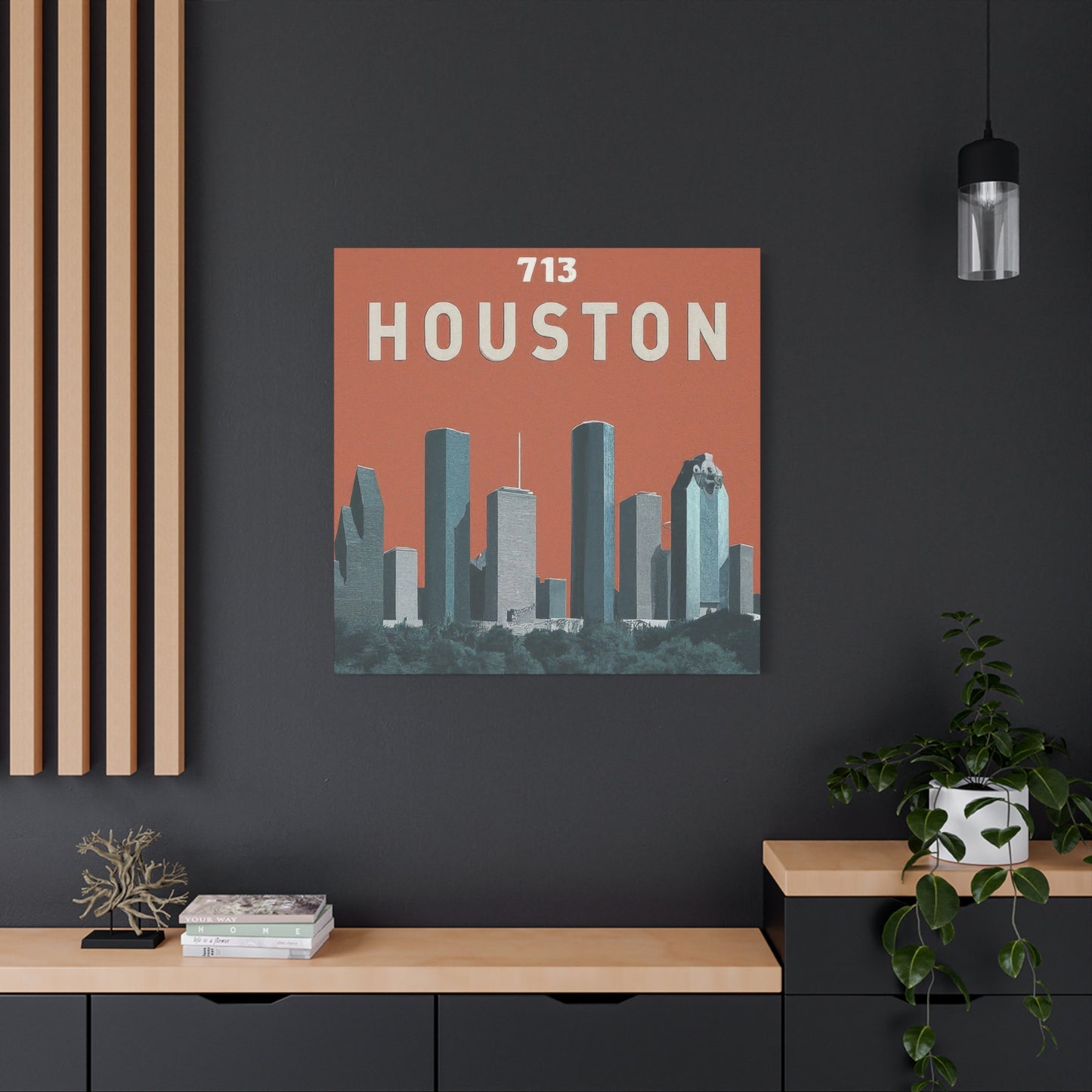


Houston Skyline 713 Wall Art & Canvas Prints
Houston Skyline 713 Wall Art & Canvas Prints
Couldn't load pickup availability
Houston Skyline 713 Wall Art & Canvas Prints
Houston’s skyline is a breathtaking display of architectural achievement, blending modern skyscrapers with historic landmarks to create a dynamic cityscape that inspires creativity. Capturing this urban panorama in wall art allows interiors to reflect the energy, rhythm, and cultural identity of one of America’s most vibrant cities. Art featuring the Houston skyline provides more than visual appeal; it brings the city’s pulse into homes, offices, and commercial spaces, creating a connection between the environment outside and the design inside.
Through careful attention to color, perspective, and composition, these pieces transform walls into immersive experiences, evoking movement, depth, and sophistication. From panoramic views to subtle abstract interpretations, Houston-inspired imagery offers versatile options for decorating spaces while maintaining a sense of style and urban elegance. The interplay of light, structure, and texture ensures every piece adds character, warmth, and visual intrigue.
Peony Blossoms Bring Serenity
The gentle curves of peony petals create a sense of calm in urban spaces, allowing one to pause and appreciate nature even in a bustling city like Houston. Integrating elements that mirror natural growth patterns can enhance visual depth, and the subtle shades of pinks and whites complement neutral interiors perfectly. Collectors often find that incorporating vibrant peony imagery into their homes elevates the ambiance, merging both aesthetic beauty and personal expression. Such artwork fosters an inviting atmosphere, blending harmoniously with furniture textures and light angles, transforming any room into a peaceful retreat. The interplay of shadows and soft highlights in floral designs makes them timeless additions for those seeking elegance without overwhelming complexity.
Capturing Human Connection
Art that reflects human emotion can create spaces that resonate with warmth and familiarity. Detailed portraits or abstract representations often capture the subtle nuances of expression, inviting viewers to engage with the story behind each piece. Integrating unique depictions of people in motion can infuse spaces with energy while maintaining sophistication. Observing the balance of light, composition, and perspective allows interiors to feel dynamic yet approachable. By selecting designs that echo the rhythm of daily life, individuals cultivate environments that are simultaneously inspiring and comforting. These pieces provide more than decoration—they serve as conversation starters, enriching the experience of each room without dominating it.
Marine Wonders in Decor
Ocean-inspired designs offer a refreshing departure from conventional city-centric themes. Incorporating textures reminiscent of marine life creates a sensory connection to natural ecosystems, fostering both relaxation and curiosity. For example, the delicate structures found in sea cucumbers add complexity that resonates with organic architectural forms, enhancing aesthetic appeal. Including art inspired by pepino de mar within a space introduces subtle color variations and abstract forms that engage viewers’ imagination. Such elements often harmonize with contemporary furniture while adding layers of intrigue. The interplay of oceanic patterns with sunlight or artificial lighting creates reflections and shadows, resulting in a dynamic environment that evolves with the time of day and enhances everyday living experiences.
Conscious Choices in Art
Selecting artwork with ethical considerations can transform interior design into a meaningful practice. Pieces created under responsible sourcing and environmentally conscious conditions not only support sustainability but also contribute to mindful aesthetics. Choosing works that align with personal values can elevate the emotional resonance of a room, producing a holistic experience that reflects both taste and conscience. For instance, incorporating eco-conscious art into urban interiors adds depth without compromising style, allowing homeowners to embrace trends while maintaining integrity. The careful balance between design, impact, and responsibility enhances both visual and moral satisfaction, ensuring that living spaces are beautiful, ethical, and inspiring simultaneously.
Art With Social Influence
Certain artworks extend beyond decoration, inspiring dialogue around cultural, political, and social issues. Integrating these pieces into spaces encourages reflection while providing subtle visual stimulation. For instance, installations that highlight societal concerns can subtly influence perspectives and spark meaningful discussions among guests. Displaying art that supports community initiatives can transform ordinary walls into catalysts for awareness, bridging creativity with activism. The emotional weight carried by such art invites empathy and critical thought, offering more than visual enjoyment. By embedding these works in living or professional environments, individuals create spaces that are not only aesthetically rich but also socially engaging, balancing form with purpose and fostering deeper connections.
Seasonal Design Inspirations
Spring introduces opportunities to refresh interiors with lively motifs, drawing on natural growth, floral vibrancy, and dynamic color palettes. Integrating elements that mimic seasonal changes creates a harmonious atmosphere that evolves with light and mood. The use of patterns, textures, and gradients aligned with seasonal trends brings energy and freshness to everyday spaces. Incorporating spring design trends into home interiors allows homeowners to balance bold statements with subtle elegance. Observing how colors interact with existing furnishings enhances cohesion, while thoughtful placement ensures a seamless transition between classic and contemporary aesthetics. This approach emphasizes both creativity and practicality, offering visually stimulating environments that align with nature’s rhythms.
Capturing the Magic of Twilight
The period of twilight, often called the blue hour, presents a unique opportunity for visual exploration. Lighting conditions during this time emphasize contrasts and nuances, allowing observers to perceive depth and mood with heightened sensitivity. Photographers and designers often take inspiration from this natural phenomenon, integrating elements that evoke its ethereal quality. By incorporating techniques for capturing blue hour images, interiors can evoke similar emotional responses, blending tranquility and intrigue. The interplay of soft hues with architectural details amplifies texture and form, creating immersive spaces. Such approaches enhance the atmosphere, encouraging mindfulness and reflection while subtly transforming the perception of light and shadow throughout the day.
Geometric Modernity
Square and structured forms often convey stability and sophistication in design. Their versatility allows integration across various interior themes, from minimalist to eclectic. Utilizing proportion, symmetry, and contrast, these geometric patterns can create focal points without overpowering the space. Including square composition features in curated collections balances visual interest with spatial harmony. The repetition of lines and angles fosters rhythm and coherence, subtly guiding the observer’s eye. By blending such designs with color gradients or mixed media elements, environments gain depth and texture. This approach not only supports aesthetic refinement but also encourages thoughtful engagement with the artwork, merging function and creativity.
Bold Shapes for Urban Spaces
Artistic expression through bold shapes contributes to dynamic interior energy. Structured, repetitive motifs create patterns that can complement contemporary furniture and lighting arrangements. Designers often select pieces that maintain strength in form while incorporating soft tonal transitions to avoid visual heaviness. Integrating distinctive square visuals into rooms elevates energy while preserving balance, producing a refined yet stimulating effect. These geometric statements can adapt to varying room scales, providing versatility and cohesion. Their presence enhances mood and visual rhythm, allowing inhabitants to experience a combination of order and creativity. This strategy fosters spaces that feel curated and intentional without losing vibrancy or approachability.
Ascending Perspectives
Staircases and vertical spaces present unique challenges and opportunities for design. Accentuating these areas with well-chosen artwork draws attention to architectural details while enhancing movement and flow. Vertical alignment and proportional scaling are essential to create harmony and avoid visual overcrowding. By incorporating art that interacts with staircases, designers can enhance perspective, leading the eye naturally upward while enriching transitional spaces. This approach supports both functional aesthetics and narrative storytelling, allowing spaces to convey progression and layered experience. Thoughtful integration ensures that vertical displays complement the broader interior while adding sophistication and creative depth to daily movement.
Oceanic Details in Interiors
Marine textures and shapes often inspire spaces that feel alive yet tranquil. The delicate symmetry of ocean life introduces subtle geometry that naturally complements urban interiors, creating visual intrigue without overwhelming furniture layouts. Observing how light interacts with curved forms enhances perception, adding depth to otherwise static walls. Rooms with sandy tones, reflective surfaces, and soft lighting gain a harmonious rhythm when soft, coastal motifs are present. The gentle presence of a starfish collection adds natural charm that elevates the atmosphere. Shadows cast along textured surfaces amplify subtle contrasts, fostering spaces that feel both grounded and dynamic. These elements bridge the natural and designed worlds, connecting the serenity of oceans to the energy of modern urban life. Visitors often find these accents calming, making them ideal for living areas, offices, or lounges where a balance of energy and peace is essential.
Serene Coastal Accents
Minimalist marine designs convey calm sophistication through restraint and repetition. The geometric yet organic shape of a starfish resonates with natural rhythms, making spaces feel orderly without rigidity. Walls featuring these motifs blend seamlessly with muted color palettes, creating a contemplative atmosphere where viewers can relax or reflect. Delicate highlights along edges accentuate form, drawing subtle attention without dominating the room. Light shifts throughout the day, causing variations in shadow and hue that keep interiors lively and engaging. The use of starfish imagery creates subtle visual harmony while maintaining modern sensibilities. When combined with smooth surfaces, neutral furnishings, and soft textiles, these designs allow the eye to wander naturally across the room, cultivating an experience that balances serenity and movement, giving spaces both elegance and inviting energy.
Contemporary Abstract Expressions
Abstract compositions offer a dialogue between color, shape, and space, inviting interpretation and imagination. Shapes that flow organically across walls create a sense of rhythm and continuity, fostering visual engagement throughout interiors. Neutral or bold accent tones can complement abstract pieces, enhancing the perception of depth and form. Soft gradients and layered textures encourage the viewer to linger, revealing subtle patterns with each glance. The presence of Stephen Calcasola collections adds dynamic expression that elevates everyday interiors into immersive environments. These compositions interact with light, furniture, and surrounding color schemes, forming cohesive spaces that feel alive. The balance between abstract spontaneity and deliberate structure fosters spaces that are intellectually stimulating yet comfortable, bridging the gap between artistry and practical interior aesthetics.
Dynamic Shapes and Urban Flow
Geometric energy in design can redefine urban interiors, guiding visual focus and creating focal points that energize a room. Angular compositions, repeated patterns, and contrasting tones encourage engagement without overpowering adjacent furnishings. Vertical and horizontal lines can emphasize room dimensions, complementing staircases, windows, or furniture placement. Subtle shading and soft edges prevent rigidity, maintaining fluidity in perception. Carefully positioned elements give rhythm to walls while supporting overall spatial coherence. The interplay of form and shadow is enhanced when Stephen Calcasola designs bring abstract patterns into a room, enriching visual hierarchy and inviting viewers to explore details. The effect is both dynamic and approachable, fostering interiors that communicate energy, intention, and thoughtful artistic sensibility.
Vintage Elegance in Collectibles
Classic forms like perfume bottles capture elegance through intricate shapes and reflective surfaces, offering multi-sensory appeal even in modern spaces. Their structured silhouettes interact naturally with light, creating subtle highlights and depth. Delicate details, such as curves and etched textures, provide visual interest without overwhelming surroundings. Placement alongside soft furnishings and neutral backgrounds allows these motifs to anchor rooms while maintaining openness. The presence of perfume bottle designs enhances refined aesthetic, contributing elegance and narrative to urban interiors. Reflections and shadows dance across surfaces, amplifying dimensionality and inviting closer inspection. These forms create a sensory harmony, blending visual charm with the understated sophistication of subtle objects, transforming ordinary walls into points of interest that quietly elevate the environment.
Urban Narratives on Walls
Cityscapes communicate history, architecture, and cultural identity, connecting spaces to broader urban experiences. Philadelphia, with its mix of classical and modern architecture, provides motifs that enrich interiors through narrative and geometry. Views of iconic streets or buildings interact with room lighting, enhancing depth and texture. Color contrasts and structural lines create balance while maintaining visual interest. The sense of time, evolution, and human activity in these city motifs encourages reflection and spatial engagement. Philadelphia city imagery adds historical dimension, allowing viewers to connect with cultural heritage while enjoying contemporary aesthetics. These representations integrate naturally into both residential and commercial environments, offering walls that communicate story, identity, and architectural beauty without overpowering daily life.
European Modernity in Interiors
European artists combine heritage and innovation, creating pieces that resonate with both tradition and modernity. Subtle abstract details intertwined with classical elements enhance texture, rhythm, and spatial perception. Muted and bold color harmonies coexist, producing layers of visual interest that reward close inspection. The presence of Philippe Hugonnard-inspired compositions brings refined complexity into rooms, blending seamlessly with contemporary furniture or neutral palettes. Shadows, reflective surfaces, and ambient light interplay with shapes, highlighting geometry and form. These elements create immersive experiences that feel cultured, sophisticated, and balanced, offering interiors that engage the eye while maintaining serenity and cohesion across diverse design elements.
Transforming Spaces Through Color
Color transforms perception, influencing mood, depth, and ambiance. Bold furniture choices, like deep blue sofas, can anchor rooms while complementing surrounding walls and textures. Shadows and highlights respond dynamically to interior lighting, producing subtle contrasts that enhance spatial experience. Patterned fabrics, neutral tones, and minimalistic accents balance energy, ensuring harmony. Observing how hues interact with architectural details creates cohesion and visual rhythm. Blue furniture selections redefine room dynamics, drawing the eye while maintaining balance with surrounding elements. Strategic combinations of color, texture, and form allow interiors to feel expressive yet composed, creating spaces that are simultaneously dramatic and inviting, supporting both daily functionality and visual delight.
Motion and Perception in Art
Soft focus, motion blur, and layered textures redefine the way visual art is perceived, producing movement within still environments. Subtle gradations, shifts in clarity, and overlapping shapes create depth and dimensionality, encouraging prolonged engagement. The perception of motion transforms walls into dynamic, evolving backdrops that complement lighting and furniture arrangements. Light interacts differently across blurred gradients, creating natural variations that evolve through the day. Soft focus imagery creates depth naturally, allowing interiors to feel immersive, stimulating, and rhythmically alive. This nuanced approach to visual composition enriches space without clutter, enhancing emotional response and providing balance between complexity and subtlety.
Nostalgia and Playful Storytelling
Historical and nostalgic themes provide rooms with layers of meaning, bridging personal memory and cultural reference. Classic entertainment, craft, or iconic eras offer motifs that evoke curiosity and warmth. Visual storytelling enhances the environment by connecting viewers to experiences beyond the immediate space. Playful elements blend with textures, colors, and structural designs to produce rooms that feel lively yet balanced. The presence of craft motifs celebrating wrestling history brings humor, culture, and personality into contemporary interiors. These pieces harmonize with both modern and traditional furnishings, offering visual narratives that are engaging and approachable. Rooms gain energy, character, and depth, ensuring that every wall contributes to a cohesive story of history, art, and personal identity.
Bohemian Interior Inspirations
Bohemian interiors blend creativity, texture, and layered patterns to create spaces that feel alive yet inviting. The mix of textiles, natural fibers, and eclectic décor elements allows each area to tell a unique story, reflecting individuality and artistic sensibility. Walls adorned with subtle patterns and tactile designs create visual rhythm, guiding attention without overwhelming the senses. Soft lighting and greenery enhance warmth, producing rooms that feel expansive and immersive. Casual arrangements of furniture and accessories encourage relaxation, while carefully selected color schemes maintain cohesion. A bohemian living room idea collection highlights creative approaches to redecorating, demonstrating how layered patterns and natural textures can transform ordinary spaces into areas of personality and charm. These approaches inspire viewers to embrace freedom of expression and unconventional beauty within interiors.
Typography in Contemporary Design
Graphic design plays a critical role in modern interiors, shaping perception and mood through scale, placement, and form. Large-scale typography creates visual energy, establishing walls as focal points and driving engagement without requiring literal imagery. Textures, color contrasts, and font choice contribute to layered dimensionality, influencing both emotional and aesthetic response. Attention to alignment and proportion ensures legibility while maintaining dynamic appeal. Observing bold typography statements in design offers insight into integrating impactful letters and shapes seamlessly into living or workspaces. This approach transforms interiors into interactive visual experiences, where text functions as both decorative element and conceptual anchor. The result is environments that balance audacity with elegance, merging content, form, and spatial harmony effectively.
Financial Planning for Creatives
Understanding the economic demands of creative professions is essential for sustainable practice. Photographers, for instance, must balance equipment costs, marketing investments, and operational overhead with revenue expectations. Breaking down expenses reveals areas where strategic decisions can optimize efficiency and maintain quality output. Tracking costs for lighting, lenses, printing, and software ensures realistic budgeting while fostering growth. Guidance on startup costs for photography businesses provides clarity on allocation and risk management, enabling emerging professionals to navigate financial responsibilities confidently. Awareness of capital requirements allows for better decision-making in space planning, equipment acquisition, and project management, ultimately supporting creative freedom and long-term viability within competitive urban environments.
Strategies for Emerging Photographers
Securing initial clients is often the most challenging step for emerging photographers, requiring a combination of networking, portfolio presentation, and strategic outreach. Understanding target markets and building trust through consistency and professionalism lays the foundation for ongoing relationships. Small-scale projects can demonstrate capabilities while producing portfolio-ready work for future opportunities. Engaging with local communities, online platforms, and collaborative projects increases visibility and reputation. Freelance photography strategies guide highlights actionable methods to secure initial engagements effectively. Applying these strategies ensures steady workflow, enhances creative confidence, and encourages sustainable growth. A professional approach that blends practical knowledge with artistic vision establishes credibility, allowing photographers to thrive while contributing meaningful visual narratives to interior and exterior environments.
Playful Pop Culture Themes
Pop culture elements inject vibrancy and energy into contemporary interiors. Iconic characters and references add personality while fostering familiarity and comfort. Colors, dynamic shapes, and recognizable forms generate focal points that can energize otherwise neutral rooms. Coordinating these elements with surrounding furnishings ensures harmony and avoids visual clutter. Walls featuring a Sonic the Hedgehog collection demonstrate how playful themes integrate naturally into living spaces, appealing to nostalgia while maintaining aesthetic balance. Subtle use of these motifs alongside complementary textures or lighting enhances engagement without compromising sophistication. This approach transforms interiors into immersive environments, blending entertainment, color, and energy seamlessly into everyday spaces.
Animated Character Dynamics
Designs inspired by animated characters can emphasize movement and emotion in interiors, adding layers of story and context to spaces. Shapes, gestures, and vibrant color schemes influence perception, creating energy that enhances interaction with furniture and accessories. Carefully placed illustrations or themed pieces provide subtle narrative guidance, leading the eye along walls and corridors. Observing Sonic the Hedgehog visuals in rooms highlights how dynamic designs evoke playfulness while complementing structured or minimalist elements. Integration with ambient lighting and neutral backgrounds ensures visual cohesion. This combination fosters interiors that feel animated and welcoming, promoting both engagement and relaxation, where the vibrancy of characters balances with architectural integrity.
Spa-Inspired Calmness
Spaces designed to evoke relaxation benefit from soft textures, gentle colors, and symmetrical layouts. Natural materials, reflective surfaces, and soft gradients enhance sensory appeal while establishing visual tranquility. Subtle water or plant motifs heighten the immersive experience, creating rooms that feel like retreats from urban intensity. Artwork reflecting serene environments encourages mindfulness, supporting well-being and mental clarity. Spa and resort themed collections offer designs that emphasize calmness through texture, pattern, and color balance. These selections complement interior lighting, furniture arrangement, and accessory placement, creating cohesive atmospheres that support both relaxation and aesthetic refinement. The result is a harmonious environment where each element contributes to restorative energy.
Tranquil Interior Aesthetics
Soft pastels, flowing textures, and organic shapes contribute to harmonious spaces that feel restorative and inviting. Balancing elements like textiles, lighting, and reflective surfaces enhances cohesion while preventing monotony. Layered design strategies encourage engagement, as subtle variations reward observation and interaction. Walls act as both canvases and contextual anchors for other decorative elements, linking surfaces to furnishings, flooring, and architectural features. Spa and resort visuals add natural serenity that emphasizes relaxation. Gentle contrasts, shadow interplay, and reflective light contribute to an environment that promotes comfort and mindfulness. This approach creates immersive experiences that support both functional use and aesthetic pleasure.
Seasonal Themes in Design
Spring provides an opportunity to refresh interiors with natural tones, vibrant highlights, and soft gradients. Botanical motifs, fresh textures, and organic patterns evoke renewal, harmonizing with furniture, lighting, and spatial geometry. Observing subtle interactions between color palettes and seasonal light allows designers to create flexible, evolving interiors. Spring art collections brighten urban environments, adding warmth, vibrancy, and visual cohesion. These elements can act as anchors, guiding perception while maintaining overall balance. Subtle interplay with surrounding décor ensures that seasonal themes feel integrated rather than temporary. The resulting environment celebrates change and renewal, offering viewers uplifting and harmonious experiences throughout the year.
Refreshing Seasonal Accents
Soft floral tones, layered textures, and dynamic compositions enhance the spring aesthetic by introducing freshness and vibrancy to urban interiors. Carefully considered arrangements create focal points that harmonize with furniture and architectural features. Lighting shifts throughout the day highlight subtle changes in color and texture, enhancing perception and atmosphere. Spring visuals provide seasonal energy, ensuring walls remain engaging without overwhelming the space. These elements evoke feelings of renewal and optimism, encouraging occupants to connect with natural cycles while maintaining sophisticated design. The integration of seasonal motifs transforms interiors into environments that feel alive, balanced, and harmonious, reflecting both personal taste and urban lifestyle.
Phoenix-Inspired Renewal
Symbolism of the phoenix conveys resilience and rebirth, making it a powerful theme for interior spaces. Vibrant colors, dynamic shapes, and fiery tones create movement on walls while adding energy to rooms. The mythical narrative evokes transformation, reminding viewers of growth and renewal even in urban environments. Balancing these bold motifs with neutral furniture and soft textures ensures spaces remain harmonious yet visually engaging. Subtle lighting highlights the intricate details, enhancing the perception of depth and dimension. A phoenix wall collection inspires rejuvenation, seamlessly blending symbolism with aesthetic appeal. Integrating such motifs into interiors encourages reflection, offering dynamic focal points that animate living areas. The movement and flow captured in phoenix imagery energize spaces naturally, producing rooms that feel vibrant, layered, and transformative without overwhelming other design elements.
Celebrating Photography
Photography brings life and narrative to interiors, bridging personal experience and aesthetic appreciation. Urban skylines, nature compositions, and portraiture add layers of context to otherwise minimalistic rooms. Subtle framing, lighting, and tonal variation create depth, guiding the viewer’s eye naturally across walls. Pieces can evoke emotion, spark reflection, or complement spatial design without dominating the space. Observing photography-focused imagery in interiors demonstrates how these works capture perspective and storytelling, enriching urban or residential environments. The contrast between light and shadow enhances visual texture, producing dynamic environments that feel alive. Strategic placement of photographic art encourages engagement and balance, ensuring rooms remain functional while visually stimulating. Photography serves as both decoration and dialogue, connecting occupants to memories, culture, and emotion in an accessible yet impactful way.
Musical Elements in Spaces
Musical motifs bring rhythm and harmony to interiors, subtly influencing mood and perception. Piano-themed designs, for instance, convey elegance and sophistication while providing visual structure. Curves, keys, and tonal lines interact with light and shadow to create depth and movement. Layered arrangements of music-inspired visuals complement furniture textures and soft lighting, producing spaces that feel both dynamic and serene. A piano motif enhances room character, adding sophistication without overwhelming other elements. These designs can anchor feature walls, creating focal points that harmonize with flooring, textiles, and accessories. The natural association of music with emotion reinforces ambiance, inviting contemplation and relaxation. Such arrangements celebrate both form and narrative, allowing interiors to evoke artistry and expression through visual rhythm.
Classical Art Influences
Historical figures and classical compositions provide timeless appeal, offering depth and sophistication to urban interiors. Colors, brushwork, and perspective create dimensionality, emphasizing layered storytelling while complementing modern décor. Classical pieces connect viewers to broader cultural narratives, inspiring reflection and appreciation. Observing Pierre Auguste-inspired works enhances the understanding of composition, light, and thematic balance. These designs integrate seamlessly with contemporary furnishings and neutral palettes, creating cohesion across diverse elements. Architectural features and ambient lighting interact with artwork to produce nuanced shadow and highlight patterns, amplifying depth. Classical art bridges history and modern design, producing spaces that feel culturally enriched and aesthetically refined, while remaining approachable and adaptable for residential or commercial interiors.
Mental Well-Being Through Art
Art can foster mental clarity and emotional balance, acting as a catalyst for reflection and mindfulness within interiors. Visual textures, balanced compositions, and thematic resonance contribute to cognitive engagement, subtly influencing mood. Spaces curated for contemplation benefit from colors, imagery, and arrangements that encourage calm focus. Observing art therapy techniques at home reveals how thoughtful selection and placement of pieces can enhance mental well-being. Patterns, symmetry, and thematic relevance combine to produce harmonious visual flow. Carefully chosen artwork transforms rooms into restorative environments that nurture creativity and reflection, integrating wellness principles with design aesthetics. This approach allows interiors to support both emotional balance and aesthetic sophistication, merging function and visual delight seamlessly.
Essential Reading for Artists
Understanding artistic theory and critique is foundational for cultivating a refined perspective. Literature that explores composition, color theory, and art history informs design decisions while inspiring creative expression. Reading comprehensive works enhances the ability to curate spaces that resonate emotionally and visually. Observing art thinking through essential books guides both novices and professionals in selecting pieces that balance innovation with timeless principles. The interplay between knowledge and practice strengthens the ability to create interiors that reflect both aesthetic sensibility and intellectual engagement. Integrating this understanding into curatorial decisions produces spaces that communicate depth, narrative, and artistic refinement without compromising visual cohesion.
Modeling Career Insights
The fashion and modeling industry offers lessons for personal branding, self-presentation, and aesthetic awareness. Knowledge of portfolio development, networking, and client engagement is critical for success. Observing modeling guides for first gigs demonstrates how visual presentation, spatial awareness, and artistic styling inform professional opportunities. Techniques used in modeling can inform interior design decisions, from arranging compositions to balancing color, texture, and proportion. Understanding perspective, lighting, and visual narrative benefits both creative careers and interior aesthetics. Applying insights from modeling enriches spatial storytelling, encouraging dynamic, engaging, and professional environments that communicate intention, personality, and artistic vision.
Wedding Photography Considerations
Capturing special moments requires attention to emotion, composition, and lighting. Early career photographers must balance budget, client expectations, and creative expression to deliver meaningful results. Strategic planning ensures technical execution aligns with artistic intent, producing timeless visuals. Observing first-time wedding photography pricing illustrates considerations for balancing cost, quality, and client experience. Techniques such as framing, depth of field, and narrative pacing inform not only photography but spatial design. Understanding light, perspective, and arrangement in these contexts enhances interior curation, resulting in spaces that feel narrative-driven and visually engaging, blending technical precision with aesthetic appeal for both residential and commercial applications.
Artistic Milestones
Major art acquisitions often reflect cultural, historical, and financial significance. Masterpieces serve as reference points for study, inspiration, and spatial placement, highlighting technique, proportion, and thematic content. Observing the story behind a major O’Keeffe piece illuminates how art impacts interior choices and cultural perception. Scale, color, and subject matter inform decisions about placement, lighting, and context within a room. These insights guide curators and homeowners in producing harmonious environments where art, furniture, and architecture interact naturally. Recognizing milestones in art history enriches interiors with both aesthetic refinement and narrative depth, producing spaces that celebrate cultural literacy and timeless design.
High-Fashion Photography Techniques
High-fashion photography emphasizes visual impact through composition, lighting, and narrative. Bold contrasts, innovative angles, and dramatic settings draw attention while maintaining balance with surrounding elements. Techniques in framing, perspective, and motion inspire interior layouts that prioritize flow, proportion, and visual rhythm. Observing powerful high-fashion photography techniques provides guidance on balancing bold statements with cohesive spatial storytelling. Interiors informed by these methods convey sophistication, energy, and engagement, blending artful visuals with functional space. The interplay of texture, shadow, and form produces environments that are dynamic, immersive, and visually coherent, appealing to both residents and visitors.
Bold Landscape Composition
Landscape imagery transforms interior spaces with depth, color, and dynamic perspective. Layering foreground textures, distant horizons, and subtle gradients creates immersive experiences that expand perceived dimensions. Natural patterns, reflections in water, and shifting clouds contribute to movement and rhythm within walls, producing energy without overwhelming surrounding décor. A bold landscape photography tips concept encourages experimenting with angles and lighting, resulting in striking wall visuals. When paired with furniture, lighting, and complementary textures, this method enhances the perception of space, adding visual vibrancy to interiors. Walls communicate motion and serenity simultaneously, generating balanced yet stimulating environments that engage viewers naturally and comfortably.
Playful Portrait Dynamics
Portraiture brings personality and emotion into interiors, emphasizing expression, composition, and subtle details. Gestures, posture, and color harmonies add dimension and warmth without dominating space. Spontaneous or unconventional poses create narrative energy, making walls feel lively and inviting. A portrait playfulness approach adds character and informal charm to rooms, blending narrative depth with visual coherence. When paired with ambient lighting, textured surfaces, and neutral tones, this technique creates interiors that are approachable, engaging, and balanced. Each piece works with surrounding décor, producing cohesion while highlighting individuality and emotional nuance within the space.
Creative Landscape Techniques
Dynamic landscapes rely on strategic use of light, texture, and framing to produce visually stimulating walls. Asymmetric compositions, layered elements, and subtle contrasts guide the viewer’s eye while adding spatial depth. Movement in natural elements like foliage or water contributes rhythm and visual interest. A landscape photography hacks effectively method ensures that artwork interacts seamlessly with room dimensions and architectural lines. This approach enhances energy and engagement in interiors, producing walls that convey expansiveness and layered storytelling while maintaining harmony with furniture placement and ambient light.
Symbolic Skull Imagery
Skulls provide bold focal points through dramatic contrast, form, and thematic resonance. Geometry, shadow, and highlights enhance three-dimensional perception, making spaces visually compelling. They balance bold symbolism with surrounding neutral elements to maintain cohesion. A skull design enhances room character ensures walls gain personality without dominating overall interior design. Carefully aligned with lighting, textures, and furniture, these motifs provide visual narrative, producing rooms that are dynamic, thought-provoking, and aesthetically balanced. The combination of symbolic imagery with structural composition encourages immersive and engaging spaces.
Iconic Skyline Collections
Urban skylines anchor interiors by adding structure, rhythm, and iconic identity. Architectural lines, reflections, and tonal contrast create visual hierarchy while adding depth. Layering elements such as illuminated windows, rooftops, or skyline gradients introduces dynamic energy. A skyline collection brings urban energy that interacts naturally with furniture, textures, and ambient lighting. Proper scale and placement ensure cohesion with room design, while the skyline motif connects interiors to metropolitan vibrancy. Walls convey narrative, movement, and visual interest, producing immersive environments that feel expansive, energetic, and harmonious.
Evening Skyline Perspectives
Night cityscapes merge light and shadow, adding sophistication and dramatic depth to interiors. Illuminated buildings, reflective surfaces, and tonal interplay create engaging visual layers that enliven walls. A skyline artwork energizes rooms ensures dynamic composition while maintaining balance with surrounding furnishings. Strategic placement alongside complementary textures and lighting preserves visual flow. The interplay between light, contrast, and structure transforms interiors, creating spaces that feel expansive, animated, and visually cohesive while enhancing aesthetic richness and urban narrative.
Restful Sleeping Themes
Imagery focused on rest or napping introduces calm and balance into interiors. Soft textures, muted colors, and fluid lines evoke relaxation while maintaining visual engagement. A sleep and nap imagery method establishes serenity and focus, complementing ambient lighting, furniture placement, and complementary textures. These motifs enhance mindfulness and emotional balance, producing restorative spaces that are simultaneously inviting and visually appealing. Carefully curated placement ensures walls communicate calm without losing visual interest, contributing to overall interior harmony.
Tranquil Interior Designs
Serenity in interiors benefits from muted colors, subtle focal points, and cohesive textures that guide perception naturally. Layered patterns, soft gradients, and gentle contrasts create dimensionality without overwhelming the space. A sleeping-themed artwork strengthens tranquility method integrates these visual principles seamlessly into interior design, producing calming yet engaging walls. Coordinating lighting, furniture, and surrounding décor amplifies the effect, resulting in immersive spaces that support mental well-being, relaxation, and aesthetic sophistication.
Sloth-Inspired Calmness
Sloths symbolize unhurried living and mindfulness, inspiring interior designs that prioritize calm energy. Rounded forms, soft textures, and muted tones contribute to visual harmony and emotional balance. A sloth artwork encourages calmness ensures thematic resonance while complementing furniture, lighting, and surrounding textures. These motifs transform walls into contemplative focal points that balance personality with serenity. Proper alignment and scale enhance cohesion, producing interiors that foster relaxation, focus, and aesthetic depth.
Mindful Slow Living
Interior spaces can reinforce slow-living principles by emphasizing harmony, subtle contrast, and natural rhythms. Organic forms, layered textures, and muted palettes maintain engagement while supporting calm energy. A sloth-inspired visuals within interiors approach anchors walls with thematic consistency. Combined with lighting, furniture, and accessories, this method creates immersive, balanced spaces that prioritize well-being and visual appeal. Rooms feel deliberate, thoughtful, and restorative, producing interiors that are simultaneously functional, contemplative, and aesthetically engaging.
Conclusion
Integrating Houston skyline imagery into interior design elevates spaces by combining artistry, culture, and dynamic visual storytelling. These pieces capture the essence of the city’s architecture and energy, translating urban vibrancy into home or office environments. Thoughtful composition, scale, and placement transform walls into focal points that engage viewers while complementing surrounding décor. The combination of skyline views, symbolic motifs, and thematic elements allows for personalization, balancing bold statements with refined elegance. Beyond aesthetics, such art creates emotional resonance, linking the viewer to the city’s identity and spirit. Whether used to energize contemporary lofts or add sophistication to classic interiors, Houston-inspired artwork enhances depth, rhythm, and character within any space. The result is a cohesive, immersive environment where visual interest, style, and narrative seamlessly converge, offering timeless appeal and lasting impact.
Share