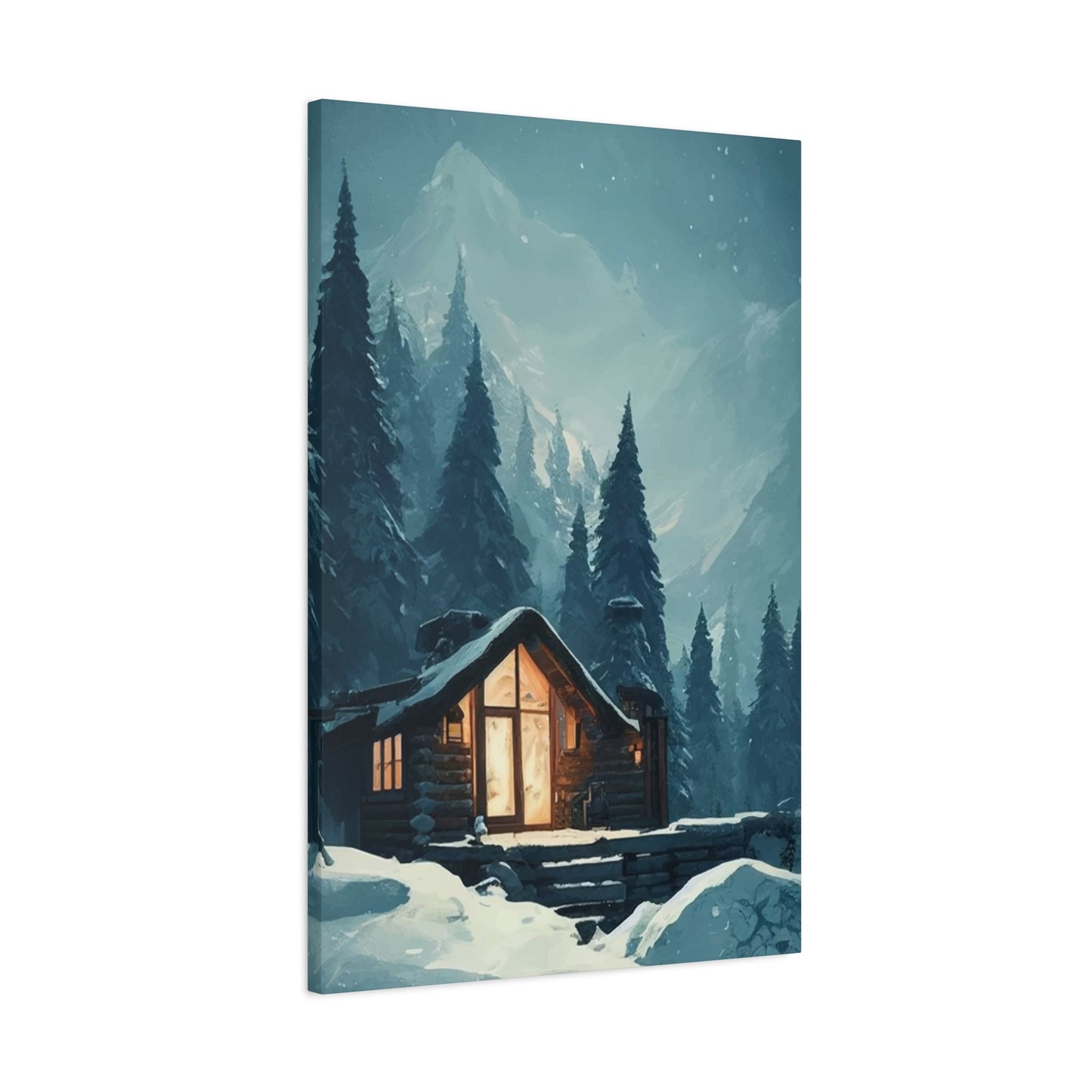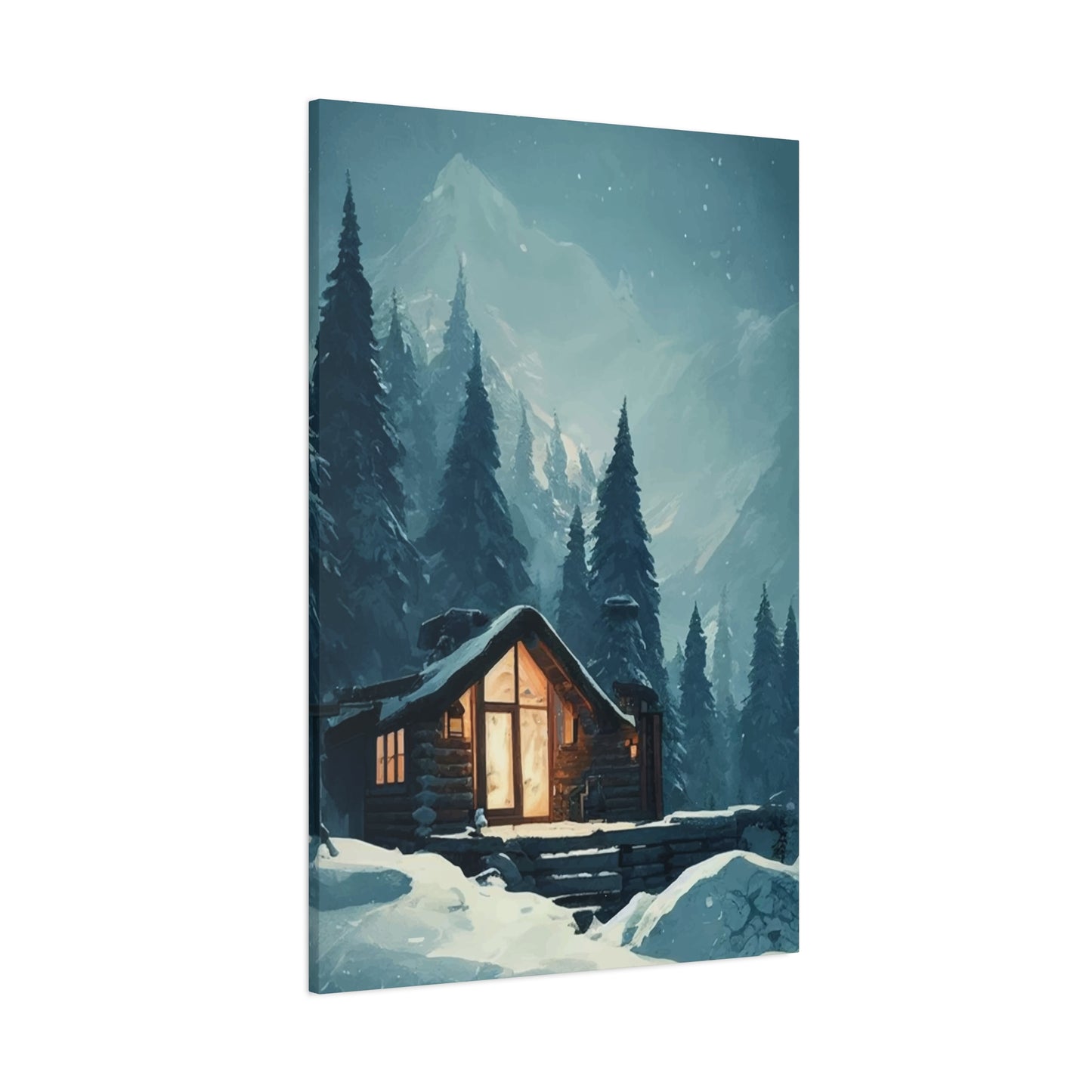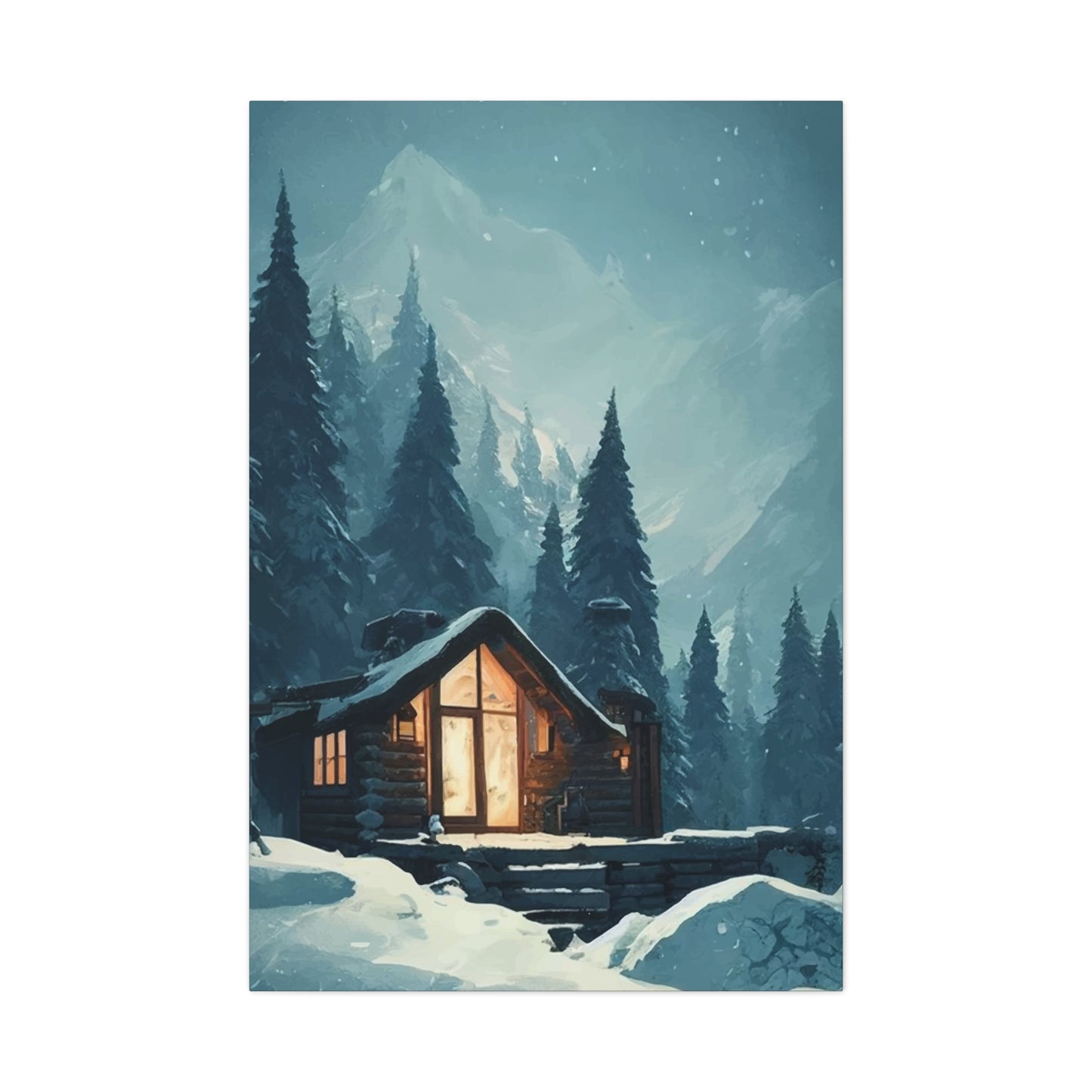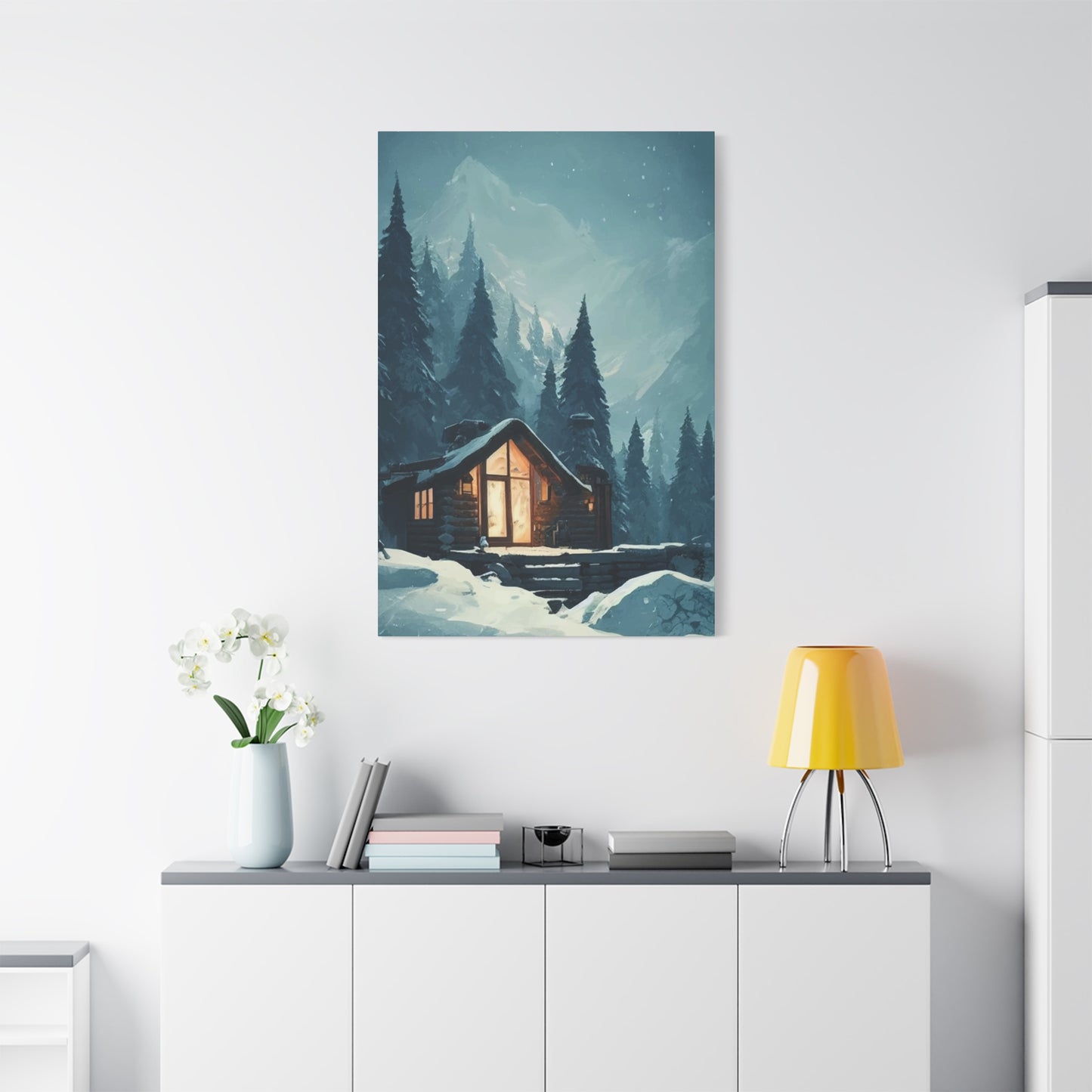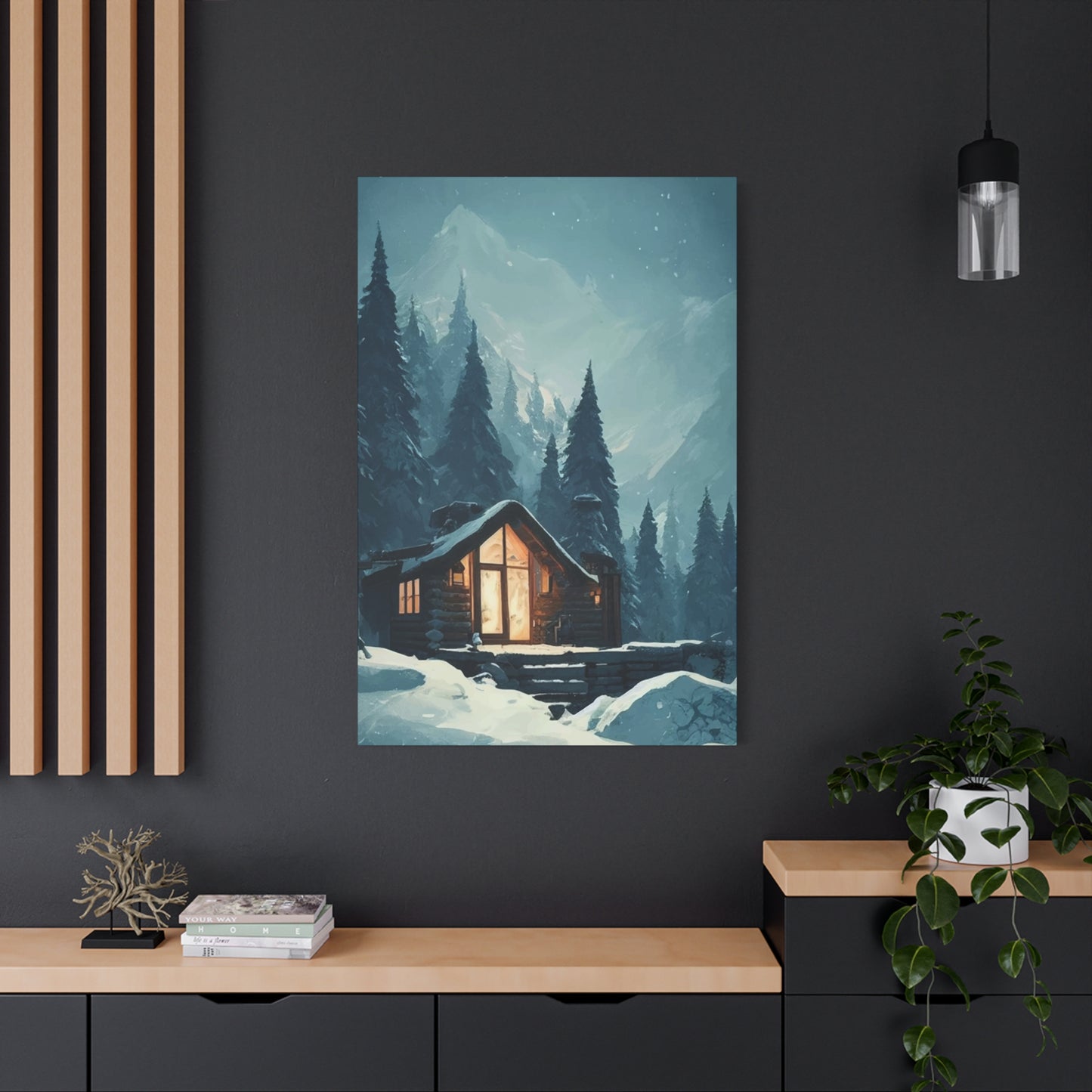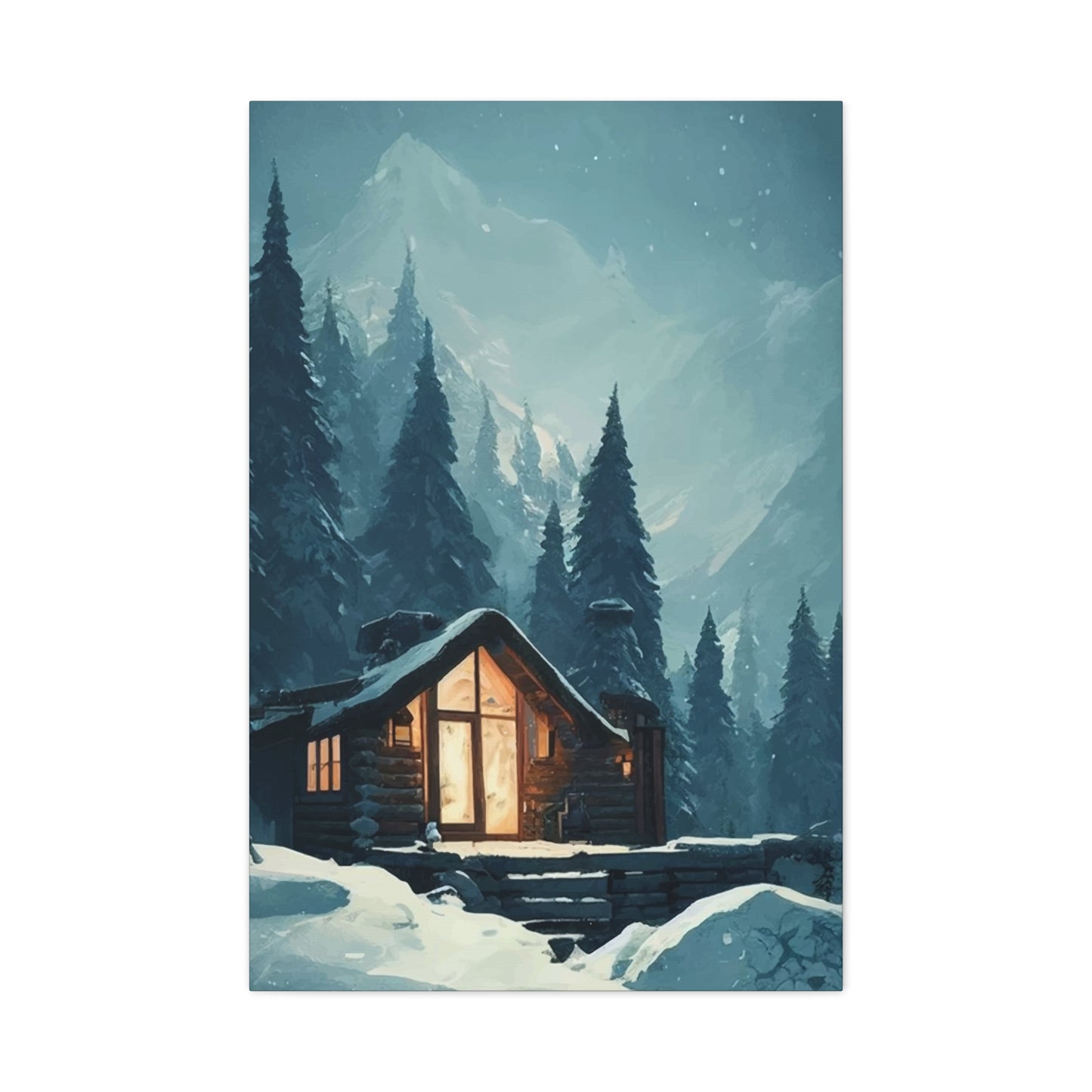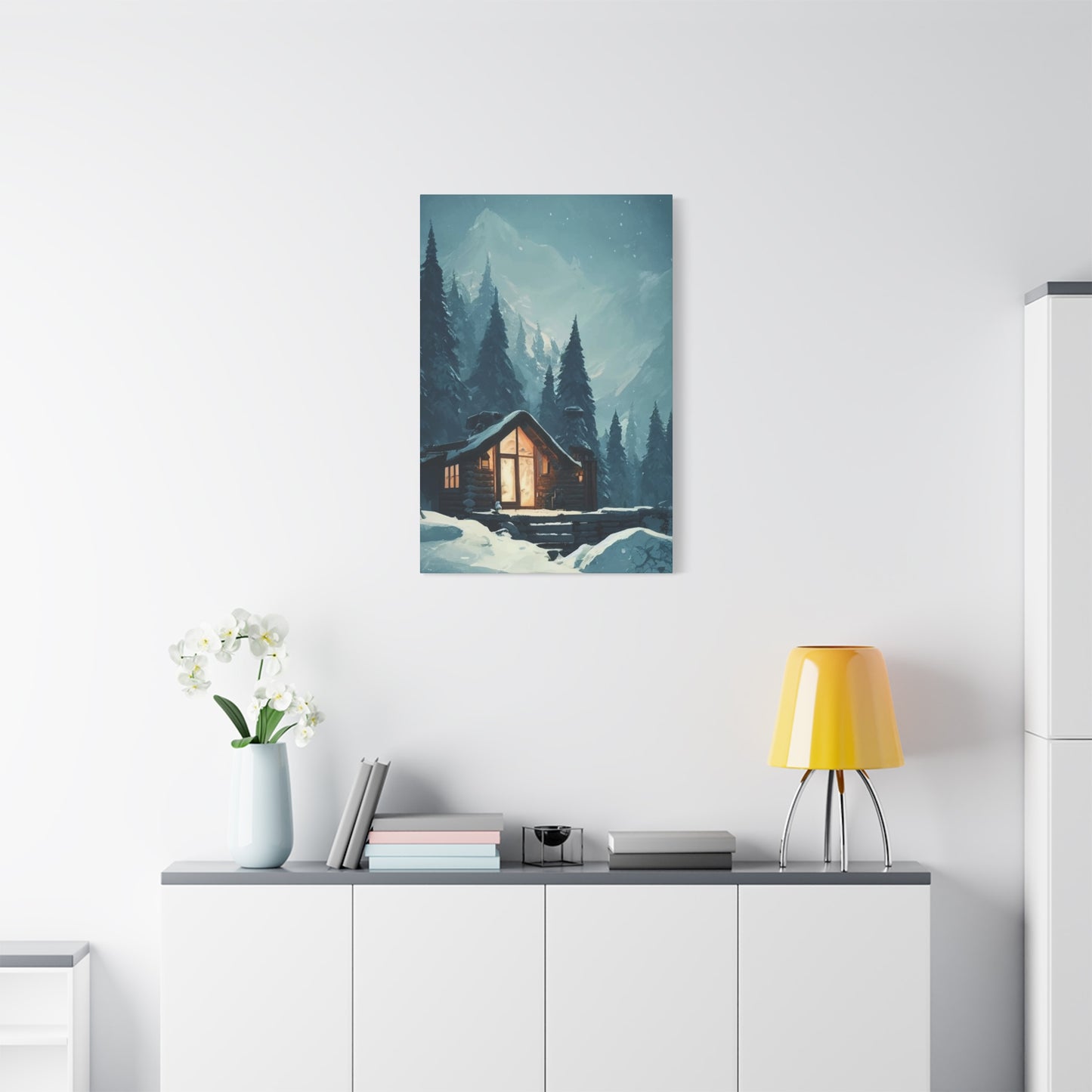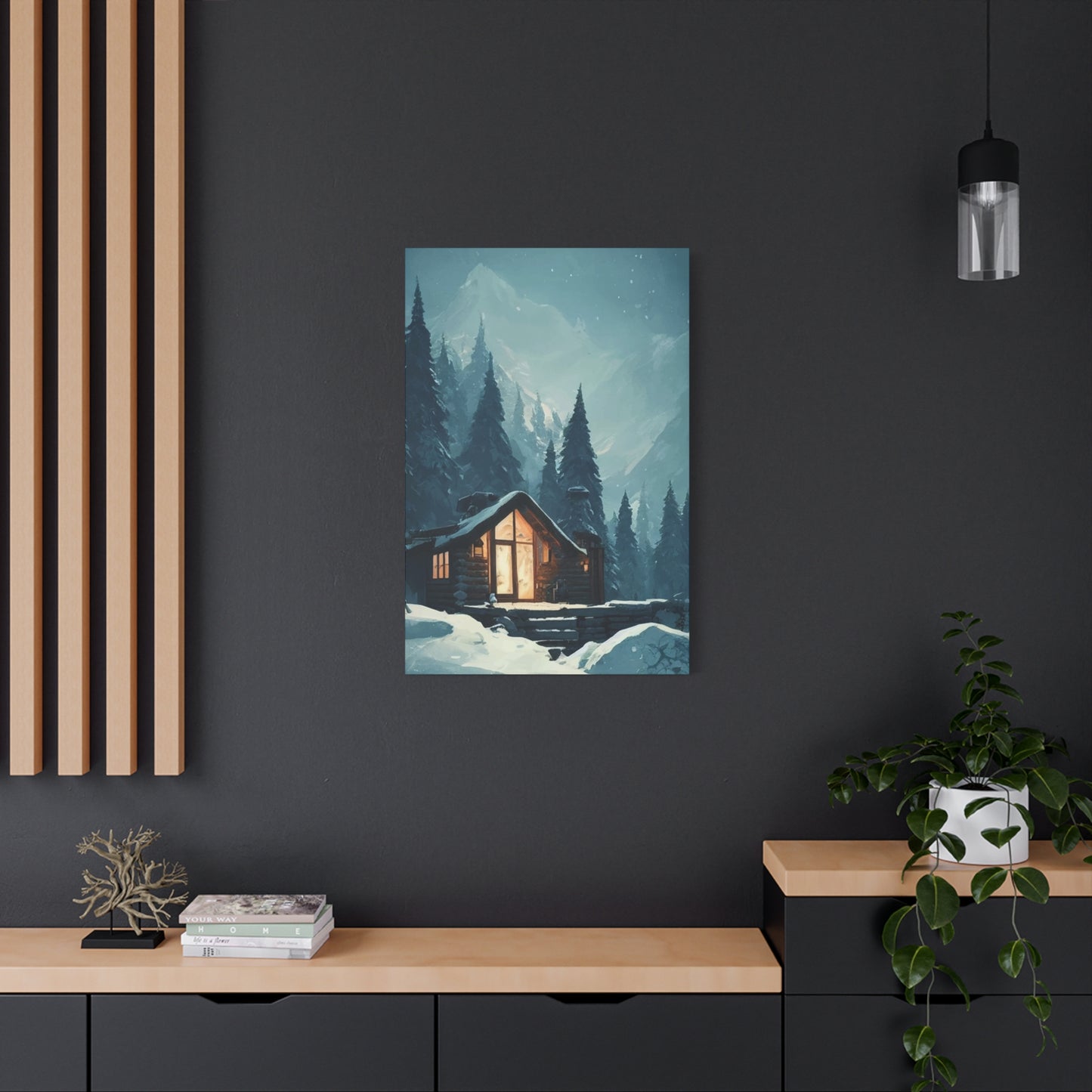


House in The Mountains Wall Art & Canvas Prints
House in The Mountains Wall Art & Canvas Prints
Couldn't load pickup availability
Bringing Alpine Serenity Home: House in The Mountains Wall Art for Your Living Space
The allure of mountain dwellings has captivated humanity for centuries, representing a perfect blend of architectural achievement and natural beauty. When we talk about House in The Mountains Wall Art, we're exploring more than just decorative pieces – we're examining visual narratives that transport viewers to elevated realms where human creativity meets untamed wilderness. This artistic genre encompasses everything from rustic cabins perched on cliffsides to modern chalets nestled among pine forests, each telling a unique story of human habitation in challenging yet breathtaking environments.
Why Mountain Dwelling Imagery Resonates With Contemporary Homeowners
There exists something profoundly magnetic about mountain architecture that transcends simple aesthetic appreciation. When individuals select House in The Mountains Wall Art for their living quarters, they're responding to deep-seated yearnings for tranquility, adventure, and connection with primordial landscapes. These visual compositions trigger neurological responses associated with calmness and contemplation, making them particularly valuable in our hyperconnected, urban-dominated world.
The visual language of alpine residences speaks to our ancestral memories of shelter, safety, and achievement. A well-composed piece depicting a stone cottage amid snow-dusted peaks or a contemporary structure cantilevered over a valley creates immediate emotional resonance. This phenomenon isn't merely decorative preference – it's rooted in our collective consciousness where mountains symbolize challenges overcome, perspectives gained, and sanctuaries discovered.
Research into environmental psychology reveals that exposure to natural scenery, even through artistic representation, can lower cortisol levels and reduce stress markers. When you incorporate House in The Mountains Wall Art into your environment, you're essentially creating visual portals to spaces that promote mental restoration. The presence of such imagery can transform ordinary rooms into contemplative sanctuaries where the chaos of daily existence feels momentarily suspended.
Exploring Various Artistic Interpretations of Alpine Architecture
The realm of mountain dwelling artwork encompasses an astonishing diversity of styles, mediums, and interpretive approaches. Traditional oil paintings might capture the romantic essence of a shepherd's hut during golden hour, with warm light spilling from small windows against an approaching storm. Watercolor renditions often emphasize the ephemeral quality of mountain weather, with mist-shrouded cabins appearing and disappearing like memories.
Contemporary photographers have revolutionized this genre through drone perspectives and long-exposure techniques that capture both architectural detail and celestial movement. A photograph of a illuminated chalet beneath star trails conveys both human warmth and cosmic vastness. These modern interpretations of House in The Mountains Wall Art appeal to viewers seeking something beyond conventional landscape representation.
Digital artists have introduced yet another dimension, creating surreal compositions where mountain homes defy gravitational expectations or blend seamlessly with geological formations. These imaginative works push boundaries, presenting dwellings that exist in dreamlike states – perhaps floating among clouds or carved entirely from living rock. Such pieces challenge our assumptions about what constitutes habitable space while maintaining the essential appeal of mountain living.
Minimalist interpretations reduce mountain homes to essential geometric forms – a simple triangle representing a roof, a square denoting walls, set against abstracted peaks. This reductive approach creates powerful visual statements that work particularly well in modern interiors where simplicity and clean lines dominate. The restraint in these compositions allows viewers' imaginations to fill in details, making each viewing experience uniquely personal.
Selecting Appropriate Dimensions for Maximum Visual Impact
Size considerations play a crucial role when choosing House in The Mountains Wall Art for specific spaces. An oversized canvas depicting a sprawling mountain estate might overwhelm a compact apartment living room, while a diminutive print could disappear on a vast, empty wall. Understanding spatial relationships and visual weight helps ensure your selected artwork enhances rather than conflicts with its environment.
For prominent focal walls – those first visible upon entering a room – consider substantial pieces measuring at least 40 by 60 inches. These commanding dimensions allow intricate details of mountain architecture to remain visible from across the room while creating an immersive quality that draws viewers into the scene. A large-format piece depicting a weathered stone refuge amid alpine meadows can effectively anchor an entire room's aesthetic direction.
Gallery wall arrangements offer flexibility for incorporating multiple mountain dwelling images in various sizes. This approach works beautifully when showcasing different seasons, architectural styles, or geographical regions. You might combine a panoramic vista of a Swiss chalet with closer studies of Norwegian stave churches and Himalayan monasteries, creating a curated collection that celebrates global mountain living traditions.
Smaller pieces measuring 16 by 20 inches or less function excellently as accent elements in hallways, powder rooms, or alongside larger furniture pieces. These intimate scales invite closer inspection, rewarding viewers who approach with subtle details that might include smoke curling from chimneys, wildflowers in window boxes, or the texture of hand-hewn timber. When selecting House in The Mountains Wall Art at this scale, ensure image quality remains crisp and details don't become muddy or indistinct.
Color Palette Considerations for Harmonious Interior Design
The chromatic qualities of mountain dwelling artwork significantly influence how pieces integrate with existing decor. Cool-toned images dominated by blues, grays, and whites evoke winter serenity and work splendidly in spaces designed for relaxation like bedrooms or reading nooks. These palette choices create atmospheric depth, suggesting misty mornings or twilight hours when mountains reveal their most mysterious qualities.
Warm-spectrum pieces featuring amber, russet, and golden hues inject energy and coziness into living areas and dining spaces. Autumn scenes showing mountain cabins surrounded by flame-colored aspens or summer images with sun-drenched wooden facades radiate welcoming warmth. Such House in The Mountains Wall Art selections complement interiors with natural wood elements, leather furnishings, and earth-toned textiles.
Monochromatic or duotone interpretations offer sophisticated alternatives for minimalist or contemporary spaces. Black and white photography of mountain architecture emphasizes form, texture, and composition without color distraction. These pieces often reveal structural details and craftsmanship that color might obscure – the weathered grain of exterior planking, the precise joinery of timber frames, or the sculptural quality of stone foundations.
Consider how natural and artificial lighting affects artwork appearance throughout the day. Pieces with significant tonal variation perform well in spaces with changing light conditions, revealing different aspects as illumination shifts. A canvas depicting a mountain home at dusk might appear completely different under morning sunlight versus evening lamplight, effectively providing multiple artworks within a single purchase.
Understanding Different Printing Methods and Material Choices
The substrate and reproduction method dramatically affect both the appearance and longevity of House in The Mountains Wall Art. Canvas prints remain perpetually popular due to their painterly quality and frameless presentation options. Gallery-wrapped canvases where the image continues around the stretcher bars create floating presentations that work particularly well with panoramic mountain scenes.
Metal prints represent a contemporary alternative that imparts stunning depth and luminosity to photographic images. The dye-sublimation process fuses inks directly into specially-coated aluminum, creating waterproof, scratch-resistant surfaces with remarkable color vibrancy. Mountain scenes featuring snow, water, or dramatic skies benefit tremendously from this medium's reflective properties, which add dimension and life to the imagery.
Acrylic face-mounting produces museum-quality presentations with exceptional clarity and color saturation. This process involves adhering prints to acrylic sheets, creating artwork with incredible depth and a contemporary aesthetic. Light passes through the acrylic, illuminating the image from within and creating an almost three-dimensional quality. House in The Mountains Wall Art rendered through this method commands attention and works beautifully in modern, well-lit spaces.
Fine art paper prints on archival substrates offer traditional appeal and unmatched detail reproduction. Textured papers can add tactile dimension to mountain dwelling imagery, with options ranging from smooth hot-press finishes to heavily textured watercolor papers. When properly framed behind UV-protective glass, these prints can last generations without fading or degradation, making them suitable for heirloom-quality collections.
Wood-mounted prints create rustic presentations perfectly suited to cabin-inspired or farmhouse aesthetics. The natural wood grain visible at edges complements mountain imagery organically, reinforcing connections between artwork subject and presentation material. Some artisans even use reclaimed barn wood or timber from mountain regions, adding layers of authenticity to the overall piece.
Placement Strategies for Different Rooms Throughout Your Home
Strategic positioning of House in The Mountains Wall Art maximizes both aesthetic impact and personal enjoyment. Living rooms benefit from substantial pieces positioned above sofas or fireplaces, creating focal points that establish room ambiance. Consider sightlines from various seating positions – artwork should be visible and appreciated from multiple vantage points rather than exclusively frontal viewing.
Bedroom placements should prioritize calming compositions and appropriate viewing angles. Positioning mountain dwelling artwork opposite the bed creates a serene first impression upon waking, while placement above headboards works when the imagery isn't overly stimulating or complex. Subtle dawn scenes or mist-shrouded cabins promote restfulness better than dramatic storm compositions or intensely saturated images.
Dining areas offer excellent opportunities for conversation-starting House in The Mountains Wall Art. Scenes depicting mountain lodges, alpine huts, or rustic retreats complement the communal nature of dining experiences. These spaces often benefit from series or diptych presentations that span longer wall sections without overwhelming the room's proportions.
Home offices and study spaces gain considerable character from thoughtfully selected mountain imagery. Views of remote cabins or solitary mountain dwellings can inspire focus and creativity while providing mental escape during intensive work sessions. Positioning artwork at eye level when seated ensures maximum engagement without requiring posture adjustment or distraction.
Hallways and transitional spaces frequently suffer from decorative neglect despite their considerable visual potential. Gallery-style arrangements of smaller mountain dwelling images transform these passages into curated experiences. Varying frame styles, sizes, and mat treatments while maintaining thematic consistency creates dynamic visual journeys between rooms.
Framing Options That Enhance Mountain Imagery Presentation
Frame selection profoundly influences how House in The Mountains Wall Art integrates with surrounding decor while protecting the artwork itself. Natural wood frames in weathered finishes complement rustic mountain imagery beautifully, creating cohesive presentations that reinforce the outdoor connection. Distressed barn wood, reclaimed timber, or knotty pine frames add authenticity and textural interest.
Sleek metal frames in black, silver, or bronze suit contemporary mountain photography and minimalist compositions. These clean-lined presentations allow imagery to dominate without competing embellishment. Floating frames that create space between artwork and frame create shadow-box effects that add dimensional interest to flat prints.
Wide mat borders provide breathing room around compositions, preventing visual crowding and directing focus to central imagery. Cream, off-white, or subtle gray mats work universally well, though adventurous designers might select mats that echo specific colors within the artwork – perhaps a mossy green pulled from alpine meadows or a slate blue matching distant peaks.
Double matting adds depth and sophistication to framed pieces, with inner mats often in contrasting colors or textures. This treatment works particularly well with smaller House in The Mountains Wall Art pieces, elevating their perceived importance and creating gallery-quality presentations suitable for formal spaces.
Shadow boxes accommodate three-dimensional elements that enhance mountain dwelling themes – perhaps including actual pine cones, pressed alpine flowers, or small pieces of stone arranged around the central image. These layered presentations transform simple prints into sculptural wall pieces with significant tactile appeal.
Seasonal Variations and Their Emotional Resonance
Mountain dwellings present dramatically different characters across seasons, offering collectors opportunities to rotate artwork or select pieces representing favorite times of year. Winter scenes of snow-buried cabins with smoke rising from chimneys evoke coziness, refuge, and the triumph of human warmth against harsh elements. These compositions resonate particularly during colder months, reinforcing seasonal experiences.
Spring imagery showing mountain homes emerging from snowmelt, surrounded by emerging wildflowers and rushing streams, symbolizes renewal and awakening. These pieces inject optimism and freshness into spaces, working wonderfully in areas associated with beginnings – entryways, home offices, or creative studios.
Summer representations featuring sun-drenched chalets amid verdant meadows or lakeside retreats radiate warmth and leisure. House in The Mountains Wall Art depicting peak-season mountain living appeals to those who associate these environments with vacation, recreation, and escape from routine obligations. Such pieces work beautifully in entertainment areas or spaces dedicated to relaxation.
Autumn compositions with mountain lodges surrounded by gilded aspen groves or russet-hued forests convey harvest richness and transitional beauty. The warm color palettes in these seasonal interpretations create inviting atmospheres ideal for gathering spaces where family and friends congregate.
Some collectors acquire seasonal sets, rotating displays throughout the year to maintain fresh perspectives and celebrate changing natural rhythms. This approach keeps wall decor dynamic and prevents visual fatigue that can occur when viewing identical imagery continuously.
Geographical Diversity in Mountain Dwelling Representation
The architectural character of mountain homes varies tremendously across global regions, each reflecting local materials, climatic conditions, and cultural traditions. Alpine chalets from Switzerland, Austria, and Bavaria feature distinctive wide eaves, decorative woodwork, and stone foundations designed for heavy snow loads. House in The Mountains Wall Art depicting these structures carries romantic associations with European mountain culture and centuries-old building traditions.
Scandinavian mountain architecture emphasizes clean lines, efficient design, and harmonious landscape relationships. Norwegian hyttes and Swedish fjällstugor often appear as modest, functional structures that defer to surrounding wilderness. Artwork featuring these northern dwellings appeals to minimalist sensibilities and those appreciating restraint and thoughtful design.
Rocky Mountain cabins from North American ranges embody frontier spirit and pioneering heritage. Log construction, stone chimneys, and rustic details characterize these structures, which often appear in artwork emphasizing rugged individualism and self-reliance. Such imagery resonates particularly with viewers valuing independence and connection to American wilderness traditions.
Himalayan architecture presents exotic alternatives, with stone and timber structures clinging impossibly to steep slopes, often incorporating spiritual elements like prayer flags or carved details. These dwellings represent human adaptation to extreme environments and cultural traditions deeply connected to mountain sacredness.
Japanese mountain architecture offers yet another aesthetic, with structures emphasizing natural materials, precise craftsmanship, and integration with seasonal changes. Artwork depicting these buildings often includes elements like paper screens, deep eaves, and carefully framed nature views that reflect philosophical approaches to dwelling.
Creating Thematic Collections Around Mountain Living
Curating a cohesive collection of House in The Mountains Wall Art adds narrative depth and personal meaning to decor. One approach focuses on architectural evolution, showing mountain dwellings from different eras – perhaps beginning with primitive stone huts, progressing through traditional timber construction, and culminating in contemporary glass-and-steel structures. This chronological arrangement tells stories about human innovation and changing relationships with mountain environments.
Regional collections celebrate specific mountain ranges or geographical areas. A devoted admirer of the Alps might assemble images representing Swiss, French, Austrian, and Italian alpine architecture, exploring how different cultures inhabit similar environments. This geographical focus creates opportunities for deeper appreciation and learning about specific places.
Seasonal narratives follow particular structures through changing conditions. Imagine a four-piece series showing the identical cabin across winter, spring, summer, and autumn. This approach highlights transient beauty and natural cycles while maintaining visual continuity through recurring architectural elements.
Stylistic collections explore how different artists interpret similar subjects. Comparing photographic realism, impressionistic painting, minimalist illustration, and abstract interpretation of mountain dwellings reveals the incredible range within this genre. Such collections demonstrate how artistic vision transforms subject matter, offering viewers multiple entry points for engagement.
Mood-based curation selects pieces based on emotional qualities rather than visual similarities. A collection might include dramatic storm-threatened lodges, serene dawn cabins, festive holiday chalets, and abandoned ruins – each evoking distinct feelings while maintaining the unifying mountain dwelling theme.
Lighting Considerations for Artwork Display Excellence
Proper illumination transforms good House in The Mountains Wall Art into stunning focal points while protecting pieces from damage. Natural light offers beautiful, changing illumination but requires careful management to prevent fading and degradation. Position artwork away from direct sunlight, or utilize UV-filtering window treatments that preserve incoming light quality while blocking harmful wavelengths.
Picture lights mounted directly above frames provide focused illumination that enhances detail and creates gallery-quality presentations. LED picture lights offer energy efficiency and minimal heat production, crucial for protecting delicate prints and canvases. Adjustable beam angles allow precise light direction, highlighting specific composition areas or creating dramatic shadow effects.
Track lighting systems offer flexibility for illuminating multiple pieces or gallery walls. Directional heads can be individually aimed and adjusted as collections change or artwork gets rearranged. Dimming capabilities allow mood adjustment, transitioning from bright examination light to subtle ambient glow.
Recessed ceiling spots create clean, architectural presentations when properly positioned. Calculate angles carefully to avoid glare on glass-covered artwork or uneven illumination that leaves portions in shadow. Generally, position lights approximately 30 degrees from the wall surface for even coverage without hotspots.
Ambient room lighting affects artwork appearance significantly. Consider how pieces look under various conditions – bright daylight, evening lamplight, and nighttime illumination. House in The Mountains Wall Art with good tonal range and contrast remains visually engaging across lighting conditions, while pieces dependent on subtle gradations might require consistent, controlled lighting.
Commissioning Custom Mountain Dwelling Artwork
For those seeking truly unique pieces, commissioning custom House in The Mountains Wall Art offers complete creative control. Begin by identifying preferred artistic mediums – oil painting, watercolor, photography, digital illustration, or mixed media. Each medium offers distinct aesthetic qualities and requires different artist expertise.
Research artists whose existing portfolios demonstrate competence with mountain landscapes and architectural subjects. Review technique quality, compositional skill, and whether their stylistic approach aligns with your vision. Many artists maintain online portfolios showcasing range and capability across different subjects and conditions.
Provide reference materials clearly communicating your vision. This might include photographs of favorite mountain locations, architectural styles that appeal to you, preferred color palettes, and examples of compositions you admire. The more detailed your communication, the better artists can deliver pieces meeting your expectations.
Discuss practical considerations including dimensions, materials, timeframes, and budget parameters upfront. Custom artwork involves significant time investment from artists, and pricing reflects skill, experience, materials, and creation complexity. Understanding these factors prevents misunderstandings and ensures satisfactory transactions.
Consider commissioning pieces depicting personally meaningful locations – perhaps a family cabin, favorite hiking destination, or childhood mountain home. These personalized works carry emotional resonance impossible to achieve with mass-produced imagery, becoming treasured heirlooms passed through generations.
Incorporating Mountain Dwelling Art Into Various Design Styles
Rustic or farmhouse aesthetics naturally embrace House in The Mountains Wall Art, particularly pieces emphasizing weathered wood, stone construction, and traditional architectural forms. Pair such artwork with reclaimed wood furniture, wrought iron accents, and natural fiber textiles to create cohesive, organic environments that celebrate material authenticity.
Modern interiors benefit from mountain dwelling imagery presented through contemporary lenses – clean-lined photography, minimalist illustrations, or abstract interpretations. Select pieces emphasizing geometric architectural forms, dramatic angles, or simplified color palettes that complement modern design principles of simplicity and intentionality.
Scandinavian design's emphasis on natural light, functional beauty, and connection to nature makes it ideal for mountain dwelling artwork. Choose pieces featuring Nordic architecture or compositions emphasizing negative space, subtle color variations, and serene atmospheres that align with hygge concepts of coziness and contentment.
Industrial spaces gain warmth and humanity through mountain imagery contrasting with exposed brick, metal fixtures, and concrete surfaces. The organic, natural qualities of House in The Mountains Wall Art soften industrial hardness while the architectural subject matter maintains appropriate structural focus.
Eclectic interiors accommodate mountain dwelling artwork easily, particularly when selecting pieces that bridge multiple stylistic elements. A vintage photograph in an ornate frame might sit beside contemporary metal prints and folk art interpretations, unified by the mountain dwelling theme while celebrating diverse artistic approaches.
Caring for and Preserving Your Mountain Art Collection
Proper maintenance ensures House in The Mountains Wall Art remains beautiful for decades. Dust accumulation dulls surfaces and can scratch delicate finishes if wiped improperly. Use soft, dry microfiber cloths for gentle cleaning, working from top to bottom with light pressure. Never spray cleaning solutions directly onto artwork; instead, lightly dampen cloths when necessary.
Canvas prints benefit from occasional professional cleaning, particularly in kitchens or high-traffic areas where airborne particles accumulate. Avoid touching canvas surfaces with bare hands, as skin oils transfer and can attract dirt or cause discoloration over time. Handle framed pieces by edges or frames rather than contacting printed surfaces.
Monitor environmental conditions affecting artwork longevity. Excessive humidity promotes mold growth and paper degradation, while overly dry conditions cause paper to become brittle and canvases to crack. Maintain relative humidity between 40-50% for optimal preservation. Avoid displaying artwork near heating vents, radiators, or air conditioning units that create localized extreme conditions.
Inspect pieces periodically for deterioration signs including fading, discoloration, loose mounting, or frame damage. Address issues promptly to prevent minor problems from becoming major conservation challenges. Professional conservators can repair damaged pieces, though prevention through proper display and care proves far more cost-effective.
When relocating or storing artwork, protect pieces with acid-free tissue paper and sturdy packaging materials. Never stack unframed pieces directly atop one another; instead, interleave with protective materials. Store framed works vertically rather than horizontally to prevent pressure damage, and maintain stable temperature and humidity in storage areas.
Budget-Friendly Approaches to Building Your Collection
Building an impressive collection of House in The Mountains Wall Art needn't require substantial financial investment. Print-on-demand services offer quality reproductions of public domain and licensed imagery at accessible prices. While these lack original artwork uniqueness, they provide affordable ways to experiment with different styles, sizes, and compositions before committing to expensive pieces.
Estate sales, antique markets, and thrift stores occasionally yield remarkable discoveries – vintage mountain photography, original paintings, or interesting architectural prints at fraction-of-retail prices. These hunting expeditions add adventure to collecting while potentially uncovering pieces with genuine history and character that mass-produced items cannot match.
Emerging artists often offer original works at reasonable prices while building reputations and portfolios. Online platforms connecting artists directly with buyers eliminate gallery markups, benefiting both creators and collectors. Supporting developing talent provides satisfaction beyond mere acquisition while potentially acquiring pieces that appreciate as artists gain recognition.
DIY approaches allow creative individuals to produce personal House in The Mountains Wall Art. Frame quality photographs from mountain trips, create digital compositions from multiple images, or try hand at painting or drawing mountain dwellings. These self-created pieces carry unique personal meaning regardless of technical proficiency.
Print swapping communities and art lending libraries offer rotation opportunities, allowing frequent decor refreshment without continuous purchasing. This approach particularly suits those who enjoy variety and regular aesthetic changes in their living environments.
The Intersection of Mountain Dwelling Art and Wellness
Beyond aesthetic appeal, House in The Mountains Wall Art contributes meaningfully to personal wellbeing through biophilic design principles. Biophilia describes humans' innate tendency to seek connections with nature and living systems. Visual representations of natural environments, even through artistic mediation, activate these deep-seated inclinations, producing measurable wellness benefits.
Cognitive restoration theory explains how nature imagery helps replenish depleted attentional capacities. Modern life bombards us with stimuli demanding directed attention – notifications, traffic, conversations, work tasks. This constant demand causes mental fatigue. Mountain dwelling imagery, particularly serene compositions, engages involuntary attention – our inherent interest in natural settings – allowing directed attention systems to rest and recover.
Stress reduction through nature exposure, termed the psychophysiological stress recovery theory, applies to artistic representations as well as direct experiences. Studies measuring physiological markers like heart rate, blood pressure, and muscle tension demonstrate that viewing nature scenes produces relaxation responses. Incorporating House in The Mountains Wall Art into frequently occupied spaces creates regular opportunities for these beneficial responses.
The concept of prospect-refuge theory from environmental psychology suggests humans prefer environments offering both open views (prospect) and protected enclosures (refuge). Mountain dwelling imagery naturally incorporates both elements – the structure provides refuge while mountain vistas offer prospect. This duality subconsciously satisfies ancient survival instincts while creating aesthetically pleasing compositions.
Attention restoration happens most effectively with imagery containing particular qualities: being away (sense of escape), extent (sufficient richness to engage mind), fascination (inherently interesting elements), and compatibility (matching personal preferences). Mountain dwelling scenes naturally possess these qualities, explaining their widespread appeal and restorative potential.
Pairing Mountain Art With Complementary Decor Elements
Creating cohesive environments around House in The Mountains Wall Art involves thoughtfully selecting supporting decor elements. Natural materials echo artwork themes – consider wood coffee tables, stone accent walls, leather seating, wool throws, and linen curtains. These tactile elements reinforce connections between visual art and physical environment, creating multisensory mountain-inspired atmospheres.
Color coordination needn't be literal matching but rather harmonious conversation between artwork and surroundings. Pull accent colors from paintings or prints to inform pillow selections, throw blankets, or decorative objects. Perhaps the deep green of alpine forests appears in velvet cushions, or the warm glow of cabin lights inspires amber glass vessels.
Botanical elements bridge mountain artwork and living spaces beautifully. While actual alpine plants may prove challenging to cultivate indoors, alternatives like succulents, air plants, or preserved mosses in terrariums evoke mountain flora. Larger spaces might accommodate small evergreen trees or arrangements of branches and pine cones reinforcing woodland connections.
Lighting fixtures can reinforce mountain aesthetic themes. Lantern-style pendants, Edison bulb fixtures with exposed elements, or wrought iron chandeliers complement rustic mountain imagery, while sleek linear fixtures suit contemporary mountain dwelling photography. Consider how fixture designs dialogue with architectural elements depicted in artwork.
Textile patterns might incorporate mountain-related motifs – subtle geometric designs suggesting traditional knit patterns, plaid reminiscent of frontier heritage, or organic textures echoing stone and wood. These patterns create visual connections without overwhelming spaces or competing with focal artwork.
Understanding the Market for Mountain Dwelling Artwork
The market for House in The Mountains Wall Art encompasses everything from affordable prints to museum-quality originals, each serving different collector needs and budgets. Mass-produced prints from major retailers offer accessibility and style variety at entry-level prices, typically ranging from twenty to several hundred dollars depending on size and finishing options.
Limited edition prints by recognized photographers or illustrators occupy middle market tiers. These pieces, often signed and numbered by creators, offer greater exclusivity than unlimited reproductions while remaining more accessible than unique originals. Prices typically range from several hundred to several thousand dollars based on edition size, artist reputation, and print quality.
Original paintings, particularly by established artists, represent significant investments often reaching five figures or more. These unique works appeal to serious collectors valuing artistic heritage, investment potential, and the irreplaceable nature of one-of-a-kind creations. Provenance, exhibition history, and critical recognition significantly influence pricing in this tier.
Vintage photography occupies a specialized niche, with historical mountain dwelling images from nineteenth and early twentieth centuries commanding premium prices. Collectors prize these pieces for documentary value, historical significance, and aesthetic qualities distinct from contemporary work. Authenticity verification and condition assessment require expert knowledge in this collecting area.
Contemporary art fairs, gallery exhibitions, and online marketplaces provide various acquisition channels, each with distinct advantages. Galleries offer expertise, provenance assurance, and often artist access, while online platforms provide selection breadth and competitive pricing. Understanding these marketplace dynamics helps collectors make informed purchasing decisions aligned with their goals and resources.
The Role of Mountain Imagery in Workspace Environments
Corporate and professional settings increasingly recognize benefits of incorporating House in The Mountains Wall Art into workplace design. Reception areas particularly benefit from impactful mountain dwelling imagery that communicates values like stability, aspiration, and natural connection while creating memorable first impressions for clients and visitors.
Conference rooms gain character and conversation starters through carefully selected pieces. Mountain imagery can subtly reinforce organizational values – perhaps pioneering spirit, sustainability commitment, or appreciation for craftsmanship and quality. Large-format pieces work particularly well in these spaces, creating focal points during meetings without competing for attention during active discussions.
Private offices allow more personalized selections reflecting individual preferences and working styles. Some professionals prefer energizing dramatic mountain scenes, while others choose calming, contemplative compositions. The right House in The Mountains Wall Art in personal workspace contributes to productivity, creativity, and overall job satisfaction.
Collaborative areas and break rooms benefit from engaging imagery that facilitates mental breaks and informal interactions. Mountain dwelling scenes provide conversation topics while offering visual respite from screen-dominated work. These spaces allow more adventurous or whimsical selections than formal areas, potentially including illustrated or stylized interpretations alongside realistic representations.
Healthcare facilities increasingly incorporate nature imagery for proven patient outcome benefits. Mountain scenes specifically offer symbolic associations with healing journeys, elevated perspectives, and reaching summits – metaphors resonating with recovery processes. Waiting areas, patient rooms, and treatment spaces all benefit from thoughtfully selected calming mountain dwelling compositions.
Digital Displays and Rotating Mountain Art Collections
Smart display frames and digital canvases enable artwork rotation without physical storage challenges. These devices showcase curated collections of House in The Mountains Wall Art, programmed to change periodically – perhaps displaying different seasonal images throughout the year or rotating through various architectural styles weekly.
Subscription services provide regularly updated content libraries, exposing users to diverse artists and compositions without individual piece purchasing. This approach suits those valuing variety and discovery over permanent collection building. Many services curate thematic collections aligned with seasons, holidays, or design trends.
Screen-based displays suit rental properties or temporary living situations where wall mounting proves impractical. Digital frames offer flexibility for frequent movers while still providing quality imagery comparable to physical prints. Anti-glare screens and color-accurate displays ensure visual quality approaching traditional presentations.
Creating personal digital collections from photography archives or commissioned digital artwork allows completely customized displays. Organize images by mood, season, color palette, or any preferred categorization scheme. Program displays to align with daily rhythms – perhaps showing energizing imagery during morning hours and calming compositions during evenings.
Consider display quality carefully when selecting digital options. Screen resolution, color accuracy, brightness levels, and viewing angles significantly impact artwork presentation. Premium digital canvases increasingly rival print quality, though budget options may display artifacts, color shifts, or glossy reflections that diminish viewing experiences.
Teaching Children Appreciation for Mountain Dwelling Art
Introducing young people to House in The Mountains Wall Art cultivates aesthetic appreciation while teaching broader lessons about architecture, geography, and human relationships with natural environments. Begin with accessible, engaging pieces featuring clear subjects and vibrant colors that capture attention and imagination.
Encourage active observation through guided questions: What materials built this structure? What season does this show? How might living here differ from our home? What sounds might you hear? These prompts develop visual literacy skills while making artwork interactive rather than merely decorative.
Connect artwork to broader learning across multiple subjects. Mountain geography lessons gain tangibility when paired with dwelling imagery from discussed regions. Architectural principles become concrete when examining how structures resist snow loads or utilize local materials. Cultural studies deepen when exploring how different societies adapt to mountain living.
Creative response activities transform passive viewing into active engagement. Children might draw their own mountain dwellings, write stories about artwork inhabitants, or create three-dimensional models inspired by compositions. These activities reinforce observation while developing creative thinking and artistic skills.
Visiting galleries, museums, or artist studios where mountain artwork displays provides immersive experiences beyond home viewing. Meeting artists and learning about creative processes demystifies artistic production while building appreciation for skill and vision required to create compelling works.
The Symbolism and Deeper Meanings in Mountain Dwelling Art
Beyond surface beauty, House in The Mountains Wall Art carries rich symbolic associations resonating across cultures and individuals. Mountains themselves symbolize challenges, aspirations, and transcendence – dwelling among them represents achievement, courage, and choosing alternative lifestyles apart from mainstream convenience.
Solitary mountain structures evoke themes of independence, self-sufficiency, and contemplative withdrawal from societal demands. Artwork depicting isolated cabins might appeal to viewers fantasizing about escaping complexity or those valuing privacy and self-reliance. These pieces speak to universal desires for autonomy and simplified living.
Communal mountain villages represented in broader scenes suggest themes of cooperation, shared resources, and sustainable living within environmental constraints. These compositions resonate with viewers valuing community, tradition, and collective approaches to challenges. The interdependence visible in clustered mountain dwellings offers counterpoint to isolated cabin imagery.
Architectural resilience demonstrated by structures weathering harsh conditions symbolizes human persistence, adaptability, and ingenuity. Artwork showing buildings centuries old or surviving extreme weather carries messages about endurance, quality craftsmanship, and building for longevity rather than obsolescence – themes particularly resonant amid contemporary disposability.
Seasonal representations carry temporal symbolism – winter images suggesting endurance and dormancy, spring showing renewal, summer indicating abundance, autumn implying harvest and preparation. Selecting House in The Mountains Wall Art depicting particular seasons might unconsciously express personal life phases or desired emotional states.
Augmented Reality and Emerging Presentation Methods
Emerging technologies create novel ways to experience House in The Mountains Wall Art through augmented reality applications. Point smartphones or tablets at walls to visualize how different pieces might appear before purchasing, eliminating guesswork from size and style decisions. This virtual placement capability reduces returns while increasing confidence in selections.
Some artists create layered AR content activated by viewing physical prints through compatible applications. Animated elements might include smoke rising from chimneys, changing weather conditions, or shifting light qualities, transforming static images into dynamic experiences. These hybrid physical-digital presentations appeal to collectors seeking innovation and interactivity.
Virtual gallery experiences allow exploring curated mountain dwelling art collections from anywhere globally. Navigate three-dimensional exhibition spaces, examine pieces from multiple angles, and access detailed information about works, artists, and subjects. These platforms democratize access to artwork regardless of geographical location or physical mobility.
Projection mapping techniques transform entire rooms into immersive mountain environments, with dwelling imagery covering walls, ceilings, and even floors. While currently niche, these installations demonstrate future possibilities for experiencing architectural and landscape art at environmental scales impossible with traditional framing.
NFT digital art ownership introduces unique considerations for House in The Mountains Wall Art collectors. Blockchain verification ensures provenance and authenticity for digital works while enabling artist royalties on secondary sales. This emerging market segment attracts collectors valuing digital native art and innovative ownership models.
Matching Mountain Art to Specific Architectural Styles
Colonial or traditional home architecture benefits from classic mountain dwelling artwork – perhaps nineteenth-century alpine paintings or vintage mountain photography. These selections respect historical architectural character while introducing natural elements often absent from formal traditional interiors.
Contemporary architecture with clean lines and minimal ornamentation pairs beautifully with abstract or minimalist mountain dwelling interpretations. Select pieces emphasizing geometric forms, limited color palettes, and sophisticated compositions that complement rather than contrast architectural restraint.
Craftsman-style homes with exposed beams, built-in cabinetry, and emphasis on natural materials naturally embrace rustic House in The Mountains Wall Art. Artwork depicting handcrafted mountain structures echoes craftsman philosophy valuing quality materials and visible construction techniques.
Mid-century modern spaces benefit from vintage mountain photography or illustrations from corresponding eras. The optimistic, exploratory spirit of mid-century design aligns well with imagery celebrating mountain recreation, national parks, and outdoor adventure from that period.
Mediterranean or Spanish-influenced architecture might seem incompatible with mountain themes, yet opportunities exist through geographical specificity. Artwork depicting Pyrenees refuges, Sierra Nevada cortijos, or other Mediterranean mountain dwellings creates cohesive connections between architectural style and artwork subject matter.
Creating Narrative Sequences Through Multiple Pieces
Diptych and triptych presentations allow expanded storytelling impossible in single images. A three-panel sequence might show morning, midday, and evening at the same mountain dwelling, creating temporal narrative through changing light and atmosphere. These multi-part compositions work beautifully spanning larger wall sections while maintaining cohesive stories.
Journey narratives can be constructed through sequential pieces showing approach to mountain destinations – perhaps beginning with distant views of peaks, progressing through ascending trails, and culminating with arrival at alpine refuge. This progression creates experiential quality, inviting viewers to imaginatively travel through compositions.
Comparative sequences place contrasting elements in dialogue – traditional versus contemporary structures, different geographical regions, or varying seasons at identical locations. These juxtapositions encourage viewers to consider differences and similarities, deepening engagement beyond simple aesthetic appreciation of House in The Mountains Wall Art.
Conclusion
Incorporating House in the Mountains wall art into your living space offers more than just an aesthetic enhancement—it's an invitation to experience the calming beauty and serene energy of the mountains from the comfort of your own home. As we've explored, the mountain landscape has a unique power to evoke feelings of tranquility, peace, and reflection, making it the perfect subject for home décor that fosters a sense of calm and connection to nature.
Whether you choose to hang a stunning panoramic mountain view, a minimalist silhouette of a cabin surrounded by towering peaks, or a detailed painting capturing the ever-changing moods of the alpine wilderness, the right piece of art can completely transform the ambiance of your living room, bedroom, or even office. These works not only serve as a visual escape but also help to cultivate a mood of relaxation, grounding you in the present moment and reminding you of nature’s timeless beauty. The mountains, with their majestic, enduring presence, become a subtle yet profound part of your daily environment.
Choosing House in the Mountains wall art also reflects a lifestyle choice—a yearning for quiet, solitude, and connection to a simpler, more sustainable way of life. For many, this kind of artwork symbolizes a longing for the slower rhythms of rural living or an appreciation for the untouched natural world. It becomes a gentle reminder of the importance of balancing modern life with moments of stillness, as well as the value of spending time in nature to recharge and gain perspective.
Furthermore, this kind of wall art fits effortlessly into a wide range of interior styles. From rustic farmhouse and cabin-inspired décor to modern minimalism and even bohemian or Scandinavian interiors, the mountain motif is versatile enough to complement virtually any space. The earthy tones of the mountains, the soft, misty hues of the sky, and the soothing presence of a house nestled against the backdrop of vast peaks can match a variety of color palettes, from muted neutrals to bold, contrasting tones. Whether the artwork is large and dramatic, or a smaller, more intimate piece, it has the power to anchor a room and serve as a focal point for conversation and contemplation.
Additionally, the variety of mediums available—from prints and canvases to framed photography or hand-painted pieces—ensures that there is an option for every taste and budget. Customizable framing options allow you to tailor the piece even further to your space, ensuring that it complements the surrounding décor while still standing out as a key feature of the room. As art trends evolve, the enduring appeal of nature-inspired themes ensures that a House in the Mountains piece remains timeless, offering both aesthetic enjoyment and emotional comfort for years to come.
In conclusion, bringing House in the Mountains wall art into your home is more than just a design decision—it's an opportunity to connect with nature, evoke serenity, and create a sanctuary within your living space. Whether you seek peace in a bustling world, a sense of adventure, or simply the quiet beauty of the alpine landscape, this type of artwork will continue to inspire and soothe. The mountains stand as a testament to the timeless beauty and stillness of nature, making them the perfect reminder that sometimes, the greatest joys are found in simplicity.
Share