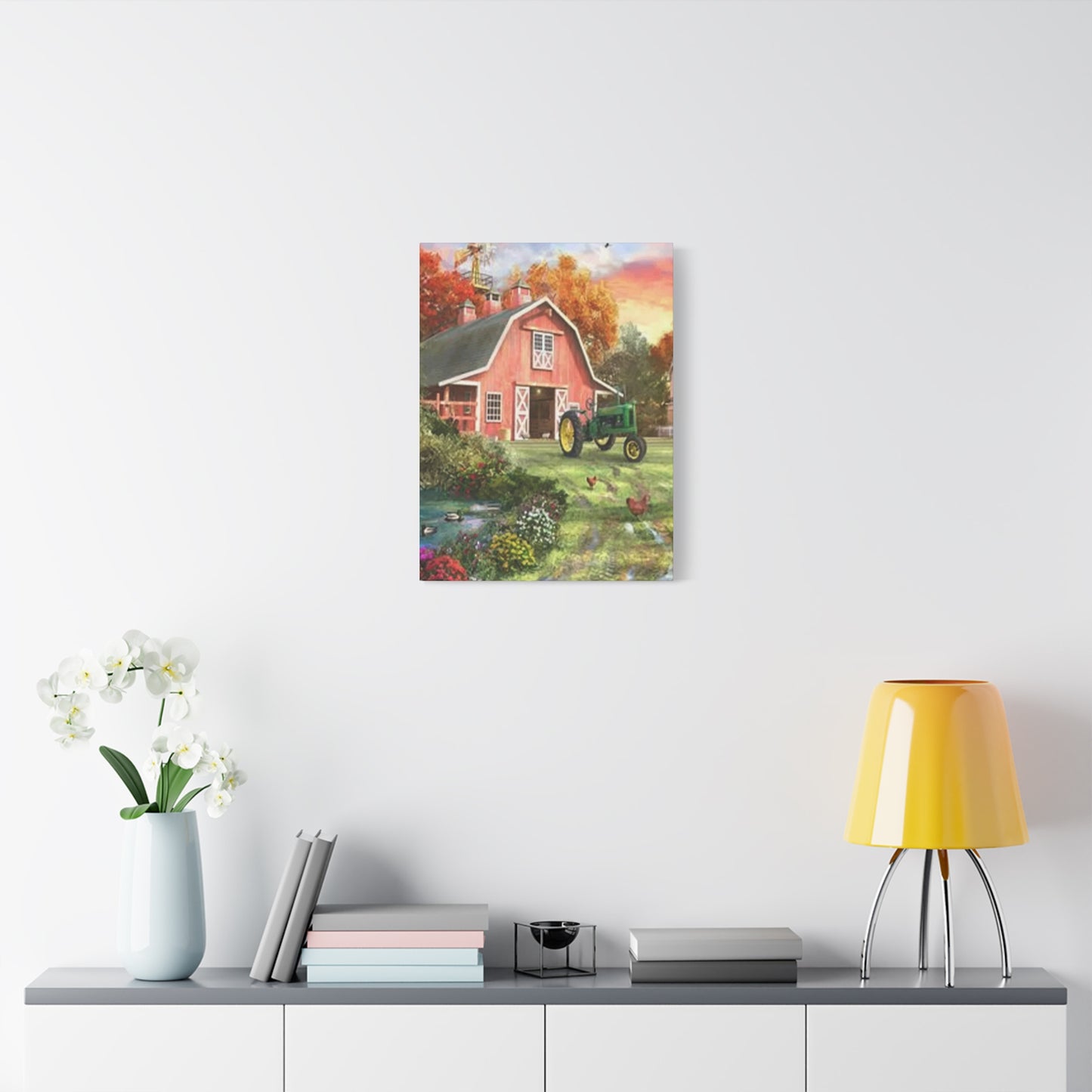
House in Barns Wall Art & Canvas Prints
House in Barns Wall Art & Canvas Prints
Couldn't load pickup availability
Stunning House in Barns Wall Art: Discover the Rustic Charm and Timeless Appeal of Countryside Canvas Prints for Your Living Space
The world of interior decoration has witnessed an extraordinary surge in the popularity of rustic countryside imagery, particularly those featuring charming rural structures nestled within pastoral landscapes. Among the most sought-after pieces are those depicting idyllic dwellings surrounded by weathered wooden structures, evoking a sense of nostalgia and tranquility that resonates deeply with homeowners seeking to infuse their spaces with warmth and character.
House in barns wall art represents a unique genre of decorative pieces that captures the essence of agrarian life, combining architectural elements with natural beauty in ways that speak to our collective longing for simpler times. These artistic renderings, whether photographic prints, painted canvases, or mixed-media creations, offer viewers a window into a world where time seems to move more slowly, where the connection between human habitation and the land remains strong and visible.
The aesthetic appeal of such artwork lies in its ability to transport observers to serene rural settings, where the harmonious coexistence of residential structures and utilitarian farm buildings creates a visual narrative rich with stories of hard work, family heritage, and enduring values. This particular style of decorative art has transcended mere trendiness to become a staple in homes ranging from contemporary urban apartments to sprawling country estates, proving its versatility and timeless relevance.
Why Rural Dwelling Imagery in Weathered Wooden Structure Settings Captures Hearts and Transforms Interior Spaces
The magnetic pull of imagery featuring residential buildings amid agricultural structures stems from multiple psychological and aesthetic factors that work in concert to create powerful emotional responses. These pieces tap into fundamental human desires for connection, stability, and rootedness in an increasingly fast-paced and digitized world.
At the core of this appeal lies the concept of sanctuary. When individuals observe these scenes, they unconsciously associate the depicted spaces with safety, warmth, and belonging. The combination of a dwelling place surrounded by functional farm buildings suggests self-sufficiency, community, and a life lived in harmony with natural cycles. This resonates particularly strongly in modern society, where many people feel disconnected from the sources of their food, the changing seasons, and the tangible results of physical labor.
The visual composition of such artwork typically features a pleasing balance between human-made structures and natural elements. Weathered wood, aged metal roofing, stone foundations, and other materials that show the patina of time create textural interest that engages viewers on multiple levels. These surfaces tell stories through their imperfections, their faded paint, their warped boards, and their moss-covered stones, each detail suggesting decades or even centuries of withstanding the elements.
Color palettes in these pieces tend toward earth tones, muted reds, soft grays, and warm browns, all of which create calming atmospheres when displayed in living spaces. These hues complement a wide range of existing decor schemes without overwhelming other design elements. The organic color relationships found in such imagery mirror those found in nature itself, contributing to the inherently soothing quality of these works.
Furthermore, the architectural forms present in rural dwelling and agricultural structure combinations offer geometric interest without resorting to harsh modernist lines or cold industrial aesthetics. The pitched roofs, vertical siding, horizontal beams, and sturdy foundations present in these buildings create visual rhythms that the human eye finds inherently pleasing. These shapes evoke notions of shelter, stability, and permanence that resonate deeply with our instinctive needs for security.
The seasonal variations possible in depicting these scenes add another layer of appeal. A dwelling surrounded by farm structures covered in fresh snow presents an entirely different emotional landscape than the same scene bathed in golden autumn light or surrounded by vibrant spring greenery. This versatility allows collectors to select pieces that align with their personal preferences regarding seasonal aesthetics or to rotate different versions throughout the year.
Exploring the Various Styles and Artistic Interpretations of Countryside Residential and Agricultural Structure Compositions
The realm of rustic dwelling and farm structure imagery encompasses an impressive diversity of artistic approaches, each offering distinct visual qualities and emotional resonances. Understanding these variations helps collectors and decorators select pieces that align most closely with their aesthetic preferences and the atmospheres they wish to create in their spaces.
Photographic realism stands as one of the most popular approaches to capturing these scenes. High-resolution photography allows for incredible detail, from individual wood grain patterns on weathered siding to the precise play of light and shadow across complex architectural forms. These pieces often emphasize dramatic lighting conditions, such as the golden hour glow that bathes structures in warm amber tones, or the moody atmosphere of approaching storms that lend gravitas and drama to otherwise peaceful scenes.
Impressionistic paintings offer a softer, more dreamlike interpretation of rural dwelling and agricultural structure combinations. These works prioritize emotional impact over precise detail, using visible brushstrokes, color bleeding, and strategic blurring to create pieces that feel more like memories than documentary records. The impressionistic approach excels at capturing the feeling of a place, the quality of light at particular times of day, and the overall ambiance of rural life without becoming overly literal or sentimental.
Watercolor renderings bring a delicate, ethereal quality to these subjects. The translucent nature of watercolor pigments allows for subtle color transitions and luminous effects that can make depicted structures appear to glow from within. This medium particularly excels at capturing atmospheric conditions, such as morning mist rising from fields, soft rainfall obscuring distant structures, or the hazy quality of hot summer afternoons. The inherent unpredictability of watercolor techniques also introduces organic variations and happy accidents that contribute to the sense of authenticity and handmade quality.
Oil paintings of rustic dwellings and farm structures often exhibit rich color saturation and textural depth that other media cannot match. The thick application of paint, visible brushwork, and ability to build up layers create physical dimensionality on the canvas surface. These works frequently display bold use of color, dramatic contrast between light and dark areas, and a sense of weight and permanence that mirrors the enduring nature of the structures they depict.
Digital art has emerged as a contemporary approach to these traditional subjects, offering artists unprecedented control over every aspect of composition, lighting, and atmosphere. Digital tools allow for the creation of hyper-realistic scenes that may combine elements from multiple reference sources, or conversely, highly stylized interpretations that push boundaries of color, proportion, and spatial relationships. The reproducibility of digital works also makes them more accessible to broader audiences while maintaining high visual quality.
Mixed media pieces that combine photography with painting, collage elements with printed components, or traditional art materials with modern printing methods represent another growing category. These hybrid works offer unique textural qualities and visual interest that cannot be achieved through single-medium approaches. They might feature photographic bases with painted enhancements, printed images mounted on weathered wood backgrounds, or collaged papers creating dimensional effects.
Black and white or sepia-toned images of rural dwellings and agricultural structures tap into nostalgia particularly effectively. By removing color from the equation, these pieces emphasize form, texture, light, and composition while also creating associations with historical photography. They evoke feelings of connection to the past, suggesting that the depicted scenes might have looked similar decades or even a century ago, creating a sense of timelessness and continuity.
Vintage-inspired illustrations that mimic the aesthetics of old seed catalogs, farm almanacs, or agricultural advertisements offer a charming retro appeal. These works often feature simplified forms, limited color palettes, and stylized representations that prioritize graphic impact over realistic detail. Their nostalgic qualities resonate particularly strongly with those who appreciate mid-century design aesthetics or who harbor fondness for the visual culture of earlier eras.
Selecting the Perfect Rustic Dwelling and Farm Structure Artwork for Different Rooms Throughout Your Home
The process of choosing ideal pieces featuring residential and agricultural structures requires careful consideration of multiple factors, including room function, existing decor, available wall space, lighting conditions, and the emotional atmosphere you wish to cultivate in each area. Different spaces within your home serve different purposes and benefit from thoughtfully matched artwork that enhances their intended uses.
Living rooms, as primary gathering spaces for families and guests, can accommodate larger statement pieces that serve as focal points for conversation and contemplation. A substantial canvas depicting a sprawling farmstead with multiple structures nestled in a valley might anchor an entire seating area, drawing eyes immediately upon entering the space. The scale of such pieces commands attention while their subject matter invites extended viewing, as observers discover new details with each encounter. Consider positioning these prominent works above mantels, behind sofas, or on feature walls where they can be appreciated from multiple vantage points within the room.
Dining areas benefit from artwork that encourages relaxation and convivial conversation. Pieces showing homesteads during harvest time, with suggestions of abundance and communal effort, can subtly reinforce the gathering and nourishment functions of dining spaces. The warm tones typical of such imagery complement the glow of candlelight or pendant fixtures often used in dining rooms. Consider the viewing distance when selecting sizes, as diners will observe the artwork from seated positions across the table, requiring sufficient scale to maintain visual impact from those perspectives.
Bedrooms call for more subdued, tranquil interpretations of rural dwelling and farm structure scenes. Soft focus images, muted color palettes, and compositions that emphasize peace rather than activity help create restful environments conducive to sleep. A snow-covered farmstead at twilight, with warm light glowing from windows, can evoke feelings of security and comfort that translate into improved sleep quality. Position these pieces where they will be visible from the bed, allowing them to serve as focal points for pre-sleep contemplation or morning waking moments.
Home offices and study spaces can benefit from imagery that balances inspiration with minimal distraction. Smaller pieces or series of coordinated prints featuring various rural structures can add personality to work environments without overwhelming them. The sense of rootedness and permanence conveyed by well-maintained homesteads and agricultural buildings can provide psychological grounding during demanding work sessions. Consider creating gallery walls with multiple smaller pieces rather than single large works, as this approach adds visual interest without dominating the space or competing with computer screens and work materials for attention.
Entryways and hallways, though often overlooked, present excellent opportunities for making strong first impressions with carefully selected rustic dwelling imagery. These transitional spaces can accommodate dramatic pieces that might prove too bold for more intimate rooms. A series of vertical panels showing different seasonal views of the same farmstead creates visual flow that guides visitors deeper into the home. The narrow dimensions of hallways also make them ideal for panoramic landscape orientations that might prove awkward in other spaces.
Kitchens naturally align with agricultural and rural themes, making them perfect locations for farmstead artwork. The connection between food production, rural life, and domestic nourishment creates thematic coherence that feels organic and appropriate. Consider pieces that incorporate gardens, orchards, or livestock elements alongside dwelling and farm structures to reinforce these connections. Position artwork away from stoves and sinks where moisture and heat might damage them over time.
Bathrooms, particularly larger master bathrooms or powder rooms, can accommodate smaller rustic pieces that add character to often-overlooked spaces. Vintage-style prints or weathered wooden frames complement the utilitarian nature of bathrooms while softening their purely functional aspects. Water-resistant framing options ensure longevity in these moisture-rich environments.
Stairwells present unique opportunities for creating ascending or descending series of related images. Multiple pieces depicting the same farmstead at different times of day or through changing seasons can transform ordinary stairways into engaging visual narratives. The vertical nature of stairwells naturally accommodates multiple smaller works better than single large pieces.
Understanding How Size, Scale, and Proportional Relationships Impact the Effectiveness of Rural Structure Artwork
The dimensions of artwork featuring residential dwellings and agricultural buildings significantly influence how pieces function within their environments. Proper sizing ensures visual balance, appropriate emphasis, and harmonious relationships between artwork and surrounding architectural elements.
Oversized pieces measuring five feet or wider create dramatic focal points that immediately establish themselves as dominant design elements within rooms. These substantial works suit large walls in spacious rooms with high ceilings, where smaller pieces would appear lost or insignificant. When selecting oversized artwork, ensure adequate breathing room around the piece, leaving at least six inches of wall space on all sides to prevent a cramped appearance. These commanding pieces work best as standalone elements rather than components of larger groupings.
Large-format works ranging from three to five feet in width offer significant visual impact while remaining more manageable for typical residential spaces. These dimensions suit positions above sofas, beds, or sideboards where they can anchor furniture arrangements without overwhelming them. The human eye can comfortably take in pieces of this size from typical conversational distances of eight to twelve feet, making them ideal for primary living spaces.
Medium-sized pieces measuring between two and three feet work exceptionally well in diverse contexts, from bedroom walls to office spaces to hallway arrangements. Their versatility allows for use as standalone elements or as components in gallery wall configurations. Multiple medium pieces can be combined to fill large wall expanses while maintaining visual variety and preventing monotony.
Small-format works under two feet square excel in intimate spaces, as accent pieces within larger arrangements, or in situations where multiple coordinated pieces create collective impact. These compact dimensions suit narrow walls, spaces between windows, powder rooms, and other locations where larger works would prove spatially inappropriate. Small pieces also allow for affordable collection building and easy rearrangement as tastes evolve.
Proportional relationships between artwork width and the furniture or architectural features below them follow general design guidelines that promote visual harmony. Artwork positioned above furniture should typically measure between two-thirds and three-quarters the width of the furniture piece to create balanced relationships. A three-foot sofa thus pairs well with artwork measuring roughly two to two-and-a-half feet wide. Extending artwork beyond furniture width creates visual instability, while selecting pieces significantly narrower than their supporting furniture makes them appear insignificant and poorly scaled.
Vertical versus horizontal orientations significantly impact how viewers perceive both artwork and surrounding spaces. Horizontal compositions emphasize width, making rooms appear broader and more expansive. These landscape orientations naturally suit scenes of sprawling farmsteads with multiple buildings spreading across pastoral landscapes. Vertical pieces draw eyes upward, creating impressions of greater height and formality. Portrait orientations work well for scenes emphasizing tall structures like silos, windmills, or multi-story dwellings.
Panoramic formats with extreme width-to-height ratios create cinematic effects that pull viewers into depicted scenes. These formats particularly suit imagery of rural homesteads viewed from distance, with structures anchoring foreground or middle ground while expansive skies and distant horizons fill upper portions. Panoramic pieces work exceptionally well in horizontal spaces like hallways, above console tables, or in rooms with low ceilings where vertical emphasis would prove problematic.
Square formats offer balanced, stable compositions that work well in modern design contexts or in spaces where neither horizontal nor vertical emphasis serves design goals. These democratic proportions allow subject matter to determine compositional focus rather than having format shape dictate visual emphasis.
Multiple-panel works or triptychs featuring segmented views of rural dwelling and farm structure scenes create visual interest through implied continuity across separate canvases. These configurations add dimensionality and contemporary flair to traditional subject matter. Consider spacing between panels carefully, maintaining consistent gaps of two to four inches that create separation without fragmenting the overall composition.
Discovering How Color Schemes and Tonal Qualities in Farmstead Imagery Influence Room Atmospheres and Emotional Responses
The chromatic characteristics of artwork depicting residential and agricultural structures exert profound influences on spatial perceptions, emotional states, and design coherence within decorated environments. Understanding color psychology and practical color coordination enables more intentional, effective artwork selection.
Warm color palettes dominated by reds, oranges, yellows, and warm browns create inviting, energetic atmospheres that encourage social interaction and activity. These hues naturally appear in many rural scenes through elements like red barns, golden wheat fields, autumn foliage, and sun-drenched afternoon light. Warm-toned pieces suit spaces intended for gathering and conversation, such as living rooms, dining areas, and family rooms. They psychologically raise perceived temperatures in rooms, making them feel cozier during cold months.
Cool palettes featuring blues, greens, purples, and cool grays establish calming, contemplative environments conducive to rest and focused thought. These colors frequently appear in farmstead imagery through elements like blue-shadowed snow, verdant pastures, overcast skies, and twilight scenes. Cool-toned artwork suits bedrooms, bathrooms, and study spaces where tranquility and concentration take precedence over social stimulation. These hues psychologically lower perceived temperatures, making spaces feel more refreshing during warm months.
Neutral schemes built around tans, beiges, grays, and muted earth tones offer maximum versatility and timeless appeal. These understated palettes allow architectural elements and furnishings to take visual precedence while artwork provides subtle enhancement rather than dominant focal points. Neutral-toned farmstead imagery suits minimalist design schemes, transitional spaces, and contexts where frequent decor changes occur. These pieces integrate seamlessly with evolving color schemes as tastes shift over time.
Monochromatic approaches using variations of single hues create sophisticated, cohesive appearances that emphasize tonal relationships, textures, and compositional elements over chromatic variety. Black and white or sepia renderings of rural dwellings and agricultural structures exemplify this approach, drawing attention to forms, light quality, and spatial relationships without color distraction. Monochromatic pieces suit contemporary design schemes, provide respite in chromatically busy spaces, and create elegant, understated focal points.
Complementary color schemes pairing opposites on the color wheel generate visual excitement and dynamic tension. A farmstead scene juxtaposing blue-shadowed snow against warm golden sunset light, or deep green summer foliage against red barn structures, demonstrates this approach. These high-contrast combinations create energetic, attention-grabbing pieces that serve as dynamic focal points. Use complementary-colored artwork sparingly as dominant design elements to prevent visual overwhelm.
Analogous color schemes using adjacent wheel segments create harmonious, naturally cohesive appearances. Rural scenes depicting autumn farmsteads with yellows, oranges, and reds flowing seamlessly into one another exemplify analogous harmony. These related hues feel intuitively connected, creating unified visual experiences that soothe rather than stimulate. Analogous schemes suit spaces where tranquility and visual flow take precedence over dramatic impact.
Tonal values, referring to lightness and darkness independent of hue, significantly impact spatial perception. Light-valued pieces featuring high-key scenes with minimal dark elements make spaces feel larger, airier, and more open. These bright compositions suit smaller rooms or spaces with limited natural light. Conversely, dark-valued works with predominantly low-key tones create intimate, cozy atmospheres that make large spaces feel more contained and approachable.
Contrast levels between lightest and darkest elements influence visual drama and focal strength. High-contrast pieces with stark differences between lights and darks command attention forcefully, creating bold statements that dominate their environments. Low-contrast works with subtle tonal gradations offer more subdued, contemplative viewing experiences that encourage close observation. Match contrast levels to desired emotional impacts and spatial roles.
Saturation intensity affects perceived energy and formality. Highly saturated, vibrant colors create lively, informal atmospheres suited to casual spaces and youthful environments. Desaturated, muted tones establish sophisticated, mature qualities appropriate for formal spaces and professional contexts. Most farmstead imagery naturally tends toward moderate to low saturation, reflecting the muted earth tones inherent in weathered wood, aged metal, and natural landscapes.
Color temperature consistency across multiple pieces creates visual coherence in gallery walls and multi-piece arrangements. Mixing warm and cool pieces within the same grouping can create visual discord unless carefully balanced. When assembling collections, maintain consistent overall temperature tendencies to ensure harmonious relationships between works.
Exploring Frame Styles, Materials, and Presentation Methods That Enhance Rustic Dwelling and Agricultural Structure Artwork
The framing and presentation choices surrounding imagery of residential and farm structures significantly impact how pieces integrate with their environments, influence perceived value and formality, and contribute to overall design coherence. Thoughtful framing decisions elevate artwork from mere decoration to considered design elements.
Reclaimed wood frames offer natural synergy with rural subject matter, creating authentic connections between presentation style and depicted content. Weathered barn wood, salvaged fence posts, or aged pallet lumber provides frames with character, texture, and histories that complement rather than compete with farmstead imagery. These frames particularly suit rustic, farmhouse, cottage, and shabby chic design schemes where imperfection and patina represent design virtues rather than flaws. Consider varying wood tones and textures across multiple pieces to prevent excessive uniformity while maintaining cohesive rustic sensibilities.
Distressed painted frames in colors like weathered white, faded gray, or chipped sage green evoke vintage aesthetics that harmonize beautifully with nostalgic rural imagery. These treatments suggest age and use without appearing damaged, conveying deliberate design choices rather than neglect. Distressed frames suit cottage, French country, and vintage farmhouse styles while providing controlled color accents that coordinate with broader decor schemes.
Natural unstained wood frames in species like oak, maple, or pine offer clean, wholesome aesthetics that honor timber's organic beauty without imposing heavy stylistic statements. These honest presentations suit contemporary farmhouse, Scandinavian, and minimalist design approaches where natural materials take precedence over ornate embellishments. Light-toned woods brighten spaces and create airy feelings, while darker species like walnut add warmth and gravitas.
Metal frames in materials like brushed steel, oil-rubbed bronze, or matte black introduce industrial elements that create intriguing juxtapositions with traditional rural subject matter. These combinations bridge historical and contemporary sensibilities, allowing farmstead imagery to function effectively in modern, industrial, and transitional design contexts. Metal frames particularly suit photographic prints where crisp, clean presentations enhance documentary qualities.
Floating frames that suspend artwork between clear panels create dimensional effects that add contemporary sophistication to traditional subjects. These presentations particularly enhance photographic works where depth and modern aesthetics balance rural content. Floating frames suit transitional and contemporary spaces where mixing old and new creates visual interest.
Gallery-style frameless mounting on substrates like foam board, wood panels, or acrylic produces sleek, contemporary presentations that emphasize imagery over decorative borders. These minimalist approaches suit modern design schemes and allow artwork itself to command complete attention. Canvas wraps where images extend around stretched frame edges similarly eliminate framing while creating three-dimensional objects that project from walls.
Ornate gilded frames, though less commonly paired with rustic subject matter, can create dramatic contrasts that elevate folksy imagery into fine art contexts. This high-low mixing works particularly well with painted rural scenes where artistic qualities merit formal presentations. Use ornate framing judiciously as occasional statement pieces rather than standard approaches.
Matting decisions significantly impact formal appearance and spatial relationships between imagery and frames. White or cream mats create clean, gallery-like presentations that suit photographic works and formal contexts. Colored mats coordinate with hues within artwork, either matching prominent colors or selecting complementary shades. Wider mats ranging from three to five inches create substantial buffers between images and frames, adding formality and visual weight. Double or triple matting with multiple colors creates dimensional effects and sophisticated layering.
Glazing options protect artwork while influencing viewing experiences. Regular glass provides basic protection at economical costs but creates reflections that sometimes interfere with viewing. Non-reflective or museum glass eliminates reflections, allowing unobstructed appreciation from any angle and lighting condition, though at increased costs. Acrylic glazing offers lightweight, shatter-resistant alternatives to glass, particularly valuable for large pieces or child-present environments.
Frame proportion relative to artwork size affects perceived formality and visual weight. Narrow frames measuring one to two inches create subtle borders that allow imagery to dominate. Wide frames exceeding three inches add substantial presence, creating weighty presentations suited to formal contexts. Match frame width to room scale, furniture proportions, and desired formality levels.
Coordination across multiple pieces creates cohesive gallery walls and collections. Identical framing across all pieces produces formal, unified appearances, while varying frames within consistent stylistic parameters creates collected-over-time authenticity. Consider maintaining consistent frame finish while varying dimensions, or using identical sizes with complementary finishes.
Examining How Lighting Conditions Dramatically Transform the Appearance and Impact of Farmstead Wall Decor
Illumination profoundly affects how artwork depicting rural dwellings and agricultural structures appears, influencing color accuracy, textural perception, atmospheric qualities, and emotional resonances. Strategic lighting elevates artwork from passive decoration to dynamic focal points that shift in character throughout days and seasons.
Natural daylight creates constantly evolving relationships between artwork and environments. Morning light with its cool, blue-shifted qualities emphasizes cooler tones within pieces while softening warm hues. Images featuring dawn scenes or winter landscapes particularly shine during morning hours when actual light quality matches depicted lighting. Afternoon sun with its warmer, golden character intensifies reds, oranges, and yellows while enriching earth tones. Farmstead scenes featuring sunset or autumn elements achieve maximum impact during afternoon hours. Evening twilight with its soft, diffused qualities creates gentle viewing conditions that suit contemplative appreciation of subtle tonal relationships and delicate details.
Seasonal variations in natural light quality, angle, and intensity create shifting relationships between artwork and surrounding spaces. Summer's abundant, warm light bathes pieces in cheerful illumination that emphasizes vitality and activity. Winter's scarce, cool light creates subdued, contemplative viewing conditions that suit peaceful, snowy farmstead scenes. Position artwork with awareness of seasonal light patterns, considering how shifting angles throughout the year will affect viewing experiences.
Artificial lighting offers controllable, consistent illumination independent of natural conditions. Incandescent bulbs produce warm, yellowish light that enriches warm tones while somewhat dulling cool colors. These sources create cozy, intimate viewing conditions suited to evening relaxation. Halogen lights provide whiter, crisper illumination that renders colors more accurately while creating sharper contrasts. Fluorescent fixtures produce cool, sometimes harsh light that emphasizes blues and greens while flattening warm tones. LED lighting offers variable color temperatures from warm to cool, allowing customization based on artwork needs and desired atmospheres.
Picture lights mounted directly above artwork provide dedicated illumination that highlights pieces while creating dramatic presentations. These fixtures direct concentrated light downward, emphasizing upper portions while creating gentle gradients toward bottom edges. Adjustable picture lights with swivel heads allow precise aiming to eliminate glazing reflections. LED picture lights offer energy efficiency and minimal heat production that protects artwork over time.
Track lighting systems provide flexible illumination that can be adjusted as artwork changes or repositions. Multiple adjustable heads allow simultaneous highlighting of several pieces while maintaining individual control over each spotlight's direction and intensity. Track systems suit gallery wall configurations where multiple pieces require coordinated yet individualized lighting.
Recessed spotlights offer unobtrusive illumination that highlights artwork without visible fixtures competing for attention. These ceiling-mounted options suit minimalist design schemes where lighting infrastructure should disappear. Position recessed lights approximately thirty degrees off perpendicular to artwork surfaces to minimize reflections while providing adequate illumination.
Ambient room lighting from overhead fixtures, lamps, and windows affects how artwork appears within broader contexts. Bright ambient light reduces artwork's relative prominence, making pieces appear less impactful. Dimmer ambient light increases artwork's relative luminance, enhancing focal strength. Consider adjustable lighting systems that allow modification of ambient levels based on desired emphasis.
Backlighting techniques where light sources position behind translucent or semi-transparent artwork create luminous, glowing effects. This approach works with specially prepared canvas prints or when artwork mounts on light-passing substrates. Backlit pieces become light sources themselves, creating dramatic focal points that transform entirely when illuminated versus unlit.
Glazing reflections present persistent challenges when lighting framed artwork. Position light sources at angles rather than directly opposite viewing positions to deflect reflections away from typical sightlines. Use non-reflective glazing to eliminate reflection issues entirely. Consider matte rather than glossy print finishes that minimize reflection problems even without protective glazing.
Color temperature consistency across multiple light sources prevents confusing color casts that distort artwork appearance. Mix only sources with similar color temperatures, or use smart lighting systems allowing unified color control. Warm-toned lighting suits evening viewing and residential contexts, while neutral tones provide accurate color rendering for critical viewing.
Integrating Residential and Agricultural Structure Artwork Within Various Interior Design Styles and Aesthetic Frameworks
The versatility of farmstead imagery allows effective incorporation across diverse design styles, from traditional to contemporary, each context requiring tailored selection and presentation approaches that honor both artwork and surrounding aesthetic frameworks.
Farmhouse style represents the most natural fit for rural dwelling and agricultural structure artwork, creating thematic coherence where subject matter aligns perfectly with overall design philosophy. This aesthetic embraces rustic materials, functional simplicity, and connections to agricultural heritage. Select pieces showing well-maintained but clearly aged structures with visible weathering, surrounded by working farm elements like fenced pastures, vegetable gardens, and utility outbuildings. Pair with reclaimed wood frames, display on shiplap walls, and coordinate with vintage farm implements used as decorative accents.
Modern farmhouse style blends rustic agricultural elements with clean contemporary lines, creating balanced aesthetics that feel both fresh and grounded. This approach uses traditional subject matter with updated presentations, such as crisp black and white photography of classic barns in minimalist metal frames. Select pieces with strong compositional lines, graphic qualities, and simplified color palettes. Avoid overly sentimental or cluttered scenes in favor of clean, organized compositions that emphasize form and light.
Shabby chic design with its emphasis on worn elegance and romantic nostalgia pairs beautifully with softly rendered farmstead imagery featuring pastel palettes and dreamy atmospheres. Choose watercolors or soft-focus photography showing flower-surrounded cottages, garden-adjacent structures, and scenes bathed in gentle light. Present in distressed white or pale-painted frames with substantial matting. Coordinate with floral patterns, vintage textiles, and weathered furniture pieces.
Country cottage style embraces cozy informality and collected-over-time authenticity. Mix various sizes and frame styles of rural imagery creating eclectic gallery walls that appear assembled gradually through thrift finds and inheritances. Include varied subject matter from different seasons, times of day, and structural types. Combine paintings with photographs and prints in harmonious arrangements that prioritize warmth over formal coordination.
Rustic lodge aesthetics emphasizing natural materials, substantial scale, and connection to wilderness settings accommodate farmstead imagery particularly when pieces feature structures in mountainous, forested, or rugged terrain. Select dramatic scenes with bold lighting, expansive skies, and impressive scale. Present in thick wooden frames from substantial timber. Coordinate with stone, leather, and heavy textile elements.
Industrial style with its celebration of utilitarian materials and functional forms creates unexpected but effective pairings with agricultural structure imagery. Both aesthetics honor working spaces and honest materials. Choose photographs emphasizing structural elements, geometric forms, and architectural details. Present in simple metal frames or frameless mounts on concrete or brick walls. Create visual dialogues between depicted agricultural structures and surrounding industrial architectural elements.
Minimalist design requiring careful editing and intentional object selection accommodates farmstead imagery when pieces demonstrate exceptional quality and compositional strength. A single perfectly chosen and ideally sized piece of rural dwelling artwork can anchor an entire minimalist room. Select images with clean compositions, limited color palettes, and strong focal elements. Present simply in sleek frames or frameless formats that maintain visual quietness while providing meaningful focal points.
Scandinavian style emphasizing light, natural materials, and functional simplicity harmonizes with rural imagery showing modest structures in snowy or sparse landscapes. Choose pieces with predominantly white and light gray palettes, soft natural light, and peaceful atmospheres. Present in light unstained wood frames. Coordinate with white walls, natural textiles, and understated furnishings.
Transitional design bridging traditional and contemporary elements finds balance through farmstead imagery that combines classic subject matter with modern presentation. Select pieces with timeless subjects rendered in updated styles, such as impressionistic paintings in contemporary frames or vintage photographs presented in clean gallery arrangements. This approach allows rural imagery to function in diverse contexts without appearing too country-specific.
Eclectic style celebrating diverse influences and unexpected combinations accommodates farmstead imagery as part of broader collections spanning multiple subjects and styles. Include rural pieces alongside urban scenes, abstract works, and figurative art. The key lies in finding unifying elements like color relationships, similar frame styles, or coordinating scales that create coherence despite subject diversity.
Conclusion
Obtaining superior examples of farmstead imagery requires knowledge of diverse sources, from direct artist relationships to curated retail environments, each offering distinct advantages regarding selection, customization, pricing, and authenticity.
Local artists and photographers provide direct access to creators, enabling conversations about specific preferences, custom commissions, and exclusive pieces unavailable through broader channels. Attend regional art fairs, farmers markets, craft shows, and gallery openings where rural artists typically exhibit. These face-to-face interactions allow examination of actual pieces before purchasing, assessment of quality firsthand, and establishment of relationships that might yield future opportunities. Many rural artists maintain studios open to visitors, offering immersive experiences where entire bodies of work can be viewed while learning about creative processes.
Online marketplaces specializing in handmade and artist-direct sales connect buyers with creators worldwide. These platforms host thousands of artists offering farmstead imagery in every conceivable style, size, and price point. Search capabilities allow filtering by specific characteristics like color palette, size, medium, and price range. Read seller reviews and ratings to assess reliability and quality before purchasing. Many sellers offer customization options including size adjustments, color modifications, and personalization elements.
Print-on-demand services provide access to vast image libraries where users select desired pictures then specify sizes, materials, and framing options. These services handle printing and shipping, offering convenience and consistent quality. Image libraries often include work from multiple photographers and artists under licensing agreements. Print-on-demand works best for decorative pieces where owning originals or supporting specific artists matters less than achieving desired aesthetic outcomes affordably.
Fine art galleries focusing on landscape and rural subject matter curate collections of higher-end pieces including original paintings, limited edition prints, and premium photography. Gallery staff provide expertise regarding artists, authenticity, investment potential, and proper care. Galleries typically handle framing, delivery, and installation for substantial purchases. Prices reflect gallery overhead and curation services but provide quality assurance and expert guidance.
Antique shops and vintage dealers occasionally offer authentic farmstead photography and artwork from earlier eras. These pieces carry genuine age and patina impossible to replicate. Examine condition carefully before purchasing, as older works may show deterioration requiring restoration. Authentic vintage pieces often appreciate in value over time while providing unique character that contemporary reproductions cannot match.
Estate sales and auctions sometimes include rural artwork, particularly in agricultural regions where farming heritage runs deep. These venues can yield exceptional pieces at favorable prices when competition remains light. Attend previews to examine pieces thoroughly before bidding. Research artists whose work appears to understand value and authenticity.
Direct commissions from artists allow creation of custom pieces tailored precisely to specifications regarding subject matter, color palette, size, and style. Provide reference photographs of specific structures or locations meaningful to you. Discuss desired mood, season, time of day, and compositional preferences. Commission agreements should specify timelines, costs, approval processes, and rights ownership. Commissioned pieces require larger budgets and longer timeframes than ready-made options but deliver unmatched personalization.
Photography licensing agencies maintain massive libraries of professional rural imagery available for licensed use. These sources suit those needing high-quality prints for commercial purposes or preferring working with established professional photographers. Licensing terms specify permitted uses, reproduction quantities, and geographic restrictions. Rights-managed images cost more but provide exclusivity within defined parameters, while royalty-free images allow unlimited use after single payment.
Reproduction services can create high-quality prints from personal photographs of meaningful places. Family farms, ancestral homesteads, or personally significant rural locations become unique wall art pieces carrying deep emotional resonance. Provide high-resolution digital files or original prints to professional reproduction services. Discuss size, substrate, and finishing options to achieve desired results. Personal images create incomparable personal meaning unavailable through any purchased artwork.
Museum shops and cultural institution stores curate selections of rural and agricultural artwork, often featuring regional artists or historical images relevant to local heritage. These venues provide quality assurance and often support nonprofit missions through purchases. Selections typically emphasize educational and cultural value alongside aesthetic appeal.
Share