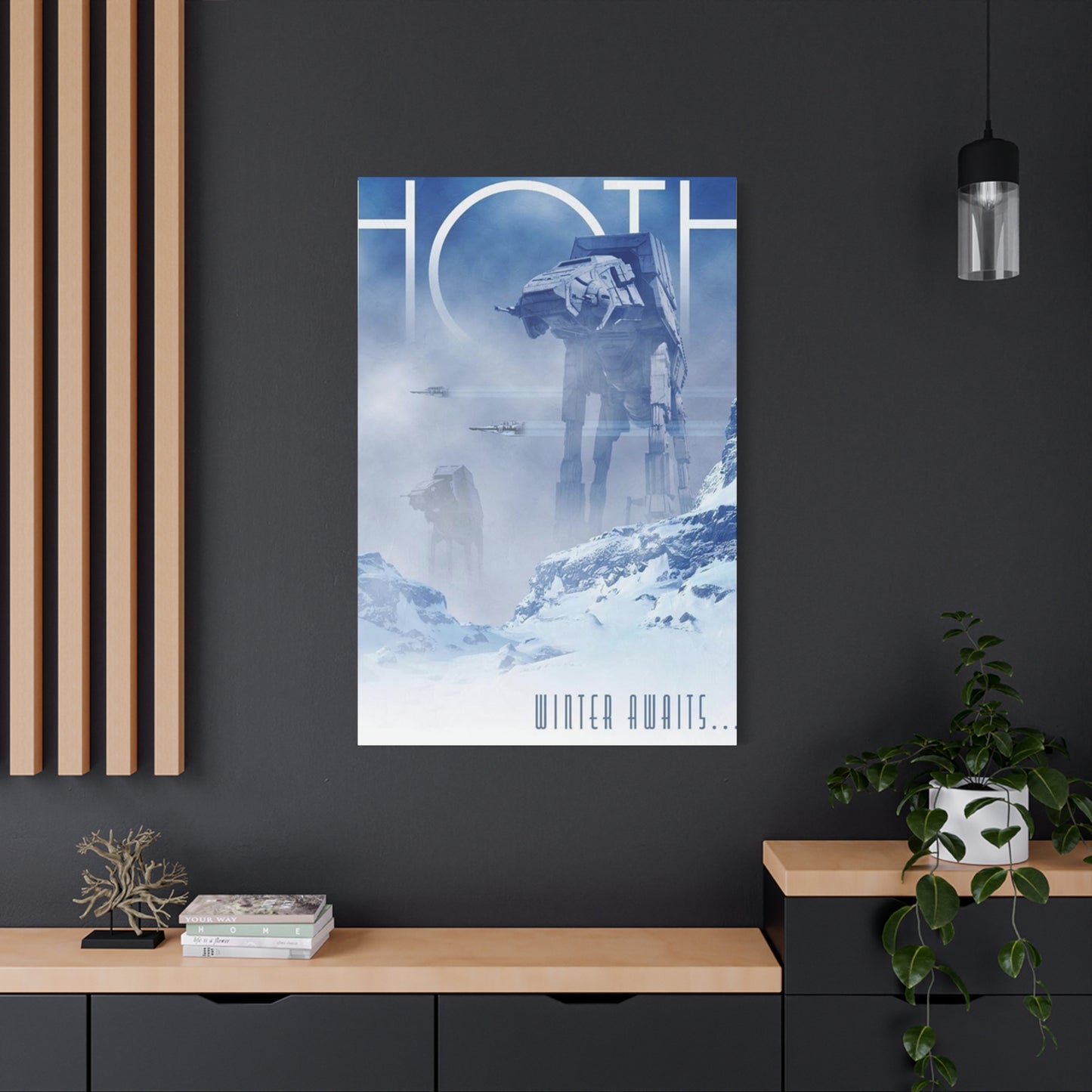


HOTH Wall Art & Canvas Prints
HOTH Wall Art & Canvas Prints
Couldn't load pickup availability
HOTH Wall Art: Redefining Your Living Spaces with Stunning Visual Masterpieces
Creating an inviting atmosphere within residential and commercial spaces requires careful consideration of various decorative elements. Among these, visual artwork displayed on vertical surfaces stands as one of the most impactful methods for expressing personality and establishing ambiance. HOTH Wall Art represents a distinctive approach to interior decoration that combines aesthetic appeal with meaningful representation, offering countless possibilities for transforming mundane environments into captivating sanctuaries.
Discovering the Essence of Artistic Expression Through HOTH Wall Art
The concept of adorning interior spaces with carefully selected imagery has existed throughout human civilization. What distinguishes contemporary approaches from traditional methods lies in the accessibility, variety, and quality available to modern consumers. HOTH Wall Art embodies this evolution, presenting a curated selection of visual elements designed to resonate with diverse tastes and preferences.
When individuals seek to personalize their surroundings, they often encounter overwhelming choices that make decision-making challenging. The distinguishing characteristic of quality decorative pieces lies not merely in their visual appeal but in their capacity to evoke emotions, stimulate conversation, and reflect the inhabitant's identity. These artistic expressions serve multiple purposes beyond mere decoration, functioning as focal points that anchor entire room designs while simultaneously providing psychological comfort and inspiration.
The journey toward selecting appropriate decorative elements begins with understanding personal aesthetic inclinations. Some individuals gravitate toward minimalist compositions featuring clean lines and subdued color palettes, while others prefer vibrant, energetic displays that command attention. HOTH Wall Art encompasses this spectrum, providing options that satisfy varied sensibilities without compromising on craftsmanship or visual impact.
Exploring Various Manifestations of Decorative Visual Statements
The realm of interior decoration offers numerous formats for displaying artistic content. Canvas prints represent one popular choice, delivering texture and depth that mimics traditional painting while maintaining affordability. These reproductions undergo meticulous printing processes that preserve color accuracy and detail, ensuring that the final product captures the essence of the original composition.
Framed prints constitute another versatile option, combining protective glass with complementary borders that enhance the central image. The frame selection itself becomes an artistic decision, with materials ranging from rustic wood to sleek metal, each imparting distinct character to the overall presentation. HOTH Wall Art selections frequently feature carefully matched framing that elevates the visual experience without overshadowing the primary content.
Metal prints have emerged as contemporary favorites, offering exceptional durability and striking visual clarity. The infusion dye sublimation process bonds colors directly to aluminum surfaces, creating vibrant displays resistant to fading and environmental damage. These modern presentations suit various settings, from urban lofts to minimalist offices, where their sleek appearance complements contemporary architectural elements.
Wooden panels provide warmth and natural texture that resonates with those seeking organic aesthetics. The grain patterns inherent in wood substrates add dimension to printed images, creating unique pieces where no two displays appear identical. This format particularly appeals to individuals decorating spaces with rustic, farmhouse, or bohemian themes, where natural materials predominate.
Selecting Appropriate Dimensions for Maximum Visual Impact
Determining correct sizing represents a critical decision that significantly influences how artwork integrates within existing spaces. Undersized pieces may appear lost on expansive walls, failing to achieve intended visual impact, while oversized selections can overwhelm rooms, creating uncomfortable imbalances. HOTH Wall Art offerings span various dimensions, accommodating spaces from compact apartments to sprawling estates.
For intimate areas such as bathrooms, hallways, or reading nooks, smaller compositions measuring between twelve and twenty-four inches typically provide adequate presence without dominating limited square footage. These proportions allow for grouping multiple pieces in gallery-style arrangements that add visual interest through collective impact rather than individual grandeur.
Medium-sized artwork, ranging from twenty-four to forty-eight inches, suits most residential applications, including living rooms, bedrooms, and dining areas. These dimensions achieve balance between visibility and proportion, ensuring that decorative elements register prominently without overwhelming adjacent furnishings or architectural features. Positioning such pieces at appropriate eye level enhances viewing comfort and maintains visual harmony throughout the space.
Large-format displays exceeding forty-eight inches create dramatic statements suitable for expansive walls, open-concept living areas, or commercial environments where bold impressions serve branding or atmospheric purposes. These commanding presentations function as architectural elements themselves, fundamentally shaping how occupants perceive and navigate spaces. HOTH Wall Art includes numerous large-scale options for those seeking transformative decorative solutions.
Understanding Color Psychology Within Interior Design Contexts
Color selection profoundly influences emotional responses and behavioral patterns within inhabited spaces. Scientific research demonstrates that specific hues trigger physiological reactions, affecting mood, energy levels, and cognitive function. Incorporating these principles when choosing HOTH Wall Art ensures that decorative decisions support desired atmospheric outcomes.
Cool tones such as blues and greens promote calmness and concentration, making them excellent choices for bedrooms, home offices, or meditation spaces. These colors lower perceived temperature, creating refreshing environments that encourage relaxation and mental clarity. Ocean scenes, forest landscapes, and abstract compositions in these palettes complement spaces designed for rest and contemplation.
Warm colors including reds, oranges, and yellows stimulate energy and social interaction, proving ideal for communal areas like kitchens, dining rooms, and entertainment spaces. These vibrant hues increase perceived warmth while encouraging conversation and activity. Sunset imagery, autumnal scenes, and bold abstract works in warm spectrums enhance gathering spaces designed for connection and celebration.
Neutral palettes featuring blacks, whites, grays, and beiges provide versatile foundations that adapt to changing decor preferences without requiring replacement. These timeless selections offer sophisticated elegance while allowing furniture, textiles, and accessories to introduce color variation. HOTH Wall Art collections include numerous neutral options that maintain relevance across evolving design trends.
Mastering Compositional Arrangements for Gallery-Worthy Displays
Single statement pieces certainly make impressive focal points, yet thoughtfully arranged multiple-piece displays create sophisticated visual narratives that elevate entire spaces. Gallery walls have gained popularity as methods for showcasing collections while adding architectural interest to plain surfaces. Successful execution requires planning regarding spacing, alignment, and thematic coherence.
Symmetrical arrangements appeal to those preferring orderly, balanced aesthetics. Grid patterns featuring identical frame sizes create clean, structured appearances suitable for modern and minimalist interiors. This approach works exceptionally well with series or collections where individual pieces share stylistic elements, allowing HOTH Wall Art selections to function as unified installations rather than disparate components.
Asymmetrical layouts offer dynamic, organic alternatives that inject personality and movement into spaces. These arrangements combine various sizes and orientations, creating visual interest through deliberate irregularity. Successful asymmetrical displays maintain balance through careful consideration of visual weight, ensuring that larger or darker pieces don't disproportionately dominate compositions.
Linear arrangements position multiple works along horizontal or vertical axes, creating ribbons of imagery that guide eye movement through spaces. Hallways and narrow walls particularly benefit from this approach, which maximizes decorative impact within constrained dimensions. Stairwell installations frequently employ ascending or descending linear arrangements that complement architectural angles while adding visual enrichment to transitional spaces.
Examining Material Substrates and Their Unique Characteristics
The physical foundation upon which images transfer dramatically influences final appearance, durability, and maintenance requirements. Understanding material properties enables informed decisions that align with practical needs and aesthetic preferences. HOTH Wall Art offerings utilize various substrates, each presenting distinct advantages suited to different applications.
Canvas materials deliver traditional artistic authenticity with contemporary convenience. Cotton and polyester blends provide durable surfaces that accept inks beautifully while resisting warping and deterioration. Stretched canvas presentations eliminate framing requirements, offering clean, borderless displays where imagery extends around edges for immersive visual experiences. The subtle texture inherent in canvas weaves adds depth and dimension that flat prints cannot replicate.
Paper prints, particularly those utilizing archival-quality materials, offer exceptional color reproduction and fine detail rendering. Museum-grade papers resist yellowing and degradation, maintaining appearance quality for decades when properly displayed and protected. These prints typically require framing with UV-protective glazing, which adds presentation polish while safeguarding against environmental damage.
Acrylic materials present modern alternatives that deliver impressive depth and luminosity. Face-mounting processes bond images to acrylic sheets, creating glossy, gallery-quality presentations with enhanced color vibrancy. The substantial physical presence of acrylic pieces communicates premium quality, making them popular choices for commercial installations and contemporary residential settings where striking visual impact takes priority.
Wood substrates introduce organic warmth and textural variety that synthetic materials cannot duplicate. Birch panels, reclaimed barnwood, and bamboo surfaces each impart distinctive character to printed images. Natural grain patterns interact with imagery, creating unique fusion pieces where substrate becomes integral to artistic expression rather than merely supportive foundation.
Navigating Theme Selection for Cohesive Interior Narratives
Establishing thematic consistency throughout living spaces creates harmonious environments that feel intentionally designed rather than haphazardly assembled. HOTH Wall Art collections encompass numerous themes, each offering cohesive visual vocabularies that simplify selection processes while ensuring complementary relationships between multiple pieces.
Nature-inspired themes remain perennially popular, connecting indoor environments with outdoor beauty. Botanical studies, landscape panoramas, and wildlife portraits bring organic elements into constructed spaces, satisfying innate human desires for natural connection. These selections particularly enhance rooms lacking windows or natural light, psychologically expanding confined areas through visual suggestion of expansive outdoor vistas.
Abstract themes provide versatility and interpretive openness that accommodate diverse tastes and changing preferences. Non-representational compositions allow viewers to project personal meanings and emotional responses, creating individualized experiences despite shared visual content. Color-driven abstractions coordinate easily with existing decor, functioning as complementary accents or bold contrasts depending on palette selection.
Urban and architectural themes celebrate human creativity and achievement through depictions of cityscapes, industrial elements, and structural details. These selections resonate with individuals drawn to metropolitan aesthetics, modernist philosophy, or the geometric beauty inherent in constructed environments. Black-and-white renditions of architectural subjects deliver timeless sophistication suitable for both residential and commercial applications.
Vintage and retro themes tap into nostalgia while adding character and personality to contemporary spaces. Reproductions of classic advertisements, mid-century illustrations, and antiquated maps inject historical flavor without sacrificing modern production quality. HOTH Wall Art includes numerous vintage-inspired pieces that bridge temporal divides, allowing current spaces to reference and honor previous eras.
Implementing Strategic Placement for Optimal Visual Engagement
Even exceptional artwork fails to achieve intended impact when improperly positioned. Strategic placement considers viewing angles, lighting conditions, and spatial relationships, ensuring that decorative investments receive appropriate showcase and contribute meaningfully to overall design schemes.
Eye-level positioning represents the fundamental rule governing artwork placement. Centers of images should align approximately fifty-seven to sixty inches from floor level, matching average human eye height. This standard ensures comfortable viewing without requiring awkward neck angles or physical repositioning. Exceptions arise in spaces where viewing occurs primarily from seated positions, such as dining rooms or conversation areas, where slightly lower positioning proves more appropriate.
Relationship to furniture significantly influences placement success. Artwork positioned above sofas, beds, or console tables should span roughly two-thirds to three-quarters of the furniture width, creating visual connection without appearing disproportionate. Gaps between furniture tops and artwork bottoms typically measure between six and twelve inches, sufficient separation to establish distinct elements while maintaining cohesive relationship.
Lighting dramatically affects how colors appear and details register. Natural light fluctuates throughout days and seasons, causing dramatic appearance variations that may prove problematic for certain subjects or color schemes. Artificial lighting offers control, with adjustable fixtures allowing precise highlighting that emphasizes texture, depth, and color saturation. HOTH Wall Art benefits from thoughtful illumination that reveals nuanced details while avoiding glare that obscures viewing.
Negative space surrounding artwork contributes equally to overall presentation quality. Overcrowded walls create visual chaos that diminishes individual piece impact, while excessive emptiness may render selections insignificant. Balanced compositions allow breathing room that frames artwork while maintaining proportional relationships with architectural elements and adjacent furnishings.
Investigating Color Theory Principles for Harmonious Coordination
Successful interior design relies heavily on color relationships that either complement or contrast depending on desired atmospheric effects. Understanding basic color theory principles empowers confident decision-making when selecting HOTH Wall Art that enhances rather than conflicts with existing palettes.
Complementary color schemes pair opposites from color wheels, creating dynamic visual tension that energizes spaces. Blue and orange, purple and yellow, red and green combinations deliver maximum contrast while maintaining balance. These bold pairings suit spaces designed for activity and engagement, where visual stimulation supports functional purposes.
Analogous color schemes utilize adjacent wheel positions, creating harmonious gradations that flow smoothly without jarring transitions. Blue, blue-green, and green combinations exemplify this approach, delivering cohesive appearances that feel naturally unified. These schemes work exceptionally well in relaxation-focused spaces where visual calm takes precedence over stimulation.
Monochromatic approaches employ single hue variations through saturation and brightness adjustments. Navy, royal blue, and sky blue represent monochromatic progression that maintains color family unity while providing tonal variety. This sophisticated approach delivers elegance and cohesion, particularly effective in minimalist or contemporary settings where simplicity and restraint guide design philosophy.
Triadic schemes select three equidistant wheel positions, creating balanced variety without overwhelming visual fields. Red, yellow, and blue combinations exemplify primary triadic relationships, while secondary and tertiary arrangements offer countless variations. These schemes require careful implementation to avoid appearing chaotic, with one color typically dominating while others provide accent support.
Preserving Artwork Quality Through Proper Environmental Management
Decorative investments deserve protection against environmental factors that gradually degrade appearance quality. Understanding preservation principles extends artwork lifespan significantly, maintaining original vibrancy and structural integrity despite decades of display. HOTH Wall Art, like all quality decorative pieces, benefits from attentive environmental management.
Ultraviolet radiation constitutes the primary threat to displayed artwork, causing gradual color fading and material deterioration. Direct sunlight exposure accelerates degradation dramatically, particularly affecting organic dyes and natural materials. Positioning artwork away from windows or utilizing UV-filtering window treatments substantially reduces exposure. For unavoidable situations, UV-protective glazing and specialized coatings provide additional defense layers.
Humidity fluctuations challenge artwork stability, causing expansion and contraction cycles that stress materials and adhesives. Paper products particularly suffer from moisture exposure, developing wrinkles, waves, or mold growth in extreme cases. Maintaining consistent humidity levels between forty and fifty percent creates stable environments that minimize material stress. Dehumidifiers and humidifiers help regulate conditions in climates with seasonal extremes.
Temperature stability proves equally important, with dramatic fluctuations causing similar expansion-contraction issues. Positioning artwork away from heating vents, fireplaces, and exterior walls reduces exposure to temperature variations. Climate-controlled environments benefit artwork preservation while simultaneously enhancing occupant comfort, creating win-win scenarios for both aesthetic and practical considerations.
Physical contact poses mechanical threats including scratches, punctures, and smudges. High-traffic areas require careful positioning that minimizes accidental impacts from passing individuals or moving furniture. Framed pieces with protective glazing withstand minor contact better than exposed canvas or unprotected prints. Regular dusting with appropriate tools prevents accumulation that embeds into surfaces and attracts moisture.
Exploring Subject Matter Categories Within Contemporary Collections
The breadth of available imagery ensures that every individual can identify selections resonating with personal interests, values, and aesthetic sensibilities. HOTH Wall Art encompasses diverse subject categories, each appealing to particular preferences while offering countless variations within broader classifications.
Animal subjects range from realistic wildlife portraits to stylized interpretations that emphasize form and color over anatomical accuracy. Majestic creatures like lions, eagles, and wolves appeal to those valuing strength and nobility, while domestic animals provide warmth and familiarity. Underwater scenes featuring marine life introduce exotic beauty while satisfying fascination with aquatic environments.
Floral compositions celebrate botanical diversity through close-up studies that emphasize petal structures, color gradations, and organic patterns. These universally appealing subjects introduce natural elements without requiring landscape expansiveness, fitting comfortably in spaces of any size. Seasonal florals allow periodic rotation that reflects changing outdoor conditions, maintaining freshness and relevance throughout years.
Cultural and ethnic imagery honors global diversity through representations of traditional practices, indigenous artwork, and regional aesthetics. These selections educate while decorating, exposing viewers to worldviews and artistic traditions beyond familiar contexts. Respectful representation that credits source cultures and avoids appropriation ensures that such displays celebrate rather than exploit.
Inspirational and motivational content combines visual appeal with textual messages designed to uplift and encourage. Quotations from philosophers, writers, and thought leaders gain visual reinforcement through complementary imagery and thoughtful typography. These pieces function dually as decoration and daily reminders of values and aspirations worth pursuing.
Analyzing Framing Options That Enhance Rather Than Overpower
Frame selection represents an artistic decision comparable in importance to image choice itself. Inappropriate framing detracts from even exceptional artwork, while thoughtfully selected frames elevate good pieces into great presentations. Understanding available options and their respective effects enables confident choices that optimize overall visual impact.
Wood frames offer warmth, tradition, and incredible variety through species selection and finish treatments. Oak presents prominent grain patterns and golden tones, walnut delivers rich darkness with subtle color variation, and maple provides light neutrality with fine, uniform grain. Distressing, painting, and staining techniques further expand possibilities, allowing precise matching or deliberate contrasting with existing decor elements.
Metal frames communicate modernity, precision, and industrial aesthetics through clean lines and consistent finishes. Aluminum predominates due to lightweight properties and corrosion resistance, available in numerous powder-coated colors and metallic finishes. Thin profile metal frames particularly suit contemporary and minimalist spaces where bulk and ornamentation would conflict with prevailing design philosophy.
Ornate frames featuring carved details, gilded surfaces, and substantial profiles suit traditional and classical interiors where embellishment enhances rather than contradicts prevailing aesthetics. These elaborate presentations particularly complement formal spaces like dining rooms and studies where sophisticated elegance sets appropriate atmospheric tones. HOTH Wall Art paired with ornate framing creates museum-quality presentations suitable for discerning collectors.
Floating frames create illusion of artwork suspension within frame boundaries, adding dimensional depth and contemporary flair. This presentation style particularly suits canvas and panel substrates, allowing side viewing of substrate depth while maintaining protective boundaries. The shadow-box effect draws attention to artwork physicality, transforming flat images into sculptural objects.
Understanding Production Methods That Ensure Superior Quality
Manufacturing processes significantly influence final product quality, affecting everything from color accuracy to structural durability. Familiarity with production methodologies enables informed evaluation of offerings, distinguishing premium options from inferior alternatives regardless of marketing claims or pricing strategies.
Giclée printing represents the gold standard for fine art reproduction, utilizing specialized inkjet printers with expanded color gamuts and archival inks. This process achieves exceptional detail resolution and color accuracy, faithfully reproducing source material nuances that lesser methods obscure or distort. Archival pigment inks resist fading for generations when properly displayed, justifying premium pricing through extended lifespan and superior appearance.
Offset lithography, while less common for decorative artwork, still serves certain applications where large production runs justify setup costs. This mechanical printing process transfers images from plates to blankets to paper, achieving consistent results across thousands of impressions. Color matching requires skilled technicians and quality control protocols, but results can rival digital printing when properly executed.
Dye sublimation transfers images through heat-activated gaseous diffusion, permanently bonding colors to compatible substrates like polyester fabrics and specially coated metals. This process creates exceptionally durable, vibrant displays resistant to scratching, moisture, and fading. Metal prints utilizing dye sublimation deliver stunning visual impact with practical durability suited to demanding environments.
Hand-embellishment adds unique character to mass-produced prints through individually applied brushwork, texture mediums, or metallic accents. These touches transform reproductions into hybrid pieces occupying space between prints and original paintings. Limited editions featuring hand-embellishment command premium pricing while offering enhanced exclusivity and artistic authenticity.
Investigating Cultural Influences Shaping Aesthetic Preferences
Artistic preferences reflect complex interplay between cultural conditioning, personal experiences, and innate psychological responses. Understanding how cultural contexts shape aesthetic inclinations provides insight into universal appeal of certain themes while explaining varied responses to identical imagery across different demographics.
Eastern aesthetics emphasize harmony, balance, and symbolic meaning, often favoring minimalist compositions that suggest rather than explicitly depict. Cherry blossoms represent fleeting beauty and life's transience, while bamboo symbolizes resilience and flexibility. These culturally loaded images carry layered meanings that resonate deeply within source cultures while appealing to universal appreciation for natural beauty.
Western artistic traditions prioritize perspective, realism, and individual expression, historically favoring representational accuracy and technical virtuosity. Renaissance masters established standards emphasizing anatomical precision and spatial depth that continue influencing contemporary preferences. Even abstract Western artwork often retains compositional structures rooted in classical training and philosophical frameworks.
Indigenous artistic traditions worldwide emphasize connection between humans, nature, and spiritual realms through symbolic representation and ceremonial context. Patterns, colors, and subjects carry specific cultural meanings that transcend mere decoration, functioning as narrative devices and identity markers. Respectful incorporation of indigenous-inspired artwork requires cultural awareness and acknowledgment of source traditions.
Contemporary global culture increasingly blends influences, creating hybrid aesthetics that transcend geographical boundaries. HOTH Wall Art reflects this cosmopolitan reality, offering selections that incorporate diverse influences while maintaining broad appeal. This cultural synthesis produces fresh perspectives that honor tradition while embracing innovation and cross-pollination.
Evaluating Investment Value Beyond Immediate Aesthetic Appeal
Quality decorative artwork represents investment that extends beyond immediate visual gratification. Consideration of lasting value involves assessing factors including durability, timelessness, and potential appreciation, ensuring that purchases deliver sustained satisfaction and possibly financial returns over extended periods.
Construction quality directly impacts longevity, with superior materials and craftsmanship resisting degradation that compromises appearance and structural integrity. Archival materials, premium inks, and robust frames justify higher initial costs through extended useful life and maintained appearance quality. Calculating per-year ownership costs often reveals that premium pieces offer better value than superficially cheaper alternatives requiring frequent replacement.
Timeless subject matter and styling resist trend-driven obsolescence that renders fashionable pieces dated within years. Classic subjects, neutral palettes, and quality execution maintain relevance across decades, adapting to evolving decor schemes without requiring replacement. HOTH Wall Art selections emphasizing enduring beauty over momentary trendiness deliver sustained satisfaction and reliable investment value.
Limited edition pieces offer exclusivity and potential appreciation, particularly when featuring recognized artists or culturally significant subjects. Numbered editions with certificates of authenticity appeal to collectors while providing documented provenance that supports resale value. Even without significant appreciation, limited availability ensures that selections remain distinctive rather than ubiquitous.
Emotional value frequently exceeds financial considerations, with personally meaningful artwork providing daily satisfaction that transcends monetary metrics. Pieces commemorating significant events, representing cherished locations, or embodying important values deliver psychological returns immeasurable through conventional valuation methods. This subjective worth often proves most important when assessing overall investment satisfaction.
Examining Scale Relationships Between Artwork and Architectural Elements
Successful integration requires consideration of how decorative pieces relate proportionally to surrounding architectural features. Doorways, windows, moldings, and ceiling heights all influence appropriate sizing and positioning, with harmonious relationships creating cohesive environments where elements complement rather than compete.
Ceiling height dramatically affects optimal artwork scale, with loftier spaces accommodating proportionally larger pieces without appearing overwhelming. Standard eight-foot ceilings suit medium-sized artwork, while nine-foot and higher ceilings benefit from larger selections or vertically stacked arrangements that fill increased visual field. Conversely, compact spaces with low ceilings require restraint regarding size to avoid oppressive feelings.
Window and door proximity influences placement decisions, as artwork positioned too closely to these openings appears awkwardly squeezed or improperly aligned. Maintaining separation distances equal to roughly ten percent of wall width prevents cramped appearances while establishing clear visual hierarchy. Symmetrical positioning relative to architectural features creates balanced, intentional appearances that convey design confidence.
Molding and trim work provides natural boundaries and visual breaks that inform artwork positioning. Chair rails, crown molding, and wainscoting divide walls into distinct zones that each accommodate appropriately scaled pieces. Respecting these architectural divisions prevents conflicting visual messages while leveraging existing features to enhance overall cohesion.
Built-in features like fireplaces, shelving, and entertainment centers present opportunities and challenges regarding artwork placement. These permanent fixtures function as compositional anchors around which decorative elements arrange. HOTH Wall Art positioned thoughtfully relative to built-ins enhances rather than conflicts with these focal points, creating layered visual interest without competition or confusion.
Discovering Unconventional Surfaces Beyond Standard Walls
While vertical walls represent primary display surfaces, creative approaches incorporating alternative locations expand decorative possibilities and inject unexpected visual interest. HOTH Wall Art adapts to various surfaces, enabling innovative presentations that challenge conventional expectations while maximizing spatial utilization.
Ceiling installations create overhead focal points that surprise and delight through unexpected positioning. This approach particularly suits spaces with interesting ceiling architecture or rooms where wall space limitations restrict traditional hanging. Bedrooms benefit from ceiling artwork positioned above sleeping areas, providing contemplative focal points for pre-sleep relaxation and morning awakening moments.
Freestanding screens and room dividers offer portable display surfaces that simultaneously define spaces and showcase artwork. These functional-decorative hybrids suit open-concept layouts requiring flexible spatial definition without permanent construction. Rotating displayed pieces on screens provides easy variation that refreshes appearances without reinstallation labor.
Door surfaces typically remain unadorned despite offering substantial display area. Interior door decoration particularly suits private spaces like bedrooms and home offices where personal expression takes priority over guest impression. Removable hanging systems prevent damage while allowing seasonal or mood-driven rotation.
Stairwell walls present unique opportunities and challenges through angled surfaces and variable viewing distances. Gallery-style arrangements ascending alongside stairs create dynamic presentations that evolve as viewers climb, revealing new details and relationships at each landing. These installations require careful planning regarding height progression and visual weight distribution to maintain balance despite asymmetrical contexts.
Incorporating Lighting Design That Showcases Artwork Effectively
Illumination profoundly influences how artwork appears, affecting color perception, detail visibility, and overall atmospheric impact. Dedicated lighting systems designed specifically for artwork display optimize viewing experiences while protecting against damage, justifying additional investment through enhanced enjoyment and preservation.
Track lighting provides flexible, adjustable illumination that accommodates changing arrangements without reinstallation. Individual fixtures swivel and tilt to direct light precisely onto target areas, minimizing spill onto surrounding surfaces. This system particularly suits gallery walls or spaces where periodic rearrangement maintains fresh appearances and renewed interest.
Picture lights mount directly above or below artwork, providing dedicated illumination that travels with pieces during relocation. These fixtures range from utilitarian brass arms to elegant contemporary designs that complement rather than compete with displayed works. Battery-operated versions eliminate wiring requirements, enabling installation anywhere without electrical access limitations.
Recessed spotlights deliver clean, architectural lighting that maintains minimal visual presence while providing powerful, focused illumination. Proper aiming prevents hotspots and glare while ensuring even coverage across entire surfaces. Dimming capabilities allow atmospheric adjustment matching time of day, activity, or mood preferences.
Natural lighting, while beautiful, requires careful management to prevent artwork damage through UV exposure and heat. Sheer curtains, UV-filtering window films, and strategic positioning relative to windows balance enjoyment of natural light with preservation requirements. South-facing windows present greatest challenges in northern hemisphere locations, delivering intense, prolonged exposure requiring most aggressive protective measures.
Recognizing Psychological Impacts of Visual Stimuli Within Living Spaces
Environmental psychology research demonstrates that surroundings significantly influence mental states, emotional wellbeing, and behavioral patterns. Thoughtfully selected HOTH Wall Art contributes positively to these effects, supporting desired psychological outcomes through deliberate subject matter, color, and compositional choices.
Biophilic design principles recognize innate human attraction to natural elements and living systems. Incorporating nature imagery satisfies these inclinations, reducing stress and promoting mental restoration even within entirely constructed environments. Studies indicate that viewing natural scenes lowers blood pressure, reduces anxiety, and improves concentration, validating intuitive preferences for landscape and botanical subjects.
Personal identity expression through environmental customization fulfills fundamental psychological needs for autonomy and self-actualization. Selecting artwork that reflects individual values, interests, and experiences reinforces sense of self while communicating identity to visitors. This personalization transforms generic spaces into meaningful environments that support psychological wellbeing through authentic self-representation.
Visual complexity influences cognitive engagement and emotional stimulation, with optimal levels varying according to space function and individual preferences. Bedrooms benefit from simpler compositions that promote relaxation rather than stimulation, while creative workspaces may thrive with complex, thought-provoking imagery that encourages innovative thinking. HOTH Wall Art diversity enables matching complexity levels to functional requirements.
Social facilitation occurs when environmental elements encourage interaction and shared experience. Conversational artwork featuring unusual subjects, ambiguous meanings, or interactive elements sparks discussion among occupants and visitors, supporting relationship building and social connection. These pieces function beyond decoration, actively contributing to social dynamics within spaces.
Navigating Online Selection Processes for Confident Remote Purchasing
Digital commerce enables convenient artwork acquisition without geographical limitations, yet remote purchasing presents challenges regarding accurate representation and quality assessment. Understanding how to evaluate online offerings and leverage available resources minimizes uncertainty while maximizing satisfaction with HOTH Wall Art purchases made remotely.
High-resolution imagery allows detailed examination of subjects, compositions, and quality indicators despite physical separation. Zooming functionality reveals fine details including brushwork, texture, and printing precision that lower-resolution images obscure. Multiple views showing different angles, lighting conditions, and contextual room settings provide comprehensive understanding exceeding what brief in-person viewing might deliver.
Detailed specifications provide objective information supplementing subjective visual assessment. Dimensions, materials, weight, and construction details enable informed evaluation of appropriateness for intended applications. Specification review prevents disappointments arising from inaccurate assumptions regarding size, substrate, or finishing details.
Customer reviews and ratings aggregate collective experiences, revealing patterns regarding quality, accuracy of representations, and seller reliability. Thoughtful review reading distinguishes substantive concerns from subjective preferences, identifying legitimate quality issues while recognizing that not all negative feedback reflects actual product problems. High review volumes increase statistical reliability, making assessment more confident.
Visualization tools including augmented reality applications allow virtual placement of artwork within actual spaces using smartphone cameras. These technologies dramatically reduce uncertainty regarding size appropriateness and aesthetic compatibility, enabling confident decisions without physical samples. While not perfect representations, these tools substantially improve remote purchasing confidence.
Addressing Common Concerns Regarding Artwork Selection and Display
Decision paralysis often afflicts individuals facing abundant choices without clear selection frameworks. Understanding common concerns and proven solutions accelerates decision-making while reducing anxiety about potential mistakes. HOTH Wall Art selection becomes more confident when armed with practical knowledge addressing frequent questions.
Commitment anxiety regarding permanent design choices proves particularly acute when substantial investments are involved. Recognizing that artwork represents easily changed decorative elements rather than permanent architectural features reduces pressure. Unlike flooring, cabinetry, or fixed lighting, artwork can relocate, rotate, or replace without significant expense or effort, making experimentation safe and exploration worthwhile.
Color matching concerns create hesitation about introducing new elements that might clash with existing palettes. Starting with predominantly neutral artwork allows gradual introduction while minimizing risk. Alternatively, selecting pieces incorporating multiple hues from existing schemes ensures at least partial coordination even if perfect matching proves elusive. Perfect coordination often appears overly matchy and lacking visual interest, so slight variation frequently produces superior results.
Scale uncertainty causes frequent sizing errors, with most individuals defaulting toward undersized selections that fail to achieve intended impact. Measuring wall dimensions, marking proposed boundaries with painter's tape, and comparing measurements to listed dimensions prevents disappointments. Remembering that artwork should feel substantial rather than timid guides toward appropriate boldness that transforms rather than merely decorates.
Quality assessment from descriptions and images alone proves challenging without direct tactile experience. Focusing on reputable sources with transparent material descriptions, satisfaction guarantees, and established customer service records minimizes risk. Understanding that premium pricing typically reflects actual quality differences rather than arbitrary markup helps justify investments in superior options that deliver extended satisfaction.
Exploring Seasonal Rotation Strategies for Maintained Freshness
Static displays, regardless of initial appeal, gradually fade into background awareness as familiarity diminishes impact. Strategic rotation introduces renewed interest without requiring continuous acquisition, maximizing value from existing collections while maintaining environmental dynamism that stimulates continued engagement.
Seasonal rotation aligns displays with changing outdoor conditions and cultural observances, creating thematic harmony between indoor and outdoor environments. Spring installations featuring flowering branches and pastel palettes celebrate renewal, while autumn displays incorporating harvest imagery and warm tones acknowledge natural cycles. This approach maintains environmental awareness and temporal connection despite climate-controlled indoor isolation from weather.
Mood-based rotation responds to psychological needs and preferences that fluctuate over time. Energizing, vibrant displays might suit periods requiring motivation and activity, while calm, contemplative pieces support phases emphasizing rest and reflection. This responsive approach treats environment as dynamic tool supporting wellbeing rather than static backdrop passively experienced.
Collection building specifically for rotation purposes maximizes flexibility while controlling costs. Acquiring multiple smaller pieces rather than single large investments creates variety enabling frequent change without redundancy. Storage systems protecting unused pieces prevent deterioration, ensuring maintained condition despite periodic dormancy. HOTH Wall Art selections purchased with rotation intent should emphasize compatibility despite differences, enabling mixing and matching across various combinations.
Documentation through photography before each rotation creates records showing evolution over time while preventing memory-based recreation difficulties. These archives also inform future decisions by revealing which combinations generated most satisfaction or which pieces remained unused, suggesting mismatches between intention and reality worth addressing through strategic acquisition or disposition.
Considering Sustainability Factors in Production and Materials
Environmental consciousness increasingly influences purchasing decisions across product categories, including decorative artwork. Understanding sustainability implications of various production methods and materials enables alignment between aesthetic preferences and ecological values, ensuring that beautification doesn't compromise planetary wellbeing.
Sustainably sourced materials minimize environmental impact through responsible harvesting, recycled content, or rapidly renewable origins. FSC-certified wood frames guarantee that timber derives from responsibly managed forests balancing ecological health with human needs. Bamboo substrates offer renewable alternatives that mature rapidly without depleting old-growth forests. Recycled aluminum frames repurpose existing materials, reducing extraction and processing impacts.
Low-VOC and water-based inks eliminate toxic chemical releases that traditional solvent-based inks introduce during production and throughout display life. These safer alternatives protect both manufacturing workers and end users while reducing environmental contamination. Certifications like Greenguard indicate rigorous testing confirming minimal chemical emissions, particularly important for spaces housing children or individuals with chemical sensitivities.
Local production reduces transportation impacts while supporting regional economies. Domestically manufactured HOTH Wall Art generates fewer carbon emissions from shipping while ensuring labor practices meet local standards. This consideration particularly matters for large, heavy pieces where shipping distances dramatically influence environmental footprints.
Longevity represents perhaps the most significant sustainability factor, as durable products requiring infrequent replacement conserve resources despite potentially higher initial impacts. Disposable decor satisfying momentary trends creates waste streams and consumption cycles antithetical to sustainability. Quality pieces enduring decades through timeless appeal and robust construction ultimately prove more environmentally responsible than cheap alternatives cycling rapidly through purchase, discard, and replacement.
Conclusion
Legal compliance regarding intellectual property rights protects both consumers and creators while ensuring ethical marketplace functioning. Understanding basic copyright principles and licensing requirements prevents unintentional infringement while supporting artists whose creativity produces works deserving fair compensation.
Copyright automatically protects original creative works upon creation, granting creators exclusive rights regarding reproduction, distribution, and display. This protection extends to photographs, paintings, illustrations, and digital artwork, requiring authorization for any commercial use. Personal display of properly purchased pieces generally falls under permitted uses, but reproduction or public display may require additional licensing.
Licensed reproductions provide legal access to popular imagery through agreements where rights holders authorize specific uses in exchange for compensation. HOTH Wall Art offerings typically include appropriate licensing, ensuring that displayed works respect creator rights while providing legal certainty to purchasers. Verification that sellers possess necessary permissions protects against inadvertent participation in infringement.
Public domain works no longer enjoy copyright protection either through expiration or explicit dedication, enabling free use without permission or payment. Classical artwork, historical photographs, and deliberately released contemporary works populate public domain, offering legal alternatives for budget-conscious decorators. However, reproduction quality varies widely, so source selection significantly influences final product satisfaction.
Fair use doctrine permits limited reproduction and use without authorization for purposes including commentary, criticism, education, and parody. This complex legal principle requires case-by-case analysis considering multiple factors, making blanket determinations impossible.
Share