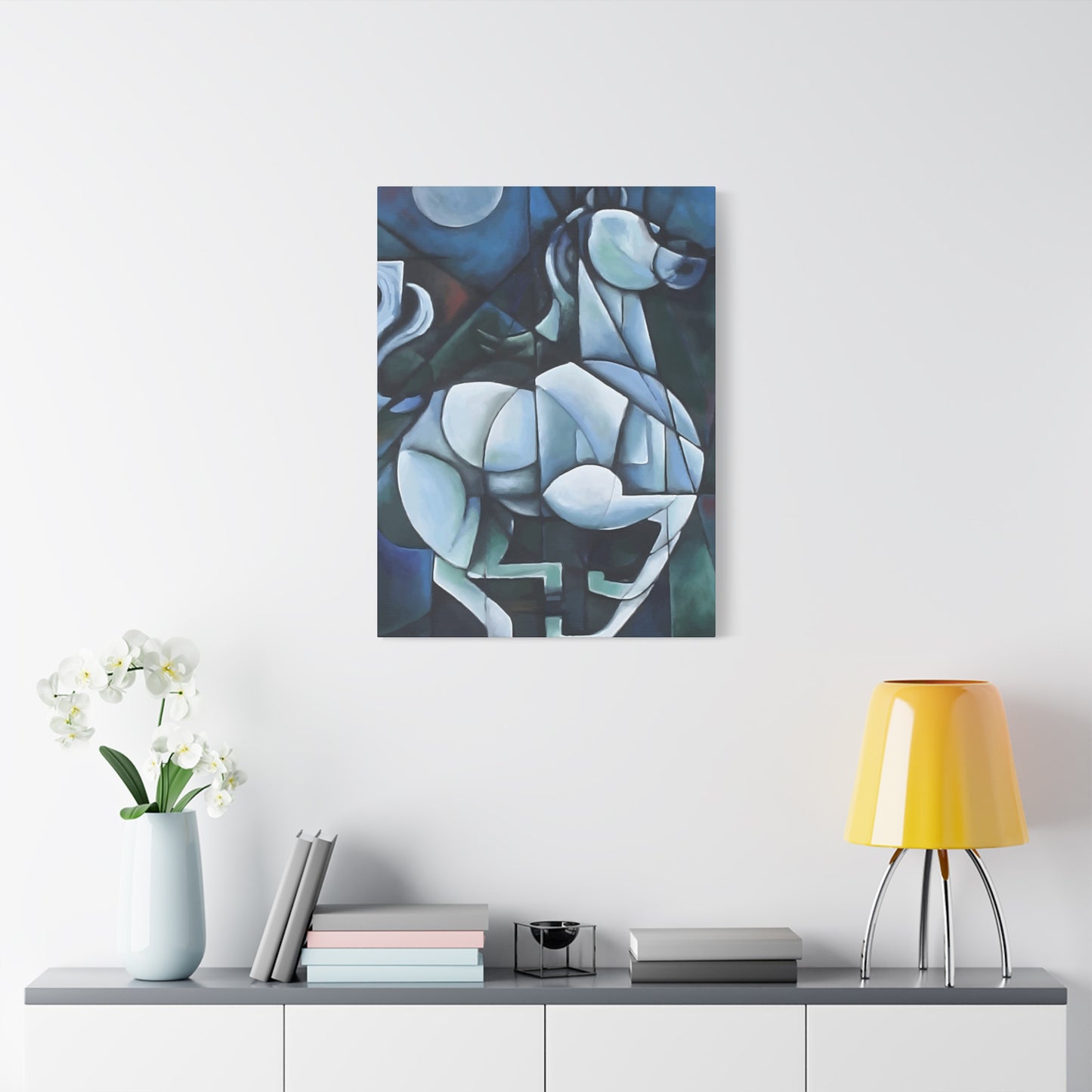
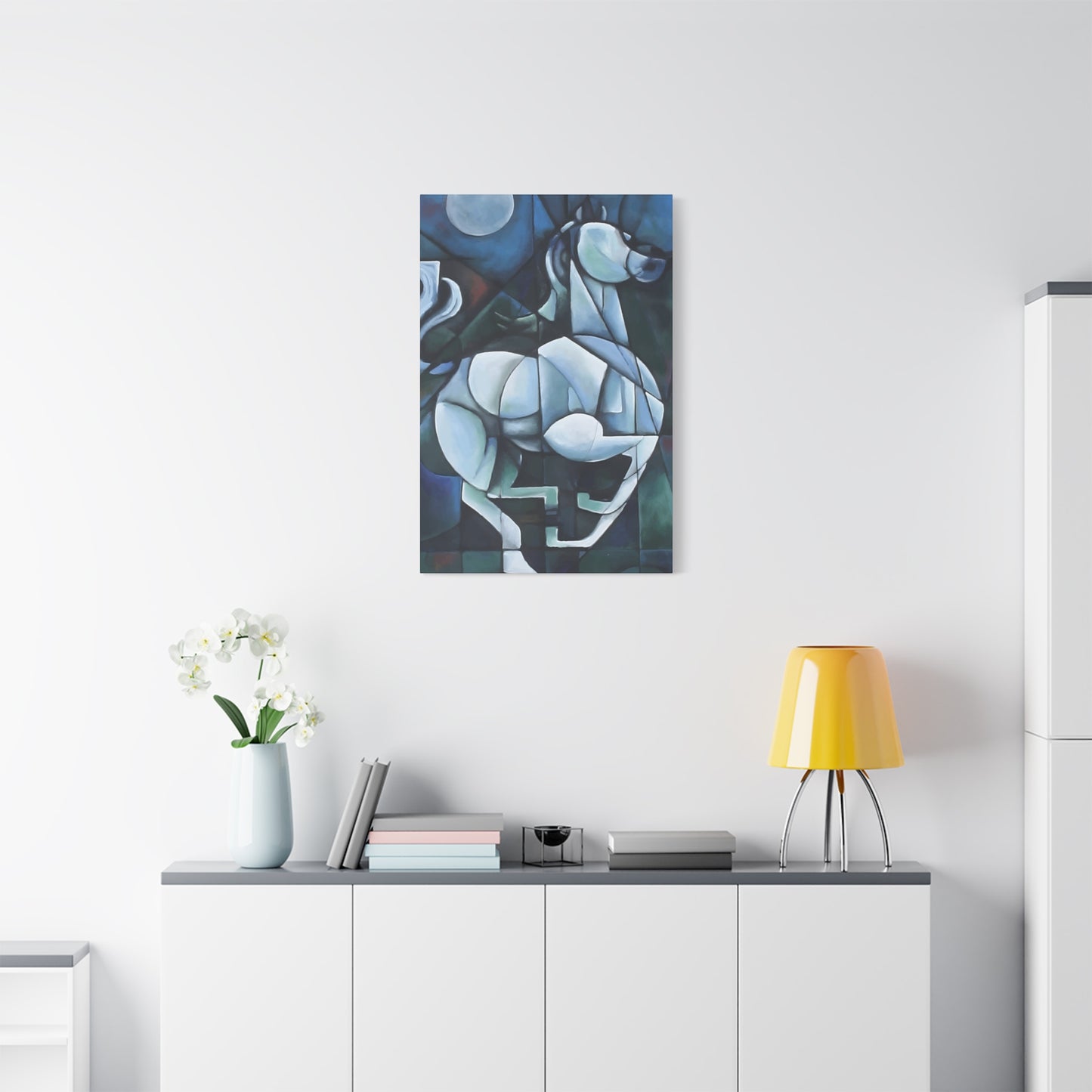
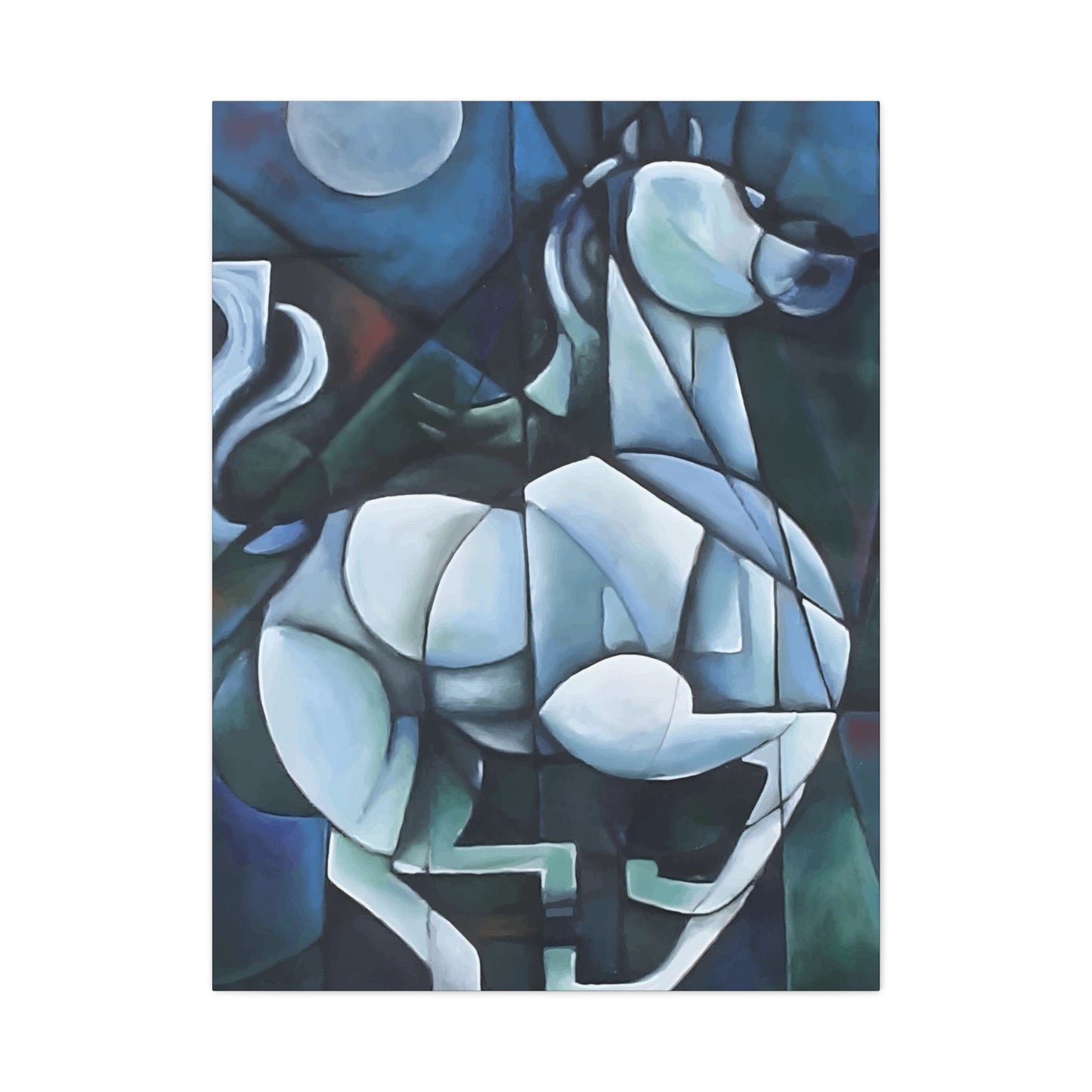
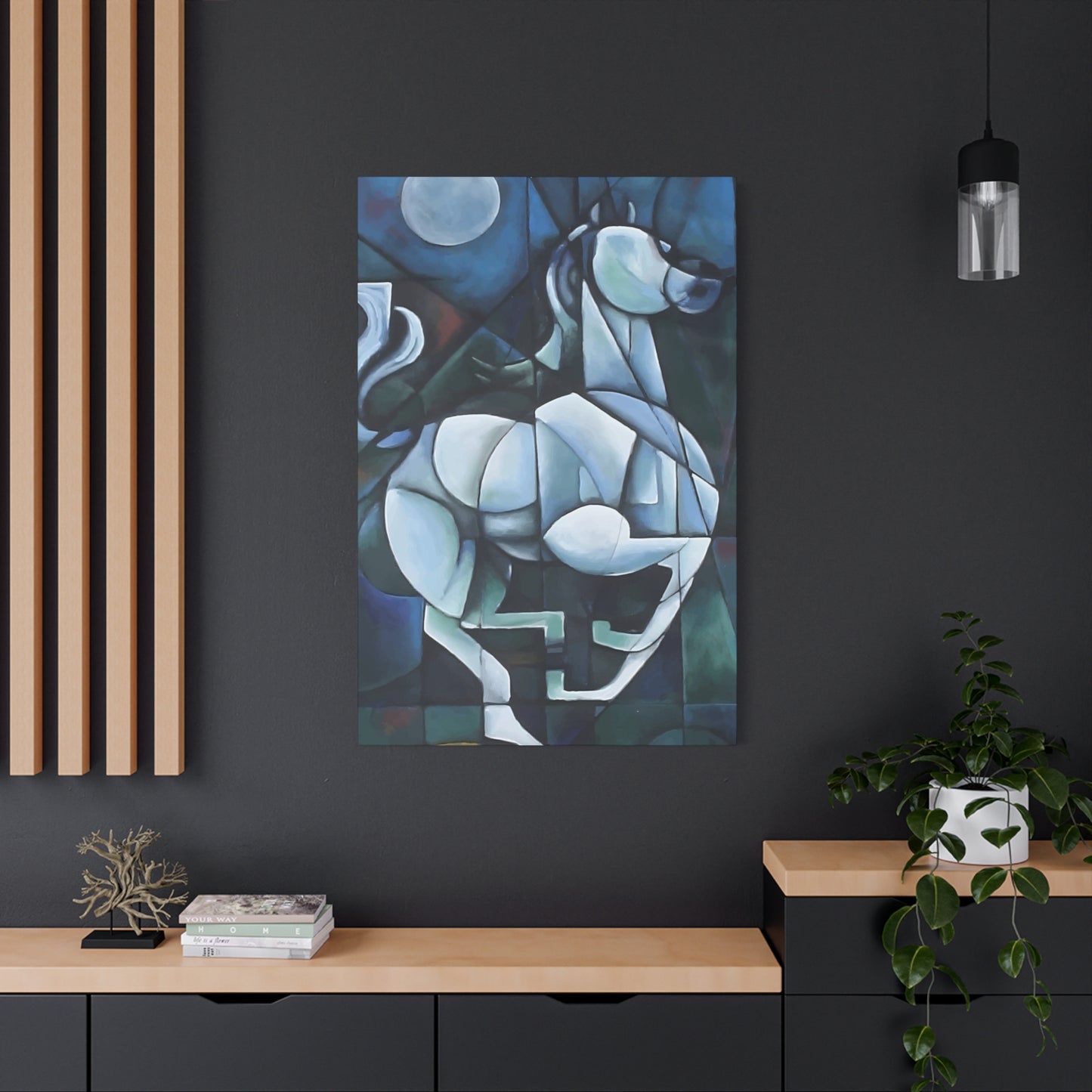
Horse Wall Art & Canvas Prints
Horse Wall Art & Canvas Prints
Couldn't load pickup availability
Bring the Spirit of the Wild into Your Home: Exploring the Cultural and Timeless Beauty of Horse Wall Art
The magnificent presence of equine imagery has captivated human imagination for millennia, and today, horse wall art continues to enchant homeowners, collectors, and interior design enthusiasts worldwide. These powerful creatures, symbolizing freedom, strength, and grace, translate beautifully into visual representations that can dramatically enhance any room's atmosphere. Whether you're drawn to realistic portraits, abstract interpretations, or vintage-inspired compositions, incorporating equestrian-themed decorative pieces into your home creates an immediate focal point that speaks volumes about your aesthetic preferences and personality.
The Profound Connection Between Humans and Equine Imagery Throughout Centuries
Since ancient civilizations first discovered methods to capture images on cave walls, horses have remained among the most frequently depicted subjects in artistic expression. The relationship between mankind and these noble animals extends far beyond mere utility or companionship; it encompasses spiritual symbolism, social status, and cultural identity. Early cave paintings in Lascaux, France, dating back approximately 17,000 years, showcase remarkably detailed equine figures that demonstrate our ancestors' deep fascination with these creatures. This enduring bond has persisted through every era, evolving from primitive sketches to sophisticated contemporary representations that continue to resonate with modern viewers.
Throughout medieval times, equestrian imagery became intrinsically linked with nobility, warfare, and chivalric codes. Knights mounted on their loyal steeds represented courage, honor, and military prowess. These themes permeated tapestries, illuminated manuscripts, and heraldic symbols that adorned castle walls throughout Europe. The Renaissance period witnessed an explosion of equestrian portraiture, with wealthy patrons commissioning grand paintings featuring themselves astride magnificent horses to project power and prestige. This tradition continued through subsequent centuries, cementing the horse's position as a symbol of excellence, authority, and refined taste.
In Eastern cultures, particularly within Chinese and Japanese artistic traditions, horses carried equally significant symbolic weight. Chinese philosophy associated these animals with success, perseverance, and positive energy flow. The famous Flying Horse of Gansu, a bronze sculpture from the Han Dynasty, exemplifies the celestial qualities attributed to exceptional equines. Japanese samurai culture similarly revered horses as essential partners in warfare and daily life, leading to countless artistic representations in woodblock prints, scrolls, and decorative screens. These cross-cultural connections highlight the universal appeal of equine imagery across diverse societies and belief systems.
The American frontier experience introduced entirely new dimensions to equestrian iconography. Wild mustangs roaming vast prairies became synonymous with untamed wilderness, pioneering spirit, and individual liberty. Artists like Frederic Remington and Charles M. Russell captured these themes in paintings and sculptures that defined Western genre art. Their works depicted cowboys, Native Americans, and cavalry soldiers in dynamic compositions centered around horses, creating an artistic legacy that remains influential today. This uniquely American perspective on equine subjects continues to inspire contemporary creators and collectors who appreciate the romantic mythology of the Old West.
Exploring Diverse Styles and Formats in Equestrian Decorative Pieces
The marketplace for horse wall art encompasses an extraordinary range of styles, mediums, and formats, ensuring that every preference and decorating scheme can find suitable options. Photographic prints offer stunningly realistic representations that capture every nuance of equine anatomy, movement, and expression. Professional photographers specializing in equestrian subjects spend countless hours observing horse behavior, waiting for that perfect moment when light, composition, and action align to create breathtaking imagery. These photographs might showcase thoroughbreds racing at full gallop, wild mustangs traversing mountainous terrain, or intimate portraits highlighting the soulful depth visible in a horse's eyes.
Oil paintings represent a more traditional approach that has maintained popularity across generations. The richness of oil pigments allows artists to achieve remarkable depth, texture, and luminosity in their equestrian compositions. Classical styles might feature meticulously detailed anatomical accuracy, while impressionistic interpretations use loose brushwork and vibrant color palettes to convey emotional essence rather than literal representation. Contemporary oil painters often experiment with scale, creating massive canvases that command attention and transform entire walls into dramatic statements. The tangible brushstrokes and layered paint characteristic of oil paintings provide a physical dimension that reproduction prints cannot replicate.
Watercolor equine artwork offers delicate beauty and ethereal qualities that appeal to those seeking softer, more contemplative pieces. The translucent nature of watercolor pigments creates luminous effects particularly suited to capturing the flowing movement of manes and tails, the play of light across glossy coats, and the graceful curves of equine musculature. Many watercolor artists specialize in loose, expressive styles that suggest rather than define forms, allowing viewers' imaginations to complete the imagery. This approach can create surprisingly dynamic pieces despite the medium's gentle reputation, especially when bold color choices and confident brushwork are employed.
Metal sculptures and wall-mounted relief works add three-dimensional elements that cast intriguing shadows and create visual interest from multiple viewing angles. Steel, bronze, copper, and aluminum can all be shaped into stunning equestrian forms ranging from realistic to highly abstract. Weathered or patinated metal surfaces introduce textural variety and aged character that complements rustic, industrial, or eclectic decorating schemes. Some metal artists create silhouette designs that emphasize recognizable equine profiles through negative space, while others construct elaborate assemblages incorporating mixed materials for complex, layered compositions.
Digital art and mixed-media pieces represent exciting contemporary directions in equine imagery. Artists working in digital realms can manipulate photographs, create entirely original compositions, or blend multiple techniques into cohesive works that challenge traditional categorizations. Some creators incorporate collage elements, introducing vintage ephemera, text fragments, or unexpected materials into their equestrian compositions. These experimental approaches appeal particularly to collectors seeking unique, conversation-starting pieces that reflect current artistic trends and push boundaries of conventional equine representation.
Selecting Appropriate Equine Imagery for Various Room Environments
The strategic placement of horse wall art throughout different rooms requires thoughtful consideration of each space's purpose, existing design elements, and desired atmospheric effects. Living rooms typically serve as primary gathering spaces where families entertain guests and spend considerable leisure time, making them ideal locations for substantial equine pieces that serve as focal points. Large-scale paintings or photographic prints depicting horses in dramatic poses or scenic landscapes can anchor seating arrangements and establish room themes. Consider how artwork colors coordinate with existing furniture, flooring, and accent pieces to create cohesive visual harmony.
Bedrooms benefit from more serene, contemplative equine imagery that promotes relaxation and peaceful contemplation. Soft-focus photography featuring horses in tranquil meadows, gentle watercolor studies, or minimalist line drawings can enhance bedroom atmospheres without overwhelming these intimate spaces. The calming presence of horses naturally complements bedroom environments, as these animals embody both strength and gentleness—qualities conducive to restorative rest. Positioning artwork where it's visible from the bed allows for quiet morning contemplation and bedtime reflection, creating meaningful rituals around viewing favorite pieces.
Home offices and studies present opportunities for motivational equine imagery that inspires productivity and determination. Horses in motion, whether racing, jumping obstacles, or galloping freely across open terrain, symbolize forward momentum, overcoming challenges, and pursuing goals with focused energy. These themes align perfectly with work environments where concentration, persistence, and achievement matter most. Additionally, equestrian artwork in professional home offices signals sophistication and cultured taste to clients or colleagues participating in video conferences where backgrounds remain visible.
Dining rooms and breakfast nooks can accommodate equine artwork that encourages conversation and sets pleasant tones for shared meals. Group compositions showing multiple horses interacting, pastoral scenes featuring horses in farm settings, or elegant formal portraits reminiscent of traditional hunt club imagery all work well in dining contexts. Consider how artwork scale relates to furniture proportions—a massive painting might overwhelm a small breakfast table, while a tiny print could seem lost on a vast dining room wall. Balanced relationships between artwork dimensions and surrounding elements create visually satisfying environments.
Entryways and hallways offer transitional spaces where equine artwork makes powerful first impressions on arriving guests while guiding movement through homes. These areas typically accommodate narrower vertical pieces or gallery wall arrangements featuring multiple smaller works united by equestrian themes. Hallways provide excellent opportunities for creating storytelling sequences, perhaps showing horses in different seasons, various breeds, or progressive motion studies. Entry areas with adequate wall space can support dramatic statement pieces that immediately communicate homeowners' passion for equine subjects and establish design expectations for adjoining rooms.
Color Psychology and Emotional Responses to Equine Artwork Palettes
Color selection in horse wall art significantly influences emotional responses and atmospheric effects within decorated spaces. Understanding color psychology principles helps identify pieces that will generate desired feelings and complement existing interior palettes. Warm color schemes dominated by reds, oranges, yellows, and earth tones create energetic, welcoming environments that stimulate conversation and activity. Equine artwork featuring sunset backgrounds, autumn foliage, or chestnut and bay horses with reddish coats naturally incorporates these warming hues. Such pieces work particularly well in social spaces like living rooms, dining areas, and family rooms where vibrant energy enhances gatherings.
Cool color palettes emphasizing blues, greens, purples, and grays produce calming, contemplative atmospheres conducive to relaxation and focused thought. Seascapes showing horses running along beaches, misty morning scenes in green pastures, or portraits of gray and white horses against overcast skies exemplify cooling palette choices. These cooler tones suit bedrooms, reading nooks, meditation spaces, and bathrooms where tranquility and stress reduction take priority. The psychological associations between blue hues and feelings of peace make azure-toned equine artwork especially popular for restorative environments.
Monochromatic and neutral schemes offer sophisticated versatility that coordinates easily with diverse decorating styles while allowing flexibility for future design changes. Black and white photography, sepia-toned vintage prints, or paintings executed in grayscale palettes provide timeless elegance that never appears dated or overly trendy. These neutral equine pieces serve as anchors in rooms where colorful accessories, textiles, and furniture provide chromatic interest, allowing equestrian artwork to contribute visual weight without competing for attention. Neutral schemes also highlight form, composition, and tonal contrast rather than relying on color impact.
Bold, saturated color schemes make dramatic statements that energize spaces and reflect confident personal style. Abstract equine compositions employing vivid primaries, electric neons, or jewel-toned hues appeal to adventurous decorators willing to embrace eye-catching intensity. Pop art interpretations of horse imagery, reminiscent of Andy Warhol's colorful celebrity portraits, inject playful contemporaneity into modern interiors. These vibrant pieces work best as focal points in rooms with otherwise restrained color palettes, preventing visual chaos while maximizing impact. Careful consideration of surrounding elements ensures bold equine artwork enhances rather than overwhelms spaces.
Earthy, organic color schemes featuring browns, tans, creams, and muted greens create grounded, naturalistic environments that honor horses' connections to land and landscape. These palettes particularly suit rustic, farmhouse, or nature-inspired decorating styles. Artwork depicting working horses in agricultural settings, wild mustangs in desert terrain, or horses grazing peacefully in meadows naturally incorporates these earth tones. The warmth and authenticity of organic color schemes resonate with individuals seeking homes that feel nurturing, unpretentious, and connected to natural world rhythms. These palettes also provide excellent foundations for layering seasonal decorative accents throughout the year.
Understanding Material Choices and Production Methods for Equine Artwork
The substrate and production method used for horse wall art dramatically affects both aesthetic qualities and practical considerations like durability, maintenance requirements, and price points. Canvas prints remain among the most popular choices, offering several advantages including lightweight portability, fabric texture that adds visual interest, and the ability to wrap images around stretcher bars for frameless presentation. Gallery-wrapped canvas creates clean, contemporary displays where printed images extend around all four sides, eliminating the need for traditional framing. This approach works particularly well for modern, minimalist interiors where ornate frames might seem incongruous. Canvas prints can be treated with protective coatings that resist fading, moisture damage, and everyday wear, extending their lifespan considerably.
Metal prints represent innovative alternatives that produce stunning visual impact through dye sublimation processes bonding images directly onto aluminum surfaces. This method yields extraordinary color vibrancy, sharpness, and depth that surpass paper-based prints. The reflective qualities of metal substrates create luminous effects where images seem to glow from within, particularly effective for equine photography featuring dramatic lighting or motion-frozen action shots. Metal prints resist scratches, moisture, and UV degradation far better than paper or canvas, making them ideal for high-humidity environments like bathrooms or spaces receiving direct sunlight. Their sleek, modern appearance complements contemporary and industrial interior styles perfectly.
Acrylic face mounting involves bonding photographic prints to clear acrylic panels, creating glossy, glass-like finishes with exceptional depth and clarity. This premium presentation method produces gallery-quality results that protect images while enhancing colors and details. The three-dimensional quality achieved through acrylic mounting adds sophistication and luxury that justifies higher investment levels. These pieces work beautifully in upscale residential settings, corporate offices, or anywhere refined elegance matters. The weight and fragility of acrylic-mounted pieces require careful handling and secure mounting hardware, but the stunning visual results reward this extra attention.
Wood panel prints offer organic warmth and textural variety that synthetic materials cannot replicate. Images printed directly onto prepared wood surfaces or mounted on wooden substrates incorporate visible grain patterns, knots, and natural color variations that become integral to the overall aesthetic. This rustic approach particularly suits farmhouse decor, cabin interiors, or anywhere natural materials predominate. Wood's inherent irregularities ensure each piece possesses unique character, appealing to collectors who value one-of-a-kind items over mass-produced uniformity. Proper sealing protects wood-mounted artwork from moisture and environmental damage while preserving authentic material qualities.
Framed paper prints provide traditional elegance and maximum flexibility for customizing presentation details. High-quality archival papers resist yellowing and deterioration, preserving image integrity for decades when properly cared for. Mat board surrounds create visual breathing room between images and frame edges while offering color coordination opportunities. Frame styles ranging from ornate gilded moldings to simple contemporary profiles allow precise matching with existing decor aesthetics. Glass or acrylic glazing protects prints from dust, moisture, and physical damage while options like museum glass minimize reflective glare. This classic approach suits formal interiors, traditional homes, and collectors who appreciate conventional fine art presentation standards.
Sizing Considerations and Proportional Relationships in Space Planning
Determining appropriate artwork dimensions requires careful assessment of available wall space, viewing distances, and proportional relationships with surrounding furnishings. Undersized pieces disappear on expansive walls, failing to create intended visual impact, while oversized artwork can overwhelm rooms and make spaces feel cramped or unbalanced. General guidelines suggest that artwork should occupy roughly two-thirds to three-quarters of available wall space above furniture pieces like sofas, beds, or console tables. This proportion creates visual connection between furniture and artwork without either element dominating unnecessarily.
Large-scale statement pieces measuring 40 by 60 inches or larger command attention and work best as standalone focal points in spacious rooms with high ceilings and substantial furniture. These impressive dimensions suit grand living rooms, master bedrooms, or open-concept spaces where dramatic impact matters most. Oversized equine imagery showcasing expansive landscapes or close-up horse portraits with intense emotional presence transforms entire walls into immersive visual experiences. When selecting large-scale pieces, ensure adequate viewing distance exists—standing too close prevents proper appreciation of composition and overall effect. Ideally, viewers should position themselves at least one-and-a-half times the artwork's diagonal measurement away for optimal appreciation.
Medium-sized pieces ranging from 24 by 36 inches to 36 by 48 inches offer versatile options suitable for most residential spaces without requiring vast wall expanses. These dimensions work well above standard sofas, in dining rooms, or as bedroom focal points. Multiple medium-sized pieces can be arranged in gallery walls or diptych/triptych configurations, creating cohesive compositions with more visual complexity than single images provide. This size range accommodates detailed equine imagery where viewers can appreciate fine details from comfortable conversational distances. Medium pieces also prove easier to transport, rehang, and incorporate into future design schemes compared to massive works.
Smaller pieces measuring 16 by 20 inches or less excel in creating gallery wall arrangements, filling narrow wall sections, or adding equestrian accents without dominating spaces. These compact dimensions suit hallways, bathrooms, home offices, or any area where wall space remains limited. Collections of smaller equine prints or paintings arranged in grid patterns, salon-style groupings, or linear sequences create visual interest through repetition and thematic unity. Smaller pieces also allow collectors to showcase diverse styles, subjects, or artists within single displays, building comprehensive equestrian-themed presentations that tell richer stories than individual works alone.
Vertical versus horizontal orientation decisions depend on both available wall proportions and compositional strengths of specific equestrian imagery. Tall, narrow wall spaces suit vertical orientations showing rearing horses, standing portraits, or upright compositional formats. Wide, horizontal walls naturally accommodate landscape-oriented scenes featuring horses running across prairies, group compositions, or panoramic vistas. Some contemporary pieces use unusual aspect ratios—extremely wide panoramas or tall, narrow panels—that create distinctive visual signatures. Consider how orientation affects room dynamics: horizontal pieces tend to make spaces feel wider, while vertical orientations draw eyes upward, potentially making rooms seem taller.
Creating Cohesive Gallery Wall Arrangements with Equestrian Themes
Gallery walls featuring multiple horse wall art pieces offer exciting opportunities for creative expression while presenting unique planning challenges. Successful gallery walls balance unity and variety, creating cohesive collections where individual pieces complement rather than compete with each other. Begin by establishing unifying elements that tie disparate pieces together—this might involve consistent color palettes, shared framing styles, similar artistic mediums, or thematic connections. For equestrian gallery walls, obvious thematic unity exists through horse subjects, but further refinement through breed focus, color scheme consistency, or artistic style coherence strengthens overall impact.
Symmetrical grid arrangements provide orderly, balanced presentations that suit formal spaces and traditional decorating aesthetics. This approach involves hanging identical-sized frames in precise rows and columns with equal spacing between each piece. The mathematical regularity of grid layouts creates calm, organized impressions that won't overwhelm viewers or clash with conservative decor. When building symmetrical equestrian gallery walls, consider alternating between different subjects—portraits, action shots, landscape scenes—to maintain visual interest despite rigid spatial organization. Consistent matting and framing ensure grid arrangements read as intentional collections rather than random assemblages.
Asymmetrical salon-style arrangements embrace organic, seemingly spontaneous layouts that accommodate varied frame sizes, shapes, and orientations. This eclectic approach originated in French salons where artwork covered walls floor-to-ceiling in dense, overlapping configurations. Contemporary salon walls typically show more restraint, grouping pieces with irregular spacing that appears casual yet carefully considered. The key to successful asymmetrical arrangements involves creating visual balance through weight distribution rather than mirror symmetry. Larger, darker, or more visually complex pieces carry more weight and should be distributed to prevent lopsided compositions. Mock up arrangements on floors before hanging to test various configurations.
Linear horizontal arrangements work beautifully in hallways, above long sofas, or in any space where width exceeds height dramatically. This format typically features three to seven pieces hung in single rows with even spacing. Varying sizes and orientations within linear arrangements prevents monotony while maintaining horizontal flow. Consider slight vertical adjustments where pieces align along bottom edges rather than centers, creating gentle undulation that guides eyes along the sequence. Linear equestrian arrangements might follow narrative progressions—foal to mature horse, seasonal changes, or breed comparisons—that reward viewers who study entire sequences rather than focusing on individual works.
Shape-based arrangements organize pieces to fill specific geometric footprints—squares, rectangles, circles, or organic shapes. This approach involves careful pre-planning where all frame outlines are mapped to achieve desired overall silhouettes while maintaining pleasing relationships between individual pieces. Square or rectangular shape-based arrangements suit rooms with defined architectural features they need to complement or balance. Circular arrangements create dynamic, unconventional presentations that draw eyes inward toward central focal points. Shape-based planning ensures gallery walls integrate architecturally with rooms rather than appearing arbitrarily placed.
Proper Hanging Methods and Hardware Selection for Secure Mounting
Correctly installing horse wall art ensures both safety and optimal display quality while protecting walls from unnecessary damage. Weight represents the primary consideration when selecting appropriate hanging hardware. Lightweight pieces under five pounds might hang securely from simple picture hooks or adhesive strips, while heavier artwork requires substantial anchors capable of supporting significant loads indefinitely. Always verify weight ratings on hanging hardware and err toward over-engineering rather than risking inadequate support. Catastrophic failures where heavy artwork crashes down can cause injuries, destroy pieces, and damage walls, floors, and furnishings.
Locating wall studs provides the most secure mounting points for substantial artwork. Studs—vertical wooden or metal framing members behind drywall or plaster—offer solid anchoring superior to hollow wall surfaces. Electronic stud finders simplify locating these structural elements, though experienced installers can sometimes locate studs through wall tapping or measuring from corners. When stud locations align conveniently with desired artwork placement, use appropriate screws driven directly into studs for maximum security. Wood screws sized appropriately for stud material (typically 2 to 3 inches long for standard wood framing) provide excellent holding power when driven at least 1.5 inches into solid material.
Hollow wall anchors become necessary when studs don't align with ideal artwork positioning or when distributing weight across multiple points. Various anchor types suit different wall materials and weight requirements. Plastic expansion anchors work for lightweight applications but should not be trusted with valuable or heavy pieces. Toggle bolts featuring spring-loaded wings that deploy behind drywall distribute weight across larger areas, making them suitable for moderately heavy artwork. Molly bolts expand as they're tightened, creating permanent anchors that won't pull through walls under stress. Always follow manufacturer weight ratings and installation instructions precisely to ensure proper anchor function.
Brick, concrete, or masonry walls require specialized fasteners and installation techniques. Masonry screws with carbide tips can be driven directly into softer masonry after pilot holes are drilled, while harder materials need plastic or metal expansion shields inserted into drilled holes before screws are installed. Drilling masonry requires hammer drills with appropriate bit sizes and styles—standard twist bits won't survive masonry drilling. Proper depth ensures anchors embed securely without protruding or recessing excessively. Masonry installations generally provide excellent holding strength once properly completed, though installations prove more labor-intensive than standard drywall hanging.
Wire hanging systems offer flexibility for frequently rearranged displays or spaces with difficult wall surfaces. Picture rails installed near ceiling height support hanging wires that drop to desired heights, allowing artwork adjustment without new wall penetrations. This system particularly suits rental properties where wall damage must be minimized or collectors who enjoy regularly rotating displayed pieces. Contemporary rail systems feature sleek profiles that blend architecturally while supporting substantial weight loads. Adjustable cables or cords paired with specialized hooks make height changes simple, accommodating artwork in various sizes without rehung installations.
Lighting Strategies That Enhance Equine Artwork Presentation
Proper illumination dramatically affects how viewers perceive and appreciate horse wall art, revealing details, enriching colors, and creating focal emphasis within rooms. Natural daylight provides beautiful, color-accurate illumination but poses risks including UV damage that fades pigments and deteriorates materials over time. Windows offering abundant natural light create ideal viewing conditions during daylight hours, though direct sunlight striking artwork should be avoided or filtered through UV-protective window films or sheer curtains. North-facing windows in northern hemisphere locations provide consistent, indirect natural light without harsh direct sun exposure, making them preferred for art display when available.
Dedicated picture lights mounted directly above or below artwork provide focused illumination that emphasizes specific pieces while creating dramatic visual hierarchy. Traditional brass or bronze picture lights suit classical interiors and formal presentations, while sleek LED strip lights complement contemporary aesthetics. Adjustable picture lights allow precise beam direction, ensuring even coverage across entire artwork surfaces without harsh shadows or glaring hotspots. Battery-operated picture lights eliminate hardwiring requirements, simplifying installations and allowing flexible placement without electrical considerations. However, corded or hardwired options avoid battery replacement maintenance while providing consistent brightness levels.
Track lighting systems deliver flexible illumination that can highlight multiple artworks independently while accommodating collection changes or rearrangements. Adjustable track heads direct light precisely where needed, and dimming capabilities allow fine-tuning brightness levels for different times of day or occasions. Modern LED track systems consume minimal electricity while producing excellent color rendering that showcases artwork accurately. Track lighting works particularly well in galleries, hallways, or rooms featuring multiple equestrian pieces deserving individual emphasis. Matte black or white track finishes blend architecturally while brushed metal options add decorative elements supporting industrial or contemporary themes.
Recessed ceiling fixtures with adjustable trim or directional capabilities provide architectural lighting solutions that eliminate visible fixtures while illuminating artwork effectively. This approach requires ceiling access and electrical work during installation but delivers clean, professional results. Recessed lights positioned 24 to 36 inches from walls angle light appropriately to wash artwork surfaces evenly. Multiple recessed fixtures can be positioned to illuminate entire gallery wall arrangements, with individual dimming controls allowing customized lighting scenes. This permanent lighting solution suits serious collectors investing in long-term display infrastructure.
Ambient room lighting affects artwork visibility significantly, with warm-toned general lighting creating different effects than cool, bright illumination. Warm incandescent or warm-white LED lighting enhances earth tones and creates cozy atmospheres but may shift color perception slightly. Daylight-balanced LED lighting renders colors most accurately but can feel clinical in residential settings. Layered lighting approaches combining ambient, task, and accent illumination provide flexibility, allowing adjustment for various activities and times. Consider installing dimmer switches that enable lighting level modifications without replacing fixtures, maximizing versatility in how equestrian artwork appears under different conditions.
Preservation Practices That Extend Artwork Lifespan and Maintain Quality
Implementing proper preservation protocols ensures horse wall art retains its beauty, value, and structural integrity across decades. Environmental factors including temperature, humidity, light exposure, and air quality all impact artwork longevity. Stable climate conditions prove crucial, with temperature fluctuations and humidity swings causing expansion and contraction cycles that damage substrates, adhesives, and surface layers. Ideal conditions maintain temperatures between 65 and 75 degrees Fahrenheit with relative humidity around 50 percent. Avoid hanging artwork near heating vents, air conditioning registers, fireplaces, or exterior walls prone to temperature extremes. Basements and bathrooms with high humidity levels pose particular risks for paper-based pieces susceptible to mold growth and warping.
Light exposure represents one of the most destructive forces affecting displayed artwork. Both natural sunlight and artificial lighting emit ultraviolet radiation that degrades pigments, causing fading and discoloration over time. Even indirect natural light contains UV components that accumulate damage through prolonged exposure. Minimize light damage through several strategies: position artwork away from windows receiving direct sun, use UV-filtering glazing on framed pieces, install UV-protective window films, and utilize LED lighting that emits minimal UV radiation. Consider rotating particularly vulnerable pieces in and out of display, storing valued works in dark conditions periodically to extend their usable display lifespans.
Regular cleaning prevents dust accumulation and surface contamination that can attract moisture or harbor mold spores. However, cleaning methods must suit specific materials to avoid causing damage. Unglazed canvas prints require gentle dusting with soft, clean brushes or microfiber cloths, always brushing in the direction of visible brush strokes or texture. Glazed frames can be wiped carefully with slightly dampened lint-free cloths, avoiding excessive moisture near edges where it might seep behind glass. Metal and acrylic pieces tolerate gentle cleaning with appropriate solutions—consult manufacturers for specific recommendations. Never use harsh chemicals, abrasive materials, or spray cleaners directly onto artwork surfaces.
Professional conservation assessment becomes worthwhile for valuable or irreplaceable equestrian artwork showing signs of deterioration. Conservators trained in specific materials can address issues including fading, tears, water damage, mold growth, or structural instability. Early intervention prevents minor problems from progressing into major damage requiring extensive restoration. Even when pieces appear stable, periodic professional inspections can identify developing issues before they become visible, allowing preventive treatment. Conservation services represent investments protecting artwork value and extending display enjoyment, particularly for heirloom pieces or works by collectible artists.
Proper storage protocols matter for artwork not currently displayed. Store pieces in climate-controlled environments away from basements, attics, or other spaces subject to temperature and humidity extremes. Never store artwork directly on concrete floors where moisture can wick upward. Keep pieces upright in padded storage racks or wrap them carefully in acid-free materials before horizontal stacking. Avoid plastic wrapping that can trap moisture; instead use breathable fabrics or archival paper. Photograph stored pieces for insurance documentation and create inventory lists noting condition details. Inspect stored artwork annually for any signs of deterioration, addressing problems immediately rather than allowing damage to progress unnoticed.
Pairing Equestrian Artwork with Complementary Decorative Elements
Creating harmonious interior environments involves thoughtfully coordinating horse wall art with surrounding furniture, textiles, accessories, and architectural features. Color relationships provide obvious starting points for building cohesive schemes. Extract accent colors from equestrian artwork to inform pillow selections, throw blankets, area rugs, or decorative objects. This approach creates visual continuity that ties rooms together without requiring exact color matching. For example, artwork featuring horses against sunset skies might inspire terracotta pottery, burnt orange textiles, or golden metallics echoed throughout spaces. These color repetitions satisfy human preferences for pattern recognition and visual organization.
Stylistic consistency strengthens design coherence, though successful eclecticism demonstrates that mixing styles can create dynamic, interesting spaces. Traditional equestrian artwork displaying classical hunting scenes or formal portraits pairs naturally with antique furnishings, oriental rugs, and refined accessories. Contemporary abstract equine pieces complement modern furniture with clean lines, minimalist decor, and industrial accents. Rustic Western-themed artwork harmonizes with reclaimed wood furniture, leather upholstery, and natural fiber textiles. However, intentional contrasts—like hanging contemporary equine photography in traditionally furnished rooms—can produce striking, sophisticated juxtapositions that elevate both classic and modern elements.
Thematic reinforcement through accessories amplifies equestrian design narratives without overwhelming spaces with excessive horse motifs. Subtle touches like bronze horse sculptures, leather-bound equestrian books, riding boot displays, or vintage stirrup repurposed as decor add layers of interest while supporting central themes. Exercise restraint to avoid theme park effects where excessive repetition becomes cloying. Select few quality pieces rather than numerous mediocre items, allowing each element to contribute meaningfully to overall aesthetic statements. The goal involves creating spaces that reflect genuine passion for equestrian subjects rather than executing superficial decorating formulas.
Scale relationships between artwork and surrounding elements affect spatial perception and compositional balance. Massive equine paintings require substantial furniture pieces that won't appear diminished or insignificant by comparison. Delicate smaller artworks risk disappearing beside oversized sectional sofas or bulky entertainment centers. Assess proportional relationships by considering visual weight—darker colors, complex patterns, and three-dimensional forms carry more weight than light, simple, flat elements. Distribute weight throughout rooms to prevent lopsided compositions where one area feels heavy while others seem insubstantial. Balanced rooms feel intentionally composed rather than accidentally assembled.
Negative space—empty wall areas surrounding artwork—provides crucial visual breathing room preventing cluttered, overwhelming impressions. Resist impulses to fill every available inch with decoration. Strategic emptiness allows eyes to rest and minds to process visual information without constant stimulation. Negative space focuses attention on featured artwork by eliminating competing distractions. Contemporary design philosophies embrace minimalism and restraint, recognizing that less often creates more impactful, serene environments. When positioning horse wall art, consider surrounding emptiness as important as the images themselves, allowing pieces to command attention through isolation rather than requiring competition for notice.
Sourcing Exceptional Equine Artwork from Various Marketplaces
Finding remarkable horse wall art that perfectly suits individual tastes, budgets, and decorating requirements involves exploring diverse acquisition channels. Local art galleries specializing in equestrian subjects offer curated selections where knowledgeable staff can discuss artists, techniques, and pieces that might align with specific preferences. Gallery shopping provides opportunities to view artwork in person, assessing colors, textures, and scales accurately before committing to purchases. Many galleries arrange private showings, offer layaway plans, and maintain relationships with artists who accept commissions for custom pieces. The personalized service and expert guidance available through galleries justify premium pricing for serious collectors building significant collections.
Online marketplaces have democratized art acquisition, providing access to global artists and extensive inventories searchable by style, subject, color, size, and price range. Major platforms host thousands of equestrian artists offering everything from affordable prints to original paintings. Detailed product descriptions, customer reviews, and generous return policies mitigate some risks associated with purchasing artwork sight-unseen. However, color accuracy varies across digital displays, and reproduction quality can differ from expectations based on screen images. Read seller ratings carefully, examine sample images closely, and understand return procedures before committing to significant online purchases.
Art fairs and equestrian-themed exhibitions provide exciting opportunities to discover emerging artists while comparing diverse styles in single venues. Regional art fairs might dedicate sections to equestrian artwork, while specialized shows focus exclusively on horse-related subjects. These events allow direct conversations with artists, learning about their processes, inspirations, and available works. Many artists offer show-exclusive pricing or accept commissions during events. The festive atmosphere and concentrated selection make art fairs enjoyable experiences beyond mere shopping, often including demonstrations, talks, or social components. Mark calendars for recurring events and plan visits to explore new artistic discoveries annually.
Commissioning original artwork provides ultimate customization, resulting in pieces perfectly tailored to specific requirements. Working directly with artists allows input regarding subjects, compositions, colors, dimensions, and styles. This collaborative process might begin with photographs of beloved horses, descriptions of desired scenes, or references showing preferred aesthetic directions. Establish clear agreements covering timelines, pricing structures, revision allowances, and ownership rights before artists begin work. Commission processes typically require deposits and patience as custom pieces develop over weeks or months. The resulting unique artworks carry special significance as personalized creations rather than mass-produced commodities.
Vintage and antique markets yield treasures including authentic equestrian lithographs, hunting prints, and period paintings carrying historical significance and authentic aged patinas. These older pieces contribute character and provenance that new artwork cannot replicate. However, vintage shopping requires knowledge to authenticate pieces, assess condition, and establish fair values. Bring knowledgeable friends or hire appraisers when considering significant vintage acquisitions. Look beyond obvious imperfections to recognize pieces with charm despite age-related wear. Many vintage prints can be professionally restored or rematted in contemporary frames that honor their historical character while updating presentation for modern display contexts.
Psychological Impact and Emotional Resonance of Equine Imagery
The presence of horse wall art within living spaces influences occupants' emotional states and mental wellbeing in measurable ways. Numerous studies examining environmental psychology confirm that visual stimuli significantly affect mood, stress levels, and cognitive function. Images depicting nature, animals, and expansive landscapes consistently produce positive psychological responses including reduced anxiety, improved focus, and enhanced creative thinking. Horses specifically evoke powerful emotional associations rooted in cultural symbolism, personal experiences, and innate human responses to large, graceful mammals.
Freedom represents one of the most universal concepts associated with equine imagery. Wild horses galloping across open prairies or coastlines symbolize liberation from constraints, unlimited possibility, and unbridled spirit. These themes resonate deeply with individuals feeling restricted by demanding careers, urban environments, or personal circumstances. Surrounding oneself with images celebrating freedom provides psychological counterbalance to daily limitations, offering visual reminders that expansiveness and autonomy exist beyond current constraints. This aspirational quality makes horse wall art particularly appealing during transitional life phases or challenging periods requiring perseverance.
Strength and power manifest obviously in equine physiology—muscular bodies, powerful movements, and impressive size command respect and admiration. Artwork emphasizing these physical attributes can inspire viewers, reinforcing personal determination and resilience.
Conclusion
Discovering the timeless beauty and cultural significance of Horse Wall Art offers a unique way to elevate your living spaces, bringing with it a blend of elegance, power, and deep symbolic meaning. The horse, a creature revered across various cultures and history, embodies freedom, strength, grace, and endurance. Whether captured in a galloping moment of wild energy or in a tranquil pose, horse wall art brings a dynamic, yet serene presence to your home, creating a lasting impression that speaks to both the eye and the heart.
The horse has long been a symbol of nobility, freedom, and transformation. In many cultures, the horse represents the spirit of adventure, personal growth, and the unyielding force of nature. From its role in mythology and legend—such as the noble steeds of Greek gods or the powerful warhorses of ancient civilizations—to its more modern representations in art and culture, the horse has been a powerful symbol of liberty and strength. These qualities make horse-themed art not only visually stunning but also deeply meaningful, adding a layer of emotional resonance to your home décor.
Horse wall art also brings a sense of movement and energy to a room. The fluidity and grace of a horse in motion—whether trotting, galloping, or leaping—introduces a dynamic element into your home. This movement can enliven spaces, making them feel vibrant and full of life, yet the horse’s calm strength can also create a peaceful atmosphere of balance. Whether it’s a close-up portrait capturing the horse’s noble features or a sweeping landscape of wild horses running through open fields, the art captures the essence of freedom and vitality, which can energize and inspire any room.
Additionally, the beauty of horse art lies in its versatility, as it can seamlessly fit into a wide range of interior styles. For those with a traditional or rustic aesthetic, a detailed, realistic painting of a horse in a natural setting may be the perfect complement to wooden furniture, rich textures, and warm colors. Alternatively, for a more contemporary or minimalist style, abstract representations of horses or stylized designs may suit modern spaces, infusing them with a sense of wild elegance while maintaining clean lines and simplicity. The adaptability of horse art allows it to be a statement piece in virtually any room, from the living room to the bedroom, or even an office space.
In addition to its aesthetic value, horse wall art brings with it deep cultural significance. For example, in Native American culture, the horse is a symbol of power and courage. In Celtic traditions, the horse is often associated with transformation and the crossing of thresholds. In Chinese culture, the horse is viewed as a symbol of speed, success, and perseverance. Each of these interpretations adds a rich layer of meaning to the artwork, making horse paintings not just a decoration but a source of inspiration and empowerment. Placing a horse painting in your home could, therefore, symbolize personal strength, independence, or your desire to embrace freedom and new beginnings.
For those seeking to create a more grounded and earthy ambiance, horse art also fits beautifully within a nature-inspired or rustic décor theme. Pairing a piece of horse artwork with natural materials such as wood, stone, and woven textiles can enhance the organic feel of the space. Similarly, horse paintings can evoke feelings of connection to the great outdoors, whether it’s the wide-open plains, vast oceans, or the freedom of the open sky. These elements work together to create a harmonious, soothing environment in which to relax and reflect.
In terms of placement, horse wall art can serve as the centerpiece of a room or as part of a broader gallery wall. A large, dramatic portrait of a horse may command attention in a living room or entryway, drawing the eye and creating a focal point. For smaller spaces or more subtle effects, smaller pieces or a series of horse-themed artworks can create a sense of flow and movement. No matter where you place your horse art, it will undoubtedly bring a sense of majesty, grace, and power to your surroundings.
In conclusion, Horse Wall Art is a timeless and powerful way to bring both beauty and cultural depth into your living spaces. The horse, with its long-standing association with strength, freedom, and nobility, adds an element of elegance, energy, and symbolism that can resonate with anyone who sees it. Whether you choose a realistic, highly detailed piece or an abstract, contemporary interpretation, horse art is versatile enough to complement a wide range of interior styles, all while adding a meaningful connection to history, culture, and nature. By incorporating horse wall art into your home, you’re not only decorating your space but also inviting the essence of freedom, strength, and grace into your daily life.
Share