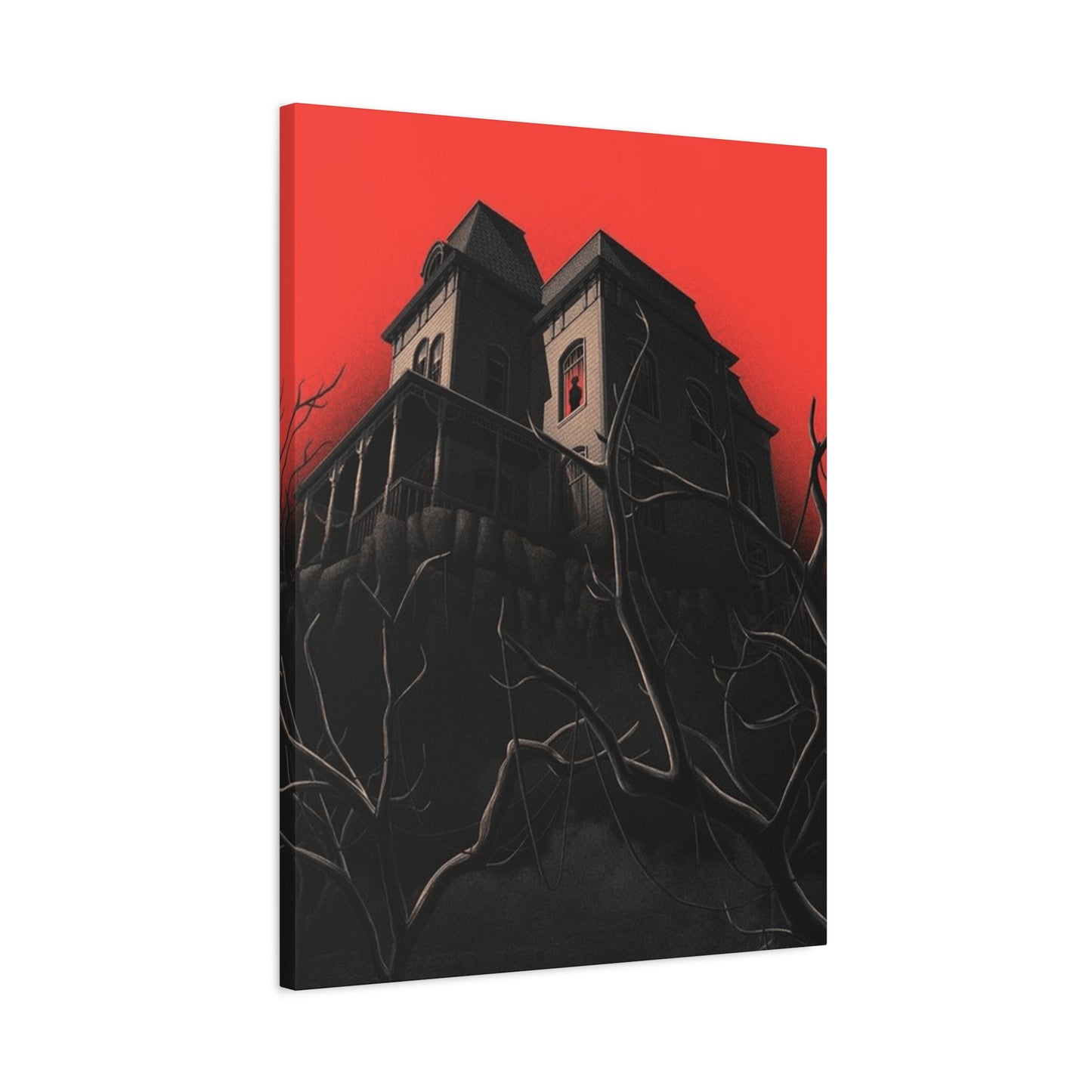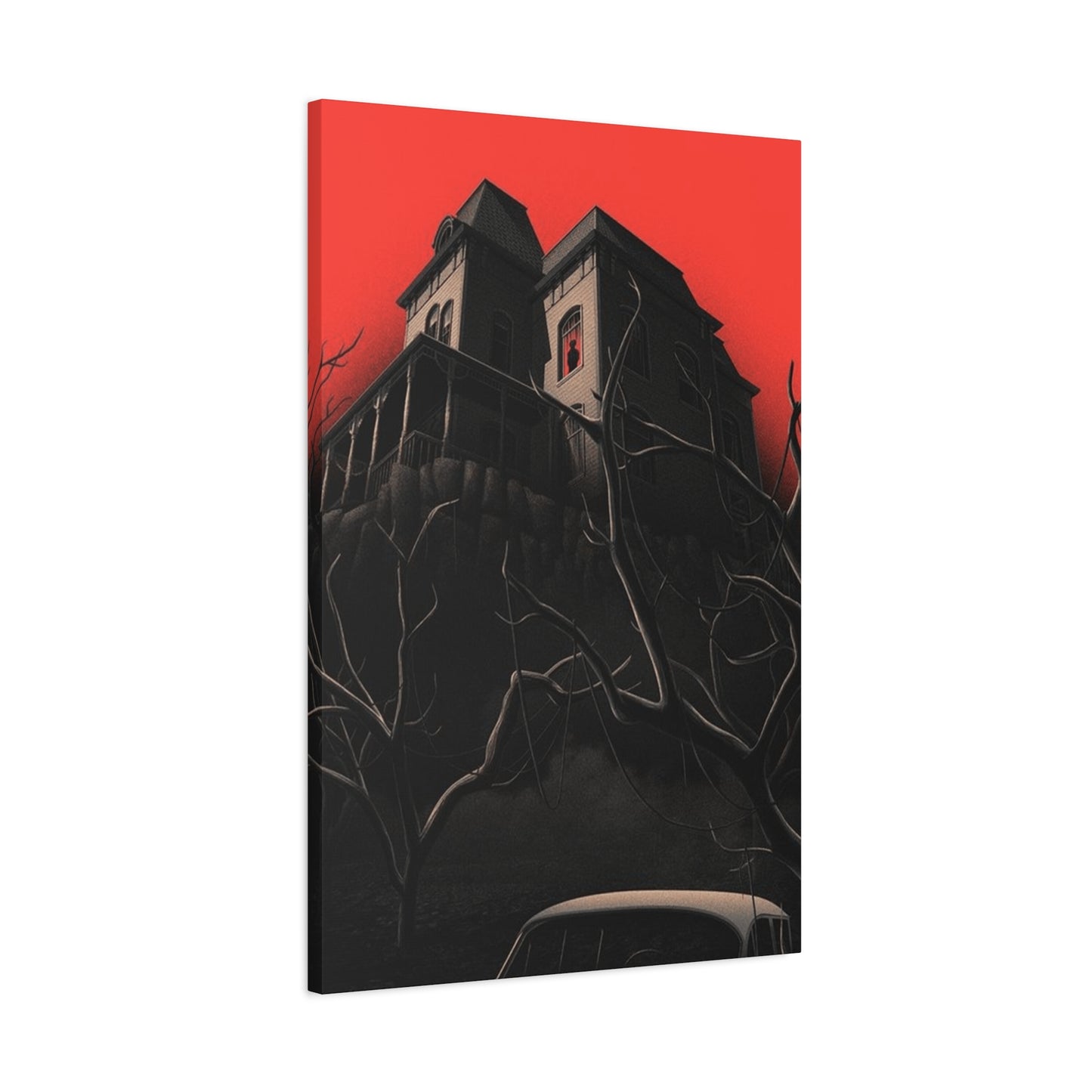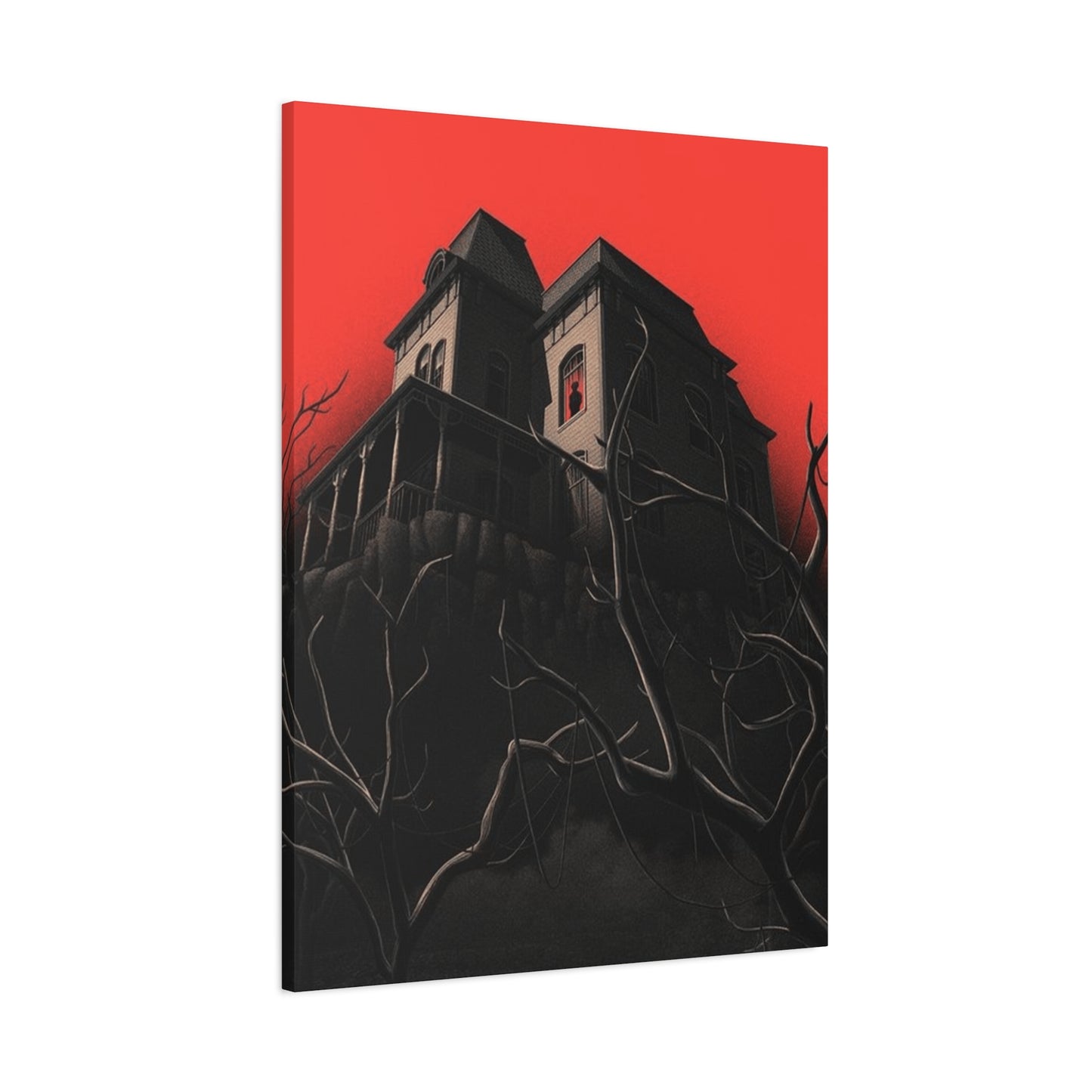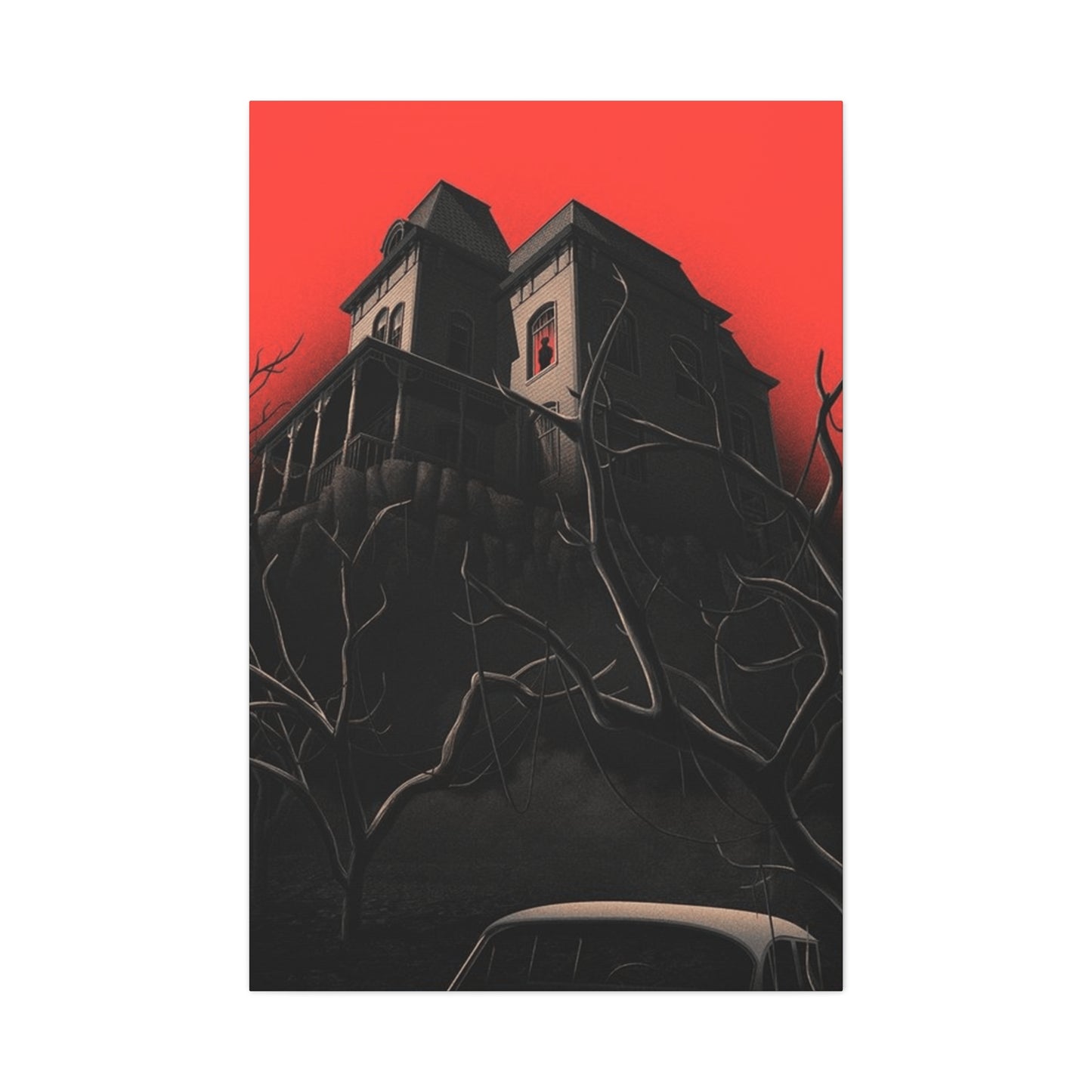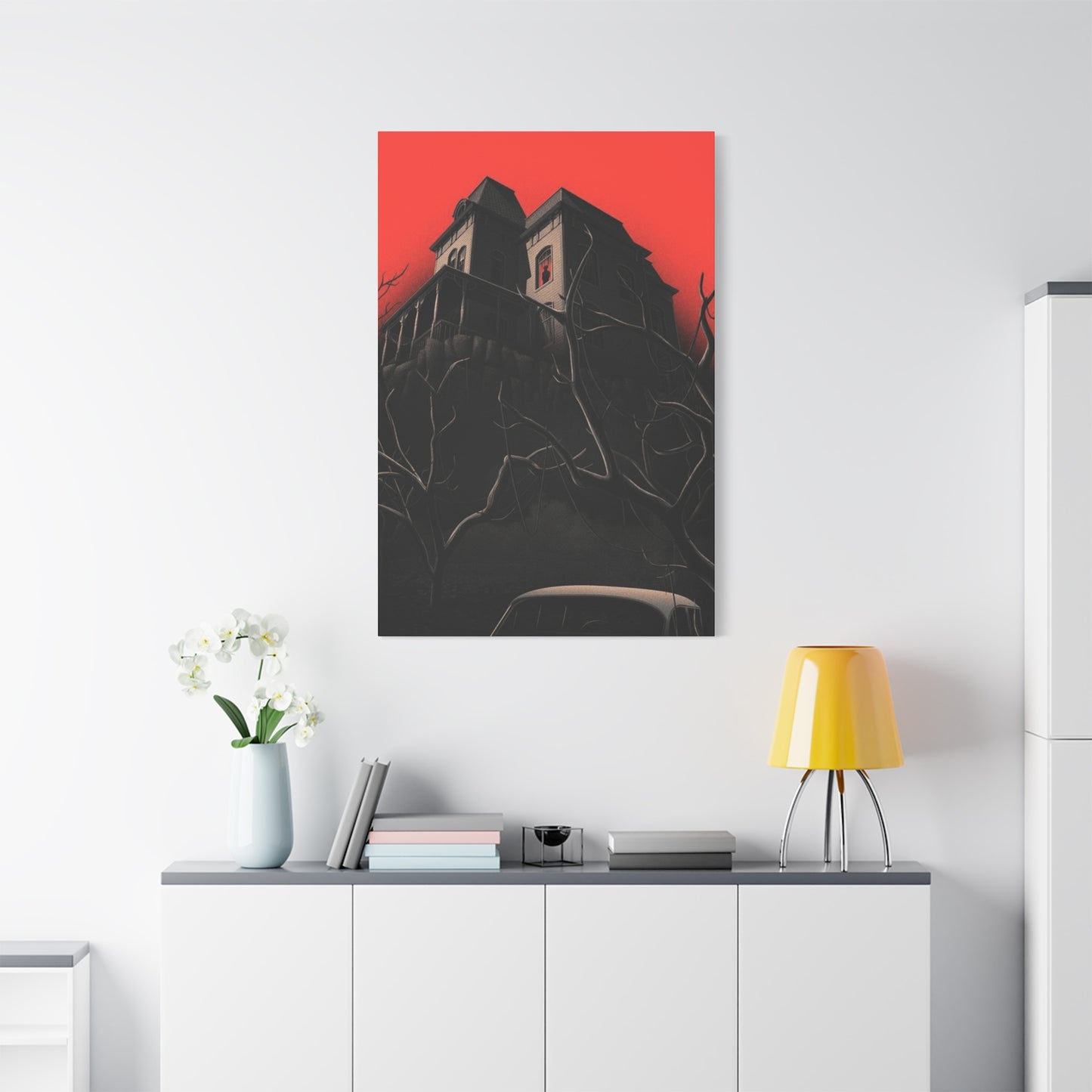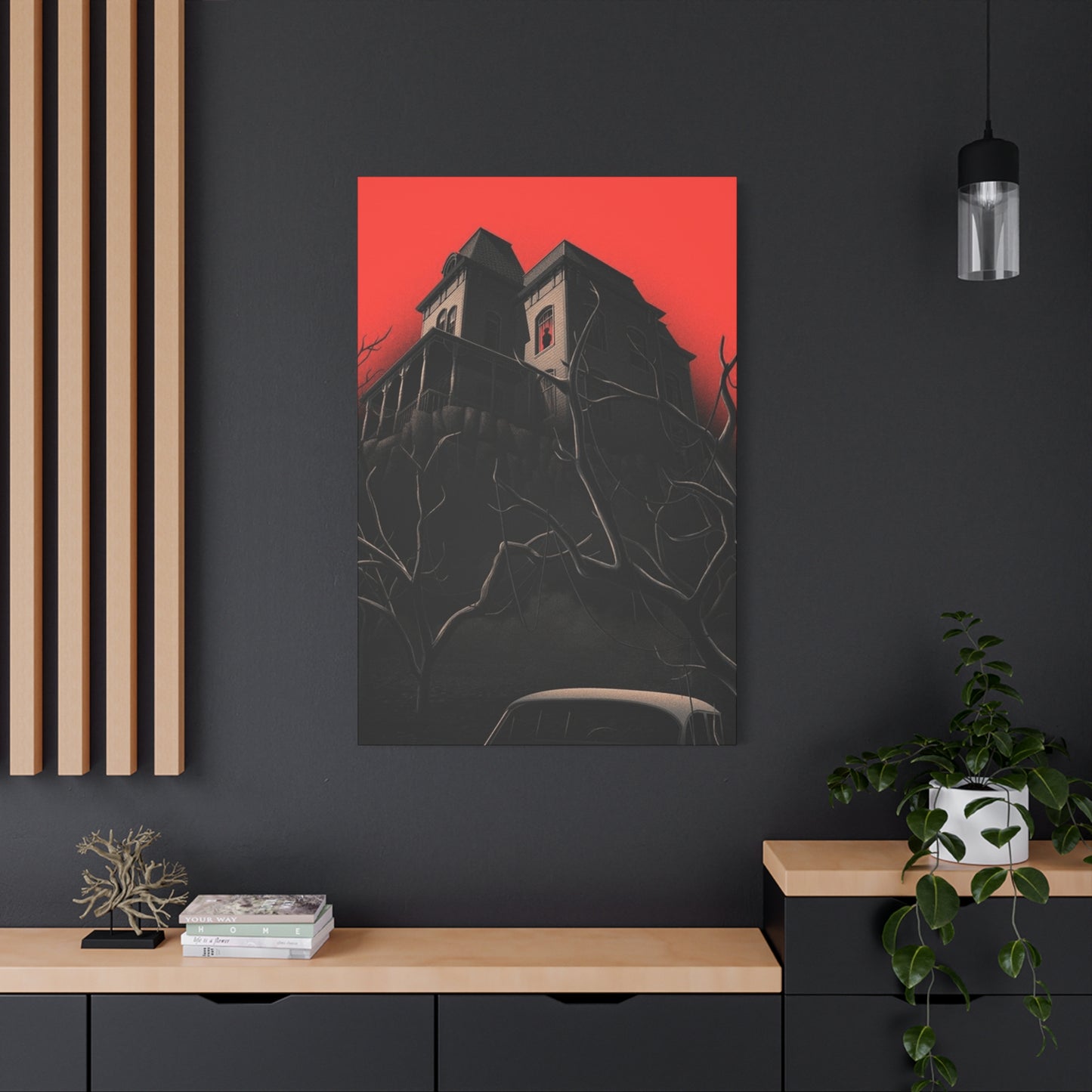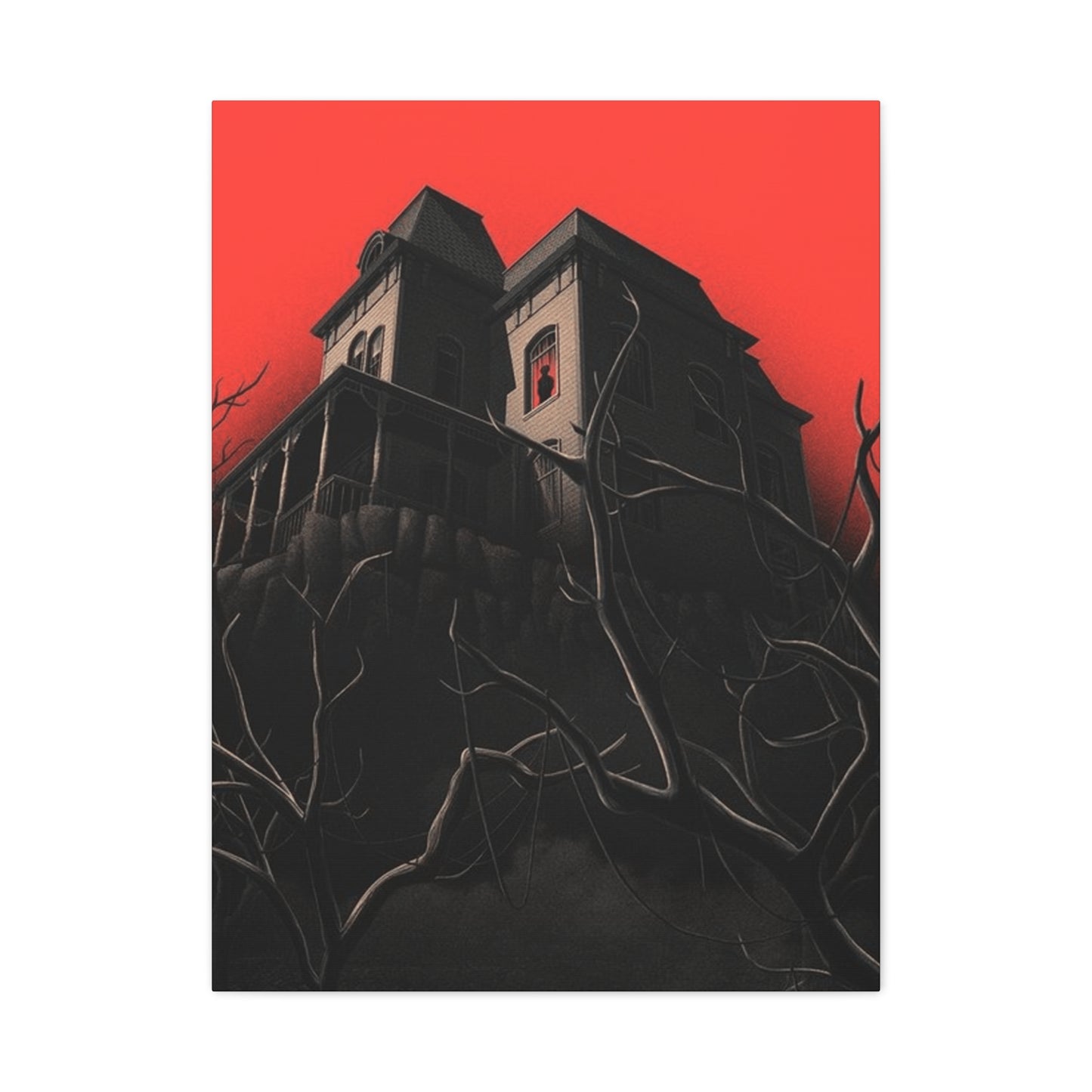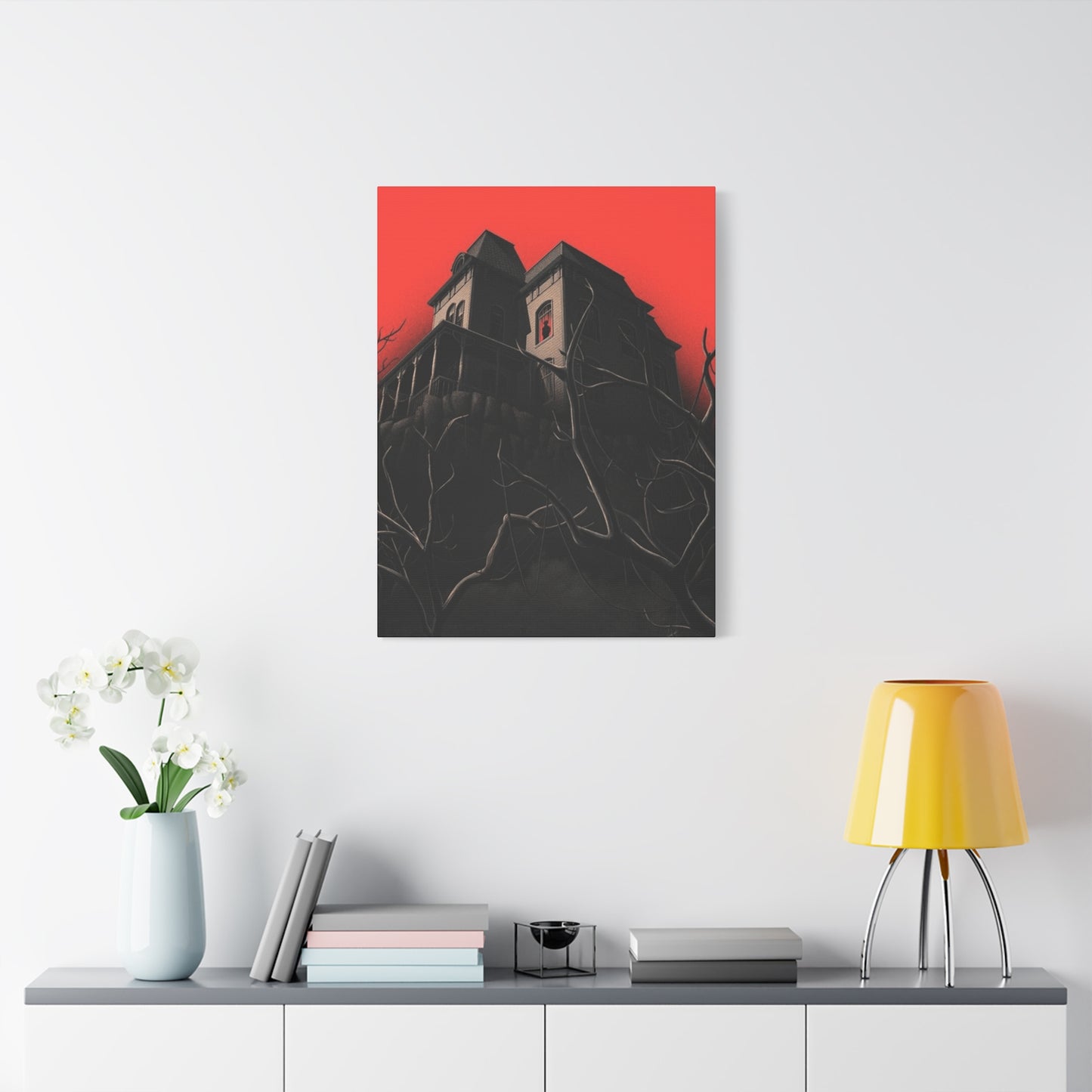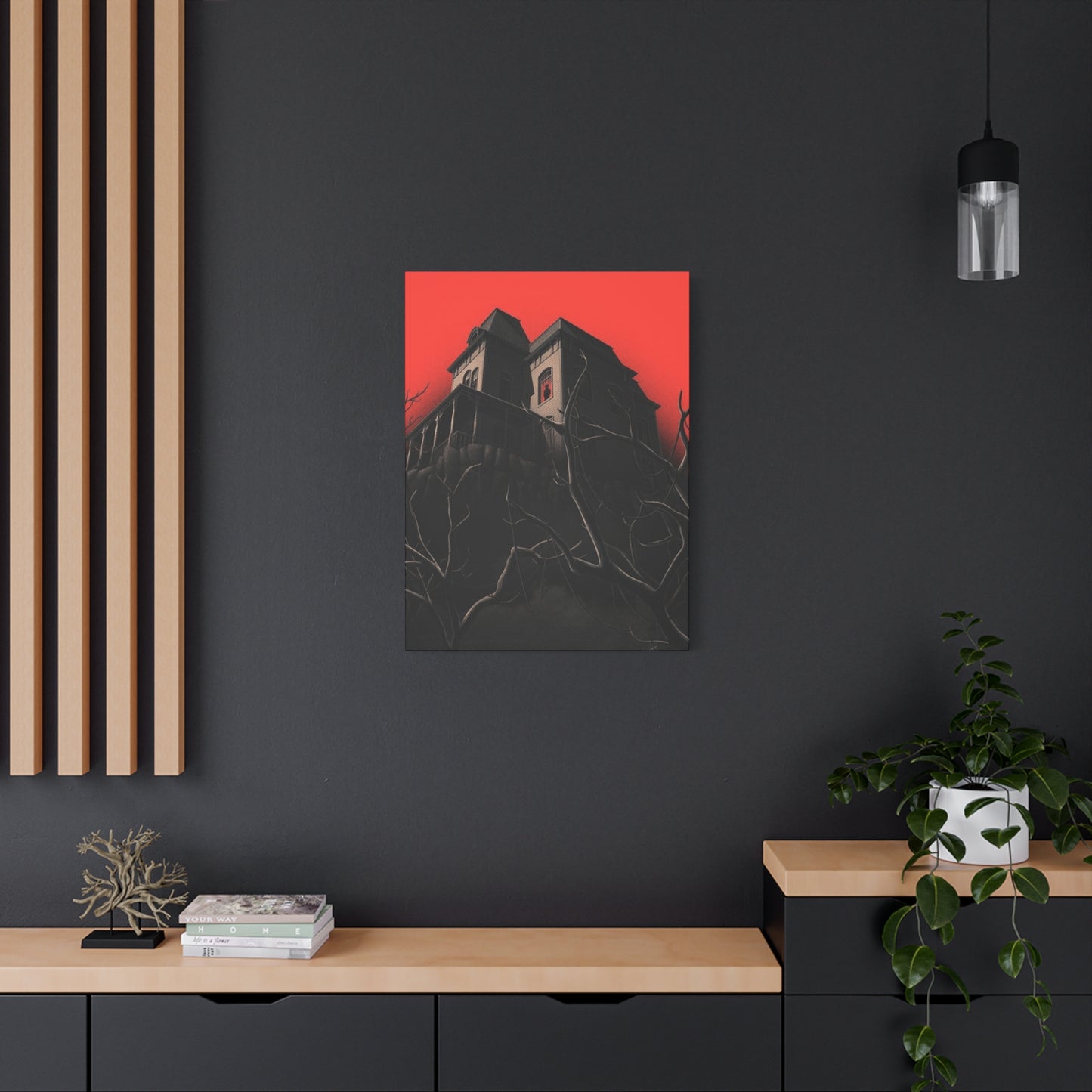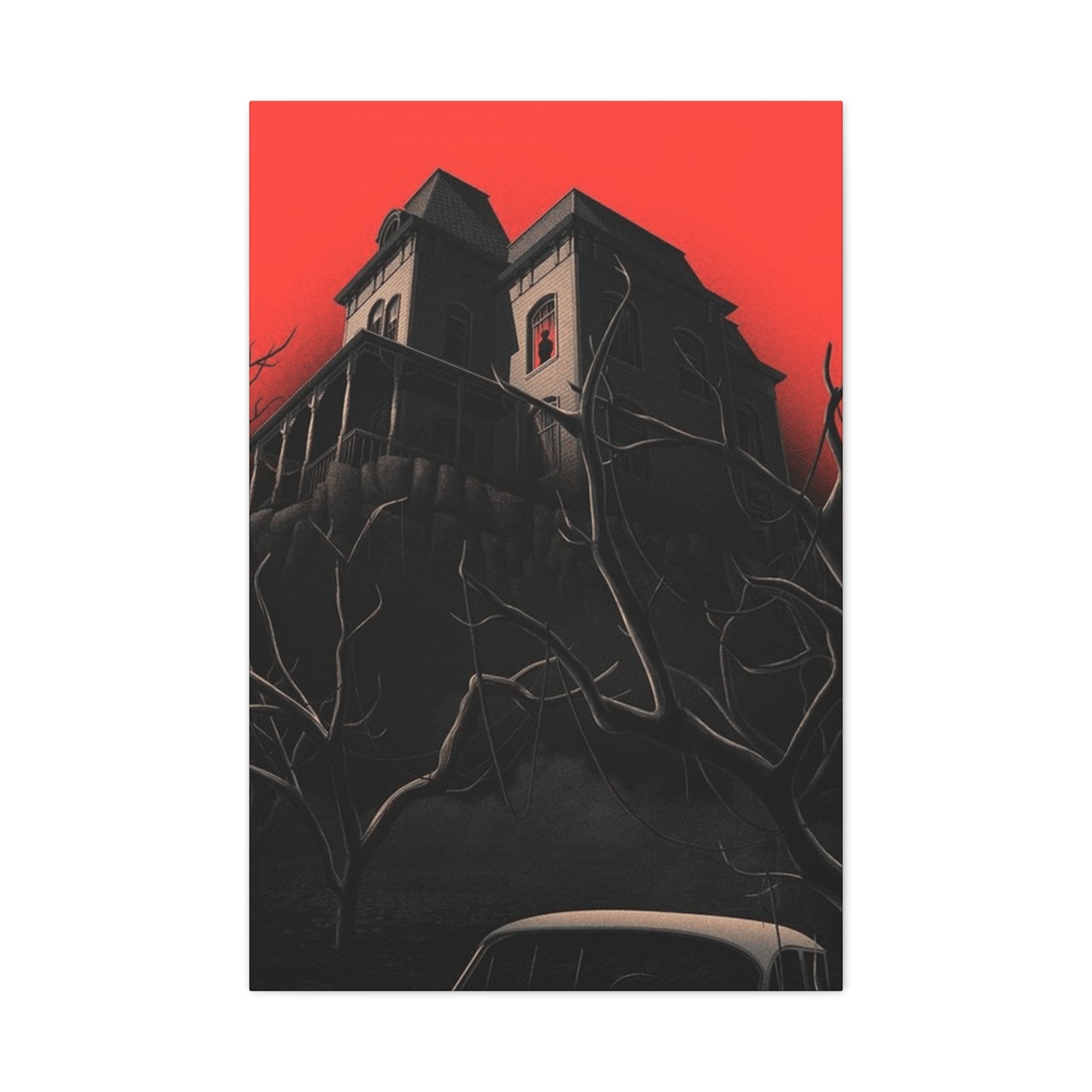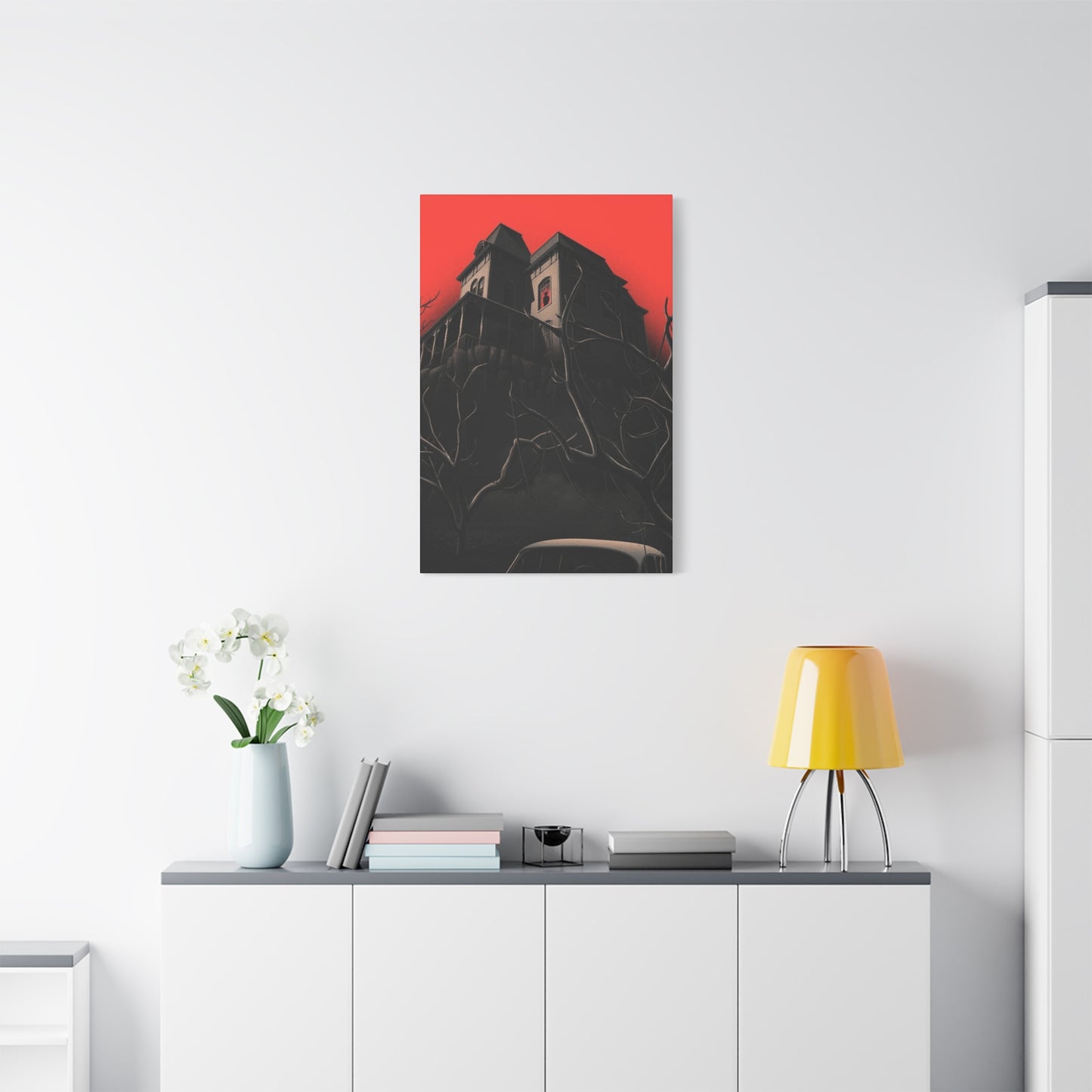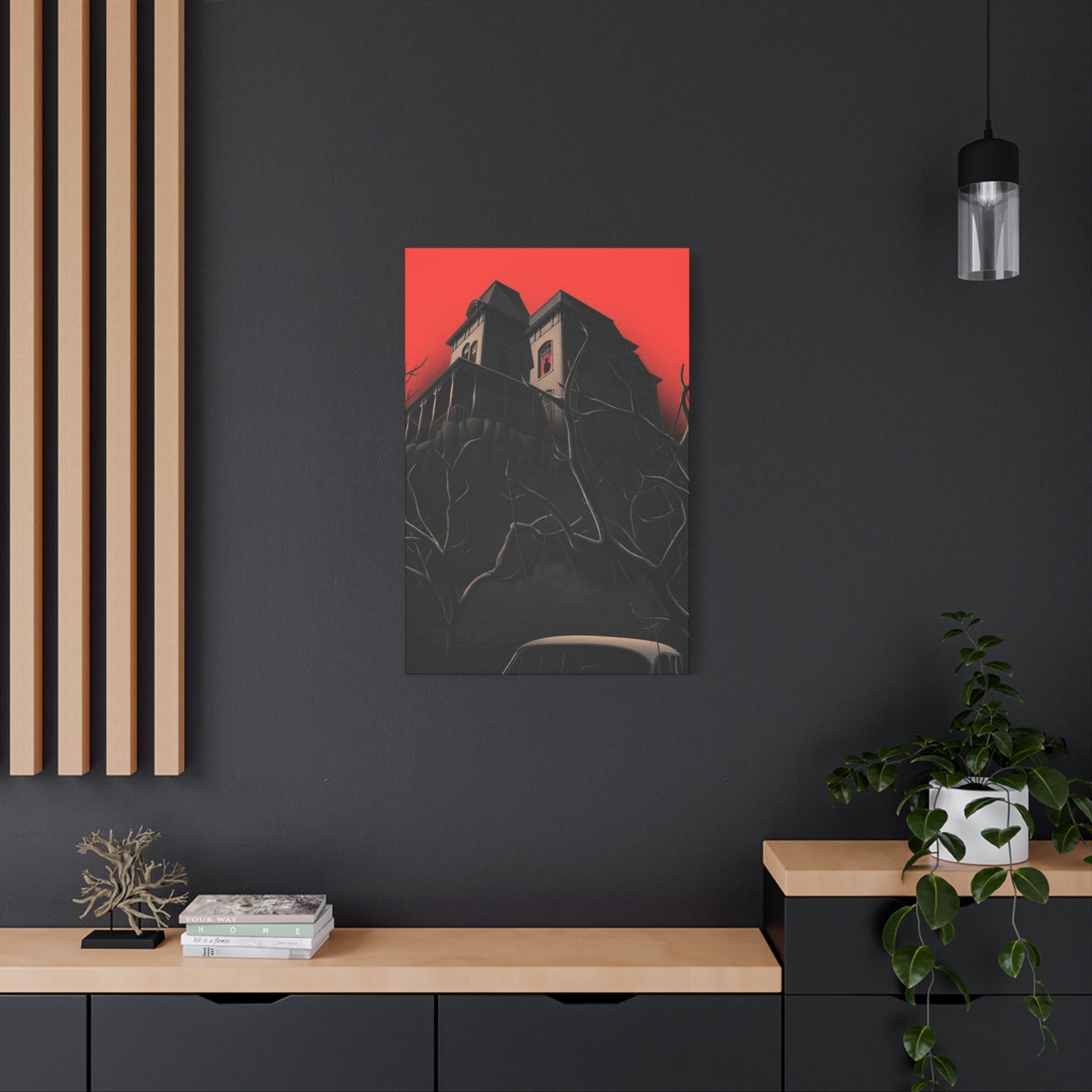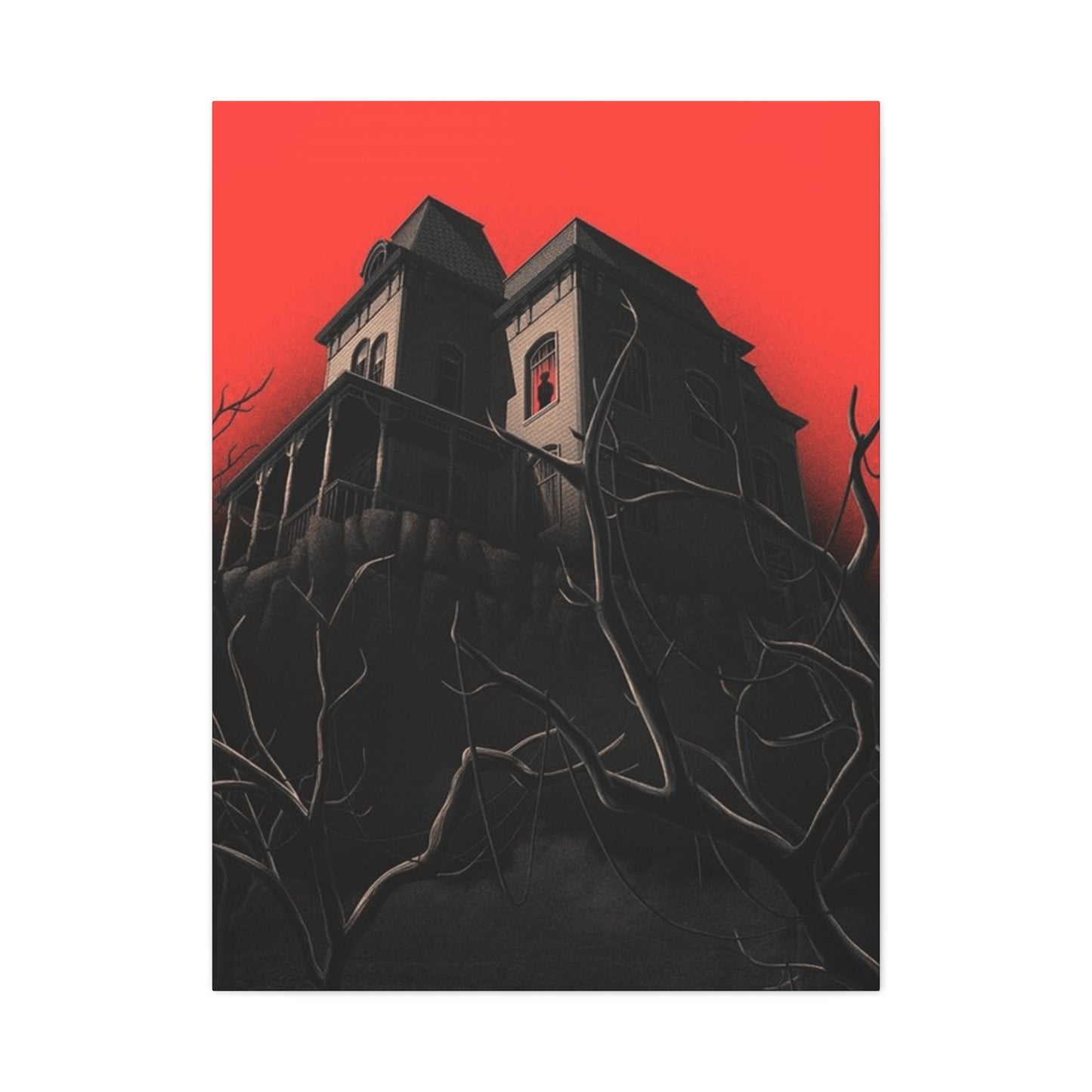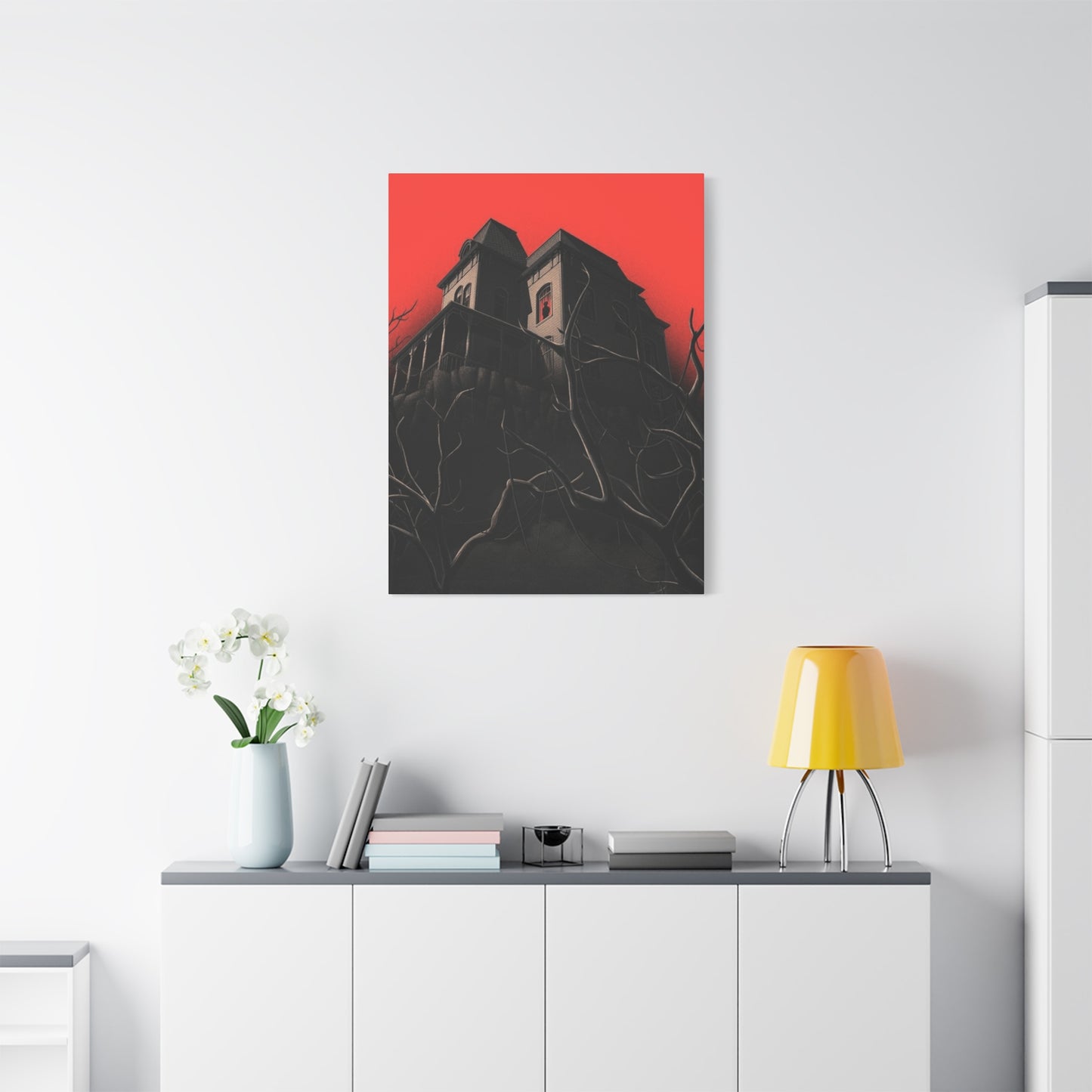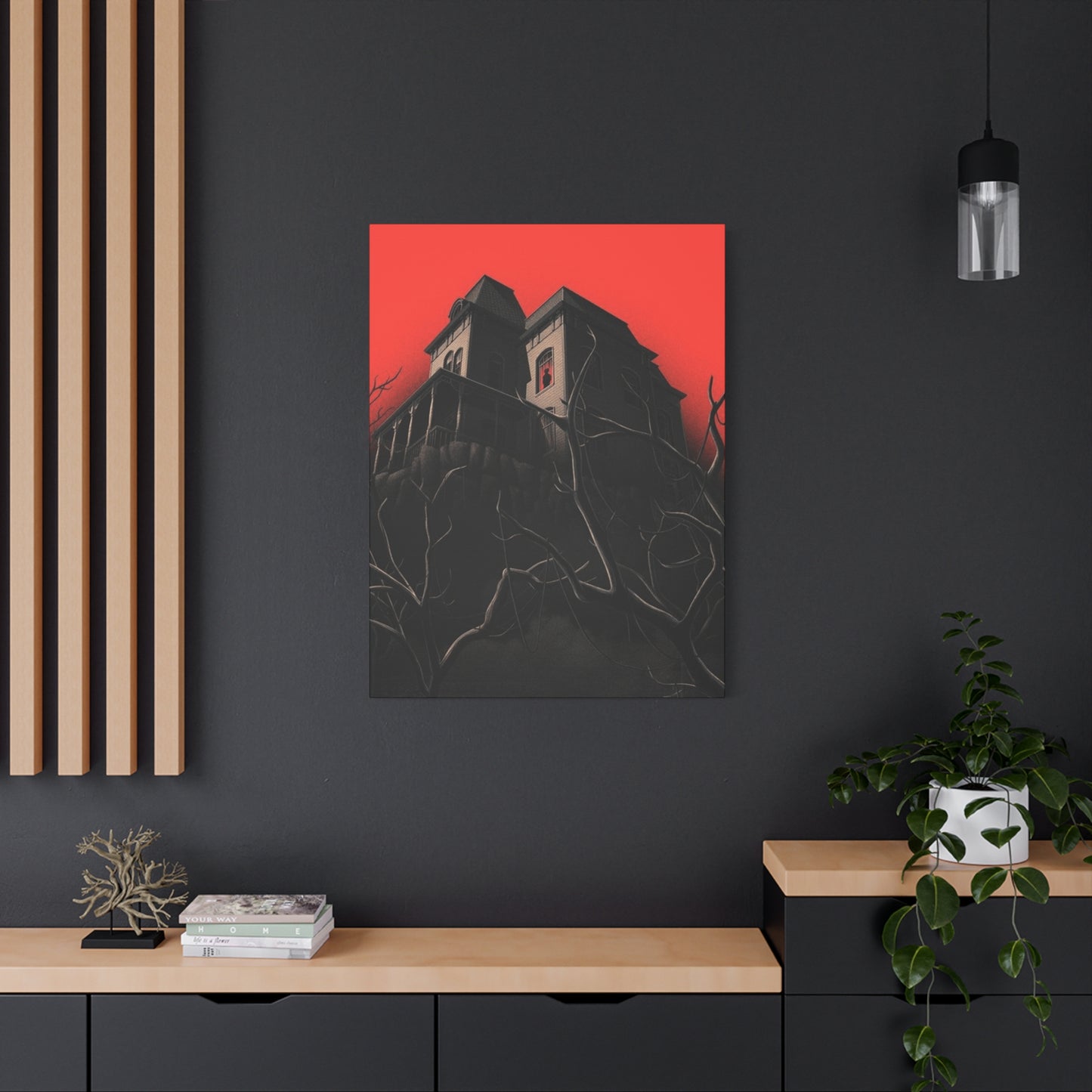


Horror Movie Poster Wall Art & Canvas Prints
Horror Movie Poster Wall Art & Canvas Prints
Couldn't load pickup availability
Captivating Horror Movie Poster Wall Art: Creating Spine-Chilling Decor That Transforms Your Living Spaces Into Cinematic Sanctuaries
The realm of frightening cinema has long captivated audiences worldwide, and bringing those terrifying moments into your personal sanctuary through carefully curated poster displays offers an unparalleled method of expressing devotion to the genre. These visual masterpieces serve as more than mere decorative elements; they embody cultural touchstones that have shaped generations of viewers and continue influencing contemporary artistic expression. When properly selected and displayed, these graphic representations become conversation starters, mood setters, and windows into the darker corners of human imagination.
Discovering The Magnetic Pull Behind Collecting Terrifying Cinema Artwork For Your Personal Gallery
The fascination with acquiring vintage and contemporary frightening film posters stems from multiple interconnected factors that resonate deeply within collectors and casual enthusiasts alike. These printed treasures represent specific moments in cinematic history when directors, designers, and marketers collaborated to distill complex narratives into single, powerful images designed to evoke visceral reactions. Each piece carries within it the zeitgeist of its era, reflecting societal anxieties, artistic movements, and cultural shifts that defined particular decades.
Collectors find themselves drawn to these artifacts because they offer tangible connections to experiences that shaped their worldview. The first encounter with a truly terrifying film often occurs during formative years, creating indelible memories associated with specific imagery. Owning physical representations of those experiences allows individuals to revisit and honor those pivotal moments while simultaneously creating sophisticated living environments that reflect mature aesthetic sensibilities.
The investment potential of rare and well-preserved cinema artwork has grown exponentially over recent decades. Original one-sheets from classic productions, particularly those from the golden age of creature features and atmospheric thrillers, now command substantial prices at auction houses and specialized dealerships. This financial dimension adds another layer of appeal for collectors who view their acquisitions as both personal treasures and potential legacy assets.
Beyond monetary considerations, the artistic merit of these pieces deserves recognition. Many posters were crafted by talented illustrators who brought unique visions to promotional materials, often creating imagery that transcended their commercial purposes. Artists like Reynold Brown, Basil Gogos, and Graham Humphreys produced work that stands alongside fine art in terms of composition, color theory, and emotional impact. Recognizing and preserving these contributions represents an important aspect of maintaining cinema history.
Exploring Diverse Categories Within Frightening Film Poster Collections That Appeal To Various Aesthetic Preferences
The universe of terrifying cinema artwork encompasses numerous subcategories, each offering distinct visual languages and thematic concerns. Gothic Victorian-era narratives present ornate, atmospheric designs featuring fog-shrouded castles, candlelit corridors, and period-appropriate typography that evokes mystery and dread. These pieces often showcase muted color palettes dominated by deep purples, midnight blues, and sepia tones that suggest antiquity and decay.
Creature-centric productions from mid-century cinema provide another rich vein for collectors. These posters typically feature exaggerated depictions of monsters rendered in lurid colors designed to shock and entice potential audiences. The artistic exaggeration present in these works reflects both the limitations and creative freedoms of pre-digital effects, resulting in imagery that often proves more memorable than the actual creatures depicted onscreen.
Slasher subgenre artwork from the late twentieth century introduces entirely different visual vocabulary. Sharp angles, primary colors—especially reds suggesting violence—and menacing silhouettes characterize these designs. Typography becomes jagged and aggressive, mirroring the brutal content of the films themselves. The compositional strategies employed in these posters often emphasize vulnerability through positioning of victims relative to threatening figures.
Supernatural and paranormal-themed posters lean heavily into symbolism and suggestion rather than explicit depiction. Religious iconography, inverted crosses, pentagrams, and other occult symbols frequently appear alongside images of possessed individuals or haunted locations. The color schemes tend toward stark contrasts—blacks against whites, or deeply saturated colors that create unsettling visual tension.
Contemporary indie frightening cinema has spawned an entire movement of alternative poster designs created by fan artists and specialized studios. These reinterpretations often take minimalist approaches, using negative space, limited color palettes, and conceptual imagery that references specific plot elements or thematic concerns. This movement has democratized poster collecting, making unique, limited-edition prints accessible to broader audiences.
International cinema contributions cannot be overlooked when discussing the breadth of available artwork. Italian giallo films feature psychedelic color schemes and surrealistic compositions that set them apart from their American counterparts. Japanese productions often incorporate traditional artistic elements blended with modern sensibilities, creating hybrid aesthetics that appeal to collectors seeking cultural diversity in their displays.
Mastering The Craft Of Selecting Premium Quality Reproductions Versus Pursuing Authentic Vintage Originals For Your Collection
The decision between acquiring authentic vintage materials or opting for high-quality reproductions represents a fundamental choice facing every collector. Original theatrical one-sheets carry historical significance and investment potential that reproductions simply cannot match. These documents served actual promotional purposes, hanging in theater lobbies and on city streets, accumulating the patina of time and use. Imperfections—folds, tears, edge wear—tell stories of their journey through decades.
However, authentic vintage pieces present significant challenges. Scarcity drives prices beyond reasonable ranges for many collectors, particularly for iconic titles or rare variants. Condition concerns plague the vintage market, as paper deteriorates naturally over time, especially when exposed to light, humidity, and handling. Professional restoration can address some issues but adds considerable expense while potentially compromising historical authenticity.
Modern reproduction technologies have reached remarkable sophistication, offering alternatives that satisfy aesthetic desires without financial strain. High-resolution scanning, archival-quality papers, and precise color-matching allow contemporary printers to create stunning facsimiles virtually indistinguishable from originals to untrained eyes. These pieces provide visual impact without the anxiety accompanying valuable originals, making them practical choices for active living spaces.
Legitimate reproduction companies distinguish themselves through transparency about their products' nature. Reputable sellers clearly identify items as reprints, provide information about paper stocks and printing methods, and often include details about original poster histories. This honesty allows collectors to make informed decisions while supporting businesses that respect intellectual property and maintain ethical standards.
Limited edition screen-printed posters represent a middle ground between vintage originals and mass-produced reproductions. Artists create new interpretations of classic films, hand-pulling prints in small quantities that become collectible in their own right. These works offer originality, artistic merit, and investment potential while remaining more accessible than theatrical originals. The screen-printing process itself adds textural qualities and color depth that digital printing cannot replicate.
Authentication concerns plague the vintage market, with unscrupulous dealers occasionally passing reproductions as originals. Developing expertise requires studying paper types, printing techniques, distribution marks, and other identifying characteristics specific to different eras and studios. Building relationships with established dealers, joining collector communities, and investing time in research helps protect against purchasing misrepresented materials.
Implementing Strategic Display Methods That Preserve Artwork While Creating Dramatic Visual Impact Throughout Your Rooms
Proper presentation elevates poster artwork from simple decoration to curated gallery experience. Frame selection significantly influences how pieces integrate into broader interior design schemes while providing essential protection against environmental damage. Museum-quality frames with UV-protective glazing shield paper from harmful light rays that cause fading and deterioration. Acid-free matting prevents chemical reactions that yellow and weaken vintage paper stocks.
Hanging arrangements demand careful consideration of spatial relationships and visual flow. Gallery walls featuring multiple posters require attention to sizing, spacing, and thematic coherence. Creating balanced compositions involves playing with symmetry and asymmetry, establishing focal points, and managing color relationships across adjacent pieces. The negative space between frames contributes as much to overall impact as the artwork itself.
Lighting deserves special attention when displaying valuable or meaningful pieces. Direct sunlight represents the greatest threat to paper-based artwork, causing irreversible fading and embrittlement. Positioning displays away from windows or implementing UV-filtering window treatments provides first-line defense. Artificial lighting should employ LED fixtures that emit minimal heat and UV radiation while providing sufficient illumination to appreciate details and colors.
Thematic groupings create narrative coherence within collections. Organizing displays by decade, subgenre, director, or color scheme transforms random assortments into intentional statements. Chronological arrangements illustrate the evolution of artistic styles and cultural attitudes. Director-focused groupings celebrate auteur visions across multiple works. Color-coordinated walls create striking visual harmony that appeals to design-conscious viewers.
Floating shelves and ledge systems offer flexible alternatives to traditional hanging methods. These installations allow easy rotation of displays without damaging walls through repeated nail holes. The ability to lean frames at angles rather than hanging them flush creates dimensional interest and casual sophistication. Layering multiple pieces at varying depths adds complexity to otherwise simple arrangements.
Specialty rooms dedicated entirely to collections represent the ultimate expression of devotion. Home theaters become immersive experiences when surrounded by appropriate imagery that enhances viewing atmospheres. Media rooms, game spaces, and private studies benefit from carefully curated displays that reflect occupants' personalities and interests. These dedicated environments allow for more adventurous display strategies, including floor-to-ceiling installations and unconventional arrangements.
Investigating How Specific Color Schemes Within Poster Artwork Influences Emotional Responses And Room Atmospheres
Color psychology plays crucial roles in how frightening cinema artwork affects viewers and spaces. The dominance of red throughout the genre stems from instinctive associations with blood, danger, and alarm. These deeply rooted responses trigger heightened awareness and mild anxiety even in safe environments. Designers exploiting these connections create immediate visceral reactions that communicate genre and tone before viewers process specific imagery or text.
Black serves as foundational element across countless pieces, representing darkness, mystery, and the unknown. Its presence creates visual weight and drama while providing contrast that makes other colors appear more vibrant. The psychological impact of black relates to primal fears of nighttime and obscured vision—states of vulnerability when predators gain advantages. Rooms featuring predominantly dark poster artwork take on sophisticated, intimate characters.
Green frequently appears in supernatural and science-fiction-tinged frightening films, carrying associations with toxicity, decay, and otherworldliness. Sickly green tints suggest illness and corruption, while brighter greens evoke radioactivity and alien presences. These colors create unsettling effects because they appear unnatural in human contexts, triggering subtle discomfort that enhances thematic appropriateness.
Orange and yellow, when deployed in frightening contexts, subvert their usual associations with warmth and positivity. Sulfurous yellows suggest hellfire and corruption, while deep oranges recall flames and destruction. The cognitive dissonance created by seeing typically cheerful colors employed for sinister purposes amplifies their psychological impact, making them more memorable than straightforward choices might prove.
Blue tones, particularly cold, desaturated variants, communicate isolation, melancholy, and supernatural presence. The prevalence of blue in ghost stories and psychological thrillers relates to associations with coldness, both physical and emotional. These hues create contemplative, eerie atmospheres distinct from the aggressive energy of red-dominated designs. Rooms featuring predominantly blue artwork feel reflective and mysterious.
Monochromatic and limited-palette designs demonstrate that restriction often enhances impact. Black-and-white posters carry timeless elegance while emphasizing composition and contrast over chromatic appeal. Two-color prints, particularly those employing spot colors on neutral backgrounds, achieve striking results through simplicity. These approaches prove particularly effective in modern, minimalist interior schemes where excessive color might clash with existing elements.
Navigating The Global Marketplace For Acquiring Rare And Desirable Pieces To Expand Your Permanent Gallery
The hunt for perfect additions to collections represents half the pleasure of the hobby. Physical venues including antique malls, flea markets, and estate sales occasionally yield unexpected treasures at reasonable prices. These hunting grounds require patience and regular visits, as inventory constantly changes. Developing relationships with vendors who understand your interests can lead to alerts about incoming materials matching your preferences.
Specialty shops focusing specifically on cinema memorabilia offer curated selections with knowledgeable staff who provide context and authentication. These establishments command premium prices reflecting their expertise and overhead costs, but the assurance of authenticity and quality justifies expenses for serious collectors. Many maintain client lists and contact regular customers when acquiring pieces matching stated interests.
Online marketplaces have revolutionized collecting by providing unprecedented access to global inventories. Auction platforms allow bidding on items from around the world, though this convenience introduces challenges including accurate condition assessment from photographs and shipping risks for delicate materials. Fixed-price retailers maintain extensive catalogs with detailed descriptions and return policies that reduce purchasing anxiety.
Collector conventions and memorabilia shows create concentrated opportunities to examine numerous items firsthand. These events attract dealers who travel considerable distances, bringing inventory they might not stock in permanent locations. The competitive environment can yield favorable prices as dealers seek to avoid transporting unsold merchandise home. Additionally, these gatherings facilitate networking with fellow collectors who share knowledge and occasionally offer pieces from personal collections.
Direct purchases from private collectors through enthusiast forums and social media groups often provide the best value. Individuals selling from personal collections typically lack the profit margins of commercial dealers and may prioritize finding appreciative homes for treasured items over maximizing returns. These transactions require extra diligence regarding authentication and condition assessment, as amateur sellers may lack professional dealers' expertise.
International sources expand possibilities dramatically, particularly for productions that received limited or no distribution in certain markets. Navigating language barriers, currency exchanges, and customs regulations adds complexity but opens doors to unique variants and foreign editions unavailable domestically. Building relationships with overseas dealers or collectors facilitates smoother transactions and ongoing access to materials as they become available.
Examining How Poster Artwork Reflects And Shapes Cultural Attitudes Toward Fear, Violence, And Social Anxieties
Frightening cinema posters serve as cultural barometers, revealing societal concerns and taboos of their respective eras. Post-war productions often featured monstrous threats emerging from atomic testing or space exploration, externalizing Cold War anxieties about nuclear annihilation and technological overreach. The creatures depicted represented consequences of humanity's hubris and destructive capabilities, offering cautionary narratives disguised as entertainment.
The counterculture movements of the 1960s and 1970s brought shifts toward psychological frightening narratives and visceral violence that challenged prevailing censorship standards. Poster artwork became increasingly graphic, reflecting broader cultural conversations about acceptable public content and generational divides regarding morality and artistic expression. These pieces documented evolving attitudes toward depicting violence and challenging traditional authority structures.
Gender representation within poster imagery provides fascinating insights into changing social dynamics. Early productions typically positioned women as victims requiring rescue, reinforcing traditional gender roles. Later decades saw increasing complexity, with female characters assuming active, powerful positions—sometimes as threats themselves. Contemporary posters often subvert earlier tropes entirely, reflecting ongoing conversations about representation, agency, and challenging stereotypes.
Racial and ethnic representation in poster artwork similarly tracks broader societal progress and persistent issues. Historically marginalized groups were frequently absent or depicted through problematic stereotypes reflecting prejudices of their times. Modern collectors must navigate complex relationships with materials embodying outdated attitudes while acknowledging historical context. Contemporary productions demonstrate increased inclusivity, though conversations about representation remain ongoing.
Economic anxieties manifest through recurring motifs of class conflict, resource scarcity, and wealth disparity. Productions exploring these themes often feature stark visual contrasts between opulence and poverty, or depict wealthy antagonists exploiting vulnerable populations. The commercial success of such narratives suggests audiences respond to stories reflecting their own economic insecurities and resentments.
Environmental concerns increasingly surface in contemporary frightening cinema, with poster artwork depicting nature fighting back against human exploitation or societies collapsing under ecological strain. These pieces tap into genuine anxieties about climate change, pollution, and sustainability while continuing the genre's tradition of externalizing abstract fears into tangible threats.
Understanding Proper Preservation Protocols That Ensure Longevity For Valuable Paper-Based Collectibles
Archival storage represents the foundation of preservation for valuable poster materials. Acid-free, lignin-free folders and boxes prevent chemical degradation that occurs when paper contacts acidic materials. Interleaving sheets between stacked posters prevent ink transfer and friction damage. Storage locations should maintain stable environmental conditions, avoiding temperature extremes, humidity fluctuations, and exposure to pests or pollutants.
Climate control significantly impacts preservation outcomes. Ideal storage conditions maintain temperatures between 65-70 degrees Fahrenheit with relative humidity between 30-50 percent. Higher humidity encourages mold growth, foxing, and dimensional changes as paper absorbs moisture. Excessive dryness causes brittleness and increased vulnerability to mechanical damage. Monitoring environmental conditions through hygrometers and thermometers allows for corrective action before damage occurs.
Handling protocols minimize physical stress on delicate paper stocks. Clean, dry hands or cotton gloves prevent oil and dirt transfer. Supporting entire dimensions when moving posters distributes weight evenly, preventing stress points that lead to tears or creases. Avoiding unnecessary handling altogether represents the best preservation strategy—viewing pieces while properly framed and displayed rather than repeatedly removing them for examination.
Professional conservation services address existing damage and prevent further deterioration. Conservators employ specialized techniques including aqueous washing to remove acidic compounds, deacidification treatments to neutralize existing acidity, and structural repairs using reversible, archival materials. These interventions can dramatically extend lifespans while maintaining collectible value, though they require significant investment.
Digital documentation creates permanent records of collections while facilitating sharing and research without handling original materials. High-resolution photography captures condition at specific points, providing evidence for insurance purposes and tracking deterioration over time. These files enable virtual exhibitions and exchanges with fellow collectors worldwide while keeping physical materials safely stored.
Insurance considerations become increasingly important as collection values grow. Specialty policies covering collectibles provide more comprehensive protection than standard homeowner's coverage, which typically imposes low limits on paper goods. Professional appraisals establish documented values for insurance purposes while requiring expertise to accurately assess condition, rarity, and market position of specific pieces.
Creating Cohesive Interior Design Narratives That Incorporate Frightening Cinema Artwork Without Overwhelming Living Spaces
Balancing thematic collections with livable, welcoming environments requires thoughtful approach to quantity, placement, and supporting elements. Concentrated displays in specific rooms prevent collections from dominating entire homes. Dedicating particular spaces to specific themes or periods creates focused experiences while allowing other areas to maintain different characters. This zoning approach respects both collector passions and household members who may not share identical enthusiasms.
Color coordination between poster artwork and existing decor prevents visual chaos. Selecting pieces whose dominant colors complement wall tones, furniture, and accessories creates harmonious environments. Alternatively, deliberate contrast can create striking focal points when carefully managed. Neutral backgrounds often work best for displaying colorful artwork, allowing pieces to command attention without competing against busy patterns or conflicting hues.
Furniture selection and placement affects how poster displays integrate into functional spaces. Low-profile seating prevents blocking sightlines to wall-mounted artwork. Display cases and credenzas provide surfaces for three-dimensional collectibles that complement flat posters. Bookshelves housing genre literature and related materials create thematic unity while adding practical storage.
Textile choices including curtains, throw pillows, and rugs offer opportunities to reinforce thematic elements through pattern and color. However, restraint prevents spaces from becoming costume-like parodies. Subtle nods through texture, pattern scale, or color family maintain sophistication while acknowledging thematic interests. Velvet fabrics, dark woods, and metallic accents complement gothic and vintage horror aesthetics without literalizing them.
Lighting layers create dramatic presentations while maintaining functionality. Ambient lighting provides general illumination, task lighting serves specific activities, and accent lighting highlights particular artworks or architectural features. Dimmers allow adjusting atmosphere to suit different times and purposes. Colored bulbs or filters can enhance thematic experiences during gatherings while remaining unobtrusive during daily life.
Living with potentially unsettling imagery requires self-awareness regarding personal comfort levels and household dynamics. Pieces appropriate for private spaces may prove too intense for common areas where guests and children congregate. Building collections gradually allows assessing long-term compatibility with daily life rather than committing immediately to extensive installations that may eventually feel oppressive or inappropriate.
Investigating The Investment Landscape Surrounding Vintage Cinema Memorabilia And Predicting Value Trajectories
The collectibles market for cinema memorabilia has experienced remarkable growth, with certain rare pieces achieving six-figure prices at prestigious auction houses. Factors influencing value include rarity, condition, cultural significance, and sustained popularity of specific titles. First editions and variant printings command premiums, as do pieces associated with landmark productions that defined genres or launched significant careers.
Market trends demonstrate increasing premiums for materials from specific periods. Pre-1970s theatrical posters continue appreciating as surviving examples become scarcer. The golden age of creature features and atmospheric chillers from the 1950s through early 1960s represents particularly strong market segment. Meanwhile, slasher-era materials from the late 1970s and 1980s have recently gained traction as collectors who experienced these films during childhood reach peak earning years.
Authentication and provenance documentation significantly impact valuations. Pieces with clear ownership histories, particularly those traceable to studio archives or theatrical venues, command substantial premiums. Professional grading services provide standardized condition assessments that facilitate transactions and support higher prices for superior examples. The proliferation of sophisticated reproductions makes documentation increasingly valuable for establishing authenticity.
Celebrity connections create value multipliers beyond inherent artistic or historical merit. Posters featuring iconic performers whose careers transcended frightening cinema attract crossover interest from broader celebrity memorabilia collectors. Signatures from directors, actors, or poster artists transform standard pieces into unique items commanding significant premiums. However, authentication challenges plague this segment, requiring expert verification to confirm legitimacy.
International variants often prove more valuable than domestic releases despite lower name recognition. Foreign markets frequently produced unique artwork rather than translating English-language designs, creating distinct collectible categories. Limited distribution in smaller markets produced naturally restricted surviving populations, enhancing rarity. These factors combine to make foreign posters attractive to sophisticated collectors seeking unusual additions.
Condition sensitivity varies across different market segments. High-grade examples from popular, frequently collected titles command disproportionate premiums, with price drops accelerating as condition deteriorates. Conversely, extremely rare items maintain strong values even in poor condition because scarcity outweighs preservation concerns. Understanding these dynamics helps collectors make strategic acquisition decisions balancing availability against condition and budget constraints.
Exploring Alternative Formats Beyond Traditional Theatrical One-Sheets That Diversify Display Possibilities
Window cards represent compact promotional format popular during cinema's golden age. These smaller pieces, typically measuring fourteen by twenty-two inches, were designed for display in business windows and theater lobbies. Their manageable dimensions make them ideal for collectors with limited space or those preferring more intimate displays. The format's popularity among businesses meant wider original distribution, occasionally making them more accessible than theatrical one-sheets.
Lobby cards offered another promotional format, typically produced in sets of eight cards showcasing different scenes or elements. These photographic reproductions measured eleven by fourteen inches and provided audiences with glimpses of narrative content. Collecting complete sets presents challenges as individual cards often become separated over decades. However, single particularly striking cards make excellent display pieces, offering photographic content distinct from illustrated one-sheets.
Insert posters, measuring fourteen by thirty-six inches, provided vertical format alternatives that theaters could display in narrow spaces. The unusual dimensions create distinctive visual impact and offer interesting compositional challenges for designers working within unconventional aspect ratios. These pieces remain somewhat less collected than standard one-sheets, occasionally providing opportunities to acquire materials from popular titles at more accessible prices.
Half-sheet and three-sheet formats offered size variations for different promotional contexts. Half-sheets measure twenty-two by twenty-eight inches while three-sheets combine multiple panels for large-scale displays. These formats demonstrate how studios created comprehensive marketing campaigns with materials suited to various venues and contexts. Collectors focusing on specific titles sometimes seek examples across multiple formats to document complete promotional campaigns.
Foreign language posters from international releases introduce linguistic and cultural variations that create distinct aesthetic categories. Japanese chirashi mini-posters combine striking designs with compact dimensions. Italian fotobusta sets offer unique photographic compositions. Polish poster artists enjoyed creative freedom resulting in surrealistic interpretations bearing little resemblance to standard promotional materials. These international variants attract collectors seeking uncommon pieces with distinctive artistic sensibilities.
Contemporary limited edition prints from specialized studios and independent artists represent entirely separate market segment. These pieces reinterpret classic titles through modern design sensibilities, often employing screen-printing techniques and limited production runs. While lacking historical authenticity, they offer affordable entry points for new collectors and provide contemporary artistic value independent of nostalgia or investment considerations.
Delving Into Specific Subgenres And Their Distinctive Visual Vocabularies That Define Particular Frightening Cinema Categories
Gothic cinema's visual language draws heavily from Victorian and Edwardian aesthetics, featuring elaborate typography, architectural elements, and period-appropriate ornamentation. Posters often depict crumbling estates, fog-shrouded graveyards, and candlelit chambers that establish atmospheric dread. Color palettes lean toward muted, desaturated tones suggesting age and decay. The artistic approach emphasizes mood and suggestion over explicit depictions of violence or creatures.
Slasher subgenre artwork takes opposite approach, favoring bold graphics, primary colors, and explicit imagery warning of violent content. Masked antagonists dominate compositions, often wielding signature weapons rendered in exaggerated scale. Victim positioning emphasizes vulnerability through clothing choices, body language, and spatial relationships to threats. Typography becomes jagged and aggressive, mirroring the brutal content. These designs function as attractions for target demographics while simultaneously serving as warnings for sensitive viewers.
Supernatural and demonic possession narratives employ religious iconography and occult symbolism to communicate thematic concerns. Inverted crosses, pentacles, ancient texts, and clerical vestments appear frequently alongside imagery of corrupted innocence. Color schemes often feature stark contrasts—white garments stained or corrupted, sacred spaces defiled. The tension between sacred and profane creates visual interest while establishing narrative conflicts.
Science fiction-influenced frightening productions incorporate futuristic elements, alien creatures, and technological threats. Metallic surfaces, glowing elements, and geometric designs distinguish these pieces from earthbound narratives. Color palettes often include unnatural greens, blues, and purples suggesting otherworldly origins. Typography may incorporate futuristic fonts or technological motifs reinforcing thematic elements.
Found-footage and documentary-style productions inspired distinctive minimalist poster approaches emphasizing authenticity and immediacy. Grainy photography, handheld camera aesthetics, and sparse compositions communicate raw, unpolished terror. Typography often mimics typewriter fonts or handwritten notes, reinforcing amateur production values despite typically substantial studio backing. These designs deliberately reject polish and sophistication to maintain illusions of authentic documentation.
Creature features from various eras share common compositional strategies despite widely varying execution quality. Monsters dominate frames, often rendered in exaggerated scale relative to human figures or architectural elements. Open mouths filled with threatening dentition, extended claws, and aggressive posturing communicate danger. Background elements establish settings—laboratories, remote islands, urban centers—providing context for encounters. The quality of creature rendering varies dramatically from sophisticated artwork to crude illustrations that nonetheless achieve memorable impact.
Analyzing How Typography Choices Within Poster Designs Communicate Genre Expectations And Historical Periods
Lettering styles serve as immediate genre identifiers, allowing viewers to categorize films before processing other visual information. Gothic and Victorian-inspired fonts featuring elaborate serifs, decorative flourishes, and antiquated letterforms instantly communicate period settings and classical frightening sensibilities. These typefaces carry built-in associations with literature from earlier eras, suggesting sophistication and literary pedigrees.
Dripping, distressed, or jagged typography signals visceral, violent content associated with slasher and extreme cinema. These fonts literally embody violence and decay through their construction, preparing audiences for graphic content. The rebellious, punk-influenced aesthetics of many such designs also communicate youth orientation and countercultural positioning against mainstream entertainment values.
Stencil fonts and military-inspired typography appear frequently in survival and zombie narratives, evoking associations with institutional authority, military operations, and crisis response. These choices communicate themes of social breakdown, martial law, and desperate circumstances requiring organized resistance. The utilitarian character of such fonts suggests functionality over aesthetics, appropriate for narratives focused on survival rather than refinement.
Handwritten or distressed fonts suggesting personal documentation appear in found-footage and documentary-style productions. These choices reinforce authenticity claims by mimicking journal entries, ransom notes, or hasty warnings. The irregular, human quality of such typography contrasts sharply with polished commercial fonts, supporting narratives' claims to represent genuine documentation rather than scripted fiction.
Retro typography referencing specific historical periods allows designers to evoke nostalgia while establishing temporal settings. Art deco fonts recall the early sound era, while psychedelic lettering suggests counterculture movements of the 1960s and 1970s. These choices function as temporal anchors, helping audiences quickly place narratives within specific historical contexts even before encountering other period details.
Foreign language typography introduces additional cultural dimensions and aesthetic possibilities. Asian characters, Cyrillic alphabets, and other non-Latin scripts create visual interest while suggesting international settings or cosmopolitan scope. Even when audiences cannot read the languages, the letterforms themselves carry cultural associations and aesthetic qualities that enhance designs.
Examining The Role Of Iconic Imagery And Recurring Visual Motifs That Define Memorable Poster Campaigns
Certain visual elements achieve such strong associations with specific titles that they become inseparable from cultural memory of those productions. Masks representing anonymity and dehumanization appear across numerous subgenres, each design acquiring unique identity while participating in broader visual tradition. The psychological impact of faces concealed behind expressionless coverings taps into primal unease about recognizing threats and reading intentions.
Architectural elements communicate narrative information efficiently while creating atmospheric foundations. Isolated houses on hills suggest vulnerability and isolation. Victorian mansions indicate gothic sensibilities and family curses. Modernist buildings with clean lines appear in psychological thrillers examining sanity and control. Decrepit, abandoned structures promise encounters with decay, danger, and past tragedies. These environmental cues function as characters themselves, shaping audience expectations.
Weapons and implements of violence serve as visual shorthand for narrative tone and content. Kitchen knives carried by masked figures signal domestic invasion and intimate violence. Chainsaws suggest rural settings and working-class antagonists. Supernatural implements including cursed objects or occult artifacts communicate otherworldly threats beyond physical violence. The specific choices designers make reveal much about intended audiences and marketing strategies.
Eyes and faces, particularly when distorted, damaged, or fragmented, create powerful focal points carrying intense psychological weight. Extreme close-ups that fill entire frames create intimacy and discomfort simultaneously. Partial faces emerging from darkness suggest lurking threats not fully revealed. Multiple eyes or impossible facial configurations communicate supernatural transformation or madness. These human elements leverage viewers' sensitivity to facial recognition and emotional expression.
Natural phenomena including blood, flames, and weather conditions establish mood and foreshadow narrative elements. Blood spatters and pools communicate violence graphically while serving as abstract compositional elements. Fire suggests purification, destruction, or hellish consequences. Storms, fog, and darkness create oppressive atmospheres where threats can materialize unexpectedly. These environmental elements ground narratives in physical reality even when supernatural events occur.
Juxtapositions between innocence and corruption create memorable visual tension. Children's toys positioned alongside threatening elements suggest corrupted innocence or endangered youth. Religious symbols defaced or inverted communicate blasphemy and spiritual warfare. Domestic spaces transformed into threatening environments challenge assumptions about safety and sanctuary. These contrasts force cognitive dissonance that enhances memorable impact.
Investigating Regional And International Variations That Demonstrate Cultural Differences In Marketing Frightening Cinema
American poster designs traditionally emphasize explicit imagery and direct communication of genre and content. Marketing strategies prioritize clearly identifying films as frightening entertainment while showcasing signature elements—monsters, violence, star performers—that differentiate specific titles within crowded marketplace. Typography tends toward bold, readable fonts sized to command attention from theatrical lobbies and street displays.
European approaches, particularly from Italian and French markets, frequently demonstrate greater artistic ambition and conceptual sophistication. Designers enjoyed more creative freedom to develop interpretive rather than literal representations. Surrealistic compositions, symbolic imagery, and artistic movements including pop art and psychedelia influenced promotional materials. These pieces often transcend commercial purposes to function as legitimate artistic statements.
Japanese poster designs blend traditional artistic heritage with contemporary sensibilities, creating unique hybrid aesthetics. Composition principles from woodblock printing, calligraphy, and scroll painting inform layout decisions. Typography integrates Western and Eastern writing systems, creating visually complex designs that layer information. Color choices often demonstrate boldness and saturation levels distinct from Western restraint.
Polish poster artists operated within state-controlled cinema distribution system that paradoxically allowed remarkable creative freedom. Without commercial pressures to accurately represent film content, designers created highly interpretive, often abstract compositions exploring thematic and emotional dimensions rather than narrative specifics. These pieces constitute recognized artistic movement with devoted international collecting community.
Eastern European materials reflect resource constraints and differing cultural attitudes toward commercial art. Lower production budgets sometimes resulted in cruder execution compared to Western counterparts, though this quality now appeals to collectors appreciating outsider aesthetics and raw creativity. Political contexts influenced allowable content and marketing approaches, creating fascinating artifacts documenting cultural attitudes during specific historical periods.
Latin American posters demonstrate vibrant color sensibilities and often incorporate folk art traditions and regional artistic movements. Mexican cinema materials particularly showcase unique aesthetic blending indigenous artistic heritage with European influences and American cinematic conventions. These pieces appeal to collectors seeking cultural diversity and appreciation for how universal frightening themes translate across cultural boundaries.
Understanding Legal And Ethical Considerations Surrounding Ownership And Display Of Vintage Promotional Materials
Copyright protections complicate ownership rights for vintage promotional materials. Studios and production companies typically retain intellectual property rights to imagery and designs regardless of physical ownership of specific posters. This legal reality means collectors own particular objects but not rights to reproduce or commercially exploit designs. Personal display and private collecting fall well within legal boundaries, but commercial activities require navigating complex licensing requirements.
Trademark concerns arise when contemporary businesses attempt leveraging classic imagery for commercial purposes. Studios actively defend intellectual properties they continue exploiting through remakes, reboots, and merchandise. This vigilance protects ongoing revenue streams but occasionally creates conflicts with collectors and enthusiasts. Understanding boundaries between legitimate collecting and potential infringement helps avoid legal complications.
Authentication challenges create ethical dilemmas when expertise proves insufficient for definitive determinations. Sellers bear responsibility to accurately represent materials, but honest mistakes occur given complexity of identifying characteristics and proliferation of sophisticated reproductions. Buyers must exercise due diligence while recognizing even experts occasionally reach incorrect conclusions. Transparent communication about uncertainties represents ethical standard all parties should maintain.
Cultural sensitivity requires examining how vintage materials reflect outdated attitudes regarding race, gender, sexuality, and other aspects of identity. Collectors must navigate tension between preserving historical documents and potential offense from problematic content. Contextualizing pieces as artifacts of particular historical moments rather than endorsements of depicted attitudes helps address concerns while maintaining historical records.
International transactions introduce additional complexity regarding cultural patrimony and export regulations. Some nations restrict exportation of cultural artifacts including cinema materials. Import regulations in destination countries may prohibit certain materials or require documentation proving legal exportation. Navigating these requirements prevents legal complications while respecting legitimate concerns about preserving cultural heritage within originating nations.
Restoration ethics divide communities between preservationists favoring minimal intervention and those supporting aggressive treatments returning pieces to pristine appearance. Reversibility becomes key consideration—treatments should allow future removal without damaging original materials. Disclosure requirements ensure subsequent buyers understand pieces' histories and any performed treatments. These standards protect both artifact integrity and marketplace transparency.
Conclusion
Digital connectivity has revolutionized collecting by creating unprecedented access to information, inventory, and fellow enthusiasts. Online databases document printing variations, distribution histories, and pricing trends, democratizing knowledge previously available only through years of personal experience or mentorship from established collectors. This information availability benefits newcomers while challenging traditional dealer advantages based on proprietary knowledge.
Social media platforms facilitate community building across geographic boundaries. Collectors worldwide share images, exchange information, and conduct transactions through dedicated groups and forums. These communities provide authentication assistance, market intelligence, and social connections that enhance hobby enjoyment beyond mere acquisition. Virtual friendships formed through shared interests often evolve into real-world relationships and collaborations.
Visual nature of platforms showcasing photography and video ideally suits displaying collections and individual pieces. Hashtag systems create discoverability, allowing collectors to find specific interests and connect with like-minded enthusiasts. The performative aspect of social sharing encourages thoughtful presentation and photography, elevating overall community standards regarding display quality and aesthetic sophistication.
Share