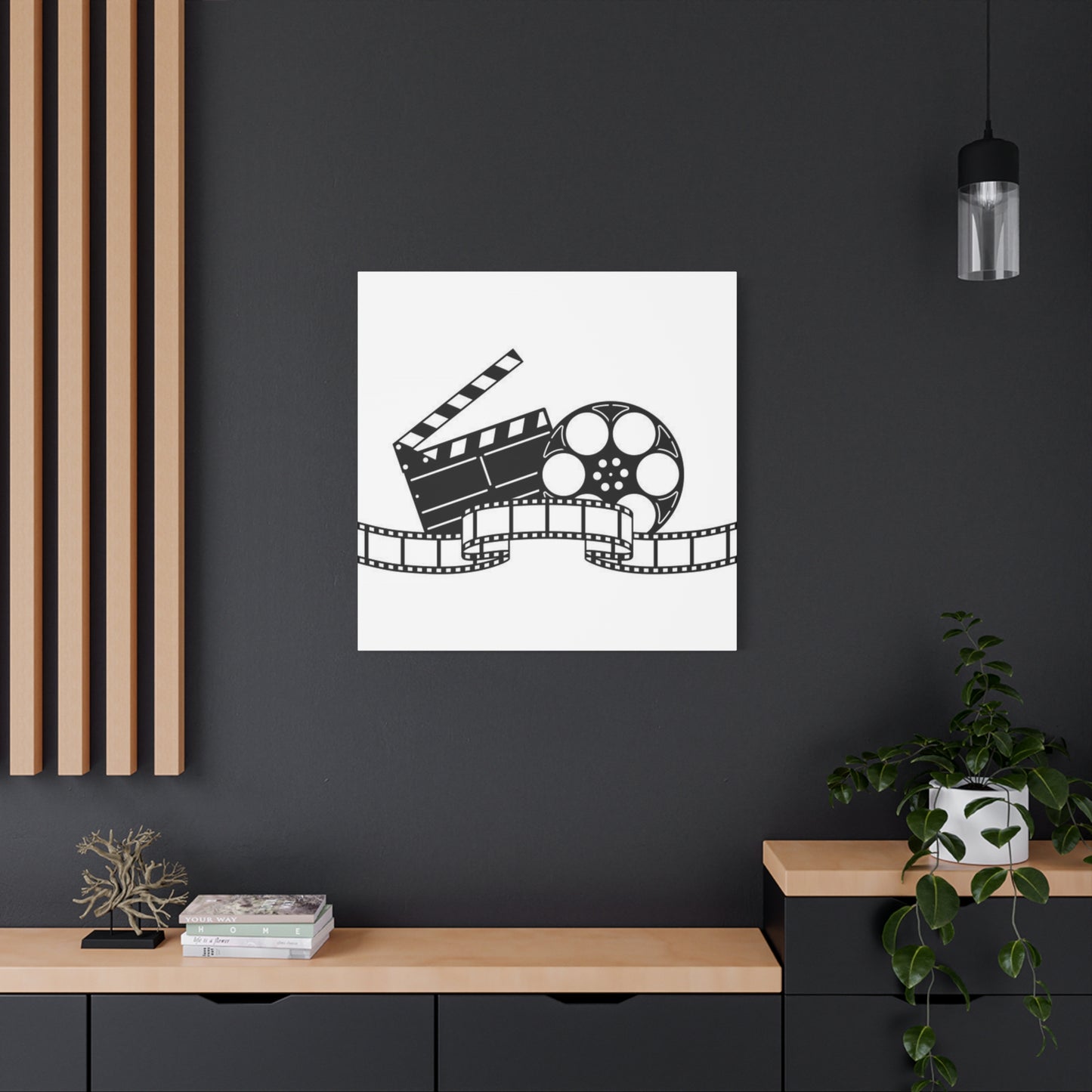
Home Theater Decor Wall Art & Canvas Prints
Home Theater Decor Wall Art & Canvas Prints
Couldn't load pickup availability
Cinematic Sanctuary: Elevating Your Private Screening Space with Strategic Home Theater Decor Wall Art Selections
Creating an immersive entertainment environment within residential spaces has become increasingly popular among homeowners seeking to replicate the captivating atmosphere found in commercial cinema establishments. The strategic placement and selection of home theater decor wall art plays a pivotal role in transforming ordinary rooms into extraordinary viewing sanctuaries that engage multiple senses simultaneously. This comprehensive exploration delves into various aspects of designing, implementing, and maintaining aesthetically pleasing screening rooms that combine functionality with artistic expression.
Discovering Your Personal Cinema Aesthetic Through Carefully Curated Visual Elements
The journey toward crafting an exceptional private screening environment begins with identifying your preferred aesthetic direction. Different individuals gravitate toward distinct visual themes based on personal preferences, architectural considerations, and existing interior design schemes throughout their residences. Understanding these foundational preferences enables more cohesive decision-making processes when selecting decorative elements for your entertainment sanctuary.
Classic cinema enthusiasts often find themselves drawn toward vintage posters featuring iconic films from Hollywood's golden era. These nostalgic pieces evoke memories of legendary performances, groundbreaking cinematography, and storytelling that shaped generations of viewers. Original theatrical release posters from decades past carry inherent collectible value while simultaneously serving as conversation starters during social gatherings. Reproduction prints offer more affordable alternatives that maintain visual authenticity without requiring substantial financial commitments.
Contemporary design sensibilities favor minimalist approaches emphasizing clean lines, neutral color palettes, and abstract representations of cinematic themes. Modern art installations might feature geometric patterns inspired by film reels, camera equipment, or projection technology rendered in monochromatic schemes or subtle color gradations. These sophisticated pieces complement sleek furniture selections, concealed audiovisual equipment, and architectural elements characterized by simplicity and elegance.
Genre-specific themed environments cater to devoted fans of particular film categories such as science fiction, horror, action adventures, or romantic comedies. Dedicated spaces showcasing memorabilia from beloved franchises create immersive atmospheres that celebrate specific narratives and characters. Collectors might display authentic props, signed photographs, limited edition artwork, or custom-commissioned pieces celebrating their favorite cinematic universes.
Strategic Placement Principles for Maximizing Visual Impact Without Compromising Acoustic Performance
Positioning decorative elements within screening rooms requires careful consideration of multiple factors beyond aesthetic preferences alone. Acoustic performance, viewing angles, lighting conditions, and traffic patterns all influence optimal placement decisions for home theater decor wall art. Balancing these competing priorities ensures your entertainment environment delivers exceptional experiences across multiple dimensions simultaneously.
Primary viewing walls directly opposite seating arrangements typically remain relatively unadorned to minimize visual distractions during presentations. However, surrounding walls offer abundant opportunities for creative expression through carefully selected pieces that enhance ambiance without interfering with acoustic treatments or sightlines. Side walls flanking primary seating positions prove ideal for larger statement pieces that establish thematic direction while remaining peripheral to active viewing experiences.
Rear walls behind seating areas accommodate diverse decorative approaches ranging from extensive gallery-style arrangements to singular dramatic focal points. These spaces frequently house equipment racks, storage solutions, or beverage preparation stations, providing opportunities to integrate functional necessities with aesthetic considerations seamlessly. Layered arrangements incorporating varied depths create dimensional interest that draws attention during intermissions while receding from consciousness during active viewing sessions.
Ceiling spaces represent underutilized opportunities for innovative decorative treatments in many residential screening rooms. Suspended elements, projected patterns, or painted designs transform overhead expanses into integral components of overall environmental design schemes. These elevated installations prove particularly effective in rooms with generous vertical dimensions, adding visual interest to spaces that might otherwise feel cavernous or disconnected from carefully curated wall arrangements.
Dimensional Considerations When Selecting Pieces for Various Room Configurations
Proportional relationships between artwork dimensions and available wall surfaces significantly impact overall aesthetic harmony within entertainment environments. Oversized pieces overwhelm modest spaces, while undersized selections appear lost on expansive walls, diminishing their visual impact. Achieving appropriate balance requires careful measurement, planning, and sometimes experimentation with temporary arrangements before committing to permanent installations.
Intimate screening rooms measuring fewer than 150 square feet benefit from medium-sized pieces ranging between 24 and 36 inches in their longest dimensions. These scaled selections provide sufficient visual presence without overwhelming limited wall surfaces or making compact spaces feel cramped. Multiple smaller pieces arranged in cohesive groupings offer alternative approaches that distribute visual weight across broader areas while maintaining appropriate proportional relationships.
Standard residential theaters spanning 200 to 400 square feet accommodate larger statement pieces measuring 48 to 72 inches across major dimensions. These substantial works command attention and establish clear thematic direction while remaining proportionate to surrounding architectural elements. Combining primary focal pieces with complementary smaller works creates visual hierarchies that guide attention through spaces in deliberate sequences.
Expansive dedicated screening facilities exceeding 500 square feet demand bold decorative choices that prevent vast wall surfaces from appearing barren or underdeveloped. Oversized installations measuring 6 feet or larger across major dimensions provide appropriate visual anchors for generous spaces. Alternatively, extensive gallery arrangements featuring numerous coordinated pieces distributed across available surfaces create rich visual tapestries that reward extended contemplation.
Material Selection Impacts Longevity and Maintenance Requirements for Displayed Works
Substrate and finishing materials significantly influence how decorative pieces withstand environmental conditions common in residential screening rooms. Temperature fluctuations, humidity variations, light exposure, and airborne particulates all affect long-term preservation of displayed works. Selecting appropriate materials based on anticipated conditions helps maintain aesthetic integrity over extended periods while minimizing required preservation efforts.
Canvas prints mounted on wooden stretcher bars offer traditional presentation formats familiar to most homeowners. Modern printing processes deliver exceptional image quality with remarkable color accuracy and detail resolution. Protective coatings guard against moisture absorption and minor physical contact while preserving vibrant appearance characteristics. Canvas selections prove particularly suitable for spaces experiencing moderate environmental fluctuations throughout seasonal cycles.
Metal prints featuring images directly bonded to aluminum substrates deliver contemporary aesthetic qualities with exceptional durability characteristics. These rigid panels resist warping, moisture damage, and physical impact better than many alternative materials. The inherent luminosity of metallic surfaces enhances color vibrancy and creates subtle depth effects that shift with changing viewing angles and lighting conditions. Metal prints excel in environments where humidity control proves challenging or maintenance intervals extend beyond typical recommendations.
Acrylic face-mounted photographs present images sandwiched between protective backing materials and translucent acrylic panels creating remarkable depth and luminosity. This premium presentation format delivers gallery-quality results that command attention and justify premium pricing. The substantial physical presence of acrylic-mounted works makes them ideal focal pieces in sophisticated entertainment environments where exceptional aesthetic standards prevail throughout surrounding spaces.
Traditional framed posters under glass protection offer versatile presentation options accommodating diverse budgets and aesthetic preferences. Conservation-grade materials including acid-free matting, UV-protective glazing, and archival mounting techniques preserve valuable original prints for generations. Custom framing allows precise coordination with existing color schemes, architectural details, and surrounding decorative elements throughout entertainment spaces.
Illumination Strategies That Enhance Visual Appeal While Supporting Viewing Activities
Lighting design profoundly influences how decorative elements appear within screening environments while simultaneously affecting overall viewing experiences. Dedicated illumination highlighting featured artwork enhances visual impact during pre-show periods and intermissions without interfering with on-screen presentations. Careful planning ensures lighting systems support multiple operational modes appropriate for different usage scenarios throughout typical viewing sessions.
Adjustable picture lights mounted directly above individual pieces provide focused illumination that emphasizes specific works while minimizing light spill into surrounding areas. LED fixtures offering color temperature control enable fine-tuning warm or cool lighting qualities that complement specific artwork characteristics or support desired atmospheric conditions. Dimming capabilities allow graduated transitions between viewing and ambient modes that avoid abrupt changes potentially disrupting audience immersion.
Recessed accent lighting installed in ceiling surfaces or upper wall sections creates dramatic wash effects that graze vertical surfaces, emphasizing textural qualities while maintaining relatively uniform illumination across broader areas. Narrow beam angles concentrate light specifically on featured pieces, while wider distributions provide more generalized ambient illumination suitable for pre-show socializing or intermission activities. Zoned control systems enable independent adjustment of different lighting groups supporting diverse operational requirements.
Integrated LED strips concealed behind floating installations or within display recesses generate indirect ambient glow that outlines featured pieces without directly illuminating artwork surfaces. This approach creates atmospheric lighting effects that enhance overall environmental character while avoiding potential glare issues associated with direct illumination. Color-changing capabilities enable mood adjustments coordinating with seasonal preferences or specific viewing selections.
Smart lighting controls integrated with broader home automation systems enable sophisticated programming coordinating illumination sequences with screening activities. Automated transitions gradually reduce ambient lighting as presentations begin, eliminating distracting manual adjustments that interrupt audience focus. Programmed scenes recall preferred lighting configurations instantly, supporting consistent experiences across multiple viewing sessions without requiring manual adjustment of individual fixtures.
Thematic Coherence Creates Unified Environmental Experiences Throughout Screening Spaces
Establishing clear thematic direction unifies disparate decorative elements into cohesive environmental narratives that support immersive viewing experiences. Coordinated selection processes considering color relationships, subject matter connections, and stylistic consistencies transform collections of individual pieces into unified artistic statements. This deliberate approach distinguishes thoughtfully designed entertainment environments from haphazard accumulations of unrelated decorative items.
Color palette coordination represents foundational considerations when assembling cohesive collections of home theater decor wall art. Dominant hues appearing across multiple pieces create visual rhythms that guide attention through spaces while establishing recognizable aesthetic identities. Complementary accent colors introduce variety without disrupting overall harmony. Neutral backgrounds featuring black, white, or gray tones provide versatile foundations accommodating diverse color accents while maintaining sophisticated appearances appropriate for refined entertainment environments.
Subject matter relationships strengthen thematic coherence when multiple pieces share conceptual connections beyond surface-level aesthetic similarities. Collections celebrating specific eras, genres, directors, or studios create focused narratives that communicate clear interests and preferences. These curated selections demonstrate thoughtful consideration extending beyond mere visual appeal, revealing deeper appreciation for cinematic arts and their cultural significance.
Stylistic consistency across multiple pieces reinforces unified aesthetic directions even when featuring diverse subject matter or varied color palettes. Maintaining coherent presentation formats, similar artistic approaches, or complementary compositional strategies ensures visual harmony despite content variations. This balanced approach enables collectors to showcase diverse interests while maintaining cohesive environmental character throughout screening spaces.
Transitional elements connecting themed areas within larger entertainment complexes guide movement between distinct zones while maintaining overall design continuity. Graduated color shifts, evolving stylistic characteristics, or progressive narrative sequences create logical flow between spaces dedicated to different purposes or celebrating separate themes. These carefully orchestrated transitions prevent jarring discontinuities that might disrupt overall environmental coherence.
Acoustic Treatment Integration Balances Sound Quality With Aesthetic Considerations
Sound quality ranks among the most critical performance factors determining viewing experience quality within residential screening rooms. Acoustic treatments addressing reflection control, frequency response management, and reverberation reduction prove essential for achieving professional-grade audio reproduction. Integrating these functional necessities with decorative elements requires creative approaches that satisfy both aesthetic and performance requirements simultaneously.
Fabric-wrapped acoustic panels offer opportunities for custom printed designs featuring photographic images, artistic compositions, or graphic patterns coordinating with broader decorative themes. High-resolution printing processes deliver exceptional detail reproduction on acoustically transparent fabrics stretched over sound-absorbing core materials. These functional artworks address specific acoustic issues while contributing meaningfully to overall visual appeal, eliminating compromises between performance and aesthetics.
Diffusion elements scattering sound reflections throughout listening environments can incorporate decorative qualities that complement surrounding design schemes. Geometric patterns, sculptural reliefs, or dimensional installations serving acoustic diffusion purposes simultaneously function as striking visual focal points. Custom designs coordinate with specific architectural characteristics, existing color palettes, or thematic directions established through complementary decorative selections.
Bass traps addressing low-frequency issues often occupy corner locations where acoustic problems concentrate. Architectural treatments transforming these functional necessities into intentional design elements prevent them from appearing as afterthoughts or compromises. Column wraps, decorative paneling, or integrated shelving systems disguise utilitarian acoustic treatments while supporting broader aesthetic objectives throughout entertainment environments.
Movable acoustic treatments offering operational flexibility can incorporate decorative elements maintaining visual appeal regardless of positioning. Fabric panels mounted on portable stands, hinged wall systems, or suspended elements adjusted for different listening scenarios all provide opportunities for artistic expression. Coordinating these flexible components with permanent installations ensures visual consistency across varied operational configurations.
Custom Commissioned Works Deliver Personalized Expressions Unavailable Through Standard Retail Channels
Original commissioned artwork offers ultimate personalization opportunities for discerning homeowners seeking truly unique decorative elements distinguishing their entertainment environments from standard installations. Collaborating directly with artists enables precise specification of subject matter, compositional elements, color relationships, and dimensional characteristics perfectly suited to specific spaces and individual preferences. While requiring greater financial commitments and extended production timelines, commissioned pieces deliver unparalleled exclusivity and personal relevance.
Identifying appropriate artists for commission projects requires research exploring diverse portfolios, stylistic approaches, and subject matter specializations. Online galleries, social media platforms, local art fairs, and studio tours provide exposure to working artists across broad stylistic spectrums. Evaluating technical execution quality, creative vision, and communication capabilities helps identify candidates capable of translating abstract concepts into tangible artistic expressions meeting exacting specifications.
Conceptual development processes establish clear project parameters through iterative discussions exploring preferences, constraints, and creative possibilities. Initial consultations address fundamental questions regarding subject matter, stylistic direction, color preferences, and dimensional requirements. Preliminary sketches or digital mockups provide tangible references for refinement discussions ensuring alignment between artistic vision and client expectations before committing substantial resources toward final execution.
Production timelines for commissioned works vary dramatically based on medium complexity, dimensional scale, artist availability, and revision requirements. Simple digital compositions might conclude within weeks, while elaborate mixed-media installations could require months from initial consultation through final delivery. Establishing realistic timeline expectations prevents disappointment and ensures adequate coordination with broader renovation or construction schedules when commissioning pieces for new screening room installations.
Provenance documentation accompanying commissioned works adds collectible value while providing historical context for future generations. Certificates of authenticity, artist statements, photographic documentation of creation processes, and detailed specification records transform commissioned pieces into documented artworks rather than mere decorative items. This supporting documentation proves particularly valuable for insurance purposes, estate planning, or potential future resale considerations.
Digital Displays Offer Dynamic Content Rotation Without Physical Storage Requirements
Electronic display screens presenting rotating digital artwork collections provide unprecedented flexibility for homeowners seeking variety without accumulating extensive physical inventories. High-resolution displays ranging from dedicated digital art frames to repurposed tablet devices enable frequent content rotation coordinating with seasonal preferences, viewing selections, or simply desired atmospheric changes. This approach proves particularly appealing for individuals appreciating diverse artistic styles or those struggling with commitment to permanent decorative selections.
Content sourcing for digital displays draws from numerous resources including subscription services offering curated collections, individual artist portfolios available through online marketplaces, or personal photographic libraries. Many platforms provide thousands of professionally photographed artworks spanning diverse periods, styles, and cultures accessible through modest subscription fees. Custom playlists organized by mood, color palette, or thematic content enable automated rotation through preferred selections.
Display quality considerations significantly impact visual appeal of digitally presented artwork. Screen resolution, color accuracy, brightness uniformity, and viewing angle performance all influence how faithfully displays reproduce original artistic qualities. Premium displays featuring 4K resolution, wide color gamut support, and anti-reflective coatings deliver results approaching print quality under appropriate viewing conditions. Budget-conscious alternatives sacrifice some visual refinement but still provide satisfactory results for many viewers.
Presentation modes determine how digital displays integrate within broader entertainment environments. Always-on configurations maintain constant visual presence similar to traditional static artwork but require careful brightness calibration preventing distraction during viewing activities. Motion-activated displays illuminate only when occupants enter spaces, conserving energy while maintaining responsive presence. Scheduled operation coordinating with typical usage patterns balances energy efficiency with consistent availability.
Frame designs for digital displays range from minimal bezels emphasizing displayed content to elaborate moldings replicating traditional framing aesthetics. Neutral frames enable displayed content to dominate visual attention, while decorative frames help digital installations blend seamlessly with surrounding traditional artwork. Interchangeable frame systems accommodate evolving aesthetic preferences without requiring complete display replacement.
Preservation Practices Maintain Long-Term Aesthetic Integrity for Valuable Displayed Works
Proper preservation techniques protect significant financial and sentimental investments represented by curated artwork collections. Environmental controls, handling protocols, and routine maintenance procedures minimize deterioration risks ensuring displayed pieces retain original appearance characteristics throughout extended display periods. Understanding basic preservation principles enables informed decision-making regarding appropriate protective measures for specific materials and display conditions.
Climate control represents the most critical environmental factor affecting long-term artwork preservation. Stable temperature ranges between 65 and 75 degrees Fahrenheit minimize expansion and contraction cycles potentially damaging diverse substrates and mounting systems. Relative humidity maintained between 40 and 60 percent prevents moisture-related deterioration including mold growth, adhesive failure, and dimensional instability in hygroscopic materials. Dedicated HVAC systems in screening rooms facilitate precise environmental control supporting both equipment performance and artwork preservation objectives.
Light exposure restrictions prove essential for preserving light-sensitive materials including photographs, prints, and textiles. Ultraviolet radiation causes irreversible fading, discoloration, and embrittlement in many common artistic media. UV-filtering glazing, dedicated artwork illumination rather than continuous exposure to ambient lighting, and strategic positioning avoiding direct sunlight all reduce cumulative light exposure. Limiting display illumination to periods when spaces are actively occupied significantly extends useful display lifespans for vulnerable materials.
Dust accumulation on artwork surfaces degrades appearance while potentially causing abrasive damage during cleaning attempts. Regular gentle dusting using appropriate tools and techniques removes surface particulates before they accumulate into visible deposits. Microfiber cloths, soft brushes, or compressed air prove effective for routine maintenance depending on specific surface characteristics. Professional conservation cleaning addresses stubborn soiling or accumulated grime exceeding reasonable homeowner intervention.
Periodic condition assessments identify emerging issues before they progress into significant problems requiring expensive remediation. Routine inspections checking for loose mounting hardware, frame joint separation, glazing cracks, or early signs of biological activity enable timely intervention preventing minor problems from escalating. Documenting conditions through periodic photography creates visual records tracking changes over time and supporting insurance claims if unfortunate damage occurs despite preventive measures.
Budget Allocation Strategies Balance Quality Aspirations With Financial Realities
Establishing realistic budgets for decorating screening rooms requires balancing aesthetic aspirations against financial constraints while prioritizing expenditures delivering maximum impact. Strategic allocation focusing resources on prominent focal pieces while economizing on supporting elements enables achievement of impressive results without exceeding reasonable spending limits. Understanding relative value propositions across different product categories, materials, and sources informs efficient resource deployment.
Focal statement pieces commanding prominent positions within screening rooms justify premium expenditures delivering exceptional quality, uniqueness, or personal significance. These central works establish overall aesthetic direction while providing primary visual anchors drawing initial attention upon entering spaces. Allocating 40 to 50 percent of total decorative budgets toward a few outstanding pieces proves more effective than distributing resources evenly across numerous mediocre selections yielding underwhelming collective impact.
Supporting pieces complementing primary focal works can successfully derive from more economical sources without significantly compromising overall aesthetic quality. High-quality reproduction prints, emerging artist works, or well-executed DIY projects fill supporting roles at fraction of costs associated with premium originals or established artist commissions. These budget-conscious selections contribute meaningfully to environmental richness while enabling resource conservation for priority pieces justifying premium investments.
Phased implementation strategies spread expenditures across extended periods, making ambitious decorative programs financially manageable while allowing gradual refinement of aesthetic direction. Initial installations establish basic environmental character using essential pieces, with subsequent additions expanding visual complexity as budgets allow. This evolutionary approach prevents premature commitment to comprehensive schemes potentially requiring expensive corrections as preferences evolve through actual experience using completed spaces.
Value retention considerations influence purchase decisions for collectors viewing artwork acquisitions partially as investments rather than purely consumptive expenditures. Original works by established artists, limited edition prints with documented provenance, or vintage theatrical posters in excellent condition often appreciate over time, partially offsetting initial acquisition costs. Balancing purely decorative purchases with investment-grade acquisitions creates diversified collections serving multiple objectives simultaneously.
Seasonal Rotation Maintains Fresh Environmental Character Without Requiring Permanent Commitments
Systematic artwork rotation prevents visual stagnation while enabling broader collections to receive display opportunities throughout annual cycles. Seasonal changes, holiday celebrations, or simply desired variety motivate periodic refreshment of displayed works maintaining occupant engagement with screening room environments. This dynamic approach proves particularly appealing for extensive collections exceeding available display capacity or individuals enjoying frequent aesthetic changes.
Storage solutions protecting temporarily displayed pieces require climate-controlled environments shielding artwork from temperature extremes, humidity fluctuations, and physical damage. Dedicated storage closets, climate-controlled cabinets, or professional archival facilities provide appropriate environments for valuable pieces awaiting rotation back into active display. Proper wrapping materials, vertical storage preventing warping, and organizational systems enabling efficient retrieval support practical rotation programs.
Rotation schedules coordinating with natural seasonal transitions provide logical frameworks for planned changes preventing arbitrary or excessively frequent modifications potentially becoming burdensome. Quarterly rotations aligned with spring, summer, fall, and winter create rhythmic patterns complementing broader seasonal decorating traditions throughout residences. Less frequent semi-annual or annual rotations suit individuals preferring greater stability while still preventing indefinite static displays.
Thematic coordination between displayed works and current viewing preferences creates intentional connections enhancing overall entertainment experiences. Displaying science fiction artwork during periods focused on space exploration films, horror-themed pieces during October leading to Halloween, or romantic imagery surrounding Valentine's Day celebrations demonstrates thoughtful curation extending beyond arbitrary aesthetic changes. These deliberate correlations enrich viewing experiences through reinforcing environmental atmospheres.
Documentation systems tracking rotation histories, condition observations, and display locations support efficient management of extensive collections. Simple spreadsheets, dedicated collection management software, or photographic records provide reference materials facilitating planning and preventing repetitious display sequences. Regular documentation during rotation activities identifies emerging preservation concerns requiring attention before problems escalate.
Licensing Considerations Govern Legal Use of Copyrighted Imagery in Private Settings
Copyright protections restrict unauthorized reproduction and public display of protected artistic works including film posters, promotional photography, and character imagery. While personal enjoyment within private residences generally receives greater latitude than commercial exploitation, understanding basic intellectual property principles helps avoid potential legal complications. Sourcing artwork through legitimate channels supporting original creators proves both legally prudent and ethically responsible.
Officially licensed merchandise authorized by copyright holders provides legally unambiguous options for featuring protected imagery within home screening rooms. Studios, production companies, and licensing agencies authorize manufacturers to produce approved merchandise bearing copyrighted material in exchange for royalty payments. Purchasing through authorized retailers ensures proper licensing arrangements exist upstream, transferring legal display rights to end purchasers.
Original vintage materials predating modern licensing frameworks occupy ambiguous legal territories where secondary market transactions may proceed without ongoing royalty obligations to current rights holders. Authentic theatrical release posters, lobby cards, and press photographs distributed during original marketing campaigns often trade freely among collectors. However, reproducing these materials without authorization remains problematic, distinguishing legitimate vintage items from unauthorized reproductions.
Fair use doctrines provide limited exceptions to copyright restrictions under specific circumstances including criticism, commentary, parody, or transformative uses significantly altering original works. However, purely decorative display rarely qualifies for fair use protections, making unauthorized reproduction legally risky despite common practice. Consulting qualified intellectual property attorneys provides definitive guidance for situations involving significant financial stakes or valuable collections.
Creative Commons licenses grant explicit permissions for using protected works under specified conditions varying from unrestricted use to limitations on commercial applications, derivative works, or attribution requirements. Many artists release selected works under Creative Commons frameworks enabling broader accessibility while maintaining certain controls. Verifying specific license terms ensures compliance with creator intentions while legally enjoying shared creative works.
Child-Friendly Spaces Balance Age-Appropriate Content With Sophisticated Design Principles
Family screening rooms accommodating viewers across broad age ranges require careful content selection ensuring displayed imagery remains appropriate for youngest potential occupants while avoiding overly juvenile aesthetics alienating adult viewers. Thoughtful curation identifies universally appealing subject matter, whimsical treatments of mature themes, or strategically positioned pieces targeting specific audience segments occupying corresponding seating zones.
Animated film imagery celebrating beloved characters from family-friendly entertainment provides obvious starting points for multi-generational spaces. Classic animated features spanning decades of production deliver nostalgic appeal for adult viewers while captivating younger audiences discovering timeless stories. Artistic interpretations elevating simple character representations through sophisticated compositional approaches or premium presentation formats prevent spaces from appearing childish despite youth-oriented subject matter.
Abstract representations of cinematic themes enable sophisticated aesthetic treatments without introducing potentially problematic content unsuitable for younger viewers. Geometric patterns inspired by film equipment, stylized typography featuring famous quotes applicable across age ranges, or minimalist illustrations suggesting narrative elements without explicit depiction all provide family-appropriate options maintaining design sophistication.
Zoned arrangements position age-specific content in strategic locations corresponding with typical seating patterns for different viewer demographics. Children gravitating toward forward seating positions closer to screens encounter youth-oriented decorative elements, while rear zones occupied primarily by adults feature more mature content. This compartmentalized approach accommodates diverse preferences within unified spaces without requiring compromise on content appropriateness.
Rotating collections enable periodic content adjustments as children mature and preferences evolve throughout household lifecycle stages. Pieces easily updated without permanent installation commitments support evolving needs as family compositions and viewing habits change. Temporary mounting systems, digital displays, or modular arrangements facilitate painless transitions matching decorative programs to current household compositions.
Multi-Purpose Spaces Require Flexible Decorative Approaches Supporting Diverse Activities
Entertainment rooms serving multiple functions beyond dedicated viewing require decorative treatments supporting varied activities without compromising individual use cases. Spaces accommodating gaming, music listening, casual socializing, or remote work alongside theatrical presentations demand flexible approaches balancing competing aesthetic and functional requirements. Creative solutions integrate decorative elements seamlessly across operational modes, maintaining appropriate character regardless of current activities.
Neutral decorative foundations provide versatile backdrops accommodating diverse activities without appearing mismatched to any specific use. Understated artwork featuring subtle imagery, monochromatic color schemes, or abstract compositions suitable for multiple contexts enable seamless transitions between varied room functions. These adaptable selections avoid overly specific thematic statements potentially appearing incongruous during non-viewing activities.
Modular decorative systems offering reconfiguration capabilities support varied spatial arrangements matching different activity requirements. Movable panels, adjustable lighting highlighting different zones, or retractable elements concealing entertainment-specific decorations during alternative uses all provide operational flexibility. While requiring additional planning and potentially greater initial investments, these adaptable approaches deliver superior long-term functionality in spaces serving multiple purposes.
Activity-specific decorative zones dedicate distinct areas toward particular uses, each featuring appropriate aesthetic treatments supporting corresponding functions. Viewing zones emphasize cinematic themes while gaming areas showcase relevant imagery and social zones display more conversational pieces encouraging interaction. Clear spatial delineation through furniture arrangement, flooring transitions, or architectural features helps establish distinct character zones within unified rooms.
Minimalist approaches prioritizing clean aesthetics over thematic specificity prove particularly suitable for multi-purpose environments where competing decorative programs might create visual conflicts. Simple selections featuring exceptional execution quality rather than elaborate thematic programs maintain refined appearances across diverse operational contexts. This restrained approach particularly suits individuals valuing versatility over specialized character.
Emerging Artists Offer Accessible Entry Points for Original Artwork Acquisition
Supporting emerging artists provides opportunities for acquiring original works at accessible price points while fostering creative communities and potentially identifying future collectible investments. Numerous platforms connect collectors with early-career artists seeking exposure and building professional reputations. Strategic acquisitions from emerging talents deliver unique pieces unavailable through mainstream retail channels while operating within modest budgetary constraints.
Online marketplaces specializing in emerging artist representation aggregate diverse portfolios enabling efficient exploration of numerous creative voices. Sophisticated search and filtering tools narrow extensive inventories toward preferred styles, subjects, price ranges, or specific media. Direct communication channels facilitate discussions regarding custom modifications, sizing options, or commissioning original works inspired by portfolio examples.
Local art schools, university galleries, and community art centers showcase student and recent graduate works often available at particularly accessible prices. These venues provide opportunities for in-person viewing enabling direct assessment of execution quality, surface characteristics, and physical presence difficult to evaluate through digital images alone. Purchasing from educational institutions often includes documentation suitable for academic archives adding provenance value to acquisitions.
Open studio events and art district tours provide behind-the-scenes access to working artists' creative spaces, offering insights into processes, inspirations, and available inventory. Direct relationships with artists enable ongoing dialogue potentially leading to future commissions, notification of new work availability, or invitations to exclusive preview events. These personal connections enrich collecting experiences beyond mere transactional acquisitions.
Investment potential considerations should remain secondary to genuine aesthetic appreciation when acquiring emerging artist works, as predicting which artists achieve lasting market success proves extraordinarily difficult. However, documenting acquisitions thoroughly, preserving condition carefully, and maintaining relationships with artists whose careers flourish establishes foundations for potential future value appreciation supplementing immediate decorative enjoyment.
Gallery Wall Arrangements Create Visual Complexity Through Coordinated Multi-Piece Displays
Curated collections of multiple coordinated pieces arranged across continuous wall surfaces create rich visual tapestries rewarding extended contemplation. Gallery wall arrangements accommodate diverse frame sizes, mixed media, and varied subject matter unified through thoughtful compositional planning. These complex installations demand more extensive planning than single focal pieces but deliver correspondingly greater visual impact and opportunities for creative expression.
Compositional planning establishes relationships between individual pieces creating unified arrangements greater than simple sums of component parts. Symmetrical layouts organized around central axes deliver formal balanced appearances suitable for traditional aesthetics. Asymmetrical compositions distribute visual weight organically, creating dynamic arrangements with contemporary character. Grid systems impose rigid organizational structures yielding ordered precision, while organic clusters grouped by intuitive relationships appear more spontaneous despite requiring equally careful planning.
Spacing consistency maintains visual rhythm across multi-piece arrangements preventing chaotic appearances undermining collective impact. Uniform gaps between adjacent frames create ordered regularity, while varied spacing introduces dynamic tension through intentional rhythm disruptions. Most successful arrangements maintain consistency within specific regions while introducing controlled variation preventing monotonous repetition across entire compositions.
Template systems using paper cutouts matching actual frame dimensions enable experimental arrangement exploration without wall damage from repeated mounting attempts. Full-scale mock-ups reveal how proposed layouts function within actual spaces, exposing issues invisible in small-scale planning drawings. Temporary positioning using removable mounting putty provides three-dimensional previews confirming layout success before permanent installation.
Professional hanging services ensure proper installation quality for extensive gallery arrangements where precise alignment and secure mounting prove critical. Expert installers possess specialized tools, techniques, and experience achieving level alignment across multiple pieces while properly supporting substantial combined weights. Professional installation proves particularly valuable for arrangements incorporating heavy frames, delicate antiques, or valuable pieces where installation errors risk significant damage.
Three-Dimensional Elements Add Sculptural Interest Beyond Flat Wall-Mounted Pieces
Dimensional decorative elements including sculpture, relief panels, or constructed assemblages introduce physical depth enriching visual experiences beyond two-dimensional imagery alone. These spatial interventions create dynamic shadow patterns, reveal changing perspectives from different viewing positions, and provide tactile qualities engaging additional sensory dimensions. Integrating sculptural elements with conventional flat artwork creates layered environmental complexity distinguishing exceptional installations from standard decorated spaces.
Freestanding sculptures positioned on pedestals, shelving units, or dedicated display platforms command spatial presence impossible for wall-mounted works. These independent pieces anchor specific zones, direct traffic flow, or provide visual terminals for sightlines traversing rooms. Material selections ranging from traditional bronze and marble to contemporary resin and mixed media coordinate with broader aesthetic programs while introducing distinctive textural qualities.
Wall-mounted relief sculptures project from vertical surfaces, creating dimensional variations while consuming minimal floor space. These hybrid forms bridge two-dimensional artwork and freestanding sculpture, offering compromise solutions for space-constrained environments. Varying projection depths from subtle bas-relief barely rising from backgrounds to high-relief extending dramatically into viewing spaces create diverse visual effects suitable for specific design objectives.
Kinetic elements incorporating movement through mechanical systems, air currents, or magnetic forces introduce temporal dimensions to static displays. Slowly rotating components, balanced mobile structures responding to environmental conditions, or programmable motorized movements create ever-changing visual experiences maintaining long-term interest through constant variation. These dynamic installations particularly suit contemporary design sensibilities embracing technological integration and interactive experiences.
Integrated display recesses set into wall surfaces create dimensional niches showcasing smaller three-dimensional objects, creating layered depth effects while protecting displayed items from incidental contact. Illuminated recesses highlight featured objects through dedicated lighting while creating dramatic shadow effects emphasizing dimensional qualities. These architectural integrations require planning during construction or renovation phases but deliver sophisticated presentation opportunities for significant collectibles.
Vintage Theatrical Materials Connect Contemporary Spaces With Cinematic Heritage
Authentic vintage promotional materials distributed during original theatrical releases carry historical significance connecting contemporary screening rooms with cinema history. Original posters, lobby cards, press photographs, and promotional ephemera document marketing practices, graphic design evolution, and cultural attitudes surrounding film releases across decades. These historical artifacts provide tangible connections to entertainment history while delivering distinctive aesthetic qualities reflecting their production eras.
Authentication considerations prove critical when acquiring vintage materials commanding premium prices based on presumed authenticity. Reproduction detection requires expertise evaluating paper stocks, printing processes, aging characteristics, and documented provenance. Consultation with qualified appraisers, authentication services, or experienced dealers helps avoid costly mistakes acquiring fraudulent materials misrepresented as authentic vintage pieces.
Condition grading significantly affects vintage material values with pristine examples commanding substantial premiums over damaged pieces. Professional grading services assess condition across standardized criteria including tears, creases, staining, fading, and restoration evidence. Understanding condition terminology enables informed purchase decisions balancing aesthetic impact, historical significance, and investment value considerations.
Restoration debates within collecting communities weigh benefits of improved appearance against preservation philosophy favoring original condition retention. Conservative restoration addressing structural issues without altering original surfaces maintains broader acceptance than aggressive interventions substantially changing appearance. Disclosure requirements obligate sellers to reveal restoration work, with professional restoration often enhancing rather than diminishing values when properly executed and documented.
Display considerations for valuable vintage materials emphasize preservation alongside aesthetic presentation. Archival mounting materials, UV-protective glazing, and stable environmental conditions prove essential for maintaining condition and protecting significant financial investments. Insurance documentation including professional appraisals, condition reports, and photographic records protects collectors against potential losses from theft, damage, or casualty events.
Conclusion
Color selections profoundly impact psychological responses and perceived environmental character within screening rooms. Understanding basic color psychology principles informs strategic palette development supporting desired atmospheric qualities whether energizing excitement, calming relaxation, sophisticated elegance, or cozy intimacy. Coordinating home theater decor wall art color relationships with broader interior schemes creates harmonious environments supporting varied emotional states appropriate for different viewing experiences.
Warm color palettes featuring reds, oranges, and yellows generate energetic exciting atmospheres suitable for action-oriented viewing preferences. These stimulating hues increase perceived room temperature, encourage social interaction, and create welcoming environments for group entertainment. However, excessive warm color saturation potentially creates visual fatigue during extended viewing sessions, suggesting balanced approaches incorporating neutral relief areas.
Cool color schemes emphasizing blues, greens, and purples promote calming relaxed atmospheres conducive to contemplative viewing experiences. These receding hues visually expand perceived spatial dimensions while reducing apparent ambient temperature. Cool palettes suit dramatic presentations, thoughtful narratives, or extended viewing marathons where visual overstimulation proves counterproductive to sustained engagement.
Neutral foundations featuring black, white, gray, and brown tones provide versatile backgrounds accommodating varied accent colors while maintaining sophisticated understated character. These adaptable schemes prevent decorative elements from competing for attention, allowing content quality rather than environmental distraction to dominate viewing experiences. Neutral programs particularly suit minimalist aesthetics prioritizing equipment performance over decorative elaboration.
Contrasting accent colors introduce visual punctuation enlivening neutral foundations without overwhelming spaces with excessive chromatic intensity. Strategic accent placement draws attention toward specific features, creates visual hierarchies guiding attention through spaces, or simply prevents monotonous uniformity. Coordinating accent colors across multiple decorative elements creates rhythmic patterns unifying disparate components into cohesive compositions.
Color temperature characteristics of illumination sources dramatically affect how displayed artwork appears while simultaneously influencing overall environmental mood. Warm lighting emphasizing amber and red wavelengths creates cozy inviting atmospheres while shifting artwork colors toward warmer appearances. Cool lighting rich in blue wavelengths generates crisp modern character while rendering colors toward cooler interpretations. Understanding these relationships enables deliberate coordination between lighting selections and artwork color characteristics.
Warm white lighting ranging from 2700K to 3000K Kelvin creates residential character resembling traditional incandescent illumination. This familiar warm glow enhances wood tones, enriches warm artwork colors, and generates comfortable intimate atmospheres suitable for relaxed entertainment. However, warm lighting may inadequately reveal cool color subtleties or create excessive yellow casts on neutral artwork surfaces.
Share