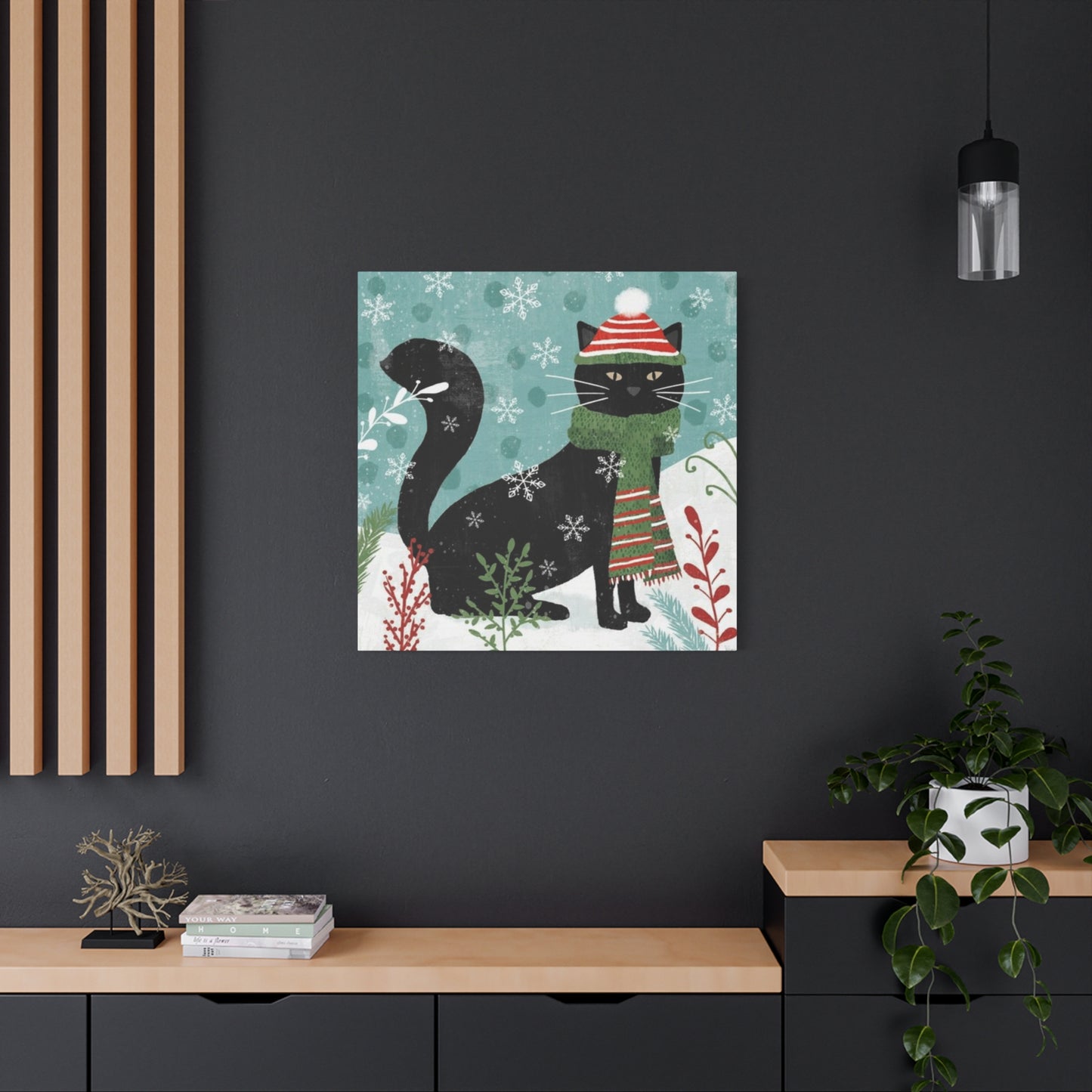


Holidays Wall Art & Canvas Prints
Holidays Wall Art & Canvas Prints
Couldn't load pickup availability
Creative Ways to Decorate Your Living Spaces with Holidays Wall Art Throughout the Year
Decorating our homes during festive seasons brings joy, warmth, and a sense of celebration that transforms ordinary spaces into extraordinary havens of merriment. The practice of adorning walls with seasonal decorations has become an essential part of creating memorable atmospheres that reflect the spirit of various celebrations throughout the calendar year. Whether you're preparing for winter festivities, spring celebrations, summer gatherings, or autumn harvest times, the right decorative pieces can completely revolutionize the ambiance of any room.
The concept of seasonal decoration extends far beyond simple ornaments or temporary fixtures. It encompasses a comprehensive approach to interior design that allows homeowners to express their creativity, cultural heritage, and personal style preferences. When thoughtfully selected and properly displayed, these decorative elements serve as focal points that draw attention, spark conversations, and create lasting impressions on family members and guests alike.
Modern living spaces demand versatility and aesthetic appeal that can adapt to changing seasons and evolving design trends. The contemporary approach to seasonal decoration emphasizes the importance of selecting pieces that not only capture the essence of specific celebrations but also complement the existing interior design scheme of your home. This harmonious balance between festive expression and everyday elegance has become increasingly important in creating living spaces that feel both special and comfortable throughout the year.
Exploring Various Styles and Themes for Seasonal Decoration Pieces
The world of seasonal decoration offers an incredibly diverse array of styles, themes, and artistic expressions that cater to every taste and preference imaginable. From traditional representations of classic holiday imagery to contemporary abstract interpretations, the spectrum of available options allows homeowners to curate collections that truly reflect their individual personalities and aesthetic sensibilities.
Traditional styles often draw inspiration from vintage imagery, classic color palettes, and timeless motifs that have been passed down through generations. These pieces typically feature familiar symbols such as wreaths, bells, stars, snowflakes, and other iconic representations that immediately evoke feelings of nostalgia and warmth. The beauty of traditional designs lies in their ability to create a sense of continuity and connection to cherished memories from past celebrations.
Contemporary styles take a more minimalist approach, often featuring clean lines, simplified forms, and modern color combinations that appeal to those who prefer sleek, sophisticated aesthetics. These pieces might incorporate geometric shapes, abstract representations of seasonal themes, or innovative interpretations of classic motifs that breathe new life into familiar concepts. The contemporary approach allows for seamless coordination with modern interior design schemes while still maintaining the festive spirit.
Rustic and farmhouse-inspired decorative pieces have gained tremendous popularity in recent years, offering a charming blend of simplicity and warmth that appeals to those who appreciate natural materials and handcrafted aesthetics. These items often feature distressed finishes, wooden elements, burlap textures, and earthy color palettes that create cozy, inviting atmospheres reminiscent of countryside cottages and rural homesteads.
Whimsical and playful designs cater to families with children or adults who embrace the joy and magic of seasonal celebrations with unbridled enthusiasm. These pieces often incorporate bright colors, cartoon-like imagery, glitter accents, and lighthearted representations of holiday characters or themes that bring smiles and laughter to everyone who encounters them.
Elegant and sophisticated options appeal to those who prefer understated luxury and refined aesthetics. These pieces might feature metallic finishes, jewel tones, intricate details, and high-quality materials that elevate the overall ambiance of a space while maintaining a sense of celebration and festivity.
Selecting the Perfect Size and Placement for Maximum Visual Impact
The success of any decorative display depends heavily on selecting appropriately sized pieces and positioning them strategically throughout your living spaces. Understanding the principles of scale, proportion, and visual balance ensures that your seasonal decorations enhance rather than overwhelm your existing interior design.
Large statement pieces work exceptionally well in spacious rooms with high ceilings or expansive wall areas that can accommodate their impressive dimensions. These substantial decorations serve as commanding focal points that immediately capture attention and set the tone for the entire space. When working with oversized pieces, it's essential to ensure adequate surrounding space to prevent the area from feeling cluttered or cramped.
Medium-sized decorations offer tremendous versatility, working beautifully in various settings from living rooms and dining areas to bedrooms and home offices. These pieces provide sufficient visual interest without dominating the space, making them ideal for creating balanced compositions that incorporate multiple decorative elements. The moderate dimensions of these items allow for flexible arrangement options and easy integration with existing furnishings and accessories.
Small accent pieces serve as complementary elements that add depth, interest, and cohesiveness to larger decorative displays. These diminutive items work wonderfully for filling empty spaces, creating gallery-style arrangements, or adding subtle touches of seasonal charm to unexpected areas throughout your home. Despite their modest size, these pieces can make significant contributions to the overall aesthetic when thoughtfully selected and strategically placed.
When considering placement options, the living room typically serves as the primary gathering space where seasonal decorations can make the most significant impact. The wall above the sofa offers an ideal location for a substantial centerpiece that anchors the entire room's decorative scheme. This prominent position ensures maximum visibility and creates a natural focal point that draws the eye and establishes the room's festive atmosphere.
Dining areas benefit enormously from carefully selected seasonal decorations that enhance the experience of shared meals and celebrations. Positioning decorative pieces above a buffet, sideboard, or dining table creates a cohesive environment that makes every meal feel like a special occasion. The intimate nature of dining spaces makes them particularly well-suited for decorations that encourage conversation and create memorable moments.
Entryways and foyers provide excellent opportunities for making strong first impressions with seasonal decorations that welcome guests and set expectations for the festive atmosphere throughout your home. These transitional spaces benefit from decorations that are immediately visible upon entry but don't obstruct traffic flow or interfere with daily activities.
Bedrooms offer opportunities for creating personal sanctuaries that reflect seasonal themes in more intimate, subtle ways. Decorative pieces in these private spaces can be selected based purely on personal preferences without concern for broader household aesthetics or guest opinions, allowing for more experimental or deeply personal choices.
Understanding Different Materials and Their Unique Characteristics
The materials used in creating seasonal decorations significantly influence their appearance, durability, maintenance requirements, and overall aesthetic impact. Familiarity with various material options enables informed decisions that align with personal preferences, lifestyle considerations, and practical requirements.
Canvas prints represent one of the most popular choices for seasonal decorations, offering excellent image quality, durability, and versatility. The textured surface of canvas lends depth and dimension to printed images, creating a more substantial, artistic appearance than flat paper prints. Canvas stretches over wooden frames, eliminating the need for additional framing while providing a clean, gallery-wrapped edge that contributes to a polished, professional presentation.
Metal prints have emerged as increasingly popular alternatives, offering contemporary aesthetics and exceptional durability. The printing process infuses dyes directly into specially coated aluminum sheets, resulting in vibrant colors, sharp details, and a luminous quality that traditional prints cannot match. The inherent properties of metal provide resistance to moisture, fading, and physical damage, making these pieces particularly suitable for high-traffic areas or locations with challenging environmental conditions.
Wooden pieces bring natural warmth and rustic charm to seasonal decorations, appealing to those who appreciate organic materials and handcrafted aesthetics. Wood can be carved, painted, stained, or left in its natural state, offering tremendous versatility in achieving desired looks ranging from rough-hewn farmhouse charm to sleek, contemporary elegance. The durability and timeless appeal of wood ensure that these pieces remain attractive and relevant for many years.
Acrylic decorations offer modern sophistication with their glossy, glass-like appearance and impressive durability. The material's transparency allows for creative effects such as layering, backlighting, and dimensional displays that create striking visual interest. Acrylic's lightweight nature simplifies hanging and repositioning while its shatter-resistant properties make it safer than glass alternatives, particularly in homes with children or pets.
Fabric-based decorations, including tapestries, banners, and textile pieces, introduce softness and texture that complement harder surfaces throughout living spaces. These items offer practical advantages such as easy storage, lightweight portability, and simple maintenance through washing or spot cleaning. The inherent flexibility of fabric allows for creative display options including draping, hanging, or even temporary mounting with removable adhesives.
Paper-based decorations remain popular choices for those seeking affordable, easily replaceable options that can be updated frequently to reflect changing trends or personal preferences. While less durable than alternatives, quality paper prints in protective frames can provide years of enjoyment when properly maintained and protected from environmental hazards such as direct sunlight, humidity, and physical contact.
Coordinating Color Schemes with Existing Interior Design Elements
Successful seasonal decoration requires thoughtful consideration of color relationships between new decorative pieces and existing interior design elements. Harmonious color coordination creates cohesive, visually pleasing environments that feel intentional and well-planned rather than haphazard or chaotic.
Complementary color schemes utilize hues positioned opposite each other on the color wheel, creating dynamic, high-contrast combinations that generate visual excitement and energy. This approach works particularly well for seasonal decorations intended to make bold statements and capture immediate attention. The inherent tension between complementary colors creates vibrant, lively atmospheres that celebrate the festive nature of special occasions.
Analogous color schemes employ colors located adjacent to each other on the color wheel, resulting in harmonious, soothing combinations that feel naturally coordinated and effortlessly elegant. This approach suits those who prefer subtle, sophisticated aesthetics that integrate seamlessly with existing decor. The gentle transitions between related hues create serene, cohesive environments that maintain visual interest without overwhelming the senses.
Monochromatic schemes utilize various shades, tints, and tones of a single color, creating sophisticated, unified looks that emphasize texture, form, and subtle variations rather than contrasting hues. This refined approach appeals to minimalists and those who appreciate understated elegance. The consistency of a monochromatic palette allows other design elements such as materials, patterns, and shapes to take prominence.
Neutral color schemes featuring whites, beiges, grays, and other subdued tones provide versatile foundations that accommodate virtually any decorative addition. These timeless palettes offer flexibility for seasonal changes while maintaining a consistent base that unifies the overall design. Neutral backgrounds allow seasonal decorations to shine as focal points without competing with surrounding elements.
When coordinating seasonal decorations with existing interiors, consider the dominant colors present in major furniture pieces, wall paint, flooring, and permanent fixtures. Selecting decorative items that echo or complement these established colors creates a sense of cohesion and intentionality. Even when introducing new seasonal colors, maintaining connections to the existing palette through accent colors or neutral elements helps integrate the additions harmoniously.
Seasonal decorations also present opportunities for introducing accent colors that energize and refresh existing color schemes. A room dominated by neutral tones might benefit from vibrant seasonal pieces that inject personality and vitality during festive periods. Conversely, spaces with bold existing color schemes might welcome seasonal decorations in more subdued tones that provide visual relief and balance.
Creating Stunning Gallery Walls That Tell Seasonal Stories
Gallery walls represent one of the most effective methods for displaying multiple seasonal decorations in cohesive, visually compelling arrangements. These curated collections allow for creative expression, personal storytelling, and dynamic displays that can evolve with changing seasons and celebrations.
Symmetrical gallery arrangements feature balanced, orderly layouts that create formal, structured appearances. These configurations work beautifully in traditional settings where order and predictability contribute to the desired aesthetic. Symmetrical arrangements might feature identical or similar-sized pieces arranged in grid patterns, matching pairs flanking a central focal point, or mirror-image compositions that emphasize balance and harmony.
Asymmetrical gallery walls embrace organic, eclectic arrangements that feel more casual and contemporary. These layouts allow for mixing various sizes, shapes, and styles of decorative pieces in compositions that appear effortlessly curated yet carefully considered. The key to successful asymmetrical arrangements lies in maintaining visual balance through strategic distribution of visual weight, ensuring no single area feels significantly heavier or more dominant than others.
Linear gallery arrangements organize multiple pieces along a single horizontal or vertical axis, creating clean, streamlined displays that work particularly well in narrow spaces such as hallways, stairwells, or above furniture pieces. These straightforward compositions offer simplicity and clarity while still providing opportunities for variety through mixing different sizes and styles within the linear framework.
Salon-style gallery walls embrace maximalist approaches, featuring densely packed collections of varied pieces covering substantial wall areas. This dramatic style originated in 18th and 19th-century art salons where paintings covered walls from floor to ceiling. Modern interpretations might be slightly less dense but still create impressive visual impact through abundance and variety.
When planning gallery arrangements, begin by laying out pieces on the floor to experiment with different configurations before committing to wall placement. This preparatory step allows risk-free experimentation and ensures satisfaction with the final arrangement. Photographing floor layouts provides helpful references during the hanging process.
Maintaining consistent spacing between pieces contributes significantly to the professional appearance of gallery walls. Standard spacing typically ranges from two to four inches between frames, though this can be adjusted based on the overall size of the display and the specific aesthetic goals. Consistent spacing creates visual rhythm and prevents arrangements from appearing cluttered or chaotic.
Establishing a central focal point provides an anchor for gallery arrangements, giving viewers a natural starting point for visual exploration. This focal piece might be the largest item, the most colorful, or simply the one positioned at eye level in the most prominent location. Once the focal point is established, surrounding pieces can be arranged to support and complement rather than compete with this central element.
Mixing Seasonal Decorations with Permanent Artwork for Year-Round Appeal
Creating interior spaces that feel both seasonally appropriate and timeless requires strategic blending of temporary seasonal decorations with permanent artwork that remains displayed throughout the year. This balanced approach allows for festive celebration without completely dismantling existing decor or creating jarring transitions between seasons.
Permanent neutral pieces serve as stable foundations that provide continuity while allowing seasonal additions to rotate around them. Abstract works, landscapes, or minimalist designs in neutral colors offer versatility that accommodates virtually any seasonal palette or theme. These enduring pieces maintain visual interest during non-celebratory periods while providing sophisticated backdrops for seasonal enhancements.
Strategic layering allows seasonal pieces to temporarily take prominence without requiring removal of permanent artwork. Propping smaller seasonal items in front of larger permanent pieces creates dimensional displays that honor both elements. This approach works particularly well on mantels, shelves, and ledges where depth allows for multiple layers of visual interest.
Thematic connections between permanent and seasonal pieces create cohesion that makes transitions feel intentional rather than disjointed. A permanent landscape featuring trees might beautifully complement seasonal pieces depicting different times of year, creating narrative continuity that evolves with the calendar. These thematic relationships help integrate seasonal additions more naturally into existing decor.
Color echoes between permanent and seasonal pieces strengthen visual connections and enhance overall cohesion. When selecting seasonal decorations, identifying accent colors present in permanent artwork and choosing pieces that incorporate those hues creates harmonious relationships between old and new elements. This color coordination makes seasonal additions feel like natural extensions rather than foreign intrusions.
Varying heights and depths throughout mixed displays adds visual interest and prevents arrangements from appearing flat or one-dimensional. Combining framed pieces with three-dimensional objects, using varying frame depths, or incorporating display easels creates dynamic compositions that engage viewers from multiple angles and distances.
Illuminating Seasonal Decorations for Dramatic Effects and Enhanced Visibility
Proper illumination dramatically enhances the visual impact of seasonal decorations, revealing details, enriching colors, and creating atmospheric effects that elevate ordinary displays into extraordinary focal points. Strategic lighting choices transform how decorations appear and how spaces feel during festive seasons.
Picture lights mounted directly above or below framed pieces provide focused illumination that highlights specific decorations while creating pools of light that draw attention. These dedicated fixtures ensure decorations remain visible even in dimly lit rooms and create gallery-like presentations that emphasize the importance of displayed pieces. Modern LED picture lights offer energy-efficient solutions with minimal heat output and extended lifespans.
Accent lighting using adjustable spotlights or track lighting allows for flexible illumination that can be redirected as seasonal displays change. This versatility proves particularly valuable for those who frequently rearrange decorations or rotate pieces seasonally. The ability to adjust both direction and intensity ensures optimal illumination regardless of specific display configurations.
Ambient lighting from floor lamps, table lamps, or sconces provides general illumination that indirectly enhances seasonal decorations while contributing to overall room atmosphere. Positioning these light sources strategically ensures decorative pieces receive adequate illumination without harsh direct light that might cause glare or reveal imperfections in printing or materials.
Natural light offers beautiful, ever-changing illumination that varies throughout the day and with weather conditions. However, positioning seasonal decorations in areas receiving intense direct sunlight requires consideration of potential fading or material degradation. Rooms with abundant natural light might benefit from supplementary artificial lighting for evening viewing when natural illumination is unavailable.
Backlighting creates dramatic silhouette effects or luminous glows that add depth and dimension to displays. LED strip lights positioned behind framed pieces or mounted on walls create halos of light that separate decorations from walls and generate atmospheric effects particularly effective during evening hours. This technique works especially well with translucent or semi-transparent materials.
Colored lighting introduces additional creative possibilities for enhancing seasonal themes. Smart bulbs allowing color changes enable quick mood adjustments that complement different celebrations throughout the year. Warm amber tones might enhance autumn displays while cool blue tones could emphasize winter themes, all without changing physical decorations.
Preserving and Storing Seasonal Decorations for Lasting Beauty
Proper storage and preservation practices ensure seasonal decorations maintain their beauty and condition for many years, protecting investments and allowing cherished pieces to bring joy through countless celebrations. Thoughtful care routines prevent damage from environmental factors, pests, and careless handling.
Climate-controlled storage environments protect sensitive materials from temperature fluctuations and humidity variations that cause warping, fading, cracking, or other forms of degradation. Basements, attics, and garages often experience extreme conditions unsuitable for long-term storage of valuable decorations. When possible, store seasonal items in interior closets or climate-controlled areas where temperature and humidity remain relatively stable.
Individual wrapping protects pieces from scratches, dust accumulation, and contact with other stored items. Acid-free tissue paper, bubble wrap, or foam sheets provide cushioning while allowing materials to breathe. Avoid plastic wraps that trap moisture against surfaces, potentially promoting mold growth or material deterioration. For framed pieces, corner protectors prevent frame damage during storage and transport.
Upright storage positions prevent warping and distortion that can occur when items are stacked horizontally under pressure. Purpose-built storage containers with dividers keep pieces separated and secure while maximizing vertical space. For homes with limited storage capacity, under-bed storage solutions or slim closet organizers provide accessible options that don't sacrifice valuable square footage.
Labeling systems simplify locating specific items when seasons change, eliminating frustrating searches through multiple containers. Clear, detailed labels noting contents, seasons, and even specific room placements streamline decoration processes and ensure nothing gets overlooked or forgotten. Digital inventories with photographs provide additional organization for extensive collections.
Regular inspections during storage periods allow early detection of potential problems such as pest activity, moisture accumulation, or material degradation. Quarterly checks ensure prompt intervention if issues arise, preventing minor problems from becoming major damage. These inspections also provide opportunities for reassessing collections and culling pieces no longer desired or needed.
Cleaning before storage removes dust, fingerprints, and other contaminants that might attract pests or cause permanent staining if left undisturbed for extended periods. Appropriate cleaning methods vary by material: gentle dusting for paper and fabric, damp cloth wiping for sealed wood or metal, and specialized cleaners for other materials. Always ensure complete drying before storage to prevent moisture-related problems.
Sourcing Unique and Meaningful Seasonal Decorations That Reflect Personal Style
Finding distinctive seasonal decorations that truly resonate with personal aesthetics and values requires exploration beyond mainstream retail channels. Diverse sourcing strategies yield unique discoveries that transform houses into homes filled with meaningful, conversation-worthy pieces.
Independent artists and craftspeople create one-of-a-kind pieces infused with creativity, skill, and personal vision that mass-produced items cannot replicate. Supporting independent creators yields not only unique decorations but also fosters connections with makers and contributes to thriving creative communities. Online marketplaces specializing in handmade goods provide access to thousands of talented artisans worldwide.
Local shops and boutiques often curate carefully selected collections reflecting regional tastes and highlighting local artists. Shopping locally supports community economies while providing opportunities for discovering pieces with regional character or cultural significance. Many local retailers offer personalized service and expert guidance unavailable through impersonal online shopping experiences.
Vintage and antique markets yield treasures with character and history that new items cannot match. Pre-owned decorations carry stories of previous owners and bygone eras, adding depth and interest beyond mere visual appeal. The hunt for vintage pieces becomes an enjoyable activity in itself, offering excitement and anticipation with each new discovery.
Custom commissioning allows for creating perfectly personalized pieces tailored to specific requirements, preferences, and spaces. Working directly with artists to develop custom designs ensures absolute uniqueness while creating collaborative experiences that deepen appreciation for finished works. Though typically more expensive than ready-made alternatives, commissioned pieces become cherished heirlooms with special significance.
Thrift stores and secondhand shops offer budget-friendly options for those willing to invest time in searching through varied inventory. Hidden gems frequently appear among less desirable items, rewarding patient shoppers with remarkable finds at fraction-of-retail prices. These venues also support charitable causes and promote sustainable consumption by giving existing items new life.
Online print-on-demand services enable ordering designs from independent designers printed onto various materials and delivered ready to display. These platforms democratize access to designs from artists worldwide while maintaining reasonable prices through efficient production processes. The vast selection ensures finding pieces that align with even highly specific aesthetic preferences.
Rotating Seasonal Displays to Keep Living Spaces Fresh and Engaging
Regularly updating seasonal displays prevents decorative fatigue and maintains excitement about living spaces throughout the year. Strategic rotation practices keep homes feeling fresh, current, and thoughtfully maintained while maximizing the value and enjoyment derived from decoration collections.
Quarterly rotations aligned with seasonal changes provide natural rhythms for updating displays. Spring, summer, autumn, and winter each bring distinct characteristics worthy of celebration through appropriate decorations. This regular cadence creates anticipation and marks the passage of time through visual cues that enhance awareness and appreciation of changing seasons.
Monthly updates allow for more frequent refreshment without requiring complete overhauls. Swapping focal pieces or accent items introduces novelty while maintaining overall design schemes. This approach suits those who enjoy decorating processes and prefer more dynamic environments that evolve regularly rather than remaining static for extended periods.
Celebration-specific decorations honor individual holidays and special occasions with targeted displays appearing briefly before transitioning to the next event. This approach creates heightened excitement and specialness around specific dates while preventing over-saturation that diminishes impact through excessive exposure. The temporary nature makes each appearance feel more significant and anticipated.
Transitional periods between major seasons offer opportunities for creative bridging decorations that honor both passing and approaching seasons. Late winter displays might introduce early spring elements alongside winter themes, creating gentle transitions rather than abrupt changes. These transitional approaches feel more natural and provide extended usefulness for seasonal pieces.
Documentation through photographs preserves memories of particularly successful displays while providing inspiration for future arrangements. These visual records become valuable references when planning subsequent years' decorations, preventing repetition while identifying effective strategies worth repeating. Over time, photo collections become treasured documentation of home evolution and family celebrations.
Storage rotation systems organize collections by season or celebration, ensuring easy access to relevant pieces when needed while keeping off-season items safely stored. Color-coded containers, labeled shelving systems, or dedicated closet areas streamline rotation processes and prevent items from becoming lost or forgotten in storage chaos.
Incorporating Personal and Family Memories into Seasonal Decoration Schemes
Infusing seasonal decorations with personal significance and family history creates emotional connections that transform mere ornaments into cherished keepsakes. These meaningful additions elevate decorative displays beyond aesthetic exercises into celebrations of family identity, shared history, and treasured memories.
Photographs transformed into decorative pieces preserve and display precious moments while contributing to seasonal ambiance. Family gatherings, childhood celebrations, memorable vacations, and milestone events captured in images become both decorations and conversation starters. Various printing services offer options for transferring photographs onto canvas, wood, metal, or other materials suitable for display.
Children's artwork provides uniquely personal decoration options that celebrate young family members' creativity while documenting their growth and development. Displaying these treasured creations during relevant seasons honors children's efforts and builds their confidence while creating pieces that gain sentimental value over time. Professional scanning and printing services can preserve original artwork while creating display-ready versions.
Heritage and cultural pieces connecting to family history or ethnic backgrounds infuse homes with deeper meaning and identity. Traditional decorations reflecting ancestral customs, homeland celebrations, or cultural practices educate younger generations while maintaining connections to roots and heritage. These pieces often become family heirlooms passed through generations.
Handmade family creations produced during craft sessions or creative projects carry special significance derived from shared experiences and collaborative effort. The memories associated with making pieces often exceed the aesthetic value of finished products. These items represent time spent together, skills learned, and bonds strengthened through creative collaboration.
Commemorative pieces marking significant life events such as weddings, births, graduations, or achievements document family milestones while serving decorative functions. Custom pieces featuring relevant dates, names, or symbols create tangible reminders of important moments worth celebrating season after season.
Travel souvenirs and location-specific pieces remind families of adventures, discoveries, and experiences shared in different places. These items spark storytelling and reminiscence while adding global perspectives and diverse aesthetics to seasonal displays. Geography-themed collections might feature pieces from various destinations visited over years of travel.
Addressing Common Challenges in Displaying Seasonal Decorations Successfully
Even experienced decorators encounter obstacles when creating and maintaining seasonal displays. Understanding common challenges and effective solutions prevents frustration and ensures consistently successful results that meet expectations and enhance living spaces.
Limited wall space restricts decoration options in smaller homes or rooms already featuring substantial permanent artwork. Creative solutions include rotating displays that share space sequentially rather than simultaneously, utilizing overlooked areas such as hallway walls or door backs, or incorporating three-dimensional pieces displayed on shelves or furniture rather than walls.
Rental restrictions preventing nail holes or wall damage require alternative hanging methods. Removable adhesive strips, tension rods, picture hanging systems, or freestanding easels provide damage-free display options that satisfy landlords while allowing renters to enjoy decorated spaces. These alternatives often prove surprisingly stable and secure for all but the heaviest pieces.
Budget constraints limit purchasing options, particularly when building collections from scratch. Strategic approaches include prioritizing versatile pieces usable across multiple seasons, gradually accumulating collections over time rather than attempting complete sets immediately, exploring affordable alternatives such as printable designs, or creating DIY pieces using craft supplies and creativity.
Style uncertainty makes selecting appropriate pieces challenging for those lacking confidence in design decisions. Research through magazines, online inspiration sources, or model rooms provides guidance and ideas. Starting with neutral, versatile pieces reduces risk while building collections, and soliciting opinions from trusted friends or family members offers additional perspectives.
Hanging difficulties arise from heavy pieces, challenging wall materials, or uncertainty about proper techniques. Professional hanging services eliminate stress and ensure secure, level installation. For DIY installation, investing in proper tools such as stud finders, levels, and appropriate hanging hardware suited to specific wall types prevents frustration and ensures successful results.
Coordination challenges occur when attempting to harmonize seasonal decorations with existing decor, particularly in homes with eclectic or strongly defined existing styles. Solutions include selecting seasonal pieces incorporating colors or styles present in permanent decor, using neutral seasonal pieces that complement rather than clash, or designating specific areas for seasonal displays that exist semi-independently from surrounding decor.
Exploring Seasonal Themes Beyond Traditional Holiday Celebrations
Seasonal decoration extends far beyond conventional holiday observances, offering opportunities for celebrating natural phenomena, cultural events, personal milestones, and abstract concepts that resonate with individual values and interests. This expanded perspective opens endless creative possibilities for year-round decoration.
Seasonal nature themes celebrating astronomical events, weather patterns, or ecological changes provide decorative inspiration rooted in natural world observations. Displays might honor solstices and equinoxes, document seasonal plant life cycles, celebrate migrations and hibernations, or reflect changing landscape colors and textures. These nature-focused approaches feel organic and universal, appealing to diverse audiences regardless of cultural or religious backgrounds.
Harvest and agricultural themes connect urban and suburban dwellers to farming traditions and food production cycles that sustained human societies for millennia. Autumn displays featuring wheat, corn, pumpkins, and gourds celebrate abundance and gratitude while spring plantings honor renewal and growth. These agricultural references ground modern life in timeless cycles and essential activities.
Cultural and ethnic celebrations from diverse traditions enrich seasonal decoration palettes beyond dominant mainstream observances. Lunar New Year, Diwali, Hanukkah, Kwanzaa, and countless other cultural celebrations offer distinctive aesthetics, meaningful symbolism, and rich traditions worthy of beautiful decorative expressions. Embracing diverse celebrations promotes inclusivity and expands cultural awareness.
Literary and artistic movements provide sophisticated themes for seasonal decoration that appeal to intellectually curious individuals. Displays might explore particular artistic periods, literary genres, or cultural movements through carefully curated selections reflecting relevant aesthetics and philosophies. These cerebral approaches elevate decoration into educational and inspirational expressions.
Personal milestone celebrations honor individual or family achievements unrelated to calendar events. Graduations, career successes, relationship anniversaries, or personal growth accomplishments deserve recognition through special decorative displays. These customized celebrations create unique traditions that reflect family values and priorities.
Abstract concept themes based on emotions, virtues, or philosophical ideas allow for deeply personal decorative expressions. Displays might explore concepts such as gratitude, courage, love, peace, or growth through symbolism, color psychology, and thoughtful composition. These conceptual approaches encourage reflection and intention-setting while beautifying living spaces.
Creating Child-Friendly Seasonal Displays That Spark Wonder and Imagination
Families with young children benefit from seasonal decorations that capture childlike wonder while withstanding inevitable touching, examining, and enthusiastic engagement. Child-oriented displays balance visual appeal with durability, accessibility, and opportunities for interactive participation.
Lower positioning makes decorations accessible for children's viewing and appreciation at their eye level rather than requiring upward gazing that strains necks and limits visibility. Placing some pieces at child height demonstrates consideration for young family members while creating opportunities for closer examination and interaction.
Durable materials withstand inevitable contact from curious hands, accidental bumps, or enthusiastic embraces. Shatterproof materials such as canvas, wood, or acrylic prove safer and more practical than glass or fragile ceramics in homes with active youngsters. Secure hanging methods prevent pieces from falling if grabbed or bumped during play.
Interactive elements engage children's natural curiosity and desire for hands-on exploration. Magnetic pieces that rearrange, textures inviting touch, or displays incorporating learning elements transform decorations from passive observations into active engagements. These interactive features extend interest beyond initial viewing and encourage repeated interaction.
Educational components subtly introduce learning opportunities through seasonal decorations. Pieces featuring letters, numbers, shapes, or factual information about celebrations provide painless exposure to educational content. Children absorb information naturally through environmental exposure, making decorations unexpectedly effective teaching tools.
Character-based decorations featuring familiar figures from books, shows, or movies create instant recognition and excitement for young viewers. While potentially less sophisticated than adult preferences might dictate, these crowd-pleasing pieces generate genuine enthusiasm that makes seasonal celebrations more meaningful and memorable for children.
Participation opportunities allowing children to contribute to decorative displays build investment and pride in seasonal celebrations. Reserved spaces where children's artwork or handmade pieces feature alongside adult selections validate young creators while teaching that their contributions matter. Rotating featured children's pieces maintains freshness while building collections documenting growth and development.
Maximizing Small Space Decorating with Strategic Seasonal Displays
Limited square footage needn't restrict seasonal decorating enjoyment. Strategic approaches allow apartment dwellers and small-home owners to create festive atmospheres without overwhelming compact spaces or sacrificing functionality.
Vertical emphasis draws eyes upward, creating impressions of height and spaciousness while maximizing decorative impact within limited footprints. Tall, narrow pieces or vertical arrangements of multiple smaller items exploit often-underutilized wall space above furniture or in corners. This vertical orientation prevents visual clutter at eye level where congestion most affects perceived spaciousness.
Multi-functional pieces serving both decorative and practical purposes maximize value in space-conscious homes. Decorative storage containers, functional artwork concealing key hooks or mail organizers, or attractive room dividers featuring seasonal designs contribute beauty while addressing practical needs. These dual-purpose items justify space allocation through multiple benefits.
Removable and temporary decorations that attach without permanent hardware allow frequent changes without cumulative damage. Removable adhesive hooks, magnetic hanging systems, or freestanding easels provide flexibility while preserving walls. This adaptability proves particularly valuable in rentals or for frequent decorators who enjoy regular refreshment.
Scale-appropriate sizing ensures decorations suit space proportions without overwhelming rooms. Oversized pieces dominate small rooms uncomfortably while tiny items disappear in larger spaces. Measuring available wall areas and selecting appropriately proportioned pieces prevents scale mismatches that disrupt visual harmony.
Negative space preservation prevents overly cluttered appearances that make small spaces feel even more confined. Resisting temptations to fill every available surface maintains breathing room and allows individual pieces to receive attention they deserve. Strategic restraint often produces more impactful results than excessive abundance.
Focal point concentration directs attention to single dramatic displays rather than scattering numerous small items throughout spaces. Creating one stunning seasonal vignette makes stronger impressions than multiple mediocre attempts while requiring less total space allocation. This focused approach suits small homes particularly well.
Conclusion
Coordinating interior and exterior seasonal decorations creates unified home presentations that feel intentionally designed rather than randomly assembled. Thoughtful connections between inside and outside spaces produce welcoming transitions and comprehensive aesthetic statements.
Color continuity linking interior and exterior palettes creates visual flow as visitors approach and enter homes. Repeating key colors from outdoor displays in indoor decorations establishes relationships that feel deliberate and cohesive. This color connection need not be exact matching but rather thoughtful coordination that acknowledges both environments.
Thematic consistency carrying concepts from exterior to interior reinforces decorative narratives throughout entire properties. If outdoor displays feature natural rustic elements, echoing those materials or styles indoors creates satisfying continuity. Conversely, dramatically different indoor and outdoor aesthetics can feel jarring and disconnected.
Transitional spaces such as entryways, mudrooms, or covered porches benefit from decorations bridging exterior and interior environments. These intermediate zones ease transitions between outdoors and indoors, preparing visitors for interior aesthetics while maintaining connections to exterior presentations. Decorating transitional spaces thoughtfully prevents abrupt stylistic shifts.
Visible sightlines deserve consideration when positioning indoor decorations viewable from outside or outdoor pieces visible through windows. Coordinating what's seen from various vantage points creates polished presentations from multiple perspectives. Windows become frames displaying interior decorations to exterior views and vice versa.
Weather protection considerations prevent damage to decorations positioned near entries where moisture, temperature fluctuations, or environmental contaminants might cause deterioration. Materials suitable for these vulnerable locations withstand challenging conditions while maintaining appearance. Alternatively, seasonal decorations might be positioned away from problematic areas.
Lighting coordination between interior and exterior creates cohesive evening presentations that unify properties after dark. Matching or complementary lighting styles, colors, and intensities produce harmonious nighttime aesthetics. Thoughtful illumination extends decoration enjoyment beyond daylight hours while creating inviting atmospheres visible to passersby.
Cultivating distinctive decorating approaches creates recognizable personal styles that define homes and delight returning guests who anticipate seasonal transformations. Signature styles reflect authentic preferences rather than blindly following trends, resulting in spaces that feel genuinely representative of occupants.
Consistent aesthetic threads running through seasonal variations maintain recognizable styles while allowing celebration-appropriate adaptations. Perhaps all seasonal displays share particular color families, material preferences, or design philosophies that persist regardless of specific themes. These common elements create continuity and cohesion across different seasons.
Share