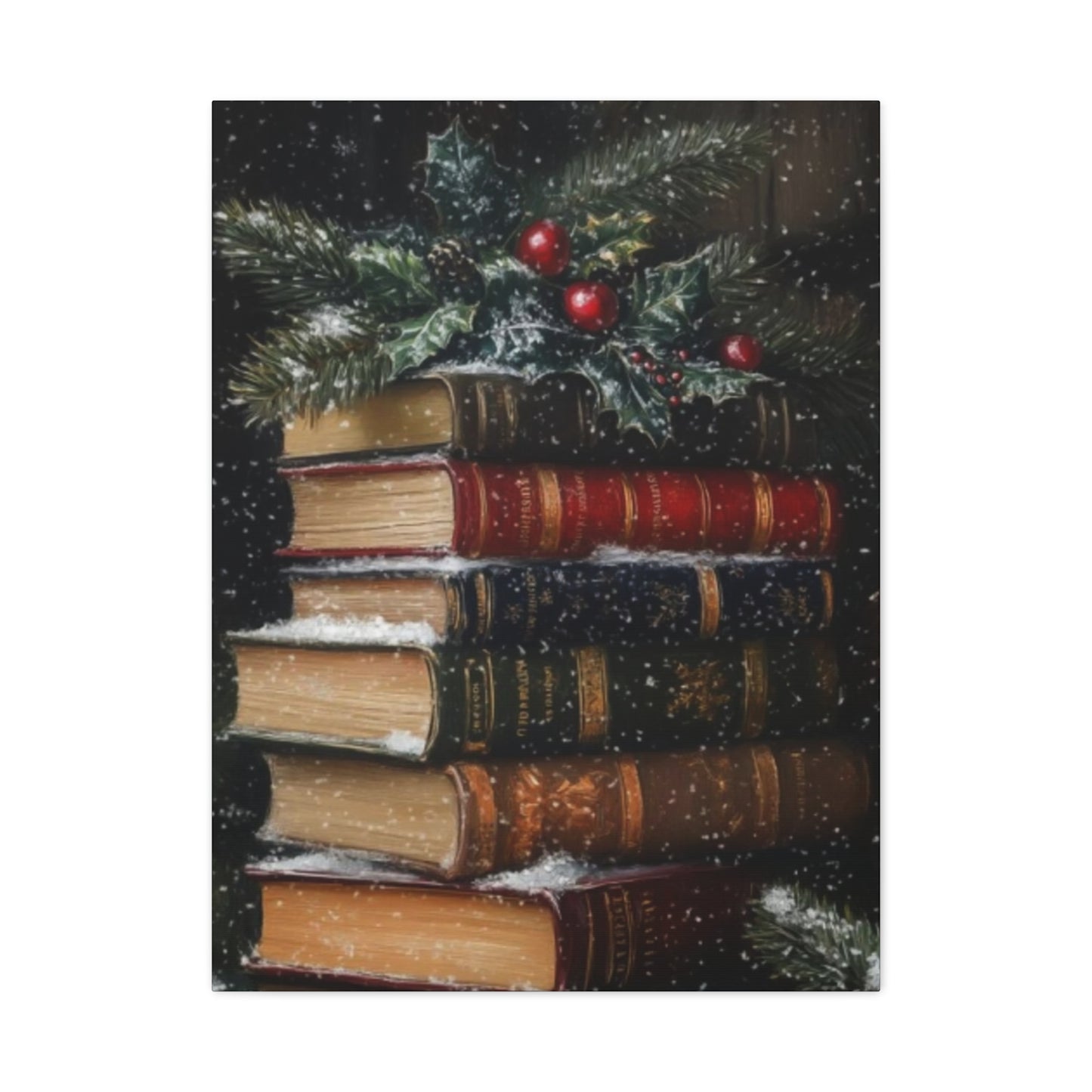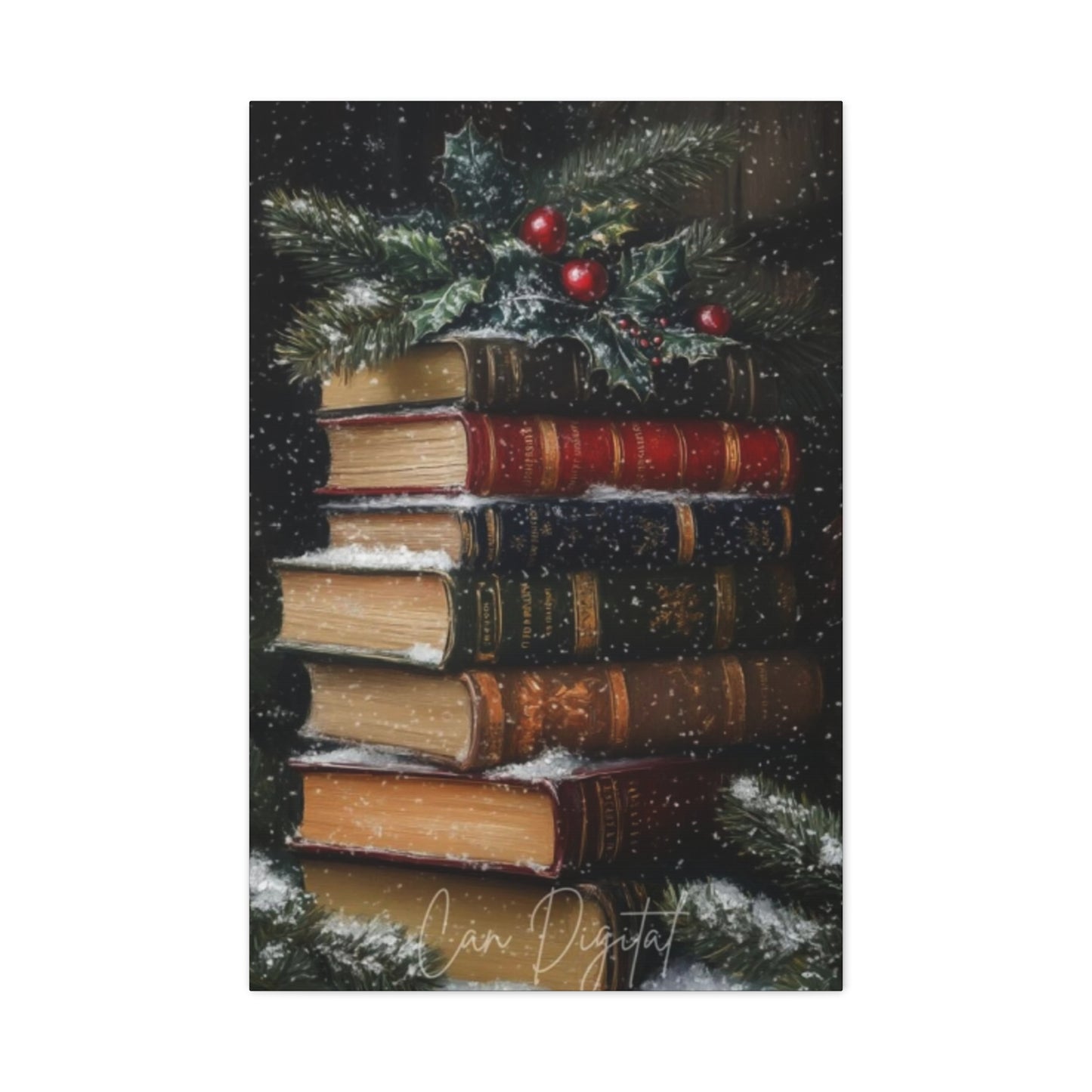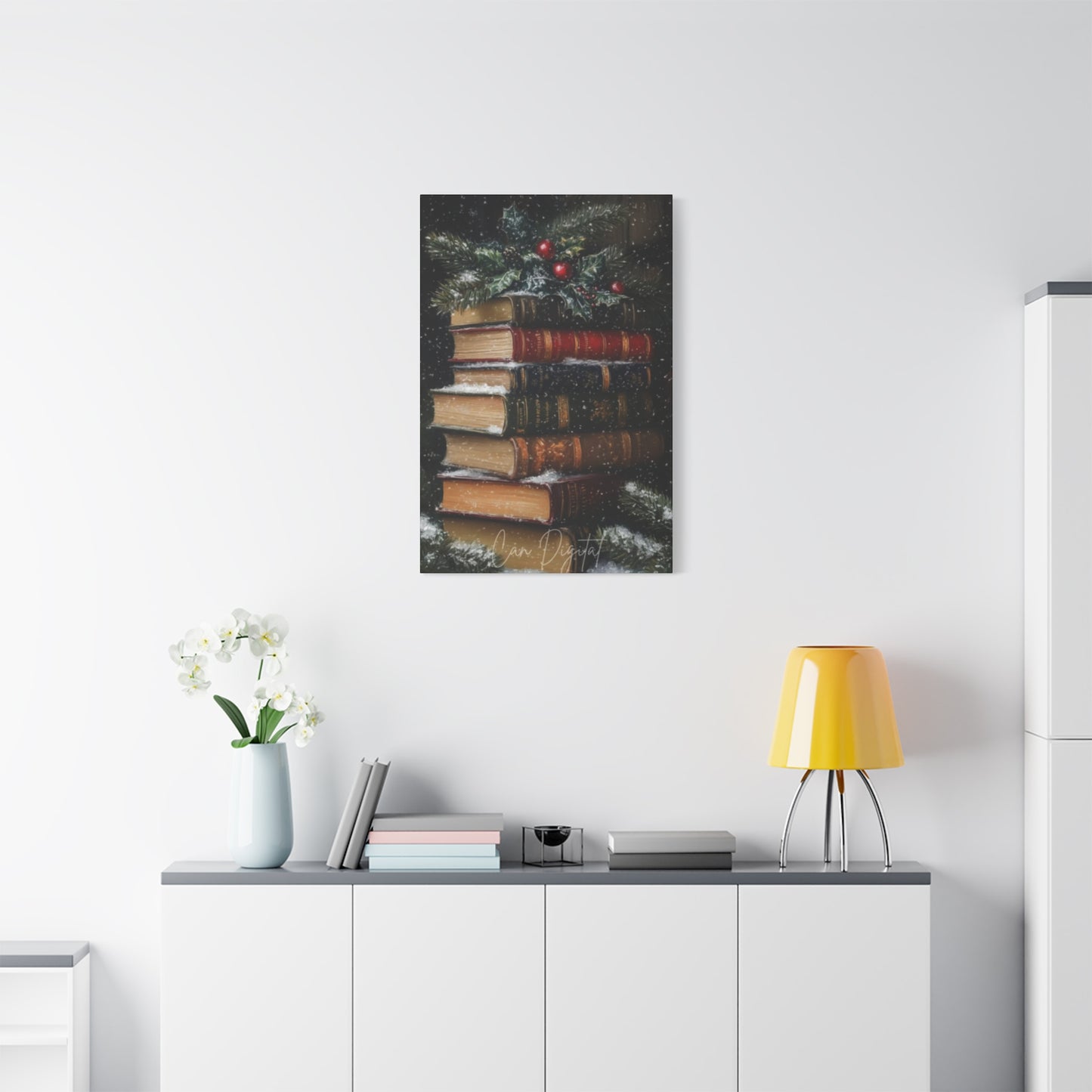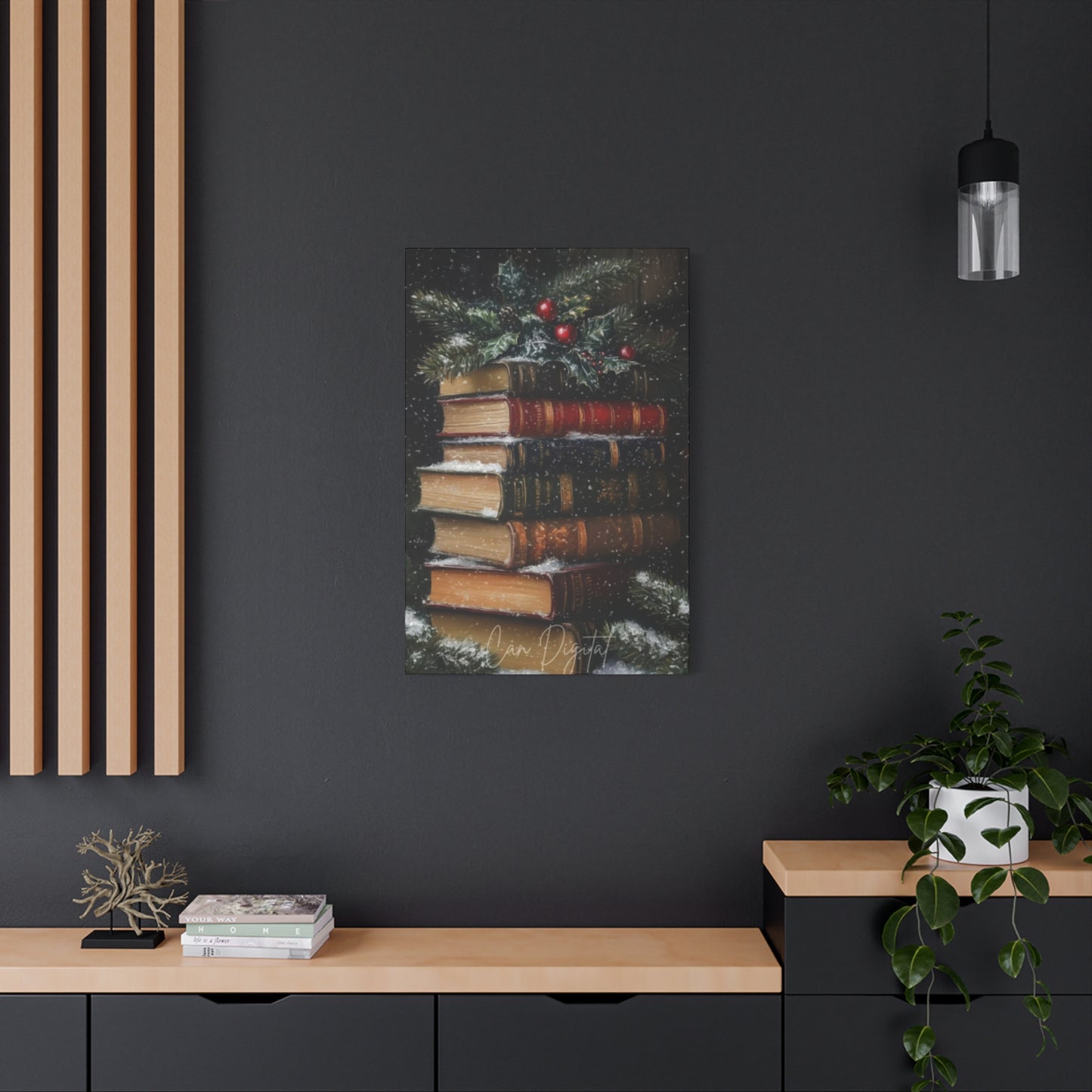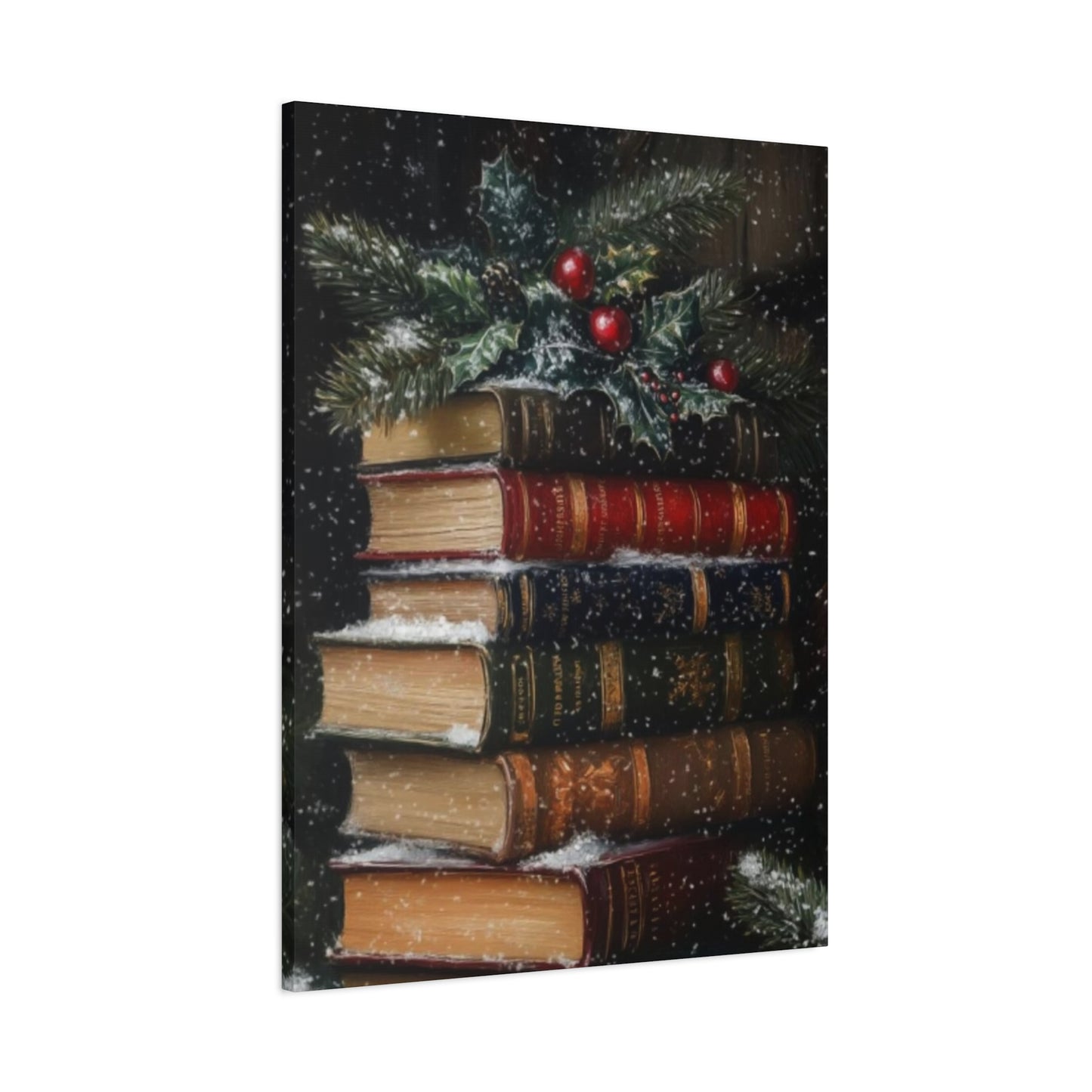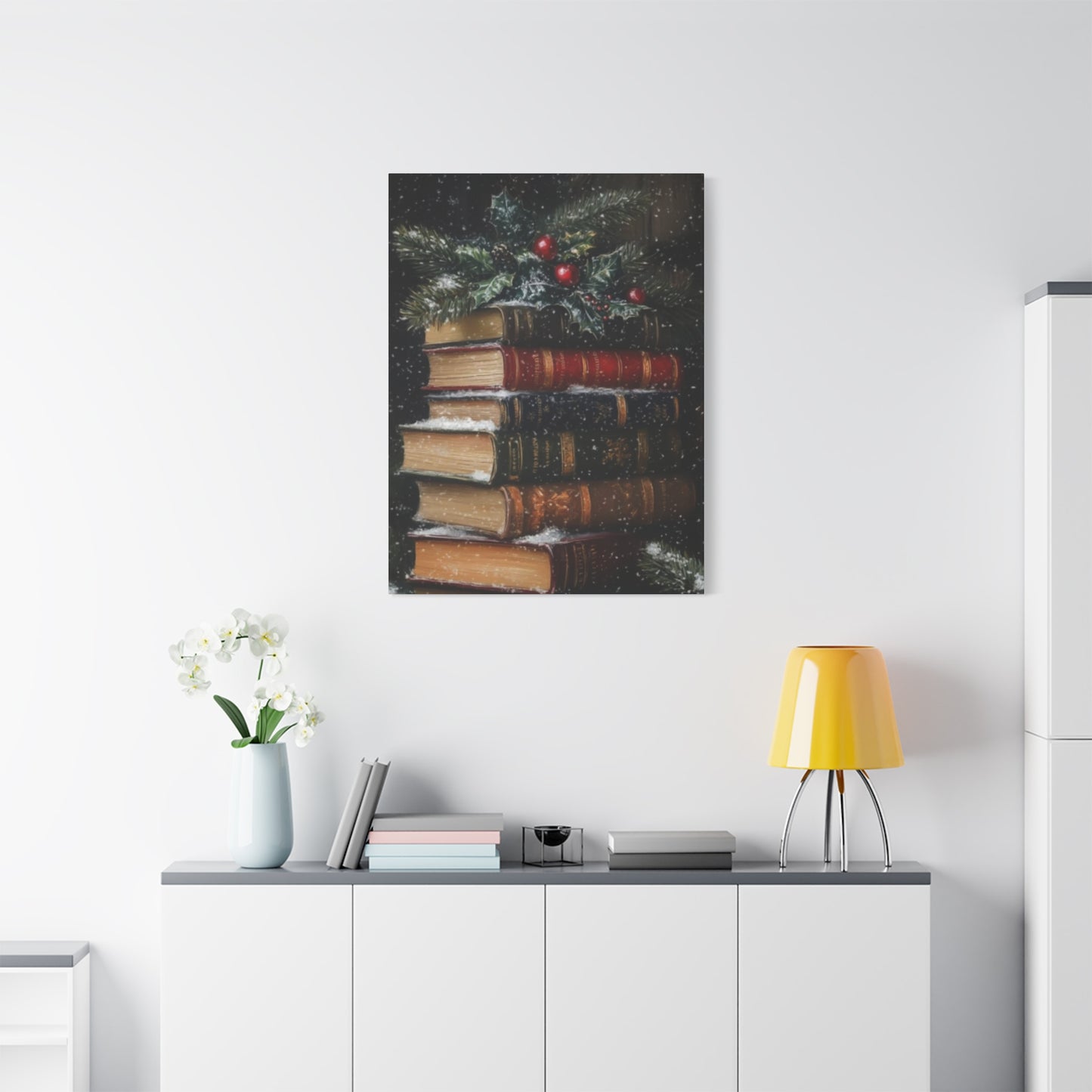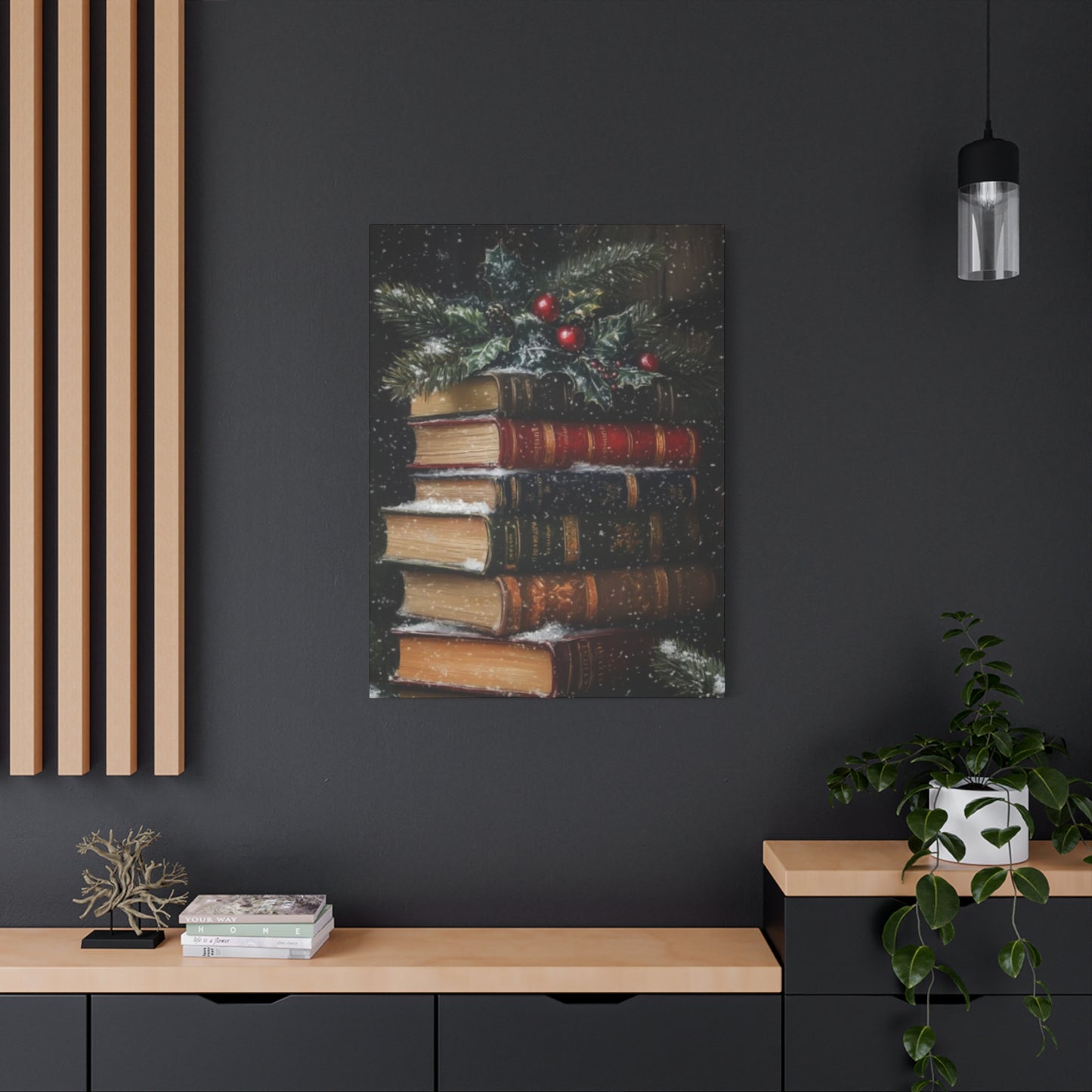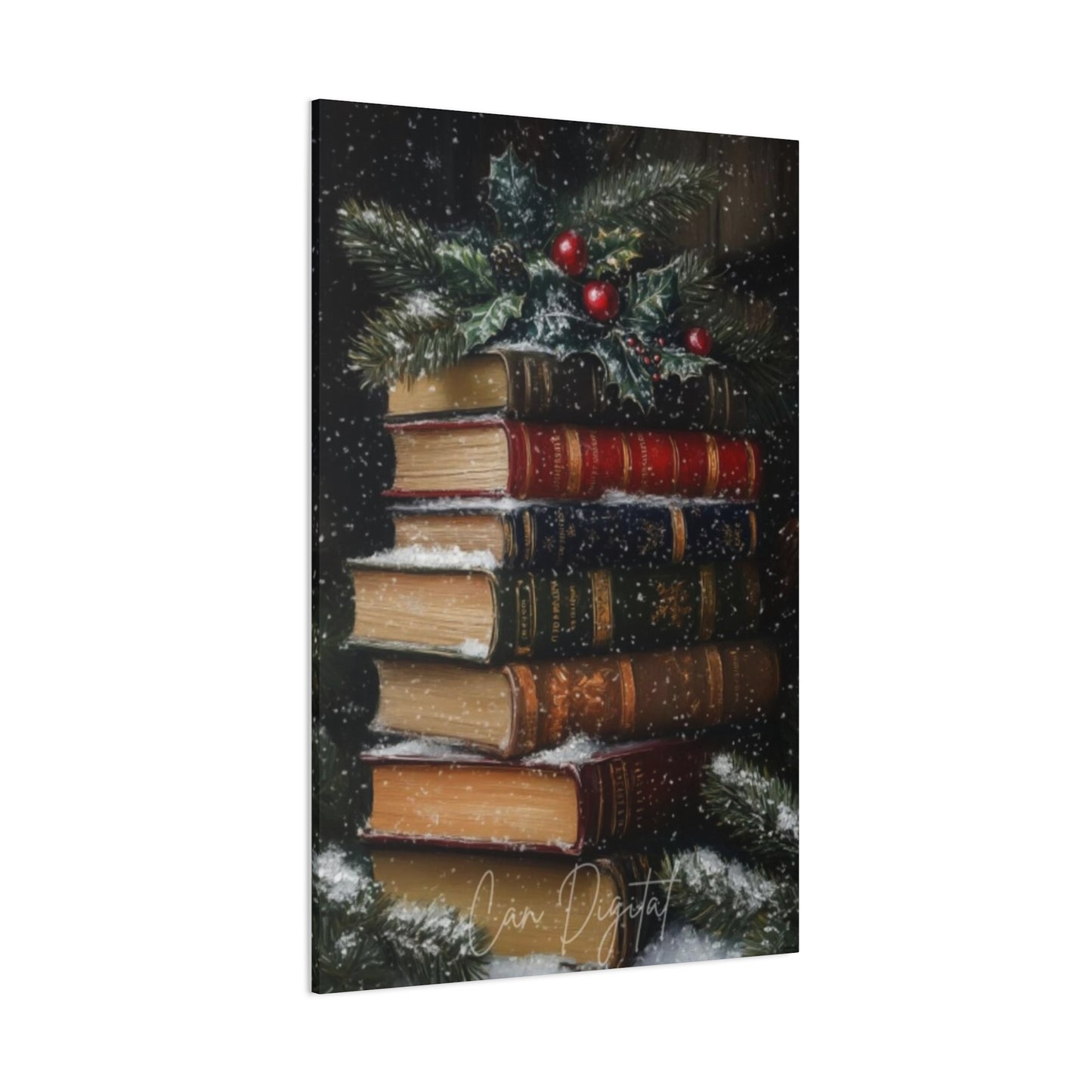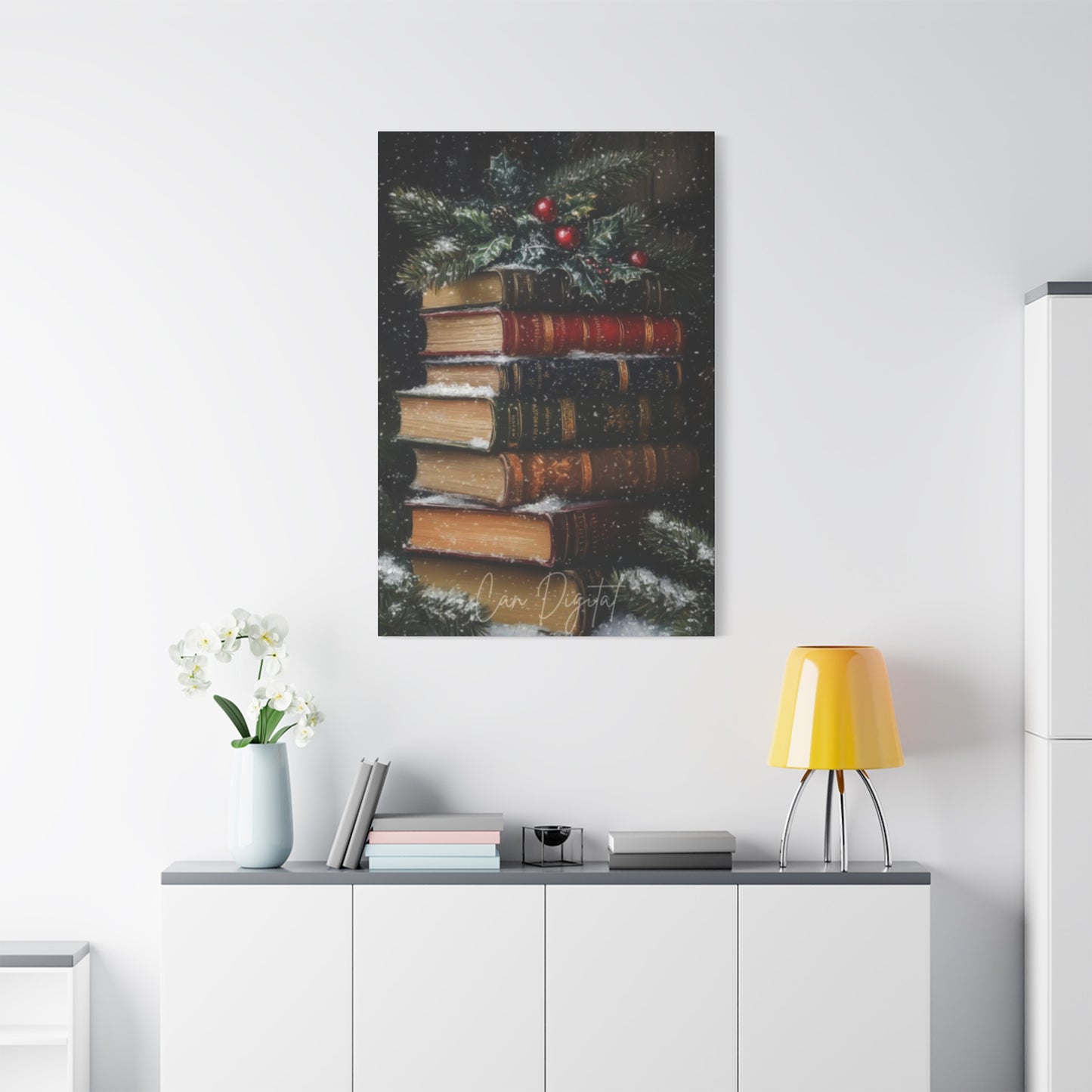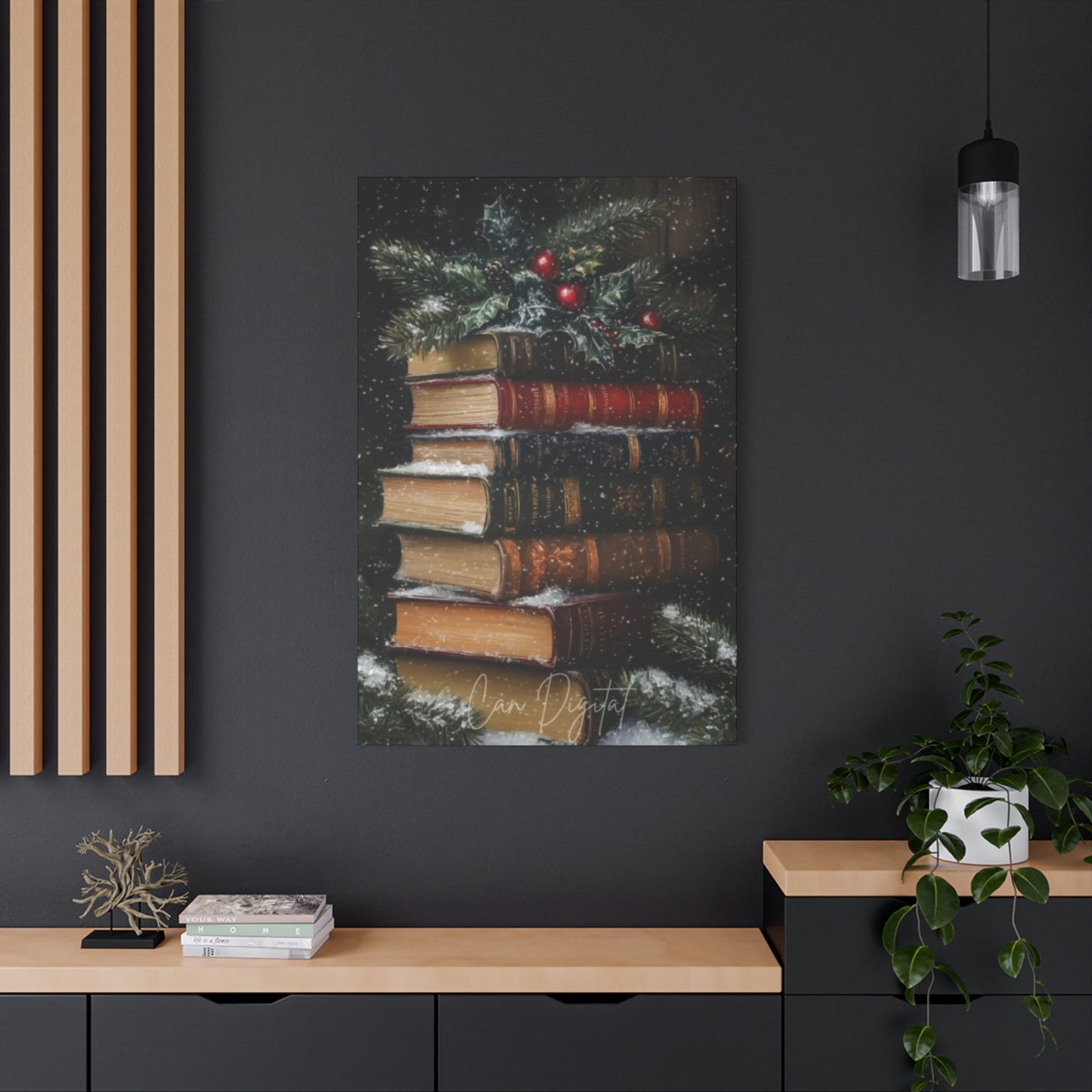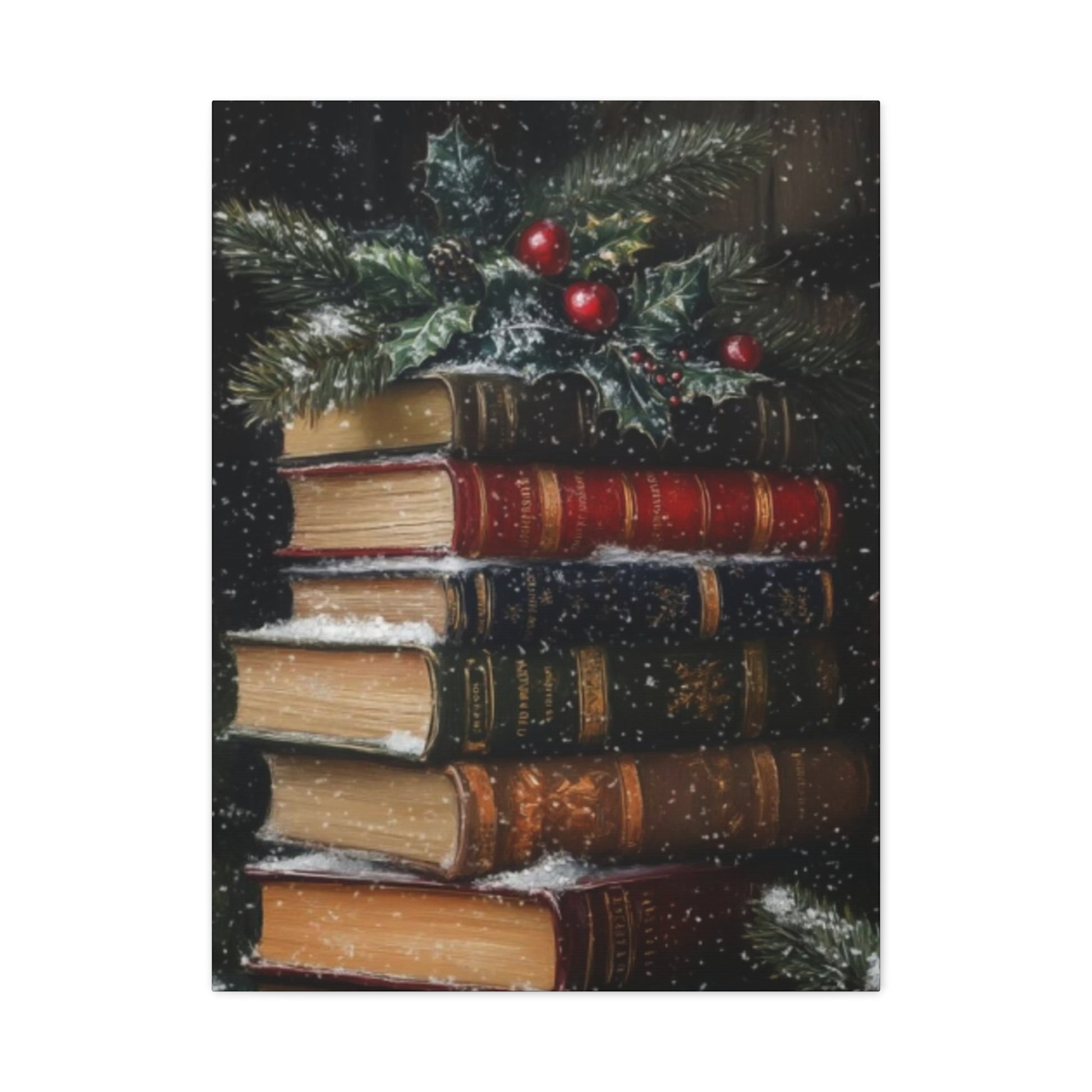
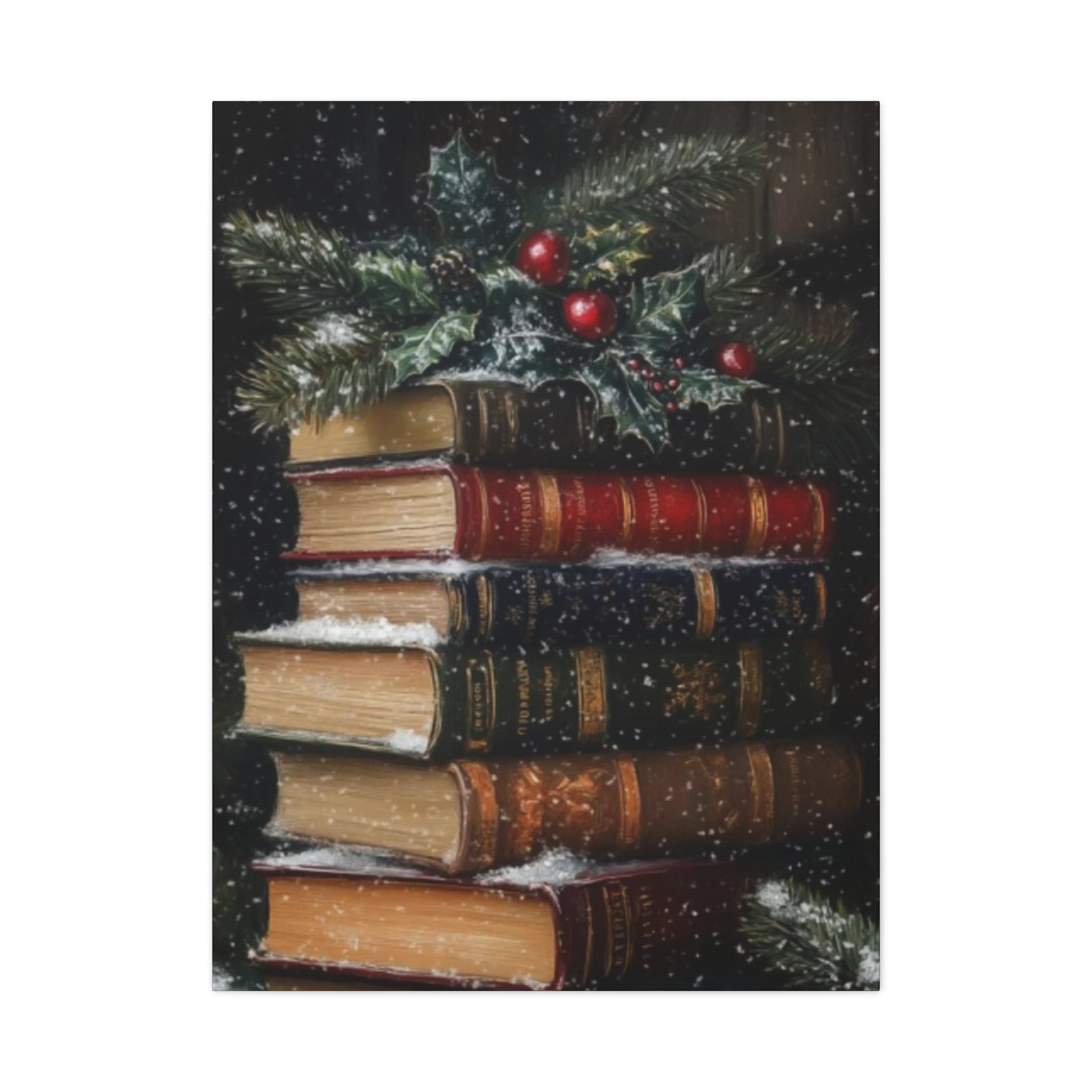
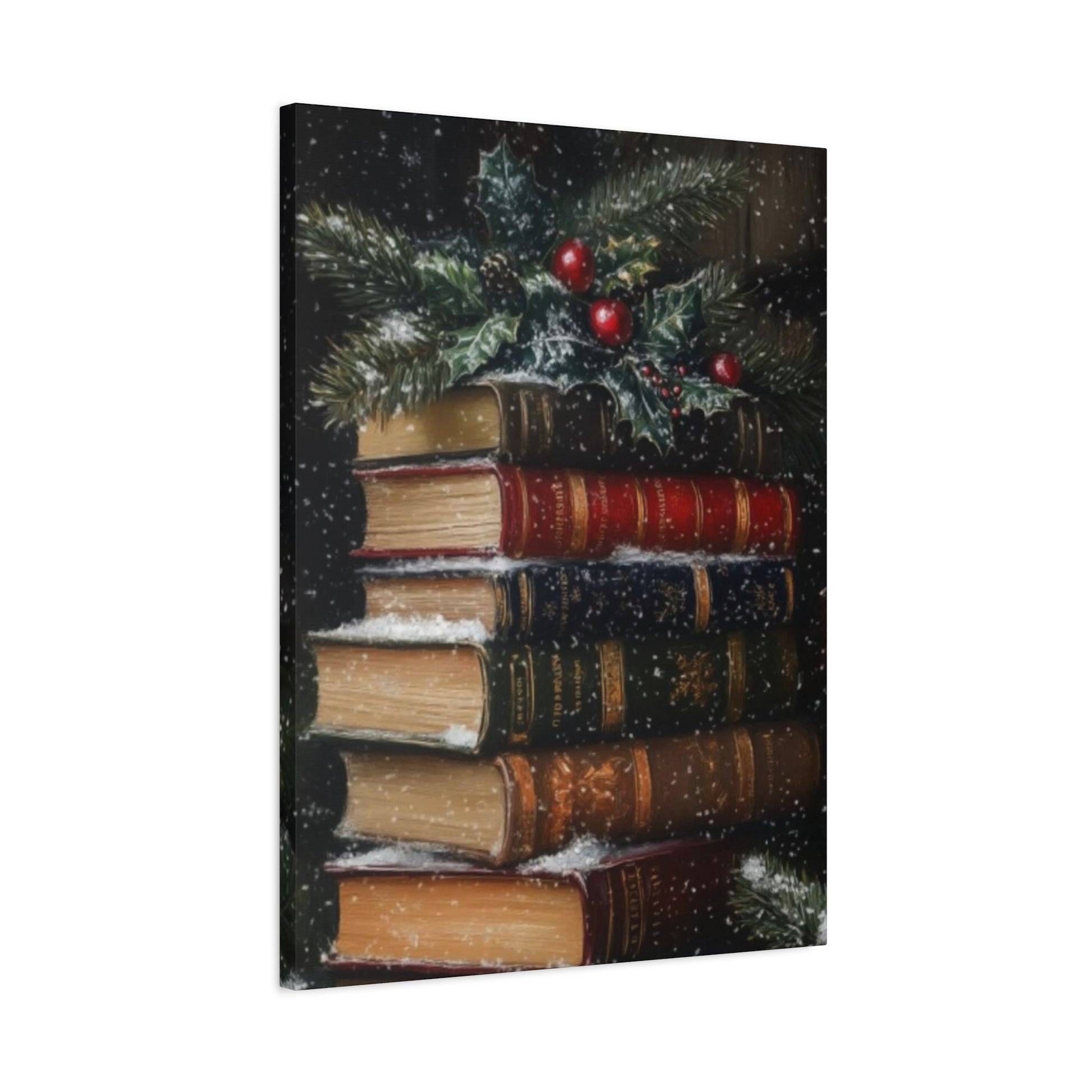
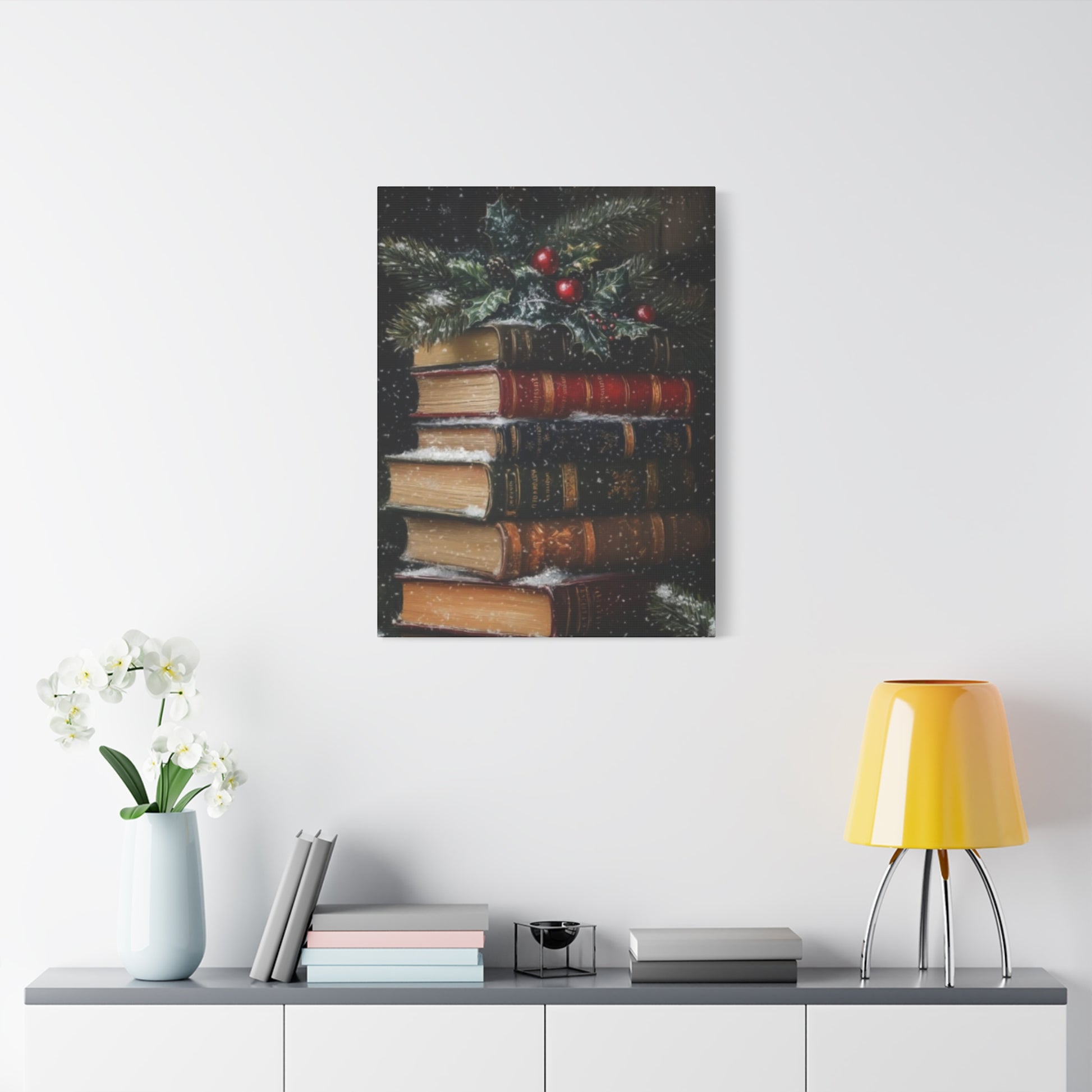
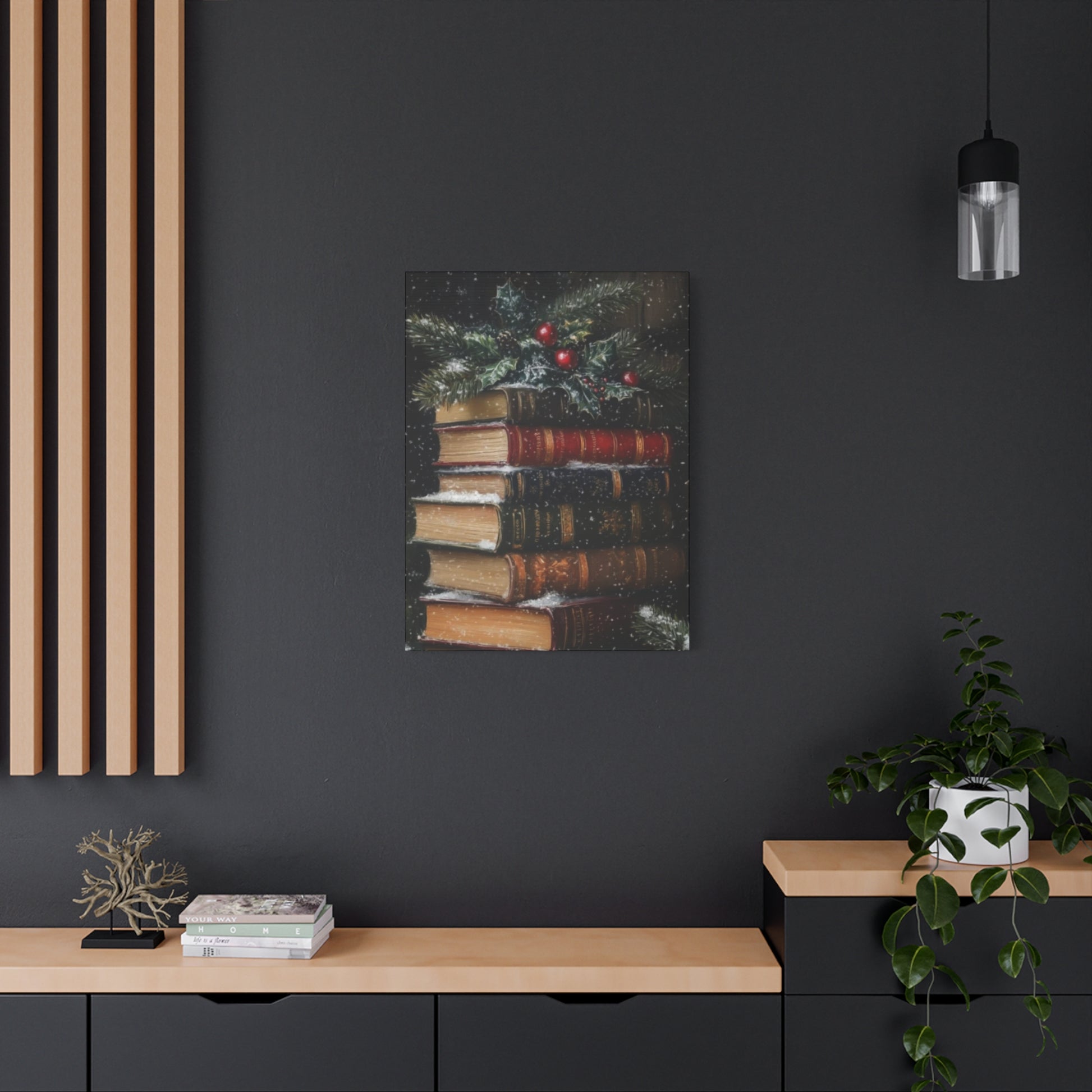
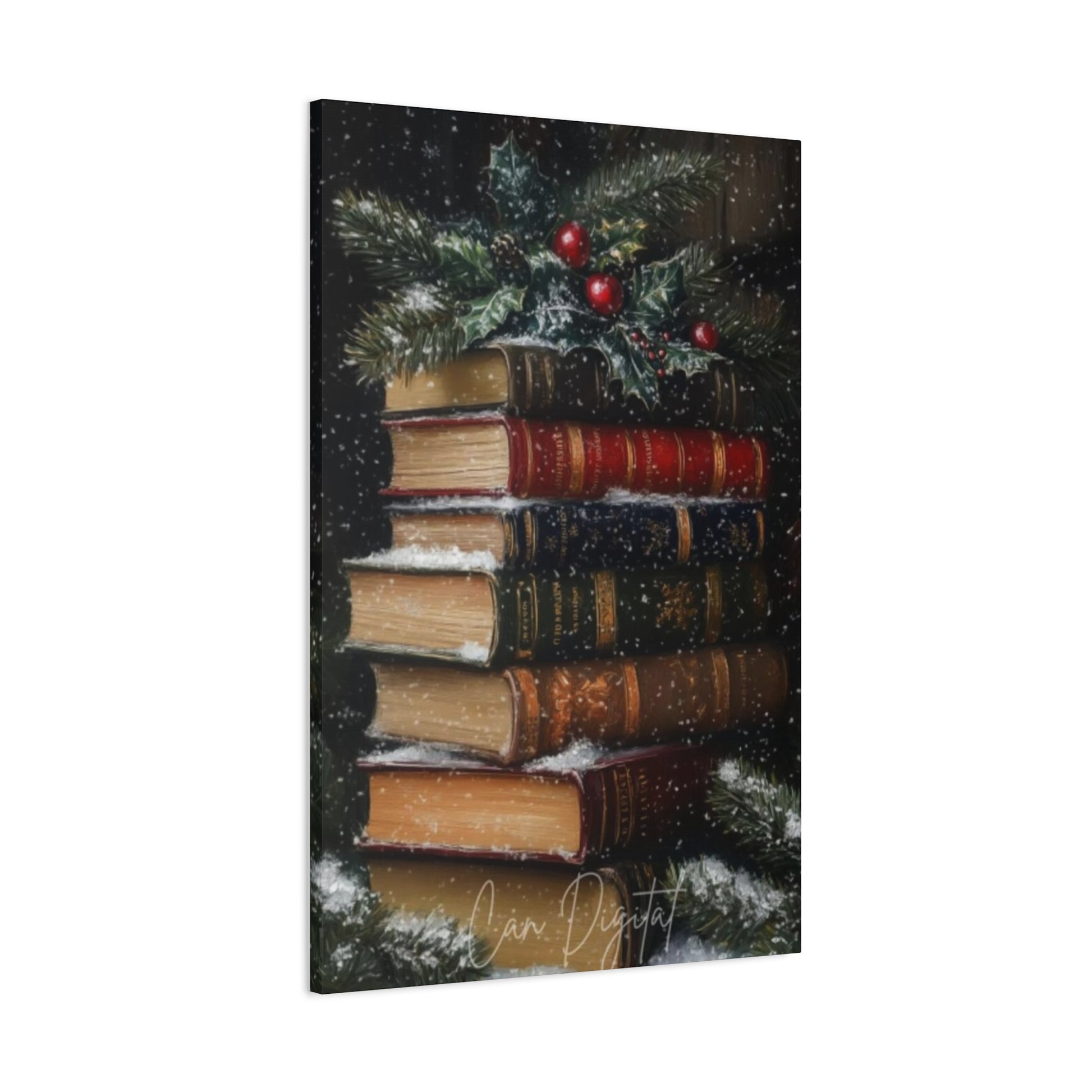
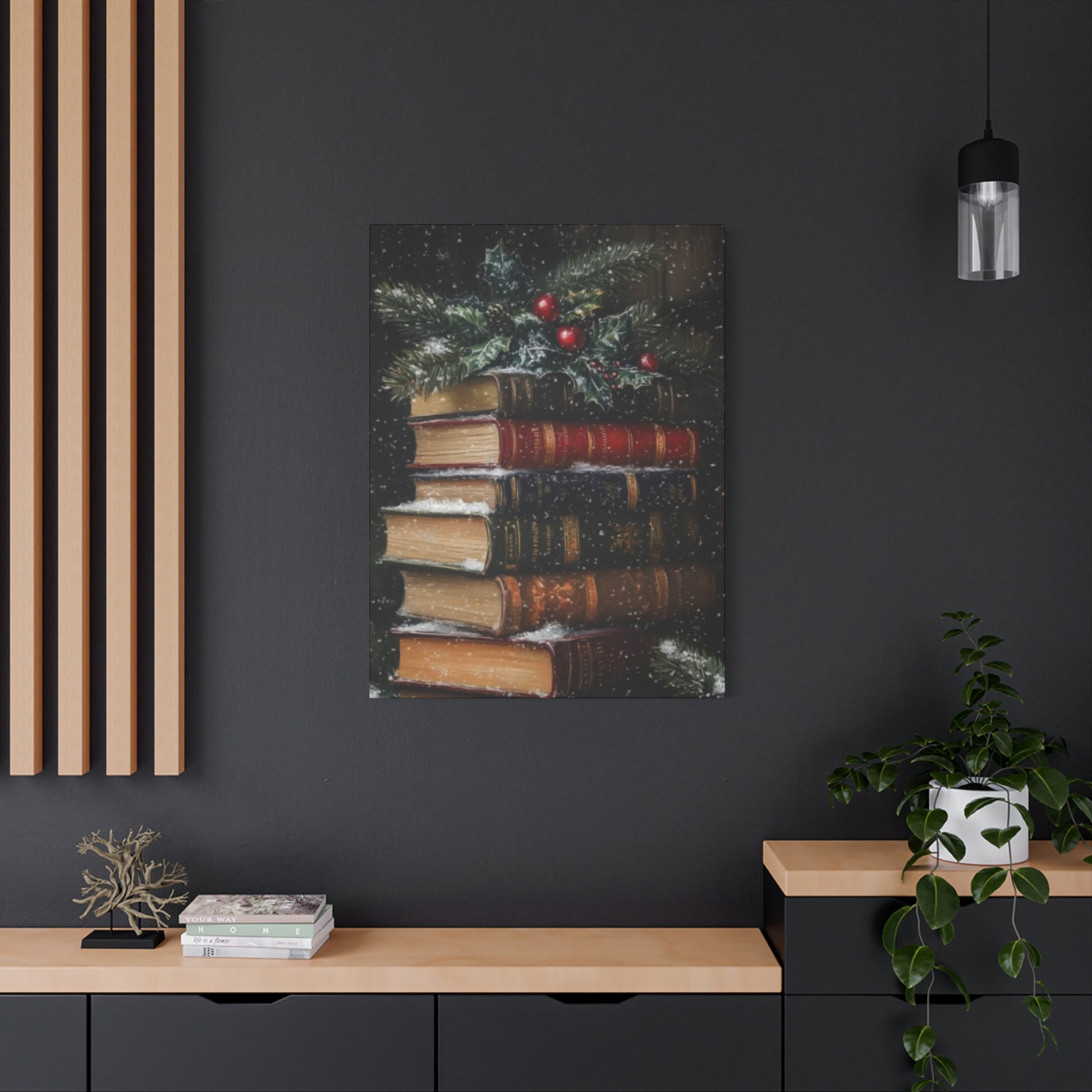
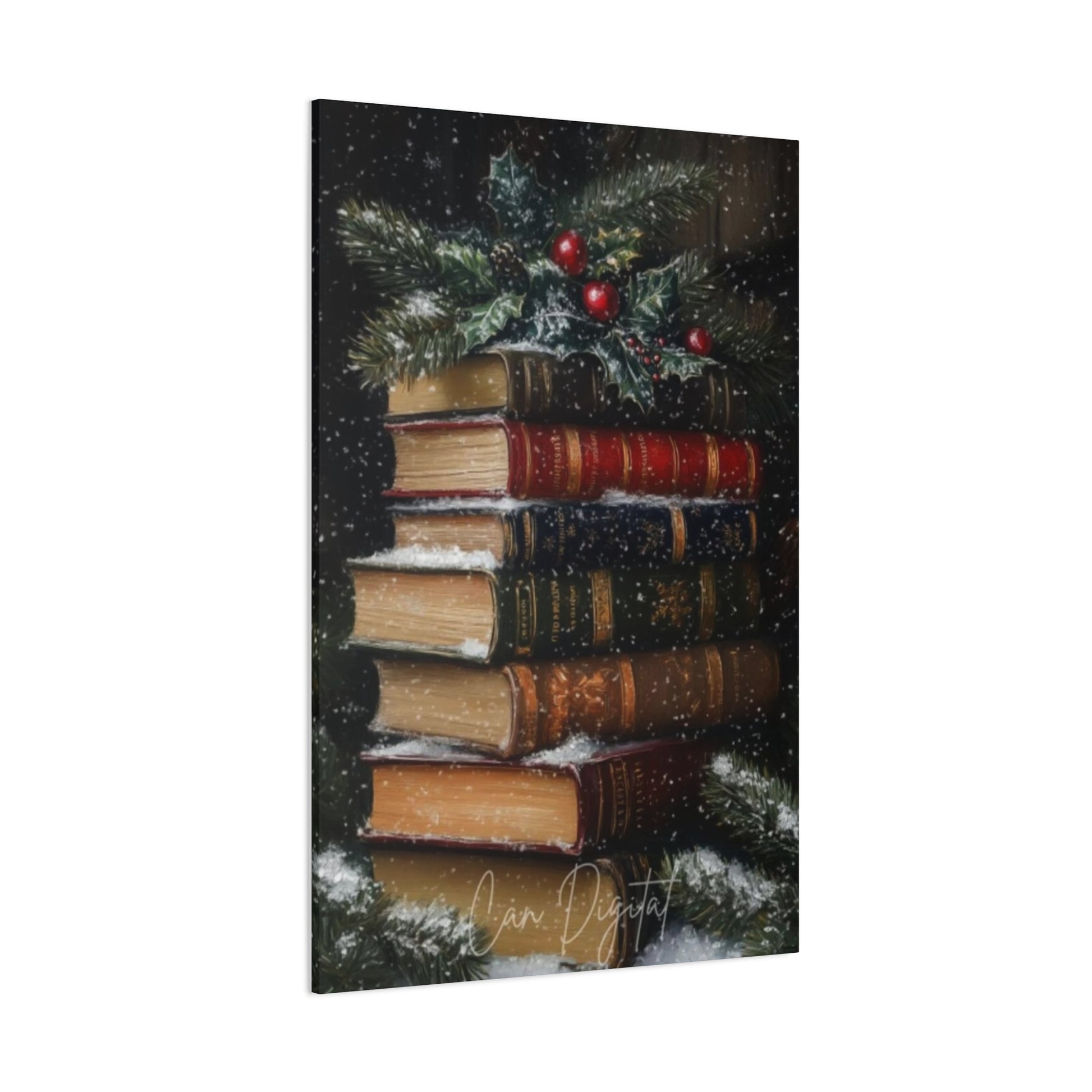
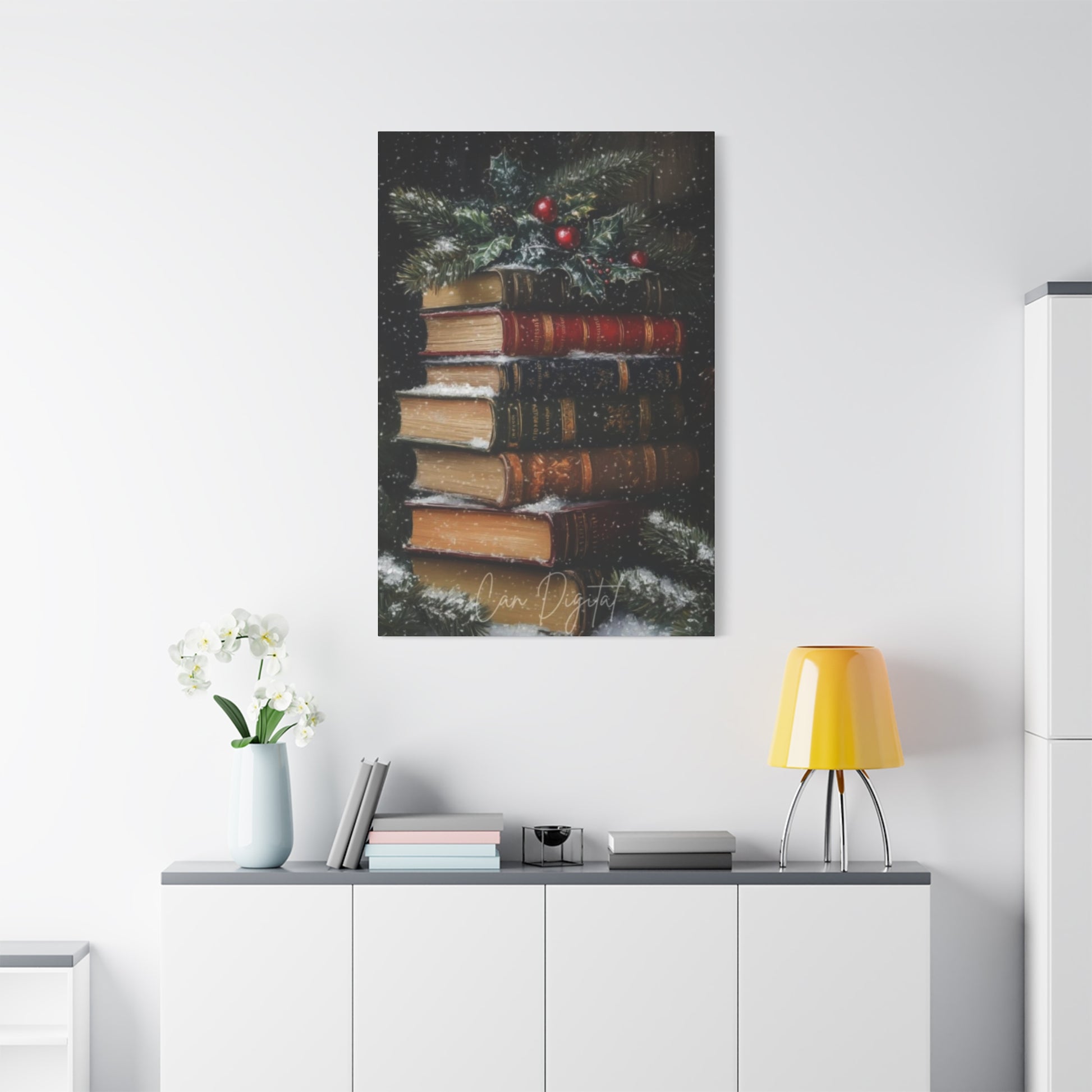
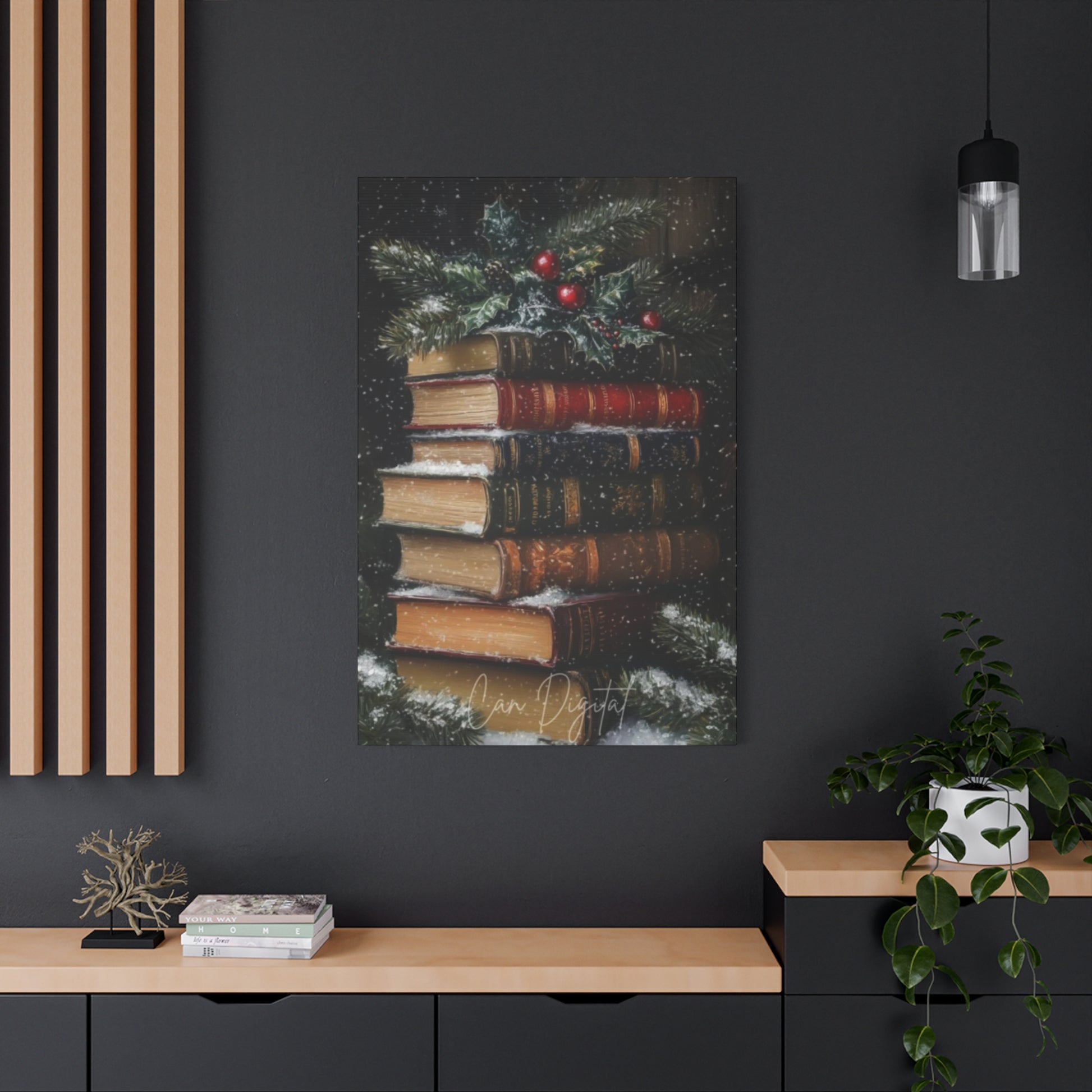
Holiday Books Wall Art & Canvas Prints
Holiday Books Wall Art & Canvas Prints
Couldn't load pickup availability
Celebrating Festive Seasons Through Literary Displays: The Art of Holiday Books Wall Art in Modern Interior Spaces
The concept of adorning living spaces with seasonal literary displays has evolved into a sophisticated form of interior design that combines cultural celebration with aesthetic appeal. When we think about transforming our homes during festive periods, the traditional focus often lands on ornaments, lights, and decorative pieces. However, an emerging trend that captivates both bibliophiles and design enthusiasts alike involves creating stunning visual presentations using carefully selected volumes arranged as holiday books wall art. This practice transcends mere decoration, weaving together storytelling, nostalgia, and artistic expression into a cohesive visual narrative that speaks to the heart of celebration.
The practice of displaying literature as a decorative element during festive seasons represents more than just an aesthetic choice. It embodies a deeper connection to the stories that have shaped our understanding of celebration, family, and togetherness throughout generations. From classic tales that have warmed hearts for centuries to contemporary narratives that reflect modern sensibilities, the books we choose to display become conversation pieces, memory triggers, and symbols of the values we hold dear during special times of the year.
Creating meaningful displays with seasonal literature requires thoughtful consideration of multiple factors, including color coordination, thematic relevance, personal significance, and visual balance. The journey of curating such displays begins with understanding the profound impact that visual storytelling can have on the atmosphere of our living spaces. When executed with care and creativity, these literary arrangements become focal points that draw guests into meaningful conversations about cherished memories, favorite stories, and shared cultural experiences.
The Cultural Significance of Displaying Seasonal Literature in Contemporary Homes
Throughout human civilization, the act of showcasing treasured volumes has served as a marker of intellectual curiosity, cultural refinement, and personal identity. In contemporary settings, this practice has evolved to incorporate seasonal elements, creating dynamic displays that change with the calendar and reflect the shifting moods of different celebrations throughout the year. The significance of this practice extends far beyond superficial decoration, tapping into deep-rooted human desires for connection, tradition, and beauty.
When we examine the cultural implications of displaying seasonal reading materials as decorative elements, we discover a rich tapestry of meaning. These displays serve as physical manifestations of collective memory, preserving stories that define how we understand celebration, gratitude, renewal, and community. A carefully arranged collection of festive volumes tells a story about who we are, what we value, and how we choose to mark the passage of time through meaningful traditions.
The psychological impact of surrounding ourselves with literature that celebrates seasonal themes cannot be overstated. Research in environmental psychology suggests that our physical surroundings significantly influence our emotional states and cognitive processes. By incorporating literary elements that resonate with specific times of year, we create environments that actively support the emotional tenor we seek during these periods. The visual presence of beloved stories serves as constant reminders of the values and experiences we wish to cultivate during celebratory seasons.
Moreover, the practice of creating seasonal literary displays represents a form of active participation in cultural tradition. Rather than passively consuming decorative items manufactured for mass markets, individuals who curate their own collections of festive volumes engage in a creative process that reflects personal taste, family history, and individual interpretation of seasonal themes. This active engagement fosters a deeper connection to the celebrations themselves, transforming them from commercial events into personally meaningful experiences.
Exploring Various Approaches to Arranging Festive Literary Collections
The methodology behind creating visually striking displays with seasonal reading materials encompasses numerous approaches, each offering unique advantages and aesthetic outcomes. Understanding these various strategies empowers individuals to select methods that align with their personal style, available space, and desired impact. The art of arrangement involves balancing practical considerations with creative vision, resulting in displays that are both functional and beautiful.
One popular approach involves color-based arrangement, where volumes are selected and positioned according to their spine colors to create harmonious color schemes that complement existing room decor while reflecting seasonal palettes. For winter celebrations, this might mean emphasizing crisp whites, deep reds, forest greens, and metallic golds. Spring festivities could inspire arrangements featuring soft pastels, fresh greens, and cheerful yellows. This chromatic approach creates immediate visual impact and allows for seamless coordination with other decorative elements in the space.
Thematic clustering represents another effective strategy, where volumes are grouped according to specific aspects of seasonal celebration. Within a broader festive display, one might create distinct sections devoted to different themes such as family gatherings, gift-giving traditions, winter landscapes, magical narratives, or spiritual reflections. This approach allows for richer storytelling within the display itself, inviting viewers to explore different facets of seasonal celebration through the lens of various literary works.
Chronological arrangement offers a unique perspective, organizing volumes according to publication date or the era they depict. This method creates a visual timeline that illustrates how representations of festive celebrations have evolved over decades or even centuries. Such displays can spark fascinating conversations about changing cultural values, shifting artistic styles, and the enduring themes that connect celebrations across generations. A chronological arrangement might begin with Victorian-era volumes featuring intricate engravings and progress through mid-century illustrated editions to contemporary graphic novels, each era contributing its own distinctive aesthetic to the overall composition.
Size-based arrangement provides a classically elegant approach that emphasizes form and proportion. By organizing volumes according to height and width, creators achieve a sense of visual order that appeals to the eye's natural preference for balance and symmetry. This method works particularly well in formal spaces where sophistication and restraint are valued. However, size-based arrangements can also incorporate playful elements by intentionally disrupting perfect symmetry at strategic points, creating visual interest through controlled asymmetry.
Mixed methodology approaches combine elements from multiple arrangement strategies, resulting in displays that offer both visual coherence and dynamic interest. A skilled curator might use color as a primary organizing principle while incorporating thematic groupings within color families, or employ size-based arrangement as a foundation while introducing strategic pops of contrasting color to create focal points. These hybrid approaches require careful planning and a discerning eye but can yield stunning results that feel both intentional and organic.
Selecting Appropriate Volumes for Seasonal Literary Displays
The selection process for volumes to include in festive displays represents a crucial phase that determines the overall character and impact of the final arrangement. This process involves balancing multiple considerations, including aesthetic appeal, personal meaning, cultural relevance, and narrative content. The most successful displays reflect careful curation rather than random assembly, with each volume earning its place through some combination of visual contribution, thematic appropriateness, or sentimental value.
When considering candidates for inclusion, visual characteristics deserve primary attention. The physical appearance of volumes—their size, spine design, color, typography, and overall condition—directly impacts the aesthetic success of the display. Books with richly colored spines, attractive typography, and well-preserved covers naturally contribute more to visual appeal than worn volumes with faded or damaged exteriors. However, this consideration must be balanced against other factors, as sometimes a beloved volume with significant personal meaning deserves inclusion despite aesthetic imperfections.
Content relevance forms another critical selection criterion. The stories contained within displayed volumes should authentically connect to seasonal themes, whether through direct subject matter or more subtle thematic resonance. Classic narratives that explicitly center on festive celebrations offer obvious choices, but the pool of suitable candidates extends far beyond these familiar titles. Any volume whose themes echo seasonal values—generosity, family connection, wonder, gratitude, renewal, or community—can appropriately find a place in such displays.
Personal significance often trumps other considerations when curating displays for private homes rather than commercial or public spaces. Volumes that carry memories of cherished gift-giving moments, family reading traditions, or personally meaningful discoveries possess an intangible value that transcends their physical appearance or literary merit. Including such volumes transforms the display from a merely decorative arrangement into a three-dimensional autobiography, telling the story of the individual or family through their relationship with specific books.
The balance between classic and contemporary selections adds depth and breadth to festive displays. While iconic works that have defined seasonal celebrations for generations provide familiar touchstones that resonate across age groups, incorporating recent publications demonstrates ongoing engagement with evolving literary culture. This balance also creates opportunities for intergenerational dialogue, as older family members share their connections to classic volumes while younger participants introduce newer works that speak to contemporary sensibilities.
Diversity in format and style prevents displays from becoming visually monotonous. Including volumes of varying sizes, mixing standard editions with illustrated versions, incorporating vintage finds alongside new releases, and representing different literary genres creates visual texture that engages the eye and invites closer inspection. A display composed entirely of uniform mass-market paperbacks will inevitably appear flat and uninteresting compared to one that thoughtfully combines different formats and physical characteristics.
Creating Harmonious Color Schemes Within Festive Literary Arrangements
Color theory plays a fundamental role in creating visually successful displays with seasonal reading materials. Understanding how colors interact, complement, and contrast with one another enables creators to design arrangements that feel intentional and aesthetically pleasing rather than haphazard. The strategic use of color can dramatically enhance the emotional impact of a display, reinforcing the mood and atmosphere associated with particular celebrations.
Monochromatic schemes, built around variations of a single hue, create displays with sophisticated, cohesive appearances. For winter festivities, a monochromatic red display ranging from pale pink through deep burgundy generates powerful visual impact while conveying warmth and passion. Similarly, a green-based monochromatic arrangement echoing evergreen forests can evoke the natural world during winter months. The success of monochromatic displays depends on incorporating sufficient tonal variation to prevent the arrangement from appearing flat or monotonous.
Analogous color schemes employ colors that sit adjacent to one another on the color wheel, creating harmonious combinations that feel natural and pleasing to the eye. For autumn harvest celebrations, combining oranges, yellows, and reds produces arrangements that echo falling leaves and abundant harvests. Winter displays might employ blues, purples, and silvers to evoke frozen landscapes and starlit nights. Analogous schemes offer more visual variety than monochromatic approaches while maintaining strong color harmony.
Complementary color schemes utilize colors positioned opposite one another on the color wheel, creating dynamic visual tension and energy. The classic pairing of red and green exemplifies complementary color use in festive contexts, generating immediate associations with certain winter celebrations. However, other complementary combinations—purple and yellow, blue and orange—can create equally striking displays for different seasonal occasions. The key to successful complementary schemes lies in balancing the proportions of each color to prevent visual overwhelm.
Triadic color schemes employ three colors equally spaced around the color wheel, offering vibrant, balanced displays with substantial visual interest. A triadic scheme might combine red, yellow, and blue for primary color vibrancy, or orange, green, and purple for a more sophisticated secondary color palette. These schemes work particularly well for celebratory displays intended to convey joy, energy, and festivity. Careful attention to the specific shades selected within each color family prevents triadic schemes from appearing chaotic or juvenile.
Neutral-based schemes built around whites, creams, taupes, grays, and blacks create elegant, understated displays that rely on texture and form rather than color for visual interest. These arrangements project sophistication and restraint, working particularly well in minimalist or contemporary interiors where bold color might clash with existing design elements. Strategic introduction of metallic accents—gold, silver, bronze—adds festive sparkle without disrupting the overall neutral harmony.
Seasonal palette alignment ensures that color choices resonate with the specific celebration being honored. Winter festivities naturally align with certain color families—the reds, greens, golds, and silvers traditionally associated with certain December celebrations, or the blues, whites, and silvers evoking winter landscapes. Spring celebrations call for soft pastels and fresh greens. Summer might inspire bright, saturated colors reflecting abundant sunshine and flourishing gardens. Autumn naturally pairs with earth tones, rust, amber, and deep reds echoing changing foliage.
Incorporating Decorative Elements to Enhance Literary Displays
While the volumes themselves form the foundation of festive displays, thoughtfully selected accompanying elements can significantly enhance their visual impact and thematic resonance. These supplementary components should complement rather than overwhelm the literary focus, adding layers of meaning and beauty without distracting from the primary attraction of the books themselves. The art lies in achieving balance—adding enough enhancement to create interest while maintaining the integrity of the literary display.
Natural elements bring organic beauty and seasonal appropriateness to literary arrangements. Evergreen boughs, pine cones, holly branches, and berries introduce textural contrast and fresh scent while reinforcing connections to the natural world. For spring celebrations, fresh or dried flowers, pussy willows, and budding branches bring color and vitality. Autumn displays benefit from dried leaves, acorns, gourds, and wheat sheaves. These natural additions ground displays in the physical reality of seasonal change, connecting literary representations of celebration to the actual rhythms of nature.
Illumination transforms displays from static arrangements into dynamic focal points. Carefully positioned string lights, whether traditional bulbs or modern LED versions, add warmth and sparkle that dramatically enhance the magical quality of festive displays. Candles, whether real or battery-operated, introduce flickering movement and atmospheric glow. The key to successful lighting integration involves ensuring that light sources enhance rather than obscure the volumes themselves, drawing attention to the books rather than competing with them for visual attention.
Textile elements introduce softness and additional color while creating visual transitions between hard surfaces. A carefully chosen table runner, piece of vintage lace, or swath of seasonal fabric can serve as an attractive foundation for a literary display, adding color and texture while protecting furniture surfaces. Vintage ribbons woven through arrangements or tied around individual volumes add nostalgic charm. Small decorative cushions or throws positioned near reading-focused displays suggest comfort and invitation, encouraging viewers to select a volume and settle in for reading.
Vintage or antique objects that relate thematically to seasonal celebrations create compelling visual dialogues with displayed volumes. Antique ornaments, vintage postcards, old photographs in period frames, historical toys, or collectible figurines all contribute to a sense of layered meaning and historical continuity. These objects work particularly well when they have genuine personal or family history, transforming displays into three-dimensional family narratives that honor past generations while celebrating present moments.
Small-scale artwork complements literary displays by introducing additional visual interest and thematic depth. Vintage prints, framed illustrations from old books, small original paintings, or contemporary graphic designs can lean against stacked volumes or hang on walls behind displays. Selecting artwork that echoes the color scheme or thematic content of the displayed books creates visual harmony, while introducing contrasting elements generates dynamic tension that captures attention.
Seasonal figurines and decorative objects specifically designed for festive display naturally complement literary arrangements. Angels, nutcrackers, snowmen, reindeer, bunnies, or other seasonal characters can be interspersed among volumes, creating vignettes that tell visual stories. The scale of these objects matters significantly—pieces should be substantial enough to register visually without dwarfing the books or dominating the display.
Practical Considerations for Displaying Volumes in Various Home Environments
Successfully incorporating seasonal literary displays into existing living spaces requires thoughtful attention to practical matters including available space, structural support, viewing angles, lighting conditions, and household dynamics. Understanding these practical considerations ensures that displays not only look beautiful but also function effectively within the context of daily life.
Space assessment forms the essential first step in planning any display. Available surface area determines the scale and complexity of what can be achieved. Spacious console tables, mantels, or built-in shelving units accommodate large, elaborate arrangements incorporating numerous volumes and decorative elements. Limited space on side tables, windowsills, or small floating shelves necessitates more restrained, carefully edited displays. Honest evaluation of available space prevents the frustration of planning displays that cannot physically fit in intended locations.
Surface stability represents a crucial practical concern, particularly for displays incorporating substantial numbers of volumes whose combined weight can be significant. Flimsy furniture, poorly mounted floating shelves, or delicate antique tables may prove inadequate for supporting heavy literary displays. Ensuring that chosen surfaces can safely bear the weight of planned arrangements prevents potentially dangerous collapses and protects both books and furniture from damage.
Traffic flow through spaces must inform display placement decisions. Arrangements positioned in high-traffic areas face greater risk of accidental disturbance, particularly in households with active children or pets. Corner locations, positions along walls rather than in the middle of rooms, or placements on higher surfaces reduce vulnerability to disruption. However, displays must remain visible and accessible enough to fulfill their decorative and inspirational purposes, requiring careful balance between protection and prominence.
Lighting conditions dramatically affect how displays appear and how well viewers can appreciate their details. Natural light from windows illuminates displays beautifully during daylight hours but can cause fading and deterioration of book covers over extended periods. Positioning displays away from direct sunlight or using window treatments to filter harsh rays protects volumes while still benefiting from natural illumination. Artificial lighting should be positioned to highlight displays without creating harsh shadows or glare that obscures titles and details.
Climate control considerations protect valuable volumes from damage caused by excessive heat, humidity, or dryness. Displays should avoid placement directly above heating vents, radiators, or fireplaces where heat can dry and crack bindings. Similarly, positions in damp basements, humid bathrooms, or areas prone to temperature fluctuations can cause mold growth, warping, and deterioration. Maintaining stable, moderate environmental conditions preserves both the physical integrity and aesthetic appeal of displayed volumes.
Accessibility for different household members influences display design and placement. Arrangements intended to inspire family reading should position at least some volumes within easy reach of children, while precious or fragile editions might be placed higher to prevent damage. Displays in homes with elderly residents or individuals with mobility limitations should avoid placement requiring stooping, stretching, or navigating obstacles to view or access.
Pet and child safety cannot be overlooked when designing displays. Heavy volumes stacked unstably can topple and cause injury. Small decorative objects pose choking hazards for young children. Trailing light cords create tripping dangers. Thoughtful arrangement that prioritizes safety alongside aesthetics ensures that displays enhance rather than endanger household wellbeing.
Dust accumulation and cleaning accessibility affect the long-term maintenance and appearance of displays. Open arrangements with space between elements allow for easier dusting, while tightly packed displays trap dust and make cleaning difficult. Positioning displays where they can be accessed from multiple angles simplifies maintenance. Some individuals prefer to cover displays with lightweight transparent fabrics when not actively celebrating to protect from dust while maintaining visibility.
Seasonal Rotation Strategies for Year-Round Literary Display Interest
Maintaining fresh, relevant displays throughout the year requires strategic planning for seasonal rotation. This practice prevents visual stagnation while ensuring that displayed volumes appropriately reflect current celebrations and seasonal themes. Effective rotation strategies balance the desire for regular change against practical considerations including storage, time investment, and preservation of displayed volumes.
Annual planning creates a framework for rotating displays throughout the calendar year. Mapping out key celebrations and seasonal transitions enables advance preparation, ensuring appropriate volumes are accessible when needed. This forward planning might identify six to eight rotation points throughout the year—major winter celebrations, New Year renewal themes, early spring awakening, spring planting and renewal, summer leisure and adventure, autumn harvest and gratitude, Halloween mystery and magic, and late autumn preparation for winter.
Storage solutions for non-displayed volumes require careful consideration to protect books while maintaining organization that facilitates future retrieval. Clear plastic bins labeled with seasonal categories keep volumes clean and organized while allowing visual inventory without opening containers. Climate-controlled storage in stable temperature and humidity protects books from environmental damage. Organizing storage by color, theme, or season enables quick location of specific volumes when rotation time arrives.
Partial rotation strategies offer a middle path between complete seasonal overhauls and static year-round displays. This approach maintains a core collection of volumes that remain constant—perhaps favorite editions, particularly beautiful books, or works with year-round thematic relevance—while swapping out a portion of the display to reflect current seasons or celebrations. Partial rotation requires less time and effort than complete changes while still providing seasonal freshness and variety.
Gradual transition methods create smooth visual evolution between seasons rather than abrupt changes. As one season wanes and another approaches, gradually introducing volumes appropriate to the upcoming period while slowly removing those tied to the departing season creates organic progression. This approach particularly suits individuals who prefer subtle, evolutionary change to dramatic transformation, and it spreads the physical labor of rearranging over several weeks rather than requiring intensive single-day efforts.
Photographic documentation of successful arrangements provides inspiration and guidance for future years. Photographing displays from multiple angles before dismantling them creates visual records that can be consulted when recreating similar arrangements in subsequent seasons. These photos also track the evolution of collections over time, documenting acquisitions of new volumes and changes in personal aesthetic preferences. Digital organization of these photos by season or celebration facilitates easy reference.
Maintenance during display periods preserves the appearance and condition of featured volumes. Regular light dusting prevents accumulation of grime that dulls colors and obscures details. Immediate attention to any spills, especially on or near displays, prevents staining and water damage. Rotating the positions of individual volumes within displays periodically ensures even fading if exposure to light cannot be completely avoided.
Acquisition planning aligned with rotation schedules prevents last-minute scrambling to find appropriate volumes for upcoming seasonal displays. Thoughtful shopping throughout the year when encountering interesting volumes at sales, antique stores, or independent bookshops builds collections gradually and often economically. Gift-giving occasions provide opportunities to request specific volumes that would enhance particular seasonal displays.
Curating Collections That Reflect Personal and Family Narratives
The most meaningful seasonal literary displays transcend generic decoration to tell authentic stories about the individuals and families who create them. Curating collections that reflect personal histories, family traditions, and individual relationships with literature transforms displays from mere ornaments into three-dimensional memoirs that honor the past while celebrating the present.
Family heritage considerations bring depth and continuity to literary displays. Volumes that belonged to previous generations, books given as gifts for significant occasions, or works that featured prominently in family traditions carry emotional weight beyond their physical or literary qualities. Including these heritage volumes in seasonal displays keeps family history alive and visible, creating opportunities to share stories about loved ones and formative experiences with younger generations who might otherwise miss these connections.
Geographic connections add another layer of personal meaning to curated collections. Volumes by authors from regions where families have roots, stories set in locations with family significance, or works acquired during meaningful travels all create geographic threads that weave through displays. These geographic elements situate families within broader narratives of place and migration, acknowledging the influence of specific locations on family identity and values.
Childhood reading memories often form powerful emotional associations with seasonal celebrations. Including volumes that parents or grandparents remember from their own childhoods creates intergenerational bridges, allowing adults to revisit formative reading experiences while introducing beloved stories to new generations. These shared reading experiences across generations forge powerful connections between past and present, demonstrating how stories transcend individual lifetimes to become family treasures.
Contemporary family favorites deserve equal prominence alongside classics and heritage volumes. Books that current family members adore, works that have captured imaginations during recent years, and newly discovered treasures that resonate with present interests ensure that displays remain living, evolving entities rather than static museums to the past. Balancing reverence for tradition with openness to new experiences models healthy approaches to cultural participation.
Individual reading journeys contribute to the uniqueness of personal collections. Each person's literary path differs based on interests, influences, and experiences. Volumes that marked important personal discoveries, works that provided comfort during difficult periods, or books that sparked passion for particular subjects or genres all merit consideration for inclusion. These personally significant works add layers of individual meaning to displays that might otherwise feel generic or impersonal.
Representing diverse perspectives and voices within curated collections demonstrates values of inclusivity and broad engagement with human experience. Seeking out volumes by authors from various cultural backgrounds, stories reflecting diverse family structures and celebrations, and works presenting multiple perspectives on seasonal themes enriches displays while modeling openness to different experiences and worldviews. This diversity creates opportunities for exposure to stories and traditions beyond those immediately familiar.
Special interest alignments allow displays to reflect the unique passions and pursuits of household members. Families passionate about music might emphasize volumes relating to seasonal musical traditions. Nature enthusiasts could focus on works celebrating winter ecology or seasonal wildlife behaviors. Art lovers might feature lavishly illustrated editions showcasing various artistic interpretations of festive themes. These special interest angles create displays that feel authentic and personally meaningful rather than formulaic.
Architectural and Design Integration for Cohesive Aesthetic Impact
Successfully incorporating seasonal literary displays into existing architectural and design contexts requires sensitivity to style, color palette, scale, and overall aesthetic vision. Thoughtful consideration of how displays interact with surrounding environments ensures harmonious integration rather than jarring discord, allowing displays to enhance rather than compete with existing design elements.
Architectural style significantly influences appropriate display approaches. Traditional architecture with classical moldings, formal symmetry, and historical details pairs naturally with displays emphasizing antique or vintage volumes, classic arrangements with balanced proportions, and color schemes drawing from traditional seasonal palettes. Contemporary minimalist architecture benefits from restrained displays featuring clean lines, limited color palettes, and careful editing that honors the principle of less-is-more. Rustic or farmhouse styles welcome displays incorporating natural elements, vintage finds, and comfortable, informal arrangements that suggest cozy authenticity.
Color coordination between displays and existing room palettes creates visual harmony that makes displays feel like intentional design elements rather than afterthoughts. This coordination might involve pulling colors directly from existing textiles, artwork, or furniture, or it might employ complementary colors that create dynamic contrast while maintaining overall balance. Understanding the dominant, secondary, and accent colors already present in a space guides selection of volumes and decorative elements that will feel cohesive within that environment.
Scale relationships ensure that displays neither disappear into their surroundings nor overwhelm the spaces they occupy. Large rooms with high ceilings and substantial furniture can accommodate generous displays featuring numerous volumes and elaborate decorative elements. Smaller, more intimate spaces require restraint and careful editing to prevent visual clutter. The scale of individual display elements should also relate logically to one another—oversized decorative objects need adequate space to breathe, while tiny details may get lost if not grouped for greater collective impact.
Furniture selection and placement provide frameworks that support successful displays. Console tables positioned behind sofas offer excellent display surfaces visible from multiple vantage points throughout rooms. Mantels provide natural focal points that draw eyes and create built-in backdrops for arrangements. Built-in bookcases frame displays within architectural elements while offering adjustable shelf heights that accommodate volumes of varying sizes. Occasional tables, window ledges, and sideboard tops present additional opportunities for smaller-scale displays distributed throughout spaces.
Backdrop considerations influence how displays are perceived and photographed. Solid, neutral walls allow colorful literary arrangements to shine without visual competition. Wallpapered or boldly painted backgrounds require more careful color coordination to prevent clashing or visual confusion. Positioning displays against windows creates dramatic backlighting but may make details harder to discern and risks fading from prolonged sun exposure. Experimenting with different placements within rooms often reveals unexpected opportunities where backgrounds particularly enhance display impact.
Sightline analysis from various positions within and approaching rooms helps identify optimal display locations. Displays positioned where they're immediately visible when entering rooms create strong first impressions and set spatial tone. Arrangements visible from primary seating areas receive regular viewing throughout daily activities. Displays placed along circulation routes get noticed during movement through spaces. Considering these various viewing positions and their frequencies helps prioritize locations for limited display opportunities.
Layering strategies create visual depth that prevents flat, two-dimensional appearances. Varying the heights of displayed volumes, positioning some elements in front of others, and using small risers or stacked books to create different levels all contribute to three-dimensional interest. Leaning taller volumes at the back against walls while stacking or standing shorter works in front creates natural layering. This dimensional variety engages eyes and invites closer inspection of arrangements.
Thematic Approaches to Seasonal Literary Display Creation
Developing cohesive thematic frameworks elevates seasonal displays from random collections of festive volumes into curated exhibitions that tell specific stories or explore particular aspects of celebration. These thematic approaches provide organizing principles that guide selection, arrangement, and supplementary decoration while creating richer, more meaningful viewing experiences.
Journey and travel themes resonate during periods associated with homecoming and return. Displays organized around these themes might feature volumes about traveling home, stories of pilgrimage, tales of adventure that conclude with return, or works exploring the meaning of home itself. Vintage globes, antique maps, old suitcases, or compass decorations reinforce these themes while creating visual interest. Such displays acknowledge that seasonal celebrations often involve physical journeys to gather with loved ones while metaphorically representing the inner journeys of reflection and renewal associated with year-end periods.
Generosity and giving naturally align with celebrations emphasizing gift exchange and charitable impulses. Thematic displays exploring these concepts might include classic tales of transformation through giving, stories celebrating selflessness and compassion, volumes exploring the philosophy of gift economies, or biographical works about notable philanthropists and humanitarians. Incorporating vintage gift wrap, antique toys given as presents, or images of charitable activities throughout history reinforces these themes while creating visually rich arrangements.
Wonder and magic speak to the sense of enchantment many seek during festive seasons. Displays organized around these themes showcase volumes exploring magical worlds, stories featuring supernatural elements, fantasy narratives where impossible things become real, or works celebrating the magic found in ordinary moments. Twinkling lights, crystals, vintage magic trick props, or illustrations of fantastical creatures enhance these themes while adding sparkle and whimsy. Such displays honor the desire for transcendence and enchantment that often intensifies during seasonal celebrations.
Family and community emphasize the relational aspects central to seasonal celebrations. Thematic displays exploring connection might feature multi-generational sagas, stories celebrating friendship, volumes examining community-building, or works portraying diverse family structures. Family photographs, vintage group portraits, or artwork depicting gatherings reinforce these relational themes. These displays acknowledge that celebration fundamentally involves gathering with others, strengthening bonds, and affirming our need for human connection.
Reflection and renewal align with year-end periods associated with retrospection and forward-looking intention setting. Displays organized around these themes might include volumes offering wisdom for contemplation, poetry collections suitable for reflective reading, works exploring personal growth, or journals and planners symbolizing fresh starts. Candles, mirrors, hourglasses, or images of sunrise and sunset reinforce themes of ending and beginning while creating contemplative atmospheres.
Abundance and gratitude celebrate the harvest metaphors and thanksgiving impulses present in multiple seasonal traditions. Thematic displays exploring plenty might feature volumes about agriculture and harvest, cookbooks celebrating seasonal bounty, stories set during harvest periods, or works explicitly examining gratitude practices. Incorporating dried grains, fruits, vegetables, cornucopias, or vintage agricultural images creates visual connections to earth's productivity while building rich, textured arrangements.
Light and darkness explore the symbolic significance of illumination during the darkest time of year in many traditions. Displays organized around these contrasts might include volumes examining metaphorical darkness and enlightenment, stories featuring light as a central symbol, works exploring winter solstice traditions, or collections examining how various cultures mark the return of light. Candles, lanterns, stars, and light-themed artwork naturally complement these displays while creating atmospheric illumination.
Addressing Common Challenges in Creating and Maintaining Displays
Even experienced creators encounter obstacles when designing and maintaining seasonal literary displays. Understanding common challenges and effective strategies for addressing them empowers individuals to problem-solve independently rather than becoming discouraged when difficulties arise.
Limited volume collections present challenges for those new to creating seasonal displays or those whose collections don't include many festively-appropriate works. Strategic acquisition over time gradually builds appropriate collections, but immediate solutions involve creative interpretation of what constitutes seasonal relevance. Volumes whose covers feature appropriate colors can be displayed spine-out, allowing cover colors to drive arrangements even if content isn't specifically seasonal. Works exploring themes tangentially related to celebration—family, giving, winter landscapes, light—expand the pool of potentially suitable candidates.
Spine title visibility poses problems when volumes stacked or arranged display-style don't clearly show their identities. This matters less for purely decorative arrangements but frustrates those hoping displays might inspire family reading. Alternating between spine-out and face-out displays allows some titles to be clearly identified while maintaining overall arrangement structure. Creating small identifying labels or cards that lean against stacks identifies volumes without requiring disruptive examination.
Budget constraints limit acquisition of new volumes and decorative elements for those with restricted financial resources. Thrift stores, library sales, estate sales, and used bookstores offer opportunities to build festive collections economically. Borrowing volumes from friends or family members for display purposes expands available options without requiring purchase. Creating decorative elements from natural materials gathered during walks or from existing household items eliminates expense while adding authentic, personal touches.
Storage limitations challenge those with limited space to store volumes not currently displayed. Vertical storage solutions maximize limited space, with books stored upright in labeled bins or boxes. Under-bed storage containers keep volumes accessible while utilizing often-wasted space. Seasonal decoration storage areas can accommodate literary collections alongside ornaments and other festive items. Digital inventories with photographs reduce the need to physically examine stored collections when planning future displays.
Time constraints affect busy individuals who love the concept of seasonal displays but struggle to find hours required for frequent rotation and arrangement. Simplified displays requiring less time to assemble and dismantle offer realistic alternatives to elaborate creations. Partial rotation strategies spreading changes over several weeks reduce the time pressure of complete seasonal overhauls. Recruiting family members to participate distributes labor while creating shared activities. Accepting that some seasons might feature minimal displays rather than elaborate presentations relieves pressure and prevents burnout.
Conflicting aesthetic preferences among household members can create tension around display decisions. Establishing zones where different members can express their preferences accommodates diverse tastes within single homes. Rotating who plans seasonal displays gives everyone opportunities to see their vision realized. Collaborative planning sessions seeking compromises that incorporate elements satisfying multiple preferences builds consensus while fostering creativity. Remembering that displays are temporary and can be completely changed next season reduces the stakes around any single arrangement.
Pet or child interference with displays frustrates efforts to maintain attractive arrangements. Positioning displays on higher surfaces places them beyond reach of small children and most pets. Creating protective barriers like decorative fencing around floor-level displays deters interference while adding visual interest. Designating specific volumes as acceptable for children to remove and examine reduces frustration while encouraging reading. Accepting some disruption as inevitable in active households and incorporating quick daily tidying into routines maintains general order without requiring constant vigilance.
Conclusion
Many creators enjoy photographing their seasonal displays and sharing images through social media platforms or with friends and family. Understanding basic photographic principles and thoughtful sharing practices enhances both the quality of documentation and the experience of viewing shared images.
Lighting represents the most crucial element of successful display photography. Natural light from windows provides soft, even illumination ideal for capturing true colors and subtle details. Positioning displays perpendicular to windows rather than directly in front of them prevents harsh backlighting that renders subjects as dark silhouettes. Overcast days offer particularly lovely diffused light that minimizes harsh shadows. When shooting in artificial light, using multiple light sources from different angles creates more even illumination and reduces unflattering shadows.
Composition choices dramatically affect how effectively photographs communicate the beauty and character of displays. The rule of thirds, placing key visual elements along imaginary lines dividing frames into thirds both horizontally and vertically, creates balanced, visually pleasing compositions. Shooting from slightly above displays looking down captures more surface area and prevents the distortion that occurs when photographing tall stacks from eye level. Including contextual elements like furniture, walls, or other room features helps viewers understand scale and setting.
Focal point clarity ensures viewers understand what to notice in photographs. Using a wide aperture setting blurs backgrounds while keeping the display itself in sharp focus, creating artistic separation between subject and surroundings. Placing the most visually striking element of a display off-center according to the rule of thirds naturally draws eyes to intended focal points. Eliminating clutter from photographic frames prevents visual confusion and keeps attention on the literary display itself.
Styling for photography differs subtly from styling for in-person viewing. Cameras capture details the human eye might overlook while missing subtle dimensional qualities easily perceived in person. Small imperfections invisible to the naked eye can appear prominent in photographs, making careful styling more critical. Conversely, the three-dimensional depth that makes displays interesting in person can appear flat in photographs, requiring strategic use of lighting and composition to create apparent dimension.
Multiple angle documentation provides comprehensive records and serves different purposes. Wide shots showing entire displays in room contexts convey overall aesthetic and scale. Medium shots focusing primarily on displays with limited context emphasize arrangement and composition. Close-up detail shots highlight particularly beautiful volumes, interesting groupings, or decorative elements. This variety offers options when selecting images to share or reference in future planning.
Share