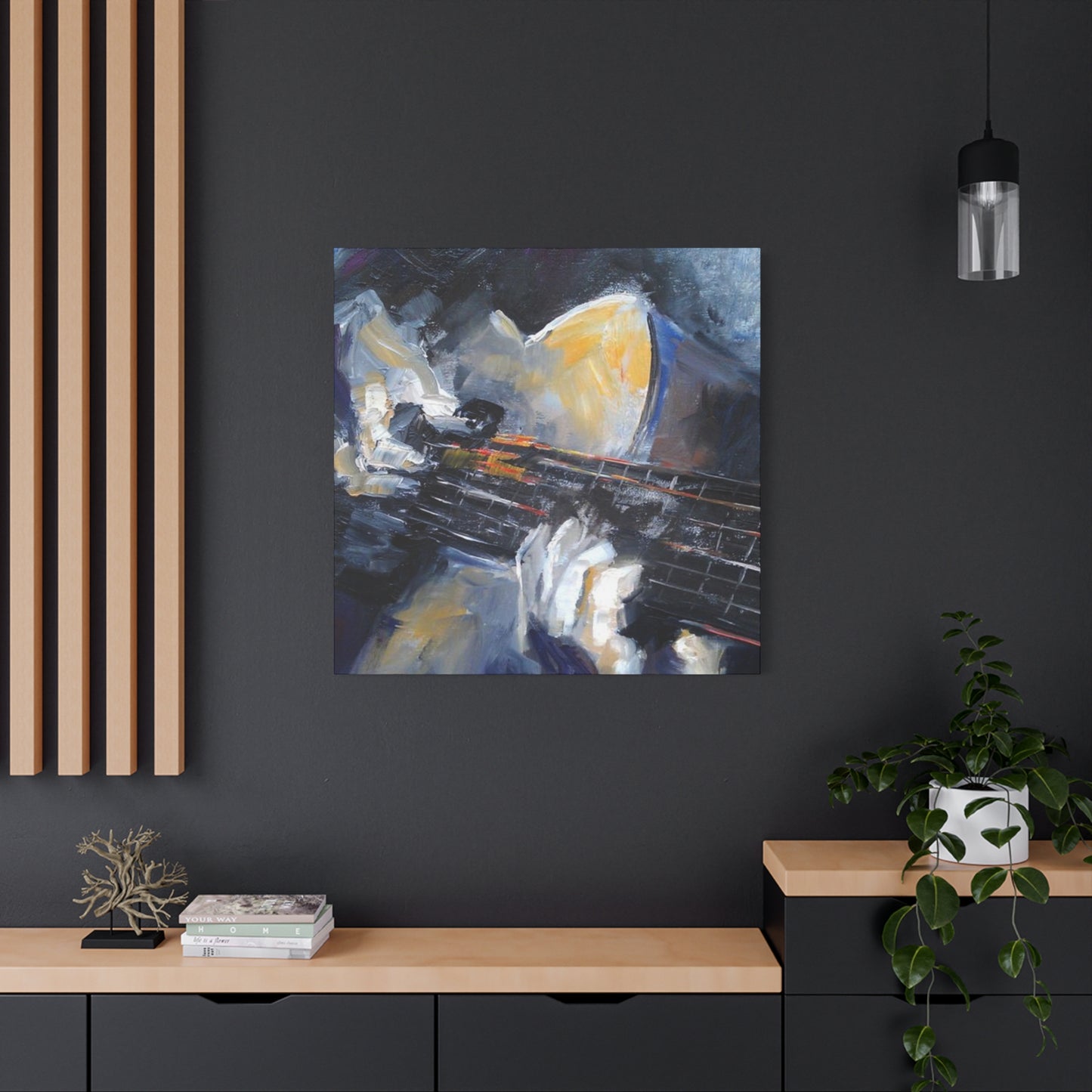
Holding Guitar Wall Art & Canvas Prints
Holding Guitar Wall Art & Canvas Prints
Couldn't load pickup availability
Creative Ways to Display Your Beloved Instrument Through Stunning Holding Guitar Wall Art Designs
The marriage of musical passion and interior aesthetics has created an extraordinary niche in contemporary home decoration that celebrates the timeless beauty of stringed instruments. When you think about personalizing your living quarters with meaningful decorative elements, few choices resonate as deeply as artwork featuring someone cradling their cherished six-string companion. This form of visual expression transcends mere decoration, becoming a profound statement about your identity, values, and the role that melody plays in shaping your everyday existence.
Throughout countless homes, studios, practice rooms, and performance venues worldwide, individuals have discovered the transformative power of incorporating imagery that showcases musicians embracing their instruments. These visual representations serve multiple purposes simultaneously - they inspire creativity, honor the craft of music-making, and create conversation-starting focal points that immediately communicate your priorities to anyone entering your space.
The phenomenon of decorating with musical imagery has roots stretching back centuries, but contemporary interpretations have evolved dramatically. Today's options range from photorealistic prints capturing intimate moments between player and instrument to abstract representations that suggest movement, sound, and emotion through color and form. The versatility of this decorative approach means that regardless of your personal style preferences - whether minimalist, maximalist, vintage-inspired, or ultra-modern - there exists a perfect visual representation waiting to enhance your environment.
Exploring the Emotional Connection Between Musicians and Their Visual Representation
The relationship between a musician and their instrument extends far beyond functional utility. For countless performers, their guitar becomes an extension of their physical being, a tool through which they channel their deepest emotions, frustrations, joys, and observations about existence. This profound bond explains why visual representations of individuals holding these instruments carry such emotional weight and resonance.
When you select artwork depicting someone cradling their guitar, you're not merely choosing a decorative object. You're acknowledging and celebrating this sacred relationship. The image becomes a mirror reflecting your own connection to music, whether you're an accomplished performer, an aspiring player, or simply someone who finds solace and inspiration in melodic expression.
Psychologists have long studied the deep attachments people form with musical instruments, noting that these relationships often parallel human connections in their complexity and significance. The instrument becomes a confidant, a source of comfort during difficult periods, and a partner in moments of celebration. Visual artwork capturing this relationship taps into these profound emotional currents, making it far more meaningful than generic decorative pieces.
Consider how different styles of imagery evoke varying emotional responses. A photograph showing worn hands positioned on weathered fretboard tells a story of years spent perfecting the craft, of countless hours dedicated to mastering scales and techniques. Meanwhile, an illustration of a young person tentatively holding their first instrument speaks to beginnings, potential, and the nervous excitement of embarking on a creative journey. Each visual narrative carries its own emotional signature, allowing you to select pieces that align with your personal story.
The positioning of hands on the instrument within the artwork also communicates specific meanings. Fingers gently resting on strings suggest contemplation and preparation, those moments of stillness before creating sound. Hands actively forming chord shapes convey action, performance, and the transformation of thought into audible expression. Even images showing the instrument being held at rest communicate something profound about the constant presence of music in one's existence.
Selecting the Perfect Visual Dimensions for Your Available Spaces
One of the most critical yet frequently overlooked considerations when incorporating musical artwork involves carefully evaluating the physical characteristics of your intended display location. The dimensions of your chosen piece dramatically influence its visual impact, with inappropriate sizing creating either overwhelming dominance or disappointing insignificance within your room's aesthetic composition.
For expansive wall surfaces in primary gathering areas like living rooms or music studios, substantial pieces measuring forty-eight inches or larger create commanding focal points that immediately capture attention upon entry. These oversized statements work particularly well in rooms with elevated ceilings and generous square footage, where smaller artwork would appear diminished and lost against the architectural scale.
Conversely, intimate spaces such as personal practice corners, bedroom alcoves, or hallway galleries benefit from moderately proportioned pieces ranging between twenty-four and thirty-six inches. These dimensions provide sufficient visual interest without overwhelming the confined area, creating cozy aesthetic environments that feel intentionally curated rather than accidentally cluttered.
The arrangement pattern you envision also determines optimal sizing considerations. A single substantial canvas makes a bold singular statement, while gallery wall configurations composed of multiple coordinating pieces allow for greater visual storytelling and compositional flexibility. When planning multi-piece installations, consider how the cumulative visual weight of all components interacts with surrounding architectural elements like doorways, windows, and furniture placements.
Ceiling height dramatically affects perceived proportions, with standard eight-foot ceilings accommodating different dimensional relationships than spaces featuring nine, ten, or cathedral-style elevations. Artwork that appears perfectly proportioned in a room with soaring ceilings might seem oversized in spaces with lower overhead clearance. Before committing to specific dimensions, use painters tape or kraft paper to outline potential placement areas, allowing you to visualize the actual spatial relationship before installation.
The viewing distance from which you'll most frequently observe the artwork also influences appropriate sizing. Pieces intended for appreciation from across a room should feature larger overall dimensions with bolder compositional elements, while artwork positioned along hallways where viewers pass closely benefits from intricate details that reward close examination.
Understanding Various Printing Methods and Material Substrates Available
The reproduction method and base material selected for your musical artwork profoundly influence both its visual characteristics and longevity expectations. Canvas printing remains extraordinarily popular for imagery featuring musicians with instruments, offering texture that adds dimensional interest while evoking traditional painted artwork. The fabric surface diffuses light in pleasing ways, reducing glare issues common with glossy alternatives.
Canvas options vary considerably in quality, with professional-grade materials featuring tighter weaves and superior archival characteristics compared to economy versions that may exhibit visible texture patterns or premature deterioration. Museum-quality canvas treated with acid-free sizing compounds ensures your investment maintains its visual integrity across decades rather than years.
Metal print substrates have surged in popularity for contemporary interpretations, offering sleek, modern aesthetics with extraordinary color vibrancy and depth. The infusion process used for transferring imagery to aluminum panels creates luminous results with remarkable detail resolution. These prints particularly excel at rendering high-contrast photographs with dramatic lighting, making them ideal for concert photography and moody studio portraits.
Acrylic mounting presents another premium option, suspending your image between layers of crystal-clear material that creates remarkable dimensional depth. Light penetrates and reflects within the acrylic layers, producing an almost holographic quality that makes imagery appear to float within the material. This mounting method works exceptionally well with colorful illustrations and vibrant photography.
Wood panel printing offers rustic charm and organic warmth, with the natural grain patterns of the substrate becoming part of the overall visual composition. This approach works beautifully for vintage-inspired imagery, folk music themes, and representations emphasizing the handcrafted nature of both instruments and music itself. Different wood species provide varying color tones and grain characteristics, from pale birch to rich walnut hues.
Paper-based fine art prints remain relevant despite newer alternatives, particularly when using archival-grade materials and professional pigment-based inks. Cotton rag papers with high alpha cellulose content resist yellowing and deterioration, maintaining color accuracy and detail sharpness for generations when properly displayed and cared for. These prints work beautifully when professionally framed behind conservation-grade glazing materials.
Discovering Diverse Artistic Styles That Capture Musical Moments
The stylistic approach employed in depicting someone holding their instrument dramatically influences the overall mood and aesthetic compatibility with your existing decor. Photographic realism captures authentic moments with documentary precision, preserving genuine expressions, natural lighting conditions, and unposed authenticity that resonates with viewers seeking connection to real experiences.
Black and white photography removes color distraction, focusing attention on composition, form, light quality, and emotional expression. The absence of color creates timeless aesthetics that complement virtually any interior palette while emphasizing the sculptural qualities of both human form and instrument. Dramatic lighting in monochromatic images can produce extraordinarily powerful visual impact.
Illustrative interpretations range from highly detailed line drawings to loose, gestural sketches that capture the essence of the moment through minimal marks. These approaches allow artists to emphasize specific aspects while minimizing others, directing viewer attention toward particular elements deemed most significant to the narrative being conveyed.
Abstract representations translate the experience of music-making into visual form through color relationships, compositional movement, and symbolic elements rather than literal depiction. These pieces appeal to viewers seeking artwork that suggests rather than describes, leaving space for personal interpretation and emotional projection.
Vintage poster aesthetics reference the golden age of concert promotion and album cover design, incorporating retro typography, limited color palettes, and compositional conventions from specific eras. These nostalgic approaches celebrate musical heritage while creating distinctive visual character that stands apart from contemporary styles.
Watercolor techniques produce soft, atmospheric results with organic color bleeding and spontaneous mark-making that conveys the fluid, ephemeral nature of musical performance. The transparent layering characteristic of watercolor painting creates luminous color relationships that glow with inner light.
Pop art influences incorporate bold colors, graphic shapes, and cultural commentary that elevate musical imagery to iconic status. This approach works particularly well for celebrating legendary performers or creating energetic, youthful atmospheres in practice spaces and studios.
Considering Color Palettes That Harmonize With Your Existing Interior Scheme
The chromatic composition of your selected artwork must thoughtfully interact with your room's existing color environment to create harmonious visual relationships rather than jarring conflicts. Complementary color schemes place hues opposite each other on the color wheel within close proximity, creating vibrant, energetic visual tension that commands attention and generates excitement.
Analogous palettes draw from colors adjacent on the wheel, producing harmonious, cohesive relationships that feel naturally coordinated and visually restful. These schemes work beautifully in spaces intended for relaxation, contemplation, and creative work where visual calm supports focused activity.
Monochromatic approaches utilize varying tones, shades, and tints of a single hue, creating sophisticated, unified aesthetics that appear carefully considered and intentionally designed. This strategy works exceptionally well in minimalist interiors where restraint and refinement define the overall design philosophy.
Neutral-dominant artwork featuring blacks, whites, grays, and earth tones provides maximum versatility, complementing virtually any surrounding color scheme while allowing flexibility for future interior updates without necessitating artwork replacement. These pieces serve as visual anchors around which you can rotate accent colors through easily changed elements like throw pillows and accessories.
Warm color dominance featuring reds, oranges, and yellows creates energizing, passionate atmospheres that stimulate creativity and social interaction. These hues reference fire, sunset, and other naturally energizing phenomena, making them ideal for performance spaces and collaborative creative environments.
Cool color emphasis through blues, greens, and purples produces calming, introspective moods conducive to focused practice and contemplative listening. These hues reference water, sky, and vegetation, tapping into innate human responses to these calming natural elements.
Vibrant, saturated color schemes project confidence, personality, and creative boldness, making strong statements that define rather than complement their surrounding environments. These approaches work best for those comfortable with assertive design choices who view their space as an extension of their artistic identity.
Examining Frame Options That Enhance Rather Than Distract
The framing treatment you select for your musical imagery profoundly influences its final presentation and integration with surrounding architectural elements. Traditional wood frames with visible grain patterns create warm, classic presentations that reference historic artistic traditions and handcrafted quality. Different wood species and finishes dramatically alter the mood, from light natural oak suggesting casual approachability to deep espresso walnut conveying formal sophistication.
Metal frames deliver contemporary, industrial aesthetics with clean lines and minimal visual weight that keeps focus on the artwork itself. Brushed aluminum, matte black powder-coating, and polished brass each create distinctly different impressions while maintaining modern sensibilities. These frames work particularly well with photographic prints and graphic illustrations.
Floater frames create the illusion that canvas artwork hovers within the frame structure, with a small gap between the canvas edge and frame interior that adds dimensional interest and contemporary flair. This mounting approach works beautifully with gallery-wrapped canvases where the imagery extends around the sides.
Gallery-style frameless presentation allows the artwork to speak entirely for itself without any surrounding embellishment. Canvas pieces can be mounted directly to walls, while prints might be mounted to rigid substrates and hung without additional framing. This minimalist approach maximizes the artwork's visual impact by eliminating any competing elements.
Ornate, decorative frames with carved details and gilded finishes create formal, museum-quality presentations that elevate artwork to precious object status. These elaborate surrounds work best with artwork of corresponding visual complexity and in interior environments that embrace maximalist aesthetics.
Shadow box frames create substantial depth between the artwork and glazing material, producing dramatic dimensional effects that emphasize the artwork as a three-dimensional object rather than flat image. This approach works beautifully with collage elements or artwork incorporating textural components.
Identifying Ideal Placement Locations Throughout Your Living Spaces
Strategic positioning of your musical artwork maximizes its visual impact while respecting the functional flow and existing architecture of your space. Living room focal walls serve as natural destinations for substantial statement pieces, typically positioned above primary seating arrangements where they become the visual center around which the room organizes itself.
Entryways and foyer spaces provide opportunities to establish immediate impressions that communicate your priorities and personality to arriving guests. Artwork visible upon entry sets the aesthetic tone for the entire residence, making these high-traffic transitional zones prime real estate for meaningful pieces.
Stairwell galleries transform often-neglected vertical spaces into engaging visual narratives through carefully arranged collections. The natural progression created by ascending or descending stairs allows for sequential storytelling through coordinated pieces that build upon common themes.
Bedroom placements above headboards create intimate viewing experiences during private moments of rest and contemplation. The artwork becomes the last thing you see before sleep and the first visual greeting upon waking, making this location particularly meaningful for imagery with personal significance.
Music room and practice space installations serve dual purposes as both inspiration and affirmation of the space's dedicated purpose. These locations allow for more specialized, technically-focused imagery that might feel too niche for general living areas but resonates perfectly within dedicated musical environments.
Hallway galleries transform utilitarian connector spaces into engaging visual experiences that reward movement through your home with constantly changing perspectives. Long, narrow wall surfaces accommodate horizontal arrangements or vertical series that guide eye movement along the passage.
Home office environments benefit from inspirational imagery that supports creative problem-solving and sustained focus. Positioning artwork within your natural sight line during work activities provides regular visual breaks and motivational reminders.
Exploring Subject Matter Variations Beyond Standard Poses
While traditional imagery showing straightforward playing positions remains popular and effective, exploring variations in pose, perspective, and context can create more distinctive and personally meaningful installations. Close-up perspectives focusing on hand position and finger placement celebrate the technical craft while creating abstract compositional elements through the geometric relationships between fingers, strings, and fretboard.
Silhouette representations reduce the subject to essential outline form, creating dramatic high-contrast images that emphasize shape and gesture while allowing viewer projection of personal interpretation. These simplified forms work beautifully in groups where variations in posture and positioning create visual rhythm and movement.
Performance action captures dynamic movement, with subjects shown mid-performance with energy and motion evident through body position, hair movement, and the blur of hand motion. These energetic representations convey the physical nature of music-making and the bodily commitment required for compelling performance.
Contemplative moments depicting musicians in quiet reflection with their instruments celebrate the meditative aspects of practice and the internal dialogue that occurs during creative work. These introspective images resonate with viewers who value the personal, spiritual dimensions of musical expression.
Environmental contexts showing instruments being held in unexpected locations - beaches, mountains, urban rooftops, forests - expand the narrative beyond studio and stage, suggesting music as constant companion and tool for responding to the world's beauty.
Multiple subject compositions featuring groups, duets, or band configurations celebrate music's communal nature and the collaborative magic that occurs when musicians synchronize their efforts toward shared creative goals.
Behind-the-scenes moments capturing preparation, tuning, equipment adjustment, and other pre-performance activities offer insider perspectives that resonate particularly strongly with practicing musicians who recognize these universal experiences.
Understanding How Lighting Conditions Affect Visual Impact
The illumination environment where you display your artwork dramatically influences its perceived color accuracy, detail visibility, and overall aesthetic impact. Natural daylight provides the most accurate color rendering but varies dramatically in intensity and quality throughout days and seasons, creating constantly shifting viewing conditions that can either enhance or diminish the artwork's appearance.
Direct sunlight exposure creates serious conservation concerns, with ultraviolet radiation causing irreversible fading, discoloration, and material degradation over time. Positioning artwork away from windows receiving direct sun or utilizing window treatments that filter harmful rays protects your investment while maintaining appropriate viewing conditions.
Artificial illumination offers controllable, consistent conditions independent of time or weather. Dedicated picture lights mounted above frames provide focused illumination that creates gallery-style presentation while minimizing light pollution in surrounding areas. These specialized fixtures come in various configurations from traditional brass arms to minimalist LED strips.
Recessed ceiling fixtures positioned to wash light across wall surfaces create even, shadow-free illumination ideal for viewing artwork. Adjustable trim angles allow precise targeting of light beams to optimize coverage and minimize glare on reflective glazing materials.
Track lighting systems provide ultimate flexibility for adjusting illumination direction and intensity as your collection evolves. Individual fixtures can be repositioned along the track to accommodate new placements without electrical modifications.
Color temperature considerations significantly impact perceived hues within artwork. Warm-toned lighting around 2700-3000 Kelvin creates cozy, intimate atmospheres but can shift cool colors toward unnatural appearances. Neutral white around 3500-4100 Kelvin provides balanced rendering suitable for most artwork. Cool daylight above 5000 Kelvin enhances blues and creates crisp, energizing environments but may feel harsh in residential settings.
Dimming capabilities allow adjustment of illumination intensity to match different activities and times of day, protecting artwork from excessive light exposure during extended periods when full brightness isn't required.
Recognizing Quality Indicators When Evaluating Purchase Options
Distinguishing between premium offerings and inferior products requires understanding specific quality markers that indicate craftsmanship, material excellence, and lasting value. Print resolution determines detail sharpness and clarity, with professional-quality reproduction requiring minimum 300 dots per inch at final output size. Lower resolutions produce muddy, pixelated results particularly noticeable in fine details like string definition and facial features.
Color accuracy and saturation quality depend on both printing equipment and ink formulations. Professional pigment-based inks resist fading dramatically better than dye-based alternatives, with archival ratings indicating expected lifespan under normal display conditions. Look for specific archival certifications rather than vague marketing claims.
Base material quality varies enormously across price points, with premium substrates featuring appropriate weight, texture, and archival characteristics versus cheap alternatives prone to warping, discoloration, and premature deterioration. Canvas should feel substantial and feature tight, consistent weave patterns. Paper should exhibit appropriate stiffness without brittleness.
Coating applications protect printed surfaces from environmental contaminants, moisture, and physical contact while influencing surface sheen characteristics. Professional coatings apply evenly without streaking, pooling, or texture irregularities that compromise visual quality.
Construction quality for mounted and framed pieces includes secure corner joining, appropriate backing materials, proper hanging hardware installation, and protective packaging for shipping. Examine corners for gaps, check that backing materials are secure, and verify hanging systems can safely support the piece's weight.
Return policies and satisfaction guarantees indicate seller confidence in their product quality. Reputable vendors stand behind their offerings with reasonable return windows and responsive customer service rather than hiding behind restrictive policies that shift all risk to buyers.
Reviews and testimonials from previous purchasers provide valuable insights into real-world quality, shipping experiences, and seller responsiveness. Look for detailed feedback addressing specific quality aspects rather than generic praise that might be artificially generated.
Incorporating Personal Meaning Through Custom Commissioning
While mass-produced artwork serves many purposes effectively, commissioning custom pieces allows incorporation of specific personal elements that transform generic imagery into deeply meaningful heirlooms. Custom work enables precise control over composition, subject matter, color palette, and stylistic approach, resulting in entirely unique creations unavailable elsewhere.
Portrait sessions with your own instrument create authentic personal documentation that captures your specific relationship with your particular guitar. These sessions preserve current reality while creating future nostalgia, documenting a specific moment in your ongoing musical journey.
Custom illustrations allow artists to interpret photographs, memories, or imagined scenarios according to your vision, filtering reality through artistic sensibility to emphasize desired aspects while minimizing others. This collaborative process results in artwork that balances recognizable elements with artistic interpretation.
Size specifications can be precisely tailored to your available wall dimensions, ensuring perfect proportional relationships without compromise. Custom work eliminates the frustrating search for existing pieces in specific dimensions, instead beginning with your exact requirements.
Incorporating specific instruments, especially those with sentimental value or unique characteristics, makes the artwork irreplaceably personal. Whether depicting a vintage guitar passed through generations or a custom instrument built to your specifications, this specificity creates emotional resonance impossible with generic representations.
Color customization ensures perfect harmony with your existing palette, referencing specific paint colors, fabric swatches, or other elements to create intentional coordination rather than hoping existing artwork happens to match.
Stylistic direction allows you to specify whether you prefer photographic realism, loose impressionism, graphic poster aesthetics, or any other approach that resonates with your preferences. This control ensures the final result aligns with your vision rather than accepting artists' predetermined stylistic choices.
Timeline specifications for completion and delivery accommodate specific deadlines for gifts, event decoration, or coordinated room renovations. Professional artists working on commission establish clear schedules with milestone checkpoints ensuring the project progresses appropriately.
Arranging Multiple Pieces for Cohesive Gallery Wall Presentations
Creating visually harmonious arrangements from multiple coordinated pieces requires understanding compositional principles that guide eye movement and create satisfying visual balance. Symmetrical layouts organized around central vertical or horizontal axes create formal, orderly presentations that feel stable and traditional. These arrangements work beautifully in formal spaces and with architectural elements featuring strong symmetry.
Asymmetrical compositions distribute visual weight unevenly but achieve balance through careful positioning of varying sizes and visual densities. These dynamic arrangements feel more contemporary and casual while requiring greater compositional sensitivity to achieve pleasing results.
Grid patterns organize pieces into regular rows and columns with consistent spacing between elements, creating orderly, modern presentations particularly effective with similarly sized components. This approach works beautifully with photographic series or thematically related illustrations.
Salon-style arrangements densely cover wall surfaces with minimal spacing between varied-size pieces, creating the curated abundance characteristic of historic art collections. These rich, layered presentations work in maximalist interiors and spaces celebrating collecting impulses.
Horizontal flow arrangements emphasize lateral movement through elongated compositions that guide eye travel along walls, working particularly well in hallways and above extended furniture pieces like sofas and sideboards.
Vertical emphasis draws attention upward through tall, narrow configurations that emphasize ceiling height and work beautifully flanking windows, doorways, or architectural features.
Frame spacing consistency significantly influences cohesion, with uniform gaps between pieces creating visual rhythm and implying intentional relationship despite varied content. Generally, maintaining two to three inches between frames produces pleasing results, though this varies with piece sizes and overall arrangement scale.
Planning arrangements before installation prevents expensive mistakes and wall damage from experimental positioning. Create templates from kraft paper, newspaper, or cardboard cut to exact frame dimensions, then use removable adhesive to position templates on walls. This allows unlimited experimentation without permanent commitment, letting you refine arrangements until achieving satisfying compositions.
Protecting Your Investment Through Proper Environmental Management
Preserving artwork's visual integrity across years and decades requires understanding environmental factors that accelerate deterioration and implementing protective strategies. Temperature stability prevents expansion and contraction cycles that stress materials, cause warping, and compromise structural integrity. Maintaining consistent temperatures between 65-75 degrees Fahrenheit protects most artwork types effectively.
Humidity control prevents moisture-related damage including mold growth, paper cockles, canvas sagging, and adhesive failure. Relative humidity between 40-50 percent creates stable conditions for most materials, though specific substrates may have slightly different optimal ranges.
Ultraviolet filtration protects against the primary environmental threat to pigment stability and material integrity. Window films, UV-filtering glazing for framed pieces, and strategic positioning away from direct sunlight all contribute to longevity. Even indirect daylight contains sufficient UV radiation to cause gradual fading over extended exposure.
Air quality influences artwork longevity, with pollutants, cooking fumes, and tobacco smoke all contributing to discoloration and surface contamination. Adequate ventilation and air filtration systems protect collections while improving overall indoor environmental quality.
Physical protection from accidental contact, especially in high-traffic areas, prevents scratches, dents, and other mechanical damage. Strategic positioning away from doorways, furniture edges, and active play areas reduces risk, as does glazing for unprotected surfaces.
Cleaning maintenance removes accumulated dust and contaminants before they bond to surfaces or penetrate porous materials. Gentle dusting with soft, clean cloths or specialized art cleaning tools maintains appearance without causing abrasion or chemical damage from inappropriate cleaning products.
Inspection routines identifying emerging condition issues allow early intervention before minor problems become major damage. Regular examination of frame security, mounting systems, surface condition, and signs of environmental stress enables timely remediation.
Exploring Price Ranges and Value Considerations
Understanding artwork pricing helps establish realistic budgets while recognizing value indicators that justify cost differences. Mass-produced prints using digital printing represent the most economical entry point, with basic poster-quality reproductions available at minimal cost. While appropriate for temporary decoration or tight budgets, these typically feature limited lifespan and questionable archival characteristics.
Mid-range offerings incorporate better materials, printing processes, and construction quality, providing satisfactory results for most residential purposes. These pieces balance affordability with adequate durability and visual quality, representing smart value for decoration intended to last years rather than decades.
Premium reproductions feature museum-quality materials, professional color management, archival printing processes, and expert construction. The significant price premium purchases extended lifespan, superior color accuracy, and the peace of mind that comes from proper archival treatment.
Limited editions command premiums based on scarcity, with lower production quantities generally correlating with higher per-unit costs. Signed and numbered editions carry additional value, particularly when created by recognized artists with established markets.
Original artwork, whether paintings, drawings, or unique photographic prints, represents the highest investment tier. Prices vary enormously based on artist reputation, physical size, medium complexity, and market demand. Original pieces offer uniqueness and potential appreciation impossible with reproductions.
Custom commissioned work pricing reflects artist time, expertise, materials, and project complexity. Established artists with strong reputations command higher fees than emerging creators, though talented newcomers often provide exceptional value. Custom work premium purchases exactly what you want rather than accepting existing alternatives.
Framing costs often equal or exceed artwork expenses, particularly for premium options featuring conservation materials, custom sizing, and complex construction. While tempting to economize on framing, inappropriate materials and methods compromise the artwork itself, making this false economy.
Sourcing Options From Various Vendor Categories
Multiple purchasing channels each offer distinct advantages and considerations when acquiring musical artwork. Online marketplaces provide vast selection with convenient browsing from home, though inability to examine physical pieces before purchase creates some uncertainty despite return policies. Customer reviews and vendor ratings help assess reliability.
Artist websites and direct purchasing eliminates intermediary markups while establishing direct relationships with creators. Many artists welcome inquiries about customization, commission availability, and detailed questions about processes and materials. Direct relationships often yield more flexible terms and insider access to new work before public release.
Gallery representation provides curated selection, expert guidance, and quality assurance through vetting processes galleries employ when selecting represented artists. The gallery environment allows in-person examination before purchase, though gallery commission structures typically increase prices versus direct artist purchasing.
Print-on-demand services offer enormous selection with minimal inventory risk for sellers, though quality varies significantly across providers. Carefully research specific vendors' reputation, material quality, and production processes before ordering.
Home goods retailers increasingly stock music-themed decor, providing immediate availability without shipping delays. Physical examination before purchase eliminates uncertainty, though selection tends toward mass-market aesthetics rather than unique or artistic offerings.
Auction platforms both online and physical create opportunities for acquiring pieces at potentially below-market prices, though bidding competition can drive final costs above retail. Auctions suit those comfortable with competitive purchasing and willing to act quickly when opportunities arise.
Custom framing shops frequently maintain relationships with print vendors and can facilitate artwork sourcing alongside framing services, providing convenient one-stop shopping with professional guidance throughout the selection and mounting process.
Recognizing Copyright Considerations for Musical Imagery
Understanding intellectual property law as it applies to artwork prevents legal complications and ensures ethical consumption. Photographs and illustrations depicting real individuals may require model releases allowing commercial use and public display, particularly when the subject is recognizably identifiable.
Artwork featuring recognizable trademarked elements including brand names, logos, and distinctive design elements may infringe trademark rights regardless of copyright status. Instruments from manufacturers with aggressive brand protection programs create particular concern, making generic or non-branded representations safer choices.
Artist copyrights protect original creative works from unauthorized reproduction, with protections extending decades beyond the creator's lifetime. Purchasing artwork licenses specific usage rights, typically limited to personal display rather than commercial exploitation or reproduction.
Public domain materials including historical photographs, vintage illustrations, and work by artists deceased beyond copyright terms offer freely usable content without licensing concerns. However, modern reproductions of public domain work may incorporate copyrightable elements in how the original material was photographed, scanned, or digitally enhanced.
Fair use doctrine permits limited unlicensed use of copyrighted material for specific purposes including commentary, criticism, and transformation, though this complex legal standard varies across jurisdictions and circumstances. Simply modifying copyrighted imagery doesn't automatically qualify as transformative fair use.
Licensed reproduction rights should be explicitly verified when purchasing, particularly for limited editions and commercial quality reproductions. Reputable vendors clearly communicate what rights transfer with purchase, while absence of such information raises concerns about authorization legitimacy.
Commissioned work typically transfers sufficient rights for display and personal enjoyment while artists retain rights to reproduce and display the work in portfolios and promotional materials unless contracts explicitly specify full rights transfer, which generally commands premium pricing.
Matching Artwork Aesthetics to Musical Genre Preferences
Different musical styles carry distinctive visual associations that inform appropriate imagery selection for authentic representation. Classical and orchestral traditions suggest formal portraiture, elegant simplicity, and references to centuries of musical heritage through vintage-inspired aesthetics and traditional composition.
Jazz aesthetics embrace urban sophistication, improvisational energy, and the intimate club atmosphere where the genre flourished. Black and white photography, dramatic lighting, and candid performance moments capture jazz spirit effectively.
Blues imagery channels raw emotion, Mississippi Delta heritage, and working-class authenticity through weathered textures, vintage instruments, and environmental contexts reflecting the genre's roots.
Rock and metal aesthetics embrace rebellion, energy, and countercultural attitudes through dramatic poses, intense expressions, and bold graphic treatments. Performance action, crowd energy, and attitude-forward compositions resonate with these genres.
Folk traditions connect to acoustic simplicity, natural settings, and intimate storytelling through environmental portraits, close personal perspectives, and emphasis on traditional instrument construction and character.
Country music imagery incorporates rural landscapes, traditional values, and storytelling heritage through portraits emphasizing personal connection and environmental contexts reflecting the genre's geographical and cultural associations.
Electronic and experimental genres suit abstract representations, technological references, and contemporary graphic treatments that parallel the music's innovative spirit and forward-looking aesthetic.
Creating Dedicated Musical Spaces With Cohesive Design Themes
Establishing areas specifically devoted to musical practice, listening, or instrument storage benefits from intentional design decisions that support these activities while expressing your musical identity. Dedicated practice rooms require acoustic considerations alongside aesthetic ones, with sound absorption panels now available in decorative styles that serve dual purposes.
Performance equipment display integrating wall-mounted instrument hangers, amplifier placement, and effect pedal organization creates functional sculpture that celebrates your gear while maintaining organizational systems. These functional displays can be arranged with compositional intention, creating visual interest from the tools themselves.
Listening rooms prioritize sound quality through strategic acoustic treatment, equipment positioning, and seating arrangement while surrounding occupants with musical imagery that enhances the contemplative experience of focused listening sessions.
Inspiration galleries curating images of admired musicians, memorable performances, and aspirational achievements create motivation centers that remind you why you pursue musical expression during frustrating practice plateaus or creative blocks.
Trophy walls displaying awards, memorable setlists, backstage passes, and other performance memorabilia document your musical journey while creating conversation-starting personal museums within your space.
Recording environments benefit from visual inspiration that maintains creative energy during long sessions while avoiding chaotic clutter that distracts from focus and technical precision required for quality recording.
Instrument storage solutions can be elevated beyond purely functional systems to showcase prized guitars as three-dimensional sculpture, with appropriate lighting and positioning transforming storage into display worthy of the instruments' beauty and value.
Considering Seasonal and Temporary Display Rotation Strategies
Rather than permanent static installations, rotating displayed artwork prevents visual fatigue while accommodating seasonal moods, evolving preferences, and growing collections. Seasonal rotation aligns imagery with changing light quality, temperature associations, and cultural activities characteristic of different times of year.
Spring selections might emphasize renewal, outdoor settings, and lighter color palettes reflecting seasonal energy and natural world awakening. Summer imagery channels vacation ease, outdoor festivals, and relaxed atmospheres through informal compositions and bright, saturated color.
Fall rotation introduces warmer tones, introspective themes, and preparations for indoor season through imagery suggesting contemplation and cozy gathering spaces. Winter displays embrace dramatic contrast, formal presentation, and the season's reflective character.
Thematic rotations align with personal or family milestones, musical achievements, or evolving interests without requiring permanent commitment to any single approach. This flexibility accommodates growth and change while maximizing value from diverse collection components.
Storage systems supporting rotation require appropriate protection from environmental damage, physical harm, and organizational confusion that loses track of owned pieces. Flat files, acid-free portfolio boxes, and labeled storage containers maintain artwork condition between display periods.
Documentation systems tracking rotation schedules, storage locations, and condition notes ensure smooth transitions while identifying pieces meriting replacement, restoration, or removal from active rotation. Simple spreadsheets or specialized collection management software accommodates this organizational need.
Conclusion
Expanding beyond two-dimensional imagery to include sculptural elements creates richer, more engaging environments with varied visual textures and physical presence. Shadow boxes contain three-dimensional objects like picks, strings, tuning keys, and other small items arranged with compositional intention and preserved behind glazing.
Floating shelves display instruments themselves, music books, recording equipment, and meaningful objects alongside flat artwork, creating dimensional variety and functional display systems that serve practical purposes while contributing aesthetic interest.
Architectural elements including decorative molding, wainscoting, and accent walls provide frameworks for artwork presentation while adding permanent dimensional interest that enhances flat images through contrasting physical depth.
Sculptural lighting fixtures complement wall displays while providing necessary illumination, with fixture selection contributing to overall aesthetic cohesion through style, finish, and proportional relationships.
Musical equipment itself when thoughtfully positioned becomes sculptural presence contributing to overall design, with vintage amplifiers, microphone stands, and other gear selected as much for visual character as sonic capabilities.
Textile elements including tapestries, quilts, or fabric hangings introduce softness and acoustic dampening alongside visual interest, particularly effective in spaces where hard surfaces create undesirable sound reflections.
Plants and natural elements soften musical spaces while improving air quality and connecting indoor environments to natural world, with planters selected to coordinate with overall aesthetic direction.
Successfully mounting artwork requires understanding common obstacles and implementing appropriate solutions for secure, level, damage-free installation. Locating wall studs provides strongest mounting points for heavy pieces, with electronic stud finders identifying framing behind finished surfaces. Mark stud locations with light pencil marks for reference during hanging.
Picture hanging systems with adjustable cables suspended from ceiling-mounted or wall-mounted rails allow unlimited repositioning without additional wall penetration. These systems particularly benefit renters and frequent redecoration enthusiasts who value flexibility over permanent installation.
Adhesive mounting solutions including damage-free hanging strips work for lightweight pieces in situations where wall penetration is impossible or undesirable. Weight limits must be carefully observed, with appropriate products selected based on both artwork weight and wall surface characteristics.
Share