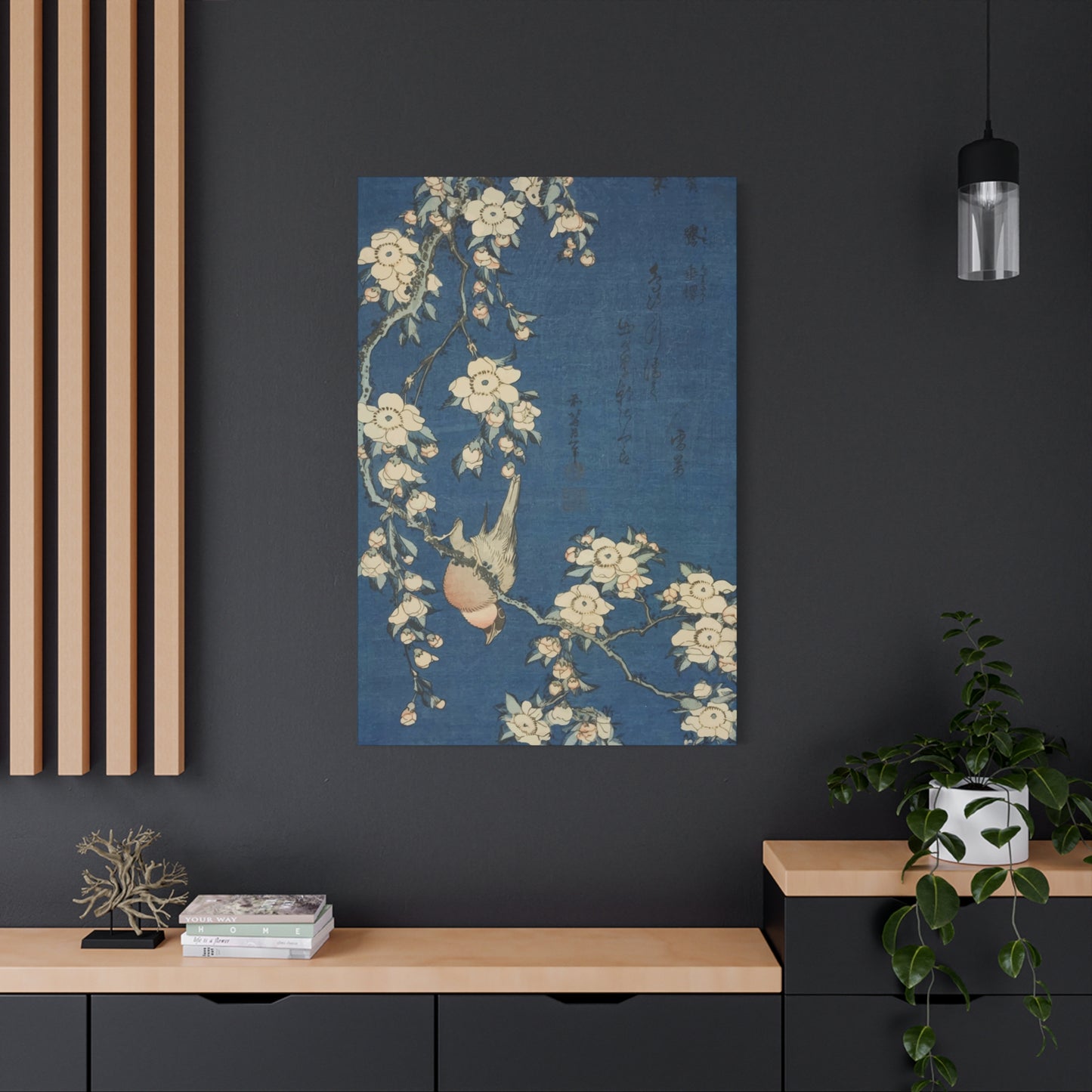


Hokusai's Wall Art & Canvas Prints
Hokusai's Wall Art & Canvas Prints
Couldn't load pickup availability
Hokusai's Wall Art: Discovering the Timeless Beauty and Cultural Significance of Japanese Woodblock Prints for Modern Interior Spaces
The realm of Japanese artistic expression has gifted the world with countless treasures, yet few artists have achieved the enduring recognition and widespread admiration that Katsushika Hokusai commands today. His remarkable creations, particularly those designed for adorning domestic and commercial spaces, represent a pinnacle of visual storytelling that transcends temporal and geographical boundaries. The intricate woodblock prints that emerged from his workshop during the Edo period continue to captivate audiences worldwide, offering a window into a civilization that valued aesthetic refinement and natural observation with unparalleled dedication.
The Remarkable Journey of Katsushika Hokusai and His Artistic Evolution Through Decades of Creative Exploration
Born in 1760 in the bustling metropolis of Edo, now known as Tokyo, Katsushika Hokusai embarked on an artistic odyssey that would span nearly nine decades of relentless creative output. His formative years were marked by an apprenticeship under Katsukawa Shunshō, a master of the ukiyo-e tradition specializing in actor portraits. However, the young artist's insatiable curiosity and desire for innovation soon propelled him beyond the confines of his initial training. Throughout his extensive career, Hokusai adopted over thirty different artistic names, each representing a distinct phase in his stylistic metamorphosis. This practice, while common among Japanese artists of the era, took on extraordinary significance in Hokusai's case, reflecting his perpetual quest for reinvention and his refusal to become complacent with established success.
The artist's middle years witnessed his experimentation with various genres and formats, from illustrated books to single-sheet prints, from paintings to designs for commercial products. His versatility knew no bounds, as he tackled subjects ranging from landscapes and flora to mythological narratives and everyday scenes of urban life. This period of exploration laid the groundwork for what would become his most celebrated achievements in later life. Hokusai's dedication to his craft was legendary; he famously declared that nothing he produced before the age of seventy was worthy of notice, and he believed that only by living to one hundred and ten could he achieve true mastery of his art.
Examining the Iconic Series That Established Hokusai's Wall Art as Essential Elements of Japanese Cultural Expression
Among Hokusai's vast oeuvre, certain series stand out as definitive statements of his artistic vision and have become synonymous with Japanese aesthetic values. The "Thirty-Six Views of Mount Fuji" series, produced between 1830 and 1832, represents perhaps the most recognizable body of work from any Japanese artist. This collection initially comprised thirty-six compositions, though its popularity prompted the creation of ten additional designs. Each print in the series presents a unique perspective on Japan's most sacred mountain, viewed from diverse locations and through varying seasonal conditions and times of day.
The most famous image from this series, "The Great Wave off Kanagawa," has achieved a status few artworks ever attain, becoming an instantly recognizable symbol that transcends its origins. The composition depicts fishing boats struggling against a towering wave while Mount Fuji appears diminutive in the distant background, creating a powerful meditation on humanity's relationship with natural forces. The innovative use of Prussian blue, a synthetic pigment recently introduced to Japan, gave these prints their distinctive color palette and contributed significantly to their visual impact.
Another monumental series, "One Hundred Views of Mount Fuji," published in three volumes between 1834 and 1835, showcased Hokusai's mastery of book illustration. These monochromatic designs demonstrated his ability to create compelling compositions without relying on color, using only line work and subtle gradations of black ink. The series presents Mount Fuji through countless imaginative framings, sometimes glimpsed through architectural elements, other times reflected in water, or appearing as a backdrop to human activities.
The "Waterfalls" series, comprising eight designs, exemplifies Hokusai's fascination with water in its various manifestations. Each print captures the unique character of different waterfalls across Japan, from cascading torrents to gentle streams. The artist's ability to convey the movement, texture, and power of flowing water through static imagery represents a technical achievement that continues to astound viewers and inspire contemporary artists.
Understanding the Intricate Production Methods Behind Traditional Japanese Woodblock Printing Processes
The creation of Hokusai's wall art involved a collaborative process that brought together multiple specialized craftspeople, each contributing essential expertise. The system, known as ukiyo-e, meaning "pictures of the floating world," relied on a division of labor that had evolved over generations. The artist, or eshi, produced the initial design as a drawing, which then passed through several stages before becoming a finished print.
Once the artist completed the design, a skilled carver, or horishi, would glue the drawing face-down onto a wooden block, typically made from cherry wood prized for its fine grain and durability. The carver would then painstakingly cut away the areas surrounding the lines, creating a relief that would receive ink. For multicolored prints, separate blocks were carved for each color, with registration marks ensuring precise alignment during printing. This process demanded extraordinary precision, as the slightest misalignment would compromise the final image.
The printer, or surishi, completed the production process by applying pigments to the carved blocks and transferring the image to paper through careful hand-rubbing with a circular pad called a baren. The paper itself, typically made from mulberry bark, possessed unique properties that allowed it to absorb pigments evenly while maintaining structural integrity through multiple impressions. The printer's skill determined the final quality of each piece, as variations in pressure, pigment consistency, and technique could dramatically alter the appearance of identical blocks.
This collaborative method meant that Hokusai's original designs underwent interpretation by skilled craftspeople who brought their own expertise to the realization of his vision. The relationship between these specialists involved continuous dialogue and refinement, with the artist often supervising the carving and printing processes to ensure fidelity to his intentions. Multiple impressions could be pulled from the same blocks, though subtle variations occurred between prints due to the handmade nature of the process, making each impression unique despite being part of an edition.
Analyzing the Symbolic Meanings and Cultural References Embedded Within Hokusai's Wall Art Compositions
Hokusai's prints operate on multiple levels of meaning, incorporating symbols and references that would have been immediately recognizable to contemporary Japanese audiences while also possessing aesthetic qualities that transcend cultural specificity. Mount Fuji, appearing in numerous works, functioned as far more than a geographical landmark. The mountain held profound spiritual significance as a sacred site associated with Shinto beliefs and Buddhist practices. Its inclusion in compositions invoked themes of permanence, spiritual aspiration, and national identity.
The artist frequently incorporated seasonal indicators, known as kigo in Japanese poetry, which communicated specific times of year and their associated emotional resonances. Cherry blossoms signified spring's fleeting beauty and the Buddhist concept of impermanence, while autumn leaves evoked nostalgia and the passage of time. These natural elements were never merely decorative but carried layers of meaning that enriched the viewer's experience.
Water, appearing in countless forms throughout Hokusai's work, served as a particularly versatile symbol. Calm waters suggested tranquility and reflection, while turbulent seas represented life's challenges and the power of natural forces beyond human control. The artist's depictions of bridges, both literal structures and metaphorical connections, explored themes of transition, journey, and the relationship between human construction and natural landscapes.
Common people engaged in everyday activities populate many of Hokusai's compositions, reflecting the ukiyo-e tradition's focus on contemporary life rather than exclusively depicting nobility or legendary figures. These scenes celebrated the vitality and dignity of ordinary existence, showing farmers cultivating rice paddies, fishermen hauling nets, and travelers pausing to admire views. This democratic approach to subject matter represented a significant departure from earlier artistic traditions that had privileged elite subjects.
Exploring the Influence of Chinese Artistic Traditions on Hokusai's Distinctive Visual Language
While thoroughly Japanese in character, Hokusai's work demonstrates significant engagement with Chinese artistic principles and motifs. The artist studied Chinese painting manuals and incorporated compositional strategies derived from continental traditions, particularly the use of atmospheric perspective and the organization of space according to classical landscape painting conventions. Chinese poetry and literature provided source material for numerous prints, with Hokusai creating visual interpretations of famous verses and legendary narratives.
The concept of qi, or vital energy, central to Chinese aesthetic philosophy, informed Hokusai's approach to depicting natural phenomena. His waves, clouds, and wind possess a palpable dynamism that suggests invisible forces animating the visible world. This concern with capturing essential life force rather than mere surface appearance aligned his work with literati painting traditions that valued expressive power over photographic accuracy.
Hokusai also adopted motifs from Chinese art, such as the depiction of Taoist immortals, legendary creatures, and auspicious symbols. Dragons, phoenixes, and other mythical beings appear throughout his oeuvre, rendered with a combination of traditional iconography and individual interpretation. These elements connected his work to broader East Asian visual culture while demonstrating his ability to synthesize diverse influences into a coherent personal style.
The practice of including calligraphic elements within compositions, either as integral design components or as separate text blocks, reflected Chinese precedents while serving specifically Japanese functions. Hokusai's prints often featured poems, descriptive text, or his signature worked seamlessly into the overall design, creating unified compositions that engaged both visual and linguistic sensibilities.
Investigating the Role of Publishers and the Commercial Framework Supporting Hokusai's Artistic Output
The production and distribution of Hokusai's wall art occurred within a sophisticated commercial ecosystem centered in Edo's publishing districts. Publishers, known as hanmoto, functioned as entrepreneurs who financed print production, coordinated the activities of artists and craftspeople, and managed sales and distribution. These individuals played crucial roles in determining which designs reached production, effectively serving as editors and artistic directors in addition to their financial functions.
Prominent publishers like Nishimuraya Yohachi specialized in landscape prints and commissioned many of Hokusai's most celebrated series. The relationship between artist and publisher involved negotiation over subjects, formats, and aesthetic approaches, with successful publishers possessing keen insights into market preferences while also recognizing innovative work that might expand audience tastes. Publishers bore the financial risks associated with production, investing in expensive materials and skilled labor before any returns materialized.
The distribution system extended throughout Edo and beyond, with prints sold through specialized shops, street vendors, and lending libraries where customers could view or temporarily rent images. Prices varied considerably depending on factors including the number of colors, size, and the reputations of the artists and craftspeople involved. Standard prints remained affordable to middle-class consumers, contributing to the widespread penetration of ukiyo-e imagery into Japanese domestic spaces.
Censorship regulations imposed by the Tokugawa government influenced print production, with publishers required to submit designs for approval before release. Censorship seals appear on prints, providing valuable information about production dates and regulatory compliance. The restrictions primarily concerned political content and depictions of current events, with landscapes and nature subjects generally encountering fewer obstacles than actor portraits or images touching on contemporary affairs.
Delving Into the Varied Subject Matter That Characterizes Hokusai's Extensive Creative Portfolio
Beyond his celebrated landscape series, Hokusai explored an extraordinary range of subjects that demonstrated his omnivorous curiosity and technical versatility. His series of ghost prints, depicting supernatural beings from Japanese folklore, showcased his ability to render the uncanny and mysterious. These images drew upon centuries of storytelling traditions, visualizing creatures that inhabited the boundary between the living world and the realm of spirits.
Flora and fauna received meticulous attention in Hokusai's work, with series devoted to flowers, birds, and marine life. These designs reflected both aesthetic appreciation and scientific observation, combining decorative beauty with naturalistic detail. His images of peonies, chrysanthemums, and morning glories captured the distinctive character of each species while composing them into balanced, harmonious arrangements suitable for domestic display.
The artist produced extensive sets of images depicting bridges throughout Japan, celebrating both architectural ingenuity and the scenic locations where these structures were situated. Each bridge possessed its own character, from rustic wooden constructions spanning mountain streams to sophisticated urban structures crossing busy waterways. These prints satisfied popular interest in famous places while also serving as virtual travel experiences for viewers unable to journey beyond their immediate surroundings.
Hokusai created numerous surimono, privately commissioned prints produced in small editions for special occasions. These deluxe works incorporated elaborate printing techniques, including metallic pigments, embossing, and blind printing, achieving effects impossible in commercial production. Surimono often combined images with kyōka, humorous poems composed by amateur poetry circles, resulting in sophisticated works that integrated visual and verbal wit.
Assessing the Western Discovery of Hokusai's Work and Its Profound Impact on European Artistic Movements
The opening of Japan to Western commerce in the mid-nineteenth century initiated a cultural exchange that dramatically altered European art. Japanese prints, including Hokusai's works, began arriving in Europe as packing material for ceramics and other exports, leading to their discovery by artists and collectors. The distinctive aesthetic principles embodied in these prints offered radical alternatives to Western academic traditions, inspiring movements that sought to break free from established conventions.
French Impressionists found particular resonance with ukiyo-e imagery, appreciating the flattened pictorial space, bold compositional cropping, and emphasis on everyday subjects. Claude Monet amassed a substantial collection of Japanese prints and incorporated elements of their aesthetic into his own work. The influence extended beyond superficial borrowing of motifs to encompass fundamental approaches to organizing visual information and conceiving the relationship between figure and ground.
Artists associated with Art Nouveau drew inspiration from the organic forms, flowing lines, and decorative sensibility evident in Hokusai's designs. The movement's characteristic emphasis on natural motifs and sinuous curves reflected direct engagement with Japanese visual culture. Designers working in various media, from posters to furniture, adapted compositional strategies and decorative elements derived from ukiyo-e prints.
Vincent van Gogh enthusiastically collected Japanese prints and created painted copies of ukiyo-e designs, including works by Hokusai's contemporaries. His letters reveal deep engagement with Japanese aesthetic principles, which he perceived as offering more direct, honest approaches to depicting nature than European academic painting. The bold outlines, flat color areas, and unconventional perspectives characteristic of his mature style demonstrate substantial Japanese influence.
Examining Hokusai's Innovative Approaches to Perspective and Spatial Organization in Pictorial Composition
Hokusai demonstrated remarkable inventiveness in his manipulation of pictorial space, employing strategies that challenged conventional approaches to representing three-dimensional reality on flat surfaces. Rather than adhering to the single-point perspective system that dominated Western art since the Renaissance, he utilized multiple viewpoints within single compositions, creating complex spatial relationships that engaged viewers in active interpretation.
The artist frequently employed dramatic foreshortening, placing objects or figures at unexpected angles that emphasized depth and movement. This technique appears prominently in "The Great Wave," where the towering water dominates the foreground while Mount Fuji recedes into a distant, compressed background. The resulting spatial tension creates psychological impact, communicating the overwhelming power of natural forces.
Hokusai's use of diagonal compositions generated dynamic energy, guiding viewers' eyes through images along paths that created narrative momentum. These diagonal elements, whether formed by roads, rivers, or architectural features, prevented static, symmetrical arrangements while maintaining overall balance. The artist skillfully distributed visual weight throughout compositions, ensuring that no area dominated at the expense of others while still establishing clear focal points.
The incorporation of framing devices within images created layered spatial experiences, with viewers looking through windows, beneath architectural elements, or between natural features to glimpse subjects beyond. This technique, known as miegakure or "hide-and-reveal," added sophistication to compositions while inviting contemplative viewing. The partially concealed elements suggested worlds extending beyond the pictorial frame, engaging viewers' imaginations.
Discovering the Lesser-Known Aspects of Hokusai's Artistic Practice Including His Work as an Illustrator and Painter
While Hokusai's prints dominate popular awareness of his achievements, his activities as a book illustrator and painter reveal additional dimensions of his artistry. He produced illustrations for hundreds of books, ranging from popular fiction to instructional manuals, demonstrating his ability to adapt his visual language to diverse contexts and audiences. These illustrations showcase his narrative skills, as sequential images guided readers through complex stories or explained practical procedures.
His painting practice, less extensively documented than his print work, included hanging scrolls, screens, and commissioned works for temples and private patrons. These paintings, executed in ink and colors on silk or paper, display different qualities than his prints, with brushwork revealing the artist's hand in ways that carved and printed lines cannot. Some paintings achieve monumental scale, demonstrating Hokusai's ability to work effectively across vastly different formats.
The artist created the "Hokusai Manga," a sprawling collection of sketch books published in multiple volumes beginning in 1814 and continuing after his death. These volumes contain thousands of images depicting virtually every conceivable subject, from human figures in countless poses to animals, plants, architectural details, and fantastical creatures. Originally intended as models for students and other artists, these books reveal Hokusai's systematic approach to visual analysis and his seemingly inexhaustible inventiveness.
Public demonstrations of his artistic prowess contributed to Hokusai's fame during his lifetime. He participated in performances where he created enormous images on large sheets of paper before audiences, sometimes painting with unconventional tools or methods. These events showcased not only his technical facility but also his showmanship and his understanding of art as performance and spectacle.
Analyzing the Color Palettes and Pigment Choices That Define Hokusai's Wall Art Aesthetic
The chromatic character of Hokusai's prints derived from both aesthetic choices and material constraints imposed by available pigments. Traditional Japanese colors included vegetable-based dyes and mineral pigments that produced distinctive hues with specific properties. The introduction of synthetic Prussian blue, imported from Europe in the early nineteenth century, revolutionized Japanese printmaking by offering an intense, stable blue that had no equivalent among traditional materials.
Hokusai exploited Prussian blue extensively in his landscape series, using it to depict water, sky, and distant mountains. The pigment's intensity allowed for graduated tones achieved through varied dilution, creating atmospheric effects that suggested depth and weather conditions. Combined with other colors, Prussian blue contributed to harmonious palettes that balanced vibrancy with subtlety.
Red pigments ranged from organic dyes like safflower, producing pink and coral tones, to mineral-based vermillion, offering intense, opaque coverage. Hokusai used reds strategically, often as accent colors that drew attention to specific elements within compositions. The warmth of red tones created effective contrasts with cool blues and greens, generating visual dynamism without overwhelming overall harmony.
Yellow pigments, derived from gardenia or orpiment, provided bright, luminous tones used for sunrise and sunset skies, autumn foliage, and various natural and artificial objects. Greens, typically mixed from yellow and blue pigments rather than used as independent colors, depicted vegetation, water, and atmospheric effects. The artist's sophisticated understanding of color relationships allowed him to create compelling images with relatively limited palettes, demonstrating that effective colorism depends more on relationships than on sheer variety.
Understanding How Hokusai's Wall Art Reflects the Social and Cultural Context of Edo Period Japan
The world depicted in Hokusai's prints reflects the specific circumstances of Tokugawa Japan, a period characterized by relative peace, economic growth, and cultural flourishing following centuries of warfare. The rigid social hierarchy that structured society influenced the types of subjects deemed appropriate for artistic representation and the audiences who consumed various forms of visual culture. Ukiyo-e emerged from and catered to the chōnin class, urban merchants and artisans whose growing wealth enabled cultural patronage despite their officially low social status.
The government's policy of national isolation limited contact with foreign nations, creating a distinctive cultural environment where Japanese traditions evolved with minimal external influence until the mid-nineteenth century. This isolation fostered the development of uniquely Japanese aesthetic sensibilities while also creating intense interest in information about the outside world. Hokusai's occasional depictions of foreign subjects satisfied curiosity about exotic peoples and places while remaining filtered through Japanese cultural perspectives.
The sankin-kōtai system, requiring regional lords to maintain residences in Edo and travel between their domains and the capital, stimulated the development of road networks and wayside towns. This mobility contributed to popular interest in travel and famous places, which prints depicting scenic locations satisfied. Hokusai's landscape series functioned partially as virtual tourism, allowing viewers to experience celebrated sites vicariously through images.
Literacy rates in Edo period Japan were relatively high compared to contemporary European societies, supporting a robust publishing industry that produced not only literary works but also lavishly illustrated books combining text and images. This literate, culturally engaged urban populace provided the market for Hokusai's prints, possessing both the financial means to purchase them and the cultural sophistication to appreciate their aesthetic and symbolic dimensions.
Exploring the Relationship Between Hokusai's Designs and Traditional Japanese Architectural Aesthetics
The integration of Hokusai's wall art into domestic spaces must be understood within the context of traditional Japanese architectural principles and interior arrangements. The modular design of Japanese houses, with movable screens and sliding doors defining flexible spaces, created environments where prints served multiple functions beyond mere decoration. Images could be displayed seasonally, changed to reflect occasions or moods, or rotated to prevent visual fatigue.
The tokonoma alcove, a raised platform in formal rooms designated for displaying art and decorative objects, provided the principal location for hanging scrolls, though prints might also appear in less formal spaces. The aesthetic principle of restraint that governed Japanese interior design meant that rooms typically featured minimal decoration, allowing single artworks to receive undivided attention. This context influenced the design of prints, which needed to function effectively as focal points rather than as elements within densely decorated environments.
The materials and colors characteristic of Japanese architecture informed the chromatic choices in prints intended for domestic display. The warm tones of natural wood, the neutral colors of tatami mats and paper screens, and the soft light filtered through shoji created specific viewing conditions that affected how colors appeared. Hokusai and other print designers worked with awareness of these contexts, creating images that harmonized with typical architectural settings.
The practice of appreciating art through sustained contemplation rather than casual glancing shaped the design of prints intended for private spaces. Images rewarded careful viewing, revealing subtle details, symbolic elements, and compositional refinements that disclosed themselves gradually. This approach to aesthetic experience contrasted with prints designed for commercial establishments or public spaces, which might employ more immediately striking effects to capture attention in visually competitive environments.
Investigating the Representation of Weather and Natural Phenomena in Hokusai's Landscape Imagery
Hokusai demonstrated exceptional skill in visualizing transient natural effects, capturing the specific character of different weather conditions and times of day. His depictions of rain range from gentle drizzles to violent storms, with precisely angled lines conveying wind direction and intensity. The artist developed visual conventions for representing atmospheric conditions that remain remarkably effective despite their stylization, suggesting rather than literally depicting meteorological phenomena.
Clouds appear in countless variations throughout Hokusai's work, from billowing cumulus formations to wispy cirrus streaks to dense fog banks obscuring landscapes. Each cloud type receives distinctive treatment, with the artist adapting his mark-making to convey different textures and densities. Clouds function compositionally as well as descriptively, creating shapes that balance other elements while suggesting specific atmospheric conditions and their associated moods.
Snow transforms familiar landscapes in many of Hokusai's winter scenes, with white areas representing accumulated precipitation while maintaining the underlying forms of buildings, trees, and terrain. The artist achieved these effects through careful integration of the paper's natural color into the composition, with pigmented areas defining the boundaries and characteristics of snow-covered forms. The resulting images convey the particular quality of winter light and the muffled atmosphere of snow-blanketed environments.
Wind, though invisible, becomes palpable in Hokusai's images through its effects on other elements: bent trees, rippling fabric, displaced water, and scattered leaves all testify to moving air. The artist developed a sophisticated visual vocabulary for suggesting wind force and direction, allowing viewers to almost feel the atmospheric movement depicted in static images. This ability to convey the sensory experience of natural forces represents a significant achievement that distinguishes his work from more literal landscape representation.
Delving Into the Influence of Poetry and Literature on Hokusai's Artistic Conceptions and Thematic Choices
Japanese poetry, particularly haiku and waka forms, profoundly influenced the aesthetic sensibilities that informed Hokusai's visual art. The compression, seasonal awareness, and attention to fleeting moments characteristic of Japanese verse find visual equivalents in his compositions. Many prints include poems, either incorporated into the design or appearing in separate text blocks, creating works that integrate verbal and visual expression.
Classical literary narratives provided subject matter for numerous prints, with Hokusai creating visual interpretations of famous stories and legendary events. These works assumed viewer familiarity with source texts, functioning as visual citations that evoked entire narratives through carefully chosen moments. The relationship between image and text involved sophisticated interplay, with each medium contributing distinctive qualities to a unified aesthetic experience.
The concept of yūgen, an aesthetic ideal emphasizing mysterious profundity and suggestiveness rather than explicit statement, guided Hokusai's approach to composition and subject matter. Images often contain subtle details or compositional choices that reward contemplation, revealing meanings that resist immediate comprehension. This preference for implication over declaration aligned his work with broader Japanese cultural values.
The principle of aware, sensitivity to the pathos of transient beauty, pervades Hokusai's depictions of natural subjects. Cherry blossoms at their peak bloom, autumn leaves about to fall, waves cresting before dissolution—these moments embody the Buddhist recognition of impermanence that underlies much Japanese aesthetic philosophy. Hokusai's ability to capture such fleeting states demonstrates both technical mastery and deep engagement with cultural values.
Examining the Various Formats and Sizes in Which Hokusai's Wall Art Was Produced and Distributed
Japanese prints appeared in numerous standardized formats, each serving particular purposes and priced accordingly. The ōban format, roughly ten by fifteen inches, provided the standard size for many of Hokusai's landscape prints, offering sufficient area for complex compositions while remaining affordable and practical for domestic display. This format's proportions influenced compositional choices, with the horizontal orientation particularly suited to landscape subjects.
Smaller formats including chūban and koban served different markets and uses, with compact dimensions making them more affordable while also facilitating certain subjects. Triptychs, composed of three ōban sheets displayed adjacently, created expansive compositions suitable for depicting panoramic scenes or complex narratives. Hokusai employed this format effectively, designing images that functioned both as unified compositions and as individual prints.
Vertical formats, though less common for landscape subjects, appear in some of Hokusai's work, particularly images depicting waterfalls or tall architectural structures. The format's proportions emphasized vertical movement and allowed for dramatic compositions that exploited height. Pillar prints, extremely narrow vertical formats, served specialized decorative functions, often displayed on architectural pillars.
Beyond standard formats, Hokusai created unique works in various sizes and configurations, including fan prints with their distinctive semicircular format, surimono in unusual dimensions determined by specific commissions, and large-scale designs that pushed the boundaries of what woodblock printing could achieve. This diversity demonstrates both the flexibility of the medium and the artist's willingness to adapt his practice to different contexts and purposes.
Analyzing Hokusai's Depictions of Human Activity and His Approach to Figure Drawing Within Landscape Compositions
While Hokusai's landscape prints emphasize natural scenery, human figures frequently appear, providing scale, narrative interest, and connections between viewers and depicted environments. These figures, though often small relative to overall compositions, receive careful attention, with their poses, clothing, and activities rendered with precision. The artist's extensive studies of human anatomy and movement, documented in his manga volumes, informed even the tiniest figures that populate his prints.
Common people engaged in work appear throughout Hokusai's landscapes, depicting the agricultural and maritime labor that sustained Edo period society. Farmers transplanting rice seedlings, fishermen casting nets, lumber workers transporting logs—these scenes celebrate ordinary activities while integrating them into larger compositions celebrating natural beauty. The combination dignifies labor while demonstrating the interdependence of human society and natural environment.
Travelers appear frequently in Hokusai's prints, reflecting the popularity of pilgrimages and touristic journeys during the Edo period. These figures serve multiple functions: providing compositional elements that guide viewers' eyes through images, suggesting narrative possibilities, and modeling appropriate responses to scenic beauty. Their presence invites viewers to imaginatively place themselves within depicted scenes, transforming observation into virtual experience.
The artist developed efficient visual conventions for depicting figures, using simplified but recognizable forms that communicated essential information without excessive detail. This economy of means served practical purposes in the carving and printing processes while also preventing figures from overwhelming landscape settings. The balance between human and natural elements demonstrates Hokusai's sophisticated compositional sensibility.
Understanding the Market Dynamics and Collecting Practices Surrounding Hokusai's Prints During His Lifetime
The commercial success of Hokusai's prints depended on complex market dynamics involving publishers, retailers, and consumers with diverse preferences and budgets. Publishers assessed market demand when deciding which designs to produce, balancing artistic merit against commercial viability. Successful series could continue for years with additional designs added in response to ongoing demand, while unsuccessful subjects might be abandoned after initial releases.
Collectors existed during Hokusai's lifetime, though the practice of systematically acquiring and preserving prints as art objects developed more fully in later periods. Some enthusiasts assembled comprehensive collections of particular series or sought works by specific artists, while others accumulated prints more casually based on personal preferences. The relatively affordable prices of most prints meant that collecting required modest means rather than substantial wealth.
The used print market allowed for circulation of images beyond initial sales, with shops dealing in secondhand prints alongside new production. This secondary market extended the audience for prints while also creating opportunities for less affluent consumers to acquire works they could not afford new. The existence of this market testifies to the value placed on prints beyond their function as disposable entertainment.
Export to China and other Asian markets provided additional venues for Japanese prints, with certain subjects and styles particularly popular among foreign buyers. This international trade, though less significant than the domestic market, influenced production decisions and demonstrated the broader appeal of Japanese aesthetic traditions. The cross-cultural appreciation foreshadowed the enthusiastic Western reception that would develop in subsequent decades.
Exploring the Mythological and Supernatural Elements in Hokusai's Artistic Imagination
Japanese folklore and mythology supplied Hokusai with rich material for prints depicting supernatural beings and legendary events. These works drew upon centuries of storytelling traditions while demonstrating the artist's inventive visualization of subjects that existed primarily in verbal form. Dragons, appearing in various contexts throughout his oeuvre, combine Chinese iconographic traditions with individual interpretation, resulting in creatures that are simultaneously conventional and distinctive.
Ghosts and spirits populated prints designed to thrill and unsettle viewers, tapping into widespread beliefs about supernatural entities inhabiting the boundary between living and spirit worlds. Hokusai depicted these beings with varying degrees of humor and menace, sometimes emphasizing their grotesque aspects while other times rendering them with pathos. These images reflected popular entertainment genres while also engaging seriously with religious and philosophical concepts regarding death and the afterlife.
Buddhist and Shinto deities appear in some of Hokusai's works, rendered with respect for religious iconography while also displaying artistic interpretation. These images served devotional purposes for some viewers while functioning as aesthetic objects for others, demonstrating the multiple registers on which ukiyo-e could operate. The artist's treatment of religious subjects balanced reverence with accessibility, creating images that communicated spiritual themes without requiring specialized theological knowledge.
Legendary heroes and their exploits provided subject matter for narrative prints depicting famous episodes from literature and oral tradition. Hokusai visualized these stories with dramatic compositions that captured climactic moments, relying on viewers' familiarity with narratives to provide context. The images functioned as visual citations of beloved stories, evoking entire narratives through carefully chosen scenes.
Investigating the Relationship Between Hokusai's Work and Contemporary Scientific Curiosity About the Natural World
The Edo period witnessed growing interest in rangaku, or Dutch learning, through which Japanese scholars accessed European scientific knowledge. This intellectual climate influenced Hokusai's approach to depicting natural subjects, combining traditional Japanese aesthetic principles with observational accuracy derived from scientific awareness. His images of plants and animals demonstrate careful attention to anatomical details and characteristic behaviors, suggesting direct observation supplemented by illustrated natural histories.
The artist's depictions of Mount Fuji across seasons and times of day reflect systematic exploration of how changing conditions affect appearance. This serial approach, presenting the same subject under varying circumstances, parallels scientific methodology emphasizing controlled observation and systematic recording of phenomena. While aesthetic considerations ultimately governed Hokusai's practice, his work demonstrates awareness of empirical observation as a valuable approach to understanding nature.
Hokusai's interest in Western perspective systems, evidenced by prints incorporating single-point perspective, demonstrates engagement with European artistic practices that he encountered through imported books and images. He experimented with synthesizing Japanese and Western spatial systems, creating hybrid approaches that drew on both traditions. This synthesis reflects broader Edo period interest in foreign knowledge while maintaining distinctively Japanese aesthetic values.
The manga volumes' encyclopedic scope, depicting countless subjects with systematic thoroughness, suggests an impulse toward comprehensive documentation reminiscent of scientific illustration. While serving primarily artistic purposes, these compilations also functioned as visual references, preserving information about material culture, natural subjects, and human activities. The drive to depict everything reflects both artistic ambition and a cataloging impulse aligned with Enlightenment values of systematic knowledge organization.
Conclusion
Hokusai's life and work demonstrate engagement with Buddhist and Shinto religious traditions that permeated Edo period Japanese culture. His prints of sacred sites, from mountain peaks to temples to shrines, acknowledge the spiritual significance of these places while also celebrating their aesthetic qualities. The duality reflects the integrated nature of religious and secular experience in Japanese culture, where spiritual and aesthetic appreciation coexist without contradiction.
The artist's famous statement that he needed to live to one hundred and ten to fully master his art reflects Buddhist concepts of continuous self-improvement and the inadequacy of any single lifetime to achieve ultimate understanding. This perspective informed his relentless productivity and willingness to continually experiment with new approaches rather than repeating successful formulas. The sense of art as spiritual practice rather than merely commercial activity pervades accounts of his working methods.
Hokusai's depiction of natural forces, particularly water in its various manifestations, suggests awareness of Taoist and Buddhist philosophies emphasizing natural processes and the futility of resisting inevitable change. Waves that rise and fall, rivers that flow continuously, and clouds that constantly transform all embody philosophical principles regarding impermanence and natural cycles. These images invite contemplation beyond their immediate visual appeal.
The artist's adoption of numerous artistic names throughout his career, each marking a new phase of creative development, reflects Buddhist concepts of identity as fluid rather than fixed. This serial self-reinvention suggests belief in the possibility of continuous transformation and rejection of rigid attachment to established identities. The practice positioned artistic evolution as a form of spiritual development, with each new name representing rebirth into a fresh creative existence.
Japanese aesthetic traditions place enormous emphasis on seasonal awareness, with each time of year possessing distinctive associations, activities, and emotional resonances. Hokusai's work demonstrates sophisticated engagement with these traditions, creating images that communicate specific seasonal contexts through careful selection of natural indicators and atmospheric conditions. Cherry blossoms unambiguously signal spring, with their fleeting beauty embodying the season's themes of renewal and transience.
Summer appears in prints depicting lush vegetation, clear skies, and water scenes suggesting relief from heat. The season's associations with growth, vitality, and sometimes uncomfortable intensity find visual expression through compositional choices and subject selection. Hokusai captured summer's particular light quality, with intense sunshine creating strong contrasts and saturated colors.
Autumn imagery features changing foliage, harvesting activities, and often melancholy atmospheric conditions suggesting the year's decline.
Share