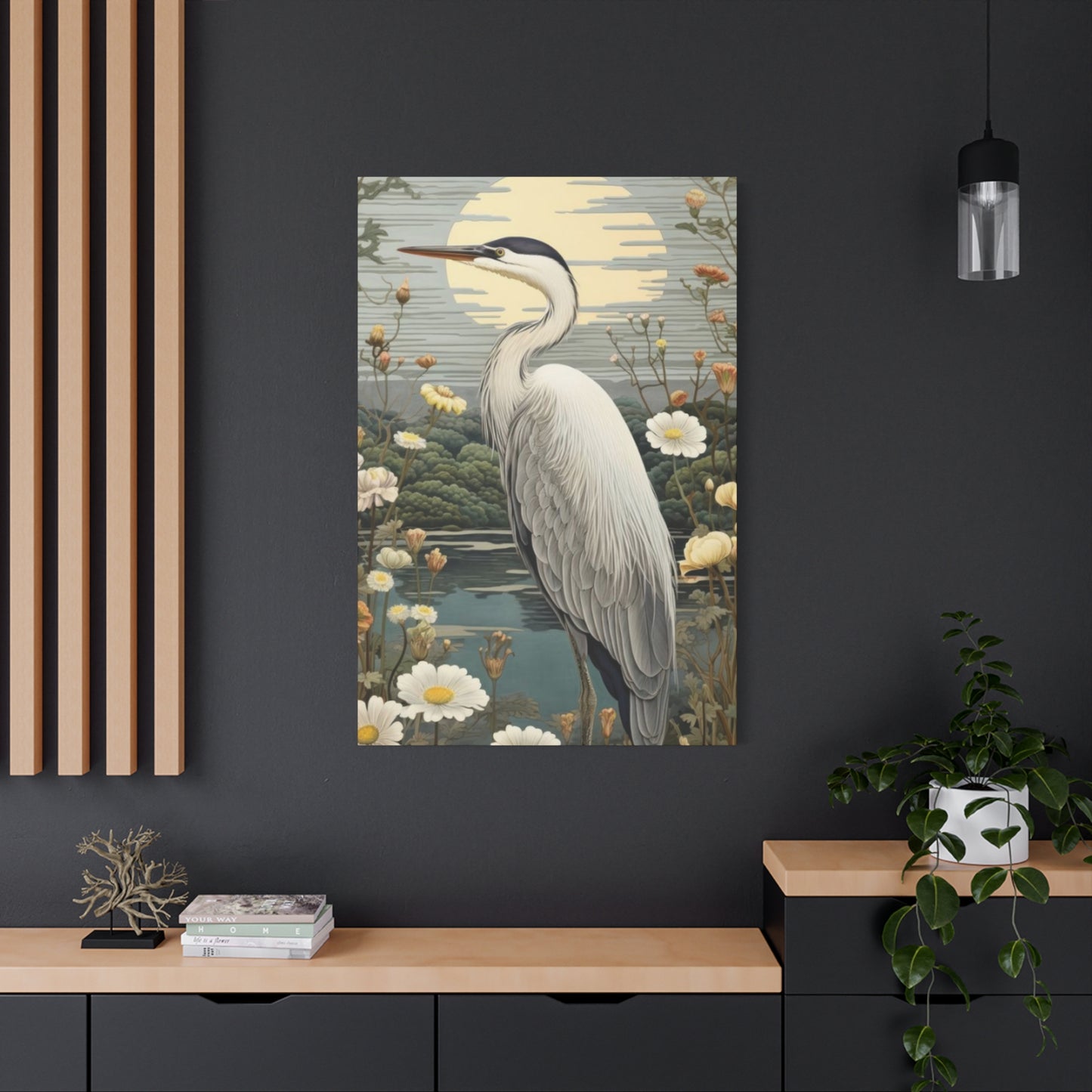


Herons With Flower Wall Art & Canvas Prints
Herons With Flower Wall Art & Canvas Prints
Couldn't load pickup availability
Captivating Herons With Flower Wall Art: Discover the Allure of Nature-Inspired Interior Décor for Your Living Spaces
The world of interior decoration has witnessed a remarkable surge in the popularity of nature-themed artwork, particularly pieces featuring majestic waterfowl combined with botanical elements. Among these stunning creations, herons with flower wall art stands as a testament to the harmonious blend of avian grace and floral beauty. This comprehensive exploration delves into every aspect of these magnificent decorative pieces, offering insights into their aesthetic appeal, placement strategies, cultural significance, and the myriad ways they can transform residential and commercial environments.
The Timeless Allure of Waterfowl Imagery Combined with Botanical Aesthetics in Contemporary Interior Design
Nature has always served as humanity's greatest muse, and the combination of elegant waterfowl with delicate floral arrangements creates a visual symphony that resonates deeply with our innate appreciation for the natural world. Herons, with their statuesque posture and serene demeanor, have captivated artists and nature enthusiasts for centuries. When paired with vibrant blooms and lush foliage, these magnificent birds become the centerpiece of artwork that transcends mere decoration.
The elongated necks of these wading birds create striking silhouettes that artists have celebrated throughout the ages. Their patient hunting stance, often captured in mid-stride or standing motionless in shallow waters, embodies a sense of tranquility and focused intention. The addition of floral elements to heron imagery introduces layers of symbolism and visual interest. Lotus flowers, water lilies, cherry blossoms, and tropical blooms frequently accompany these avian subjects, creating compositions that speak to themes of growth, renewal, and the interconnectedness of ecosystems.
Contemporary artists who specialize in herons with flower wall art understand the delicate balance required to capture both the bird's inherent majesty and the ephemeral beauty of botanical subjects. The interplay between the heron's sleek, often monochromatic plumage and the vivid hues of surrounding florals creates dynamic tension that draws the viewer's eye across the entire composition. This contrast between the animal's stillness and the implied movement of petals swaying in unseen breezes adds depth and narrative to the artwork.
In modern interior spaces, where minimalism often reigns supreme, these nature-inspired pieces serve as focal points that inject warmth and organic energy. The vertical orientation of many heron compositions makes them particularly well-suited for walls that need height emphasis, while the inclusion of floral elements ensures that the artwork doesn't feel too austere or masculine. This versatility has contributed significantly to the growing demand for such pieces among homeowners, interior designers, and commercial property managers alike.
Exploring Various Artistic Styles and Mediums for Avian and Floral Compositions
The realm of herons with flower wall art encompasses an extraordinary diversity of artistic approaches, each offering unique visual characteristics and emotional resonances. From hyper-realistic oil paintings that capture every feather detail to abstract interpretations that reduce the subjects to their essential forms, the spectrum of available styles ensures that there exists a perfect piece for every aesthetic preference and interior design scheme.
Traditional watercolor renderings of herons among flowers evoke a sense of ethereal beauty, with soft washes of color blending seamlessly to create dreamlike scenes. The translucent quality inherent to watercolor medium particularly suits the depiction of water environments where these birds naturally dwell. Artists working in this medium often employ wet-on-wet techniques to suggest the fluidity of the heron's aquatic habitat, while reserving finer brushwork for the intricate details of feathers and flower petals.
Acrylic paintings offer bolder, more saturated color palettes that make strong statements in contemporary interiors. The quick-drying nature of acrylics allows artists to build up layers rapidly, creating textural interest that adds dimension to the flat surface. Many contemporary artists favor acrylics for their versatility, using them to achieve effects ranging from smooth, graphic illustrations to heavily impastoed surfaces where paint stands in relief, mimicking the three-dimensional quality of actual feathers and petals.
Oil paintings maintain their position as the most prestigious medium for serious collectors of wildlife and botanical art. The extended drying time of oils permits artists to work and rework passages, blending colors with unparalleled subtlety. The luminous quality that oils impart to subjects makes them ideal for capturing the iridescent sheens often visible on heron plumage and the delicate translucency of flower petals backlit by sun. Masterworks in oil can take months to complete, with artists building up multiple glazes to achieve depth and atmospheric effects.
Digital art has emerged as a significant force in the contemporary herons with flower wall art market. Talented digital artists utilize sophisticated software to create pieces that range from photorealistic to fantastical. The advantages of digital creation include the ability to easily produce limited edition prints at various sizes, making premium artwork more accessible to broader audiences. Digital techniques also allow for creative effects impossible with traditional media, such as perfectly symmetrical compositions, seamless pattern integration, and the incorporation of metallic or fluorescent elements that catch light in specific ways.
Mixed media approaches combine various materials and techniques to create richly layered artworks. An artist might begin with a painted background, then add collaged elements such as pressed flowers, textured papers, or fabric pieces. Some incorporate metallic leaf, creating areas that literally reflect light and add opulent accents. Three-dimensional elements such as applied feathers or resin-encased botanical specimens can transform a wall hanging from mere representation into a tactile experience.
Photography-based artwork offers another avenue for appreciating herons and flowers together. Skilled nature photographers capture breathtaking moments of these birds in their natural habitats, often waiting hours or days for the perfect lighting and composition. These photographs can be printed on various substrates, from traditional photographic paper to canvas, metal, or acrylic, each imparting different qualities to the final piece. Some photographers further manipulate their images through digital post-processing, adding painted elements or adjusting colors to create hybrid works that straddle the line between photography and illustration.
Sculptural wall art represents the three-dimensional exploration of this theme. Crafted from materials such as metal, wood, ceramic, or resin, these pieces project from the wall, casting shadows that change throughout the day as natural light shifts. Metal sculptures might feature silhouetted herons surrounded by cutout floral patterns, while wooden pieces could incorporate carved relief elements that add organic texture. Ceramic tile murals offer yet another approach, with glazed tiles assembled mosaic-style to depict scenes of herons wading through flower-filled marshlands.
Symbolic Meanings and Cultural Interpretations Across Different Societies
The imagery of herons combined with floral elements carries profound symbolic weight across numerous cultures, making herons with flower wall art particularly meaningful beyond its aesthetic appeal. Understanding these layered meanings can help individuals select pieces that resonate with their personal values or intended messages for a space.
In many Asian traditions, herons symbolize purity, patience, and self-determination. The bird's habit of standing motionless for extended periods while hunting represents focused meditation and the wisdom of strategic patience. When depicted alongside lotus flowers, which themselves symbolize spiritual enlightenment emerging from murky waters, the combined imagery speaks to personal growth, resilience, and the journey toward higher consciousness. Such compositions are particularly favored in spaces dedicated to reflection, such as meditation rooms or personal libraries.
Japanese artistic traditions have long celebrated herons, particularly the white heron or egret, as symbols of nobility and grace. In traditional Japanese woodblock prints, these birds often appear amid seasonal flowers, creating compositions that speak to the transient beauty of nature. Cherry blossoms paired with herons evoke themes of ephemeral beauty and the acceptance of impermanence, philosophical concepts central to Japanese aesthetics. These prints have influenced countless contemporary artists creating herons with flower wall art for global markets.
Chinese symbolism imbues heron imagery with associations of prosperity and upward mobility. The bird's Chinese name sounds similar to the word for pathway or route, leading to its association with advancement in one's career or social standing. Paired with peonies, which symbolize wealth and honor, heron artwork becomes particularly auspicious for office settings or homes where residents hope to attract professional success. Bamboo flowers accompanying herons add layers of meaning related to flexibility, strength, and integrity.
Native American traditions view herons as symbols of wisdom, self-reliance, and the ability to navigate emotional depths. Many tribes considered these birds messengers between the physical and spiritual realms due to their ability to move between land, water, and air. When contemporary Native American artists incorporate traditional floral motifs alongside herons, they create pieces that honor ancestral knowledge while speaking to ongoing connections with the natural world.
Egyptian mythology revered herons as representations of creation and renewal, associating them with the bennu bird, a phoenix-like creature linked to the sun god Ra. Ancient Egyptian art frequently depicted herons among papyrus reeds and lotus flowers, compositions that symbolized the cyclical nature of existence and the daily rebirth of the sun. Modern interpretations of these ancient themes appeal to those drawn to mystical or esoteric symbolism.
Celtic traditions, while not historically featuring herons prominently, have in contemporary times embraced these birds as symbols of vigilance and opportunity. The heron's ability to stand patiently and then strike with lightning speed resonates with Celtic values of preparedness and seizing favorable moments. When combined with Celtic knotwork patterns and native flowers such as thistles or shamrocks, herons with flower wall art can celebrate cultural heritage while incorporating nature's beauty.
In Western symbolism, herons often represent independence, tranquility, and the contemplative life. The solitary nature of many heron species appeals to those who value introspection and self-sufficiency. Victorian flower language adds another dimension, as different blooms carry specific meanings. Roses might signify love in its various forms, irises could represent hope or wisdom, and forget-me-nots would speak to remembrance. An artwork featuring a heron among carefully selected flowers becomes a coded message, readable to those familiar with this symbolic vocabulary.
Selecting the Ideal Heron and Floral Artwork for Specific Room Functions and Atmospheres
The process of choosing herons with flower wall art for particular spaces requires consideration of numerous factors, including the room's purpose, existing color schemes, lighting conditions, and the psychological atmosphere one wishes to create. Each room in a home or commercial space serves different functions and benefits from artwork that enhances its unique character.
Living rooms, as central gathering spaces for families and guests, welcome heron and flower artwork that strikes a balance between visual interest and serenity. These social areas benefit from pieces that serve as conversation starters without overwhelming the space. Medium to large-scale artworks featuring herons amid lush floral landscapes work beautifully above sofas or fireplace mantels, creating focal points that anchor furniture arrangements. For living rooms with neutral color palettes, artwork with vibrant flowers introduces splashes of color that energize the space, while rooms already featuring bold colors might benefit from more subdued, monochromatic heron compositions that provide visual rest.
Bedrooms demand artwork that promotes relaxation and peaceful sleep. Herons with flower wall art in soft, muted tones creates tranquil environments conducive to rest. Cooler color palettes featuring blues, greens, and lavenders have calming effects that support the bedroom's primary function. Artwork depicting herons in twilight settings or moonlit scenes particularly enhances the restful quality. The placement should allow the artwork to be visible from the bed, providing a pleasing focal point for morning awakening and evening winding-down rituals.
Home offices and study spaces benefit from heron imagery that embodies the bird's symbolic associations with patience, focus, and wisdom. These work environments welcome artwork that inspires concentration without causing distraction. Compositions showing herons in attentive hunting stances can subconsciously encourage the focused mindset needed for productive work. Pairing herons with flowers associated with mental clarity, such as lavender or rosemary depicted in bloom, reinforces the space's purpose. Vertical compositions work particularly well in offices, drawing the eye upward and creating a sense of aspiration.
Dining rooms and kitchens can incorporate more vibrant, celebratory heron and flower compositions. These gathering spaces for nourishment and fellowship welcome artwork featuring abundant floral arrangements and herons in more active poses. Pieces depicting herons amid flowering fruit trees or gardens bursting with edible flowers create subtle connections to food and abundance. The colors in such artwork might echo hues found in dishware or kitchen textiles, creating cohesive design schemes.
Bathrooms, especially larger master baths, provide perfect settings for heron and flower artwork given these birds' natural association with water. Spa-like bathrooms aiming for resort-quality ambiance particularly benefit from nature-inspired pieces. Waterproof or water-resistant reproductions ensure longevity in these humid environments. Artwork featuring herons in misty marshes or rain-soaked gardens reinforces the aquatic theme while adding organic beauty to spaces often dominated by hard surfaces like tile and porcelain.
Entryways and foyers make strong first impressions, and herons with flower wall art positioned in these transitional spaces welcomes visitors while establishing the home's aesthetic character. These areas can accommodate bolder, more dramatic pieces that might overwhelm smaller, more intimate rooms. Large-scale artwork featuring herons taking flight amid swirling petals creates dynamic energy appropriate for spaces marking the transition between outside and inside, public and private realms.
Hallways and corridors, often challenging spaces to decorate due to their narrowness, benefit from series of smaller heron and flower pieces arranged gallery-style. A collection showing different heron species or various seasonal flower pairings creates visual interest along otherwise bland passages. Vertical compositions particularly suit narrow hallways, emphasizing height rather than breadth.
Commercial spaces each have unique requirements for artwork selection. Medical and dental offices favor calming heron and flower imagery that reduces patient anxiety. Waiting rooms benefit from nature scenes that provide pleasant distractions during stressful times. Corporate offices might choose more formal, sophisticated heron compositions that project professionalism while maintaining approachability. Restaurants and hospitality venues can select artwork that reinforces their brand identity, whether that means tranquil nature scenes for a spa resort or vibrant tropical herons for a Caribbean-themed establishment.
Color Theory Considerations When Incorporating Avian and Botanical Artwork Into Existing Spaces
The colors present in herons with flower wall art profoundly impact how a piece interacts with its surrounding environment and influences the room's overall mood. Sophisticated understanding of color relationships enables more intentional, harmonious interior design choices.
Herons themselves offer varying color palettes depending on species. Great blue herons provide cool-toned foundations with their slate blue-gray plumage accented by rust and black. White egrets offer crisp, clean bases that pair beautifully with any color scheme. Green herons contribute deeper, more complex tones with their chestnut necks and greenish-black backs. Artists may render these birds naturalistically or take creative liberties, depicting them in unexpected hues that transform them into decorative elements rather than strict wildlife portraits.
Floral color selection dramatically affects the artwork's energy and compatibility with various interior palettes. Red flowers inject passion, energy, and warmth, making them suitable for spaces needing vitality. However, red can overwhelm if used excessively or in already stimulating environments. Orange blooms provide similar energy with slightly more approachability and less intensity. Yellow flowers radiate cheerfulness and optimism, brightening spaces but potentially feeling too casual for formal environments.
Pink flowers offer romance and gentleness, working beautifully in bedrooms or spaces intended for relaxation and nurturing activities. The wide range of pink shades, from pale blush to vibrant magenta, provides options for various intensities. Purple and violet flowers convey luxury, spirituality, and creativity, making them excellent choices for meditation spaces or creative studios. These cooler tones recede visually, creating depth in compositions.
Blue flowers, relatively rare in nature, create striking focal points in artwork. They pair naturally with herons' blue-gray plumage, creating monochromatic or analogous color schemes. Blue evokes tranquility, stability, and trust, making it universally appealing for residential and commercial spaces. Green, while often a foliage color, appears in certain flowers and always provides balance and harmony. Green's association with nature and growth makes it inherently compatible with wildlife imagery.
White flowers offer versatility, reading as either crisp and modern or soft and romantic depending on how artists render them. White creates breathing room in compositions, preventing overwhelm when multiple vibrant colors appear together. It also reflects light, potentially brightening spaces. Black, while uncommon in actual flowers, appears in artistic interpretations and creates drama, sophistication, and strong contrast.
Complementary color schemes, utilizing colors opposite on the color wheel, create vibrant, high-energy compositions. A blue heron among orange flowers generates dynamic tension that energizes spaces. Analogous schemes, using colors adjacent on the wheel, produce harmonious, cohesive looks. A heron painted in blue-green tones surrounded by blue and purple flowers creates sophisticated unity.
Monochromatic schemes explore variations of a single hue, creating subtle, elegant artworks. An entirely blue-toned piece featuring various shades from navy to powder blue maintains cohesion while providing tonal interest. Triadic color schemes, using three colors equally spaced on the color wheel, balance energy and harmony. Red, yellow, and blue flowers surrounding a neutral-toned heron offer visual excitement without the intensity of complementary contrasts.
When matching herons with flower wall art to existing room colors, several approaches work successfully. The artwork can echo dominant room colors, reinforcing the existing palette and creating cohesive environments. Alternatively, it can introduce accent colors found in smaller doses throughout the space, such as in throw pillows or decorative objects. The most dramatic approach uses the artwork to introduce entirely new colors, serving as the jumping-off point for refreshing a room's entire color scheme through subsequent purchases of accessories and textiles.
Neutral room backgrounds provide maximum flexibility for colorful heron and flower artwork. Beige, gray, or white walls allow vibrant pieces to shine without color competition. Conversely, boldly colored walls require careful artwork selection to avoid clashing. Understanding undertones proves crucial—warm grays differ significantly from cool grays, and pairing artwork with the wrong undertone creates visual discord even when the obvious colors seem compatible.
Lighting dramatically affects color perception. Natural daylight reveals colors most accurately but changes throughout the day. Morning light skews cooler, afternoon light warmer. Rooms with limited natural light benefit from artwork with inherently warm palettes to counteract coldness. Artificial lighting varies significantly by bulb type, with incandescent skewing warm, fluorescent cool, and LED ranging depending on color temperature selection. Testing how artwork appears under intended lighting conditions prevents disappointment after installation.
Framing, Matting, and Presentation Methods That Enhance Nature-Themed Visual Art
The presentation of herons with flower wall art significantly impacts its visual effectiveness and longevity. Thoughtful choices regarding framing, matting, and mounting methods elevate artwork from mere decoration to gallery-quality installations.
Traditional wooden frames remain popular for their warmth and versatility. Oak, walnut, cherry, and maple each bring distinct character. Lighter woods suit casual, natural aesthetics and Scandinavian-inspired interiors. Darker woods convey formality and pair beautifully with traditional furnishings. Distressed or weathered wood frames enhance rustic or coastal design schemes, complementing the natural subject matter of heron and flower imagery.
Metal frames offer contemporary elegance, with thin profiles emphasizing the artwork itself rather than its housing. Silver or brushed aluminum frames provide cool, modern sophistication. Gold or brass frames add warmth and luxury, particularly stunning with artwork featuring warm-toned flowers. Black metal frames deliver crisp contrast and work with virtually any interior style. Floating frames, where artwork appears to hover within the frame, create modern, gallery-style presentations.
Ornate gilded frames suit formal spaces and can elevate heron and flower artwork to museum-worthy status. These elaborate frames work particularly well with classically rendered oil paintings, though they risk overwhelming more delicate watercolors or minimal compositions. The key lies in balancing the artwork's intricacy with the frame's ornamentation.
Matting serves multiple purposes beyond aesthetics. It creates visual breathing room between artwork and frame, preventing compositions from feeling cramped. Standard white or cream mats offer clean, neutral surrounds that work with most pieces. Colored mats provide opportunities to pull specific hues from the artwork, creating cohesion. However, colored mats risk dating more quickly than neutral options. Double or even triple matting, using multiple layers of different colored mats with each successively larger, adds dimensional interest and luxury.
Mat width significantly impacts presentation. Narrow mats of one to two inches suit contemporary aesthetics and smaller artworks. Standard mats of two and a half to three inches provide balanced framing for medium-sized pieces. Wide mats of four inches or more create gallery-style presentations and work beautifully with delicate or small artworks that might otherwise feel lost on large walls. Extremely wide mats also allow for inscriptions or artist information to be included outside the image area.
Specialty matting techniques enhance specific artworks. French matting, featuring thin decorative lines drawn on the mat at intervals, adds subtle elegance. V-groove matting removes material at angles to create shadowed channels. Fabric-covered mats introduce texture and luxury, though they require professional execution. Conservation matting, using acid-free materials, proves essential for valuable or irreplaceable artworks, preventing yellowing and deterioration over time.
Frameless presentations offer modern alternatives. Gallery wraps, where canvas artwork wraps around stretcher bars with the image continuing around the sides, create contemporary, finished looks without frames. These work particularly well for abstract or modern interpretations of herons and flowers. Acrylic or plexiglass facing without frames creates sleek, high-gloss presentations, though glare can prove problematic depending on lighting and viewing angles.
Specialized mounting methods serve different needs. Standard mounting affixes artwork to backing boards, providing stability and preventing warping. Float mounting suspends artwork away from backing, creating shadows and dimensional interest, particularly effective with handmade papers or pieces with deckled edges. Dry mounting permanently adheres artwork to substrates using heat and pressure, creating completely flat presentations essential for photographs or prints on thin papers.
Canvas stretching, for paintings on canvas, requires skill to achieve even tension without distorting the image. Gallery stretching, with staples hidden on the back rather than sides, allows frameless display. Museum stretching uses deeper stretcher bars, creating substantial depth that adds presence when viewing artwork from angles.
Glass selection impacts both protection and viewing experience. Regular glass provides basic protection but can create glare and reflections. Non-glare glass diffuses reflections but can slightly mute colors and reduce sharpness. Museum glass, though expensive, offers superior clarity and UV protection without glare, representing the best choice for valuable artwork. Acrylic alternatives to glass weigh less and resist breakage, important for large pieces or high-traffic commercial spaces, though acrylic scratches more easily than glass.
UV-protective glazing, whether glass or acrylic, proves essential for preserving artwork longevity, particularly for watercolors, photographs, and any pieces exposed to direct sunlight. UV radiation causes fading and deterioration over time, and protective glazing significantly extends artwork lifespan.
Strategic Placement Guidance for Maximizing Visual Impact and Spatial Harmony
Where and how herons with flower wall art hangs dramatically influences its effectiveness and the room's overall aesthetic success. Strategic placement requires considering sightlines, furniture arrangements, lighting, and architectural features.
Height proves critical for optimal viewing. The general rule suggests hanging artwork so its center point sits at average human eye level, approximately 57 to 60 inches from the floor. This standard derives from museum and gallery practices and creates comfortable viewing for most people. However, adjustments make sense in specific contexts. In rooms where people primarily sit, such as dining rooms or living areas dominated by seating, lowering artwork slightly improves viewing from seated positions. Conversely, hallways where people walk past upright accommodate standard or even slightly elevated placements.
Above furniture placements follow different guidelines. Artwork hung above sofas or consoles should clear the furniture by six to twelve inches, creating visual connection while maintaining separation. The artwork width should span roughly two-thirds to three-quarters of the furniture width below it, creating proportional relationships. Undersized artwork floating above substantial furniture appears lost and unintentional, while oversized pieces overwhelm and can feel precariously heavy.
Grouping multiple pieces requires careful planning to achieve cohesion rather than cluttered chaos. Gallery walls featuring several heron and flower artworks of varying sizes should be planned on the floor first, arranging pieces until achieving pleasing balance. Generally, maintaining consistent spacing between pieces—typically two to three inches—creates unity. Starting with the largest or most important piece and building around it often yields successful results. Symmetrical arrangements suit formal spaces, while asymmetrical groupings feel more relaxed and contemporary.
Architectural features provide both opportunities and challenges for placement. Artwork hung on walls with chair rails should generally position above the rail, maintaining architectural integrity. However, particularly tall vertical pieces might intentionally span from below the rail upward, creating dramatic effects. Slanted walls or awkward angles require creative solutions. Artwork following the slant's angle maintains architectural harmony, while pieces hung perpendicular create deliberate contrast.
Corner spaces, often neglected, can showcase heron and flower artwork beautifully. Pieces positioned in corners draw attention to these areas, making rooms feel more completely furnished. Corner placement also protects artwork from damage in high-traffic spaces. Artwork flanking doorways or windows creates symmetry and frames these architectural elements, though pieces should hang far enough away to avoid being obscured by open doors or window treatments.
Lighting dramatically affects artwork visibility and impact. Whenever possible, position herons with flower wall art to avoid direct sunlight, which causes fading and damage despite the romantic notion of sun-dappled art. If sunlight proves unavoidable, UV-protective glazing becomes essential. Artificial lighting allows more control. Picture lights mounted directly to frames or walls illuminate artwork without requiring overall room brightness. Track lighting provides flexible highlighting options, with adjustable fixtures directing light precisely where needed. Recessed ceiling lights equipped with artwork spotlights create gallery-style illumination.
Light positioning should illuminate artwork evenly without creating glare or hot spots. The ideal angle typically places light sources approximately 30 degrees from vertical, preventing glare while eliminating shadows cast by frames or glass. For particularly large pieces, multiple light sources ensure even illumination across the entire surface.
Negative space surrounding artwork requires consideration. Artwork shouldn't crowd against room edges or architectural features like doors and windows. Leaving adequate breathing room allows pieces to read as intentional design elements rather than afterthoughts stuffed into remaining wall space. In minimalist or contemporary interiors, abundant negative space around artwork can be part of the aesthetic statement itself, allowing single pieces to command attention across large expanses of blank wall.
Balance within rooms prevents lopsided feelings. If a large heron and flower piece hangs on one wall, that wall becomes visually weighted. Balancing requires adding visual weight elsewhere through additional artwork, substantial furniture, or architectural features. Perfect symmetry isn't necessary or even always desirable, but thoughtful distribution of visual interest around a room creates harmony.
Proportion between artwork and wall space affects impact. Small pieces on vast walls feel insignificant unless intentionally arranged in groups. Conversely, enormous pieces on small walls overwhelm spaces. A rough guideline suggests artwork should occupy approximately two-thirds to three-quarters of available wall width in featured positions, though contemporary design sometimes intentionally violates this for dramatic effect.
Caring for and Preserving Nature-Inspired Artwork Across Various Mediums
Proper care extends the lifespan and maintains the beauty of herons with flower wall art, protecting these investments for years or even generations. Care requirements vary by medium, but general principles apply broadly.
Environmental control proves crucial for all artwork preservation. Temperature fluctuations cause materials to expand and contract, potentially leading to cracking in paint layers, warping in wooden elements, or loosening of adhesives. Maintaining consistent temperatures between 65 and 75 degrees Fahrenheit creates stable conditions. Humidity control matters equally, with ideal relative humidity between 40 and 55 percent. Excessive humidity encourages mold growth, particularly dangerous for paper-based works and canvas. Insufficient humidity causes brittleness and cracking. Dehumidifiers and humidifiers help maintain appropriate levels in climates prone to extremes.
Light exposure, particularly ultraviolet radiation, causes irreversible damage over time. Even artwork not in direct sunlight experiences ambient UV exposure in naturally lit rooms. UV-filtering window films, protective glazing, and keeping artwork away from windows all help mitigate damage. Periodically rotating displayed artwork with pieces kept in storage distributes light exposure, particularly useful for collectors with more pieces than wall space.
Dust accumulation dulls artwork and can cause abrasion damage if wiped improperly. Regular gentle dusting using soft, clean, dry brushes or microfiber cloths prevents buildup. Feather dusters, despite their traditional association with cleaning, can be too harsh and may have quills that scratch. Never use dusting sprays or furniture polishes, which can damage frames and artwork. Framed pieces with glass allow more thorough cleaning of the glass surface itself using appropriate glass cleaners, though care must be taken to prevent moisture from seeping between glass and frame.
Unframed canvas artwork requires particular gentleness. Light dusting with soft brushes suffices for routine maintenance. For more substantial dirt, conservation-grade cleaning sponges designed specifically for artwork can be carefully rolled across surfaces, picking up grime without moisture or chemicals. Never attempt to clean valuable or antique canvases without professional consultation, as improper cleaning causes irreversible damage.
Paper-based artwork—prints, watercolors, drawings—proves especially vulnerable to environmental damage. Beyond standard environmental controls, paper benefits from acid-free matting and backing materials that prevent yellowing and deterioration. Storage of unmounted paper works should use acid-free folders or portfolios, never rubber bands, paper clips, or other fasteners that leave impressions or rust stains.
Metal wall sculptures require different care approaches. Regular dusting prevents buildup in crevices and textured areas. Different metals require specific treatments—brass and copper benefit from occasional polishing to maintain luster, while patinated finishes should never be polished as the patina itself provides the desired aesthetic. Outdoor or high-humidity installations may require protective clear coats to prevent oxidation and weathering.
Wooden elements in frames or sculptural pieces benefit from occasional treatment with appropriate wood care products, though avoiding over-oiling or using products that leave residue attracting dust. Painted wooden pieces should never be oiled, as this can affect paint adhesion and appearance.
Professional conservation services become necessary for valuable pieces showing signs of damage or deterioration. Attempting DIY repairs on significant artwork often causes more harm than good. Professional conservators possess specialized knowledge, materials, and techniques for addressing specific problems while maintaining artwork integrity and value.
Insurance considerations protect valuable herons with flower wall art collections. Standard homeowner's or renter's insurance often limits coverage for artwork. Separate fine arts insurance provides comprehensive protection, though requiring professional appraisals to establish values. Documentation through photography and detailed records assists in insurance claims and estate planning.
Transportation and moving artwork requires careful attention to prevent damage. Properly wrapping pieces in acid-free paper, bubble wrap, or foam protects surfaces. Corner protectors prevent frame damage. Original packaging, if available, usually provides optimal protection. Professional art moving services have expertise and proper materials for transporting valuable pieces.
Conclusion
Acquiring herons with flower wall art involves navigating numerous sources, each offering different advantages regarding selection, price, authenticity, and quality. Understanding these venues enables more informed purchasing decisions.
Online marketplaces have democratized art access, connecting artists worldwide directly with purchasers. Platforms specializing in handmade goods feature independent artists offering original paintings, drawings, and limited edition prints. These venues allow communication directly with creators, enabling custom commissions or modifications. Quality varies significantly, making careful examination of artist portfolios, customer reviews, and return policies essential.
Print-on-demand services offer affordability and convenience, producing reproductions of existing designs on various substrates and sizes. These services work beautifully for decorative purposes where originality and investment value aren't primary concerns. However, print quality can be inconsistent, and images may appear differently than screen representations. Ordering samples before committing to large or multiple pieces helps avoid disappointment.
Dedicated artwork websites curate selections from multiple artists, often providing higher quality control than general marketplaces. These sites typically offer better search functionality, filtering by style, color, size, and subject matter. Many provide visualization tools showing how artwork appears in sample room settings, helping buyers envision pieces in their own spaces. Customer service often exceeds that of larger general marketplaces.
Gallery representation remains the traditional route for serious collectors acquiring original artwork. Galleries curate selections representing artists they believe in, providing implicit quality assurance. Gallery staff offer expertise in artists' backgrounds, techniques, and the artwork's place within broader artistic movements. Price points in galleries typically run higher than other sources, reflecting gallery overhead and the assurance of authenticity and quality. Gallery relationships benefit serious collectors through access to new works before public release and invitations to exhibitions and artist events.
Art fairs and shows provide opportunities to view numerous artists' works in person, comparing styles and quality directly. These events range from local craft fairs to major art expositions attracting galleries and collectors internationally. Purchasing at shows often allows meeting artists personally, discussing their inspiration and process, and sometimes negotiating prices. The time-limited nature of fairs can pressure purchase decisions, though many artists have ongoing online presence enabling later purchases.
Auction houses deal primarily in established artists or vintage pieces, including potentially valuable heron and flower artwork by recognized wildlife or botanical artists. Auctions can yield either excellent values or overpayment depending on competition and expert knowledge. Understanding auction processes, including buyer's premiums and bid increments, prevents unpleasant surprises. Preview exhibitions allow in-person examination before bidding.
Direct studio purchases from artists offer the ultimate connection between creator and collector. Many artists maintain studios open for visits by appointment or during studio tours. Seeing works in progress and discussing the artist's vision deepens appreciation. Studio prices may be lower than gallery prices since no intermediary takes commissions, though artists who also show in galleries may maintain consistent pricing across venues.
Estate sales and antique shops occasionally yield discoveries of vintage heron and flower artwork. These sources require sharp eyes and some knowledge to distinguish quality from mediocrity and authentic pieces from reproductions. Research capabilities via smartphone allow on-site investigation of artists' signatures and authentication markers. Estate sale artwork often carries provenance information about previous owners, potentially adding historical interest and value.
Interior designers and art consultants provide professional services sourcing artwork for clients. These professionals maintain relationships with galleries and artists, accessing works not available through public channels. Consultants can commission custom pieces meeting specific size, color, and style requirements. Services typically involve fees or commissions but save clients significant time and potential mistakes.
Reproduction and poster retailers offer inexpensive options for those prioritizing budget over originality. Mass-produced prints of heron and flower imagery provide attractive decoration at accessible prices. Quality varies from cheap posters to museum-quality giclée prints. Understanding production methods and materials helps set appropriate expectations. Premium reproductions of out-of-copyright works by master artists provide affordable access to historically significant imagery.
Commissioning original artwork from artists provides the ultimate in personalization. Custom herons with flower wall art can incorporate specific color schemes matching interior design plans, favorite flower varieties, or particular heron species. The commission process typically involves initial consultations establishing vision, preliminary sketches for approval, and progress updates. Timelines extend from weeks to months depending on size and complexity. Clear contracts specifying deliverables, timelines, and payment schedules protect both parties.
Authentication and provenance matter significantly for investment-grade purchases. Certificates of authenticity from artists or galleries establish legitimacy. Documentation of exhibition history, publication in art books or magazines, and previous ownership records contribute to provenance. For major investments, independent appraisals by certified art appraisers provide professional assessment of authenticity and value.
Share