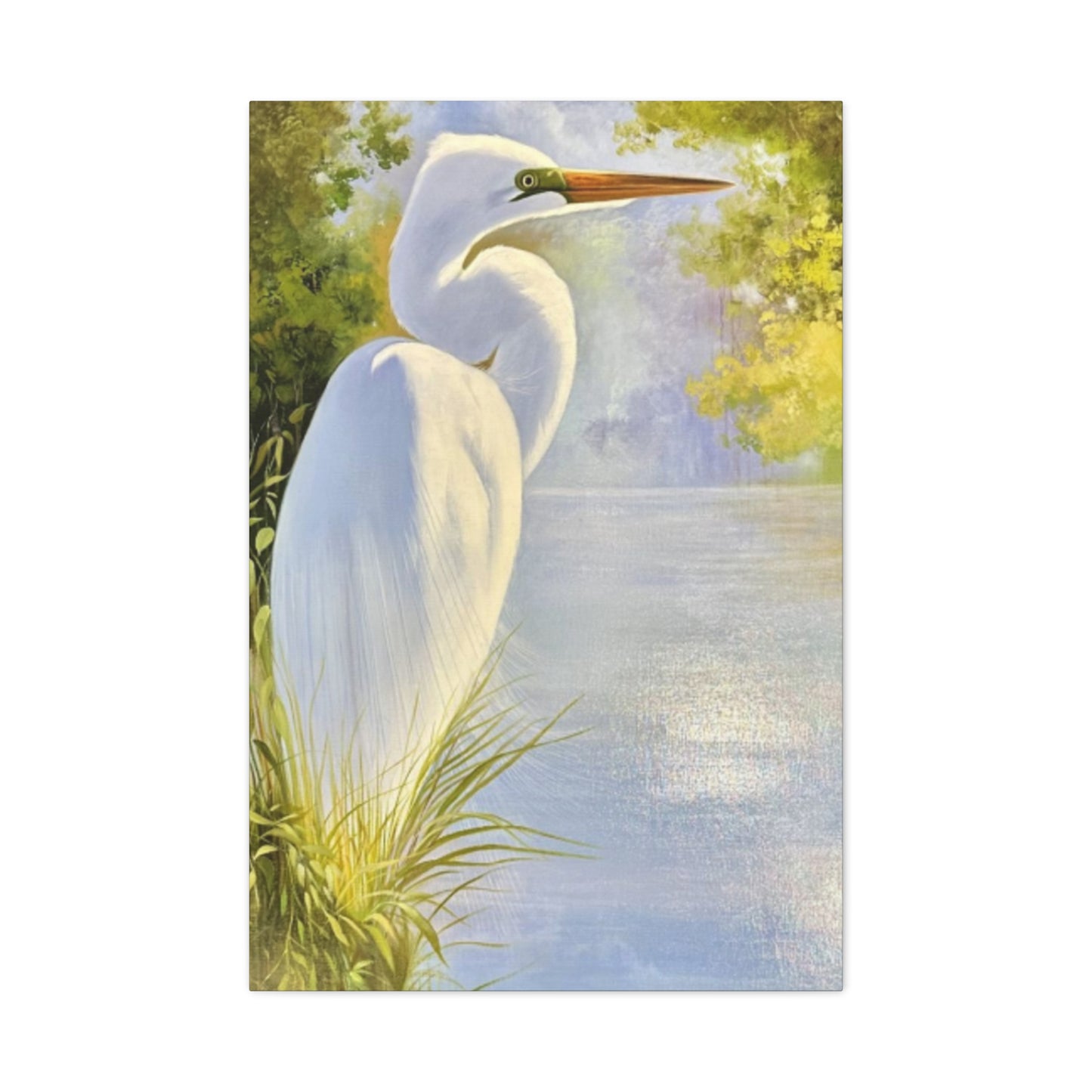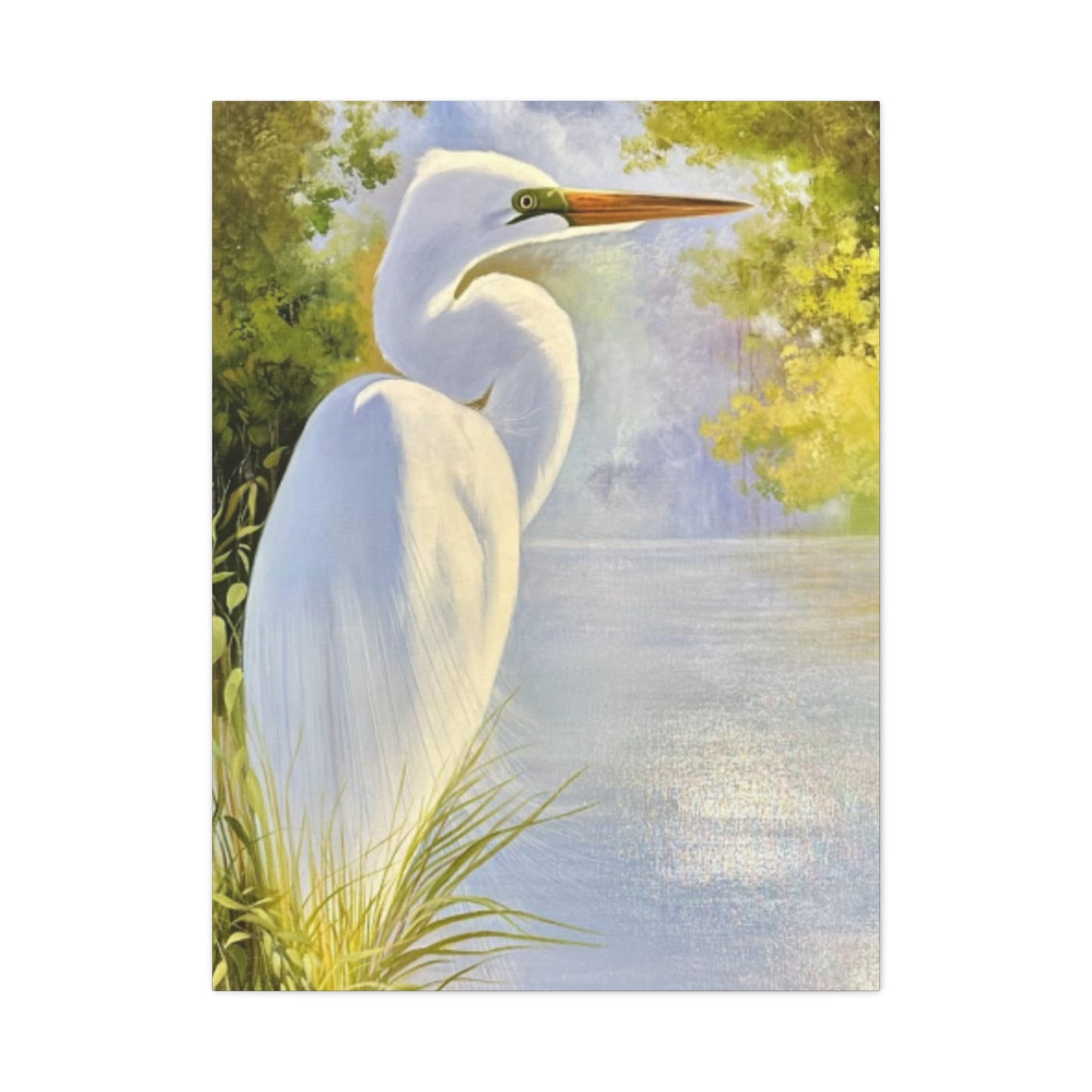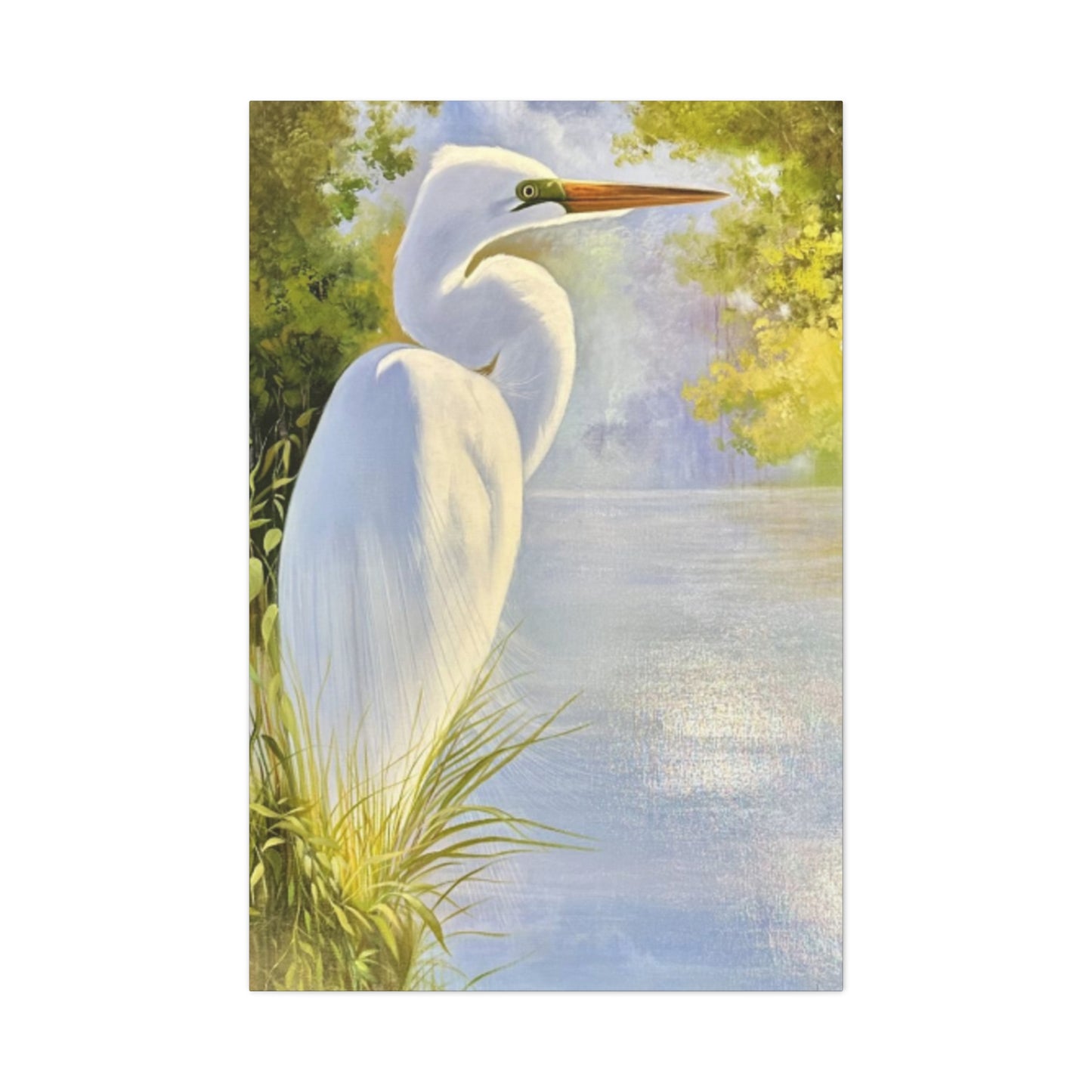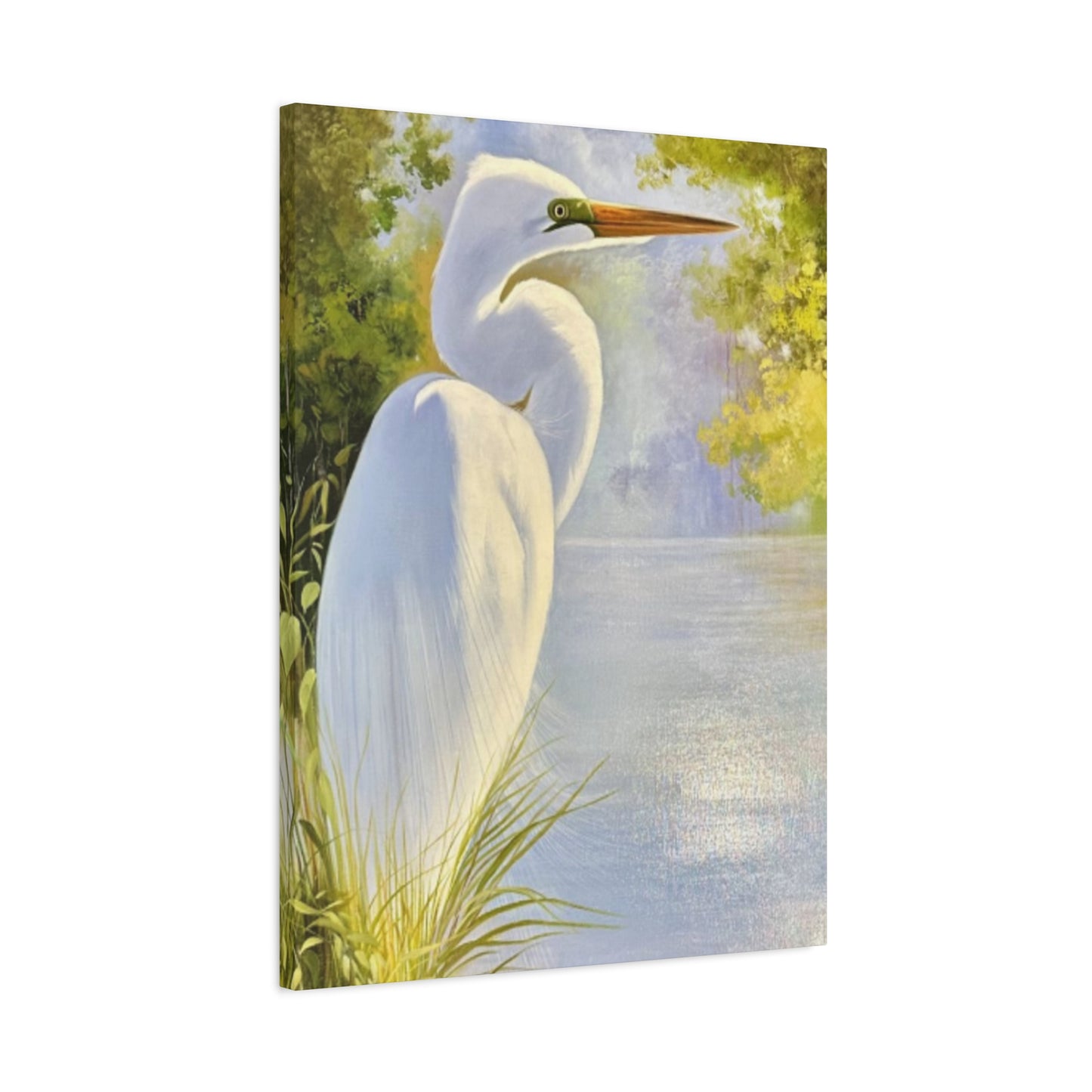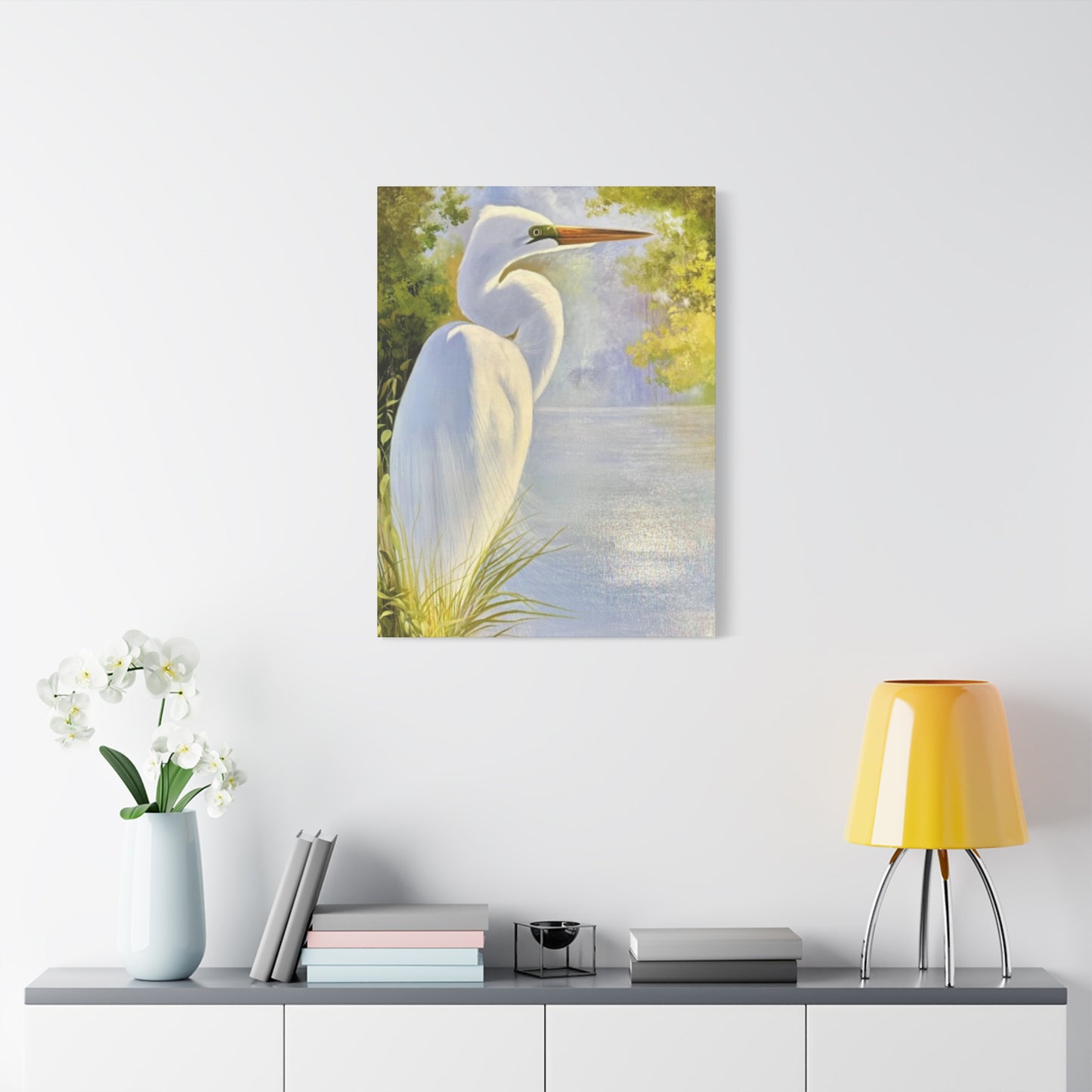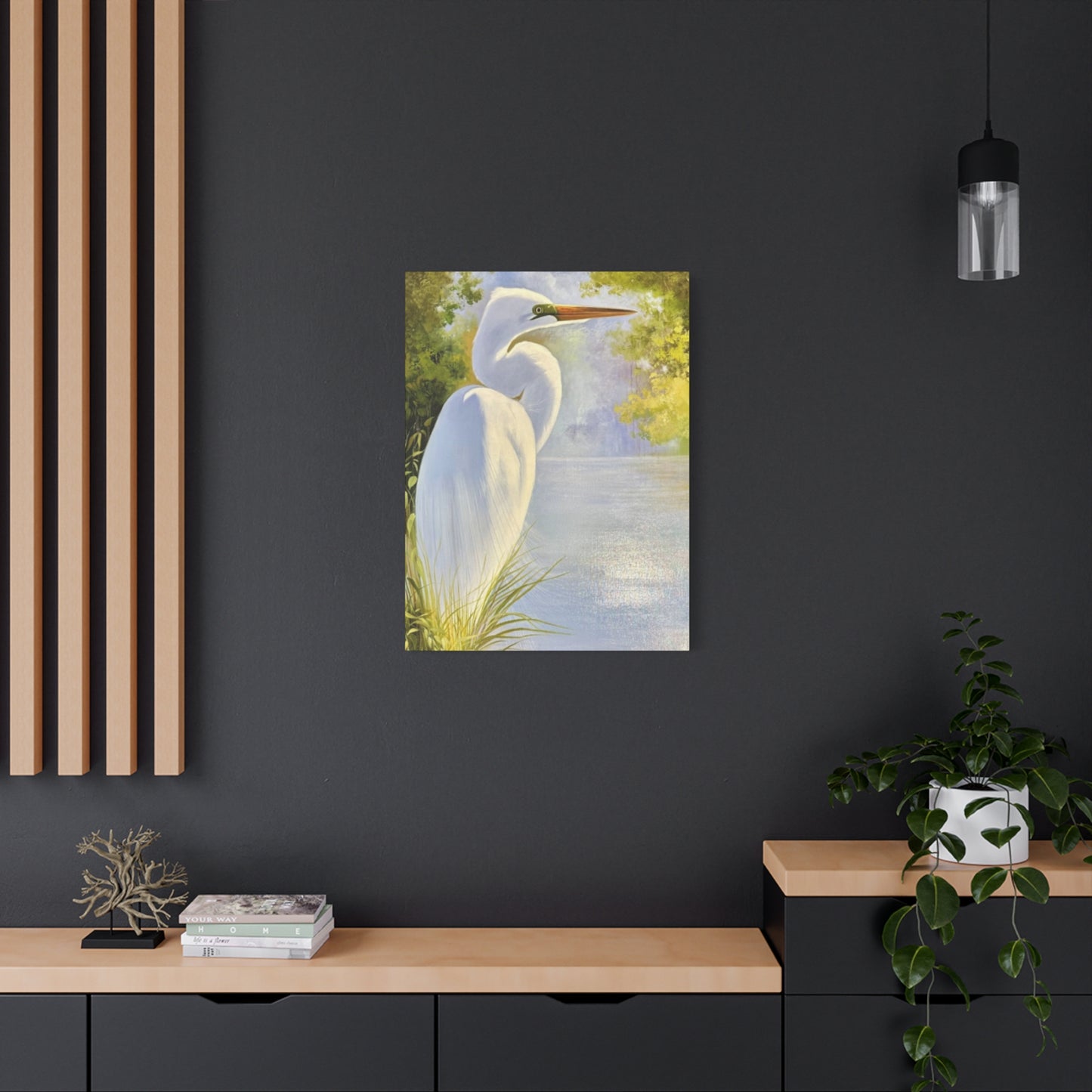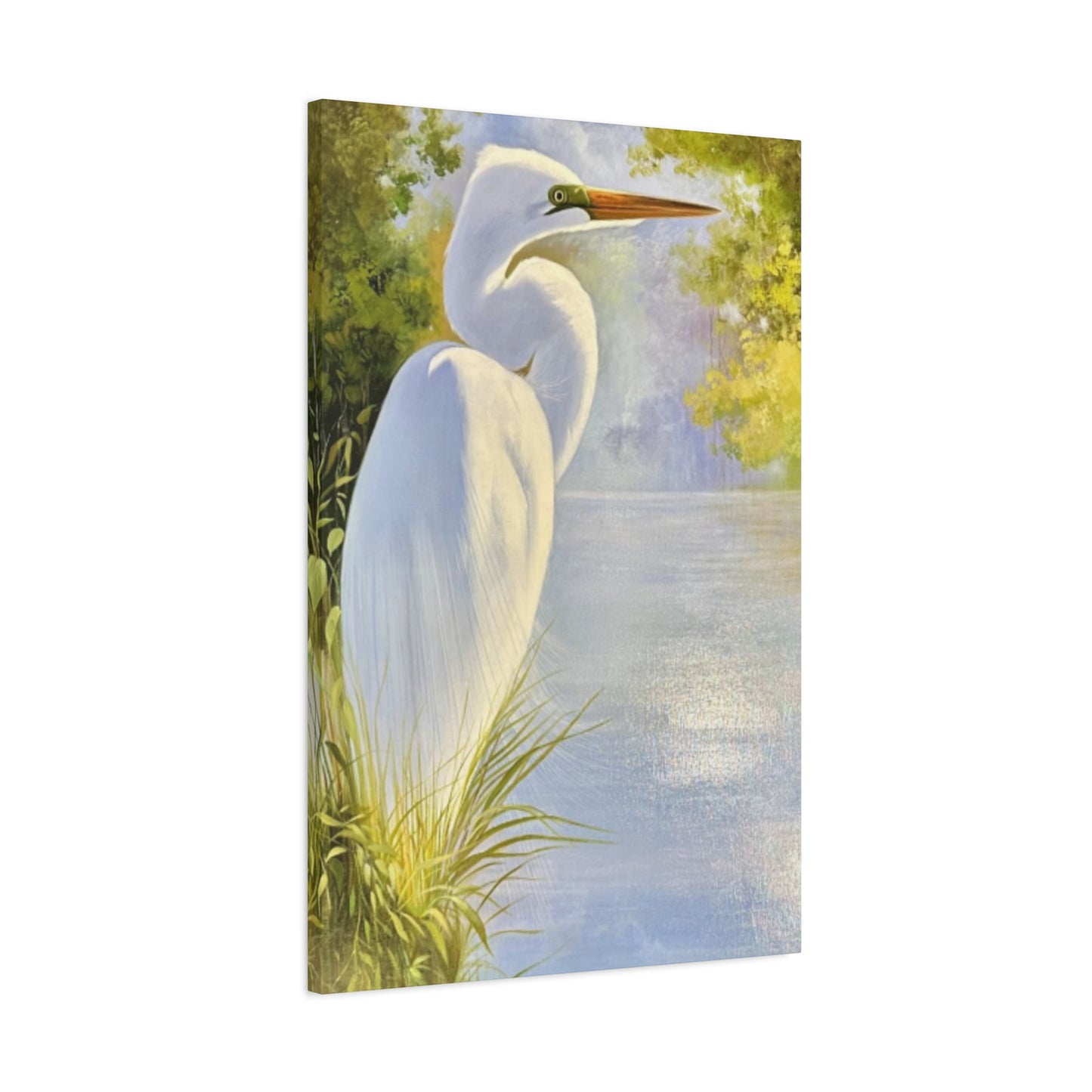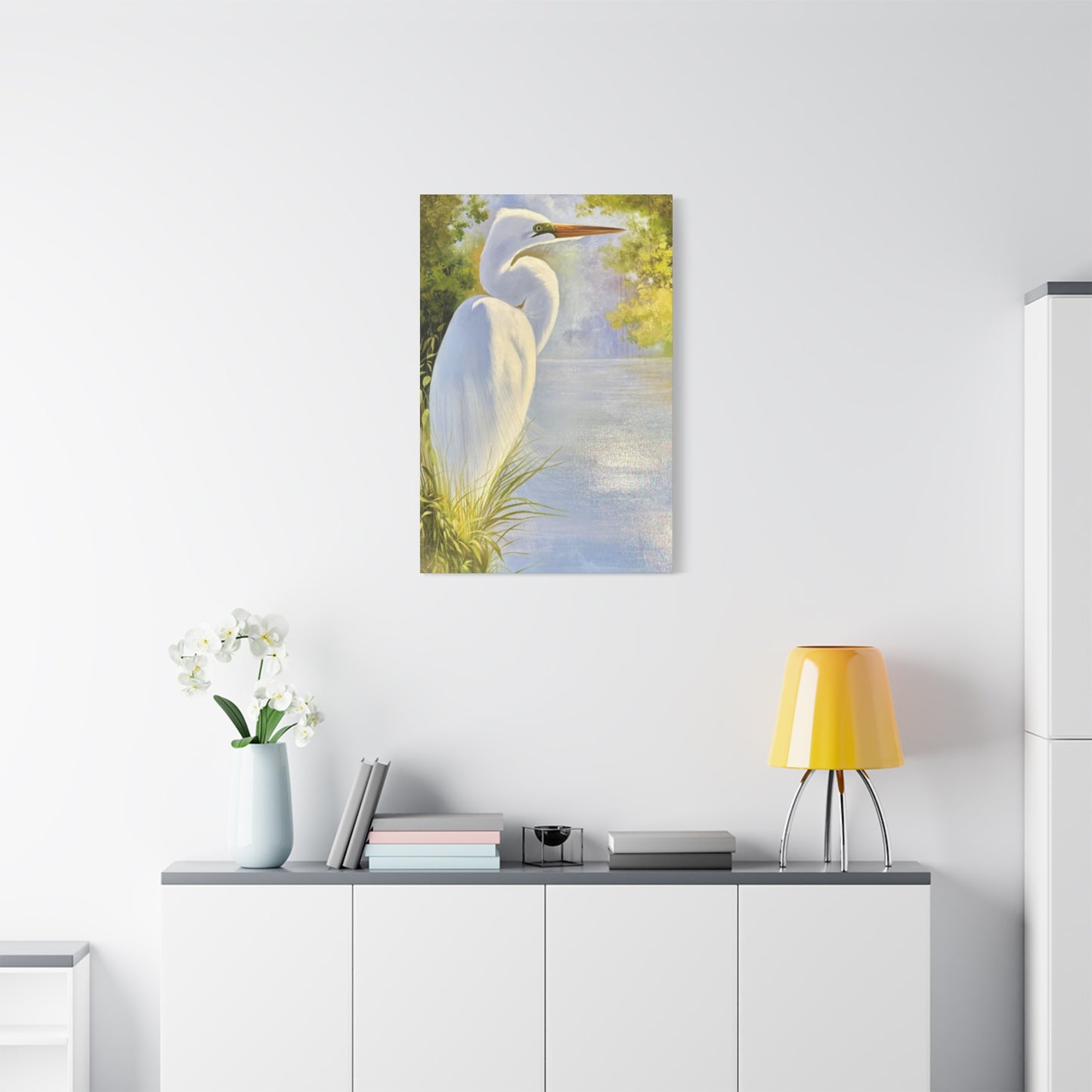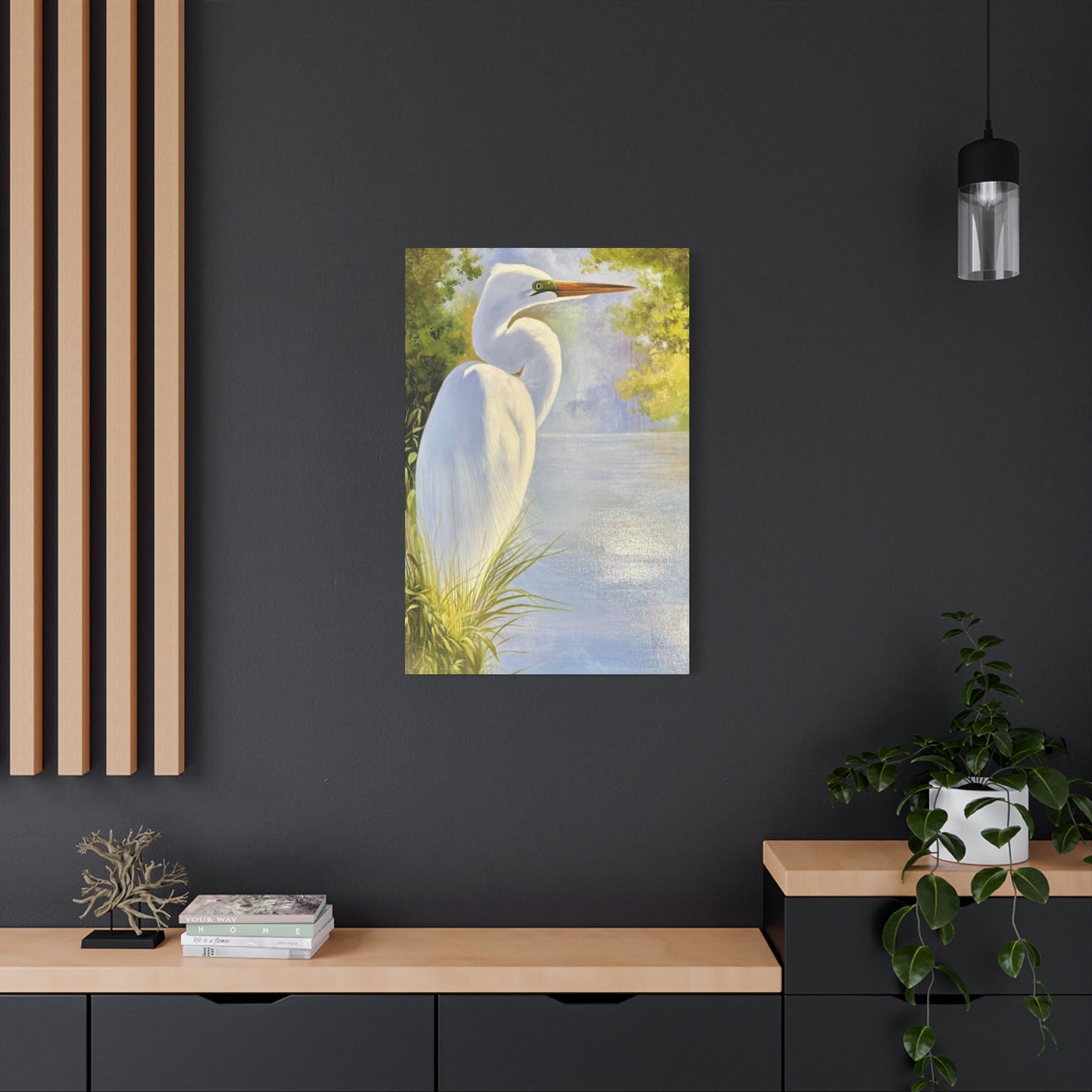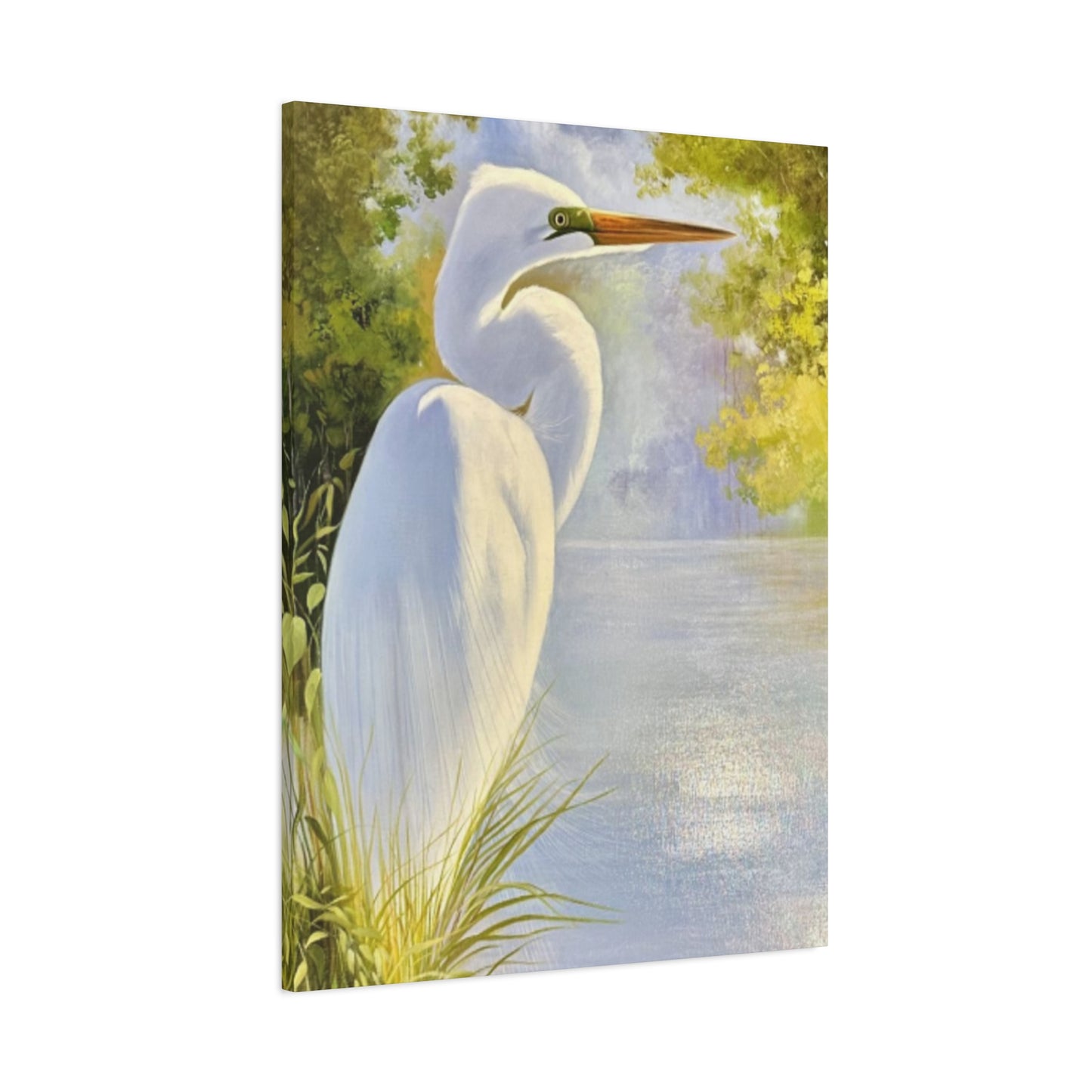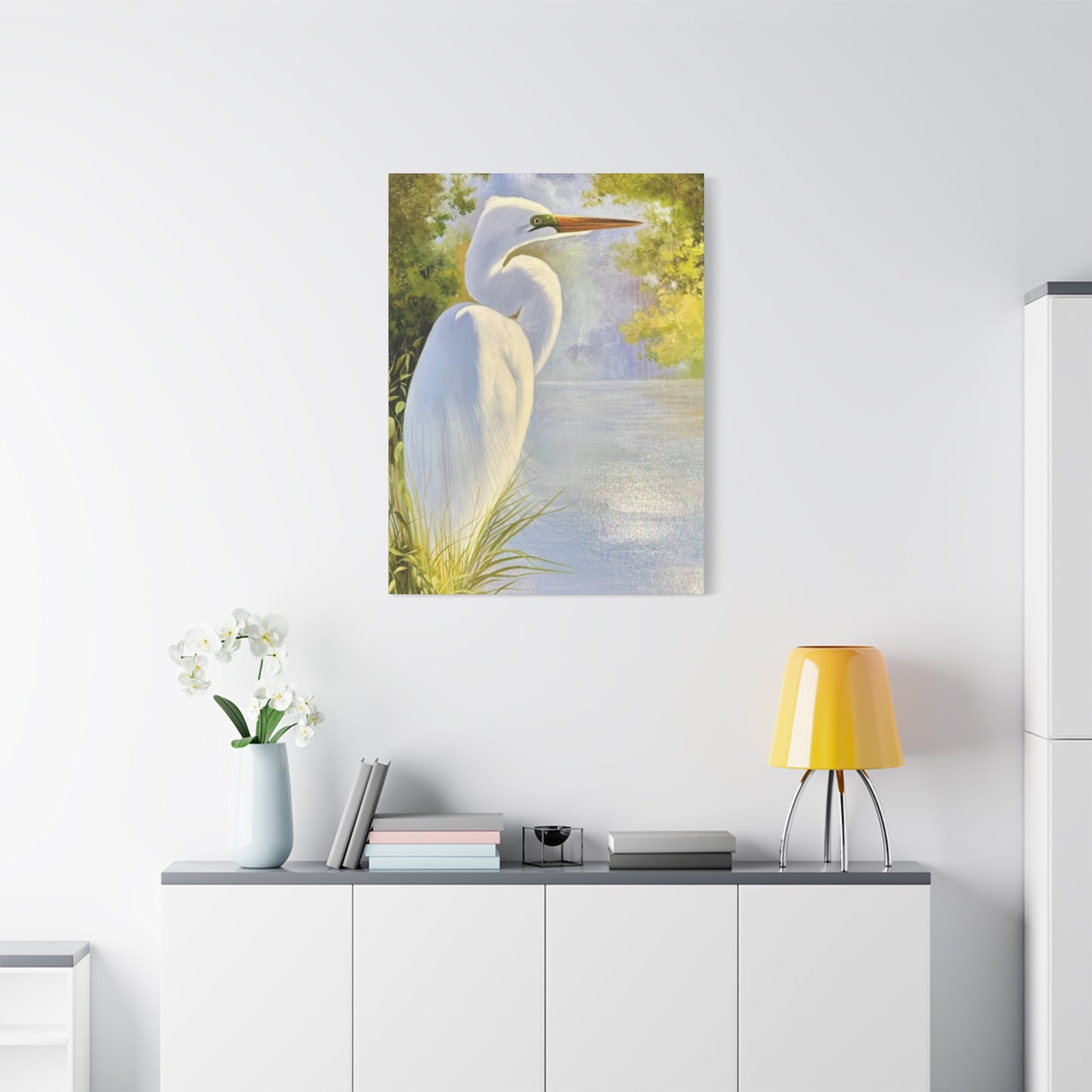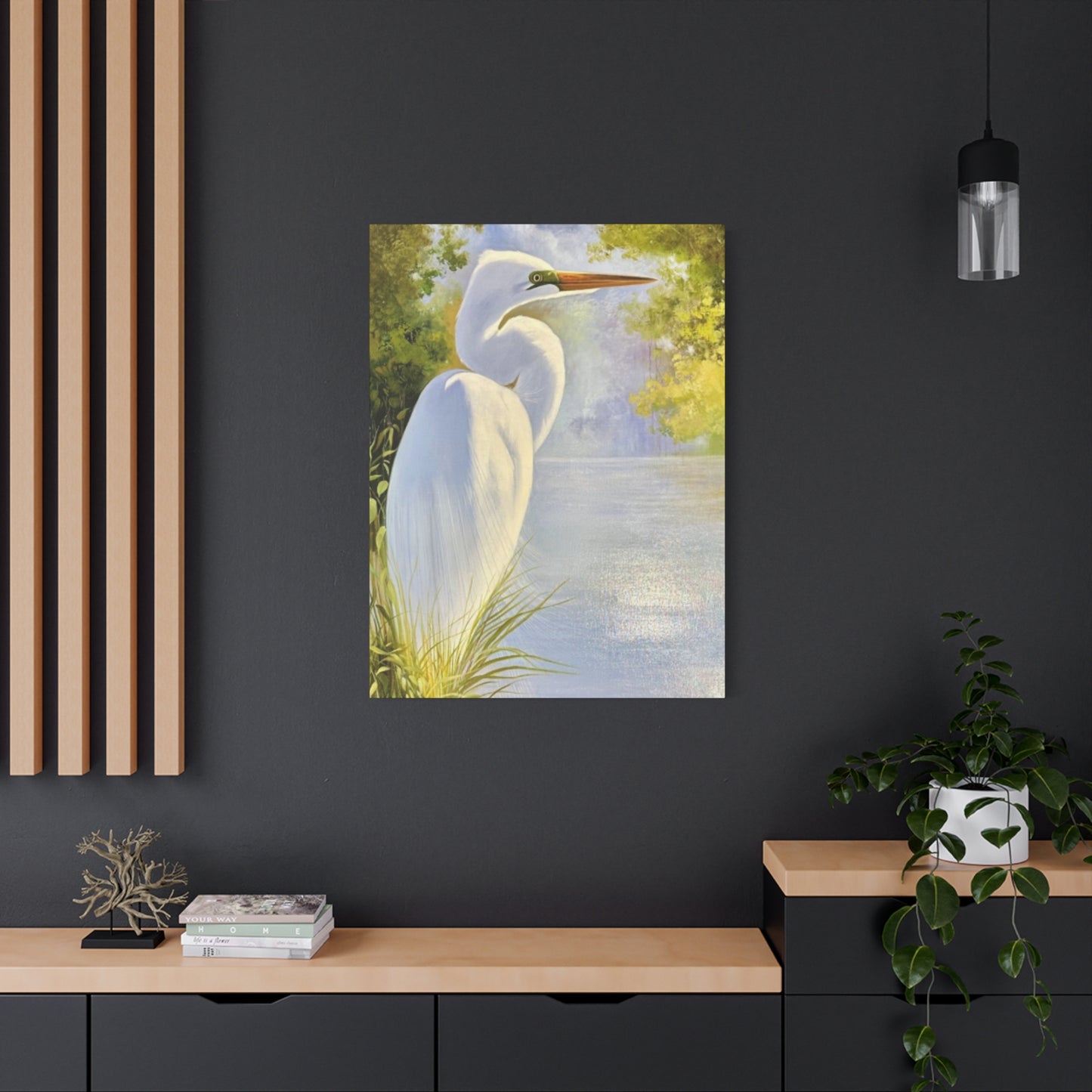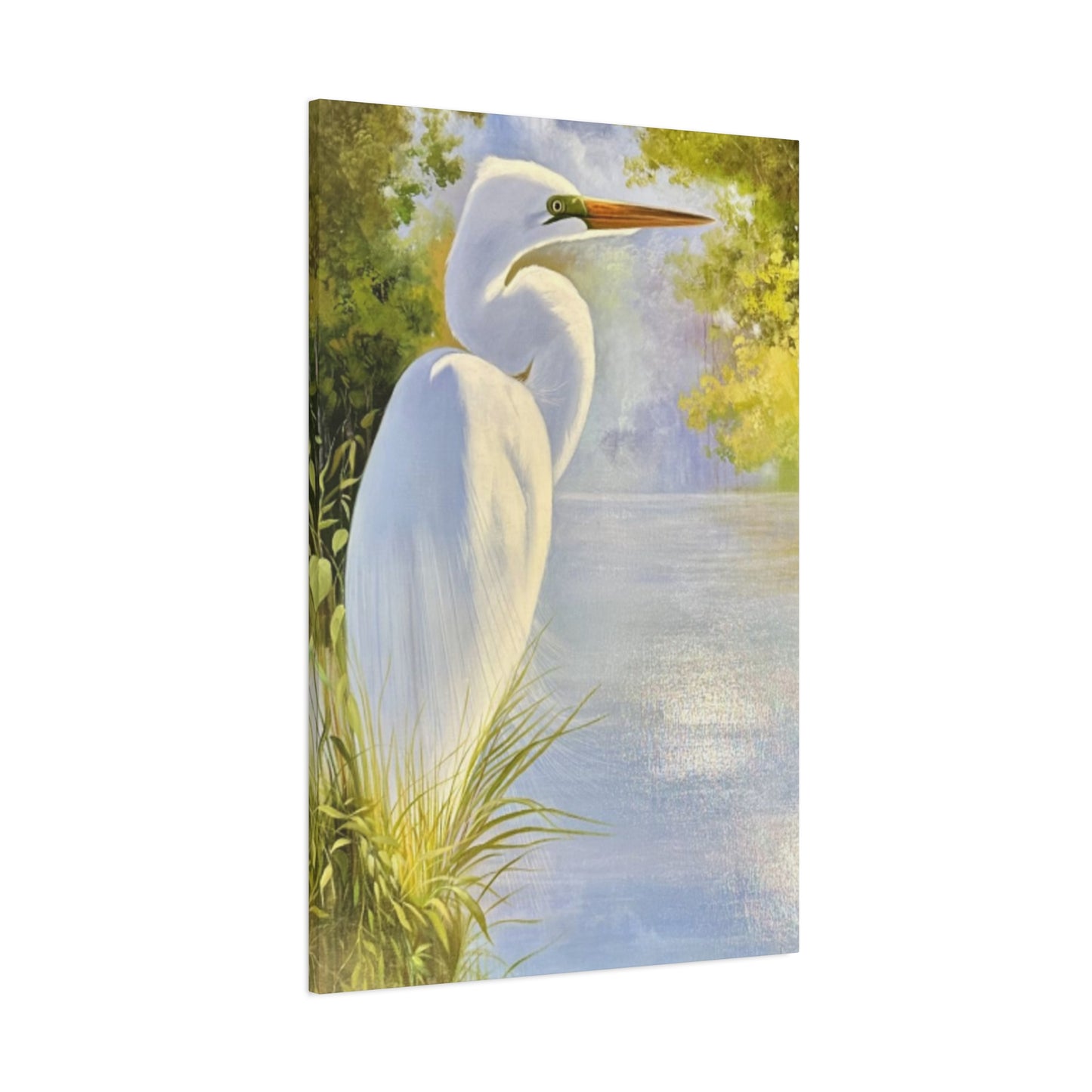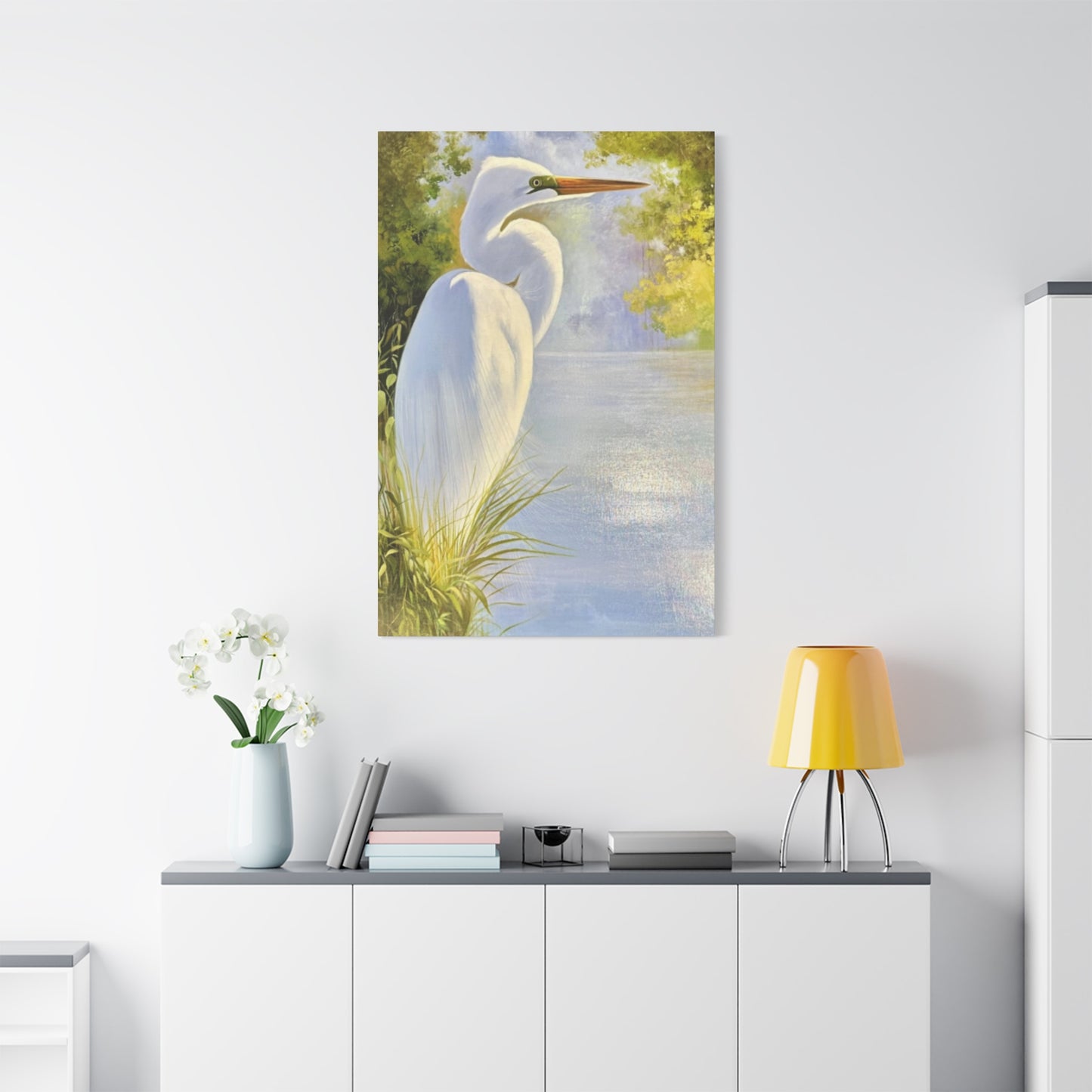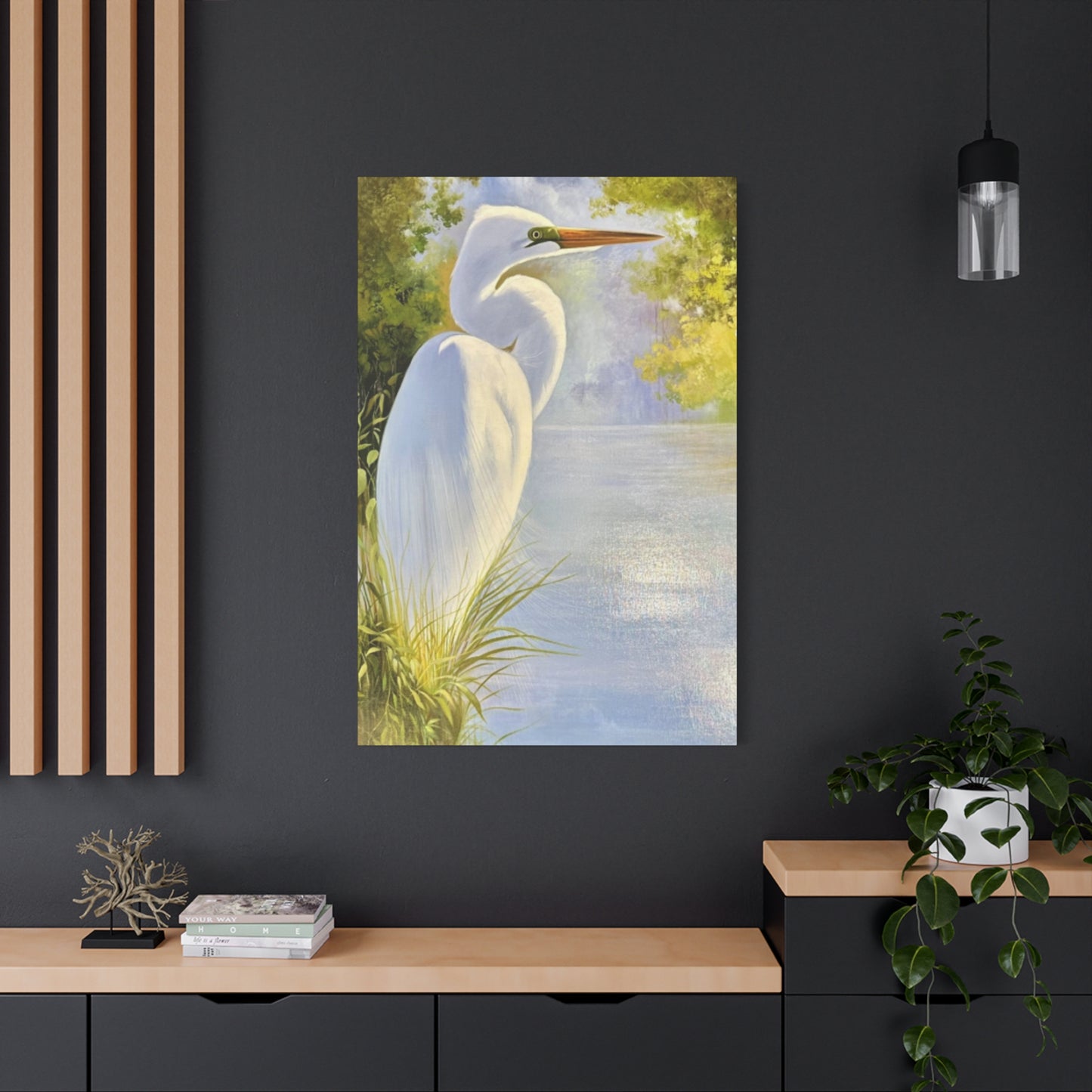


Herons Wild Wall Art & Canvas Prints
Herons Wild Wall Art & Canvas Prints
Couldn't load pickup availability
Infuse Your Living Space with the Untamed Beauty of Herons Wild Wall Art: A Complete Exploration of Nature-Themed Decoration
The magnificent presence of herons has captivated human imagination for centuries, and their elegant silhouettes have become increasingly popular in contemporary interior design. When we talk about incorporating Herons Wild Wall Art into living spaces, we're discussing more than mere decoration—we're exploring a profound connection between natural wilderness and human-created environments. These stunning avian creatures, with their graceful necks and patient hunting stances, bring an element of serene wilderness into our homes, offices, and various interior settings.
The Mesmerizing Appeal of Herons in Artistic Representations for Modern Interiors
The fascination with herons extends far beyond their biological characteristics. These majestic birds represent patience, determination, and tranquility in numerous cultures worldwide. When transformed into wall art, they carry these symbolic meanings into our personal spaces, creating atmospheres that reflect both sophistication and natural harmony. The long-legged wading birds, often depicted standing in shallow waters or poised mid-flight, offer artists and designers endless possibilities for creative expression.
Herons possess a unique anatomical structure that makes them particularly compelling subjects for artistic interpretation. Their elongated necks create striking S-shaped curves that add dynamic movement to static images. The wingspan of these creatures, which can reach impressive dimensions, provides artists with opportunities to showcase dramatic compositions that command attention without overwhelming a space. The various species—from the Great Blue Heron to the smaller Green Heron—each offer distinct visual characteristics that appeal to different aesthetic preferences.
The color palette associated with herons ranges from soft grays and whites to deeper blues and greens, making them remarkably versatile for interior design schemes. This natural color variation allows Herons Wild Wall Art to complement virtually any room's existing color scheme, whether you're working with neutral tones, bold contrasts, or earth-inspired palettes. The subtle gradations in heron plumage translate beautifully into various artistic mediums, from watercolors that capture their ethereal quality to bold graphic prints that emphasize their striking silhouettes.
Exploring Various Artistic Styles and Mediums for Depicting These Graceful Birds
The representation of herons in wall art spans an impressive spectrum of artistic approaches, each offering unique benefits and aesthetic experiences. Photographic representations capture the raw beauty and authentic details of these birds in their natural habitats. High-resolution wildlife photography freezes moments of incredible behavior—a heron striking at fish, taking flight from marsh grasses, or standing sentinel in morning mist. These photographic pieces often appeal to nature enthusiasts and those seeking to bring genuine wilderness elements into their spaces.
Watercolor interpretations of herons offer a softer, more contemplative aesthetic. The flowing nature of watercolor paints perfectly mirrors the fluid movements of herons wading through shallow waters. Artists working in this medium can create pieces ranging from highly detailed, realistic portrayals to loose, impressionistic suggestions of form and movement. The translucent quality of watercolors allows for beautiful layering effects that can evoke the atmospheric conditions of wetland environments—early morning fog, golden hour light filtering through reeds, or the reflective quality of still water surfaces.
Oil and acrylic paintings provide artists with opportunities to explore herons through more substantial, textured approaches. The thickness and body of these paints allow for impasto techniques that add physical dimension to the artwork, creating pieces that engage viewers through both visual and tactile interest. Some contemporary artists use bold, expressive brushstrokes to capture the essence of herons rather than photorealistic detail, resulting in pieces that feel energetic and modern while still honoring their natural subjects.
Digital art and mixed media representations push the boundaries of traditional heron imagery. Contemporary artists combine photographic elements with graphic design, illustration, and digital manipulation to create innovative pieces that appeal to modern sensibilities. These works might incorporate geometric patterns, abstract backgrounds, or unexpected color schemes while maintaining the recognizable form of the heron. Such pieces bridge the gap between natural subject matter and contemporary design aesthetics, making them particularly suitable for modern and transitional interior styles.
Minimalist line drawings and silhouettes offer another compelling approach to heron wall art. These simplified representations distill the bird's form to its most essential elements—the distinctive neck curve, the pointed beak, the long legs. Despite their simplicity, or perhaps because of it, these pieces can be remarkably powerful, allowing viewers to fill in details with their imagination while appreciating the elegance of clean lines and negative space. Such pieces work exceptionally well in contemporary settings where visual restraint and sophisticated simplicity are valued.
The Symbolic Significance and Cultural Resonance of Herons Across Different Societies
Throughout human civilization, herons have held profound symbolic meanings that vary across cultures while sharing certain universal themes. In many Native American traditions, herons represent self-determination and self-reliance. The bird's solitary hunting methods and patient observation before striking resonate with values of independence and strategic thinking. Incorporating Herons Wild Wall Art that reflects these cultural interpretations can add layers of meaning to interior spaces, transforming them into environments that not only look beautiful but also carry deeper significance.
Ancient Egyptian culture revered herons, particularly the Bennu bird (often identified with the heron), as symbols of creation, rebirth, and the soul's journey. This association with transformation and renewal makes heron imagery particularly meaningful in spaces dedicated to personal growth, meditation, or creative pursuits. The Egyptian connection also provides rich visual inspiration for artists creating heron art with hieroglyphic elements or ancient aesthetic influences.
In Asian cultures, particularly within Chinese and Japanese artistic traditions, herons symbolize good fortune, purity, and longevity. The bird's white plumage is associated with purity and enlightenment, while its presence near water connects it to the flow of life and prosperity. Japanese art, especially traditional ink paintings and woodblock prints, frequently features herons in serene wetland settings, emphasizing harmony with nature. These Eastern interpretations influence contemporary artists creating heron wall art with Asian-inspired aesthetics—think delicate brushwork, asymmetrical compositions, and emphasis on negative space.
Celtic traditions viewed herons as liminal creatures, existing between worlds—water and air, earth and sky. This in-between quality made them symbols of transition, transformation, and the journeys we undertake in life. For spaces intended to mark new beginnings or personal transitions, heron imagery carrying these symbolic associations can serve as meaningful reminders of life's evolving nature.
Greek mythology connected herons with various deities and attributed to them qualities of vigilance and resourcefulness. The bird's patient hunting style and keen observation skills became metaphors for wisdom gained through careful attention and strategic action. Modern interpretations of these classical associations appear in heron art that emphasizes the bird's alert, watchful posture, often set against backgrounds suggesting ancient landscapes or classical architectural elements.
Selecting the Perfect Heron Artwork to Complement Your Living Environment
Choosing the right piece of Herons Wild Wall Art requires consideration of multiple factors beyond simple aesthetic preference. The scale of the artwork relative to your wall space fundamentally affects the piece's impact and the room's overall feel. A large-scale heron piece can serve as a commanding focal point, anchoring a room's design and drawing the eye immediately upon entering the space. Such substantial works particularly suit expansive walls in living rooms, dining areas, or office reception spaces where making a strong visual statement is desirable.
Conversely, smaller heron pieces or collections of multiple smaller works offer versatility and can create visual interest through arrangement and grouping. Gallery walls featuring several heron images in varying sizes, styles, or mediums allow for personal curation that tells a more complex visual story. This approach works wonderfully in hallways, staircases, or bedroom settings where creating an intimate, collected-over-time aesthetic is preferable to a single bold statement.
The color composition of the artwork must harmonize with your existing interior palette while potentially introducing new accent colors. A predominantly blue-toned heron piece featuring water and sky backgrounds naturally complements rooms with cool color schemes—think navy, teal, seafoam, or silvery grays. Meanwhile, heron art incorporating warmer tones—golden hour lighting, marsh grasses in autumn colors, or sunset skies—can introduce warmth and richness to spaces dominated by neutrals or cooler colors.
Consider the mood and energy level you want to cultivate in the space. Heron imagery depicting the bird in still, meditative poses creates calm, contemplative atmospheres ideal for bedrooms, home offices, or meditation spaces. These restful images support relaxation and focused thought. In contrast, herons captured mid-flight or in the moment of striking prey introduce dynamic energy and movement, making such pieces better suited for living areas, creative workspaces, or anywhere you want to inspire action and vitality.
The frame and presentation style significantly influence how heron artwork integrates into your space. Traditional wooden frames in natural finishes complement rustic, traditional, or transitional interiors, reinforcing the nature-inspired theme. Sleek metal frames or frameless mounting options suit contemporary and modern spaces, allowing the artwork itself to take center stage without ornamental distraction. Canvas wraps that extend the image around the sides create a gallery-style presentation that feels current and polished, eliminating the visual interruption of a frame altogether.
Creating Cohesive Interior Schemes Around Nature-Inspired Heron Imagery
When building a design scheme around Herons Wild Wall Art, the goal is creating harmony between the artwork and surrounding elements without sacrificing individuality or interest. Begin by identifying the dominant colors within your chosen heron piece and echoing these hues throughout the room in textiles, accessories, and accent pieces. If your heron artwork features prominent blues and greens, consider incorporating throw pillows, area rugs, or window treatments in complementary shades to create visual connections that unify the space.
Texture plays a crucial role in nature-inspired design schemes. Since herons are wetland creatures, incorporating materials that evoke natural water environments creates thematic consistency. Consider natural fiber rugs suggesting marsh grasses, smooth river stones as decorative elements, or driftwood accents that reference water-worn wood. These tactile elements support the visual theme introduced by the heron artwork while adding physical dimension and sensory interest to the space.
The concept of bringing the outdoors in extends beyond the heron imagery itself. Live plants, particularly those associated with wetland or waterside environments, reinforce the natural theme. Ornamental grasses in tall planters, ferns suggesting woodland moisture, or even aquatic plants in glass containers create living connections to the environments herons inhabit. These botanical elements also provide the practical benefit of improving indoor air quality while softening hard architectural lines.
Furniture selection and arrangement can subtly support the heron theme without becoming overly literal or theme-park-like in execution. Pieces in natural wood finishes, particularly those with visible grain patterns, reference the organic forms found in nature. Furniture with clean, elegant lines can echo the graceful proportions of the heron itself—tall, slender chair legs might unconsciously suggest the bird's long limbs, while curved chair backs could mirror the distinctive neck curvature.
Lighting deserves special consideration when designing around heron wall art. Natural light enhances artwork featuring natural subjects, so positioning pieces where they benefit from daylight without suffering direct sun exposure protects the art while maximizing its visual impact. For artificial lighting, consider directional picture lights or adjustable track lighting that can be positioned to highlight the artwork specifically. Warm-toned bulbs typically enhance the natural colors in heron imagery better than harsh, cool-toned lighting.
The Psychological and Emotional Benefits of Nature-Inspired Interior Elements
Numerous studies in environmental psychology demonstrate that incorporating natural elements into interior spaces—a practice known as biophilic design—provides measurable benefits for mental health, stress reduction, and overall wellbeing. Herons Wild Wall Art serves as a powerful biophilic element, bringing the calming influence of nature into built environments where we spend the majority of our time. The presence of nature imagery, particularly depicting animals in their natural habitats, can lower blood pressure, reduce stress hormones, and improve mood.
The specific qualities of herons make them particularly beneficial subjects for interior artwork. Their association with water environments taps into humanity's deep-seated positive responses to aquatic settings. Water has been shown to have uniquely calming effects on the human psyche—viewing water, whether in person or in images, activates the brain's reward centers and promotes the release of neurochemicals associated with happiness and relaxation. Heron art depicting wetland scenes provides this water-related benefit even when actual water features aren't practical.
The contemplative quality of herons—their patient, watchful demeanor—can influence the emotional tone of spaces where their images appear. In our increasingly fast-paced world, having visual reminders of patience and mindful observation can serve as gentle prompts to slow down, breathe, and approach challenges with strategic calm rather than reactive stress. This makes heron imagery particularly valuable in home offices, where maintaining focus and composure directly impacts productivity and satisfaction.
Color psychology also plays a role in how heron artwork affects mood and mental state. The blues, greens, and grays commonly featured in heron art are universally regarded as calming, restorative colors. Blue, in particular, is associated with reduced anxiety, lower heart rate, and improved concentration. Green connects us to nature and growth, promoting feelings of balance and renewal. Even the neutral grays and whites of many heron species contribute to a sense of sophistication and calm simplicity.
The presence of wildlife imagery satisfies a fundamental human need for connection with the natural world—a connection that urbanization and modern lifestyles increasingly limit. This disconnection from nature, sometimes termed "nature deficit disorder," is associated with various negative outcomes including increased anxiety, depression, and attention difficulties. Bringing wildlife into our spaces through art like heron pieces helps bridge this disconnection, providing psychological benefits even for those unable to regularly access natural environments.
Practical Considerations for Displaying and Preserving Your Heron Artwork
Proper placement of Herons Wild Wall Art ensures both maximum visual impact and long-term preservation of the piece. The primary threat to most artwork comes from direct sunlight exposure, which causes fading, discoloration, and degradation of materials over time. When selecting wall space for your heron art, avoid locations where the piece will receive direct sunlight for extended periods. North-facing walls typically receive the most consistent, gentle natural light without harsh direct sun, making them ideal for displaying valuable or beloved artwork.
If your preferred wall location does receive significant sunlight, several protective strategies can help preserve your art. UV-filtering glass or acrylic glazing dramatically reduces the harmful ultraviolet radiation that causes fading while still allowing you to enjoy the piece. Window treatments like sheer curtains, solar shades, or UV-blocking films on windows themselves provide additional protection. Alternatively, consider rotating pieces seasonally, moving sun-exposed artwork to more protected locations during seasons when solar angles bring more direct light into the room.
Humidity and temperature fluctuations pose another threat, particularly to works on paper or canvas. Herons are wetland creatures, so ironically, excessive moisture can damage their artistic representations. Avoid hanging heron artwork in bathrooms, kitchens, or other high-humidity areas unless the piece is specifically designed for such environments. Maintaining relatively stable indoor temperature and humidity through HVAC systems protects not just your artwork but all of your home's furnishings and your personal comfort.
The hanging system and hardware deserve attention to ensure both security and proper presentation. The weight of framed artwork, particularly larger pieces, requires appropriate wall anchors and hanging hardware. For drywall, use proper picture-hanging hooks rated for the artwork's weight rather than simple nails that might fail over time. For heavier pieces, locate wall studs and anchor directly into them, or use toggle bolts designed for hollow wall mounting. Proper hanging ensures your artwork remains securely in place while preventing damage to both the piece and your wall.
Leveling the artwork creates professional, polished presentation. While this might seem obvious, unlevel artwork immediately appears unprofessional and can be surprisingly distracting once noticed. Use a small level during installation, and step back to view the piece from various angles and distances to ensure it appears straight from all typical viewing positions. For gallery walls with multiple pieces, establishing a consistent horizontal alignment (whether top edges, bottom edges, or centerlines) creates visual order even when pieces vary in size.
Regular, gentle cleaning maintains the appearance of your heron artwork without causing damage. For framed pieces under glass, a soft, lint-free cloth slightly dampened with water or glass cleaner applied to the cloth (never sprayed directly on the frame) removes dust and fingerprints. For unglazed canvas or textured surfaces, a soft brush or clean, dry cloth gently removes dust. Avoid touching the artwork surface itself, as oils from skin can cause permanent damage over time.
Exploring Different Room Environments Suited for Heron-Themed Decoration
The versatility of Herons Wild Wall Art makes it suitable for virtually any room, though certain spaces particularly benefit from these nature-inspired pieces. Living rooms, as primary gathering and relaxation spaces, are natural homes for significant heron artwork. A large-scale piece above a sofa or fireplace creates an impressive focal point that sets the tone for the entire room. The calming nature associations and elegant aesthetics of heron imagery make living rooms feel more sophisticated and serene—qualities that enhance both daily living and entertaining experiences.
Bedrooms benefit tremendously from the tranquil qualities of heron art. The restful, contemplative nature of these images supports the bedroom's primary purpose as a retreat for rest and rejuvenation. Placing heron artwork where it's visible from the bed creates a calming focal point during those moments between waking and sleeping when our minds are most receptive to visual influence. The neutral colors and nature connections in heron art support better sleep quality by creating environments that feel peaceful rather than stimulating.
Home offices and workspaces gain multiple benefits from thoughtfully chosen heron imagery. The symbolic associations with patience, strategy, and focused observation align perfectly with productive work. The natural elements help counterbalance the artificial, technology-dominated character of most workspaces, providing visual rest for eyes strained by screens. During moments of mental fatigue or creative block, having nature imagery to focus on offers mini-mental breaks that research shows can restore attention and improve problem-solving.
Dining rooms become more elegant and interesting with carefully selected heron wall art. The sophisticated aesthetic of herons elevates the dining experience, making everyday meals feel more special and dinner parties more memorable. Since dining rooms often have fewer competing visual elements than more furniture-dense spaces like living rooms, heron artwork can really shine without visual competition. The birds' association with water and wetlands can be complemented through table settings incorporating blue tones, natural materials, or aquatic themes for special occasions.
Bathrooms, particularly larger or master bathrooms designed as spa-like retreats, can accommodate heron imagery if proper precautions address humidity concerns. For these settings, consider heron art specifically created for moisture-prone environments—pieces with sealed surfaces, metal artwork, or photography behind sealed acrylic rather than glass. The thematic appropriateness of water-associated creatures in bathrooms is obvious, and the calming imagery can enhance the relaxing atmosphere of a long bath or mindful morning routine.
Entryways and foyers make powerful statements with striking heron artwork. These transitional spaces set expectations for the rest of the home, and impressive heron pieces immediately communicate a connection to nature, appreciation for wildlife, and sophisticated design sensibility. The vertical format of many heron compositions, particularly those featuring standing birds or flight poses, works well in the often vertically-oriented spaces of entries and hallways.
The Environmental Story Behind Heron Habitats and Conservation Concerns
Understanding the real-world environments that herons inhabit adds depth and meaning to Herons Wild Wall Art, transforming decoration into a connection with actual ecosystems and conservation stories. Herons primarily inhabit wetland environments—marshes, swamps, river edges, coastal areas, and shallow lake margins. These ecosystems represent some of the most biologically productive environments on Earth, supporting incredible biodiversity while providing crucial environmental services including water filtration, flood control, and carbon sequestration.
Unfortunately, wetland habitats face significant threats globally. More than half of the world's wetlands have been lost since 1900, destroyed through drainage for farming, urban sprawl, pollution, and climate change impacts. This habitat loss directly affects heron populations and the countless other species sharing these environments. By choosing to display heron artwork, particularly pieces by artists who support conservation efforts, you create awareness and conversation opportunities about these vital ecosystems and their protection.
Different heron species have adapted to specific habitat niches, reflecting the diversity within wetland ecosystems. Great Blue Herons, the largest and most widespread North American species, inhabit both freshwater and coastal environments, demonstrating remarkable adaptability. Their presence in an area typically indicates healthy aquatic ecosystems with sufficient fish populations. Green Herons, smaller and more secretive, prefer densely vegetated wetland edges where their patience and precision hunting can be observed by quiet observers. Black-crowned Night Herons, as their name suggests, are primarily nocturnal, adding another temporal dimension to wetland biodiversity.
The hunting behavior of herons—standing motionless for extended periods before striking with lightning speed—reflects specialized evolutionary adaptations and demonstrates the patience required for successful predation. This behavior has made herons important to fishing communities in some cultures, who read the birds' presence and behavior as indicators of fish location and abundance. These human-wildlife connections spanning generations add cultural dimensions to the ecological importance of herons.
Climate change increasingly affects heron populations and their habitats. Rising sea levels threaten coastal wetlands, while changing precipitation patterns alter inland aquatic ecosystems. Temperature shifts affect fish populations that herons depend upon, forcing range expansions or contractions as birds seek suitable hunting grounds. Some heron species show remarkable resilience, adapting to urban wetlands and constructed ponds, while others face declining populations in their traditional ranges. Artwork depicting herons in pristine natural settings becomes both celebration and documentation of environments worth protecting.
Many artists creating heron-themed work actively support conservation through their art. A portion of sales might fund wetland restoration projects, heron population monitoring, or environmental advocacy groups. When selecting Herons Wild Wall Art, consider researching whether the artist or retailer supports conservation initiatives. This transforms your purchase from simple decoration into meaningful action, knowing your wall art contributes to protecting the actual birds and habitats it depicts.
Seasonal Variations and Migration Patterns Reflected in Heron Artwork
The changing seasons bring dramatic transformations to heron habitats, and these variations provide rich inspiration for artists creating seasonal collections of heron imagery. Spring artwork often captures herons in breeding plumage, when many species develop special ornamental feathers called breeding plumes or aigrettes. These delicate plumes create spectacular visual effects, and artwork featuring them celebrates the renewal and fertility associated with springtime. Spring heron art might also depict nesting behaviors, courtship displays, or family groups with newly hatched young—subjects that bring themes of new beginnings into interior spaces.
Summer representations typically show herons in lush, fully-vegetated wetlands at the peak of biological productivity. The abundance of aquatic life during summer months means actively feeding herons, artwork that captures dynamic hunting moments, or images of multiple herons gathering where fish concentrate. Summer heron art often features vibrant greens, full foliage, and bright light quality that brings energy and vitality to interior spaces during the warmest months.
Autumn heron artwork takes on different character as wetland vegetation transforms into golden, russet, and amber tones. Many heron species begin southward migration during autumn months, and artwork depicting birds in flight with fall foliage backgrounds captures this seasonal transition. The muted, warm color palette of autumn heron art naturally complements cozy seasonal interior shifts—the appearance of warmer textiles, deeper colors, and preparation for colder months ahead.
Winter heron imagery has particular poignancy, showing these water birds in frozen or partially frozen wetlands, sometimes amid snow. Not all herons migrate; many Great Blue Herons, for instance, remain in northern regions throughout winter, hunting in whatever open water they can find. Winter heron art tends toward minimalist compositions with limited color palettes—whites, grays, blues, and blacks dominating. These pieces create contemplative, quiet atmospheres perfect for the introspective quality many people experience during winter months.
Migration itself provides dramatic artistic subject matter. Herons migrating in formation or depicted mid-journey captures themes of travel, transformation, and the cyclical nature of life. These migration-themed pieces work particularly well in homes of people who themselves frequently travel or have experienced significant life transitions. The imagery resonates with personal journeys while showcasing the remarkable navigational abilities and endurance of these avian travelers.
Some enthusiasts rotate their Herons Wild Wall Art seasonally, creating fresh visual interest throughout the year while celebrating the natural cycles that govern heron lives. This practice requires collecting multiple pieces, but offers the creative satisfaction of regular redecorating without major investment. Seasonal rotation also protects artwork by limiting exposure time in any particular location, potentially extending the life of each piece.
Pairing Heron Artwork with Complementary Decorative Elements
Creating a cohesive interior environment around Herons Wild Wall Art involves thoughtfully selecting complementary decorative elements that enhance without overwhelming the central artwork. Natural materials form the foundation of successful nature-inspired design schemes. Wood furniture and accessories in various finishes—from light birch and maple to medium-toned oak and walnut to dark ebony or wenge—provide organic warmth that complements heron imagery. The grain patterns and color variations inherent in natural wood echo the complexity and beauty found in natural environments.
Stone and mineral elements introduce additional textural interest while maintaining the nature-inspired theme. Decorative objects in marble, granite, river stone, or semi-precious stones like agate and quartz create visual connections to the geological aspects of heron habitats—the rocky shores, pebbled stream beds, and mineral-rich waters where these birds hunt. A stone sculpture, a bowl of polished river rocks, or marble-topped furniture pieces distribute the natural material theme throughout the space without becoming thematically heavy-handed.
Textile choices significantly influence how successfully heron artwork integrates into a room's overall design. Natural fiber textiles—linen, cotton, wool, jute—maintain the organic aesthetic while providing softness that balances harder surfaces. Consider textures that might suggest wetland environments: the nubby texture of raw linen evokes marsh grasses, while smooth cotton represents water's surface. Color choices should either complement or provide considered contrast with the heron artwork—pulling accent colors from the piece to use in throw pillows, area rugs, or window treatments creates intentional visual connections.
Metallic accents can enhance heron artwork when chosen thoughtfully. While herons themselves don't feature metallic coloring, their wetland habitats often include reflective water surfaces that catch and reflect light. Incorporating metallic elements—perhaps in picture frames, lamp bases, or decorative objects—in finishes like brushed nickel, oil-rubbed bronze, or copper can suggest this quality of light on water. These metallic touches add sophistication and visual interest without competing with the artwork's organic subject matter.
Additional artwork and wall decoration should be selected to support rather than compete with your primary heron pieces. Complementary nature photography or botanical prints create thematic consistency without redundancy. Abstract pieces in colors pulled from the heron artwork can provide visual rest between more representational images. The key is avoiding visual competition—if your heron piece is large and commanding, surrounding artwork should be more modest in scale or visual weight.
Decorative objects depicting other wetland creatures—fish, frogs, turtles, dragonflies—can extend the ecosystem theme if handled with restraint. The goal is creating an evocative environment, not a literal wildlife museum. Select one or two carefully chosen pieces that feel personal and meaningful rather than accumulating every water-related decoration available. Quality over quantity ensures sophistication rather than kitsch.
The Role of Color Theory in Maximizing Heron Artwork Impact
Understanding color theory principles helps you maximize the visual impact of Herons Wild Wall Art while creating harmonious interior environments. The colors present in your chosen heron piece form the foundation for room-wide color decisions. Most heron artwork features cool-toned palettes—blues, greens, grays, and whites—which are naturally calming and recessive, making spaces feel larger and more serene. These cool colors work beautifully in rooms where relaxation and tranquility are priorities.
Monochromatic color schemes build the room's palette around a single color family present in the artwork, using various shades, tints, and tones of that color. If your heron artwork prominently features blues, a monochromatic scheme might incorporate navy, royal blue, sky blue, and pale blue throughout the room in varying proportions. This approach creates sophisticated, cohesive environments with inherent visual harmony. The risk is monotony, which you can avoid by incorporating varied textures, patterns, and materials within the color family.
Analogous color schemes use colors adjacent on the color wheel, creating harmonious combinations with slightly more variety than monochromatic approaches. For heron artwork featuring blues and greens—analogous colors—you might build a scheme incorporating various blue-greens, teals, and blue-violets. These combinations feel naturally related and peaceful, reflecting color relationships found in nature and therefore pairing beautifully with nature-inspired artwork.
Complementary color schemes introduce colors opposite on the color wheel for dramatic contrast and visual excitement. For predominantly blue heron artwork, complementary accents in orange tones create vibrant contrast. However, such bold contrasts require careful handling in residential spaces to avoid visual overwhelm. Consider using the complementary color sparingly as accent punctuation rather than in equal proportions—perhaps burnt orange throw pillows on a blue-gray sofa beneath blue-toned heron art.
Triadic color schemes use three colors evenly spaced on the color wheel, creating vibrant, balanced palettes with more variety than analogous schemes but more harmony than stark complementary pairings. These schemes work well when you want to incorporate multiple colors from a complex heron artwork featuring varied elements—blue water, green vegetation, and perhaps golden-brown marsh grasses or warm sunset skies.
Consider the temperature balance in your color scheme. Cool colors (blues, greens, purples) recede visually and calm psychologically, while warm colors (reds, oranges, yellows) advance and energize. Most heron artwork leans cool-toned, which works beautifully in spaces where calm is desired but might feel cold or unwelcoming without warming elements. Introduce warm wood tones, warm metal finishes, or small doses of warm accent colors to create temperature balance that feels comfortable rather than stark.
The value contrast—the relationship between light and dark elements—affects how artwork reads in a space. High-value contrast (very light elements against very dark ones) creates drama and draws attention, while low-value contrast (similar values) creates subtle, sophisticated effects. Consider your heron artwork's value structure and echo or counter it strategically. A high-contrast piece might benefit from a quieter surrounding palette that lets the artwork's drama take center stage, while a subtle, low-contrast piece might need more contrasting surroundings to prevent it from visually disappearing.
Selecting Heron Artwork Based on Desired Emotional Resonance
The specific moment or mood captured in Herons Wild Wall Art significantly affects the emotional atmosphere it creates, making thoughtful selection based on desired feeling particularly important. Contemplative poses—herons standing motionless, waiting patiently, gazing into water—create meditative, peaceful environments. These images encourage viewers to slow down, observe carefully, and find stillness amid life's chaos. Such pieces work beautifully in spaces dedicated to relaxation, reflection, or mindful activities.
Action-oriented imagery showing herons striking prey, taking flight, or moving dynamically introduces energy and vitality into spaces. While still depicting natural subjects, these pieces carry different emotional weights than contemplative poses. They suggest alertness, decisive action, and successful outcomes of patience and preparation. These qualities make action-oriented heron art particularly suitable for workspaces, exercise areas, or anywhere you want to cultivate motivation and dynamic energy.
Social imagery depicting multiple herons—whether breeding pairs, parent birds with offspring, or communal feeding groups—introduces themes of relationship, community, and interconnection. Despite their typically solitary hunting style, herons do gather at breeding colonies and sometimes share productive feeding areas. Artwork capturing these social moments can make spaces feel warmer and more welcoming, subtly suggesting positive social connection even when depicting birds rather than humans.
Seasonal imagery carries the emotional associations of its depicted season. Spring heron artwork, showing breeding plumage or new life, naturally evokes renewal, optimism, and fresh starts. Summer imagery suggests abundance and vitality. Autumn pieces carry bittersweet beauty and transition themes. Winter scenes emphasize endurance, quiet strength, and finding beauty in austere conditions. Your personal response to seasons might guide which seasonal imagery feels most resonant.
Scale within the image affects emotional impact beyond the physical size of the artwork itself. Close-up, intimate views of heron details—the eye, the delicate plume feathers, the textured beak—create very different feelings than distant vistas showing herons as small elements within vast wetland landscapes. Intimate scale creates connection and allows appreciation of intricate details. Environmental scale emphasizes the heron's ecosystem context and humanity's relationship with wild spaces.
The presence or absence of humans in heron artwork (or evidence of human presence like distant buildings or bridges) influences its message about wilderness and civilization. Pure wilderness scenes without any human evidence feel more escapist and provide maximum psychological distance from daily concerns. Images incorporating subtle human elements acknowledge our presence in even natural spaces, sometimes creating tension but also recognizing that most of nature exists in relationship with human activity rather than separate from it.
Light quality within the artwork dramatically affects mood. Golden hour lighting—that warm, directional light occurring shortly after sunrise or before sunset—creates romantic, nostalgic feelings and flatters subjects beautifully. Midday light is more neutral and documentary. Overcast, diffused light creates subtle, contemplative moods. Dramatic backlighting creates silhouettes and mystery. Storm light with dark skies and theatrical lighting generates tension and drama. Consider which light quality aligns with your desired emotional atmosphere.
Conclusion
Gallery walls featuring multiple heron images offer creative opportunities to build more complex visual narratives than single pieces allow. The key to successful gallery walls is balancing variety with cohesion—enough similarity to feel intentional, enough variety to create interest. Consider various organizing principles: all heron imagery but different species, different seasons, different artistic styles, or different photographers or artists. This thematic thread unifies the collection while allowing individual pieces to maintain their distinctiveness.
Layout planning is crucial for gallery walls. Before committing to nail holes, create paper templates of each piece's dimensions and arrange them on the floor or tape them to the wall. This allows experimentation with different configurations until you find the arrangement that feels right. Common approaches include grid layouts with uniform spacing between pieces, creating orderly, contemporary presentations; organic salon-style arrangements with varied spacing and piece sizes, feeling collected and personal; or symmetrical arrangements radiating from a central piece.
Spacing between pieces affects the gallery wall's overall impact. Tighter spacing—one to two inches between frames—makes the collection read as a unified whole, essentially creating a larger composite image from multiple parts. Wider spacing—three to four inches or more—emphasizes individual pieces, giving each more breathing room and creating a more casual, collected-over-time appearance. Consistency in spacing, whichever measurement you choose, looks more intentional than random gaps.
Frame consistency versus variety is another decision point. Matching frames create unified, polished appearances that let the images themselves provide variety. This approach works particularly well with photography collections or when pieces have been purchased from different sources at different times but you want them to feel cohesively presented. Varied frames—different styles, colors, or materials—create more eclectic, casual aesthetics. If varying frames, look for subtle unifying elements like similar proportions, finishes that harmonize even if they don't match exactly, or a consistent level of ornateness versus simplicity.
Matting decisions affect how individual pieces read within the larger arrangement. Consistent mat colors and widths create visual calm and unity. Varied mat colors might pick up different tones from each piece or create subtle color progressions across the arrangement. White or off-white mats create clean, gallery-like presentations that work with virtually any interior style. Colored mats make bolder statements but require more careful coordination with room colors.
Share