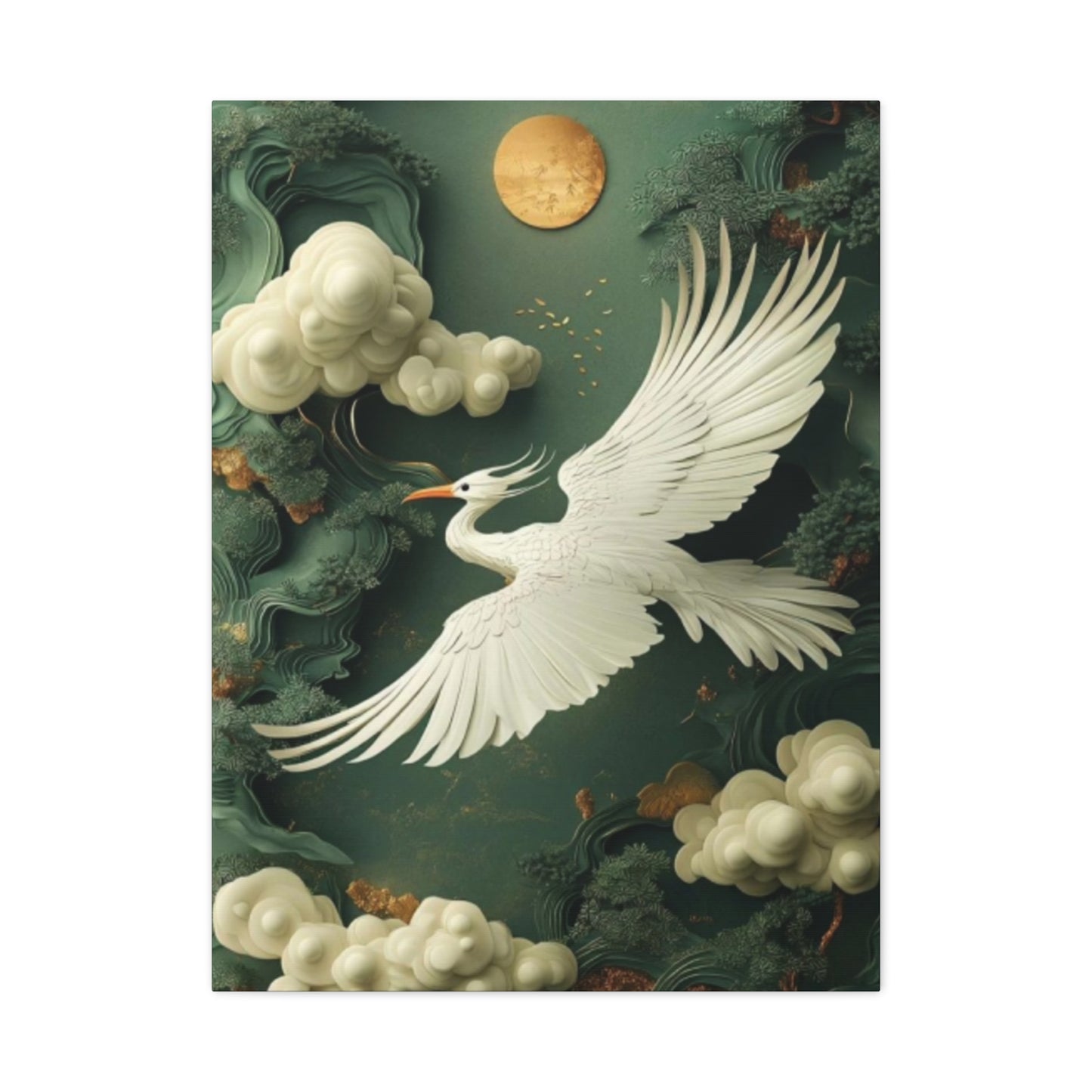
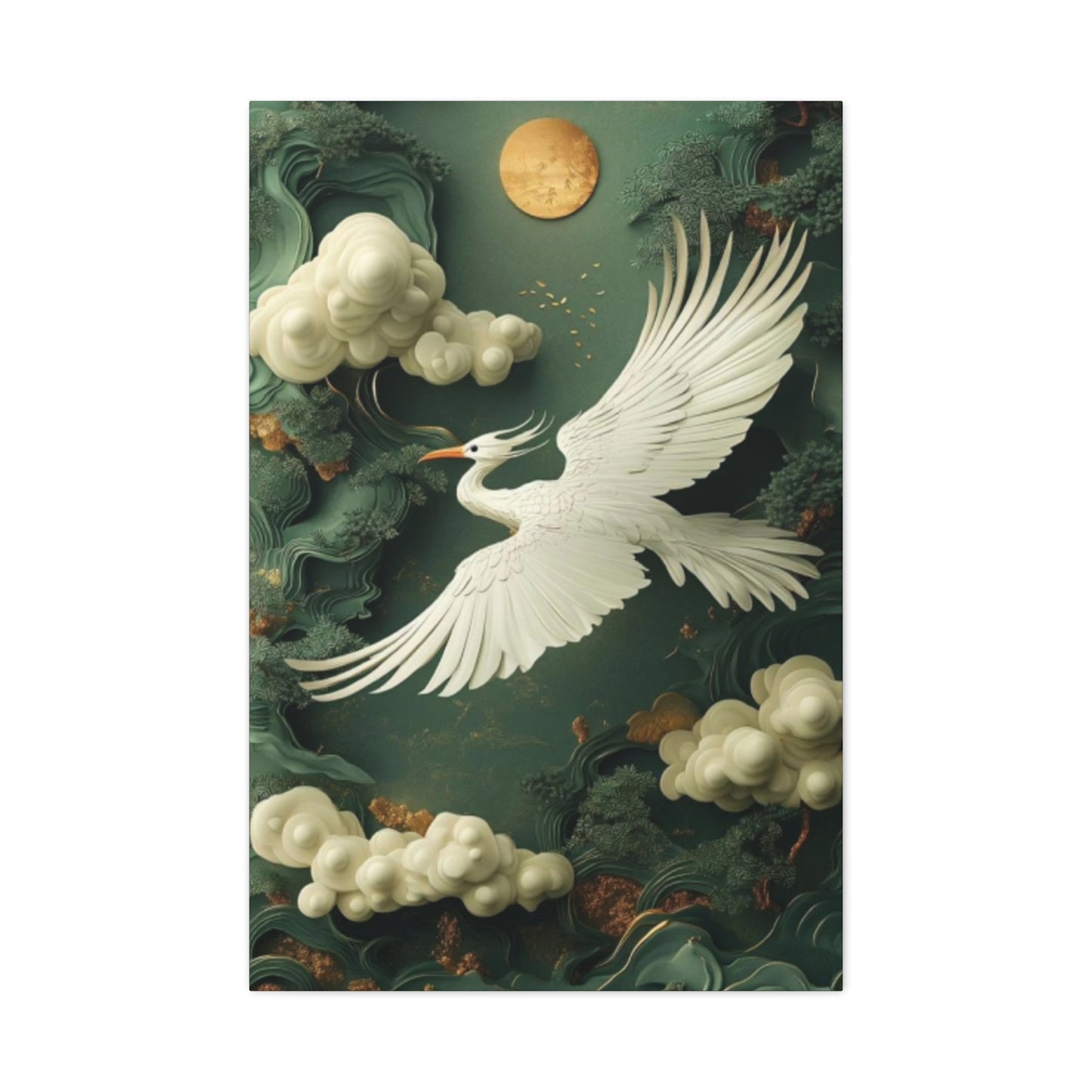
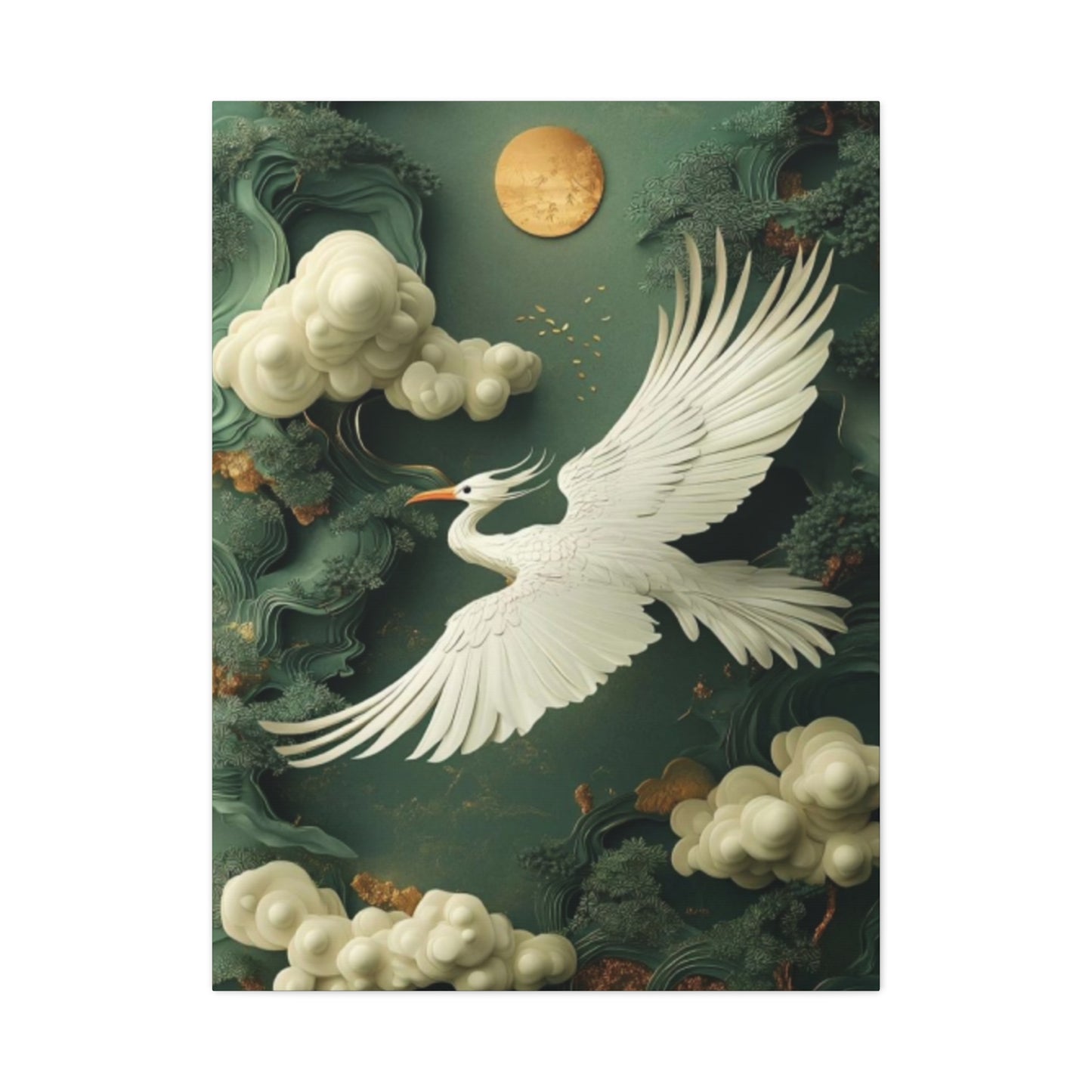
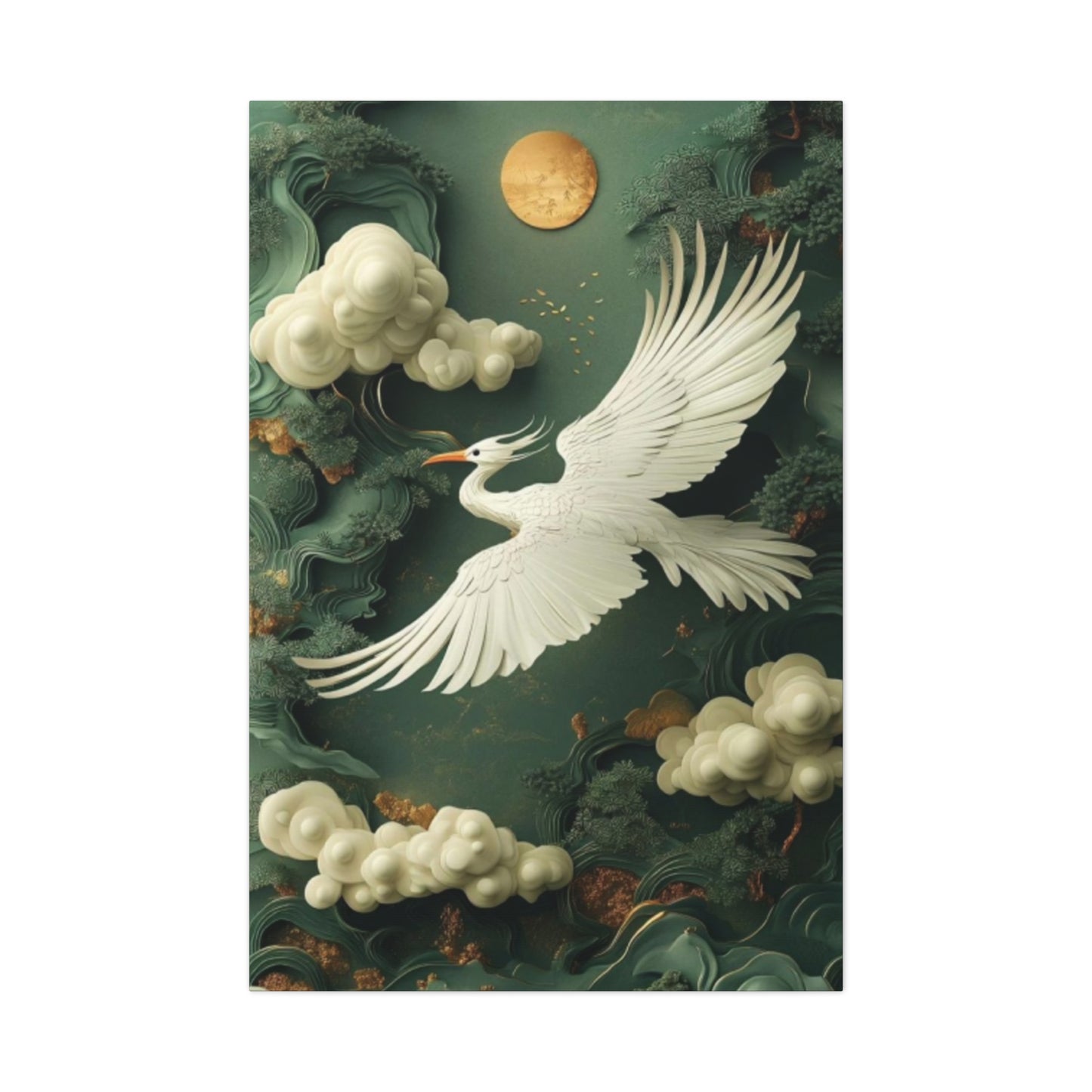
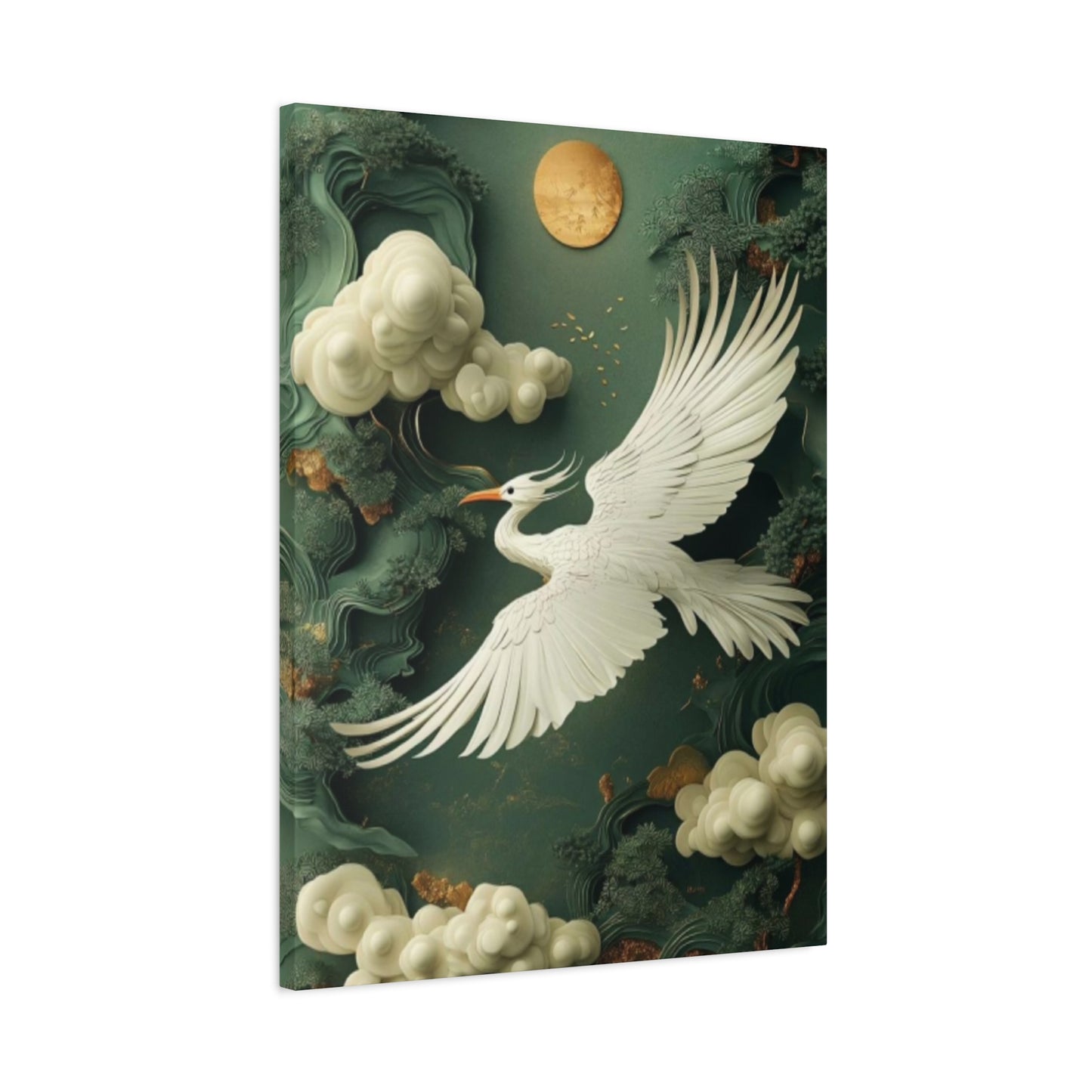
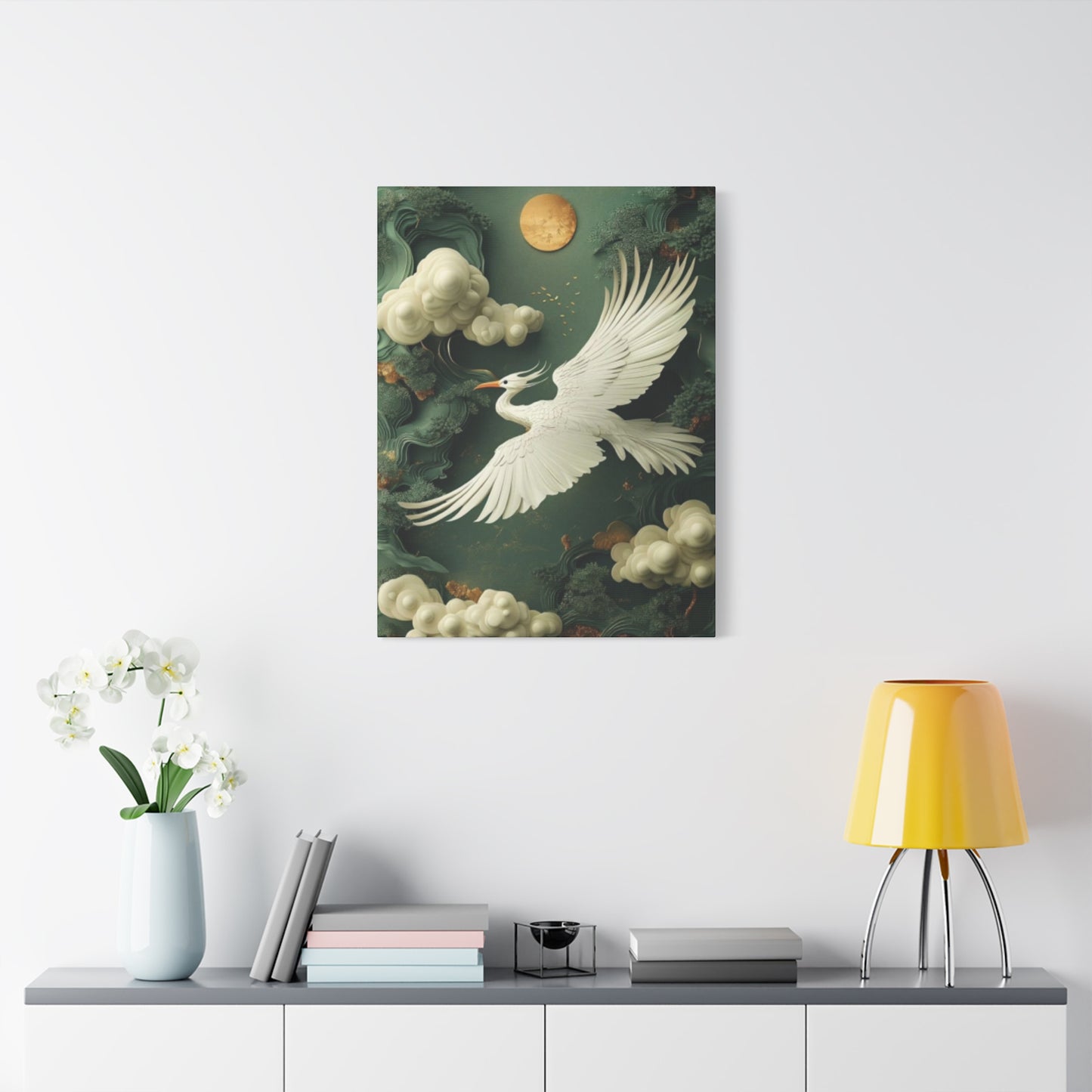
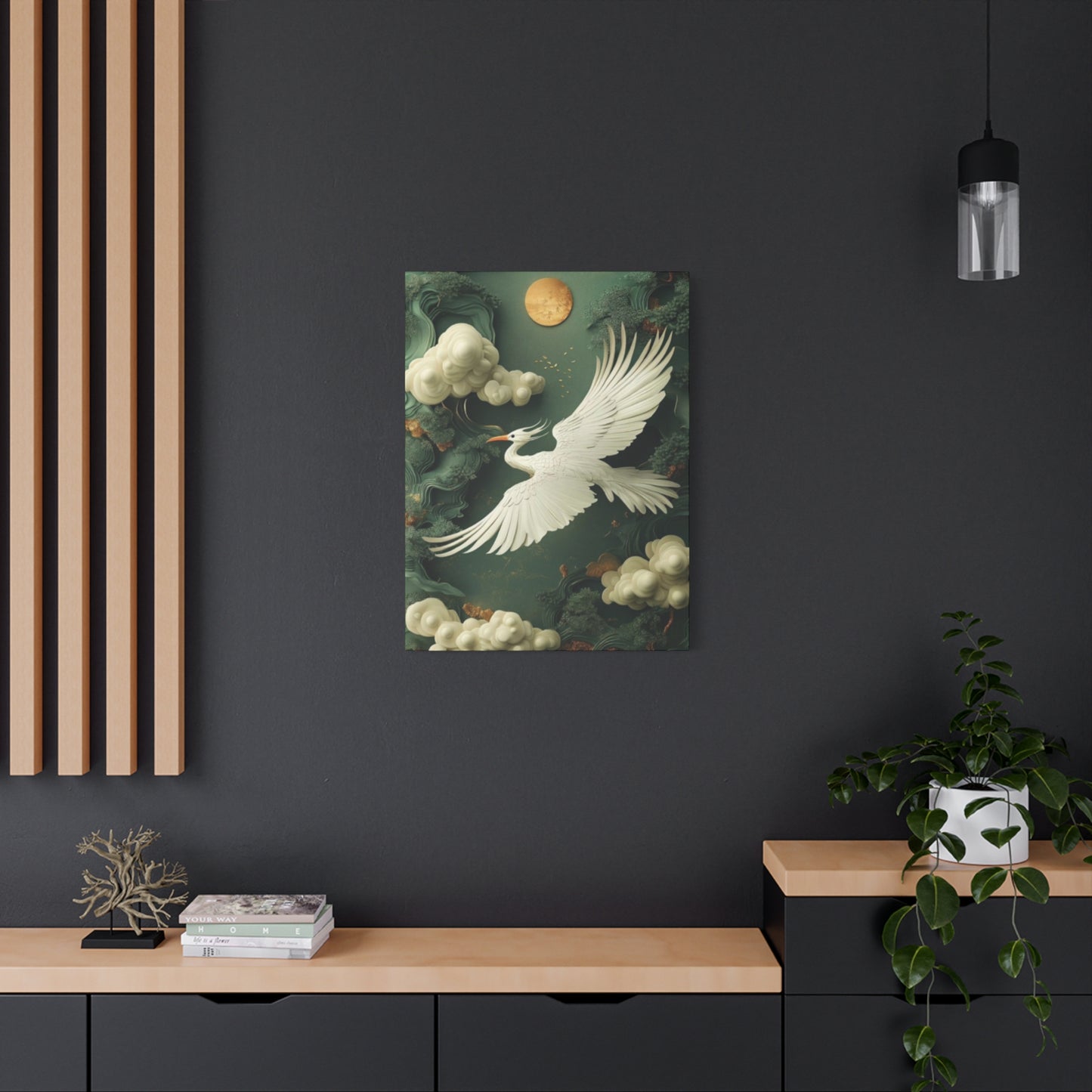
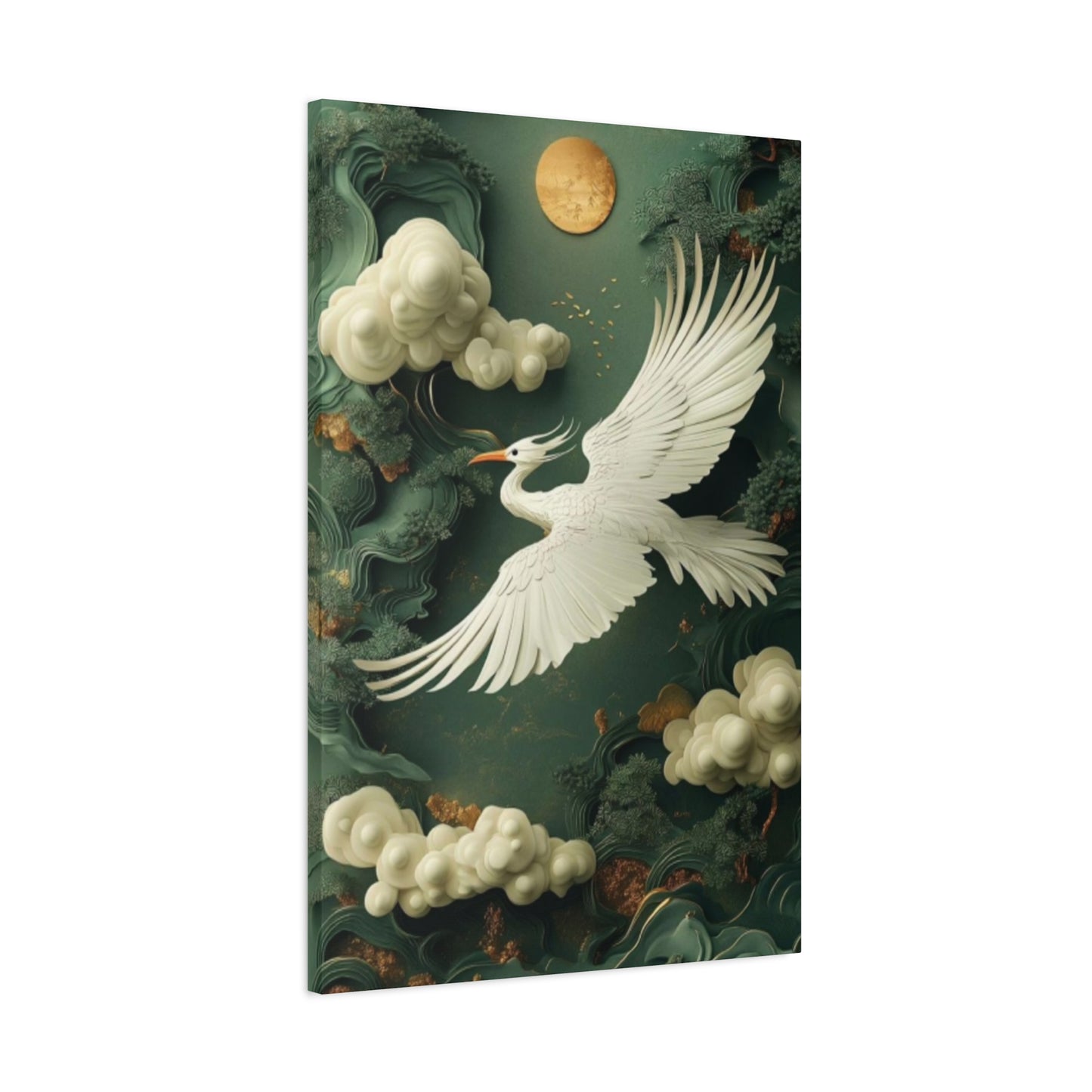
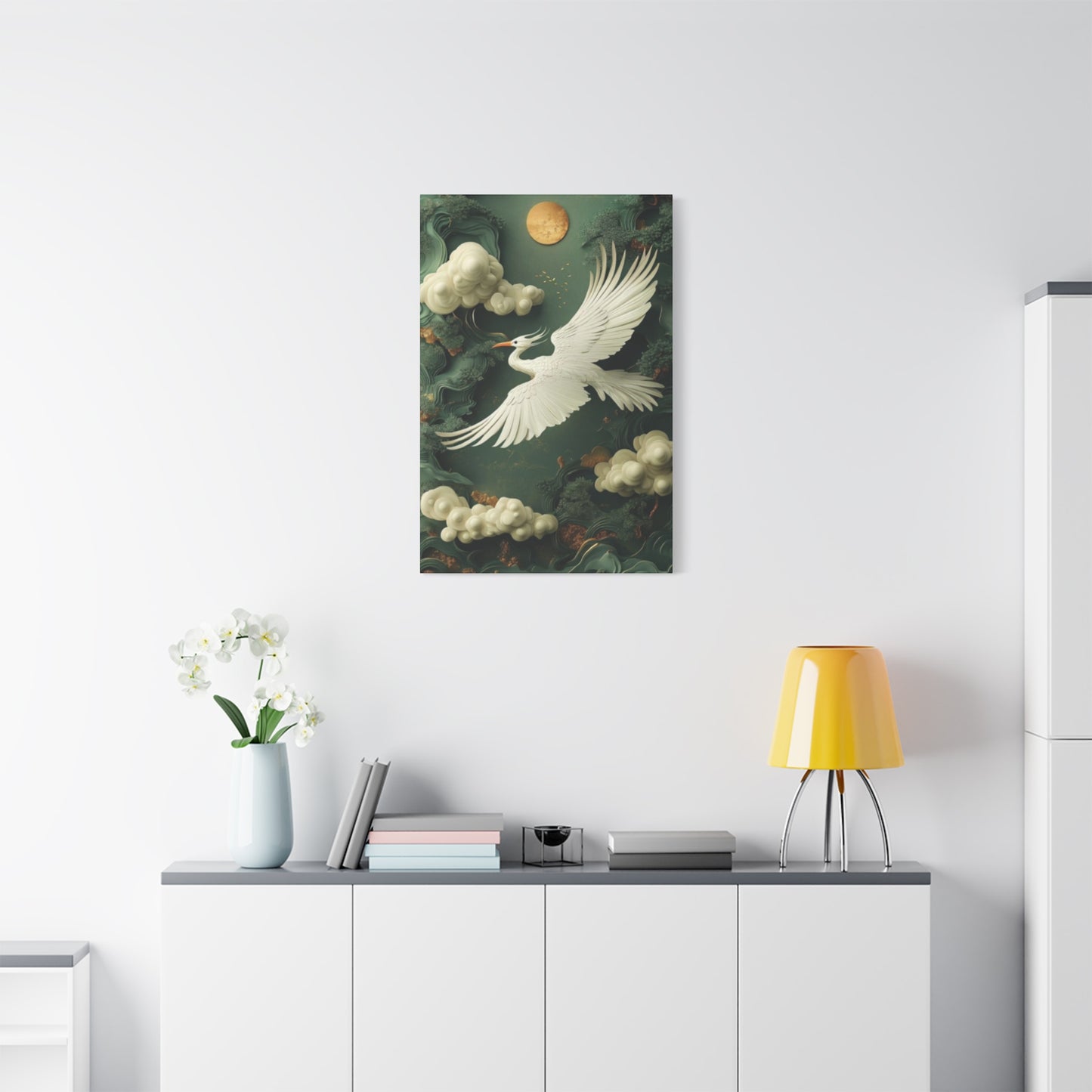
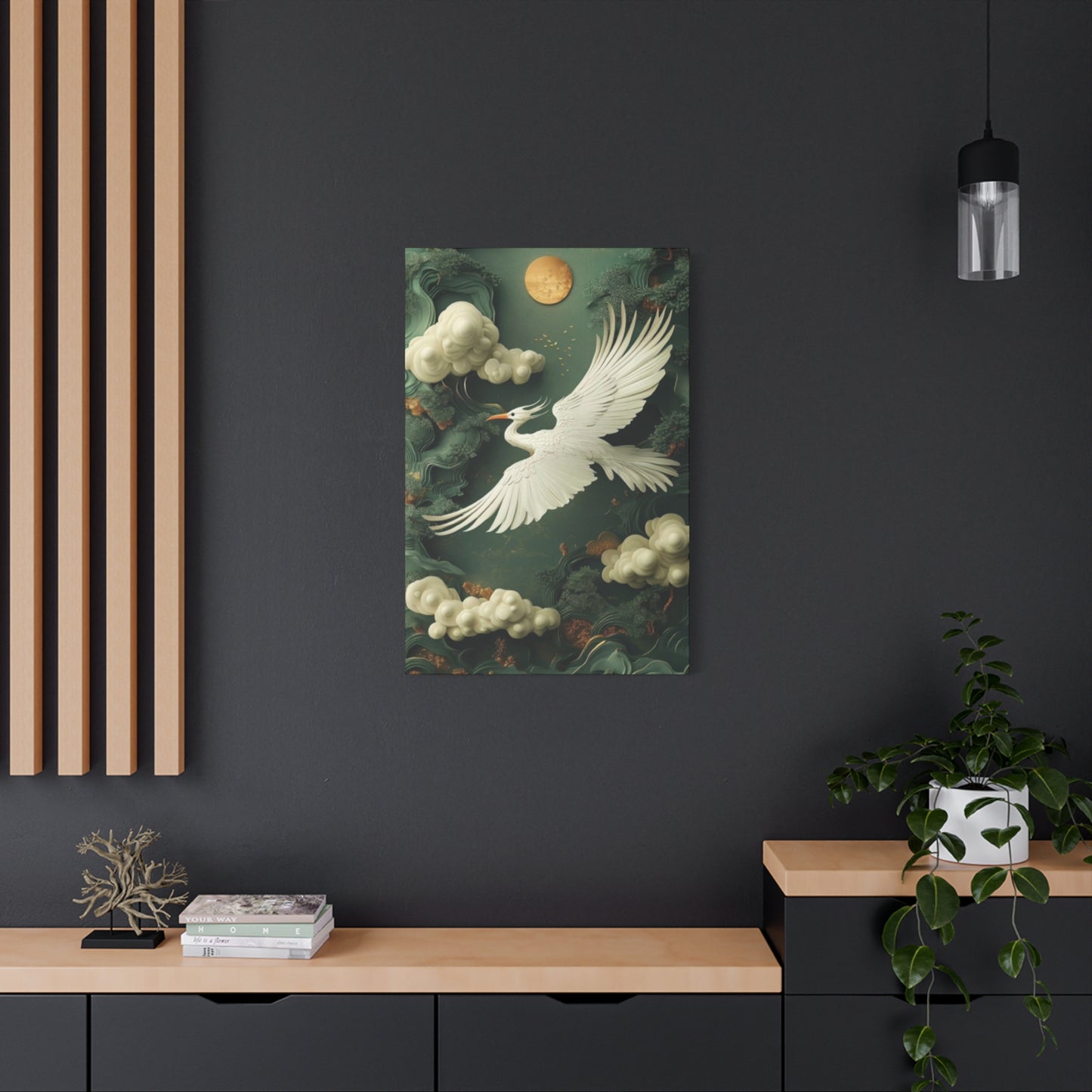
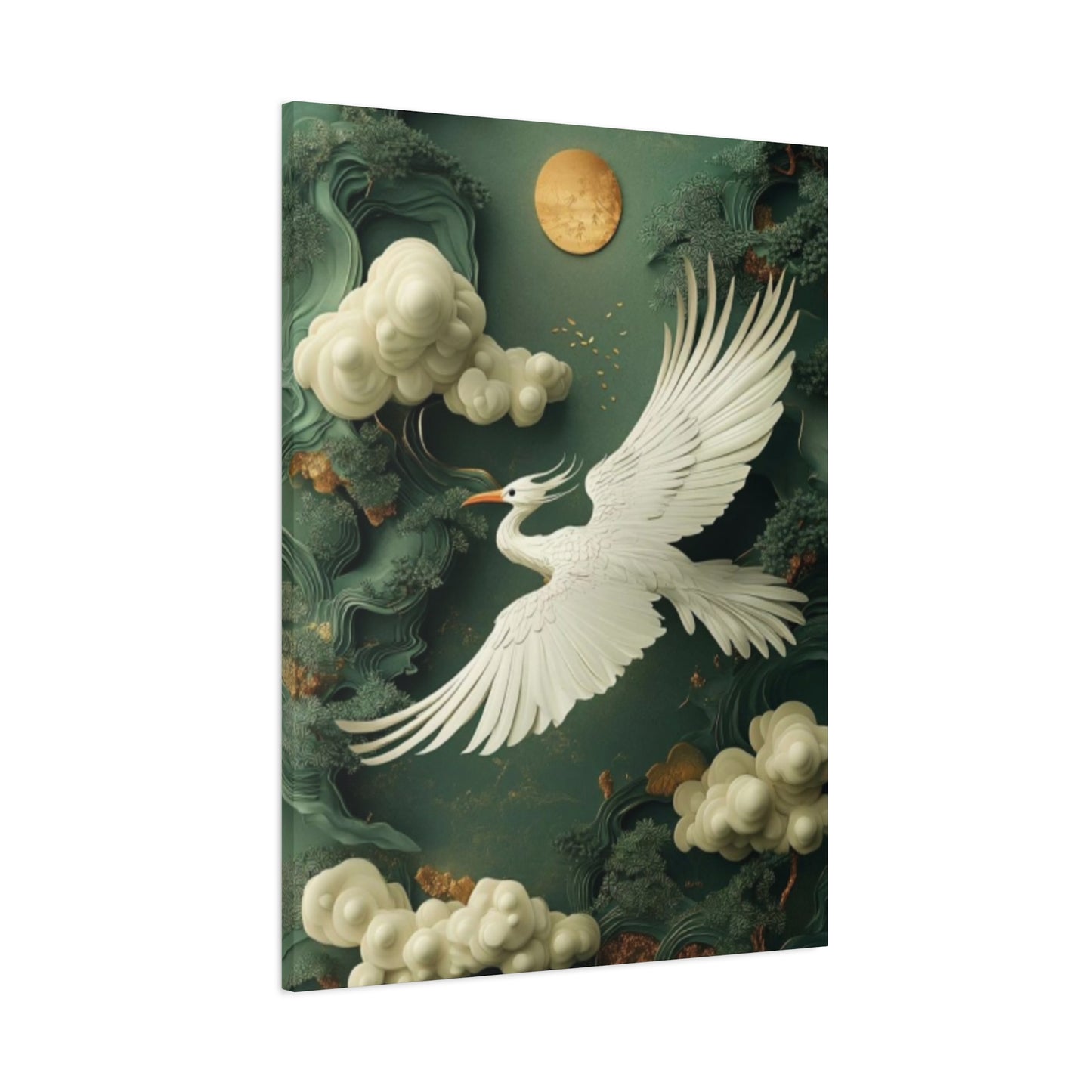
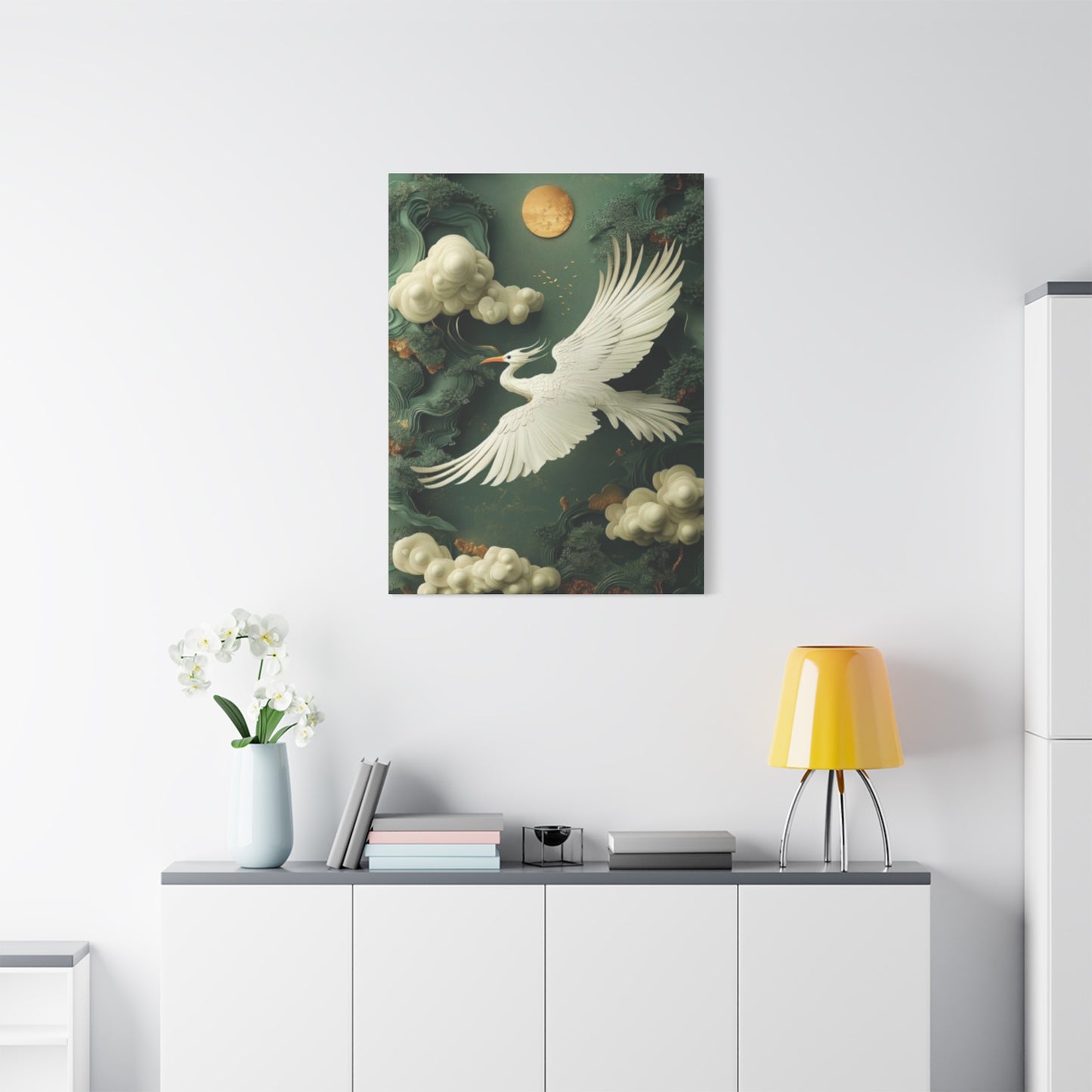
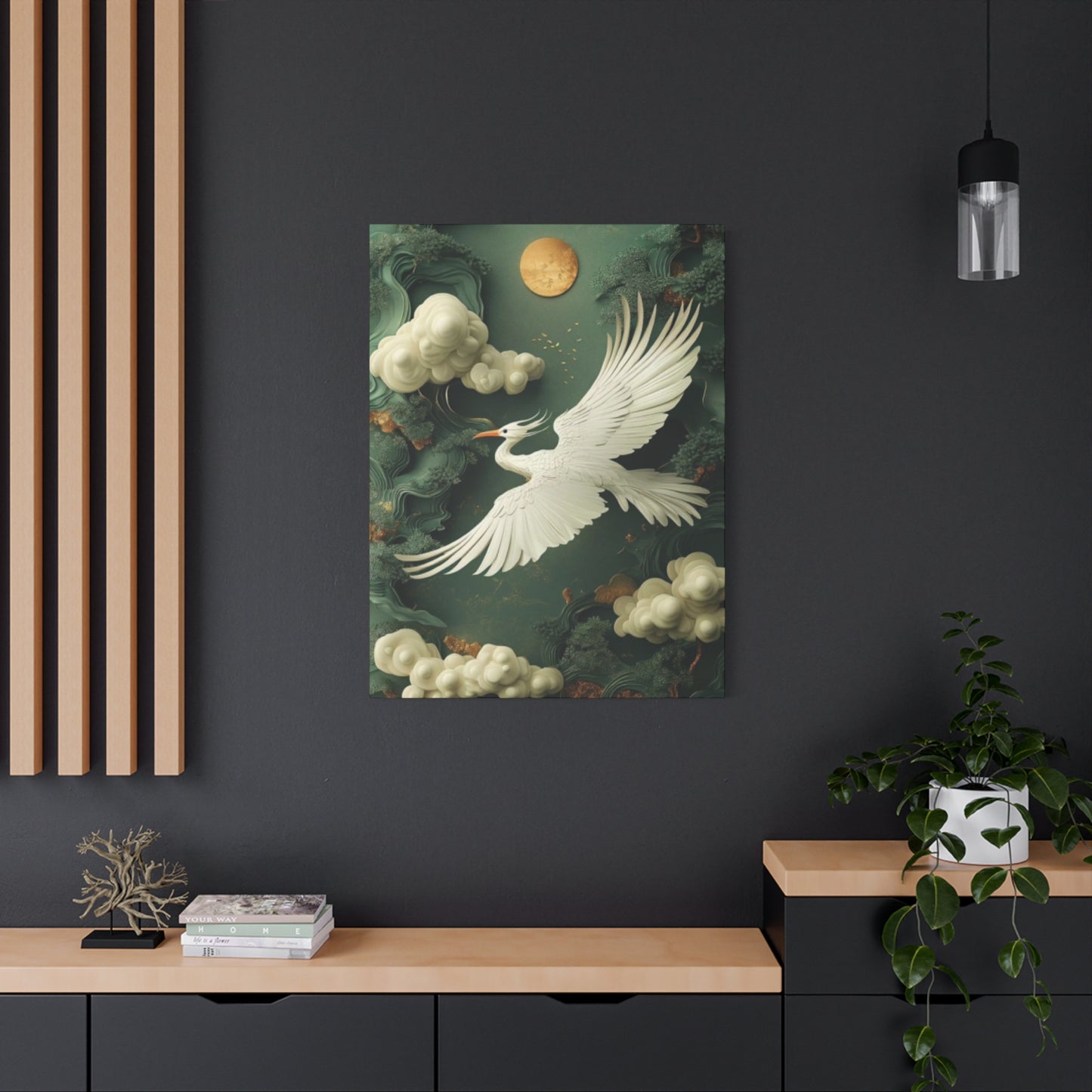
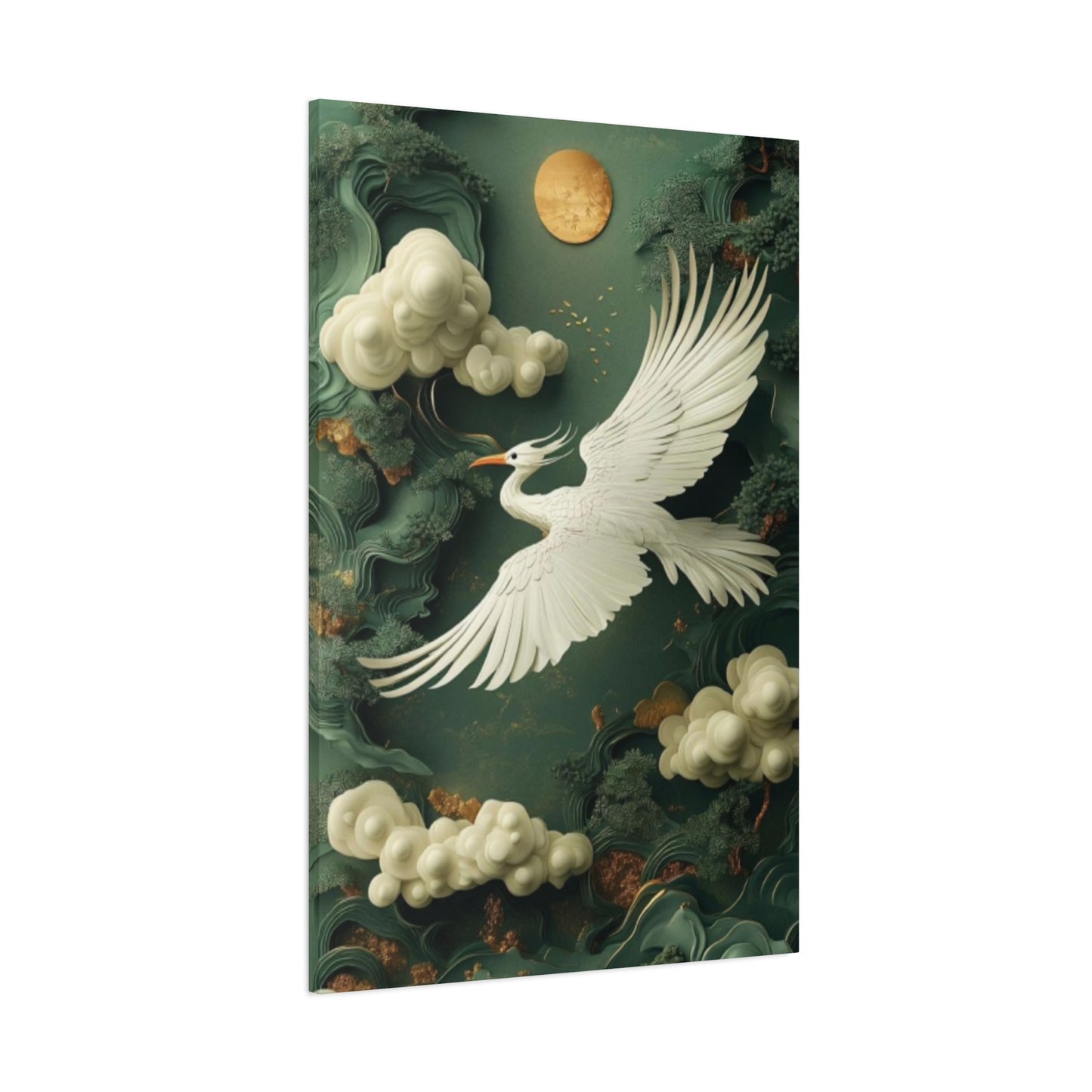
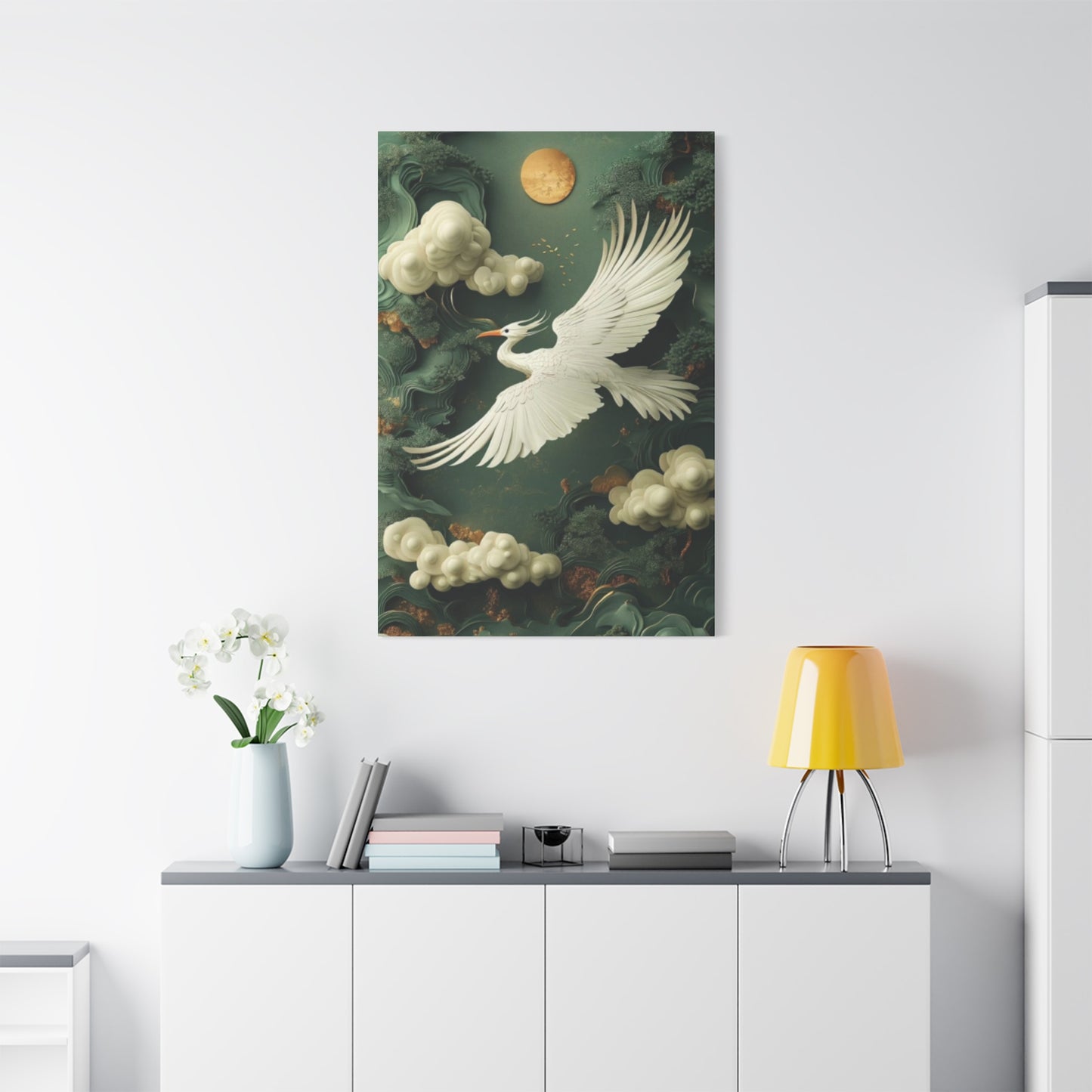
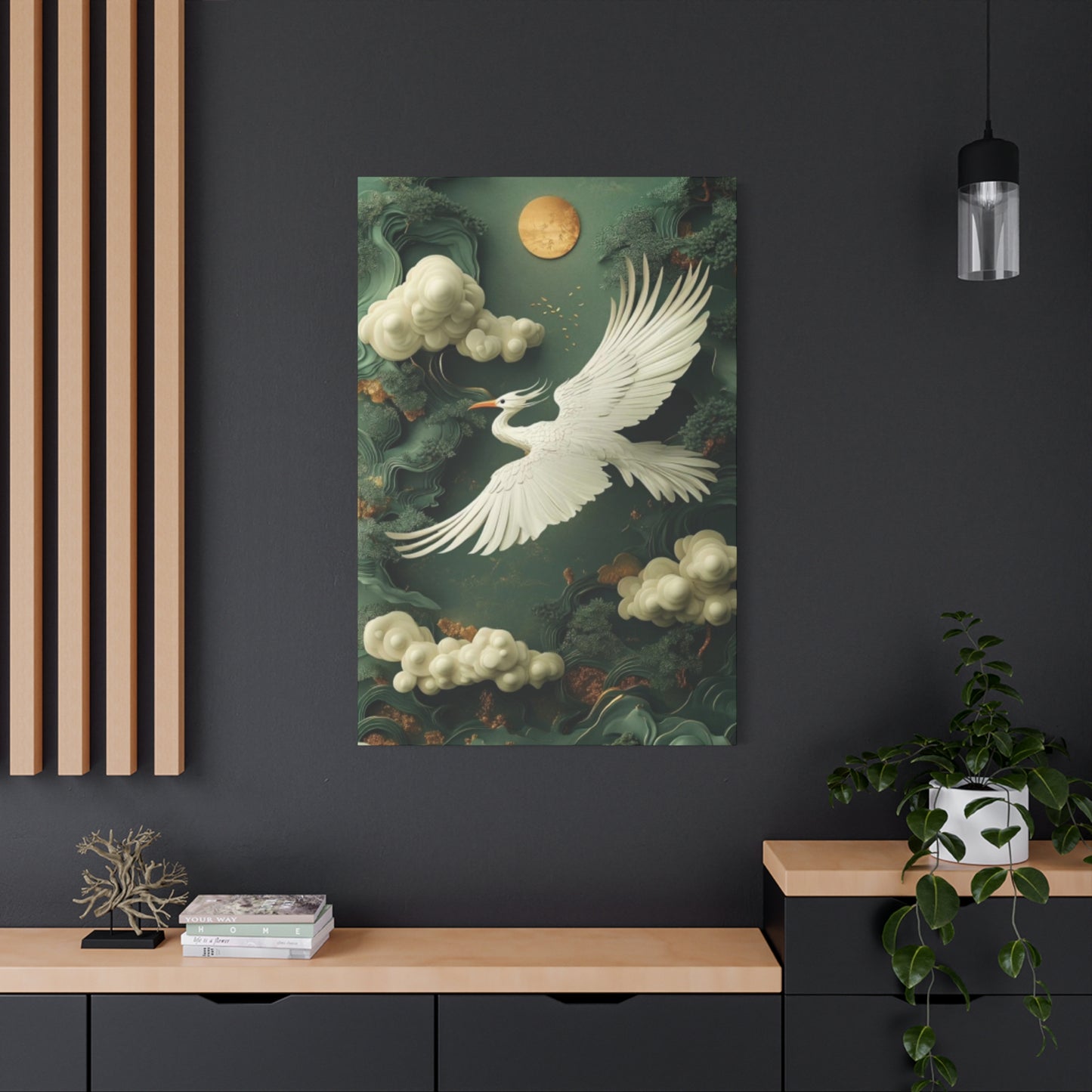
Herons & Moon Drawing Wall Art & Canvas Prints
Herons & Moon Drawing Wall Art & Canvas Prints
Couldn't load pickup availability
Celebrate the Harmony of Nature with Herons & Moon Drawing Wall Art: A Stunning Touch for Your Home Decor
The world of interior decoration has witnessed a remarkable shift towards incorporating natural elements and wildlife imagery into residential and commercial spaces. Among the most sought-after pieces in contemporary home styling, Herons & Moon Drawing Wall Art stands out as an exquisite choice that brings serenity, elegance, and a touch of wilderness into any environment. This majestic combination of graceful waterfowl and celestial beauty creates a visual narrative that resonates with those who appreciate the delicate balance between earth and sky.
Exploring the Symbolic Significance Behind Herons & Moon Drawing Wall Art in Modern Spaces
The heron, a magnificent bird known for its patience, grace, and unwavering focus, has captivated human imagination across countless cultures and centuries. When paired with the mystical allure of the moon, these elements create a powerful artistic statement that transcends mere decoration. The symbolism embedded within Herons & Moon Drawing Wall Art speaks to deeper human experiences and emotional connections with the natural world.
Herons represent patience, determination, and self-reliance in numerous cultural traditions. These birds stand motionless in shallow waters for extended periods, demonstrating remarkable focus while awaiting the perfect moment to strike. This behavior has made them symbols of strategic thinking and mindful living. When you incorporate such imagery into your living space, you invite these qualities into your daily consciousness, creating an environment that encourages contemplation and purposeful action.
The moon, humanity's eternal companion in the night sky, carries its own rich tapestry of meanings. It represents cycles, transformation, intuition, and the feminine divine. The lunar orb governs tides, influences agricultural practices, and has inspired poets, artists, and philosophers throughout human existence. When combined with heron imagery, the moon adds layers of mystery, romance, and cosmic connection to the artwork.
The juxtaposition of herons and moon in visual art creates a compelling narrative of balance between action and reflection, earthly existence and celestial wonder. This combination speaks to our innate desire to connect with both the tangible natural world and the ethereal realm beyond our immediate grasp. The artwork serves as a daily reminder of life's beautiful contradictions and the harmony that can exist between seemingly opposing forces.
In feng shui principles, water birds like herons are considered auspicious symbols that attract positive energy and opportunities. Placing such artwork in strategic locations within your home or office can enhance the flow of beneficial chi, promoting prosperity, clarity of thought, and emotional equilibrium. The moon's presence amplifies these effects, bringing calming energy and encouraging introspection.
Diverse Artistic Styles and Interpretations of Herons & Moon Drawing Wall Art
The beauty of Herons & Moon Drawing Wall Art lies in its versatility across various artistic styles and interpretations. From minimalist line drawings to elaborate mixed-media compositions, this theme adapts beautifully to diverse aesthetic preferences and interior design schemes.
Minimalist interpretations focus on clean lines, simple forms, and negative space to convey the essence of herons and the moon. These pieces often employ monochromatic palettes, typically featuring black ink on white backgrounds or vice versa. The simplicity creates a zen-like atmosphere, making them perfect for modern, uncluttered spaces. Single-line drawings, where the artist creates the entire composition without lifting the pen, demonstrate extraordinary skill while maintaining visual elegance.
Realistic renditions capture every feather detail, the moon's cratered surface, and the subtle interplay of light and shadow. These pieces require exceptional artistic skill and often showcase the heron in naturalistic poses—standing in marshland, taking flight, or hunting in shallow waters. The moon appears with photographic accuracy, displaying its phases and textural qualities. Such artwork appeals to nature enthusiasts and those who appreciate technical mastery.
Abstract interpretations take creative liberties with form, color, and composition. Artists might deconstruct the heron into geometric shapes, use unexpected color combinations, or merge the bird and moon into surreal configurations. These pieces challenge viewers' perceptions and invite multiple interpretations, making them conversation starters and focal points in contemporary spaces.
Traditional Asian brush painting styles bring centuries of artistic wisdom to Herons & Moon Drawing Wall Art. These pieces often feature herons rendered with confident, flowing brush strokes alongside a luminous moon, typically incorporating elements like reeds, lotus flowers, or mist. The negative space plays as crucial a role as the painted elements, embodying concepts of balance and harmony central to Eastern philosophy.
Watercolor interpretations offer soft, ethereal qualities that complement the subject matter beautifully. The medium's inherent fluidity mirrors the aquatic environments herons inhabit, while gentle washes can create atmospheric moonlit scenes. Color bleeds and gradients add depth and emotion, ranging from vibrant sunset palettes to subdued twilight tones.
Contemporary digital art brings new possibilities to this timeless theme. Artists can create intricate patterns, incorporate photographic elements, apply unusual textures, or blend multiple styles seamlessly. Digital pieces can be reproduced in various sizes without quality loss, making them accessible options for different wall dimensions and budget considerations.
Selecting the Perfect Herons & Moon Drawing Wall Art for Your Specific Environment
Choosing the right piece of Herons & Moon Drawing Wall Art requires careful consideration of multiple factors, including room dimensions, existing decor, lighting conditions, and personal aesthetic preferences. A thoughtful selection process ensures that your artwork enhances rather than overwhelms your space.
Room size significantly influences artwork selection. Large, open spaces can accommodate oversized pieces or multi-panel installations that make bold statements. A single massive canvas featuring a heron in flight across a full moon creates dramatic impact in spacious living rooms or hotel lobbies. Conversely, smaller rooms benefit from appropriately scaled artwork that doesn't dominate limited wall space. Compact drawings or medium-sized prints work beautifully in bedrooms, studies, or hallways.
Color coordination between your artwork and existing decor creates visual cohesion. If your space features neutral tones—grays, beiges, whites—both colorful and monochromatic Herons & Moon Drawing Wall Art can work effectively. Vibrant pieces add energizing pops of color, while black-and-white versions maintain the calm, understated atmosphere. For rooms with bold color schemes, consider artwork that either complements or strategically contrasts with dominant hues.
Lighting conditions dramatically affect how artwork appears. Natural light reveals colors accurately but changes throughout the day, creating different moods. Consider how sunlight enters your space—southern exposures receive consistent, bright light; northern exposures offer cooler, indirect illumination. Artificial lighting allows greater control; adjustable picture lights, track lighting, or strategically placed lamps can highlight artwork effectively. For Herons & Moon Drawing Wall Art, subtle backlighting can create enchanting effects, especially with pieces that have translucent elements.
The room's purpose should inform your artwork choice. Bedrooms benefit from calming compositions—perhaps a solitary heron beneath a gentle crescent moon rendered in soothing blues and grays. Living rooms, being social spaces, can accommodate more dynamic scenes—multiple herons in various poses, dramatic full moons, richer color palettes. Office spaces profit from artwork that inspires focus and clarity, such as a heron in its characteristic patient stance. Dining areas welcome pieces that stimulate conversation without distracting from meals.
Furniture placement affects artwork visibility and impact. Position your Herons & Moon Drawing Wall Art where it can be appreciated from primary sitting or standing positions. Above sofas, beds, or console tables are traditional locations, but don't overlook less conventional spots like the wall opposite a frequently used doorway, above a reading nook, or even in unexpected places like powder rooms where guests have quiet moments to appreciate details.
Frame selection complements and enhances artwork. Traditional wood frames suit classic or rustic interiors, with darker woods lending gravitas and lighter woods maintaining airiness. Metal frames work well in contemporary settings—sleek silver or gold options add sophistication, while matte black creates sharp, modern edges. For bohemian or eclectic spaces, consider ornate vintage frames or even going frameless for a casual, artistic vibe.
Creating Stunning Gallery Walls Featuring Herons & Moon Drawing Wall Art
Gallery walls have become increasingly popular as they allow for creative expression through curated collections of artwork, photographs, and decorative objects. Incorporating Herons & Moon Drawing Wall Art into a gallery wall creates a cohesive theme while offering opportunities for visual interest through varied sizes, styles, and complementary pieces.
Planning your gallery wall begins with determining the available space and overall vision. Measure the wall area carefully, marking boundaries with painter's tape to visualize the footprint. Consider the wall's relationship to room features—centering the arrangement between architectural elements or asymmetrically balancing it with furniture creates different effects.
Selecting pieces for your gallery wall should maintain thematic consistency while introducing variety. Your central piece might be a substantial Herons & Moon Drawing Wall Art that anchors the arrangement. Surrounding this focal point with complementary elements creates a cohesive narrative. Smaller heron studies, moon phase illustrations, botanical prints of wetland plants, or abstract pieces in coordinating colors all work harmoniously together.
Arrangement strategies vary from structured grids to organic clusters. Grid layouts create formal, orderly appearances with uniform spacing between frames—ideal for traditional or contemporary settings. Salon-style arrangements feature pieces of various sizes clustered more closely, creating dynamic, collected-over-time aesthetics popular in eclectic or bohemian interiors. Balanced asymmetry places larger pieces off-center, balanced by groupings of smaller works, achieving visual equilibrium without rigid symmetry.
Spacing between pieces significantly impacts overall appearance. Closer spacing (one to two inches) creates unified, cohesive looks where pieces relate closely. Wider spacing (three to four inches) allows each piece to stand independently while remaining part of the whole. Consistent spacing throughout the arrangement typically yields more polished results than varied gaps.
Color and frame coordination unifies gallery walls. Using identical frames throughout creates clean, cohesive looks, particularly effective with varied artwork styles or colors. Alternatively, mixing frame styles within a limited palette—perhaps only black, white, and natural wood—maintains harmony while introducing textural variety. For adventurous spirits, deliberately eclectic frame collections can work if united by artwork color schemes or subject matter.
Creating templates before hammering nails prevents costly mistakes. Trace each frame onto kraft paper or newspaper, cut out the shapes, and arrange them on the wall using removable tape. Step back frequently to assess balance, spacing, and overall effect. Adjust until satisfied, then mark nail positions through the paper templates before removing them.
Hanging begins from the center and works outward. Start with the largest or most important piece—often your primary Herons & Moon Drawing Wall Art—positioning it at eye level (typically 57-60 inches from floor to center). Build outward systematically, checking level frequently. Using a laser level ensures horizontal alignment across multiple pieces.
Incorporating three-dimensional elements adds depth and interest. Small floating shelves can display sculptures, plants, or decorative objects that complement your heron and moon theme. Mirrors reflect light and create spaciousness, particularly effective when placed among artwork. Shallow shadow boxes containing feathers, stones, or other natural objects extend the theme beyond two-dimensional boundaries.
Lighting enhances gallery wall impact dramatically. Picture lights mounted directly on frames highlight individual pieces. Track lighting offers flexibility, allowing adjustment as arrangements change. LED strip lights behind frames create subtle halos, particularly stunning with Herons & Moon Drawing Wall Art, echoing moonlight's glow.
The Artistic Process Behind Creating Exceptional Herons & Moon Drawing Wall Art
Understanding the creative process behind Herons & Moon Drawing Wall Art deepens appreciation for these pieces and informs purchasing decisions. Artists employ various methods, materials, and approaches to bring these captivating scenes to life.
Reference gathering forms the foundation of compelling wildlife art. Artists study herons extensively—observing them in natural habitats, photographing them from multiple angles, analyzing their anatomy, movement, and behavior. This research ensures anatomical accuracy and captures the birds' essential character. Similarly, moon studies involve understanding lunar phases, surface features, atmospheric effects, and how moonlight interacts with landscapes and creatures.
Sketching and composition development allow artists to experiment with arrangements before committing to final pieces. Multiple thumbnail sketches explore different compositional possibilities—heron positions, moon placements, environmental elements, and negative space distribution. Artists consider visual flow, focal points, balance, and emotional impact during this crucial planning phase.
Drawing techniques vary based on desired outcomes and artist preferences. Graphite pencils offer versatility from light, delicate lines to deep, velvety blacks through varied pressure and layering. Charcoal creates dramatic contrasts and atmospheric effects, though it requires fixative to prevent smudging. Ink—whether applied with technical pens, brushes, or traditional dip pens—produces crisp, permanent lines with distinctive character. Each medium demands specific skills and suits particular artistic visions.
Shading and texture bring dimensionality and realism to flat surfaces. Hatching employs parallel lines with varied spacing and density to create tonal values. Cross-hatching layers lines in different directions for deeper tones and texture. Stippling uses countless tiny dots, with density determining value—time-consuming but capable of exquisite subtlety. Blending creates smooth transitions between values, achieved through tortillons, blending stumps, or careful pencil work.
Capturing heron characteristics requires attention to distinctive features. Their long, sinuous necks curve gracefully in S-shapes when relaxed or extend fully when alert. Eyes are sharp and intelligent, typically rendered with careful highlights to convey awareness. Beaks are powerful, dagger-like tools, requiring precise proportions and angle. Plumage varies by species but generally features smooth contour feathers over the body and elaborate plumes during breeding season. Capturing feather texture without overwhelming the composition with excessive detail challenges artists.
Moon rendering presents unique considerations. The lunar surface features craters, maria (dark plains), and highlands with specific patterns familiar to viewers. Artistic license allows emphasizing or minimizing these features based on compositional needs. Rendering moonlight's quality—soft, silvery, diffused—requires understanding how this unique illumination affects subjects and environments differently than sunlight. Atmospheric effects like halos, moon dogs, or clouds passing before the moon add drama and interest.
Environmental context grounds the subjects in believable spaces. Herons inhabit wetlands, marshes, shorelines, and shallow waters. Suggesting these environments through selective details—a few reeds, rippling water, distant treelines—provides context without competing with main subjects. Reflections in water double visual interest while enhancing composition. Mist or fog adds mystery and depth, particularly effective in moonlit scenes.
Composition principles guide effective arrangements. The rule of thirds places important elements along imaginary lines dividing the composition into nine equal parts, creating more dynamic results than centering everything. Leading lines draw viewers' eyes through the composition—perhaps the heron's neck curving toward the moon or shoreline edges directing attention. Negative space provides visual rest and emphasizes subjects, particularly important in minimalist interpretations.
Color theory applies even to seemingly monochromatic pieces. Black-and-white drawings often incorporate warm or cool undertones that affect mood. Full-color works require understanding complementary colors, harmonious palettes, and symbolic color associations. Blues and purples evoke nighttime and water; silvers and whites capture moonlight; occasional warm accents create striking contrasts.
Final details make pieces exceptional. Artists carefully preserve pristine whites or add final highlights that make eyes sparkle, feathers catch light, or water shimmer. Signatures placed discreetly complete the work without distracting. For traditional media, fixative application protects delicate surfaces from smudging while maintaining color integrity.
Framing and Presentation Methods for Herons & Moon Drawing Wall Art
Proper framing and presentation protect artwork while enhancing its visual impact and ensuring it harmonizes with surrounding decor. The choices you make regarding frames, mats, and glazing significantly affect how your Herons & Moon Drawing Wall Art appears and endures.
Frame materials offer distinct aesthetic and practical qualities. Wood frames provide warmth, versatility, and traditional appeal. Options range from simple, unfinished pieces perfect for casual spaces to ornately carved, gilded frames suited to formal environments. Wood accepts stains and paints, allowing customization. Metal frames deliver contemporary, streamlined appearances with clean lines and minimal visual weight. Aluminum and steel options provide durability and modern sophistication. Composite frames combine materials' benefits—perhaps wood appearance with lighter weight and lower cost.
Frame profiles—the shape of the frame's cross-section—dramatically impact presentation. Wide frames (two to four inches) make strong statements and work well with substantial artwork or when filling large wall spaces. They add weight and importance to pieces. Narrow frames (half-inch to one inch) create sleek, unobtrusive borders that let artwork dominate. Medium profiles offer versatility across various settings and artwork sizes.
Frame colors and finishes should complement both artwork and room decor. Natural wood tones bring warmth and work well in traditional, rustic, or transitional spaces. Dark frames—black, espresso, walnut—create sophisticated, gallery-like presentations and make colors pop through contrast. Light frames—white, cream, natural maple—maintain airy feelings and suit coastal, Scandinavian, or minimalist aesthetics. Metallic finishes—gold, silver, bronze—add glamour and work in both traditional and contemporary settings depending on their style and patina.
Matting serves multiple purposes beyond pure aesthetics. It creates visual breathing room between artwork and frame, preventing cramped appearances. It protects artwork from touching glazing, which could cause condensation damage or sticking. And it provides design opportunities through color and proportion choices. Standard white or off-white mats offer clean, neutral borders suitable for virtually any artwork. Colored mats can either match artwork elements for harmony or provide complementary contrasts. Multiple mats—with a thin inner mat in a contrasting color—add sophistication and visual depth.
Mat proportions affect presentation significantly. Wider mats (three to four inches) create formal, gallery-quality appearances and work well with smaller artwork, preventing it from appearing lost on large walls. Standard mats (two to three inches) suit most situations with balanced, attractive proportions. Some framers use slightly wider bottom margins than sides and top, a traditional technique that optically centers artwork by compensating for how eyes perceive weight distribution.
Glazing options protect artwork while affecting appearance. Regular glass provides basic protection from dust and minor impacts. Non-glare glass reduces reflections through etched surfaces but can slightly diffuse image sharpness. UV-filtering glass blocks harmful ultraviolet rays that cause fading, essential for valuable pieces or sun-exposed locations. Museum glass combines UV protection with anti-reflective coatings for crystal-clear viewing from any angle—premium pricing reflects superior performance. Acrylic alternatives offer lighter weight and shatter resistance, beneficial for large pieces, children's rooms, or earthquake-prone areas, though they scratch more easily than glass.
Mounting methods secure artwork within frames. Hinging uses acid-free tape to attach artwork to backing boards, allowing easy removal if needed. Corner mounts slip artwork into acid-free corners, providing secure yet completely removable placement. For valuable original Herons & Moon Drawing Wall Art, conservation mounting techniques using reversible, archival materials ensure long-term preservation without permanent alterations.
Backing materials matter for artwork longevity. Acid-free foam core provides rigid support while preventing chemical damage that standard cardboard causes over time. Conservation backing boards offer museum-quality protection. Proper backing also includes dust covers—paper sealed to frame backs—for finished, professional appearances and additional protection.
Hardware selection ensures secure hanging. Wire attached to D-rings or eye screws on frame sides offers flexibility in positioning. Sawtooth hangers work for lighter frames but provide less adjustment. French cleats deliver exceptional support for heavy pieces, distributing weight across wall studs. Always match hardware strength to frame weight plus a safety margin.
Alternative presentation methods suit different preferences and budgets. Canvas wraps stretch printed artwork around wooden frames without glazing or traditional frames, creating contemporary, three-dimensional appearances. Float mounting suspends artwork within a frame, creating shadows and dimension particularly effective with minimalist Herons & Moon Drawing Wall Art. Standoff mounting uses decorative hardware to hold artwork away from walls, casting subtle shadows for modern, architectural presentations.
Ideal Room Placements for Herons & Moon Drawing Wall Art Throughout Your Home
Strategic placement of Herons & Moon Drawing Wall Art maximizes its impact while creating harmonious flow throughout your living spaces. Different rooms offer unique opportunities and considerations for displaying these captivating pieces.
Living rooms serve as primary gathering spaces where artwork receives maximum visibility and appreciation. Above sofas represents the most common placement—the artwork should span roughly two-thirds to three-quarters of the furniture's width for proper proportion. Center the piece approximately eight to ten inches above the sofa back, maintaining visual connection without excessive gap. For sectional sofas, consider larger pieces or diptychs/triptychs that span the primary section. Opposite seating arrangements, place artwork where it becomes a focal point naturally drawing attention. Above fireplaces offers traditional placement, though ensure proper height above the mantel—artwork bottom should sit four to twelve inches above, depending on mantel depth and artwork size.
Bedrooms benefit from calming artwork that promotes relaxation and peaceful sleep. Above bed headboards provides obvious placement, following similar proportion guidelines as sofas—cover roughly two-thirds of headboard width, position six to twelve inches above depending on headboard height. Ensure you can appreciate the artwork while lying in bed without craning your neck uncomfortably. Opposite the bed allows viewing from sleeping positions and when entering the room. For Herons & Moon Drawing Wall Art specifically, the tranquil, contemplative nature makes it particularly suited to bedroom environments where its symbolic meanings of patience and natural rhythms can influence subconscious rest states.
Dining rooms welcome artwork that stimulates pleasant conversation without overwhelming meal experiences. Above sideboards or buffets provides traditional placement following furniture-proportional guidelines. Ensure lighting allows clear viewing without creating harsh glares during meals. For formal dining, consider sophisticated, refined pieces; casual dining areas accept more whimsical or colorful interpretations. The symbolic richness of herons and moon imagery provides excellent conversation starters during dinner parties.
Home offices require artwork that inspires productivity while reducing stress. Position pieces within comfortable viewing range from your desk—looking up from work should offer easy visual access to the artwork without significant head movement or strain. The heron's symbolic associations with patience, focus, and strategic action make Herons & Moon Drawing Wall Art particularly appropriate for work environments. Place it where you can glance at it during thinking breaks, allowing its calming influence to reduce stress and refocus attention.
Entryways and foyers create first impressions for guests while setting tones for entire homes. These spaces typically accommodate smaller wall sections but receive high visibility. Impactful pieces that reflect your aesthetic and values work excellently here. Herons & Moon Drawing Wall Art announces your appreciation for nature, artistry, and meaningful symbolism from the moment visitors enter. Ensure adequate lighting in these often-darker spaces—consider picture lights or strategically placed lamps.
Hallways represent underutilized gallery opportunities. Long corridor walls accommodate multiple pieces or substantial single works. Gallery wall arrangements work particularly well here, allowing collected displays that might overwhelm smaller rooms. Lighting becomes crucial in hallways, which often lack natural light—track lighting, sconces, or picture lights ensure artwork receives proper illumination.
Bathrooms, particularly powder rooms and master baths, benefit from artwork that enhances their spa-like or personal sanctuary qualities. Moisture resistance becomes essential—ensure proper framing with sealed backs and consider areas away from direct shower spray. The heron's association with water makes it thematically appropriate for bathrooms. Smaller pieces suit most bathroom scales, though spacious master baths can accommodate larger works.
Stairwells present unique challenges and opportunities. Angled walls require careful planning for straight hanging despite sloped ceilings. Gallery walls following staircase angles create dynamic, collected appearances. Alternatively, single large pieces on landing walls make strong statements. Ensure artwork centers at consistent eye level despite changing elevations—typically maintain center points around 60 inches from stair treads.
Libraries, reading nooks, and study areas pair beautifully with contemplative artwork. The heron's patient, observant nature complements quiet reading and study. Position artwork where it provides visual rest breaks from focused work without creating distractions. These spaces often feature excellent natural light from windows—consider this when selecting artwork and placement to avoid damaging direct sunlight while maximizing gentle illumination.
Caring for and Preserving Your Herons & Moon Drawing Wall Art
Proper care ensures your artwork remains beautiful and valuable for decades or generations. Understanding threats to artwork longevity and implementing protective measures prevents deterioration and maintains your investment.
Environmental control represents the most crucial factor in artwork preservation. Temperature stability prevents expansion and contraction that can damage papers, crack media, and loosen adhesives. Ideal ranges fall between 65-75 degrees Fahrenheit with minimal fluctuation. Humidity control prevents mold growth (too high) and brittleness (too low)—aim for 40-50% relative humidity. Dehumidifiers, humidifiers, or HVAC systems with humidity control maintain appropriate levels. Avoid hanging artwork on exterior walls in climates with extreme temperatures, as these walls experience greater temperature swings.
Light exposure causes irreversible fading, yellowing, and brittleness. Ultraviolet rays prove most damaging—both sunlight and fluorescent lighting emit significant UV radiation. Never hang valuable artwork where direct sunlight strikes it. UV-filtering glazing provides excellent protection. Window films or UV-filtering curtains protect entire rooms. Limit exposure to bright light—dim lighting preserves artwork better than brilliant illumination, though proper viewing requires adequate light. Consider rotating displayed pieces periodically, giving them "rest" periods in storage.
Dust accumulation attracts moisture and pests while dulling appearance. Glazed artwork requires minimal cleaning—gentle dusting with soft, clean cloths or static-dusting tools removes surface dust. Never spray cleaning products directly on frames or glazing; instead, lightly dampen cloths if needed for stubborn spots on glass or acrylic. Avoid touching the glazing frequently as skin oils leave residues. For unglazed or unframed pieces, professional cleaning is advisable rather than risking damage with amateur efforts.
Pest prevention protects against devastating damage. Common culprits include insects attracted to natural materials and rodents seeking nesting materials. Climate control helps—most pests prefer warmth and humidity. Regular inspection identifies problems early. If you notice damage, immediately isolate affected pieces and consult conservation professionals. Preventive measures include keeping storage and display areas clean, avoiding food and plants near artwork, and sealing potential entry points.
Handling artwork requires care and proper technique. Always wash and thoroughly dry hands before touching artwork—oils, dirt, and moisture cause permanent damage. Handle framed pieces by frames only, never touching artwork surfaces or glazing. Support pieces from below rather than gripping edges alone, preventing stress. When moving, carry artwork upright rather than horizontally to prevent flexing. Use both hands for anything larger than a notebook.
Storage of extra artwork or pieces being rotated demands proper conditions. Store artwork vertically rather than stacking horizontally, which can cause crushing or adhering. Separate pieces with acid-free tissue or glassine. Avoid attics (too hot) and basements (too humid and prone to flooding). Climate-controlled interior spaces work best. Original packaging often provides adequate protection if kept dry. For valuable pieces, archival storage boxes and materials are worthwhile investments.
Professional conservation becomes necessary when damage occurs or preventive treatments are desired. Conservators possess specialized training and materials unavailable to amateurs. Seek their expertise for valuable pieces, visible damage, or before attempting any repairs yourself. Many problems worsen dramatically with improper treatment. Professional framing using archival materials represents conservation-level treatment for newly acquired artwork.
Insurance considerations protect against loss, theft, or damage. Homeowner's or renter's insurance typically covers artwork, but valuable pieces may require additional riders or specialized art insurance for full coverage. Document your collection with photographs, receipts, appraisals, and descriptions. Store this documentation separately from the artwork—digital copies in cloud storage provide accessible, secure backup.
Monitoring involves regular examination for emerging problems. Inspect artwork quarterly for fading, discoloration, warping, pest damage, or glazing condensation. Address problems promptly—early intervention prevents minor issues from becoming major damage. Notice changes in your environment—new HVAC systems, windows, or room purposes may require adjusting artwork locations or protective measures.
Complementary Decor Elements That Enhance Herons & Moon Drawing Wall Art
Creating cohesive, well-designed spaces requires considering how various elements interact with and support your artwork. Thoughtful selection of complementary decor enhances your Herons & Moon Drawing Wall Art while maintaining overall aesthetic harmony.
Color palette coordination creates visual unity throughout spaces. Draw colors from your artwork to inform broader decor choices. If your piece features blue-gray herons against silvery moonlight, incorporate these cool tones through throw pillows, curtains, or accent furniture. Alternatively, use complementary warm tones—soft golds, warm browns, or muted corals—to create balanced contrast. Neutral backgrounds allow artwork to shine while accepting accent colors drawn from pieces.
Furniture selection significantly impacts how artwork appears. For traditional Herons & Moon Drawing Wall Art with detailed, realistic rendering, classic furniture styles with clean lines and quality construction create appropriate contexts. Contemporary abstract interpretations pair beautifully with modern furniture featuring innovative materials and sculptural forms. Mixed aesthetics work when unified through consistent color palettes, materials, or scale.
Textile choices introduce texture, pattern, and color supporting artwork themes. Natural fiber fabrics—linen, cotton, wool—echo the organic nature of wildlife art. Subtle patterns suggesting water ripples, feather textures, or celestial motifs extend artwork themes without literal repetition. Solid fabrics in artwork colors provide cohesion. Avoid overwhelming patterns that compete with artwork for attention.
Lighting fixtures serve functional purposes while contributing aesthetically. For Herons & Moon Drawing Wall Art, consider fixtures echoing artwork themes—perhaps sculptural table lamps with organic forms, pendant lights with lunar sphere designs, or floor lamps with slender silhouettes reminiscent of heron profiles. Warm white bulbs (2700-3000K) create cozy atmospheres complementing most artwork. Cooler bulbs (3500-4100K) suit contemporary spaces and enhance pieces with cool color palettes.
Decorative objects personalize spaces and extend artwork narratives. Books about birds, wetlands, or astronomy displayed on coffee tables or shelves deepen thematic connections. Sculptural objects with organic forms—driftwood pieces, natural stone, or ceramic vessels—introduce three-dimensional elements relating to artwork subjects. Avoid overcrowding; curated selections maintain sophistication while supporting themes.
Plants bring living natural elements that harmonize beautifully with nature-inspired artwork. Tall, architectural plants like snake plants or birds of paradise echo heron verticality. Trailing plants soften hard edges and add movement. Aquatic or marsh-loving plants like papyrus or lucky bamboo create thematic connections. Even artificial plants add greenery without maintenance demands in low-light spaces. Ensure plants don't block artwork views or introduce excess humidity near valuable pieces.
Mirrors expand space and reflect light while creating interesting visual relationships with artwork. Positioning mirrors to reflect Herons & Moon Drawing Wall Art creates intriguing doubled images and adds dimension. Ensure mirrors don't create glare on glazed artwork. Mirrors in complementary frames maintain stylistic consistency.
Window treatments affect both natural light entering spaces and overall aesthetic. Sheer curtains filter harsh sunlight while maintaining brightness—beneficial for protecting artwork while keeping rooms airy. Heavier drapes in colors coordinating with artwork add drama and provide light control. Woven wood shades introduce natural texture supporting organic artwork themes. Ensure treatments can fully close to protect artwork during peak sunlight hours.
Flooring and rugs ground spaces and influence overall color schemes. Hardwood floors in natural tones create warm, timeless backdrops for varied furniture and artwork styles. Area rugs define conversation areas while introducing pattern, texture, and color. For spaces featuring Herons & Moon Drawing Wall Art, consider rugs in blues, grays, or natural tones—perhaps with subtle wave or organic patterns—that support without overwhelming.
Architectural elements shape how spaces feel and how artwork is perceived. Built-in shelving flanking artwork creates balanced, intentional arrangements. Exposed beams add rustic charm that can complement traditional wildlife art. Clean, modern architectural details support contemporary interpretations. Work with existing architectural features rather than fighting them—if you have traditional moldings, they'll likely clash with ultra-modern artwork and decor.
Scent elements, though often overlooked, contribute to ambiance. Subtle natural scents—sandalwood, cedar, or aquatic fragrances—create multi-sensory experiences supporting your artwork's themes. Avoid overwhelming artificial fragrances that detract from peaceful atmospheres. Reed diffusers or essential oil diffusers provide gentle, continuous scent without flame risks.
Commissioning Custom Herons & Moon Drawing Wall Art for Personalized Spaces
While ready-made artwork offers convenience and affordability, commissioning custom pieces provides opportunities for perfectly personalized creations tailored to your specific vision, space, and preferences. Understanding the commission process ensures successful collaborations with artists.
Finding the right artist represents the crucial first step. Research artists whose existing work demonstrates styles, skill levels, and subject matter expertise aligning with your vision. Online platforms, local art galleries, art fairs, and recommendations provide discovery avenues. Examine portfolios carefully—do they have experience rendering birds? Is their approach to composition and mood compatible with what you envision? Read reviews or testimonials when available.
Initial contact establishes relationship foundations. Clearly communicate your vision while remaining open to artistic input. Describe desired size, colors, specific elements you want included, mood or feeling you're seeking, and any practical considerations like existing decor that artwork must complement. Share inspiration images, though emphasize you want original work, not copies. Ask about their process, timeline, and pricing structure.
Pricing custom artwork reflects multiple factors including artist experience and reputation, piece size and complexity, materials used, time investment required, and whether you receive original artwork or commissioned reproductions. Established artists command higher prices reflecting their expertise and demand. Larger pieces require more materials, time, and skill, justifying higher costs. Intricate details, multiple subjects, or unusual techniques increase complexity and therefore price. Original one-of-a-kind drawings typically cost significantly more than reproduction rights for digitally created work that can be printed multiple times.
Written agreements protect both parties by clarifying expectations. Contracts should specify final artwork dimensions and orientation, subjects and elements to be included, artistic style or approach, materials to be used, color palette or specific colors, completion timeline with milestones, total cost and payment schedule, revision policies and limits, ownership and reproduction rights, delivery or shipping arrangements, and satisfaction guarantees or dispute resolution processes.
The creation process typically follows stages allowing input and adjustments. Initial sketches or concepts let you verify the composition and basic approach align with your vision. This stage allows relatively easy changes before substantial work occurs. Refinement incorporates your feedback, adjusting composition, specific details, or elements. Some artists provide updated sketches; others proceed directly to final rendering. Creation of the final piece represents the most time-intensive phase where the artist executes the approved concept. Periodic progress photos may be available but avoid excessive demands that interrupt creative flow.
Communication throughout the project maintains alignment while respecting creative process. Provide clear, specific feedback rather than vague responses. If something doesn't feel right, articulate why and what might improve it. Remember artists are professionals with expertise—trust their judgment while ensuring your needs are met. Balance appropriate oversight with allowing artistic freedom that produces superior results.
Revisions inevitably occur in custom work. Most contracts include one or two revision rounds at specific stages. Understand what constitutes a revision—minor tweaks versus major compositional changes—as significant alterations may incur additional fees. Request all desired changes together rather than piecemeal to avoid frustration and extra charges. Recognize that some things appear different in concept versus final execution; evaluate artwork as a whole before requesting changes.
Payment structures vary but commonly include deposits, milestone payments, and final payments. Deposits (typically twenty-five to fifty percent) secure artist time and cover initial material costs. They're usually non-refundable as they compensate for turning away other work. Milestone payments for lengthy projects provide artists ongoing compensation. Final payment upon satisfactory completion releases artwork to you.
Conclusion
Captivating Herons & Moon Drawing Wall Art offers a striking fusion of nature-inspired design and serene beauty, elevating your living spaces with its timeless charm and symbolism. The heron, a symbol of grace, patience, and balance, paired with the ethereal, calming presence of the moon, creates a breathtaking visual combination that resonates with both natural beauty and deeper meaning. This art style, with its delicate lines and intricate details, invites a sense of tranquility and reflection into any room, making it the perfect addition to your home’s décor.
The moon, often associated with calm, mystery, and transformation, enhances the heron’s symbolism, creating an atmosphere of peaceful solitude and spiritual connection. In many cultures, the moon represents cycles, wisdom, and enlightenment. When paired with the heron—an animal often seen as a symbol of patience, balance, and adaptability—the artwork becomes a visual narrative of inner peace, the natural world, and the quiet elegance that can be found in the simple moments of life. Whether it’s a heron gliding over a moonlit pond or perched under the glow of the full moon, these drawings offer a meditative and harmonious aesthetic that draws the eye and soothes the spirit.
The captivating combination of herons and the moon in wall art is also highly versatile, making it suitable for a wide range of interior styles. The fine details and fluid lines of the heron, often rendered in pencil, charcoal, or ink, allow for both detailed realism and minimalist abstraction, ensuring that there’s a piece to suit every taste. If your style leans toward classic, detailed art, a beautifully shaded heron under a full moon can bring a sense of timelessness to a traditional or contemporary living room. For a more modern or minimalist aesthetic, a simple line drawing of a heron silhouetted against the moon’s glow can bring a contemporary flair to your home office, bedroom, or hallway.
The combination of these two elements—heron and moon—creates a focal point that transcends simple decoration. The peaceful imagery encourages reflection, evoking feelings of calm and introspection. It’s perfect for spaces where you seek to foster relaxation, whether it’s a bedroom meant for rest, a reading nook for contemplation, or a living room where family and friends gather. The visual harmony between the heron and the moon creates a soothing ambiance, inviting a moment of pause in a busy world.
Herons and moon-themed art also pair beautifully with other elements of nature-inspired décor. Imagine hanging this art in a space filled with natural textures such as wood, stone, and woven textiles. The soft, glowing presence of the moon and the serene silhouette of the heron complement the organic feel of natural materials, creating an atmosphere of quiet sophistication and balance. This synergy between art and décor allows for a cohesive and calming environment that is both elegant and grounded.
Moreover, this nature-inspired wall art can be a conversation starter, sparking interest not only for its beauty but also for its symbolism. The combination of the heron and the moon speaks to universal themes of wisdom, peace, and balance, making it an ideal piece for those who value both aesthetic appeal and deeper meaning. Guests will be drawn to the quiet majesty of the heron and the soft allure of the moon, making it a piece that transcends mere decoration and connects with viewers on an emotional and spiritual level.
For those who appreciate personalized or custom art, a heron and moon drawing can be tailored to reflect specific landscapes or elements that hold personal significance. Imagine a heron and moon scene created around a place you love or a memory you cherish—a serene beach or a quiet riverbank illuminated by the moonlight. These personalized touches add an even deeper layer of meaning to the artwork, creating a connection to your personal story and enhancing the overall sense of calm and warmth that the art brings to your space.
In conclusion, Captivating Herons & Moon Drawing Wall Art is more than just a decorative element—it’s a window into a peaceful, harmonious world, bringing together nature’s elegance and cosmic beauty. This art style provides a perfect balance of symbolism, serenity, and visual allure, making it an ideal choice for any living space. Whether you prefer a traditional, detailed depiction or a modern, minimalist rendering, heron and moon art transforms your home into a sanctuary of calm, introspection, and natural beauty. With its timeless appeal and deep symbolism, this artwork is sure to elevate your décor and inspire tranquility every time you gaze upon it.
Share