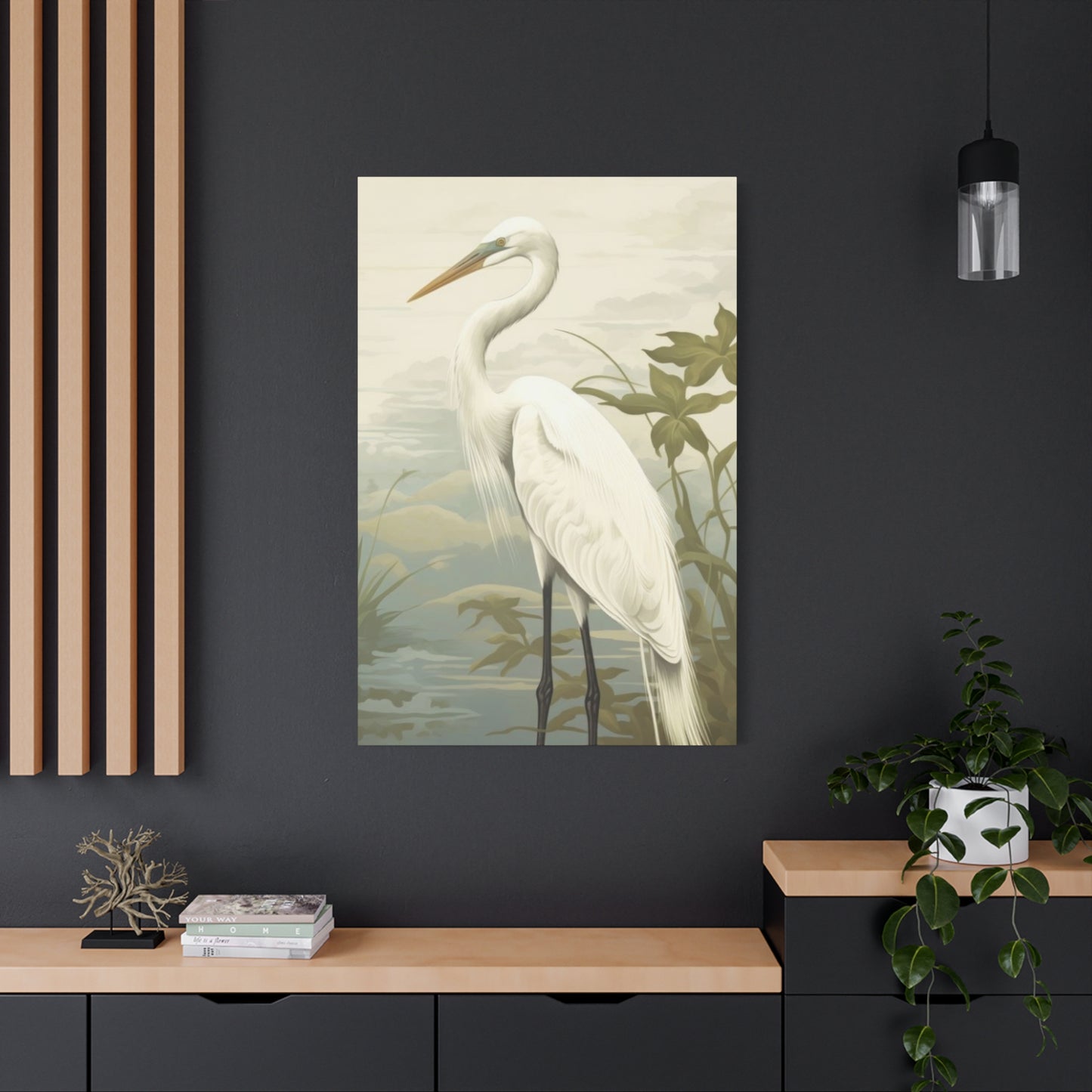


Herons And Egrets Wall Art & Canvas Prints
Herons And Egrets Wall Art & Canvas Prints
Couldn't load pickup availability
Stunning Herons And Egrets Wall Art: Bringing Majestic Waterbirds Into Your Living Spaces Through Captivating Visual Displays
The allure of waterbirds has captivated human imagination for millennia, with herons and egrets standing as particularly mesmerizing subjects in the realm of decorative visual presentations. These elegant creatures, with their graceful silhouettes and serene demeanor, have become increasingly popular choices for individuals seeking to infuse their interior environments with natural beauty and tranquil sophistication. The artistic representation of these magnificent birds offers homeowners, design enthusiasts, and nature lovers an exceptional opportunity to create focal points that speak to both aesthetic sensibility and environmental appreciation.
When contemplating the incorporation of avian imagery into residential or commercial spaces, herons and egrets present themselves as uniquely versatile subjects. Their elongated forms create striking vertical elements that can dramatically alter spatial perception, while their association with wetland habitats brings an element of serene wilderness into even the most urban settings. The visual impact of these birds transcends mere decoration, often serving as conversation starters and meditative focal points that encourage contemplation and connection with the natural world.
Exploring The Remarkable Characteristics That Make Herons And Egrets Extraordinary Subjects For Artistic Representation
The distinctive physical attributes of herons and egrets provide artists and photographers with remarkable compositional opportunities. These wading birds possess extraordinarily long necks that create elegant S-curves, particularly striking when captured in moments of hunting or preening. Their legs, appearing almost impossibly slender, extend to impressive lengths that contribute to their statuesque appearance whether standing motionless in shallow waters or striding through marshy terrain. The plumage of these birds ranges from pristine whites and soft grays to rich blues and muted browns, offering a spectrum of tonal possibilities that complement diverse interior design schemes.
Great blue herons, among the most recognizable species, display a blue-gray coloration accented with black plumes extending from above their eyes, creating a distinguished appearance that translates beautifully into visual art. Their substantial size, with wingspans reaching up to six feet, allows for dramatic compositions that command attention without overwhelming spaces. White egrets, including the great egret and snowy egret, present a different aesthetic entirely—their pure white feathers create luminous subjects that seem to glow against darker backgrounds, offering designers opportunities to incorporate light and airiness into their schemes.
The behavioral repertoire of these birds adds another dimension to their artistic appeal. Captured in flight, their wings spread wide in magnificent displays of natural engineering, they embody freedom and grace. Frozen in their characteristic hunting stance—motionless, poised, every muscle tensed in anticipation—they communicate patience and focus. These varied poses allow collectors to select imagery that resonates with their personal values or desired atmospheric qualities, whether seeking dynamic energy or meditative stillness.
Discovering The Diverse Range Of Artistic Styles Available When Selecting Herons And Egrets Wall Art For Your Environment
The market for avian-themed decorative pieces encompasses an extraordinary breadth of artistic interpretations, each offering distinct visual vocabularies and emotional resonances. Photographic representations capture these birds with documentary precision, often showcasing them in their natural habitats with crisp detail that reveals every feather barb and the reflective quality of their surrounding waters. These pieces appeal particularly to those who appreciate realism and seek to bring authentic glimpses of wilderness into their daily lives.
Watercolor renditions of herons and egrets offer a softer, more impressionistic approach that emphasizes fluidity and atmospheric quality over precise detail. The translucent nature of watercolor medium naturally complements subjects associated with aquatic environments, creating pieces that seem to shimmer with moisture and light. Artists working in this medium often employ wet-on-wet techniques that allow colors to blend organically, producing ethereal backgrounds that suggest misty mornings over wetlands or the shimmering heat of afternoon marshes.
Oil paintings bring richness and depth to depictions of these waterbirds, with thick impasto techniques creating textural interest that adds dimensional quality to flat surfaces. Traditional oil portraits might render subjects with old-master attention to detail and dramatic lighting reminiscent of Dutch still life traditions, while more contemporary approaches might employ bold palette knife work and expressive color choices that prioritize emotional impact over literal accuracy.
Abstract interpretations reduce these birds to their essential forms—sweeping curves, angular legs, pointed beaks—creating minimalist compositions that communicate the essence of the subject through simplified shapes and limited color palettes. Such pieces often appeal to those with modern or contemporary interior schemes who seek artwork that suggests rather than declares, inviting viewers to complete the visual narrative through their own interpretation.
Digital art has opened entirely new avenues for representing herons and egrets, with artists employing various software tools to create everything from hyper-realistic renderings to fantastical compositions that blend photographic elements with painted textures and graphic design elements. These pieces might incorporate unexpected color schemes, composite multiple images into surreal scenarios, or apply filters and effects that transform photographs into works resembling paintings, drawings, or mixed media collages.
Understanding The Profound Psychological And Emotional Effects That Nature-Inspired Visual Elements Bring To Interior Spaces
Human beings possess an innate connection to the natural world, a phenomenon that environmental psychologists term biophilia. This deep-seated affinity for living systems and natural patterns extends to visual representations of nature, with studies consistently demonstrating that exposure to nature imagery produces measurable physiological and psychological benefits. When individuals view scenes depicting natural environments or wildlife, their stress hormone levels decrease, heart rates slow, and mental clarity improves—effects that remain consistent even when the nature exposure occurs through artistic representation rather than direct experience.
Herons and egrets, as symbols of wetland ecosystems, carry particular psychological resonance. Wetlands themselves represent transition zones between terrestrial and aquatic environments, places of transformation and abundant life. The birds that inhabit these spaces become emblematic of adaptability, patience, and quiet strength—qualities that many individuals aspire to cultivate in their own lives. Placing visual reminders of these attributes within living or working spaces serves as subtle reinforcement of personal values and aspirations.
The color palettes associated with herons and egrets further contribute to their psychological impact. Blues and grays evoke calmness and serenity, reducing mental agitation and promoting restful states conducive to sleep or meditation. White, particularly the brilliant white of egrets, symbolizes purity, clarity, and new beginnings across numerous cultural traditions. These associations operate both consciously and subconsciously, influencing mood and mental state in ways that inhabitants of a space might recognize only upon reflection.
Movement, or the suggestion thereof, plays a crucial role in the psychological effect of wildlife imagery. Static poses, such as a heron standing motionless while hunting, communicate patience and mindfulness—qualities increasingly valued in our fast-paced modern world. Conversely, images capturing these birds in flight suggest freedom, aspiration, and the possibility of transcendence beyond daily limitations. The selection between these different energies allows individuals to curate spaces that either calm and ground or inspire and energize according to their needs.
The scale of representation also influences psychological impact. Large-scale depictions of herons and egrets create immersive experiences that can transport viewers mentally to marshland environments, providing brief mental respites from urban or domestic surroundings. Smaller pieces offer moments of focused contemplation, drawing viewers in for closer examination and creating intimate rather than dramatic effects. Understanding these distinctions enables more intentional selection processes that align with desired outcomes.
Examining The Various Physical Forms And Materials Used In Creating Herons And Egrets Wall Art Pieces
The substrate upon which avian imagery appears dramatically affects both its visual presentation and practical suitability for different environments. Canvas prints remain among the most popular options, offering textured surfaces that lend artwork a traditional, hand-painted quality even when the underlying image is photographic. Gallery-wrapped canvases, where the image extends around the edges of the stretcher frame, eliminate the need for additional framing and create clean, contemporary presentations particularly suited to modern interiors.
Metal prints represent a more contemporary option that produces stunning visual impact through a dye-sublimation process that infuses images directly into specially coated aluminum sheets. The resulting pieces exhibit extraordinary clarity, vibrant color saturation, and a subtle luminosity created by light reflecting off the metal surface. These prints prove particularly effective for images featuring water, as the reflective quality of the medium echoes the subject matter itself. Additionally, metal prints offer exceptional durability, resisting fading, moisture damage, and warping—qualities that make them suitable for bathrooms, kitchens, or other challenging environments.
Acrylic prints, also known as plexiglass or perspex prints, involve mounting photographs behind clear acrylic sheets, creating depth and dimension that gives images an almost three-dimensional quality. The glossy surface produces intense color vibrancy and contrast, making these pieces particularly striking in well-lit spaces where their reflective properties can be fully appreciated. The smooth, modern aesthetic of acrylic prints complements contemporary design schemes exceptionally well.
Wood-mounted prints offer warmth and organic texture that other substrates cannot replicate. Images printed directly onto wood planks or mounted onto wood panels incorporate the natural grain, knots, and color variations of the wood itself, creating unique pieces where no two are identical. This format particularly suits rustic, farmhouse, or cabin-inspired interiors, though it can also provide interesting textural contrast within more refined spaces.
Framed prints afford the greatest flexibility in terms of presentation style, as the frame itself becomes an integral part of the overall aesthetic statement. Traditional wooden frames with ornate detailing suit classical or traditional interiors, while sleek metal frames in black, white, or metallic finishes complement contemporary spaces. Float frames, which create visible gaps between the frame and the artwork, add sophisticated dimension. The matting color and width further influence the final appearance, with wider mats lending formality while narrower mats or frameless edge-to-edge presentations feel more casual and modern.
Tapestries and fabric hangings represent an often-overlooked category that brings softness and acoustic dampening qualities along with visual interest. Woven or printed fabric pieces depicting herons and egrets add textural richness and can help soften spaces dominated by hard surfaces. These pieces work particularly well in bedrooms or spaces designed for relaxation, as their soft materials reinforce the calming atmosphere.
Three-dimensional sculptural representations extend beyond traditional flat wall art, incorporating relief techniques or fully dimensional forms that project from wall surfaces. These might include metal sculptures with cutout silhouettes, layered wood constructions creating shadow effects, or ceramic bas-reliefs. Such pieces add dramatic interest and work particularly well in entryways, stairwells, or other transitional spaces where their dimensional quality can be appreciated from multiple angles.
Investigating The Practical Considerations Involved In Selecting Herons And Egrets Wall Art That Perfectly Suits Your Specific Space
Choosing decorative elements requires careful consideration of numerous practical factors beyond mere aesthetic preference. The physical dimensions of both the artwork and the space it will occupy constitute the primary consideration. Undersized pieces disappear against large walls, failing to create the intended impact, while oversized selections overwhelm rooms and create visual imbalance. A common guideline suggests that artwork should occupy roughly two-thirds to three-quarters of the available wall space, though this principle requires adjustment based on surrounding furnishings and architectural features.
Ceiling height significantly influences appropriate artwork scale and orientation. Rooms with standard eight-foot ceilings generally benefit from horizontal or square compositions that don't emphasize the limited vertical space. Conversely, spaces with vaulted, cathedral, or higher ceilings can accommodate tall, vertical pieces that draw the eye upward and help balance the volume of space above. The elongated forms of herons and egrets make them particularly suitable subjects for vertical compositions that complement tall walls without appearing stretched or awkward.
Viewing distance must factor into size calculations as well. Pieces intended to be viewed primarily from across a room can be substantially larger than those positioned where viewers will typically stand or sit nearby. Artwork hung along hallways, where viewing occurs in passing at close range, should remain modest in scale to prevent overwhelming the narrow space. Conversely, pieces meant to anchor seating areas or be viewed from sofas across living rooms should be sufficiently large to remain visually significant from that distance.
Lighting conditions dramatically affect how artwork appears and which materials prove most suitable. Rooms receiving abundant natural light through large windows can accommodate pieces with subtler coloring and less inherent contrast, as the available light reveals nuances and details. Dimly lit spaces require bolder color choices and stronger value contrasts to prevent artwork from receding into obscurity. Glare presents another lighting-related challenge, particularly with reflective surfaces like glass, acrylic, or glossy prints positioned opposite windows or beneath lighting fixtures. Matte finishes or textured surfaces like canvas minimize glare in challenging lighting situations.
The color palette already present within a space guides appropriate artwork selection. Some designers advocate for complementary approaches where artwork introduces colors opposite those dominating the space on the color wheel, creating dynamic visual interest through contrast. Others prefer analogous schemes where artwork reinforces existing colors or introduces closely related hues for harmonious, cohesive effects. Neutral spaces offer the greatest flexibility, accepting nearly any color palette, while rooms already featuring bold colors require more careful consideration to avoid clashing or overwhelming effects.
Stylistic consistency between artwork and surrounding decor contributes to cohesive, intentional-appearing spaces rather than haphazard collections of unrelated elements. Contemporary interiors characterized by clean lines, minimal ornamentation, and neutral palettes generally pair best with similarly streamlined artwork—perhaps abstract interpretations or photographs with stark compositions. Traditional spaces featuring ornate woodwork, classic furniture styles, and rich fabrics call for artwork with comparable refinement, such as detailed paintings in ornate frames. Eclectic interiors offer more freedom to mix styles, though maintaining some connecting thread—whether color, subject matter, or frame style—helps prevent visual chaos.
Moisture, temperature fluctuations, and direct sunlight all pose threats to artwork longevity that must inform material selection. Bathrooms, kitchens, and other high-humidity environments demand moisture-resistant materials like metal or sealed acrylic rather than canvas or paper, which can warp, grow mildew, or deteriorate. Direct sunlight causes fading over time in even high-quality prints, making UV-protective glass, fade-resistant inks, or strategic placement away from intense sun exposure essential for preservation. Temperature extremes, such as those near fireplaces or exterior walls in climates with harsh winters, can also damage certain materials, requiring consideration during selection.
Recognizing The Various Species Of Herons And Egrets And How Their Unique Characteristics Influence Artistic Representation
The heron and egret family encompasses numerous distinct species, each possessing characteristic features that artists emphasize to create specific moods and visual effects. The great blue heron, North America's largest heron species, commands attention through sheer size and stately bearing. Standing up to four and a half feet tall with wingspans exceeding six feet, these magnificent birds project authority and presence. Their blue-gray plumage, accented with rusty thighs and white faces marked by black plumes, creates sophisticated color combinations that work beautifully in refined interior schemes. Artists capturing great blue herons often emphasize their piercing yellow eyes and dagger-like bills, features that communicate intensity and focus.
Great egrets present a striking contrast with their pure white plumage that seems almost luminous in certain lighting conditions. During breeding season, these birds develop elaborate plumes along their backs, delicate feathers that historically proved so desirable they nearly drove the species to extinction before protective legislation intervened. These ornamental plumes make great egrets particularly popular subjects for romantic or elegant artistic interpretations. Their black legs and feet provide stark contrast against white bodies, creating bold graphic quality that translates effectively into various artistic styles from realistic to minimalist.
Snowy egrets, smaller cousins to great egrets, possess similar white plumage but distinguish themselves through bright yellow feet that early naturalists described as resembling "golden slippers." This distinctive feature, combined with their active feeding behavior involving foot stirring and wing spreading, makes them dynamic subjects capturing movement and energy rather than the statuesque stillness often associated with larger herons. Artists depicting snowy egrets frequently emphasize their breeding plumes, which extend from the head, neck, and back in ethereal wisps.
Green herons, though smaller than their great blue cousins, offer unique visual interest through their rich coloration and compact, almost hunched posture. Their dark green-black caps, chestnut necks, and blue-green backs create sophisticated color palettes absent from the grays and whites of larger species. Their habit of hunting from low perches, often in densely vegetated areas, allows artists to create more intimate, detail-rich compositions featuring surrounding flora as integral design elements rather than mere background.
Black-crowned night herons introduce nocturnal mystery into heron-themed artwork. As their name suggests, these stocky birds become active primarily at dusk and during darkness, hunting when other herons roost. Their black caps and backs contrasting with gray wings and white undersides create bold graphic patterns, while their red eyes add an almost supernatural quality. Artwork featuring these birds often incorporates moonlight, twilight skies, or other elements emphasizing their after-dark lifestyle.
Tricolored herons exhibit the most complex plumage patterning among commonly depicted species, with slate-blue bodies, white belly lines, and rusty necks creating sophisticated three-toned effects. Their slender build and often active feeding behavior make them excellent subjects for dynamic compositions capturing movement through wetland shallows.
Cattle egrets, though less dramatically plumed than their wetland-dwelling relatives, offer unique compositional opportunities through their habitual association with grazing livestock. Artists can create narrative pieces showing these birds riding on cattle backs or foraging around hooves, introducing storytelling elements absent from purely wildlife-focused compositions.
Delving Into The Symbolic Meanings And Cultural Significance That Herons And Egrets Hold Across Different Societies Worldwide
Throughout human civilization, herons and egrets have occupied prominent positions within symbolic frameworks, mythologies, and spiritual practices. These birds bridge terrestrial and aquatic realms, characteristics that numerous cultures interpreted as representing liminal states, transformation, and the ability to navigate between different planes of existence. Understanding these symbolic associations adds layers of meaning to artwork selections, allowing individuals to choose pieces that resonate on deeper levels beyond mere aesthetic appeal.
In ancient Egyptian civilization, the heron held sacred status through its association with the bennu bird, a deity linked to creation, rebirth, and the sun god Ra. Egyptian iconography frequently depicted this heron-like creature perched atop sacred stones, representing the first land to emerge from primordial waters—a powerful creation metaphor. The bennu's connection to cyclical renewal and resurrection made it an important symbol in funerary contexts, where it represented the deceased's hoped-for rebirth into eternal life. Artwork incorporating herons can therefore carry associations with new beginnings, cycles, and spiritual transformation.
Native American traditions across numerous tribal groups recognized herons and egrets as symbols of wisdom, patience, and self-determination. The birds' solitary hunting style and ability to remain motionless for extended periods exemplified qualities valued within many indigenous worldviews. Some traditions associated these birds with shamanic journeys and the ability to access spiritual wisdom through stillness and observation. The Iroquois considered the heron a messenger, while other groups saw these birds as symbols of good luck and prosperity. Contemporary Native American artists often incorporate stylized heron imagery into works celebrating indigenous heritage and environmental stewardship.
Chinese and Japanese artistic traditions have long celebrated herons and egrets as subjects embodying grace, purity, and nobility. In Chinese symbolism, white egrets particularly represent purity and propriety, with their immaculate plumage suggesting moral cleanliness and upright character. The birds' patient hunting style resonated with Taoist philosophical concepts emphasizing action through inaction—achieving goals through stillness and timing rather than force. Japanese art, from ancient scroll paintings to contemporary prints, frequently features herons among reeds or in marshland settings, with these compositions symbolizing solitude, contemplation, and harmony with nature. The stark graphic quality of these birds against minimal backgrounds influenced the development of minimalist aesthetic principles still influential in modern design.
Greek mythology associated herons with the goddess Athena, deity of wisdom, warfare, and craft. This connection reinforced symbolic associations between herons and strategic thinking, patience, and intelligent action. The birds' hunting technique—remaining perfectly still before striking with lightning speed—paralleled ideals of strategic warfare and the importance of choosing precisely the right moment for action.
Christian symbolism occasionally incorporated herons as representations of vigilance and the spiritual life, with their habit of standing for hours in meditation-like stillness suggesting monastic devotion and contemplative practice. Medieval bestiaries sometimes described herons as symbols of those seeking spiritual advancement through patience and persistent effort.
Celtic traditions viewed herons as birds of the Otherworld, creatures occupying boundaries between land, water, and sky—three realms of existence in Celtic cosmology. Their long legs allowed them to stand in water while remaining rooted to earth, their wings enabled flight through air, positioning them as creatures transcending ordinary limitations. This liminal quality made them powerful totems for those seeking to expand consciousness or navigate life transitions.
Contemporary spiritual practices often adopt heron and egret imagery to represent self-reliance, balance, and the ability to navigate emotional waters without becoming overwhelmed. The birds' still-hunting technique translates metaphorically into practices of mindfulness and present-moment awareness, while their solitary nature speaks to the importance of solitude and self-reflection in personal growth.
Exploring Creative Approaches For Arranging Multiple Pieces Of Herons And Egrets Wall Art Into Cohesive Gallery Displays
While single statement pieces create powerful focal points, collections of coordinated artwork offer opportunities for more complex visual storytelling and dynamic spatial effects. Gallery walls, a popular contemporary display format, group multiple pieces into cohesive arrangements that read as unified installations rather than collections of individual works. Successfully executing these multi-piece displays requires understanding compositional principles that create balance and visual flow.
Symmetrical arrangements provide the most formal, traditional presentation style. A typical symmetrical layout might position a large central piece depicting a heron in flight, flanked by two smaller images of egrets in complementary poses. This balanced approach creates orderly, harmonious effects particularly suited to traditional interiors or formal spaces like dining rooms or home offices where professional atmospheres matter. Symmetry communicates stability, order, and intentionality—qualities that can influence how inhabitants and visitors perceive the space and its occupants.
Asymmetrical arrangements offer more contemporary, dynamic visual interest. These layouts might combine pieces of varying sizes, shapes, and orientations—perhaps pairing a large horizontal photograph with several smaller vertical paintings and a square print. The apparent informality of asymmetrical arrangements actually requires careful planning to achieve proper visual balance. Designers often employ the concept of visual weight, where larger pieces, darker colors, and busier compositions carry more weight than smaller, lighter, simpler elements. Balancing these weights across the arrangement prevents compositions from feeling lopsided or unstable.
Grid patterns create organized, gallery-like presentations particularly effective for collections of similarly sized pieces. A classic nine-piece grid—three rows of three—allows for narrative progression across the display, perhaps showing herons in various poses or different species of egrets. Consistent spacing between pieces proves critical in grid arrangements, with gaps typically ranging from two to four inches depending on overall scale. Too-narrow spacing causes individual pieces to blend together, while excessive gaps fragment the collection into separate entities rather than unified installations.
Salon-style arrangements, inspired by dense exhibition formats popular in 18th and 19th century European art galleries, pack walls with numerous pieces of varying sizes arranged in seemingly casual but carefully orchestrated patterns. This maximalist approach suits eclectic, bohemian, or traditional interiors and works particularly well for displaying collected works accumulated over time. The key to successful salon arrangements lies in maintaining consistent spacing between all pieces, which unifies disparate elements into cohesive wholes despite size and style variations.
Linear arrangements align pieces horizontally along a central axis, typically at eye level. This straightforward approach works well in hallways, above sofas, or along staircases where architectural features naturally define linear parameters. Varying the sizes of linearly arranged pieces while maintaining alignment along their centers or bottom edges creates visual rhythm without compromising the clean, organized feeling linear arrangements provide.
Vertical stacking creates impactful displays in spaces with high ceilings or narrow wall areas like between windows or alongside doorways. Vertically arranged pieces might tell visual stories from bottom to top—perhaps showing herons on the ground, wading in shallows, and taking flight in ascending sequence. This arrangement style naturally draws eyes upward, making spaces feel taller and more spacious.
Corner arrangements transform often-neglected corner spaces into dynamic focal points by wrapping displays around angles where two walls meet. This approach works particularly well for creating cozy reading nooks or intimate seating areas, as the wrapped artwork helps define the space and create psychological enclosure without physical barriers.
Layered arrangements introduce dimensional interest by overlapping frames or leaning some pieces against walls atop furniture rather than hanging everything at uniform depth. This casual, collected-over-time aesthetic suits relaxed, comfortable interiors and allows for easy rearrangement as collections grow or tastes evolve.
Discovering How Herons And Egrets Wall Art Complements And Enhances Various Interior Design Styles And Aesthetic Approaches
Interior design encompasses numerous distinct styles, each with characteristic features that either harmonize with or clash against particular artwork choices. Understanding how heron and egret imagery functions within different design contexts enables more informed selection and placement decisions that enhance rather than detract from overall aesthetic goals.
Coastal and nautical interiors naturally embrace waterbird imagery given their maritime themes and water-focused decorative vocabularies. These spaces typically feature light, airy color palettes dominated by whites, soft blues, sandy beiges, and seafoam greens—colors that echo the plumage and habitat of egrets and herons. Weathered wood finishes, natural fiber textiles, and organic materials create relaxed, beach-inspired atmospheres where artwork depicting wetland birds feels perfectly at home. Prints mounted on distressed wood or in driftwood-style frames particularly suit this aesthetic, while imagery capturing birds against water or sky backgrounds reinforces the coastal theme.
Farmhouse style, with its emphasis on rustic charm, reclaimed materials, and vintage elements, accommodates heron and egret imagery beautifully when presented appropriately. Wood-mounted prints, pieces in distressed frames, or artwork with weathered, vintage-inspired finishes complement the aged, collected-over-time quality farmhouse interiors cultivate. Images capturing birds in natural, unposed moments rather than idealized or stylized representations align with farmhouse authenticity. Muted, unsaturated color palettes work better than vibrant hues, maintaining the subtle, nature-inspired feeling characteristic of successful farmhouse schemes.
Modern interiors, defined by clean lines, minimal ornamentation, and focus on form and function, require more selective approaches to decorative elements including artwork. Bold, graphic representations of herons and egrets—perhaps abstract interpretations reducing birds to essential shapes or high-contrast black and white photographs with strong compositions—suit modern sensibilities better than busy, detailed paintings. Frameless mounting options or sleek metal frames maintain the uncluttered aesthetic modern design demands. Large-scale pieces work particularly well in modern spaces, where they can serve as primary decorative focal points within otherwise spare environments.
Contemporary style, sometimes confused with modern but actually distinct, embraces current trends and displays more flexibility regarding ornamentation and decoration. Contemporary spaces might incorporate curves, varied textures, and bolder colors while maintaining the clean, uncluttered quality modern design champions. Artwork in contemporary interiors can embrace more varied styles—perhaps vibrant, colorful paintings or mixed media pieces—provided they maintain sophisticated execution and don't veer into cluttered or overly busy territory.
Traditional interiors characterized by classic furniture styles, rich wood tones, formal arrangements, and refined decorative elements call for artwork with comparable sophistication. Oil paintings or high-quality photographic prints in substantial wooden frames with ornate details suit traditional sensibilities. Subject treatment should lean toward realistic or romantic rather than abstract, capturing birds with the naturalistic detail and careful composition traditional design values. Colors should coordinate with the typically richer, more saturated palettes common in traditional spaces.
Transitional style bridges traditional and contemporary approaches, combining classic furniture forms with more contemporary finishes and streamlined profiles. This hybrid aesthetic offers considerable flexibility regarding artwork selection, accepting both traditional paintings in simple frames or contemporary photographs in more ornate surrounds. The key lies in maintaining balance—if furnishings lean more traditional, contemporary artwork provides contrast and prevents spaces from feeling dated, while traditional artwork can add warmth and character to spaces otherwise dominated by contemporary elements.
Industrial interiors featuring exposed brick, concrete surfaces, metal elements, and reclaimed wood create edgy, urban atmospheres quite different from nature-inspired coastal or farmhouse styles. Surprisingly, waterbird imagery can work beautifully in these spaces when presentation aligns with industrial aesthetic principles. Metal prints offer natural affinity with industrial materials, while large-scale pieces help soften the hard surfaces typical of industrial design. Black and white or muted color palettes maintain the somewhat stark, dramatic quality industrial interiors cultivate, while avoiding the colorful cheerfulness that would clash with industrial edge.
Scandinavian design prioritizes simplicity, functionality, natural light, and connection to nature through organic materials and subtle nature-inspired elements. Herons and egrets align perfectly with Scandinavian principles, offering natural subjects rendered in typically muted colors that don't overwhelm spaces. Simple, light wood frames or frameless mounting maintains the pared-down aesthetic, while allowing the subject matter to provide the nature connection Scandinavian design seeks without introducing clutter or excessive decoration.
Bohemian or eclectic interiors embrace mixing patterns, colors, and styles drawn from various influences into personal, collected-feeling spaces. These interiors accommodate the widest range of artwork styles, accepting everything from photographic realism to bold abstractions. Multiple pieces in varying sizes and styles can coexist happily, provided some unifying element—perhaps a consistent color thread or coordinated frames—prevents total visual chaos. The relaxed, anything-goes quality of bohemian spaces makes them forgiving environments for artwork selection, though even eclectic spaces benefit from some underlying organizational principles.
Examining The Various Compositional Elements That Contribute To Creating Visually Compelling Herons And Egrets Wall Art
Successful artwork, regardless of subject matter, employs fundamental compositional principles that guide viewer attention, create visual interest, and communicate intended moods or messages. Understanding these principles helps in evaluating and selecting pieces that function effectively as decorative elements while delivering satisfying aesthetic experiences.
The rule of thirds, perhaps the most widely known compositional guideline, divides images into nine equal sections using two horizontal and two vertical lines. Positioning key elements along these lines or at their intersections creates balanced, visually appealing compositions that feel natural to human vision. In heron and egret photography or painting, this might mean positioning the bird's eye or head at an intersection point rather than dead center, or placing the horizon line along the upper or lower third rather than bisecting the image. While not every successful composition follows this rule, it provides a useful framework for evaluating whether pieces create effective visual balance.
Leading lines guide viewer attention through compositions toward primary subjects or focal points. In images featuring herons or egrets, leading lines might be provided by shorelines, reeds, branches, or water currents that draw eyes toward the bird. Strong leading lines create dynamic, engaging compositions that encourage extended viewing as eyes follow established pathways through the image. Conversely, compositions lacking clear visual pathways can feel static or confusing, with viewer attention uncertain where to focus.
Negative space—the empty or less-detailed areas surrounding primary subjects—plays crucial roles in effective compositions. Adequate negative space allows subjects to breathe, prevents claustrophobic feelings, and provides rest areas where eyes can pause before re-engaging with more complex image elements. Artwork depicting herons or egrets benefits particularly from generous negative space, as these birds' elegant forms stand out beautifully against simplified backgrounds of sky, water, or muted vegetation. Too little negative space creates busy, cluttered feelings, while excessive empty space can make subjects appear lost or insignificant.
Color harmony determines whether the various hues within an image work together cohesively or clash distractingly. Harmonious color schemes typically employ colors adjacent on the color wheel (analogous harmony) or directly opposite (complementary harmony). Many successful heron and egret images feature analogous schemes of blues, greens, and blue-greens reflecting wetland environments, creating soothing, unified impressions. Alternatively, complementary contrasts—perhaps a great blue heron's rusty plumage against blue-green water—create dynamic visual interest through opposition while maintaining balance.
Contrast in value (the lightness or darkness of colors) creates visual punch and helps subjects stand out from backgrounds. White egrets against dark waters or shadows provide inherent high contrast that makes for bold, graphic images, while great blue herons against similarly toned backgrounds offer subtler, low-contrast compositions requiring careful lighting to maintain subject definition. High-contrast images command attention and work well as focal points in rooms, while low-contrast pieces create quieter, more meditative effects.
Framing within images—using elements like overhanging branches, reeds, or other foreground objects to create natural frames around subjects—adds depth and draws attention to primary focal points. This technique helps create three-dimensional feelings in two-dimensional media while adding layers of visual interest beyond the main subject.
Perspective and angle dramatically influence how subjects appear and the emotions they evoke. Eye-level perspectives create intimate, relational feelings, positioning viewers as equals to subjects. Low angles, looking up at herons and egrets, emphasize their stature and create dramatic, powerful impressions. High angles, looking down, can make subjects appear vulnerable or provide interesting pattern-focused compositions, particularly effective with flocks or groups of birds.
Scale relationships between subjects and their environments communicate different messages. Birds filling frames with minimal environmental context create intimate portraits emphasizing individual character, while smaller birds within expansive landscapes emphasize habitat and ecological context. Neither approach is inherently superior; effectiveness depends on intended purpose and the specific qualities the piece should communicate.
Motion blur and freezing action represent opposite approaches to depicting movement. Frozen-action images, captured with fast shutter speeds, show every detail of wings mid-beat or water droplets suspended in flight, celebrating the marvel of split-second moments impossible for unaided human eyes to perceive. Motion blur, conversely, suggests movement through streaking or softness, creating impressions of dynamism and energy. Both approaches have merit depending on desired effects.
Conclusion
Proper hanging technique ensures artwork remains securely mounted, appears level and appropriately positioned, and stays preserved for long-term enjoyment. While seemingly straightforward, hanging artwork involves numerous considerations and potential pitfalls that can compromise both appearance and preservation.
Height placement significantly affects how artwork functions within spaces. The standard guideline positions artwork so its center sits at approximately 57-60 inches from the floor—roughly average eye level for most adults. However, this guideline requires adjustment based on specific circumstances. Artwork hung above furniture should typically sit 6-8 inches above the furniture top, ensuring visual connection between elements while preventing excessive gaps. In rooms where viewing primarily occurs while seated, lower positioning accommodates the reduced eye level. Conversely, pieces in hallways or spaces where most viewing happens while standing might go slightly higher.
Hanging hardware selection depends on both artwork weight and wall type. Standard drywall requires anchors or wall anchors for pieces over 10-15 pounds, as drywall alone won't reliably support significant weight. Screws directly into wall studs provide the most secure mounting but limit placement options to stud locations. Various specialized hangers suit different needs: sawtooth hangers work for lighter pieces, D-rings or wire hanging systems distribute weight across two points for heavier artwork, and French cleats provide secure mounting for substantial pieces while allowing easy removal and releveling.
Plaster walls, common in older homes, prove more brittle than drywall and require specialized plastic anchors designed for plaster rather than standard drywall anchors. Brick or concrete walls demand masonry bits and appropriate wall anchors or screws. Rental situations where wall damage must be minimized might necessitate adhesive hanging strips or gallery systems that distribute weight without requiring large holes.
Leveling artwork takes patience and proper tools. Hanging pieces by eye frequently results in askew placement that becomes increasingly apparent over time as eyes adjust to the space. Small bubble levels or smartphone leveling apps help ensure proper alignment.
Share