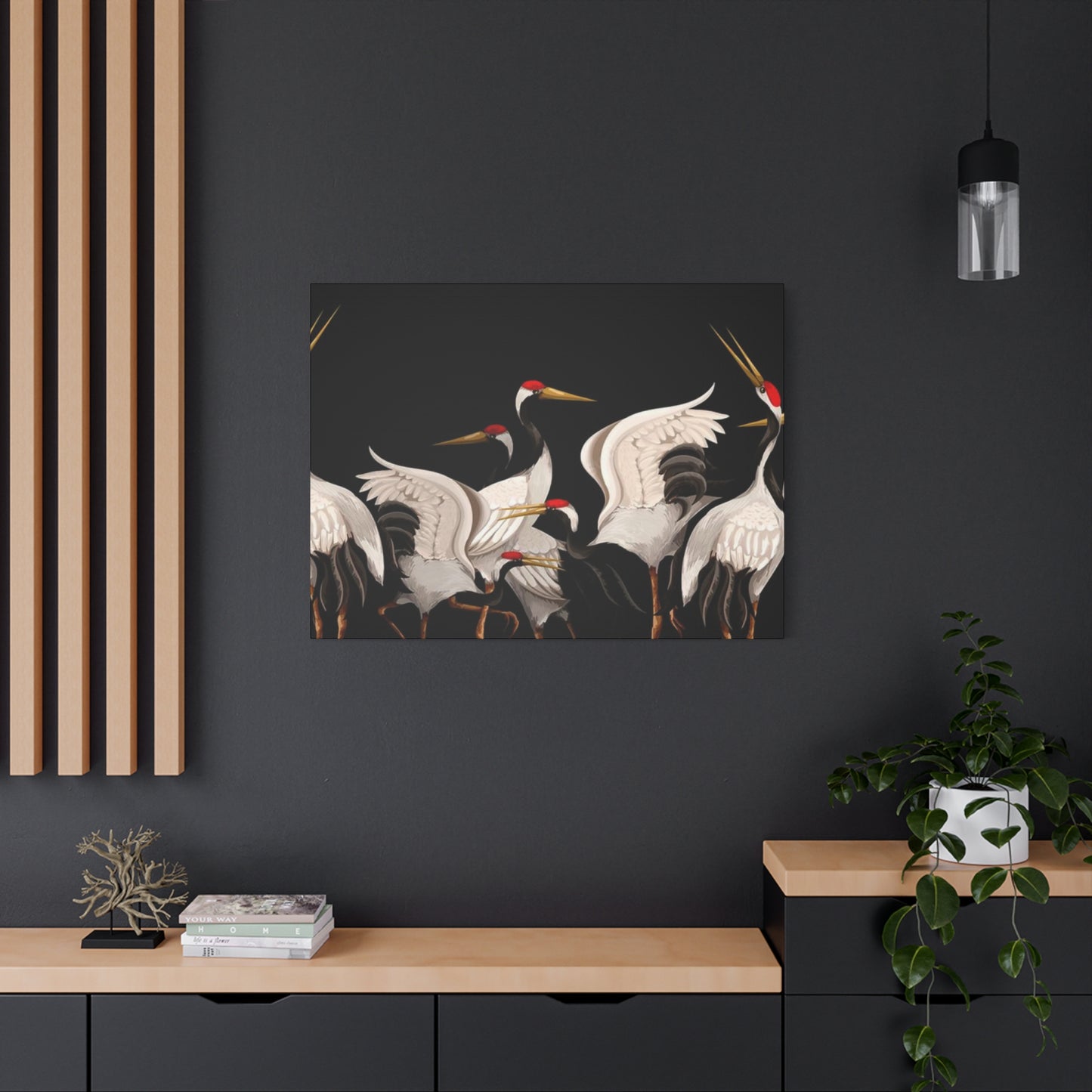


Heron Painting Wall Art & Canvas Prints
Heron Painting Wall Art & Canvas Prints
Couldn't load pickup availability
Add a Touch of Serenity and Symbolism to Your Home with Heron Painting Wall Art: Timeless Beauty for Every Room
Heron painting wall art represents one of the most captivating and spiritually resonant forms of decorative expression available to contemporary homeowners and interior design enthusiasts. These magnificent avian subjects have graced the walls of human dwellings for centuries, carrying profound symbolism and aesthetic appeal across numerous cultures worldwide. The graceful silhouette of herons, with their elongated necks, slender legs, and patient hunting stance, creates a visual poetry that transcends mere decoration and enters the realm of artistic storytelling.
When examining the allure of heron painting wall art, we must first acknowledge the inherent majesty of these waterbirds themselves. Herons stand as symbols of patience, independence, self-reliance, and tranquility across diverse cultural traditions. In many Eastern philosophies, particularly within Japanese and Chinese artistic heritage, herons embody the qualities of wisdom, determination, and the ability to navigate life's challenges with grace and composure. Their presence in a painting brings these symbolic meanings into your living environment, creating spaces that feel contemplative, balanced, and harmoniously connected to the natural world.
The visual characteristics of herons make them exceptionally suitable subjects for wall art. Their elegant proportions, striking plumage variations, and distinctive behavioral patterns provide artists with endless creative possibilities. From the majestic Great Blue Heron with its slate-blue feathers and commanding presence to the pristine White Egret with its pure, luminous plumage, these birds offer a spectrum of aesthetic options that can complement virtually any interior design scheme. The natural grace of their movements, whether captured mid-flight with wings spread wide or standing motionless in shallow waters, translates beautifully onto canvas, paper, or alternative artistic mediums.
Exploring Various Artistic Styles and Representations in Heron Wall Decoration
The realm of heron painting wall art encompasses an extraordinary diversity of artistic approaches, each offering distinct visual languages and emotional resonances. Realistic representations showcase these birds with meticulous attention to anatomical accuracy, feather texture, and environmental context. Such paintings often depict herons in their natural habitats—marshlands, riverbanks, coastal estuaries, or wetland environments—creating windows into ecosystems that many urban dwellers rarely experience firsthand. These naturalistic works serve dual purposes as both aesthetic enhancements and educational reminders of biodiversity and environmental conservation.
Impressionistic interpretations of heron subjects take a markedly different approach, prioritizing mood, atmosphere, and emotional resonance over precise detail. Artists working in this style might employ loose brushwork, dappled light effects, and atmospheric color palettes to evoke the feeling of encountering a heron at dawn when mist rises from still waters, or during twilight hours when the boundary between day and night becomes beautifully ambiguous. These paintings invite viewers into contemplative states, encouraging personal interpretation and emotional connection rather than passive observation.
Abstract and contemporary approaches to heron painting wall art push boundaries even further, deconstructing the bird's form into geometric shapes, bold color blocks, or fluid, organic lines that suggest rather than explicitly depict the subject. Such works appeal to collectors and homeowners seeking artwork that sparks conversation, challenges conventional perspectives, and introduces dynamic visual energy into modern living spaces. The abstraction of heron imagery allows for creative freedom while maintaining the symbolic essence and recognizable silhouette that makes these birds so visually distinctive.
Watercolor renditions of herons possess a particular delicacy and ethereal quality that resonates with many art enthusiasts. The medium's inherent fluidity mirrors the aquatic environments herons inhabit, creating natural synergy between subject and technique. Watercolor heron paintings often feature soft color gradations, transparent layering effects, and the strategic use of negative space, resulting in artwork that feels light, airy, and infused with tranquility. These pieces work exceptionally well in spaces designed for relaxation, meditation, or contemplative activities.
Asian-influenced styles, particularly those drawing from Chinese brush painting and Japanese sumi-e traditions, bring centuries of artistic wisdom to heron representations. These cultural approaches emphasize simplicity, balance, and the expressive potential of minimal brushstrokes. A single, confident line might define an entire wing; a few carefully placed marks can capture the essence of feathers; empty space becomes as important as inked areas, representing water, air, or the void from which all things emerge. Such paintings carry philosophical depth alongside their visual beauty, making them particularly meaningful additions to thoughtfully curated living environments.
Understanding Color Palettes and Their Impact on Ambiance Through Heron Artwork
Color selection plays a pivotal role in determining how heron painting wall art influences the atmosphere of a room. Traditional blue and gray palettes, reflecting the coloration of species like the Great Blue Heron, create calming, sophisticated environments that promote mental clarity and emotional stability. These cooler tones work exceptionally well in bedrooms, home offices, meditation spaces, or any area where tranquility and focus are desired. The subtle variations within blue-gray ranges—from stormy slate to gentle powder blue—offer nuanced options for matching existing décor while maintaining the serene essence associated with heron imagery.
White and cream-toned heron paintings, particularly those featuring egrets or snowy herons, bring luminosity and spaciousness to interiors. These lighter palettes reflect natural and artificial light effectively, making rooms feel larger, airier, and more welcoming. White heron artwork pairs beautifully with minimalist design philosophies, Scandinavian-inspired interiors, or coastal décor themes. The purity of white plumage symbolizes new beginnings, clarity of purpose, and spiritual enlightenment across many cultural contexts, adding layers of meaning beyond mere aesthetic appeal.
Sunset and warm-toned heron paintings introduce entirely different emotional registers into living spaces. When herons are depicted against backdrops of amber, gold, coral, or crimson skies, the resulting artwork radiates warmth, energy, and optimism. These pieces capture transitional moments—dawn or dusk—when light transforms landscapes and creates dramatic visual spectacles. Warm-palette heron art works wonderfully in social spaces like living rooms, dining areas, or entryways where you want to create inviting, energizing atmospheres that encourage conversation and connection.
Monochromatic approaches, whether in black and white or single-color variations, offer timeless elegance and versatility. Black and white heron paintings carry particular sophistication, working seamlessly with diverse interior styles from ultra-modern to traditionally classic. The absence of color directs attention to form, composition, light, and shadow—fundamental elements of visual art. Monochromatic pieces also provide flexibility for future décor changes, as they coordinate with virtually any color scheme you might introduce through furniture, textiles, or accessories.
Contemporary artists sometimes employ unexpected, non-naturalistic color choices in heron paintings, creating striking, conversation-starting pieces that challenge viewer expectations. Imagine herons rendered in jewel tones—emerald green, sapphire blue, or amethyst purple—or depicted in neon palettes that bring street-art sensibilities into fine art contexts. These bold color choices appeal to adventurous collectors and homeowners who view their living spaces as expressions of personality, creativity, and willingness to embrace unconventional beauty.
Examining Size Considerations and Placement Strategies for Maximum Visual Impact
The physical dimensions of heron painting wall art significantly influence both its visual impact and its suitability for particular spaces. Large-scale pieces, measuring several feet in width or height, create dramatic focal points that immediately command attention upon entering a room. These substantial works function as architectural elements in themselves, capable of defining the character of an entire space. Oversized heron paintings work particularly well in rooms with high ceilings, expansive wall surfaces, or minimalist furnishing arrangements where the artwork can truly shine without competing with excessive decorative elements.
Medium-sized heron paintings offer versatility and accessibility, fitting comfortably in most residential environments without overwhelming other design elements. These pieces typically measure between two and four feet in their longest dimension, providing sufficient presence to anchor a wall arrangement while leaving room for complementary décor items. Medium-format heron art works beautifully above sofas, beds, console tables, or fireplace mantels—traditional focal points where artwork naturally draws the eye and enhances the functional center of a room's layout.
Smaller heron paintings and prints create opportunities for gallery wall arrangements, clustered groupings, or intimate viewing experiences in compact spaces. These modest-sized pieces excel in hallways, bathrooms, home office nooks, or reading corners where proximity allows for detailed appreciation of artistic technique and subject matter. Collections of smaller heron artworks depicting different species, poses, or artistic interpretations can tell visual stories that unfold gradually as viewers move through spaces or return to favorite pieces over time.
Placement height dramatically affects how heron painting wall art interacts with viewers and spaces. The standard guideline suggests positioning artwork so its center sits at approximately eye level, typically between 57 and 60 inches from the floor. However, this rule requires thoughtful adaptation based on ceiling height, furniture placement, and viewing circumstances. Artwork hung above seating areas might position slightly lower to accommodate viewers' seated eye level, while pieces in hallways or staircases might adjust to account for changing sightlines along the passage.
Horizontal versus vertical orientation significantly influences the visual dynamics of heron paintings. Vertical compositions emphasize the birds' height and upright posture, creating energy that draws the eye upward and can make spaces feel taller. These orientations work particularly well in narrow wall spaces, beside doorways, or in rooms where you want to counter horizontal dominance from furniture and architectural elements. Horizontal heron paintings spread visual weight laterally, promoting feelings of stability, breadth, and calm. They complement the proportions of sofas, beds, and other wide furniture pieces while enhancing the perception of spaciousness in rooms.
Investigating Material Choices and Their Influence on Longevity and Appearance
The substrate and medium used in creating heron painting wall art profoundly affect its appearance, durability, and care requirements. Canvas remains the most traditional and widely available option, offering texture, flexibility, and compatibility with various painting techniques. Stretched canvas pieces provide classic appeal and work well in diverse settings, while canvas prints wrapped around wooden frames create contemporary, gallery-style presentations that eliminate the need for additional framing. High-quality canvas withstands environmental fluctuations reasonably well and can last decades when properly cared for.
Paper-based heron artwork, including watercolors, prints, and mixed-media pieces, demands more careful consideration regarding placement and protection. Paper responds sensitively to humidity, light exposure, and physical contact, making professional framing with archival matting and UV-protective glazing essential for preservation. However, the delicate beauty achievable on paper—particularly with watercolor and ink techniques—often justifies these additional protective measures. Behind glass, paper artwork maintains its freshness and detail indefinitely when kept away from direct sunlight and extreme environmental conditions.
Wood panels offer alternative surfaces that appeal to artists seeking rigid, stable substrates with distinctive aesthetic qualities. Heron paintings on wood bring organic warmth and texture to artworks, with the grain and character of wood sometimes intentionally incorporated into compositions. These pieces carry rustic or contemporary craft appeal depending on finishing treatments and artistic approaches. Wood requires appropriate sealing and protection from moisture to prevent warping, cracking, or deterioration, but properly prepared panels provide excellent longevity.
Metal prints represent a modern option gaining popularity for their striking appearance and exceptional durability. Heron images printed on aluminum or other metal surfaces achieve remarkable color vibrancy, sharpness, and dimensional depth. The reflective qualities of metal create dynamic viewing experiences that shift with changing light conditions throughout the day. Metal prints resist fading, require minimal maintenance, and work beautifully in contemporary or industrial-style interiors. Their lightweight nature and built-in hanging systems simplify installation while reducing wall stress compared to traditionally framed pieces.
Acrylic face-mounting creates stunning, high-end presentations where images are sandwiched between acrylic sheets or mounted behind clear acrylic, producing incredible depth, color saturation, and a luminous quality that makes heron paintings appear almost three-dimensional. This museum-quality presentation option commands premium pricing but delivers unmatched visual impact suitable for formal spaces, corporate environments, or serious art collections. Acrylic protects underlying artwork from UV damage, moisture, and physical contact while creating frameless, edge-to-edge presentations that feel distinctly contemporary.
Delving Into Framing Options and How They Complement Heron Imagery
Framing choices dramatically influence how heron painting wall art integrates with surrounding décor and expresses particular aesthetic sensibilities. Natural wood frames bring organic warmth and traditional craftsmanship to heron paintings, creating harmonious connections between the artwork's natural subject matter and its presentation. Different wood species and finishes—from light maple and oak to rich walnut and mahogany—offer varied tones and grain patterns that can either blend subtly with artwork or create deliberate contrasts that enhance visual interest.
Contemporary metal frames in finishes like brushed aluminum, black steel, or champagne gold provide sleek, modern presentations that work particularly well with abstract or minimalist heron paintings. These frames bring clean lines and industrial sophistication to artwork, appealing to collectors with modern design sensibilities. Thin metal frames create floating effects that emphasize artwork while minimizing frame presence, whereas substantial metal frames make bold architectural statements that become integral parts of the overall composition.
Ornate, decorative frames suit traditional or classical heron paintings, particularly those executed in realistic styles reminiscent of natural history illustrations or Victorian-era artwork. Gilded frames, carved details, and elaborate moldings lend importance and formality to pieces, making them appropriate for formal living spaces, traditional home offices, or collections displayed in classic interiors. These elaborate frames essentially declare the artwork's status as a valued possession worthy of special presentation.
Floating frames create distinctive contemporary presentations where artwork appears to hover within the frame structure, separated by a small gap that adds dimensional depth and visual intrigue. This mounting style works beautifully with canvas paintings and wood panel pieces, drawing attention to the artwork's physical properties and craftsmanship. Floating frames suit modern interiors while maintaining accessibility for traditional or transitional spaces through appropriate material and finish selections.
Frameless presentations, including gallery-wrapped canvases and edge-mounted pieces, offer streamlined, contemporary aesthetics that emphasize artwork over presentation apparatus. These approaches work particularly well with large-scale heron paintings where frames might feel visually heavy or distracting. Frameless mounting allows artwork to blend seamlessly with wall surfaces while maintaining clear boundaries and professional finishing. This presentation style particularly suits minimalist interiors, modern spaces, or gallery-inspired home environments.
Analyzing Symbolism and Cultural Meanings Embedded in Heron Representations
Heron painting wall art carries profound symbolic weight across numerous cultural traditions, adding layers of meaning that transform decorative pieces into sources of inspiration, reflection, and personal significance. In Japanese culture, herons—particularly the shirasagi (white egret)—embody purity, nobility, and divine favor. These birds appear frequently in traditional paintings, textiles, and decorative arts, often associated with deities, aristocracy, and spiritual enlightenment. Displaying heron artwork with awareness of these cultural associations invites these positive qualities into living spaces while honoring centuries of artistic tradition.
Chinese artistic and philosophical traditions similarly venerate herons as symbols of patience, strength, and good fortune. The methodical hunting behavior of herons—standing motionless for extended periods before striking with lightning speed—exemplifies the Taoist principle of wu wei, or effortless action arising from perfect alignment with natural rhythms. Heron paintings within Chinese artistic traditions often incorporate these philosophical dimensions, making them particularly meaningful for individuals drawn to contemplative practices, mindfulness, or Eastern philosophical frameworks.
Native American traditions across various tribal nations recognize herons as messengers, guides, and symbols of self-determination. Different tribes attribute specific meanings based on regional heron species and local ecological relationships, but common themes include independence, sovereignty, and the ability to navigate between different realms or states of being. Heron paintings created by or inspired by Indigenous artistic traditions carry these cultural perspectives, offering opportunities for cultural appreciation when approached with respect and appropriate understanding.
Egyptian mythology associated herons, particularly the Bennu bird (often identified as a heron species), with creation, rebirth, and solar cycles. This sacred bird connected to Ra, the sun god, and represented the soul's journey through death and resurrection. While ancient Egyptian artistic conventions differ markedly from contemporary heron paintings, awareness of these ancient associations adds depth to how we understand heron symbolism's long heritage across human cultures.
Celtic traditions recognized herons as birds of omen and transformation, creatures comfortable navigating boundaries between water, earth, and air—symbolic of transitions between life stages, consciousness states, or existential conditions. This liminal quality makes heron imagery particularly resonant for individuals experiencing change, seeking new directions, or honoring life passages. Heron painting wall art can serve as visual anchors during transitional periods, reminding viewers of adaptability, resilience, and the natural rhythms of transformation.
Exploring How Heron Artwork Enhances Different Interior Design Styles
Coastal and nautical interior design schemes find natural harmony with heron painting wall art, as these waterbirds epitomize shoreline ecosystems and wetland environments. Heron paintings featuring beach grasses, tidal pools, or maritime light conditions reinforce coastal themes while adding sophistication beyond typical seashell and anchor motifs. The muted blues, grays, and sandy tones common in heron plumage coordinate beautifully with coastal color palettes, creating cohesive visual narratives that celebrate seaside living or bring coastal tranquility to inland homes.
Minimalist interiors benefit enormously from carefully selected heron paintings that embody simplicity, essential form, and contemplative quietude. A single, striking heron image on an otherwise unadorned wall creates a powerful focal point that respects minimalist principles while providing necessary visual interest. Asian-inspired brush paintings of herons work particularly well in minimalist contexts, as their deliberate use of negative space and restrained mark-making aligns perfectly with minimalist design philosophy emphasizing quality over quantity and meaning over decoration.
Traditional and classic interior schemes accommodate heron painting wall art through realistic renderings, natural history illustration styles, or paintings executed with classical techniques and traditional color palettes. Ornately framed heron paintings can coordinate with antique furnishings, Persian rugs, and architectural details common in traditional homes. The timeless subject matter ensures these pieces remain relevant across changing design trends, making them wise investments for classically oriented collectors.
Modern farmhouse style, with its blend of rustic elements and contemporary sensibilities, welcomes heron artwork that bridges natural subjects with clean presentation. Paintings featuring herons in wetland or pastoral settings, presented in simple wood frames or frameless formats, enhance the farmhouse aesthetic's connection to rural landscapes and agrarian heritage. The neutral color palettes common in farmhouse interiors provide ideal backgrounds for heron paintings to shine without competing with busy patterns or intense colors.
Contemporary and transitional spaces gain sophistication from heron paintings that interpret traditional nature subjects through modern artistic lenses. Abstract heron pieces, bold color interpretations, or mixed-media works incorporating unexpected materials suit interiors that blend comfort with cutting-edge design sensibilities. These spaces allow for creative freedom in selecting artwork that makes personal statements while maintaining visual harmony with furnishings, architectural features, and overall design direction.
Investigating How Heron Wall Art Influences Psychological Well-being and Spatial Atmosphere
The presence of nature-themed artwork, including heron painting wall art, demonstrably affects human psychological states and emotional well-being. Numerous studies examining biophilic design principles confirm that visual connections to natural elements—even through artistic representations—reduce stress, lower blood pressure, and promote mental restoration. Heron paintings bring these benefits into homes, offering daily encounters with nature that support overall wellness, particularly valuable for urban dwellers with limited access to wild spaces.
The contemplative posture characteristic of herons—standing still, focused, patient—subtly influences viewers toward similar mental states. Encountering heron imagery throughout your day provides gentle reminders to pause, breathe, and approach challenges with composed attentiveness rather than frantic urgency. This subliminal influence makes heron painting wall art particularly valuable in high-stress environments or for individuals seeking to cultivate mindfulness, presence, and intentional living.
Color psychology intersects with heron artwork selection, as the predominant tones in paintings affect mood and energy levels. Cool blues and greens common in heron paintings promote calmness, trust, and mental clarity—ideal for spaces dedicated to rest, reflection, or focused work. Warmer tones sometimes incorporated into backgrounds or lighting effects introduce energy, optimism, and social warmth, making these pieces suitable for gathering spaces or areas where motivation and activity are desired.
Vertical emphasis in many heron compositions—tall birds standing upright on long legs—creates visual uplift that can counteract feelings of heaviness or stagnation. This upward movement guides the eye and subtly elevates mood and aspiration. Spaces feeling particularly grounded or horizontal in their energy benefit from the verticality heron paintings introduce, creating better visual balance and more dynamic spatial experiences.
The wilderness connection inherent in heron imagery satisfies deep human needs for contact with the living world beyond human constructions. Evolutionary biology suggests humans possess innate affinities for natural landscapes and living creatures, responses hardwired from millennia of survival depending on reading natural environments. Heron painting wall art engages these ancestral connections, creating subconscious comfort and rightness that enhances how spaces feel even when we cannot articulate exactly why a room seems particularly pleasant or harmonious.
Examining Seasonal Variations and Their Representation in Heron Artwork
Heron paintings capturing spring imagery celebrate renewal, abundance, and the vitality of nesting season when many heron species establish colonies and raise young. These works often feature lush vegetation, fresh greens, and the dynamic energy of avian courtship and parenting behaviors. Spring-themed heron art brings optimistic, forward-looking energy into homes, making these pieces particularly appropriate for spaces dedicated to new projects, creative endeavors, or family gathering areas celebrating growth and development.
Summer representations showcase herons at their most active, hunting through warm, abundant waters under bright sunshine. These paintings often emphasize brilliant light, saturated colors, and the interplay between birds and their peak-season environments. Summer heron artwork radiates warmth and plenty, creating inviting, energetic atmospheres suitable for social spaces, outdoor living areas, or any room benefiting from seasonal brightness even during darker months.
Autumn heron paintings capture melancholic beauty as these birds prepare for migration or settle into winter territories amid falling leaves, golden grasses, and cooler light. The rich, warm tones of autumn—russets, golds, burgundies—create cozy, contemplative moods. These pieces work beautifully in libraries, studies, or intimate conversation areas where thoughtful reflection and comfortable introspection are valued. Autumn imagery reminds viewers of natural cycles, impermanence, and the particular beauty found in transitional moments.
Winter representations show herons as resilient survivors enduring harsh conditions with stoic grace. These paintings often feature stark contrasts—white birds against dark waters, gray herons in snow-covered landscapes—creating dramatic visual impact. Winter heron art brings quiet strength and dignified perseverance into spaces, making meaningful statements about resilience, patience, and finding beauty in austerity. These pieces suit minimalist aesthetics naturally while also providing powerful focal points in warmer, more decorated environments through sheer contrast.
Some heron paintings transcend specific seasons, capturing timeless qualities that feel equally appropriate year-round. These works focus on essential characteristics—form, behavior, symbolism—rather than temporal environmental details. Timeless heron art offers versatility for collectors uncertain about seasonal preferences or those wanting artwork that maintains consistent relevance regardless of calendar dates or changing design moods.
Considering the Role of Heron Paintings in Creating Cohesive Gallery Wall Arrangements
Gallery walls offer creative opportunities for incorporating heron painting wall art within larger visual narratives that blend multiple subjects, styles, or artistic mediums. Themed arrangements might focus exclusively on avian subjects, with heron paintings anchoring collections that include various bird species, creating ornithological interest and educational value. This approach works particularly well in nature enthusiasts' homes, creating personalized natural history galleries reflecting the collector's specific interests and regional bird populations.
Mixed-subject gallery walls can incorporate heron paintings alongside landscape scenes, botanical illustrations, or abstract works, using careful color coordination and compositional balance to achieve cohesion. Heron pieces often serve as grounding elements within such arrangements, their recognizable subjects and typically serene qualities providing stability amid more abstract or energetic pieces. Strategic placement of heron artwork within gallery configurations creates visual anchors that help viewers navigate complex arrangements.
Varying sizes and orientations within gallery walls creates dynamic visual interest while accommodating spaces of different dimensions. Large heron paintings can anchor arrangements, with smaller supporting pieces clustered around them in balanced configurations. Mixing horizontal and vertical orientations prevents monotony and creates rhythms that guide the eye through the entire composition. Thoughtful spacing between pieces—typically 2 to 3 inches—maintains individual artwork integrity while creating unified overall impressions.
Frame consistency contributes significantly to gallery wall success, with matching or coordinated frames creating cohesion even when artwork subjects and styles vary considerably. All-white frames create clean, gallery-like presentations suitable for modern spaces. Matching wood frames bring warmth and traditional appeal. Mixed frame styles can work in eclectic or bohemian interiors, but require careful curation ensuring enough common elements prevent arrangements from appearing chaotic or unintentional.
Symmetrical versus asymmetrical arrangements create markedly different effects in gallery walls featuring heron paintings. Symmetrical layouts feel formal, organized, and calming, working well in traditional interiors or spaces where order and tranquility are priorities. Asymmetrical arrangements introduce energy, creativity, and contemporary flair, suiting modern spaces or personalities preferring more dynamic visual environments. Both approaches succeed when executed with attention to visual weight distribution and overall compositional balance.
Analyzing Purchasing Considerations When Selecting Heron Wall Art for Your Space
Determining authentic artistic quality versus mass-produced reproductions affects both the aesthetic value and investment potential of heron painting wall art. Original paintings, whether created by established artists or talented emerging creators, carry unique qualities—visible brushwork, texture, slight variations, and the intangible presence of handcrafted objects. Original works command higher prices but offer singular ownership of one-of-a-kind creations with potential appreciation value.
Limited edition prints provide middle ground between original paintings and unlimited reproductions, offering affordability while maintaining exclusivity and collectibility. Signed and numbered prints, particularly those from established artists or produced in very limited quantities, retain value better than open editions while remaining accessible to broader collecting audiences. Understanding edition sizes, whether prints are signed, and the reputation of artists or publishers helps assess long-term value and appropriateness for serious collections.
Print quality varies tremendously across production methods, significantly affecting appearance, longevity, and value. Giclée prints, produced using archival inks on museum-quality papers or canvas, offer exceptional color accuracy, detail reproduction, and fade resistance lasting generations when properly displayed. Standard digital or offset prints, while more affordable, cannot match giclée quality in color vibrancy, detail preservation, or longevity. Understanding printing methods helps match quality expectations with budget constraints and display intentions.
Artist reputation and provenance influence both initial purchase prices and potential appreciation of heron painting wall art. Established artists with exhibition records, critical recognition, and market presence command premium prices reflecting their proven quality and collector demand. Emerging artists offer opportunities for more affordable acquisitions with potential upside if their careers flourish. Researching artists' backgrounds, exhibition histories, and market performance informs intelligent collecting decisions balancing aesthetic preferences with practical considerations.
Budget allocation requires balancing multiple factors including artwork size, original versus reproduction status, framing requirements, and shipping costs. Setting realistic budgets before shopping prevents emotional purchases exceeding financial comfort levels while establishing parameters guiding search strategies. Remember that total investment includes not just artwork purchase price but also framing, mounting hardware, professional hanging services if needed, and potential insurance for valuable pieces.
Investigating Lighting Strategies That Showcase Heron Paintings Most Effectively
Natural lighting considerations profoundly affect how heron painting wall art appears throughout the day and across seasons. South-facing walls in Northern Hemisphere locations receive consistent, bright natural light ideal for showcasing artwork, though precautions against excessive UV exposure become essential. North-facing walls provide gentler, more consistent illumination with less seasonal variation and reduced fading risks. East and west exposures create dramatic lighting shifts between morning and evening, requiring consideration of when rooms receive primary use and how changing light affects viewing experiences.
Picture lights mounted directly on or above frames provide focused illumination specifically designed for artwork display. These dedicated fixtures ensure heron paintings remain visible and properly lit regardless of ambient lighting conditions. LED picture lights offer energy efficiency, minimal heat generation protecting artwork, and long lifespans reducing maintenance. Adjustable fixtures allow fine-tuning of light direction and intensity, accommodating different artwork sizes and wall configurations while adapting to personal preferences.
Track lighting systems deliver flexibility for illuminating multiple artworks or adjusting spotlight positions as collections evolve. Directional heads focus light precisely on heron paintings while minimizing spill onto surrounding walls that might create distracting glare or uneven illumination. Dimmable track systems allow intensity adjustments appropriate to different times of day or activities, creating ambient gallery lighting for entertaining or focused illumination for detailed viewing.
Recessed ceiling spotlights, while requiring electrical planning during construction or renovation, provide clean, unobtrusive lighting for artwork without visible fixtures competing for visual attention. These installations work particularly well in contemporary spaces emphasizing minimal visual clutter. Proper aiming and beam angle selection ensure even illumination across entire artworks without hot spots or dark corners compromising viewing experience.
Avoiding common lighting mistakes preserves both artwork and viewing pleasure. Never position heron paintings where direct sunlight strikes them for extended periods, as UV radiation causes irreversible fading, yellowing, and deterioration even in pieces behind UV-protective glazing. Avoid placing art directly above heat sources like radiators or fireplaces where temperature fluctuations and convection currents carry damaging particulates. When using artificial lighting, maintain reasonable distances between light sources and artwork surfaces, and select LED bulbs generating minimal heat compared to traditional incandescent or halogen alternatives.
Exploring Commissioning Custom Heron Paintings Tailored to Personal Preferences
Commissioning original heron painting wall art offers unparalleled opportunities for creating pieces perfectly aligned with your space, aesthetic preferences, and personal significance. Custom commissions allow specifying exact dimensions ensuring perfect fit for intended locations, eliminating compromises inherent when selecting from existing inventory. This precision proves particularly valuable for challenging spaces—narrow hallways, unusually shaped walls, or locations requiring artwork coordinating with specific architectural features.
Subject customization lets you request particular heron species, poses, or environmental settings holding personal meaning. Perhaps you want to commemorate a memorable wildlife encounter, celebrate a favorite wetland where you've spent meaningful time, or depict the specific heron species native to your region. Artists can incorporate these personal elements, transforming artwork from generic decoration into treasured possessions with unique narratives and emotional resonance.
Color palette customization ensures perfect coordination with existing interior design schemes. Provide artists with paint chips, fabric swatches, or photographs of your space, allowing them to select hues complementing your furnishings, wall colors, and decorative accents. This coordination creates cohesive visual environments where artwork enhances rather than clashes with surrounding elements, demonstrating sophisticated design sensibilities.
Artistic style selection allows matching your aesthetic preferences precisely. Different artists work in varied styles—photorealistic, impressionistic, abstract, traditional, contemporary—giving you control over the visual language your artwork speaks. Review artists' portfolios carefully, identifying creators whose natural style aligns with your vision while possessing flexibility for adaptation to your specific requests. Clear communication about style preferences during commission discussions prevents disappointing results from mismatched expectations.
Commission processes typically involve several stages: initial consultations discussing vision, preliminary sketches or digital mock-ups for approval, creation of the actual artwork, and final delivery or shipping. Understanding this timeline—often spanning weeks to months depending on artwork complexity and artist schedules—helps set realistic expectations and coordinate with interior design projects or special occasions. Establish clear contracts addressing pricing, payment schedules, revision policies, and ownership rights protecting both parties and ensuring smooth collaborations.
Delving Into Caring for and Preserving Heron Paintings for Long-Term Enjoyment
Proper environmental conditions significantly extend the lifespan and preserve the appearance of heron painting wall art. Temperature stability proves crucial, as fluctuations cause expansion and contraction of materials leading to cracking, warping, or delamination. Maintain consistent temperatures between 65-75°F, avoiding placement near heating vents, air conditioning registers, or drafty windows where temperature swings occur regularly. Humidity control matters equally, with ideal relative humidity ranging from 40-55%. Excessive moisture encourages mold growth, while overly dry conditions cause brittleness and cracking.
Direct sunlight represents the single greatest threat to artwork longevity, with UV radiation causing irreversible fading, yellowing, and material degradation. Position heron paintings away from windows receiving direct sun, or utilize window treatments like UV-filtering films, cellular shades, or curtains blocking harmful radiation while allowing diffused natural light. Even pieces hung away from windows benefit from UV-protective glazing in frames, providing insurance against unexpected light exposure and general UV radiation present even in shaded areas.
Regular dusting maintains appearance and prevents abrasive particle buildup that might scratch surfaces during subsequent cleaning. Use soft, clean microfiber cloths or feather dusters, wiping gently in one direction rather than circular motions that might grind particles into surfaces. For framed pieces behind glass, clean glazing with appropriate glass cleaners applied to cloths rather than sprayed directly on frames, preventing solution infiltration that might damage matting or artwork edges.
Canvas paintings without glazing require more careful handling, as canvas surfaces are more vulnerable to damage than glass-protected pieces. Avoid touching painted surfaces, as skin oils transfer even from clean hands. If accumulation requires cleaning beyond dusting, consult professional conservators rather than attempting liquid cleaning that might damage paint layers, remove varnish, or alter artists' intended effects. Professional conservation costs are invariably lower than attempting to repair damage from well-intentioned but inappropriate amateur cleaning efforts.
Periodic inspection catches developing problems before they become serious. Check regularly for signs of deterioration including fading colors, yellowing varnish, appearing cracks, loosening canvas, or pest damage. Early detection allows conservation interventions that stabilize and reverse problems, while neglected damage often becomes irreparable. Annual thorough inspections supplement frequent casual observations, ensuring nothing escapes notice that might threaten your investment in heron painting wall art.
Examining Regional Variations in Heron Species and Their Artistic Representation
North American heron paintings frequently feature species like the Great Blue Heron, Great Egret, Snowy Egret, and Green Heron, each offering distinct visual characteristics and regional associations. Great Blue Herons, the continent's largest herons, project commanding presence and dignity, often depicted in marshlands, lakeshores, or coastal environments. Their slate-blue plumage, yellowish bills, and imposing size make them naturally suited for large-format artwork emphasizing majesty and wild grandeur.
European heron art traditions often center on the Grey Heron, a close relative of North American species sharing similar coloration and behavioral patterns. European artistic heritage spanning centuries depicts Grey Herons in castle moats, village ponds, and countryside waterways, connecting these birds to rural landscapes and pastoral traditions. Medieval tapestries, Victorian natural history illustrations, and contemporary European wildlife art all feature these elegant birds, creating rich artistic lineages influencing modern heron painting wall art.
Asian heron species, particularly those featured in Japanese and Chinese artistic traditions, include the Grey Heron, Purple Heron, and various egret species. The cultural significance of these birds in Eastern philosophies and artistic conventions creates distinctly different representational traditions emphasizing symbolic content, elegant simplicity, and integration with broader natural elements like bamboo, cherry blossoms, or misty mountains. Asian-influenced heron paintings carry these aesthetic and philosophical traditions forward, offering alternatives to Western naturalistic approaches.
Tropical and subtropical regions host diverse heron species with more colorful plumage than their temperate counterparts, including the Tricolored Heron, Little Blue Heron, and various night-herons. Paintings featuring these species introduce richer color palettes and associations with warmer climates, mangrove swamps, and lush tropical ecosystems.
Conclusion
Discovering the timeless beauty and cultural significance of Heron Painting Wall Art brings an elegant, serene, and meaningful touch to your living spaces. The heron, with its graceful form and tranquil presence, has been a symbol of wisdom, patience, and beauty across various cultures for centuries. Whether represented in a traditional, realistic style or a more abstract, contemporary form, heron art serves as both a visual delight and a powerful symbol, capable of transforming any room into a peaceful, inspiring sanctuary.
The heron is a bird that embodies tranquility and grace, often depicted standing poised along the edge of serene lakes or gliding through the air with remarkable elegance. These images evoke a sense of calm and mindfulness, making heron wall art an ideal choice for spaces meant for relaxation or contemplation. Whether you hang a large, striking piece above a sofa or use smaller, complementary prints to create a serene gallery wall, heron paintings create an atmosphere of peace and balance, inviting a sense of harmony into your home.
The cultural significance of the heron also enhances the impact of this art. In many cultures, the heron has symbolic meanings tied to longevity, good fortune, and spiritual growth. In Native American traditions, for instance, the heron is often seen as a symbol of balance, self-reliance, and adaptability. In East Asian art, particularly in Japan and China, herons are revered as symbols of purity, patience, and the connection between nature and spirit. The bird’s ability to stand still in calm waters or take flight with grace has led to associations with both inner peace and the freedom to pursue one’s path in life. Incorporating heron art into your home allows you to invite these deep cultural and spiritual symbols into your living space, adding layers of meaning that extend beyond mere aesthetics.
Heron paintings also bring a unique, natural element into your décor. As part of the broader tradition of nature-inspired art, heron wall art connects your home to the beauty and calm of the natural world. Whether it’s the misty morning light over a quiet lake or the intricate feathers of the bird painted in exquisite detail, these works often reflect the tranquil beauty of water, sky, and earth. If you’re looking to create a space that feels grounded and connected to nature, heron art is a perfect choice to bring a natural element into your décor.
In addition to their beauty and symbolism, heron paintings also offer a wide range of artistic styles to suit various tastes and interior design preferences. For those with a more traditional or classic taste, realistic portrayals of herons in peaceful, natural settings can create a timeless and sophisticated atmosphere. On the other hand, for those who prefer a more contemporary or abstract approach, heron paintings can be reimagined through bold brushstrokes, minimalist designs, or vibrant colors that make a striking statement. Whether you choose a soft watercolor rendition or a dramatic oil painting, heron wall art can seamlessly integrate into a variety of styles—from modern and minimalist to rustic and eclectic.
Heron art is also wonderfully versatile in terms of where it can be displayed. In the living room, it can serve as a focal point, creating a serene and welcoming atmosphere that calms the senses after a long day. In bedrooms or personal spaces, heron paintings can evoke a sense of quiet elegance and introspection, making these rooms feel more restful and peaceful. In hallways or dining areas, heron art can add a natural elegance, giving your home a touch of grace that flows from room to room.
Another key advantage of heron art is its ability to complement other natural décor elements. Whether your space features earthy tones, coastal accents, or botanical motifs, heron paintings blend effortlessly with various elements of nature-inspired design. Pairing a beautiful heron piece with lush plants, wooden furniture, or soft textiles creates a cohesive, nature-infused interior that fosters a tranquil and grounded environment. The gentle, graceful presence of the heron also pairs well with other wildlife and bird-themed artwork, creating a harmonious collection that celebrates the beauty of nature in all its forms.
In conclusion, Heron Painting Wall Art is an elegant, meaningful, and versatile way to bring timeless beauty and cultural significance into your living spaces. Whether you're drawn to the bird’s graceful form, its deep symbolic meaning, or its connection to nature, heron art offers a serene, contemplative focal point that can elevate any room. With a variety of artistic styles and interpretations to choose from, heron paintings seamlessly integrate into a wide range of décor styles, creating spaces that feel calm, balanced, and full of natural beauty. So, whether you’re decorating for tranquility, seeking a connection to nature, or simply appreciating the elegance of this majestic bird, heron wall art invites a sense of peace and inspiration that will enhance your home for years to come.
Share