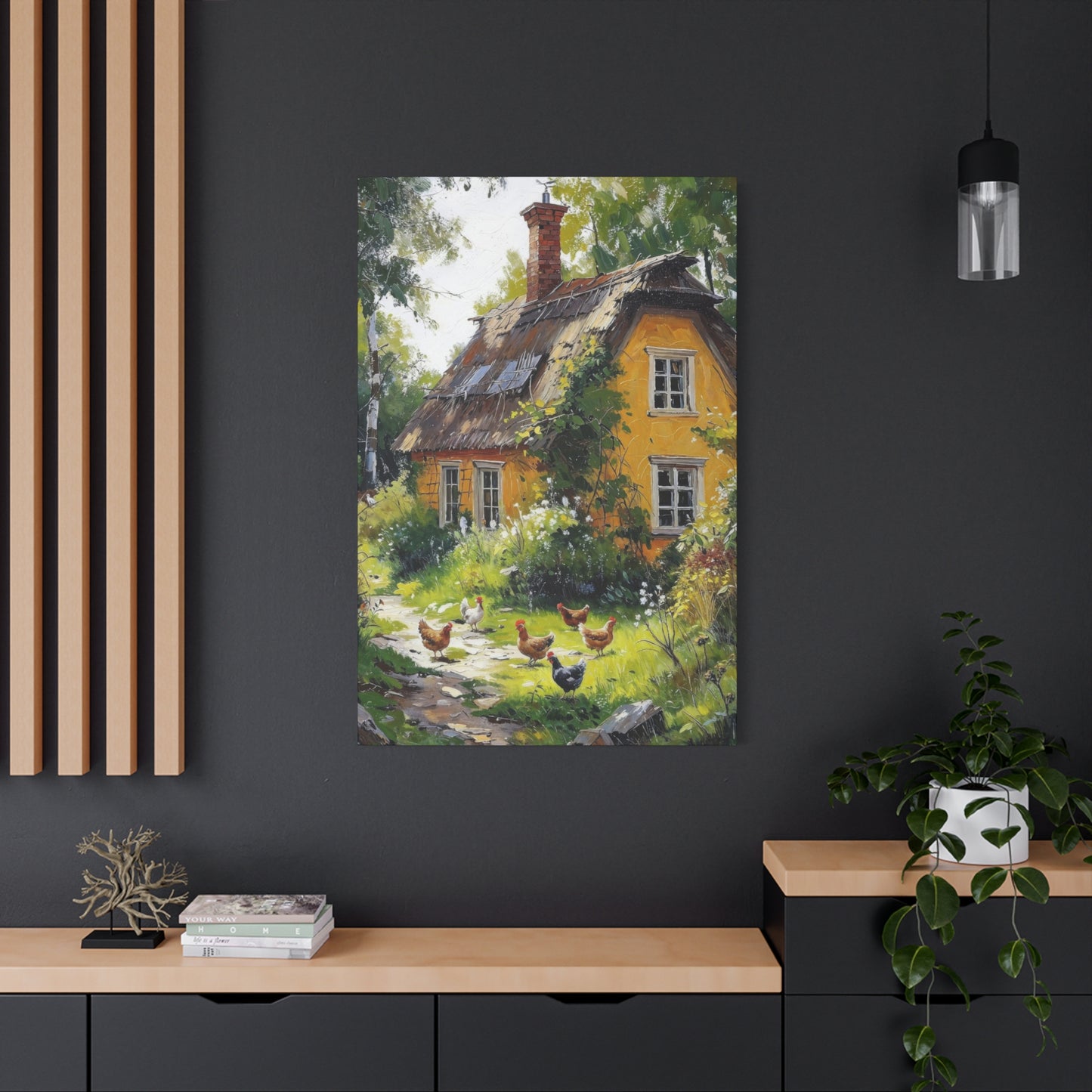


Hens Pecking Countryside Wall Art & Canvas Prints
Hens Pecking Countryside Wall Art & Canvas Prints
Couldn't load pickup availability
Hens Pecking Countryside Wall Art: A Comprehensive Exploration of Rustic Farmyard Imagery in Home Decoration
The charming sight of hens pecking around a countryside setting has become one of the most beloved subjects in decorative wall pieces for residential and commercial spaces. This particular style of artwork captures the essence of rural living, bringing warmth, nostalgia, and a connection to agricultural heritage into modern interiors. The appeal of such imagery extends beyond mere decoration, touching upon deeper cultural significance and aesthetic preferences that resonate with people across various demographics and geographic locations.
The Timeless Appeal of Farmyard Fowl in Decorative Artwork
Poultry-themed imagery has maintained its prominence in decorative arts throughout centuries, with representations of chickens and roosters appearing in countless forms across different cultures and time periods. The enduring fascination with these barnyard birds stems from their symbolic meanings, their association with rural life, and their inherently charming visual characteristics. When depicted in countryside settings, these feathered creatures evoke feelings of simplicity, authenticity, and connection to nature that many individuals seek in their living environments.
The visual composition of hens pecking in natural surroundings offers artists numerous opportunities to create engaging and dynamic scenes. These birds, with their varied plumage patterns, distinctive postures, and constant movement, provide endless possibilities for artistic interpretation. The act of pecking itself represents the birds' natural foraging behavior, which adds an element of authenticity and lifelike quality to the artwork that viewers find particularly appealing.
In contemporary interior design, such rustic imagery serves multiple purposes beyond mere ornamentation. It can establish a room's ambiance, reinforce a specific decorating theme, or serve as a conversation piece that reflects the homeowner's values and aesthetic preferences. The popularity of farmhouse-style decor has further amplified interest in authentic representations of rural life, making chicken-themed artwork increasingly sought after in residential settings.
Origins and Cultural Significance of Poultry Imagery in Decorative Arts
Throughout human civilization, domesticated fowl have held important positions in both practical and symbolic contexts. In many cultures, chickens represent prosperity, fertility, and the dawn of new beginnings. These associations have naturally transferred into artistic representations, where images of hens and roosters carry layers of meaning beyond their surface appearance. The countryside setting enhances these symbolic elements by connecting the birds to the land, emphasizing themes of abundance, natural cycles, and sustainable living.
Artistic depictions of chickens in rural environments can be traced back to ancient civilizations, where such imagery appeared in various forms including pottery, textiles, and wall paintings. Medieval illuminated manuscripts often featured barnyard scenes with prominent chicken imagery, while Renaissance artists included domestic fowl in their paintings to add authenticity to rural and pastoral scenes. This lengthy tradition has established chickens as legitimate subjects worthy of artistic attention, elevating them from mundane farm animals to symbols of pastoral beauty.
The Victorian era saw a particular surge in interest for poultry breeding and exhibition, which coincided with increased artistic attention to these birds. Detailed illustrations of different chicken breeds became popular, and these images often found their way into home decorations. This period established many of the visual conventions still used today when depicting hens in countryside settings, including specific poses, environmental elements, and compositional arrangements that convey both accuracy and aesthetic appeal.
In modern contexts, the resurgence of interest in sustainable living, organic farming, and connection to food sources has renewed appreciation for imagery that celebrates traditional agricultural practices. Hens pecking in countryside settings represent this return to simpler values and more conscious living choices, making such artwork particularly meaningful for contemporary audiences seeking to express these values in their personal spaces.
Artistic Styles and Rendering Approaches for Countryside Poultry Scenes
The versatility of chicken-themed countryside artwork manifests in the wide variety of artistic styles available to collectors and decorators. From photorealistic renderings that capture every feather detail to impressionistic interpretations that convey mood through color and brushwork, the range of approaches allows individuals to find pieces that perfectly match their aesthetic preferences and interior design schemes.
Realistic depictions focus on accurate anatomical representation, careful attention to plumage patterns, and faithful recreation of natural environments. These pieces often showcase the artist's observational skills and technical proficiency, appealing to viewers who appreciate precision and naturalistic beauty. Such artwork typically features detailed rendering of individual feathers, careful modeling of form through light and shadow, and convincing spatial relationships between the birds and their surroundings.
Impressionistic approaches prioritize capturing the essence and atmosphere of countryside scenes rather than precise details. These pieces often employ loose brushwork, vibrant color palettes, and emphasis on light effects to create evocative images that convey the feeling of being in a rural environment. The chickens in such artwork might be suggested through simplified shapes and strategic color placement rather than detailed rendering, creating images that feel spontaneous and emotionally resonant.
Folk art traditions offer another popular approach to depicting hens in countryside settings. These pieces typically feature simplified forms, bold colors, and decorative patterns that reflect regional artistic traditions and cultural heritage. Folk art chicken imagery often incorporates stylized elements, symbolic motifs, and compositional conventions passed down through generations, resulting in artwork that feels both timeless and culturally specific.
Contemporary interpretations might blend multiple styles or employ unexpected approaches to create fresh takes on this traditional subject matter. Some artists incorporate abstract elements, use unconventional color schemes, or experiment with perspective and composition to create pieces that honor the subject while offering new ways of seeing it. These innovative approaches attract viewers seeking artwork that bridges traditional subjects with modern sensibilities.
Color Palettes and Their Impact on Mood and Atmosphere
The selection of colors in countryside chicken artwork significantly influences the emotional impact and decorative potential of the piece. Artists working with this subject matter draw from a rich palette of natural hues associated with rural environments, including earth tones, sky blues, vegetation greens, and the varied colors found in chicken plumage.
Warm color schemes featuring browns, oranges, reds, and golds create inviting, cozy atmospheres that enhance feelings of comfort and nostalgia. These palettes naturally complement traditional and rustic interior designs, harmonizing with wood furnishings, natural materials, and warm lighting. Artwork employing these colors often depicts scenes during golden hour or autumn settings, when natural light casts warm glows across countryside landscapes.
Cool color palettes incorporating blues, greens, and purples can create calming, serene impressions suitable for spaces where relaxation is prioritized. These schemes might depict morning scenes with dewy grass and soft light, or shaded areas where chickens seek relief from midday sun. Cool-toned artwork provides visual relief in rooms with abundant warm colors and can create sophisticated, refined atmospheres.
Neutral color schemes focusing on blacks, whites, grays, and browns offer versatility and timeless appeal. Monochromatic or limited palette artwork featuring countryside chickens can work in virtually any decorating scheme, providing visual interest without competing with other design elements. These pieces often emphasize composition, form, and tonal relationships rather than relying on color for impact.
Vibrant, saturated color palettes bring energy and personality to chicken-themed artwork. These bold approaches might reflect actual chicken plumage colors or take interpretive liberties to create eye-catching decorative pieces. Bright reds from rooster combs, iridescent greens and blues from feathers, and rich browns from earth tones combine to create lively, engaging images that become focal points in their spaces.
Compositional Elements That Enhance Countryside Chicken Artwork
Successful artwork featuring hens pecking in countryside settings relies on thoughtful compositional choices that guide viewer attention, create visual interest, and convey narrative elements. Artists consider numerous factors when arranging elements within their compositions, including placement of subjects, use of space, incorporation of environmental details, and establishment of focal points.
Foreground, middle ground, and background relationships create depth and spatial complexity in countryside scenes. Chickens might be placed in the foreground with detailed rendering, while barns, fences, or distant hills occupy middle and background areas with progressively less detail. This spatial layering creates convincing three-dimensional spaces that draw viewers into the scene and encourage extended observation.
The rule of thirds provides a compositional guideline many artists employ when positioning key elements within their frames. Placing chickens or other important features along these imaginary lines or at their intersections often results in more dynamic, visually satisfying compositions than centering subjects. This approach creates balance while avoiding static, overly symmetrical arrangements.
Diagonal lines and curved paths lead viewer eyes through compositions, creating movement and preventing stagnant viewing experiences. A winding fence line, curving path, or diagonal arrangement of pecking chickens guides attention through the image while suggesting narrative progression and spatial depth. These directional elements keep viewers engaged and encourage thorough examination of all compositional areas.
Negative space serves important functions in countryside chicken artwork, providing visual rest areas and preventing compositions from feeling cluttered or overwhelming. Strategic use of empty sky areas, open ground spaces, or simplified backgrounds allows the chickens to read clearly as primary subjects while contributing to overall compositional balance and breathing room.
Material Considerations for Countryside Wall Art Production
The physical materials used to create and reproduce countryside chicken artwork significantly affect both the visual qualities and longevity of finished pieces. Artists and manufacturers employ various substrates, mediums, and protective coatings to achieve desired aesthetic effects while ensuring durability suitable for wall display.
Canvas remains one of the most popular substrates for this type of artwork, offering texture that enhances traditional painting aesthetics and providing durability suitable for long-term display. Gallery-wrapped canvas, where the fabric extends around frame edges, creates contemporary presentations that eliminate the need for external framing. The natural texture of canvas adds depth and visual interest that flat surfaces cannot replicate.
Wood panels provide rigid, stable surfaces particularly well-suited to certain artistic styles and mounting methods. These substrates resist warping and can support various surface treatments including painting, printing, or image transfers. Reclaimed or distressed wood enhances rustic aesthetics particularly appropriate for countryside themes, adding authentic aged character to finished pieces.
Metal substrates, particularly aluminum, offer modern alternatives with distinctive visual qualities. Prints on metal feature vibrant colors, sharp details, and luminous qualities created by light reflecting off the metal surface behind the image. These contemporary presentations appeal to viewers seeking farmhouse themes with updated, less traditional executions.
Paper and fine art prints maintain importance in the marketplace, offering affordability and versatility. High-quality archival papers with appropriate inks produce museum-grade reproductions suitable for framing and long-term display. Various paper textures and finishes allow customization of final appearances, from smooth matte surfaces to textured watercolor papers.
Glass and acrylic face-mounting creates sleek, gallery-quality presentations with exceptional depth and color saturation. These mounting methods involve adhering prints to the back surfaces of transparent materials, resulting in protective, glossy finishes with contemporary appeal. Such presentations work particularly well in modern farmhouse interiors where traditional subjects meet contemporary styling.
Size Selections and Spatial Relationships in Room Settings
Choosing appropriate dimensions for countryside chicken artwork requires careful consideration of the installation space, surrounding furnishings, and desired visual impact. Properly sized pieces integrate harmoniously with their environments while achieving intended decorative and emotional effects.
Large-scale statement pieces measuring several feet in width or height create dramatic focal points that anchor room designs. These substantial artworks work particularly well above sofas, beds, or dining tables, where they fill significant wall areas and establish strong visual presence. Oversized chicken imagery can transform ordinary spaces into memorable environments that reflect owner personalities and design priorities.
Medium-sized pieces offer versatility suitable for various locations including hallway walls, smaller rooms, or as components in gallery wall arrangements. These dimensions provide sufficient visual impact without overwhelming spaces, making them appropriate for most residential applications. Medium artwork can stand alone or combine with other pieces to create cohesive decorative schemes.
Small-scale chicken artwork serves important roles in intimate spaces, as accent pieces within larger gallery walls, or in locations where viewing occurs at close distances. These compact pieces allow collection of multiple works without overwhelming available wall space, enabling varied representations of the theme through different artistic styles or compositional approaches.
Proportional relationships between artwork and surrounding elements affect overall aesthetic success. Design guidelines suggest artwork width should occupy roughly two-thirds to three-quarters of the furniture width below it, creating visual balance without appearing cramped or lost. These proportions apply whether the artwork consists of a single piece or multiple pieces arranged together.
Vertical versus horizontal orientations suit different spaces and purposes. Vertical chicken artwork works well in narrow wall sections, flanking doorways or windows, or adding height to rooms with low ceilings. Horizontal orientations suit spaces above wide furniture pieces, in rooms with high ceilings where width needs emphasis, or where multiple pieces hang in horizontal sequences.
Environmental Settings and Backgrounds in Poultry Artwork
The countryside environments depicted in chicken-themed artwork contribute substantially to overall mood, authenticity, and decorative appeal. Artists draw from various rural landscape elements to create convincing, attractive settings that enhance the poultry subjects while telling broader stories about country life.
Barnyard scenes represent classic settings for chicken imagery, featuring familiar structures like wooden barns, coops, fences, and other farm buildings. These architectural elements provide context clues about the chickens' domestic status while adding compositional interest through their forms, textures, and colors. Weathered wood surfaces, rusty metal details, and aged paint contribute authentic character that resonates with viewers seeking genuine rural atmosphere.
Open pasture and meadow settings showcase chickens in more naturalistic environments with abundant vegetation, wildflowers, and expansive skies. These compositions emphasize freedom, natural behavior, and the birds' connection to land and seasons. Varied grasses, flowering plants, and trees create layered, textured backgrounds that complement the chickens without competing for attention.
Garden settings combine domesticated and natural elements, showing chickens among vegetable patches, herb gardens, or ornamental plantings. These compositions appeal to viewers interested in homesteading, sustainable living, and the practical roles chickens play in garden ecosystems. The combination of cultivated plants and foraging birds creates narratives about human-animal partnerships and productive landscapes.
Seasonal variations offer opportunities to depict chickens in changing countryside environments throughout the year. Spring scenes might feature newly green grass and blooming flowers, summer imagery could showcase lush vegetation and bright sunlight, autumn compositions might include fallen leaves and harvest elements, while winter scenes could depict chickens against snow or in sheltered areas. These seasonal variations allow collectors to rotate artwork or select pieces reflecting favorite times of year.
Weather conditions and lighting effects dramatically influence mood in countryside chicken artwork. Morning mist, dramatic storm clouds, golden sunset light, or gentle rain create atmospheric qualities that elevate simple barnyard scenes into evocative artistic statements. These environmental conditions add emotional depth and visual interest while demonstrating artistic skill in rendering complex natural phenomena.
Chicken Breeds and Their Distinctive Visual Characteristics
Artists creating countryside poultry artwork often draw inspiration from specific chicken breeds, each offering unique visual characteristics that enhance compositional variety and appeal to different aesthetic preferences. Knowledge of breed distinctions allows both artists and collectors to appreciate subtle differences in appearance and character.
Heritage breeds with long agricultural histories frequently appear in countryside artwork due to their traditional associations and often striking appearances. Breeds like Rhode Island Reds, Plymouth Rocks, and Wyandottes feature prominently in rural imagery, their familiar forms evoking nostalgia for simpler times. These breeds typically display robust body types, practical colorations, and characteristics developed through generations of farmyard living.
Bantam chickens, miniature versions of standard breeds, offer charming proportions particularly appealing in artistic compositions. Their compact sizes and often bold personalities translate well into artwork emphasizing cuteness or whimsy. Bantams frequently appear in garden settings or as foreground subjects where their diminutive scale creates endearing focal points.
Ornamental breeds bred primarily for appearance rather than productivity provide artists with spectacular plumage patterns and dramatic forms. Polish chickens with their elaborate crests, Silkies with their fluffy, fur-like feathers, and Frizzles with their curled plumage create visually striking subjects that elevate ordinary barnyard scenes into artistic showcases. These breeds appeal to viewers seeking more decorative, eye-catching imagery.
Mixed flocks containing various breeds create compositionally rich scenes with diverse colors, sizes, and forms. This variety mirrors reality on many small farms and homesteads where multiple breeds coexist, adding authenticity while providing visual interest through contrast and variety. Mixed flock compositions allow artists to showcase their range while creating more dynamic, engaging scenes.
Roosters versus hens offer different visual and symbolic elements in countryside artwork. Roosters with their larger sizes, prominent combs and wattles, and elaborate tail feathers create bold, commanding presences suitable for dramatic compositions. Hens, while less flamboyant, convey nurturing qualities and peaceful domesticity that resonate with different viewer preferences. Hens pecking countryside wall art specifically emphasizes the gentler, more contemplative aspects of poultry behavior.
Behavioral Depictions and Narrative Elements in Chicken Artwork
Beyond static portraits, the most engaging countryside chicken artwork captures natural behaviors and suggests narrative elements that bring scenes to life. The act of pecking, specifically, represents one of the most characteristic and frequently depicted chicken behaviors, offering both visual interest and symbolic significance.
Pecking behavior serves multiple purposes in chicken biology, including feeding, investigating their environment, establishing social hierarchies, and dust bathing. Artwork depicting these activities communicates authenticity and knowledge of chicken behavior while creating dynamic compositions more engaging than static poses. The forward-leaning posture of a pecking chicken creates diagonal lines that add movement and energy to compositions.
Social interactions among flock members provide rich narrative possibilities in multi-chicken compositions. Hierarchical relationships, cooperative foraging, protective behaviors, and simple companionship all translate into visual stories that engage viewers emotionally. These social elements remind viewers that chickens are intelligent, social creatures with complex relationships rather than mere decorative subjects.
Maternal behaviors including hens with chicks create particularly appealing imagery that resonates with universal themes of protection, nurturing, and family. These compositions often feature protective postures, close physical proximity, and environmental details suggesting security and warmth. Such imagery appeals strongly to viewers who appreciate representations of caregiving and family bonds.
Seasonal activities like dust bathing on warm days, seeking shade during summer, or huddling together in cold weather connect chicken subjects to natural cycles and environmental conditions. These behavioral depictions add temporal specificity and environmental awareness that enhance the artwork's authenticity and educational value.
Interactions with environment objects like feed containers, water sources, nesting boxes, or natural features create contexts that explain the chickens' domestic status while adding compositional elements. These props and features help establish scale, suggest human presence without showing people, and provide additional visual interest that complements the primary subjects.
Symbolic Meanings and Metaphorical Interpretations of Chicken Imagery
Beyond their literal representations, chickens in countryside artwork carry various symbolic meanings that add depth and resonance to decorative pieces. These layered significances allow viewers to connect with the artwork on multiple levels, finding personal meanings that transcend simple appreciation of rural aesthetics.
Chickens as symbols of home, hearth, and domestic contentment reflect their long association with human habitation and their role in traditional homemaking. Artwork featuring these birds can express values related to home comfort, family life, and the satisfaction of creating welcoming living spaces. For many viewers, chicken imagery evokes memories of childhood visits to grandparents' farms or aspirational visions of simpler lifestyles.
The sunrise association with roosters extends to chickens generally, suggesting new beginnings, awakening, and daily renewal. This symbolism makes chicken artwork appropriate for spaces where people begin their days or wish to emphasize fresh starts and optimistic perspectives. The birds' connection to dawn and morning rituals resonates with viewers seeking positive, energizing imagery.
Fertility and abundance symbolism stems from chickens' productive capacity as egg layers and their association with spring and growth. This makes chicken imagery popular in kitchens, dining areas, and spaces related to nourishment and hospitality. The birds represent nature's generosity and the rewards of careful stewardship.
Simplicity and authenticity values increasingly important in modern life find expression through chicken imagery that celebrates unpretentious rural living. In an era of digital complexity and urban intensity, artwork depicting chickens in countryside settings offers visual reminders of simpler pleasures, authentic experiences, and connection to natural rhythms.
Community and cooperation themes emerge from chickens' flock behavior and their role in traditional community life where neighbors might trade eggs or share agricultural knowledge. This social dimension adds relevance for viewers who value community connections and cooperative living arrangements.
Framing Options and Presentation Methods for Countryside Artwork
The presentation of hens pecking countryside wall art through appropriate framing and mounting significantly affects both aesthetic impact and longevity. Numerous options exist to complement the artwork while protecting it from environmental damage and ensuring secure wall mounting.
Traditional wooden frames remain popular choices that enhance rustic and farmhouse aesthetics. Natural wood tones, distressed finishes, or painted frames in complementary colors can extend the artwork's color palette while providing structure and definition. Frame widths from narrow profiles to substantial moldings create different visual effects, with wider frames making bold statements while narrower frames offer subtlety.
Barnwood and reclaimed wood frames create particularly appropriate presentations for countryside chicken themes. These frames featuring weathered textures, nail holes, and aged patinas establish immediate connections to rural architecture and agricultural heritage. The authentic character of reclaimed materials adds value beyond mere function, turning the frame itself into an artistic element.
Painted frames in colors drawn from farmhouse palettes offer customization possibilities that coordinate with room decor. White, cream, sage green, barn red, and slate blue frames commonly complement chicken artwork while integrating with broader design schemes. Distressed paint finishes add vintage character appropriate to nostalgic rural themes.
Float frames that create gaps between artwork edges and frame interiors provide contemporary presentations with dimensional interest. These mounting methods work particularly well with canvas or panel-mounted images, creating shadow lines that add depth and visual sophistication. Float mounting bridges traditional subjects with modern sensibilities.
Frameless presentations including gallery-wrapped canvas or mounted panels offer clean, contemporary alternatives to traditional framing. These approaches emphasize the artwork itself without decorative borders, creating streamlined appearances suitable for modern farmhouse and transitional interiors. Edge treatments become important considerations with frameless presentations.
Matting options provide additional customization for framed prints, creating breathing space between image and frame while protecting the artwork surface. Mat colors should complement without overwhelming the artwork, with neutral tones often working well for countryside themes. Double matting with contrasting colors adds dimensional interest and premium appearance.
Lighting Considerations for Optimal Display of Wall Artwork
Proper illumination dramatically enhances the visibility and impact of countryside chicken artwork while protecting pieces from light-related damage. Thoughtful lighting design considers both functional and aesthetic factors to showcase artwork effectively while preserving its condition.
Natural lighting varies throughout the day and seasons, creating changing appearances that can either enhance or diminish artwork visibility. North-facing walls receive consistent, cool light without direct sun exposure, making them ideal for artwork placement. South-facing locations receive abundant light but risk sun damage without protective glass or careful positioning.
Accent lighting specifically targeting artwork allows control over presentation regardless of ambient conditions. Picture lights mounted directly to frames or walls above artwork provide focused illumination that highlights details and colors while creating gallery-quality presentations. These fixtures come in various styles from traditional brass to contemporary LED strips.
Track lighting and adjustable spotlights offer flexibility for illuminating multiple artworks or changing displays. These systems allow repositioning of light sources as needs evolve, accommodating different artwork sizes and placements. Adjustable beam angles control the spread and intensity of illumination.
LED lighting provides energy-efficient options with minimal heat generation, reducing risks of heat-related artwork damage. Modern LED technology produces excellent color rendering that accurately displays artwork colors without the yellowing associated with older bulb types. Dimmable LED systems allow adjusting light levels for different times of day or occasions.
Color temperature selection affects how artwork appears under artificial light. Warm white lights (2700-3000K) enhance cozy, traditional presentations appropriate for rustic chicken imagery. Neutral white (3500-4100K) provides balanced illumination suitable for various styles, while daylight temperatures (5000-6500K) create crisp, bright effects more common in contemporary settings.
Avoiding glare and reflections requires attention to light angles and positions relative to glazing surfaces. Lights positioned at angles between 30-45 degrees from the wall surface typically minimize glare while providing adequate illumination. Matte or non-reflective glazing options reduce glare issues in challenging lighting situations.
UV-filtering solutions protect artwork from ultraviolet radiation damage that causes fading, discoloration, and material degradation. UV-filtering glass, acrylic, or protective coatings block harmful wavelengths while maintaining visual clarity. These protective measures prove particularly important for artwork displayed near windows or under intense artificial lighting.
Room-Specific Placement Strategies for Chicken-Themed Artwork
The selection of appropriate locations for countryside chicken artwork depends on room functions, existing decor, and desired emotional effects. Strategic placement maximizes both visual impact and thematic coherence within residential spaces.
Kitchen placement creates natural associations between chicken imagery and food preparation, particularly when the artwork references eggs or foraging behavior. Above stove hoods, on breakfast nook walls, or in dining areas, chicken-themed pieces reinforce kitchen function while adding decorative charm. These placements work especially well in farmhouse-style kitchens with natural materials and rustic finishes.
Living room display positions chicken artwork as conversation pieces and focal points for family gathering spaces. Above sofas, mantels, or console tables, substantial pieces anchor seating arrangements while establishing room character. The relaxed, unpretentious nature of chicken imagery creates welcoming atmospheres appropriate for casual entertaining and family time.
Bedroom installations promote restful, peaceful environments through imagery associated with rural tranquility and simple living. Chicken artwork above beds or on facing walls provides gentle, non-stimulating visual interest suitable for sleeping spaces. The pastoral quality of countryside scenes supports relaxation and disconnection from urban stressors.
Dining room placement emphasizes the connection between chickens and nourishment, creating thematically appropriate environments for meals and gatherings. Large-scale pieces on primary walls establish room identity while complementing dining furniture and table settings. The social nature of both dining and chicken flocks creates subtle thematic resonance.
Entryway and hallway locations use chicken artwork to establish home character from the moment visitors arrive. These transitional spaces benefit from cheerful, welcoming imagery that suggests the home's overall aesthetic direction. Smaller pieces work well in hallways where viewing occurs at closer distances during passage through spaces.
Home office and study placements might seem unconventional but can create pleasant work environments, particularly for those pursuing rural lifestyles, homesteading interests, or agricultural work. The calming nature of countryside imagery provides visual breaks from screen-focused work while reinforcing personal values and interests.
Bathroom locations often overlooked for serious artwork benefit from water-resistant or protected pieces featuring cheerful chicken themes. These unexpected placements add personality to utilitarian spaces while creating visual interest in smaller rooms. Proper protection from humidity becomes essential in these high-moisture environments.
Collecting Strategies for Building Cohesive Chicken Artwork Arrangements
Building collections of countryside chicken artwork allows development of more complex decorative schemes while expressing personal interests in rural themes. Thoughtful collecting strategies create cohesive presentations greater than individual pieces' sum.
Series collection by single artists ensures stylistic consistency while exploring variations within the theme. Many artists create multiple chicken-themed works in different compositions, seasons, or moods. Collecting related pieces from one creator builds visual harmony while supporting individual artists' work.
Stylistic variety within a unified theme creates visual interest through contrasting approaches to similar subjects. Combining realistic, impressionistic, and folk art renditions of chicken themes demonstrates breadth of appreciation while preventing monotony. This approach works particularly well in gallery wall arrangements where multiple smaller pieces create composite displays.
Color coordination strategies ensure collected pieces work together harmoniously despite different artists or styles. Selecting artwork sharing similar color palettes, even with varied subjects and approaches, creates unified appearances when pieces display together. This method allows mixing chicken themes with other rural subjects while maintaining visual coherence.
Seasonal rotation of chicken artwork maintains freshness in long-term displays while allowing larger collections without overwhelming available wall space. Storing off-season pieces properly and changing displays quarterly or biannually prevents visual fatigue while celebrating seasonal transitions.
Size and scale progression in multi-piece arrangements creates dynamic visual rhythms. Combining larger statement pieces with smaller supporting works, or arranging similar-sized pieces in intentional patterns, guides viewer attention while creating professional-looking gallery walls. Odd numbers of pieces (three, five, seven) typically create more visually interesting arrangements than even groupings.
Geographic or regional focus in collections might emphasize chicken breeds or countryside styles characteristic of particular areas. Collecting representations of New England farmyards, Southern homesteads, or Midwestern agricultural scenes creates focused themes with cultural and historical specificity.
Color Scheme Coordination with Room Decor Elements
Successfully incorporating hens pecking countryside wall art into existing room designs requires attention to color relationships between artwork and surrounding elements. Strategic coordination creates harmonious interiors where artwork enhances rather than conflicts with overall schemes.
Monochromatic approaches use artwork featuring colors from the same family as room palettes, creating sophisticated, unified appearances. If room decor emphasizes beiges and browns, selecting chicken artwork in similar earth tones maintains color discipline while adding visual interest through subject matter rather than chromatic contrast.
Complementary color strategies position artwork featuring colors opposite room palette colors on the color wheel, creating vibrant, energetic effects. Orange-toned chicken artwork pops dramatically against blue-gray walls, while pieces emphasizing blues and greens provide striking contrast in warm-toned rooms. These bold approaches suit confident decorators seeking dynamic interiors.
Analogous color harmonies use artwork featuring colors adjacent to room palette colors on the color wheel, creating gentle, cohesive transitions. In rooms with yellow-green schemes, chicken artwork emphasizing greens, yellows, and yellow-oranges integrates seamlessly while maintaining subtle variety. This approach creates sophisticated color progressions without jarring contrasts.
Neutral bridging employs artwork featuring substantial neutral content to connect disparate room colors. Chicken pieces with significant white, gray, or beige content can unify rooms containing multiple accent colors by providing visual rest areas and common ground. This strategy works particularly well in eclectic spaces mixing various periods and styles.
Accent color highlighting uses artwork to reinforce minor accent colors present in room textiles, accessories, or architectural details. If a room's primary scheme is neutral but includes rust-colored throw pillows, chicken artwork featuring prominent rust tones strengthens this accent while creating visual connections across the space.
Seasonal color adaptation allows rotating artwork to match seasonal decorating changes. Warm-toned chicken pieces complement autumn and winter schemes with their coziness, while cooler, brighter works suit spring and summer palettes. This approach maintains design flexibility while preventing visual stagnation.
Scale Relationships Between Artwork and Architectural Features
The physical dimensions of countryside chicken artwork must relate appropriately to room architectural elements for aesthetically successful installations. Understanding these spatial relationships prevents common sizing mistakes that diminish artwork impact.
Wall height considerations affect both artwork scale and placement positions. Standard eight-foot ceilings accommodate artwork up to approximately forty inches tall without overwhelming vertical proportions. Higher ceilings allow correspondingly larger pieces, while lower ceilings require more modest dimensions to prevent cramped appearances.
Wall width determines appropriate artwork widths or gallery wall dimensions. Wide, uninterrupted walls can accommodate substantial pieces or extensive multi-piece arrangements, while narrow wall sections between windows or doors require smaller-scale works. The artwork should occupy sufficient wall space to establish presence without appearing cramped at edges.
Furniture relationships establish hanging heights and width proportions. The classic guideline placing artwork centers at approximately fifty-seven to sixty inches from floors (standard gallery height) works when artwork hangs independently. Above furniture, artwork should hang with its lower edge four to eight inches above the furniture top, creating visual connection without appearing to sit directly on the furniture.
Window and door proximity affects artwork placement and sizing. Pieces hung too close to these architectural features create crowded, uncomfortable compositions. Maintaining several inches of clear space between artwork edges and window or door trim preserves visual clarity and prevents claustrophobic arrangements.
Crown molding, wainscoting, and other architectural details create horizontal lines that interact with artwork placement. Aligning artwork with these architectural features or positioning pieces to work with rather than against these elements creates more harmonious, intentional appearances. Ignoring these relationships can make artwork appear randomly placed.
Room proportion considerations balance vertical and horizontal emphases. Narrow rooms benefit from horizontal artwork arrangements that emphasize width, while wide rooms can accommodate vertical pieces that draw eyes upward. Matching artwork orientation to room proportions creates more balanced, comfortable spaces.
Material Texture Contributions to Overall Aesthetic Impact
The surface textures of countryside chicken artwork add dimensional interest and sensory appeal that enhance visual experiences beyond color and composition alone. Different material choices create varied tactile and optical effects suitable for different aesthetic goals.
Canvas texture provides traditional painting aesthetics with visible weave patterns that add subtle surface interest. The three-dimensional quality of canvas, particularly when paint creates raised surfaces, adds authenticity to pieces marketed as painting reproductions or original works. Canvas texture feels particularly appropriate for rustic, traditional interpretations of chicken themes.
Smooth surfaces like glossy prints, metal substrates, or sealed panels create contemporary presentations with clean, modern aesthetics. These surfaces reflect light uniformly, producing saturated colors and sharp details. The lack of visible texture emphasizes image content over material presence, creating sleek appearances suitable for updated farmhouse styles.
Wood grain texture visible through printed or painted surfaces adds organic character particularly appropriate for countryside themes. Wood's natural patterns create unique surfaces for each piece while reinforcing connections between subject matter and natural materials. This texture choice especially suits rustic and primitive artistic styles.
Textured papers including watercolor paper, rag paper, or specialty art papers add subtle surface variations that enhance traditional media aesthetics. These materials interact with printing inks or painting media to create rich, complex surfaces with depth and character. Fine art reproductions on quality papers often feature these attractive textural qualities.
Impasto effects where paint or gel medium creates thick, sculptural surfaces add dramatic dimensional interest to painted works. This technique emphasizes the artist's hand and creative process while creating surfaces that change appearance with viewing angle and lighting direction. Impasto works particularly well for expressive, painterly chicken imagery.
Glazing and varnish finishes protect artwork while modifying surface appearance from matte to glossy. Matte finishes reduce reflections and glare while creating sophisticated, gallery-quality presentations. Satin finishes offer subtle sheen with minimal reflection, while gloss finishes create vibrant, saturated appearances with pronounced reflections.
Conclusion
Large-scale countryside chicken presentations often employ multiple panels to create expansive displays with added visual interest from panel divisions. These arrangements offer compositional flexibility and practical advantages over single large pieces.
Diptych formats dividing images across two panels create balanced, symmetrical arrangements suitable for various wall configurations. The vertical gap between panels adds structural interest while allowing compositions to span substantial wall widths. Diptychs work particularly well for panoramic countryside scenes or for creating before-and-after or comparison compositions.
Triptych arrangements using three panels provide classic formats with long artistic pedigrees. These compositions often feature central panels with flanking side panels, creating hierarchical arrangements that emphasize central subjects while providing supporting content. Triptychs adapt well to spaces above sofas or beds where width exceeds height.
Multi-panel progressive sequences show temporal or spatial progressions across multiple pieces installed in linear arrangements. These might depict chickens moving across a countryside scene, show seasonal changes in the same location, or present different times of day. Progressive sequences create narrative interest that engages viewers over time.
Scattered multi-panel arrangements distribute related chicken images across wall areas in asymmetrical patterns. Rather than aligning edges, these installations create dynamic, contemporary compositions through varied spacing and positioning. This approach suits gallery walls combining chicken themes with other rural subjects.
Vertical stacking arrangements position panels one above another to create tall, narrow compositions suitable for wall sections with limited width. These vertical arrangements work well flanking windows or doors, in narrow hallway sections, or in rooms with high ceilings where vertical emphasis benefits proportions.
Puzzle-like interlocking arrangements position panels so composition elements flow across panel boundaries without obvious alignment. These sophisticated installations require careful planning but create seamless appearances where panel divisions become nearly invisible. This approach works best with abstract or impressionistic chicken imagery.
Share