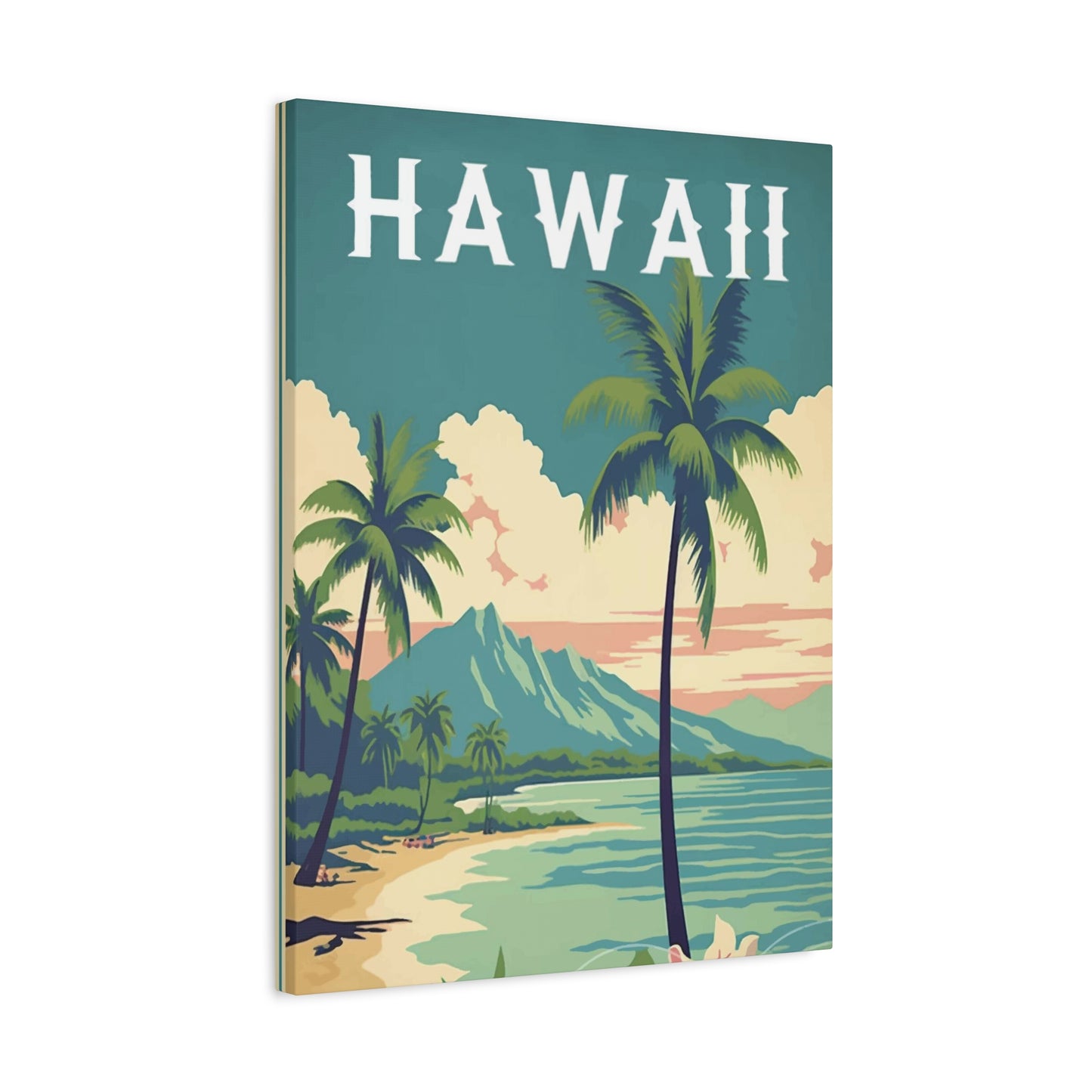
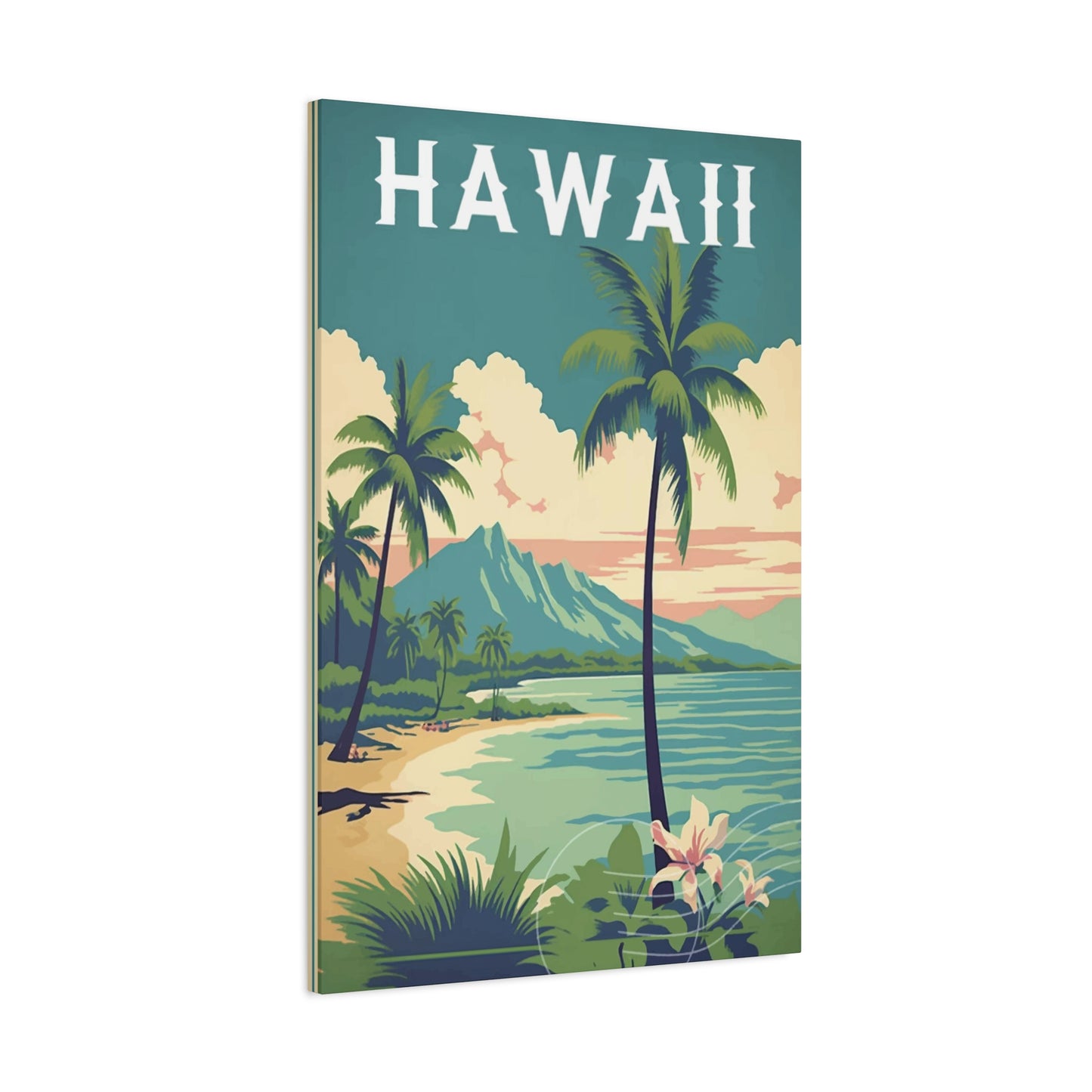
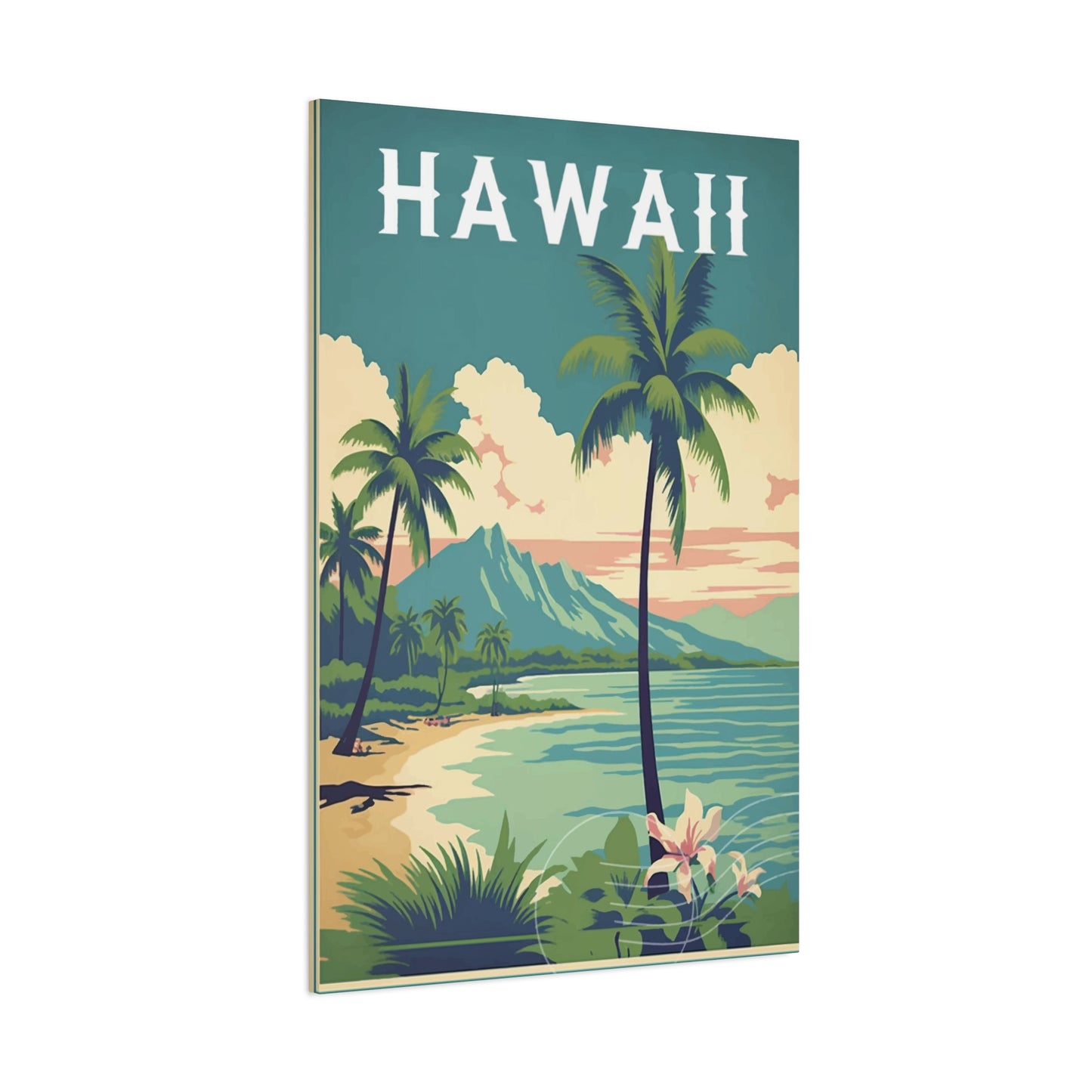
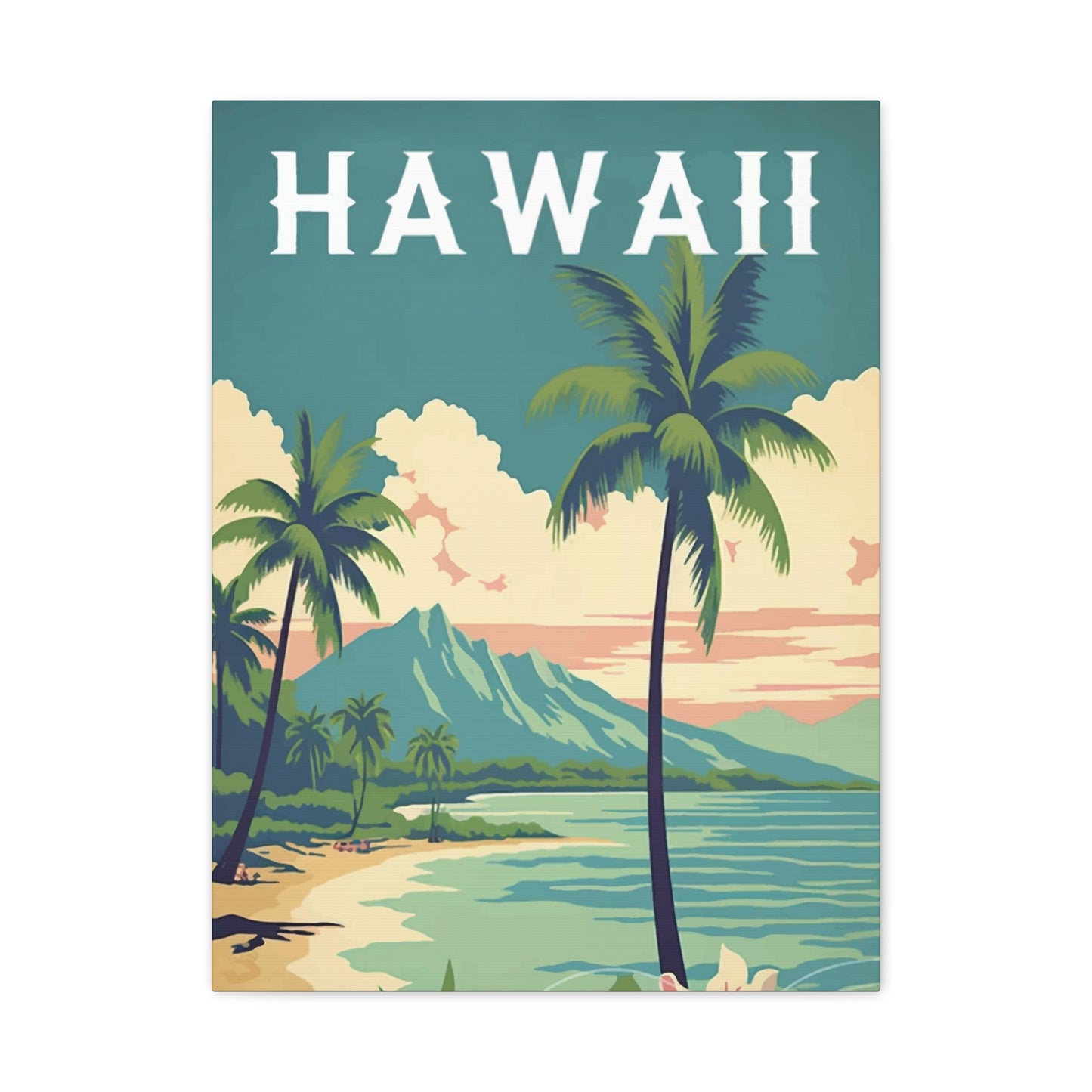
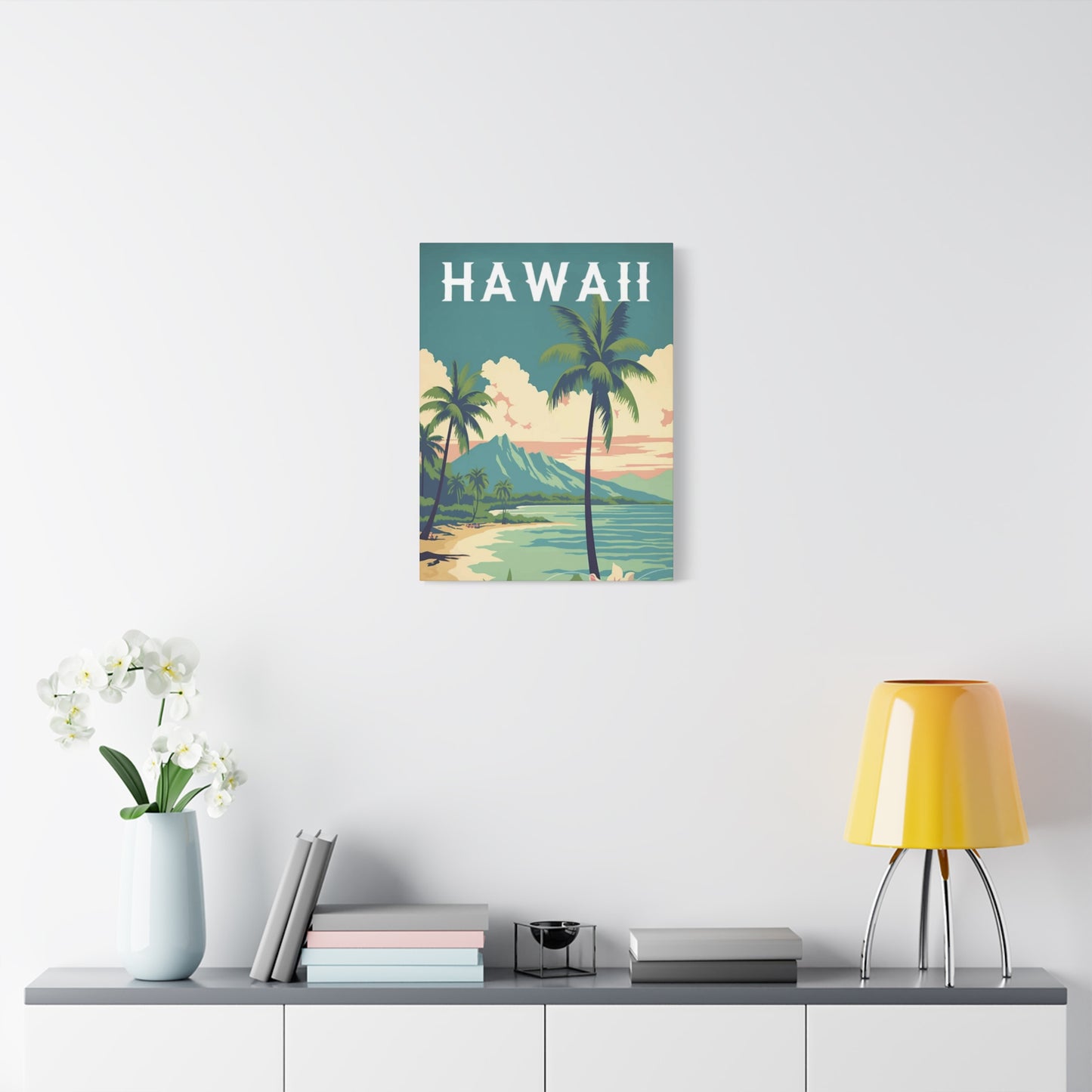
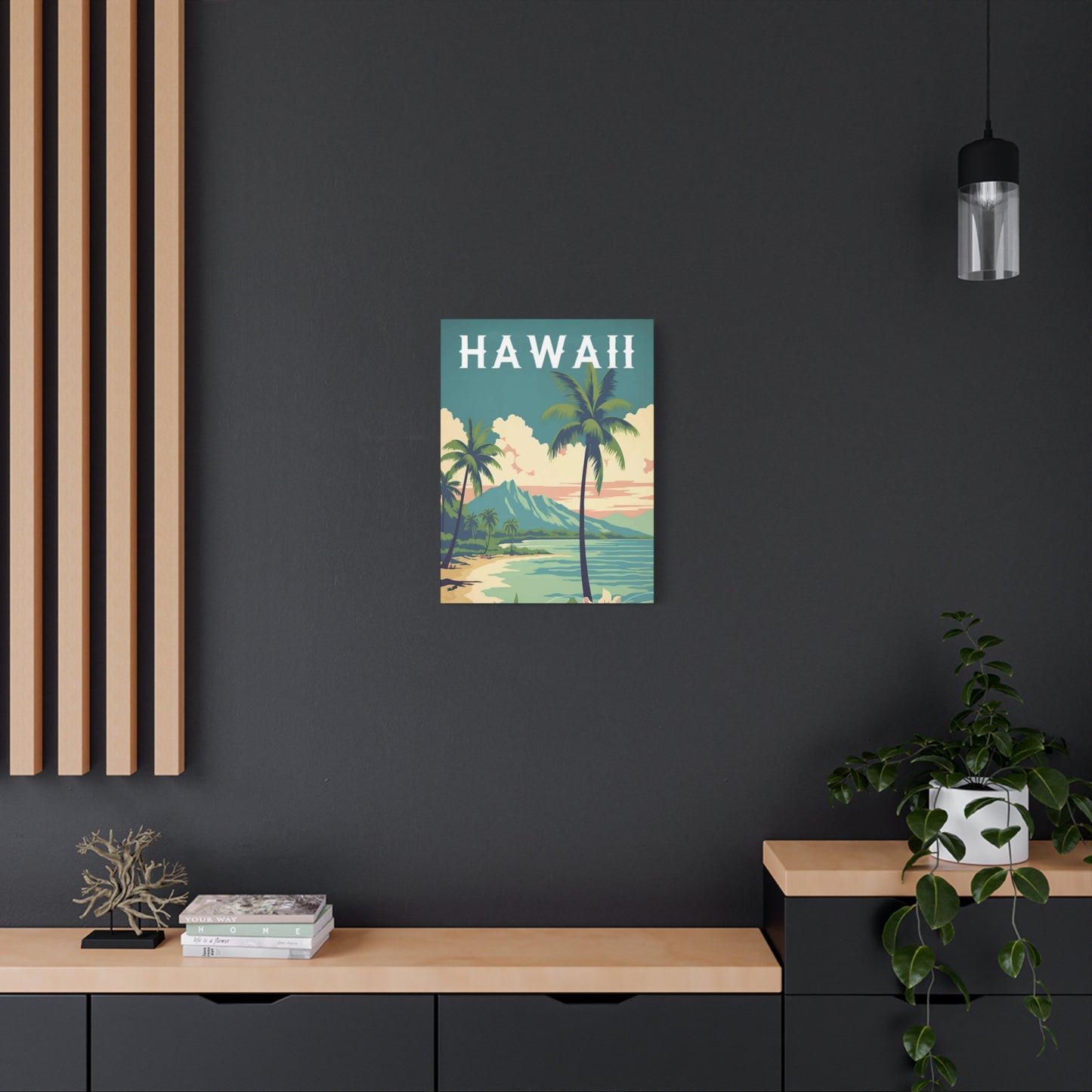
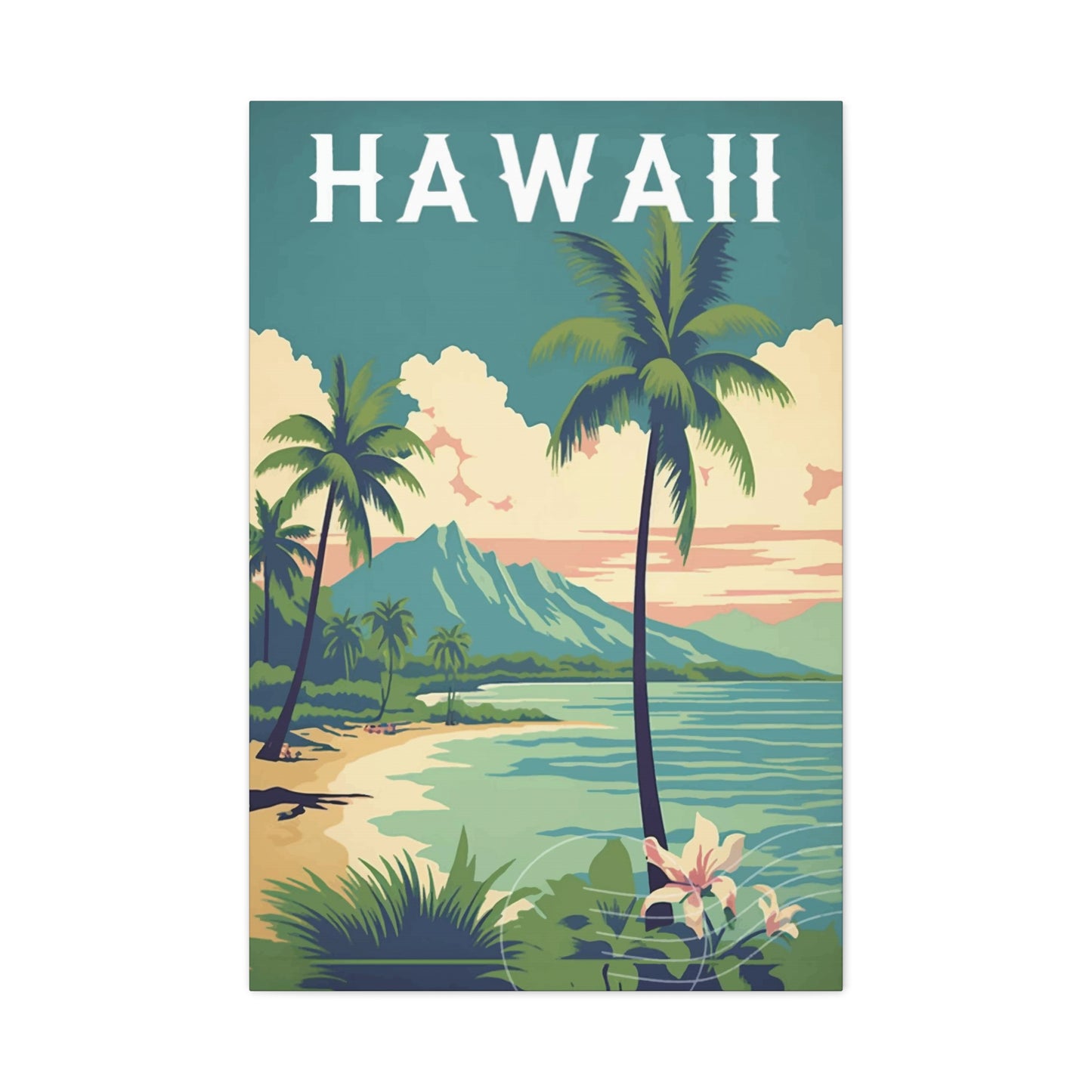
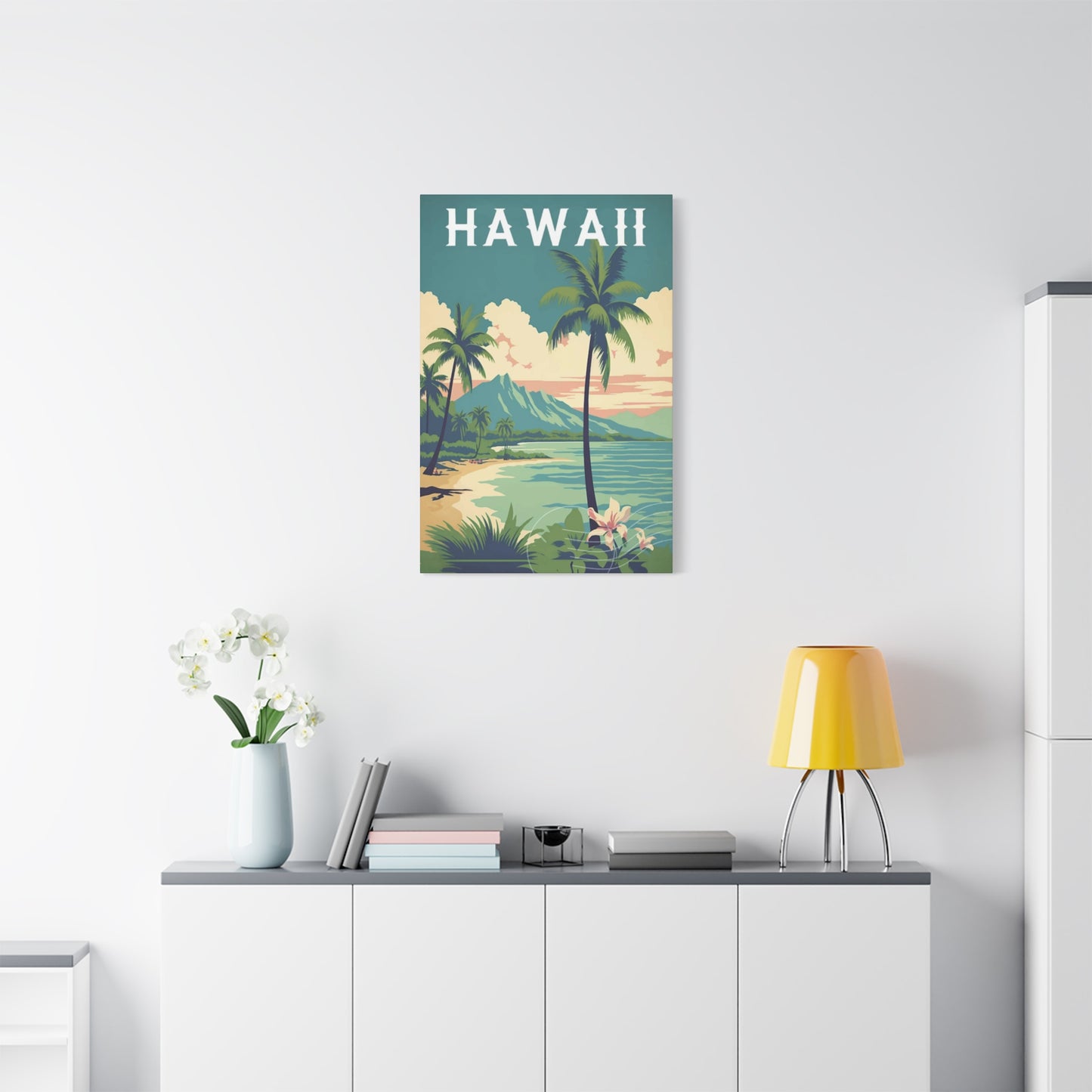
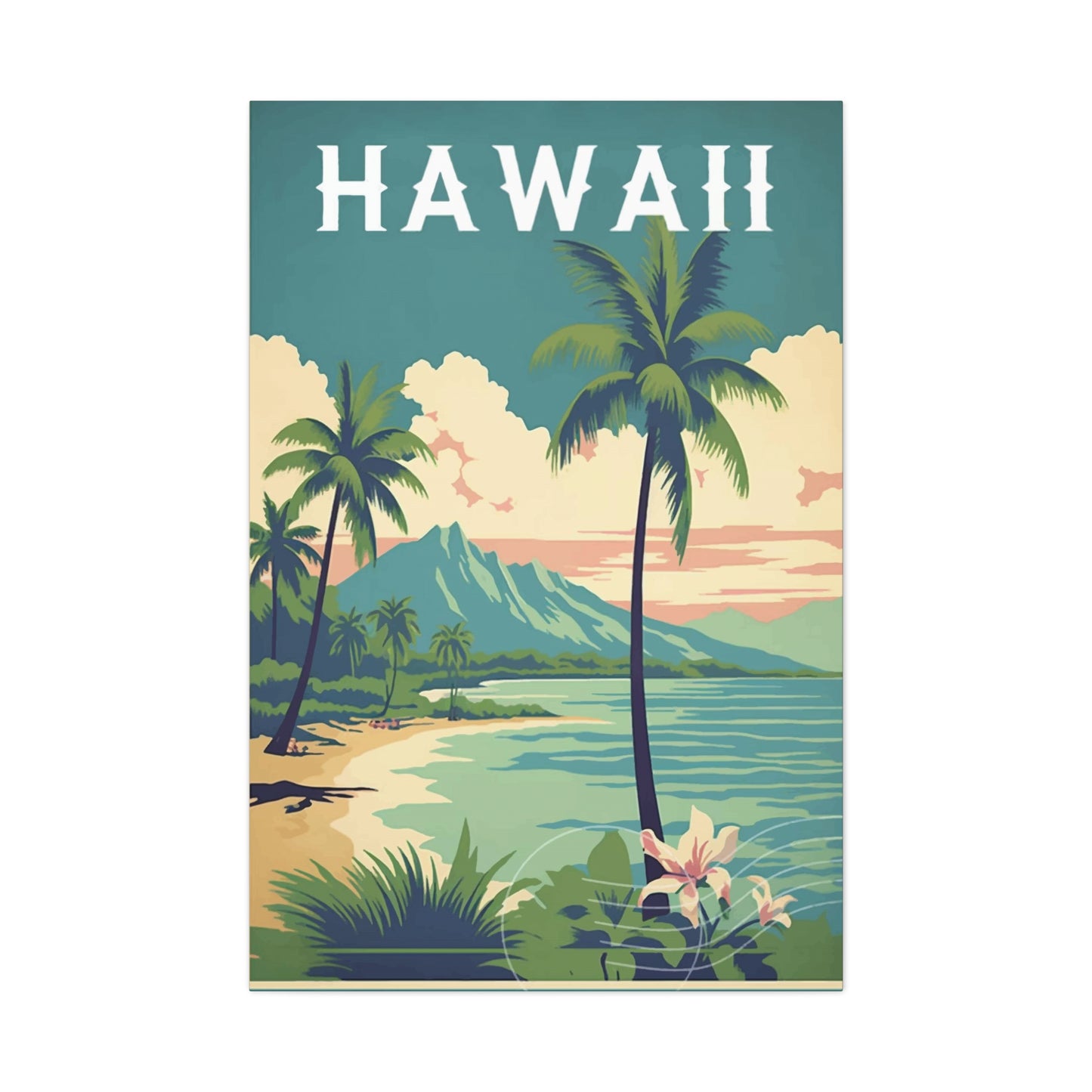
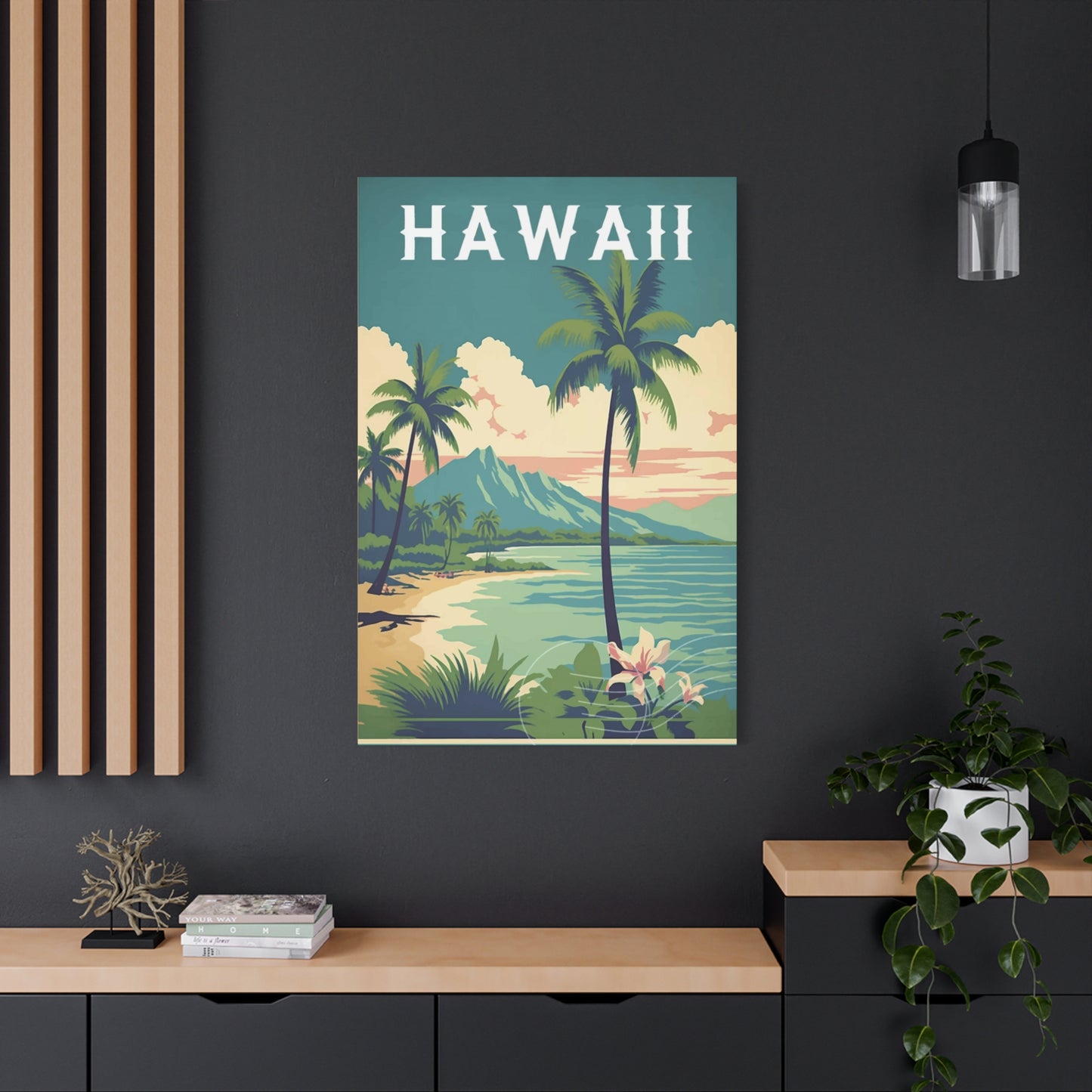
Hawai Wall Art & Canvas Prints
Hawai Wall Art & Canvas Prints
Couldn't load pickup availability
Vibrant Hawai Wall Art: Bringing Island Paradise Into Your Living Spaces
The allure of tropical islands has captivated human imagination for centuries, and few places embody this enchantment more completely than the Hawaiian archipelago. When we speak of Hawai wall art, we're discussing far more than mere decorative pieces—we're exploring a profound cultural expression that bridges ancient traditions with contemporary aesthetic sensibilities. This comprehensive exploration delves into every facet of Hawaiian-inspired wall decorations, from their deep-rooted cultural significance to practical considerations for selecting and displaying these magnificent pieces in your personal environment.
The mesmerizing beauty of Hawaii's landscapes, from cascading waterfalls hidden within emerald valleys to volcanic beaches where black sand meets turquoise waves, provides endless inspiration for artistic expression. These natural wonders, combined with the rich tapestry of Polynesian heritage, create a unique artistic vocabulary that resonates with people worldwide. Whether you're a collector seeking authentic pieces or someone simply drawn to the tranquil aesthetic these artworks provide, understanding the depth and breadth of Hawaiian wall decorations enriches both the selection process and your ultimate enjoyment of these captivating pieces.
The Cultural Roots and Ancestral Significance Behind Hawaiian Artistic Expression
Hawaiian artistic traditions stretch back over a millennium, when Polynesian voyagers first navigated vast ocean expanses using only stars, currents, and their remarkable understanding of natural patterns. These early settlers brought with them sophisticated cultural practices, including distinctive artistic forms that would evolve into what we recognize today as characteristically Hawaiian aesthetics. The visual language developed by these island inhabitants wasn't merely decorative—it served as a vital communication medium, recording genealogies, commemorating significant events, and honoring the spiritual forces believed to animate the natural world.
Traditional Hawaiian society operated within a complex belief system where mana, a spiritual essence or power, flowed through all living things and natural phenomena. This worldview profoundly influenced artistic creation, as artisans understood their work as channels for spiritual energy rather than simply crafting beautiful objects. Kapa cloth, created through an intricate process of beating bark into supple fabric, featured geometric patterns and natural dyes that conveyed specific meanings—certain designs indicated royal lineage, while others represented particular gods or natural forces.
Petroglyphs carved into volcanic rock throughout the islands stand as testament to ancient Hawaiian visual communication. These symbolic representations, depicting human figures, animals, geometric shapes, and mysterious abstract forms, created a permanent record of cultural narratives, boundary markers, and spiritual sites. Contemporary Hawai wall art frequently draws inspiration from these ancient carvings, translating their enigmatic power into formats suitable for modern interiors while maintaining reverence for their original significance.
The concept of 'aina, referring to the land that feeds and sustains, permeates Hawaiian cultural consciousness and artistic output. This profound connection to place manifests in artwork celebrating specific landscapes—the jagged peaks of Kauai's Na Pali Coast, the fire goddess Pele's domain within Kilauea volcano, the sacred waters of Waipio Valley. When selecting Hawai wall art for your space, understanding these geographical and spiritual associations adds layers of meaning that transcend mere visual appeal.
Diverse Styles and Mediums Characterizing Contemporary Hawaiian Wall Decorations
The spectrum of Hawaiian-inspired wall decorations available today encompasses remarkable diversity, reflecting both traditional practices and contemporary innovation. Photographic prints capturing Hawaii's breathtaking landscapes represent perhaps the most accessible entry point for those drawn to island aesthetics. These range from sweeping panoramic vistas that transport viewers to remote beaches and mountain ridges, to intimate macro photography revealing the delicate architecture of tropical flowers or the crystalline structure of volcanic minerals.
Watercolor paintings offer a particularly suited medium for capturing Hawaii's luminous quality—the way sunlight filters through rain showers to create rainbows, or how dawn light transforms the ocean from deep indigo to brilliant turquoise. Skilled watercolorists working in Hawaiian themes often employ wet-on-wet techniques that allow pigments to blend and flow organically, mimicking the fluid, ever-changing nature of tropical environments. The translucent quality characteristic of watercolor perfectly captures the ethereal beauty of phenomena like sunrise viewed through morning mist, or the way light penetrates shallow coral reefs.
Oil paintings provide artists with opportunities to build rich, textured surfaces that convey the tactile quality of Hawaii's diverse landscapes. Thick impasto techniques can suggest the rough volcanic rock formations characteristic of newer lava flows, while smooth glazing methods might render the glass-like surface of a protected bay at sunrise. Traditional Hawaiian subject matter receives varied interpretations through this versatile medium—from hyperrealistic renderings that rival photography in detail, to expressionistic works where bold color and energetic brushwork convey emotional responses to place rather than literal representation.
Digital artists have embraced Hawaiian themes with enthusiasm, creating works that range from stylized vector graphics featuring simplified forms and bold color palettes, to complex digital paintings indistinguishable from traditional media. This contemporary approach allows for interesting hybrid creations—vintage travel poster aesthetics updated with modern sensibilities, or traditional motifs reimagined through contemporary design principles. The accessibility of digital printing means these works can be reproduced at various scales and on diverse substrates, from traditional paper to metal, acrylic, or canvas.
Mixed media constructions incorporating actual Hawaiian materials create three-dimensional pieces that engage multiple senses. Artists might combine photography or painting with authentic koa wood frames, embed real sand from specific beaches, or incorporate native plant materials preserved through various methods. These tactile works create particularly strong connections to place, as they contain literal fragments of the islands themselves. Shell assemblages arranged into traditional patterns or contemporary compositions bridge ancient craft traditions with modern decorative sensibilities.
Traditional tapa cloth, now more commonly created for artistic rather than utilitarian purposes, represents one of the most authentically Hawaiian art forms available. Contemporary tapa artists employ time-honored techniques of bark harvesting, beating, and natural dyeing to create works that honor ancestral methods while exploring new creative possibilities. These pieces carry profound cultural resonance, connecting contemporary spaces with practices stretching back to Hawaii's earliest inhabitants.
Symbolic Elements and Recurring Motifs Found Throughout Hawaiian Artwork
Understanding the symbolic vocabulary employed in Hawaiian artwork enriches appreciation and guides appropriate selection for your space. The honu, or Hawaiian green sea turtle, appears frequently in various artistic interpretations. These ancient mariners, which can live over eighty years and travel thousands of miles across ocean expanses, symbolize longevity, wisdom, and safe passage. In traditional Hawaiian cosmology, honu served as 'aumakua, or ancestral guardian spirits, for certain families. Artwork featuring these graceful creatures carries associations with endurance, navigation through life's challenges, and connection to ancestral wisdom.
Tropical flora provides endless inspiration, with each plant species carrying distinct cultural associations. The hibiscus flower, Hawaii's state flower, represents delicate beauty and the fleeting nature of perfect moments—individual blossoms last only a single day before falling. Plumeria, with its intoxicating fragrance and elegant five-petaled form, commonly appears in lei and has become synonymous with Hawaiian hospitality. The bird of paradise, despite being introduced rather than native, has become iconically associated with tropical paradise through its dramatic, crane-like blooms in vibrant orange and blue.
Ti plants, considered sacred in Hawaiian tradition, feature distinctive long leaves radiating from central stems. Ancient Hawaiians used ti leaves for ceremonial purposes, wrapped food in them for cooking, and planted them around homes for spiritual protection. Contemporary artwork incorporating ti plant imagery therefore carries associations with blessing, protection, and traditional cultural practices. Similarly, the kukui nut tree, designated as Hawaii's state tree, provides nuts that were historically burned for light and pressed for oil. Lei made from polished kukui nuts remain popular, and artistic representations reference illumination, guidance, and practical wisdom.
Marine imagery beyond turtles encompasses diverse species inhabiting Hawaiian waters. Humpback whales, which migrate to Hawaiian waters each winter for breeding and calving, symbolize family bonds, nurturing, and the mystery of creatures whose intelligence we're only beginning to comprehend. Dolphins, called nai'a in Hawaiian, represent playfulness, harmony, and the joy found in living fully present in each moment. Hawaiian monk seals, one of the world's most endangered marine mammals and found nowhere else on earth, evoke conservation concerns while symbolizing the unique, precious nature of Hawaii's endemic species.
Volcanic imagery carries particularly powerful symbolism, representing both creative and destructive forces. Pele, the volcano goddess, embodies passion, transformation, and the raw power of natural forces beyond human control. Artwork depicting active lava flows, volcanic eruptions, or the meeting point where molten rock enters the ocean in explosive steam clouds speaks to themes of creation, transformation, and the ever-changing nature of existence. The stark beauty of recent lava fields, where new land lies bare and black before plants begin their slow reclamation, reminds viewers of nature's cycles of destruction and renewal.
Rainbow imagery, particularly common due to Hawaii's frequent combination of sunshine and passing showers, symbolizes hope, promise, and the beauty that emerges when opposing forces—sun and rain—come together. The Hawaiian language has numerous specific words for different rainbow types, reflecting the cultural significance of these atmospheric phenomena. Artwork capturing rainbows arcing over valleys, emerging from waterfalls' mist, or stretching across ocean horizons carries these positive associations.
Selecting Appropriate Sizes and Scales for Maximum Visual Impact
Determining the optimal size for Hawai wall art requires careful consideration of multiple factors, beginning with the physical dimensions of your display space. A common mistake involves selecting pieces too small for their intended location, resulting in artwork that appears lost or insignificant within the broader room context. For large walls, particularly those above sofas, beds, or in spacious entryways, substantial pieces measuring four to six feet in width create commanding focal points that anchor the room's visual composition. These larger formats suit panoramic Hawaiian landscapes particularly well, allowing sweeping vistas to achieve immersive quality that transports viewers to the depicted location.
The general guideline suggests artwork should occupy roughly two-thirds to three-quarters of the furniture width it hangs above, though this rule admits flexibility based on specific circumstances. For a standard sofa measuring seven feet in length, a single piece spanning four to five feet wide, or a multi-panel arrangement with similar total width, creates balanced proportions. Alternatively, gallery wall arrangements combining multiple smaller pieces can fill equivalent space while offering greater variety in composition and subject matter.
Ceiling height significantly influences appropriate scale selection. Standard eight-foot ceilings suit medium-sized pieces, typically ranging from two to four feet in their longest dimension. Rooms with higher ceilings—ten feet or more—can accommodate substantially larger works without appearing overwhelming, and in fact benefit from increased scale to maintain appropriate proportion with the expanded vertical space. Vaulted or cathedral ceilings present unique opportunities for dramatic vertical compositions, perhaps depicting towering waterfalls, tree canopies viewed from forest floors, or vertical cliff faces characteristic of Hawaii's mountainous terrain.
Consider viewing distance when determining appropriate size. Artwork intended for observation from across a room can employ larger, bolder elements that maintain coherence at distance, while pieces positioned in locations permitting close examination—beside reading chairs, in hallways, or near dining tables—might feature more intricate detail rewarding careful observation. Extremely large photographic prints revealing fine details of subjects like tropical flowers or coral formations create interesting dual-viewing experiences, reading as abstract color and form from afar while unveiling hidden complexity upon approach.
Multi-panel arrangements, whether diptychs, triptychs, or more extensive configurations, offer flexibility in filling space while creating dynamic compositions through relationships between panels. A three-panel arrangement might depict a Hawaiian landscape progressing from dawn through midday to sunset, or present different elevations of a single mountain from tropical lowlands through cloud forests to volcanic summit. These sequential arrangements guide visual movement across the wall surface while telling expanded visual stories impossible within single images.
Small spaces benefit from thoughtful scale consideration. Paradoxically, one substantial piece often works better in compact rooms than multiple small items, which can create visual clutter. A well-chosen large artwork celebrating Hawaii's expansive landscapes can actually make small rooms feel more spacious by providing a visual escape—a window opening onto distant horizons. Narrow walls, such as those in hallways or beside doorways, suit vertical compositions capturing tall elements like waterfall cascades, palm trees reaching skyward, or vertical cliff faces.
Color Palette Considerations for Harmonious Room Coordination
Hawaiian-inspired artwork typically features distinctive color palettes reflecting the islands' natural environment—azure and turquoise ocean tones, verdant greens in countless shades from spring-bright new growth to deep forest shadows, warm earth tones of volcanic rock and sand, and the brilliant accent colors of tropical flowers and spectacular sunsets. Successfully incorporating these works into existing décor requires understanding color relationships and intentional coordination strategies.
Rooms decorated in neutral tones—whites, grays, beiges, and taupes—provide ideal backgrounds for vibrant Hawaiian artwork, allowing the piece to serve as the primary color source and focal point. This approach particularly suits contemporary or minimalist interiors where colorful artwork provides visual interest without competing with other decorative elements. The contrast between subdued surroundings and brilliant artwork creates dramatic impact while maintaining overall sophistication. Consider how specific Hawaiian landscapes might complement different neutral foundations—a dramatic black sand beach photograph gains additional power against white walls, while a lush jungle scene rich in varied greens creates harmonious resonance with warmer beige or tan surroundings.
For rooms already incorporating color, selecting artwork that shares at least one hue with existing elements creates visual cohesion. A living room featuring navy or royal blue upholstery naturally accommodates Hawaiian seascapes where similar ocean tones predominate. Spaces with green accents in plants, pillows, or other décor harmonize beautifully with tropical forest or mountain imagery where emerald, jade, and olive shades prevail. This doesn't require exact color matching—in fact, slight variations in hue, saturation, or value often create more interesting relationships than perfectly matched tones.
Complementary color schemes, employing hues opposite each other on the color wheel, generate visual excitement and energy. Orange-toned Hawaiian sunsets create stunning contrasts in rooms with blue elements, while sunset images featuring pink and magenta tones beautifully counter spaces incorporating green. These high-contrast combinations demand careful balance—ensuring no single color overwhelms—but successfully executed, they create vibrant, memorable spaces pulsing with energy appropriate to Hawaiian themes.
Analogous color schemes utilize adjacent color wheel positions, creating harmonious, cohesive environments. A room decorated in blues and greens finds perfect partnership with Hawaiian coastal imagery where sea meets land, or rainforest scenes where multiple green shades mingle with blue sky glimpses through canopy openings. These gentler color relationships suit spaces intended for relaxation and restoration, promoting calm rather than excitement.
Consider the psychological effects of color when selecting Hawaiian artwork for specific spaces. Blue tones, predominant in ocean imagery, generally promote calm, tranquility, and focused thought—ideal for bedrooms, bathrooms, or home offices. Green, abundant in tropical vegetation depictions, reduces stress and eyestrain while fostering balance and renewal—excellent for family gathering spaces or areas designated for wellness activities. Warmer colors found in sunset imagery or volcanic landscapes—oranges, reds, yellows—energize and invigorate, suiting dining areas, exercise spaces, or locations where you desire increased vitality.
Lighting conditions dramatically affect color perception and should inform artwork selection. Natural daylight reveals colors most accurately, with northern exposure providing consistent, cool light throughout the day, while southern exposure brings warmer, more intense illumination. Rooms lit primarily by warm incandescent or halogen sources will emphasize warm tones within artwork while slightly subduing cool blues and greens. LED lighting, increasingly common, varies widely in color temperature—warmer LEDs below 3000 Kelvin enhance sunset and volcanic imagery, while cooler LEDs above 4000 Kelvin complement ocean and tropical forest scenes.
Frame Selection Strategies Enhancing Rather Than Overpowering Artwork
The frame surrounding Hawai wall art significantly influences both the piece's visual impact and its relationship with surrounding décor. Thoughtful frame selection enhances artwork while respecting its inherent character, whereas poor framing choices diminish even exceptional pieces. Understanding available options and their respective effects guides appropriate decisions for your specific situation.
Natural wood frames create immediate connections to organic materials, particularly appropriate for Hawaiian subjects inherently tied to natural environments. Lighter woods like maple, ash, or birch provide clean, contemporary feelings that won't compete with colorful artwork, allowing the image itself to dominate attention. Medium-toned woods such as oak, walnut, or cherry introduce warmth and traditional craftsmanship associations, suiting spaces with similar wood furniture or architectural elements. Koa wood, native to Hawaii and prized for its beautiful grain patterns ranging from straight to highly figured, creates the most authentic connection to Hawaiian subject matter, though its premium price reflects both beauty and scarcity.
Dark frames, whether stained wood or black metal, create strong borders that contain and define artwork while providing maximum contrast against light-colored walls. This high-contrast approach suits bold, vibrant Hawaiian imagery that can hold its own against substantial framing. Dark frames particularly complement sunset imagery where warm colors gain additional intensity through contrast with cool, dark boundaries. However, darker frames can overwhelm subtle or pastel-dominated pieces, making them appear smaller or less significant than they actually are.
White or light-colored frames merge with similarly colored walls, creating the impression that artwork floats without defined boundaries. This approach maximizes the image's apparent size and particularly suits contemporary or beach-house aesthetics where casual, airy feelings prevail. Light frames work beautifully with ocean and sky imagery dominated by blues and whites, enhancing the spacious, open quality these scenes naturally possess.
Metal frames offer sleek, modern alternatives to traditional wood. Brushed aluminum or stainless steel creates industrial-influenced contemporary aesthetics, while metal finishes in brass, bronze, or copper tones introduce warmth rivaling wood frames. Metal's slim profiles allow maximum image visibility with minimal frame presence—ideal when you want artwork itself to command complete attention. Floating frames, where artwork appears suspended within a shallow metal or wood box, create dramatic three-dimensional effects particularly effective with canvas prints or thick paper stocks.
Mat boards, when appropriate, provide visual breathing room between artwork and frame while offering opportunities to introduce complementary colors or neutral buffers. Wide mats create gallery-like presentations lending importance and formality to pieces, while narrow mats provide subtle separation without substantial visual impact. Mat color significantly affects artwork perception—white mats create clean, classic presentations; cream or off-white mats offer warmth while maintaining neutrality; colored mats can either complement specific hues within artwork or provide contrast, though colored mats demand careful selection to avoid appearing dated or clashing with the image.
Frameless mounting, whether on rigid substrates like foam core or gator board, or stretched canvas gallery wraps where images extend around frame edges, creates casual, contemporary presentations. These approaches suit modern interiors and beach-house aesthetics while reducing costs compared to custom framing. Gallery-wrapped canvases particularly suit panoramic Hawaiian landscapes, as the image continuation around edges eliminates visual interruption and enhances immersive qualities.
Consider the relationship between frame style and room décor. Traditional interiors with ornate moldings, classic furniture, and formal arrangements pair well with substantial wood frames featuring decorative details—beading, step designs, or carved elements. Contemporary spaces characterized by clean lines, minimal ornamentation, and modern materials harmonize with simple frames emphasizing function over decoration—flat profiles, slim dimensions, and industrial materials. Transitional spaces blending traditional and contemporary elements benefit from frames occupying middle ground—wood frames with simple, refined profiles that reference traditional craftsmanship while maintaining contemporary restraint.
Strategic Placement Positions Maximizing Aesthetic and Emotional Impact
Where you position Hawai wall art within your space profoundly influences both its visual effectiveness and the emotional atmosphere it creates. Strategic placement considers multiple factors including viewing angles, lighting conditions, furniture arrangements, and the specific feelings you wish to cultivate in different areas.
The classic position above a sofa remains popular for good reasons—it creates a clear focal point in living areas where people naturally gather, places artwork at comfortable viewing height for seated individuals, and fills what would otherwise be a large, blank wall expanse. When hanging artwork above seating furniture, the general guideline suggests positioning the bottom edge six to twelve inches above the furniture top, allowing sufficient visual separation while maintaining clear relationships between elements. Horizontally, centering artwork relative to furniture beneath creates balanced, harmonious arrangements, though intentional off-center placement can create dynamic, unexpected compositions in less formal settings.
Bedrooms offer natural locations for Hawaiian artwork, as the tranquil, restorative qualities associated with tropical paradise align perfectly with sleep and relaxation purposes. The wall above the headboard provides the most obvious position, creating a focal point visible upon entering the room while falling within the visual field of anyone lying in bed. Consider imagery specifically conducive to rest and rejuvenation—gentle ocean waves, serene beaches absent of crowds, peaceful forest scenes, or calming sunset colors rather than dramatic volcanic action or intense close-ups that might prove overstimulating when rest is desired.
Dining areas benefit from artwork stimulating conversation and creating convivial atmospheres. Hawaiian scenes depicting gathering places—beaches where communities would meet, lush valleys suitable for habitation, or traditional cultural imagery—reinforce the social aspects of shared meals. Ensure adequate separation from tables to prevent inadvertent contact during meals and consider lighting arrangements that illuminate artwork without creating glare on glass-covered pieces.
Home office spaces require artwork balancing inspirational qualities with appropriateness for focused work. Expansive Hawaiian landscapes visible behind computer monitors during brief glances upward provide mental escape and stress relief during demanding tasks, while not proving so engaging that they distract from work requiring concentration. Imagery depicting achievement—surfers riding significant waves, mountain summit vistas, or sunrise scenes suggesting new beginnings—can provide subtle motivational support during challenging projects.
Bathrooms, particularly spacious primary baths, accommodate Hawaiian artwork beautifully. The association between water, cleansing, and renewal aligns naturally with ocean or waterfall imagery. Consider moisture-resistant materials and frames in these humid environments—canvas prints, acrylic-mounted photographs, or metal prints resist moisture damage better than paper prints, and metal or sealed wood frames outperform raw wood or certain decorative finishes. Keep artwork away from direct water exposure but don't hesitate to incorporate appropriately mounted pieces in bathroom environments.
Hallways and stairwells present unique opportunities and challenges. These transitional spaces, often overlooked in decorating schemes, can become gallery-like sequences of smaller related pieces creating visual interest for passersby. Stairway walls naturally suit vertical compositions echoing the upward movement of stairs themselves—waterfalls cascading downward, palm trees reaching upward, or cliff faces providing vertical emphasis. Ensure adequate lighting in these often dim spaces, as artwork languishing in shadows loses much of its impact.
Entryways create powerful first impressions, making them strategic locations for significant pieces setting the tone for your entire home. A substantial Hawaiian landscape greeting visitors immediately establishes a relaxed, welcoming atmosphere while revealing your aesthetic preferences and perhaps personal connections to the islands. Consider durability in high-traffic entry areas, opting for glazed or laminated surfaces resisting accidental contact damage.
Lighting Considerations Revealing Artwork's Full Beauty and Dimension
Proper illumination transforms how artwork appears, revealing subtle color gradations, emphasizing textures, and creating the visual impact artists intended. Inadequate or inappropriate lighting diminishes even exceptional pieces, while thoughtful illumination strategies maximize aesthetic impact and create compelling focal points drawing attention exactly where desired.
Natural daylight provides the most accurate color rendering and pleasant viewing conditions, making artwork positions near windows initially attractive. However, direct sunlight presents serious conservation concerns—ultraviolet radiation causes irreversible fading of pigments and deterioration of paper and other materials. If positioning artwork near windows, ensure direct sun never strikes the surface, using window treatments as necessary to filter or redirect light. UV-filtering glazing or acrylic in frames provides additional protection, blocking harmful wavelengths while permitting visible light transmission.
Dedicated picture lights mounted directly above or below individual artworks create focused illumination emphasizing specific pieces while adding elegant architectural detail. Traditional picture lights extending from frames on adjustable arms allow precise positioning for optimal lighting angles. These fixtures, available in various finishes from polished brass to matte black, become decorative elements themselves, their style influencing overall aesthetic. LED picture lights offer energy efficiency and minimal heat output—important for artwork conservation—while providing excellent color rendering when quality fixtures are selected.
Track lighting systems provide flexibility for illuminating multiple artworks or adjusting as pieces change. Individual fixtures along tracks can be aimed precisely, with beam spreads selected appropriate for different artwork sizes and mounting heights. This flexibility particularly suits collector spaces where artwork rotates periodically. Select track fixtures with narrow beam spreads (typically 15-25 degrees) for focused illumination minimizing spill light on walls, and ensure adequate distance between fixtures and artwork to achieve even illumination across the entire surface without hot spots.
Recessed spotlights integrated into ceilings create clean, architectural lighting solutions without visible fixtures drawing attention. These work beautifully in contemporary spaces where visible light sources might interrupt minimalist aesthetics. Position recessed fixtures to illuminate artwork at approximately 30-degree angles, which provides good light distribution while minimizing glare on glazed surfaces. Adjustable gimbal-style recessed fixtures offer positioning flexibility after installation, allowing fine-tuning to achieve optimal effects.
Ambient room lighting influences how artwork appears even when not directly illuminated. Overhead fixtures provide general illumination establishing baseline light levels, while table and floor lamps contribute localized lighting creating layered, visually interesting environments. Consider how these various sources affect artwork throughout the day and evening hours, as pieces will appear differently under various lighting conditions. Dimmer switches provide flexibility, allowing lighting adjustments for different activities and times of day.
Color temperature significantly affects artwork appearance and should be carefully considered when selecting light sources. Warm white light (2700-3000 Kelvin) creates cozy, intimate atmospheres while emphasizing warm tones—reds, oranges, yellows—in artwork. This temperature suits traditional interiors and evening lighting scenarios but may make blues and greens appear slightly dulled. Neutral white (3500-4100 Kelvin) provides balanced illumination without strong warm or cool casts, offering accurate color rendering suitable for most artwork. Cool white (5000-6500 Kelvin) approximates daylight, emphasizing blues and greens while potentially making warm colors appear less vibrant; it suits contemporary spaces and works particularly well with ocean and tropical forest imagery.
Color Rendering Index (CRI) measures how accurately light sources render colors compared to natural daylight, with higher numbers indicating better color accuracy. For artwork illumination, select sources with CRI ratings of 90 or above to ensure faithful color reproduction. Lower CRI sources, common in inexpensive LED bulbs, may make certain colors appear washed out or shifted from their true appearance. This specification proves particularly important for high-quality Hawaiian artwork where accurate rendering of subtle color variations—the multiple blue shades in ocean gradients, the diverse greens in tropical foliage—contributes significantly to aesthetic impact.
Glare reduction requires attention when lighting glazed artwork. Position lighting to prevent hot spots or reflections obscuring the image, typically achieved by illuminating at angles 30 degrees or more from perpendicular. Museum glass or specially coated acrylic virtually eliminates reflections through anti-reflective coatings applied to glazing surfaces, though these premium options significantly increase framing costs. Alternatively, consider canvas prints or other non-glazed formats in positions where glare proves problematic despite lighting adjustments.
Authentic Versus Reproduction Considerations for Different Budgets and Values
The market for Hawaiian-themed artwork encompasses remarkable variety in originality, ranging from unique pieces created by individual artists to mass-produced reproductions. Understanding these distinctions helps align purchases with personal values, budgets, and specific requirements while ensuring appropriate price expectations for different categories.
Original artwork—paintings, drawings, or photographs existing as unique objects—commands premium prices reflecting the artist's time, skill, materials, and creative vision. Original oils or acrylics depicting Hawaiian subjects, created by established artists with gallery representation, might range from several hundred to many thousands of dollars depending on the artist's reputation, the piece's size, and its complexity. Watercolors and drawings generally price somewhat lower than oils but still represent significant investments. Original photography, particularly large-format prints in limited editions, similarly commands substantial prices reflecting the photographer's expertise, equipment investments, and the time required to capture exceptional images.
For collectors seeking investment potential alongside aesthetic enjoyment, original works by recognized artists offer the greatest appreciation possibility. Research artists whose work you admire, understanding their career trajectory, exhibition history, and market positioning. Emerging artists whose reputations are building offer opportunities to acquire work at more accessible prices while potentially benefiting from future appreciation as their careers develop. However, purchasing original artwork primarily for investment purposes requires substantial market knowledge and involves risk—buy pieces you genuinely love regardless of potential appreciation.
Limited edition prints occupy middle ground between originals and open-edition reproductions. Artists create limited editions by restricting production to specific numbers of prints, each numbered and typically signed by the artist. This scarcity creates higher values than unlimited reproductions while maintaining accessibility compared to unique originals. Traditional printmaking methods—lithography, serigraphy (silkscreen), etching—create limited editions where each print requires manual processes, making large editions impractical. Photographic prints, more easily reproduced, rely on voluntary limitation to create scarcity. Verify edition sizes and whether the printing plates or files will be destroyed after the edition completes, as these factors affect potential value.
Giclee prints, produced through high-quality inkjet printing on archival papers or canvas, blur lines between reproduction and limited edition. The term, derived from French meaning "to spray," originally distinguished fine-art inkjet prints from commercial reproductions. Quality giclee prints on archival materials, using pigment rather than dye-based inks, rival or exceed traditional printmaking in detail, color accuracy, and longevity. Many artists now create limited edition giclees, signing and numbering them like traditional prints. These offer excellent quality at prices more accessible than originals while supporting living artists through royalty arrangements.
Open-edition reproductions provide maximum affordability, making Hawaiian imagery accessible regardless of budget. Contemporary digital printing produces remarkably high-quality reproductions on diverse substrates—paper, canvas, metal, acrylic—at prices starting under fifty dollars for substantial sizes. These suit decorative purposes perfectly while requiring minimal investment. When selecting reproductions, prioritize quality—archival materials ensure longevity, proper color calibration maintains fidelity to original artworks, and robust construction prevents sagging or warping. Mass-market retailers offer inexpensive options, but specialized art print suppliers often provide superior quality justifying slightly higher prices.
Respecting intellectual property matters when purchasing artwork. Verify that reproductions are legitimately licensed from artists or copyright holders, ensuring creators receive appropriate compensation. Legitimate sellers clearly identify reproduced artwork with artist names and often include licensing information. Avoid purchasing obvious knockoffs of famous Hawaiian photographs or paintings from questionable sources, as these infringe copyrights while providing no support to original creators.
Direct artist purchases, whether originals or prints, provide maximum support to creative individuals while potentially offering better values than gallery purchases. Many Hawaiian artists maintain websites showcasing available work, with online purchases shipped directly to buyers. Art fairs, exhibitions, and open studio events provide opportunities to meet artists personally, understand their creative processes, and acquire work directly. These interactions add meaningful stories and connections to purchased pieces, enhancing enjoyment beyond pure aesthetic considerations.
Caring For and Preserving Your Hawaiian Artwork Investment
Proper care ensures artwork remains beautiful for decades or longer, protecting your aesthetic and financial investments. Different materials and formats require specific approaches, but certain principles apply universally to preserving artwork quality and appearance.
Dust accumulation, seemingly innocuous, gradually damages artwork through abrasive particles scratching surfaces and through acidic or corrosive contaminants contained within household dust. Regular gentle cleaning prevents buildup, ideally performed weekly or at least monthly. For glazed artwork—pieces protected by glass or acrylic—use clean, soft, lint-free cloths slightly dampened with water or designated glass cleaner applied to the cloth rather than sprayed directly on the frame. Wipe gently in consistent directions rather than circular motions, and immediately dry with a separate cloth to prevent water spots. Avoid household cleaners containing ammonia or other harsh chemicals, which may damage frame finishes or, if they seep behind glazing, harm artwork itself.
Unglazed pieces like canvas paintings or wrapped canvas prints require gentler approaches. Soft brushes—clean makeup brushes or dedicated art dusting brushes—gently remove surface dust without risking scratches or damage. Brush from the center outward in light strokes, allowing dust to fall away naturally rather than being redistributed across the surface. Never use water or cleaning solutions on unglazed paintings, as these may damage paint layers or canvas. For stubborn dirt or more thorough cleaning, consult professional art conservators rather than attempting aggressive cleaning yourself.
Environmental conditions profoundly affect artwork longevity. Excessive humidity encourages mold growth on organic materials like paper and canvas while causing adhesives to fail and promoting metal corrosion in frames. Conversely, extremely dry conditions make paper and canvas brittle while causing wood frames to crack or warp. Ideal conditions maintain relative humidity between 45-55%, achievable through whole-house humidity control or localized dehumidifiers/humidifiers in rooms housing valuable artwork. Avoid positioning artwork on exterior walls in humid climates, as these walls often experience condensation promoting mold growth.
Temperature stability matters nearly as much as humidity control. Avoid locations experiencing dramatic temperature fluctuations—near heating vents, air conditioning registers, fireplaces, or exterior doors frequently opening. Stable temperatures in the range of 65-75 degrees Fahrenheit suit most artwork. High temperatures accelerate chemical degradation of papers, inks, and paints, while freezing conditions can cause materials to become brittle or crack.
Light exposure gradually but inevitably damages artwork through photochemical reactions breaking down pigments and substrate materials. This damage proves cumulative and irreversible—faded colors cannot be restored. Minimize light exposure by avoiding positions where direct sunlight strikes artwork, using UV-filtering window films or glazing, limiting artificial light intensity and duration, and rotating particularly light-sensitive pieces into storage periodically. Black and white photography generally resists fading better than color images, while certain pigments in paintings prove more lightfast than others. Watercolors generally rank among the most light-sensitive media, while oils typically resist fading better.
Frame condition requires periodic inspection. Wood frames may develop loose joints requiring regluing, finish deterioration needing repair, or accumulated dirt dulling their appearance. Metal frames may show corrosion, particularly in humid coastal environments where metal decorations naturally attract moisture. Glazing should be checked for cracks or separation from frames that might admit dust, insects, or humidity. Backing boards should remain secure, preventing artwork from shifting within frames.
For valuable original artwork, professional conservation assessment every few years provides expert evaluation of condition and recommendations for preventive care or needed restoration. Conservators can identify developing problems before they become severe, provide professional cleaning removing accumulated grime without risking damage, repair tears or damage, and advise on optimal storage or display conditions for specific pieces.
When storing artwork, proper methods prevent damage during periods when pieces aren't displayed. Store in cool, dry, dark locations—interior closets generally prove suitable, while attics, basements, and garages often experience temperature/humidity extremes or increased pest exposure. Never store pieces directly on concrete floors, which transmit moisture. Wrap artwork in acid-free paper or bubble wrap to protect surfaces, but avoid plastic wrap directly contacting artwork, as trapped moisture may promote mold. Store flat rather than leaning when possible, particularly for paper-based works susceptible to bending or creasing. When leaning storage is necessary, ensure adequate support preventing warping.
Insurance coverage for valuable artwork provides financial protection against loss, theft, or damage. Standard homeowners or renters insurance includes limited coverage for artwork, but substantial collections or individual valuable pieces may require additional scheduled coverage. Document your collection through detailed photographs, purchase receipts, and appraisals for valuable pieces. This documentation facilitates insurance claims and assists authorities in recovering stolen artwork.
Conclusion
Discovering the vibrant world of Hawai‘i Wall Art offers an exciting and visually captivating way to bring the spirit of island paradise into your living spaces. Known for its lush landscapes, stunning beaches, and rich cultural heritage, Hawai‘i exudes a natural beauty and vibrant energy that can easily transform any room into a tropical haven. Whether you’re yearning for the calming waves of the Pacific Ocean, the vivid sunsets over volcanic landscapes, or the colorful flora and fauna that define the islands, Hawaiian-themed art allows you to create a serene, exotic atmosphere right in the heart of your home.
Hawai‘i Wall Art isn't just about bringing picturesque scenery to life; it's about capturing the essence of island living—the warmth of the sun, the rhythm of the ocean, and the relaxed yet joyful attitude of islanders. A landscape painting of a tropical beach or a dramatic sunset over the mountains can transport you to the islands every time you enter the room. The use of bright colors, from emerald greens to vibrant oranges and soothing blues, immediately evokes a sense of calm and tranquility, making it the perfect art style for living rooms, bedrooms, or any space where relaxation and a tropical vibe are desired.
One of the most powerful elements of Hawai‘i Wall Art is its ability to bring nature and culture together. The island’s unique blend of natural beauty and rich Polynesian heritage offers an endless array of artistic inspiration. Whether you’re drawn to traditional Hawaiian motifs like tiki imagery, surf culture, or native Hawaiian flora like plumeria and hibiscus, these artistic pieces can bring depth and authenticity to your décor. From modern, minimalist depictions of palm trees swaying in the breeze to traditional Polynesian art that reflects the history and stories of the islands, Hawaiian art provides a wide range of options to suit any style.
For those who love the outdoors and the adventurous spirit of Hawai‘i, wall art depicting surfing scenes, lush rainforests, and volcanic landscapes can instantly bring a sense of exploration and energy into your space. These types of pieces work beautifully in both coastal and urban settings, giving your space an adventurous, free-spirited feel. On the other hand, Hawaiian floral art or serene depictions of gentle waves can create a more calming, zen-like atmosphere—ideal for creating a peaceful sanctuary in your home where you can unwind and escape from the stresses of daily life.
Hawai‘i Wall Art is also a great way to add cultural richness and diversity to your décor. The islands’ traditions, music, and heritage provide a colorful backdrop for artwork that celebrates the cultural tapestry of Hawai‘i. From hula dancers to tiki masks, from hula leis to Hawaiian drums, these unique and colorful elements bring an authentic touch of the islands into your home. Incorporating cultural elements into your wall art not only brightens up your living spaces but also invites a sense of storytelling and depth to your décor.
Another wonderful feature of Hawai‘i-inspired art is its versatility. Hawaiian-themed art can fit seamlessly into a wide variety of décor styles, from modern and minimalist to rustic and bohemian. For a more contemporary or modern approach, choose sleek, stylized depictions of waves, palm trees, or sunsets in soft, muted colors. If your style leans more towards a laid-back, coastal vibe, opt for large canvas prints of tropical flowers or beachscapes. For a more traditional feel, incorporate vintage Hawaiian travel posters or framed photos of iconic landscapes. The options are endless, allowing you to choose pieces that suit your existing décor while infusing your space with the vibrancy of island life.
In addition to transforming your living room or bedroom, Hawai‘i Wall Art is perfect for other areas of your home, like hallways, kitchens, or even bathrooms. Imagine a series of smaller pieces above your kitchen sink, reminiscent of tropical fruits and flowers, or a large, stunning beach scene in your hallway that creates a sense of escape every time you pass by. The calming, positive energy of Hawaiian-inspired art works in any room, brightening your surroundings with every glance.
Finally, Hawaiian art isn’t just for people who live by the sea or dream of visiting the islands—it’s for anyone who appreciates the beauty of nature, the magic of tropical landscapes, and the joy of island culture. Whether you’ve been to Hawai‘i and want to bring a piece of it into your home, or you simply admire the peaceful and vibrant essence of island life, Hawai‘i Wall Art provides an immersive experience that fills your home with beauty, calm, and energy.
In conclusion, Hawai‘i Wall Art is the perfect way to introduce the beauty and serenity of the islands into your living spaces. Whether you choose lush landscapes, traditional Hawaiian symbols, or tropical floral designs, this art brings a sense of warmth, vibrancy, and island charm to your home. It offers a unique opportunity to create a space that feels relaxed, adventurous, and full of life, all while transporting you to the paradise that is Hawai‘i. So, let your walls reflect the tropical beauty, cultural richness, and easy-going vibes of the islands, and discover how Hawai‘i Wall Art can truly transform your home into an island-inspired sanctuary.
Share